Plastic A Modern Devil

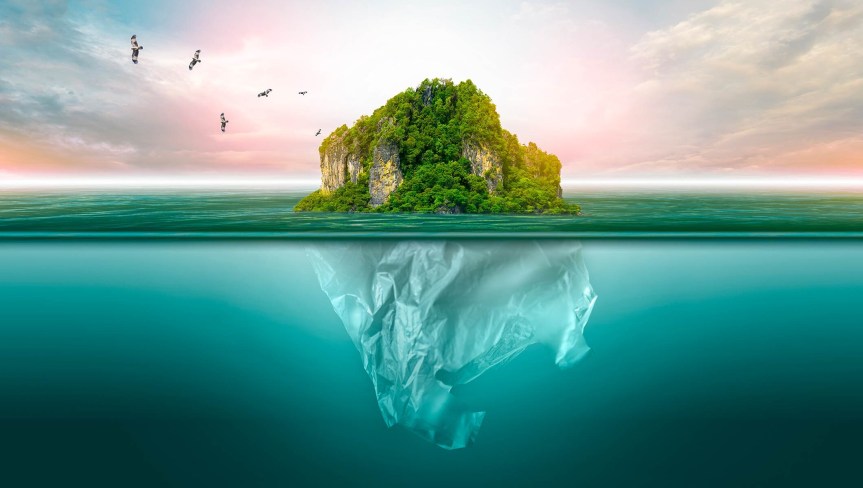
Plastic the most dangerous and harmful enemy of our environment. It is killing mother nature and our health too. We take plastic bags from shop and don’t realise that we are actually taking home a devil who will cause harm to not only nature but to us too.

A normal plastic takes about 1000 years to decompose. Just think about it that a single piece of plastic take such long years to decompose, the level of plastic which we are using today will take how many years to decompose. It is choking our water organisms life. It is also choking are animals who eat food from the garbage like the cow, dogs, cats etc.

The youth are taking responsibility reduce the use of the plastic and organising campaigns and webinars to create awareness among people to not use plastic or use decomposable plastic. The big companies are taking responsibilities to to recycle plastic and many new forms has also set up for this purpose.

Even the government have started realising the need to protect our environment and nature. International organisations like UN has also so so called for an international cooperation in this matter.

There are many innovative way in which the plastic are being reused like in making bricks, floor, dolls, chair, etc. Forest sustainable future we have to look into this matter with utmost seriousness. This earth belongs to everyone and we have no right to miss you or destroy any element on this earth.

Why plastic bags should get banned?

Plastic bags are harming our environment. Plastics are non biodegradable product which means that they will not degrade in the soil for thousands and thousands of years. Plastic harms our environment in all the ways it can.

How plastic degrades our environment?

Land pollution from plastics…

Firstly, let’s talk about land pollution so if we throw plastic bags on for example, soil, it will not degrade easily and it will degrade may be after thousand years but the chemicals which are used to make the plastic bag degrade the fertility of the soil. Plastic bags are made from poisonous chemicals and if we will throw it in soil firstly it will degrade the fertility of the soil and secondly it will make the crop poisonous and if we will eat that food crops that will grow on such soil we can even die so it deplete the fertility of soil and at the same time makes our food poisonous. Please ,Please ,Please never throw plastic bags on soil or some land area where crops are grown. This way it causes land pollution.

How plastics causes animals death?

Sometimes animals eat plastic bags which causes them to choke. We should never throw plastic bags in garbages because in our country especially in India cows and many other animals like dogs eat from garbages and if by mistake they eat plastic it will let them to die so please never throw garbage inside plastic bags.

Water pollution from plastics…

Plastic bags also causes water pollution. Let’s see how. So when plastics are thrown inside water, the Marine animals which used to live inside the water bodies , by mistake eat that plastic or even a part of the plastic bag which made them to die. The plastic bags are made from poisonous chemicals so please remember never to throw plastic bags anywhere.

In these above-mentioned ways and many more ways plastics destroys our environment.

Measures taken against plastics by different countries…

Some Countries banned plastic totally while some other countries levied taxes on it. But a country is made by its countrymen and we are the country man of India and it is our national duty to stop using plastic bags and save our environment. In our country today also people are using plastic bags even after knowing that they are not good for our environment and causes so many problems.

Why still using plastic bags?

The question is why we are not stopping ourselves from using the plastic bags even if we know that it causes harmful effects on environment. So, there are a lot of reasons behind it. Let’s discuss them one by one.

The first reason is that we are used to it. We habitual of using plastic bags.

The second reason is that it is very convenient to use plastic bags. Plastic bags are lightweight and are very small in size so it becomes very easy for us to carry them . On the other hand cloth or jute bags are not lightweight and are big also, which makes them inconvenient or less convenient than plastic bags.

The third reason is that plastic bags are very cheap. So it’s easy to buy them.

So there are many more reasons but these are the main reasons which make plastic bags very common in use.

Conclusion

We should today take the oath that we have to never use plastic bags and this is not a rule that you have to follow against your will but this is your duty to never never never use plastic bags because it’s our Earth we can make it a better place to live for everybody else.We always want to change our society and the world. But let me tell you very clearly that you can’t.

You can just change yourself and you know what that will make the world change.

“If you can change yourself, you can change the world and if you can’t change yourself ,you will never be able to change the world.”

Thankyou so much for reading.

PLASTIC POLLUTION!

— A hazardous problem for our nation

Photo by Magda Ehlers on Pexels.com

I have realized that i’m living in a world ,where : rivers are filled with pollutants , air is filled up with toxic gases , soil is polluted with waste materials , and humans are habituated to turn a blind eye upon these by the name of technology and development, expect for some people.

The major factor of this pollution is plastic , Do you know : More than 99% of plastics are produced from chemicals derived from oil,natural gas and coal -all of which are non-renewable resources. only 9%of all plastic waste ever produced has been recycled , About 12% incinerated & the rest 79% used in land fills ,dumps etc,. so , please understand the seriousness of this and start using eco-friendly items.

plastic: the common factor for all pollutions.

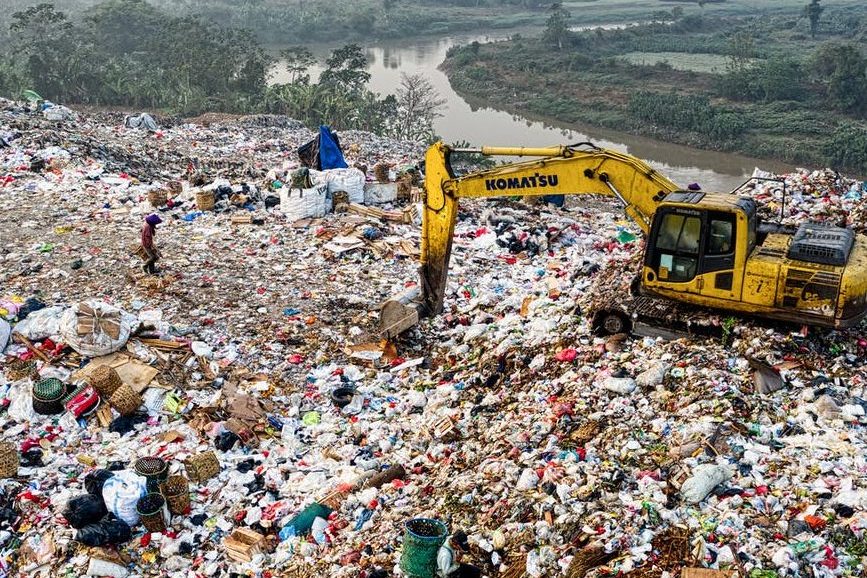
Plastic waste is something which is not eco-friendly , non-renewable particles . Plastic pollution is nothing but a harmful accumulation of synthetic plastic production in the environment. Basically , plastic pollution is nothing but pollution caused by the plastic in different kinds of ways . Alot of plastic waste is dumped in the dumping areas not only causing the soil pollution but also making the land non-usable .

Photo by Tom Fisk on Pexels.com

-> This land can be used for the poor people from slum areas . India consists 2,216,533 of population who are living in slums . By decreasing the usage of plastic makes the land useful by providing the people to get a place to live.

-> Plastic waste also makes the land infertile and makes the land useful for farming which decreases the production of crops.

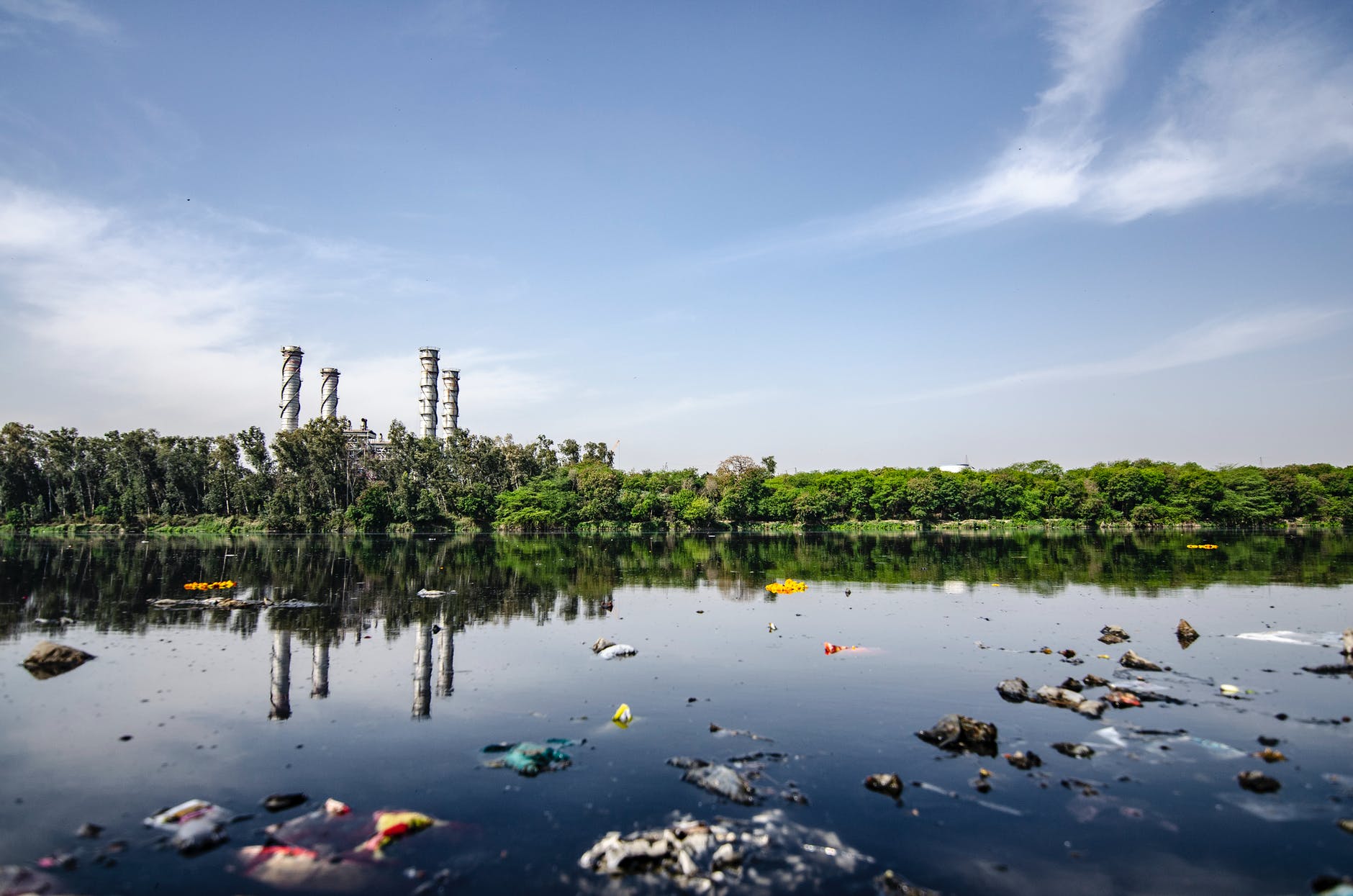
-> By dumping the plastic waste in oceans and rivers creates water pollution . It even causes a problem for the livelihood of marine animals . 100 million marine animals die each year from plastic waste in oceans. “This is only in the records , out of the records don’t even know”. and 100,000 marine animals die from getting entangled in plastic waste.

Photo by Yogendra Singh on Pexels.com

-> Coming to the water pollution , Chlorinated plastic can release harmful chemicals into the surrounding soil, which can then seep into groundwater or other surrounding water sources, and also the ecosystem. The long stay of plastic in water can stimulate the plastic and combine some of its nature into water which makes water unreliable to drink and use .

->By burning the plastic , the toxic gases get released causing air pollution . The chemicals which get released ,pollute the air and affect the surrounding areas by making the air un-breathable . The smoke which comes is so hazardous ,it remains in air for longer time and causing the damage for ozone layer : which is protecting us from the direct hit of sunlight . The direct hit of sunlight can shatter the livelihood of humans cause we cannot bare the heat it produces. Though there are many other initials where poisonous gases are producing which causes air pollution. one of the main cause is plastic.

summary

so , guys its high time . so many people changed their way about using plastic in their lives .We also need to change and make earth a better place to live . Lets struggle at first to enjoy the tang of better planet . Don’t you guys want to feel the smell of fresh air where pollution is not present anywhere ,see the stars where the sky can create mysteries with the insane nature it has . I hope one day we can see plastic free world.

BATTLE AGAINST PLASTIC

“It’s just one straw, it’s just one plastic cup, it’s just one plastic bag”

7.8 billion people

Do you ever wonder where “away” is when you throw stuff “away”?

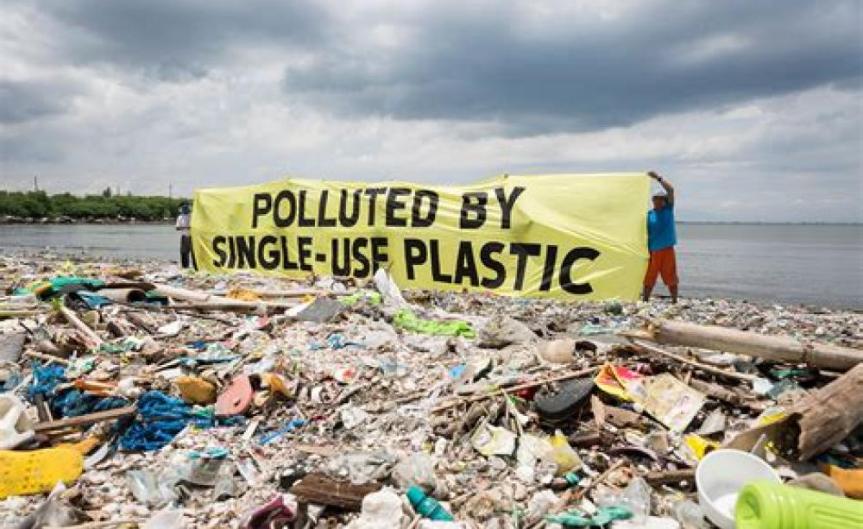
There is no waste that does not degrade in nature. Humans, on the other hand, invented plastic, which, due to its qualities, will always be considered “unnatural” in the ecosystem. Plastic production is low-cost, and the material’s possibilities are limitless. Because of its widespread use, plastic virtually always finds up in the environment, resulting in more plastic pollution. Every day, you come into contact with many sorts of plastic, such as a lunch box or, more commonly, a plastic bag. Plastic pollution has reached every corner of the world. It’s made its way to the depths of our oceans, isolated forest routes, Arctic ice, and island beaches where turtles lay their eggs. And the amount of plastic waste in the oceans is so large that it is referred to as the “7th continent”. By next decade, there will be more plastic in the oceans than fish, if current trends continue. We don’t know how long these plastic will take to degrade (or if it will ever degrade), but we do know that once it’s in our soil, rivers, and oceans, it’s impossible to remove. Away from the seas, plastic waste is a major issue, overflowing landfills, clogging rivers, and polluting the environment through open burning or cremation. Some plastics also contain and absorb harmful substances, putting wildlife and humans at risk.

Now, the first thing which comes to our mind when we think of a solution to this problem is recycling. But truth is only minimal percent of plastic is recycled on a global scale. Even in advanced nations, household plastic recycling rates are frequently less than 50%, with very little of it being transformed back into packaging. The majority of “recycled” packaging waste gets down cycled into lower-value or non-recyclable products, only delaying the plastic’s final trip to the landfill.

What are our options now? Short-term objectives could include reducing needless packaging that is difficult or impossible to recycle and increasing the use of reusable and refillable methods for carrying and storing goods. We’ll need to adjust our consuming habits in the long run.

The most effective strategy to combat this problem is to alter our mindsets and habits with these challenging but really useful methods:

The classroom is an excellent place to begin discussing this problem and possible solutions. Kids may improve their science knowledge and leadership skills while also learning how to make the world a better place. Educators have the power to encourage students to make a difference in the world.

By volunteering or protesting: Citizen Activists are cleaning up riverbanks, parks, and beaches in their communities, and using these events to identify the polluting firms.

There are inventive methods to prevent single-use plastics whether you’re arranging a dinner, a picnic, or even a large-scale community event.

Plastic can pollute the environment if it is not properly managed, yet it also has several benefits, such as resistance. As a result, many plastic things can be reused or adapted to new uses. It is critical to explore how plastic things can be repurposed before discarding them. And support restaurants, food chains, shops that choose to reuse.

The battle against plastic is long and hard but it’s our battle to fight, so that the generations ahead don’t have to bear the consequences of our mistake.

New Plastic ammendments in india

Around the world, one to five trillion plastic sacks are devoured yearly. In the event that integrated, five trillion single-utilize plastic packs would cover a region twice the size of France. Before long, Indians should take cognisance of this ecological danger and embrace choices to convey sacks, straws and stick film as the nation begins to eliminate single-utilize plastic (SUP) beginning one year from now.

A focal government council has distinguished the SUP things to be prohibited dependent on a file of their utility and ecological effect. Ecological specialists have invited this move while plastic producers have communicated reservations and requested putting off the boycott by a year because of the pandemic-incited financial droop.

Resistance from the plastics business will make it harder to successfully execute the boycott, given how ineffectively existing boycotts have been authorized – as seen from a new request of the Public Green Court (NGT)- – and because of weaknesses in the draft warning, like inquiries over choices to SUP things, specialists say.

In this report, we inspect what the draft warning involves, the response of waste administration specialists and plastics exchange affiliations; the viability of existing boycotts and the part of expanded maker’s duty (EPR) in overseeing plastic waste.

What the notice looks to boycott

The new draft will supplant the current standards on plastic waste administration which were advised in 2016 and changed in 2018. The 2021 draft rules have proposed to restrict produce, import, loading, dispersion and offer of certain single-use plastics from January 1, 2022.

In the wake of looking for ideas and complaints on the draft from residents and partners for a time of two months until May 11, the service is presently thinking on the input it has gotten, service authorities told IndiaSpend, asking not to be named

In the three-stage boycott, the main class of SUP things proposed to be eliminated are plastic sticks utilized in inflatables, banners, candy, frozen yogurt and ear buds, and thermocol that is utilized in enhancements.

The subsequent class, proposed to be prohibited from July 1, 2022, incorporates things like plates, cups, glasses and cutlery like forks, spoons, blades, straws, plate; wrapping and pressing movies utilized in sweet boxes; greeting cards; cigarette parcels; stirrers and plastic standards that are under 100 microns in thickness.

A third classification of forbiddance is for non-woven sacks under 240 microns in thickness. This is proposed to begin from September 30, 2022.

The draft has, interestingly, characterized non-woven plastic packs – broadly utilized as shopping sacks – and brought brand proprietors (selling SUP under an enlisted brand name) just as plastic waste processors under its ambit. It has additionally, interestingly, characterized thermoset plastic- – which are irreversibly unbending and can’t be remolded- – and thermoplastics, which mellow on warming. Thermoset plastics are utilized in electrical fittings and flatware while thermoplastics are utilized in things, for example, toys, brushes and mugs.

The draft likewise proposes to build the thickness of do sacks made of virgin or reused plastic from 50 microns to 120 microns. The 2016 guidelines have effectively restricted utilization of plastic packs and sheets whose thickness is under 50 microns.

How things to be prohibited were distinguished

India has characterized SUP as expendable plastics (use-and-toss things) that are generally utilized for bundling and incorporate things proposed to be utilized just a single time before they are discarded or reused. These incorporate things, for example, convey sacks, food bundling, bottles, straws, compartments, cups and cutlery.

The SUP things to be eliminated have been related to the assistance of a report of a specialist board that was established by the Division of Synthetics and Petrochemicals. This panel was shaped after the public authority’s promise to dispense with SUP by 2022 to analyze, in addition to other things, classifications of SUP and to suggest which of them could be eliminated.

The 13-part master advisory group was going by resigned Association government secretary Indrajit Buddy, and included researchers and other specialized specialists who met multiple times in 2019. They cooperated with partners from industry bodies just as free specialists having a place with research foundations like The Energy and Assets Establishment (TERI) and non-benefit associations like Chintan and Toxics Connection. The report of this council had additionally noted in 2019 that yearly plastics utilization in India would cross 20 million metric tons by 2020.

The advisory group distinguished and suggested things for disallowance dependent on a file of the utility of a SUP and its unfriendly effect on the climate, according to their report. Five factors each for utility (cleanliness, item security, centrality, social effect and financial effect) and ecological effect (collectability, recyclability, probability of end-of-life arrangements, natural effect of substitute materials and littering penchant) were thought of. The SUP things were scored utilizing these 10 variables to measure their utility and ecological effects.

The things that had a low score on utility scale and high score on ecological effect scale were suggested for disallowance. Dainty convey sacks, non-woven convey packs and covers; little wrapping and pressing movies; straws, stirrers; frothed cutlery things; non-frothed cutlery things; plastic sticks; little drinking containers and plastic flags with thickness under 100 microns, and extended polystyrene utilized in enrichments were the things that were low on utility components and high in their effect on the climate.

Overall Effects

The measures taken will surely have a drastic impact on the future of non-sustainable use in India. Plastic being one of the major pollutants, needs to undergo immediate scrutiny under the environmental problems that it causes. And therefore, this step taken by India, even though small will have a drastic impact on the future of the country in terms of pollution and climate change.


PRESENCE OF MICROPLASTICS IN ENVIRONMENT; A RISING CONCERN

Microplastics have become one of the greatest threats to the entire planet. Their presence has been identified from arctic snow to alpine soil in the deepest trenches of oceans. Scientists are yet to find out the impacts of microplastics in the human body but have recognized their intake by people both directly and indirectly through the food they have, the water they drink and the air they breathe.

Instead of biodegradation, plastic undergoes physical breakdown resulting in the formation of particles smaller than 5mm in size known as microplastics and particles having a diameter less than 0.001mm known as nanoplastics. Microplastics are usually discarded while washing synthetic clothes, vehicle tyres and emissions of plastic pellets from industries.

The existence of microplastics in the marine sediments and bottom-living creatures of the sea is a serious indication of the potential environmental hazards due to pollution. Once ingested by small creatures, the microplastics move through the food chain affecting the entire biodiversity and the exposure of wildlife to tiny particles of plastics can lead to infertility, inflammation, cancer etc. Studies on marine animals have reported an increasingly alarming rate of microplastics in every one of 50 marine mammals washed up on the shores. They have also been found in insects and birds. Apart from the identified health impacts on animals and marine life, very little is known about its health effects on humans.

The omnipresence of plastic in our environment is equally treacherous to humans even though its consequences are yet to be identified. Analysis of bottled drinking water across the globe conducted by WHO in 2018 has detected the potential risks of microplastic in 90% of the world’s most popular bottled water brands.

The studies conducted by WWF in 2019 shows that the average human eats around 2000 microplastics weakly and 90% of rainwater samples collected from various regions contain a considerable amount of microplastic in it. 

Reports on recent research conducted on deceased human organs have discovered the traces of numerous types of plastic in almost all major organs including kidney, lungs, liver etc and it also suggests that microplastics can persist in the human body. These harmful chemicals in plastic materials can cause adverse health imbalances including cancer, birth defects, developmental and reproductive issues, endocrine disruption, and compromised immunity.

The most shocking fact is that the microplastics have made their way into the human body, even in the placenta of several unborn children. Long term health hazards caused by extremely small particles of plastic in the placenta of the babies and their mothers is a serious concern. These particles are likely to have been consumed or breathed in by mothers that could carry chemicals that may upset the foetus’s developing immune system.

The inventions humans have made through the overexploitation of nature without taking the harmful effects into consideration now seems to bite back at them one by one as the maker of plastic seems to be made of plastic. It’s high time for us to respect nature and live within its bounds.

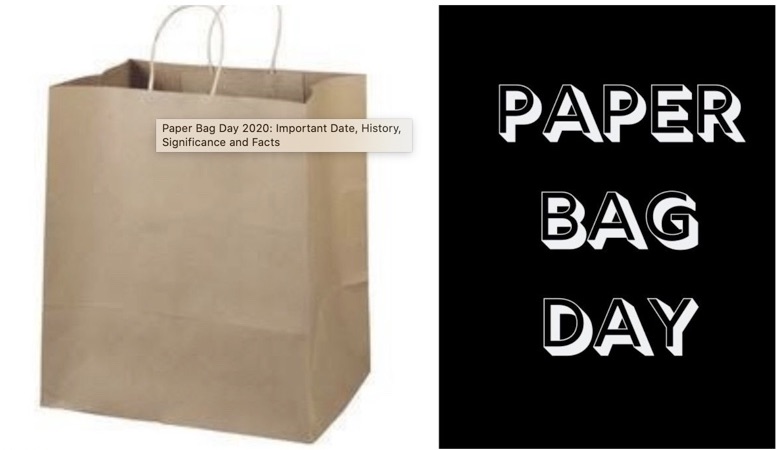
Paper Bag Day

What a newly discovered thing I have come across, Paper Bag day which is celebrated on the 12th of June, but did we really knew about this? We people only celebrate Valentine’s Day because that is the only day in the whole year which is very important to us. I am not saying that start celebrating paper bag day but at least give some importance to these things also. Stop using plastic bags, use jute bags or cloth bags, whats the harm in it.

History of Paper Bag

For many years jute bags were used, they were the primary method of moving goods across the British Empire but on the other hand paper bags were more portable and cost-effective and soon it became the leading material for portable bags along the trade route. American inventor, Fracis Wolle invented the first paper bag machine in 1852 and “The Mother of the Grocery Bag”Margaret E. Knight designed the square, the flat bottomed and the machine that can fold in into a bag and paste them.

Advantages of using Paper Bags

1.Paper bag day is celebrated inorder to save the climate from harmful things, it is celebrated to create an awareness in the society so that we can switch to paper bags from plastic bags.

2. Paper bags are biodegradable, reusable and recyclable.

3. As for stray animals plastic bags are more harmful and suffocating, paper bags pose lesser chances of suffocation.

4. Paper bags are inexpensive and can be composted at home and they are also easy to handle.

5. It helps to conserve natural resources.

So from today stop using plastic bags, use paper or cloth bags to save your Mother Earth and to save yourself from more natural calamities. We are already facing so many things, so why not take an initiative from today and make things better.

“Human And Their Natural Interference”.

Man has been utilizing various natural as well as artificial resources around himself to build essential things required in  daily activities. With the need and reliability factor, man has been shifting to metals and material for better durability,consistently, toughness and many such properties. But since the inception of technology, a drastic shift could be seen in utilization of material for various usage. Prominently plastic. Plastic is used in almost everything we think of, including our food. The desired properties of this material make it perfect to be used for different aspects and can be converted to desired shape and size as per the requirement. This surely has made life of man much easier as it used to be. Be it for storing things, irrespective of its state be liquid, solid or gas, for carrying goods, in LCD,LED, even our smartphones, utensils, vehicles and many more. We are surrounded by plastic and material made from them, as a factor of their number of advantages in today’s tough World. 

Plastic generally comprises small polymers, long and repeating chains. These polymers can be break down and can be utilized to make new synthetic materials from it. This makes the new material or the synthetic products to be better than the natural ones, be in their properties of light weight, more elastic, long lasting and Moldable. The wide availability and easy production makes it wisely available and at cheaper rates. These factors surely make plastic an important and integral part of our life until we see it’s effect on our nature and surrounding .Plastic being one of the synthetic and durable products with strong bonds between its molecules, it could take 100 of years to get decomposed. The piling up of plastic as cups, carry bags, water bottles and many more in various rivers, and in  our surrounding is leading to a harmful effect to our nature. More than 40% of plastic is used for wrapping up of food contents and packaging. This plastic is more oftenly a waste and thrown away with the single use motto of every individual. This waste us piling up and is filling up spaces. 

But what are the initials steps to it? As per the survey 9% of this waste is being recycled, while 12% was burnt. Burning of plastic releases harmful gases which might not be suitable for any living being to inhale, also not adds on to the content of carbon in our nature and thus a key factor in global warming. But rest 79% of plastic is still present around us. We are deteriorating our surroundings, ocean, river with these plastics, thus also affecting marine life. But the most dangerous impact these plastics are making is that these get divided into smaller and smaller parts which get mixed up with the water, and it does get difficult to remove plastic completely from these water resources. This is most often consumed by marine animals and results in common deaths, since these contain a lot of chemicals in them and are also not easy to digest. But their main concern is that even we humans eat seafood, and are thus more likely to get affected by this. 

So what could be done, while our life is still dependent on this material. Banning of plastic could not be a final solution. But reducing single use and using these for multiple times could definitely reduce its waste. We could reduce the unnecessary production of plastic and shift to more eco friendly ways for the same. The government around the world must come together and find a proper solution for the same and also initially research a better alternative for this material which could prove to be cheaper and not harm our nature. Also the industrial plastic waste must be segregated in a much better way instead of rivers, so as to reduce the plastic and pollutants in our rivers. 

“It’s high time to understand the harmful effects of this material and come together to find  the better options as we have alternatives to the material but not more alternatives to the planet. We have one planet with us, so with the essence of oneness and unity we need to work in order to make our earth secure”.