Heat waves and their management

Photo by Merlin Lightpainting on Pexels.com

Heat wave is a prolonged period of excessive heat often accompanied by excessive humidity. Heat waves occur when there are a number of consecutive days with above average temperature that the body cannot tolerate. This unusual and uncomfortable hot weather can impact on both humans as well as animals health. Heat wave is one of the major disaster for many countries. It develops slowly and kills and injures many animals and people more than any other disaster. Apart from death, everyday more and more people get admitted to hospitals suffering from sunstroke, severe dehydration, vomiting and high fever.

The symptoms heat related illness include sunburn, pale skin, heat cramps, heat stroke, weakness, fainting, nausea, headache, dizziness, rapid pulse and drowsiness. Elderly persons, outdoor workers, children and military are the ones at higher risk of getting affected by the heat wave.

Like human beings, animals also suffer from heat wave. Domestic animals and poultry birds are particularly vulnerable to heat wave. When there is unavailability of enough water or shade for animals a change is seen in their behaviors. Heat waves also damage plants, crops and vegetables. When shearing winds blow and the temperature rises to around 45°C, exotic plants perish. In the grazing field not a single blade of grass is available for the cattle.

During hot summer, water consumption also increases drastically, often causing shortage of drinking water. Lack of water in most of the wells and other water bodies during hot summer seasons has an adverse effect on human beings as well as the animal population. Occurrence of drought conditions and wildfires are often the result of heat waves.

Prevention during heat wave:

  • Control the temperature at home.
  • Avoid direct sunlight while being out of the house/ in the street.
  • Take care of pets and other animals by avoiding direct exposure to sun.
  • Keep the rooms cool by using shade cloth.
  • Limit doing any physical activity at the hottest hour of the day.
  • Drink a lot of water, about 3-4 liters per day.
  • Avoid heavy protein foods like meat, dairy products, etc.

Coronary Heart Disease (CHD)

Photo by Karolina Grabowska on Pexels.com

Coronoary Heart Disease is defined as “the impairment of heart function due to the inadequate blood flow to the heart.” It causes 25-30% death in industrialized countries. The epidemicity, that is the relative ability to spread from one host to another in a locality, of CHD began at different times in different countries. The countries where the epidemic started early are showing a decline in the number of cases detected but still CHD poses as one of the largest health problems across the globe. CHD was the leading cause of death globally resulting in over 7million deaths. It may affect individuals of any age but becomes more common at progressively at older ages. It is estimated that 60% of the world’s cardiovascular disease occurs in the South Asian subcontinent. Males are at a higher risk of getting affected by CHD than the females.

CHD in India

The pattern of CHD in India is reported as follows:

  • CHD occurs in the population who have attained the age between 51-60 years.
  • Males are affected more than females.
  • Hypertension and diabetes account for about 40% of all the cases.
  • Heavy smoking is also reslonsible for CHD in higher number.

The risk factors that can lead to CHD include smoking, high blood pressure, diabetes, obesity, sedentary lifestyle and stress.

Prevention of CHD:

WHO has recommended the following strategies for the prevention of CHD:

  1. Population strategy:
    1. CHD is primarily a mass disease. The strategy should have a mass approach focusing mainly on the control of underlying risk factors.
    2. Small changes in the risk factor levels can achieve the biggest reduction in mortality.
    3. The population strategy is centered around the areas such as Dietary changes, smoke free society, blood pressure measurement and physical activity.
  2. High risk strategy: By means of simple tests such as blood pressure and serum cholesterol management, it is possible to identify individuals at a special risk.
  3. Secondary prevention: Secondary prevention must be seen s he continuation of primary prevention. The aim of secondary prevention is to prevent the recurrence and progression of CHD.

In a world where health risk factors are present everywhere, we should do our best to avoid falling prey to any kind of health risk.

Preparation through education is less costly than learning through tragedy

In this era, where humanisation of nature is taking place at a tremendous rate, where the nature is altered at an alarming rate for the so – called benefits of “we” humans, disturbances are created in the normal functioning of nature and so nature rises in its fury and the fury of nature is not magnanimous but rather too destructive to ignore.

                 According to Max Mayfield, “Preparation through education is less costly than learning through tragedy”. The point that he is trying to bring into the notice of so- called enlightened society is that if our learning through education is put into action, we would avoid any tragedy, we would invite less destruction. If the foundation is strong, the building won’t be shaken easily.

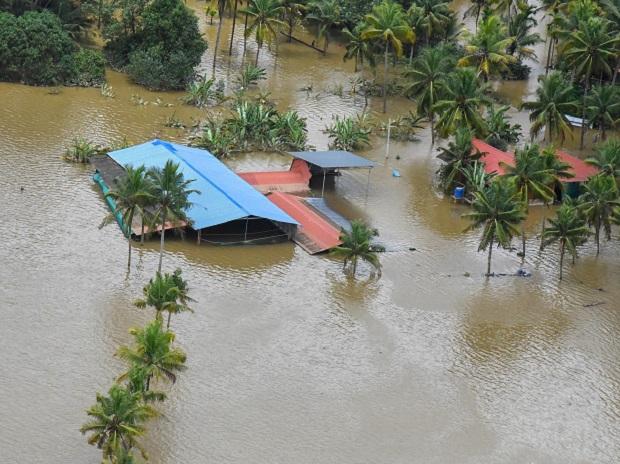
                If we look at the recent cases of natural calamities, we would get a better picture of what he is trying to bring into notice. In India itself, we could trace the tragedy that took away the life of many.  In the Kerala floods, death toll rose to around 417 people, which was the worst natural calamity to strike the southern states in decades. Kerala faced the flash flooding which occurred due to heavy downpour, but this four months of torrential rain in Kerala became destructive because the situation was aggravated due to the ignorance of local officials.

                “This could have been avoided if the dam operators had start releasing water in advance rather than waiting for the dam to be filled up, when they have no alternative but to release water”, water expert Himanshu Thakkar told the BBC.

                  The ignorance of the local officials along with the failure of India’s Central Water Commission to introduce a flood forecasting system to issue warning gave a major setback not only to the southern states but also to the entire nation.

                   More than one million people were displaced and kept in relief camp. The money that the Central Government directed towards the recovery of Kerala, could have been avoided if the system, if the infrastructure were in place. Millions of people would have not lost their home if there was some preparedness, if there was some warning, if at all the learning were in place. There are many other places in different parts of the world where such calamities are taking the life of many because we tend to over push the limits of nature.

                  This is what Max Mayfield tried to explain through his words. The cost not only in terms of money but also in terms of lives could have been less if there was proper crisis preparedness.

                Another case or why not say another calamity which is not respecting any so – called political boundaries and the effect of which is slowly taking a drastic grip on us is ‘Global Warming’. It’s high time to realise that, “Global Warming is Global Warning”. Global warming is the increase in the general level of earth’s temperature. Our earth has its own mechanism to combat the disturbances in its functioning but “we” humans tend to aggravate the situation to the extent that the mechanism is at the verge of breaking down.

          Burning of fossil fuels like coal, gas to create electricity or to power the cars or for the industrial purpose, results in the emission of profound amount of carbon dioxide in the atmosphere which results in carbon pollution and contribute in making the quality of air severe. It is quite clear the way urban expansion is encroaching upon the wilderness. We clear large patch of forest for the purpose of settlement and other things. When vegetation is cleared or burnt, the stored carbon is released into the atmosphere as CO2, contributing in global warming. The list would be never ending if we look for the causes that involve humans.

           The effect of global warming can already be seen clearly – the melting of glaciers, consecutively rise in the sea level and simultaneously flooding of coastal areas, the quality of air from being worse to severe, droughts, expansion of deserts.

             The call of the time is “Sustainable Development” which is in par with nature. It was in 1980s that the bad health of environment and consecutively bad health of ours and the concept of sustainable way of living was realised. But why is it that in the last 50 years more species became extinct than ever!

              Education is not something which is limited to books, specific to getting qualifications. It would really be a bliss if we would start bringing the knowledge into action, if we would move towards sustainability that we have been learning, if we would start preventing the tragedies through preparedness rather than learning through its cure.

             When disaster takes place, timings is essential. Many lives can be saved; destruction can be minimized if actions are taken quickly. But the action can be taken quickly only if there is some preparedness, if there is some alertness. There should be efficient communication system in place for destruction to be minimized.

            The government is not always to be blamed for the crisis. We as educated citizens can do a lot, we can channel our learning, our talent through joining various humanitarian organisations that works towards better development, toward preventing and reducing the crisis.

            The Kerala case was a big setback to the nation. Though it was a lesson for everyone but it could have been better if we could have prevented it, the southern state could have focussed on other major social issues grouping the society. And the global warming, before it scales to a height, where we would be left helpless, with no idea of what to do next, it would be better if we try to work together to reduce the harmful industrialisation, if we would walk in the path of sustainable development.

          So, it’s high time to realise that in this era, we got to be more conscious of what we learn and how do we channel it. As the saying goes, “Learning is a treasure that will follow it’s owner everywhere”. So let it follow your action and put it into right use. It is the collective work in which each and every individual needs to come together to make this world a better place.

Image Credit: Business Standard News

Retrieved from: Google

HOW TO KNOW WHETHER YOU HAVE AN EATING DISORDER?

BY: VAIBHAVI MENON

“Eat good, feel good.” Food is an essential part of our survival and it can bring us both pleasure and harm. From the womb to the tomb, food is what gives us the nutrients and satisfaction we deserve. Yet food can have some fatal effects which varies from person to person. An eating disorder is a serious mental illness, characterized by eating, exercise and body weight or shape becoming an unhealthy preoccupation of someone’s life. Often people don’t even realize they could be suffering from a eating disorder and this where it becomes a issue.

Symptoms of an eating disorder vary from person to person because they could be suffering from different disorders. Some examples of eating disorders are anorexia nervosa and bulimia nervosa. we can identify symptoms based on In general, behaviors and attitudes that indicate that weight loss, dieting, and control of food are becoming primary concerns Preoccupation with weight, food, calories, carbohydrates, fat grams, and dieting, Refusal to eat certain foods, progressing to restrictions against whole categories of food (e.g., no carbohydrates, etc.), Appears uncomfortable eating around others, Food rituals (e.g. eats only a particular food or food group [e.g. condiments], excessive chewing, doesn’t allow foods to touch), Skipping meals or taking small portions of food at regular meals, Any new practices with food or fad diets, including cutting out entire food groups (no sugar, no carbs, no dairy, vegetarianism/veganism), Withdrawal from usual friends and activities, Frequent dieting, Extreme concern with body size and shape,  Frequent checking in the mirror for perceived flaws in appearance and Extreme mood swings.Some physical symptoms could be Noticeable fluctuations in weight, both up and down, Stomach cramps, other non-specific gastrointestinal complaints (constipation, acid reflux, etc.), Menstrual irregularities — missing periods or only having a period while on hormonal contraceptives (this is not considered a “true” period), Difficulties concentrating, Abnormal laboratory findings (anemia, low thyroid and hormone levels, low potassium, low white and red blood cell counts), Dizziness, especially upon standing, Fainting/syncope, Feeling cold all the time, Sleep problems, Cuts and calluses across the top of finger joints (a result of inducing vomiting), Dental problems, such as enamel erosion, cavities, and tooth sensitivity, Dry skin and hair, and brittle nails, Swelling around area of salivary glands, Fine hair on body (lanugo), Cavities, or discoloration of teeth, from vomiting, Muscle weakness, Yellow skin (in context of eating large amounts of carrots), Cold, mottled hands and feet or swelling of feet, Poor wound healing, Impaired immune functioning Inspite of these signs most tend to ignore it as they are so obsessed with changing themselves that they dont notice the damage they are doing to their body. Therefore these insecurities can have really fatal effects on us without our knowledge. Usually the need to change their body comes through different sources such as family media and other institutions.

It’s important to know that you should know when you have reached your limit and not overwork yourself. if you see signs of an eating disorder its important to visit a doctor or talk to your loved ones for them to help you because in the end of all this your happiness is the priority.

HACCP

“Hazard Analysis and Critical Control Points”.
It is basically a preventive approach to food safety which is used to find and then eliminate the biological, chemical and physical hazards which may or may not be there in production processes and can cause the final products to be unsafe and unhealthy for human consumption. These are certain principles which have been designed by the government to ensure the food quality and safety. It is a various step process that is followed in any food industry.
The HACCP system is followed at each and every level of food chain i.e. in food production and preparation processes which also includes packaging, distribution and even consumption by the consumer. It is therefore known as FARM-TO-TABLE process.
This technique was originated by NASA in the 1960s and US food and drug administration gave a particular definition to this. The main objectives of the HACCP system are –
• Prevention of food-borne diseases so that no one is affected after the consumption of food.
• This system mainly focuses on quality assurance unit i.e. maintains the quality of the food.
• HACCP system tends to reduce the cost of analysis of food.
• It also reduces the losses which occur due to product recall.
• And finally it helps in protecting the reputation of government.

HOW TO CONDUCT A HACCP PLAN??????
Conducting a HACCP plan is a 5 step process as mentioned below –

  1. Collection of HACCP resources and assembling of HACCP team which will look into the all steps.
  2. Description of the product by the team and deciding its method of distribution.
  3. Developing a complete list of ingredients and raw materials which are to be used in the production of the final product.
  4. Developing a flow diagram of the process i.e. how the product will be manufactured, its complete process.
  5. Meeting the requirements for the product to be manufactured safely.

PRINCIPLES OF HACCP
There are 7 main principles of conducting successfully a HACCP plan.

  1. To conduct a hazard analysis is the first step in which all the potential physical, chemical as well as biological hazards in the production of the product are identified.
  2. To determine all the critical control points (CCPs). At this step, all the control measures are thought to be applied. Basically at this step, those points are identified where control measures can be applied for the safety. This step is very essential to eliminate hazards completely from the product.
  3. To establish critical limits is the next step i.e. in this step the control measures are actually applied and also the maximum and minimum limits are set for the preventive measures. To each point found in the last step, a critical limit is applied. These limits assure the food safety.
  4. To establish monitoring procedures is the next step in which all the planning which was done yet is monitored and it should be done on a regular basis. This step assures that there is no mishandling of any procedure of the complete plan.
  5. To establish corrective actions is the next step in which appropriate correct actions are taken if after monitoring it is observed that the critical limits are not met. The corrective actions for each point and limit are already pre-decided.
  6. To establish verification procedures is the next and most important step in which the complete HACCP plan is validated. The complete verification of the plan is required to assure that the precautions and preventions are taken carefully.
  7. To maintain record keeping and documentation procedures is the final step in which the record is maintained and established which must be done regularly. It is necessary for validation procedures.

Save Yourself from HIV/AIDS

India has the third largesr HIV epidemic in the world. In 2017, HIV prevalence among adults of age 15-49 was estimated 0.2%. The figure is small compared to most other middle income countries but becoz of India’s huge population this is equal to 2.1 million people who are suffering from HIV.

So, it is important for us to know about AIDS, what it is, how it affects us, what are the causes and how do we prevent from it.

WHAT IS AIDS

HIV (Human immunodeficiency virus) is a virus that attacks cells that help the body fight infects, making a person more vulnerable to other infection and disease. It is spread by contact with certain body fluids of a person with HIV, most commonly during unprotected sex (sex without a condom or HIV medicine to prevent or treat HIV), or through sharing injection drug equipment.

AIDS is the last stage of HIV infection that occurs when the body’s immune system is badly damaged because of the virus.

HOW IT CAUSES AND SPREADS

HIV is caused by a virus. It can spread through sexual contact or blood or from mother to child during pregnancy, child birth or breastfeeding.

HIV destroys CD4 T-cells. WBCs that play a large role in helping your body fight against disease so the fewer CD4 T-cells you have, the weaker your immune system becomes. So AIDS is diagnosed when then CD4 T-cell count falls below 200 or you have AIDS defining complication such as serious infection on cancer.

To become infected with HIV, infected blood, semen or vaginal secretion must enter your body. This can happen in several ways:

  1. By having sex- Infection caused by vaginal, anal or oral sex with infected partner. Virus can enter the body through mouth sores or small tears that develop in rectum or vagina during sexual activity.
  2. By sharing needles- Sharing contaminated needles and syringes also causes HIV and other diseases like hepatitis.
  3. From blood transfusion- Virus also transmitted by transfusion of contaminated blood.
  4. During pregnancy or delivery or through breast feeding- Infected mothers can pass their HIV to babies.

So as we know that prevention is better than cure, so here are some steps through which we can protect ourselves from HIV-AIDS.

PREVENTIVE MEASURES FROM HIV-AIDS

  1. Get tested for HIV- Talk to your partner and get tested for HIV before sex.
  2. Choose less risky sexual behaviour- HI us mainly spread by anal or vaginal sex if we don’t use a condom or don’t take medicine to treat or prevent HIV.
  3. Use condom every time when you have sex-. Also read about how to use it correctly.
  4. Limit your number of sexual partner- The more partner you have the more chances of infection are there.
  5. Don’t share objects which may leads to transmission of blood- Don’t share objects like needle, shaving blade etc. If you are injecting drug, never share your equipment with other.

So, take these steps and save yourself from HIV/AIDS.