Drive in the Rain

“When it rains, it pours.”

A statement that holds a lot of emotion during rainy season in India. You never know how much will it rain. Sometimes it pours, sometime it just gives a short peek and passes by for us to enjoy the rainbow. In India, power cuts, roads filled with water, unseen manholes are opened, people driving in hurry to reach their destination, couples in love sharing hot food to the sides of the road, people removing helmets to feel the strong connection to earth, some standing by for it to pass and many more.

As a bike rider, I enjoy driving during the time it rains. I don’t care if it pours or drizzles, there is something about that moment that holds me close to it. The smell of petrichor, the slow drive, the sound of rain hitting the skin, and music just makes this meal heavenly. The destination may not be fulfilling but it’s the journey that fills me with a sense of joy. 

As a person, I connect with mother earth on a deeper level during rain. It gives me a feeling of belonging to a deeper purpose. Mother Earth causes rain to hydrate herself and add water to it’s lovely citizens. As a student, it’s my best bet if the college would be cancelled. The sound of rain on a Monday morning always lifts my spirits because I knew school/college would be cancelled. Now, the same rain helps me find peace from the worldly pains.

RAIN RAIN GO AWAY!

It’s a relief to hear the rain. It’s the sound of billions of drops, all equal, all equally committed to falling, like a sudden outbreak of democracy. Water, when it hits the ground, instantly becomes a puddle or rivulet or flood………………….Alice Oswald

Among many other season which Bengal enjoys, the rainy season is one of them. It starts in the first week of July and continues up to September. It sets in with heavy showers which brings great relief after the hot days of Summer. The earth bursts into green grass. The wrinkled plants turn green. The dry ponds, pools and rivers are filled up with water. Nature bears a charming scenery everywhere. The farmers’ hearts swell with joy. They become busy with preparing land for sowing. The timely rainfall proves to be a happy boon to them. It brings the crop on nicely without irrigation. Thus, the rainy season is very useful and important.

But the rainy season is also the source of troubles. The village roads turn muddy. The accumulation of water here and there stops the movement of vehicles. The communication system is cut off. The possibility of the spread of many diseases becomes more. Not only this, the excessive rain causes flood. The crops are damaged and the lightly built houses collapse. People are rendered homeless and helpless. The outdoor work is prevented. The poor are bound to suffer.

However, the rainy season is liked by many people. They find the beauty, joy and attraction of the spring and the autumn in this season. The green scenery everywhere makes nature look like the newly married bride. The half-fed animals of summer look blithe and boony because of the abundance of fodder in nature. The frog’s crock, the peacock’s dance, the peasants’ song and the drizzle of rain water make nature throb with life. Thus, the rainy season is as enjoyable as the spring and the autumn.

A rainy July for 2 Indian cities

Indian monsoon, the most prominent of the world’s monsoon systems, which primarily affects India and its surrounding water bodies. It blows from the northeast during cooler months and reverses direction to blow from the southwest during the warmest months of the year. This process brings large amounts of rainfall to the region during June and July.

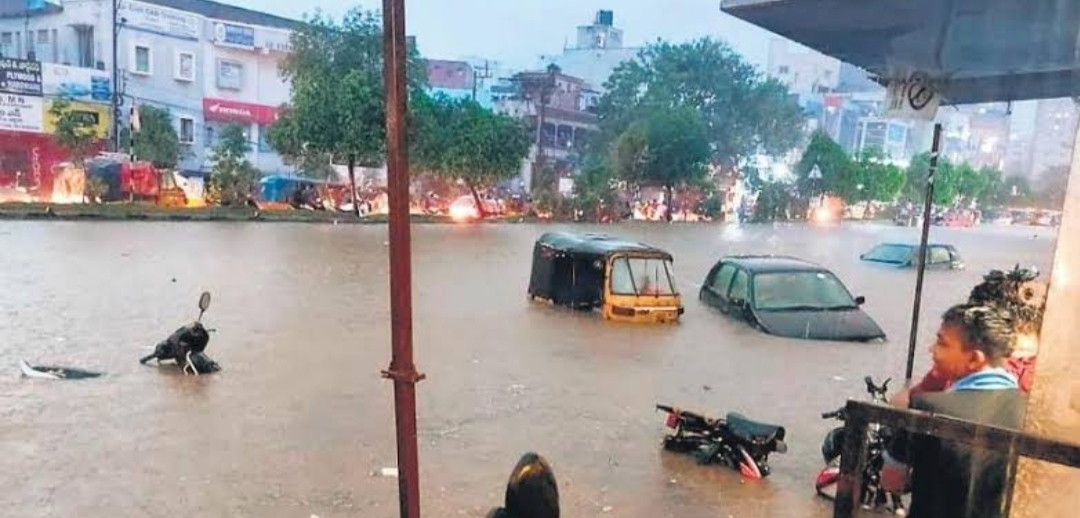
After meagre rains were received, Mumbai saw a downpour through the night and in the early hours of July 16th, leading to 27 roads being inundated, 85 bus routes diverted and 250 people evacuated from the Mithi River banks. Extremely heavy rain was recorded at the India Meteorological Department (IMD) Santacruz observatory at 253.3mm, which is the second highest 24-hour rainfall in a decade.

In 2019, the city had recorded 375.2mm which was the highest 24-hour rain in the months between 2015 and 2020. In 2018, it was 184.3mm, 163.4mm (2017), 114.5mm (2016) and 61 mm in 2015.

The meteorological department classifies 15.6-64.4mm in 24 hours as moderate rain; 64.5-115.5mm rain as heavy; 115.6-204.4mm as very heavy; and over 204.5mm as extremely heavy rain. Moderate to heavy rain is likely in the city and suburbs with the possibility of heavy to very heavy rain at isolated places, said the IMD.

The Extremely heavy rain left 27 city roads waterlogged— areas like Hind Mata, Gandhi Market, Sion Road number 24, Wadala Bridge, Chunabhatti, Siddharth Nagar in Goregaon, RCF, Chembur Phatak, Milan Subway, roads leading to eastern freeway. As per the BMC (Brihanmumbai Municipal Corporation) data, between 4am to 7 am, the city recorded 36mm rainfall, 73mm in the western suburb and the highest 75mm in the eastern suburb of Mumbai.

The Mithi River crossed a dangerous mark following which so far about 250 people have been evacuated from Kranti Nagar slum which is located at the bank river. After the rains took a break following the evacuation of people, the water level of the river went down to 2 metres from 3.7 metres. After that, most of the evacuated people returned to their places. The IMD has predicted moderate rain in the city and suburbs with possibility of heavy rainfall at isolated places, the civic official said, adding that the city will witness high tide of 4.08 metres on Friday at 4.26 metres.

Meanwhile, the city of Hyderabad witnessed heavy rains on the night of July 14th, which went on till the next morning. According to the IMD, Hyderabad records, at 69mm, this day was the third rainiest July day for Hyderabad in the last 10 years. The city recorded 115.1mm of rain on July 21, 2012 followed by 86.4mm on July 12, 2013. It was after seven years that Hyderabad witnessed this kind of rain in 24 hrs.

Several localities in the city, including Hayathnagar, Uppal, Saroornagar and Saidabad received heavy rains overnight. Meanwhile, Bandlaguda, Uppal received the maximum rainfall of 212.5 mm, followed by Vanasthalipuram, which witnessed 192.3 mm rain. Kapra, Serilingampally, Khairatabad, Golconda and Marredpally also experienced moderate rains.

Several other districts including Rangareddy, Medchal-Malkajgiri, Yadadri-Bhuvanagiri, Jangaon, Rajanna Sircilla and Jagtial also received heavy rainfall. Chegunta in Medak received the highest rainfall of 227.5 mm on Wednesday. According to the forecast by Indian Meteorological Department (IMD), Hyderabad, the city will witness cloudy sky throughout the day, accompanied with light showers at isolated places.


Heavy Rainfall next five days

Delhi, UP, Uttarakhand and Himachal to Receive Heavy Rainfall Next Five Days.

The India Meteorological Department (IMD) has predicted heavy to very heavy rainfall at some places of North India, including Delhi, Uttar Pradesh, Himachal Pradesh, Uttarakhand, during the next 5 days. 

The department has also issued an orange alert in Rajasthan and Jammu and Kashmir. It also issued a yellow alert in Himachal Pradesh and Uttarakhand, which are facing heavy losses due to cloudburst. The Metrological department issued a red alert for Madhya Maharashtra and Goa.

The prediction are taken at a time when monsoon has entered in most of the states of the country.

Following are the meaning of the color of the alert issued by authorities::

Green Alert: It means there is no danger as there is no chance of rain.

Yellow Alert: This alert means that there will be rainfall and weather will remain unclear

Orange Alert: This means that there is a full possibility of rainfall and thunderstorms. So one should not go out unless it is absolutely necessary.

Red Alert: Red Alert means warning of dangerous weather. Through this alert, people are warned against going out of their homes.

The moisture-laden winds are advancing from the Bay of Bengal towards all parts of the country due to changes in conditions that promote the advancement of these winds.

When it is raining outside

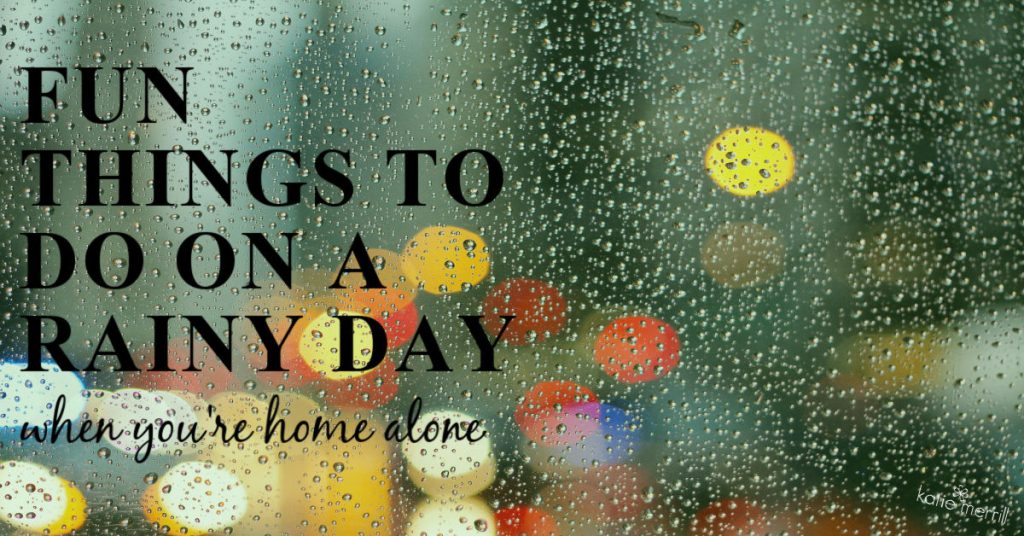
Rainy day gives us the perfect opportunity to relax and unwind and catch with the things when you are in home. There are several other things which you can do to take a day off from your busy work schedule and have more me-time.

Here are the things which one can do that will surely lift up the mood when the skies are gloomy –

1. READ A GOOD BOOK

A rainy day is the perfect time to engulf yourself in reading books which are waiting for their turn since days in that old cup-board. In this rat race people hardly get any time to read books and hence, it can be your good buddy during this time. You can curl up under your blanket with your favorite book and enjoy!

2. BAKING OR COOKING

When it’s cold and wet outside, get creative in kitchen and cook something which you always wanted to and saved those cooking videos in YouTube.

3. BINGE WATCH

Enjoy an afternoon or evening of relaxation, watching your favorite TV programs. Try to watch a good comedy for a nice laugh or a nostalgic show you enjoy.  There’s nothing better than curling up on the sofa when it’s a rainy day and watching your favorite show or sitcom.

4. WRITE SOMETHING

If you’re a blogger why not take the time to work on your blog. Whether that’s writing a new post, updating an old one, If you are a beginner then you can just start by maintaining a diary or write something which is on your mind and make it creative.

5. PLAY BOARD/VIDEO GAMES

Depending upon your choice, if you have friends with you then surely you can go for playing board games otherwise you can play online games with your friends like Ludo King which is trending.

6. LISTEN TO SONGS OR AUDIO STORIES

Now this is my personal favorite, there is nothing which can beat the feeling of curling under a blanket with a cup of your favorite hot drink and listening to your favorite songs or audio stories accompanied with the sound of rain at the window.

7. GET CRAFTY

Find a fun craft to put together if you enjoy doing crafts. If you’re not familiar with crafting, search the Internet for crafting ideas and start enjoying it.

8. SOCIAL NETWORKING

If you’re feeling alone and you’re unable to visit with a friend or loved one, why not get social with social networking? If you have a social media account such as Facebook, Whatsapp or Instagram say hello to a friend or two and catch up on news and photos.

Keep yourself healthy in this monsoon

As monsoon arrived at some places and in some places it is arriving in some days. Most of us love this season. The feeling of rain with hot pakoras and chutney is just awesome. But this monsoon season also come with a lot of diseases like cough and cold, malaria, stomach infection, fever, typhiod, pneumonia etc, so it is necessary to prevent yourself and your family from these disease as it is very humid season so it helps in growth of many germs and mosquito breeding also takes place. So it is needed that you are careful about your diet as well as your surrounding.

FOODS WE SHOULD AVOID IN RAINY SEASON

  1. Leafy vegetables – It is true that leafy vegetable are important but we should avoid these in rainy season as grime and dampness present in them makes them highly susceptible to germs. So vegetables like spinach, cabbage and cauliflower should be avoided. Instead of that go for pungent vegetables like bitter gourd, ghiya, tori and tinde.
  2. Fresh juice and fruit from roadside vendor – In this season any fresh fruit thay have a long exposure in air should be avoided and roadside vendor keep fruit cut up in advance. So it come in contact with contaminated air. So it is good to prepare juice at home only. In home too, don’t leave cut fruits out for very long time lead to contamination.
  3. Sea food- Monsoon is the breeding season for fish and prawn. So they should be avoided this time. If you are craving for non veg, you can have chicken or mutton.
  4. Fried food- Fried food should be avoided in rainy season as high humid weather of monsoon causes digestion process to slow down, so eating fried food like pakodas, samosas can cause gastronomical complication like blotting and stomach upset.
  5. Fizzy drinks – It reduce mineral in our body which lead to reduction of enzyme activity. This is highly undesirable with an already weak digestive system. Instead of that drink a bottle of water or nimbu pani or warm beverages like ginger tea.

HOW TO KEEP YOURSELF HEALTHY

  • Avoid heavy meal and keep a light diet. Don’t eat roadside foods like chole bhature, pakoras, samosa etc.
  • Regularly do exercise. It helps to sweat our extra moisture and potentially harmful bacteria.
  • Personal hygiene is important in this season as the humid season is susceptible to germs. So use an anti-bacterial solution or soap to clean all the germs.
  • The symptoms of ear infection, flu, common cold and eye infection shouldn’t be ignored.
  • Keep drinking water to keep yourself hydrated even if you are not feeling thirsty.

Keep these things in mind so thay you can fully enjoy this season without worrying about your and your family’s health.