Personal Habits: Exercising

Everyone from India has heard the phrase, “ If you get up by 6 in the morning, everything will set in order.” It is a common phrase made for Millennials and Gen-Z. We hear it so often and tried a few times but it didn’t suit your routine. Did you ever wonder why you weren’t able to adopt it? After reading this, do let me know about your thoughts on this.

Exercising in the Morning

Of course, the most common habit among people. Exercising a few hours after you get up is beneficial to your health. It increases blood flow in you as well as trains your muscles. It increases alertness and also energizes you for the day. It’s common to do cardio in the morning with lifting weights before your first breakfast. This helps in burning fat as well as developing your muscle endurance. But why can’t you do it?

Jogging in the Morning increases blood flow and improves body endurance.

The most common reasons are:

  • Sleeping Late: You may have slept late. Even if you have slept around 11PM, if you need 8 hours of sleep then you will get up at 7AM. Your body needs sufficient sleep to get up or it will keep you tired the entire day. You have to plan your sleep schedule in a way you don’t compromise your sleep.
  • Exhausted: If you had a backbreaking day and you are completely exhausted of your energy, then you may not get up the next day at your set time. If this is your regular routine, you may want to change the time you want to get up.
  • Jam-packed daily routine: If your schedule is full on an everyday basis, you need to start prioritizing your work. It may be tough to change your routine but by doing this, you can improve the amount of time you can give to yourself and your new habits.
  • Feeling awkward where you exercise: Am I doing it well? Is my form right? Is my shirt torn? Am I sweating too much? Am I disturbing someone? Are they looking at how bad I am? Are they judging me? It is okay to feel these when you workout. Everyone goes through this and it’s okay. At the beginning it does feel weird to do a workout but we all started as beginners and we also have made mistakes. The only thing that you can do is ask a friend, family or trainer to help you. They may also point out other mistakes that you may have made which you can correct.
  • You don’t want to: Most of the time when you try to build a habit, there is a feeling that says, “This isn’t worth the trouble we are going through” but sometimes, you just don’t want to. You might want to do it to show others or of the stereotypical “healthy person”. If you think clearly by separating your external ideas/thoughts, you will understand why you want to do it.

How can you tackle these problems?

At first, these hurdles feel the hardest to jump over but unless you jump over them, you cannot reach your goal. There will be hurdles along the way and you are the solution to them. You will become better when you start crossing hurdles. Every hurdle you face is a step that you need to conquer and move forward.

  1. Set a Convenient time: 5 AM may be easy for others but it may be difficult for you. It may not agree with your sleep routine, or with your work routine so you quit. Rather, just change the time. If you get up around 7 AM and have to go to work by 10 AM. Make a slot of 1 hour for your workout and complete your morning routine! If you can’t make a slot of 1 hour, carry it to the evening when you come home. 1 hour before dinner, exercise to your heart’s content! 
  1. Change your workout: If you are the ‘No pain, No Gain’ person, sometimes, you may get too sore from your workout which leads to quitting. Rather than quitting, change your workout a bit. You don’t need to change weight, just change what you do. It is very helpful to have a 10-minute cardio session at the end. Not high intensity but something like walking on a treadmill or yoga, will help you recover efficiently.
  1. Get a workout partner: “Sometimes, the fruit tastes better when it’s shared” Get a partner! A friend who wants to workout or a family member who is bored of being alone in the gym, work together at the gym! When you have someone to look out for you, you get more confident and work better. It will also help in improving your form! If you workout with a partner you are comfortable with, you will be able to focus more on your workout than others.
  1. Take Pictures of yourself: When you take pictures of yourself after you workout, you can see the amount of progress that you are accomplishing over time. This way you get to see how far you have come. Every day that you work is a step forward. You and your partner could record each other’s workout and see where you could improve.
  1. 20% of the work gets you 80% of the way: Some days, you don’t feel like working out, you don’t feel like going to the gym but by showing up and doing 10% of your workout makes you feel happy that you came. Just by showing up and starting your workout sets the wheels in motion. By the time you take off your headset, you are halfway through.
  1. Take cheat days/rest days: When you exercise, it’s important to rest so your muscles recover and become stronger. By not taking rest, you are prone to burning out. If the gym is tiring you out way beyond it should, then you need a rest day. Hitting the gym after your rest day feels better because you will feel stronger and work more.

This article is my personal opinion that I have used when I workout and it has worked well for me. Experiment with your workout routines and I am sure you can find something that works well for you. To become better tomorrow, you have to work today. This way, you will become a better version of yourself. All the Best! 

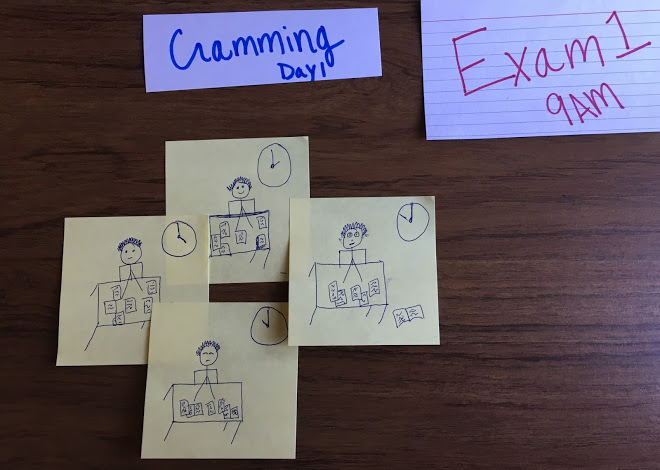
How to derive an effective time table or routine for college?

One of the keys to having been successful in college is to have good time management skills. Between studying, attending class, social activities, a part-time job, and rest, it’s no wonder that many students struggle with time management! The best way to better manage time is to develop daily schedules. Most organized people plan daily, weekly, and monthly tasks

Utilize these tips to conduct effective long-term planning during a semester:

1.Plan Enough Time for Study


One study showed that 87% of students believe managing their time better will help them improve their grades. College students are expected to spend two hours studying and completing assignments for every class hour.

However, students with excellent grades typically spend more time studying. Gifted students often earn high grades with less preparation, but most students must spend two hours preparing for every hour of class to earn good grades.

2.Study at the Same Time Every Day


Students are encouraged to develop daily study habits. In other words, they should try to study at the same time each day, so it becomes part of their daily routine. Students who begin the semester studying five days each week around the same time of day typically do not break their routines.

3. Make Use of Your Free Time During the School Day


Study during class breaks. Many students neglect to take advantage of these valuable hours. Utilize this time to complete assigned readings to arrive prepared for class and ready to ask questions.

4.Plan Study Sessions to Follow Class


If you can’t study before classes, plan to study immediately following them. Be sure to plan what you’ll be studying to remain on task and complete the most important assignments first.

5.Space Your Study Sessions


Schedule 50-90 minute study sessions per class. Once you’re done, take a 10-15 minute break. Resume studying once your break concludes. Short breaks are beneficial, especially if you plan on studying hours at a time.

6.Set Aside Time for Weekly Reviews

Set aside an hour per week to review weekly progress. Students often benefit from doing this during the weekend since they’re less stressed.

7.Leave Some Unscheduled Time to Ensure Flexibility


It’s essential to develop flexible schedules since it’s impossible to predict unexpected emergencies and distractions. Students often set themselves up for failure by cramming too much into their schedules.

8.Schedule Time for Recreation and Other Fun Activities


Begin planning by filling time slots with set activities, such as extracurricular, church, work, social, fun, and other activities. Once this is done, fill available time slots with other tasks. Be flexible by creating interchangeable time slots.

For example, if you set aside two hours to study chemistry and another two-hour block to socialize with friends, be sure that these blocks can be switched in case a conflict arises.

Well, the bottom line is regardless of how well you plan, you’ll be frequently required to deviate from it. This is the advantage of interchangeable blocks since you can’t predict what will happen, but you can compensate for it and still complete every planned task.

A guide to take care of your skin

Although you may believe that you have dry, oily, or sensitive skin, do you truly know? Knowing your genuine skin type can help you shop for cosmetics the next time you’re in the store. In reality, using the wrong products for your skin type — or even famous Internet tips — can exacerbate acne, dryness, and other skin issues.

Photo by Anna Shvets on Pexels.com

How to create your own skin care regimen


Which DIY skin hacks aren’t healthy, even if they seem to work, how to treat certain skin conditions like acne or scarring which DIY skin hacks aren’t healthy, even if they seem to work.

Building a daily skin care routine

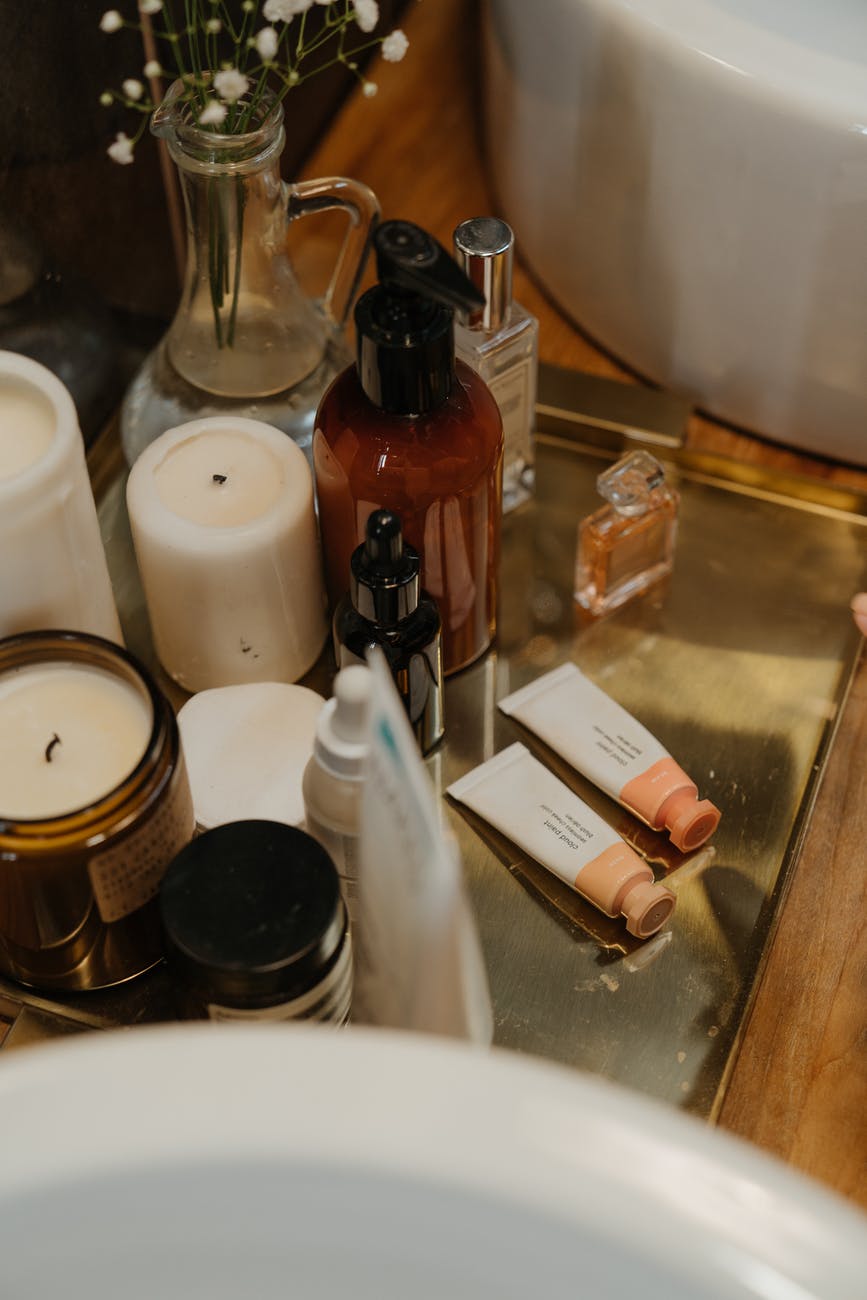
A daily skin care programme can help you maintain general skin health and alleviate particular concerns like acne, scars, and dark spots, regardless of your skin type. A daily skin care routine consists of four essential stages that should be completed once in the morning and once before bedtime.

1. Cleansing: Choose a cleanser that doesn’t leave your skin tight after washing. Clean your face no more than twice a day, or just once, if you have dry skin and don’t wear makeup. Avoid washing for that squeaky-clean feeling because that means your skin’s natural oils are gone. Cleansers known to work well for all skin types include Cetaphil and Banila Clean It Zero Sherbet Cleanser.

2. Serums: A serum with vitamin C or growth factors or peptides would be better in the morning, under sunscreen. At night, retinol or prescription retinoids work best. Makeup Artist’s Choice has an effective vitamin C and E serum and retinol available.

3. Moisturizer: Even oily skin needs moisturizer, but use one that is lightweight, gel-based, and non-comedogenic, or doesn’t block your pores, like CeraVe’s facial lotion. Dry skin may benefit from more cream-based moisturizers like MISSHA Super Aqua Cell Renew Snail Cream. Most brands will label their products as gel or cream on their packaging.

4. Sunscreen: Apply sunscreen with at least 30 SPF 15 minutes before heading outdoors, as it takes a while for sunscreen to activate. Darker skin tones actually need more sun protection because hyperpigmentation is harder to correct. Try EltaMD’s sunscreen, which offers broad-spectrum UVA/UVB protection and is recommended by the Skin Cancer Foundation.

Suitable for all skin types


Keep yourself hydrated.


At least once a week, change your pillowcases.


Before going to bed, wash or wrap your hair.


Apply sunscreen 15 minutes before heading out every day.

To test how your skin reacts, start with a basic and uncomplicated routine. You can then add other products like exfoliants, masks, and spot treatments to increase your skin’s health if you’re comfortable.

Also, remember to patch test new products, especially if you have sensitive skin. This can aid in the detection of allergic reactions.

DIY Hacks to avoid

For typical skin concerns like acne pimples and dark patches, people claim that DIY remedies like lemon juice and toothpaste work miracles. Even Oscar winner Emma Stone claims that baking soda is her skin care secret. However, because these techniques might damage your skin’s barrier, they may cause more long-term harm than good.

Avoid these do-it-yourself blunders


Lemon juice: While it contains citric acid, it is far too acidic and might create dark spots following sun exposure. It might also cause your skin to become dry and irritated.


Baking soda (sodium bicarbonate) Baking soda, with a pH of 8, will stress your skin, severely reduce your skin’s water content, and produce dry skin.


Garlic: Garlic, when eaten raw, can cause skin allergies, eczema, and other skin conditions.

Toothpaste: While toothpaste’s chemicals destroy bacteria and absorb oil, they can also dry up or irritate your skin.
Sugar: Sugar is too harsh for the skin on your face as an exfoliator.

Vitamin E: Applying vitamin E to your skin can irritate it, and it hasn’t been proven to improve scar look.

Photo by cottonbro on Pexels.com

Although some of these substances are natural and inexpensive, they are not tailored for your skin. Even if you don’t experience any obvious negative effects, some substances can cause long-term or delayed harm. It’s important to utilise cosmetics designed specifically for your face. Before attempting DIY skin care, consult your doctor or dermatologist.

When to see a doctor or dermatologist

If your skin problems do not improve with over-the-counter products, you should contact a dermatologist. Prescription treatment for more severe acne, scarring, or other issues may be required, such as oral antibiotics, birth control, or topical prescription retinoids.

For deeper cysts or acne patches lodged beneath your skin, your dermatologist may conduct an extraction.

Keep in mind that the way goods perform depends on your skin type. Even when using a natural product, using the wrong one might cause breakouts, pimples, and redness.

It’s crucial to figure out your skin type and tailor your skin care routine accordingly. You can also take notes on product ingredients to determine if any of them are producing allergic reactions on your skin.

After cleansing your face, look for products that include these substances and incorporate them into your routine.