Veganism in a Nutshell

Once considered a niche diet, veganism has gone mainstream — so much so that the number of people following a vegan diet has increased by 350% in the last decade. By definition, veganism is a way of living in which people exclude, as much as possible, all forms of animal exploitation and cruelty.

At first glance, a vegan diet may seem complicated or overly restrictive. Many of my clients who are considering switching over to a vegan diet are initially worried about finding suitable vegan alternatives to their favourite meals. Yet, most find that once they get a few basics down, the transition is less difficult than they initially expected.

According to the Vegan Society, the term “vegan” was coined back in 1944 by a small group of vegetarians who broke away from the Leicester Vegetarian Society in England to form the Vegan Society. In addition to refraining from eating meat, they chose not to consume dairy, eggs, or any other products of animal origin The term “vegan” was chosen from the combination of the first and last letters of “vegetarian.” By 1949, the first definition of veganism had been born. It has changed slightly over the years to become what it is known as today. Many people use the term “vegan” to refer exclusively to diet. However, by this latest definition, veganism extends beyond eating a plant-based diet.

Those who identify as vegans typically aim to exclude animal exploitation or cruelty in all aspects of their lives, including the clothes they wear, the cosmetics they use, and the leisure activities they take part in .As a result, many vegans avoid purchasing wool coats, leather furniture, or down pillows and comforters. They may also opt to visit animal sanctuaries instead of going to zoos, the circus, or animal petting farms.

Reasons people go vegan

Health-Some people choose a vegan diet for its potential health benefits. Diets high in meat — especially red meat — have been linked to cancer, heart disease, and type 2 diabetes .On the other hand, plant-based diets have been linked to a lower risk of developing or prematurely dying from these diseases. Lowering your intake of animal products in favour of more plant-based options may also improve your digestion and reduce your risk of Alzheimer’s disease .A vegan diet can also help minimize the side effects linked to the antibiotics and hormones used in modern animal agriculture .Finally, vegan diets appear to be especially effective at helping people lose unwanted weight. Several studies link a vegan diet to a lower likelihood of obesity

Moral ideals-Ethical vegans strongly believe that all creatures have a right to life and freedom. They view all animals as conscious beings that, just like humans, wish to avoid pain and suffering .Because of this, ethical vegans are opposed to killing an animal in order to eat its flesh or wear its fur or skin. Vegans are also opposed to the psychological and physical stress that animals may endure as a result of modern farming practices — for instance, the small pens or cages that animals typically live in and rarely leave between their birth and slaughter.

Environment

People may also choose to avoid animal products in an attempt to limit their environmental impact. According to recent data, animal agriculture heavily contributes to greenhouse gas emissions (GHGEs), which cause climate change.Meat eaters are thought to be responsible for 2–2.5 times more GHGEs than people following a vegan diet. Ruminant animals, such as cattle, sheep, and goats, appear to emit the largest amount of greenhouse gases per gram of protein they deliver. Therefore, diets that reduce or totally eliminate dairy also produce significantly fewer GHGEs.

Foods that vegans eat

Avoiding animal products doesn’t restrict you to eating salads and tofu alone. There’s a wide variety of delicious foods you can eat on a vegan diet.

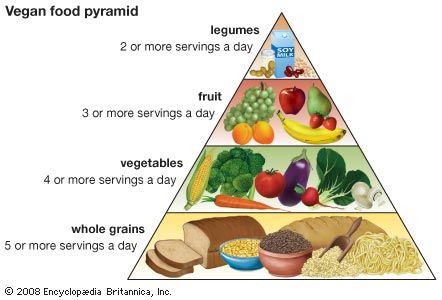
  • Beans, peas, and lentils: such as red, brown, or green lentils; chickpeas; split peas; black-eyed peas; black beans; white beans; and kidney beans
  • Soy products: such as fortified soy milk, soybeans, and products made from them, such as tofu, tempeh, and natto
  • Nuts: such as peanuts, almonds, cashews, and their butters
  • Seeds: such as sunflower seeds, sesame seeds, and their butters, as well as flaxseed, hemp seeds, and chia seeds
  • Whole grains: such as quinoa, whole wheat, whole oats, and whole grain brown or wild rice, as well as products made from these foods, such as whole grain bread, crackers, and pasta
  • Starchy vegetables: such as potatoes, sweet potatoes, corn, squash, beets, and turnips
  • Nonstarchy vegetables: such as broccoli, cabbage, asparagus, radishes, and leafy greens; these may be raw, frozen, canned, dried, or pureed
  • Fruit: such as apples, pears, bananas, berries, mango, pineapple, oranges, and tangerines; these may be purchased fresh, frozen, canned, dried, or pureed
  • Other plant-based foods: such as algae, nutritional yeast, fortified plant milks and yogurts, and maple syrup

There’s a good chance that many of the dishes you currently enjoy either already are vegan or can be made vegan with a few simple adjustments.For instance, you can swap meat-based main dishes for meals containing beans, peas, lentils, tofu, tempeh, nuts, or seeds.

Transitioning to a vegan diet is easier than most people think. That said, it does require a little additional nutrition knowledge.So if you’re interested in making the switch, consider seeking advice from a registered dietitian specializing in plant-based diets to make sure you’ve got your basics covered.Depending on your knowledge, budget, and culinary skills, you may also want to consider taking certain supplements to ensure you’re providing your body with all the nutrients it need

Veganism in a Nutshell

Once considered a niche diet, veganism has gone mainstream — so much so that the number of people following a vegan diet has increased by 350% in the last decade. By definition, veganism is a way of living in which people exclude, as much as possible, all forms of animal exploitation and cruelty.

At first glance, a vegan diet may seem complicated or overly restrictive. Many of my clients who are considering switching over to a vegan diet are initially worried about finding suitable vegan alternatives to their favourite meals. Yet, most find that once they get a few basics down, the transition is less difficult than they initially expected.

According to the Vegan Society, the term “vegan” was coined back in 1944 by a small group of vegetarians who broke away from the Leicester Vegetarian Society in England to form the Vegan Society. In addition to refraining from eating meat, they chose not to consume dairy, eggs, or any other products of animal origin The term “vegan” was chosen from the combination of the first and last letters of “vegetarian.” By 1949, the first definition of veganism had been born. It has changed slightly over the years to become what it is known as today. Many people use the term “vegan” to refer exclusively to diet. However, by this latest definition, veganism extends beyond eating a plant-based diet.

Those who identify as vegans typically aim to exclude animal exploitation or cruelty in all aspects of their lives, including the clothes they wear, the cosmetics they use, and the leisure activities they take part in .As a result, many vegans avoid purchasing wool coats, leather furniture, or down pillows and comforters. They may also opt to visit animal sanctuaries instead of going to zoos, the circus, or animal petting farms.

Reasons people go vegan

Health-Some people choose a vegan diet for its potential health benefits. Diets high in meat — especially red meat — have been linked to cancer, heart disease, and type 2 diabetes .On the other hand, plant-based diets have been linked to a lower risk of developing or prematurely dying from these diseases. Lowering your intake of animal products in favour of more plant-based options may also improve your digestion and reduce your risk of Alzheimer’s disease .A vegan diet can also help minimize the side effects linked to the antibiotics and hormones used in modern animal agriculture .Finally, vegan diets appear to be especially effective at helping people lose unwanted weight. Several studies link a vegan diet to a lower likelihood of obesity

Moral ideals-Ethical vegans strongly believe that all creatures have a right to life and freedom. They view all animals as conscious beings that, just like humans, wish to avoid pain and suffering .Because of this, ethical vegans are opposed to killing an animal in order to eat its flesh or wear its fur or skin. Vegans are also opposed to the psychological and physical stress that animals may endure as a result of modern farming practices — for instance, the small pens or cages that animals typically live in and rarely leave between their birth and slaughter.

Environment

People may also choose to avoid animal products in an attempt to limit their environmental impact. According to recent data, animal agriculture heavily contributes to greenhouse gas emissions (GHGEs), which cause climate change.Meat eaters are thought to be responsible for 2–2.5 times more GHGEs than people following a vegan diet. Ruminant animals, such as cattle, sheep, and goats, appear to emit the largest amount of greenhouse gases per gram of protein they deliver. Therefore, diets that reduce or totally eliminate dairy also produce significantly fewer GHGEs.
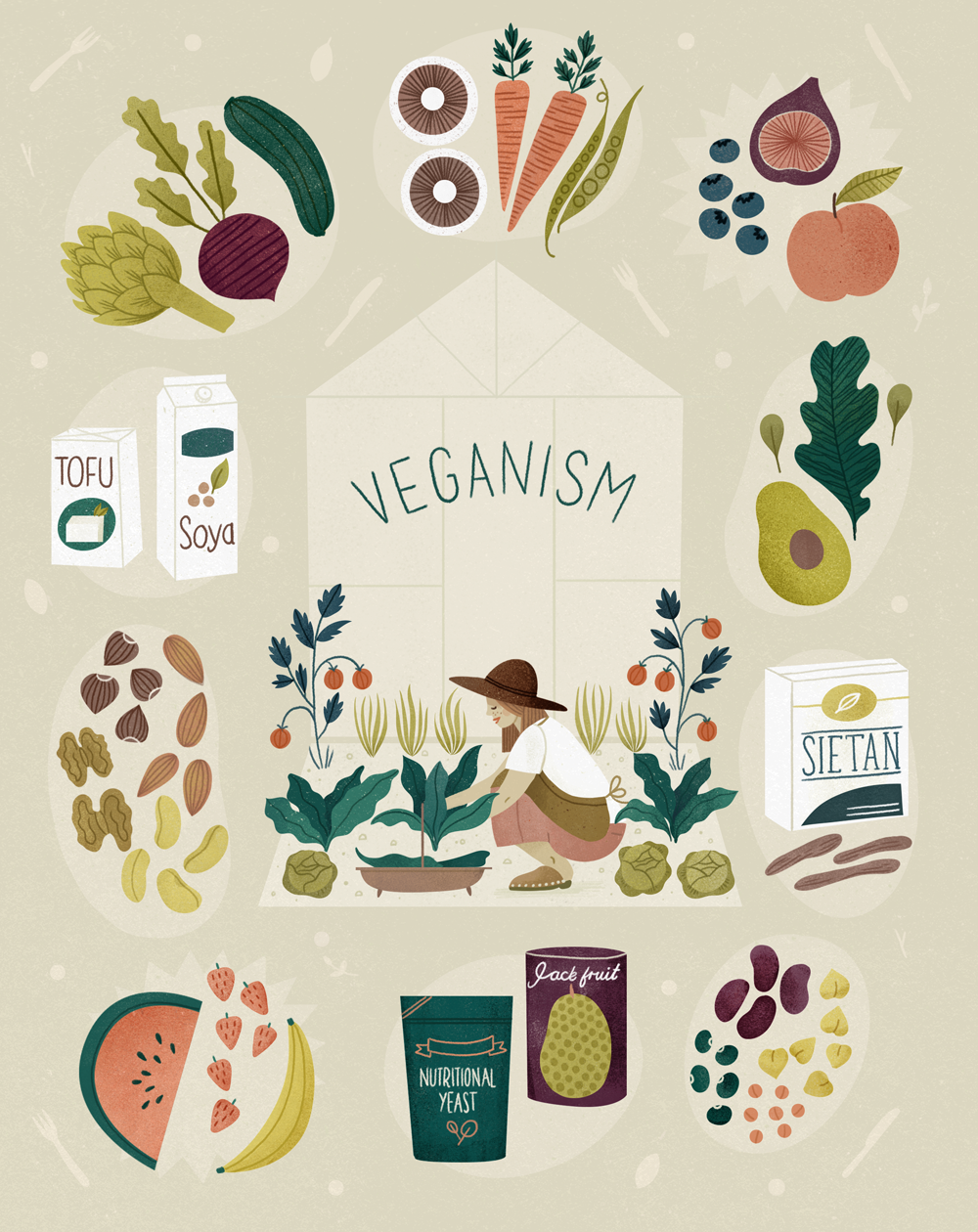
Foods that vegans eat

Avoiding animal products doesn’t restrict you to eating salads and tofu alone. There’s a wide variety of delicious foods you can eat on a vegan diet.

  • Beans, peas, and lentils: such as red, brown, or green lentils; chickpeas; split peas; black-eyed peas; black beans; white beans; and kidney beans
  • Soy products: such as fortified soy milk, soybeans, and products made from them, such as tofu, tempeh, and natto
  • Nuts: such as peanuts, almonds, cashews, and their butters
  • Seeds: such as sunflower seeds, sesame seeds, and their butters, as well as flaxseed, hemp seeds, and chia seeds
  • Whole grains: such as quinoa, whole wheat, whole oats, and whole grain brown or wild rice, as well as products made from these foods, such as whole grain bread, crackers, and pasta
  • Starchy vegetables: such as potatoes, sweet potatoes, corn, squash, beets, and turnips
  • Nonstarchy vegetables: such as broccoli, cabbage, asparagus, radishes, and leafy greens; these may be raw, frozen, canned, dried, or pureed
  • Fruit: such as apples, pears, bananas, berries, mango, pineapple, oranges, and tangerines; these may be purchased fresh, frozen, canned, dried, or pureed
  • Other plant-based foods: such as algae, nutritional yeast, fortified plant milks and yogurts, and maple syrup

There’s a good chance that many of the dishes you currently enjoy either already are vegan or can be made vegan with a few simple adjustments.For instance, you can swap meat-based main dishes for meals containing beans, peas, lentils, tofu, tempeh, nuts, or seeds.

Transitioning to a vegan diet is easier than most people think. That said, it does require a little additional nutrition knowledge.So if you’re interested in making the switch, consider seeking advice from a registered dietitian specializing in plant-based diets to make sure you’ve got your basics covered.Depending on your knowledge, budget, and culinary skills, you may also want to consider taking certain supplements to ensure you’re providing your body with all the nutrients it need

The Health and Mood-Boosting Benefits of Pets!


Pets come with some powerful health benefits. Here’s how caring for a dog, cat, or another animal can help relieve depression and anxiety, lower stress, and improve your heart health.

The benefits of pets

Most pet owners are clear about the immediate joys that come with sharing their lives with companion animals. However, many of us remain unaware of the physical and mental health benefits that can also accompany the pleasure of snuggling up to a furry friend. It’s only recently that studies have begun to scientifically explore the benefits of the human-animal bond.

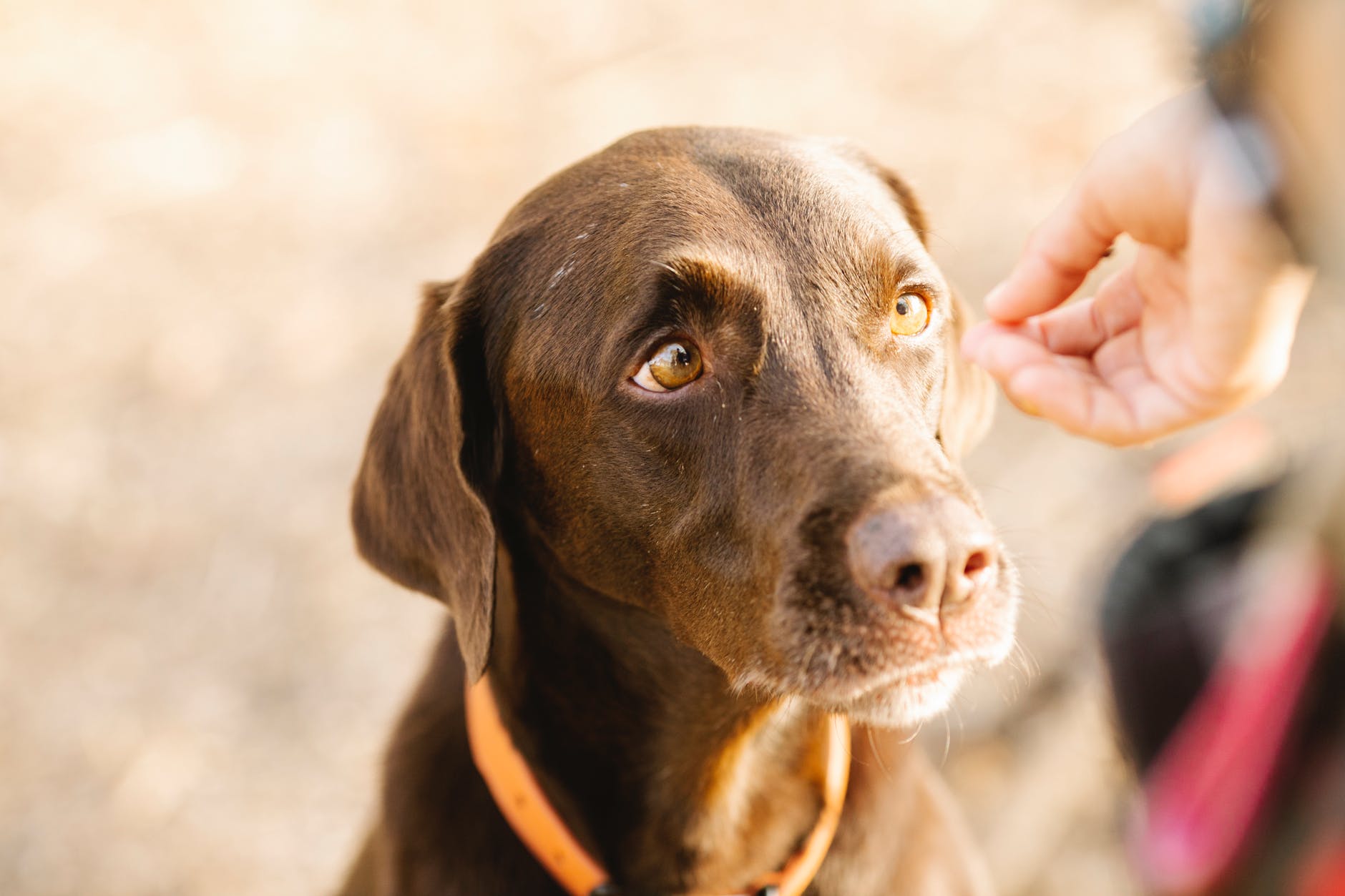
Pets have evolved to become acutely attuned to humans and our behaviour and emotions. Dogs, for example, are able to understand many of the words we use, but they’re even better at interpreting our tone of voice, body language, and gestures. And like any good human friend, a loyal dog will look into your eyes to gauge your emotional state and try to understand what you’re thinking and feeling (and to work out when the next walk or treat might be coming, of course).

Pets, especially dogs and cats can reduce stress, anxiety, and depression, ease loneliness, encourage exercise and playfulness, and even improve your cardiovascular health. Caring for an animal can help children grow up more secure and active. Pets also provide valuable companionship for older adults. Perhaps most importantly, though, a pet can add real joy and unconditional love to your life.

Any pet can improve your health

While it’s true that people with pets often experience greater health benefits than those without, a pet doesn’t necessarily have to be a dog or a cat. A rabbit could be ideal if you’re allergic to other animals or have limited space but still want a furry friend to snuggle with. Birds can encourage social interaction and help keep your mind sharp if you’re an older adult. Snakes, lizards, and other reptiles can make for exotic companions. Even watching fish in an aquarium can help reduce muscle tension and lower your pulse rate.

Studies have shown that:

  1. Pet owners are less likely to suffer from depression than those without pets.
  2. People with pets have lower blood pressure in stressful situations than those without pets. One study even found that when people with borderline hypertension adopted dogs from a shelter, their blood pressure declined significantly within five months.
  3. Playing with a dog, cat, or other pet can elevate levels of serotonin and dopamine, which calm and relax.
  4. Pet owners have lower triglyceride and cholesterol levels (indicators of heart disease) than those without pets.
  5. Heart attack patients with pets survive longer than those without.
  6. Pet owners over age 65 make 30 per cent fewer visits to their doctors than those without pets.

One of the reasons for these therapeutic effects is that pets fulfil the basic human need for touch. Even hardened criminals in prison show long-term changes in their behaviour after interacting with pets, many of them experiencing mutual affection for the first time. Stroking, hugging, or otherwise touching a loving animal can rapidly calm and soothe you when you’re stressed or anxious. The companionship of a pet can also ease loneliness, and most dogs are a great stimulus for healthy exercise, which can substantially boost your mood and ease depression.

Ultimately, when choosing a pet, be honest with yourself about the lifestyle you enjoy and the kind of pet you’d like to care for. If you’re in doubt about caring for a larger animal, start small, get a fish or a smaller, caged animal. See how it fits and go from there.

Environmental and Wildlife Crime

                                                          (Photo: Wildlife Conservation Trust)

Environmental and Wildlife crime is an illegal act which directly harms the environment.

There was a time when people were dependent on the environment and its resources for their existence. As if like they can’t live without it. But with time the situation changed. People started misusing the environment and wildlife for their own greedy purposes which led to a massive destruction of our environment, wildlife and especially our ‘Mother Earth’. As our country is developing, people are becoming greedy and selfish day by day. They have started mismanaging the resources that are actually meant to be used for useful purposes ,and due to this nowadays we are facing many harmful disasters like Tsunami, Earthquake, Flood, Poverty, Economic downfall all over the world. Not only these there are many other problems too.

Coming to the Wildlife, many animals are forcefully placed at zoo in a cage confining their lives within the walls of the zoo. We all know about Deforestation ,that is, “Cutting down the trees and plants”. Thousands of plants and trees are cut down everyday but we never think about the animals like how they will survive as forests are their only home to live in. Many animals are killed leading to the decreasing number of animals in the world. They are left abandoned or some people sell them just to mint money or use their skin to make leather and for many other purposes.

It is a true fact that human activities have a worse impact on nature and wildlife. “The term Environmental and Wildlife crime” should be categorized as crime in the present time. Many factors that influence these crimes are Socio-political and the weak judiciary. As we are all aware that there is no strict implementation of laws in many countries like, India. There are many organizations who works to highlight the issues and work on to prevent but there is no strict implementation not even the judiciary .And people do take benefits from this, and they continue to do these illegal crimes endangering our environment and wildlife. Coming to another factor ,that is, Economy. To increase the economy of the country, many people go after trading of the animals ,selling them at highest price just to mint money. Or even killing it before selling because we know that how expensive animals organs could be and how even just the skin of animals can be used for manufacturing purposes or say for preparing chemicals or weapons. Another factor is supply and demand. As our society is progressing, the demand is also increasing and so as the supply. This also increases an illegal employment opportunity for the people interested and thus, increasing their income.

Environmental and Wildlife crimes have caused a great threat to our environment and stood up with many challenges. Both the crimes have previously not been given importance in most of the countries thus, resulting in the lack of awareness and facilitating these crimes at a high speed which are actually a threat for various countries.

“The wildlife crimes has resulted in the loss of species and we need to start preventing it rather than waiting for the crimes to take place”. The organization has and is facing many problems such as jurisdiction where there is no strict implementation. All these factors have posed a serious threat not only to the environment but also to the organization.

SUGGESTIONS

·       To prevent the Environmental and Wildlife crime, first we need to create awareness about these among mass population.

·       The government shall become strict regarding the implementation of the norms in order to prevent it.

·       National organizations shall work together to keep a record of all the information related to both the crimes and to keep a steady pace with the change.

·       The government shall implement the principle of sustainable development due to the increase in the demands of the people in order to use the resources judiciously.

·       The countries where these crimes are prevalent must join the hands of the national organizations to work as a team for the speedy disposal of the cases.

·       Create a new organization which will deal with both the crimes to prevent any haphazard .This will decrease the burden on the judiciary court and will ensure the speedy disposal of the cases.

·       Organize campaigns and various other programs to educate people about both the crimes and teach them how these crimes are harmful for the society .

·       Involving the people of the society by asking them their suggestions or ideas to prevent the crimes.’

·       Plant more and more trees around your place ,on the streets to curb the pollution.

·       Stricter implementation of the guidelines under Wildlife protection act and Environmental act must be enforced.

Environment and Wildlife are important part of our lives. Environment and society are dependent on each other and we as the members of the society have a responsibility to protect our environment. Many laws and regulations have been made by various countries to protect our environment and wildlife. The protection of environment and wildlife has become a necessity today. Our judiciary looks after the constitutional provisions and reviews its own decisions but the strict implementation of the laws is not yet enforced. And that’s what needs to be changed. Unless and until there is strong and strict implementation, the main objectives of protecting the environment and wildlife cannot be achieved. Also the punishment for harming the environment should be made more strict and the convicts should be made to pay for their deeds. Each and every individual should be made aware towards the environment and wildlife because the government alone cannot fulfil the goals so the involvement of people at a large scale is really important. So it should be remembered that this environment belongs to everyone and the responsibility of conserving the environment and wildlife belongs to everyone.

“True benevolence or compassion, extends itself through the whole of existence and sympathizes with the distress of every creature capable of sensation”.

ANIMAL TESTING SHOULD BE BANNED

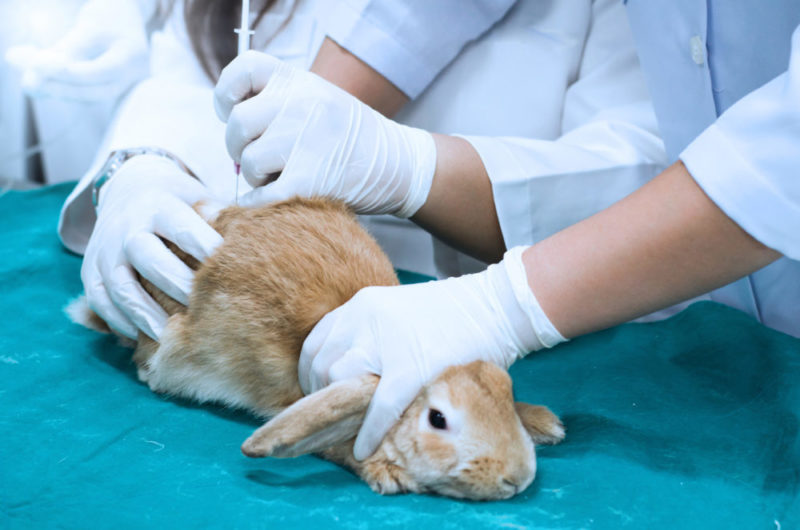
Utilizing animals in research and to test the wellbeing of items has been a subject of warmed discussion for quite a long time. Individuals have various affections for animals; many view animals as companions while others see animals as a method for propelling clinical procedures or promoting trial research. However people see animals, the reality says that animals are being taken advantage of by research offices and beauty care products organizations the whole way across the nation and from one side of the planet to the other. Despite the fact that people frequently advantage from effective animal research, the aggravation, the torment, and the deaths of animals are not worth the conceivable human advantages. In this way, animals ought not be utilized in research or to test the wellbeing of items.

5 Reasons Why Animal Testing Should Ban Worldwide

To start with, animals’ rights are abused when they are utilized in research. Animals and individuals are indistinguishable from various perspectives; the two of them feel, think, act, and experience torment. In this manner, animals ought to be treated with similar regard as people. However animals are abused when they are utilized in research since they are not given a decision. Animals are exposed to tests that are regularly difficult or cause extremely durable harm or passing, and they are never given the alternative of not partaking in the investigation. Animals don’t willingly sacrifice themselves for the progression of human government assistance and new innovation. Their choices are made for them since they can’t express their own inclinations and decisions.

Then, the agony and experiencing that exploratory animals are liable to does not merit any potential advantages to people. At the point when animals are utilized for item harmfulness testing or lab research, they are exposed to excruciating and as often as possible lethal analyses. Two of the most generally utilized harmfulness tests are the Draize test and the LD50 test, the two of which are scandalous for the extreme aggravation and enduring they curve upon test creatures. To play out these tests, the scientists connect the animals to tubes that siphon immense measures of the test item into their stomachs until they kick the bucket. This test is incredibly difficult to the animals since death can require days or even weeks.

Animal Testing of Beauty Products Now Banned in These Three States -  InVitro Intl

At long last, the testing of items on animals is totally pointless in light of the fact that practical options are accessible. Numerous corrective organizations have thought of thought of testing their items utilizing innovation or stunningly better they chose to make their items more regular and ecofriendly so it will not hurt anybody.

Notwithstanding, many individuals accept that animal testing is justified in light of the fact that the animals are forfeited to make items more secure for human use and utilization. The issue with this thinking is that the animals’ security, prosperity, and personal satisfaction is by and large not a thought. Animals are likewise living creatures since they can’t talk or battle for themselves doesn’t imply that we should take exploit them. Cruelty to animals should be banned and strict actions should be taken against people who do that or support this ideology.

Petition · Animal Testing should be banned · Change.org

How are we, humans causing endangered species and how can we overcome it by wildlife conservation.

Wildlife conservation
Are we aware of the amount of deaths and the amount of endangered species around us? And of course, the answer would be an absolute NO. I would not like to include all single human beings, as there are organisations trying to help the species and working on conserving them, but I don’t think they can do it all alone. They need our help. The animals NEED our help.

How are we, humans, causing extinct species?
One of the main reason for extinction is habitat destruction. Humans destroy the habitats of species which cause them to die or suffer.The second main reason would be the diseases causing species to die because of us, example : taking pictures, polluting the area, hunting, deforestation and ect. These activities can be the major reasons for species extinction.

What are the well known critically endangered species? and why?
Amur leopards – being hunted for their fur for coating. it is also said that their habitat are continuously being destroyed – ( human causing )
Black rhino – their horns are being hunted for medicines. – ( human causing )
Hawksbill sea turtle – is being hunted for their shell and also for meat. the jelly fishes, water animals and also the Hawksbill sea turtle are being affected by the plastic covers being thrown on seas – ( human causing )
Mountain gorillas – being extinct due to deforestation also causes to destroy the trees which can be the food for animals – ( human causing )
pangolin – scales of the pangolin are believed that they are used for medical problems.
polar bear – global warming issues – ( human causing )
plants – yes! I would also like to include plants in endangered species. We all know humans are the main reasons for the dying of plants. plants are being dead by deforestation, cutting trees – for wood and paper, and pollution ( water, air, water)
What is India doing?
“India will work with Coalition countries to adopt cleaner energy sustainable production and consumption patterns and environment-friendly transport, agriculture, industry and waste management to promote clean air,” Minister Javadekar said. The central government gives all types of financial literacy and conserving and protecting the wildlife. National ban was imposed on tiger hunting in 1970 and the Wildlife Protection Act became effective in 1972.
countries that are helping the endangered species
The Philippines and Malaysia are trying to shield the animals. Individual European nations are taking actions to help and support their animals.

let’s do it together!
Nothing is impossible!All of us can do it together! There are a lot of tips for us to follow for conserving wildlife. If we follow them continuously we can achieve! The animals can achieve!
Join in organisations or wildlife agencies.
donate and volunteer
Learn about species and animals ( birds ) – increasing our knowledge.
Let’s raise awareness
Recycle
Build a wildlife garden
let’s stop using products made from animals
Let’s not eat meat or nonveg – try eating a low impact diet.
save energy, save water, save the environment
Avoid plastic
What are we supposed to do? Just… save the animals. save the planet!

The "Dead Bird" Story

Smeared blood, shredded feathers. Clearly, the bird was dead. But wait the slight fluctuation of its chest, the slow blinking of its shiny black eyes. No, it was alive. I had been typing an English essay when I heard my dog’s loud barks and the flutter of wings. I had turned slightly at the noise and had found the barely breathing bird in front of me.


The shock came first. Mind racing, heart beating faster, blood draining from my face. I instinctively reached out my hand to hold it, like a long-lost keepsake from my youth. But then I remembered that birds had life, flesh, blood.

Death. Dare I say it out loud? Here, in my own home?

Within seconds, my reflexes kicked in. Get over the shock. Gloves, napkins, towels. Band-aid? How does one heal a bird? I rummaged through the house, keeping a wary eye on my dog. Donning yellow rubber gloves, I tentatively picked up the bird. Never mind the dog’s barks and protesting scratches, you need to save the bird. You need to ease its pain. But my mind was blank. I stroked the bird with a paper towel to clear away the blood, see the wound. The wings were crumpled, the feet mangled. A large gash extended close to its jugular rendering its breathing shallow, unsteady. The rising and falling of its small breast slowed. Was the bird dying? No, please, not yet. 

Why was this feeling so familiar, so tangible?

Oh. Yes. The long drive, the green hills, the white church, the funeral. The Indo-Christian mass, the resounding amens, the flower arrangements. Me, crying silently, huddled in the corner. The Massey family huddled around the casket. Apologies. So many apologies. Finally, the body lowered to rest. The body. Sahil Elson Massey. Still familiar, still tangible.

Hugging Sahil, I was a ghost, a statue. My brain and my body competed. Emotion wrestled with fact. Sahil Elson Massey, aged 18, my friend of four years, had died in a car crash on Sep. 12, 2020. Sahil was dead, I thought. Dead.

But I could still save the bird. My frantic actions heightened my senses, mobilized my spirit. Cupping the bird, I ran outside, hoping the cool air outdoors would suture every wound, cause the bird to miraculously fly away. Yet there lay the bird in my hands, still gasping, still dying. Bird, human, human, bird. What was the difference? Both were the same. Mortal.

But couldn’t I do something? Hold the bird longer, de-claw the dog? I wanted to go to my bedroom, confine myself to tears, replay my memories, never come out. The bird’s warmth faded away. Its heartbeat slowed along with its breath. For a long time, I stared thoughtlessly at it, so still in my hands.

Slowly, I dug a small hole in the black earth. As it disappeared under handfuls of dirt, my own heart grew stronger, my own breath more steady. The wind, the sky, the dampness of the soil on my hands whispered to me, “The bird is dead. Sahil has passed. But you are alive.” My breath, my heartbeat, my sweat sighed back, “I am alive. I am alive. I am alive.”

The "Dead Bird" Story

Smeared blood, shredded feathers. Clearly, the bird was dead. But wait the slight fluctuation of its chest, the slow blinking of its shiny black eyes. No, it was alive. I had been typing an English essay when I heard my dog’s loud barks and the flutter of wings. I had turned slightly at the noise and had found the barely breathing bird in front of me.


The shock came first. Mind racing, heart beating faster, blood draining from my face. I instinctively reached out my hand to hold it, like a long-lost keepsake from my youth. But then I remembered that birds had life, flesh, blood.

Death. Dare I say it out loud? Here, in my own home?

Within seconds, my reflexes kicked in. Get over the shock. Gloves, napkins, towels. Band-aid? How does one heal a bird? I rummaged through the house, keeping a wary eye on my dog. Donning yellow rubber gloves, I tentatively picked up the bird. Never mind the dog’s barks and protesting scratches, you need to save the bird. You need to ease its pain. But my mind was blank. I stroked the bird with a paper towel to clear away the blood, see the wound. The wings were crumpled, the feet mangled. A large gash extended close to its jugular rendering its breathing shallow, unsteady. The rising and falling of its small breast slowed. Was the bird dying? No, please, not yet. 

Why was this feeling so familiar, so tangible?

Oh. Yes. The long drive, the green hills, the white church, the funeral. The Indo-Christian mass, the resounding amens, the flower arrangements. Me, crying silently, huddled in the corner. The Massey family huddled around the casket. Apologies. So many apologies. Finally, the body lowered to rest. The body. Sahil Elson Massey. Still familiar, still tangible.

Hugging Sahil, I was a ghost, a statue. My brain and my body competed. Emotion wrestled with fact. Sahil Elson Massey, aged 18, my friend of four years, had died in a car crash on Sep. 12, 2020. Sahil was dead, I thought. Dead.

But I could still save the bird. My frantic actions heightened my senses, mobilized my spirit. Cupping the bird, I ran outside, hoping the cool air outdoors would suture every wound, cause the bird to miraculously fly away. Yet there lay the bird in my hands, still gasping, still dying. Bird, human, human, bird. What was the difference? Both were the same. Mortal.

But couldn’t I do something? Hold the bird longer, de-claw the dog? I wanted to go to my bedroom, confine myself to tears, replay my memories, never come out. The bird’s warmth faded away. Its heartbeat slowed along with its breath. For a long time, I stared thoughtlessly at it, so still in my hands.

Slowly, I dug a small hole in the black earth. As it disappeared under handfuls of dirt, my own heart grew stronger, my own breath more steady. The wind, the sky, the dampness of the soil on my hands whispered to me, “The bird is dead. Sahil has passed. But you are alive.” My breath, my heartbeat, my sweat sighed back, “I am alive. I am alive. I am alive.”

ENDANDERED ANIMALS – NATIVE TO INDIA

India has a high level of biodiversity, with roughly 8% of all species on the earth found there.  It is home to 7.6% of all mammals, 12.6 percent of all avian, 6.2 percent of all reptilian, 4.4 percent of all amphibian, 11.7 percent of all fish, and 6.0 percent of all flowering plant species, making it one of seventeen megadiverse countries.

The country is home to 4 of the world’s 34 biodiversity hotspots: the Himalayas, the Western Ghats, the North-East, and the Nicobar Islands. India plays host to a plethora of rare & exotic animals like The Greater One-Horned Rhinoceros, Nilgiri tahr, Nilgiri marten, Bengal tiger, Kashmir Hangul and, pygmy hogs, to name a few.

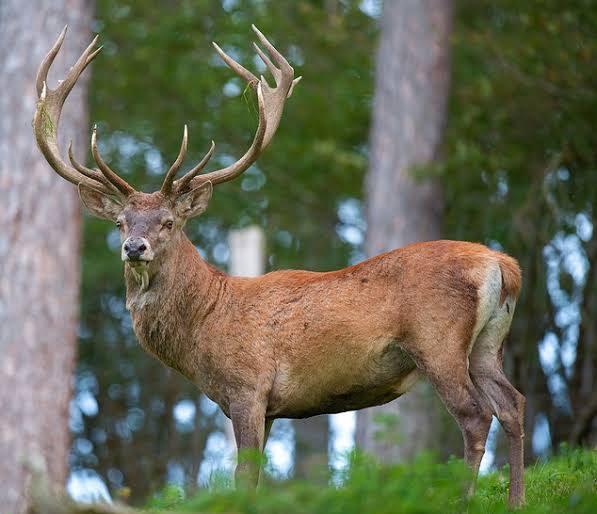
Kashmir Hangul (Kashmir Stag) 

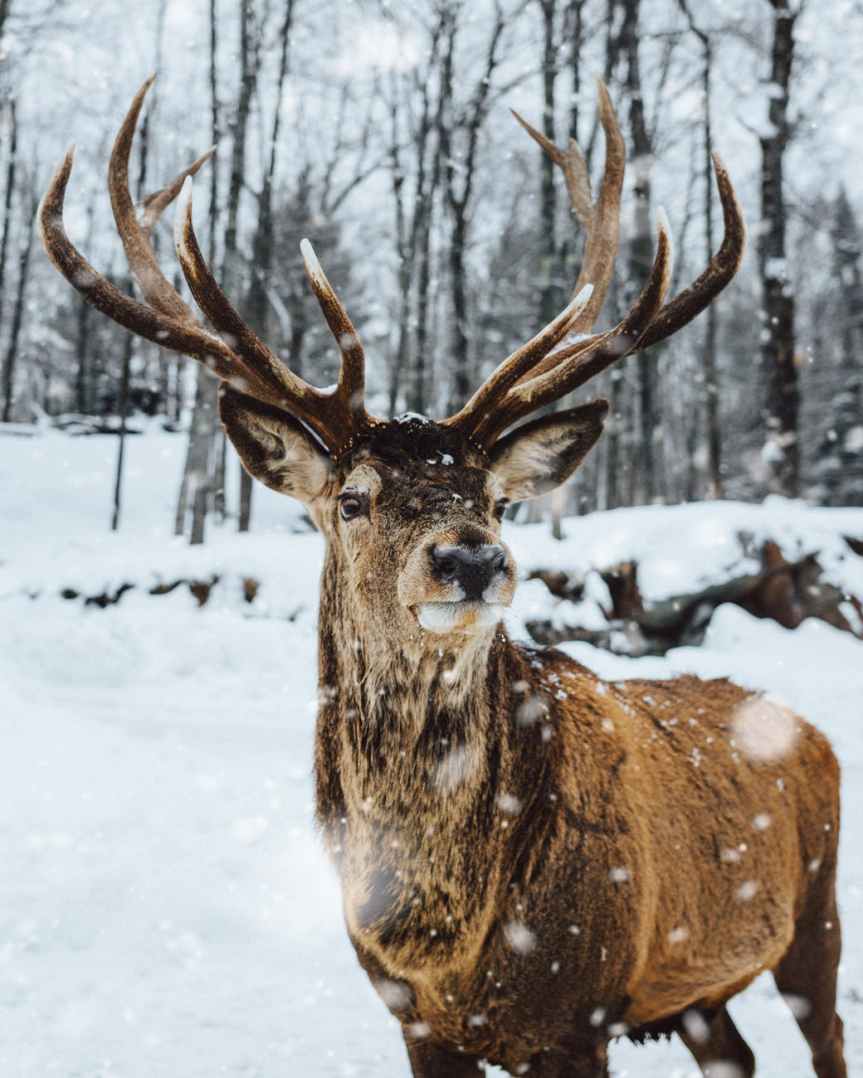
Hangul, Jammu & Kashmir’s state animal, previously widely distributed throughout Kashmir’s mountains, is now limited to the Dachigam National Park in Kashmir. The Hangul’s population has steadily dropped throughout the decades, from a peak of 5,000 in the early 1900s. Experts have highlighted habitat fragmentation, a lack of favorable breeding, predation, and a relatively low fawn-female ratio as the most significant obstacles to Hangul conservation and population expansion. The Kashmir Hangul’s fawns are preyed upon in huge numbers by the Common Leopard, Himalayan Black Bear, and nomads’ dogs, threatening their survival. The Kashmiri Red Stag, famed for its 11- to 16-point antlers, has been designated as a critically endangered species by the International Union for Conservation of Nature (IUCN).

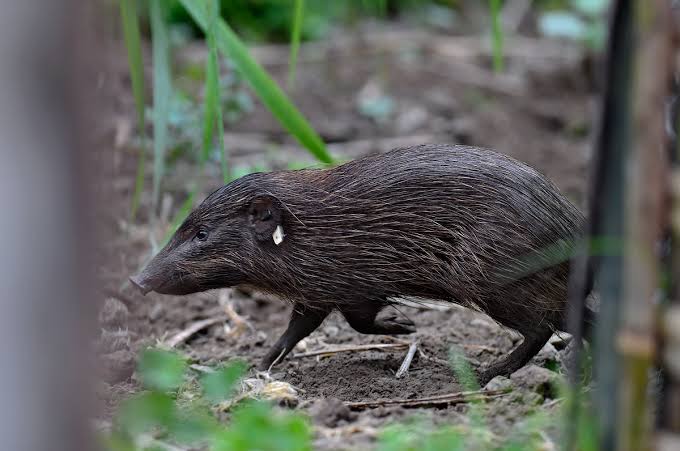
Pygmy Hog

They are indigenous to India and can only be seen in a few scattered sites near Manas National Park in north-western Assam. Pygmy hog (Porcula salvania) is the world’s tiniest pig, standing at 20-30cm in height – with its sporadic hair and streamlined body that is nearly the size of a cat, it is also exceptionally rare.

 Unfortunately, with only 200 left, they have been classified as an Endangered species in the IUCN red list. Habitat decay and degradation result from human settling, farming, seasonal burning, livestock pasture, and commercial forestry constitute the main challenges confronting the already jeopardized pygmy hogs.

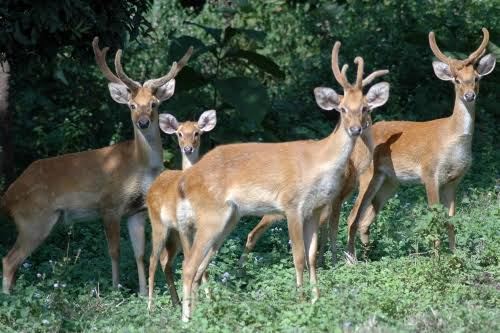
Sangai Deer 

The recherché Sangai as know as  the brow-antlered deer or the dancing deer, is only found in the Keibul Lamjao National Park, the world’s sole floating national park, and is indigenous to Manipur. Sangai eats a diverse range of aquatic plants, grasses, herbaceous plants, and shoots, including Zizania latifolia, Saccharum munja, S bengalensis, Erianthus procerus, E ravernnae, and others. According to the latest wildlife estimation undertaken by the Manipur Forest Department, the sangai deer’s population is static at 260. Marked endangered by the International Union for Conservation of Nature (IUCN), The Sangai population continues to dwindle as a consequence of low genetic diversity, disease proneness, hovering biomass habitat depletion, and hog deer competition.

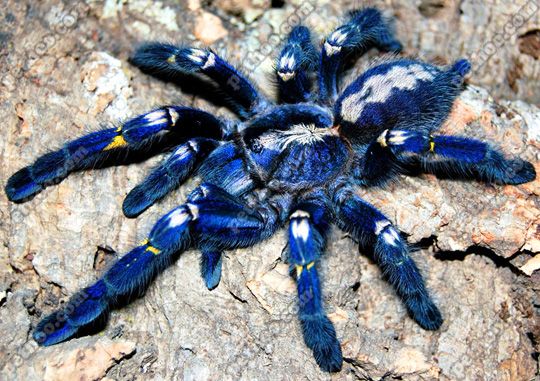
Gooty Tarantula

The Peacock Parachute Spider, sometimes referred as the Gooty Tarantula, is a spider belonging to the genus Poecilotheria. The blue colour is caused by the arrangement of nanocrystals in their body hairs, which reflect blue wavelengths of light.  P. metallica, endemic to India, lives in the wild in holes in towering trees, where it weaves asymmetric funnel webs. They prey on a myriad of flying insects. The “quality of habitat” of spiders that seek cavities and deep cracks in old woods is also dwindling. The spiders have been labelled as critically endangered by the International Union for Conservation of Nature (IUCN).

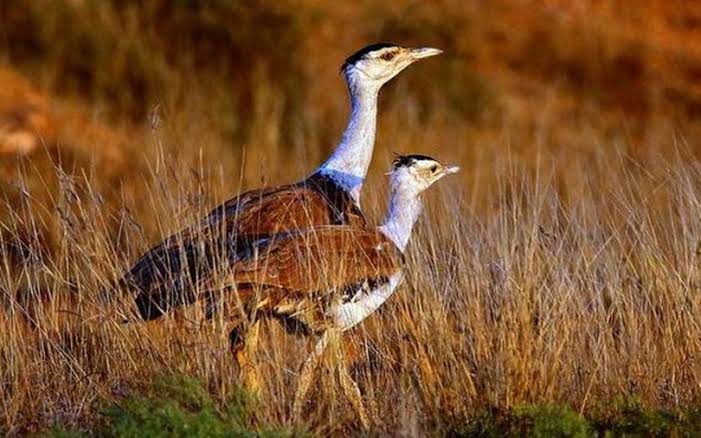
great Indian bustards

Rajasthan is home to about 122 of India’s estimated 150 critically endangered great Indian bustards (GIB), which are clustered in the Desert National Park on the western flank. Great Indian bustards are big birds with long legs and a long neck, with the tallest individuals reaching 1.2 metres (4 feet) in height. The males and females are about the same size, with the largest weighing 15 kg (33 pounds). The colour of a bird’s feathers distinguishes males from females.

Save Animals

Photo by Blue Bird on Pexels.com

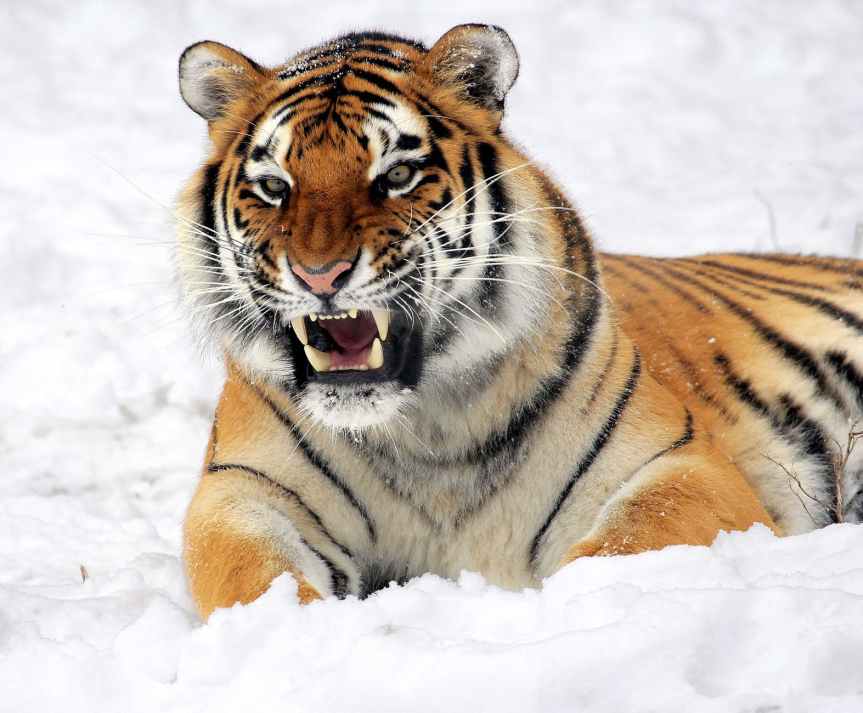
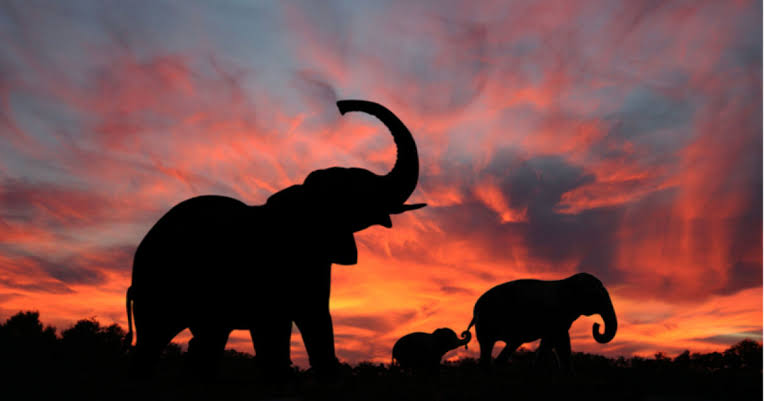
In the forest there is a large number of terrible and violent organisms. Elephants are the forest and the largest creature of land but it is vegetarian. Animals like Tiger, Tiger, Bear, Cheetah, Fox, Python etc are non-vegetarians. The lion is considered to be the king of the jungle because it is very powerful and its move is very robust.

Elephant is the only organism in the forest that has the ability to withstand it. That is why the man rides on an elephant and walks on the jungle. Seeing elephants, the lion does not come near them.

Some greedy people kill rare wild creatures for their immediate benefit. For the tigers their skins, the elephants are slaughtered for their teeth, musk dung to the kites and some animals are sleeping for the flesh.

When some wild creatures wander out of the forest of nature and wander in the fields then the rural people kill them. There is a need to strictly stop such activities.

The best way to protect wildlife is to increase the area of forests. Wild animals can live happily in it if there are wide forest areas. Hence there is a need to act seriously in this direction.

Animals are an important part of the food cycle, and humans depend on them for a wide range of requirements.It is important to save animals from extinction and human predators who like to hunt them for their personal gains.

Human life has become supreme to all else with no respect left for nature. To keep the balance of nature in place we have to save animals, hence the motto. Here are the reasons.Why you should strive to save animalsAnimals are an integral part of the natural In fact, human beings are also a form of animals. Yet many animals are in the danger of disappearing from the earth.Every animal has a place in the ecosystem in the food chain to keep life in balance. If the balance tilts disasters follow.Animals also have a role to play in our daily lives. They help in farming, transport or provide us food like milk, eggs, etc. We must protect them since they are dependent on usIn the past animals have had a greater role to play than now. Elephants, horses, and donkeys, etc. were commonly used to transport people or weights.Whether they are useful to humans or not, it is mandatory to respect that aspect of nature and to protect animals.There are many species of animals that are suffering from the aggressive actions and encroachments of human beings into the forests or other natural ecosystems.

Poaching in forests is another offense against wildlife.Tips to Save AnimalsIf you want to make a difference in the world and the lives of animals around the globe, here are some tips to get a jump-start on saving animals.You pledge not to wear anything that comes from animals such as leather. Just by this one step alone, you can save the lives of 100+ animals each year.You can also buy cruelty-free products such as soaps, lip balms, and shampoos where animals have not been poisoned, blinded or burned so that you can look more beautiful.You can also help save animals by not entertaining them in zoos, movies, and circus because in these places everything is denied to them and they are not in their natural habitat.ConclusionAfter the discussion, one must agree that ‘Save Animals’ must be a made into an awareness program for all to understand the value of animal life. Special reserve areas for protecting the endangered species where the human presence is controlled. They feel safe in their areas, and that is the only chance for them to breed and thrive. If you are really passionate about saving animals, you can even volunteer at the local animal shelter. You can help by walking dogs or cleaning out water bowls – anything that makes a difference in the lives of homeless animals.

Wildlife Conservation

Photo by Blue Bird on Pexels.com

Wildlife, nature’s gift to mankind, is continuously helping in maintaining the ecological balance of the earth. But, due to some human activities like mass killing of wild animals for their teeth, bones, fur, skin etc along with population growth and expansion of agriculture field reduces the number of wild animals and many species of wild animals have become extinct.Wildlife conservation is a process of protecting all the wild plant and animal species with their habitat. As we know, every living creature in this earth contribute to the ecosystem in their own special way, wildlife conservation has become one of the most important tasks for mankind.

There are mainly two types of wildlife conservation, namely “in situ conservation” and “ex-situ conservation”. 1st type of wildlife conservation includes programs like National Parks, Biological Reserves etc and the 2nd type includes programs like Zoo, Botanical Garden etcWildlife, like trees, is also a domestic asset that not only helps to maintain the ecological balance but also benefits from financial, recreational and aesthetic points of perspective. There was a time when the number of wild animals was quite large when human interference was minimum and there was no issue with their safety or conservation. But, with the development of farming, settlement, industrial and other development activities, and primarily due to man’s greed, the number of wild animals gradually decreased and decreased. As a consequence, several animal species have become extinct and several are on the brink of being so. The Wildlife Conservation Essay is an insight into the requirements of conserving wildlife globally.

DeforestationDeforestation is also a major cause of wildlife loss. Mass murders of wild animals are taking place all over the globe for their meat, bones, fur, teeth, hair, skin, etc. The need for conservation of wildlife has now become a necessity.Population growth, agricultural and livestock development, urban and road building, and pollution are among the many pressures on wildlife’s natural habitat. In addition to illegal hunting, the decrease of habitat and its degradation has endangered the biodiversity of the widespread areas.Wildlife preservation does not imply blanket protection for all species of fauna and flora; rather, it means adequate, judicious control over the multiplication of crops and animals that communicate to provide a suitable atmosphere for the man whose very life is at risk today.In the past, due to the irrational use of the earth’s natural and biotic resources, most wildlife was demolished after recovery. It is our immediate responsibility to safeguard the ecosystem’s natural splendor and to develop a system of coexistence with every living creature on earth.While the world’s nations must be very specific in terms of wildlife conservation, the amount of wildlife is diminishing day by day. The World Wild Life Fund is a global organization that does a praiseworthy job of encouraging wildlife protection. National agencies are also involved in wildlife conservation.

Steps Towards Wildlife ConservationTo study and retrieve all wildlife data, in particular, the amount and development of wildlife.Habitat protection through forest protection.Delimiting their natural habitat regions.Protecting animals against pollution and natural hazards.Full limitation on wildlife hunting and capture.To impose constraints on the export and importation of wildlife products and to impose serious penalties on those engaged in such activity.Developing game sanctuaries for particular wildlife or world life in particular.Special arrangements should be made to safeguard those very restricted species.To create a general understanding of wildlife protection at domestic and international level.The adoption by trained personnel of a wildlife management system.