
Why should one get enough sleep?

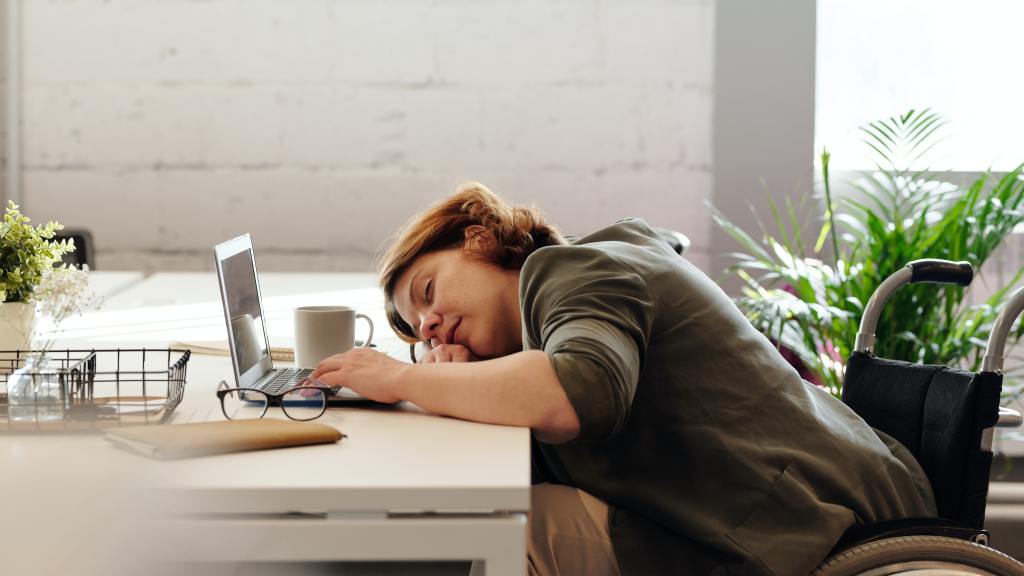
We all need sleep, get most of us take it for granted by staying up for  long hours at night watching a screen or blocking the brain with caffeine and other harmful drugs . Many people do not get enough quality sleep, and this can affect their health, well-being, and ability to do everyday activities.

You may think nothing is happening when you sleep. But parts of your brain are quite active during sleep. And enough sleep (or lack of it) affects your physical and mental health. When you sleep, your body has a chance to rest and restore energy. A good night’s sleep can help you cope with stress, solve problems or recover from illness. Not getting enough sleep can lead to many health concerns, affecting how you think and feel.

How much sleep do I need?

Many factors affect how much sleep you need. Age is a big factor:

  • Infants need about 16 hours a day.
  • Toddlers and preschoolers need about 12 hours.
  • Teenagers need about nine hours.
  • Adults need seven to eight (though some are fine with five and others need closer to 10).
  • Pregnant people often need more sleep during the first trimester.

If you haven’t slept well or long enough for a few days, you might create a sleep debt. Once your debt builds up, you may feel physically and mentally exhausted. Try to make sure you get enough sleep every night to avoid creating this debt. You can’t necessarily make up your debt by sleeping a lot on the weekends. It’s best to get enough sleep all week long. A person who is getting too little quality sleep may experience a range of symptoms including: fatigue, irritability, mood changes, difficulty focusing and remembering, reduced sex drive

In1965 , an experiment was conducted where a high school boy stayed up for 264 hours or 11 days. He slowly lost focus of the eye, became moody and irritable, he stopped sensing stimuli and could not concentrate or retain memories. We grow sleep due to signals from our body hormones like melatonin and adenosine that send us into a deep doze.

During the night, you cycle through two types of sleep: non-rapid eye movement (non-REM) sleep and rapid eye movement (REM) sleep. Your brain and body act differently during these different phases. During non-REM stages, your body-Builds bone and muscle, Repairs and regenerates tissues, Strengthens the immune system. When you enter REM sleep, brain activity increases again, meaning sleep is not as deep. The activity levels are like when you’re awake. That’s why REM sleep is the stage where you’ll have intense dreams. Usually, REM sleep arrives about an hour and a half after you go to sleep. The first REM period lasts about 10 minutes. Each REM stage that follows gets longer and longer.

Sleeplessness may result in inflammations, hallucinations, high blood pressure and is also related to obesity and diabetes and obesity along with impairment in memory mood, reaction time etc.

How does sleep deprivation cause such immense effects?

 Our brain collects a lot of unwanted information during the day that can be proceed as useful and waste while we sleep. Our brain uses a lot of energy source that leads to build up of adenosine, which increases the urge to sleep and caffeine blocks the pathway of this that causes us to be awake. Waste products if not cleared away overload the brain leading to the negative symptoms of sleep deprivation. A glymphatic system is present in all which acts as a clean-up machine that removes this build up and is active mostly when we are asleep. hence if the brain doesn’t get its sufficient recharge it could lead to dire consequences like insomnia and other fatal disorders that a person can develop. For now, we can be sure that slipping into slumber is a necessity to maintain our health and sanity.

Takeaway

Sleep deprivation can harm a person’s mental and physical health, their performance at school or work, and their overall quality of life. Also, a persistent lack of sleep can lead to complications or indicate an underlying health problem, such as sleep apnea or anxiety. Anyone who is concerned about a lack of sleep should contact a medical professional.

Why should one get enough sleep?

We all need sleep, get most of us take it for granted by staying up for  long hours at night watching a screen or blocking the brain with caffeine and other harmful drugs . Many people do not get enough quality sleep, and this can affect their health, well-being, and ability to do everyday activities.

You may think nothing is happening when you sleep. But parts of your brain are quite active during sleep. And enough sleep (or lack of it) affects your physical and mental health. When you sleep, your body has a chance to rest and restore energy. A good night’s sleep can help you cope with stress, solve problems or recover from illness. Not getting enough sleep can lead to many health concerns, affecting how you think and feel.

How much sleep do I need?

Many factors affect how much sleep you need. Age is a big factor:

  • Infants need about 16 hours a day.
  • Toddlers and preschoolers need about 12 hours.
  • Teenagers need about nine hours.
  • Adults need seven to eight (though some are fine with five and others need closer to 10).
  • Pregnant people often need more sleep during the first trimester.

If you haven’t slept well or long enough for a few days, you might create a sleep debt. Once your debt builds up, you may feel physically and mentally exhausted. Try to make sure you get enough sleep every night to avoid creating this debt. You can’t necessarily make up your debt by sleeping a lot on the weekends. It’s best to get enough sleep all week long. A person who is getting too little quality sleep may experience a range of symptoms including: fatigue, irritability, mood changes, difficulty focusing and remembering, reduced sex drive

In1965 , an experiment was conducted where a high school boy stayed up for 264 hours or 11 days. He slowly lost focus of the eye, became moody and irritable, he stopped sensing stimuli and could not concentrate or retain memories. We grow sleep due to signals from our body hormones like melatonin and adenosine that send us into a deep doze.

During the night, you cycle through two types of sleep: non-rapid eye movement (non-REM) sleep and rapid eye movement (REM) sleep. Your brain and body act differently during these different phases. During non-REM stages, your body-Builds bone and muscle, Repairs and regenerates tissues, Strengthens the immune system. When you enter REM sleep, brain activity increases again, meaning sleep is not as deep. The activity levels are like when you’re awake. That’s why REM sleep is the stage where you’ll have intense dreams. Usually, REM sleep arrives about an hour and a half after you go to sleep. The first REM period lasts about 10 minutes. Each REM stage that follows gets longer and longer.

Sleeplessness may result in inflammations, hallucinations, high blood pressure and is also related to obesity and diabetes and obesity along with impairment in memory mood, reaction time etc.

How does sleep deprivation cause such immense effects?

 Our brain collects a lot of unwanted information during the day that can be proceed as useful and waste while we sleep. Our brain uses a lot of energy source that leads to build up of adenosine, which increases the urge to sleep and caffeine blocks the pathway of this that causes us to be awake. Waste products if not cleared away overload the brain leading to the negative symptoms of sleep deprivation. A glymphatic system is present in all which acts as a clean-up machine that removes this build up and is active mostly when we are asleep. hence if the brain doesn’t get its sufficient recharge it could lead to dire consequences like insomnia and other fatal disorders that a person can develop. For now, we can be sure that slipping into slumber is a necessity to maintain our health and sanity.

Takeaway

Sleep deprivation can harm a person’s mental and physical health, their performance at school or work, and their overall quality of life. Also, a persistent lack of sleep can lead to complications or indicate an underlying health problem, such as sleep apnea or anxiety. Anyone who is concerned about a lack of sleep should contact a medical professional.
HOW TO WAKE UP EARLY IN THE MORNING ?

How to get up early in the morning(8:00am) - Quora

Rising up early not only gives a good start to your day but also make you more concentrated. Many of us want to wake up early in the morning but we can’t because of our laziness. We always make commitments at night that we will wake up early in the morning to complete our work but we can’t. And when we wake up late in the morning we feel lazy and dizzy which affect our work. We keep procrastinating our work saying that “I will start it fresh from tomorrow”. But the same thing happens tomorrow and we keep saying this phrase. This same thing happens every single day and we start questioning “What’s wrong with my life ?”.

This can be avoided if we wake up early in the morning. Some tips to wake up early in the morning are:

1.Get on a sleep schedule

Figure out how much hours of sleep you require to feel fresh and active in the morning.


2.Improve your bedtime routine

It is advised to sleep early in order to wake up early. Even if you can’t fall asleep early, try to sleep. You will become habitual of sleeping early if you continue.


3.Move your alarm to avoid hitting snooze

Keep your alarm away from your bed. If possible keep it in other room so that you have to walk to snooze it.


4.Eat better and get regular exercise

Eating lots of fruit and vegetables can help you getting good sleep. Regular exercise can keep you healthy and you will feel less lazy in the morning.

Sleep-the need

One of the important part of your daily routine, which helps to do all other tasks of the day perfectly is a good sleep. Or we can say quality sleep. Every animals without any discrimination need sleep. It is as essential as food and water. Without sleep it becomes harder to concentrate on the tasks. It is basically essential to keep human being sane. Sleep is also important to functioning of brain. It also influences the communication of nerve cells. Many unwanted things your brain built during the day are removed while you are sleeping. Lack of sleep increases the chances of getting affected by different disorders.

how much a person sleep?

Need for sleep and pattern of sleep differ with age. A newborn sleeps almost 16-18 hours, while a grownup may sleep only for 8 hours. Even sleep pattern differs between individuals of same age group. But an average time is decided by surveys and studies. This not a prescription, but a result of a study. Average school student may need 9 hours sleep. Adults sleep for 7-8 hours. Older people normally sleep less. Children sleep very deep and their sleep will not get disturbed easily. But older people tend to get disturbed and awakened easily.

mechanism of sleep

Two things maintain your sleep mechanism. You may have heard of circadian rhythm. This directs different functions of the body like metabolism, body temperature, alertness, hormone release etc. This rhythm also controls sleep. This rhythm decides when you should be awake and when you should sleep. This rhythm makes you sleepy at night and makes you alert during the day time. This circadian rhythm gets synchronized with your surrounding environment. This may include your habits or weather around you like temperature or intensity of light. But they will work in the absence of these little information.

The other thing is the homeostasis. This keeps a track of your need of sleep. This works as a reminder telling your body to sleep at a certain time. This is the thing that maintains hoe intense your sleep is going to be. If you are deprived of sleep, this makes you sleep longer when you get to sleep.

There are many factors that influence your sleep mechanism. The medications if you are on any, your medical condition, The place where you sleep and your food habits. Exposure to light makes it difficult to sleep because some special cells in the eyes process the light and instructs the brain whether it is daytime or night. The Jet lag people face after a long flight is because of the disturbances in the circadian rhythm. people face problems when there is imbalance between the body clock and the actual clock.

some tips to sleep well
  • Try maximum to be in sync with the natural clock.
  • Try to sleep and getup everyday at same time.
  • Take care about your food habit and eat healthy.
  • Try to make your room completely dark while sleeping but be in bright light in the day time when you are fully awake.
  • Stay away from mobile or television at least 1 hour prior to your sleep.
  • Include exercise in your daily routine.
  • Avoid caffeine or nicotine as the sleep time is approaching near to you.
  • Be as much stress-less as you can.
  • Keep your room quiet.

a good sleep is everyone’s need and don’t allow your busy life to take a toll on your sleep. Sleep well and be healthy and be productive.