The year 2022 saw several extreme weather events all over the world due to climate emergency. These events are expected to increase if the effects of climate change are not mitigated.
Vulnerable countries also geared up this year for a renewed battle over compensation for the growing hazards of global warming from richer countries, also known as loss and damage, at the 27th Conference of Parties (COP27) to the United Nations Framework Convention on Climate Change (UNFCC).
There is more evidence of the worsening impact of global warming on the Indo-Gangetic Plain (IGP) that straddles eastern Pakistan, northern India, southern Nepal and the whole of Bangladesh.
A loss and damage fund was created at the COP27, focusing on particularly vulnerable countries. But questions remain about who is eligible to receive money and who has to pay it.
Every state and Union territory (UT) reported dengue cases till November 2022. The increasing burden of dengue has often been linked with climate change, among other factors. India recorded 63,280 dengue cases as of September 30, 2022.
The average global surface temperature January-December 2021 was the sixth highest since global records began in 1880.
Epidemiologists estimate that over the next few days more than 60 per cent of China’s population and 10 per cent of Earth’s population would likely to get infected by Covid-19 and this would be just the ‘start’.
Skyrocketing infections, inundated hospitals, overflowing morgues — elation from the lifting of zero Covid curbs proved tragically short-lived as China reels under a Covid explosion.
Amid this grim state of affairs, a top infectious disease expert has projected that more than 60 per cent of China’s population is likely to be infected by the coronavirus in the next three months and witness millions of Covid-related deaths.
Chinese authorities have failed to bolster the elderly vaccination rate, upping surge and intensive care capacity in hospitals, and stockpiling antiviral medications, which could spell disaster for the country’s 1.4 billion citizens, warned experts.
Last week, Pakistan expresses strong exception to the United States recent decision to add the country to its religious freedom blacklist and exclude India from it, saying the decision is “detached from ground realities of Pakistan”.
Last week, the US added Pakistan, China and Latin American adversaries Cuba and Nicaragua, among others, to a blacklist — Countries of Particular Concern from 2021 — on international religious freedom, opening the path to potential sanctions.
Secretary of State Antony Blinken took no action against India, ignoring a recommendation by the autonomous US Commission on International Religious Freedom (USCRIF), which said that treatment of minorities was “significantly” worsening under Prime Minister Narendra Modi´s Hindu nationalist government. India is seen by the US as a key emerging ally.
Basically everyone expects the normal student lifestyle with proper and regular routine or schedule to follow for a student even that student too.But Eventually mine is bit different.Different lifestyle is not a decision of mine but the wise decision is something that to accept this difference. Like all other students I’m also a student of a regular class of academic course at a high named Central University.But the thing is I’m not capable of interacting with people or Hodge podge anymore,The reason behind is something I’m not blaming but before Corona pandemic i was not that what I’m now.I feel anxious and low from deep down to be in gathering,it’s became tough to hear more than one sound hitting my ears,even sunrays and a close conference room makes me uncomfortable. But taking these all wisely i chose to work from my room ,even class work , activities, projects and all doing individually that makes me feel really good.My elders and professors are understandable enough.I order food or cook sometimes,i ate,i do work like personal stuffs too,I enjoy myself ,watch movies,series etcetera it’s also appreciable for me to write about my lifestyle cause I’m living my own way with no glitches or now atleast and it’s working literally,every well wishers hoping to see me out or be social like before i was,but here I’m not only hoping but working on it too. What do you think,does it sound like a normal lifestyle?If I’m the only one who is facing this? The answer is Big Noo… As of now things are getting recovered after the pandemic, One after one has faced different phases but the outcome is the same It is Anxiety, depression or phobea and many health issues as well as mental issues. They try to be social,to be active and involved like they were before Pandemic.But there and then remember one thing that things will get worse when we push it to show surroundings that we are okay and internally we continuously go deep down by doing this.
So just let it be, If you don’t want to be in gather just make a space where you can feel atleast not bad than to be in gathering. If you don’t wanna hear something/someone just listen to you for yourself to make Comfortable atleast. Don’t wanna go out or see something just feel for yourself and work yourself to do productice that can be seen for a single time atleast. Atleast eat a bite and drink a drop to immune your brain that is continuously running without break. Don’t wanna describe yourself to anyone,just don’t do but focus on yourself to make your personality and let it describe your victory. Not feeling okay is too short to say,just don’t say… but i have one oath to say that is;It’s totally okay to not be Okay. Okayy?
One emerging trend in media is the glorification and romanticization of mental health disorders. As a result of the same, a lot of Young Adult (YA) novels have integrated various mental health issues into their plots while still bearing inaccurate representations as young adults look at these serious issues through rose-tinted glasses. Ofter, it ends on a high note thus masking the dark reality of these problems and wrongly depicting the healing process.
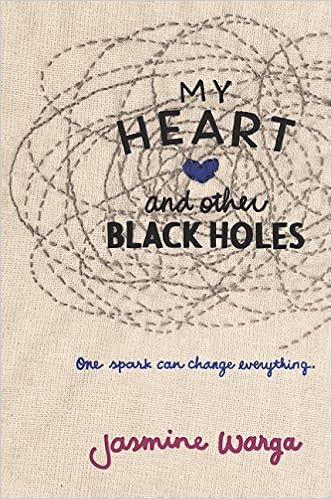
My Heart and Other Black Holes by Jasmine Warga is a transitional piece of literature to me. I find that it balances the scale- it depicts certain aspects of mental health issues that are appealing to young adults through the form of romance while also portraying very dark aspects of depression in a fairly blunt manner.
This book follows the bittersweet tale of two teenagers with traumatic childhoods. Aysel is a sixteen-year-old girl who was raised by her father- however, her father murdered a local boy and she carries that stigma everywhere. She pushes her friends and family away to the point where they barely interact with her anymore. Roman, a sixteen-year-old boy blames himself for his sister’s death and bears the weight of that guilt on his shoulders. Both of them want to end their lives and they become Suicide Buddies through a website. Roman wishes to die by drowning on the anniversary of his sister’s death. They both decide to die together.
Naturally, they begin to fall for each other. Warga artfully depicts the contrast between the thought processes of the two teenagers. For Aysel, all she really needed was to be close to someone again, so meeting Roman helped her heal. Roman, on the other hand, was plagued by guilt and was in his own head which meant that the chances of love changing his thoughts and feelings were far less likely. She showcases this beautifully as we can see Aysel’s determination to take her own life reduce and Roman’s determination to do the same be unwavering. Roman’s final suicide attempt without Aysel shows that he loved her enough to want a good life for her but not enough to live his life. The book ends on an ambiguous note and the readers are left wondering about the uncertain future of Aysel and Roman.
Jasmine Warga displays a clean and slightly poetic writing style throughout the book. The language and narration remain consistent throughout the book. There is clear character development for the main characters and adequate character development for others.
All in all, My Heart and Other Black Holes is a very well written piece of YA fiction. I would highly recommend this book to those looking for a quick yet meaningful read.
The world observes September 16th as International Day for the Preservation of the Ozone Layer or World Ozone Day. The day marks the anniversary of the Montreal Protocol which was signed to keep in check Ozone depleting substances. On this day, people from all over the world hold talks and seminars on the ozone layer. Educators teach students about the benefits of the Ozone layer and special events and activities are organised to spread awareness.
The ozone layer is a fragile shield of gas that protects the Earth from the harmful portion of the rays of the sun, thus helping preserve life on the planet. Ozone is a protective layer that protects us from harmful radiations of the sun. It is crucial for sustaining life on this planet. Montreal Protocol was an effort countries made to collaborate and protect the ozone layer. The principal aim of the Montreal Protocol is to protect ozone layer by taking measures to control total global production and consumption of substances that deplete it.
World Ozone Day 2022 Theme “Montreal Protocol@35: global cooperation protecting life on earth” is the theme of World Ozone Day 2022.
Let us understand what Ozone is and how it is being depleted.
Ozone is made up of three atoms of oxygen. It is highly reactive gas and is represented by O3. It occurs naturally as well as a man-made product in the Earth’s upper atmosphere i.e. stratosphere and lower atmosphere i.e. troposphere. The Ozone layer is present in Earth’s atmosphere (15-35km above Earth) in the lower portion of the stratosphere and has relatively high concentrations of ozone (O3). Naturally, it is formed through the interactions of solar UV radiation with molecular oxygen O2. It reduces the harmful UV radiation reaching the Earth’s surface.
The main cause of ozone depletion and the ozone hole is manufactured chemicals, especially manufactured halocarbon refrigerants, solvents, propellants, and foam- blowing agents (chlorofluorocarbons (CFCs), HCFCs, halons). Since the early 1970’s, scientists observed reduction in stratospheric ozone and it was found more prominent in Polar Regions. ODS substances have a lifetime of about 100 years.
The Human Development Index 2022 is part of the Human Development Report 2021-2022 released by the United Nations Development Programme. In HDI 2022, 191 countries have been ranked based on their HDI value measured on the basis of 4 indices- life expectancy at birth, mean years of schooling, expected years of schooling, and the Gross National Income (GNI) per capita.
India ranks 132 out of 191 countries in the Human Development Index (HDI) 2021. This shows a decline in its score over two consecutive years for the first time in three decades. In 2020, India ranked 130 with an HDI value of 0.642. Before the COVID-19 outbreak, the HDI value of India was 0.645 in 2018. This drop in HDI score is consistent with the global trend which shows countries have fallen backward in human development since the outbreak of the COVID-19 pandemic.
With a rank of 132, India is now placed below its south Asian neighbours of Bangladesh (129th), Bhutan (127th), Sri Lanka (73rd) and China (79th). India registered a decline in its HDI score for two consecutive years for the first time in three decades. India’s HDI score of 0.633 placed it in the medium human development category. However, India has improved slightly in the Gender Inequality Index.
However, UNDP says the ranking cannot be comparable as in 2020, the HDI was measured for 189 countries, and this year, the value has been calculated for 191 countries. It also said India’s latest rank reflects global trend as 9 out of 10 countries have fallen backward in human development in the face of multiple crises like Covid-19, the war in Ukraine and dangerous planetary changes.
If you’re reading this, then chances are that you are looking for some way to improve your life. Maybe you need help with personal development or maybe you’ve been thinking about starting a new job or volunteering at an organization. Whatever your reason for wanting to make changes in your life, it’s important that we keep our eyes open and try new things so we can be successful in achieving our goals.
Without encouragement, it is difficult to change.
Without encouragement, it is difficult to change. You need to believe in yourself and think that you can improve your life by making positive changes. The first step is believing that you can improve for the better—that’s because it will make all the difference. If you do not believe that things can get better, then no one else will either.
If someone says they are going through hard times or struggling with something difficult right now, try giving them some words of encouragement as a way of showing them how much strength there is inside themselves despite their circumstances (or lack thereof). This could mean saying something like “I know what it’s like when things keep getting worse instead of better.” Or maybe even just “I’m sorry about everything happening right now.” These small gestures go a long way towards helping those around us feel supported during times when we feel isolated from others’ understanding due to our own struggles.
You are most likely to succeed if you focus on one change at a time.
The key to success is to focus on one change at a time. This can be as easy as focusing on improving your diet, or it may be more complex—it depends on what you’re trying to accomplish and how long it will take for you to reach your goal.
For example: If you want to lose weight, then focus on eating healthier food and making more exercise a part of your daily routine. Once that’s accomplished and needs adjusting (such as adding more fruits or vegetables), move onto the next step by increasing the amount of exercise in your schedule again until all of these changes have been completed successfully.
Changing your life takes time and daily effort.
Changing your life takes time and daily effort. You can’t change a habit overnight, nor can you expect to change your lifestyle or attitude overnight.
You have to commit to making positive changes in the way you think and act for them to stick. This includes changing negative beliefs about yourself and others, as well as changing other people’s perceptions of you—for example, by doing something nice for someone else instead of taking advantage of them.
The changes you make will have an impact on other people, so talk to them about what you are doing.
Make sure you have a support network:
You can’t do it alone! You need people who believe in you and want to help support your goals.
Be honest with yourself:
Don’t let yourself get discouraged by results because they won’t always be immediate or easy to achieve; this is just another step in the process of self-improvement.
You are more likely to change your behavior if you write down your goals and track your progress toward them.
If you want to make changes in the way that you live your life, it’s important to write down your goals. The more specific and detailed they are, the easier it will be for you to stay focused on achieving them.
You can use a notebook or spreadsheet as a place where you put down all of the things that matter most to you—including what motivates each goal and any additional details about how long until completion or other deadlines associated with achieving each goal (if applicable). Then once per month or so (depending on how often progress is made toward those goals), go back through this list of ideas and see where there are still opportunities for improvement or new additions which may help bring about change faster than otherwise would be possible otherwise.”
Sometimes people need a second or third try before they can achieve their goals.
Change is a process that can happen gradually if we give ourselves permission to not be perfect.
It’s okay to fail. You don’t have to make every mistake in the world, but you do need to take risks and learn from them. If you’re going through a difficult time, it may feel like everything is stacked against you, but remember: You’re stronger than that! Don’t let anyone else dictate what your limits are; set boundaries for yourself so that everyone around you knows where they stand with respect toward how much weight/pressure/stressors they bring into your life (and vice versa).
You can’t change everything at once! Change takes time and effort—you might not see results right away on day one of starting something new at work; sometimes there are things we need practice doing before learning how good our new skills actually feel like coming out of our mouths (or fingers). Make sure whatever goal(s) this month has been focused on has been well-thought out beforehand so as not waste valuable resources unnecessarily trying out half-baked ideas prematurely – because even though change doesn’t happen overnight…it does happen eventually
Conclusion
If you are ready to start changing your life and make some changes in your life, then this is the right time. Start now.
Stress is a natural part of life, and like many things, it’s important to learn how to manage it. If you’re suffering from stress, here are some helpful tips for coping:
Find a hobby
If you’re looking for a way to manage stress and unwind, a hobby can be an excellent option. It doesn’t have to be something specific or intense; you could simply enjoy doing something that inspires you every day.
Whatever it is that makes your heart race with excitement, there’s probably an outlet for it in your life—if not now then at some point in the future. Taking up knitting or painting might seem like an odd choice when you’re stressed out by midterms and finals, but these activities can become routine sources of relaxation as well as hobbies!
When we were kids growing up, many of us were fond of playing sports: football or baseball games were favorite pastimes at our houses during the summer months because they gave us something physical (and occasionally competitive) to do together after school hours were over. Nowadays however there are plenty other ways for parents and kids alike alike enjoy getting involved together outside on weekends – whether through volunteering with community organizations like Habitat For Humanity; going camping together on family camping trips; taking part in organized activities such as dance lessons where everyone learns new moves together while having fun at once too 🙂
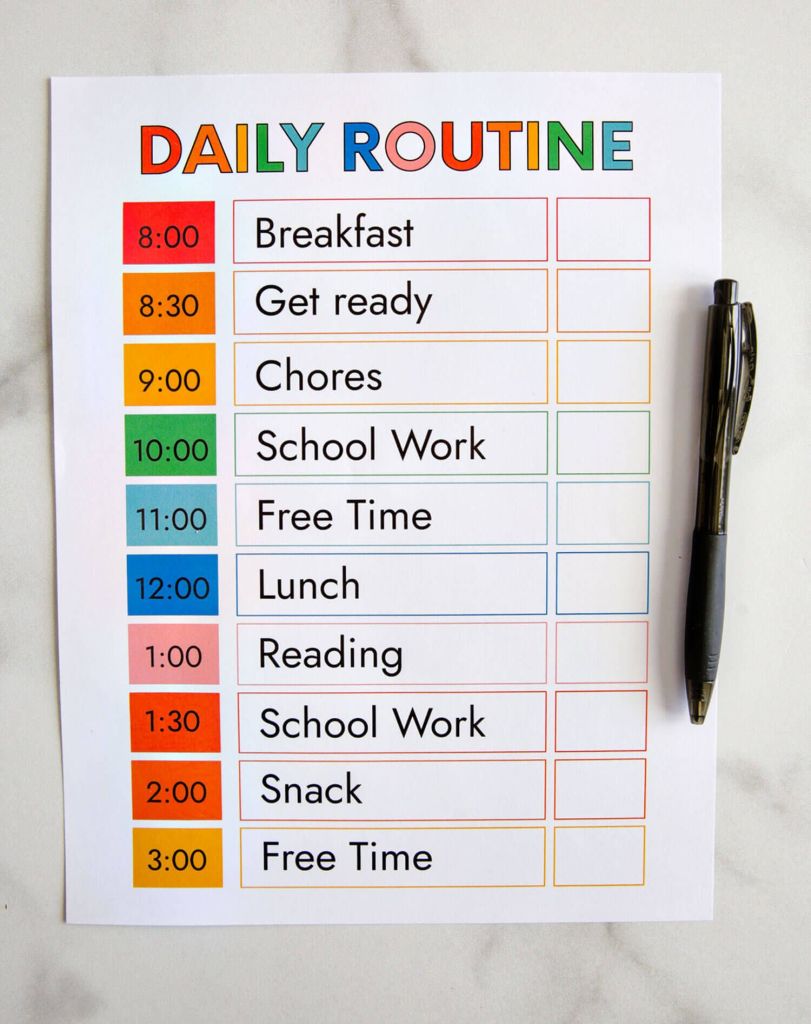
Build a daily routine
The first step to managing stress is building a daily routine. A morning routine, afternoon routine and evening routine are all good places to start.
Make sure you have your coffee (or tea) before 7:30 AM. This will help you get going in the morning and prevent late-night cram sessions later on in the day when you’re tired or distracted by something else that needs doing.
Get through at least one workout session per week—even if it’s just walking around campus for 30 minutes with friends or playing basketball with teammates after class! Exercise helps burn off energy so that mentally challenging tasks don’t seem insurmountable anymore; moreover, exercise has been shown to reduce anxiety levels as well as improve moods overall.* Go grocery shopping once per week rather than buying food from convenience stores because they tend to have higher prices than supermarkets do; however replacing fast food with healthy alternatives like salads instead of burgers will save money while still providing nutritious meals throughout each day.* Try not using social media sites like Facebook or Twitter too frequently either during lunch breaks at work because this causes users’ lives outside office hours become blurred together into one giant blur which makes everything seem more difficult than before since now there’s no separation between work life & personal life anymore.
Eat healthy food
Eating a balanced diet is key to managing stress. It helps you feel more energized and less tired, which can help you avoid getting sick or stressed out by hunger pangs. If possible, eat a healthy breakfast every morning—this will give you the energy boost that makes it easier for you to get through your day!
If eating junk food is something that stresses out your stomach (and let’s be honest here: who doesn’t love pizza?), try finding healthier snacks like fruit salad bites or even granola bars instead of sugary ones. The key here is moderation; no one should ever eat too much junk food because this will only make them feel worse afterwards.
Get in touch with your family
Stress is a normal part of life and as such, it’s important to find ways to manage your stress. One way you can do this is by talking with your family about how they can help.
Family members are a great source of support when it comes to helping you manage stress—and they may not even realize how much they’re helping! If you have parents or siblings who live nearby, consider asking them if they’d like some help managing their own lives and those around them. You could even offer up some of your time (or money) in exchange for their assistance so that everyone benefits from their efforts together.
Get enough sleep
Sleep is important for learning and memory.
It’s also linked to stress reduction.
Getting enough sleep can help reduce your stress levels, which will make you more productive at school or work.
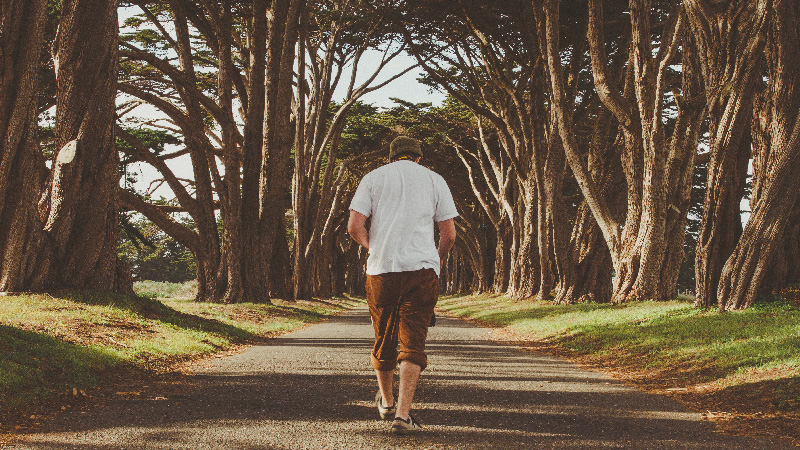
Go for a walk
You can get away from the stress of school by going for a walk.
Go for a walk alone or with friends if you’d like, but don’t worry about being seen—the point of walking is just to move your body, not impress others. Listen to music while you walk (or listen in silence), and try to take in some fresh air too. Take your dog for a long walk around the neighborhood; they’ll love it! If possible, try walking at least 10,000 steps each day—that’s equivalent to running one mile per hour continuously for 30 minutes straight! When I was younger and had more energy than I do now as an adult who’s trying everything she can think of not only stay healthy but also keep fit at age 55+.
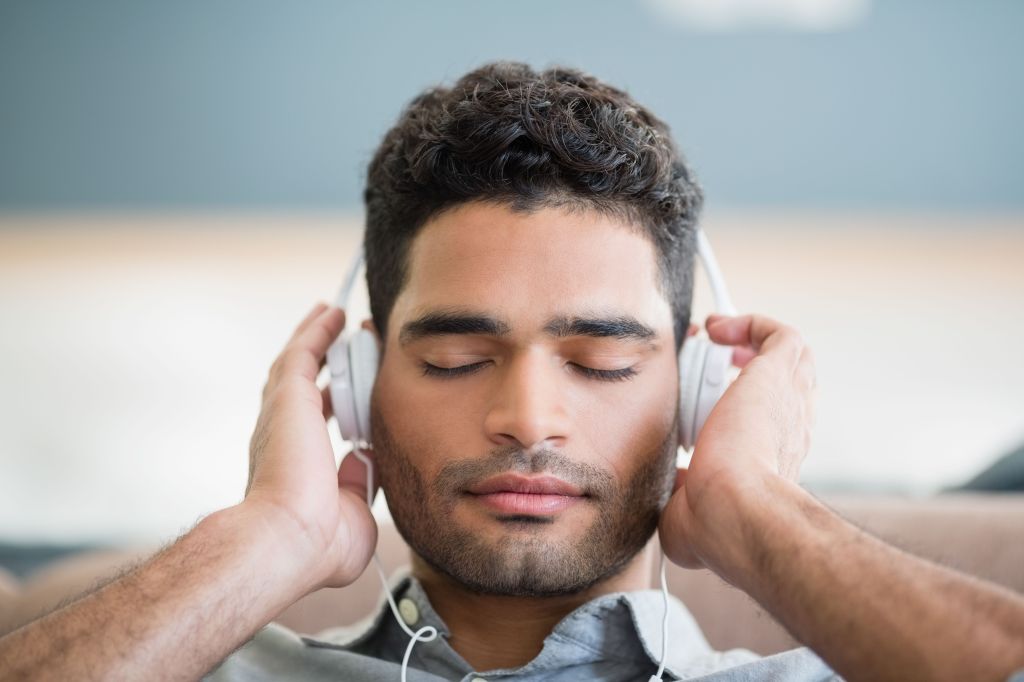
Listen to music
Music is a great way to relax and de-stress. You can listen to any music you like, but try not to choose something that’s too hard or fast. Music can also help you focus on what’s important in your life, which will help keep things in perspective when they get overwhelming.
Music can also help with sleep! I recommend listening before bed because it helps calm your mind enough so that it doesn’t keep tossing and turning at night because of all the stressors going through your head during the day (or even week).
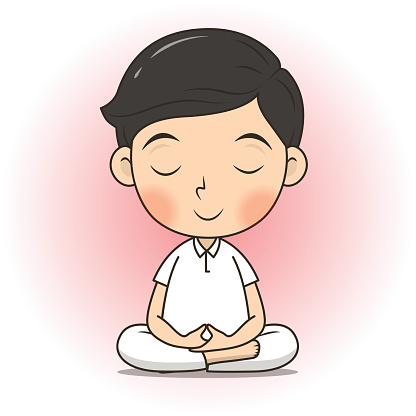
Meditate
Meditating is a great way to relax and unwind. It can help you deal with stress, anxiety and depression, improve your memory and creativity, even slow down the aging process.
If you’re new to meditation or have never tried it before there are plenty of ways that beginners can begin:
Sit comfortably in a comfortable position (sitting or lying down).
Close your eyes if possible – this might help you focus better on what you are doing (most people choose not to cover their eyes).
Start by breathing normally through both nostrils for one minute without counting the breaths or trying anything else at first; this will help clear any thoughts from your mind so that when they come back again later on during meditation they won’t distract us from our task at hand which is meditating.
Talk to someone about your stressors
Talking to someone about your stressors is an important part of managing them. You can talk to your friends and family, but it’s also helpful to talk about the stressors with a therapist or counselor. If you feel comfortable talking about this issue with a doctor, go for it! The same goes for religious leaders, coaches and mentors who have experience dealing with similar issues in their own lives. And if none of these people are available yet, teachers are usually willing to listen when students come seeking guidance from them (or even just want advice on how they should handle their own problems).
Few more steps to encounter stress
Stress can be caused by a variety of factors including work-related issues, relationships with friends and family members or even just having too much on your plate at once. In order to manage stress effectively there are some steps that you can take:
Start taking breaks from time to time during the day (even if only for 5 minutes). This will help you relax and recharge so that when you return back into work mode again; everything feels fresh again.
Try getting outdoors more often during the day so that there’s less time spent indoors where all these feelings tend to accumulate over time because there isn’t much else going on besides watching TV shows while eating pizza as opposed being outside enjoying nature around us all… You get what I mean? 🙂
I hope this article has given you some useful tips for managing your stress. Remember that the best way to deal with a stressful situation is to stay calm and take action. Use our tips above and find something that helps you relax, like giving yourself time away from your responsibilities or getting some exercise – anything will do.
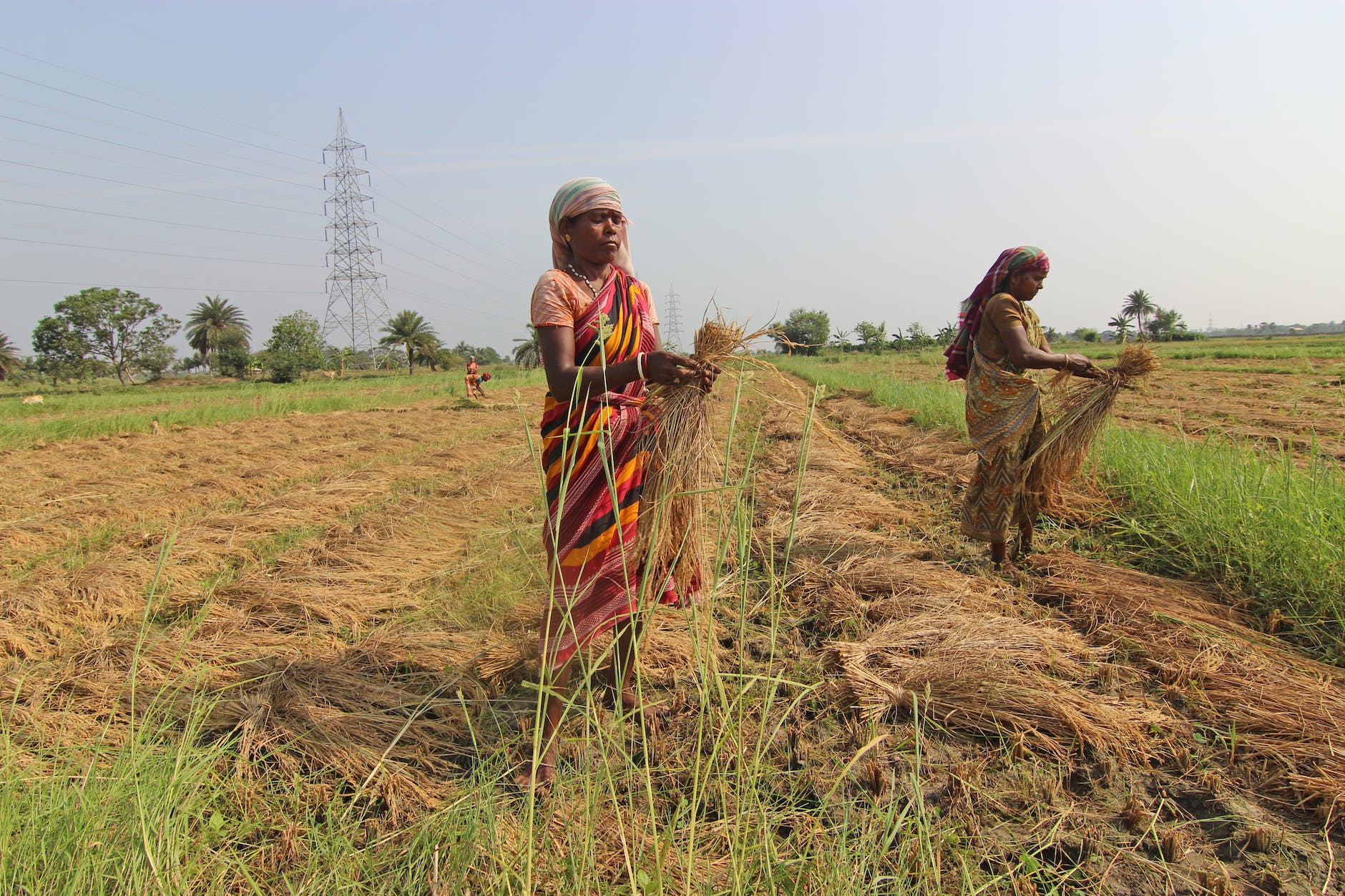
The majority of population in India (about 73 per cent) is living in rural areas. Living conditions of the rural people are very poor. Under such a situation, development of rural areas must receive adequate attention in various schemes designed for the development of Indian economy.
The rural part of the country is still underdeveloped, and the government is doing what all they can to make sure that the rural part also has all the resources like the urban of the country has. But if survey gets conducted at various parts of the country, one will find out that still there are a lot of city and villages in the country whose development is still under process. Various kinds of roads and bridges are being made in various rural parts of the country so that they get connected to an urban part of the country, and thus people from rural part can travel to urban part easily to do various kinds of jobs.
Many industrialists have stepped out to develop rural part of the country, and that is why a lot of malls, call centers, and other industries are getting set up in various rural parts of the country. These industries will not only make job opportunities for the rural people, but it will also enhance their knowledge about certain things.
The following measures can he taken to attain rural development in the country.
Improvement of sanitation and for the improvement of sanitation, arrangements for supply of pure drinking water should be made. Tube-wells and ponds should be dug.
Education of the masses, Mass education should be introduced to remove the ignorance of the villagers. Education should be made free and compulsory.
Establishment of schools for poor people. Night schools should be set up for poor to teach elementary Hygiene and scientific methods of cultivation.
Establishment of cheap medical aid for people in rural areas. Hospitals should be established to give cheap medical aid to the people living in rural areas.
Construction of good roads and other means of communication is must.
Co-operative Credit Societies should be set up to provide loans to the peasants.
The Ministry of Rural Development is engaged in implementing a number of schemes which aim at enabling rural people to improve their living standards. Education, removal of poverty and speedy socio-economic progress is the goal with which the development programmes are being implemented through a multi pronged strategy, reaching out to the most disadvantaged sectors of society Huge priority is being accorded to provide clean drinking water, rural housing and road. The social security programmes are being implemented for providing assistance to the destitute and downtrodden. Assistance and encouragement to voluntary agencies and training of functionaries forms part of the emphasis on accelerated rural development. The ministry is constantly endeavouring to empower the Panchayt Raj institutions in terms of functions, power and finance. In the new initiative the Gram sabha has become the most significant institutions. Non-Government Organisations self help group and Panchayati Raj institutions have been accorded adequate role to make participating democracy meaningful and effective. Development of waste lands desert and drought prone areas has also been undertaken along with land reforms.
There are many habits that destroy your mental peace, happiness and mostly you. Some of them are usually with different addictions or because of people but what destroys you as a person depends on how you view things and people around you. Your environment is what shapes you but to be different, you have to do it by yourself.
The most common habits have become common because we are more focused elsewhere than ourselves. To be a better version of yourself, you need to view your flaws and work on them.
Spotlight Effect: We overestimate how much attention people give to our words and appearance. Imagine you said something but it felt wrong after it came out. In reality, everyone only remembers it for the moment and immediately moves to the next topic. We ponder over it for days, forgetting that others don’t care as much as we do about it.
Example: “The red shoes don’t match the outfit at all! I guess the guys are laughing because of it”
*Red shoes matched the outfit better than you imagined*
Truth: No one cares about you as much as your loved ones do. Everyone is just a temporary traveler in your life and you have to be okay with it. Dress how you want and be how you want to be.
Status Quo Bias: We prefer for things to be the same; usually change is viewed as a negative aspect of life. If you adopt a new habit that cuts out something from your life, you immediately feel guilty of not being able to manage it, so you quit your new habit for the old one because it feels more comfortable.
Example: “I like to paint, but the classes are on Friday, I won’t be able to party! I can always paint later so let’s party now!”
*Proceeds to miss out on an amazing experience*
Truth: Change is hard. To adapt to a new routine and new place is always difficult and your mind is stuck on the old routine, but only then do you learn more about yourself. You may like to paint now, but when you explore it, you may not want to put the brush down! You need to explore that change for a while to know more about yourself.
Zeigarnik Effect: We focus more on the incomplete tasks than the ones that have been completed. Sometimes, we forget to see that we have accomplished many things on the way, and we focus on the ones that we have not accomplished yet. It pushes you to feel bad that you are not able to do anything.
Example: “Bro I lost the Table-Tennis Pan-India Semi-finals! I feel so like I can’t do it anymore”
*Came so far by winning championships and tournaments*
Truth: You have to see where you are today. Look behind you and see the different hurdles you had to come across. You didn’t cross them just to go back did you? It does feel bad to not achieve something the first time you try it, but when you achieve it, after toiling for some time, the fruit is incomparable.
Pessimism Bias: We tend to overestimate the possibility of negative outcomes. We always have a small part of your mind that searches for a negative outcome. What you see and ask for, is what you get and have. You will increase the chance of losing the opportunity if all you see is losing it.
Example: “I feel like I will lose this chance to be head of department, there are so many others who are way more qualified.”
*Loses opportunity because it messed with your confidence and screwed your interview*
Truth: What energy you put out, is what you usually get. Sometimes, you lose opportunities, but don’t dwell on the wrong aspects. You may not have the necessary qualifications but the way you portray yourself is what gets you opportunities.
Sunken-Cost Fallacy: We invest more in things that have cost us something, even if we have negative outcomes. We feel that if we invest more, the difference can be recovered with just a little gain.
Example: “My portfolio is down by 25%! I will invest 50% of it so with a 25% gain, I can recover the loss”
*Proceeds to lose more because the stock market is in a bear phase*
Self-serving Bias: Our failures are situational but our success is our hardwork’s result. We view that our failures are determined by external factors and our success is because of us. It is also difficult to ascertain what caused success or failure on the spot so we divide it based on the result.
Example: “I lost the game because the opponent was too strong. I got the best player of the match because I practiced well”
*Opponent won because of your overconfidence in your practice*
“The eyes sees only what the mind is prepared to comprehend.”
~Robertson Davies
Sometimes, we see these habits recurring but we don’t want to change because we feel it will make others dislike us. By changing, you are not making your friends feel bad but giving them a chance to understand that it’s time to improve. It’s time to make yourself the person you always wanted to be. Everyday is a learning step and only then can you improve. These habits of biasing situations have a lot of effect on where you are and where you want to be.
Cyberbullying is a form of online harassment or bullying using electronic means. It has become increasingly common, especially among teenagers. Cyberbullying includes sending, posting, or sharing negative, harmful, false, or mean content about someone else. It can include sharing personal or private information about someone else The most common places where cyberbullying occurs are:
• Social Media, such as Facebook, Instagram etc.
• Text messaging and messaging apps on mobile or tablet devices
• Online forums, chat rooms, and message boards, such as Reddit
• Email
• Online gaming communities
How we can stop or prevent cyberbullying? 1) Don’t respond to any emails, app messages, or text messages sent by cyberbullies. 2) Don’t be an accomplice by forwarding any of the messages to others kids. 3) Take screeshots as proof and evidence of cyberbullying. 4) If you are being bullied, tell an adult to get help solving the problem.
Cyber crime is any criminal related activity done by a person using a computer or network. It can also be defined as any illegal activity done via the internet. Offences that are committed against individuals or group of individuals with a criminal motive to imtentionally harm the reputation of the victim or cause physical or mental harm using modern telecommunication networks such as Internet (e – mails, chat rooms, etc) and mobile phones(bluetooth, sms, mms) is termed as cyber crime.
Listed below are some ways to prevent Cyber Crime:
1)Strong password
Passwords should be of eight characters (including a combination of letters, numbers and symbols).
2) Ensure your software is up-to-date
3) Don’t fall for pop-ups
If an email or pop-up window asks you to enter username or password, don’t do it. Instead, open your browser and visit the site directly.
4) Secure your internet network with a strong encryption passwoed and a VPN
5) Educate yoir children about internet risks
Communicate with them and assure them that they can come to you if they face any stalking, bullying or online harassment.
6) Protect your financial data
Remember this: Legitimate banks or companies will never ask for any personal details or ask you to transfer money into an account.
7) If you fall victim to Cyber crime, then:
a) contact the banks or companies where the fraud occured.
b) place fraud alerts and get your credit reports
c) register complaint with cyber cell or local police station
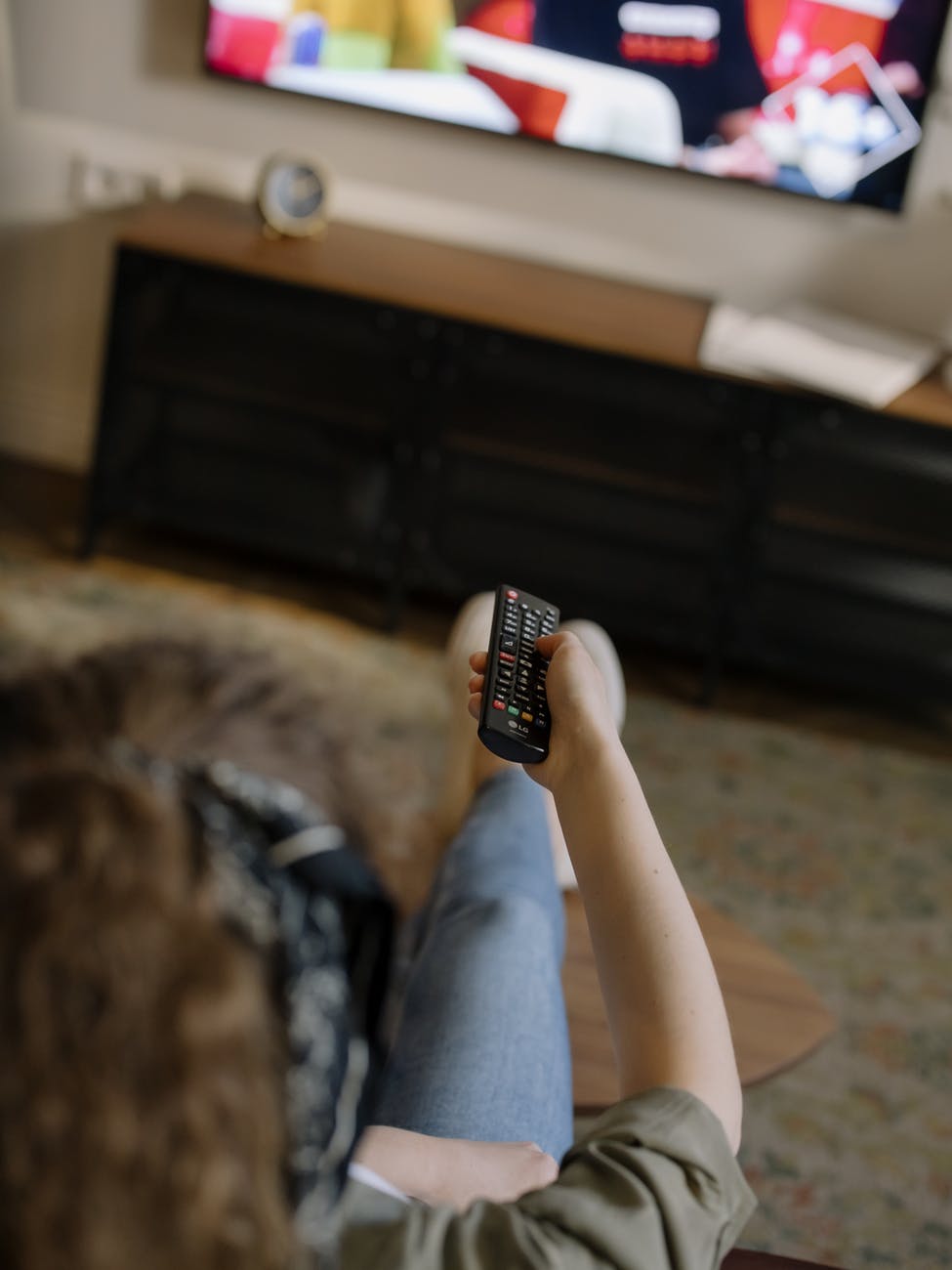
Children are being negatively impacted because of exposure to tv and internet. Today kids spend more time watching tv or on phone which tends to slow down thier metabolism rate. Infact browsing stuffs online to playing games all day can make them dull and unproductive. Spending insignificant amount of time on tv and internet can make children suffer from lack of sleep and cause serious health problems. Henceforth, a healthy balance and strict timetable needs to be devised by parents which should restrict the amount of time a child spends on tv and internet. For instance, a child can watch educational videos on youtube which can help them to understand their lessons better or can watch news on tv to get equipped with current affairs apart from just playing games or watching cartoons. Limiting the amount of time being spent on tv and internet, parents can involve their children in other healthy activities such as practising yoga or taking up a sport or say learning a new musical instrument. That way a child can do better not only in his academics but can also excel in other creative artforms
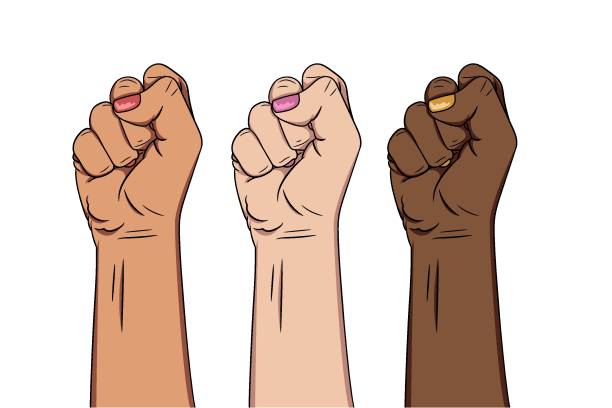
Racial discrimination is one of the social evils which had took the lives of a whole lot of innocent people. This evil has not only killed people, it has also made life miserable for many. Even the so called “most civilized society” in the world could not free itself from this social evil and in fact it has been stage for the most alarming cases we had ever heard. There were a whole lot of legislations implemented aiming to prevent this, and it has helped at least for developing a public opinion against racial discrimination.
People around the world have raised their voice against this evil in whatever ways possible and one such strong means was through literature. Several authors have shared either their experiences or some strong stories which had acted as an eye opener for many people. The realistic stories have created an empathetic attitude among general public. Some books are:
The help
The Help is a historical fiction novel by American author Kathryn Stockett. The story is about African Americans working in white households in Jackson, Mississippi, during the early 1960s. The thrust of the book is the collaborative project between the white Skeeter and the struggling, exploited “colored” help, who together are writing a book of true stories about their experiences as the ‘help’ to the white women of Jackson. Not all the stories are negative, and some describe beautiful and generous, loving and kind events; while others are cruel and even brutal. The book, entitled “Help” is finally published, and the final chapters of “The Help” describes the aftermath of the book’s success.
To kill a mocking bird
o Kill a Mockingbird is a novel by the American author Harper Lee. The plot and characters are loosely based on Lee’s observations of her family, her neighbors and an event that occurred near her hometown of Monroeville, Alabama, in 1936, when she was ten. The historian Joseph Crespino explains, “In the twentieth century, To Kill a Mockingbird is probably the most widely read book dealing with race in America, and its main character, Atticus Finch, the most enduring fictional image of racial heroism.” However, reaction to the novel varied widely upon publication.
Uncle tom’s cabin
Uncle Tom’s Cabin; or, Life Among the Lowly is an anti-slavery novel by American author Harriet Beecher Stowe. Published in two volumes in 1852, the novel had a profound effect on attitudes toward African Americans and slavery in the U.S., and is said to have “helped lay the groundwork for the American Civil War”. This is one great book which could not be ignored while we discuss racism.
Roots: The Saga of an American
Roots: The Saga of an American Family is a 1976 novel written by Alex Haley. It tells the story of Kunta Kinte, an 18th-century African, captured as an adolescent, sold into slavery in Africa, and transported to North America; it follows his life and the lives of his descendants in the United States down to Haley. It stimulated interest in African American genealogy and an appreciation for African-American history.
The color purple
The Color Purple is a 1982 epistolary novel by American author Alice Walker which won the 1983 Pulitzer Prize for Fiction and the National Book Award for Fiction. The story revolves around Celie a young poor, uneducated 14-year-old African-American teenager girl living in the Southern United States in the early 1900s. The novel has been the frequent target of censors and appears on the American Library Association list of the 100 Most Frequently Challenged Books of 2000–2009 at number seventeenth because of the sometimes-explicit content, particularly in terms of violence.
Beloved
Beloved is a 1987 novel by the American writer Toni Morrison. Set after the American Civil War, it tells the story of a family of formerly enslaved people whose Cincinnati home is haunted by a malevolent spirit. Beloved is inspired by an event that actually happened: Margaret Garner, an enslaved person in Kentucky, who escaped and fled to the free state of Ohio in 1856. She was subject to capture in accordance with the Fugitive Slave Act of 1850; when U.S. marshals burst into the cabin where Garner and her husband had barricaded themselves, she was attempting to kill her children, and had already killed her two-year-old daughter, to spare them from being returned to slavery.
It is of severe concern that even in today’s world where borders merely exist, people are discriminated and even killed on grounds of their color, caste, creed or race. These books could be an eye opener for all those who believe themselves to be superior than others merely on ground of their genetic roots.








 Eduindex
You must be logged in to post a comment.