All you need to know about an Economic Recession.

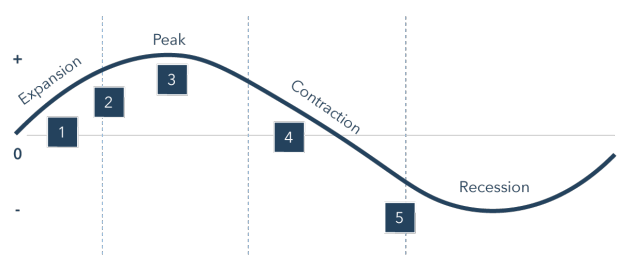
The National Bureau of Economic Research (NBER) defines a recession as “a significant decline in activity spread across the economy, lasting more than a few months, visible in industrial production, employment, real income, and wholesale-retail trade.” A recession is also believed to be signalled when businesses cease to expand, the GDP diminishes for two consecutive quarters, and the unemployment rate rises. The nature and causes of recessions are simultaneously evident and uncertain. Recessions are, in essence, a cluster of business failures being realized simultaneously. Firms are forced to reallocate resources, scale back production, limit losses, and, usually, lay off employees. Those are the clear and visible causes of recessions. There are several different ways to explain what causes a general cluster of business failures, why they are suddenly realized simultaneously, and how they can be avoided.

What Causes a Recession?

Some recessions can be traced to a clearly-defined cause. For instance, the recession of 1973-1975 began as a result of the 1973 oil crisis. However, most recessions are caused by a complex combination of factors, including high interest rates, low consumer confidence, and stagnant wages or reduced real income in the labour market. Other examples of recession causes include bank runs and asset bubbles.

Psychological Factors of a Recession

Psychological factors are frequently cited by economists for their contribution to recessions also. The excessive exuberance of investors during the boom years brings the economy to its peak. The reciprocal doom-and-gloom pessimism that sets in after a market crash at a minimum amplifies the effects of real economic and financial factors as the market swings. Moreover, because all economic actions and decisions are always to some degree forward-looking, the subjective expectations of investors, businesses, and consumers are often involved in the inception and spread of an economic downturn.

Economic Factors of a Recession

Real changes in economic fundamentals, beyond financial accounts and investor psychology, also make critical contributions to a recession. Some economists explain recessions solely due to fundamental economic shocks, such as disruptions in supply chains, and the damage they can cause to a wide range of businesses. Shocks that impact vital industries such as energy or transportation can have such widespread effects that they cause many companies across the economy to retrench and cancel investment and hiring plans simultaneously, with ripple effects on workers, consumers, and the stock market. There are economic factors that can also be tied back into financial markets. Market interest rates represent the cost of financial liquidity for businesses and the time preferences of consumers, savers, and investors for present versus future consumption. In addition, a central bank’s artificial suppression of interest rates during the boom years before a recession distorts financial markets and business and consumption decisions.
What Are the Indicators of a Recession?

Economists determine whether an economy is in recession by looking at a variety of statistics and trends. Factors that indicate a recession include:

  • Rising in unemployment
  • Rises in bankruptcies, defaults, or foreclosures
  • Falling interest rates
  • Lower consumer spending and consumer confidence
  • Falling asset prices, including the cost of homes and dips in the stock market

All of these factors can lead to an overall reduction in the Gross Domestic Product (GDP). The European Union and the United Kingdom define a recession as two or more consecutive quarters of negative real GDP growth.

Impact of Covid-19 Pandemic on the Economy

In February 2020, the National Bureau of Economic Research (NBER) announced that according to their data, the U.S. was in a recession due to the economic shock of the widespread disruption of global and domestic supply chains and direct damage to businesses across all industries. These events were caused by the COVID-19 epidemic and the public health response. Some of the underlying causes of the two-month recession (and economic hardship) in 2020 were the overextension of supply chains, razor-thin inventories, and fragile business models. The pandemic-related recession, according to NBER, ended in April 2020, but the financial hardship caused by the pandemic is still impacting Americans.

For simpler understanding-

World immunization week

Vaccination Tracker for COVID-19 | UL

After two long years of Covid 19 and its difficulties world is getting back to normalcy. Covid vaccines are the most important weapon which helped the human kind to defeat this virus which bought the entire world to a halt. Similarly, there are several instances when vaccines came to the rescue of mankind.

Recognising the significance of immunization, world health organization observes the last week of April as world immunization week every year. It aims to highlight the need for collective action to promote the use of vaccine. The theme for this year is “Life for all”. On this instance, let us learn more about vaccines:

What are vaccines?

A vaccine is a biological preparation that provides active acquired immunity to a particular infectious disease. A vaccine typically contains an agent that resembles a disease-causing microorganism and is often made from weakened or killed forms of the microbe, its toxins, or one of its surface proteins. The agent stimulates the body’s immune system to recognize the agent as a threat, destroy it, and to further recognize and destroy any of the microorganisms associated with that agent that it may encounter in the future.

The administration of vaccines is called vaccination. Vaccination is the most effective method of preventing infectious diseases widespread immunity due to vaccination is largely responsible for the worldwide eradication of smallpox and the restriction of diseases such as polio, measles, and tetanus from much of the world.

Even though vaccines have got all these positives many are still hesitant to get vaccinated. This is termed as vaccine hesitancy. The major reasons are:

  • Lack of confidence

Most of the times people will show hesitancy towards vaccine if they are not confident about the manufacturers. In order to solve this issue, the government has to ensure the general public about the reliability of vaccines.

  • Lack of sufficient testing

In some cases, vaccines may not be pre tested sufficiently before administering to the general public. In such instances government has to clarify regarding the surety of vaccines.

  • Illiteracy

Lack of knowledge among people also act as a barrier to vaccination drives. Due to ignorance people will not give importance to vaccine.

  • Religious and cultural beliefs

Some religions lay down restrictions to their followers in case of immunization. As a part of cultural or religious beliefs there exists some inherent resistance towards vaccination

  • Lack of access

Inaccessibility to vaccines also restricts vaccination process. Lack of health care services and facilities in remote areas prevents vaccination.

  • Inconvenience

Sometimes the long process and follow ups are difficult for people and many people find it inconvenient. In this case people should be made aware of the importance of vaccination. Also, efforts should be made to make the process less tiring.

  • Economic barriers

In many cases the vaccines are costly and downtrodden masses are unable to pay the price for vaccines. The government subsidies must be provided properly to solve this issue.

  • Future health implications

Some people don’t take vaccines fearing the health impacts in future. Believing the rumours many people fear to take loans.

  • Personal beliefs

The inherent beliefs and thoughts May also restrict people from getting vaccinated. Their political inclination and other such factors will affect this process.

Ultimately, it is the duty of general public to educate the hesitant population about the benefits of vaccination. The government should also play significant role in educating people and encouraging research.

So, let us work together and ensure a healthy life for all.

Why should one get enough sleep?

We all need sleep, get most of us take it for granted by staying up for  long hours at night watching a screen or blocking the brain with caffeine and other harmful drugs . Many people do not get enough quality sleep, and this can affect their health, well-being, and ability to do everyday activities.

You may think nothing is happening when you sleep. But parts of your brain are quite active during sleep. And enough sleep (or lack of it) affects your physical and mental health. When you sleep, your body has a chance to rest and restore energy. A good night’s sleep can help you cope with stress, solve problems or recover from illness. Not getting enough sleep can lead to many health concerns, affecting how you think and feel.

How much sleep do I need?

Many factors affect how much sleep you need. Age is a big factor:

  • Infants need about 16 hours a day.
  • Toddlers and preschoolers need about 12 hours.
  • Teenagers need about nine hours.
  • Adults need seven to eight (though some are fine with five and others need closer to 10).
  • Pregnant people often need more sleep during the first trimester.

If you haven’t slept well or long enough for a few days, you might create a sleep debt. Once your debt builds up, you may feel physically and mentally exhausted. Try to make sure you get enough sleep every night to avoid creating this debt. You can’t necessarily make up your debt by sleeping a lot on the weekends. It’s best to get enough sleep all week long. A person who is getting too little quality sleep may experience a range of symptoms including: fatigue, irritability, mood changes, difficulty focusing and remembering, reduced sex drive

In1965 , an experiment was conducted where a high school boy stayed up for 264 hours or 11 days. He slowly lost focus of the eye, became moody and irritable, he stopped sensing stimuli and could not concentrate or retain memories. We grow sleep due to signals from our body hormones like melatonin and adenosine that send us into a deep doze.

During the night, you cycle through two types of sleep: non-rapid eye movement (non-REM) sleep and rapid eye movement (REM) sleep. Your brain and body act differently during these different phases. During non-REM stages, your body-Builds bone and muscle, Repairs and regenerates tissues, Strengthens the immune system. When you enter REM sleep, brain activity increases again, meaning sleep is not as deep. The activity levels are like when you’re awake. That’s why REM sleep is the stage where you’ll have intense dreams. Usually, REM sleep arrives about an hour and a half after you go to sleep. The first REM period lasts about 10 minutes. Each REM stage that follows gets longer and longer.

Sleeplessness may result in inflammations, hallucinations, high blood pressure and is also related to obesity and diabetes and obesity along with impairment in memory mood, reaction time etc.

How does sleep deprivation cause such immense effects?

 Our brain collects a lot of unwanted information during the day that can be proceed as useful and waste while we sleep. Our brain uses a lot of energy source that leads to build up of adenosine, which increases the urge to sleep and caffeine blocks the pathway of this that causes us to be awake. Waste products if not cleared away overload the brain leading to the negative symptoms of sleep deprivation. A glymphatic system is present in all which acts as a clean-up machine that removes this build up and is active mostly when we are asleep. hence if the brain doesn’t get its sufficient recharge it could lead to dire consequences like insomnia and other fatal disorders that a person can develop. For now, we can be sure that slipping into slumber is a necessity to maintain our health and sanity.

Takeaway

Sleep deprivation can harm a person’s mental and physical health, their performance at school or work, and their overall quality of life. Also, a persistent lack of sleep can lead to complications or indicate an underlying health problem, such as sleep apnea or anxiety. Anyone who is concerned about a lack of sleep should contact a medical professional.

Explaining Autism

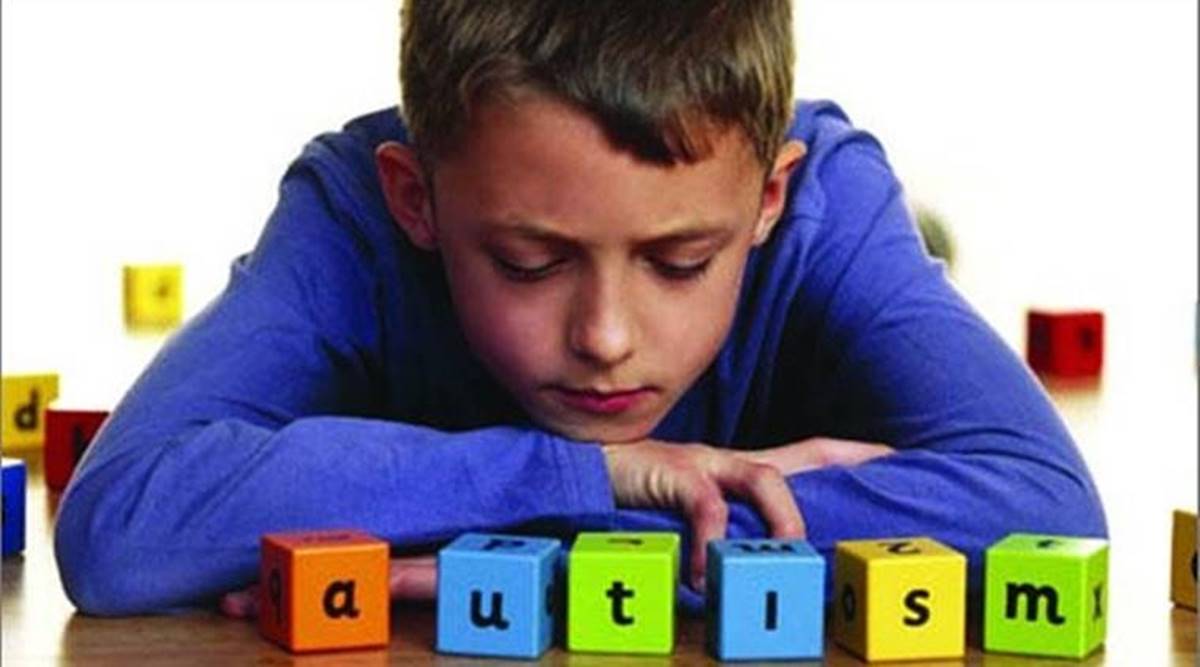
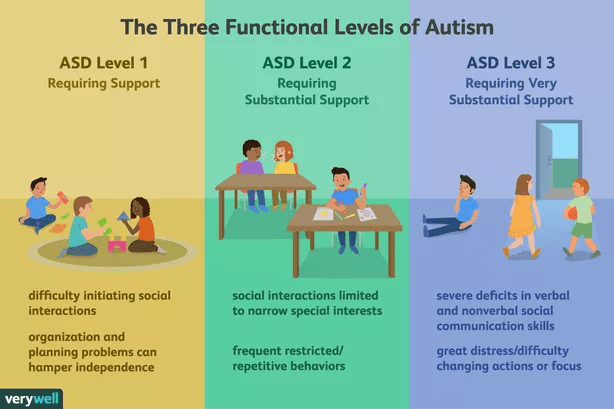
There are many people around us of different age groups that are either diagnosed or have underlying symptoms of autism. Autism is a neurodevelopmental disorder characterized by challenges with social communication, and by restricted and repetitive behaviours. is now considered part of the wider autism spectrum. People with autism have trouble with communication. They have trouble understanding what other people think and feel. This makes it hard for them to express themselves, either with words or through gestures, facial expressions, and touch. People with autism might have problems with learning. Their skills might develop unevenly. For example, they could have trouble communicating but be unusually good at art, music, math, or memory. Because of this, they might do especially well on tests of analysis or problem-solving. More children are diagnosed with autism now than ever before. But the latest numbers could be higher because of changes in how it’s diagnosed, not because more children have a disorder.

Autism is known to affect every one in every 60 individuals and boys are said to have more risk of developing it than girls. It can be hard to get a definite diagnosis of autism. Your doctor will focus on behaviour and development.

A developmental screening will tell the doctor whether a child is on track with basic skills like learning, speaking, behavior, and moving. If a child shows signs of a problem on these screenings, they’ll need a more complete evaluation. This might include hearing and vision tests or genetic tests. Your doctor might want to bring in someone who specializes in autism disorders, like a developmental paediatrician or a child psychologist. Some psychologists can also give a test called the Autism Diagnostic Observation Schedule (ADOS).parents can also find some symptoms and unusual behaviour

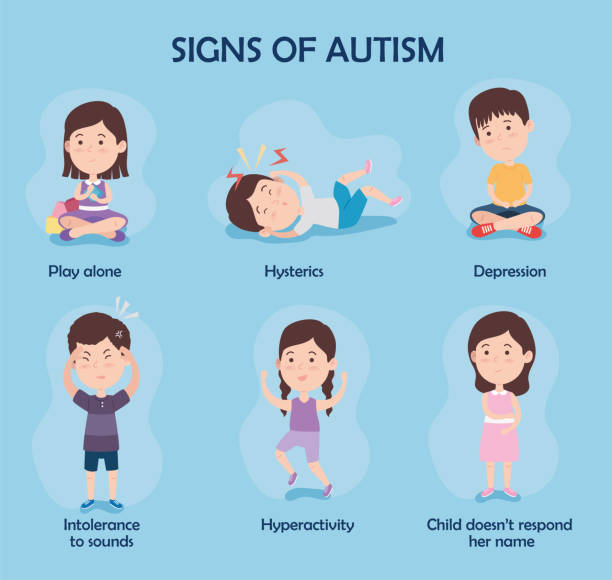
Common symptoms of autism include:

  • A lack of eye contact
  • A narrow range of interests or intense interest in certain topics
  • Doing something over and over, like repeating words or phrases, rocking back and forth, or flipping a lever
  • High sensitivity to sounds, touches, smells, or sights that seem ordinary to other people
  • Not looking at or listening to other people
  • Not looking at things when another person points at them
  • Not wanting to be held or cuddled
  • Problems understanding or using speech, gestures, facial expressions, or tone of voice
  • Talking in a sing-song, flat, or robotic voice
  • Trouble adapting to changes in routine

What Are the Types of Autism Spectrum Disorders?

These types were once thought to be separate conditions. Now, they fall under the range of autism spectrum disorders including:

Asperger’s syndrome. These children don’t have a problem with language; in fact, they tend to score in the average or above-average range on intelligence tests. But they have social problems and a narrow scope of interests.

Autistic disorder. This is what most people think of when they hear the word “autism.” It refers to problems with social interactions, communication, and play in children younger than 3 years.

Childhood disintegrative disorder. These children have typical development for at least 2 years and then lose some or most of their communication and social skills.

Pervasive developmental disorder (PDD or atypical autism). Your doctor might use this term if your child has some autistic behavior, like delays in social and communications skills, but doesn’t fit into another category.

What Causes Autism?

Exactly why autism happens isn’t clear. It could stem from problems in parts of your brain that interpret sensory input and process language.. It can happen in people of any race, ethnicity, or social background. Family income, lifestyle, or educational level doesn’t affect a child’s risk of autism. Autism runs in families, so certain combinations of genes may increase a child’s risk. A child with an older parent has a higher risk of autism. Pregnant women who are exposed to certain drugs or chemicals, like alcohol or anti-seizure medications, are more likely to have autistic children. Other risk factors include maternal metabolic conditions such as diabetes and obesity. Research has also linked autism to untreated phenylketonuria (also called PKU, a metabolic disorder caused by the absence of an enzyme) and rubella (German measles).There is no evidence that vaccinations cause autism.

How Is Autism Treated?

There’s no cure for autism. But early treatment can make a big difference in development for a child with autism. If you think your child shows symptoms of ASD, tell your doctor as soon as possible.What works for one person might not work for another. Your doctor should tailor treatment for you or your child. The two main types of treatments are:

Behavioral and communication therapy to help with structure and organization. Applied behavior analysis (ABA) is one of these treatments; it promotes positive behavior and discourages negative behavior. Occupational therapy can help with life skills like dressing, eating, and relating to people. Sensory integration therapy might help someone who has problems with being touched or with sights or sounds. Speech therapy improves communication skills.

Medications to help with symptoms of ASD, like attention problems, hyperactivity, or anxiety.

Complementary treatments may help boost learning and communication skills in some people with autism. Complementary therapies include music, art, or animal therapy, like horseback riding and even swimming with dolphins.

It is high time that people start to embrace autism and not ostracize such individuals but give more support and kindness. Young children must be taught about it and it’s not a topic to shy away from but accept and cherish that its ok to be different because that way you are special.

Earth Day 2022

HISTORY OF EARTH DAY:

The first Earth Day in 1970 launched a wave of action, including the passage of landmark environmental laws in the United States. The Clean Air, Clean Water, and Endangered Species Acts were created in response to the first Earth Day in 1970, as well as the creation of the Environmental Protection Agency (EPA). Many countries soon adopted similar laws. Earth Day continues to hold major international significance: In 2016, the United Nations chose Earth Day as the day when the historic Paris Agreement on climate change was signed into force.

Now, the fight for a clean environment continues with increasing urgency, as the ravages of climate change become more and more apparent every day. As the awareness of our climate crisis grows, so does civil society mobilization, which is reaching a fever pitch across the globe today. Earth Day was a unified response to an environment in crisis — oil spills, smog, rivers so polluted they literally caught fire. On April 22, 1970, 20 million Americans — 10% of the U.S. population at the time — took to the streets, college campuses, and hundreds of cities to protest environmental ignorance and demand a new way forward for our planet. The first Earth Day is credited with launching the modern environmental movement and is now recognized as the planet’s largest civic event.

Earth day continues to grow as a worldwide event focused on promoting clean living and a healthy, sustainable habitat for all living beings. The day also reminds us how fragile our planet is and how it is important to save it from the global climate crisis that is worsening with each passing day. The theme of Earth Day 2022 is to ‘Invest in our planet’, urging businesses to shift towards sustainable practices. According to the UN, “Despite on-going efforts, biodiversity are deteriorating worldwide at rates unprecedented in human history. It is estimated that around one million animal and plant species are now threatened with extinction”. As per Earth Day Organization, “We need to act (boldly), innovate (broadly), and implement (equitably). It’s going to take all of us all in. Businesses, governments, and citizens — everyone accounted for, and everyone accountable. A partnership for the planet.”

On the occasion of Earth Day 2022, American tech giant Google also dedicated the artwork through its Doodle to raise awareness about climate change. The artwork showcases real time-lapse imagery from Google Earth Time-lapse and other sources to showcase the impact of climate change across different regions.

reference-https://www.indiatoday.in/information/story/earth-day-2022-theme-history-significance-and-all-you-need-to-know-1940282-2022-04-22

Every year we celebrate earth day on 22nd of April as a reminder for the mankind to protect and safeguard the mother earth and its species, to make Earth a better place for the coming generations. It’s gained   a lot of popularity and significance in the world in the recent years as to global crisis relating to environment like global warming, deforestation, climate change etc.

We celebrate our mother earth with ‘World Earth Day, which marks the anniversary of the Modern Environmental Movement, which started in 1970. World Earth Day is a reminder for mankind to protect and safeguard the mother earth and its species, to make Earth a better place for the coming generations. April 22, 2022, will mark 52 years of Earth Day. Today, Earth Day is widely recognized as the largest secular observance in the world, marked by more than a billion people every year as a day of action to change human behaviour and provoke policy changes.

What is PTSD?

Most of us go through a frightening episode that we come out of without any damage or long term effects. But a large number of people exist who suffer the aftermath of a traumatic experience in unhealthy that puts pressure on one’s mental health. This condition, where negative thoughts interfere with daily life is called post-traumatic stress disorder or PTSD.

 Posttraumatic stress disorder (PTSD), once called shell shock or battle fatigue syndrome, is a serious condition that can develop after a person has experienced or witnessed a traumatic or terrifying event in which there was serious physical harm or threat. PTSD is a lasting consequence of traumatic ordeals that cause intense fear, helplessness, or horror. Examples of things that can bring on PTSD include sexual or physical assault, the unexpected death of a loved one, an accident, war, or natural disaster. Families of victims can develop PTSD, as can emergency personnel and rescue workers.

It is natural to feel afraid during and after a traumatic situation. Fear triggers many split-second changes in the body to help defend against danger or to avoid it. This “fight-flight or freeze” response is a typical reaction meant to protect a person from harm. Nearly everyone will experience a range of reactions after trauma, yet most people recover from initial symptoms naturally. Those who continue to experience problems may be diagnosed with PTSD. People who have PTSD may feel stressed or frightened, even when they are not in danger. Ptsd isn’t failing of a person or doesn’t make one weak willed, it is a treatable malfunction of the memory of certain dangerous experiences that allows us to cope better with it

PTSD Symptoms

Symptoms of PTSD most often begin within 3 months of the event. In some cases, however, they don’t begin until years later. The severity and duration of the illness can vary. Some people recover within 6 months, while others have it much longer. A major challenge of coping is sensitivity to triggers, physical and emotional stimuli that the brain associates with the original trauma .Symptoms of PTSD often are grouped into four main categories, including:

Reliving: People with PTSD repeatedly relive the ordeal through thoughts and memories of the trauma. These may include flashbacks, hallucinations, and nightmares. They also may feel great distress when certain things remind them of the trauma, such as the anniversary date of the event.

Avoiding: The person may avoid people, places, thoughts, or situations that may remind them of the trauma. This can lead to feelings of detachment and isolation from family and friends, as well as a loss of interest in activities that the person once enjoyed.

Increased arousal: These include excessive emotions; problems relating to others, including feeling or showing affection; difficulty falling or staying asleep; irritability; outbursts of anger; difficulty concentrating; and being “jumpy” or easily startled. The person may also suffer physical symptoms, such as increased blood pressure and heart rate, rapid breathing, muscle tension, nausea, and diarrhoea.

Negative cognitions and mood: This refers to thoughts and feelings related to blame, estrangement, and memories of the traumatic event.

Anyone can develop PTSD at any age. According to the National Centre for PTSD, about 7 or 8 out of every 100 people will experience PTSD at some point in their lives. Women are more likely to develop PTSD than men, and genes may make some people more likely to develop PTSD than others.

It is important to remember that not everyone who lives through a dangerous event develops PTSD. In fact, most people will not develop the disorder. Many factors play a part in whether a person will develop PTSD. Some examples are listed below. Risk factors make a person more likely to develop PTSD. Other factors, called resilience factors, can help reduce the risk of the disorder.

Some factors that increase risk for PTSD include:

  • Living through dangerous events and traumas
  • Getting hurt
  • Seeing another person hurt, or seeing a dead body
  • Childhood trauma
  • Feeling horror, helplessness, or extreme fear
  • Having little or no social support after the event
  • Dealing with extra stress after the event, such as loss of a loved one, pain and injury, or loss of a job or home
  • Having a history of mental illness or substance abuse

Treatment

The goal of PTSD treatment is to reduce the emotional and physical symptoms, to improve daily functioning, and to help the person better manage with the event that triggered the disorder. The main treatments for people with PTSD are medications, psychotherapy (“talk” therapy), or both. Everyone is different, and PTSD affects people differently, so a treatment that works for one person may not work for another. It is important for anyone with PTSD to be treated by a mental health provider who is experienced with PTSD. Some people with PTSD may need to try different treatments to find what works for their symptoms. Medication for treating PTSD is antidepressants, which may help control PTSD symptoms such as sadness, worry, anger, and feeling numb inside. Other medications may be helpful for treating specific PTSD symptoms, such as sleep problems and nightmares.

Recovery from PTSD is a gradual and on-going process. Symptoms of PTSD seldom disappear completely, but treatment can help people learn to manage it more effectively. Treatment can lead to fewer and less intense symptoms, as well as a greater ability to manage feelings related to the trauma. Research is on-going into the factors that lead to PTSD and into finding new treatments.

The Rashomon Effect

Ever heard multiple sides to a story from eye witnesses and had a tough time deciding which one is true or which to believe? Such a conundrum is brought about by subjective views, observer bias, perspective and memory of the observer. All these parameters can be summed into a single word known as The Rashomon. The Rashomon effect refers to an instance when the same event is described in significantly different (often contradictory) ways by different people who were involved.

This phenomenon first came to be observed in a book called “in a grove “by Japanese author, Reyonosuke Akutagawa written in the early 1920’s. This was later adapted and made into a movie, by Japanese filmmaker Akira Kurosawa, who directed the 1950 film Rashomon, giving the effect its name. The plot revolves around which four different people provide contradictory accounts of a samurai’s murder, despite all having witnessed the crime. Each witness tale is varied from another, yet so very plausible, that a definite conclusion cannot be drawn, embroiling all of them.

The film explored the issues of the unreliability when depending on witness testimony explores a situation using a similar literary device, wherein the story is told through the viewpoints of different characters who supply conflicting stories. Whether the people’s competing explanations are different because of the fallacy of memory or because of self-serving interests varies. This film became revolutionary with how one understands the human mind, justice and the truth. It since then has become a cultural metaphor and is synonymous with happenings of everyday events as it’s not a sci-fi or an abnormal event, but a very natural course of nature that seems very striking .

Conditions and characteristics.

Not every story will have The Rashomon effect. It mostly occurs when there is no gripping and final evidence but a lot of eyewitnesses and when there is a pressure to achieve closure and coercion to find the truth. In both the movie and the book, no side of a person’s view is given more emphasis and all are shown in an equal scale, each testimony bearing its own truth and plausibility. The script and story writing does tell the audience how to feel or what to believe. The audience had to decide that for themselves making it engaging and deceiving at the same time. Such a premise has conflict as a driving. Conflict in a story drives a plot forward, reveals character, and engages an audience. The Rashomon Effect is based on contradicting reports of the same event and search for the truth through these reports can be a driving force of conflict for a story. The use of an unreliable narrator is another feature, opposed to the presentation from a more objective point of view. This allowed audiences to see the characters as they were and value neutral. To top it off, an ambiguous ending after such a mind boggling series of events, looks like the right justice to this type of storytelling. Our realization that none of the witnesses are reliable leaves us with more questions than answers. While most films at the time had a clear ending, the ending of Rashomon has no clear resolution. This unconventional decision left audiences baffled.  It can be frustrating to some as it subverts from its unorthodox counterparts but , it is not ambiguous for the sake of mystery or confusion, but rather to reiterate themes and larger concepts like the intricacy of the human brain.

Conclusion

Research studies have found that when people form a memory, a visual experience is often influenced by external cues, internal prejudice and past experiences. While a few are completely individualistic, most are universal. An example of this is egocentrism, i.e., having a positive view on their actions but disregard to the other person . it is a subconscious act , most of the times, and these psychological phenomenon means that the rashomon effect can  pop up anywhere.

The Rashomon effect finally boils down to the minutiae and can range from studies of anthropology and biology to the general public analyzing a historic world event. In conclusion this broke a psychobiological barrier of having the right answer to every crisis and rather shifted the focus to versions of the same event that can tell us about the time, place and people involved, how to go about different mind-sets, backgrounds and biases. It emphasized on the fact that sometimes, the objective truth cannot always be obtained and that it is normal to have an obscure, vague ending, which should be embraced and valued in certain circumstances.

Paternity Leave: Why aren't more Men taking it?

Credit: LegalZoom

Introduction

 The number of countries where paternity leave is enshrined in law has more than doubled to about 90 in the last 20 years; and globally, at least four out of every 10 organizations are thought to provide paid leave above the statutory minimum. Yet, the proportion of men who take more than a few days off work when their child is born is tiny.  Most cite fears of being discriminated against professionally, missing out on pay raises and promotions, being marginalized, or even mocked as reasons for not taking time off. Academics consider these concerns to be the effect of deeply ingrained and highly damaging stereotypes around gender – and suggest that changing this will require significant cultural shifts as well as better institutional provision of paid paternity leave.  

What is Paternity Leave?

Parental leave, or family leave, is an employee benefit available in almost all countries. The term “parental leave” may include maternity, paternity, and adoption leave; or may be used distinctively from “maternity leave” and “paternity leave” to describe separate family leaves available to either parent to care for small children. In some countries and jurisdictions, “family leave” also includes leave provided to care for ill family members. Often, the minimum benefits and eligibility requirements are stipulated by law. Unpaid parental or family leave is provided when an employer is required to hold an employee’s job while that employee is taking leave. Paid parental or family leave provides paid time off work to care for or make arrangements for the welfare of a child or dependent family member.

Internalized Stereotype

 The number of countries where paternity leave is enshrined in law has more than doubled to about 90 in the last 20 years; and globally, at least four out of every 10 organisations are thought to provide paid leave above the statutory minimum. Yet, the proportion of men who take more than a few days off work when their child is born is tiny. Most cite fears of being discriminated against professionally, missing out on pay rises and promotions, being marginalized or even mocked as reasons for not taking time off. Academics consider these concerns to be the effect of deeply ingrained and highly damaging stereotypes around gender – and suggest that changing this will require significant cultural shifts as well as better institutional provision of paid paternity leave.  

Unspoken Norms

Workplace experts are warning that the immense uncertainty created by the Covid-19 pandemic – and specifically anxiety around job security – is only likely to have exacerbated workers’ concerns about taking time off. In one survey of over 500 US fathers conducted at the end of May, about two-thirds of respondents admitted that there was an unspoken rule that men at their jobs should not take full paternity leave – and that taking as little as possible was “a badge of honour”. Ninety percent of those surveyed reported their employer offered less than 12 weeks of paternity leave, but almost two-thirds said that they planned to take less than half of that.

No Role Model

Forbes believes it’s important to have visible “fatherhood champions” at companies, across different sections and departments both to inspire fathers to take leave and also improve their knowledge of leave provisions. “Also, if managers are knowledgeable of the organization’s offering around paternity leave and shared parental leave, this will lead to parents being more aware of what their entitlements are.” Thekla Morgenroth, a research fellow also considers role models to be of paramount importance. “If other men are taking parental leave at a specific company, it shows that taking parental leave is normal and acceptable for men to do,” they explain. “These effects are likely particularly pronounced when men in leadership positions take parental leave because they can act as role models and demonstrate that you can be successful even if you take parental leave.” 

Conclusion

In the absence of this kind of comprehensive legislation, however, Banister believes that employers should reduce barriers to taking paternity leave by “normalizing employees taking leave during the first year of their child’s birth or adoption, regardless of the employees’ gender or sexual orientation”.  There are more specific considerations too, she says, such as the timing of the leave. Company-subsidized parental leave, if offered, is often restricted to the first few months – when it may suit parents better for the mother to be at home, especially if she is breastfeeding. If employers gave all parents decent pay for some time, regardless of when they take it (and in addition to a period of fully-paid paternity leave around the time of the birth), this would give parents much more flexibility. 

References

The Roots of STEM Talent of India

Credit: Dreamstime

Introduction

The Information Technology sector in India has built its reputation by providing cost-effective solutions and providing employment to millions of people in the process. However, the full-time research workforce in India was estimated to be just 2,00,000 in 2015 by UNESCO. Are we, as a nation, adequately promoting careers in Science, Technology, Engineering, and Mathematics (STEM) subjects, and are we even able to generate enough talent for our own demand? Are we losing some of our best minds to other countries because of a lack of support and opportunities?

What is STEM?

STEM, in full science, technology, engineering, and mathematics, field, and curriculum centered on education in the disciplines of science, technology, engineering, and mathematics (STEM). The STEM acronym was introduced in 2001 by scientific administrators at the U.S. National Science Foundation (NSF). The organization previously used the acronym SMET when referring to the career fields in those disciplines or a curriculum that integrated knowledge and skills from those fields. In 2001, however, American biologist Judith Ramaley, then assistant director of education and human resources at NSF, rearranged the words to form the STEM acronym.

Women in STEM

Under-representation of women and gender pay gaps are well-recognized global challenges in STEM sectors. While Indian Technology firms can still boast of a relatively better female-to-male ratio, according to UNESCO estimates, only 14 percent of the researchers in India are women. Even engineering colleges have skewed gender ratio in favor of male students, and according to a Kelly Global Workforce Insights (KGWI) survey, 81 percent of the women in STEM fields in India have perceived a gender bias during performance evaluation.  The annual ‘Girls in Tech’ MasterCard research indicates that while interest in STEM careers is increasing gradually, women are still less likely than men to pursue a STEM career and less likely to remain in the field for their entire career owing to male dominance in the fields. 

STEM Sector in India

The focus on building the scientific prowess of the masses, and bet on specialized educational institutions to do the same, institutions like the Indian Institute of Technology (IIT), Indian Institute of Science (IISc), and All India Institute of Medical Science (AIIMS) was founded and promoted to develop the country’s scientific and technical manpower, and in the process help the society and economy prosper. However, with time, these institutes have largely been reduced to stepping stones for a well-paying career. Especially in the last two decades, the relentless quest of students, and their parents, to ensure admission to such premier institutes has given rise to an astronomical coaching classes industry as well. A particular blow to STEM education came when the All India Council for Technical Education (AICTE) liberally allowed the setting up of engineering institutes across the country a few years ago. The move was undertaken in anticipation of a huge demand for engineering studies. However, this not only eroded the value conferred on an engineering degree but also compromised the quality of education and training provided on a fundamental level.

Making STEM a Priority

The first step towards fixing what’s broken is the identification and acknowledgment of the present challenges and understanding the context in which they arise. In other words, the government and the private education sector must make a genuine attempt at understanding their shortcomings, and reflect on why so few Indian institutes are recognized for quality STEM education and training. Establishing global partnerships with countries that have built sophisticated STEM expertise is critical to paving the way for knowledge exchange and skill development. While American and European universities are known for their focus on STEM education, countries in the networks of BRICS and ASEAN could also prove to be beneficial partners. This also needs to be backed by healthy funding to develop independent institutes that focus on research, pure sciences, and other derivatives of STEM subjects. The Indeed survey showed that job seekers in the age group of 21-25 were 12 percent more inclined towards jobs in STEM sectors than in others. Inculcating innovation and creativity in young minds and encouraging them to pursue dedicated courses right from the moment they stepped into the formal education system is essential. However, in the present system, STEM studies might simply be added as an additional layer to the existing curriculum and would increase pressure on students and teachers alike.

References

Child Marriage in India: The Problem and The Cure

Child Marriage in India

Introduction

Our country India has always been known to the world for its diverse cultural enrichments. But, the legacies from our past beliefs also bore with it some evil practices to the society that we are still dealing with. And one of those practices is the child marriage. The seeds of the problem are still buried so deep in the society and the mind of its people, that it stands alone as a huge socio-cultural challenge till today.

Historic Background

The Vedic history of India dated back to from 200 BC to 700 AD, scribes the marriage as a freedom of choosing desired partner for both men and women. But, with the formation of Government and political modification due to multiple invasions in Medieval India, the women lost their rights to education and choosing their partner and rather were subjected to obey rules and the code of behaviour. Though, age at which the girl was to be married differed and it was rare for girls younger than 12 to be married in antiquity however it became increasingly common for girls as young as six or eight to be married as young brides or “Valika Vadhu”. The parents decided on the marriages of their children at a very early age although the daughter stayed with her parents until she attained the age of puberty. Reaching to which she was bid off to her in-laws through ‘Gehna’ ceremony, in Rajasthan. While in Bengal, this practice was known as ‘Koulinya Pratha’ where a girl child was often married off to an old ‘Kulin Brahmin’ which later on led her to be ‘Sati’ after his husband’s death.

Laws against Child Marriage

The Child Marriage problem in India was first addressed during the British Era. The Child Marriage Restraint act was established in 1929 and come to force in 1930, which defined the minimum ages of marriage for men and women as 18 and 14 years respectively. However, after India’s independence, the minimum age of marriage for women was increased to 15 years. In 1978, the ages of both men and women were revised again to 21 and 18 years. In 2006, the Prohibition of Child Marriage Act came in force, though it was Inapplicable to the Muslim community. Recently in December 2021, Union Cabinet approved to raise the minimum age of marriage for women to 21 years.

The plea is getting stronger.

The Situation in Current Times and the Consequences

Though there are active laws against Child Marriage, but this practice is still ghostly being performed in various parts of India. According to a survey by UNICEF in 1998, the Child Marriage rate in India is 47%, while by UN reports it to be 30% in 2005. Jharkhand has been found to hold the highest rate while Kerala possess the lowest rate in India. Rural Child Marriage cases were found 3 times higher than Urban ares in India in 2009. The consequences of the evil practice, leave many young women shattered for their entire life. Child Marriages have reported a large number of non-consensual marital rapes, physical abuse and domestic violence, low rates of women literary, deaths during childbirth and post natal problems of both underage mothers and newborns.

Our Take: Fighting for a Social Cause

In this modern Era, India is emerging fast as an United country, with largely powered new age youths. And the present generation can give a tremendous change from the society. The situation is already getting better with more to children and giving equal opportunity to both in order to eradicate the practice completely citizens showing their responsibility male and female children. Bachao,Beti Padhao” movement The Government’s “Beti has stirred up the thoughts of young Indian people With many small initiatives, in every state, for a better future. the idea of going along with everyone with equal opportunities are being accepted by Indian parents for marrying their sons and daughters age. The priorities are being given to qualify for a good education and career build up at a matured before getting married.

The youths’ take is most important.

Conclusion

The citizens are the pillars of society and the future lies on the hand responsibility to work together to effort gets counted when we should try our best to improve of every citizen. It is our make our society even better and free from any evil practices. Every work together for a larger cause. more for a better India. The progress so far is appreciable and we

Communication, but non-verbal ones!

Source: Freepik

Communication is an important tool for us to share our thoughts and ideas with each other. When we use this tool to associate with strangers, it has to be done skillfully. Thus the term communication skills became generic and many people began teaching them or learning them. However, communication need not be confined to typical speech and verbal boundaries. Your facial expressions and gestures also communicate your thoughts to the intended audience. Thus, proving the existence of non-verbal communication. 

Non-verbal communication 

The key to a successful personal or professional relationship lies in your communication skills. But it is not simply the words you use that counts. The non-verbal communication you make with your facial expressions, mannerisms, and gestures brings a lot of difference in a situation. These non-verbal cues are often expressed in a subconscious state of mind. 

While communicating with a person, you send silent messages apart from a typical speech with your expressions, tone of speech and posture. These non-verbal cues have the power to attract and draw the audience’s attention towards you or leave them confused and withdrawn from you. 

Sometimes, the message we convey from our verbal communication is different from the one we express through our non-verbal communication. For example, saying you are happy as you put up a sad face. This renders the audience in a confused state of mind regarding believing the verbal or non-verbal cues.  Finally, they may choose to follow the non-verbal cues as it is often expressed in a subconscious manner. 

 Segments of non-verbal communication

Now that you may know the importance of non-verbal communication, let us look at some of the segments of non-verbal communication in detail. 

Facial Expressions

Whether you are happy or sad, most probably your peers can identify the way you feel. How is that possible? It’s your facial expressions that give your feelings away. Facial expressions are a significant part of non-verbal communication. There are so many things you convey with your smile or frown. People’s forms of expression differ across different regions and cultures. But facial expressions conveying basic emotions such as anger, fear, happiness or sadness are universal. 

Gestures

Although non-verbal communication is said to occur in a subconscious or an un-intentional manner. Some deliberate gestures also help convey a message or statement. We may wave our hand to gain someone’s attention or point a finger somewhere to give out directions to a person. These are some of the deliberate non-verbal communications we make in our day to day lives. 

Paralinguistics

Paralinguistics is a form of verbal communication that is seperate from the language quotient. It is inclusive of vocal factors such as tone of voice, pitch and loudness. To put it into perspective, the tone of voice alters the effect of the linguistic communication that you make. A statement being produced by a strong and confident tone gains approval and enthusiasm from the audience. The similar statement provided with hesitation receives lack of enthusiasm and support. 

When your friend asks you how you’re feeling, you may say you’re fine. But your certain degree of fineness is revealed by the tone in which you delivered your statement. 

Eye Gaze

Our eyes do speak volumes. When you see someone or something you love and adore, your eyes start to blink and your pupils begin to dilate. Thus forming an important segment of non-verbal communication. Blinking, staring and simply looking are some of the ways we communicate with our eyes. 

On the other hand, people may observe your eye gaze to determine your degree of honesty and trustworthiness.  By maintaining a steady and normal eye contact, you are perceived as an honest and trustworthy person. But the inability to maintain eye contact or having a shaky gaze may be considered as unreliable. 

Hoptics

Hoptics is a mode of communicating through physical touch. It also forms an important segment in non-verbal communication. A gentle touch or pat on the shoulder conveys warmth and affection. This form of communication is intense and must be treated with immense care. We tend to utilise this form of communication with people we know very well. A touch can be perceived as both appropriate and inappropriate based on where and how a person is touched. 

Appearances

Does the guy wearing a suit, sitting across you give out professional and business vibes? It is because that is what he communicated to you silently through his choice of clothing. Your choice of colour, clothing, hairstyle and overall appearance makes a non-verbal communication with others that allows them to have first impressions about you. That’s why we would prefer going shopping for a new attractive attire for a potential date or party to make a positive first impression. 

  “Few realize how loud their expressions really are. Be kind with what you wordlessly say,” says Richelle E. Goodrich, which stands true in regards to non-verbal communication. 

References

https://www.goodreads.com/quotes/tag/nonverbal-communication

https://www.verywellmind.com/types-of-nonverbal-communication-2795397

Prevention of drug abuse

 By: Astha Raghav. 

Drug prevention programs are designed to provide the education and support necessary to diminish drug dependency in communities, schools and the workplace. Drug abuse prevention has become an important first step in informing specific individuals about the dangers of addiction, prevention techniques and where to find recovery help if it should be deemed necessary.

DRUG ABUSE PREVENTION – EDUCATION IS KEY

Drug abuse prevention begins with education, spreading the word regarding the dangers of drugs to oneself and to the community. These programs are just the beginning. The information provided is most effective when it is followed up with continued support. Drug prevention programs seek to involve the family, community or workplace in the prevention process. To be effective, communities need to sustain the progress. This often requires continued leadership and financial support.

IMPORTANT FACTS

Drug abuse has a pervasive effect on an entire community. Understanding drug use risk factors and spreading the word through prevention programs is the best defense against drug abuse.

  • Parental monitoring has been the most effective way to slow the expansion of drugs in family situations.
  • School drug prevention programs serve a valuable purpose in first time users aged 12-17.
  • Schools with strict compliance rules and counseling support have been successful at reducing usage.
  • The National Institute Against Drug Abuse (NIDA) has found that gains resulting from community drug prevention programs far outweigh the financial investment by the community.
  • Programs should make sure to address all aspects of drug abuse. This includes underage use of legal drugs such as alcohol and tobacco, illicit street drugs, inhalants and the inappropriate use of legal drugs such as prescription and over the counter drugs.
  • These programs must also be tailored to the specific needs of the audience. Having specialized programs for different genders, ages, cultures and ethnicities only make the programs more effective.

PROGRAMS FOR DRUG PREVENTION

As previously mentioned, drug prevention begins with education. This education can take place at a number of levels including:

  • Family Based Drug Prevention. The prevention of drug abuse should start inside the family unit as early as possible. There are many obvious benefits of home based drug prevention education including self-awareness, and the enhancement of parent-child communication skills and family bonding. Parental supervision and involvement are critical in adolescents. Parents must not only have a plan to educate their children on the dangers of drug use and abuse, but they must also establish and enforce family rules. This includes creating an effective system of monitoring their children’s activities.
  • School Based Drug Abuse Prevention Programs. Drug abuse prevention should be addressed as early as preschool. Preschool children can benefit from learning how to handle aggression, solve problems, and communicate better so that they can avoid putting themselves at risk for drug abuse later in life. Middle and high school programs should focus on peer relationships, communication, assertiveness, drug resistance skills and developing anti-drug attitudes. School based prevention programs should be repeated often for the best level of success.
  • Community Based Drug Abuse Prevention Programs. Communities that make an effort to come together in the fight against drugs are sure to make an impact in the prevention of drug abuse. There are many places to establish these prevention programs including schools, churches and community based clubs.
  • Thank you!

Effect of pollution on quality of life.

 By: Astha Raghav. 

Clean air is considered as one of the basic requirements for human being. Pollution-related diseases due to air pollution continue to rise at an alarming rate and affect people’s quality of life. Air pollution also adversely affects welfare inequality. Air pollution as a significant risk factor affects health and sense of subjective well-being (SWB). In this study, the effect of air pollution on subjective well-being (life satisfaction, happiness, and optimism) is investigated. Relationship between well-being and air quality is a fundamental issue to design public policies. Hence, the studies about the link are of grooving interest in the literature. The results show that air pollutants have an effect on subjective well-being. The link between life satisfaction and happiness is very strong. Optimism is also positively correlated with life satisfaction and happiness. Good air quality and optimism make people happier. Air quality is likely to have an effect on people’s sense of life satisfaction, happiness, and optimistic view. The results indicate that the PM 2.5 level is significantly and negatively related to on optimism. It is obvious that there is a very strong relationship between air quality and subjective wellbeing. Relationship between wellbeing and air quality is a fundamental issue to design public policies.

Thank You!

Unemployment

 By: Astha Raghav. 

Unemployment is measured by the unemployment rate, which is the number of people who are unemployed as a percentage of the labour force (the total number of people employed added to those unemployed).

Unemployment can have many sources, such as the following:

  • new technologies and inventions
  • the status of the economy, which can be influenced by a recession
  • competition caused by globalization and international trade
  • policies of the government
  • regulation and market

Unemployment and the status of the economy can be influenced by a country through, for example, fiscal policy. Furthermore, the monetary authority of a country, such as the central bank, can influence the availability and cost for money through its monetary policy.

In addition to theories of unemployment, a few categorisations of unemployment are used for more precisely modelling the effects of unemployment within the economic system. Some of the main types of unemployment include structural unemployment, frictional unemployment, cyclical unemployment, involuntary unemployment and classical unemployment. Structural unemployment focuses on foundational problems in the economy and inefficiencies inherent in labor markets, including a mismatch between the supply and demand of laborers with necessary skill sets. Structural arguments emphasize causes and solutions related to disruptive technologies and globalization. Discussions of frictional unemployment focus on voluntary decisions to work based on individuals’ valuation of their own work and how that compares to current wage rates added to the time and effort required to find a job. Causes and solutions for frictional unemployment often address job entry threshold and wage rates.

According to the UN’s International Labour Organization (ILO), there were 172 million people worldwide (or 5% of the reported global workforce) without work in 2018.

Because of the difficulty in measuring the unemployment rate by, for example, using surveys (as in the United States) or through registered unemployed citizens (as in some European countries), statistical figures such as the employment-to-population ratio might be more suitable for evaluating the status of the workforce and the economy if they were based on people who are registered, for example, as taxpayers.

Thank You!

Pollution in Dehradun


By: Astha Raghav 

The report is based on a 10-day field study wherein representatives of the foundation measured air quality samples in 10 locations of the city. The study was conducted between February 1 and 10.

The concentration of particulate matter (PM) 10 and 2.5 in Dehradun have reached alarming levels, showed a report released by a city-based environment think tank, Gati Foundation, here on Wednesday.

Levels of PM 10 and 2.5 are seen as indicators of air quality. Lower these levels, purer is the air.

The report is based on a 10-day field study wherein representatives of the foundation measured air quality samples in 10 locations of the city. The study was conducted between February 1 and 10.

“At present, there are only three air monitoring centres installed by the Central Pollution Control Board in Dehradun and they don’t measure the levels of PM 2.5, which are more harmful than PM 10. Our study has found that 75% of the readings for PM 10 were more than the permissible standards accepted nationally, while the figure for PM 2.5 was 85%,” said Anoop Nautiyal, the foundation’s chairperson.

In India, the national permissible limit for PM 10 (for daily measurement) is 100, and that for PM 2.5 is 60. However, the World Health Organisation standards are 50 and 25 for PM 10 and PM 2.5 respectively.

The 10 locations where the samples were collected include Clock Tower, Saharanpur Chowk, Bindal Bridge, ISBT, Dilaram Chowk, Rispana Bridge, Karanpur-DAV, Raipur/ Sahastradhaara, Doon Hospital and Balliwala Chowk.

Among these, ISBT and Saharanpur Chowk were found to be the most polluted places. While ISBT recorded PM 10 levels of 472 on February 1, the same for Saharanpur Chowk was 466 on February 5. “This is more than four times the national permissible limits,” Nautiyal said.

Asked about their methodology, Nautiyal said that the team conducted spot visits using a thermo-scientific machine acquired from Greenpeace Research Laboratory, University of Exter.

He added that their findings are commensurate with past reports. “On December 15 last year, the Centre informed the Lok Sabha that Dehradun is the most polluted city among those classified as eco-sensitive cities in the country.”

Nautiyal said that even the data of the state pollution control shows that the air pollution levels in Dehradun (PM 10) have increased by 108% in the last six years. “In 2011, the annual PM 10 level in ISBT was 138. This increased to 287 by 2017,” he said.

Meanwhile, the International Road Foundation, a Geneva based organisation working on road safety, has also called for banning vehicles that use single and double cylinder naturally aspirated diesel engines in the city.

In Dehradun, Vikram and other three-wheelers use such engines and they are a major cause of air pollution, the organisation said in a press release.

“They are the main source of pollution in the urban environment. India is a unique country which has been using single and double cylinder diesel technology for transportation of passengers as well as goods. These type of technologies were used globally, mostly for water pumping from ground or for boat rides,” said KK Kapila, chairperson, International Road Federation.

In January, Greenpeace had released a report on the state of air quality in the country and Dehradun was ranked among the top 10 polluted cities.

However, members of the state pollution control board had rubbished the report stating that cities like Kanpur and Kolkata, which are far more polluted than Dehradun, have been ranked lower than it.

Thank You!