

How to cope with stress in your daily life

Stress is a natural part of life, and like many things, it’s important to learn how to manage it. If you’re suffering from stress, here are some helpful tips for coping:

Find a hobby

If you’re looking for a way to manage stress and unwind, a hobby can be an excellent option. It doesn’t have to be something specific or intense; you could simply enjoy doing something that inspires you every day.

Whatever it is that makes your heart race with excitement, there’s probably an outlet for it in your life—if not now then at some point in the future. Taking up knitting or painting might seem like an odd choice when you’re stressed out by midterms and finals, but these activities can become routine sources of relaxation as well as hobbies!

When we were kids growing up, many of us were fond of playing sports: football or baseball games were favorite pastimes at our houses during the summer months because they gave us something physical (and occasionally competitive) to do together after school hours were over. Nowadays however there are plenty other ways for parents and kids alike alike enjoy getting involved together outside on weekends – whether through volunteering with community organizations like Habitat For Humanity; going camping together on family camping trips; taking part in organized activities such as dance lessons where everyone learns new moves together while having fun at once too 🙂

Build a daily routine
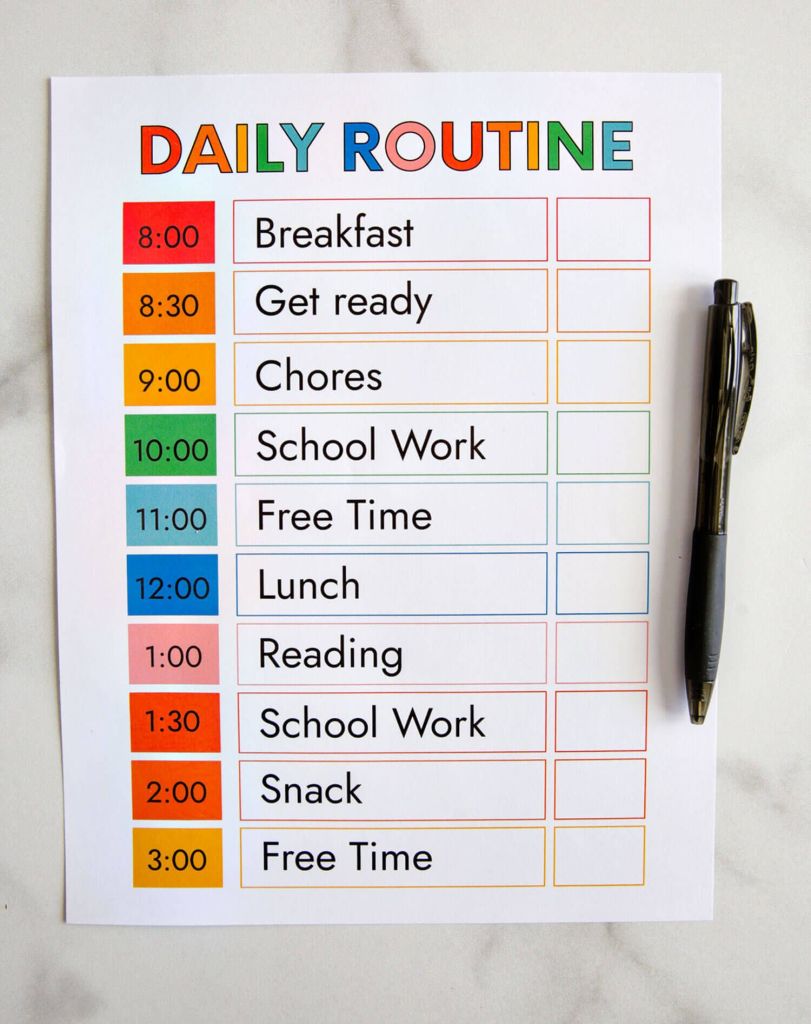
The first step to managing stress is building a daily routine. A morning routine, afternoon routine and evening routine are all good places to start.

Make sure you have your coffee (or tea) before 7:30 AM. This will help you get going in the morning and prevent late-night cram sessions later on in the day when you’re tired or distracted by something else that needs doing.

Get through at least one workout session per week—even if it’s just walking around campus for 30 minutes with friends or playing basketball with teammates after class! Exercise helps burn off energy so that mentally challenging tasks don’t seem insurmountable anymore; moreover, exercise has been shown to reduce anxiety levels as well as improve moods overall.* Go grocery shopping once per week rather than buying food from convenience stores because they tend to have higher prices than supermarkets do; however replacing fast food with healthy alternatives like salads instead of burgers will save money while still providing nutritious meals throughout each day.* Try not using social media sites like Facebook or Twitter too frequently either during lunch breaks at work because this causes users’ lives outside office hours become blurred together into one giant blur which makes everything seem more difficult than before since now there’s no separation between work life & personal life anymore.

Eat healthy food

Eating a balanced diet is key to managing stress. It helps you feel more energized and less tired, which can help you avoid getting sick or stressed out by hunger pangs. If possible, eat a healthy breakfast every morning—this will give you the energy boost that makes it easier for you to get through your day!

If eating junk food is something that stresses out your stomach (and let’s be honest here: who doesn’t love pizza?), try finding healthier snacks like fruit salad bites or even granola bars instead of sugary ones. The key here is moderation; no one should ever eat too much junk food because this will only make them feel worse afterwards.

Get in touch with your family

Stress is a normal part of life and as such, it’s important to find ways to manage your stress. One way you can do this is by talking with your family about how they can help.

Family members are a great source of support when it comes to helping you manage stress—and they may not even realize how much they’re helping! If you have parents or siblings who live nearby, consider asking them if they’d like some help managing their own lives and those around them. You could even offer up some of your time (or money) in exchange for their assistance so that everyone benefits from their efforts together.

Get enough sleep

Sleep is important for learning and memory.

It’s also linked to stress reduction.

Getting enough sleep can help reduce your stress levels, which will make you more productive at school or work.

Go for a walk

You can get away from the stress of school by going for a walk.

Go for a walk alone or with friends if you’d like, but don’t worry about being seen—the point of walking is just to move your body, not impress others. Listen to music while you walk (or listen in silence), and try to take in some fresh air too. Take your dog for a long walk around the neighborhood; they’ll love it! If possible, try walking at least 10,000 steps each day—that’s equivalent to running one mile per hour continuously for 30 minutes straight! When I was younger and had more energy than I do now as an adult who’s trying everything she can think of not only stay healthy but also keep fit at age 55+.

Listen to music


Music is a great way to relax and de-stress. You can listen to any music you like, but try not to choose something that’s too hard or fast. Music can also help you focus on what’s important in your life, which will help keep things in perspective when they get overwhelming.

Music can also help with sleep! I recommend listening before bed because it helps calm your mind enough so that it doesn’t keep tossing and turning at night because of all the stressors going through your head during the day (or even week).

Meditate
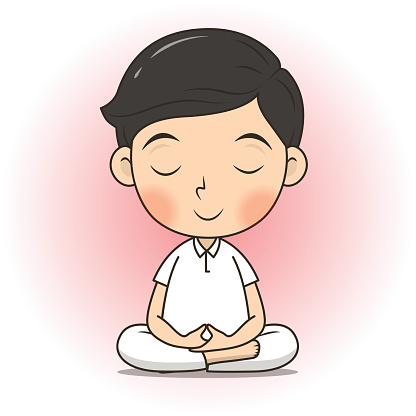
Meditating is a great way to relax and unwind. It can help you deal with stress, anxiety and depression, improve your memory and creativity, even slow down the aging process.

If you’re new to meditation or have never tried it before there are plenty of ways that beginners can begin:

Sit comfortably in a comfortable position (sitting or lying down).

Close your eyes if possible – this might help you focus better on what you are doing (most people choose not to cover their eyes).

Start by breathing normally through both nostrils for one minute without counting the breaths or trying anything else at first; this will help clear any thoughts from your mind so that when they come back again later on during meditation they won’t distract us from our task at hand which is meditating.

Talk to someone about your stressors

Talking to someone about your stressors is an important part of managing them. You can talk to your friends and family, but it’s also helpful to talk about the stressors with a therapist or counselor. If you feel comfortable talking about this issue with a doctor, go for it! The same goes for religious leaders, coaches and mentors who have experience dealing with similar issues in their own lives. And if none of these people are available yet, teachers are usually willing to listen when students come seeking guidance from them (or even just want advice on how they should handle their own problems).

Few more steps to encounter stress

Stress can be caused by a variety of factors including work-related issues, relationships with friends and family members or even just having too much on your plate at once. In order to manage stress effectively there are some steps that you can take:

Start taking breaks from time to time during the day (even if only for 5 minutes). This will help you relax and recharge so that when you return back into work mode again; everything feels fresh again.

Try getting outdoors more often during the day so that there’s less time spent indoors where all these feelings tend to accumulate over time because there isn’t much else going on besides watching TV shows while eating pizza as opposed being outside enjoying nature around us all… You get what I mean? 🙂


I hope this article has given you some useful tips for managing your stress. Remember that the best way to deal with a stressful situation is to stay calm and take action. Use our tips above and find something that helps you relax, like giving yourself time away from your responsibilities or getting some exercise – anything will do.

How to cope with stress in your daily life

Stress is a natural part of life, and like many things, it’s important to learn how to manage it. If you’re suffering from stress, here are some helpful tips for coping:

Find a hobby

If you’re looking for a way to manage stress and unwind, a hobby can be an excellent option. It doesn’t have to be something specific or intense; you could simply enjoy doing something that inspires you every day.

Whatever it is that makes your heart race with excitement, there’s probably an outlet for it in your life—if not now then at some point in the future. Taking up knitting or painting might seem like an odd choice when you’re stressed out by midterms and finals, but these activities can become routine sources of relaxation as well as hobbies!

When we were kids growing up, many of us were fond of playing sports: football or baseball games were favorite pastimes at our houses during the summer months because they gave us something physical (and occasionally competitive) to do together after school hours were over. Nowadays however there are plenty other ways for parents and kids alike alike enjoy getting involved together outside on weekends – whether through volunteering with community organizations like Habitat For Humanity; going camping together on family camping trips; taking part in organized activities such as dance lessons where everyone learns new moves together while having fun at once too 🙂

Build a daily routine

The first step to managing stress is building a daily routine. A morning routine, afternoon routine and evening routine are all good places to start.

Make sure you have your coffee (or tea) before 7:30 AM. This will help you get going in the morning and prevent late-night cram sessions later on in the day when you’re tired or distracted by something else that needs doing.

Get through at least one workout session per week—even if it’s just walking around campus for 30 minutes with friends or playing basketball with teammates after class! Exercise helps burn off energy so that mentally challenging tasks don’t seem insurmountable anymore; moreover, exercise has been shown to reduce anxiety levels as well as improve moods overall.* Go grocery shopping once per week rather than buying food from convenience stores because they tend to have higher prices than supermarkets do; however replacing fast food with healthy alternatives like salads instead of burgers will save money while still providing nutritious meals throughout each day.* Try not using social media sites like Facebook or Twitter too frequently either during lunch breaks at work because this causes users’ lives outside office hours become blurred together into one giant blur which makes everything seem more difficult than before since now there’s no separation between work life & personal life anymore.

Eat healthy food

Eating a balanced diet is key to managing stress. It helps you feel more energized and less tired, which can help you avoid getting sick or stressed out by hunger pangs. If possible, eat a healthy breakfast every morning—this will give you the energy boost that makes it easier for you to get through your day!

If eating junk food is something that stresses out your stomach (and let’s be honest here: who doesn’t love pizza?), try finding healthier snacks like fruit salad bites or even granola bars instead of sugary ones. The key here is moderation; no one should ever eat too much junk food because this will only make them feel worse afterwards.

Get in touch with your family

Stress is a normal part of life and as such, it’s important to find ways to manage your stress. One way you can do this is by talking with your family about how they can help.

Family members are a great source of support when it comes to helping you manage stress—and they may not even realize how much they’re helping! If you have parents or siblings who live nearby, consider asking them if they’d like some help managing their own lives and those around them. You could even offer up some of your time (or money) in exchange for their assistance so that everyone benefits from their efforts together.

Get enough sleep

Sleep is important for learning and memory.

It’s also linked to stress reduction.

Getting enough sleep can help reduce your stress levels, which will make you more productive at school or work.

Go for a walk

You can get away from the stress of school by going for a walk.

Go for a walk alone or with friends if you’d like, but don’t worry about being seen—the point of walking is just to move your body, not impress others. Listen to music while you walk (or listen in silence), and try to take in some fresh air too. Take your dog for a long walk around the neighborhood; they’ll love it! If possible, try walking at least 10,000 steps each day—that’s equivalent to running one mile per hour continuously for 30 minutes straight! When I was younger and had more energy than I do now as an adult who’s trying everything she can think of not only stay healthy but also keep fit at age 55+.

Listen to music

Music is a great way to relax and de-stress. You can listen to any music you like, but try not to choose something that’s too hard or fast. Music can also help you focus on what’s important in your life, which will help keep things in perspective when they get overwhelming.

Music can also help with sleep! I recommend listening before bed because it helps calm your mind enough so that it doesn’t keep tossing and turning at night because of all the stressors going through your head during the day (or even week).

Meditate

Meditating is a great way to relax and unwind. It can help you deal with stress, anxiety and depression, improve your memory and creativity, even slow down the aging process.

If you’re new to meditation or have never tried it before there are plenty of ways that beginners can begin:

Sit comfortably in a comfortable position (sitting or lying down).

Close your eyes if possible – this might help you focus better on what you are doing (most people choose not to cover their eyes).

Start by breathing normally through both nostrils for one minute without counting the breaths or trying anything else at first; this will help clear any thoughts from your mind so that when they come back again later on during meditation they won’t distract us from our task at hand which is meditating.

Talk to someone about your stressors

Talking to someone about your stressors is an important part of managing them. You can talk to your friends and family, but it’s also helpful to talk about the stressors with a therapist or counselor. If you feel comfortable talking about this issue with a doctor, go for it! The same goes for religious leaders, coaches and mentors who have experience dealing with similar issues in their own lives. And if none of these people are available yet, teachers are usually willing to listen when students come seeking guidance from them (or even just want advice on how they should handle their own problems).

Few more steps to encounter stress

Stress can be caused by a variety of factors including work-related issues, relationships with friends and family members or even just having too much on your plate at once. In order to manage stress effectively there are some steps that you can take:

Start taking breaks from time to time during the day (even if only for 5 minutes). This will help you relax and recharge so that when you return back into work mode again; everything feels fresh again.

Try getting outdoors more often during the day so that there’s less time spent indoors where all these feelings tend to accumulate over time because there isn’t much else going on besides watching TV shows while eating pizza as opposed being outside enjoying nature around us all… You get what I mean? 🙂

I hope this article has given you some useful tips for managing your stress. Remember that the best way to deal with a stressful situation is to stay calm and take action. Use our tips above and find something that helps you relax, like giving yourself time away from your responsibilities or getting some exercise – anything will do.

Success and mental health

Photo by Daniel Reche on Pexels.com

Mental health is a major concern worldwide these days and India is not far behind in sharing this. India is considered as one of the depressed countries in the world during the pandemic by WHO. Currently, the students are stressed, worried and anxious about the uncertainties of the future. One in seven Indians between 15-24 years of age feel depressed and lack interest in doing things. While the impact on children’s lives is incalculable, the economic loss due to mental health conditions between 2012-2030 is estimated to be USD 1.03 trillion in India, according to WHO 2020. This excessive online presence or screen time during the pandemic itself has created mood swings, irritability, social withdrawal, changes in sleeping and eating patterns, difficulty with attention, focus and concentration, and further detachment from family or the real world. Studies have shown that one third of the young people display poor knowledge of mental health problems. Regular fitness exercises like morning walks, yoga, and meditation have proved to be great medicine for curing mental health. Besides this, it is imperative to have a good diet and enough sleep. A person needs 7 to 9 hours of sleep every night on average , we should also stay connects with our friends and family , do what Piques our interest , be active and the most important we should reduce our screen time. When someone is tired yet still can’t sleep, it’s a symptom that their mental health is unstable. In students low self esteem , irritability, sudden anger, frequent absence, thoughts of suicide, reckless behavior, crying etc. could be some of the symptoms of depression.

As we speak, there is one suicide attempt every 3 seconds and one demise by suicide every 40 seconds by our youth and in most cases the causes are mental health problems.

The major cause of mental health problems in Indian students is seen due to academic pressure and the pressure created my families specially parents which ultimately leads to anxiety, over thinking and depression among students. This academic pressure is also driving kids to suicide.

Social standing is a big and also the main cause of parental pressure. Caring more about how the world perceives them, can render parents ignorant about the true talents of their children. Parents often generalize the definition of success and excellence, depending on how others are doing.

Majority of the Indian parents never try to understand why their children are not able to perform good in their academics or other fields. They never want to sit down with their children and talk about their problems with their children. Instead they prefer to scold or even beat their child which is somehow much more demoralizing and rather acts towards increasing the child’s stress level to a great extend. Kids who feel like they are under constant pressure can experience constant anxiety. Parents think that their only duty is to earn and pay for their children expenses but what they should really do is that they should build their relationship stronger. This means meeting there childs physical as well as emotional needs by taking care of them. They need to constantly instill into their next generation the importance of ‘resilience’ which is the inner strength. But parents are not the only one to blame or to take care of the children but we ourselves should take proper care of our mental health and should not ignore it.

If all these aspects are addressed at an earlier age and stage of a student’s life, it will not only make them emotionally stronger and healthier but also prepare them for future life with more mindfulness, respect, gratitude and strength.

How to be motivated for any goals!

We feel that comfort and convenience are the necessities of life, while all that we need to make ourselves happy is something to be proud of. ” – Albert Einstein

Dip

In all language courses, company building, and any type of creative project, there is immersion. Dip a long distance between beginner luck and real success.
Extraordinary benefits accumulate a handful of people who can push for longer than most.

Starting Before Immersion

In any goal to be achieved, there is a Beginning. It is often overlooked, as it always is.
Getting started is a big problem as you can only reach The Dip if you don’t finish Start, and many people dream of doing something rather than doing it and quitting.

Motivational management

The biggest problem we face in completing our projects is not production or time management, but motivational management. If you are motivated enough to accomplish something, you will move heaven and earth to do it.

Motivation Explained

Motivation is “the reason or reason for a person to do or behave in a certain way,” or to put it another way, “a common desire or determination.”

“If you stop doing what you want to do, then the reasons for quitting are more than just reasons to keep going. Thus, to maintain your motivation you can strengthen the reasons for continuing or weaken the reasons for quitting. Effective motivation often involves both. ” – Ericsson & Poole

Promotion to Start a Project
  • Increase your reason for starting a project, by increasing the importance of starting it.
  • Increase the time you are expected to succeed in the task.
  • Reduce your reasons for the delay, by increasing urgency, using deadlines.
Parkinson’s Law

It says “work grows to complete the available time for its completion.”

Commitment device

Many people use a dedicated device or play around them to find and stay motivated.
You can help your physical goal with things like throwing away your junk food, just bathing in the gym to get there, and similar activities aimed at focusing on your goal. People also use social responsibility in social media to keep themselves motivated by peer pressure.

Stay Motivated

Set small, climbing goals that are fun enough to motivate you and that you expect to achieve.

How to proceed
  • Keep your Expectancy feeling in the project using minimal winnings and achievements.
  • Reward yourself.
  • Maintain a sense of urgency by finding a way to remind yourself of the big picture of the small daily moments of effort.
  • Develop good habits.
  • Get flow.
  • Set clear goals to follow.
  • Save energy.
reference

https://www.nateliason.com/blog/motivation

Teach yourself anything

“It is better to know how to learn than to know.” – Dr Seuss

False Beliefs About Self-Education

Despite having easy access to information, few people take full advantage of the opportunity we have for self-directed learning.
We still believe that to learn something, we need to be formally educated on it, when in fact we’re able to educate ourselves.

Self-Education In The 21st Century

Self-education is the core skill for the 21st century.
Our ability to respond to changes in the landscape of work and technology will be dictated by how skilled self-educators we are, how well we can take full advantage of the information available to us to grow our skillset.

Learning In The Real World

For 12 years, you’ve been trained to apply information that’s pre-packaged for you.
But if you want to do anything independently (entrepreneurship, creative work, etc.) then you have to be able to figure things out without being handed the knowledge beforehand.

The Sandbox Method for Self-Education

This is an ongoing process of self-development and learning, that recognizes that we don’t need to memorize facts, formulas, instead, we need to develop an intuitive understanding of our skills, expose ourselves to different information about the skill, and constantly push ourselves to improve.

Steps of the Sandbox Method
  • Build an area where you can freely play around with the skill you’re trying to learn – Your Sandbox. It should be: low-cost or free, low stakes and public.
  • Research: Resources exist, you just have to figure out what’s worth reading, watching, or listening to (books, blogs, MOOCs etc).
  • Implement and practise purposefully.
  • Get feedback.
What Practicing the Sandbox Method Means
  • Honestly assessing your limits to figure out where you need to improve.
  • Setting a goal just beyond your current ability to motivate yourself to stretch beyond your comfort zone.
  • Practising with intense focus.
  • Get feedback, in whatever way you can, and incorporate that feedback into your practice.
reference

https://medium.com/the-mission/self-education-teach-yourself-anything-with-the-sandbox-method-a4edfc5e1f8e

Learning how to learn!

“Focused” and “Diffused” Modes

When learning, there are times in which you are focused and times in which you allow your mind to wander. Both modes are valuable to allow your brain to learn something.
Take regular breaks, meditate, think about other things, and give yourself plenty of time in both modes.

Chunking

This is the idea of breaking what you want to learn into concepts. The goal is to learn each concept in a way that they each become like a well-known puzzle piece. 
To master a concept, you not only need to know it but also to know how it fits into the bigger picture.

Beware of Illusions of Competence

There are many ways in which we can make ourselves feel like we have “learned” a concept. Instead of highlighting or underlining, rather take brief notes that summarize key concepts.

Recall

Take a couple of minutes to summarize or recall the material you are trying to learn. It goes a long way to taking something from short-term memory to long-term learning.

Bite-Sized Testing

To avoid breakthrough illusions of competence, you should test yourself as you’re encountering new material. The recall is a simple example of this mini-testing.

Over-Learning

Do not spend too much time in one sitting going over the same material over and over again. The law of diminishing returns certainly applies. Spread it out over many sessions and many different modes of learning.

Interleaving

Once you have a basic understanding of what you are trying to learn, practice jumping back and forth between problems that require different techniques. This will solidify your understanding of the concepts by learning how to choose to apply them in various situations. Knowing when to apply a particular concept is as important as knowing how.

Process over Product

When facing procrastination, think of the process over the product.
Instead of thinking that you have to get X done, rather think to spend an hour on X. It is then not overwhelming and doesn’t require a long breakdown of tasks.

Metaphors and Analogies

They are often talked about as helpful study techniques. 
Try to make a deliberate effort to teach what you learn to someone else and, in doing so, you will likely be forced to explain concepts with relatable metaphors and analogies.

Study Groups / Teamwork

This has proven to be most beneficial to maintain continued progress and hold each other accountable. Finding the right group is key.

Reference

https://medium.com/learn-love-code/learnings-from-learning-how-to-learn-19d149920dc4

Scientific ways to learn anything faster

Say it out loud

Learning and memory benefit from active involvement. When you add speaking to it, the content becomes more defined in long-term memory and more memorable.

Take notes by hand

Most of us can type very fast, but research shows writing your notes by hand will allow you to learn more.
Taking notes by hand enhances both comprehension and retention.

Chunk your study sessions

Studying over some time is more effective than waiting until the last minute.
The distributed practise works because each time you try to remember something, the memory becomes harder to forget.

Self-testing is highly effective

Regularly testing yourself will speed up learning. When you test yourself and answer incorrectly, you are more likely to recall the right answer after you look it up. You will also remember that you didn’t remember.

Change the way you practice

Repeating anything over and over might not be the best way to master that task. If you practice a slightly different version, you will learn more and faster. For example, if you want to master a new presentation:

  • Rehearse the basic skill. 
  • Wait at least six hours to allow your memory to consolidate.
  • Practice again, but speak a little faster. 
  • Practice next by speaking slower.
  • Break your presentation into smaller steps. Master each chunk, then put it back together.
  • Change the conditions. It will prepare you better for the unexpected.
Exercise regularly

According to research, regular exercise can improve memory recall.
Exercise also increases a protein (BDNF – brain-derived neurotrophic factor) that supports the function, growth, and survival of brain cells.

Sleep more, learn more

When you sleep, most of the consolidation process occurs.
In contrast, sleep deprivation can affect your ability to commit new data to memory and consolidate any short-term memories.

Concepts in parallel

Interleaving – studying related concepts or skills in parallel – improves your brain’s ability to differentiate between concepts or skills. It helps you to learn and gain an understanding at a deeper level.
Instead of focusing on one subject during a learning session, learn several subjects or skills in succession.

Teach someone else

Research shows that those who teach, speed up their learning and remember more.
Even just preparing to teach means that you will seek out key points and organize information into a coherent structure. 

Build on what you know

When you have to learn something new, try to associate it with something you are already familiar with. Then you only have to learn where it differs. You’ll also be able to apply greater context, which will help with memory storage and retrieval.

Reference

https://www.inc.com/jeff-haden/these-10-scientific-ways-to-learn-anything-faster-could-change-everything-you-know-about-dramatically-improving-your-memory.html

Five scientific steps to ace your next exam

1. When to Study

Studying time is more efficient if it is spread out over many sessions throughout the semester, with a little extra right before the exam.
Cover each piece of info five times from when you first learned it until your exam. It will enable you to retain the information with minimal effort.

2. What and How to Study

Testing yourself, so you have to retrieve the information from memory, works much better than repeatedly reviewing the information, or creating a concept map (mind map).
After the first time learning the material, spend the subsequent studying to recalling the information, solving a problem or explaining the idea without glancing at the source.

3. What Kinds of Practice to Do

For a particular exam, use the following:

  • Mock tests and exams that are identical in style and form.
  • Redo problems from assignments, textbook questions or quizzes.
  • Generate your questions or writing prompts based on the material.
4. Make Sure You Understand

Passing and failing rest on whether you understood some important ideas.
Your top priority should be to understand the core concepts. Identify the core concepts and make sure you can explain them without looking at the material.

5. Overcome Anxiety

Anxiety makes it difficult to remember things. To help overcome this, make some of your studying sessions like a mock exam, using the same seating posture, materials, and the same time constraints.

referEncE

https://www.scotthyoung.com/blog/2019/03/18/5-strategies-ace-exam/

Human skills for the future of work

“Becoming is better than being.” – Carol Dweck

Empathy Mindset
  • Listening: Ask questions to understand.
  • Appreciation: Show sincere appreciation and celebration of others’ contributions.
  • Self-Awareness: Part of feeling what others feel is also about understanding your own biases and limiting beliefs.
  • Judgment: When people seek advice or share a problem, they are not looking for your criticism. 
  • Presence: Time is one of our most valuable assets, so be there fully.
Emotional Intelligence

Being aware of how your behaviour affects others is at the heart of emotional intelligence.
This means building self-awareness, self-management, social awareness, and relationship management.

Effective Communication

Consider the following principles:

  • Intention: Know what you want to say and be clear about your objective. 
  • Organization: Take the time to organize your thoughts and straightforwardly deliver them.
  • Framing: “I think, I feel” is much more effective than starting with “you,” which puts people on the defensive.
  • Affirmation:  Asking if the information makes sense may reveal a potential problem. 
Curiosity + Instigation

Curiosity is a natural part of any creative cycle. It paves the way for “possibility thinking,” rather than business as usual. 
Instigation is an invitation to challenge quick fixes, lacklustre solutions and mediocrity. 

Strategic Analysis and Analytical Thinking

Strategic analysis helps to identify complex problems by providing a top-level view into the interconnected web of what can often seem like isolated issues.
Analytical thinking enables people to suspend emotional decision making and instead look logically at evidence-based research and tests.

Complex Problem Solving

To get into problem-solving mode, you need to understand the true problem at hand, identify challenges in the way, resist simple solutions, identify constraints and pathways to feasibility, and, above all, make sure you’re open to experimentation. 

Conflict Resolution

Among the most effective skills to learn to resolve conflict are mastering deep listening, mediation and facilitation. 
Giving people the benefit of the doubt and leading with curiosity are also powerful tools. 

Negotiation and Persuasion

They are not required just for the sales team. You need to be clear about what you want and what you’re willing to let go of to get it.

Leadership

A great leader will understand that it’s not enough to build a culture, it needs to be protected and maintained. 
A great leader also needs to make difficult decisions and hold everyone, including themselves, accountable.

Reference

https://creativecloud.adobe.com/discover/article/ten-human-skills-for-the-future-of-work

Distance learning and its usefulness

what is distance learning?

Distance learning can truly be defined as the way of getting an education without visiting a school or attending a class physically.

Adaptability and Freedom

One of the main advantages of distance learning can be the personalized approach to getting an education regardless of the channels or mediums you are using for this purpose. Whether you are getting study materials online or through posts you can learn only when a connection is developed between the material of the course and you. You get the freedom to deal with the study material in the distance learning process. You can plan your learning process at your convenience instead of sticking with a fixed schedule.

Self-inspiration

Distance learning encourages you to motivate yourself to learn due to the absence of a traditional teacher to guide you. You will have to create a learning environment and control it effectively so that a band of self-motivation develops in you to inspire you to learn for your personal growth. You can cultivate this band in you by engaging yourself in distance learning methods.

Flexibility to Choose

You will have to follow a set schedule of learning as per the curriculum of the school if you are following traditional ways of learning. But different types of distance learning allows you to set your learning schedule as per your convenience without following a regular schedule of learning. Even if you are out of touch with the learning process, a distance learning program offers you the flexibility to choose your course of learning.

Easy to Access

If you cannot attend regular classes due to various reasons like time constraints and distance etc. then distance learning can be the best option for you to access the benefits of your education. If you opt for a correspondence course for distance learning then you will have to make postal delivery as a connection between you and your distance learning centre. But if you have a computer and internet connection then you can opt for an online learning method by using some video conferencing software like ezTalks Cloud Meeting etc. It will allow you to interact with your teachers face-to-face to resolve your problems. Moreover, you can continue learning even without taking leave from your job.

Earn While You Learn

For those who want to improve their resume by getting a higher education and without breaking their existing job then distance learning can be the best option for them. You can go on earning your livelihood along with improving your qualification as distance learning will accommodate both, learning as well as earning.

Saves Money and Time Both

By joining a distance learning course you can save money and time spent travelling to a nearby educational institution. Distance learning allows you to access your learning centre online without any additional cost. Moreover, the course offered at distance learning centres is cheaper than the courses provided at traditional education centres.

Virtual Trips

Another important advantage for distance learning is to plan virtual trips if your budget does not allow you to go on trips from an actual school. Video conferencing allows the students of distance learning courses to visit the location important for them and experience the enjoyment even better than an actual trip. These virtual trips allow you to visit locations that you might have never thought of. Moreover, such trips can enable your teachers or lecturers to make your ordinary lessons more interesting than ever.

Reference

https://eztalks.com/elearning/benefits-of-distance-learning.html

Is Homework Good or Bad for students?

Why Homework Is Good

Here are 10 reasons why homework is good, especially for the sciences, such as chemistry:

  • Doing homework teaches you how to learn on your own and work independently. You’ll learn how to use resources such as texts, libraries, and the internet. No matter how well you thought you understood the material in class, there will be times when you’ll get stuck doing homework. When you face the challenge, you learn how to get help, how to deal with frustration, and how to persevere.
  • Homework helps you learn beyond the scope of the class. Example problems from teachers and textbooks show you how to do an assignment. The acid test is seeing whether you truly understand the material and can do the work on your own. In science classes, homework problems are critically important. You see concepts in a whole new light, so you’ll know how equations work in general, not just how they work for a particular example. In chemistry, physics, and math, homework is truly important and not just busywork.
  • It shows you what the teacher thinks is important to learn, so you’ll have a better idea of what to expect on a quiz or test.
  • It’s often a significant part of your grade. If you don’t do it, it could cost you, no matter how well you do on exams.
  • Homework is a good opportunity to connect parents, classmates, and siblings with your education. The better your support network, the more likely you are to succeed in class.
  • Homework, however tedious it might be, teaches responsibility and accountability. For some classes, homework is an essential part of learning the subject matter.
  • Homework nips procrastination in the bud. One reason teachers give homework and attach a big part of your grade to it is to motivate you to keep up. If you fall behind, you could fail.
  • How will you get all your work done before class? Homework teaches you time management and how to prioritize tasks.
  • Homework reinforces the concepts taught in class. The more you work with them, the more likely you are to learn them.
  • Homework can help boost self-esteem. Or, if it’s not going well, it helps you identify problems before they get out of control.
Sometimes Homework Is Bad

So, homework is good because it can boost your grades, help you learn the material, and prepare you for tests. It’s not always beneficial, however. Sometimes homework hurts more than it helps. Here are five ways homework can be bad:

  • You need a break from a subject so you don’t burn out or lose interest. Taking a break helps you learn.
  • Too much homework can lead to copying and cheating.
  • Homework that is pointless busywork can lead to a negative impression of a subject (not to mention a teacher).
  • It takes time away from families, friends, jobs, and other ways to spend your time.
  • Homework can hurt your grades. It forces you to make time management decisions, sometimes putting you in a no-win situation. Do you take the time to do the homework or spend it studying concepts or doing work for another subject? If you don’t have the time for the homework, you could hurt your grades even if you ace the tests and understand the subject.
Reference

https://www.thoughtco.com/why-homework-is-good-sometimes-bad-607848

Tips to get more marks in exams!

Just knowing the answers to the questions isn’t enough. Most of the time, it matters how you present your answer sheet. The person who will check your paper probably has about 50 – 100 other papers to go through. And that is a tedious job.

So, if he opens your answer sheet and finds all sorts of gibberish in there, well, you better be making sense. On the other hand, with neat paper, the checker might just go easy. So here are some tips on how to present your answers in a theory paper:

Starting with the topics you remember well

Start by answering those questions you can answer properly. The sequence of answering doesn’t matter as long as you write the correct question number to the answer. This way you will not only boost your confidence but also the person who checks your paper will get a good impression.

Draw diagrams wherever required

This will help you form your answers better and make your answer sheet more interesting. Teachers recommend drawing diagrams, especially in subjects like biology. Draw them neatly, label whatever is supposed to, and use a pencil(and preferably a scale) to draw.

Write answers in point form

Do not go on writing paragraphs after paragraphs after paragraphs. No one is going to sit and read every word of it. It’s always better to write the main point and elaborate it in minimum sentences. Underline the keywords in every answer. In the case of numerical- write the formulas used, show the final answer and always write the units wherever required.

Write as neatly as you can

Everyone appreciates good handwriting. So try to be neat. But, don’t let that slow down your speed.

Select the questions carefully

In case you have an option between which questions to solve. Once you get your question paper, spend the first five minutes analysing the questions. Don’t freak out after seeing the questions. Read the questions carefully and try to recall the answer points. You can write down the points in short at the back of your answer sheet (to help you recall later on). Select the questions that you are confident about and try to stick to them. You might not make the right choice later during the exam.

Recheck your paper at the end

Try reserving the last 10 minutes of your exam for rechecking your paper. You can come across silly errors that might’ve cost you your marks or there might be an instance where you forgot to write a particular answer. So, it’s always safe to go through your paper before submitting it.

REference

https://www.quora.com/How-do-I-write-answers-in-exams/answer/Ritija?ch=15&oid=173888791&share=a91c3689&srid=RDpYR&target_type=answer

Avoid sleeping in class

Bring a water bottle to class

Every time you get that tired feeling or you start to zone out, drink some water. Drinking cold water helps keep you hydrated to keep you focused. If you don’t drink enough water, your body doesn’t function as well as it could.

Sit at the front of the class

Being closer to the teacher is a great motivator to stay awake in class. Studies have also proven that sitting in the front of the classroom, leads students to receive higher grades on exams. Win-win, am I right?
Be active
Interact with your professor! Even if they don’t provide engaging activities, you can make them. Don’t be afraid to ask questions.

Chew gum/bring a snack

Chewing something activates specific regions of the brain meaning your brain become more active and you stay more awake!

Take deep breaths

By taking deeper breaths, you raise your oxygen levels, slowing your heart rate, lowering your blood pressure, and improving circulation.

Go to bed early

So you can wake up early and feel well-rested.

Get some exercise before class

The adrenaline from working out, taking a stroll, stretching, or doing some jumping jacks before class will help you stay awake.

Keep a good posture

If you focus on sitting straight up in your seat, you won’t be able to fall asleep. You rest your head and you will crash and burn.

Take notes (or doodle if it helps)

It keeps you active and it helps you focus on what you’re learning in class. Even if it’s random scribbles, it’s better than being asleep.

Walkabout in the back of the classroom

If you get tired, just find a spot in the classroom where you are not distracting anyone and walk about back and forth or take notes while standing.

Reference

https://jsom.utdallas.edu/blog/sleeping-in-class-dos-donts

Types of note taking

Outline note-taking method
Outline note-taking

The outline method of note-taking uses indentation to store information in a clear hierarchy. When applicable, the outline method is one of the most efficient note-taking formats as it creates meticulously well-organized notes. The method can also be used in both deductive and inductive order.

Outlined notes are some of the easiest to review, as it’s one of the few systems that allow you to see space relationships between topics. However, the method is not always suitable for taking notes during a live lecture and outlining requires a clear lesson structure to work.

Cornell note-taking method
Cornell note-taking

The Cornell method of note-taking, developed more than half a century ago, is a tried-and-true strategy for taking effective notes. It uses two top columns (the “cue” and “note” columns), together with a single bottom row (the summary section) to record notes.

The method is very versatile, usable for most subjects, and one of the simplest yet most effective note-taking methods out there. By mastering the Cornell system, you’ll always have at least one solid note-taking skill under your belt. The Cornell system is one of the most popular note-taking strategies in the world for good reason.

Box note-taking method
Box note-taking

The boxing method of note-taking uses boxes to visually separate topics within a page. While the boxing method was designed to be used for digital devices, it’s a technique that can be easily adapted to handwritten notes.

Using the boxing strategy results in notes that are visually pleasing and easy to review. The method also takes full advantage of digital-only features such as lassoing, resizing, and moving notes after writing. Together with mind mapping, it’s one of the most effective note-taking strategies for visual learners.

mappIng note-taking method
Mapping note-taking

The mapping method of note-taking connects different thoughts, ideas, concepts, and facts together through visualization. Both Leonardo Da Vinci’s and Albert Einstein notebooks reportedly contained mapping style notes that connected drawings to words and notes.

The mapping method starts with a main topic in the center of the page, before branching out into smaller subtopics, supporting topics, and smaller details. The method provides a one-of-a-kind graphical overview of lecture content that is irreplaceable for visual learners.

Mapping is best used in content-rich college classes where the information is structured. However, it’s very rarely possible to take notes of a live class with this method due to its time-consuming nature.

Reference

https://e-student.org/note-taking-methods/

How to take notes?

Preparing to take good notes in class


The first step to taking good notes in class is to come to class prepared. Here are some steps you can take to improve your note-taking before class even begins:

  • Preview your text or reading assignments before the lecture. Previewing allows you to identify the main ideas and concepts that will most likely be discussed during the lecture.
  • Look at your course syllabus so that you know the topic / focus of the class and what’s going to be important to focus on.
  • Briefly review notes from previous class sessions to help you situate the new ideas you’ll learn in this class.
  • Keep organized to help you find information more easily later. Title your page with the class name and date. Keep separate notebook sections or notebooks for each class and keep all notes for each class together in one space, in chronological order.

Note-taking during class

Now that you are prepared and organized, what can you do to take good notes while listening to a lecture in class? Here are some practical steps you can try to improve your in-class note-taking:

  • If you are seeking conceptual information, focus on the main points the professor makes, rather than copying down the entire presentation or every word the professor says. Remember, if you review your notes after class, you can always fill in any gaps or define words or concepts you didn’t catch in class.
  • If you are learning factual information, transcribing most of the lecture verbatim can help with recall for short-answer test questions, but only if you study these notes within 24 hours.
  • Record questions and thoughts you have or content that is confusing to you that you want to follow up on later or ask your professor about.
  • Jot down keywords, dates, names, etc. that you can then go back and define or explain later.
  • Take visually clear, concise, organized and structured notes so that they are easy to read and make sense to you later. See different formats of notes below for ideas.
  • If you want your notes to be concise and brief, use abbreviations and symbols. Write in bullets and phrases instead of complete sentences. This will help your mind and hand to stay fresh during class and will help you access things easier and quicker after class. It will also help you focus on the main concepts.
  • Be consistent with your structure. Pick a format that works for you and stick with it so that your notes are structured the same way each day.
  • For online lectures, follow the above steps to help you effectively manage your study time. Once you’ve watched the lecture in its entirety, use the rewind feature to plug in any major gaps in your notes. Take notes of the timestamps of any parts of the lecture you want to revisit later.

Determining what’s important enough to write down

You may be asking yourself how you can identify the main points of a lecture. Here are some tips for recognizing the most important points in a lecture:

  • Introductory remarks often include summaries of overviews of main points.
  • Listen for signal words / phrases like, “There are four main…” or “To sum up…” or “A major reason why…”
  • Repeated words or concepts are often important.
  • Non-verbal cues like pointing, gestures, or a vocal emphasis on certain words, etc. can indicate important points.
  • Final remarks often provide a summary of the important points of the lecture.
  • Consider watching online lectures in real-time. Watching the lecture for the first time without pausing or rewinding can help force you to focus on what’s important enough to write down.
Preference

https://learningcenter.unc.edu/tips-and-tools/effective-note-taking-in-class/