Training is teaching, or developing in oneself or others, any skills and knowledge or fitness that relate to specific useful competencies. Training has specific goals of improving one’s capability, capacity, productivity and performance.
There are endless varieties of indoor plants to choose from, and if you’ve never cared for a plant before, you might have no idea which one to choose. Factor in that some plants are much harder to care for and require a lot of attention, and it’s even more of a challenge. If you want to spruce up your home with a little greenery but you’re new to plant parenthood and want to stick to plants that are more forgiving and low-maintenance, here’s what you need to know, from which plants to buy to how to keep them alive and happy
You don’t need a ton of time, space or even light to grow your own indoor garden, either. In fact, some plants prefer a low level of light and infrequent watering. If you live in an apartment or home with little natural light or just want something a bit more low maintenance, there are many houseplants for you to choose from.
Jade Plant
Succulents are always an indoor houseplant go-to thanks to their sturdiness and ability to survive with little to no water. This one has a defined look with plush oval leaves and a substantial height In fact; a jade plant can grow to be 3-6 feet tall. It’s a slow grower, though, so this won’t happen overnight. Like many succulents, jade plants need a lot of bright, indirect sunlight.
Aloe
As long as it gets a lot of really bright light, the Hedgehog Aloe is pretty resilient. Aloe plants grow in nutrient-poor conditions, so they’re very good at assimilating and holding onto their nutrients.Aloe is happiest in the brightest windows, so stick it in a space that faces the sunset.
Snake Plant
snake plants are tall, dark, and handsome. In addition to being able to withstand pretty much any living conditions, snake plants are also really powerful air purifiers.they can pretty much take whatever you throw at them, so they’ll be fine in slightly darker and more humid rooms.
Parlor Palm
Bright filtered light is best for this lush palm plant, but it can adapt to low light if necessary. In terms of watering, make sure you avoid over-watering your parlor palm. Keep it in a warmer spot and give it the occasional misting for good measure.
Bamboo
Like air plants, that can actually grow without soil. Simply place the stalks in a vase full of water with pebbles or marbles at the bottom. And if your bamboo starts to get too big for its container, just upgrade to a new one with a similar set-up—no actual reporting required.
The idea of living a simple life with less stuff sounds attractive to many but seems almost impossible to get rid of stuff you have. They begin to feel overwhelmed, anxious, and defeated around the idea of owning less. That’s too bad. Learning how to declutter your home and as a result, decluttering your life, doesn’t need to be as painful as some make it out to be. And the benefits are numerous.
The Benefits of Decluttering from time to time.
Less to clean. Cleaning is already enough of a chore, but having to clean around things you have zero emotional attachment to (or worse, actively dislike) makes cleaning the house much more stressful.
Less to organize. Finding things suddenly become easier. Things don’t just “disappear” anymore. You can actually move around your home and enjoy the space, instead of moving around things that are in the way. You start to find your tiny house more spacious.
Less stress. Looking around at the clutter is a nausea-inducing sight once your home becomes cluttered enough. Wouldn’t it be nice to be able to look around and see a home you love? You can also do cleaning leisurely and not make rigorous plans.
Less debt. Spending less time shopping for material possessions and adding to the clutter means your wallet and bank accounts remain fuller, your credit cards’ statements are lower, and your home doesn’t get filled with costly things you don’t need.
More financial freedom. Decluttering, paired with minimalism, will help you build up savings to keep you protected in case of unexpected emergencies. Or you can spend it on invisible items like crypto or travel.
More energy for your greatest passions. With less debt, more financial freedom, and a clean home, you can now focus your energy on the things you enjoy instead of worrying about “Keeping up with the Joneses.” This will ultimately make you happier.
If you’re struggling and need guidance on how to declutter, you’ll need to get creative with your plans. Here are several interesting decluttering tips to get you started on decluttering your home:
Start with 5 minutes at a time. If you’re new to decluttering, you can slowly build momentum with just five minutes a day.
Give one item away each day. This would remove 365 items every single year from your home. If you increased this to 2 per day, you would have given away 730 items you no longer needed. Increase this number once it gets too easy.
Donate clothes you never wear. To identify them, simply hang all your clothes with hangers in the reverse direction. After wearing an item, face the hanger in the correct direction. Discard the clothes you never touched after a few months.
Create a decluttering checklist. It’s a lot easier to declutter when you have a visual representation of where you need to get started. You can use our decluttering checklist.
Take the 12-12-12 challenge. Locate 12 items to throw away, 12 to donate, and 12 to be returned to their proper home.
Take before and after photos of a small area. Choose one part of your home, like your kitchen counter, and take a photo of a small area. Quickly clean off the items in the photo and take an after photo. Once you see how your home could look, it becomes easier to start decluttering more of your home.
Get help from a friend. Have a friend or family member go through your home and suggest a handful of big items to throw away or give to someone else. If you defend the item and want to keep it, your friend has to agree with your reason. If they don’t agree, it’s time to get rid of it.
Use the Four-Box Method. Get four boxes and label them: trash, give away, keep, or re-locate. Enter any room in your home and place each item into one of the following boxes. Don’t skip a single item, no matter how insignificant you may think it is. This may take days, weeks, or months, but it will help you see how many items you really own and you’ll know exactly what to do with each item.
No matter which decluttering tip you choose to get started – whether it be one of these ten or one of countless others – the goal is to take your first step in decluttering your life with excitement behind it.
Removing clutter from our homes and our lives doesn’t need to be rushed or done in a single day. It’s something that can be done over time and may even need to be done on a semi-regular basis. As long as you start the process today, you’re further along than you were yesterday. Simple doesn’t mean sparse or boring. The opposite is true. With fewer mess and distractions, your home can become more peaceful. You can view your home as a space for rest and comfort, instead of a source of stress.
Once considered a niche diet, veganism has gone mainstream — so much so that the number of people following a vegan diet has increased by 350% in the last decade. By definition, veganism is a way of living in which people exclude, as much as possible, all forms of animal exploitation and cruelty.
At first glance, a vegan diet may seem complicated or overly restrictive. Many of my clients who are considering switching over to a vegan diet are initially worried about finding suitable vegan alternatives to their favourite meals. Yet, most find that once they get a few basics down, the transition is less difficult than they initially expected.
According to the Vegan Society, the term “vegan” was coined back in 1944 by a small group of vegetarians who broke away from the Leicester Vegetarian Society in England to form the Vegan Society. In addition to refraining from eating meat, they chose not to consume dairy, eggs, or any other products of animal origin The term “vegan” was chosen from the combination of the first and last letters of “vegetarian.” By 1949, the first definition of veganism had been born. It has changed slightly over the years to become what it is known as today. Many people use the term “vegan” to refer exclusively to diet. However, by this latest definition, veganism extends beyond eating a plant-based diet.
Those who identify as vegans typically aim to exclude animal exploitation or cruelty in all aspects of their lives, including the clothes they wear, the cosmetics they use, and the leisure activities they take part in .As a result, many vegans avoid purchasing wool coats, leather furniture, or down pillows and comforters. They may also opt to visit animal sanctuaries instead of going to zoos, the circus, or animal petting farms.
Reasons people go vegan
Health-Some people choose a vegan diet for its potential health benefits. Diets high in meat — especially red meat — have been linked to cancer, heart disease, and type 2 diabetes .On the other hand, plant-based diets have been linked to a lower risk of developing or prematurely dying from these diseases. Lowering your intake of animal products in favour of more plant-based options may also improve your digestion and reduce your risk of Alzheimer’s disease .A vegan diet can also help minimize the side effects linked to the antibiotics and hormones used in modern animal agriculture .Finally, vegan diets appear to be especially effective at helping people lose unwanted weight. Several studies link a vegan diet to a lower likelihood of obesity
Moral ideals-Ethical vegans strongly believe that all creatures have a right to life and freedom. They view all animals as conscious beings that, just like humans, wish to avoid pain and suffering .Because of this, ethical vegans are opposed to killing an animal in order to eat its flesh or wear its fur or skin. Vegans are also opposed to the psychological and physical stress that animals may endure as a result of modern farming practices — for instance, the small pens or cages that animals typically live in and rarely leave between their birth and slaughter.
Environment
People may also choose to avoid animal products in an attempt to limit their environmental impact. According to recent data, animal agriculture heavily contributes to greenhouse gas emissions (GHGEs), which cause climate change.Meat eaters are thought to be responsible for 2–2.5 times more GHGEs than people following a vegan diet. Ruminant animals, such as cattle, sheep, and goats, appear to emit the largest amount of greenhouse gases per gram of protein they deliver. Therefore, diets that reduce or totally eliminate dairy also produce significantly fewer GHGEs.
Foods that vegans eat
Avoiding animal products doesn’t restrict you to eating salads and tofu alone. There’s a wide variety of delicious foods you can eat on a vegan diet.
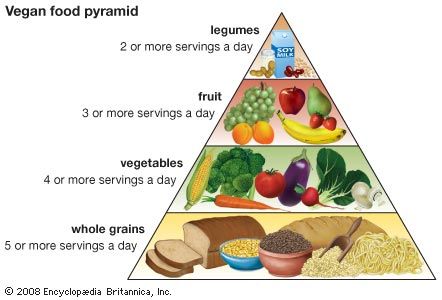
Beans, peas, and lentils: such as red, brown, or green lentils; chickpeas; split peas; black-eyed peas; black beans; white beans; and kidney beans
Soy products: such as fortified soy milk, soybeans, and products made from them, such as tofu, tempeh, and natto
Nuts: such as peanuts, almonds, cashews, and their butters
Seeds: such as sunflower seeds, sesame seeds, and their butters, as well as flaxseed, hemp seeds, and chia seeds
Whole grains: such as quinoa, whole wheat, whole oats, and whole grain brown or wild rice, as well as products made from these foods, such as whole grain bread, crackers, and pasta
Starchy vegetables: such as potatoes, sweet potatoes, corn, squash, beets, and turnips
Nonstarchy vegetables: such as broccoli, cabbage, asparagus, radishes, and leafy greens; these may be raw, frozen, canned, dried, or pureed
Fruit: such as apples, pears, bananas, berries, mango, pineapple, oranges, and tangerines; these may be purchased fresh, frozen, canned, dried, or pureed
Other plant-based foods: such as algae, nutritional yeast, fortified plant milks and yogurts, and maple syrup
There’s a good chance that many of the dishes you currently enjoy either already are vegan or can be made vegan with a few simple adjustments.For instance, you can swap meat-based main dishes for meals containing beans, peas, lentils, tofu, tempeh, nuts, or seeds.
Transitioning to a vegan diet is easier than most people think. That said, it does require a little additional nutrition knowledge.So if you’re interested in making the switch, consider seeking advice from a registered dietitian specializing in plant-based diets to make sure you’ve got your basics covered.Depending on your knowledge, budget, and culinary skills, you may also want to consider taking certain supplements to ensure you’re providing your body with all the nutrients it need
Getting bored in the summer heat? Or you simply want to catch a break from a monotonous life? Well, its summer time and there is no better season to pick up some new hobbies and skills to add to the feathers in your cap. Here are 5 things you can do this summer to feel productive-
Learn to swim
Swimming is a very handy skill and you are never too old to learn to swim. It’s great if you already know to swim too, take a dip in the pool and refine those strokes. Swimming keeps one physically fit, healthy and energised. It also tones your muscles and give you that tan you’ve been wanting.
2.Learn a foreign language
It could be the tongue native to a country you hope to visit someday or a language you’ve always wanted to learn just because you find it so beautiful. Learning the basics of a new language makes the world feel a little smaller, and numerous studies have indicated that being bilingual can give your brain a boost. There are so many free apps and videos that you can refer to at least get some basics of a language.
3.Make your own jewellery
Arts and crafts have always been at the tip-top of popular summer hobbies but have you tried making your own jewellery yet? Capture your own design aesthetic in wearable pieces that you can make from the comfort of your own home. Make them for yourself, gift them to a friend, sell them on Etsy… the possibilities are endless. There are some awesome kits, books, and Youtube videos (essential techniques, supplies to purchase, and of course, hacks) that will make getting started a whole lot easier. Redecorate your room with it or spruce up your collection of gems with some DIY jewellery making.
4. Develop a green thumb
Summertime is the perfect time for gardening: there’s loads of sunlight and the right temperature to grow an entire range of vegetables like tomatoes and cucumbers, or even some herbs and flowers. Gardening can be a nice, rewarding hobby to take up in the summertime. Starting a garden can be an intimidating task but thankfully, there are plenty of resources out there to help you get your green thumb on.
5. Go Camping
Camping is a favourite pastime for many during the summer days and can also be very inexpensive . This is a fantastic low-cost hobby for adventure and nature lovers who want to disconnect from the Wi-Fi and real around a campfire. However, you shouldn’t set out without preparation, so go through this guide to make sure you’re well-prepared! It is a fun way to meet up for some outdoor time with friends and loved ones! It doesn’t have to been in the complete wilderness , just set a tent in your back yard and gaze at those stars.
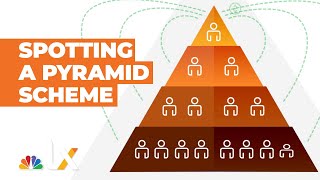
A pyramid scheme is a fraudulent system of making money based on recruiting an ever-increasing number of “investors.” The initial promoters recruit investors, who in turn recruit more investors, and so on. The scheme is called a “pyramid” because at each level, the number of investors increases. The small group of initial promoters at the top require a large base of later investors to support the scheme by providing profits to the earlier investors.
Let’s assume the following: Founder Mike sits alone at the top of the heap, represented by the number “one.” Assume Mike recruits 10 second-tier people to the level directly below him, where each newbie must issue him a cash payment for the privilege of joining. Not only do those buy-in fees funnel directly into Mike’s pocket, but each of the 10 new members must then recruit 10 tier-three members of their own (totaling 100), who must pay fees to the tier-two recruiters, who must send a percentage of their takes back up to Mike. According to the hard-sell pitches made at recruitment events, those bold enough to take the pyramid plunge will theoretically receive substantial cash from the recruits below them. But in practice, the prospective member pools tend to dry up over time. And by the time a pyramid scheme invariably shuts down, the top-level operatives walk away with loads of cash, while the majority of lower-level members leave empty-handed. It should be noted that because pyramid schemes heavily rely on fees from new recruits, the vast majority do not involve the sale of actual products or services with any intrinsic value.
Unfortunately, these types of scams sometimes prey on people who need income quickly. For example, if you lost your job and are having a hard time finding a new job, you might be more willing to look into an opportunity that offers a fast return. But avoid the temptation to overlook the feeling that something is too good to be true. Instead, take a moment to calm yourself so you can make a legitimate plan after losing your job. Go over your budget—or create one for the first time—so you can manage your money in the best way possible while you try to increase your income.
How to Spot a Pyramid Scheme
Pyramid schemes and MLM sound a bit alike, don’t they? Here are some signs of a pyramid scheme, provided by the US Securities and Exchange Commission, to help you understand whether you’re considering a scam or a legitimate MLM opportunity:
You’re not selling something real. Legitimate MLMs sell tangible goods—many times there’s a ready-made market for them.
Get-rich-quick promises. If you’re being offered overnight success, get-rich-quick guarantees, or passive income promises, it’s probably too good to be true. People who make money with legitimate MLMs put a lot of time and effort into their businesses.
The company can’t prove it generates retail income. If the business can’t show you financial statements that demonstrate income from the sale of product, it could be generating all its income from recruiting people into the pyramid.
Strange or unnecessarily complex commission processes. Legitimate MLMs have easy-to-understand, product-based commissions.
The Bottom Line
Pyramid schemes are illegal in many countries. The model of profiting by using the network effect often traps individuals into recruiting their acquaintances, which can feel slimy for everyone involved and can ultimately strain relationships. Some people may shoot their shot each time and invest in multiple schemes losing money each time. Victims of pyramid schemes are often embrassed into silence and keep blaming themselves for not being tenacious enough to earn the promised returns, when in truth it’s the system that is faulty. Get rich quick schmes never work and will allways have some strings attached to it that can put people into legal trouble. Vigilance and knowledge about where your money goes are important factors that people must know, preventing them from falling pray for traps like the pyramid scheme.
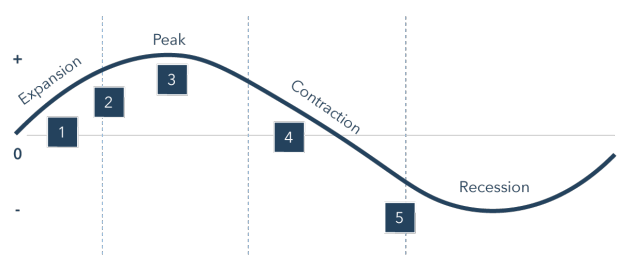
The National Bureau of Economic Research (NBER) defines a recession as “a significant decline in activity spread across the economy, lasting more than a few months, visible in industrial production, employment, real income, and wholesale-retail trade.” A recession is also believed to be signalled when businesses cease to expand, the GDP diminishes for two consecutive quarters, and the unemployment rate rises. The nature and causes of recessions are simultaneously evident and uncertain. Recessions are, in essence, a cluster of business failures being realized simultaneously. Firms are forced to reallocate resources, scale back production, limit losses, and, usually, lay off employees. Those are the clear and visible causes of recessions. There are several different ways to explain what causes a general cluster of business failures, why they are suddenly realized simultaneously, and how they can be avoided.
What Causes a Recession?
Some recessions can be traced to a clearly-defined cause. For instance, the recession of 1973-1975 began as a result of the 1973 oil crisis. However, most recessions are caused by a complex combination of factors, including high interest rates, low consumer confidence, and stagnant wages or reduced real income in the labour market. Other examples of recession causes include bank runs and asset bubbles.
Psychological Factors of a Recession
Psychological factors are frequently cited by economists for their contribution to recessions also. The excessive exuberance of investors during the boom years brings the economy to its peak. The reciprocal doom-and-gloom pessimism that sets in after a market crash at a minimum amplifies the effects of real economic and financial factors as the market swings. Moreover, because all economic actions and decisions are always to some degree forward-looking, the subjective expectations of investors, businesses, and consumers are often involved in the inception and spread of an economic downturn.
Economic Factors of a Recession
Real changes in economic fundamentals, beyond financial accounts and investor psychology, also make critical contributions to a recession. Some economists explain recessions solely due to fundamental economic shocks, such as disruptions in supply chains, and the damage they can cause to a wide range of businesses. Shocks that impact vital industries such as energy or transportation can have such widespread effects that they cause many companies across the economy to retrench and cancel investment and hiring plans simultaneously, with ripple effects on workers, consumers, and the stock market. There are economic factors that can also be tied back into financial markets. Market interest rates represent the cost of financial liquidity for businesses and the time preferences of consumers, savers, and investors for present versus future consumption. In addition, a central bank’s artificial suppression of interest rates during the boom years before a recession distorts financial markets and business and consumption decisions.
What Are the Indicators of a Recession?
Economists determine whether an economy is in recession by looking at a variety of statistics and trends. Factors that indicate a recession include:
Rising in unemployment
Rises in bankruptcies, defaults, or foreclosures
Falling interest rates
Lower consumer spending and consumer confidence
Falling asset prices, including the cost of homes and dips in the stock market
All of these factors can lead to an overall reduction in the Gross Domestic Product (GDP). The European Union and the United Kingdom define a recession as two or more consecutive quarters of negative real GDP growth.
Impact of Covid-19 Pandemic on the Economy
In February 2020, the National Bureau of Economic Research (NBER) announced that according to their data, the U.S. was in a recession due to the economic shock of the widespread disruption of global and domestic supply chains and direct damage to businesses across all industries. These events were caused by the COVID-19 epidemic and the public health response. Some of the underlying causes of the two-month recession (and economic hardship) in 2020 were the overextension of supply chains, razor-thin inventories, and fragile business models. The pandemic-related recession, according to NBER, ended in April 2020, but the financial hardship caused by the pandemic is still impacting Americans.
Human capital refers to stock of ‘skill and expertise’ embodied in humans. Human capital is as important as physical capital for economic development. Human capital formation is the process of adding to stock of human capital over time. Human capital can be developed through creation of skilled, trained and efficient labour force by providing better education, health care facilities, etc. Highly skilled people can create new ideas and methods of production. Thus, expenditure on education, on health and on on-job-training are key instruments of human capital formation. Expenditure on education is one of the most important way of enhancing and enlarging a productive workforce in the country. Expenditure on health can create more efficient and more productive human capital. Further, on-the-job-training helps workers to update skills. Training enhances the productivity and is expected to accelerate the process of human capital formation.
Human Capital and Economic Growth
When we talk about economic growth, human capital is the main reason for the accelerated growth and expansion for many countries that provide investment in human capital. This gives the best advantages to these countries for providing the best situations for work and lifestyles.A significant advantage in generating a stable environment for growth is that the nation has the expanded high-quality human capital in fields like health, science, management, education, and other fields. Here, the main components of human capital are definitely human beings, but presently, the principal component is a creative, educated, and enterprising person with a high level of professionalism.
Human capital in the economy manages the central portion of the national wealth. Hence, all researchers consider that human capital is the most important resource of the community, which is more powerful than nature or wealth. In most countries, human capital determines the rate of development, economic, technological, and scientific progress.
(i) Inventions, innovations, and technological improvement
(ii) Higher productivity of physical capital
(iii) Raises production
(iv) High rate of participation and equality
(v) Improves the quality of life
The difference between human capital and physical capital
Both forms of capital formation are outcomes of conscious investment decisions. Decision regarding investment in physical capital is taken on the basis of one’s knowledge in this regard. The entrepreneur possesses knowledge to calculate the expected rate of return to a range of investments and internationally decide which one of the investments should be made. Physical capital is the outcome of the conscious decision of the owner the physical capital formation is mainly and economic and technical process. A substantial part of human capital formation takes place in one life when she or he is unable to decide whether it will maximize her or his earnings. Children are given different types of school education health care facilities by parents and society. The peers, educators and society influence the decisions regarding human capital investment even at the tertiary level, at the college level. Human capital formation at this stage is dependent upon the already from human capital at the school level. Human capital formation is partly a social process and partly a conscious decision of the possessor of the human capital. The owner of a physical capital, does need not be present in the place where it is used; a bus driver who possesses the knowledge and ability to drive the bus should be present when the bus is used for transportation of people and other materials physical capital is tangible and can be easily sold in the market like any other commodity. Human Capital is intangible it is endogenously built in the body and mind of its owner. Human Capital is not sold in the market; service of human capital is sold and hence there arises the necessity of owner of the human capital to be present in the place of production. Physical capital is variable from its owner where does the human capital is in separable from its owner. The two forms of capital differ in terms of mobility across space. Capital is completely mobile between countries except for some artificial trade restrictions. Human capital is not a perfectly movable between countries as movement is restricted by nationality and culture. Physical Capital formation can be built it even do import, human capital formation is to be done through conscious policy formulations in consensus with nature of society and economy expenditure by the state and the individual.
Both forms of capital depreciate with the time but the nature of depreciation differs between the two continuous use of machine lead to depreciation and change of Technology makes a machine of solute. Human capital, eating but can reduce, for large through continuous investment in education and health on the job training. This investment also facilitates the human capital to cope with change in technology which is not the case with physical capital. Natures of benefits flowing from human capital are different from that of physical capital. Human Capital benefits not only the owner but also the society in general. This is called external benefit. Educated person can effectively take part in a democratic process and contribute to the socio economic progress of a nation. Healthy person, by maintaining personal hygiene and sanitation, stops the spread of contagious diseases and epidemics. Human Capital creates both private and social benefits where as physical capital creates only private benefits. That is, benefits from a capital good flow to those who pay the price for the product and services provided by it.
Importance of Human Capital Formation:
Although the accumulation of physical capital is quite important in the process of economic growth of a country but with the passage of time, it is being increasingly realised that the growth of tangible capital stock depends extensively on the human capital formation must get its due importance.In the absence of adequate investment in human capital, utilisation of physical capital will be at low pace, leading to retardation of development.Prof. Galbraith observed, “We now get the larger part of our industrial growth not from more capital investment but from investment in men and improvements brought about by improved men.” Unless these developed economies spread education, knowledge, know-how and raise the level of skills and physical efficiency of their people, the productivity of physical capital would have been reduced at this moment.
Most of the underdeveloped countries are suffering from low rate of economic growth which is again partially resulted from lack of investment in human capital. These underdeveloped countries are facing mainly two basic problems. They lack critical skills very much needed for the industrial sector and again have a surplus labour force.Thus human capital formation wants to solve these problems by creating necessary skills in man as a productive resource and also providing him gainful employment.In order to remove economic backwardness of the underdeveloped countries as well as to instill the capacities and motivations to progress, it is quite necessary to increase the level of knowledge and skills of the people.Thus in the absence of proper development of the quality of the human factor, the underdeveloped countries will not be able to attain the desired rate of progress.
Takeaway
Economic and social benefits of human capital formation and Human Development are well-known. The spread of education and Health Services across different sectors of the society should be ensured so as to simultaneously attain economic growth and equity. The need of the hour is to better it qualitatively and provide such conditions so that they are utilised in our own country.
We all need sleep, get most of us take it for granted by staying up for long hours at night watching a screen or blocking the brain with caffeine and other harmful drugs . Many people do not get enough quality sleep, and this can affect their health, well-being, and ability to do everyday activities.
You may think nothing is happening when you sleep. But parts of your brain are quite active during sleep. And enough sleep (or lack of it) affects your physical and mental health. When you sleep, your body has a chance to rest and restore energy. A good night’s sleep can help you cope with stress, solve problems or recover from illness. Not getting enough sleep can lead to many health concerns, affecting how you think and feel.
How much sleep do I need?
Many factors affect how much sleep you need. Age is a big factor:
Infants need about 16 hours a day.
Toddlers and preschoolers need about 12 hours.
Teenagers need about nine hours.
Adults need seven to eight (though some are fine with five and others need closer to 10).
Pregnant people often need more sleep during the first trimester.
If you haven’t slept well or long enough for a few days, you might create a sleep debt. Once your debt builds up, you may feel physically and mentally exhausted. Try to make sure you get enough sleep every night to avoid creating this debt. You can’t necessarily make up your debt by sleeping a lot on the weekends. It’s best to get enough sleep all week long. A person who is getting too little quality sleep may experience a range of symptoms including: fatigue, irritability, mood changes, difficulty focusing and remembering, reduced sex drive
In1965 , an experiment was conducted where a high school boy stayed up for 264 hours or 11 days. He slowly lost focus of the eye, became moody and irritable, he stopped sensing stimuli and could not concentrate or retain memories. We grow sleep due to signals from our body hormones like melatonin and adenosine that send us into a deep doze.
During the night, you cycle through two types of sleep: non-rapid eye movement (non-REM) sleep and rapid eye movement (REM) sleep. Your brain and body act differently during these different phases. During non-REM stages, your body-Builds bone and muscle, Repairs and regenerates tissues, Strengthens the immune system. When you enter REM sleep, brain activity increases again, meaning sleep is not as deep. The activity levels are like when you’re awake. That’s why REM sleep is the stage where you’ll have intense dreams. Usually, REM sleep arrives about an hour and a half after you go to sleep. The first REM period lasts about 10 minutes. Each REM stage that follows gets longer and longer.
Sleeplessness may result in inflammations, hallucinations, high blood pressure and is also related to obesity and diabetes and obesity along with impairment in memory mood, reaction time etc.
How does sleep deprivation cause such immense effects?
Our brain collects a lot of unwanted information during the day that can be proceed as useful and waste while we sleep. Our brain uses a lot of energy source that leads to build up of adenosine, which increases the urge to sleep and caffeine blocks the pathway of this that causes us to be awake. Waste products if not cleared away overload the brain leading to the negative symptoms of sleep deprivation. A glymphatic system is present in all which acts as a clean-up machine that removes this build up and is active mostly when we are asleep. hence if the brain doesn’t get its sufficient recharge it could lead to dire consequences like insomnia and other fatal disorders that a person can develop. For now, we can be sure that slipping into slumber is a necessity to maintain our health and sanity.
Takeaway
Sleep deprivation can harm a person’s mental and physical health, their performance at school or work, and their overall quality of life. Also, a persistent lack of sleep can lead to complications or indicate an underlying health problem, such as sleep apnea or anxiety. Anyone who is concerned about a lack of sleep should contact a medical professional.
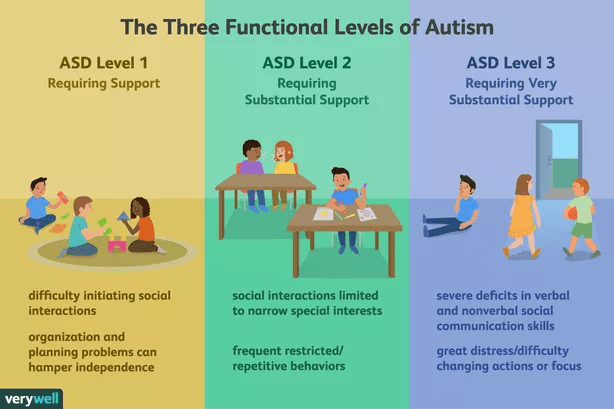
There are many people around us of different age groups that are either diagnosed or have underlying symptoms of autism. Autism is a neurodevelopmental disorder characterized by challenges with social communication, and by restricted and repetitive behaviours. is now considered part of the wider autism spectrum. People with autism have trouble with communication. They have trouble understanding what other people think and feel. This makes it hard for them to express themselves, either with words or through gestures, facial expressions, and touch. People with autism might have problems with learning. Their skills might develop unevenly. For example, they could have trouble communicating but be unusually good at art, music, math, or memory. Because of this, they might do especially well on tests of analysis or problem-solving. More children are diagnosed with autism now than ever before. But the latest numbers could be higher because of changes in how it’s diagnosed, not because more children have a disorder.
Autism is known to affect every one in every 60 individuals and boys are said to have more risk of developing it than girls. It can be hard to get a definite diagnosis of autism. Your doctor will focus on behaviour and development.
A developmental screening will tell the doctor whether a child is on track with basic skills like learning, speaking, behavior, and moving. If a child shows signs of a problem on these screenings, they’ll need a more complete evaluation. This might include hearing and vision tests or genetic tests. Your doctor might want to bring in someone who specializes in autism disorders, like a developmental paediatrician or a child psychologist. Some psychologists can also give a test called the Autism Diagnostic Observation Schedule (ADOS).parents can also find some symptoms and unusual behaviour
Common symptoms of autism include:
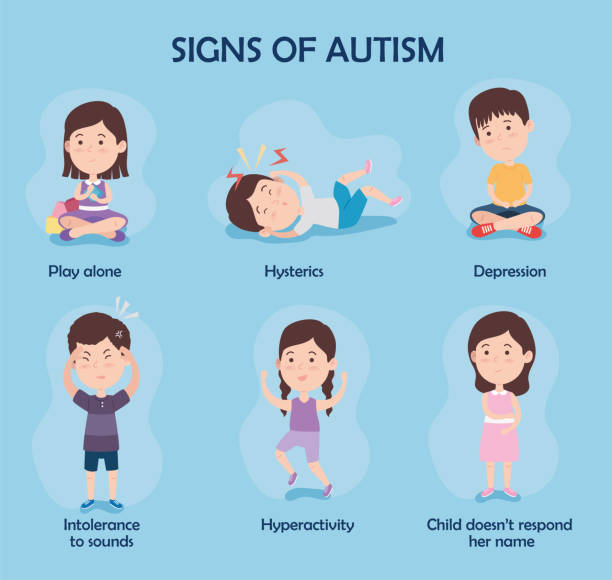
A lack of eye contact
A narrow range of interests or intense interest in certain topics
Doing something over and over, like repeating words or phrases, rocking back and forth, or flipping a lever
High sensitivity to sounds, touches, smells, or sights that seem ordinary to other people
Not looking at or listening to other people
Not looking at things when another person points at them
Not wanting to be held or cuddled
Problems understanding or using speech, gestures, facial expressions, or tone of voice
Talking in a sing-song, flat, or robotic voice
Trouble adapting to changes in routine
What Are the Types of Autism Spectrum Disorders?
These types were once thought to be separate conditions. Now, they fall under the range of autism spectrum disorders including:
Asperger’s syndrome. These children don’t have a problem with language; in fact, they tend to score in the average or above-average range on intelligence tests. But they have social problems and a narrow scope of interests.
Autistic disorder. This is what most people think of when they hear the word “autism.” It refers to problems with social interactions, communication, and play in children younger than 3 years.
Childhood disintegrative disorder. These children have typical development for at least 2 years and then lose some or most of their communication and social skills.
Pervasive developmental disorder (PDD or atypical autism). Your doctor might use this term if your child has some autistic behavior, like delays in social and communications skills, but doesn’t fit into another category.
What Causes Autism?
Exactly why autism happens isn’t clear. It could stem from problems in parts of your brain that interpret sensory input and process language.. It can happen in people of any race, ethnicity, or social background. Family income, lifestyle, or educational level doesn’t affect a child’s risk of autism. Autism runs in families, so certain combinations of genes may increase a child’s risk. A child with an older parent has a higher risk of autism. Pregnant women who are exposed to certain drugs or chemicals, like alcohol or anti-seizure medications, are more likely to have autistic children. Other risk factors include maternal metabolic conditions such as diabetes and obesity. Research has also linked autism to untreated phenylketonuria (also called PKU, a metabolic disorder caused by the absence of an enzyme) and rubella (German measles).There is no evidence that vaccinations cause autism.
How Is Autism Treated?
There’s no cure for autism. But early treatment can make a big difference in development for a child with autism. If you think your child shows symptoms of ASD, tell your doctor as soon as possible.What works for one person might not work for another. Your doctor should tailor treatment for you or your child. The two main types of treatments are:
Behavioral and communication therapy to help with structure and organization. Applied behavior analysis (ABA) is one of these treatments; it promotes positive behavior and discourages negative behavior. Occupational therapy can help with life skills like dressing, eating, and relating to people. Sensory integration therapy might help someone who has problems with being touched or with sights or sounds. Speech therapy improves communication skills.
Medications to help with symptoms of ASD, like attention problems, hyperactivity, or anxiety.
Complementary treatments may help boost learning and communication skills in some people with autism. Complementary therapies include music, art, or animal therapy, like horseback riding and even swimming with dolphins.
It is high time that people start to embrace autism and not ostracize such individuals but give more support and kindness. Young children must be taught about it and it’s not a topic to shy away from but accept and cherish that its ok to be different because that way you are special.
B.F Skinner is considered one of the most influential psychologist of this era. He studied human aspects and behaviourism of the day to day life that most of us fail to observe and put it into theory .His discovery are used till date to treat, diagnose and find solution to psychological problems. B. F. Skinner was an American psychologist best-known for his influence on behaviourism.
Early life
Burrhus Frederic Skinner was born and raised in the small town of Susquehanna, Pennsylvania. His father was a lawyer and his mother a homemaker. During high school, Skinner started to develop an interest in scientific reasoning from his extensive study of the works of Francis Bacon. After earning his undergraduate degree he decided to become a writer, a period of his life that he would later refer to as the “dark year. He wrote short newspaper articles and receiving some encouragement and mentorship from the famed poet Robert Frost. While working as a clerk at a bookstore, Skinner happened upon the works of Pavlov and Watson, which became a turning point in his life and career. Inspired by these works, Skinner decided to abandon his career as a novelist and entered the psychology graduate program at Harvard University.
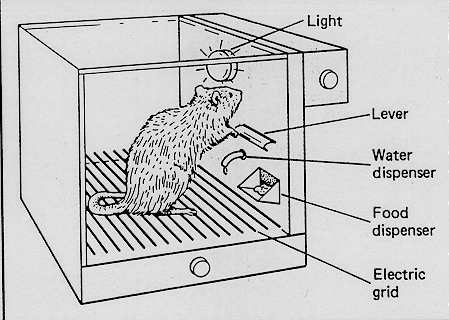
He Best Known for Operant conditioning, Schedules of Reinforcement, Skinner Box Cumulative Recorder, Radical Behaviourism. Among his many discoveries, inventions, and accomplishments were the creation of the operant conditioning chamber (aka the Skinner Box), his research on schedules of reinforcement, the introduction of response rates as a dependent variable in research, and the creation of the cumulative recorder to track these response rates. Skinner’s operant conditioning process, an operant referred to any behaviour that acts on the environment and leads to consequences. He contrasted operant behaviours (the actions under our control) with respondent behaviours, which he described as anything that occurs reflexively or automatically such as jerking your finger back when you accidentally touch a hot pan.
Operant conditioning and experiments
Skinner identified reinforcement as any event that strengthens the behaviour it follows. The two types of reinforcement he identified were positive reinforcement (favorable outcomes such as reward or praise) and negative reinforcement (the removal of unfavourable outcomes).Punishment can also play a role in the operant conditioning process.
Skinner distinguishes between two types of behaviour respondent and operant. Respondent behaviour is directly under the control of a stimulus. Operant behaviour appears to be spontaneous rather than a response to specific stimulus .Stimulus that may influence operant behaviour is called discriminative stimulus the word operant derived from the fact that operant behaviour of the rates and the environment to produce some effect. Thus, the telephone rings going to where it is and receiving our operant acts that lead to a telephonic conversation. To demonstrate operant conditioning in the laboratory, a rat is placed in a box called the skinner box that is deprived of food for some specified period and so was assumed to be motivated by hunger drive inside the Skinner box there is a protruding bar with the food dish beneath that small light bulb above the bar can be lit at the experimenters discretion. Left alone in the box, the rat move absolutely restlessly and by chance occasionally presses the bar. The rate at which it first pushes the bar defines the preconditioned of operant level of bar pressing after establishing the opponent level the experimental attaches the food dispenser so that every time the rat presses the bar, a palette of food falls into the dish. The rat eats and soon presses the bar again. The food reinforces by pressing and the rate of pressing increases dramatically. If the food dispenser is disconnected and pressing the bad no longer no longer delivers would the rate of bar pressing will diminish .Experimenter can set up a discrimination by presenting food if the bar is pressed while the light is on and not giving these reinforcement if the response is made in the dark. Selective reinforcement leads to the rats pressing the bar only in the presence of light operant conditioning refers to the increase in the probability of response in a particular stimulus environment by following the response with reinforcement. Usually reinforcement is something that can satisfy a basic drive like food to satisfy your hunger. Operant behaviour is consequences that lead to change in voluntary behaviour person.
Operant conditioning is not just something that takes place in experimental settings while training lab animals. It also plays a powerful role in everyday learning. Reinforcement and punishment take place in natural settings all the time, as well as in more structured settings such as classrooms or therapy sessions. Examples in real life include- Homework Completion-A student tends to complete his/her homework daily; because he/she knows that he/she will be rewarded with a candy (action) or praise (behaviour). Incentives and Bonus-Workers are often offered with the incentives and bonus in return of completing their targets in time or for regular attendance. It makes the workers to perform better, so that, they can continuously get those incentives and bonus.
As an urban planner, you know the importance of legibility and comprehensibility in communicating plans for the built environment. Developing an understanding of the tools and techniques of urban design is a crucial benefit to the implementation of effective plans.
Urban Planners are often required use urban planning software which bridges the various disciplines involved in city planning. While not always the case, the softwares and tools used within the urban planning can be quite expensive. Especially when you are self employed. Fortunately, there are free urban planning software alternatives available, which does well in completing the necessary tasks. However, unfortunately some of the paid software do not have alternative free and open source software.
We have attempted to summarise the key urban planning software and tools used today, both free and paid. This list has been made in an effort to make it easy to understand the software that exists and is used today. Although, the list is currently not fully comprehensive it gives an overview. The list will moreover be updated once in a while to reflect software not listed here.
We hope this list is useful and provides some help in finding urban planning software and tools that can support your work. \
Whether you’re a professional in the urban planning field or an urban planning student, learning basic design principles doesn’t require a graphic design degree. Thankfully, there are a number of free software tools available to take your plans to the next level, here are some of the urban planning tools that every planners need to know:
GNU Image Manipulation Program, commonly known as GIMP, is a raster-based image manipulation software. If you’re familiar with Adobe Photoshop, you will find GIMP to be an effective (and free!) alternative with similar capabilities. In the context of urban design, GIMP is used to edit images, add text to images, and overlay graphic content on maps. Additionally, GIMP offers some great free educational resources and tutorials.
SketchUp is an indispensable tool to urban planners and urban designers alike. Unique in its ability to quickly and accurately render 3-dimensional forms, Sketchup provides users with an effective tool to visualize buildings, neighborhoods, and even cities. There are some limitations to the freeware version as opposed to SketchUp Pro, but there are workarounds you can learn in the Urban Design for Planners: Software Tools. What’s more, SketchUp integrates easily with Google Earth (read on to learn more!).
Inkscape is vector-based, open graphic manipulation tool often used as a counterpart to GIMP. For the urban designer, Inkscape is used to draw and manipulate shapes and lines on maps. Comparable to Adobe Illustrator, Inkscape offers a user-friendly alternative for planners and designers.
QGIS is a free, open source Geographic Information System with powerful capabilities. Compatible with Esri (the industry standard maker of ArcGIS), QGIS is perfect for the planner looking to expand their design capabilities. Use QGIS to view multiple layers of mapped data relative to one another, group locations or elements with sets of criteria, determine distance calculations, examine proximities, and quickly create figure ground maps. QGIS makes it simple to quickly get up to speed with the program with an extremely active support community.
Google Earth is a crucial tool that lends itself to a variety of professional applications. Particularly useful to urban planners and urban designers alike is the ability to explore cities from an axonometric view (from the perspective of a low flying plane). Other settings provide the ability to experience a 3D perspective, accurately measure distance, and integrate with GIMP and SketchUp. Beyond these practical aspects, the potential to explore cities and landscapes around the world makes Google Earth a ground-breaking resource.
6. ESRI ArcGIS is the most widely used GIS software in the world. It allows The ArcGIS software have allowed planning agencies to carry out both traditional and previously impossible tasks more efficiently and easier. With the various functions the GIS programs offer, urban planners can create and assess different development scenarios and test the potential impacts they will have on future land use, demographics and employment options. Consequently, ArcGIS has created a spatial tool that provides more informed planning decisions.
7. ArcGIS CityEngine is another 3D modelling software. It is used by urban planners, urban designers and architects to create a large city without the need to model each building separately. The software allows you to measure areas, distances and paths, and compare various development proposals and analyse design solutions.
8. ArcGIS Urban is another ESRI application focused on the urban planning and design professions. The ArcGIS Urban software provides an 3D experience allowing for better understanding of potential land use and development. Thereby decision-making is better formed by visualising and understanding how development projects will fit into the local surroundings.
9. Modelur is a simple and inexpensive SketchUp extension that is somewhat similar to CityEngine. While Modelur is lacking rendering options and extensive functionality as included in CityEngine, it provides a powerful 3D tool to quickly create conceptual urban massing. It calculates your design’s urban planning parameters in realtime, such as Floor Area Ratio (FAR), Gross Floor Area (GFA), Built-up Area (BUA), Site Coverage, recommended parking lots and green area. Therefore you can easily adjust your design to be aligned with the requirements for the site in question. Furthermore, the software tool provides well informed decisions.
Modelur offers free student licenses, but you need to provide proof of university enrollment.
10. Streetmix is an online open source street design tool. It provides a user-friendly and fun way to create fast proposals for street and public space improvements. The tool was created for city planners, public and private companies, pedestrian and bike advocates to make street-making accessible for everyone.
A young kid after his first encounter with a fictional world passionately years for more of it. Then, with the benefit of accessibility, voraciously consumes the stories be it books or cinema. This engagement not only feeds the young mind with new ideas, but also teaches it how to express. After umpteen fictional experiences, the mind learns the art of restrain and silence. Now the quietened mind begins to observe the aesthetics of a fictional world and the seeds of creation are sown in the mind. An artist is born.
This allegory in a way helps us to understand the role and importance of training and internship. A fledgling equipped only with knowledge and curiosity enters the place where it can fly. The opportunity to work in a practical setting teaches it the art of application and restrain. Here at this point, I believe l, it is important for it to experience a state called the ‘Flow’. The obligation of presenting the environment conducive to experience this state, a concept borrowed by me from Kalam’s autobiography, lies on the organization and the mentor.
The mentor’s role is to hold the hand of the intern so that his mind frees itself from fear and doubt and is in a better position to experience the Flow. Now the quietened mind learns the art of working in and observing an organizational setting. The observation results in creative output. The experience of the Flow builds the qualities of passion for work, commitment and effort. This ideal training benefits the organization through the performance of the intern and production of quality workforce. The person gains practical skills and builds his character through his experiences of working with others in an organizational setting. The fire is bestowed with the wings to fly.
The new world order, brought on by the fourth Industrial Revolution, demands that today’s children acquire skills that will serve them well in the future.
The world we live in will change so fundamentally that students who come out of school by 2030 will make careers in fields that we have no idea about in the present.
As all of these trends happen, the winners will be those who are able to participate fully in innovation-driven ecosystems by providing new ideas, business models, products, and services, rather than those who can offer only low-skilled labor or ordinary capital, points out Klaus Schwab, founder and executive chairman of the World Economic Forum, in his seminal work, the Fourth Industrial Revolution.
This view is supported by other experts.
According to David Deming, associate professor of education and economics at Harvard University, Soft Skills like sharing and negotiating will be crucial. Modern workplace, where people move different roles and projects, closely resembles pre- school classrooms where we learn social skills such as empathy and cooperation. =
In effect, the skills and traits that must be inculcated in our children include : Social Intelligence
This set of skill include empathy or the awareness of self and others perspective collaboration, negotiations and conflicts resolution, persuasive communication that can change minds and hearts.
A sense of service mindedness, trustworthiness and transparency.
An internship is the position of a student or trainee who works in an organization, sometimes without pay, in order to gain work experience or satisfy requirements for a qualification. A good degree with good marks will not take you to an organization , but internship will . you need the experience to get hands-on knowledge in your career field. In today’s labour market, employers rely heavily on CVs that demonstrate relevant work history, whether it is from actual job experience, volunteer work, or interning at a company. According to NACE’s Class of 2019 Student Survey, “More than half of all graduating seniors who applied for a full-time job (53.2%) received at least one job offer. Within this group, 57.5% of students who had an internship and 43.7% of graduating seniors who did not have an internship received a job offer.”
An internship is an official program offered by organizations to help train and provide work experience to students and recent graduates. The concept of working as an intern began a long time ago but has drastically evolved over the years. Internships first started as a labourer who would take on young individuals and teach them their art or trade. In exchange for being taught a skill, the trainee would agree to work for the labourer for a specific time. The skill taught there will help you in the real market scenarios , which will help you to solve real market problems .
Getting job experience is very important in today’s life . You can get an internship at a small company or get experience by freelancing. Any experience where you use skills that you can transfer to your future career is an excellent addition to your CV. It can help you demonstrate your commitment and capabilities to an employer while highlighting the skills that are both appropriate and transferable to the post you are applying for. An internship will give you the best experience regarding the job .
FIVE IMPORTANCE OF INTERNSHIP
You will get an experience of the real market , the things which you have learnt in books , the things which you are having the book knowledge of , that book knowledge is used in the practical form .
You will learn skills that will help you in your future jobs & these skills will let you fit in a better organization
Internship allows you to learn about yourself , the more you will discover the job , the more you will get to know about yourself , your qualities & abilities.
Internship allows you to gain competitive edge over others , those who have not done any internship will not get the exposure that you have received & will for sure lack the direction to do a specific work
Internship helps you to build critical network connections because you are involve with them who are expert in that field .
Here is some good news for all the watersport lovers in Vizag. A scuba diving academy will be coming up soon in the district, at Chintapalli. The city of beaches has been into the watersports trend, with activities like kayaking, snorkeling, jet skiing and scuba diving. Among these four, scuba diving is the more popular watersport. This watersport is not available at places in India such as Goa, Pondicherry, and the Andaman and Nicobar Islands. But fortunately, Vizag has adopted this highly thrilling and mesmerising underwater activity.
Taking a big step towards promoting tourism in Vizag, a scuba diving academy at Chintapalli village in Visakhapatnam District. The academy will be started by Livein Adventures, a Vizag-based adventure sports firm, which operates water sports activities in the city with the support of the Andhra Pradesh Tourism Development Corporation (APTDC). This will be a first-of-its-kind scuba diving academy in Andhra Pradesh and one among very few such academies in India. The academy will come up on four acres of land at chintapalli and will be built at an estimated budget of Rs 2 crore.
Speaking to Yo! Vizag, Balaram Naidu, of Livein Adventures, revealed, “The academy will have courses on basic diving, kayaking, and boating from October 2021. The courses will range from two days to 6 months in duration. Interested individuals, swimmers and non-swimmers, will be able to take globally certified courses on open water diving, rescue diving and advanced diving.”














/is-it-multilevel-marketing-or-a-pyramid-scheme-2947159-FINAL-5f46e1d56e034223a43f045ed7b5ee23.jpg)










 Eduindex
You must be logged in to post a comment.