The lights that don’t lie- The case of the radium girls

With war declared, hundreds of working-class women flocked to the studio where they were employed to paint watches and military dials with the new element radium, which had been discovered by Marie Curie a little less than 20 years before. Dial painting was “the elite job for the poor working girls”; it paid more than three times the average factory job, and those lucky enough to land a position ranked in the top 5% of female workers nationally, giving the women financial freedom in a time of burgeoning female empowerment. Radium’s luminosity was part of its allure, and the dial painters soon became known as the “ghost girls” — because by the time they finished their shifts, they themselves would glow in the dark. They made the most of the perk, wearing their good dresses to the plant so they’d shine in the dance halls at night, and even painting radium onto their teeth for a smile that would knock their suitors dead.

What’s more, the painters ingested the radioactive substance as part of their job. Because some of the watch dials on which they worked were extremely small, they were instructed to use their lips to bring their paint brushes to a fine point. When they asked about radium’s safety, they were assured by their managers that they had nothing to worry about.Of course, that wasn’t true. Radium can be extremely dangerous, especially with repeated exposure. Marie Curie suffered radiation burns while handling it, and she eventually died from radiation exposure.

It wasn’t long before the “Radium Girls” began to experience the physical ravages of their exposure. Among the first was Amelia (“Mollie”) Maggia, who painted watches for the Radium Luminous Materials Corp. Maggia’s first symptom was a toothache, which required the removal of the tooth. Soon the tooth next to it also had to be extracted. Painful ulcers, bleeding and full of pus, developed where the teeth had been. Maggia died on September 12, 1922, of a massive hemorrhage. Doctors were puzzled as to the cause of her condition. In growing numbers, other Radium Girls became deathly ill, experiencing many of the same agonizing symptoms as Maggia. For two years their employer vociferously denied any connection between the girls’ deaths and their work. Facing a downturn in business because of the growing controversy, the company finally commissioned an independent study of the matter, which concluded that the painters had died from the effects of radium exposure.

In 1925 a pathologist named Harrison Martland developed a test that proved conclusively that radium had poisoned the watch painters by destroying their bodies from the inside. The radium industry tried to discredit Martland’s findings, but the Radium Girls themselves fought back. Many knew that their days were numbered, but they wanted to do something to help their colleagues still working with the deadly substance. Ingested radium had subsequently settled in the women’s bodies and was now emitting constant, destructive radiation that “honeycombed” their bones. It was literally boring holes inside them while they were alive. It attacked the women all over their bodies.

In 1927, a smart young lawyer named Raymond Berry accepted their case, and Grace (along with four colleagues) found herself at the canter of an internationally famous courtroom drama. The women had been given just four months to live, and the company seemed intent on dragging out the legal proceedings. The New Jersey radium girls’ case was front-page news, and it sent shockwaves across America.

It was the mid-1930s: America was in the grip of the Great Depression. Catherine and her friends , victims of this heinous poisoning, were shunned by their community for suing one of the few firms left standing. Though close to death when her case went to court in 1938, Catherine ignored her doctors’ advice and instead gave evidence from her deathbed. In doing so, and with the help of her lawyer, Leonard Grossman, she finally won justice not only for herself, but for workers everywhere.

The radium girls’ case was one of the first in which an employer was made responsible for the health of the company’s employees. It led to life-saving regulations and, ultimately, to the establishment of the Occupational Safety and Health Administration, which now operates nationally in the United States to protect workers. . The women also left a legacy to science that has been termed “invaluable.”

Healthy snacking to switch to.

Snacking refers to the intake of foods during the day other than your main meals. Snacks typically consist of smaller food portions distributed between meals. While research on whether snacking aids weight loss is mixed, some evidence suggests that increasing your meal frequency through snacking may help manage hunger and improve blood sugar regulation. By planning ahead and focusing on nutrient-rich foods, snacks may support your weight management goals by managing hunger and keeping you satisfied between meals. Think of a healthy snack as a mini-meal. It should be more than just a handful of popcorn or a bag of chips. Like a meal, it should contain some protein, carbs, and healthy fats. Bonus points for fibre, as that helps fill us up and slows digestion leaving you feeling fuller longer. Here are some options for healthy snacking you can switch to-

1. Mixed nuts

Nuts are an ideal nutritious snack, providing the perfect balance of healthy fats, protein, and fiber.Aside from being tasty; they’re linked to numerous health benefits and very filling. There are plenty of nuts you can choose from, including walnuts, almonds, Brazil nuts, hazelnuts, pine nuts, macadamia nuts, cashews, and pistachios. Because they don’t require refrigeration, they’re a great choice for snacking on the go.

2. Kale chips

Kale is incredibly healthy, as it’s loaded with fiber and antioxidants like beta carotene, lutein.It’s also a good source of minerals, such as calcium and phosphorus. It has a lower level of oxalic acid, an anti-nutrient that impairs calcium absorption, than many other leafy greens .Pairing kale with olive oil not only makes more delicious and crispy chips but also a more balanced and filling snack.

3. Protein smoothie

A protein smoothie can be a filling snack for when you need something substantial until your next meal.They’re an easy and convenient way to increase your protein intake. You can add just about any other ingredient to the mix, from fruits and veggies to healthy fats like avocado, nut butter, or chia seeds, for a nutrient-rich snack.

4. Oatmeal

Oatmeal is a truly versatile snack that you can enjoy hot or cold — at home or on the go. Oats are a nutritious whole grain that provides a good amount of fiber and higher protein content compared with other cereals.What’s more, you can satisfy your sweet tooth with oatmeal topped with fruit, cinnamon, cocoa powder, and chocolate chips, or go for a savory version by adding eggs, avocado, and veggies like mushrooms or tomatoes.

5. Cucumber slices with hummus

Cucumber’s fresh flavour and crunchy texture go very well with the rich creaminess of hummus. Hummus is typically made from chickpeas, tahini, olive oil, and garlic. Thus, it provides a mix of plant-based protein, fibre, and heart-healthy fats. You can also pair them with some whole grain crackers or pretzel sticks for a heartier snack.

When your next craving hits, aim for whole foods that add nutrition to your day instead of highly processed, less nutritious options.Having some healthy choices in reach can help you stay satisfied, add more nutrients to your diet, and support weight management. Healthy snacking can be benifically in all aspects of life , so start making choices of what you intake.

The women’s suffrage movement

The Nineteenth Amendment to the US Constitution was ratified on August 18, 1920. It declares that “The right of citizens of the United States to vote shall not be denied or abridged by the United States or by any State on account of sex. Congress shall have power to enforce this article by appropriate legislation. “The amendment, which granted women the right to vote, represented the pinnacle of the women’s suffrage movement, which was led by the National American Woman Suffrage Association (NAWSA).In their decades-long struggle for female enfranchisement, women’s rights advocates met with strong opposition from anti-suffrage activists.

The women’s suffrage movement has its origins in the Seneca Falls Convention of 1848, the first women’s rights convention ever held in the United States. Approximately three hundred activists, female and male, gathered to discuss the condition of women and to devise strategies for achieving social and political rights for women. Though women’s suffrage was a topic of debate at the convention, it was not the main goal of the movement at this early stage, and the convention’s resolution demanding women’s suffrage was the only resolution that was not passed unanimously.

The first women’s suffrage organizations were created in 1869. Susan B. Anthony and Elizabeth Cady Stanton founded the National Woman Suffrage Association (NWSA), while Lucy Stone, Julia Ward Howe, and Henry Blackwell founded the American Woman Suffrage Association (AWSA). These two rival groups were divided over the Fifteenth Amendment, which guaranteed African American men the right to vote. The AWSA supported the Fifteenth Amendment, while the NWSA opposed it because it did not include suffrage for women. In 1890, the two competing organizations were merged into the National American Woman Suffrage Association (NAWSA).

During the 1870s, suffragists (women’s suffrage activists) began attempting to vote at polling places and filing lawsuits when their attempts were rejected. This drew attention to the women’s rights movement, particularly after Susan B. Anthony was arrested and put on trial for voting in the 1872 presidential election. Suffragists hoped that the lawsuits would work their way up to the Supreme Court, and that the justices would declare that women had a constitutional right to vote. In 1875, the Supreme Court, rejected women’s suffrage, ruling that the US Constitution did not confer the right of suffrage to anyone.

After the Supreme Court ruling, leaders of the women’s rights movement adopted other strategies for securing universal suffrage. Activists began organizing a drive to pass a constitutional amendment guaranteeing women the right to vote. The National American Woman Suffrage Association launched a campaign to achieve victories at the state level, in the hopes that if enough states allowed women the right to vote, federal legislation would follow. These efforts were so successful that by the time of the ratification of the Nineteenth Amendment, over half of all states had already granted limited voting rights to women.

The Nineteenth Amendment

In January, 1878, Republican Senator Aaron A. Sargent of California formally introduced in the Senate a constitutional amendment to guarantee women the vote. The bill languished in committee until 1887, when it finally went up to a vote, and was defeated. Not until 1914 was another constitutional amendment for women’s rights considered, and again rejected, by the Senate.

Though the movement for women’s suffrage was well-organized and gaining momentum by the early twentieth century, it met with strong opposition from some sectors of US society. Brewers and distillers were opposed to female enfranchisement because they assumed that women would vote for the prohibition of alcoholic beverages, while businesses that employed children feared that women would vote to eliminate child labour. Anti-suffrage organizations sprang up all over the country to oppose the drive for female enfranchisement. Anti-suffrage activists were not just men; indeed, many upper class women joined the movement, arguing that politics was a dirty business that would sully the moral and spiritual authority of women

The National American Woman Suffrage Association in 1900, launched an effort to link the drive for female suffrage to the US war effort in the First World War. Though many of her fellow suffragists were anti-war pacifists, Catt made the controversial decision to support the war and to thereby portray the women’s suffrage movement as patriotic. The effort was a success; in his 1918 State of the Union address, President Woodrow Wilson declared his support for female enfranchisement.

On August 18, 1920, Congress ratified the Nineteenth Amendment, which guaranteed the right to vote to all US citizens regardless of sex. The Nineteenth Amendment represented a major victory and a turning point in the women’s rights movement.

Veganism in a Nutshell

Once considered a niche diet, veganism has gone mainstream — so much so that the number of people following a vegan diet has increased by 350% in the last decade. By definition, veganism is a way of living in which people exclude, as much as possible, all forms of animal exploitation and cruelty.

At first glance, a vegan diet may seem complicated or overly restrictive. Many of my clients who are considering switching over to a vegan diet are initially worried about finding suitable vegan alternatives to their favourite meals. Yet, most find that once they get a few basics down, the transition is less difficult than they initially expected.

According to the Vegan Society, the term “vegan” was coined back in 1944 by a small group of vegetarians who broke away from the Leicester Vegetarian Society in England to form the Vegan Society. In addition to refraining from eating meat, they chose not to consume dairy, eggs, or any other products of animal origin The term “vegan” was chosen from the combination of the first and last letters of “vegetarian.” By 1949, the first definition of veganism had been born. It has changed slightly over the years to become what it is known as today. Many people use the term “vegan” to refer exclusively to diet. However, by this latest definition, veganism extends beyond eating a plant-based diet.

Those who identify as vegans typically aim to exclude animal exploitation or cruelty in all aspects of their lives, including the clothes they wear, the cosmetics they use, and the leisure activities they take part in .As a result, many vegans avoid purchasing wool coats, leather furniture, or down pillows and comforters. They may also opt to visit animal sanctuaries instead of going to zoos, the circus, or animal petting farms.

Reasons people go vegan

Health-Some people choose a vegan diet for its potential health benefits. Diets high in meat — especially red meat — have been linked to cancer, heart disease, and type 2 diabetes .On the other hand, plant-based diets have been linked to a lower risk of developing or prematurely dying from these diseases. Lowering your intake of animal products in favour of more plant-based options may also improve your digestion and reduce your risk of Alzheimer’s disease .A vegan diet can also help minimize the side effects linked to the antibiotics and hormones used in modern animal agriculture .Finally, vegan diets appear to be especially effective at helping people lose unwanted weight. Several studies link a vegan diet to a lower likelihood of obesity

Moral ideals-Ethical vegans strongly believe that all creatures have a right to life and freedom. They view all animals as conscious beings that, just like humans, wish to avoid pain and suffering .Because of this, ethical vegans are opposed to killing an animal in order to eat its flesh or wear its fur or skin. Vegans are also opposed to the psychological and physical stress that animals may endure as a result of modern farming practices — for instance, the small pens or cages that animals typically live in and rarely leave between their birth and slaughter.

Environment

People may also choose to avoid animal products in an attempt to limit their environmental impact. According to recent data, animal agriculture heavily contributes to greenhouse gas emissions (GHGEs), which cause climate change.Meat eaters are thought to be responsible for 2–2.5 times more GHGEs than people following a vegan diet. Ruminant animals, such as cattle, sheep, and goats, appear to emit the largest amount of greenhouse gases per gram of protein they deliver. Therefore, diets that reduce or totally eliminate dairy also produce significantly fewer GHGEs.

Foods that vegans eat

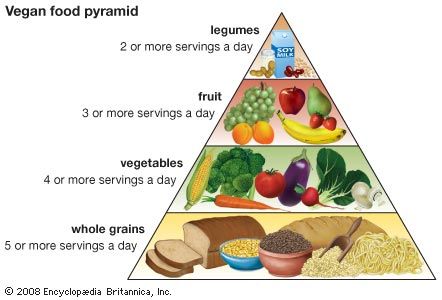
Avoiding animal products doesn’t restrict you to eating salads and tofu alone. There’s a wide variety of delicious foods you can eat on a vegan diet.

  • Beans, peas, and lentils: such as red, brown, or green lentils; chickpeas; split peas; black-eyed peas; black beans; white beans; and kidney beans
  • Soy products: such as fortified soy milk, soybeans, and products made from them, such as tofu, tempeh, and natto
  • Nuts: such as peanuts, almonds, cashews, and their butters
  • Seeds: such as sunflower seeds, sesame seeds, and their butters, as well as flaxseed, hemp seeds, and chia seeds
  • Whole grains: such as quinoa, whole wheat, whole oats, and whole grain brown or wild rice, as well as products made from these foods, such as whole grain bread, crackers, and pasta
  • Starchy vegetables: such as potatoes, sweet potatoes, corn, squash, beets, and turnips
  • Nonstarchy vegetables: such as broccoli, cabbage, asparagus, radishes, and leafy greens; these may be raw, frozen, canned, dried, or pureed
  • Fruit: such as apples, pears, bananas, berries, mango, pineapple, oranges, and tangerines; these may be purchased fresh, frozen, canned, dried, or pureed
  • Other plant-based foods: such as algae, nutritional yeast, fortified plant milks and yogurts, and maple syrup

There’s a good chance that many of the dishes you currently enjoy either already are vegan or can be made vegan with a few simple adjustments.For instance, you can swap meat-based main dishes for meals containing beans, peas, lentils, tofu, tempeh, nuts, or seeds.

Transitioning to a vegan diet is easier than most people think. That said, it does require a little additional nutrition knowledge.So if you’re interested in making the switch, consider seeking advice from a registered dietitian specializing in plant-based diets to make sure you’ve got your basics covered.Depending on your knowledge, budget, and culinary skills, you may also want to consider taking certain supplements to ensure you’re providing your body with all the nutrients it need

How to spot a pyramid scheme.

A pyramid scheme is a fraudulent system of making money based on recruiting an ever-increasing number of “investors.”  The initial promoters recruit investors, who in turn recruit more investors, and so on. The scheme is called a “pyramid” because at each level, the number of investors increases. The small group of initial promoters at the top require a large base of later investors to support the scheme by providing profits to the earlier investors.

Let’s assume the following: Founder Mike sits alone at the top of the heap, represented by the number “one.” Assume Mike recruits 10 second-tier people to the level directly below him, where each newbie must issue him a cash payment for the privilege of joining. Not only do those buy-in fees funnel directly into Mike’s pocket, but each of the 10 new members must then recruit 10 tier-three members of their own (totaling 100), who must pay fees to the tier-two recruiters, who must send a percentage of their takes back up to Mike. According to the hard-sell pitches made at recruitment events, those bold enough to take the pyramid plunge will theoretically receive substantial cash from the recruits below them. But in practice, the prospective member pools tend to dry up over time. And by the time a pyramid scheme invariably shuts down, the top-level operatives walk away with loads of cash, while the majority of lower-level members leave empty-handed. It should be noted that because pyramid schemes heavily rely on fees from new recruits, the vast majority do not involve the sale of actual products or services with any intrinsic value.

Unfortunately, these types of scams sometimes prey on people who need income quickly. For example, if you lost your job and are having a hard time finding a new job, you might be more willing to look into an opportunity that offers a fast return. But avoid the temptation to overlook the feeling that something is too good to be true. Instead, take a moment to calm yourself so you can make a legitimate plan after losing your job. Go over your budget—or create one for the first time—so you can manage your money in the best way possible while you try to increase your income.

How to Spot a Pyramid Scheme

Pyramid schemes and MLM sound a bit alike, don’t they? Here are some signs of a pyramid scheme, provided by the US Securities and Exchange Commission, to help you understand whether you’re considering a scam or a legitimate MLM opportunity:

  • You’re not selling something real. Legitimate MLMs sell tangible goods—many times there’s a ready-made market for them.
  • Get-rich-quick promises. If you’re being offered overnight success, get-rich-quick guarantees, or passive income promises, it’s probably too good to be true. People who make money with legitimate MLMs put a lot of time and effort into their businesses.
  • The company can’t prove it generates retail income. If the business can’t show you financial statements that demonstrate income from the sale of product, it could be generating all its income from recruiting people into the pyramid.
  • Strange or unnecessarily complex commission processes. Legitimate MLMs have easy-to-understand, product-based commissions.

The Bottom Line

Pyramid schemes are illegal in many countries. The model of profiting by using the network effect often traps individuals into recruiting their acquaintances, which can feel slimy for everyone involved and can ultimately strain relationships. Some people may shoot their shot each time and invest in multiple schemes losing money each time. Victims of pyramid schemes are often embrassed into silence and keep blaming themselves for not being tenacious enough to earn the promised returns, when in truth it’s the system that is faulty. Get rich quick schmes never work and will allways have some strings attached to it that can put people into legal trouble. Vigilance and knowledge about where your money goes are important factors that people must know, preventing them from falling pray for traps like the pyramid scheme.

sources – https://www.investopedia.com/insights/what-is-a-pyramid-scheme/ https://www.credit.com/blog/what-is-a-pyramid-scheme/

All you need to know about an Economic Recession.

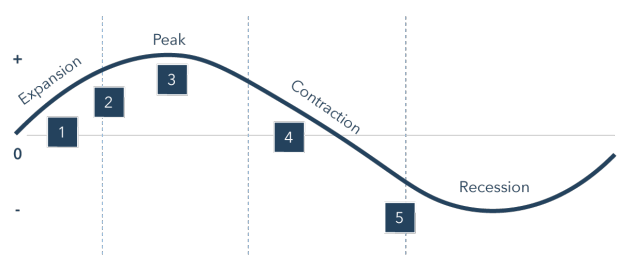
The National Bureau of Economic Research (NBER) defines a recession as “a significant decline in activity spread across the economy, lasting more than a few months, visible in industrial production, employment, real income, and wholesale-retail trade.” A recession is also believed to be signalled when businesses cease to expand, the GDP diminishes for two consecutive quarters, and the unemployment rate rises. The nature and causes of recessions are simultaneously evident and uncertain. Recessions are, in essence, a cluster of business failures being realized simultaneously. Firms are forced to reallocate resources, scale back production, limit losses, and, usually, lay off employees. Those are the clear and visible causes of recessions. There are several different ways to explain what causes a general cluster of business failures, why they are suddenly realized simultaneously, and how they can be avoided.

What Causes a Recession?

Some recessions can be traced to a clearly-defined cause. For instance, the recession of 1973-1975 began as a result of the 1973 oil crisis. However, most recessions are caused by a complex combination of factors, including high interest rates, low consumer confidence, and stagnant wages or reduced real income in the labour market. Other examples of recession causes include bank runs and asset bubbles.

Psychological Factors of a Recession

Psychological factors are frequently cited by economists for their contribution to recessions also. The excessive exuberance of investors during the boom years brings the economy to its peak. The reciprocal doom-and-gloom pessimism that sets in after a market crash at a minimum amplifies the effects of real economic and financial factors as the market swings. Moreover, because all economic actions and decisions are always to some degree forward-looking, the subjective expectations of investors, businesses, and consumers are often involved in the inception and spread of an economic downturn.

Economic Factors of a Recession

Real changes in economic fundamentals, beyond financial accounts and investor psychology, also make critical contributions to a recession. Some economists explain recessions solely due to fundamental economic shocks, such as disruptions in supply chains, and the damage they can cause to a wide range of businesses. Shocks that impact vital industries such as energy or transportation can have such widespread effects that they cause many companies across the economy to retrench and cancel investment and hiring plans simultaneously, with ripple effects on workers, consumers, and the stock market. There are economic factors that can also be tied back into financial markets. Market interest rates represent the cost of financial liquidity for businesses and the time preferences of consumers, savers, and investors for present versus future consumption. In addition, a central bank’s artificial suppression of interest rates during the boom years before a recession distorts financial markets and business and consumption decisions.

What Are the Indicators of a Recession?

Economists determine whether an economy is in recession by looking at a variety of statistics and trends. Factors that indicate a recession include:

  • Rising in unemployment
  • Rises in bankruptcies, defaults, or foreclosures
  • Falling interest rates
  • Lower consumer spending and consumer confidence
  • Falling asset prices, including the cost of homes and dips in the stock market

All of these factors can lead to an overall reduction in the Gross Domestic Product (GDP). The European Union and the United Kingdom define a recession as two or more consecutive quarters of negative real GDP growth.

Impact of Covid-19 Pandemic on the Economy

In February 2020, the National Bureau of Economic Research (NBER) announced that according to their data, the U.S. was in a recession due to the economic shock of the widespread disruption of global and domestic supply chains and direct damage to businesses across all industries. These events were caused by the COVID-19 epidemic and the public health response. Some of the underlying causes of the two-month recession (and economic hardship) in 2020 were the overextension of supply chains, razor-thin inventories, and fragile business models. The pandemic-related recession, according to NBER, ended in April 2020, but the financial hardship caused by the pandemic is still impacting Americans.

For simpler understanding-

Need for switch from physical to human capital

Human capital refers to stock of ‘skill and expertise’ embodied in humans. Human capital is as important as physical capital for economic development. Human capital formation is the process of adding to stock of human capital over time. Human capital can be developed through creation of skilled, trained and efficient labour force by providing better education, health care facilities, etc. Highly skilled people can create new ideas and methods of production. Thus, expenditure on education, on health and on on-job-training are key instruments of human capital formation. Expenditure on education is one of the most important way of enhancing and enlarging a productive workforce in the country. Expenditure on health can create more efficient and more productive human capital. Further, on-the-job-training helps workers to update skills. Training enhances the productivity and is expected to accelerate the process of human capital formation.

Human Capital and Economic Growth

When we talk about economic growth, human capital is the main reason for the accelerated growth and expansion for many countries that provide investment in human capital. This gives the best advantages to these countries for providing the best situations for work and lifestyles.A significant advantage in generating a stable environment for growth is that the nation has the expanded high-quality human capital in fields like health, science, management, education, and other fields. Here, the main components of human capital are definitely human beings, but presently, the principal component is a creative, educated, and enterprising person with a high level of professionalism.

Human capital in the economy manages the central portion of the national wealth. Hence, all researchers consider that human capital is the most important resource of the community, which is more powerful than nature or wealth. In most countries, human capital determines the rate of development, economic, technological, and scientific progress.

(i) Inventions, innovations, and technological improvement

 (ii) Higher productivity of physical capital

 (iii) Raises production

 (iv) High rate of participation and equality

 (v) Improves the quality of life

The difference between human capital and physical capital

Both forms of capital formation are outcomes of conscious investment decisions. Decision regarding investment in physical capital is taken on the basis of one’s knowledge in this regard. The entrepreneur possesses knowledge to calculate the expected rate of return to a range of investments and internationally decide which one of the investments should be made. Physical capital is the outcome of the conscious decision of the owner the physical capital formation is mainly and economic and technical process. A substantial part of human capital formation takes place in one life when she or he is unable to decide whether it will maximize her or his earnings. Children are given different types of school education health care facilities by parents and society. The peers, educators and society influence the decisions regarding human capital investment even at the tertiary level, at the college level. Human capital formation at this stage is dependent upon the already from human capital at the school level. Human capital formation is partly a social process and partly a conscious decision of the possessor of the human capital. The owner of a physical capital, does need not be present in the place where it is used; a bus driver who possesses the knowledge and ability to drive the bus should be present when the bus is used for transportation of people and other materials physical capital is tangible and can be easily sold in the market like any other commodity. Human Capital is intangible it is endogenously built in the body and mind of its owner. Human Capital is not sold in the market; service of human capital is sold and hence there arises the necessity of owner of the human capital to be present in the place of production. Physical capital is variable from its owner where does the human capital is in separable from its owner. The two forms of capital differ in terms of mobility across space. Capital is completely mobile between countries except for some artificial trade restrictions. Human capital is not a perfectly movable between countries as movement is restricted by nationality and culture. Physical Capital formation can be built it even do import, human capital formation is to be done through conscious policy formulations in consensus with nature of society and economy expenditure by the state and the individual.

Both forms of capital depreciate with the time but the nature of depreciation differs between the two continuous use of machine lead to depreciation and change of Technology makes a machine of solute. Human capital, eating but can reduce, for large through continuous investment in education and health on the job training. This investment also facilitates the human capital to cope with change in technology which is not the case with physical capital. Natures of benefits flowing from human capital are different from that of physical capital. Human Capital benefits not only the owner but also the society in general. This is called external benefit. Educated person can effectively take part in a democratic process and contribute to the socio economic progress of a nation. Healthy person, by maintaining personal hygiene and sanitation, stops the spread of contagious diseases and epidemics. Human Capital creates both private and social benefits where as physical capital creates only private benefits. That is, benefits from a capital good flow to those who pay the price for the product and services provided by it.

Importance of Human Capital Formation:

Although the accumulation of physical capital is quite important in the process of economic growth of a country but with the passage of time, it is being increasingly realised that the growth of tangible capital stock depends extensively on the human capital formation must get its due importance.In the absence of adequate investment in human capital, utilisation of physical capital will be at low pace, leading to retardation of development.Prof. Galbraith observed, “We now get the larger part of our industrial growth not from more capital investment but from investment in men and improvements brought about by improved men.” Unless these developed economies spread education, knowledge, know-how and raise the level of skills and physical efficiency of their people, the productivity of physical capital would have been reduced at this moment.

Most of the underdeveloped countries are suffering from low rate of economic growth which is again partially resulted from lack of investment in human capital. These underdeveloped countries are facing mainly two basic problems. They lack critical skills very much needed for the industrial sector and again have a surplus labour force.Thus human capital formation wants to solve these problems by creating necessary skills in man as a productive resource and also providing him gainful employment.In order to remove economic backwardness of the underdeveloped countries as well as to instill the capacities and motivations to progress, it is quite necessary to increase the level of knowledge and skills of the people.Thus in the absence of proper development of the quality of the human factor, the underdeveloped countries will not be able to attain the desired rate of progress.

Takeaway

Economic and social benefits of human capital formation and Human Development are well-known. The spread of education and Health Services across different sectors of the society should be ensured so as to simultaneously attain economic growth and equity. The need of the hour is to better it qualitatively and provide such conditions so that they are utilised in our own country.

A guide to take care of your skin

Although you may believe that you have dry, oily, or sensitive skin, do you truly know? Knowing your genuine skin type can help you shop for cosmetics the next time you’re in the store. In reality, using the wrong products for your skin type — or even famous Internet tips — can exacerbate acne, dryness, and other skin issues.

Photo by Anna Shvets on Pexels.com

How to create your own skin care regimen

Which DIY skin hacks aren’t healthy, even if they seem to work, how to treat certain skin conditions like acne or scarring which DIY skin hacks aren’t healthy, even if they seem to work.

Building a daily skin care routine

A daily skin care programme can help you maintain general skin health and alleviate particular concerns like acne, scars, and dark spots, regardless of your skin type. A daily skin care routine consists of four essential stages that should be completed once in the morning and once before bedtime.

1. Cleansing: Choose a cleanser that doesn’t leave your skin tight after washing. Clean your face no more than twice a day, or just once, if you have dry skin and don’t wear makeup. Avoid washing for that squeaky-clean feeling because that means your skin’s natural oils are gone. Cleansers known to work well for all skin types include Cetaphil and Banila Clean It Zero Sherbet Cleanser.

2. Serums: A serum with vitamin C or growth factors or peptides would be better in the morning, under sunscreen. At night, retinol or prescription retinoids work best. Makeup Artist’s Choice has an effective vitamin C and E serum and retinol available.

3. Moisturizer: Even oily skin needs moisturizer, but use one that is lightweight, gel-based, and non-comedogenic, or doesn’t block your pores, like CeraVe’s facial lotion. Dry skin may benefit from more cream-based moisturizers like MISSHA Super Aqua Cell Renew Snail Cream. Most brands will label their products as gel or cream on their packaging.

4. Sunscreen: Apply sunscreen with at least 30 SPF 15 minutes before heading outdoors, as it takes a while for sunscreen to activate. Darker skin tones actually need more sun protection because hyperpigmentation is harder to correct. Try EltaMD’s sunscreen, which offers broad-spectrum UVA/UVB protection and is recommended by the Skin Cancer Foundation.

Suitable for all skin types

Keep yourself hydrated.

At least once a week, change your pillowcases.

Before going to bed, wash or wrap your hair.

Apply sunscreen 15 minutes before heading out every day.

To test how your skin reacts, start with a basic and uncomplicated routine. You can then add other products like exfoliants, masks, and spot treatments to increase your skin’s health if you’re comfortable.

Also, remember to patch test new products, especially if you have sensitive skin. This can aid in the detection of allergic reactions.

DIY Hacks to avoid

For typical skin concerns like acne pimples and dark patches, people claim that DIY remedies like lemon juice and toothpaste work miracles. Even Oscar winner Emma Stone claims that baking soda is her skin care secret. However, because these techniques might damage your skin’s barrier, they may cause more long-term harm than good.

Avoid these do-it-yourself blunders

Lemon juice: While it contains citric acid, it is far too acidic and might create dark spots following sun exposure. It might also cause your skin to become dry and irritated.

Baking soda (sodium bicarbonate) Baking soda, with a pH of 8, will stress your skin, severely reduce your skin’s water content, and produce dry skin.

Garlic: Garlic, when eaten raw, can cause skin allergies, eczema, and other skin conditions.

Toothpaste: While toothpaste’s chemicals destroy bacteria and absorb oil, they can also dry up or irritate your skin.
Sugar: Sugar is too harsh for the skin on your face as an exfoliator.

Vitamin E: Applying vitamin E to your skin can irritate it, and it hasn’t been proven to improve scar look.

Photo by cottonbro on Pexels.com

Although some of these substances are natural and inexpensive, they are not tailored for your skin. Even if you don’t experience any obvious negative effects, some substances can cause long-term or delayed harm. It’s important to utilise cosmetics designed specifically for your face. Before attempting DIY skin care, consult your doctor or dermatologist.

When to see a doctor or dermatologist

If your skin problems do not improve with over-the-counter products, you should contact a dermatologist. Prescription treatment for more severe acne, scarring, or other issues may be required, such as oral antibiotics, birth control, or topical prescription retinoids.

For deeper cysts or acne patches lodged beneath your skin, your dermatologist may conduct an extraction.

Keep in mind that the way goods perform depends on your skin type. Even when using a natural product, using the wrong one might cause breakouts, pimples, and redness.

It’s crucial to figure out your skin type and tailor your skin care routine accordingly. You can also take notes on product ingredients to determine if any of them are producing allergic reactions on your skin.

After cleansing your face, look for products that include these substances and incorporate them into your routine.

Aggressive Driving and Road Rage

For a long time, aggressive driving has been an issue on our roads, and it appears to be growing worse. Screaming, unpleasant gestures, and even violence have become commonplace on our highways, to the point where it has gained its own name: road rage. Find out what causes road rage, if you’re prone to it, and how you can help keep our roads safe by refusing to give in to it.

Photo by JESHOOTS.com on Pexels.com

Definition

After a series of shootings on many motorways throughout the city, local television station KTLA popularized the term “road rage.” The National Highway Traffic Safety Administration defines road rage as when a driver “commits moving traffic offences so as to endanger other persons or property; an assault with a motor vehicle or other dangerous weapon by the operator or passenger of one of one.

The National Highway Traffic Safety Administration distinguishes between road rage and aggressive driving, the former being a criminal offence and the latter a traffic violation, according to the NHTSA. The driver is held responsible in this definition.

Road Rage Factors

Here are some of the most typical circumstances that lead to road rage or aggressive driving behaviour.

Delays in traffic
Heavy traffic, waiting at stoplights, seeking for a parking spot, or even waiting for passengers can all contribute to a driver’s rage.

Late for a meeting
Drivers can become irritable if they are late for a meeting or appointment.

Anonymity
Drivers may feel more comfortable engaging in risky driving behavior’s such as tailgating, cutting people off, excessive honking, or making rude gestures if they believe they won’t see other drivers again.

Ignorance of others and the law
Some motorists may believe that the rules do not apply to them.

Learned or habitual conduct
Aggressive driving may be the norm for some drivers.

Forms of road rage

  • Tailgating
  • Yelling
  • Honking in anger
  • Making angry gestures
  • Trying to block another vehicle from changing lanes
  • Cutting off another vehicle on purpose
  • Getting out of the vehicle to confront another driver
  • Bumping or ramming another vehicle on purpose

How to avoid road rage

To protect yourself from aggressive drivers or if you become a victim of a road rage incident, make sure you have the right car insurance policy.

Take your time. Allow yourself plenty of time to get where you want to go; you’ll be less likely to become impatient and take unnecessary risks if you do.

Allow yourself to cool down. Take some time to relax if you’re upset.

Photo by Benjamin Suter on Pexels.com

The Diagnostic and Statistical Manual of Mental Disorders does not list road rage as a mental disorder (DSM). The behaviours commonly associated with road rage, according to an article published by the Associated Press in June 2006, can be the result of an illness known as intermittent explosive disorder, which is recognised by the DSM.

Between 2001 and 2003, polls of 9,200 adults in the United States yielded this conclusion. The National Institute of Mental Health provided funding for the surveys.

Road rage is a serious offence that may be considered a threat to public safety. However, because it is not always feasible to determine purpose by external observation, “road ragers” who are caught by police may face additional charges such as careless or reckless driving, as well as a fine.

Road ragers are potentially criminals.

THE SOCIAL NOVEL

The Social Novel may be defined as a fictional narrative that focuses on the varieties of human behavior in society and the way in which the characters reflect or contradict the values of that society.

In this genre, the characters are seen in the background of their social milieu and culture. The inner life of the characters find the place in such novels, greater importance is given to their conflicts and collisions with classes and believes. The essence of a social novel is the conflict between the individual and the society that surrounds him based on different concepts of values.

Two Groups of Social Novel:

Social novels can be divided into two groups.

  • The novel of Manners.
  • The novel of Civilization.

The novel of Manners:

The novel of manners is concerned with social behavior and its correctness in a given society. The concept of behavior achieves some grant moral effect as we find in the novels of Jane Austen “Pride and Prejudice” and Emma are the best examples. The novelist is preoccupied with the niceties of social conduct and often, commerce by the employment of Irony and satire exposes undesirable passions like arrogance, hypocrisy, and snobbery. Henry James’ novel ‘The ambassador’ is a successful social novel of manners. It depicts with great humor and delicacy the reaction of different American types to a European environment. Evelyn Waugh’s “A handful of dust” is a social novel of manners that presents The vision of sin and guilt in the modern world. The social novel of manners has a satiric structure as we find in Jane Austen. Even modern novelists make use of the same formula. For instance, Philip Roth satirizes the self-protective attitude of the modern middle class in his novel ‘Goodbye Columbus’.

The novel of Civilization:

The social novel of Civilization takes a comprehensive view of the whole Civilization. The best examples are Charles Dickens’s “Little Dorrit” and Tolstoy’s “War and Peace” the novel Civilization aims at revealing the meanings, principles, and social styles that govern people’s lives. The action of individuals is examined in the light of the Civilization that surrounds them. In “Little Dorrit” Dickens explores the English society dominated by the corrupt business class. In the novel Civilization characters or viewed as part of the developing environment. The splendor or shame of their past is exploding. The significance of the character’s behavior becomes clear only in the background of the Civilization which he represents. In “War and Peace” Tolstoy presents the different stages in the development of each character. The novel Civilization, sometimes, depicts the different stages in the growth of the writer’s consciousness as in Marcel Proust’s ‘Remembrance of Things Past’. Sometimes it uses our family story as in Faulkner’s ‘Sartoris’ or Galsworthy’s ‘Forsyte Saga’.

The Social Novel is a technique in literature. In which the authors express and illustrate society, ethics, etiquette, and protocols. Nowadays, various authors are following this technique in their writings. Especially, to illustrate the Epic society, Dynasty, and fictional Mythologies. This literary form serves as a device to illustrate society.

The Detective Novels

The Gothic Novels

MAGIC IN A CUP OF TEA!!!

Every morning won’t be complete without a cup tea right? Many people can’t do their work without a cup pf tea. Tea gives us refreshness and make us active. Though many like coffee, there are people who love tea too. The reason for me to talk about tea is nothing but today’s topic revolves around tea. Let me tell you an essay written by Eric Arthur Blair about a cup of tea.

Eric Arthur Blair, known by his pename George Orwell, was an English Novelist, journalist and a critic. He opposed totalitarianism and supported democratic socialism. He is best known for the Allegorical novella ‘Animal farm” and the dystopian novel “Nineteen Eighty Four”. He wrote an essay about ‘A nice cup of tea’ and it was published in London Evening Standards in 1946. It is about the discussion of the art of making tea. He states ten rules to be followed while making tea. Let me tell you about his essay.

Eric Arthur Blair (George Orwell)

The author said that there are no cookery books that has the preparation of tea as a recepie. Countries like Eire, NewZealand and Australia which has tea as a part of civilization. He says that Chinese tea has virtues but there is no much stimulation in it. So the author prefers Indian or Ceylonese tea.

  • The first rule is that one should prefer Indian or Ceylonese tea. One does not feel wiser or more optimistic after drinking it. ‘A nice cup of tea’ literally means Indian tea.
  • Second rule is that tea should be made in small quantities in a tea pot. The teapot should be made of China or earthenware. Silver and birtannia ware tea pots produce inferior tea and enamel parts are worse. In the army, the tea is made in a big cauldron, tastes of grease and whitewash.
  • Thirdly, the pot should be warmed beforehand rather than placing it with water in it.
  • Fourthly, the tea should be strong. He states that one strong cup of tea is better than twenty weak ones. All tea lovers not only love a strong tea but like it a little longer with each year that passes.
  • Fifthly, the tea should be put straight into the pot. Don’t use strainers or muslin bags to imprison the tea. One can swallow tea-leaves in considerable quantities without ill effect and if the tea is not loose in the pot it never infuses properly.
  • Sixthly, one should take teapot to the kettle and no other way about. The water should be boiling at the time, one should keep it on the flame while pouring it.
  • Seventhly, after making the tea, one should stir it, or better give it a good shake allowing the leaves to settle.
  • Eighthly, one should drink it out in a cylindrical type of cup rather than a shallow type of cup. The shallow cup will have the tea half cold before one starts, drinking it.
  • Ninthly, one should pour the cream off the milk before using it for tea. Milk with cream gives a sickly taste.
  • Tenthly, one should pour tea into the cup first and then add milk. By pouring the tea first, one can regulate the amount of milk to be added to the tea. He also says that one should drink tea without adding sugar. Adding sugar, destroys the taste of the tea. He also asks the question to the tea lovers, How can you call yourself a tea lover if you destroy the flavour of your tea by adding sugar into it? He also says that adding sugar is similar to drinking a hot water.

The points said by him are quite controversiable. But try to drink a cup of tea without sugar for a fortnight, and you will never ruin your tea by adding sugar to it. Think about yourself guys. This essay is quite interesting. I like this essay and how about you guys?

Read more;

ATLANTIC CHARTER

The Atlantic Charter was a joint statement published by the United States and the United Kingdom during World War II (1939–45) that laid forth a vision for the postwar world. It set forth a wide set of objectives of U.S and British war such as:-

1. the desire for no territorial changes without the consent of the peoples affected.

2. They believed that every people had the right to select their own type of government and that those who had been stripped of their sovereign rights and self-governance should have them restored.

3. They would work to ensure that all states had equitable access to commerce and raw commodities.

4. They aimed to enhance labor standards, economic growth, and social security by promoting global collaboration.

5. They would seek a peace in which all countries could live peacefully inside their borders, without fear or want, after the “Nazi tyranny” (Germany) was destroyed.

Now, u must be wondering about why we are discussing the year-old charter now. That is because recently, The President of the United States and the Prime Minister of the United Kingdom have signed a revised version of the 80-year-old Atlantic Charter.

This revised version is a 604-word declaration which is an attempt to lay out a grand vision for global relations in the twenty-first century, much like the original charter was a declaration of a Western commitment to democracy and territorial integrity just months before the United States entered World War II. It’s a declaration of principles, a pledge that the United Kingdom and the United States will work together to meet the challenges of their time. It also emphasizes climate change and the need of biodiversity preservation. With references to new technology, cyberspace, and global development that is sustainable. 

It urges Western partners to fight electoral meddling, particularly through misinformation and other harmful activities. In a technology era, it rates the risks to democratic states. It also declared that that the North Atlantic Treaty Organization (NATO) will remain a nuclear alliance as long as nuclear weapons exist.

Now, what will this new version of Atlantic charter holds the opportunity for India. Comparing the old and new version of Atlantic charter, the previous Atlantic Charter alienated Indian nationalism from the West, but the new Charter, as well as the rebooting of western institutions, could pave the way for a fruitful period of India’s collaboration with the US and its allies. 

In 1941, the United Kingdom maintained that the charter’s self-determination concept did not apply to India. However, the inclusion of India and South Africa, as well as Australia and South Korea (as guests) at the G-7 meeting in 2021, demonstrates the urgent need to broaden the West’s base in dealing with global issues. Furthermore, The present Anglo-American initiative to formalize western talks with India is long overdue. 

The Indian Prime Minister, who is participating in the G-7 meeting from afar, has the chance to demonstrate a commitment to both addressing views of decreasing democratic freedoms in India and offering genuine partnership with western democracies on global issues.

Photography – The Poetry of Images

Photography is nothing less than an art form of absolute purity. Silent poetry with the moments
captured in an image is photography. The most memorable and beautiful way to remember the
special things in life with full clarity. Photos are a way of preserving the best memories and
moments for eternity. Photos are the permanent reminder of the past. Never get forgotten. They
will always be alive. The past, the memories, everything is hidden in the photos. Hidden but so
transparent in emotions. All the feelings just in a single place. They get old but are
unforgettable. But on the bright side, photos are a way of expressing your emotions in a
completely different and innovative way.

Photo by Kaique Rocha on Pexels.com

Photography is not just work, it is a passion filled with excitement and hope. It is a specific but
not so specific piece of art. It can be done in various forms with no boundaries. There’s nothing
to dislike in photography. It’s just another way to showcase talent of immense beauty.
Everything, every moment can be captured and kept for the rest of your life. Photos have the
finest texture and the most amazing depiction of a thing. It feels like it’s real.
Photographers have the ability and power to make a photo so great that it magnifies the
moment. They are able to drastically change the outcome of an image by using various
equipment for high quality and definition. Every small detail is shown through photos. It gives
pleasure to experience and relive the moments in life through photos.

Photos are not just a piece of paper or a file occupying a little space in your mobile or camera roll. They are an
explicit version of your life in brief. The small moments to the big memories, all are stored in a
single place for you to look after decades and enjoy living in the moment again. Photography depicts the vulnerability of the photographers through their art. Photographers use photography as a medium for creative expressions. They pour their heart out in the photos. They are artists of very fine quality and beauty in its purest form. The beauty and creativity can not be ignored by any living heart in this world. Embrace moments and capture them in real time
with photography.

Jobs For People Who Don't Know What To Do.

First of all you need to evaluate what you love and what you want to do. Figure out your skills and interests and what you are good at. If you are not able to identify yourself then ask your friend or peers to help you out. Evaluating your past can also help you recall your critical moments you might have overlooked that would have made it clear you were not happy with your existing work. Also get in touch with personalities of the field in which you are interested and gain as much information as you can regarding demands from the job, their professional past and aspirations. Before actually pursuing that career you must attend workshops, take online classes, Read books and watch YouTube tutorials so that you may find out that you’re really into that career or not. Consider in which work environment you would like to work and which type of colleagues you want around, are you capable of cooperating with those people or not.
And in the end think, what is that one thing that you will love doing and willing to do it for free and then start connecting it to paid possibilities in the same field. A job must be something which you love to do and will also provide a great pay in return and let you lead a prestigious life. Below are some suggestions you are looking for.

First Step

There are times when one is not able to pursue career which they always wished to do. There could be many reasons behind this. Not getting successful, family issues, financial problem or any such circumstances. One should always be passionate about their career, as quoted by Australian leadership coach Simon Reynolds in his book Why People Fail, “We need to understand failure if we are ever to master success”. Sometimes youngsters get demotivated and don’t find future anymore in the career they wanted and wish to switch their career but have no clue about what to pursue next. Worry not! We are here to suggest you some amazing jobs that could do wonders in your career life. So let’s begin.

1) Medical and Health Services Manager

While they work in the Healthcare sector, Medical and Health Services managers don’t provide clinical care. Instead, they manage how Healthcare businesses are run. Their work is to prepare budgets, oversea stuffing decisions and develop strategic goals for a hospital clinic or a similar organisations they are also known as executives or administrators.
Medical and Health Services managers need a bachelor’s degree and largest organisations may prefer to hire someone with a masters degree. In some cases managers may begin in a clinical role such as nursing and later be promoted to an administrative position

2) Information Security Analyst
Median Salary : $99,730
Expected Job growth by 2029 : 31.2%

The technology industry is another sector that has many jobs with unfamiliar titles. They are specialised workers who design and implement security measures for computer systems and networks. They research the latest security technology and educate system users on security protocols.
Information Security analyst often have a bachelor’s degree in computer science or a similar field. Some companies may prefer to hire analysts who have a master’s degree.

3) Operations Research Analyst
Median Salary : $84,810
Expected Job growth by 2029 : 24.8%

Operations research analysts have a straightforward job. They are given a problem, such as how to reduce costs or improve efficiency and ask to solve it to do so they may need to conduct extensive research, use some software and run hypothetical models using a variety of scenarios. It can be a challenging job, and operations research analyst are paid well for their problem solving ability.
Workers in this occupation are expected to have at least a bachelor’s degree in a technical field such as engineering, analytics, computer science or mathematics. A few schools have dedicated degrees and operations research.

4) Computer System Analyst
Median Salary : $90,920
Expected Job Growth by 2029 : 7.4%

They are also known as System architects, computer systems analysts are responsible for ensuring a business or organisation’s technology is appropriate for its needs. They identify Technology requirements, configure Software and Hardware and make recommendations to help systems operate more efficiently and effectively.
A bachelor’s degree in a computer related field is the standard education for computer systems analyst. However, some employees may hire analyst with a variety of educational backgrounds.

5) Logistician
Median salary : $74,750
Expected Job Growth by 2029 : 4.4%

These professionals are experts in supply chains. In other words they are the people who make sure products move smoothly from suppliers to consumers. They can oversee all aspects of acquiring product materials, storing inventory and transporting it to buyers. Some logisticians may be responsible for moving people as well, such as military personnel.
Some people may become logisticians through work experience or by earning an associate degree. However, a bachelor’s degree is a more common entry point into this occupation.

6) Environmental science and protection technician
Median salary : $46,540
Expected Job Growth by 2029 : 8.4%

Environmental science and protection technicians may be employed by consulting firms, the government or testing laboratories. Technicians may collect air, soil and water samples for analysis and present their findings to verify a site’s compliance with environmental regulations.
To land one of these interesting jobs, workers typically need an associate degree or two years of post Secondary education. Majors in the field include environmental science environmental health and the public health.

7) Construction Managers
Medium annual pay : $93,370
Projected Job growth through 2026 : 11%
Also called general contractors or product managers these workers co-ordinate and supervise a wide variety of building projects from start to finish. the prepare cost estimates budgets and work time tables for the project collaborate with Architects engineers and other construction specialist select subcontractors and co-ordinate their activities in sure compliance with legal regulations and safety standards.
You can enter this occupation in a variety of ways but it is becoming increasingly important for construction managers to have a bachelor’s degree in construction science, construction management, architecture or engineering as construction processes become more Complex and employers plays greater importance on specialised education.

8) Detectives and criminal investigators
Median annual wage : $79.970
Projected job growth through 2026 : 5%

These types of law enforcement of officers collect evidence and gather facts for criminal cases. They conduct interviews, examine records, observe the activities of suspects and participate in raids and arrests. They typically specialize in one type of crime such as homicide or fraud and work on a case until an arrest and trial are completed or the cases is dropped.
To become a detective you will need at least a high school diploma, although many federal agencies and some police departments require collage coursework or a college degree.

9) Elevator installers and repairs
Median annual wage : $79,780
Projected job growth through 2026 : 12%
These workers install, fix and maintain elevators and escalators moving walkways, chairlift and other lift. Elevator repairers typically earn a little more as their job requires a greater knowledge of Electronics, hydraulics and electricity than do installers, since a large part of maintenance and repair work is troubleshooting.
Becoming an elevator installer or repairer starts with the four year apprenticeship program sponsored by union, industry association or individual contractor. To enter such a program, you will need a high school diploma, Even after the program, on-going training is required and 35 states, currently require an installer or repairer to be licensed.

10) First line supervisors of fire fighters
Median annual wage : $76,330
Projected job growth through 2026 : 7%

As the name suggests, these fire fighters are responsible for supervising and coordinating the actions of other fire fighters engaged in battling blazes for those working on the prevention measures. They may also need to oversee rescue operations. Enforcing correct departmental procedures fall to them as well.
To take this rank in a fire house, workers typically have attended some college but no degree is required and have done a fair bit of on-the-job training.

A LIST TO PREPARE

You must also know your skills and strengths, and not just the technical ones for that you must make a list as following:
•Great at leading others
•Organized
•Hard working
•Great at building new relationships
•Quick learner
•Excellent at multitasking
•Proficient at Excel
•Strong writing skills
•Public speaking
•Hard-working

Separating your career path from academics and identifying your key skills and positive past experiences will help you in exploring companies and reading through job descriptions. You might find yourself considering a role you did not even realise you were qualified for!

All the best for achieving great laurels in your near future.

How to find a job during the pandemic?

Not only has the coronavirus pandemic had a big influence on the world economy, but it has also had a significant impact on your employment search. It has wreaked havoc on the stock market and harmed a variety of businesses. If you have a present employment, you are most likely working from home.

Small businesses have been forced to close temporarily, while large corporations have been impacted by the stress of losing customers and a disrupted supply chain. According to NBC News, there are estimates that the jobless rate in the United States will hit 20%.

Layoffs, furloughs, reduced hours and overtime pay, and hiring freezes have all been used by certain companies in response to the health crisis. Other businesses are actively hiring and publishing new job openings on a daily basis.

There’s a lot of uncertainty right now about what the national and global impact on hiring will be, but there are ways to stay positive and proactive about your job search at this turbulent time.

Photo by Andrea Piacquadio on Pexels.com

Engage your network

People recognise that this is a terrible time and want to assist in any way they can. Let your friends and relatives know you’re looking for work and tell them what kinds of employment you’re looking for and which companies you’re targeting so they can keep an eye out for openings. If they hear anything, they’ll let you know. 

Even if human resources isn’t through sorting through the applications that come in through the ATS, those email intros, or having individuals in your network send your resume and cover letter on your behalf, can boost your application to the top of the pile.

If you find openings at a company where you previously worked, don’t be afraid to contact former coworkers and superiors. Because they know your skills and work ethic, they are more inclined to hire you than the competition. Even if they aren’t hiring, they can serve as references for other applications you are submitting.

Because they work in the sector, they may be aware of other opportunities through their own network and can refer you.

Practice phone and video job interviews

Because so many people now work remotely, job interviews are now conducted over the phone or by video rather than in person. A phone interview can be more difficult because it is more difficult to understand someone’s reaction and establish a dialogue that flows organically.

It can be more difficult to do a video interview because being on camera can be uncomfortable.

Take on a temp or freelance gig

If you don’t have a job right now, look for temp and freelance employment to help pay the bills. When you impress your coworkers, it could lead to a full-time employment. Working for a temp agency is also a good way to pick up some in-demand skills.

Employers are searching for employees who are self-disciplined enough to work from home and have outstanding writing skills, so if you’re currently working from home, keep that in mind.

Photo by Pixabay on Pexels.com

Show off your transferrable skills

Because there is so much competition for jobs right now, it’s critical to step up your game. First, look for positions that have been posted recently, as this indicates that the organisation is looking to fill a current position. If a job posting has been up for several weeks, it may no longer be a top priority for the organisation.

When perusing job listings, remain confident in yourself and realise that you can still acquire a job.

Customize your application for each job

Spend more work on each cover letter and resume so that your resume and cover letter are noticed. Modifying them for each job application takes extra effort, but it is important. When you apply for a job online, your resume is typically entered into an Applicant Tracking System (ATS), which analyses your resume to see if you meet the job posting’s requirements. 

Don’t replicate everything word for word, but make sure your resume and cover letter include the bulk of the most significant parts of the job. According to Monster data, nearly 75% of applications that go through an ATS are rejected because they don’t fulfil the hiring manager’s standards, such as the correct abilities, education level, or job titles, so it’s critical to get your resume in the door.

Stay up to date

Read about the companies and the world of market. Make this a habit to stay up to date without any obstacle. This will help you to be spontaneous and aware.

References

http://www.monster.com