WORKING WOMEN AND THE GLASS CEILING

PROLOGUE

The discriminatory limitation is certainly not a commonplace roof made of glass! All things being equal, it is a representation addressing the upper-level labor force openings that are impervious to most ladies. It represents the theoretical hindrance that keeps ladies from making high level proficient progress. The term was first utilized during the 1980s to portray ladies’ difficulties when arriving at higher initiative or chief jobs. Albeit imperceptible and immaterial, the discriminatory limitation is valid.

A GLANCE AT SIMILAR TERMS

PINK-COLLAR GHETTO

During the 1970s, more broad conversations emerged around the compensation inconsistency among people for comparative jobs. Thereupon, the expression “pink-collar ghetto” was authored. Pink-collar occupations were paid not exactly white and blue-nabbed occupations, which were ordinarily held by men.

MATERNAL WALL

Pregnant ladies and working moms might confront a “maternal divider.” Various generalizations identified with going on vacation after kid origination ladies at a disadvantageous situation in their professions.

BAMBOO CEILING

The term Bamboo roof was instituted by Jane Hyun. It was utilized to depict the obstructions Asians and Asian Americans looked in making upper-level proficient progress.

Substantial CEILING

The term discriminatory limitation alludes to all ladies overall. Interestingly, the substantial roof portrays the more imposing obstacles ladies of shading face in getting an upper-level or top administration job. This term was begat by Jasmine Babers.

WHAT DO THE STATS SAY?

The discriminatory limitation isn’t only an illustration. It is a tragic reality.

Different insights back this reality. Chiefs are twice as prone to enlist men over ladies while selecting representatives. Incidentally, at organizations where 90% of administration is men, a big part of the men feel that the initiative well addresses ladies. Unfortunately, just 38.6% of top chief positions are held by ladies. Shockingly, ladies address just 10% of administration in the working environment. Accordingly, 34% of individuals consider male to be as better danger assessors with no rationale to back something very similar. Additionally, ladies make up just 23% of C-Suites. Ladies make up only 4.1% of Fortune 500 CEOs. Subsequently, ladies get increases in salary 5% less frequently than men.
WHAT CEMENTS THE GLASS CEILING?

GENDER ROLES

Gender jobs are extraordinary to various societies. They are characterized the second a kid is conceived.The average generalizations anticipate that girls should be ladylike, respectful and sustaining, though young men are relied upon to be manly, serious, forceful, and valiant. In the work environment, administrators and pioneers should be serious and striking to settle on imperative choices. Such contrasts in sexual orientation jobs limit ladies and take away their freedom. Moreover, ladies are characteristically expected to bring up kids and take care of family errands. Having this heap of assumptions doesn’t allow them to find some kind of harmony at a vocation, construct a family and have an individual life.

GENDER BIAS

Gender predisposition alludes to the inclination given to one sex over another. In the work environment, this predisposition influences ladies actually contrarily. As referenced before, people are twice as liable to recruit a man over a lady. The inclination doesn’t stop after the meeting. All things considered, it heightens further. As indicated by an examination, over 42% of ladies experience separation in the work environment. Those demonstrations of segregation come as inconsistent compensation for a similar obligation, ladies being treated as bumbling, passing up sufficient freedoms, not getting an advancement. Shockingly, on normal for each 100 men advanced just 79 ladies are elevated to similar levels. As referred to previously, at organizations where ladies make up 10% of authority, half men see ladies as being very much addressed.

Sexual Harassment

The U.S. Equivalent Employment Opportunity Commission (EEOC) characterizes inappropriate behavior as: “Unwanted sexual solicitations and verbal or actual behaviors of sexual nature establish inappropriate behavior when this direct influences a person’s business.” While all kinds of people experience lewd behavior, almost 75% of cases are capable by ladies. Unfortunately, practically 68% of ladies experience the ill effects of inappropriate behavior. Out of the ones who experience lewd behavior, 70% of them share it at their working environment. Shockingly, 47% of female respondents accepted that lewd behavior is endured at their working environment.

Moreover, 45% of ladies aren’t certain that administration at their association will resolve the issue. To add to the troubles, 3 out of 4 inappropriate behavior casualties experience counter in the wake of announcing the issue. Subsequently ladies secure stopping their positions simpler than announcing the provocation. 80% of ladies who experience inappropriate behavior inside the initial two years at a new position quit their positions. These frightening encounters make it practically inconceivable for ladies to arrive at more significant level jobs in their professions.

THE FINAL THOUGHT

The unreasonable impediment may not be noticeable through the unaided eye, however it is unquestionably apparent through a sympathetic brain. People are equivalent, so the chances they persuade should be indistinguishable. It is about time to comprehend that sex balance can be accomplished whenever we allow people an equivalent opportunity to vanquish their fantasies.
7 common women’s health issues

While both men and women contract various conditions, some health issues affect women differently and more commonly. 

The following seven illnesses pose considerable health risks.

Heart Disease

Heart disease causes one in every four deaths among women.Although the public considers heart disease a common issue among men, the condition affects males and females nearly equally.

Breast Cancer

Breast cancer, which typically originates in the lining of the milk ducts, can spread to other organs, and is the most aggressive cancer affecting the global female population.The condition presents more among female populations in developed nations due to their extended life spans.

Ovarian and Cervical Cancer

Many people are not aware of the differences between ovarian and cervical cancer.Cervical cancer originates in the lower uterus, while ovarian cancer starts in the fallopian tubes. While both conditions cause similar pain, cervical cancer also causes discharge and pain during intercourse.

Gynecological Health

Bleeding and discharge are a normal part of the menstrual cycle.However, added symptoms during menstruation may indicate health issues, and unusual symptoms, such as bleeding between menstruations and frequent urinating, can mimic other health conditions.

Pregnancy Issues

Pre-existing conditions can worsen during pregnancy, threatening the health of a mother and her child.Asthma, diabetes, and depression can harm the mother and child during pregnancy if not managed properly.

Depression and Anxiety

Natural hormonal fluctuations can lead to depression or anxiety.Premenstrual syndrome (PMS) occurs commonly among women, while premenstrual dysmorphic disorder (PMDD) presents similar, but greatly intensified, symptoms. 

Health Technology for Women

Soon, new technologies will emerge to assist care providers in treating women’s health conditions.

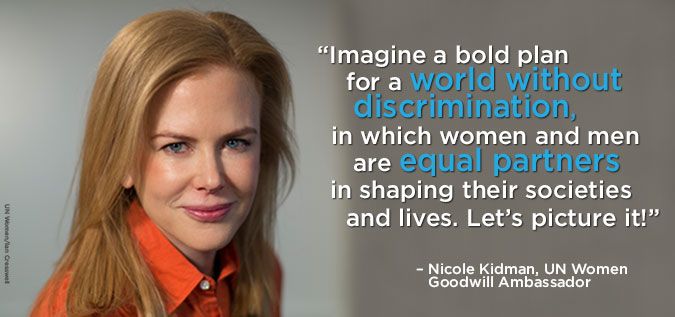
Gender inequality

Gender inequality is the social process by which Mens, LGBTQ community and womens are not treated equally.

Gender equality is a human fight not a female fight.

Due to patriarchy many girls are hold back from striving for their dreams, receiving a quality education, medical facilities and overall awareness for their well being.

Everyday girls and boys see gender inequality in their homes, community, in textbooks, in media and among the adult.

Society assume an unequal responsibility for household work with mothers bearing the brunt of caregiving.

In schools, many girls receive less support than boys to pursue the studies they choose.

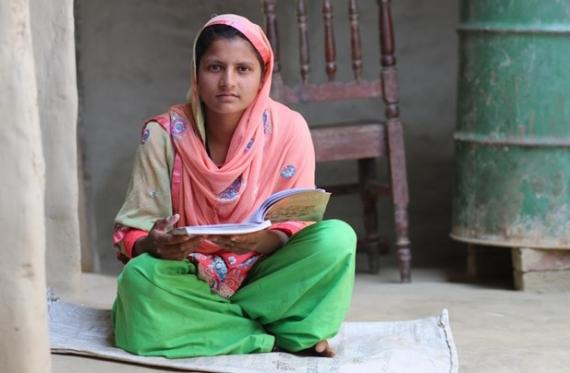
Rashida khatun says I realised the harm I would be causing myself if I agreed to get married. She in is enrolled in UNICEF supported program that provides out of school girls with basic numeracy, literacy and life skills.

Whenever we talk about gender inequality we always seems to focus on women but have anyone ever thought that what it’s like for men or LGBTQ community.

Gender equality, historically has been predominantly a women’s movement for women but I think the impact of gender inequality and how its affecting man hasn’t really been addressed.

Emma Watson

  • Generally we see in our families that boys told to pursue maths in higher studies and girls were told to pursue Biology so that the male became engineer for female can be a doctor.
  • Whenever a boy wants to be a cook, singer, dancer he is being discouraged by society or his parent by saying that these are for girls.
  • It’s a perception in our patriarchal society that boys do not cry that the crime is only for girls.
    • Mens are stronger than women and they will never bow in front of anyone
    • That’s why mens will never admit their faults because they are meant to be dominant in this patriarchal society.
  • When a girl wanted to be an officer then she is being discouraged by the family by saying that this is the job for Boys.
  • The perception of our societies that the household works are made for womens .
  • If people see a girl with short hair, the peoples in society tends to point at her and think of her as a freak.
  • If a girl is not interested in cooking but she still has to do it and she is pressurized by the family and Society by saying that you have to go to someone’s home and you have to do it because it is made for you.

Let’s talk about LGBTQ community. It is is the second of three issues focused on social inequalities.

  • LGBTQ community faces gender inequality in their everyday life.
  • They face inequalities in employment, education, health, survival and political empowerment.
  • It is not the only way by which they faces social inequalities.
  • Lgbtq people faces housing discrimination and workplace discrimination.
  • They faces basic human right such as – marriage and family adoption.
  • They have been discarded from their homes at their birth. The only reason of this is that they are not a male or female.
  • Peoples doesn’t behave properly with them.

Is this what we called Gender Equality??

We blame society for gender inequalities and for everything but why we forget that society is because of us. we are the part of society and to change this society we have to change our own mentality.

South India Is Better For Women Than North India

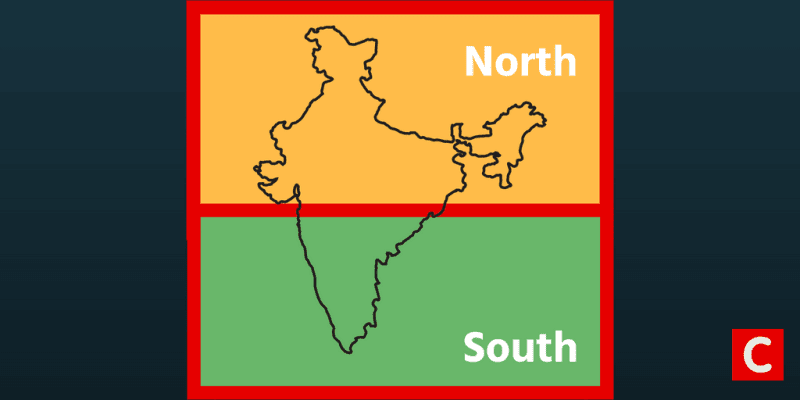
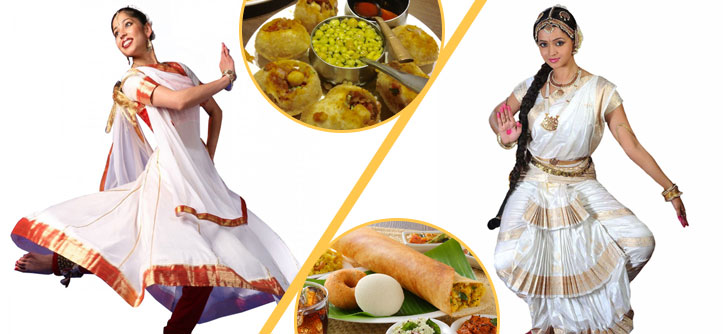
Hi everybody, If you were to ask an Indian woman, to prefer between living in North India or South India, imagine what would her answer be? Don’t worry, it’s not a trick question? Most women would prefer to live in South India. And it shouldn’t come as a surprise. In South India, women marry late, live longer, and are more educated. 

The gender gap in education is 26% for the north and while for the south it’s only 9%. Other than economic and social benefits, safety is another factor that could explain the woman’s preference. Compared to North India there could be less crime against women in the south. If you notice, I used the word ‘could’. It’s because data suggest that states like Kerala have high crime rates against women. But it’s not clear why the crime rate is higher in Kerala. 

NORTH INDIA VS SOUTH INDIA

Due to which a woman and her family will feel safer to lodge a police complaint against a crime. compared to the north Indian states? We’re aware that the family of a sexual assault victim doesn’t lodge a complaint in India. Around 99% of the sexual assault cases go unreported. Like the data we studied before, due to many socioeconomic indicators, women of South India live better lives than that of North India. But what’s the reason?

 It’s very interesting to find an answer to such a question. Because this difference didn’t arise in the past 70 years. It dates back to the 19th century. According to research, due to a famine in the 19th century, the women in Punjab got affected more severely than the women in Madras. Around that time the sex ratio of South India was better compared to the north. 

So Maharastra has been included in South India and West Bengal in North India. Professor Alice Evans wrote a detailed article on this subject. In her article, she wrote that when during the 19th century a group of Marathi women traveled to Calcutta, they got surprised by what they saw. According to the group of Marathi women, a woman in Calcutta could scarcely stand in presence of her relatives. Her face was always veiled. 

She wasn’t allowed to speak to any man, muss less laugh with him. Before discussing the factors that could explain this difference, let’s first understand the factors that can’t explain it. One such factor is Poverty. Many might think South India has more female empowerment given how rich the state is. But it’s not necessarily the truth. According to the GDP, Punjab and Haryana are one of the richest states in India. But these states have the worst sex ratio too.

 Doctor Evans uses these charts to prove that it’s not necessary that a woman belonging to a rich state will find better job opportunities. The second factor that can’t explain the difference, is the marriage custom or traditions. In North India, women are generally married into other villages. When they go away from their families, the chances of them ever getting their share of inheritance of property becomes nil. 

In South India, women are most probably married into the same village. And according to research when a woman marries into the same village, she’s more likely to move freely, and earn more cash. And the logic behind this is that in an intra-village marriage, you get more freedom as you live within the security of your parents and a community with whom you’ve grown accustomed. But can this norm of intra-village marriage explain the gender difference? Alice believes that it can’t. As we can see the examples of cousin marriages in the Middle East and North Africa. 

Even though after marriage the women live among their relatives, the cases of women empowerment weren’t reported in these regions. The third reason is that of colonialism. This map shows the years Britishers governed a certain region of India. They governed some regions for more than 200 years and on the other hand, they scarcely governed some regions at all. Given this, we never saw much difference in the terms of women empowerment. 

As you can notice, Britishers governed the regions of Tamil Nadu and UP for the same time period. But there’s a huge difference in the female literacy rate of UP and Tamil in the data of the 19th and 20th centuries. Now let’s discuss the factors that can better explain the difference. And one of the factors relied largely on the British administration. Looking at a broader level we won’t sense the difference that the Britishers created in the women empowerment between North and South India. 

But we dig deeper, it becomes clearer. According to Hindu law, there are two types of property inheritance rights. One is called Mitakshara and another is called Dayabhaga. Dayabhaga originated in the Bengal region. According to Dayabhaga, women could inherit property. Mitakshara operated in Madras and Bombay presidency. According to this law, women had no inheritance rights.

 Looking at the surface level, you might think that the Bengal region should have more women empowerment given it had Dayabhaga law, which ensured property to women. But we saw in research how surprised the women of Madras were on seeing restrictions on the women of Calcutta. So what’s going on here? If Bengali women held more rights, why didn’t they have a better position? According to research, the district governed by Dayabhaga saw an increase in the practice of Sati Pratha (widow immolations) too. 

Instead of improving a women’s position in society, inheritance rights led to an average increase of between 115 and 437 widow immolations in Dayabhaga districts. This law was enacted at the time of extreme elite patriarchy. This suggests that women were subjected to torments. This positive law backfired. Many joint families argued that by implementing Dayabhaga law they would tarnish their traditions. Due to this, the districts where women were given the rights of inheritance, saw an increase in the practice of sati too.

 The second factor that can explain this difference is the tradition of Ghunghat (veil). This system originated in the Arabic region and was introduced to India during the Islamic invasions. This was a mode of ensuring status. The families that belonged to higher status wanted their women to practice Purdah (veil) to maintain their status of superiority. The cast system of India was already had several restrictions for women. If a woman from an upper-caste married a man belonging to a lower caste, the family of the woman lost its honor. And the Purdah system got added to that.

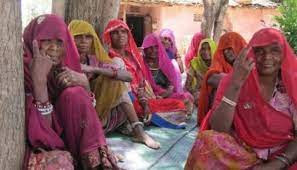
 This was common among the Rajput families belonging to North India. This practice severely affected the way the women lived their lives. In rural Haryana, if a woman failed to cover her face with a veil, she was subjected to afflictions and her character was questioned too. This affected the women’s ability to earn a living. As researches have shown that due to Purdah or Ghunghat, women become more dependent on men for financial support. 

Many of you might wonder who would be practicing an age-long tradition of the Purdah system nowadays. But that’s not true. In rural Rajasthan, 98% of women in the age group of 18-25 cover their faces with a veil. The third reason is the difference in the agricultural practices between North and South India. In India, crop cultivation has two patterns. One is the cultivation of wheat by plowing of fields as seen in North India. 

Another one is the wet and intensive cultivation of rice in South India. If we take wheat for an instance, the intensive plowing isn’t carried out by women. And cultivation of wheat isn’t labor-intensive. This lowers the demand for female labor in the field. Whereas cultivation of rice is labor-intensive. Here women are required to contribute to the workforce. Dr. Evans states in her research that, women are required to step out and contribute to the workforce for the cultivation of rice. And that’s the reason why women in South India are better empowered as compared to their North Indian compatriots.

 These three factors can explain the difference in the condition of women in North and South India. Inheritance rights, Purdah/Ghunghat system (veil system), and the agricultural practices. But we need to let go of the delusion that women living in south India are leading a perfect life. They too have to face problems of their own. 

Our government shouldn’t have an objective that they should somehow provide North Indian women the quality of life as that of South Indian women. They should have a broader objective. If you consult the rankings, India is further low in gender issues. In the UN’s Gender Inequality Index, India ranks 131st, even lower than Iraq. According to World Bank, nations not well off as India, like Bangladesh and Nepal, have better literacy rates among girls. 

Our politicians dream about making India a superpower. But it would never become a reality until Indian women are given opportunities to contribute too. Through this video, we learned the differences in the situation of women in North and South India. But North Indian women shouldn’t take the lives of South Indian women as their ideal. They should aim for something better than that. This is the way India will become a superpower.

Evils of Dowry

Women for sale?

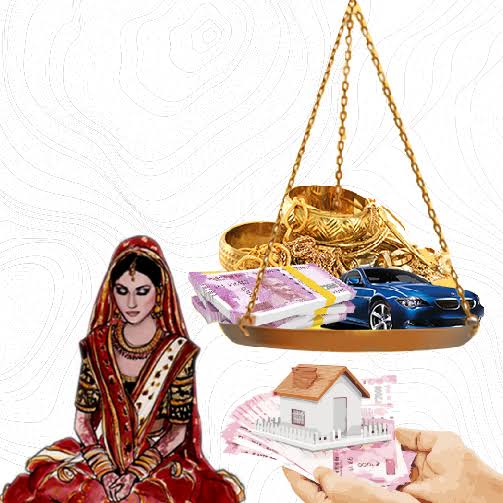
Dowry system is a great evil that afflicts India. Even after seventy three years of independence and freedom, the evil and menace of dowry system prevails and the parents of a bride are forced to give money, jewellery, costly articles etc in dowry to the bridegroom and his family. It has become very difficult to find a suitable match for a girl without payment of huge dowry. The parents of well educated and highly placed boys demand large amount of dowry both in cash and in kind. Brides are burned alive, tortured, harassed and abused to bring more and more money. In many cases a girl commits suicide to escape this devil of dowry.

Dowry is a crime against women and humanity and severe punishment should be meted out to all those who indulge in it. It is an extreme example of greed, selfishness, degeneration and social sin. It is an old, dead, useless and rotten system that should be done away with in one go. It reduces the status of women and girls to that of commodities which can be easily bought and sold. It is a great curse especially for poor parents. They have to borrow, beg or indulge in corrupt practices to have huge amount of money to arrange dowry for their daughters. That is why people feel sad, unhappy, miserable and unfortunate at the birth of a baby girl. That is why many baby girls are killed before or soon after their birth.

Such a social evil on such a vast scale is to be found nowhere else. It is a matter of great national shame and social decadence in this age. This immoral and vile custom has turned us all into an object of ridicule in the eyes of all other civilised nations of the world. People use double speak and double standards. They often condemn dowry in public in no uncertain terms but in practice and private life they demand dowry, arrange marriages purely on the basis of dowry. In ancient days it might have been relevant to some extent as the girls did not inherit property or were confined to the hearth and home. Therefore, to compensate this loss, a girl was given several gifts in cash and kinds by her parents, relatives and well wishers in dowry. These gifts ensured a sort of security to the newly married girls. New women have equal rights. Now giving and receiving dowry has no relevance, no meaning and sense.

Now, it is a cognizable offence under the Dowry Prohibition Act under which if any person who gives or takes dowry is punishable with imprisonment which may extend to six months, or with fine which may extend to five thousand rupees, or with both. Now, apart from the parents and relatives of the bride, the police and the registered social organisations can also lodge a complaint against the party demanding dowry. Moreover, there is no time limit for lodging such complaints. But laws are not enough. They are being violated blatantly and with impunity. There are over seventeen dowry deaths every day in the country and yet very few offenders are caught and punished. Besides these legislative measures, we need other meaningful and effective social measures. All out efforts need to be made to generate an effective public opinion against the evil. More and more heads of panchayats, priests, social groups, women organisations, leaders, elders etc should be involved in the agitation against dowry. The movement should be taken to villages and far flung areas of the country. Social boycott of those indulging in the evil custom can work as an effective deterrent. Group and mass marriages can also be a very useful in this respect. More and more girls should be made to enter schools. They should be trained to stand on their feet. They should be made aware of their social, family and conjugal rights and privileges. They should never feel weak, helpless, inferior or incapable. They should revolt and expose such antisocial elements who demand dowry. They should refuse to marry when dowry is demanded or given. They should wage a relentless war against all sorts of discriminations and unjust male domination.

Three new deaths in a row in Kerala; all three tortured for dowry. Link below:-

https://www.google.com/amp/s/indianexpress.com/article/india/kerala/the-horrors-of-kerala-dowry-deaths-7387077/lite/

Women paid for household work?

I am late on this topic, but this is a flabbergasting topic to debate on. Women[mother, sister,aunt,wife..} in our lives work everyday, and by “work” i mean not just work but also household work. Household work includes washing dishes, washing clothes, cooking, etc. The so called “household” work requires skill, patience, sacrifice. Our women sacrifice their sleep, to provide us with a comfortable lifestyle. We should be grateful for the efforts put in by them everyday. These activities done by our women, everyday, are called as “non economic” activities. That means they dont expect a paycheck at the end of the month, they take up those activities, I would rather say responsibilities out of love and affection. Monetising or making them economic activities will do no help for our women. This idea of monetising domestic work was brought in by Kamal Hassan, The Makkal Needhi Maiam[MNM] party president. This idea was mentioned in the manifesto of MNM for the State assembly elections in Tamil Nadu.

Effectiveness

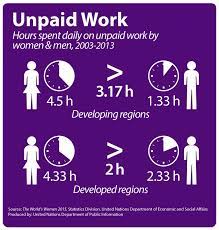
A United Nations report states that women perform around 75 per cent of the world’s unpaid care and domestic work, valued at 13 per cent of global gross domestic product. If included in national accounts, the unpaid care economy would represent between 15 to over 50 per cent of gross domestic product. The report further estimates that women in India spent about 352 minutes a day on unpaid work against 51.8 minutes by men.According to an Oxfam report, Indian women and girls put in more than three billion hours of unpaid care work daily. If it were assigned a monetary value it would add trillions of rupees to India’s gross domestic product.

Adding trillions of ruppes to India’s gross domestic product[GDP] might sound amazing and exciting, but this will only strengthen the long believed convention of putting woman involved in domestic work.

Will women actually get benefitted?

Definitely not, they will not get benefitted, as they dont expect benefit and do this out of love and affection. Love and affection always tops Money. This scheme if put in place will only force many employed women quit their job and get involved in household work to earn better. This will create a social norm of putting women in household work, which indeed might benefit the economy but will definietly have a harsh effect on the gender ratio at work places.

“Any woman seeking a career would be now bullied to take government’s money and stay home. This is no way towards women empowerment,” Tulsi Pillai, a 40-year-old school teacher from Chennai, Tamil Nadu tells Media India Group.

Pillai further calls it a ‘half-baked idea’ that is either not likely to see the light of the day when the time come or is going to do more harm than good to the condition of women in the state currently.

Should men involved in domestic work be given monetory benefits too?

A nationwide survey of time use has laid bare the unequal gender distribution of unpaid household labor in Indian households. While women spend 84% of their day on unpaid activities, men spend 80% of theirs on paid work. In addition, only 26% of men reported doing any kind of housework. This is a very small percentage, and considering the fact that for those men; domestic work is an addition, monetory benefits will not be necessary for them.

Important Constitutional Rights granted exclusively for women

These are some important rules that EVERY INDIAN must know!

Human’s rights are Woman’s rights and Woman’s rights are Human’s rights

Hillary Clinton

Legal provisions for women that everyone should know

We live in a world where gods and goddesses are worshipped and women are harassed, tortured, abused and abducted every single day. The Government of India confers important rights to Indian women, investigating cases related to many women. Unfortunately, many women in India are not aware of their rights which are provided in different Indian laws.

On the basis of gender equality, an Indian woman has 11 rights in India.

1. Women have a right to Zero FIR

A FIR that can be filed at any police station irrespective of the location where the incident occurred or a specific jurisdiction it comes under, the Zero FIR can later be transfered to the Police Station in whose jurisdiction the case falls under. This ruling was passed by the Supreme Court to save the victim’s time and prevent an offender from getting away scot-free.

2. Women have the right against being stalked

Section 354D of the IPC makes way for legal action to be taken against an offender if he/she follows a woman, tries to contact her to foster personal interaction repeatedly despite a clear indication of disinterest; or monitor the use by a woman of the internet, email or any other form of electronic communication.

3. Female sexual assault victims have the right to keep their identity anonymous

To ensure the protection of privacy of a woman, a woman who has been sexually assaulted may record her statement alone before the district magistrate when the case is under trial, or in the presence of a female police officer.

4. Women have the right against workplace harassment

The Sexual Harassment of Women at Workplace Act gives a female the right to file a complaint against any kind of sexual harassment at her place of work. Under this act, she can submit a written complaint to an Internal Complaints Committee (ICC) at a branch office within a period of 3 months.

5. Women have right not to be arrested at night

Unless there is an exceptional case on the orders of a first class magistrate, a woman cannot be arrested after sunset and before sunrise. In addition, the law also states that the police can interrogate a woman at her residence only in the presence of a woman constable and family members or friends.

6. Women have a right against domestic violence

Section 498 of the Indian Constitution looks to protect a wife, female live-in partner or a woman living in a household like a mother or a sister from domestic violence (including verbal, economic, emotional and sexual) by the hands of a husband, male live-in partner or relatives. The accused shall be punished with a non-bailable imprisonment for a term which may extend to three years and shall also be liable to fine.

7. Women have the right to get free legal aid

Under the Legal Services Authorities Act, female rape victims have the right to get free legal aid or help from the Legal Services Authority who has to arrange a lawyer for her.

8. Women have the right to equal pay

According to the provisions listed under the Equal Remuneration Act, one cannot be discriminated on the basis of sex when it comes to salary, pay or wages. Working women have the right to draw an equal salary, as compared to men.

9. Women have the right to dignity and decency

In an event of accused being a woman, any medical examination procedure on her must be performed by — or in the presence of another woman.

10. Women have the right against indecent representation

Depiction of a woman’s figure (her form or any body part) in any manner that is indecent, derogatory, or is likely to deprave, corrupt or injure the public morality or morals, is a punishable offence.

11. Women have the right to register virtual complaints

The law gives women the provision for filing virtual complaints via e-mail, or writing her complaint and sending it to a police station from a registered postal address. Further, the SHO (Station House Officer) has to a police constable to her place to record her complaint. This is in case a woman is not in a position to physically go to a police station and file a complaint.

It is high time Women become aware of their rights and Stand up strong! Rise up together against the injustices happening against Women!!

References: India Today

Class in Mahasweta Devi’s ‘Rudali’

Mahasweta Devi is a Bengali writer and activist who is known for her strikingly social and poignant stories. She wrote several works ranging from novels and plays to essays and short stories. Her most notable works include Hajar Churashir Maa, Rudali, Aranyer Adhikar etc. She has received highest literary merits in India like Jnanpith Award and Padma Vibhushan. As an activist, she has also worked towards the empowerment and rights of tribal people from West Bengal, Bihar, Madhya Pradesh, and Chhattisgarh.

Rudali is a thought-provoking short story that deals with the underlying class and caste issues prevalent in India. Originally written in Bengali, it follows a raw narrative that depicts the struggles of the subaltern in a vastly power-imbalanced society. Rudali follows the story of Sanichari who labours hard all her life to make ends meet. The story begins by establishing her caste and how despite being the majority, the Ganjus and Dushads live in desperate poverty. They work as cheap labourers for the ‘Malik Mahajan’ who are the wealthy landlords and money lenders of the village. After losing her in-laws and her husband, she works hard to sustain for her son. But after his marriage, he slowly deteriorates due to tuberculosis and eventually after his death, his wife leaves, leaving Sanichari to look after their new born son. Later after he runs away from home, Sanichari finds an unlikely partnership with Bhikni, an old friend.

The two women forge a strong companionship and together they play a cunning game of getting back at their exploiters. ‘Rudali’ refers to a particular Rajasthani culture wherein women of lower castes are hired as professional mourners by the upper-class to mourn the deaths of their family members. The two women build a business together, harnessing this profession to get jobs to local lower-caste women who have been exploited and ostracised and exploited by the society. In no time, the upper-class people try to one up each other even in funerals and even go as far as purposefully killing themselves or the elders to hold grand funerals.

Entitled by the power of money, Devi reinforces the fact that people in power compromise morality to maintain their position through the shenanigans of the upper-class folks who are known as the ‘Malik Mahajan’. Historically, they were Rajput soldiers who pillaged and killed innocent tribes and conquered these lands. And then, Dulan says that “From century to century, their holdings and power increased. Even now, they take possession of land…” (Devi 73) They built up their power over the tribes and the lower caste through violence and debt traps. They spend lavishly on funerals to ‘uphold honour’ and ‘raise prestige’ by extracting money from the poor. Their greed for more lessens their humanity even with respect to their own kind. In this society, the rich are constantly rich while the poor are perpetually poor.

Where the privileged are divided amongst themselves due to greed for more, the powerless, though diverse, are united in their struggles against the elite. In Rudali, the lower caste and the shunned women look out for one another due to their shared resistance against the Malik Mahajan. Mahasweta Devi narrates this story of oppression without overtly emotionalising it and yet, it affects the readers in such a way that it provokes these emotions within us. To bring out maximum impact, she portrays reality as it is in all of its rawness which makes us question the power play prevalent in the society.

What Should All Women Do In Their 20s?

You know how there are all these motivational quotes on Pinterest, and Instagram about your twenties being some of the most crucial years of your life? The years you have the most room to fail, make mistakes, try new things and grow? Well, maybe there is something to this whole theory. I mean, nobody’s twenties can be held against them, it doesn’t matter how many faux pas you end up making, as long as you learn from them.

1. Saving for your future:

This is one is quite evident, the pay gap isn’t close to being remedied anytime soon, and we can’t wait on that whole process to come to fruition to start thinking of our financial security. This isn’t to say that your twenties should be spent penny-pinching, but, learning when and where to spend money is definitely worth it. So, think about how to start investing in mutual funds, stocks and consider getting health insurance. 

2. Start taking care of your mental health:

Whether you decide to do this by going to a therapist. Or, by maintaining bullet journals to track your mental health, meditating, taking healthy breaks and doing self-care rituals – your twenties are a great time to start recognising the importance of your mental health and taking care of it. 

3. Stop being afraid of authority figures:

As women (especially desi women) we’re often taught to respect and follow the lead of authority figures almost blindly. And naturally, this can lead to fears around speaking up in front of older people, school teachers or bosses. But this fear is rooted in a societal norm that is used to keep children from becoming a danger to themselves and the people around them. It isn’t a very sustainable practice beyond that point. 

Besides, women are policed way too much, and their autonomy isn’t taken very seriously. So to take control of ones narrative by speaking up in front of authority figures is an act of bravery that frankly deserves to be followed through more often. 

4. Start working on your confidence levels:

Your twenties are a great time to allow yourself to look silly, and shed any self-limiting beliefs you’ve been carrying around. Especially about how the world views you. For all you know, you are your biggest critic, and your mistakes aren’t as gigantic as you make them out to be in your mind. So, read as many self-help books, listen to as many life coaches and do one thing every day that scares the heck out of you, until you realise confidence is less about your image and reputation, and more about how you see yourself. 

5. Find a good gynaecologist for yourself:

This is a no brainer. A non-negotiable clause. Taking responsibility for yourself also includes taking care of your body, loving it and protecting it like you would a loved ones. Women are constantly going through it when it comes to their hormonal and reproductive health, so it’s really important to find a gynaecologist you feel super comfortable around, trust wholeheartedly, and can stick to for the long haul. 

6. Start investing in a capsule wardrobe:

As frivolous or as vain as this sounds, it’s actually a great way to manage your finances for the long run. Clothes are an investment, and if you have ten basic, high-quality pieces in your closet that you can style eighty different ways, with a few experimental items – you’ll save the money you’d be spending on clothes that might get tattered in six months. This is also a great way to curb the habit of going on compulsive (and pocket-burning) shopping sprees. 

7. Prioritise travelling more often:

Experiences teach you a lot and stay with you your whole life. Rather than cluttering your house, they’ll take up meaningful space in your mind as good memories. So, spending money on a travel experience is never a waste of money, or time. Especially if you make sure to learn about the different cultures you get to see. 

8. Invest in educating yourself:

Whether it’s going back to school to get a master’s degree or taking up online courses, or reading up on a certain subject – learning something new will add substance to your personality, and help you build a healthy relationship with yourself. It’ll teach you self-trust and independence on whole new level. 

9. Stop being afraid to make mistakes:

Allowing yourself the room to make mistakes builds resilience and leads to wisdom that can be used to better your future. Your twenties are the best (but not the only) decade to stop judging yourself and to push yourself past your comfort zone. It’s okay if you just got out of college and want to pursue a career that’s unrelated to your degree, or if you don’t even know what you want to do in life, confusion doesn’t always spell disaster. Without a bit of confusion, there would be no incentive to find clarity and discernment

10. Stop laughing at jokes you don’t find funny:

Often, women are conditioned to sit in discomfort and let any kind of disrespect slide, but you don’t have to continue living with the same set of beliefs. You can start living on your own terms and have healthy boundaries with people. And, boundaries are a lot about not accepting mistreatment, disrespect, or derogatory remarks especially if they’re disguised as jokes. 

This doesn’t mean you need to shut a joke down by being rude or disrespectful in return, but it is important to learn how to remove yourself from toxic situations and dynamics that cost you your mental health. You don’t have to play along with someone who is actively trying to make you feel uncomfortable. 

11. Start prioritizing your physical health:

Your physical health has a lot fo do with your brain chemistry. It’s all over the internet, all those studies about which chemicals release while we exercise and the hormones it helps balance out. So, clearly working out has its benefits. But, this does not mean you’ve to kill yourself in the gym or chase an unrealistic body standard. All you’ve to do is move your body and get some blood pumpin’. 

12. Find a solid support system:

Life is hard. And adulting is even harder. most people start adulting fully in their twenties. Just as spending some alone time and building a healthy relationship with yourself is important, making time for your family, and friends is also important. As you get older, life only gets busier, and more complicated, and we all need support through that. We all need a home team or a soul tribe, even if that’s just our two best friends from 7th grade. 

Women in the pandemic

Women , the primary caregivers of almost every family of our country, tend to be the most discriminated against in almost every sphere- whether social, economic, political and especially health. And now as we are stuck in the pandemic, we are bound to bounce back decades on our progress made on poverty, education and healthcare. (Source:  https://unstats.un.org/sdgs) , and the women will , once again, be on the frontline.

Photo by vivek on Pexels.com

LOSS OF LIVELIHOOD-

With the female LFPR of 20.8% in 2019(fallen from 30.27% in 1990) that was not even half the global average of 47% and the women’s share in new formal payrolls below 20% in August 2020, India was no country for working women even before the pandemic. And now, due to the pandemic, women who earlier accounted for only 24% of the total workforce, now share 28% of the total number of jobs lost.

Reasons:

  1. According to Mckinsey study, women did 75% of the world’s total unpaid work. With people being stuck in homes due to the pandemic, the household workload on women increased indefinitely, which is why many of them left their jobs.
  2. Either due to pregnancy and related reasons or due to vaccine hesitancy, fewer women were taking vaccine jabs.
  3. Women are more likely to engage in unorganized sector, hence, being more prone to loosing jobs in such times of crisis. (eg.- tailoring and stitching, house-help)

Post pandemic, women are 11 times more unlikely to return to work and women comprise 48.04% percentage of the population. For a country that wishes for a speedy economic recovery as well as future growth, a 79.8% (and increasing) working population being a liability on the economy doesn’t align well with its economic ambitions.

Degrading social status-

With increased news publishing related to domestic violence, child marriages, sexual abuse and women trafficking during the pandemic, it’s hardly an assumption that the conditions of women will deteriorate further in days to come.

Reasons:

  1. With decreasing family incomes, women school dropout rate has increased and will continue to do so in the near future.
  2. With everything going online, children with no digital equipment accessibility lag behind. The households that are able to afford internet connectivity and mobiles give preference to their male child.
  3. Due to being stuck in the house, the female members spend a larger amount of time doing house-hold work. So, they find less time to devote to studies that now require more effort. Also, it tends to align them more towards house-hold work as well as present them primarily as caregivers amongst the younger generations.
  4. Women increasingly suffer from online harassment. In such cases, it takes a larger amount of time to track down the perpetrator as the person’s identity is unknown.
  5. With the administration occupied with covid-19 management, the cases of child marriage, trafficking and domestic violence are on rise. Women, being stuck in the same house as their molester and many-a-times being financially dependent on them due to job-loss during pandemic, find it difficult to file a complaint.

Health Concerns-

In India, women already suffer from malnutrition, morbidity and various maternal as-well-as reproductive health issues. In addition to this, women are more prone to mental health issues as well. As of July 2005, women represented approximately 40 percent of HIV/AIDS cases in India. These situations of pandemic are bound to worsen the already poor conditions of female health.

Reasons:

  1. The reduction in supply of food due to reducing incomes affect the food security of women the most when compared to any other member of the family.
  2. Women can, now, no longer afford menstrual sanitation products and contraceptives
  3. Being a victim of domestic violence or even stress, a woman’s mental as well as physical well-being will be neglected.
  4. Women with underlying health conditions have, due to declining economic resources, experienced worsening health conditions as a result of skipping medical care.

What can be done??

  1. The PDS system should be expanded to provide dry ration for a longer duration as well as larger amount. It should also include sanitary napkins .
  2. Through ASHA workers, the government should spread awareness related to reproductive health, hygiene and mental health as well.
  3. The government can grant free internet as well as set up mobile towers in areas of low connectivity. Also, internet cafes following proper covid-19 norms should be set up to provide digital equipment to those who cannot afford them.
  4. MGNREGA scheme should be expanded to incorporate the increased number of unemployed with special provision for women, including larger number of working days for all and social schemes should be set up for informal sector workers.
  5. Social awareness about letting girls continue their studies, as well as, motivating women to join workforce when situation stabilize is an important step.
  6. A national helpline number bringing together all NGOs who have come forward to help should be set up. It will make identifying those in need easier, with a uniform toll-free number as well as added government expertise.

Conclusion:

Women can be the backbone of economic development in times of crisis. Making right developments towards women’s issues now could prove to be beneficial to the country’s economy as well as society in the long run.

Beauty Standards

Beauty is now being an issue for young girls. Growing up, we all remember Barbie. I love Barbie movies. They teach us about kindness, courage, friendship, values, etc. But, they also make young girls who play with Barbie dolls want to be like them. Barbie is the first beauty standard we were exposed to.

We then came to our early teens and were exposed to Victoria’s Secret models and the fashion industry. Early teen is also the place where we go through puberty. We all know puberty is not a pretty place. Trust me, nobody looks good when they are going through puberty.

Now, being exposed to the world of beauty and going through puberty puts us in a tough spot. We start hating ourselves. We know that most people do not look like models. We also know that models have a strict diet plan, they undergo surgeries, and there is constant use of Photoshop to make them look flawless. Our subconscious brain is aware of these facts. We still can’t help comparing ourselves to the pretty models.

We start looking down upon ourselves. We constantly try to become like models. A lot of girls become anorexic to be as thin as the models. A lot of girls also take supplements to reduce fat. A lot of them start saving up for cosmetic surgeries from a very young age. Most of the girls do these surgeries to feel more confident. I do not blame them. But I do blame our society for making them feel like they needed to change.

Our beauty standards are also being white-washed. We are now following western beauty standards. When we think of beauty, we imagine a tall, thin white girl. Even in African and Asian countries, this is what the beauty standard is. This makes people from those countries spend millions of dollars bleaching their skin even when it leads to skin cancer.

Our media makes millions of dollars selling products with the faces of white-washed beauty. These days when we see an advertisement, we look at the models more than the product. Are they selling the product or the beauty standard? 

Now our role in the world of beauty standards is to stop thinking it matters. Unless you want to become a model. People who have zero connection to the beauty industry have to stop worrying about their looks. It is not our work to look like that. So, we all need to end our obsession with beauty. If we are not being paid for being pretty, we do not have to obsess over it.

Next, we all need to stop thinking that every single woman has to be pretty. I know even men go through it. But, the American Society of Plastic surgeons reveals that women have accounted for 92% of cosmetic surgeries and men accounted for 8% of them. About 98% of the women feel immense pressure from external sources to look a certain way.

I really want to change that. So can we all start complimenting each other on qualities other than appearance? Instead of only telling a girl, you are pretty, beautiful, etc. Can we please tell them that they are talented, kind, intelligent, and caring?

I love getting compliments on my work rather than being complimented on my physical appearance. It is not in our control how we look like.    

Can we all start complimenting each other on who we are rather than what we look like?

Female emancipation!

Feminism

Women’s empowerment can be defined to promoting women’s sense of self-worth, their ability to determine their own choices, and their right to influence social change for themselves and others.

‘There should be gender equality’ —a familiar line uttered repeatedly by many self-claimed modern era intellectuals .I think I will use the term that ‘men and women are complementary to each other’. Neither can survive without the other. Nature has created women and men in such a way that mankind will only survive if both genders coexist. Thus, the genders complement each other. I think this definition makes more sense .My argument is that gender equality means equal respect and equal remuneration in the same performance in their exclusive domain.

               Not all girls are made of sugar
               and spice and all things nice.
            There are girls made of dark lace
         and witchcraft and a little bit of vice.
          There are daughters made claw-first
        and story-mad, tiger roar and wolf-bad.
     There are women made of terrible tempests
    and savage storms and the untamed unwanted.

   These are damsels made of flawless fearlessness
 made of more bravery than knights have ever seen.
These are princesses made of valour and poison alike 
 and they are here to hold court as your queens.

                             -Nikita gill
  • Why should the men’s championship get more sponsorship than women’s, and why should the winner be paid more? Why is it that men cricketers get paid more, receive more appreciation and more respect than their women counterparts? Why is Sachin Tendulkar treated as the God of cricket but Mithali Raj simply a good Indian woman cricketer? Why do male hockey players get more money and respect than women players?
  • The bottom line is, and I repeat myself here, nature has made men and women differently. They compliment each other but can’t be equal physically and cannot compete with each other in every area. But gender equality can be achieved if we can extend the same respect, offer the same pay scale and the same status to champions of both genders in their domain. Personally, I respect Sachin Tendulkar and Mithali Raj equally. I do watch women cricket matches with the same enthusiasm as I watch men’s cricket. Are you ready to do that? If yes, then you are encouraging gender equality. Else, you are going down a darker path, with no respect and no equality.
  • Also, being called “beautiful” is nice, don’t get me wrong. But hearing the words, “You’re brilliant” means so much more. Because beauty won’t get me a college diploma. Curves won’t get me a secure job and a sufficient salary. Being pretty won’t get me respect.
  • Beauty doesn’t encompass the person you are. All women have natural beauty, but beauty can only take you so far. When I am most insecure, I don’t want confirmations of my physical appearance. I want confirmation that my work, mind and strength are recognized. We grow up thinking beauty and male validation was the ultimate goal. Now, as a young woman, my greatest goal is to be successful in my career. I strive for knowledge, not perfect hair. I want respect, not a skinny waist. Being educated and opinionated will get you so much farther than just a pretty face. “Screw beautiful. I’m brilliant. If you really want to appease me, compliment my brain.”

” I WOULD RATHER STRUGGLE EVERYDAY OF MY LIFE THAN TO EVER GIVE A MAN THE POWER TO SAY ‘ YOU WOULDN’T HAVE THAT IF IT WASN’T FOR ME’ “

Rating: 1 out of 5.

Why isn’t everyone a feminist?

It has come to my surprise that most people do not identify themselves as feminists. I have no idea what some people think feminism is. So, here is the dictionary meaning of the word feminism. 

Feminism is defined as the belief in social, political, and economic equality of sexes. 

I would like to emphasise the word equality. Feminism does not support sexism.Feminists do not put men down, nor do we support the women who put them down. Feminism is the belief in equality and not female superiority.

I was surprised to see some of the women not identifying themselves as feminists. I have come across women saying things like: 

I don’t face gender discrimination, so why should I support feminism. 

To all the women who have similar beliefs, it is the FEMINISTS that got you to a place where you can say sentences like these. 

Do you really think that without voices being raised, you got to a place where you are?

Women did not even have the right to vote, study, or work. Back in the old days, men did not even consider women. So, we have come a long way from women-only staying in the households to now becoming presidents.

 Secondly, there are still so many issues happening against women, and we must raise voices. If you have the privilege to face no gender discrimination, that is good for you. But do you not want that for every single girl out there?

To all the people who think that feminism is unnecessary, I would like to show some of the achievements done by feminists.

  • Right to vote
  • Gain access to birth control
  • Bought women out of household
  • Calling out on rape culture
  • Fought for legal discrimination
  • Making the workplace a little more equal

These were just a few of the things done because of feminists. So, the next time you think feminism is not needed and that we are already in an equal world.

Well, open your eyes. There is still a long way to go.

  • Saudi Arabia gave women the right to drive in 2018.
  • Each minute 28 girls are married before they are ready
  • One in three women have experienced physical or sexual violence
  • 62 million girls are denied an education all over the world
  • 4 out of 5 victims of human trafficking are girls

These were just a few facts out of 100 more issues that women face today. This data is for people who think we already have achieved gender equality. We have not and, we still need feminism.

If you are one of those people who does not like being labeled but believes in equality of both sexes. What are you afraid of? It is just a label for the betterment of our society. If you think people are going to judge you for it. Those are the people who did not do their research on what feminism is.

I am a proud feminist and, I am here to fight against the injustice that women go through. If you are with me, I hope you all identify yourself as a feminist.

If you are not convinced and, women with strong opinions on achieving equality bother you. Well, you can contribute to the world of misogyny. 

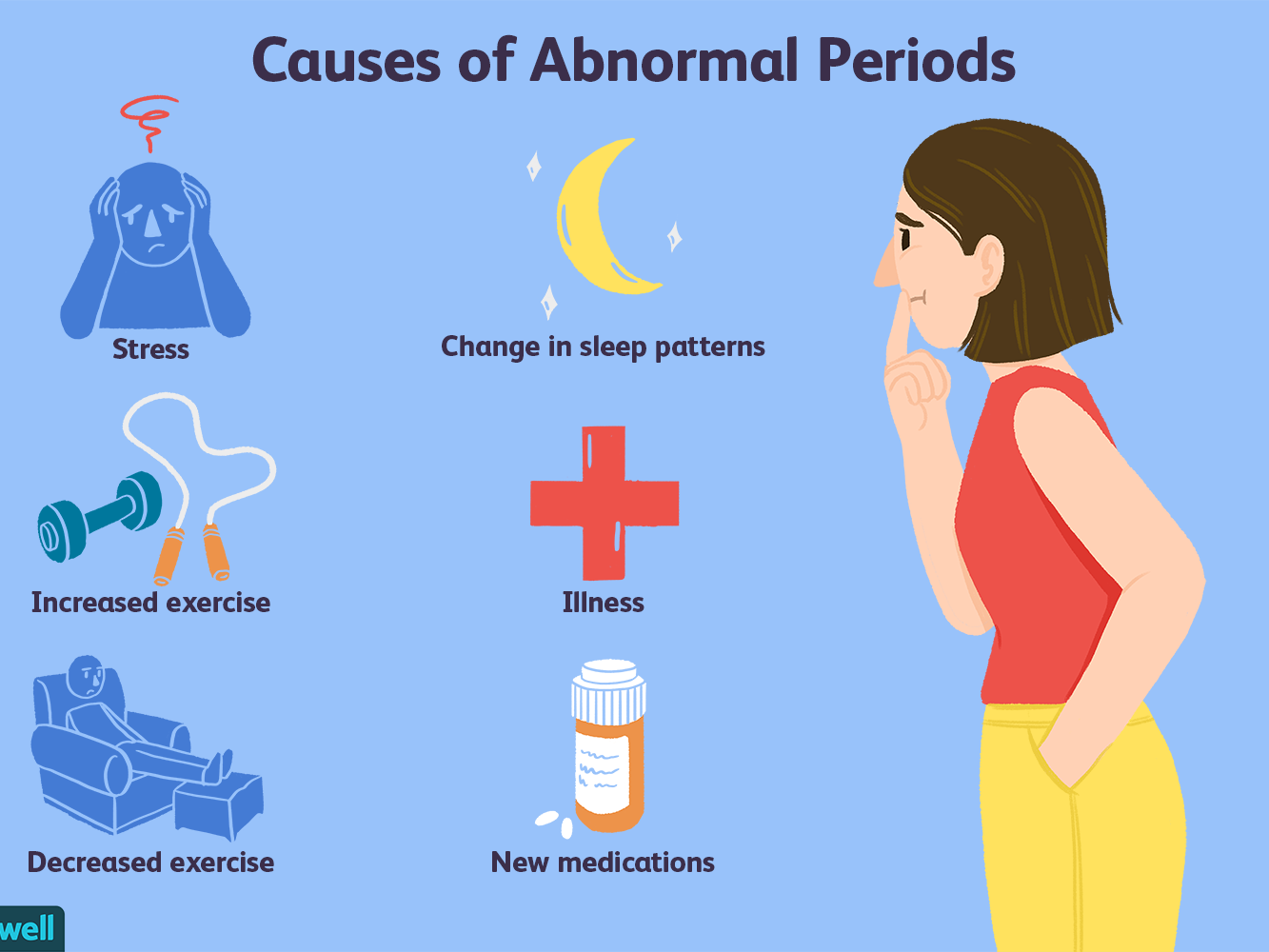
Know what happens during period!

Menstruation is the actual time when women bleed. And the entire time between 2 menstruation is called Menstrual cycle.

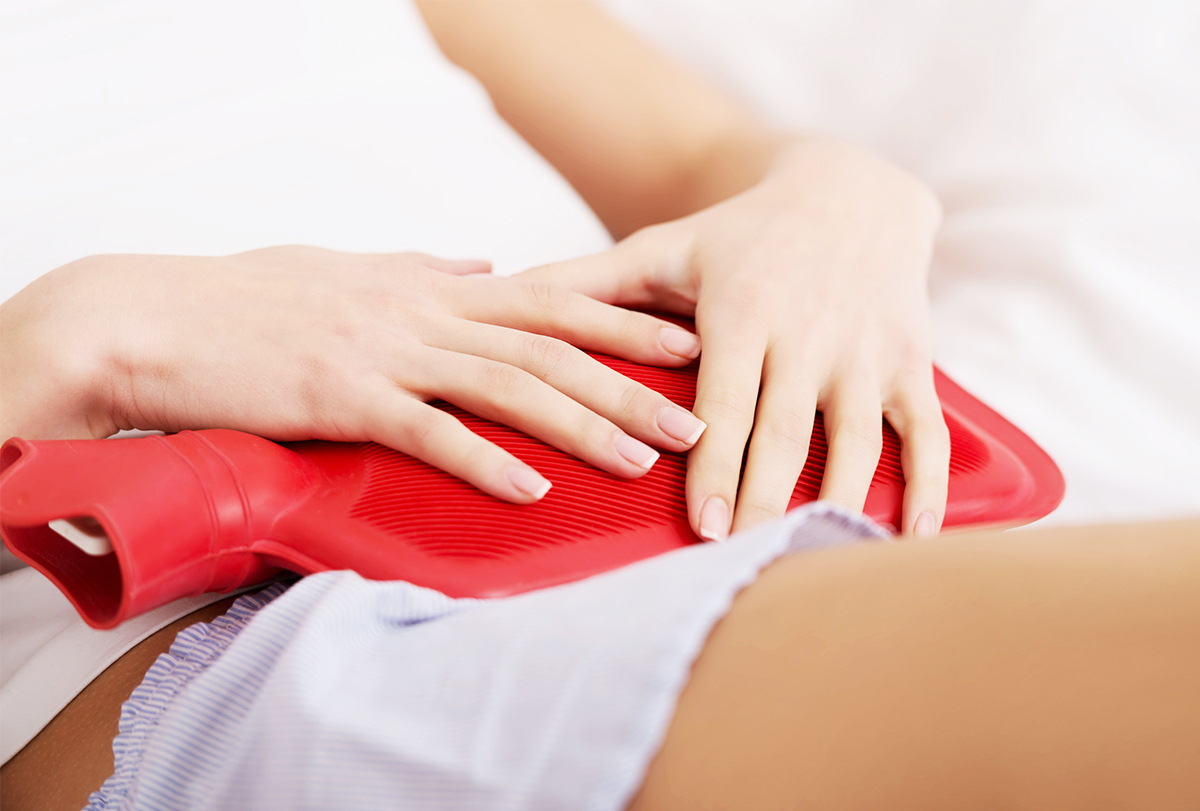
The excessive pain in menstruation is not normal and this condition is called Dysmenorrhea.

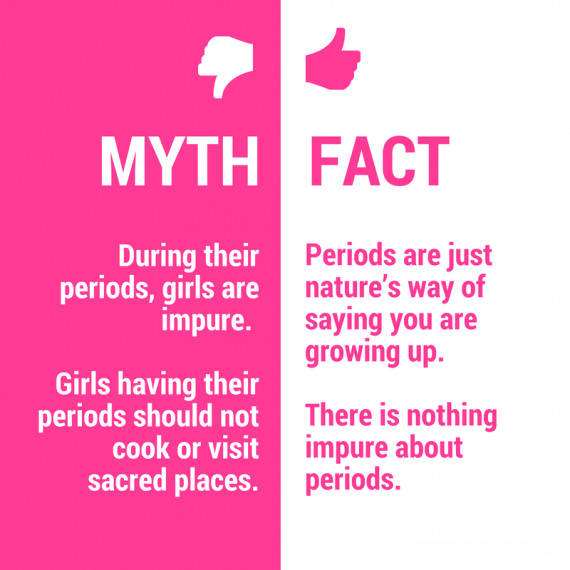
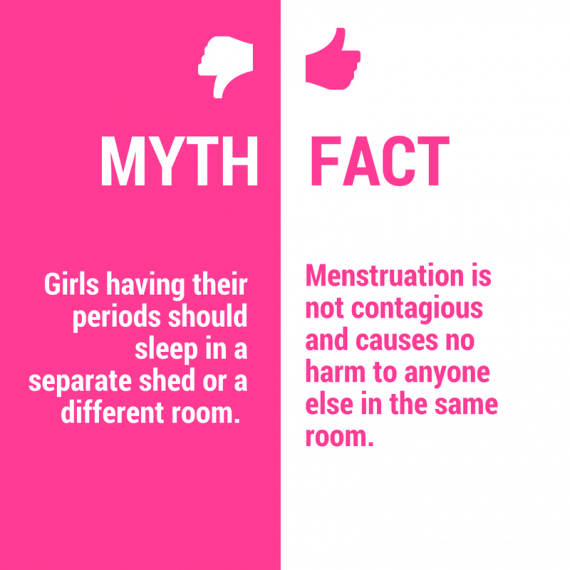
As everyone says period blood is dirty blood but in reality it is not the rejected blood of the body. It is less concentrated than normal blood and it has less blood cells.

“Smuggling pads to the bathroom like it’s some sort of illegal thing gotta be the worst adaptation to patriarchy”

Transgender men may still get their periods, just as transgender women might not have periods.

Girls miss their school 1-2 days every month and it affect their studies and education.

We bleed 5 days in a month and it really sucks

I am a girl
Yes, I am a girl
And like every other girl, I also go through those painful days
The day which comes and goes every month.
When the day comes, I feel like I’m in hell
I don’t have to touch stuff
I am not allowed to go to bed
I am not allowed to go to the place of worship.
I am not allowed to say anything
I am not allowed to cry because of this cycle
I feel like thousands of hammers are breaking my bones.
I go through all these things like – mood swings, cramps, frustration, anger, and much more.
But I am not allowed to cry
I am not allowed to cry even when I feel the worst.
The reason behind this is that I am a girl
I am a girl
And I always taught to hide this
I always have to do that
I always have to be away from everyone
I have to hide this just because I am a girl And I am on my periods

How it feels when I am on my periods and no one understands the pain I am going through…

Superstitions

INDIA

  • Yoan’t enter a kitchen or cook food for anyone else.
  • Can’t enter a place of worship.
  • only enter a place of prayer once we’ve washed our hair on or after the fourth day.
  • Must wash our hair on the first day of our period to clean ourself completely. Buttt on the contrary…
  • If we wash our hair, our flow will be less and it will affect our fertility later in life.

Italy

  • Can’t touch plants.
  • Everything we cook will be a disaster.

UK

  • Tampons will break our hymen and make us impure.
  • Can’t take a bath.

Bolivia

  • can’t cradle babies or we’ll cause them to get sick.

As we know it is just because improper balance of estrogen and progesterone leads to the breakdown of endometrium lining that ultimately causes Menstruation every month.


we were taught to hide this.
Why, why do we have to hide this if it is natural.


This menstrual cycle is a natural thing and this is the reason why only women carry babies.But despite this, we all try to hide this.Everyone knows that this menstrual cycle always comes during it’s duration but everyone tries to hide it.When it is natural then why do we feel shame for this. Why??

“STAY AWAY FROM THE MAN UNTIL HE IS YOUR HUSBAND”.

GIRLS ARE TAUGHT TO STAY AWAY FROM BOYS. THEY ARE MADE TO UNDERSTAND THAT BOYS ARE INHUMAN AND CAN TAKE YOUR BENEFIT. BOYS ARE RUDE, BOYS ARE STONG, THEY PREY ON WOMEN AND SHIT LIKE THAT.

ISNT IT GOING TO BE BETTER TO TEACH YOUR BOYS TO BE KIND TO WOMEN? IS THAT THE BOY’S FAULT , IF HE IS BEING TAUGHT TO CONSIDER HIMSELF TO BE SUPERIOR AND TO BE AN ASSET FOR THE FAMILY ?

IF A DOCILE MIND IS TAUGHT TO DO SO, THEN WHO IS LIABLE FOR THIS MENTALITY?

IS IT THE GIRL’S FAULT THAT SHE IS MADE TO FEEL DUMB AND A LIABILITY.

WHY ARE WE TAUGHT TO STAY AWAY FROM MEN ? WHY ARE WE MADE TO THINK BAD FOR BOYS? WHY ARE WE TAUGHT THESE THINGS?

BOYS WERE NOT BORN WITH THE SUPERIORITY

AND A THINKING PROCESS OF INFERIORITY

IT WAS TAUGHT TO THEM BY THEIR ELDERS

THEY DID A BAD JOB BEING THE METAL { BOYS} WELDORS

WHY COME TO THE FINAL RESULT?

WHEN WE OURSELVES AT AT FAULT.

THINK OF IT, LETS TAKE A HAULT.