The Federal Reserve is laser-focused on stemming price increases in the United States, but countries thousands of miles away are reeling from its hardball campaign to strangle inflation, as their central banks are forced to hike interest rates faster and higher and a runaway dollar pushes down the value of their currencies, reported CNN this month.
The Fed’s decision to raise rates by three-quarters of a percentage point at three consecutive meetings, while signalling more large hikes are on the way, has pushed its counterparts around the world to get tougher, too, according to the report.
The dollar is up 18% this year and last month hit a 20-year high, according to the benchmark ICE U.S. Dollar Index, which measures the dollar against a basket of key currencies.
The reasons for the dollar’s rise are no mystery. To combat soaring U.S. inflation, the Federal Reserve has raised its benchmark short-term interest rate five times this year and is signalling more hikes are likely. That has led to higher rates on a wide range of U.S. government and corporate bonds, luring investors and driving up the U.S. currency.
In effect, the US has been exporting inflation during its pandemic rebound. That underscores a profound change in the global economy. In the pre-Covid world, goods were abundant and the challenge was finding buyers.
In the new age of scarcity, that story has been flipped on its head.
Now there are signs that American consumers are dialing it back as the Federal Reserve ratchets up interest rates to cool the economy and combat inflation.
For the rest of the world, that may just create a different headache as the US switches to exporting inflation through another channel: the super-strong dollar.
With rates in the US rising much faster than in the euro zone and Japan, the dollar is soaring.
To be sure, consumer demand is just one cause of the worldwide spike in inflation—arguably not the main one even in the US, where Covid stimulus was largest.
Global economic growth is likely to slow next year more than previously expected, the International Monetary Fund said, warning living conditions will worsen as soaring inflation harms people’s lives around the world.
The IMF attributed the weaker outlook primarily to the effects of inflation, Russia’s invasion of Ukraine and the slowdown in China brought on by frequent Covid-19 lockdowns and problems in its property sector.
Inflation, at the highest rates in decades, poses the most significant immediate threat to the global economy by squeezing incomes and destabilizing economic activities, said IMF economists.
The IMF expects global inflation to peak this year at 8.8%, before cooling to 6.5% in 2023 and 4.1% in 2024. At 7.2%, inflation in advanced economies this year is the highest since 1982.
The U.S. Federal Reserve is raising interest rates at the fastest clip in decades to try to tame inflation by slowing growth. Central banks around the world are rapidly moving in the same direction.
Further, The IMF, citing in its latest World Economic Outlook report, cut its forecast for India’s gross domestic product (GDP) growth in financial year 2022-23 (FY23) by 60 basis points (bps) to 6.8 per cent, warning of a long and tough economic winter.
During this week UN Human Rights Council was holding a debate on the human rights situation in China’s restive Xinjiang region. Human rights groups have been sounding the alarm over what is happening in the resource-rich north-western Chinese province for years, alleging that more than one million Uyghurs had been detained against their will in a large network of what Beijing calls “re-education camps”.
The efforts of the US and Western countries to bring a resolution against China on the situation of Uighur Muslims in the United Nations Human Rights Council (UNHRC) suffered a setback when 11 countries, including India and Ukraine, indirectly helped China by abstaining to vote at the time of voting.
This is only the second time in the UNHRC’s 16-year history that a US resolution has been rejected. It also explains the changing global equations. Most of the discussion after the UNHRC vote is about India’s stand. Given the current state of relations with China, the US expected support from India. However, India said that it has stuck to its policy of not voting against any country in institutions like the UNHRC.
However, it is believed that India has taken this step due to the apprehension of a UN vote on Jammu and Kashmir in future.
An economic system is a network that forms the economic relationships between individuals in society. In other words, how the people of a nation come together to create a complex whole and conduct economic transactions with each other.
An initial surge in demand can create a multiplying effect that ripples throughout the economy. This surge in demand sends a signal to the whole supply chain that more of these products are required, so more are made. An economic system can change the way by which these supply and demand signals transfer through society. For instance, some economic systems may be more restrictive and place tariffs or quotas on imports. In turn, this can affect the signal between, buyer, seller, and supplier.
These are broad types of economic systems but will capture the different varieties that exist in the world today.
Traditional Economic System
Out of the four types of economic systems, the traditional economic system is the most basic. There is no involvement by the government, so people are largely left to conduct economic activities without influence. However, it is a very basic system that relies on basic customs and traditions. Under a traditional economic system, subsistence is the main driver for economic trades, whilst profit is not the main motive. Instead, this system relies on communities and the cohesion between them to provide and sustain each other.
Socialism – Command economic system
A command economic system is often referred to as a socialist or communist system. Under this structure, power is centralised either to the government or a sole ruler. In turn, they decide the rules of the game and command how economic interactions take place. Under a command economic system, central powers own the means of production, so can, therefore, shift it to where they see fit. For instance, if the nation’s central powers want to start making more steel, they may move workers from a construction site and transfer them to a steel factory.
Capitalism – Market economic system
A capitalist economic system is where the means of production is owned and controlled by private enterprise rather than the government. Instead of government dictating what goods and services should be produced, these are driven by supply and demand mechanisms. The capitalist economic system relies on private individuals using capital to produce goods and return a profit. In turn, this increases the private enterprise’s capital stock. The issue with this however is that many individuals can amass great economic power and wealth. Not only does this create social discontent, but can also lead to unscrupulous business practices.
Mixed Economy
A mixed economy is one of the most common forms of economic systems in the world today. We see it in many developed nations such as the US, Japan, and throughout most of Europe. It is simply a mixture of capitalist and command economic systems. A mixed economic system often has some level of private ownership of the means of production. However, in a mixed economy, some industries are controlled by the government, whilst others are privately owned.
In 1981, the United Nations General Assembly declared the third Tuesday of September as International Day of Peace. This day coincided with the opening day of the annual sessions of the General Assembly. The purpose of the day was and still remains, to strengthen the ideals of peace around the world.
Two decades after establishing this day of observance, in 2001, the assembly moved the date to be observed annually on September 21. So, beginning in 2002, September 21 marks not only a time to discuss how to promote and maintain peace among all peoples but also a 24-hour period of global ceasefire and non-violence for groups in active combat.
Peace is possible. Throughout history, most societies have lived in peace most of the time. Today, we are much less likely to die in war than our parents or grandparents. Since the establishment of the United Nations and the creation of the Charter of the United Nations, governments are obligated not to use force against others unless they are acting in self-defense or have been authorized by the UN Security Council to proceed.
Life is better in a world where peace exists and, today, we look to those who have been peacemakers and peacekeepers to learn what we can each do individually to make the world a more peaceful place.
The United Nations invites all nations and people to honour a cessation of hostilities during the day and to otherwise commemorate the Day through education and public awareness on issues related to peace.
Every year, the International Day of Peace is celebrated under a specific theme. This year, according to the UN, the theme of World Peace Day 2022 is ‘End racism , Build peace.’ There will be many events, workshops, and educational seminars on the eve of World Peace Day 2022 to create awareness among people about how to develop a world free of racism and racial discrimination.
According to the United Nations, “Racism continues to poison institutions, social structures, and everyday life in every society. It continues to be a driver of persistent inequality. And it continues to deny people their fundamental human rights. It destabilises societies, undermines democracies, erodes the legitimacy of governments, and the linkages between racism and gender inequality are unmistakable.”
The world observes September 16th as International Day for the Preservation of the Ozone Layer or World Ozone Day. The day marks the anniversary of the Montreal Protocol which was signed to keep in check Ozone depleting substances. On this day, people from all over the world hold talks and seminars on the ozone layer. Educators teach students about the benefits of the Ozone layer and special events and activities are organised to spread awareness.
The ozone layer is a fragile shield of gas that protects the Earth from the harmful portion of the rays of the sun, thus helping preserve life on the planet. Ozone is a protective layer that protects us from harmful radiations of the sun. It is crucial for sustaining life on this planet. Montreal Protocol was an effort countries made to collaborate and protect the ozone layer. The principal aim of the Montreal Protocol is to protect ozone layer by taking measures to control total global production and consumption of substances that deplete it.
World Ozone Day 2022 Theme “Montreal Protocol@35: global cooperation protecting life on earth” is the theme of World Ozone Day 2022.
Let us understand what Ozone is and how it is being depleted.
Ozone is made up of three atoms of oxygen. It is highly reactive gas and is represented by O3. It occurs naturally as well as a man-made product in the Earth’s upper atmosphere i.e. stratosphere and lower atmosphere i.e. troposphere. The Ozone layer is present in Earth’s atmosphere (15-35km above Earth) in the lower portion of the stratosphere and has relatively high concentrations of ozone (O3). Naturally, it is formed through the interactions of solar UV radiation with molecular oxygen O2. It reduces the harmful UV radiation reaching the Earth’s surface.
The main cause of ozone depletion and the ozone hole is manufactured chemicals, especially manufactured halocarbon refrigerants, solvents, propellants, and foam- blowing agents (chlorofluorocarbons (CFCs), HCFCs, halons). Since the early 1970’s, scientists observed reduction in stratospheric ozone and it was found more prominent in Polar Regions. ODS substances have a lifetime of about 100 years.
The Human Development Index 2022 is part of the Human Development Report 2021-2022 released by the United Nations Development Programme. In HDI 2022, 191 countries have been ranked based on their HDI value measured on the basis of 4 indices- life expectancy at birth, mean years of schooling, expected years of schooling, and the Gross National Income (GNI) per capita.
India ranks 132 out of 191 countries in the Human Development Index (HDI) 2021. This shows a decline in its score over two consecutive years for the first time in three decades. In 2020, India ranked 130 with an HDI value of 0.642. Before the COVID-19 outbreak, the HDI value of India was 0.645 in 2018. This drop in HDI score is consistent with the global trend which shows countries have fallen backward in human development since the outbreak of the COVID-19 pandemic.
With a rank of 132, India is now placed below its south Asian neighbours of Bangladesh (129th), Bhutan (127th), Sri Lanka (73rd) and China (79th). India registered a decline in its HDI score for two consecutive years for the first time in three decades. India’s HDI score of 0.633 placed it in the medium human development category. However, India has improved slightly in the Gender Inequality Index.
However, UNDP says the ranking cannot be comparable as in 2020, the HDI was measured for 189 countries, and this year, the value has been calculated for 191 countries. It also said India’s latest rank reflects global trend as 9 out of 10 countries have fallen backward in human development in the face of multiple crises like Covid-19, the war in Ukraine and dangerous planetary changes.
Stress is a natural part of life, and like many things, it’s important to learn how to manage it. If you’re suffering from stress, here are some helpful tips for coping:
Find a hobby
If you’re looking for a way to manage stress and unwind, a hobby can be an excellent option. It doesn’t have to be something specific or intense; you could simply enjoy doing something that inspires you every day.
Whatever it is that makes your heart race with excitement, there’s probably an outlet for it in your life—if not now then at some point in the future. Taking up knitting or painting might seem like an odd choice when you’re stressed out by midterms and finals, but these activities can become routine sources of relaxation as well as hobbies!
When we were kids growing up, many of us were fond of playing sports: football or baseball games were favorite pastimes at our houses during the summer months because they gave us something physical (and occasionally competitive) to do together after school hours were over. Nowadays however there are plenty other ways for parents and kids alike alike enjoy getting involved together outside on weekends – whether through volunteering with community organizations like Habitat For Humanity; going camping together on family camping trips; taking part in organized activities such as dance lessons where everyone learns new moves together while having fun at once too 🙂
Build a daily routine
The first step to managing stress is building a daily routine. A morning routine, afternoon routine and evening routine are all good places to start.
Make sure you have your coffee (or tea) before 7:30 AM. This will help you get going in the morning and prevent late-night cram sessions later on in the day when you’re tired or distracted by something else that needs doing.
Get through at least one workout session per week—even if it’s just walking around campus for 30 minutes with friends or playing basketball with teammates after class! Exercise helps burn off energy so that mentally challenging tasks don’t seem insurmountable anymore; moreover, exercise has been shown to reduce anxiety levels as well as improve moods overall.* Go grocery shopping once per week rather than buying food from convenience stores because they tend to have higher prices than supermarkets do; however replacing fast food with healthy alternatives like salads instead of burgers will save money while still providing nutritious meals throughout each day.* Try not using social media sites like Facebook or Twitter too frequently either during lunch breaks at work because this causes users’ lives outside office hours become blurred together into one giant blur which makes everything seem more difficult than before since now there’s no separation between work life & personal life anymore.
Eat healthy food
Eating a balanced diet is key to managing stress. It helps you feel more energized and less tired, which can help you avoid getting sick or stressed out by hunger pangs. If possible, eat a healthy breakfast every morning—this will give you the energy boost that makes it easier for you to get through your day!
If eating junk food is something that stresses out your stomach (and let’s be honest here: who doesn’t love pizza?), try finding healthier snacks like fruit salad bites or even granola bars instead of sugary ones. The key here is moderation; no one should ever eat too much junk food because this will only make them feel worse afterwards.
Get in touch with your family
Stress is a normal part of life and as such, it’s important to find ways to manage your stress. One way you can do this is by talking with your family about how they can help.
Family members are a great source of support when it comes to helping you manage stress—and they may not even realize how much they’re helping! If you have parents or siblings who live nearby, consider asking them if they’d like some help managing their own lives and those around them. You could even offer up some of your time (or money) in exchange for their assistance so that everyone benefits from their efforts together.
Get enough sleep
Sleep is important for learning and memory.
It’s also linked to stress reduction.
Getting enough sleep can help reduce your stress levels, which will make you more productive at school or work.
Go for a walk
You can get away from the stress of school by going for a walk.
Go for a walk alone or with friends if you’d like, but don’t worry about being seen—the point of walking is just to move your body, not impress others. Listen to music while you walk (or listen in silence), and try to take in some fresh air too. Take your dog for a long walk around the neighborhood; they’ll love it! If possible, try walking at least 10,000 steps each day—that’s equivalent to running one mile per hour continuously for 30 minutes straight! When I was younger and had more energy than I do now as an adult who’s trying everything she can think of not only stay healthy but also keep fit at age 55+.
Listen to music
Music is a great way to relax and de-stress. You can listen to any music you like, but try not to choose something that’s too hard or fast. Music can also help you focus on what’s important in your life, which will help keep things in perspective when they get overwhelming.
Music can also help with sleep! I recommend listening before bed because it helps calm your mind enough so that it doesn’t keep tossing and turning at night because of all the stressors going through your head during the day (or even week).
Meditate
Meditating is a great way to relax and unwind. It can help you deal with stress, anxiety and depression, improve your memory and creativity, even slow down the aging process.
If you’re new to meditation or have never tried it before there are plenty of ways that beginners can begin:
Sit comfortably in a comfortable position (sitting or lying down).
Close your eyes if possible – this might help you focus better on what you are doing (most people choose not to cover their eyes).
Start by breathing normally through both nostrils for one minute without counting the breaths or trying anything else at first; this will help clear any thoughts from your mind so that when they come back again later on during meditation they won’t distract us from our task at hand which is meditating.
Talk to someone about your stressors
Talking to someone about your stressors is an important part of managing them. You can talk to your friends and family, but it’s also helpful to talk about the stressors with a therapist or counselor. If you feel comfortable talking about this issue with a doctor, go for it! The same goes for religious leaders, coaches and mentors who have experience dealing with similar issues in their own lives. And if none of these people are available yet, teachers are usually willing to listen when students come seeking guidance from them (or even just want advice on how they should handle their own problems).
Few more steps to encounter stress
Stress can be caused by a variety of factors including work-related issues, relationships with friends and family members or even just having too much on your plate at once. In order to manage stress effectively there are some steps that you can take:
Start taking breaks from time to time during the day (even if only for 5 minutes). This will help you relax and recharge so that when you return back into work mode again; everything feels fresh again.
Try getting outdoors more often during the day so that there’s less time spent indoors where all these feelings tend to accumulate over time because there isn’t much else going on besides watching TV shows while eating pizza as opposed being outside enjoying nature around us all… You get what I mean? 🙂
I hope this article has given you some useful tips for managing your stress. Remember that the best way to deal with a stressful situation is to stay calm and take action. Use our tips above and find something that helps you relax, like giving yourself time away from your responsibilities or getting some exercise – anything will do.
India has overtaken the UK to become the fifth-largest economy in the world. Economists and business executives anticipated that India’s position would continue to improve in the years to come due to greater economic growth.
According to figures from the International Monetary Fund (IMF), India passed the United Kingdom (UK) to become the fifth-largest economy in the world in the last quarter of 2021. India’s economy currently ranks just four nations ahead of it in terms of size in dollars. The United States, China, Japan, and Germany are the only nations with economies larger than India’s. The UK is currently in sixth place, just behind India.
IMF’s own forecasts show India overtaking the UK in dollar terms on an annual basis this year, putting the Asian powerhouse behind the US, China, Japan and Germany. A decade ago, India ranked 11th among the largest economies, while the UK was fifth. The government is expecting the economy to grow at 7-7.5 per cent in 2022-23, in line with its projections made at the beginning of this financial year. India registered a growth of 8.7 per cent in 2021-22.
While India has overtaken the United Kingdom in terms of the size of the economy, the per capita income in India remains very low. When it comes to per capita income, which is a measure of how much money is made per person in a country, India is ranked 122 out of 190 countries.
India is set to become the third largest economy in the world by 2029. A State Bank of India report said India will surpass Germany in 2027 and most likely Japan by 2029 at the current rate of growth. The report said that the country has undergone a large structural shift since 2014 and is now the 5th largest economy overtaking the United Kingdom.
India is home to some of the most stunning natural attractions and historical sites in the world. With so many places to visit and things to do, it’s hard to know where to start. But if you want something off-the-beaten path, these 10 destinations are sure to satisfy your wanderlust.
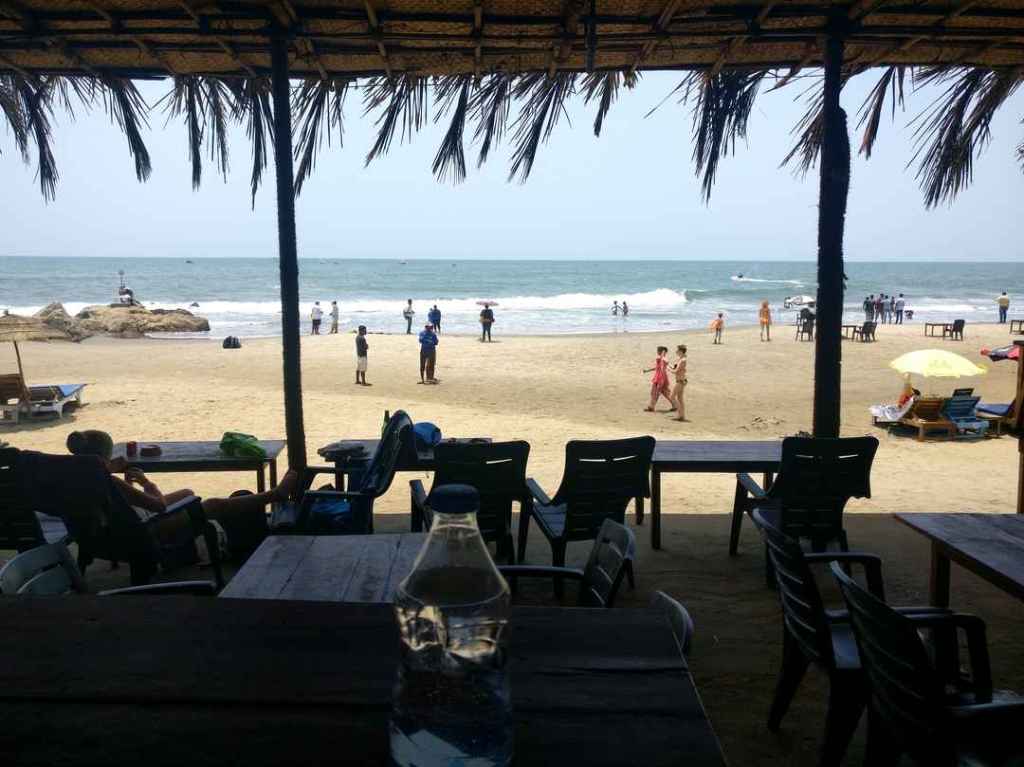
1. Goa
Vagator Beach, Goa
Goa is a popular tourist destination in India and has been attracting visitors for years. It’s known for its beaches, which are clean and have plenty of space to relax on them.
Goa also has great food, music and culture. The best way to experience all this is by staying at an airbnb or other bed & breakfast type place that hosts travelers from around the world!
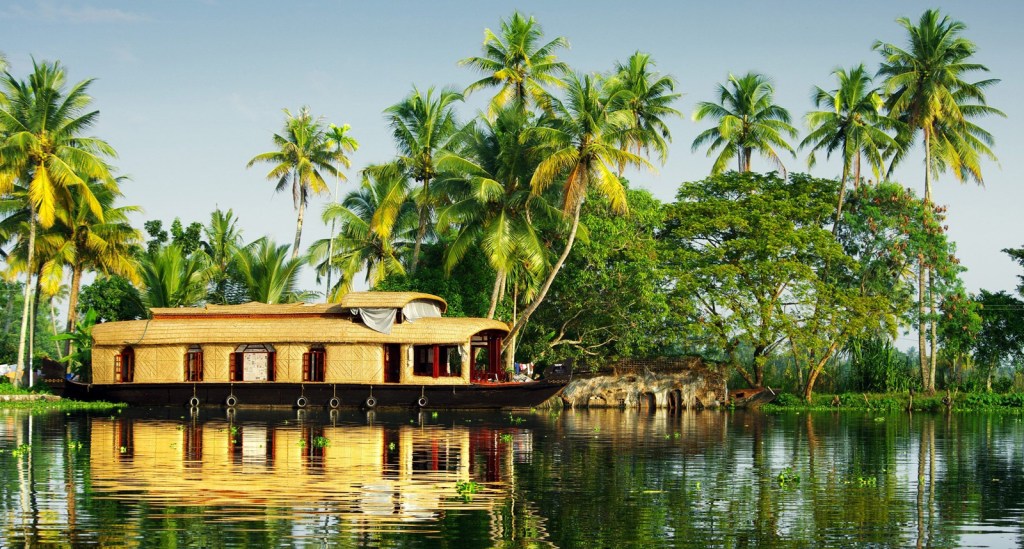
2. Kerala
Kumarakom, Kerala
Kerala is a beautiful place to visit in India. It has many beaches, backwaters and historical sites. One of its most famous attractions is the backwaters of Alleppey that are home to some interesting wildlife sanctuaries. The state also has many temples which are a must-see during your trip here.
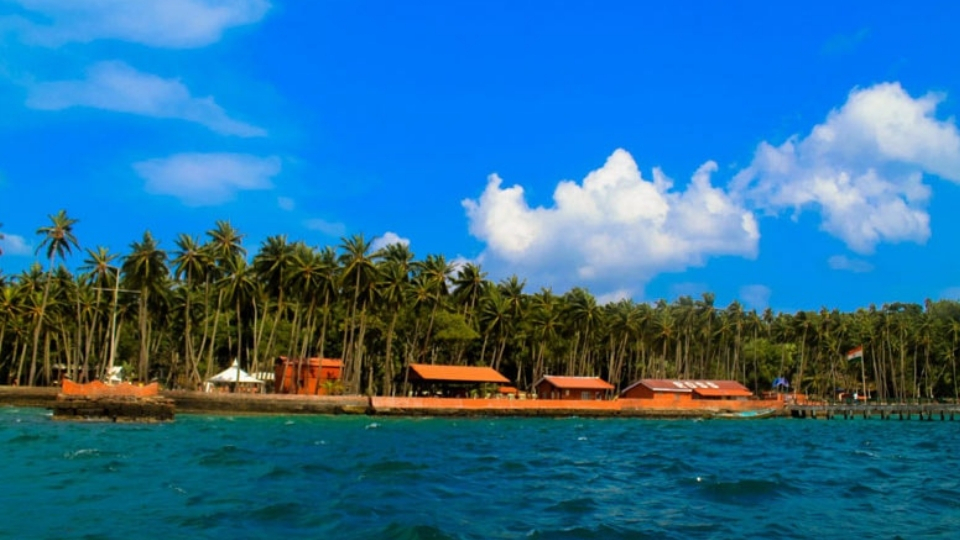
3. Andaman and Nicobar Islands
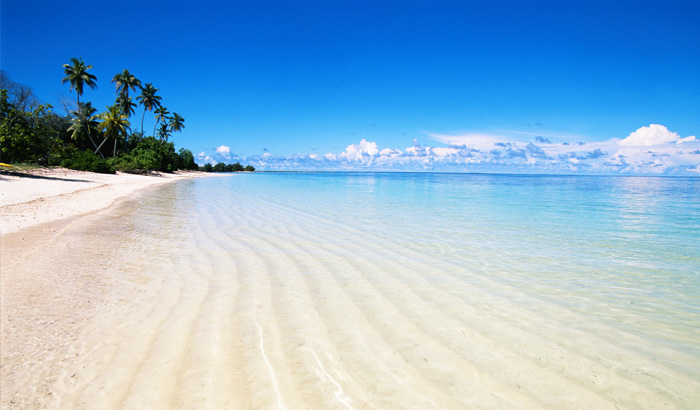
Andaman
The Andaman and Nicobar Islands are located in the Bay of Bengal, just off India’s coast. These islands are a part of India and home to many different tribes. The islands have a great climate for relaxation, as well as beaches with white sand.
4. Pondicherry
Serenity beach, Pondicherry
Pondicherry is a city in the union territory of Puducherry. It was formerly known as Pondicherry and it is located on the Coromandel Coast, India’s east coast, which is known for its beaches and resorts. The city has an old-world feel to it with buildings that date back to French rule over India during the 19th century.
Pondicherry has many beaches where you can go swimming or just relax on your day off from work.
5. Leh Ladakh
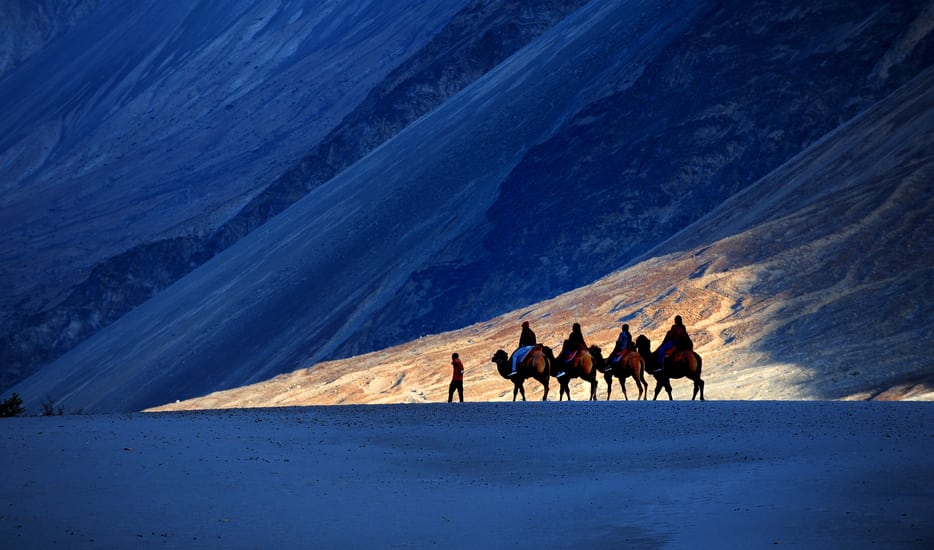
Nubra Valley, Ladakh
Leh Ladakh is a cold desert in the Himalayas, close to the Chinese border. It’s a great place to visit if you want to see the mountains and enjoy some hiking or trekking. There are many places where you can go for this activity, but one of them is called “Nubra Valley”. In this valley there are many different things that you can do: horseback riding (on horses), skiing down from a mountain peak or just walking around looking at all those beautiful views.
6. Rajasthan
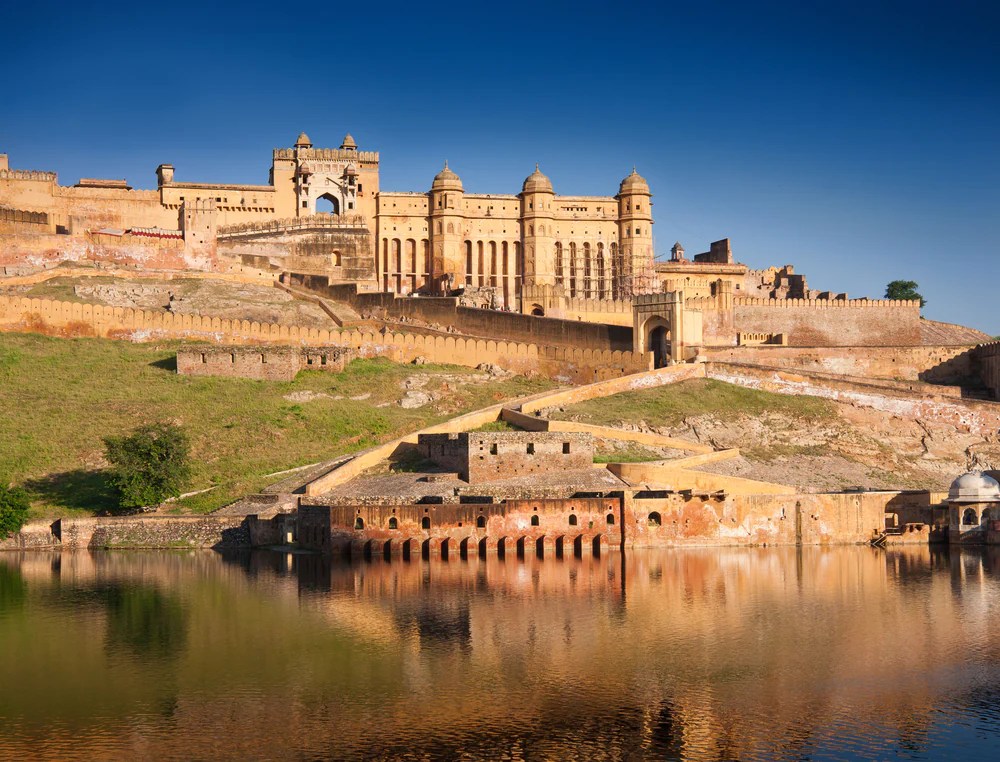
Amer fort, jaipur
Rajasthan is a state in northern India. It has a desert climate, but it’s also known for its palaces and forts. The city of Jaipur is home to several of these attractions, including the Amber Fort and Jantar Mantar Observatory. It also has many lakes, some famous (Lake Pichola) and some not so much (Kumbhalgarh). Some people visit these lakes during wintertime because they’re warm then; others go there in summer because it looks like an ice skating rink. There are plenty of temples as well: we’re talking about hundreds of them.
7. Darjeeling
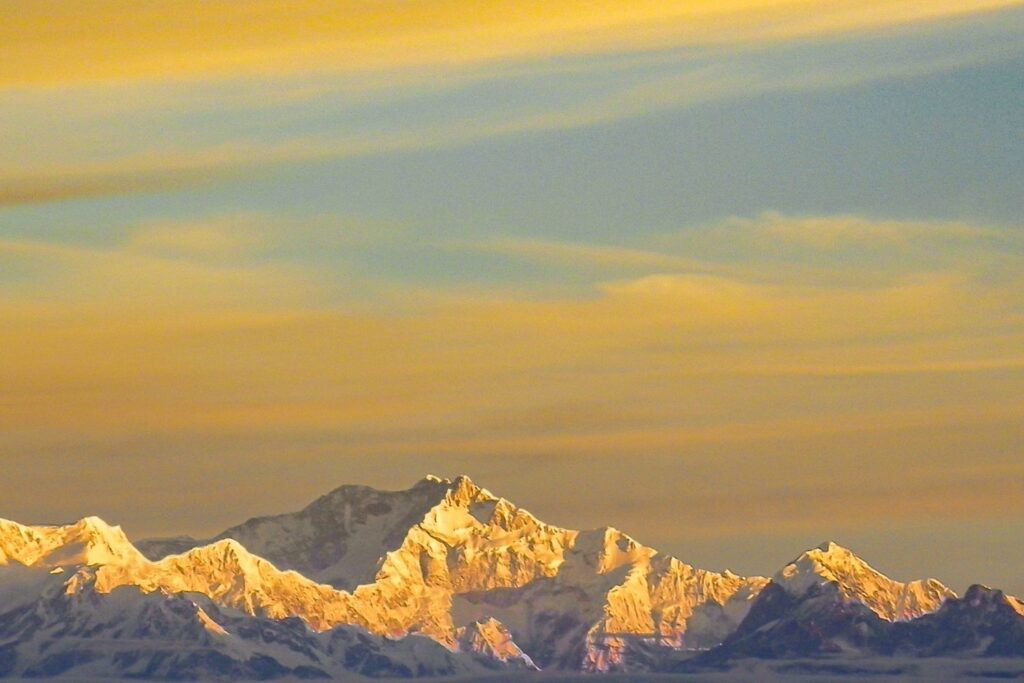
The Kanchenjunga
Darjeeling is a hill station in West Bengal. The city is located on the foothills of the Himalayas and offers panoramic views of the plains below.
The town has been known for its tea plantations since 1834 when it was first discovered by British colonists. It’s also a popular destination for trekkers, who can choose from several trails to explore this beautiful area along with its rich history and natural beauty.
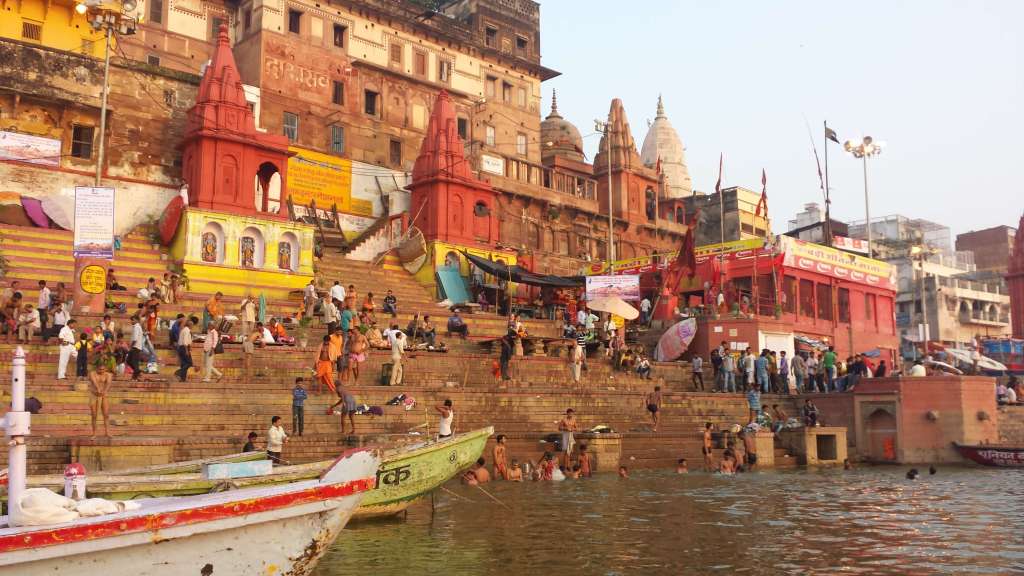
8. Varanasi
A ghat in varanasi
Varanasi is a religious, cultural and historical city located on the banks of River Ganges. It has been called one of the most sacred places in India as it’s believed that Lord Shiva resided here for some time before passing away.
The city is known for its ghats (steps leading down to the river), temples and food which are all part of its rich history. Varanasi offers tourists everything they need during their stay – from budget accommodation options to luxury hotels & resorts offering everything from pampering spa treatments to yoga classes at sunrise. Not only this but there are plenty of things to do when you visit Varanasi including visiting one or more ghat sites where pilgrims perform rituals during monsoon season when temperatures rise up high enough so visitors can bathe in freezing waters without getting cold feet.
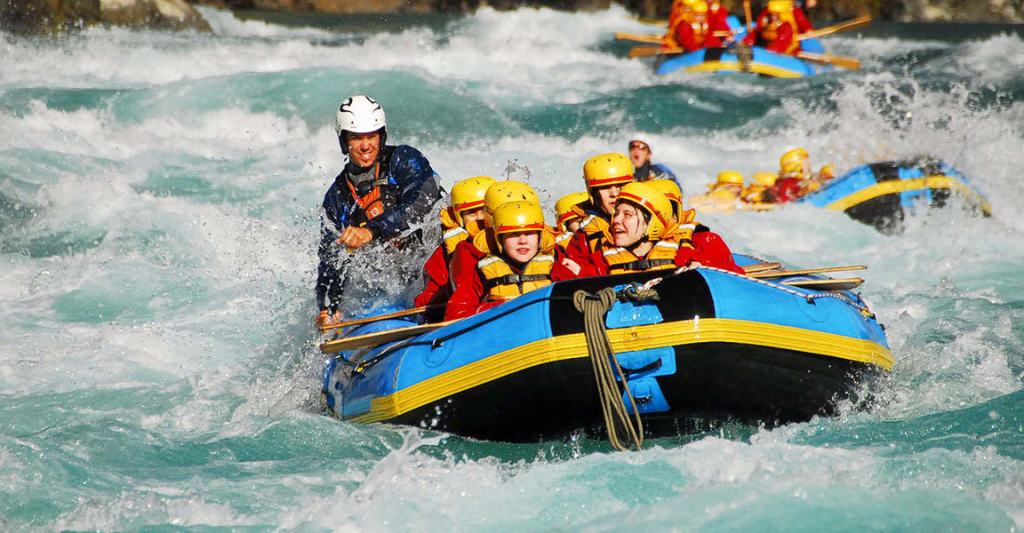
9. Rishikesh
Rafting in Rishikesh
Rishikesh is full of amazing sights—from its spectacular natural surroundings to its historic temples and churches. Other sights include Lakshman Jhula Bridge built between 1822–1823 across River Ganges near Yamuna Sagar Lake during British rule; Vishwanath Temple dedicated specifically because he was considered Hindu god Vishnu’s favorite son; Kedarnath Temple built by King Bhagwan Nand Lal in memory of his father who died while building this temple during his lifetime. River rafting and other fun activities are organised here.
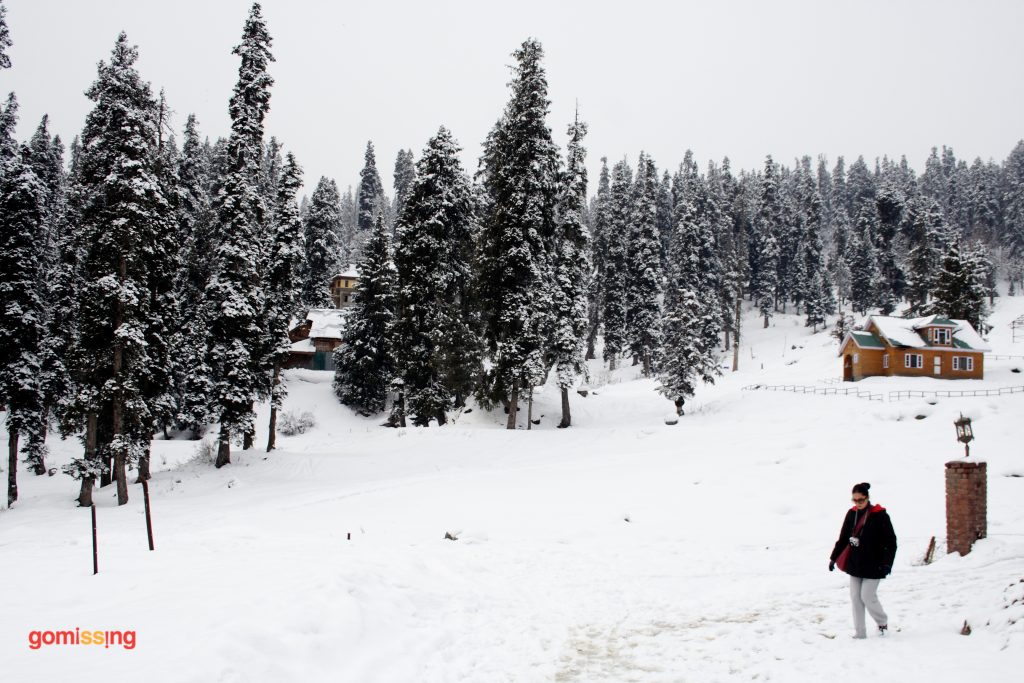
10. Gulmarg, Jammu and Kashmir
Gulmarg Golf Club area
Gulmarg is a ski resort in Kashmir, located at an altitude of 11,500 feet. It is one of the oldest and most popular tourist destinations in Jammu and Kashmir. The area has 300 km of pistes that can be reached by cable cars or snowshoes. Gulmarg also hosts many other activities like skiing, heli-skiing, snowboarding and more.
These are just a few of the travel destinations in India that you can experience and enjoy.
Sustainable development refers to “the development which meets the needs of the present without compromising the ability of future generations to meet their needs.” Moreover, if we observe the term “sustainable development”, it means a development that heads over towards progress not decline.
The World Commission on Environment and Development popularized this concept in 1987. It aims to prevent the exploitation of natural resources and enrichment the natural resources. Basically, it is an action plan to help our future generations to live comfortable life. Sustainable development rests on three pillars – economic, social and environmental – which are often referred to as the triple bottom line. Achieving sustainable development requires balancing these three pillars in a way that meets the needs of present generations without risking the future generation.
We need many resources and a suitable environment to live our lives effortlessly. The population of the world is growing rapidly and so is the demand for resources. Human beings have been continuously exploiting resources and harming the environment.
In this condition, our future generations have to face a scarcity of resources to meet their needs and have to experience a less supportive environment. Sustainable development is the only solution to prevent this situation. It will prevent overexploitation and wastage of natural resources.
India is a rapidly developing country with a population of over 1.3 billion. The country faces many challenges in achieving sustainable development, including poverty, illiteracy, malnutrition, environmental degradation and climate change. In recent years, India has made progress in some areas of sustainable development, such as reducing poverty and increasing access to education and health care. However, much more needs to be done to meet the country’s development goals. There is a need for greater political will and financial resources to implement sustainable development initiatives in India. In addition, there is a need to raise awareness of sustainable development among the general public and create more coherent and coordinated policies at the national level.
The global pandemic of covid-19 has created a atmosphere that have made humans realize the value of one’s life. Pandemic has made potential risks to human life and business starkly visible, forcing the entire civilization and economies to reorient their way of living. The life insurance sector has also seen this impact, the industry settled more claims in the year 2021 than in 2020 due to this global event. A sudden demand for life insurance policies and increased claims induced operational changes for the insurance industry.
The recent trend in the life insurance sector can been seen in below mentioned five points.
Increase in the policy holders.
There has been a noticeable shift in who and how life insurance solutions are being consumed. A particular increase was witness among the young insurer those in the age group of 20-30 years have become more conscious about life insurance.
Implementation of technology in operation.
Insurance advisors earlier engaged potential customers in face-to-face conversations due to the challenges posed due to social distancing. They had to change to online meetings quickly. The advantage of online video conversations is that they can be done at any convenient time or even on-the-go.
Offering of wider range of policies by insurance companies.
With the increase in the demand, it has made mandate for the insurance companies to offer a wide range of policies that can cater to the need of the groups of people. Introduction of specific policy for health care workers, for younger generations, for the one who have been got in the disease of covid are some of the different segment that have got been introduced amid pandemic.
Sustainability and Environment, Social and Governance.
Among financial services companies, life insurers are better positioned to invest based on Environment, Social and Governance (ESG) principles under the broader theme of sustainability. The long-term capital that they hold is an enabler. They can invest in businesses that commit to environmental goals, sustainability, and better governance.
Restoring customers faith by Insurers.
In 2022, insurers will have to make efforts to restore customers’ faith in the industry, as well as minimizing customer losses in the wake of premium rises. Insurers will no doubt focus on improving the customer experience by increasing transparency and simplifying the claims process in order to boost retention rates and strengthen consumer brand loyalty.
This year also like the preceding one will be a difficult year for many insurers, with some industries still predicting losses a year ahead. Hopefully, many of the changes insurers can make to automate and streamline their workflows in the coming years can mitigate these losses in the wake of the pandemic.
Amid global pandemic accompanied by Russia-Ukraine crises and rising prices of fuels, the major economies across the globe are facing economic slowdown majorly in the form of peaked inflation, unstable government, industrial slowdown, low supplies and much more consequences. Some of the economies have slipped into crises, while some are struggling through the worst phase of slowdown. Industry experts have been showing aspersions that a global recession is just around the corner.
The recent survey by Bloomberg has attempted to gauge the percentage probabilities of various countries slipping into recession. The survey by Bloomberg said that risk of recession in a handful of Asian economies is rising as higher prices spur central banks to accelerate the pace of their interest rate hikes. Sri Lanka, which is in the midst of its worst economic crisis ever, has an 85% probability of falling into recession in the next year, up from a 33% chance in the previous survey by far the highest increase in the region. Economists see a 20% chance that China will enter recession, and a 25% likelihood that South Korea or Japan will enter one. Bloomberg economists also raised their expectations for a chance of recession in New Zealand, Taiwan, Australia and the Philippines to 33%, 20%, 20% and 8%, respectively. Central banks in those places have been raising interest rates to tame inflation.
India being one of the major and growing economy, also have been facing the consequences of global crises, particularly inflation. The survey report by Bloomberg for India is that it mentions that India has zero probability of slipping into recession. India literally has 0 percent chances of recession as against economic giants US and China which has 40 percent and 20 percent respectively. Although for India, surging domestic prices of key commodities is mainly on account of imported inflation, retail inflation based on consumer price index stood at 7.01%. In April, it had jumped to 8-year high of 7.79% have feared the economist about a probable recession but the case for India is much better compared to other economies.
Earth is splendid terrestrial haven. It is imperative to know physical geography through its display of environmental diversity. In scientific studies, it is established that Geography is a word that originated from two Greek roots. Geo-denotes to “Earth,” and graphy stands for “picture or writing.” Geography is the study of earth as the home of present day human being (Sagmit, 1998).The main objective of geography is the assessment, and explanation of Earth, its variability from place to place, the way places and features transform over time, and the processes responsible for these variations and changes. Geography is termed as the spatial science because it incorporates recognizing, analysing, and explaining the variations, similarities, or differences in phenomena situated on the surface of Earth. Geography is unique among the sciences by virtue of its characterization and central purpose. It describes the values and attitudes towards environment and sharpen intellectual and practice skill.
Earth’s structure is divided into three zones that include crust, Mantle and core. Crust is the solid outer layer of the Earth, and its depth is usually never more than 1 per cent of the Earth’s radius, or averaging 40–50 km, but this varies significantly around the sphere. These are two different types: oceanic and continental. Mantle is the region within the Earth’s interior that range from 25 to 70 km below the surface, to a depth of ~2,900 km. It is composed mainly of silicate rocks, rich in iron and magnesium. At the base of the mantle, temperatures may reach up to 5,000°C. These high temperatures may help to generate convection currents which drive plate tectonics. Core is the very centre of the Earth and is composed of iron and nickel. It consists of an outer core (semi-molten) and inner core (solid). The temperature at the very centre of the Earth (~6,300 km below surface) may reach 5,500°C.
Geography is inherently encompassing discipline. It brings together facts from other sciences such as physical biological and social. Physical geography is related to the physical science. Physical geography includes the processes and attributes that constitute Earth which incorporate human activities where they interface with the atmosphere. Different branches of Physical geography are climatology, Meteorology, Geomorphology and pedageography (Sagmit, 1998).Scientific studies have revealed that physical geographers are more interested in comprehending all aspects of Earth and can be considered generalists because they are qualified to scrutinize a natural environment in its entirety, and how it functions as a unit. In physical geography, researchers study about lithosphere, atmosphere, hydrosphere, and biosphere. Due to interaction of these elements, numerous changes occur on earth surface. Most physical geographers concentrate on advanced study in one or two specialties. For instance, meteorologists and climatologists believe how the interaction of atmospheric components influences weather and climate. Meteorologists focus their studies learning the atmospheric processes that affect daily weather, and they use current data to predict weather conditions. Climatologists are interested in the averages and extremes of long-term weather data, regional classification of climates, monitoring and understanding climatic change and climatic hazard, and the long term impact of atmospheric conditions on human actions and the surroundings.
The factors involved in landform development are as varied as the environments on Earth, and include gravity, running water, stresses in the Earth’s crust, flowing ice in glaciers, volcanic activity, and the erosion or deposition of Earth’s surface materials. Biogeographers scrutinize natural and human-modified environments and the ecological processes that influence their characteristics and distributions, including vegetation change over time. They also research and explain the ranges and patterns of vegetation and animal species, seeking to find out the environmental factors that limit or facilitate their distributions. Several soil scientists are geographers, who are concerned in mapping and analysing soil types, determining the aptness of soils for certain uses, such as agriculture, and working to conserve soil as a natural resource. Geographers are broadly concerned to study water bodies and their processes, movements, impact, quality, and other features. They may serve as hydrologists, oceanographers, or glaciologists. Many geographers involved with water studies also function as water resource managers, who work to ensure that lakes, watersheds, springs, and groundwater sources are suitable to meet human or environmental needs, provide an adequate water supply, and are as free of pollution as possible. Hydrology is merging science. It helps to understand the processes in which water plays an important role in nature through oceans, rivers and glaciers in sustaining life forms of earth surface.
IN OUR CHANGING WORLD NOTHING CHANGES MORE THAN GEOGRAPHY
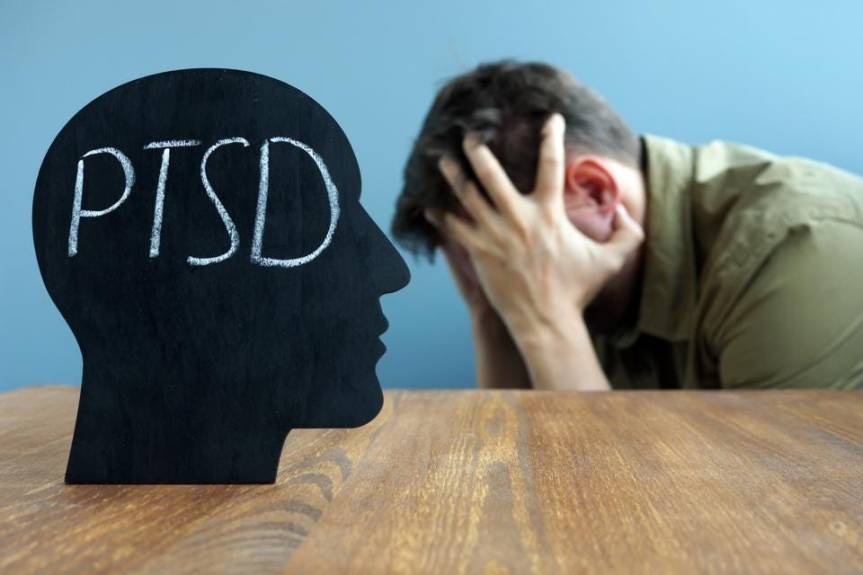
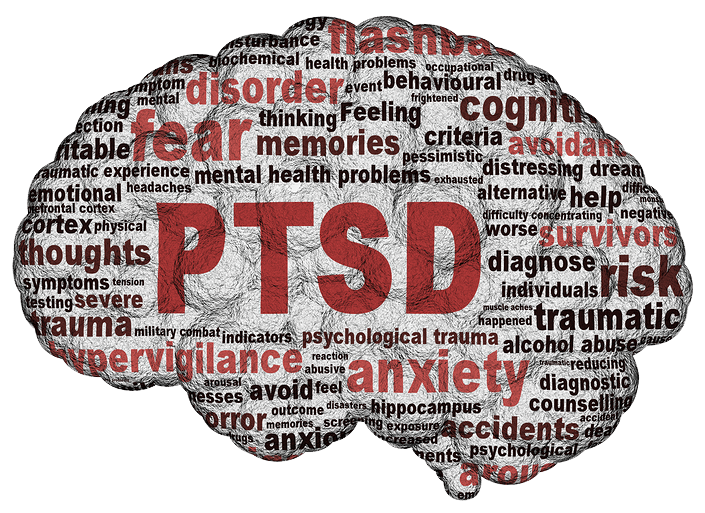
Post-traumatic stress disorder (PTSD) is an phychological disorder that a person can face who has experienced or witnessed a traumatic event such as a natural disaster, terrorist attack, war/combat, rape, or death, sexual violence or serious injury.
People with PTSD have intense and annoying thoughts and feelings associated with their experience that last long after the traumatic event is over. One may relive the event through flashbacks and nightmares. They may feel sad, afraid, or angry. And they may feel separated or alienated from others. People with PTSD can avoid situations and people that are reminiscent of traumatic events and have a strong negative reaction to mundane things such as loud noises and accidental contact.
According to reports in context to United States, about 3.6% of people about 5.2 million adults develop PTSD in time of last year , and an estimated 7.8 million Americans will develop Women are more likely to develop PTSD than men. This may be because their are high chances that women are more likely to be victims of domestic violence, abuse and rape.
Symptoms: • Intrusive thought: Intrusive thoughts such as repeated involuntary reminders. A miserable dream; or a flashback of a traumatic event. Flashbacks are so vivid that people feel like they are remembering or seeing the traumatic experience in front of them. • Avoidance: Avoiding the memory of traumatic events may include avoiding people, places, activities, objects, and situations that can cause disastrous memory. People may try not to remember or think about traumatic events. They may resist talking about what happened and how it makes them feel. • Mood changes and Behaviour : Negative thoughts and feelings that lead to persistent and distorted beliefs about oneself and others, such as not being able to remember important aspects of traumatic events. Distorted thoughts about the cause or effect of an event can lead to false accusations of yourself or others. Persistent fear, fear, anger, guilt, or shame. There is much less interest in the activities that I enjoyed before. Feeling alienated or alienated from others; or unable to experience positive emotions (lack of happiness or satisfaction).
Treatment: It is important to note that not everyone who experiences trauma develops PTSD, and not everyone who develops PTSD requires psychiatric treatment. For some people, the symptoms of PTSD disappear over time. Others are better with the help of their support system (family, friends,etc) . However, many people with PTSD need specialized medical treatment to help recover from psychological stress. It is important to remember that trauma which causes the PTSD can lead to serious distress. The sooner a person is treated, the more likely one can recover fast from PTSD. Psychiatrists and other mental health professionals use several effective ( authorized and proven) methods to help people recover from PTSD. Both talk therapy and medical dosage provide effective evidence-based treatment for PTSD.


















 Eduindex
You must be logged in to post a comment.