

Union Home Minister Amit Shah has chaired a high level meeting where report of Dr. VK Paul Committee on containment strategy of COVID-19 in Delhi was presented. The Containment Strategy determined by Dr. Paul, has asked to revise demarcation of containment zones and a strict monitoring and control of activities in such containment zones. It has asked to do contact tracing and quarantining of Contacts of all infected persons, with the help of Aarogya Setu and Itihas Aap. Listing and monitoring of each household even outside containment zones, which will help in getting comprehensive information about Delhi.
The report said to keep the COVID19 positive cases in hospitals, Covid-19 care centres or home isolation and proper functioning of Covid care centres and taking the help of voluntary organizations and NGOs in this regard. It has been decided that Serological survey will be conducted in all of Delhi from 27th of this month to 10th of next month in which sample testing will be conducted of 20 thousand persons. This will help in comprehensive assessment of the spread of infection in Delhi and will help draw up a comprehensive strategy. As per the plan proposed by Dr VK Paul every district in Delhi will be linked to a major hospital, which will provide adequate help.
The proposed report also includes a timeline for all of such activities based on which the Delhi Government will finalize a plan by 22nd of this month and will issue revised demarcation of all containment zones by 26 June as well as hundred percent survey of containment zones by 30th June. A comprehensive survey of the rest of Delhi will also be done by 6th July. During the meeting, the Home Minister also directed the Delhi Government to conduct assessment in respect of every dead individual as regards how many days before death the person was brought to hospital and from where. A special focus has to be given about whether the person was in home isolation and whether the person was brought to hospital at the right time or not. Every death has to be reported to the Central Government.
Mr Shah also said that all COVID-19 positive cases should be first referred to Covid centres and those who have adequate facilities at home and do not suffer from other co-morbidities, can be allowed to stay in home isolation. The Central Government will also be informed of the number of people kept in home isolation. The meeting was attended by the Union Health Minister Dr Harshvardhan, Delhi LG Anil Baijal, Chief Minister Arvind Kejriwal and senior officials.
Day: June 22, 2020
How Insomnia Affects our Health???
Insomnia is a sleep disorder in which you have trouble falling and/or staying asleep.The condition can be short-term (acute) or can last a long time (chronic). It may also come and go. Acute insomnia lasts from 1 night to a few weeks. Insomnia is chronic when it happens at least 3 nights a week for 3 months or more. There are two types of insomnia primary and secondary. Primary insomnia: This means your sleep problems aren’t linked to any other health condition or problem.Secondary insomnia: This means you have trouble sleeping because of a health condition (like asthma, depression, arthritis, cancer, or heartburn); pain; medication; or substance use (like alcohol).
There are three different types of Insomnia:-
- Acute insomnia. A brief episode of difficulty sleeping.
- Chronic insomnia. A long-term pattern of difficulty sleeping.
- Comorbid insomnia. Insomnia that occurs with another condition.
- Onset insomnia. Difficulty falling asleep at the beginning of the night.
- Maintenance insomnia. The inability to stay asleep.
Research shows that comorbid insomnia accounts for 85 to 90 percent of chronic insomnia. Insomnia also increases with age. Sometimes insomnia goes away after lifestyle factors such as family or work stress resolve. For more serious cases, addressing the underlying cause can improve your sleep quality.Treating insomnia is important because this condition can increase your risk for other health concerns.
What happens if someone suffers from Insomnia:-
- There is an increased risk for medical conditions such as strokes, asthma attacks, seizures, weak immune system, sensitivity to pain, inflammation, obesity, diabetes, high blood pressure, heart diseases, etc.
- There is an increased risk of mental health disorders like depression, anxiety, and confusion and frustration.
- There is an increased risk of accidents. Performance in school can be declined. It can affect our sex drive, memory, and judgement as well.
- There is a shortened life expectancy. Having insomnia can shorten your life expectancy. An analysis of 16 studies that covered over 1 million participants and 112,566 deaths looked at the correlation between sleep duration and mortality. They found that sleeping less increased risk for death by 12 percent, compared to those who slept seven to eight hours per night. A more recent study looked at the effects of persistent insomnia and mortality over 38 years. They found that those with persistent insomnia had a 97 percent increased risk of death.
Causes of Insomnia:-
There is primary Insomnia, which has no underlying cause, and secondary insomnia, which is attributable to an underlying cause. Some causes can be stress, jet lag, poor sleep habits, eating too late in the evening, not sleeping on a regular schedule due to work or travel. There are some medical causes as well, such as, mental health disorders, medications such as antidepressants or pain medications, conditions such as cancer, heart disease and asthma, chronic pain, restless leg syndrome, obstructive sleep apnea, etc.
Although it’s common to have insomnia from time to time, you should schedule an appointment with your doctor if the lack of sleep is negatively affecting your life. As part of the diagnostic process, your doctor will likely perform a physical exam and ask you about your symptoms. They will also want to know about any medications you take and your overall medical history. This is to see if there’s an underlying cause for your insomnia. If there is, your doctor will treat that condition first.
What we can do ourselves to treat Insomnia:-
There are many strategies for treating insomnia. Before you talk to your doctor about medications, try making lifestyle changes. Medications provide effective short-term results, but long-term use is associated with mortality. We can go for Melatonin Supplements. This over-the-counter hormone can help regulate sleep by telling your body that it’s time for bed. Higher melatonin levels make you feel sleepier, but too much can disrupt your sleep cycle and cause headaches, nausea, and irritability. Adults can take between 1 and 5 milligrams, an hour before bed. Talk to your doctor about dosage before taking melatonin, especially for children.
Sleep Medications. Talk to your doctor about sleep medications if lifestyle changes aren’t working. Your doctor will look for underlying causes and may prescribe sleep medication. They’ll also tell you how long you should take it. It’s not recommended to take sleeping pills on a long-term basis.
Hence, Insomnia affects our health really bad in the long go. At first we would don’t even know that something is wrong with us. So, it’s better to change our sleeping patterns and also doing little changes in our lifestyle.
Refrences:-

What is a Dental Hygienist?
Dental hygienists are dental professionals who work closely with other members of the dental team such as dentists, dental assistants and front desk staff. Dental hygienists are most known for their clinical work, but they can also serve in several other roles, such as educator, researcher, administrator/manager and advocate.
Some dental hygienists work their entire careers clinically, while others may start their career by working clinically for several years before moving to a different role of their choice. Regardless of their desired role, all dental hygienists must complete a dental hygiene program before they can become certified to work with patients.
How long does it typically take to complete a dental hygiene program?
The length of a dental hygiene program varies by institution. Earning an Associate of Science in Dental Hygiene typically take two years, while earning a Bachelor of Science in Dental Hygiene typically takes four years. Many institutions also require students to fulfill several prerequisites before they can begin the dental hygiene program. Herzing University offers a Bachelor of Science in Dental Hygiene in Minneapolis, Minnesota you may complete in three years with no prerequisites for program entry.
At the end of a dental hygiene program, graduates must successfully complete a series of licensure exams for the state they choose to work in. The exams needed for licensure in Minnesota include: The National Dental Hygiene Board Examination (NBDHE), Central Regional Dental Testing Services (CRDTS) clinical exam and a state jurisprudence exam.
What does a dental hygienist do?
The range of services that dental hygienists can perform varies in each state. In Minnesota, dental hygienists are able to perform many services under general supervision, meaning the dentist must give his or her consent for the services to be performed. This gives dental hygienists a certain degree of freedom while treating patients.
Clinical dental hygienists often have a large amount of flexibility in creating their own schedule. Some hygienists choose to work three days a week, while others choose to work five days a week. A typical schedule consists of six to ten patients per day, depending on the age of the patient and the procedure(s) being performed.
Four of the skills you will master as a dental hygienist:
• Perform and interpret dental x-rays:
Dental hygienists often take x-rays (also known as radiographs) in order to gather information for a dental exam. Although dental hygienists are not licensed to make an official diagnosis, dentists appreciate when a dental hygienists summarize their findings of possible areas of decay, periodontal bone levels and other artifacts prior to the dental exam
• Perform oral cancer screenings:
Oral cancer screenings should be completed as a part of every assessment. While dental hygienists cannot diagnose a patient with oral cancer, they can inform the dentist’s recommendation for treatment or suggest that the patient be referred to a pathologist or oral surgeon for further evaluation.
• Perform preventative and non-surgical periodontal procedures:
Dental hygienists focus on prevention. A major part of dental prevention is receiving regular dental cleanings. Preventative dental cleanings include child prophylaxis and adult prophylaxis, which are thorough cleanings meant to remove plaque and stains from the teeth. Dental hygienists can also provide other types of “dental cleanings” that fall under the preventative or non-surgical categories, such as scaling and root planing. The dental hygienist will perform an initial assessment of the patient’s current oral condition to determine the type of cleaning that is necessary.
Give local anesthetic injections:
In Minnesota and several other states, dental hygienists are able to administer local anesthetic to their patients to keep them comfortable during certain procedures, such as scaling or root planing. In some cases, dental hygienists also administer local anesthetic when a patient is undergoing a filling or tooth extraction.
Dental hygienists are an invaluable part of the dental team. In a clinical role, they assist the dentist in performing a variety of different dental procedures in order to ensure a patient’s oral health. Dental hygienists also help assess a patient’s oral condition and provide the necessary treatment. As a dental hygienist, you will master many different skills, all of which will help you provide exceptional dental care for your patients.
Ashley Chouinard, MS, LDH is the Department Chair for the Dental Hygiene program at Herzing University-Minneapolis. Professionally, Mrs. Chouinard has worked in the dental field as a Licensed Dental Hygienist, Dental Hygiene Supervisor and a Dental Office Assistant. Ashley works diligently to bring current in-the-field experiences to the classroom each day. Ashley earned her Master of Science degree in Education from the University of Wisconsin-Stout, her Bachelor of Science in Community Health from St. Cloud State University and her Associates of Science degree in Dental Hygiene from Normandale Community College.
Delhi HC Takes Suo Motu Cognizance Of Video About Failure Of COVID-19 Helplines
In a fresh and interesting development, the Delhi High Court just recently on May 26, 2020 in a notable judgment titled Court On Its Own Motion vs State Of NCT Of Delhi & Ors in W.P.(C)3250/2020 after taking suo motu cognizance of the grievances faced by a citizen whose mother is COVID19 positive, the Delhi High Court has directed both the Centre as well as the Delhi Government to place on record the status of arrangements and helplines put in place to deal with serious COVID19 patients who need hospitalization. The Division Bench of Delhi High Court comprising of Justice Vipin Sanghi and Justice Rajnish Bhatnagar has further directed both the governments to assess the adequacy of the helpline capacity and state whether the same is sufficient to deal with the present call traffic and the traffic expected in the foreseeable future, keeping in view the continuous rise in the number of cases being reported each day. Very rightly so!
To start with, the ball is set rolling in para 1 of this noteworthy judgment wherein it is pointed out that, “A video-clipping, authored by a person who claims himself to be Dharmendra Bhardwaj, having Mobile No. 9971993060, is being circulated on social media and has come to our notice. Mr. Dharmendra Bhardwaj apparently recorded the videograph, presumably, on his mobile phone on 22.05.2020, when he was stationed outside Max Patparganj Hospital, Delhi.”
To put things in perspective, it is then stated in para 2 that, “In this video, he claims that his mother Shyama Sharma was admitted to Max Patpartganj Hospital on 19.05.2020. On 21.05.2020, her Covid-19 test was found to be positive. He claims that the Deputy Medical Superintendent of the said hospital called him and spoke to him on the intercom, and asked him to arrange a ventilator and hospital bed in some other hospital.”
To be sure, it is then laid bare in para 3 that, “Mr. Dharmendra Bhardwaj claims that he visited several hospitals, but to no avail. Importantly, he claims that he called the Helpline No. 1075 on several occasions with no response. On one occasion, he was given the number of DSO bearing No. 9870552526. He called the said number, but again to no avail. On two other occasions, he was given two other numbers, namely, 011-22307133 and 22307145 respectively, which too were non-responsive.”
Worse still, it is then further laid bare in para 4 that, “The said Mr. Dharmendra Bhardwaj expressed his helplessness and anguish, and states that the tall claims made by the Govt. of NCT of Delhi (GNCTD) and the Central Government with regard to adequate arrangements being in place – to deal with patients of Covid-19 who require hospitalization and treatment, are far from true on the ground. He also states that he has maintained the complete record of the calls that he has made, and that he is willing to share the information with regard to his own experience.”
As it turned out, the Bench then minces no words to say in para 5 that, “In our view, the aforesaid video recording raises serious issues of public concern in the present day context. A person who, or whose family or friend is found Covid-19 positive, should be able to call the helplines to not only report such occurrence, but to also seek guidance and assistance with regard to the hospitals to which such patient may be taken – if hospitalization is necessary keeping in view of the condition of the patient. The helplines should render meaningful and effective help to the callers. If the experience of Mr. Dharmendra Bhardwaj is anything to go by, it appears, that this aspect has not been adequately addressed by the respondents.”
No wonder, it is then held in para 6 that, “We, accordingly, take suo motu notice of the said video recording, and direct registration of a PIL on the Courts own Motion.”
Furthermore, it is then envisaged in para 7 that, “We directed the Court Master, Mr Lokpal Singh to inform Mr Rahul Mehra, Standing Counsel for the GNCTD and Mr Kirtiman Singh, Senior Standing Counsel for the Union of India in advance, so that they could remain present. The video clip was also directed to be shared with them. Accordingly, both Mr Rahul Mehra and Mr Kirtiman Singh are present. Mr Mehra states that the GNCTD has provided 10 helpline numbers, which include the numbers 011 – 22307133 and 22307145 (which Mr Dharmendra Bhardwaj dialed), apart from an inter-active number 1031. He submits that the helpline numbers were found not to be functioning efficiently and instructions have been issued to set the system in order. He submits that the same would be done within the next couple of days. He submits that the helpline number 1075 is managed by the Central Government.”
To say the least, it is then put forth in para 8 that, “Mr Kirtiman Singh submits that number 1075 is an All-India helpline number and about 3 lakh calls have been received on that number. He submits that Mr. Dharmendra Bhardwaj was provided the number of the DSO- taken note of hereinabove, who is an officer of the GNCTD.”
Be it noted, it is then brought out in para 9 that, “Mr Mehra has placed on record a few documents which, contain a press release issued by the GNCTD on 25.05.2020. The status with regard to the number of hospital beds earmarked for serious COVID-19 patients in Government and Private hospitals in NCT of Delhi is also placed on record. Mr. Mehra informs us that a mobile application is under development, which would give live-updates of the hospital beds available in Delhi Government Hospitals and Private Hospitals, and other related information. He states that the mobile application would be launched in the next couple of days.”
To put it succinctly, the Bench then directs in para 10 that, “The GNCTD and the Central Government should respond to the grievances narrated by Mr Dharmendra Bhardwaj and to place before us the status with regard to the arrangements made to deal with serious Covid-19 patients, who need hospitalization. The status of functional and responsive helpline numbers being operated by the GNCTD and the Central Government should also be placed before the Court. The respondents should assess the adequacy of the helpline capacity and state whether the same is sufficient to deal with the present call traffic and the traffic expected in the foreseeable future, keeping in view the continuous rise in the number of cases being reported each day. In our view, the helpline numbers of the GNCTD should also provide guidance and information to the caller as to which hospital has beds available for treatment of serious COVID-19 patients – both in Government and Private Hospitals, particularly in the proximity of the caller patient’s location. The capacity created to deal with calls made on the helpline numbers; the nature of assistance rendered, and; the log maintained for the same, if any, should also be placed before the Court.” There is no reason as to why this should not be complied with in totality!
Going forward, it is then further directed in para 11 that, “The GNCTD should also consider providing ambulance facility for pickup of COVID-19 serious patients for hospitalization once a caller reports a serious COVID-19 case – which appears to require hospitalization looking to the condition reported.”
Moving on, it is then directed in para 12 that, “Let the video recording of Dharmendra Bhardwaj be converted into a Compact Disk recording, and be placed on the file. A transcript of what he states in the video should also be prepared and placed on the file. Both these documents should be provided to Mr Rahul Mehra, learned Standing Counsel for GNCTD as well as Mr Kirtiman Singh who represents the Central Government before us, during the course of the day.”
What’s more, it is then directed in para 13 that, “We appoint Mr Om Prakash, Advocate (Mobile No. 9810794902) as the Amicus Curiae to assist the Court. He shall contact Mr Dharmendra Bhardwaj and, after informing him of our order, make an audio recording of his statement with his consent. The learned Amicus Curiae shall also call the helpline numbers and shall report with regard to their effectiveness in providing help to the callers. Whatever information/documents are gathered from Mr Dharmendra Bhardwaj, and upon calling the helpline numbers, should be placed on record by the learned Amicus Curiae along with his report. Advance copies of the same be served on learned counsels for the respondents through e-mail. For that purpose, Mr Rahul Mehra and Mr Kirtiman Singh have provided their respective e-mail addressed, which are as follows:
Mr Rahul Mehra – criminalstandingcounsel@gmail.com
Mr Kirtiman Singh – kirtimansinghoffice@gmail.com.”
Not stopping here, it is then also directed in para 14 that, “We direct the Central Government, as well as the GNCTD, to file their status reports on all the aspects mentioned in the said video recording and those taken note of by us, before the next date of hearing. The matter may be placed before the bench headed by Hon’ble the Chief Justice, which is the PIL bench, on the next date.”
Notably, it is then held in para 15 that, “A copy of this order be communicated to the learned Amicus Curiae Mr Om Prakash, Advocate.” Finally, it is then held in the last para 16 that, “List on 03.06.2020.”
To summarize, it is good to see that the Delhi High Court took suo motu cognizance of video about failure of Covid-19 helplines. It is also good to see that it did not pull back itself from issuing the necessary and commendable directives in this regard so that the needy get the due help promptly! It must be appreciated generously for this! There can be no denying it!
Sanjeev Sirohi, Advocate,
s/o Col BPS Sirohi,
A 82, Defence Enclave,
Sardhana Road, Kankerkhera,
Meerut – 250001, Uttar Pradesh.
How Surat Boy and NIT Hamirpur Graduate Shantanu Yadav cracked CAT with 99.7%ile and got into IIM Ahmedabad for MBA 2020!
Shantanu Singh Yadav, CAT 2019 topper from Surat, cracked the exam with 99.73 percentile and has converted number of top B-schools including IIM Ahmedabad. A graduate from NIT Hamirpur, Shantanu belongs to a modest service class family. While preparing for CAT exam, he earned 3 years of working experience in a fertilizer industry. Read his CAT preparation strategy and success mantra
Coming from the small town of Surat in Gujarat, Shantanu Singh Yadav cracked CAT 2019 with 99.73 percentile and has converted number of top B-schools including IIM Ahmedabad. A graduate from NIT Hamirpur, Shantanu belongs to a modest service class family. While preparing for CAT exam, he earned 3 years of working experience in a fertilizer industry.
Shantanu appeared in CAT 2018 also, and scored 95.73 percentile but decided to prepare again to get his dream B-school. He likes playing Football and his hobbies and interests include Photography, Trekking and Hiking.
MBAUniverse.com invited Shantanu to share his exam taking strategy and GD-PI experience. Read on for his views and success mantras.
Q: How did you perform in CAT 2019?
A: I scored 99.73 overall percentile in CAT 2019; 89.44 percentile in VARC section; 99.76 in DILR Section and 99.86 percentile in Quantitative Ability section. I also appeared in CAT 2018 and scored 95.73 percentile.
Q: Apart from CAT 2019, which other exams did you appear?
A: Apart from CAT 2019, I appeared in XAT 2020 and scored 99.914 percentile; appeared in IIFT 2020 and scored 98.74 percentile.
Q: Which top B-schools have offered you admission and which one you have finally chosen?
A: Apart from getting final admission offer from IIM Ahmedabad, I have converted IIM Calcutta, IIM Shillong, MDI Gurgaon, all Baby IIMs. I have finally decided to join IIM Ahmedabad
Q: What have been your academics and family back ground? Do you have some work experience as well?
A: I graduated from NIT Hamirpur with Chemical Engineering in 2017 with 82.6 percent. I scored 91.2 percent in class X; 90.2 in class XII and 82.6 in Graduation. I have 3 years of work experience in the Fertilizer Industry. I belong to a service class family. My father is in Service, Mother is a housewife and younger brother is in 11th grade.
Q: What was your overall preparation strategy for CAT?
A: CAT 2019 was my second attempt at the exam, when the first one in 2018 fetched me admits to some new and baby IIMs. I started preparing again in May’19, mostly focusing on mocks and timing my attempts effectively. I started cross-checking and analysing my wrong answers, something I never used to do earlier.
The quants section was my strength but still I devoted equal time to all the three sections with some extra effort towards DI and LR which is I believe is the most unpredictable section in the exam. You could practice a hell lot of LR sets prior to the exam but might still hassle on the D-Day. LR sets are not straightforward like Quants or DI sets. Timing my complete mocks and sectional tests along with thoroughly analysing my wrong as well as right attempts turned out to be fruitful.
Q: Please share your sectional preparation strategy for VARC in CAT
A: For Verbal and RC, I used to read articles from diverse fields to get a hold of difficulty faced to comprehend as well as retain a column when it does not belong to something you’re usually used to. Reading articles from newspapers and business magazines not only helped in VA and RC but also made a solid base to ace the current affairs during the interview and GD rounds.
Q: Please share your preparation strategy for DILR Section
A: For DILR, I focused mostly on LR and LR based DI sets, as for the past few years you rarely get to see a pure DI set in the actual exam. LR being the most unpredictable section in CAT, I followed a strategy to solve and analyse each and every set I face either during mocks or during practise from dedicated books. Try looking for practise material online on GoogleDrive and you’ll find plenty of LR sets to solve. IMS’s mocks helped a lot in DI LR section as they had questions which were closest to the ones actually faced in the CAT Exam.
Q: Please share your preparation strategy for Quant Section
A: For Quants, I thoroughly practised books by Arun Sharma with a timed approach to solve at least 25-28 questions from various topics under 60 minutes. Apart from this I also solved previous years’ CAT papers with minimal use of on screen calculator.
Q: Was there any particular section/area that you were weak at? How did you overcome this challenge?
A: I was lagging a bit in VA and LR during my initial preparation. For VA there’s only one approach and that is to read, read and read. Read from publications you’re not familiar or used to. Read foreign journals/magazines, editorials in intl. newspapers etc. For LR I solved as many sets I could get my hands on with a timed approach, trying to crack the set within 10-12 minutes was my strategy.
Q: What role did Mocks play in your success? How many mocks did you attempt before the exam?
A: Mocks are the key to better preparation as well as time management skills. I solved about 40 mocks before the actual CAT.
Q: Did you self-prepare or attend a coaching centre and why?
A: I self-prepared for the exams and took guidance from IMS Surat for the WAT-GD-PI. I also enrolled for mocks with IMS because of their well-structured and closest to CAT mocks.
Q: Please share your strategy for the CAT Day. What was your last-minute preparation? How did you plan your CAT test taking?
A: Strategy for D-Day would be to avoid any last minute preparation. Since the syllabus for CAT is so wide and even has no boundaries defined for VARC and DILR, last minute hustle mostly turns fruitless and overloads you with added stress. I appeared for one mock, a day before the exam and scored just 16 in VARC which freaked me out. It somehow affected my actual performance in CAT where I scored merely 40 marks in VARC which took my sectional percentile below 90.
Take rest and sleep well a day before the exam, not much you’ll be able to change with a day’s preparation. I spent my rest of the day watching Netflix after flunking VARC a day before CAT.
Q: How did you prepare for GD/PI/WAT. Please share your GD/WAT topics & PI questions?
A: Post the release of response sheets by IIM Kozhikode and realizing I was scoring 180+, I started my preparation for GD and PI. The first thing I did was to prepare an exhaustive write-up about myself, starting from academics, work experience, achievements, projects, interests and hobbies, short and long term goals. Current affairs for GD and PI didn’t require much preparation owing to my habit of reading newspapers and magazines religiously.
I attended a few sessions from experts along with two mock GD and PI sessions, of which one was purely focused on my IIM Ahmedabad interview, which was only my second interview in a long list of 14-15 shortlists including IIM A,C,L,S, MDI, SPJIMR, XLRI and IIFT. I also prepared a few core subjects from my engineering and also mathematics, which eventually aided me a lot during my IIM A, C & L interviews.
Q: Your final message and tips for candidates preparing for CAT 2020.
A: I want to share following four tips for the prospective candidates:
Always analyse your mocks thoroughly. It’s not at all tough to land in the top 1 percentile.
Try not to appear for a mock on the penultimate day. Relax and sleep well for the D-Day.
Try not get stressed, during the exam and also in the interviews.
Never globe in the interviews. Professors will have a laugh and you’ll walk out looking like a clown.
23 June – World Olympics Day – History…
On the 23rd of June 1894 the International Olympic Committee was founded at the Sorbonne in Paris. Prior to the IOC establishment by Pierre de Coubertin the British physician Dr. William penny Brookes had set up the Wenlock Olympian games in the English market town of Much Wenlock although he always maintained that he had the idea of reviving the ancient Olympic Games for amateur athletes himself, Coubertin entered correspondence with Brooks and benefited from his connections with the Greek government Coubertin was the Secretary General of the Union of French sports associations.
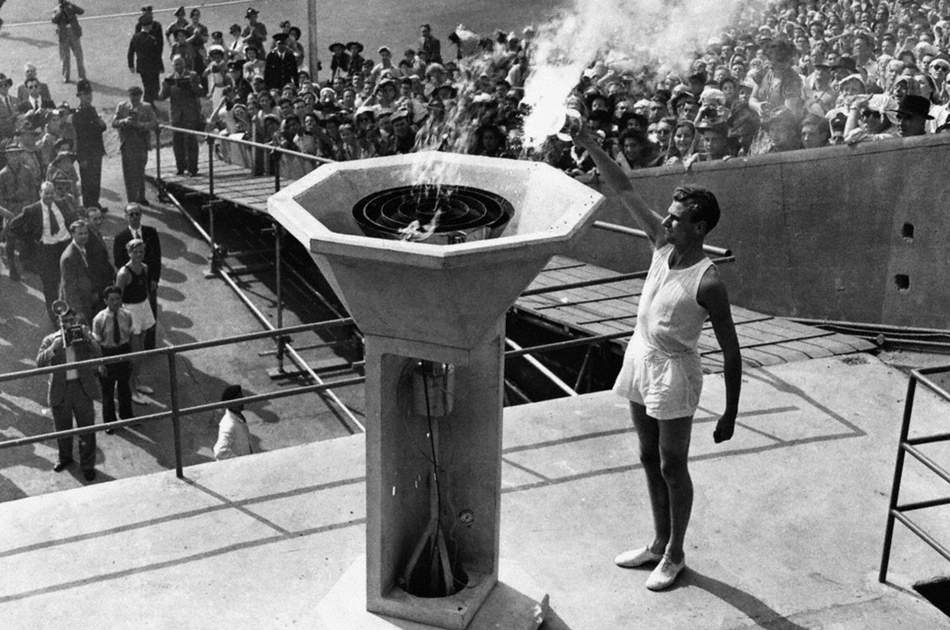
Image source: Confidential man.com
Coubertin first proposed establishing a modern Olympic Games at his meeting on the 25th of November 1892 although his enthusiasm was met with little more than general polite applause Coubertin wasn’t deterred and commenced to get the groundwork for what was to become the primary Olympic Congress at the Sorbonne in Paris in 1894. Initially invited participants to a gathering entitled reflections on and propagation of the principles of amateurism Coubertin later changed the name to a congress on the revival of the Olympic Games seventy-nine delegates from nine countries subsequently met at the Sorbonne though Coubertin himself recognized that there was still little enthusiasm for reviving the games. Despite this a vote was held at the last word meeting of the Congress on the 23rd of June that established the International Olympic Committee Coubertin was elected to the role of general secretary with the Greek businessman and writer Demetrius Vikelas because the first president it had been further agreed that the primary modern Olympic Games would happen in Athens in 1896. The second in Paris four years later the IOC has remained liable for the Olympic Games ever since.

There are two main events there are the Winter Olympics and the Summer Olympics if you’re wondering when the winter and summer olympics take place they take place every four years when you see the Olympic logo there are five rings the reason for that is in history it has been told that a man named Baron de Coubertin saw the five rings on an ancient Greek artifact the reason we see five colors on each ring is to represent the five continents Europe, Asia, Africa, Oceania and the Americas finally with sports like track gymnastics figure skating and more each category is awarded a gold silver and bronze medal for the first second and third place winners. Hope you enjoy the Olympics.

Image source: Smithsonian magazine
Morning Practices Guaranteed to Keep You Motivated
There are predominantly two sorts of people during this world – those that wish to start their day early et al. , who if given an opportunity would dwell bed all day.
We have all had days when getting out of bed was next to impossible, and every one we wanted to try to to is return to sleep. There are various factors that keep you from motivating yourself to urge out of bed, like lack of sleep, tiredness, lethargy or simply the shortage of drive to travel about the day.
Here Are 6 Smart Morning Practices, bound to Keep You Motivated through the Day
Wake up Early
Get into the routine of sleeping and awakening early. this may allow you many time to spend time together with your self and finish your chores before you get on with your regular routine.
If you’re someone who finds it difficult to awaken , it’s an honest idea to line an alarm an hour before the time you would like to be awake. This ensures you awaken peacefully rather than awakening within the previous minute, struggling to urge able to start the day.
It’s important to awaken with a relaxed and peaceful state of mind because it assures a smoother day.
Start Your Day with Yoga
Mornings are an excellent time to practice yoga and meditate. Take time to relax and reflect before you get busy within the day. Use this point to clear your mind and put distractions cornered .
Don’t fight your thoughts while doing yoga – just be within the moment and practice mindfulness. Yoga is a particularly healthy morning practice because it helps in taming your anxious mind and contributes to raised psychological state .
Have a Hearty Breakfast
Breakfast is that the most vital meal of the day and it’s imperative that you simply take it seriously. The last item you ought to do is head out with an empty stomach. Not only is that this unhealthy, but it’s likely to end in loss of energy during the course of the day.
However busy or chaotic your mornings are, breakfasts play an important role in setting the inspiration of your day. Starting your day with an honest breakfast keeps your glucose and cortisol levels in restraint , helping you get an honest night’s sleep.
So, eat a healthy breakfast to spice up productivity and elevate your mood. you’ll include foods like eggs, bread, spinach, smoothies and fruits among others. this is often one more reason why you ought to awaken early – in order that you get enough time to repair yourself a hearty meal.
Make a To-Do List
The best thanks to have a productive day is to spend a couple of minutes within the morning making an inventory of tasks you would like to realize within the day.
Having a to-do list allows you to organize your day and track progress while remaining productive. So, whether it’s getting motivated to finish that essay or performing on a presentation – nothing is more motivating than ticking those items off your to-do list.
Listen to Motivational Podcasts On-the-Go
What happens once we can’t find motivation within ourselves? At such times, what helps is taking note of motivating podcasts that energize you. the simplest part about podcasts is that they’re convenient to consume and interesting .
So, while you’re traveling to figure or college, hear podcasts of your choice that motivate you, fill you with hope, and push you harder to travel after your goals.
Get an honest Night’s Sleep
Do you end up tossing and turning in the dark and unable to sleep on time? If yes, you ought to try sleep inducing hacks like putting your phone away, getting to bed at the proper time or taking note of relaxing music.
On a mean , humans need a minimum of 6 to eight hours of sleep to function well throughout the day. confirm you follow a sleep schedule religiously to sleep faster. What’s more, getting to a bed at an equivalent time a day develops stronger immunity and improved concentration.
So, make these morning practices how of life and you’ll be surprised how this may positively affects your mood, motivation and productivity levels.
The World’s Fastest Sport.
There are a lot of sports with a lot of quicker moments but have you ever guessed which sport might be the fastest sport in the world? BADMINTON yes, that’s right badminton is the fastest sport in the world which is played with a feather shuttlecock. One must be wondering how an object made of feather can travel so fast by the action of a human being. Below are some of the statistics for your knowledge.

- The fastest ever smash recorded in a men’s singles competition was when Taufik Hidayat of Indonesia smashed with a speed of 305 km/h (189 mph).
- Fu Haifeng of China has set an official world record smash during a doubles badminton match by smashing with a speed of 332 km/h (206 mph) on June 3, 2005.
- Tan Boon Heong who belongs to Malaysia had set a new world record by smashing the shuttlecock with a speed of 493 kph in july 2013.
Now compare this to the speed of Lamborghini Gallardo or Eurostar train at its most in-service speed (186.4 mph) or perhaps a jai alai ball.
Yes, a straightforward arrangement of sixteen overlapping goose feathers connected to a rounded cork head is quicker.
As stunning because it could seem, however this is often the reality.
151 mph (243 kph) and a mere 138 mph (222 kph) for lawn tennis.
Badminton’s promoters hope the speed record may bolster the sport’s image and facilitate move it out of alternative racket sports’ shadows, notably in regions wherever lawn tennis and squash reign supreme.
Besides Guinness, I saw some books claiming the speed for shuttlecock is concerning three hundred km/h.” – Ming, Wang of Philippine court game Community, one Jan 2002.
It is a renowned undeniable fact that a shuttle slows down because it travels through the air. It is believed that the shuttle slows down by half-hour each 2 meters .
Badminton rallies last longer than that of lawn tennis and at intervals twenty seconds, it’s calculable that the player hit the shuttlecock forty to fifty times.
The on-court movements in an exceedingly game of court game are additional. It’s additionally calculable that on a mean, there area unit 2 thousand hits per match.
Throughout a match, the player will run up to four miles within the court. Nonetheless however rarely will we see the players roar whereas touch the shuttle.
The level of fitness demanded for the game should be quite obvious to you by currently. A player needs high levels of concentration, lightsomeness and fast reflexes.
He’s needed to get on his toes all the time to maneuver round the court to come the unpredictable shuttle.
The exchanges between high court game players on court area unit so testing the bounds of human ability.
A strict diet regime and regular apply of seven to eight hours (this figure goes to double digits among the Chinese) area unit of overriding importance, if you have
Saina Nehwal had to present informed her feeder ways in which to satisfy the organic process demands of the sport.
Badminton has grownup in quality by leaps and bounds within the Asian countries.
Indeed, it’s thought of jointly of the foremost watched sports throughout the athletic contest.
The quantity of Indians taking on this sport has inflated within the recent years and therefore the credit principally goes to the achievements created by our players in past years.
 Eduindex
You must be logged in to post a comment.