

Do you often find yourself giving in to negativities and put yourself in a bad mood? Well, if this is so then you don’t have to let bad news or negativities ruin your day. Every new day has something positive to offer, but some days you might have to look for it a little harder. Here are four things you can apply in your daily life to attract positivity and happiness into your life.
1) Practice gratitude- Write in a gratitude journal everyday, right after you wake up from your sleep. Being thankful for the things you already have or have achieved so far, helps you stay motivated the entire day. Studies have shown gratitude to be linked with positive emotions and overall well-being over time. Starting your day with positive thoughts would thus help you stay focused only on the positive aspects of your life.
2) Listen to Music- whenever you find yourself in a bad mood because of certain negativities clouding your mind, then just tune into some music that gives out happy vibes. Researches have shown that listening to happy music instantly put you in a happy mood, as music activates the region of your brain that produces the feel good hormone, dopamine. Therefore you start feeling good and happy after a while.
3) Follow your passion- to cast of all the negative thoughts, try doing the things you are most passionate about or try to do something that would add meaning to your life. You can become a volunteer if you want to. Volunteer for a cause you believe in or sign in for a class to learn something new. This would give you a new sense of meaning and fulfillment in life.
4) Practice meditation- Try to inculcate the habit of practicing meditation into your daily routine. A few minutes of meditation would help you clear your mind, boost your mood by decreasing stress and you would feel much better. This would ultimately help you stay calm and focused in your life.
So, readers, don’t let negativities cloud your thinking and suck your optimism. You have a choice to decide how to respond to any situation. So, next time if you find yourself being bogged down by all the negativities around you then just try to incorporate the above mentioned tips into your life and see the difference for yourself!
Day: September 7, 2020
TRIED AND TESTED SALES MODELS
Sales model is a structure and method according which a buisness organisation executes its salea processHaving a structured sales model in your business is the most important thing as it will directly effect the revenue generation. Here in this article I am sharing powerful tried and tested sales model. Sales model depends on the nature of business it has to be selected according to the business. Right sales model can can give a sudden Just curve and higher revenue but wrong sales model can be a virtual suicide. Some people may confuse it with types of sales but the below are the sales model or the methods of doing sales. Must have a look
- SALES OUTSOURCING- when you have expertise in product development it’s manufacturing ,innovation and packaging but selling is a bit tougher task for you in this case you can hire an outsourcing company who will sell your products.
- WHITE LABEL SELLING- it is bit similar to sales outsourcing but sales outsourcing is done in the name of your brand whereas white label will done on the name of some other brand like bharat gear work as a white label for maruti suzuki.
- RETAIL CHAIN- In this model you build your own retail chain it is very costly you have to establish the physical stores on your own cost but at the same time you don’t have to pay to sellers or commission agent you will deliver your product directly to the customer and you will be in touch withyour target audience andunderstanding consumers behaviour becomes easy at this position.
- E COMMERCE this is a thing with which most of us are familiar one can set a seller account on various events commerce websites injust few steps. Best part of each commerce is that you don’t have to find customer. Customer will find you and buy from you but this is suitable for only products based company and not for service based company.
- WHOLESALERS AND DISTRIBUTORS- This model is very prevelant in India manufacturer sell to wholesalers then wholesalers sell to retailers with some margin and then retailers sell it to customers with some margin with this sales is executed in levels.
- RESELLERS AND VALUE ADDED SELLER- It simply means buying a product adding value to it make modifications and reselling it in higher pricee for example a hawker buys a balloon blows air into it makes a design and sell it in higher price.
Indian Education System
This is one of the highly debated questions among the youth of our nation. As time as passed on and we got more exposed to different cultures, practices, people of different nations through globalization. That was the point of realization for us, was our education system worth existing for? and wasn’t there a need for change too.
Indian Education system need a lot of fixations, it should start within the core itself. The way the education system works, affects the mental health of the students too and it is important to have a healthy student both mentally and physically for a better nation.
Here are a few problems that needed to be fixed.
Indian Education system focuses more on marks than what is actually learned. We live in a society where marks matter and not what has been learned by the student. Students are forced by their parents and teachers to score marks, while not worrying how it affects their mental health. When we focus on marks, we always tend to forget one thing that is whether the knowledge was actually imparted to the child.
Rote learning should not be practiced, learning with experience is what matters. When people practice rote learning, it never stays in the memory of the child. Teachers at school now tell students to memorize everything and come, while it might be easy for some it will not be the same for all. There are students who cannot study too much theory, while some cannot understand a lot of mathematical problems.
The way the human brain works is different from one to another, in some people, the left side of the brain works and right side for the rest.
And so we cannot expect everyone to memorize what is learned, instead if learning by experience is done then we could get better results. When students experience and learn something, there are higher chances of not forgetting it. Mahatma Gandhi, the father of our nation was the one who suggested the idea of learning by experimenting/ experiencing. Learning in a four walled room would never help a child grow fully. Rabindranath Tagore in 1901 build Shanthi Niketan in order to emphasize the need to learn with the nature. Classes in this school wasn’t held in four walled classrooms instead on the ground next to trees.
In India, there is a wide disparity between a science and arts student. Students who take arts are often stereotyped to be less intelligent. Arts subject is not given the same subject value as those of science and commerce does. Parents force their children to take science, leaving them with no option than learning it. One important thing while studying is, loving the subject. We should always make sure to love our books, then only they will love us back.
Not every student wants to study the routine subjects, some likes extracurricular activities more. Some students are very much talented in music, dance, instrumental music, sports and lots more, but with a busy schedule at school they are forced to throw away their talents and study. This kind of system harms the young minds.
India should learn from countries like Finland, which focuses on the overall development of a child rather than academic performances. We need a youth fully capable of their strengths and weaknesses.
It’s Alzheimer’s Month
Dementia is an umbrella term for several diseases affecting memory, other cognitive abilities, and behavior that interfere significantly with someone’s ability to maintain their activities of daily living. These functions include memory, language skills, visual perception, problem-solving, self-management, and the ability to focus and pay attention. Some people with dementia cannot control their emotions, and their personalities may change. Dementia ranges in severity from the mildest stage, when it is just beginning to affect a person’s functioning, to the most severe stage, when the person must depend completely on others for basic activities of living. Although age is the most known risk factor for dementia, it is not a normal part of aging.
Fifty million people worldwide currently live with dementia, a condition that causes significant psychological burden as well as social and financial distress to those living with it, their carers, and families. There are nearly 10 million new cases every year. Two in three people with dementia live in low- and middle-income countries.
There is often a lack of awareness and understanding of dementia, resulting in stigmatization and barriers to diagnosis and care. The impact of dementia on carers, family, and society at large can be physical, psychological, social, and economical.
There are many different forms of dementia. Alzheimer’s disease is the most common form and may contribute to 60–70% of cases. Other major forms include vascular dementia, dementia with Lewy bodies (abnormal aggregates of protein that develop inside nerve cells), and a group of diseases that contribute to frontotemporal dementia (degeneration of the frontal lobe of the brain). The boundaries between different forms of dementia are indistinct and mixed forms often co-exist.
There is no treatment currently available to cure dementia or to alter its progressive course. Numerous new treatments are being investigated in various stages of clinical trials. The principal goals for dementia care are:
1.Early diagnosis to promote early and optimal management
The early stage of dementia is often overlooked, because the onset is gradual. Common symptoms include: forgetfulness, losing track of the time and becoming lost in familiar places.
2.Optimizing physical health, cognition, activity and well-being
As dementia progresses to the middle stage, the signs and symptoms become clearer and more restricting. These include:
- becoming forgetful of recent events and people’s names
- becoming lost at home
- having increasing difficulty with communication
- needing help with personal care
- experiencing behaviour changes, including wandering and repeated questioning.
3.Identifying and treating accompanying physical illness
The late stage of dementia is one of near total dependence and inactivity. Memory disturbances are serious and the physical signs and symptoms become more obvious. Symptoms include:
- becoming unaware of the time and place
- having difficulty recognizing relatives and friends
- having an increasing need for assisted self-care
- having difficulty walking
- experiencing behaviour changes that may escalate and include aggression.
4.Detecting and treating challenging behavioural and psychological symptoms
The following are used to temporarily improve dementia symptoms.
- Cholinesterase inhibitors. These medications — including donepezil (Aricept), rivastigmine (Exelon) and galantamine (Razadyne) — work by boosting levels of a chemical messenger involved in memory and judgment.
- Side effects can include nausea, vomiting and diarrhea. Other possible side effects include slowed heart rate, fainting and sleep disturbances.
- Memantine. Memantine (Namenda) works by regulating the activity of glutamate, another chemical messenger involved in brain functions, such as learning and memory. In some cases, memantine is prescribed with a cholinesterase inhibitor.
- A common side effect of memantine is dizziness.
- Other medications. Your doctor might prescribe medications to treat other symptoms or conditions, such as depression, sleep disturbances, hallucinations, parkinsonism or agitation.
Several dementia symptoms and behavior problems might be treated initially using non drug approaches, such as:
- Occupational therapy. An occupational therapist can show you how to make your home safer and teach coping behaviors. The purpose is to prevent accidents, such as falls; manage behavior; and prepare you for the dementia progression.
- Modifying the environment. Reducing clutter and noise can make it easier for someone with dementia to focus and function. You might need to hide objects that can threaten safety, such as knives and car keys. Monitoring systems can alert you if the person with dementia wanders.
- Simplifying tasks. Break tasks into easier steps and focus on success, not failure. Structure and routine also help reduce confusion in people with dementia.
5.Providing information and long-term support to carers.
Dementia symptoms and behavior problems will progress over time. Caregivers might try the following suggestions:
· Enhance communication
· Encourage exercise
· Engage in activity
· Establish a nighttime ritual
· Keep a calendar
· Plan for the future
· Learn as much as you can about memory loss and dementia.
World Alzheimer’s Month is the international campaign to raise awareness about dementia. September 2020 will mark the 9th World Alzheimer’s Month.
Should we fear the Moral Police
Freedom is being You without anyone’s permission
Anonymous
Moral police is an umbrella category of vigilante groups which act to enforce a code of morality in India. Some of India’s laws, and some actions of police forces in India are also considered to be instances of moral policing.The target of moral policing is any activity that vigilante groups, the government or police deem to be “immoral” and/or “against Indian culture”.
India has several vigilante groups that claim to protect the Indian culture. They resist and oppose cultural concepts that they deem to have been imported from the Western culture. They have been known to attack bars and pubs.Some of these groups have attacked or have forced to shut down art exhibitions, where they claim obscene paintings were being displayed. They have issued diktats against western attires. Some have also condemned beauty parlours. Some members of the media have also colluded with such groups.Some politicians have supported such viewpoints and occasionally such activities.This question has striked hard in the light of recent events of the moral policing attack on kollywood actress Samyuktha Hedge in a public park in Bangalore.
Kannada actor Samyuktha Hegde on Saturday alleged that she and her friends were morally policed, abused and assaulted in a Bangalore park by a lady called Kavitha Reddy and some men for wearing a workout clothes in a public place.
Samyuktha recorded the entire altercation on Instagram live. In another video, a man threatens Samyuktha that he will tell the media that she was doing drugs. Kavitha had called the cops and she wished for Samyuktha and her friends to be booked for public indecency.
“After being in a democracy and following all the norms of social distancing, we were abused and ridiculed by Kavitha Reddy and the mob in Agara Lake for practicing our hula-hoop while wearing sportswear. Despite being polite and trying to solve the problem, the lady hit my friend and used disparaging remarks about me and my friends,” Samyuktha Hedge said in her Instagram post.
“I was extremely disappointed with how the police who came to the location behaved, like nothing was wrong and spoke to her with respect while asked us to be quiet. The cops stood there while her mob harassed us and even after requesting the police continuously, they decided to stand there and support this (proof on igtv). Yesterday was really hard and it was so disturbing to go through this,” she added.
After the consequences of her Action Kavitha publicly apologized to Samyuktha saying that she was always against moral policing and that she realized her actions were constructed as such. She also apologized for her aggressive reactions as well.
Samyuktha accepted Kavitha Reddy’s apology and wrote, “Apologies accepted Ms Kavitha Reddy. I hope we can all move forward from the incident and make women feel safe everywhere.
This action and reaction has made us to think again that should we need moral policing when there is law and order to protect the citizens of India.
There are three things india should say goodbye to:
1. Moral Policing
2.Intolerence
3.Castesim and religious extremism.
Hygiene & Sanitation

According to the World Health Organization (WHO), “Hygiene refers to conditions and practices that help to maintain health and prevent the spread of diseases.” Health & hygiene are both mutually dependent factors. Thus negligence in maintaining even basic levels of hygiene can cause a person to suffer from serious health hazards & even surrounding people. Being social creatures, it is up to them to maintain high levels of cleanliness. And it is not a matter of choice, but a serious responsibility one must abide.
Children are made to inculcate basic hygienic behaviours right from their childhood. Hygienic routines can be introduced into kids’ lives and reinforced continuously. This causes them to register this in their brains & eventually becomes a part of their lifestyle. Also, parents have to be role models so that the kids follow them & learn. As children are said to be shadows of their parents.
Hygiene can be classified into 2 categories: personal and environmental hygiene. Also, this also helps one attain some good peace of mind. Sanitation deals with public health conditions related to clean drinking water and adequate treatment and disposal of human excreta and sewage.
Personal hygiene is defined as ” The practices that keep our bodies and our immediate environment clean.” This enables one to thrive well & disease-free. While environment hygiene is defined as “practical control measures used to improve the basic environmental conditions affecting human health.” The citizens are mostly ignorant about environmental sanitation as they consider they pay taxes thus it’s not their responsibility. But in recent years the government has taken some commendable steps to regulate the garbage disposal & etc as we all are aware of.
The benefits of having a clean environment ensure a healthy environment around us & the stability of the ecosystem. It’s the due responsibility of every person to keep mother earth clean & preserve it for future generations. As otherwise, it would be unfair to inherit a world so polluted thus making them exposable to a variety of health risks. By preserving the environment, we are also preserving wildlife and marine animals. The terrestrial & aquatic animals are the most affected as their habitats are also polluted.
Whoever coined this quote “Cleanliness is next to Godliness” was on point. Hygiene mandatorily should be part and parcel of everybody’s lives. Negligence of personal hygiene can cause one to develop scabies, pubic/head/body lice, rashes & ringworm’s disease.
Especially after this pandemic hit, practices like the usage of masks, sanitizers, social distancing are the new normals introduced in the people’s lifestyle. This surely helps one understand the significance of hygiene & sanitation.
E-learning during Lockdown
The Corona pandemic has made a global impact in the past weeks and continues to hit most of the sectors, with education being one of the most affected ones. Students across the world are losing valuable time in their education during the imposed lockdown amidst fears of pandemic. The situation has forced the schools to shutdown and students to stay at home.A major factor that frames student life is a set routine comprising school, homework, coaching or tuition classes, co-curricular activities, and more studies with a dash of entertainment thrown in. But this routine has completely been disrupted – the boundaries between study time, play time and me-time having merged these days, owing to the governmental regulations.Nearly 600 faculty members from national, international colleges and universities joined the webinar virtually. The webinar is being organised at a time when all educational institutions are taking the e-learning route to complete the syllabus due to coronavirus lockdown. The COVID-19 has resulted in schools shut all across the world. Globally, over 1.2 billion children are out of the classroom.As a result, education has changed dramatically, with the distinctive rise of e-learning, whereby teaching is undertaken remotely and on digital platforms.Research suggests that online learning has been shown to increase retention of information, and take less time, meaning the changes coronavirus have caused might be here to stay.Students will get more motivated and engaged when you give them a sense of control and ownership. So, give them the choice to choose topics, units, and assignments. This will help them to select relevant content quickly, learn about specific topics, or pick the delivery method that they prefer. Let them select the order in which they want to learn some topics. This will empower and engage your learners.
Coal
Coal is a heavy, strong fossil fuel rock which can be burned. It includes primarily carbon, hydrogen, Sulphur, oxygen and nitrogen. It is a sedimentary rock formed from peat, by the pressure of rocks laid down later on top. The remains of plants that lived in tropical wetlands thousands of years ago, such as the late Carboniferous period, constitute peat, and therefore charcoal. Wood, which can also be rendered like coal, heated in an airless room.
For energy or heat, the coal may be burned. Around two-thirds of today’s coal is being mined for electricity in power stations. Like oil, coal is burned and oxygen adds carbon in the air and produces a large amount of carbon dioxide, leading to climate change. This and other coal pollution leads most countries to new energy sources, such as solar electricity. But in some parts of the world, such as China, new coal power stations are still being built.
There are different types of coal like peat, lignite, sub-bituminous, bituminous, steam and anthracite. Among which the anthracite is the purest and the least pure coal.
Coal is the second most rapidly mined in the world, produced 716 million metric tonnes (789 million short tonnes) in 2018 in India from its 1774 mining activities. India’s coal stood at 315.14 billion tonnes in 2017 (347.38 billion short tonnes). The total estimated lignite coal reserves in the month was 44,70 billion metric tonnes. India imports coking coal to meet its steel plants’ requirements because of high demand and low average quality. The import of Indian coal increased from 49.8 million tonnes in 2007–08 to 191 million metric tonnes in 2016–2017 (0.211 billion short tonnes). India’s coal exports in 2012-13 rose from 1.63 million tonnes (1,80 million tonnes short) in 2007-08 to 2.44 million tonnes, but then declined to 1,77 million metric tonnes (1.95 million short tonnes) in 2016-17. Indian coal exports increased from 1.63 million tonnes in 2012-17. The largest coal manufacturing town is Dhanbad City. Before its nationalisation in 1973 and 2018, the state-owned Coal India had monopolised coal mining.
India has the world’s fifth-largest coal warehouse. India had 319,04 billion metric tonnes of capital as of March 31 , 2018. The identified reserves of coal increased 1.23% compared with the previous year, with an estimated 3.88 billion tonnes. At 31 March 2018 , the total estimated reserves of lignite coal stood at 45.66 billion metric tonnes, down 0.96% from last year’s.
In Eastern and Central India, coal deposits are mainly found. The total identified coal reserves in India accounted for 98.26% of the Jharkhand, Odisha, Chhattisgarh, West Bengal, Madhya Pradesh, Telangana, and Maharashtra. Jharkhand and Odisha had 26.06%, and 24.86% as at 31 March 2018, the largest coal deposits.
The energy derived from coal in India is about twice that of the energy derived from oil, whereas worldwide, energy derived from coal is about 30% less than energy derived from oil.
If burned, coal emits about a 3rd per unit of energy more carbon dioxide than oil and 80% more than natural gas. Furthermore, almost half the carbon dioxide emitted in humans is due to the burning of coal, which is the primary source of global warming. Burning coal releases harmful chemicals that tend to cause diseases such as cancer and asthma in humans and wild animals, including soot, mercury and carbon monoxide. Coal mining can harm large areas of the earth and destroy natural ecosystems, particularly mountaintop removal mining. More cleanly than lower grades, higher grades of coal burn, while they pollute more than other fuels. Apart from air pollution, burning coal creates toxic carbon ash that, if unintentionally released in the atmosphere, may cause water contamination.
Human Life and Environment
The environment is the most valuable component of human life because it has an efficacious interconnectedness of life on both the living and non-living things. What we do to our planet is what we do to ourselves. Human life is dependent on the environment for survival on earth. The environment is a vast trove of resources such as air, shelter, food, and water. The ecosystem that includes all the plants, animals, birds, reptiles, insects, water bodies, fishes, human beings, trees, microorganisms and many more altogether constitute the environment. Besides the basic three divisions such as the physical, social, and cultural environment, Today, we are surrounded by the artificial environment created for ourselves such as buildings, air-conditioned rooms, streets, shopping complexes, vehicles emitting poisonous gases, dust, etc. All these assets, on one hand, signify our luxurious life whereas on the other, baneful and human-centred nature of man.
Over the years, innumerable environmentalists and philosophers have shifted and encouraged others to shift towards a nature centred approach. This brings the anthropocentrism and non-anthropocentrism approaches to light. Whilst anthropocentric approach sees man as the centre of the universe and all other animals and components in terms of their instrumental values, non-anthropocentrism sees the natural components, biotic as well as abiotic in terms of intrinsic values. The work of Aldo Leopold, “A Sandy County Almanac”, especially see ‘land’ as a ‘community and not as a commodity. Rachel Carson is another thinker who has extended her thoughts to the world by asserting the importance of being friendly with animals rather than killing them for their flesh and skin.
Franklin D. Roosevelt opines that “A nation that destroys its soil destroys itself. Forests are the lungs of our land, purifying the air and giving fresh strength to our people.” However, the environment is not given the respect it deserves. Man has become a poacher of nature to satisfy his economic and physical needs. The pollution of the environment has choked all the resources required to sustain the life of living things and therefore affecting negatively.
The environment always gives us countless benefits that we can’t repay our entire life. The forest and trees filter the air and absorb harmful gases. Plants purify water, reduce the chances of a flood, and maintain natural balance and many others. Moreover, the environment regulates the vital systems that are essential for the ecosystem. Every being in the environment is so significant for human life. It is well captured in the words of Maurice Maeterlinck, a Belgian playwright, poet, and essayist who says, “If the bee disappeared off the face of the earth, man would only have four years left to live.”
The environment regulates various natural cycles that happen daily. These cycles help in maintaining the natural balance between living things and the environment. Disturbance of these things can ultimately affect the life cycle of humans and other living beings. The environment has always helped us and other living beings to flourish and grow from thousands of years. The environment provides us fertile land, water, air, livestock and many essential things for survival. Saving the environment is one of the responsibilities of all humans. It begins only by identifying the pollutants and by trying to mitigate them drastically. Human activities are the major cause of environmental degradation because most of the activities of humans do harm the environment in some way. The activities of humans that cause environmental degradation are pollution, defective environmental policies, chemicals, greenhouse gases, global warming, ozone depletion, etc. All these affect the environment badly. Besides, these the overuse of natural resources will create a situation in the future there will be no resources for consumption. And the most basic necessity of living air is getting so polluted that humans are forced to use bottled oxygen for breathing as witnessed in our capital city called Delhi.
The increasing human activity is exerting more pressure on the surface of the earth which is causing many disasters in an unnatural form. Also, we are using natural resources at a pace that within a few years they will vanish from the earth. A clean environment is very important for the health and prosperity of a society and a nation as a whole. It is one of the basic requirements for the presence of life on Earth. Living species including plants, animals, humans and aquatic life cannot survive amid waste; they all need a healthy and clean environment to live; an unclean environment gives way to diseases and an unbalanced ecosystem much more. A society that consumes polluted water or breathes in polluted air cannot be healthy and prosperous. Necessary steps must be taken to clean the environment and prevent any further damage to it. To preserve a clean environment, the Environment-friendly policies are to be in a lay man’s term. The guidelines for industrial or infrastructural development are essential to claim reduced or minimal effect on the environment. The usage of renewable energy sources like wind and water instead of conventional sources would result in the reduction of environmental pollution. Vehicles with zero emissions such as vehicles running on electricity or solar energy could be encouraged. Steps should be taken for the accumulation and conservation of rainwater to meet everyday water requirements. People must be made aware of the hazards of the population explosion and its effects on the environment and depletion of natural resources. The use of Organic pesticides which are made up of minerals or other plant materials that keep pests at bay and break down quickly in the soil would certainly help prevent pollution due to hazardous chemicals.
One of the commendable initiatives taken by the U.N to curb environmental pollution is “The World Environment Day”, celebrated on 5th June every year, to raise awareness and urge the governments, individuals, and societies of the world to come together and take steps to eradicate the use of plastics in our day to day life and other factors contributing to the environmental pollution in our daily life and taking necessary steps to prevent them. India recently hosted the World Environment Day on 5th June 2018 with the theme of “Beat Plastic Pollution”. India introduced Swachh Bharat Abhiyan (Clean India Campaign) on 2nd Oct 2014 to clean its roads and cities. We as an individual must take a pledge to keep our society clean, free from any littering waste and to inform the concerned authorities when we encounter such littering or garbage.
Eventually, we should understand that it is the environment that is keeping us alive. Without the blanket of the environment, we won’t be able to survive. It is high time we wake up and heal the natural world. It is never too late to give up our prejudices and overt dependence on technology. Let’s coexist with our environment and be human(e) in a true sense. Moreover, the environment’s contribution to life cannot be repaid. Besides, still what the environment has done for us, in return we have only damaged and degraded it.
Covid 19 Impact on business and jobs
Covid 19 epidemic & the lockdown applied by the Government to control its spread has had a major impact on the economy and business. Senior Executive jobs have also not remained unaffected from its effects. In the initial period of the lockdown, companies tried to hold on to their employees, both senior and junior.At least 41 lakh youth in the country lost jobs due to the Covid-19 pandemic while construction and farm sector workers account for the majority of job losses, according to a joint report by the International Labour Organization (ILO) and the Asian Development Bank (ADB).The preliminary results showed that loss of employment was considered as the most severe immediate impact of the crisis while lower economic growth and rise in inequality were probable long-term impact.Locking down has had a differentiated impact on industry sectors and corporate functions. From having taken serious hits to remaining relatively unimpacted and to actually gaining positive momentum, each sector and company have responded differently to it.Without any stimulus the economy might have declined by 12.4 per cent, the participants noted.Estimates of job loss showed that 80 per cent jobs were affected in urban economy, most of which were self-employed, 54 per cent jobs were affected in rural economy, most of which were casual employment, they said.The government had imposed lockdown on March 25, 2020 to fight COVID-19.It further noted that in India, two-thirds of firm-level apprenticeships and three quarters of internships were completely interrupted during the pandemic. The report calls on governments to adopt urgent and targeted measures to generate jobs for the youth, keeping education and training on track, and to minimise future scarring of more than 660 million young people. Senior executives need to prepare themselves for this change to stay relevantly employed in the future. On one hand, this may include a need for functional reskilling but more importantly, it will necessitate attitudinal retuning. If you have been an opening batsman for your entire career, you may have to settle in for a middle-order position or be ready for a coach’s job.We may no longer remain a leader of large teams but may have to deliver with lesser manpower and more technology. Organizations are likely to become leaner with flatter structures and the onus to fit in will eventually fall on individuals.The corporate job is likely to gravitate towards entrepreneurism, both in spirit and pay structures. Jobs in future won’t allow rolling down the sleeves, permanently.
Vaccine progress depends on virus mutation
A study published in a medical journal has revealed that SARS-CoV-2, which causes Covid-19, has undergone multiple mutations in its “spike proteins”. This is the protein that gives the virus the ability to infiltrate the human cells. Once this occurs, the virus starts replicating, which leads to infection.
The paper published in Journal of Laboratory Physicians was based on an analysis of 1,604 spike proteins extracted from 1,325 complete genomes and 279 partial spike coding sequences of SARS-CoV-2 available at National Center for Biotechnology Information (NCBI) in the US till May 1.
Dr Sarman Singh, the lead author of the study, said they found 12 mutations in the spike proteins, six of which were novel mutations. “One deletion was also found in an Indian strain (MT012098.1). Deletion means change in the genetic structure of the virus. We don’t know how it will affect the virulence of the disease though,” he added.
The maximum genetic mutations were observed in spike proteins extracted from genomes of SARS-CoV-2 from the US, the experts said. “Viruses are known to mutate or change their genetic structure upon exposure to different environments. But in this case, the change is happening quite fast. We are not sure how it will affect the disease spread,” Singh said.
The others participants of the study included experts from Infectious Diseases and Immunity in Global Health Programme, Research Institute of McGill University Health Center, and McGill International TB Center, Canada. The study said spike protein was the major target for vaccine development, but several mutations were predicted in the antigenic epitopes across all genomes available globally.
“The emergence of various mutations within a short period might result in conformational changes in the protein structure, which suggests that developing a universal vaccine could be a challenging task,” the study added.
Mutation was also found in the antigens responsible for producing antibodies, indicating that the patients infected with the mutants would have very low or nil antibodies.
Recently, Hong Kong reported a case of re-infection due to Covid-19. Similar cases have also been documented in the US and India. “Even if a person gets Covid-19 again due to a mutated strain of the virus, the likelihood of severe symptoms would be less as seen in the patient in Hong Kong. This is because the antibodies against one strain of Covid-19 can offer protection against the mutated virus too. However, further scientific study and analysis is needed to ascertain this. The disease is new and we are still learning about it,” said a virologist from Maulana Azad Medical College.
In Delhi, the cases of Covid-19 had dipped significantly in July. However, it has started rising over the past few days. While lack of social discipline and opening of the economy are two key factors, many doctors said a mutation of the virus could also be behind it. “Multiple strains of the virus have been identified in the country, including the original one from Wuhan, China and the ones spreading in Europe,” said a doctor.
The World Health Organization does not expect widespread vaccinations against COVID-19 until the middle of next year, said a spokeswomen, stressing the importance of rigorous checks on their effectiveness and safety.
Impact of COVID-19 on the Education Sector

The lockdown following the global outbreak of the novel Coronavirus has led to drastic changes in the education sector. The country-wide shutdown of schools, colleges and other educational institutions leaves the sector with no choice other than commencing e-learning for the continuation of studies. E-learning means learning over the internet. Different forums such as Zoom, Google Meet, Microsoft Team, et cetera are being used to conduct classes for all school and college-going students. In a country like India, which has such high poverty rates, this new system of e-learning seems quite elitist. For attending these classes, all teachers and students must have a smartphone, a proper internet connection as the classes go on for hours and a suitable place where they can teach and learn without disturbances. However, all of this seems difficult if not impossible for students of poor families, residents of remote areas, and those who have crowded homes. Neither students nor teachers were prepared to face such issues, thus, due to the lack of preparation and proper infrastructure, the education sector has become inefficient.
With the onset of the unexpected global pandemic and subsequent switch to e-learning, teachers had to face many problems. They were expected to learn and adapt to new technology and use it effectively to teach. Doing household chores along with teaching online proved tough for many teachers. Everything they did in school while being face-to-face with students, from taking attendance to conducting exams, they now have to do it digitally. They are also facing harassment in their online classrooms as students feel free to abuse them by sending inappropriate texts and disrupting the class in many other ways while hiding behind their computers. Teachers of the elementary section have problems in teaching, engaging and disciplining the young kids. In these tough times, their income has either been reduced or delayed while their work has only increased. All these factors clubbed together have negatively affected the mental health of teachers.
Students are missing precious classes which will affect their curriculum in the long run. E-learning cannot replace the traditional way of schooling. Many students do not have their own smartphones or laptops so that they can join online classes on a daily basis as well as a proper internet connection. Those who do, face other problems such as lack of motivation to study, inability to properly engage in the classroom, feeling uncertain about the future and many more. They feel isolated as their routine of attending school regularly has been disrupted and they have been unable to meet their friends for a long time. With the blade of all these pressures hanging on their necks, students are battling many mental health problems.
Due to all the issues of e-learning, the quality of education is worsening. The sudden changes are more than what the education sector can cope with at such times. It would be highly irresponsible and life-threatening to open educational institutions amid the coronavirus outbreak. Thus, all we can do is try to help the people around us and hope that the world successfully finds a cure for COVID-19 at the earliest.
New way of learning
2020 brought a halt to lives of people at the same time it also provide time for nature to embalm it’s wounds. ….things however proved particularly hard for normal way of life specially for the students.
The more prominent change of life being that the students are no longer being scolded for investing time in mobile phones instead of books, however due to outbreak of this communicable disease the schools were shut down for good back in March 2020 itself. However teaching can’t be stopped, so avoiding the complexities of declaring academic session of 2020- 21 as null and void educational institutions were asked to carry on with the teaching process with one fundamental change in the paradigm…that was focus being placed on online learning. This wasn’t as easy as it may seem to be at a shallow level,it posed for all sorts of challenges…data packages may be very cheap now but what about rural areas with absolutely no access to internet connection or the ones with poor connection even broadcast of lessons on television is not the most viable option out their. Doctors have already expressed their concern about the excessive pressure that is splashed on to the eyes of children after being on screen for a long time every day without adequate amount of breaks ,so is the new normal of life the best option right now ?…schools cannot be opened as it would risk the future of India…so, the students who have no internet connection have to suffer educational losses and that is as inevitable? No. The government has got a whole bunch of bureaucrats working with them and they can for sure work out a method that can actually help the students… maybe schools cannot be opened everyday maybe schools can be opened every day but with alternative classes being conducted with half the staff being called and proper social distancing and sanitization norms being followed maybe the government should work on better setup of network connections for those people who have no internet connection or maybe emphasis should be placed on declaring the academic session zero and instead asking the children’s to focus on Holistic development that they can learn at their own place at the end of the day it is the government that has to decide.
Online learning can be criticized but at the same time we need to acknowledge to its pros as well the foremost among them being that the students stays in the comfort of their home without having to risk anyone around him as well as for the student himself its safer this way.At the same time it also ensures the safety of teachers,however choices should be provided to an individual so as to decide what’s the best for themselves but the government should at least come up with choices because it’s a democracy after all right?
SCIENCE BEHIND CONSPIRACY THEORIES….
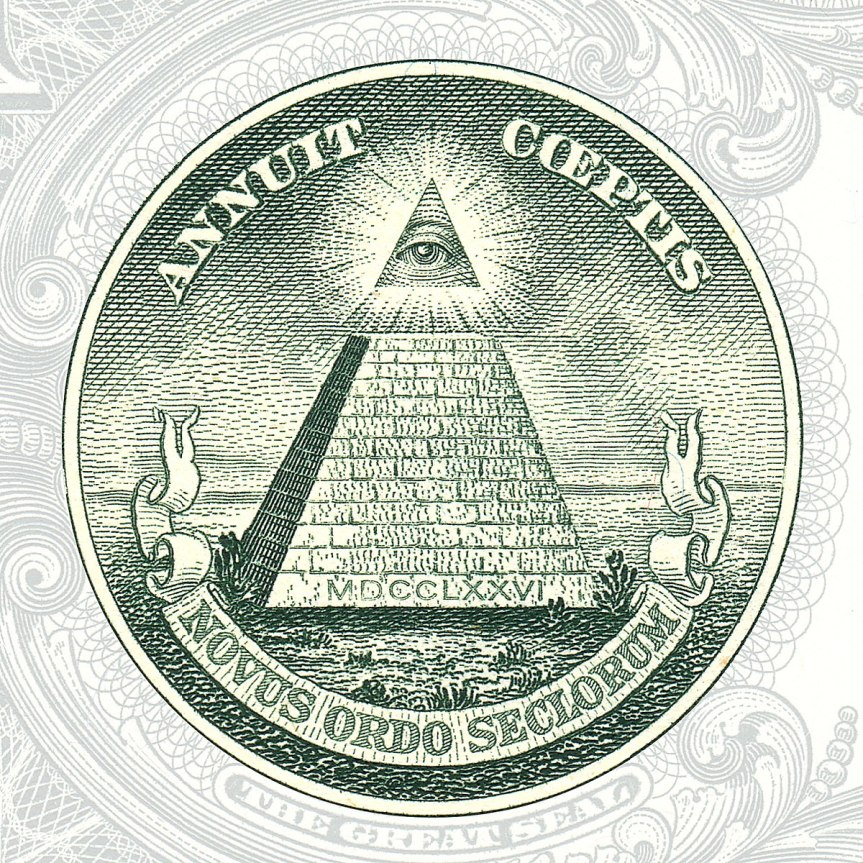
Despite an unparalleled proliferation of information (or perhaps because of it), many people continue to believe in myths or false narratives that exaggerate, idealize, or misconstrue reality. Indeed, recent surveys have suggested that many people in different parts of the world subscribe to ‘conspiracy theories’.
The Moon Landing Hoax
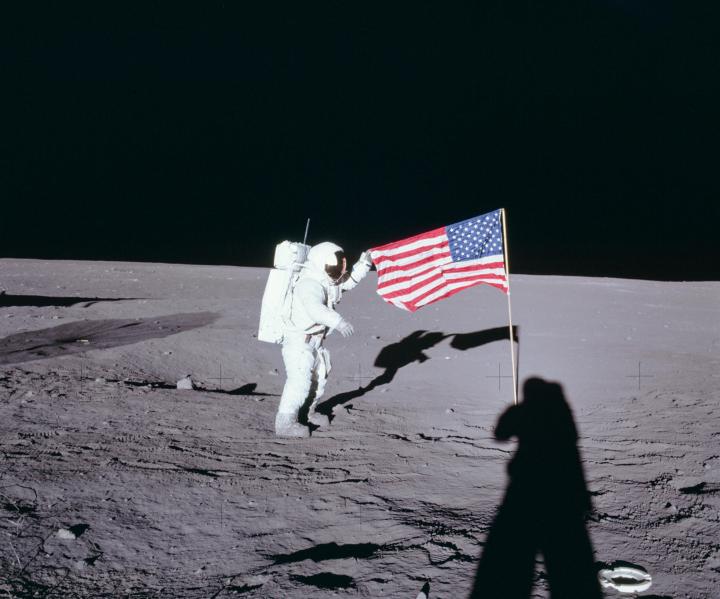
In the 1978 film Capricorn One, American astronauts and NASA faked a Mars landing. Though a mediocre film, it was an interesting idea, and one that would endure for decades. In 2001, Fox television aired the program “Conspiracy Theory: Did We Land on the Moon?,” which rehashed many discredited “discrepancies” between the official version of the moon landing and photographs of the landing. (Curiously, they never explain why NASA would distribute photographs that would “prove” that they had faked the moon landing.) Websites such as BadAstronomy.com have pages and pages of point-by-point, detailed refutations of the Fox claims.
Of course, even if there was some credible evidence showing that the 1969 Apollo moon landing was a hoax, conspiracy theorists must also account for later moon missions, involving a dozen astronauts. And there’s the issue of the hundreds of pounds of moon rocks that have been studied around the world and verified as of extraterrestrial origin… how did NASA get the rocks if not during a moon landing? Many astronauts have been offended by the implication that they faked their accomplishments. In fact in 2002, when conspiracy theorist Bart Sibrel confronted Buzz Aldrin and called him a “coward and a liar” for faking the moon landings, the 72-year-old punched Sibrel in the jaw.
The 9/11 Conspiracies
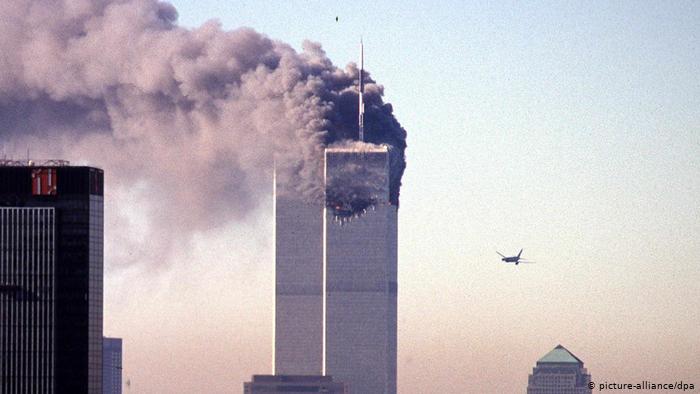
The evidence is overwhelming that the terrorist attacks of Sept. 11, 2001, were indeed the result of a conspiracy. There’s no doubt about it: A close (or even cursory) look at the evidence makes it clear that it was carefully planned and executed by conspirators. The question, of course, is who those conspirators were. Osama bin Laden and the crew of (mostly Saudi) hijackers were part of the conspiracy, but what about President Bush and Vice-President Dick Cheney? Did top Bush advisors, including Paul Wolfowitz and Donald Rumsfeld, either collaborate with bin Laden, or intentionally allow the attacks to happen?
Put another way, was it an inside job? Conspiracy theorists believe so, and point to a catalog of supposed inconsistencies in the “official version” of the attacks. Many of the technical conspiracy claims were debunked by Popular Mechanics magazine in March 2005, while other claims are refuted by simple logic: If a hijacked airplane did not crash into the Pentagon, as is often claimed, then where is Flight 77 and its passengers? Are they with the Roswell aliens at Hangar 18? In many conspiracy theories, bureaucratic incompetence is often mistaken for conspiracy. Our government is so efficient, knowledgeable, and capable—so the reasoning goes—that it could not possibly have botched the job so badly in detecting the plot ahead of time or responding to the attacks. I find that hard to believe.
Blaming 5G
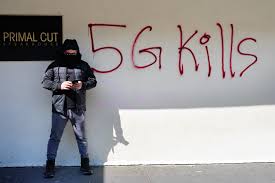
This conspiracy theory should be easy to debunk: it is biologically impossible for viruses to spread using the electromagnetic spectrum. The latter are waves/photons, while the former are biological particles composed of proteins and nucleic acids. But that isn’t really the point — conspiracy theories are enticing because they often link two things which at first might appear be correlated; in this case, the rapid roll out of 5G networks was taking place at the same time the pandemic hit. Cue a viral meme linking the two, avidly promoted by anti-vaccine activists who have long been spreading fears about electromagnetic radiation, egged on by the Kremlin.
It’s worth repeating, as the World Health Organization (WHO) points out, that viruses cannot travel on mobile networks, and that COVID-19 is spreading rapidly in many countries that do not have 5G networks. Even so, this conspiracy theory — after being spread by celebrities with big social media followings — has led to cellphone towers being set on fire in the UK and elsewhere.
BUT WHY?
Why are people drawn to conspiracy theories?
There’s been a lot of recent work in psychology attempting to figure out why some people are particularly drawn to conspiracy theories. For example, research has found that people who believe in conspiracy theories tend to have a greater need for cognitive closure (the desire to find an explanation when explanations are lacking) and to be unique. They’re more likely to have a cognitive bias called hypersensitive agency detection or tele logic thinking (whereby events are over attributed to hidden forces, purposes, and motives). Some research has also found that conspiracy beliefs are associated with lower levels of education and analytic thinking.
That said, studies have also revealed that half of the US population believes in at least one political or medical conspiracy theory.So belief in conspiracy theories is far more “normal” than many of us might think.
The popularity of films like JFK, The Manchurian Candidate, and Conspiracy Theory illustrates how many of us can be drawn to a good conspiracy theory. Over the two past years, half of the country has been anxiously expecting that the Mueller report would reveal one of the biggest conspiracy plots in American history, while the other half believes that the conspiracy was the Mueller investigation itself. And of course, occasionally conspiracy theories turn out to be true!
SCIENCE BEHIND
CURIOSITY
Yes, Human brain is the most powerful super computer and an idea emerging from is the most powerful weapon (Eg: Nuclear Bomb). The brain is always trying to connect the dots around us to make a pattern and when it successfully connected the dots the dopamine that released by it feels pleasurable.

END
MENTAL HEALTH as important as PHYSICAL HEALTH !
Don’t visit a counsellor you will be considered MAD. Don’t tell anybody about it you will be judged. Such are the suggestions you get from the people if you speak about how you are frustrated. How everything is bothering you or how you can’t digest what’s happening around You. Why is it such a big deal? Why can’t we just normalise the difference between a person who is mentally ill and a person who is physically ill. Just because you can’t see the deeper side of a problem it just doesen’t exist ? I remember, how a friend of mine said that he is not feeling right from a few days and how is continously overthinking about things he should not. How he lies on the bed staring at the ceiling for hours and has no clue WHY . I talked to him for hours, heard him and suggested him to visit a counsellor as he would be the best person for him to help him come out of his world of negativity. He replied to me, “NO, I HAVE NOT GONE MAD ,THAT I NEED TO VISIT A COUNSELLOR” And for a moment, i stopped and realized how the society changes ones perspecive .
Who said visiting a counsellor that too for your own benefit declares you as a “MAD” !! All these tags and thought process comes from the environment we live in . He was just one example , there are so many like that. The increase in the cases of Anxiety and Depression is great. But, the acceptance is very low. Why do we need to pass comments on people who are already battling their inside ? WHY can’t we just sit there and ask them to vent out. To speak what they feel .To shout their heart out. To trust on us and believe that yes i’m there for you.
The pandemic has led to an increase in the cases of Mental illness . A recent review of psychological sequelae in samples of quarantined people and of health care providers may be instructive; it revealed numerous emotional outcomes, including stress, depression, irritability, insomnia, fear, confusion, anger, frustration, boredom, and stigma associated with quarantine, some of which persisted after the quarantine was lifted.
It is also due to lack of awareness that Mental health is treated as something that is obnoxious and should not happen to anybody. And this mindset will change only when there is Mental education and guidance .Education and training regarding psychosocial issues should be provided to health system leaders, first responders, and health care professionals.Mental health professionals can help craft messages to be delivered by trusted leaders. Mental health education should also be provided in schools to help the learners learn it from the very beginning. We need to understand that being human is more important if you are blessed to be a human being.
Next time, you see somebody struggling on the inside make sure you make their outside better !
 Eduindex
You must be logged in to post a comment.