Sanitary Napkins: Saviour Of The Day, But Not In The Long Run

Menstruation can be very bothersome all by themselves. Period (No pun intended!). More for some people than others. And any conversation about menstruation is bound to include the topic of menstrual products. And for a large chunk of the female population, their go-to menstrual products are the sanitary napkins. Or as more commonly known, pads. Pads provide binding experience amongst the ladies. No kidding there. So many advantages of pads, doesn’t it seem too good to be true? Well, there is some news for you. Pads can be harmful too!

Under The Surface

Sanitary napkins, or more specifically the synthetic pads, are made up of components which are far from organic. Also, the organic compounds are not fool proof safe either. Going through these components, we have:

  • Dioxin: Contrary to the popular belief, the pure white colour of the pads are not due to cotton. Rather, the extra shine white is the final product of chlorine bleached fibres. A byproduct of this process, dioxin, has been pinpointed as a substantially damaging toxin for the human body, if in contact for a long period of time. The pelvic region has a quite sensitive skin, which has a higher absorption rate in comparison to the other regions. This makes the body more susceptible to absorbing dioxin, which also happens to be a carcinogen. Yup, cancer alerts! Substantial buildup of dioxin in the body increases the probability of having various forms of cancer. Another mention worthy fact is that dioxin stays in the body via fats and may remain upto 20 years. Apart from cancer, it is also the cause of pelvic inflammation, hormone dysfunction and some other problems.
  • Pesticides: Now, the first question that might pop in your head might be, where would pesticides be used in making pads? Well, the answer is, no, it is not used in the actual manufacturing process. But the cotton used to fill the pads sometimes has a substantial amount of synthetic pesticides in them, which unfortunately, is not totally removed during the making of sanitary napkins. Needless to say, they have their own set of adverse effects on the body, especially on the internal organs. On the gynaecological front, it may cause thyroid, hormonal malfunction, endometriosis or diabetes.
  • Plastic: The main purpose of using plastic is to make the pads leakproof and able to withstand a heavy blood flow. But sealing up the pad doesnt let the moisture escape, and combined with the body heat, it makes an ideal place for growth and multiplication of various microorganisms, most common of them being some bacterias and yeast. This in turn, leads to cases of vaginal allergies or infections. Apart from that, plastic is the main cause of period rashes and chafing.
  • Artificial fragrance enhancers: Blood in itself can be a gory sight. Adding unpleasant odour to this equation is a sure formula to have a bad mood through one’s menses. So, producers add odour neutralisers or artificial perfumes to the pads to provide a feeling of freshness. But at the end of the day, they too are harmful for the body. Apart from causing rashes, soreness or chaffing in the pelvic region, it can seriously interfere with one’s fertility, as for they are found to interfere with the foetal development.

All the components, by themselves and together, are also a threat to the environment. Every year, a sizable chunk of plastic pollution is contributed by the used pads. 

Tampons too, have some similar environmental and health effects. Apart from that, tampon use increases the risk of Toxic Shock Syndrome (TSS), which happens to be a rare but serious complication, caused by some particular bacterial infections.

The Alternate End

Obviously, all this information may distraught anyone who swore by these products. Now the next big question is, if not this, then what other options are there? To answer that, at present, menstrual cups, organic pads and reusable cloth pads are some alternatives available, to save the day! 

Mantises: Fascinating Insects

Mantises are the most curious creatures. You might’ve sometimes misunderstood them from grasshoppers. But then…..what exactly are these creatures? Are they…. carnivorous?

Photo by Quang Nguyen Vinh 

Now, why are they called ‘Praying Mantis’?? The thing is ,their forelimbs are actually folded and therefore it looks like they are praying(silly? Not really). Let’s get familiarised with them,shall we?

  • Ecology

The order(a division while creating ecological divisions) of these Mantises  are  Mantises. The largest family of these organisms are the Mantidae,also known as Mantidae. Their habitat is usually in tropical zones. If we look into the morphology,the Mantises have a triangular head with large eyes(may be  to search for their prey). Some of them have wings while some may not,but they have their forelegs to catch their prey with an iron like grip. Their phylum is actually Arthropoda. They sometimes appear in brown or green colours. The factor solely depends upon their species and may be  the climatic conditions. How many species do they hold? Well,they have around 2400 species altogether. 

They have a significant place in Egyptian and Greek theologies. What were they? Well,in Egyptian theology for instance,they  were considered to be the ones who used to guide on editing his/her eternal or afterlife journey. The name Mantis’ however,came from the Greek word which means ‘seer prophet.’

Okay,so  according the historical evidences they hold a significant place.In fact,these animals(like they come under the kingdom of animals,where in they are again classified as insects and so on)

Photo by Brandon Phan 

Do not go on their size.These organisms are ambush predators,meaning that they are carnivorous animals,but in a stealthy way. What I mean to say is that ,suppose if these animals find their prey,they wait for it to be close enough for them and then…..attack.  

  • Fossils

What are Fossils? When an organism dies,it is usually decomposed. But what if it wasn’t?  And by that ,I am talking about the Carboniferous period. During these period bacterias and fungi had not fully developed the ability to decompose. So what happened? They got deposited under sediments. From this,they either got fermented through the anaerobic process,producing fossil fuels like coal and petrol,or got imprinted on the sediments,producing Fossils. The Fossils of Mantises the earliest of their existence is estimated to be about 135 million years ago, probably from Siberia.

  • Lifespan

Typically,a Mantis can live upto 3 to 4 months. But if it gets its food properly and all’s well,then it can live upto an yearly at most. Female Mantises are usually larger and maybe stinger than male Mantises because it’s the females who lay eggs(duh). The eggs are protected with the capsules and hatch in the time of spring .The female Mantises usually lay their eggs during the season of autumn and after paying their eggs,these Mantises die. But….what about the male Mantises? Do they not die at all?

  • Reproduction

(Typical teacher) Ahem,class! Nobody will dare to ask unnecessary questions! And….maintain Silence!

(Nah,not really. Firstly, I am not a teacher, and if I were to be a teacher, well that would’ve been purely disastrous

Secondly, reproduction is a natural process,no matter how much you giggle about it, awareness of such matters is the most  important and shall not be ignored. So ya, grinning about the word ‘sexual intercourse’ will do nothing but make you less concentrated) *no offence*

Reproduction in Mantises is quite peculiar yet fascinating. They reproduce sexually,yes but they follow something called ‘sexual cannibalism’. What is sexual cannibalism? Let’s break the word. Okay,sexual means a process through which they reproduce and cannibalism means that they eat their own species,may be raw or cooked(I don’t really know their menu). So,what does this imply? 

Sexual cannibalism means that after the mating process,the female Mantises eat up the male Mantises. No worries, Let’s explain it somewhat like this:

Suppose a female Mantises wishes to mate. What exactly will she do? What she does is,she secretes an alluring scene to attract any male Mantis in  the vicinity. When the male Mantis comes near the female Mantises,they start their mating process, sexually. But what does the female Mantises do meanwhile? She starts to eat the male Mantis. Slowly,the upper (remaining) part of the map mantis falls away,leaving their abdomen. The abdomen stays,still providing the female eggs with the sperm which will fertilize the  eggs. How does the abdomen stay even after the male Mantis has died. Well,the male Mantis has some nerves in their body which continues the mating process even after the organism itself has died. 

Now,you might find this weird,but it’s just how the female Mantis reproduction process works. The male Mantis are actually prepared for their death after their mating process. The process is like that,because the female organism also does after they lay their eggs. And the eggs need nutrition to grow well and the male Mantis serves as a nutrition provider to the eggs. Not only mantis but many organisms like jumping spiders,banana slugs etc. All reproduce by sexual cannibalism.  They just can’t live that ‘happily lived after’ life due to their short life. Nature has its own methods.

Mantises might seem weak,but they’re really not. Between a hornet and a mantis,guess what who wins? And hornets are not any insect. So ya,this was the truth of the life of Mantises.

Fact- Mantises,when hungry,can sometimes eat themselves. Although that’s pretty rare,but definitely not non-existent. Also,they are experts in camouflaging themselves between the trees.

Photo by Ravi Kant 

India and Bangladesh to hold virtual summit in December

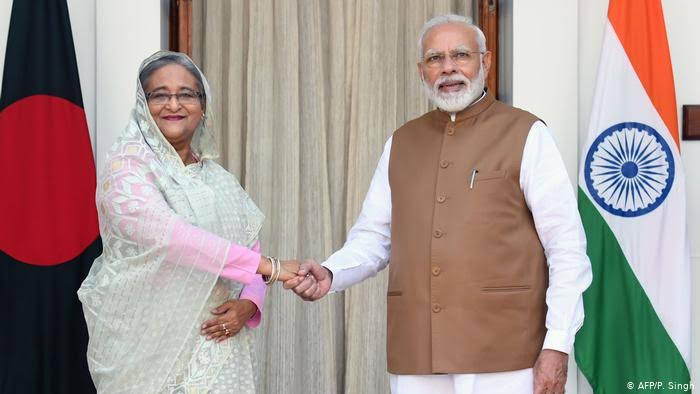
India-Bangladesh bilateral summit is likely to be held in December. A final call in this regard will be taken during the foreign ministers’ meeting on Tuesday, sources tell India Today.

There is a possibility of the summit being a virtual one if the Covid-19 situation does not ease by the end of this year, sources said. In the case that the bilateral summit is held physically, Prime Minister Narendra Modi is likely to travel to Dhaka to meet his Bangladeshi counterpart Sheikh Hasina.

Meanwhile, the sixth Joint Consultative Commission (JCC) at the foreign ministers’ level is slated to take place virtually on Tuesday. This meeting will be attended by External Affairs Minister (EAM) Dr S Jaishankar in New Delhi and his counterpart Dr AK Abdul Momen in Dhaka.

The two foreign ministers will review the entire spectrum of bilateral relations between India and Bangladesh. Substantial progress has been made in this regard in multiple areas despite the pandemic. The JCC is, in fact, a mechanism to overview the progress and substantial progress has been achieved between the two countries.

The date of the JCC meet was finalised during Foreign Secretary Harsh Shringla’s visit to Dhaka in August and a subsequent phone call with Bangladesh Prime Minister Sheikh Hasina.

According to sources, high-level visits are expected to be discussed during the JCC meet among a range of other issues.

Prime Minister Narendra Modi was unable to visit Dhaka this year for the Mujib Barsho celebrations on account of the Covid-19 pandemic. Since the JCC is meeting during the celebrations, an announcement related to Mujib Barsho is expected, sources added.

Earlier, PM Modi in his inaugural address at the Mujib Barsho celebrations in March had said that Bangladesh’s founder Sheikh Mujibur Rahman is hailed as a “hero” in India too.

The year 2021 seems promising for India-Bangladesh relations since both sides will commemorate 50 years of the Bangladesh Liberation War in which India played a crucial role. Next year will also mark 50 years since India and Bangladesh established diplomatic ties.

Importance of Self Love

Robert Morley said, “To fall in love with yourself is the first secret to happiness” nothing could be more true than this line. Learning to respect your own self, appreciating things about yourself, your small achievements and not being too harsh on yourself all the time are some ways to love you

Self love is so important. Because when you’re all alone and it’s 3 in the morning and you’re lying on the floor crying and shaking and wishing it all would end, who’s going to be there for you? You. You have to pick yourself up and find the strength to carry on. At the end of the day, you’re all you’ve got yourself.

It’s only when you love yourself , you will begin to leave everything that unhealthy. This is meant for people, jobs, and your own beliefs and habits – anything that keeps you small. Loving yourself is important, because the only person who can love you unconditionally, accept you with all your flaws and misgivings and forgive you no matter what, is YOU.

Self-love is having compassion for yourself exactly as you are, not giving into your every whim and desire. You have been through some difficult things in life. Instead of beating yourself up, just take a deep breath and say that this is hard, but I’m trying. I am struggling with this and I need help. No “I’m stupid,” or “I’m worthless.” This is what self-compassion is about. A lot of people fear this because they think if they have compassion for themselves, they will never grow and just make endless excuses for themselves. It’s quite the opposite. 

The very idea that a person exists in an abusive relationship is not that the person loves the other one but because simply they have no love for their owns self. That is why we need to love ours self first, loving oneself means accepting the way you are loving the flaws you have accepting yourself and improving yourself for better.

In an already harsh world, it is important to be strong and successful but more than, its also important to be there for your own self and the people who love you and you love them back. Your true love for any person will just come when you are able to love yourself truly. So, self love isn’t just an exercise to make yourself happy for some part of day, it’s an attitude for a healthy and satisfactory life.

The Mountain Men

Dashrath Manjhi, also known as Mountain Man,was a laborer in Gehlaur village, near Gaya in Bihar, India. He decided to carve a path of 110 m long (360 ft), 9.1 m (30 ft) wide and 7.7 m (25 ft) deep through a ridge of hills using only a hammer and chisel after his wife’s death due to an injury caused by falling from a mountain. He carved the path continuously for 22 years.After 22 years of work, Dashrath shortened travel between the Atri and Wazirganj blocks of Gaya  town from 55 km to 15 km.

Manjhi’s wife Falguni Devi was badly injured and died because she fell from the mountain and the nearest town with a doctor was 55 km away. As a result of this experience Manjhi resolved to cut a roadway across the ridge to make his village more accessible. Manjhi felt the need to do something for society and decided to carve a path through the ridge so that his village could have easier access to medical care.

Manjhi’s work has made life easier for people of the Gehlaur village. Manjhi said, “Though most villagers taunted me at first, there were quite a few who lent me support later by giving me food and helping me buy my tools.” For his efforts, Manjhi became popularly known as the ‘Mountain Man’. The Bihar government also proposed his name for the Padma Shree award in 2006 in the social service sector. A stamp featuring Dashrath Manjhi was released by India Post in the “Personalities of Bihar” series on 26 December 2016. Official roads between his village and Wazirganj and Atri and Gaya were only built where his path was after his death in 2007.

Dashrath Manjhi was died on 17 August 2007 due to gallbladder cancer. He was given a state funeral by the Government of Bihar.

In 2011, director Kumud Ranjan working for the state-owned Films Division of India produced a documentary based on Manjhi’s life titled The Man Who Moved the Mountain. In August 2015, a Hindi movie Manjhi – The Mountain Man was released and well received. The movie was directed by Ketan Mehta. Nawazuddin Siddiqui played the role of Manjhi along with Radhika Apte as Falguni Devi. The first episode of Season 2 of the Aamir Khan hosted TV Show Satyamev Jayate, aired in March 2014, was dedicated to Dashrath Manjjhi. Aamir Khan and Rajesh Ranjan also met Bhagirath Manjhi and Basanti Devi, son and daughter-in-law of Manjhi and promised to provide financial help. Manjhi’s story also had a minor role in a later Kannada film, 2011’s Olave Mandara directed by Jayatheertha.

Now, we have another mountain man and that too from same district of Bihar. Let us know about Laungi Bhuiyan.

Laungi Bhuiyan is a farmer from Kothilawa in Lahthua area of Gaya, Bihar, India. He carved a 3Km long canal by digging hills surrounding their village. These hills stop the water reaching their fields. So, he carved those hills and made a 3Km long canal that would bring the fields of their canals some water. He used to feed cattle in a jungle, and subsequently carved out a canal that reportedly took him thirty years to complete the work.

These two men also gave us the meaning of dedication and love toward to solve one’s problems. Salute to these men.

What Will People Say…

Being a social animal, it becomes extremely important for humans to follow certain specific rules and societal duties. There is no person in this world who knows everything. Whoever we meet, we get to learn something from the person we meet. We must respect the attitude and viewpoint of other people in every way. We must always keep our minds open to listen to other people and understand them.


But it is not at all like we to be slaves to the reaction of others, their opinions or thoughts. Modern psychology emphasizes that one should try to establish a healthy image of himself/herself, to relate to him or her. Ask yourself – should your image be according to the choice of others.

Should it be according to what other people say? Should it be what other people expect? Will you make the rules of your life according to other people? Will other people determine what you will wear, what you will eat, how to dress? Such a life can be unbearable for any person. Many people are constantly under pressure to determine and identify their self-image.

What will the neighbours think if I go to work? What would people say if I did not give a party? What would my acquaintances say if I did not marry my daughter to a luxurious wedding? And this cycle goes on continuously. When you ask these questions what people will say, then my answer will always be that you should not be worried about what other people will say.

Let them say. But it should not be at all that anything they say bothers you. What people will say does not matter at all. It only matters what you do. You should only do your duty.

What they say, Let them just say.

How to become fluent in English

English is not a difficult language the reason behind why most of the people as well as different companies have made English as one of the compulsory languages because it is clear and easily understood by the people of every country. In order to become fluent in English you need to practice here are some tips to become fluent.

READING.

Reading is the first step towards your target. Read as much as you can. And mind you this has to become a ritual for you, even when you think you have gained considerable fluency. Just read and read and read, make the language so familiar to your brain that you will be very comfortable in using it while reading or speaking. Reading has more benefits.

It enhances your vocabulary, which is one of the major cause that you can not attain enough confidence to understand and speak in English. Develop a good reading habit Initially, start reading with some novels or anything that contains a simple English, it should contain mostly the words that we use in our day to day life. For example, you can go for various novels like The Secret, The Alchemist, or something that interest you.

Develop understanding of the language, when you read more, you understand more, and thus, you connect more. Just like, since your childhood, you have such an excellent understanding of your mother tongue and your native language, because you have a habit of reading, speaking and listening to it everywhere around you. What if you do the same with English!

Enrich the pronunciation

LISTENING

Watch English movies and serials without subtitles. Make your ears and brain identify and recognize the words you are reading. After reading any particular topic, try to watch a video or show about that topic so your brain and ears will pick up the words and sentences, that you have already read, being said in different ways. Try to make a mental note about words and start using it in your spoken language slowly and make it a habit. Once you ears become adept at processing the spoken language and words, you will win half the battle. Listen to English songs,newsetc.

WRITING

Writing is the best way to put your thoughts and views in words make a diary and write what you think about a particular topic in English and make it a habit. It helps a lot in improving English.

SPEAKING

Have confidence and start speaking it. The journey will take you from the Wrong to the Right. In your free time, practice it in personal, in front of the mirror, in your phone voice recorder etc. Speak anything for long in English and record it in your phone and then listen to it. You will come to know about the flaws you did in the pronunciation and the common mistakes.

Be consistent and work hard, it’s gonna be fun throughout the journey of improving yourself.

Generation Gap: Understanding and the love

Article by – Shishir Tripathi

Intern at Hariyali Foundation
In collaboration with
Educational News

In this fast moving world of cars, airplanes, rockets and other scientific inventions; the world has gained a lot. But it is a well known fact that when something is gained, something has to be lost. Parents are there with their point of view and children with the so called modern and different point of view.

The difference between points of view of parents and children creates a void or something which is said to be as Generation Gap.

Nowadays, conflicts between parents and children are so common. Parents stick upon the ideas and their beliefs which they gained through various experiences in life whereas children stick to their point of view, their ideas which are new, modern and much better (according to them) than their parents’. Particularly taking into account the case of marriages i.e., Arrange marriage and love marriage. This is such a burning issue in families in country like India.

As it is assumed by children that parents love arranged marriage and they don’t even ponder or agree to the idea of their sons and daughters going against love marriages. But, dear reader, one must take into account the perception and point of view of parents also. Parents have been living in a world of traditions, ethics and perfections which can exist only when the children will get married through arrange marriages (according to the parents). So by thinking deeply on it they believe what they have seen, what they heard and yes what they have lived.

Now on the other hand side, the daughters and sons who are living in a virtual world of facebook, instagram, love quotes and shayris floating all around, quotes on relationship goals and what not, simply have assumed that love marriage is the best form of marriage. They discard the idea of arrange marriage as trash without taking into consideration the fact that understanding and love between their parents exist who did arrange marriage years before.

Therefore, it is a clear cut situation. Children and parents, both are human beings. Parents and children believe what they see, what they have lived and are still living. At the same time parents and children have examples, all ready for successful arrange marriages and love marriages to support their sides.

Parents in their life have seen broken marriages, divorces, brides of dowry exploitation for not bringing enough dowries who did love marriages, divorces of couple at the same time who were at one time proclaiming themselves as two bodies and one soul.

Parents simply just want their children to have a very happy and successful married life which they believe comes only from arrange marriages. Parents think that it is safer side to go for arrange marriage because the couple will really need a lot of time to understand each other and meanwhile this process they’ll start loving each other too. In the walk of life, the couple will have babies and responsibilities and in the process of fulfilling all those responsibilities, they’ll live a lovely and successful married life.

According to parents, it might be a risky business for their children to get married to a person who is the only one to love and support their child and their child will end up ruining his or her own life just by the craze and stubbornness for love marriage. It is assumed that love decreases in love marriages and increases between the couples who did arrange marriage.

Children feel that whomsoever they love, will surely be their soul mate in the entire journey of life. They believe that if they’ll do arrange marriage, then they’ve to life a life with an entirely strange person. But seriously, one cannot discard the idea that the person whom they love and believe him/her as their future life partner was a stranger once before the first talk.

Also parents should try to understand that forced arrange marriage can also result in suicides, divorces, domestic violence and many similar issues.

Hence from having an idea and taking interest in knowing of the point of view of each other, the parents and the children both, the problem of generation gap can be solved. That void can be filled for which no filling looks the right solution.

Therefore, one can conclude that by talking, by understanding each others’ view, by looking at the situation from side of parents or children, by remembering each others’ past experiences and the environment in which parents and children have grown up and still living, the problem of difference of opinions and generation gap can be reduced to the best possible extent.

That’s why it was correctly mentioned on page named ‘kalam_se_kaleje_tak’ on Instagram:

“Understanding and respecting each other’s point of view is the best way to develop a strong and forever lasting relationship”

This relationship could be between anyone, between father and son, father and his daughter. Similarly, mother and son or mother and daughter or simply between any two individuals who are ready to understand and love each other.

urmitosh3112@#=&%*!?

Maintain Curiosity…


It was about 6 decades ago. The editor of Life magazine went with his young son to take an interview with Albert Einstein, a great science legend. During this interview, Albert Einstein said to him “The most important thing is not to stop questioning”. The existence of curiosity has special importance in itself.

There is definitely some reason for this. Continuity of life, understanding the mysteries related to it, knowing about them, knowing deeply about the reality of life is very wonderful and amazing. If a person understands or tries to know this secret even a little every day, then this is enough. Never leave curiosity, even understanding this saying by Einstein, everyone must keep a stock of curiosity in their brain. It is the world of knowledge and the vigour of scientific inquiry that is responsible for involving the questions.

It is a reason to know the purpose of life. What you do is very important. But it is also a hundred times more important why you do it. What do you do? When you start thinking about this, then you start learning.

You sow a change in your environment. New Technology, Automation, Artificial Intelligence. All this is the result of human curiosity. When you miss an opportunity to ask a serious question, then along with that you also miss the opportunity to create a new world and imagine a new life. So try to maintain the desire and curiosity to ask questions in your mind.

Experience of a 2020 Graduate

Every year when we passed a class, be it Kindergarten, 4th grade or 10th grade, we feel like we’ve grown and moved onto bigger things in life. Our teachers always made us feel like a wiser, more responsible person every time we moved up a class. When we graduated from school, a deep sorrow along with excitement for experiencing college life filled us. Passing the 12th grade is the ultimate goodbye from our friends and family, our teachers, the school we’ve been in for years, and the city we grew up in. Never did our previous years’ graduates were stuck in a limbo, out of school but not in a college. A long gap with nothing to do in it, no motivation and no goal. 

Every day of 11th and 12th, we heard our teachers and parents tell us the importance of the stream we choose and the things we learn in the duration of these two years. The final year of school, 12th grade is the most important year of the entire school life in terms of both academics and fun. 

From the very first day of 12th, we are told to study hard as it will play a great role in determining the college we get into and the career we choose. Even though it is the last year of school life, our focus remains more on our marks, completion of our syllabus, multiple coaching or tuition classes, and comparing our score to others. We forget to spend some of our time doing what we’ll actually miss and remember, hanging out with friends, extracurricular activities, going to the canteen, roaming around in the school, and so much more. 

The 2020 graduates have had the worst farewell or introduction into college. Some of us couldn’t even give the exams we had prepared for with all our might. When we were done with our exams, there was a long waiting period. All of the plans, going on a trip, having the time of our lives, were unsuccessful as we couldn’t even leave our houses. 

Having spent the last seven months in isolation, with uncertainty about our future, has really affected our mental health. Those who have taken admission into colleges have to adapt themselves to online college life with many hours spent in front of their laptops. Those who have not yet taken admission are also under a lot of stress as they are wasting away the important time of their life.

Competitive exams such as NEET (National Eligibility Cum Entrance Test), JEE (Joint Entrance Examination), CLAT (Common Law Admission Test), et cetera were postponed which severely stressed out the ones who had been preparing for these exams for the past two years. 

The results were delayed and the admission processes in some colleges have still not begun which is making the graduates anxious. This is in stark contrast to all the previous years’ experience which was full of joy and excitement, not stress and anxiety. 

Hopefully, everything will be back to as it was before!

Humanity against terrorism!…

A few days back I watched a movie named “Hotel Mumbai”. It was about the 26/11 terrorist attacks. It portrayed it well how it happened and how Indian forces fought to keep the people safe. Over 1700 people were rescued in the operation and 100 lost their lives out of which 17 were hotel employees who sacrificed their lives to keep guests safe. It showed the terrorists taking orders on the phone and their handler in the neighbouring country controlling the situation watching Indian news.
It made me wonder how is this possible, how they can reach in without getting caught. The terrorists were late teenagers who were sent after brainwashing them in the name of god. We hear such incidents every year and in every part of the world. Some people connect terrorism to a particular religion. But it cannot be true. Terrorism has no religion. No religion teaches to kill innocent people. But yes few evil minds use religion as a weapon to brainwash youths. Our nation has always been an example in front of the world. We showed the world even if our religions are different, still, we live together happily.
Every nation has both good and bad kind of people. It’s always the battle of good against the evil. Thousands of soldiers around the world get killed because of terrorism. Terrorism is a parasite who’s sucking humanity out of the world. These terrorists are not always foreign invaders. The fact is they can’t plan an attack without internal support.
Now someone will say we can end it. If will kill all the terrorists around the globe, we can kill terrorism. But killing all the terrorists will help? It will help to a larger extent but it won’t eradicate terrorism. If you kill one, his son will take over and carry out terrorist activities. It’s all about the mindset. Everyone should feel the need for peace. Right from the school-age, we need to bombard students that picking up a weapon will not help at all. Peace is the ultimate truth. If we fall for such traps, we will end up destroying ourselves. We need to remind ourselves that we are humans and there is a thing called humanity. As a human, it’s our major duty to keep humanity alive.

Indian Art Style

• Rajasthani miniature art

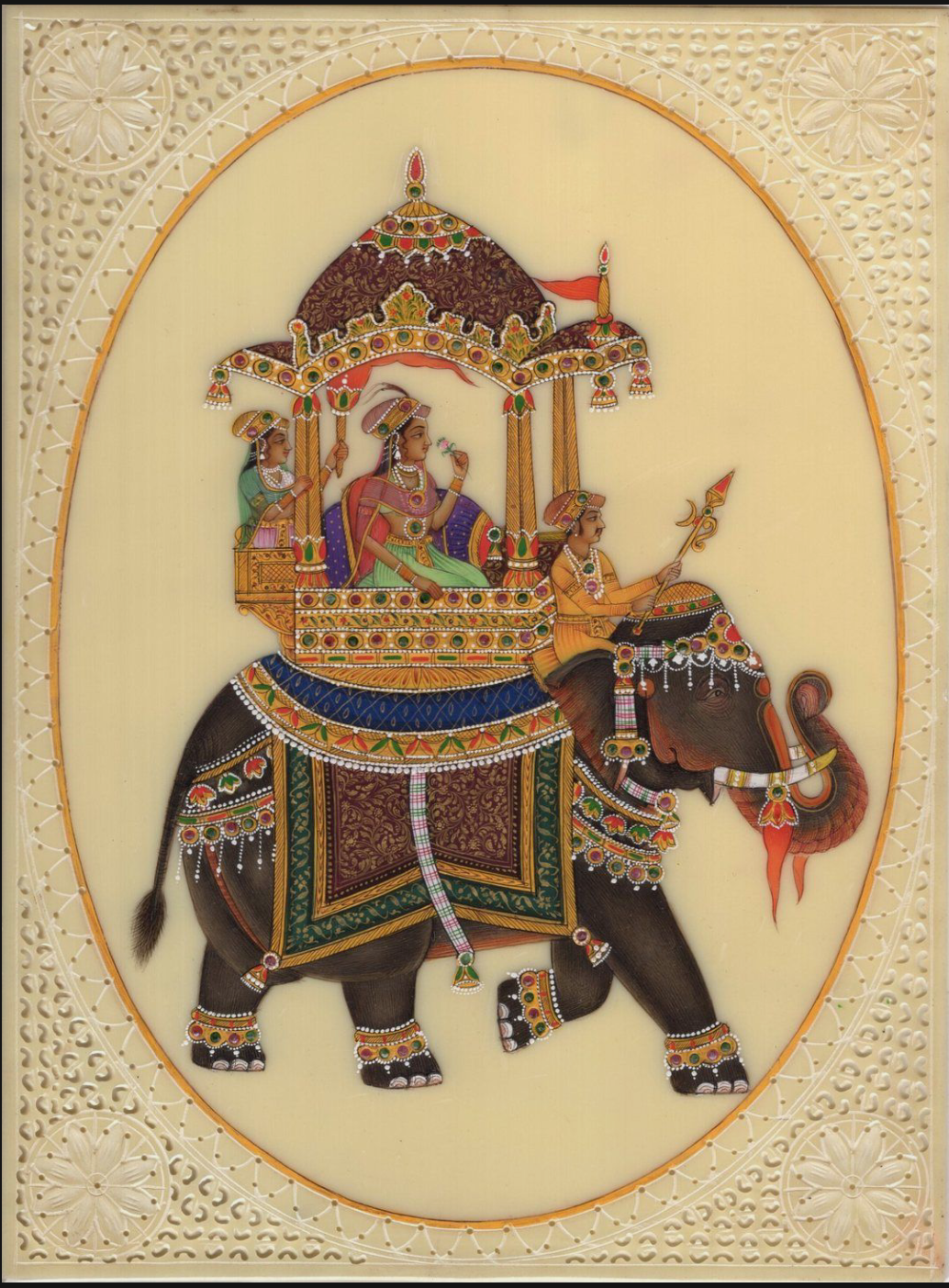
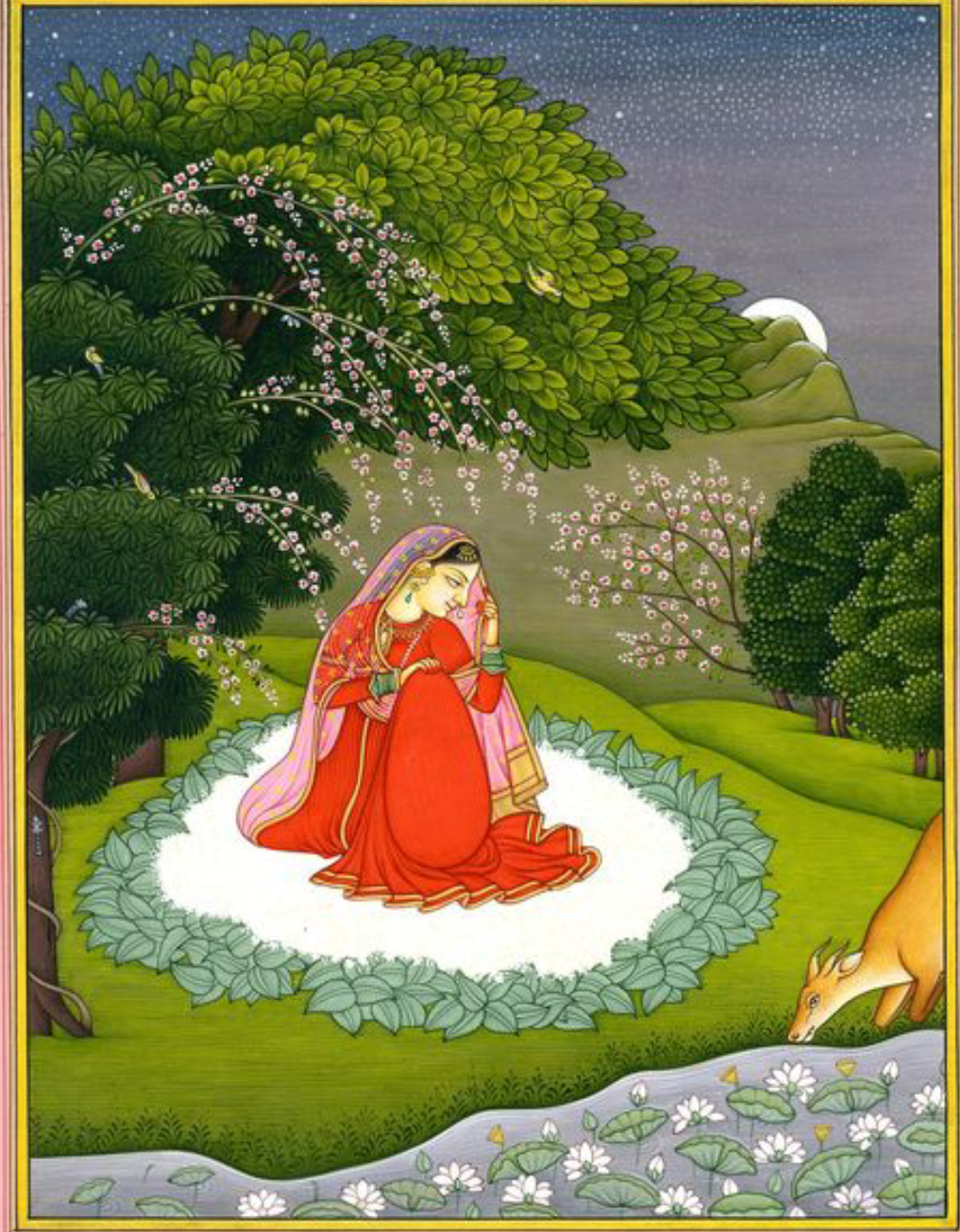
Rajasthan is one of the pioneer seats of miniature painting in India. Rajput painting, also known as Rajasthani painting, is a style of Indian painting evolved and flourished in the royal courts of Rajputana, India. Each Rajput kingdom evolved a distinct style but with certain common features. Rajput paintings depict a number of themes, events of epics like the Ramayana and the Mahabharata, Krishna’s life, beautiful landscapes and humans.

Miniatures in manuscripts or single sheets to be kept in albums were the preferred medium of Rajput painting but many paintings were done on the walls of palaces, inner chambers of the forts, havelis, particularly the havelis of Shekhawati, the forts and palaces built by Shekhawat Rajputs. The colours were extracted from certain minerals, plant sources and conch shells and were even derived by processing precious stones. Gold and silver were also used. The preparation of desired colours was a lengthy process, sometimes taking weeks. The brushes used were very fine.

• Pattachitra

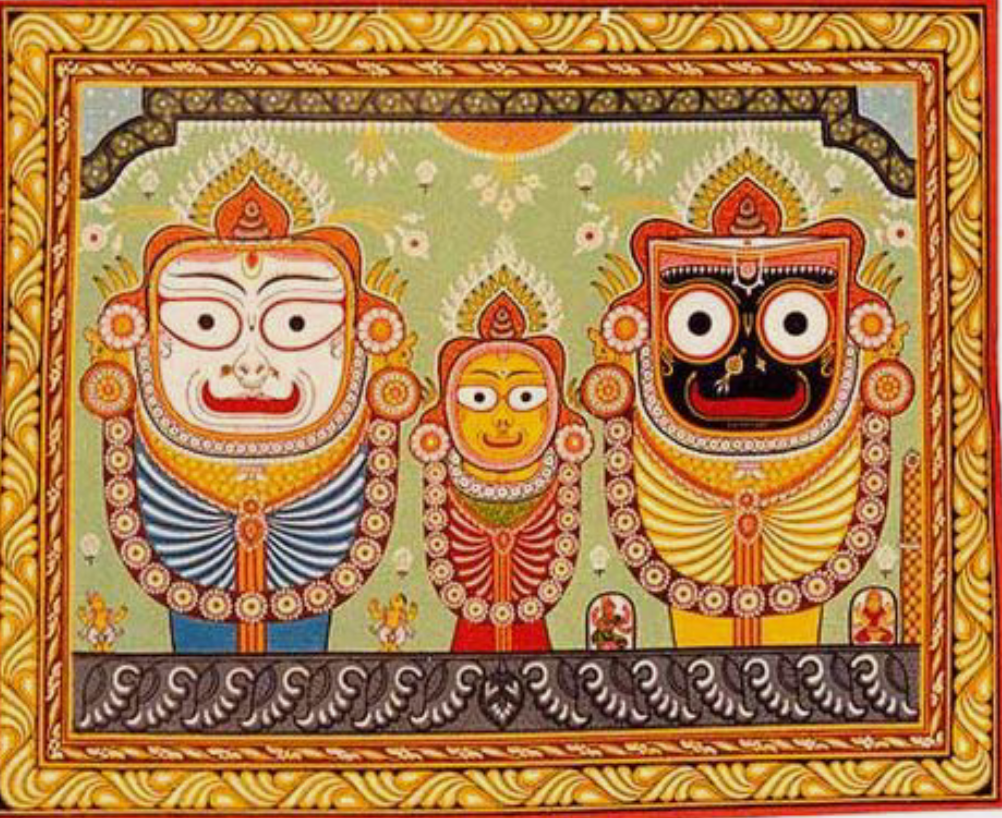
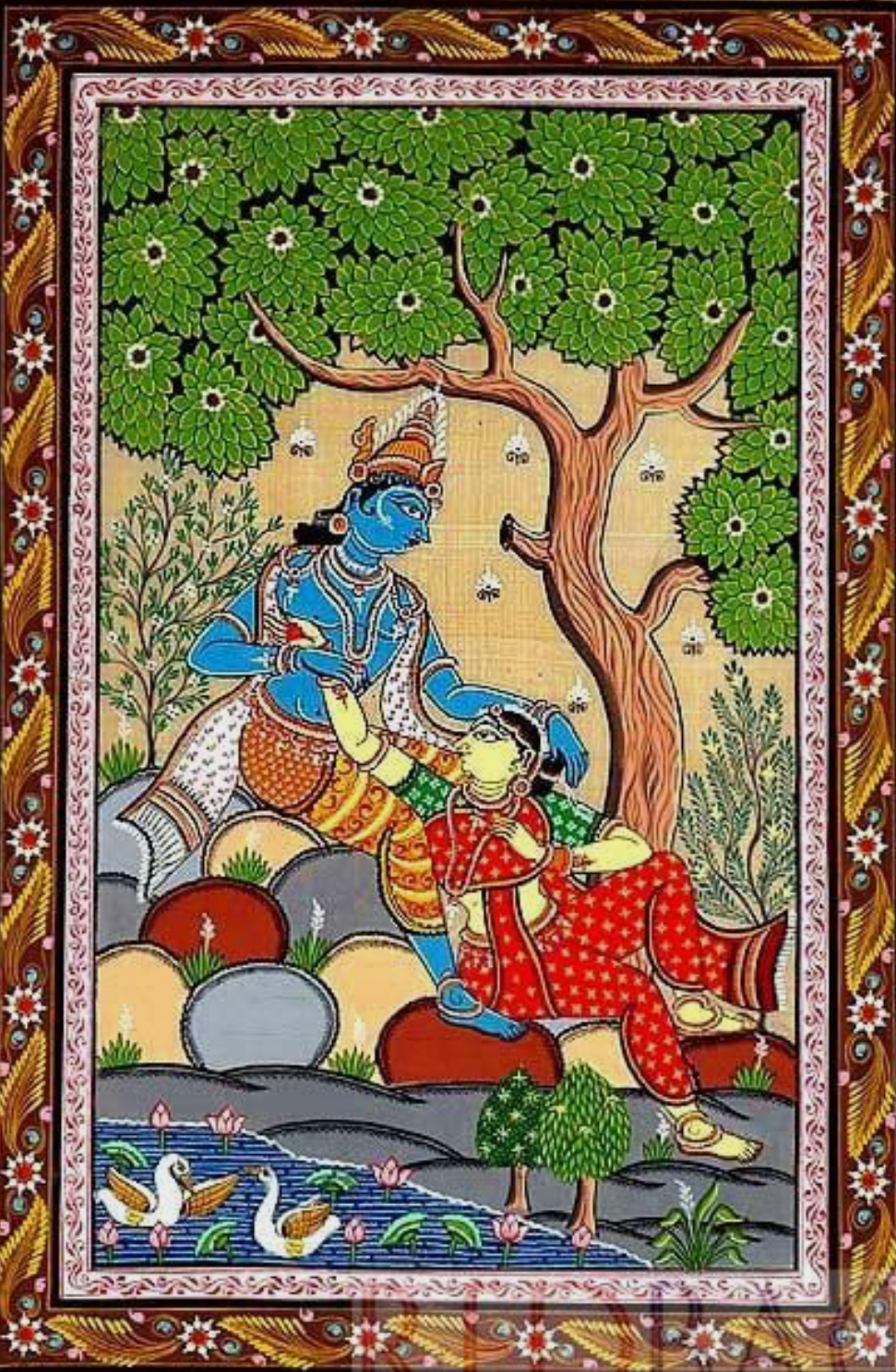
‘Pattachitra’ is a general term for traditional, cloth based scroll painting based in the eastern Indian state of Odisha. In the Sanskrit language, ‘patta’ literally means ‘cloth’ and ‘chitra’ means ‘ picture’. The pattachitra style of painting is one of the oldest and most popular art forms of Odisha.

All colours used in the paintings are natural and the paintings are made fully in the old traditional way by chitrakaras who are Oriya painters. Pattachitra is manifested by a rich colourful application, creative motifs and designs and portrayal of simple themes mostly mythological in depiction. The traditions of pattachitra paintings are more than a 1000 years old. Pattachitra paintings resemble the old murals of Odisha, especially those from the religious centres of Puri, Konark and Bhubaneswar regions, dating back to the 5th century BC. The best works are found in and around Puri, especially in the village of Raghurajpur. The theme of Oriya painting centers round the Jagannath cult and the Vaishnava cult. Since the beginning of pattachitra culture, Lord Jagannath, who is an incarnation of Lord Krishna, has been the major source of inspiration. In the 16th century, with the emergence of the Bhakti movement, the paintings of Radha and Krishna were painted in vibrant shades of orange, red and yellow. There are typical scenes and figures like Krishna, Gopi’s, elephants, trees and other creatures portrayed in these paintings. Krishna is always painted in blue and Gopis in light pink, purple or brown.

Thank you for reading. Have a nice day!🌼

Indian Folk Art

• Warli paintings

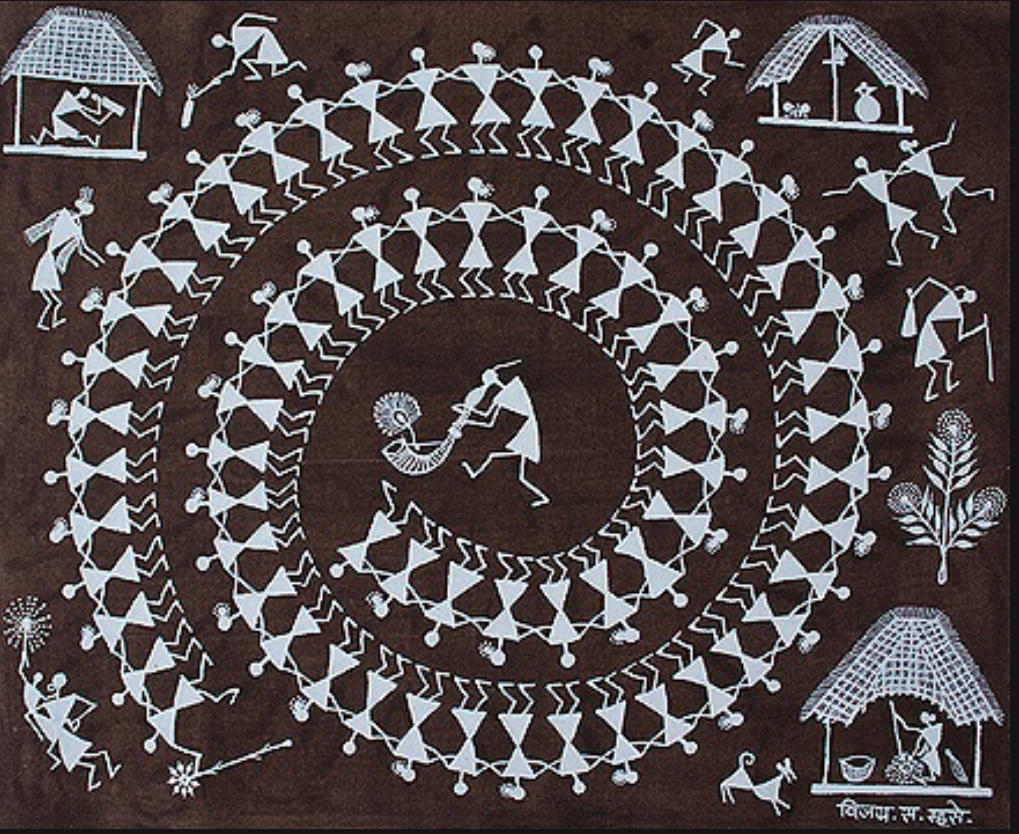
Warlis or Varlis are an indigenous tribes or adivasis living in the mountainous as well as coastal areas on the Maharastra-Gujarat border and surrounding areas. They have their own animistic beliefs, life, customs and traditions. As a result of acculturation, they have adopted many Hindu beliefs. Their extremely rudimentary Wall paintings use a very basic graphic vocabulary a circle, or triangle and a square. Their paintings were monosyllabic. The circle and the triangle come from the observation of nature, the circle representing the sun and the moon, the triangle derived from mountains and pointed trees. Only the square seems to be a different logic and seems to be a human invention, indicating a sacred enclosure or a piece of land.

The ritual paintings are usually done inside their huts. The walls are made of a mixture of branches, earth and cow dung making a red ochre background for wall paintings. Warlis use only white in their paintings. The white pigment used by them is a mixture of rice paste and water with gum as a binding. As the brush, they use a bamboo stick chewed at the end to make it as supple as a paintbrush. The wall paintings are done only on special occasions such as weddings or harvests. Warli art is the cultural intellectual property of the tribal community. Today, there is an urgent need for preserving this traditional knowledge in tribal communities across the globe. Now, Warli painting is registered with a geographical indication under the intellectual property rights act. With the use of technology and the concept of social entrepreneurship, tribals established the Warli Art Foundation, a non-profit company dedicated to Warli art and related activities.

• Cave paintings in India

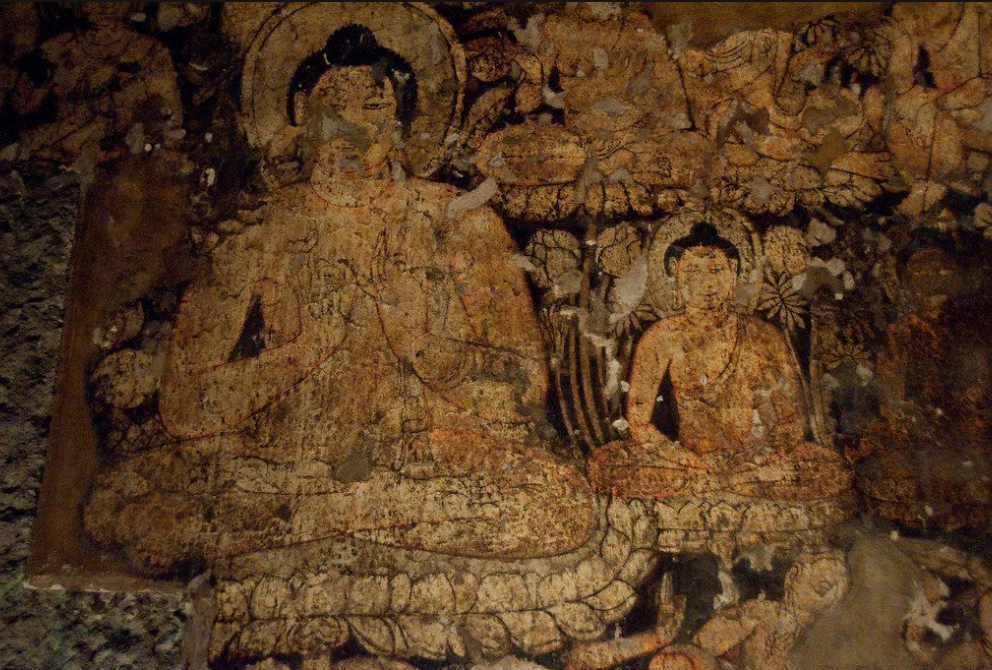
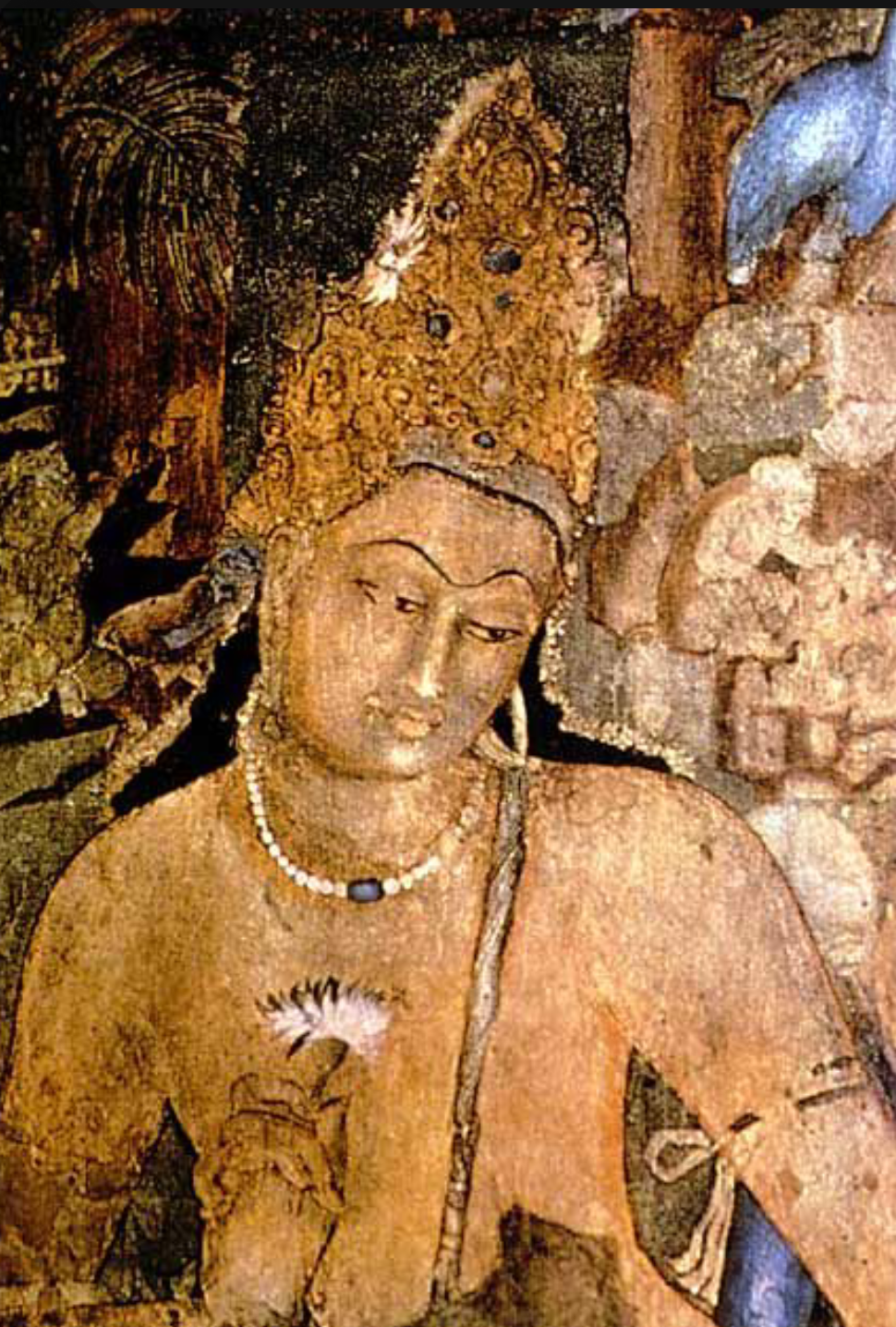
Almost all early painting in India survives in caves, as very few buildings from ancient India survive. The history of cave paintings in India or rock art range from drawings and paintings from prehistoric times – beginning around 30000 BCE in the caves of Central India, typified by those at the Bhimbetka rock shelters – to elaborate frescoes at sites such as the rock cut artificial caves at Ajanta and Ellora, prevalent as late as the 8th – 10th century CE. The frescoes of Ajanta are paintings in the Ajanta caves, which are situated near Aurangabad in Maharashtra. The caves are carved out of large rocks. Inside many of the caves are frescoes. Frescoes are paintings which are done on wet plaster in which colours become fixed on the walls and ceilings at Ajanta.

The paintings reflect different phases of Indian culture from Jain tirthankar Mahaveer’s birth to his Nirvana in the 8th century AD. The frescoes have degraded slightly due to the effect of flash photography. Photography here is not banned. The paintings depict themes of court life, feasting, processions, men and women at work, festivals and various natural scenes including animals and birds and flowers. The artists used shading to give a three-dimensional effect.

Similarly, beautiful frescoes have been found at the Bagh caves, 150 km away to the North of Ajanta. Though the themes in these paintings are both secular and religious, they do depict some aspects of Buddhist life and rituals. One of the most famous paintings show a procession of elephants. Another depicts a dancer and women musicians. These have been influenced by the Ajanta style of painting. These frescoes show a strong resemblance to the frescoes of Sigriya in Sri Lanka.

Thank you for reading. Have a nice day!🌼

Gandhiji’s principles – As 2nd October is on its way!

“A man is but a product of his thoughts. What he thinks he becomes.”-Mahatma Gandhi. 

Mohan Das Karamchand Gandhi popularly known as Bapu, a crusader and preacher  of truth was born on 2nd October,1869 in Porbandar, Gujarat . It is only because of this legendary freedom fighter that our India is free from British rule. He was adamant in his approach and could not bear the masses suffering and starving because of the injustice Britishers were causing them.He was loved by everyone. He believed that actions speak louder than words and his work ,however, spoke volume. He was loved unconditionally and universally which is the reason that he was titled as “Mahatma” . 2nd October is therefore celebrated as “Gandhi Jayanti” .

His entire life is a saga of valor and sacrifices. Gandhi’s principles have influenced a lot of people not only in the past but in the present as well and there is no doubt that Gandhian principles would be followed in the future as well. 

Gandhian principles have influenced my life as well. The first and foremost thing that Gandhi believed and wanted everybody to believe in was “Truth”.  I believe Honesty is the best policy. Whatever the situation is we must speak the truth as telling lies is indeterminate. If you want to succeed and plan to go a long way  in any field you choose It is very important to stay true to yourself as well as others. An honest person is never afraid of anybody and speaks his heart out. You make people have faith in you when you are true to them. Even in your relationships when you are honest it strengthens it. But even a small lie can break somebody’s trust in you. Therefore, everybody should adopt the principle of Honesty in life.

Another principle that influenced me was that of Non – violence. Non-violence is the personal practice of being harmless to self and others under every condition. Words are mightier than swords. Be it any situation one should never be violent. Speak as much as you want but never hurt anybody. Non-violence is a powerful and just weapon. It is indeed a weapon which cuts without wounding and ennobles the man who wields it.

The Gandhian principle of Satyagrah is one of the major principles to influence a person’s life.It talks about standing for yourself but without harming anyone. This principle has made an impact on  me as well. It acts as a motivating factor to not go for something that does not feel right. We must stand for something that is right even if that means standing alone.Satyagraha  is a weapon for justifying individual rights as against the oppressive, coercive attitude of the people.

In the end I would state that Gandhiji was a man of perseverance and obstinacy. He did what he did. Nobody could influence and change in his mind. He believed in what he was doing and also made others believe that what he is doing is for the benefit of all. We must also be like Gandhi and follow his ideologies and principles to become better human beings . Indeed the world would never see in centuries a leader like Mahatma Gandhi. 

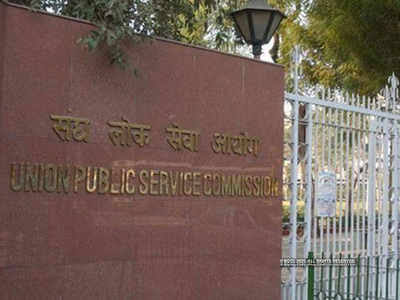
Not possible to postpone civil service exams: UPSC tells SC

The Union Public Service Commission (UPSC) on Monday informed the Supreme Court that it is impossible to defer the Civil Services Preliminary 2020 as all logistical arrangements have already been made. A 3-judge bench headed by Justice AM Khanwilkar asked UPSC to put this stand in affidavit along with the arrangements made. The matter will be heard on Wednesday.

The bench comprising Justices AM Khanwilkar, BR Gavai, and Krishna Murari has directed the UPSC to file its affidavit in the case by tomorrow.

Twenty civil services aspirants had approached the Supreme Court, seeking the crucial exam to be deferred by two to three months due to the flood situation in several parts of the country along with the coronavirus crisis. The exam, which was earlier scheduled on May 31, was rescheduled to October 4 due to the pandemic

The plea said the Civil Services Exam, being a recruitment examination, is altogether different from an academic examination and in the event of its postponement, there would not be any question of delay or loss of any academic session.

It said that due to non-availability of exam centres in their home towns, many aspirants are facing unimaginable hardship due to non-availability of or unsafe health conditions in, the PG accommodation/ hostels/ hotels etc, where they are forced to stay with their family members, once they are travelling to an outstation Examination Centre.

It is pertinent to mention here that despite alarming spurt in COVID-19 pandemic, UPSC did not increase the number of Examination Centres, resulting into a situation where many candidates from rural areas will be forced to travel for around 300-400 Kilometres, in order to reach to their Examination Centres and there will be high probability of such aspirants, getting affected while using public transportation for such travel, the plea said.