Need for Career Counselling

Career counseling is a type of advice-giving and support provided by career counselors to their clients, to help the clients manage their journey through life, learning and work changes (career). This includes career exploration, making career choices, managing career changes, lifelong career development and dealing with other career-related issues. There is no agreed definition of career counseling worldwide, mainly due to conceptual, cultural and linguistic differences. However, the terminology of ‘career counseling’ typically denotes a professional intervention which is conducted either one-on-one or in a small group. Career counseling is related to other types of counseling (e.g. marriage or clinical counseling). What unites all types of professional counseling is the role of practitioners, who combine giving advice on their topic of expertise with counseling techniques that support clients in making complex decisions and facing difficult situations.

Counseling is a collaborative effort between the counselor and client. Professional counselors help clients identify goals and potential solutions to problems which cause emotional turmoil; seek to improve communication and coping skills; strengthen self-esteem; and promote behavior change and optimal mental health. Counseling provided by trained professionals can make a profound impact on the lives of individuals, families and communities. This service helps people navigate difficult life situations, such as the death of a loved one, divorce, natural disasters, school stress and the loss of a job. In a career counseling session, the counselor will help a person explore skills and strengths, consider education levels and give advice about continuing education, and determine interests and personality type. Counselors may also administer an IQ test or an aptitude test.

Empirical research attests the effectiveness of career counseling. Professional career counselors can support people with career-related challenges. Through their expertise in career development and labor markets, they can put a person’s qualifications, experience, strengths and weakness in a broad perspective while also considering their desired salary, personal hobbies and interests, location, job market and educational possibilities. Through their counseling and teaching abilities, career counselors can additionally support people in gaining a better understanding of what really matters for them personally, how they can plan their careers autonomously, or help them in making tough decisions and getting through times of crisis. Finally, career counselors are often capable of supporting their clients in finding suitable placements/ jobs, in working out conflicts with their employers, or finding the support of other helpful services. It is due to these various benefits of career counseling that policy makers in many countries publicly fund guidance services. For example, the European Union understands career guidance and counseling as an instrument to effectively combat social exclusion and increase citizens’ employability.

One of the major challenges associated with career counseling is encouraging participants to engage in the process. For example, in the UK 70% of people under 14 say they have had no careers advice while 45% of people over 14 have had no or very poor/limited advice. In a related issue some client groups tend to reject the interventions made by professional career counselors preferring to rely on the advice of peers or superiors within their own profession. Jackson et al. found that 44% of doctors in training felt that senior members of their own profession were best placed to give careers advice. Furthermore, it is recognised that the giving of career advice is something that is widely spread through a range of formal and informal roles. In addition to career counselors it is also common for psychologists, teachers, managers, trainers and Human Resources (HR) specialists to give formal support in career choices. Similarly it is also common for people to seek informal support from friends and family around their career choices and to bypass career professionals altogether. In the 2010s, increasingly people rely on career web portals to seek advice on resume writing and handling interviews and to do research on various professions and companies. It has also possible to get a vocational assessment done online.

Assessment tools used in career counseling to help clients make realistic career decisions. These tools generally fall into three categories: interest inventories, personality inventories, and aptitude tests.

Interest inventories are usually based on the premise that if you have similar interests to people in an occupation who like their job, you will probably like that occupation also. Thus, interest inventories may suggest occupations that the client has not thought of and which have a good chance of being something that the client will be happy with. The most common interest inventory is a measure of vocational interests across six domains: Realistic, Investigative, Artistic, Social, Enterprising, Conventional. People often report a mixture of these domains, usually with one predominant domain.

Aptitude tests can predict with good odds whether a particular person will be able to be successful in a particular occupation. For example, a student who wants to be a physicist is unlikely to succeed if he cannot do the math. An aptitude test will tell him if he is likely to do well in advanced math, which is necessary for physics. There are also aptitude tests which can predict success or failure in many different occupations.

Personality inventories are sometimes used to help people with career choice. The use of these inventories for this purpose is questionable, because in any occupation there are people with many different personalities. A popular personality inventory is the Myers-Briggs Type Indicator. It is based on Carl Jung’s theory of personality, but Jung never approved it. According to Jung most people fall in the middle of each scale, but the MBTI ignores this and puts everyone in a type category. For example, according to the MBTI, everyone is either an extrovert or an introvert. According to Jung, most people are somewhere in between, and people at the extremes are rare. The validity of the MBTI for career choice is highly questionable.


Start your own Business

Nothing beats working for yourself. Even when you love your job and think that it’s rewarding, the satisfaction you get when you are your own boss is a completely different feeling. Not only is it more meaningful but it comes with so many benefits. While it may seem alluring venturing into a new market, especially if you are a startup, it can be tricky, and let’s face it, pretty risky too—you are putting in more hours than at a 9-5 job elsewhere, and there will be moments where you may actually be sacrificing a lot more than just your time. Even then, it is absolutely worth it.

BUYING WEBSITES :

Just like stocks and property, in our interconnected world thanks to the internet, websites also have a really high value. Even as you read this, websites are constantly being purchased or sold for hefty prices. There are several factors that will affect the value of a site online, such as the domain name, the amount of traffic it receives, general popularity and profits that the site earns amongst other factors. While this business can be really lucrative, it requires an in-depth understanding of the market, however, once you understand how it works, you could potentially be sitting on a goldmine.

ONLINE COACH :

If you are passionate about something and have a big knowledge base about the topic, you could start a career as an online coach. Setting up a YouTube channel with tutorials, setting up a blog to help people understand concepts, creating online courses—there is a multitude of things that you could be doing. Online coaching can be a lucrative way of making money, however, make sure you don’t oversell yourself online or to a client as their success depends on many different things that may not entirely be under your control.

VOCATIONAL CONSULTANT :

If you are leaving behind a corporate job with a fair amount of experience to start your own venture but have no idea where to begin, this one may be for you. There are several people out there who want to learn how to ace a promotion interview or ask for a raise, or simply land a high paying job. If you have useful tips for them, you can just start your own consultancy and people will be willing to pay you good money to learn the tricks of the trade. If you aren’t ready to start up your own website or just want to test out the waters, you should look at signing up to platforms such as The Muse or Coach Me where others are looking for people like you to mentor them.

REAL ESTATE VALUATION :

Real estate valuation is a great job to have because you can decide how much you want to work, where you want to work from and these parameters will decide how much you earn. You don’t necessarily need a degree in this field but you should check if you require some kind of certification in the country or state that you want to operate in. Of course, apart from the certification, you also need to have a solid understanding of the market to be able to make a living for yourself in this field.

GRAPHIC DESIGN :

There is a huge demand for graphic designers in the market today. If you already have the existing skillset and knowledge of design platforms such as Adobe Illustrator, Photoshop or Sketch, then you can literally just sign up to Fiverr or Upwork or find remote jobs on websites such as Jobspresso. However, if you don’t have the required skills, you can always sign up to Skillshare and enroll in a graphic designing course and then practice through smaller gigs. Businesses need graphic designers to create logos, banners, social media posts, design campaigns, products and packaging and so many other smaller processes that we don’t even realize. So keep practicing and before you know it, you may be snapping up clients with the utmost of ease.

PRESENTATION DESIGN :

Believe it or not, there are entire businesses set up for people to hire someone else to create their PowerPoint presentations. For those who are not well-versed in technology or have a tough time getting around Microsoft Office, creating a presentation can be a major challenge and even a hurdle in their professional career. Familiarize yourself with different types and formats of presentations, such as Pecha Kucha or Prezi, and you can widen your customer base even more.

WEB DEVELOPMENT :

Web developers are highly valued due to their specific knowledge of a complicated subject. If you can master the basics of HTML, Python, CSS, Ruby and/or Java script, and get some experience for your portfolio, you are all set to start your own successful web development business. You can further hone your skills or learn a new language on Treehouse.

APP DEVELOPMENT :

3.8 Million apps on the Android store, 2 million apps in the iOS store and every single day more new apps are being created and released. You can find an app for nearly anything: Some are useful, while others aren’t so much. Creating an app and launching it is a tedious process with a lot of hard work going into it—from the coding and development phase to creating a beautiful interface and providing the best user-experience possible. Furthermore, you might also want to market your app on social media. If your first app is a success this may launch you into a career in app development with some great projects in the future.

ONLINE JOURNALISM :

If you have a degree in a communication field or in journalism but don’t want to work in a traditional newspaper or broadcasting atmosphere, you could look into online journalism. Build your portfolio with online companies such as HuffPost and then work your way to creating your own medium of news; be it a blog, You-tube channel, social media channel, etc. Then you can add sales funnels by looking into advertising revenue.

AFFILIATE SALES AND MARKETING :

This is a great idea if you are running a channel on YouTube and have decided that you would like to turn the views into revenue. The same can be done with a website that is generating plenty of traffic. All you have to do is join one of the big affiliate networks such as ClickBank or ShareASale and you can turn your existing content mediums into a source of passive income.

PODCASTING :

You can start your own podcast about niche topics that you have a solid knowledge base about; the more specific the topic is, the better. If you already have a podcast that you are running for free, you can crack some sponsorship deals to turn it into a source of income. All you need to be sure about is whether you are creating consistent, valuable and relevant content for your audience.

WORDPRESS WEBSITES :

Many small business owners, especially ones that are foraying into the ecommerce world, like to create a basic website, usually hosted on WordPress. If you have a working knowledge of WordPress or have the time and resources to invest in learning about the platform, you could be earning hundreds of dollars just to launch a website. Investing your time in learning about WordPress will pay off in the long run as well because it is an important skill to have these days.

OUTSOURCED CUSTOMER SERVICE :

There are several businesses out there that are looking for individuals to fulfill customer service positions. This requires a fair amount of experience, good people and management skills and should be familiar with organizational structures. Platforms like Upwork and Jobspresso provide many opportunities and the best part is that if you are good at what you do, you can even hire a team to scale your business and take on bigger clients.

BUSINESS CONSULTING :

If your friends and family are constantly turning to you for help when it comes to business advice because they know it’s solid, then it might be time to look into starting a business consultancy. The one thing about being involved in business consultancy is that you will need credentials no matter how good you are. Think about it: Would you take business advice from a random person working out of their home or garage? I don’t think so. Your credentials will add value to your knowledge and even if you don’t have them now, you can always work towards getting them! Companies are always looking for people with a great sense of business, no matter which field it is—public relations, marketing, strategies, human resources, etc.—so if you already have the required certifications then maybe you should jump onto this bandwagon.

AICTE announces scholarship for PG 2020-21

The All India Council For Technical Education (AICTE) has announced the scholarship programme for the post graduate (PG) students for the year 2020-21. The candidates of ME, MTech, MPharm, MArch with valid Graduate Aptitude Test in Engineering (GATE) or Graduate Pharmacy Aptitude Test (GPAT) score can apply for the scholarship. The eligible candidates can apply through the website- aicte-india.org.

“AICTE in order to ensure development of technical education in India awards Post Graduate Scholarship of Rs. 12,400/- per month to full-time GATE/GPAT qualified students admitted to AICTE approved post graduate programs in AICTE approved Institutions/ University Departments,” reads the official notice.

AICTE offers scholarship of Rs 12400 per month to PG students. This facility is offered to full time GATE / GPAT qualified students.

A total of 24 months scholarship is awarded during the two-year PG course. Scholarships are awarded from the month of classes commencing to the month when classes are closed.

AICTE-Scholarsip

To receive the scholarship, candidates have to validate their students ID and proceed with filling the GATE PG scholarship form. All the details like Bank account number, institute permanent ID, students ID and date of birth have to filled correctly, failing which the disbursal of scholarship will be affected. After filling the form, institutes have to verify and submit the data of all candidates admitted in M.Tech/M.E./M.Arch through GATE for the academic years 2020-21.

The last date for institutes to verify and submit students data to AICTE is December 31. The scholarship will be provided from the date of commencement of classes/date of admission whichever is earlier. Students will receive the GATE scholarship 2020 amount directly in their bank account.

To receive the GATE scholarship 2020, candidates need to have a savings account in their name, same as furnished in GATE/institute admission. Candidates belonging to OBC-Creamy layer who have qualified GATE under OBC category will not be eligible for the scholarship. Candidates who qualified GATE under any reserved category (SC/ST/PwD/OBC-NCL) must have a valid category certificate without which they will not be considered for the scholarship.

Candidates who have qualified under the OBC (Creamy Layer) category are not eligible for the scholarship. However, OBC (Non-Creamy Layer) candidates will be required to submit certificates which are not more than one year old to process their applications for the programme.

Indian Economy

The economy of India is characterised as a developing market economy. It is the world’s fifth-largest economy by nominal GDP and the third-largest by purchasing power parity (PPP). According to the IMF, on a per capita income basis, India ranked 139th by GDP (nominal) and 118th by GDP (PPP) in 2018. From independence in 1947 until 1991, successive governments promoted protectionist economic policies with extensive state intervention and regulation which is characterised as Dirigism. The end of the Cold War and an acute balance of payments crisis in 1991 led to the adoption of a broad program of economic liberalisation. Since the start of the 21st century, annual average GDP growth has been 6% to 7%, and from 2014 to 2018, India was the world’s fastest growing major economy, surpassing China. Historically, India was the largest economy in the world for most of the two millennia from the 1st until 19th century.

The long-term growth perspective of the Indian economy remains positive due to its young population and corresponding low dependency ratio, healthy savings and investment rates, and is increasing integration into the global economy. The economy slowed in 2017, due to shocks of “demonetisation” in 2016 and introduction of Goods and Services Tax in 2017. Nearly 60% of India’s GDP is driven by domestic private consumption and continues to remain the world’s sixth-largest consumer market. Apart from private consumption, India’s GDP is also fueled by government spending, investment, and exports. In 2018, India was the world’s tenth-largest importer and the nineteenth-largest exporter. India has been a member of World Trade Organization since 1 January 1995. It ranks 63rd on Ease of doing business index and 68th on Global Competitiveness Report. With 520-million-workers, the Indian labour force is the world’s second-largest as of 2019. India has one of the world’s highest number of billionaires and extreme income inequality. Since India has a vast informal economy, barely 2% of Indians pay income taxes. During the 2008 global financial crisis the economy faced mild slowdown, India undertook stimulus measures (both fiscal and monetary) to boost growth and generate demand; in subsequent years economic growth revived. According to 2017 PricewaterhouseCoopers (PwC) report, India’s GDP at purchasing power parity could overtake that of the United States by 2050. According to World Bank, to achieve sustainable economic development India must focus on public sector reform, infrastructure, agricultural and rural development, removal of land and labour regulations, financial inclusion, spur private investment and exports, education and public health.

Challenges faced by Indian Economy :

Indian economy faces many challenges that include Unemployment, Poor educational standards, Poor infrastructure, Balance of payments deterioration, High levels of Private Debt, Large Budget Deficit, Rigid labor Laws, Inefficient agriculture, Poor tax collection rates, Business difficulties, Inequality within regions.

Unemployment –

The causes of high unemployment and under-employment in India are subject of intense debate among scholars. A group of scholars state that it is a consequence of “restrictive labor laws that create inflexibility in the labor market”, while organized labor unions and another group of scholars contest this proposed rationale. India has about 250 labor regulations at central and state levels, and global manufacturing companies find the Indian labor laws to be excessively complex and restrictive compared to China and other economies that encourage manufacturing jobs, according to the economist Pravakar Sahoo.

Poor Educational Standards –

Modern education in India is often criticised for being based on rote learning rather than problem solving. New Indian Express says that Indian Education system seems to be producing zombies since in most of the schools students seemed to be spending majority of their time in preparing for competitive exams rather than learning or playing. BusinessWeek criticises the Indian curriculum, saying it revolves around rote learning and Express India suggests that students are focused on cramming. Preschool for Child Rights states that almost 99% of pre-schools do not have any curriculum at all. Also creativity is not encouraged or is considered as a form of entertainment in most institutions.

Poor Infrastructure –

Poor infrastructure is among the biggest hurdles facing the Indian government’s ambitious program, called “Make in India,” which aims to improve the nation’s manufacturing capabilities and support higher growth for generating employment. We believe corporate growth and investments can be hampered if the government fails to close the infrastructure deficit, which some experts estimate costs about 4%-5% of GDP due to inefficiencies. Infrastructure development can not only help remove some of these inefficiencies contributing immediately to economic expansion but also support stronger long-term growth.

Balance of Payments Deterioration –

The balance of payments of a country is the difference between all money flowing into the country in a particular period of time and the outflow of money to the rest of the world. These financial transactions are made by individuals, firms and government bodies to compare receipts and payments arising out of trade of goods and services. The balance of payments consists of three components: the current account, the capital account and the financial account. The current account reflects a country’s net income, while the capital account reflects the net change in ownership of national assets.

Inefficient Agriculture –

The Indian food distribution system is highly inefficient. Although India has attained self-sufficiency in food staples, the productivity of its farms is below that of Brazil, the United States, France and other nations. Indian wheat farms, for example, produce about a third of the wheat per hectare per year compared to farms in France. Rice productivity in India was less than half that of China. Other staples productivity in India is similarly low. Indian total factor productivity growth remains below 2% per annum; in contrast, China’s total factor productivity growths is about 6% per annum, even though China also has smallholding farmers. Several studies suggest India could eradicate its hunger and malnutrition and be a major source of food for the world by achieving productivity comparable with other countries.

Large Budget Deficit –

A budget deficit occurs when expenses exceed revenue and indicate the financial health of a country. The government generally uses the term budget deficit when referring to spending rather than businesses or individuals. Accrued deficits form national debt. The gap between the revenue and expenditure during the same period in 2019-20 stood at 61.4% of the budgeted target, according to data on the website of the Controller General of Accounts. India’s fiscal deficit target estimated in the Union Budget 2020-21 was Rs.7.96 lakh crore, or 3.5% of the gross domestic product.

Business Difficulties –

Controls on business creation also lead to poor infrastructure development. India started having balance of payments problems in 1985, and by the end of 1990, the state of India was in a serious economic crisis. The economic impact of the 2020 coronavirus pandemic in India has been largely disruptive. According to Nomura India Business Resumption Index economic activity fell from 82.9 on 22 March to 44.7 on 26 April.

Urine colour

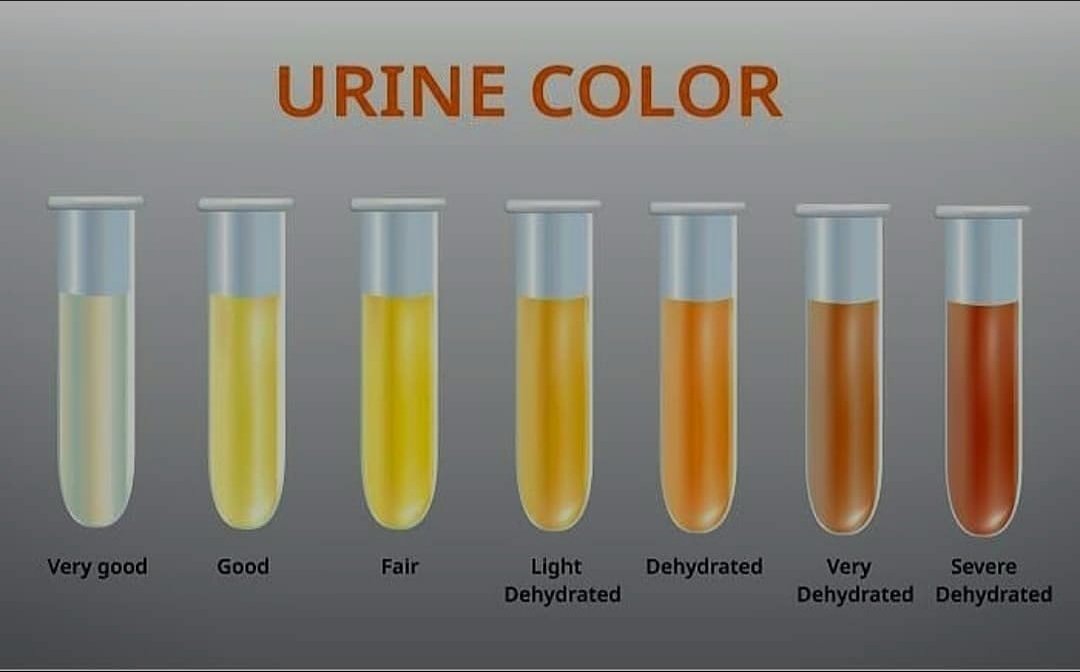
The colour of the human Urine depends on the hydration level of your body. Drinking lots of water keeps your body more hydrated. So, the more you drink water, the more clear your Urine will be. Dehydration of your body results in the thicker and concentrated urine. When your body is more dehydrated, the colour of the urine is dark brown or amber.

The normal urine colour varies from pale yellow to deep amber. Depending on the food we take in and the compounds present in the food and any medication we take, the colour of the urine varies. The various colours of Urine depending upon the situations are clear, yellowish to amber, Red or Pink, Orange, Blue or Green, dark Brown, and cloudy.

Having a clear urine for one or two days is not a problem. But if you have clear Urine for a week or more then it means that you are drinking more than required amount of water which reduces electrolytes in your body. So, in this case you have to consume just required amount of water.

yellowish to amber

High consumption of Vitamin B causes this colour of urine. This also depends on the hydrated level of Urochrome pigment.

Red or Pink Urine

The red or pink colour of urine will be due to the consumption of fruits like Beets, blackberries and rhubarb. But, you have to notice that the if your urine is red but you haven’t taken any fruit then it must be due to the blood. Appearing blood in urine shouldn’t be neglected. You have to consult doctor in this case and take necessary medication.

Orange Urine

There might be many causes for Orange Urine. But, the change should be short-lived. If you have constant orange colour then you must consult doctor.

The most common reason of orange urine is dehydration. If your body is more dehydrated the the colour of the urine may range from dark yellow to orange. The only way to avoid this to drink lots of water and take some fluids.

The orange colour of the urine may be also due to intake of food that contains B vitamins, high doses of vitamin C, or beta carotene, this might turn your urine bright yellow or orange.

Some chemotherapy drugs, laxatives, liver dysfunction also causes orange urine.

Blue or Green Urine

Bright-yellow or light-green urine may be due to the excess B Vitamins. Dyes used in some medical tests such as kidney function test, urinary bladder test may also result in Blue or green urine. This can also be caused by food colouring. The reason of blue urine will be mostly related to your diet.

Dark Brown Urine

Dehydration may be a reason for the dark Brown urine. Taking rhubarb, aloe, or fava beans in your diet can cause dark brown urine. The dark Brown urine may also be a side effect of some medications. Dark brown but clear urine is a sign of a liver disorder. In some critical cases, the derk Brown colour of urine may also be due to to or a sign of Hepatitis, Cirrhosis, kydney disease, Anemia, skin Cancer.

Some drugs lik Antibiotics, Laxatives Anti-malaria drugs, Muscle relaxants can also cause Brown urine.

Cloudy Urine

The most common cause of Cloudy Urine is Urinary Tract Infection (UTI). According to the survey, UTI is more common in females. Dehydration can also be a reason for Cloudy Urine in some cases.

Cloudy urine may also be due to kidney infection, Sexually Transmitted Infection (STI), Vulvovaginitis, Prostatitis, kidney stones, Diabetes or kidney damage from diabetes.

Consuming high amount of Vitamin D, Phosphorus can also be a reason for cloudy urine.

Indian farmers

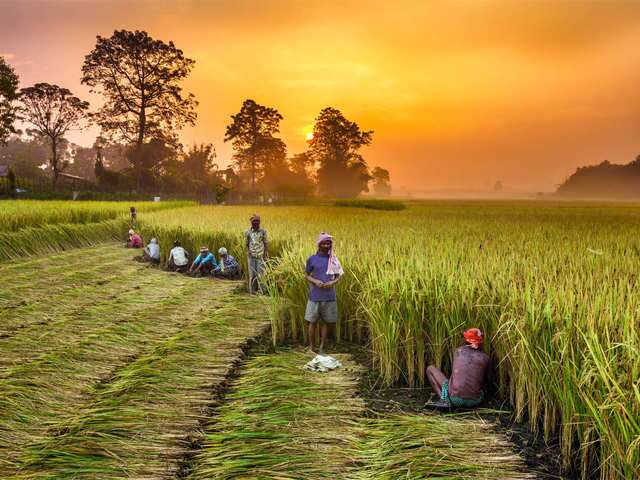
A major part of Indian population is indulged in Agriculture. No doubt India is one of the largest producer of Agro based products . It also have reasonably well contribution in country’s GDP. During the first quarter of FY21 agriculture was the only sector to show positive growth rate. Farmers are the feeding fathers of the nation. They grow crops fighting all odds so that we can have our meals on our dinning table . While posting the pictures of delicious dishes have you ever wondered about the hardships that a farmer faces while growing crops for you and me. The producers of cancer causing cigarettes and gutkas have turnover in crores an lead a high standard life but the producer of our essential commodity is leading a miserable life.The man who is feeding the whole nation has to sleep hungry for several nights. The population of the country is increasing day by day and our farmers are doing their best tto fullfil the demands. Maximum farmers have low land holdings that’s why no bank or financial services give them loans

Letting Go: Beginning Of Peace!…

What does letting go mean to you? Is it easy to let go of things, thoughts, feelings, love, hatred?. Of course, it is not. But we hear it every day from our near and dear ones. They keep on asking us to let go and move on.
But do we follow them? No, we don’t. Our mind is nothing but an ocean of thoughts with about 70,000 thoughts every day. Not to surprise, 95% of these thoughts are negative. Our brain responds to every single thing happening around us. It observes things, analyze our own way and make us think about it. Our brain has everything in it. Emotions, joys, sorrows, love, hatred, anger, cries and every emotion. When we are happy, positive hormones are generated in the brain but when we are sad, the brain keeps on thinking about it building a whole cluster of negative thoughts. The worst thing is these thoughts attack our mental peace and make us restless. If someone does bad to us or someone made us suffer or cry, we keep on thinking about it and our brain holds this bundle of negativity in it which pinch us every single day.
So let’s go by this standard suggestion our friends always give us i.e. to let go. The interesting thing about humans is we easily forget if someone does good things for us but someone hurt us knowingly or unknowingly we remember it as a formula we mugged in school. Okay, let’s go with an example and try to let things go. Suppose you have a very good friend. You have been together since school days. Everybody comes up to you and keep on asking if you are brothers. Now one day, you get to know that all your secrets are not secrets anymore but the whole college knows about it and it was only your best friend who knew about it. What will you do? You will go and confront him, have a fight and break all the contacts with him. But do we really end it here? No. We don’t. We keep this thing always in our head and let it bother us. One thing is for sure, that you got a lesson to stay away from such people. Then why do we let them occupy our precious headspace? This happens because we don’t let go. Here you give your brain food to eat 24/7. Now try forgiving them. Tell your mind that it might be some bad situation which made them do that but it’s okay. Though they hurt you enough that you never want to talk to them again, then don’t ever talk. It is completely okay. But let yourself set free from the grudge. It is important for your peace. Even if you’ve hurt someone in past and it bothers you every day, forgive yourself. You cannot undo things happened in past, then why to carry the heavy baggage of grudge or guilt for a long time. Let it go. Move on. Forgive yourself or someone if needed. Trust me, you will definitely feel free and relaxed if you set yourself free from the negative ropes you created. Set your mind free. Don’t let it sweep away your peace. Take your mind in control. Be the ruler of your thoughts, don’t let it rule you!…

What exactly is Storytelling?

There is so much to speak and listen. Who doesn’t have a story to hear! Everybody has more than one story whether it is Job-related, life-connected, pains of social media etc. And don’t know how many stories we all are filled with. Just try it once. The stories start flowing. That is, life itself is made up of stories. Stories are produced and circulated in our lives one after another. Sayers say if they have something to say. If you know how to tell others, then everyone listens. How will they not listen? They need a teller. A storyteller who is proficient in telling and speaking his voice. There is no shortage of listeners in today’s date. If you have the skills to express, then the listeners are ready. If we can provide any other option to the audience or listeners similar to social media, then nothing can be better than this.

We enjoy or tell stories of our own or others through social media or other mediums. Who went where? What did they eat? Information about where one is roaming etc. is taken and given. Many times you are happy to share your personal moments with others and sometimes you know who is doing what? In whose life now new guests have arrived ? etc. Actually, man is such a living being who cannot sit empty. Either narrates stories of his past or is interested in listening. How efficiently you can tell the story of yourself or others matters. These days there is a great demand for storytellers and speakers in the corporate sector. Storytellers who connect them with management tools by connecting strings of small incidents and everyday life-related events. How a manager treats his team, how to make a project successful, etc. shares theoretical things through the story. The charge for each session is at least ten thousand. What is special about them? If there is something special, can’t we learn the skill of storytelling? There is also a question, what happens in these stories? Our life philosophy and life’s ups and downs are recorded in the stories. If this happened in his or her life, what kind of tricks did he or she adopt and got out of that situation? We often find the light of way and hope from those stories. 

Actually, we understand more from stories rather than theories. In theory, you listen to many things and then throw them from the other ear. But when grandmother or friend narrates stories, our interest increases. Because a lot depends on what is said here, who is telling what things and how much interest they have on the stories of one’s own sufferings. 

There are women or men in the street who have the skills to tell and narrate stories throughout the day. But we have to understand a difference here or by drawing a line that there is a fundamental difference between storytelling and blasphemy. As mentioned above, through the story in the corporate sector, the biggest and the smallest incidents and things are conveyed to the people. Case studies are also provided in management classes. It is said that such and such employees work in the company. People take more holidays there. So how do you as a manager handle it? Another example can also be that the company was incurring losses for the last two-three years. Production was not happening on time. But when a new manager and leader was appointed, he removed the company from shortcomings within six months and enabled it to run everything on time and according to the goal. Thus this story which we can name it case study. New students of management learn them. And let’s see how to introduce theory into practice.

We learn quickly by listening to and reading the story of how to mould the principles into practice or how a successful leader has succeeded in taking the principles and practices to take the company and organization to a new height. It may be a matter of separate discussion that our socialization has happened many times by principles and grammar. In it, schools, curriculum and textbooks nurture a conservative tradition to a large extent. Whereas in management, everything is tested and verified in practice. Perhaps because of a successful leader and manager, the company and organization achieve new heights. 

We have to understand that if the new leader has the ability and skill to execute the sight and vision, from strategy-building to execution, then it can run any project on the path of development. This is a story. Companies share this story among their other employees. When a professional storyteller picks up the same story, he is treated completely different. Here, when we are talking about the story, then it is becoming a little different story of an academic narrator, novelist. Such a story sometimes slips from the eye of the narrator. We can also call such stories a case study.

Resting the body from exertionby the medicine of Sleeping

Article by – Shishir Tripathi

Intern at Hariyali Foundation
In collaboration with
Educational News

In the present world where everyone is running all the day and even night too, it is highly important to have a proper sleep schedule so that the body and the brain relaxes when the tiring day of an individual ends. Not only people working in offices, but also the women at home require rest after the tiring day doing all types of house chores. Kids in the family too need rest after playing all day.

Many working people who sit the entire day in front of computer/laptop screens, mobile phones/tablets, need rest after time to time. Doctors advise that doing eye exercises and yoga for people whose eyes are exposed to electronic screens for the entire day. In big offices, there are separate areas for relaxing after the office work ends or in between too.

The human body is not a machine to be taken work all the day and expecting the machine to do more work the next day that too at a faster speed and more energy.

Students these days are attending online classes all day long sitting in front of mobile phone or laptops. Continuous screen exposure is really very harmful for the eyes, for the spine and can cause severe headache and pain. Not only classes, children but the entire youth is continuously online on social media for hours with all the recent updates. Continuous usage of phone and electronic devices may ruin the sleep schedule and will cause disruption in the normal sleeping process. Many people come to the doctor, complaining that they want to sleep at night when they are in bed but couldn’t. Many psychological disorders and other physical disorders and abnormalities are harming the normal, regular sleep schedule of the person.

Women too doing all the kitchen chores and other chores including cleaning, dusting, washing and the endless work at home face regular ache in the body and if not treated at time can cause internal injuries in bones and severe pain that can last for the rest life. Women at home should take rest time-to-time so that any physical ache and headache should not trouble them any day.

People do different work and have different sort of lifestyles but the one most common way of resting the brain and the body is ‘Sleep’. Many people argue that we feel by sharing updates on our social media handles or by playing any game or by following a certain hobby, but the most appropriate way of resting is sleeping after a tiring day. If one requires, he or she can have short naps in their offices in between the work. But only short naps won’t work. An adequate sleep in bed is so important for proper working of the human body and its internal organs/glands too. When a person sleeps, his body is involved in healing and repairing of heart and blood vessels and sleep reduces the risk of heart disease, kidney disease, blood pressure and stroke. Sleeping and relaxing the body will help the person wake up with more energy and a joyful and calm mood too.

Many so called health conscious people say that one must not sleep in afternoon; otherwise they’ll not be able to sleep at night. It is true to some extent but not entirely correct for all the people. It is the basic fundamental of every machine that if one want more work from it then surely extra rest and extra care is required. If that extra care and attention is not given to a machine, it will be surely going to collapse one day. This was just an example to understand that if a person is doing more of physical and mental work all day, then he or she needs proportionate rest too at the end of the day to release all the exertion of the day.

Experts say that 6-8 hours of sleep is required by the human body. But actually it is up to the person that how much he or she is tired, how much physical or mental exertion he or she is exposed to? It is purely a person’s own choice to sleep as per his awareness and benefits of sleep and his exertion from work.
The best way to sleep is either sleeping on the back with straight body and facing up towards the ceiling or sleeping towards the left side. Moreover sleeping towards the life side is considered good because it helps the body to clear intestinal waste from the brain and reduces the risk of developing Alzheimer’s, Parkinson’s and other neurological diseases.

So these were the benefits of taking rest and sleeping but still for the people who sleep a lot, there are disadvantages too. For people who are the least tired and sleep a lot (oversleeping basically) it can cause problems like obesity, heart disease, diabetes, increased pain and inflammation, cognitive impairment, impaired fertility, depression etc.

Therefore, one must take rest as per he or she takes work from his or her body and at the same time oversleeping and resting without doing anything will even cause severe problems.


So have adequate rest and work with full enthusiasm and energy.

History of the Dauphine Orleans Hotel.

The Dauphine Orleans Hotel is a notoriously haunted location that sits only a stone’s throw away from Bourbon Street. Located in the center of the French Quarter, this hotel has over a hundred rooms where guests regularly report ghost sightings, disembodied voices and more. But why is this location so infested with spirits?

In the late eighteenth century, a man named Don Andres Almonester y Roxas owned the Dauphine Orleans Hotel’s plot of land. He also owned most of the surrounding real estate as well, and eventually donated part of the hotel’s land to the local Charity Hospital. For a time, the land was used to treat the various ill citizens of the city.

But it wasn’t until 1857 that the building’s use took a darker turn.

It was in 1857 that May Baily’s Place opened. Technically referred to as a “sporting house,” May Baily’s was a brothel. This business was a brothel, which was a location where people of ill-repute would often gather and participate in illicit activities. May Baily opened this establishment after her father died during the yellow fever epidemic, hoping to strike rich during hard times. With the help of a family friend, the business soon opened its doors. Luckily for Baily, she also received a license from the city deeming all activities within as legal.

While May Baily ran this fine establishment, her younger sister Millie allegedly hated everything that the fine brothel stood for: subjugation to a life with little choice.

Millie wanted nothing to do with the red-light district. As the story goes, Millie got her chance to escape the sordid life she’d always known in 1861, when she met a nice Confederate soldier. Against all the odds stacked against the couple, they fell in love and Millie’s beau proposed.

Her happiness was short-lived.

On the very day of the wedding, Millie’s betrothed was shot dead. Gambling was the cause; the brawl that took her young soldier’s life, the end result. Her wedding dress that she had sewn so meticulously, caressed so lovingly, never made it to the altar, although Millie apparently took the opportunity to wear it around the sporting house whenever she could.

Guests have spotted Millie’s ghost in her lace wedding gown standing forlornly near May Baily’s, as if still half-hoping that her loved one might return for her.

Guests have reported seeing the spirit of a man dressed in dark Confederate uniform—is it too much to ask that it might be poor Millie’s long lost love?

Many of the people who have witnessed ghosts claim that some are simply patrons from the past. Men visiting their favorite brothel, even after death. There are also reports of the ghosts of prostitutes, still roaming the old building in search of their next customer

Fibrodysplasia Ossificans Progressiva

Fibrodysplasia ossificans progressiva (FOP) is a very rare inherited connective tissue disorder characterized by the abnormal development of bone in areas of the body where bone is not normally present (heterotopic ossification), such as the ligaments, tendons, and skeletal muscles. Specifically, this disorder causes the body’s skeletal muscles and soft connective tissues to undergo a metamorphosis, essentially a transformation into bone, progressively locking joints in place and making movement difficult or impossible. Patients with FOP have malformed big toes that are present at birth (congenital). Other skeletal malformations may occur. The abnormal episodic development of bone at multiple soft tissue sites frequently leads to stiffness in affected areas, limited movement, and eventual ankylosis (fusion) of affected joints (neck, back, shoulders, elbows, hips knees, wrists, ankles, jaw – often in that order).

Episodic flare-ups (inflammatory soft tissue swellings) of FOP usually begin during early childhood and progress throughout life. Most cases of FOP occur as the result of a sporadic new mutation and the genetic mutation that results in this disorder has been identified. FOP is caused by the mutation of a gene (ACVR1) in the bone morphogenetic protein (BMP) pathway, which is important during the formation of the skeleton in the embryo and the repair of the skeleton following birth.

Signs & Symptoms

All individuals with classic FOP have malformations of the great toes and, in approximately 50% of patients, the thumbs. These changes in the skeleton are present at birth (congenital) and are the first clinical signs of this disorder. The most common skeletal malformation associated with FOP is a shortened great toe with a malformed distal first metatarsal and a missing or abnormal first phalanx and/or interphalangeal joint. Other malformations of the toes and fingers may include inward turning of the great toe toward the other toes (hallux valgus), abnormally short fingers and toes (microdactyly), and/or permanent fixation of the fifth finger in a bent position (clinodactyly). Other congenital signs of FOP include proximal medial tibial osteochondromas, malformation of the upper part of the spinal column (cervical vertebrae), and an abnormally short broad neck of the bone in the thigh that extends from the knee to the pelvis (femur).

Progressive bone formation in connective tissues (heterotopic ossification) usually occurs during early childhood, and progresses throughout life. The abnormal development of bone may occur spontaneously but often occurs following an episode of soft tissue injury or a viral illness. The first sign of heterotopic ossification is the appearance of firm tender swellings on certain parts of the body, especially the back, neck, and/or shoulders. These soft tissue swellings mature through a cartilage-to-bone (endochondral) pathway to form mature heterotopic bone. The ectopic bone growth usually involves tendons, ligaments, skeletal muscle tissue, and connective tissues such as fascia and aponeuroses. In many cases, pain and stiffness occurs in these areas. On some occasions, a low-grade fever may herald the development of these swellings. Although the swellings eventually regress, they usually harden into mature bone as they decrease in size.

In the affected areas, bone slowly replaces connective tissue. The neck, back, chest, arms, and legs are usually the first areas affected. The disease eventually affects the hips, ankles, wrists, elbows, shoulders, and/or jaw as well as the abdominal wall. In some affected individuals, the progression of bone development may be rapid; in others, the process may be gradual. Even among identical twins, the disease progression may vary greatly, reflecting different environment impacts such as traumatic episodes.

Chronic swelling in various parts of the body is a common physical characteristic of individuals with FOP. Swelling may occur coordinately with the abnormal bone formation that characterizes FOP, or it may occur when recently-formed bone presses on lymphatic vessels, obstructing the flow of tissue fluid. In addition, swelling may also be caused by a lack of pumping action within the hardened (ossified) muscle and can cause blood and tissue fluids to pool in a limb (e.g., arms and/or legs).

Abnormal development of bone eventually leads to stiffness and limited movement of affected joints. If the jaw is involved, affected individuals may have trouble eating and/or speaking. In addition, abnormal development of bone may lead to progressive deformity of the spine including side-to-side (scoliosis) and, in some cases, front-to-back curvature of the spine (kyphosis). As is the case for skeletal bone, the bone that develops in abnormal areas may fracture and then undergo fracture repair. As the disease progresses, individuals with FOP experience increasingly limited mobility that causes problems with balance, difficulty walking and/or sitting, and/or severely restricted movement.

FOP may eventually result in complete immobilization. Affected individuals may experience progressive pain and stiffness in affected areas, complete fusion of the spine, and/or pain in affected areas of the body caused by abnormal bony growths that compress the nerves in these areas (entrapment neuropathies). As mobility begins to deteriorate, affected individuals may exhibit an increased susceptibility to respiratory infection or right sided congestive heart failure. Hearing impairment is seen in approximately 50% of affected individuals. In some cases of more severe forms of variant FOP, individuals may exhibit hair loss or mild cognitive delay.

One in every two million people are diagnosed with Fibrodysplasia Ossificans Progressiva.The disease mostly begins in childhood, usually diagnosed before age ten.  Nearly 90% of the time the disease is misdiagnosed and mismanaged by physicians or other health care providers. However, there have been 800 confirmed cases in the world and 285 in the United States.67% undergo invasive procedures for diagnosis and treatment such as, an osteotomy, blood sample, or an MRI. Fibrodysplasia Ossificans Progressiva has not been shown to be linked with any specific gender, ethnicity or race.

FOP is caused by a mutation in the ACVR1 gene. This gene is involved in growth and development of bones. The mutation allows them to grow unchecked. The gene can be inherited from one parent, but in most cases of FOP, it’s a new mutation in a person with no family history of the disease.

There are no known effective treatments for FOP but clinical trials are underway. Certain types of drugs have been used to relieve pain and swelling associated with FOP during acute flare-ups (most notably corticosteroids) and non-steroidal anti-inflammatory medication between flare-ups.

Diagnosis

Misdiagnosis of FOP is common but can be avoided simply by examining the individual’s toes for the characteristic feature, short great toes. The diagnosis may be confirmed by a thorough clinical evaluation, characteristic physical findings, and sequencing of the ACVR1 gene.

Standard Therapies

Treatment

Biopsies should be avoided when FOP is suspected because these tests may result in rapid bone formation in those areas where tissue is removed. Intramuscular injections (e.g., immunizations) must be avoided, and dental therapy should preclude injections of local anesthetics and stretching of the jaw. In addition, individuals should avoid any situations, such as falls, that may cause blunt trauma, since trauma may cause abnormal bone development in most cases. Various viral illnesses including influenza and influenza-like illnesses may provoke flare-ups of the condition.

In affected individuals with an increased susceptibility to respiratory infections due to progressive mobility impairment, steps may be taken to prevent infection, such as preventative (prophylactic) antibiotic therapy.

There are no known effective treatments for FOP but clinical trials are underway. Certain types of drugs have been used to relieve pain and swelling associated with FOP during acute flare-ups (most notably corticosteroids) and non-steroidal anti-inflammatory medication between flare-ups.

Affected individuals may benefit from occupational therapy. Special shoes, braces, and other devices that assist in walking and weight-bearing have been used to help people with FOP. Affected individuals may have their physicians contact an occupational therapist who can help obtain special devices or tools to assist them in daily activities.

Genetic counseling may be of benefit for families with inheritance of FOP. A team approach for infants diagnosed with FOP will also be of benefit and may include special social, educational, and medical services. Other treatment is symptomatic and supportive.

Based on the cross-sectional analysis of the baseline data, functional and physical disability as assessed by CAJIS and the FOP-PFQ increased over time. Although longitudinal data are not yet available, the cross-sectional analyses suggest that CAJIS and FOP-PFQ are not sensitive to detect substantial progression over a 1- to 2-year period. Future evaluation of longitudinal data will test this hypothesis. The statistically significant correlations between HO volume and the functional endpoints, and the estimated average annual increase in total HO volume, suggest that the formation of new HO will be measurable over the relative short-term course of a clinical trial, and represents an endpoint that is clinically meaningful to patients.

#MeToo trends as Actress Payal Ghosh accuses Anurag Kashyap of sexual harrassment

Payal Ghosh has said in a statement that initially she was very impressed with Anurag Kashyap, but alter the filmmaker made her feel uncomfortable. Speaking to ANI, the actress said, “He made me feel uncomfortable. I felt bad about it, whatever happened shouldn’t have happened. If someone approaches you for work, it doesn’t mean the person is prepared for anything.”

Filmmaker Anurag Kashyap, on Sunday, denied all sexual assault allegations levelled against him by actress Payal Ghosh and tweeted: “All I want to say is all allegations are baseless.” Payal Ghosh, who has worked in films like Patel Ki Punjabi Shaadi and Prayanam, has recently accused the 48-year-old filmmaker of forcing himself on her in an interview with ABN Telugu. However, Anurag Kashyap dismissed the allegations in a series of tweets and described them as “an attempt to silence” him. In a long thread posted in Hindi, Anurag Kashyap wrote, “Wow, it took you so long to make an attempt to silence me. Never mind… in a bid to silence me, you have dragged another woman in this, despite being a woman. Please stick to the limits, Madame. All I want to say is all allegations are baseless.”

Payal Ghosh, who made her Bollywood debut with the 2017 film Patel Ki Punjabi Shaadi, co-starring Rishi Kapoor and Paresh Rawal, also made an appeal to Prime Minister Narendra Modi to help her. She tweeted on Saturday: “Anurag Kashyap has forced himself on me and extremely badly. Narendra Modi ji, kindly take action and let the country see the demon behind this creative guy. I am aware that it can harm me and my security is at risk. Pls help!”

https://platform.twitter.com/embed/index.html?dnt=false&embedId=twitter-widget-3&frame=false&hideCard=false&hideThread=false&id=1307307613248462848&lang=en&origin=https%3A%2F%2Fwww.ndtv.com%2Fentertainment%2Fbaseless-tweets-anurag-kashyap-after-actress-payal-ghosh-accuses-him-of-sexual-harassment-2298202&siteScreenName=ndtv&theme=light&widgetsVersion=219d021%3A1598982042171&width=550px Speaking about the incident, Payal had told ETimes in an interview, “The first time I met him was at his office in Aram Nagar, Versova. The second time I met him was at his residence. We spoke in general about films and the film industry. Then he called me again to his house and this time, that is on the third occasion, he tried to force himself upon me. I did not raise an alarm but pleaded with him that he should let me go as I would return again some other time.”

Whether it’s my first wife or second, or a girlfriend… or all those actresses who worked with me… or all those female colleagues who have been working with me… I don’t indulge in such behaviour in public or otherwise. neither do I tolerate such behaviour.”

“Rest, whatever happens… let’s see. In the video, you can figure how true the allegations are… otherwise, just love and good wishes for you. Apologies for replying to you in Hindi for your accusations in English,” he wrote on Twitter in a series of posts in Hindi

She added, “When #MeToo movement started, a lot of people spoke about Sajid Khan but I did not dare to because like every other actor who has no godfather and had to earn for a family I kept quiet. Now I don’t have my parents with me. I’m earning for myself. I can dare to tell that I have been harassed by Sajid Khan at the age of 17. He spoke dirty to me. He tried to touch me. He even told me to strip in front of him just to get a role in his upcoming Housefull movie.”

She further said, “God knows with how many girls he has done this. I am coming out now not for any pity party. It’s just that I realised that had affected me so bad when I was a child and chose not to speak. But it’s high time no?…These b******* should be behind bars not only for casting couch but also for manipulating and for stealing away your dreams. But I did not stop. But the wrong I did was not to speak about it.”

Taapsee Pannu also has extended her support to Director posting a old click.

Sharing a candid monochrome click, presumably from their film set, Taapsee wrote, “For you, my friend, are the biggest feminist I know. See you on the sets soon of yet another piece of art that shows how powerful and significant women are in the world you create.” Taapsee and Anurag Kashyap have collaborated for ventures like ‘Saand Ki Aankh’ and ‘Manmarziyaan’.

Art is Art.

“We are made to create. We feel useful when we create. We release our ‘stuckness’ when we create. We reinvent our lives, tell new stories, and rebuild communities when we create. We reclaim our esteem, our muse, and our hope when we create.”

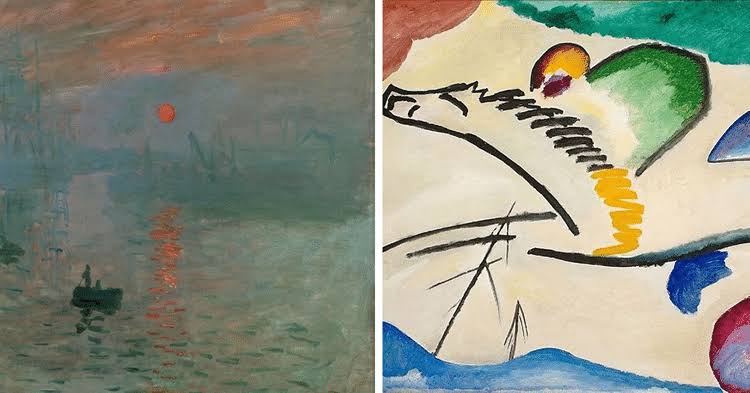
There is no one universal definition of visual art though there is a general consensus that art is the conscious creation of something beautiful or meaningful using skill and imagination. The definition and perceived value of works of art have changed throughout history and in different cultures.

Expression became important during the Romantic movement with artwork expressing a definite feeling, as in the sublime or dramatic. Audience response was important, for the artwork was intended to evoke an emotional response. This definition holds true today, as artists look to connect with and evoke responses from their viewers.

Immanuel Kant was one of the most influential of the early theorists toward the end of the 18th century. He believed that art should not have a concept but should be judged only on its formal qualities because the content of a work of art is not of aesthetic interest.

There are as many ways to define art as there are people in the universe, and each definition is influenced by the unique perspective of that person, as well as by their own personality and character.

Stop judging your work. Nothing kills creativity faster than comparing your work to someone else’s. Your job is not to judge your work. Your job is to put it out there. To see what will become of it. Give your creativity every chance of survival.

Don’t fuss over details as you move forward. What matters is that you get something done. Every day if you have to.

The real world doesn’t reward perfectionists. It rewards people who get things done. Give yourself time in your life to wonder what’s possible and to make even the slightest moves in that direction.

You will screw up in the process but it’s okay. Don’t beat yourself up for making a mistake or making a wrong choice. It will only lead to self destructive behavior.

Lower your expectations of yourself and your work. Realize that you don’t have to create a masterpiece every time you enter the studio. If you go in and fingerpaint and it feels good, you learn something, you stretch yourself, and enjoy the process, that is a success.

You don’t have to say something huge with every artwork that you make. Take the pressure off and you will enjoy yourself along the way.

Art, like life, is messy. The process is the exciting part and one that others love to take part in. Remind yourself that by showing your process you have one more opportunity to connect with other people about the chances you are taking, the details you see, and the messiness of it all.

It also helps people understand your final work. Showing works as they progress can be great teaching moments for people who weren’t trained as artists in seeing just how much work and skill go into a piece.

Even if you draw a stick figure, it is art. Don’t let other people’s definition ruin the meaning of art to you.

One green plant..

Deforestation is the clearing, destroying, or otherwise removal of trees through deliberate, natural, or accidental means. It can occur in any area densely populated by trees and other plant life, but the majority of it is currently happening in the Amazon rainforest.Deforestation or felling trees has become a favorite activity of man to extract assorted needs – be it medicines or precious paper to waste. For obvious reasons, it is shameful to read the statistics on how discriminating man has been, especially when it comes to deforestation… but in the end, there is always hope.Forests cover more than 30% of the Earth’s land surface, according to the World Wildlife Fund. These forested areas can provide food, medicine and fuel for more than a billion people. Worldwide, forests provide 13.4 million people with jobs in the forest sector, and another 41 million people have jobs related to forests. Forests are a resource, but they are also large, undeveloped swaths of land that can be converted for purposes such as agriculture and grazing. In North America, about half the forests in the eastern part of the continent were cut down for timber and farming between the 1600s and late 1800s, according to National Geographic. Today, most deforestation is happening in the tropics. Areas that were inaccessible in the past are now within reach as new roads are constructed through the dense forests. 

One of the most dangerous and unsettling effects of deforestation is the loss of animal and plant species due to their loss of habitat. 70% of land animals and plant species live in forests. Not only does deforestation threaten species known to us, but also those unknown.
The trees of the rainforest that provide shelter for some species also provide the canopy that regulates the temperature. Deforestation results in a more drastic temperature variation from day to night, much like a desert, which could prove fatal for many inhabitants.

According to satellite data, tropical forests are being destroyed at a rate of about 8 million hectares (31,000 square miles) a year — an area equivalent in size to the state of South Carolina or the Czech Republic.

If the current rate of deforestation continues, it will take less than 100 years to destroy all the rainforests on the earth. The rate of deforestation equals the loss of 36 football fields every minute.There are more than 121 natural remedies in the rain forest, which can be used as medicines.According to the Rainforest Action Network, the United States has less than 5% of the world’s population yet consumes more than 30% of the world’s paper.The overexploitation of forests is making it extremely difficult to replant a new ecology.

Forests provide more than a home for a diverse collection of living things; they are also an important resource for many around the world. In countries like Uganda, people rely on trees for firewood, timber and charcoal. Over the past 25 years, Uganda has lost 63% of its forest cover, Reuters reported. Families send children — primarily girls — to collect firewood, and kids have to trek farther and farther to get to the trees. Collecting enough wood often takes all day, so the children miss school. 

4500 acres of forests are cleared every hour by forest fires, bull dozers, machetes etc. Poverty, over-population and unequal land access are the main causes of man- made deforestation.1.6 billion people across the globe depend on forest products for their livelihoods there by adding more to deforestation.Almost half of world’s timber and up to 70% of paper is consumed by Europe, United States and Japan alone.There are more than 121 natural remedies in the rain forest which can be used as medicines.Industrialized countries consume 12 times more wood and its products per person than the non-industrialized countries. The United States has less than 5% of the world’s population but consumes more than 30% of the world’s paper.Agriculture is the leading cause of deforestation Fuel wood in sub Saharan African countries is consumed up to 200% times more than the annual growth rates of the trees. This is causing deforestation, lack of timber resources and loss of habitat for the species living in it. Trees are important constituents of the ecosystem by absorbing carbon.Worldwide more than 1.6 billion people rely on forests products for all or part of their livelihoods.Tropical forests, where deforestation is most prevalent, hold more than 210 gigatonnes of carbon.According to Forestry Department Food and Agriculture Organization of the United Nations, about half the world’s tropical forests have been cleared or degraded.

Further effects of deforestation include soil erosion and coastal flooding. Trees help the land to retain water and topsoil, which provides the rich nutrients to sustain additional forest life.Without forests, the soil erodes and washes away, causing farmers to move on and perpetuate the cycle. The barren land which is left behind in the wake of these unsustainable agricultural practices is then more susceptible to flooding, specifically in coastal regions.

Despite their immense value, since the 1960s, nearly half of the world’s rainforests have been lost. Every day, about 81,000 hectares (200,000 acres) of rainforest — an area nearly 14 times the size of Manhattan — are burned around the world.​

Deforestation is one of the main threats to the species living in the jungles of Borneo and Sumatra. But it isn’t the only threat. Poachers and wildlife smugglers, through the palm oil production, are easily accessible to the animals here. Orangutans are the real victims here. They’ve been found buried alive and attacked by machetes. In the last twenty years, over 50,000 orangutans have died through deforestation. Ninety percent of orangutan habitat has been destroyed. So many innocent lives have been taken. When parts of the rainforest  are cleared, orangutans are left without food. In order to feed themselves, they have no choice but to enter nearby villages in search for food. As a result, mother orangutans are killed by poachers. And their babies are stolen from them and sold to wildlife parks or kept as pets.

Developing alternatives to deforestation can help decrease the need for tree clearing. For example, the desire to expand the amount of land used for agriculture is an attractive reason to deforest an area. But if people adopted sustainable farming practices or employed new farming technologies and crops, the need for more land might be diminished, according to the UN’s Sustainable Forest Management Toolbox. Forests can also be restored, through replanting trees in cleared areas or simply allowing the forest ecosystem to regenerate over time. The goal of restoration is to return the forest to its original state, before it was cleared, according to the U.S. Forest Service. The sooner a cleared area is reforested, the quicker the ecosystem can start to repair itself. Afterward, wildlife will return, water systems will reestablish, carbon will be sequestered and soils will be replenished. Everyone can do their part to curb deforestation. We can buy certified wood products, go paperless whenever possible, limit our consumption of products that use palm oil and plant a tree when possible. 

Curiosity (science)

• Why do we wake up from sleep?

Sleep is essential to give the brain and nerves some rest. While we sleep, our bodies too, get a chance to recover from the fatigue caused by daily activities. When we are well rested, both physically and mentally, we wake up. Sometimes, we wake up because we feel cold or hungry or because a bad dream has made us afraid.

To sum up, we all have an internal body clock that tells our brain to wake our bodies up after a certain amount of time. However, some things or situations such as noise, temperature in the room or sunshine interrupt our sleep and wake us up too.

• Why doesn’t glue stick to the insides of the bottle?

The regular white glue that we use is made up of a variety of chemicals that are either sticky or stretchy. White glue also contains water. Water acts as a solvent that keeps the glue liquid until you want it to stick. When you put glue on a piece of paper, the water in it is exposed to air. The water eventually evaporates and as it does so, the glue dries and hardens and holds the things that need to be glued, stuck together.

When the glue is inside the bottle, there’s not enough air inside the bottle to cause the water to evaporate to make the glue sticky. The bottle protects the glue from the air and keeps the glue runny. This is also why if you’ve ever left the top off a glue bottle for a while, the next time you try to use the glue, it would have dried up.

• Why do the lights of a distant town appear to twinkle?

When you are traveling at night, the lights of towns in the distance appear to twinkle. This is because of the constant movement of air above towns. The air above towns is warm, as a result of the heat given off from buildings. Warm air keeps moving up to be replaced by cold air which then gets heated and rises. This constant movement of air is known as turbulence.

When we are near a town or in it, we don’t notice the turbulence because it is quite small and the lights are nearly. However, when we are some distance away, the lights are far away too. They appear as only pinpricks. The warm and cold air that make up the turbulence above the town have different densities and light passing through the layers is bent at different angles because of this difference. As a result it appears as though the lights of the distant town are twinkling.

• Why do clouds have different shapes?

Clouds are made up of tiny droplets of water vapour or ice particles or both. The shape of the cloud depends on its height and temperature. Cumuliform clouds are shaped liked mushrooms and are formed when rising warm air cools as it goes up. Stratiform clouds come in flat, dull layers and are formed when air sinks in a high pressure area, creating a layer of cold air near the ground that doesn’t rise or rises only very slowly. Cirriform clouds are clouds that have risen on a front or tropical cyclone and frozen into ice crystals at very high altitude. They look like thin hair. The shape of cloud also depends on the time of the day.

Towards evening, clouds tend to be thinner and flatter than during daytime. Changes in wind patterns also change the shapes of cloud.

Thank you for reading. Have a nice day!🌼