Periyar E.V.Ramasamy

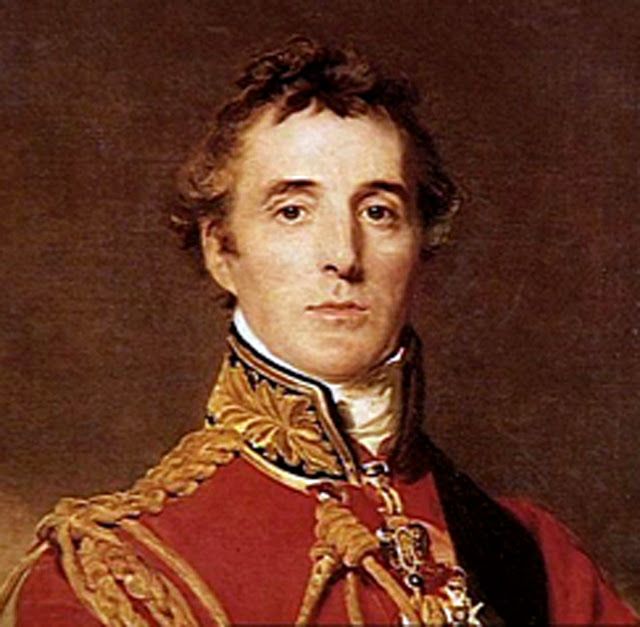
Periyar E.V.Ramasamy(1879-1973)was the founder of the self-respect movement.He was the son of a wealthy businessman in Erode,venkatappa and chinna Thayammal.Though possesing little formal education ,he engaged in critical discussions with scholars ,who used to be patronised by his devout father.As  a young man,he once ran away from home and spent many months in varanasi and other religious centers.The firsthand experience of orthodox Hindu religion led to his disillusionment with religion.On his return ,he took care of his family business for some years.His selfless public service and forthrightness made him a popular personality.He held different official positions of Erode that included the chairmanship of Municipal council(1918-1919).

In the context of the rise of the non-Brahmin Justice party after 1917,the Congress inducted non-Brahmin leaders such as Periyar and P.varadarajulu,at the initiative of C.Rajaji.Periyar resigned all the government positions to support the Non-cooperation Movement (1920-1922).He gave up his profitable business and became an active member of the Congress.He promoted khadi and sold it on the streets of Tamilnadu.He cut down 500 coconut trees in his farm to support the campaign for prohibition.He held the positions of secretary and president of the Tamilnadu congress committe.

As president of the Tamilnadu congress committe,Periyar proposed a resolution regarding the rights of “untouchables”to temple entry.In the name of “caste dharma”the “lower caste”people were denied access to the temples and the streets surrounding the temple .In vaikom(a town in the then princely state of Travancore and in present day Kerala),people protested against this practice.In the initial stages George Joseph of Madurai played big role.After the local leaders were arrested Periyar led the movement and was imprisoned.people hailed him as vaikom virar(Hero of vaikom).In the meaning,he was disturbed by the caste-based discrimination in the dining hall at the Cheranmadevi gurukulam (school),which was run by V.V.Subramaniam (a congress leader)with the financial support of the Tamilnadu congress committee.periyar was disappointed when, despite his objections and protests against this discrimination,the Congress continued to support the iniquitous practice in the gurukalam.

Periyar was keen on the introduction of reservation in representative bodies such as the legislative council for non-Brahmins .He wanted to pass the resolution in the annual conference of the Tamilnadu congress committee in 1925 at its Kanchipuram session but in vain.The congress’s inability in addressing these concerns made him quit the Congress in 1925.Following his disillusionment,Periyar started the self-respect movement in 1925.

Periyar understood the relevance of mass communication in spreading rationalist thought.He started a number of newspapers and journals such as kudi Arasu (Democracy)(1925),Revolt(1928)Puratchi(Revolution)(1933),Resolt(1928),Puratchi (Revolution)(1933),paguththarivu(Rationalism)(1934),and viduthalai (Liberation) (1935).kudi Arasu was the official newspaper of the self-respect Movement.It brought out the multiple voices and ideas of Non-Brahmins ,women and religious minorities.usually,Periyar wrote a columns under the pseudonym of chitraputtiran.

Over the years ,Periyar visited many countries and interacted with intellectuals all over.He visited Singapore and Malaya (1929-1930,1954),Egypt,U.S.S.R.(modern Russia),Greece ,Turkey ,Germany, England,spain, France and Portugal(1931-32),and Burma (1954 to attend the 2500th birth Anniversary of the Buddha).His experience of traveling in the Soviet union and Europe carried Periyar towards socialist ideals.Periyar had a close relationship with singaravelar who is considered the first communist of South India and a pioneer of Buddhism.In 1936,Periyar got Dr.B.R.Ambedkar’s Annihilation of caste translated into Tamil immediately after it was written.He also supported Ambedkar’s demand for separate electorates for scheduled castes.

In 1937,in opposition to the Rajaji’s government’s move to introduce compulsory Hindi in schools ,he launced a popular movement to oppose it.The anti-Hindi agitation (1937-39)had a big impact on Tamilnadu’s politics.periyar was imprisoned for his role in the movement.when he was still in jail,Periyar was elected the president of the justice party.Thereafter the justice party merged with the self-respect movement.It was rechristened as Dravidar Kazhagam (DK)in 1944.

Rajaji,the chief Minister of Madras state (1952-54),introduced a vocational education programme that encouraged impacting school children with training in tune with their fathers occupation.Periyar criticised it as kula kalvi Thittam (caste-based education scheme)and opposed it tooth and nail.His campaigns against it led to the resignation of Rajaji.K.Kamaraj became chief Minister of the Madras state.periyar died at the age of ninety four.His mortal remains were buried at Periyar Thidal,Madras.


Micro Electro Mechanical Systems (MEMS)

Micro Electro Mechanical Systems (MEMS) is a manufacturing technology for microscale devices such as sensors, actuators, transducers, gears, switches, pumps, etc.

Basically, MEMS are microscopic integrated devices made up of electronics, electrical, and mechanical parts that work together to fulfil a single functional need, based on a technique known as Microsystems Technology (MST).

These MEMS-based devices are typically only a few micrometers in size (between 1 to 100 micrometers).

MEMS Sensors

One of the most essential components of today’s digital world is sensors. Because all computing and processing is done using digital signals, there has to be a bridge between the analog and digital worlds. Sensors bridge this gap by observing the temporal impacts of analog physical factors and producing a piece of useful information (to the computer).

A Sensor is a device that includes fundamental sensing elements that sense a physical property such as temperature or humidity and transform it into an electrical signal. A signal processing device, such as an amplifier, filter, or ADC, or a combination of these elements, is also included in a sensor.

When it comes to MEMS Sensors, a Micromachined Microsensor, or simply a MEMS Sensor, is one that is designed and manufactured utilising MEMS Technology.

Types of MEMS Sensors

The automobile sector is a major user of MEMS technology. Modern automobiles include a variety of sensors, the most of which are MEMS-based. Some of them are:

  • IMU or Inertial Measurement Units (they are a combination of MEMS Accelerometer and MEMS Gyroscope) are used to measure pitch, yaw, and roll for autonomous driving.
  • Accelerometers used for  airbag deployment and electronic stability control.
  • We use pressure and inertial sensor for braking control.
  • Magnetometer are used for the navigational direction.
  • By using airflow sensor, air intake is being monitored.
  • Pressure sensor are used in system for monitoring tyre pressure.
  • Impact and crash sensor are used for airbag deployment and detection of impact.
  • We use fuel sensor for indicator of fuel level.
  • Temperature sensor are used for automatic climate control and monitoring of engine temperature.
  • MEMS Microphone are used for noise cancellation and communication.

Applications of MEMS

Different sensors, such as pressure, temperature, vibration, and chemical sensors, are made using MEMS technology.

MEMS Sensors like accelerometers, gyroscopes, and e-compass are popular in ships, vehicles, planes, helicopters, and drones.

Sensors, actuators, generators, energy sources, biochemical and medicinal systems, and oscillators all use MEMS. MEMS applications include the following:

  • MEMS accelerometers, MEMS pressure sensors, MEMS pressure sensors, MEMS gyroscopes, MEMS, tilt and other types of MEMS resonant sensors are examples of sensors.
  • MEMS switches, micro-grippers, micro-levers, and micro-pumps, are examples of actuators.
  • MEMS fuels cells, MEMS vibration energy harvesters, and MEMS radioisotope power generators are examples of generators and energy sources.
  • MEMS biosensors, MEMS air microfluidic and particle sensors,  lab-on-chips,  are examples of biochemical and biomedical systems.
  • MEMS oscillators are used in applications that need precise timekeeping and frequency control.

One of the breakthrough innovations is the idea of combining sensors, actuators, electrical (and electronic), and mechanical components on a single chip. MEMS technology will enable the creation of smart devices having Microsensor perception, Microactuator control, and Microelectronics computational capabilities.

THE SCIENTIFIC AND NORMATIVE VALUES ON JUVENILE JUSTICE

Recent breakthroughs in neuroscience, particularly enhanced Magnetic Resonance Imaging (MRI) techniques, have given scientists and policymakers a more comprehensive knowledge of how our brains evolve from birth to adulthood. While these studies are still in their early stages, they have already demonstrated that the brain continues to develop long after an individual becomes a legal adult (i.e., at the age of 18), and that the slow maturation process that occurs in the social context is mirrored by a slow maturation process in the neural domain. Despite the tentative nature and ambiguous meaning of this information (i.e., we don’t yet understand the actual link between brain structure and behavior), neuroscience is becoming increasingly involved in long-standing debates about juvenile justice and the extent to which adolescents can be held legally responsible for their actions. Roper v. Simmons, in which the Supreme Court prohibited the death penalty for juvenile criminals under the age of 18, is the most significant example of this tendency to date. Christopher Simmons’ prosecution, sentencing, and habeas corpus petition were the focus of the case after he brutally murdered an elderly woman during a burglary when he was 17 years old. Although the execution of minors was historically regarded acceptable in American culture, the Court ruled that a national consensus had evolved that such a penalty was cruel and unusual, and thus violated the Eighth Amendment. The majority agreed with Simmons’ assertion that teenagers lack the emotional, intellectual, and biological maturity required to be consistently categorized as criminals. Adolescents should be punished for their misdeeds, but they should not have to pay the ultimate price for impulses they couldn’t control. Simmons’ claim was based on fresh brain imaging findings that suggests the adolescent brain is not as mature as the adult brain.

Neuroscience was conspicuously absent from this debate. Developments in brain research that investigate problems of culpability and “blameworthiness” of adolescent offenders are increasingly informing juvenile justice policy around the world. Simmons was 17 years old in 1993 when he robbed a woman, tied her up with electrical cord and duct tape, and flung her over a bridge, similar to the juvenile implicated in the December 16, 2012 gang rape in New Delhi. He was convicted and condemned to death by a Missouri court in 1994 when the case went to trial. By 2004, the Simmons case had reached the United States Supreme Court, which ruled a year later in a historic judgment that capital punishment for crimes committed while under the age of 18 was unconstitutional. To determine the “age of knowledge,” the decision relied on neuroscience and advances in brain science. So, what does science need to say about the Indian government’s decision to permit 16-18 year olds to be tried and sentenced as adults? Simply said, science does not support the decision.

The age of understanding in India is 18 years old, according to the Juvenile Justice (Care and Protection of Children) Act of 2000. And so, legally, a person beyond that age might be held fully liable for his actions. However, neuro-scientific developments within the past decade prove that brain development continues till the person is well into his twenties.

In 2007, the National Institute of Mental Health (NIMH) in the United States examined the brains of over 1,000 healthy children aged 3 to 18. Researchers conducted the Magnetic Resonance Imaging (MRI) scans and followed the particular physical changes within the adolescent brain; believe that brain maturation peaks around the age of 25. “Part of the brain that assists organization, planning, and strategizing is not completed being built yet,” according to a 2005 research titled Adolescence, Brain Development, and Legal Culpability. It’s a little unfair to expect [adolescents] to have adult organizational skills or decision-making abilities before their brains are finished developing.” According to available neuro-scientific data, the frontal lobe, especially the prefrontal cortex, is among the last parts of the brain to completely mature. The frontal lobes are in charge of impulse control, decision-making, judgment, and emotions, and are thus critical when determining “culpability” in cases of juvenile delinquency. Further, we now know conclusively that teenagers tend to be impulsive and susceptible to mood swings because the limbic system — which processes emotions — remains developing.

Many research works have established that under conditions of chronic and severe stress in rats, the prefrontal cortex can shrink by up to 40 per cent leading in brain cells in this area losing their capacity to process information properly. The hippocampus, which is crucial for forming memories of daily facts and events, additionally damaged during a similar fashion.

Thus, the parts of the brain that is crucial for processing information about specific events, and making careful decisions based on them — such as applying the brakes on high-risk behavior — are severely compromised. The amygdala, the emotional centre of the brain that is involved in fear, anxiety, and aggression, on the other hand, is pushed in the other way by stress by making its neurons grow bigger and stronger. Surprisingly, MRI imaging reveals that people with stress disorders experience identical alterations in their brains.

RACE DISCRIMINATION

What is race discrimination?

What is race discrimination?

This is when you are treated differently because of your race in one of the situations covered by the equality act.

The treatment could be a one-off action or as a result of a rule or policy based on race. It doesn’t have to be intentional to be unlawful.

There are some circumstances when being treated differently due to race is lawful, explained below.

What the equality act says about race discrimination?

The Equality Act 2010 says you must not be discriminated against because of your race. 

In the Equality Act, race can mean your colour, or your nationality (including your citizenship). It can also mean your ethnic or national origins, which may not be the same as your current nationality. For example, you may have Chinese national origins and be living in Britain with a British passport.

Race also covers ethnic and racial groups. This means a group of people who all share the same protected characteristic of ethnicity or race. 

A racial group can be made up of two or more distinct racial groups, for example black Britons, British Asians, British Sikhs, British Jews, Romany Gypsies and Irish Travellers.

You may be discriminated against because of one or more aspects of your race, for example people born in Britain to Jamaican parents could be discriminated against because they are British citizens, or because of their Jamaican national origins.

Different types of race discrimination.

There are four main types of race discrimination.

1. Direct discrimination

This happens when someone treats you worse than another person in a similar situation because of your race. For example : if a letting agency would not let a flat to you because of your race, this would be direct race discrimination

2. Indirect discrimination

This happens when an organisation has a particular policy or way of working that puts people of your racial group at a disadvantage.

For example: a hairdresser refuses to employ stylists that cover their own hair, this would put any Muslim women or Sikh men who cover their hair at a disadvantage when applying for a position as a stylist

Sometimes indirect race discrimination can be permitted if the organisation or employer is able to show to show that there is a good reason for the discrimination. This is known as objective justification.

For example : A Somalian asylum seeker tries to open a bank account but the bank states that in order to be eligible you need to have been resident in the UK for 12 months and have a permanent address. The Somalian man is not able to open a bank account. The bank would need to prove that its policy was necessary for business reasons (such as to prevent fraud) and that there was no practical alternative.

3. Harrassment

Harassment occurs when someone makes you feel humiliated, offended or degraded.

For example: a young British Asian man at work keeps being called a racist name by colleagues. His colleagues say it is just banter, but the employee is insulted and offended by it

Harassment can never be justified. However, if an organisation or employer can show it did everything it could to prevent people who work for it from behaving like that, you will not be able to make a claim for harassment against it, although you could make a claim against the harasser.

4. Victimisation

This is when you are treated badly because you have made a complaint of race related discrimination under the Equality Act. It can also occur if you are supporting someone who has made a complaint of race related discrimination.

For example: the young man in the example above wants to make a formal complaint about his treatment. His manager threatens to sack him unless he drops the complaint.

Measures to deal with Communalism

Remembering partition we are immediately reminded of the immense bloodshed that followed it. The two major communities were at war with each other. This was communal violence. Since Then communalism has been a menace to India. Now and then communal riots erupted in India. People engaged in those riots become faceless the only thing that matters to them is their religious or community identity. Religious identity overrides everything else and they develop the mindset “our belief alone is true and rest is false and incomplete.” 

According to historian Harbans Mukhia,” communalism is the phenomenon of religious differences between groups, often leading to tension and even rioting between them.” 

Measures to deal with communalism:

  • Reforms in the present criminal justice system, speedy trials should be undertaken. Specialized training for the police force to handle communal riots and setting up special investigating agencies can help.
  • Emphasis on value-oriented education with a focus on peace, non-violence, compassion, secularism, and rationalism as core values in children in school and colleges can prove vital.
  • Developing an attitude that all religions are equal and teach us the same values of humanity, humility, and kindness can help maintain peace.
  • Inspiration can be taken from other countries for example Malaysia maintains a perception index to gauge people’s needs and feelings about race relations in their area.
  • Non-governmental organizations can tie-up with the government to create communal awareness build stronger community relations and cultivate values of communal harmony.
  • News channels play a huge role in influencing the views and mindset of people so when they are biased towards one community or religion, this can develop biasness in the attitude of people watching those news channels. So media houses must always present a balanced viewpoint on any issue.

Hence communalism can be combated in the best way when people are able to develop a balance between their religious sentiments and national interests, they need to understand that nation comes first that is nationalism is greater. We have to understand that there will always be anti-nation elements propagating communal tensions but we have to be rational and have a mindset that is free from all kings of biasness towards any religion or community.

Anything violence does, peace can do it better.”

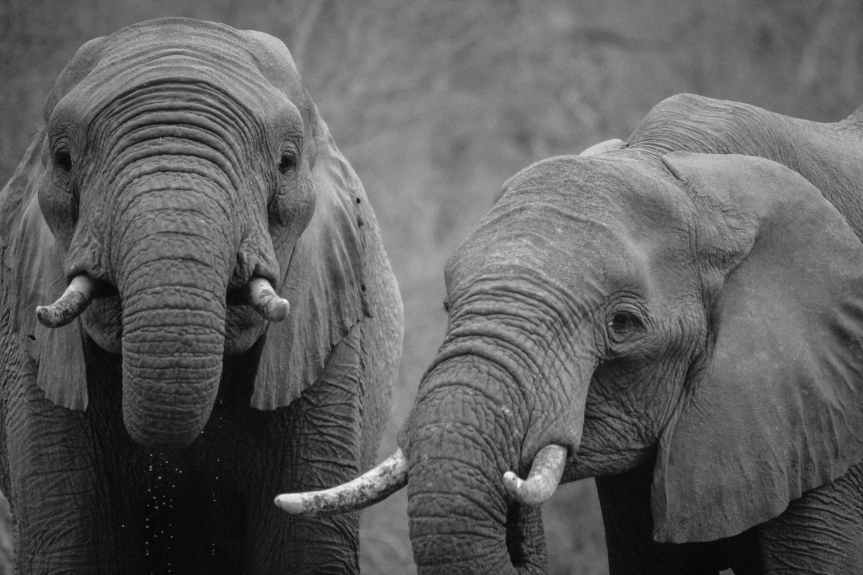
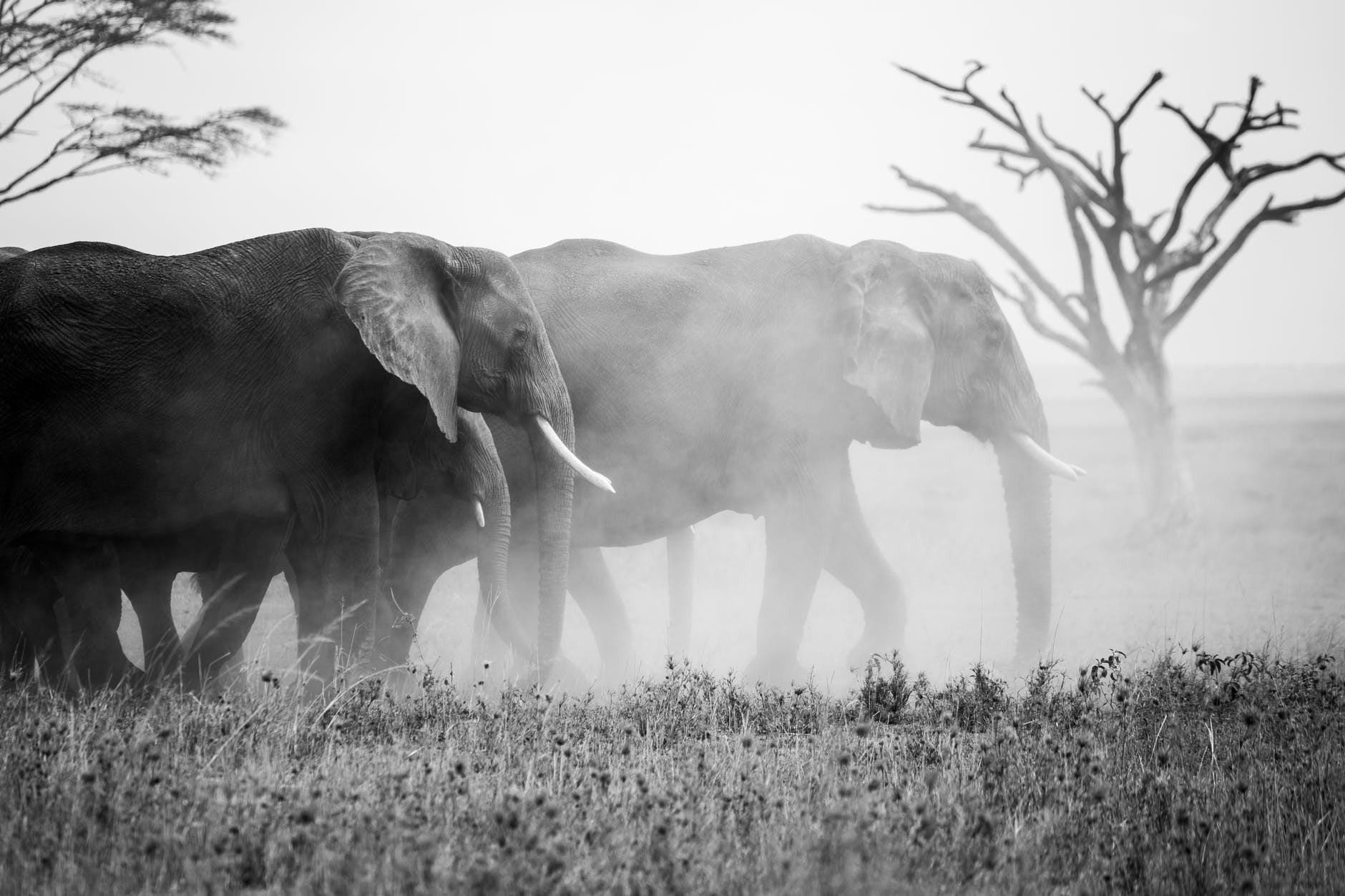
Behind every ivory trinket-is a dead elephant?

It is distressing to see the plight of the tusk-bearing animals these days. Numerous news headlines are daily highlighting the illegal smuggling of ivory. The extortionate value and demand of the ivories are not only in India, but also in the international markets. Wild animals are mercilessly being poached on a massive scale, possessing a major existential threat to wildlife. But do we really care or do enough to stop this inhumane and selfish act?

Let us first understand the connotation of the word ‘poaching’.

Poaching, in simple words, is the illicit act of killing, shooting, hunting or capturing of animals. The aim of this illegal act is mainly for the purpose of trade of animal products like skin, teeth, horn, bone, etc. Poaching plays a decisive role in being a contributor to biodiversity loss. Due to this felonious act, the number of extinctions has increased dramatically over the past decades. It is necessary to understand that poaching is not only about the uncontrolled killing of protected animals or endangered animals but any unlawful killing of animals.

Smuggling of elephant tusks

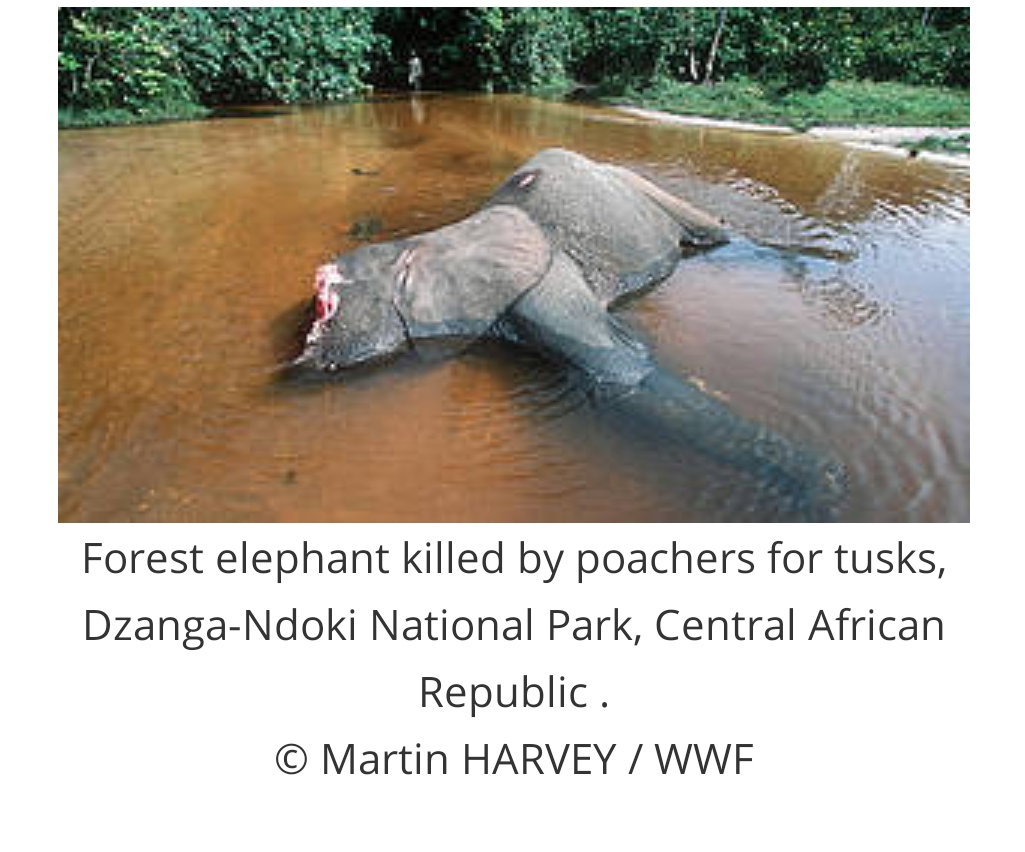
In India, poaching of elephants is very common and a major challenge to be combated. Ivory trade is in high demand mostly in the Asian countries. About 20,000 elephants are mercilessly killed every single year for their tusks. These ivory tusks are then smuggled in the international markets to eventually end up as ivory trinkets.

Ivory trade has been in practise for millennia. In the 14th century BCE, the exportation of ivory and slaves from Africa and Asia were done extensively. The freshly captured slaves along with the tusks were sold. The ivory was then used to make ornaments and aesthetically pleasing commodities.

On July 6, 2016, a complete ban on commercial trade in African elephant ivory went into effect in the United States. The African elephant population has decreased dramatically. Near about 350,000 elephants are left in Africa, as per 2019 data. It is quite shocking to know that 10,000 to 20,000 elephants are slain every year. Elephant numbers have dropped by 62% over the last decade, and if not brought under control, then they’ll be extinct by the end of the next decade.

Major countries where these tusks are sold

China is the biggest consumer market for ivory products. However, a ban was enforced on ivory trade by China in the year 2017. But it is evident that ivory is in high demand in many countries. Illegal selling of ivory is still rampant. In the year 2011, a whopping amount of 100kg of ivory was seized by Tanzanian officials. That same year several countries including Tanzania and Kenya seized a total of 17 ivory shipments weighing 800 kg.

According to surveys and in-depth interviews the demand for ivory is known to be concentrated in: China, Thailand, Vietnam, the Philippines, and the United States.

Last year, about 8.8 tonnes of ivory items were seized in Singapore.


The adverse effects of tusk-removal on the elephants

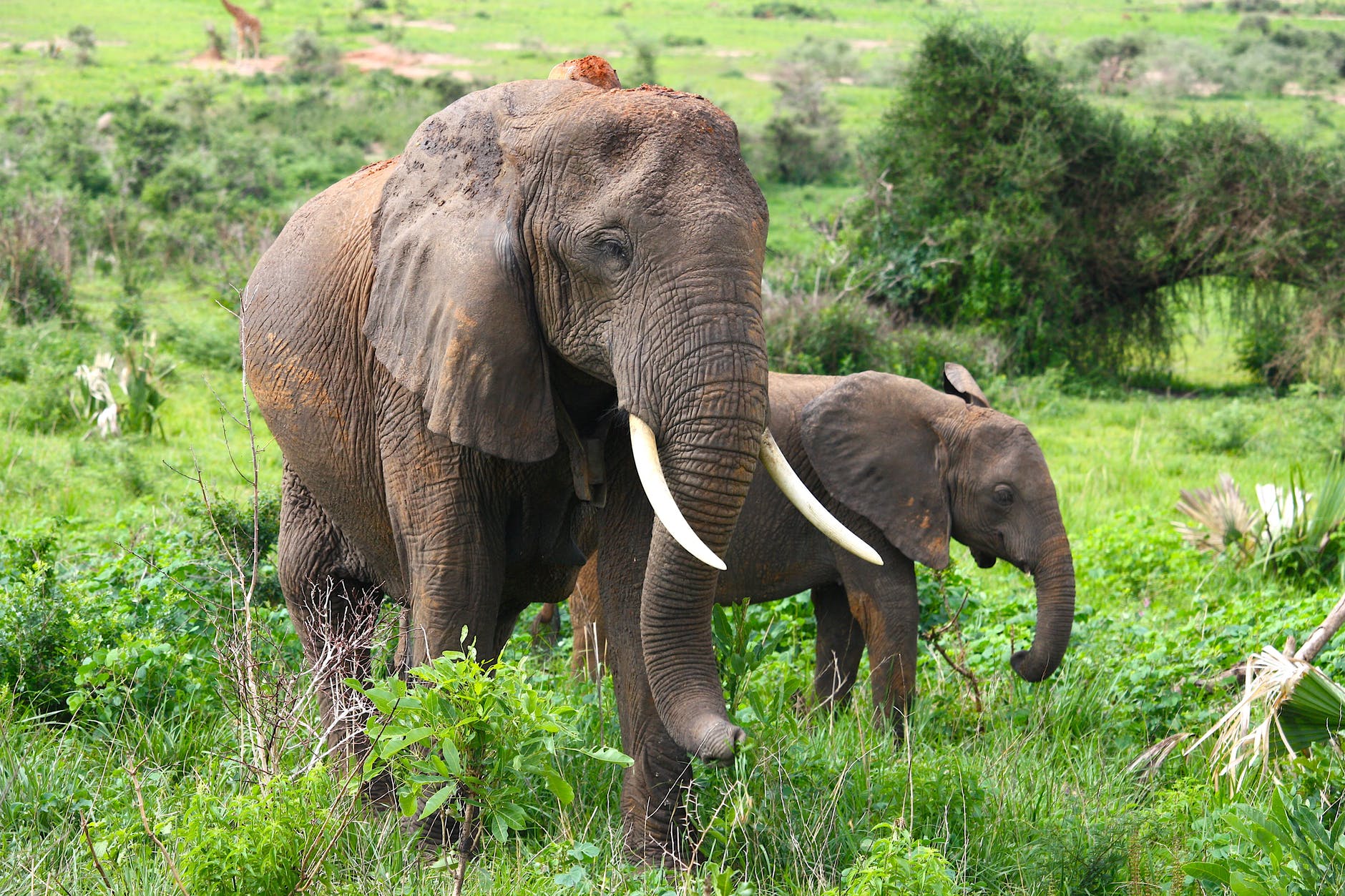
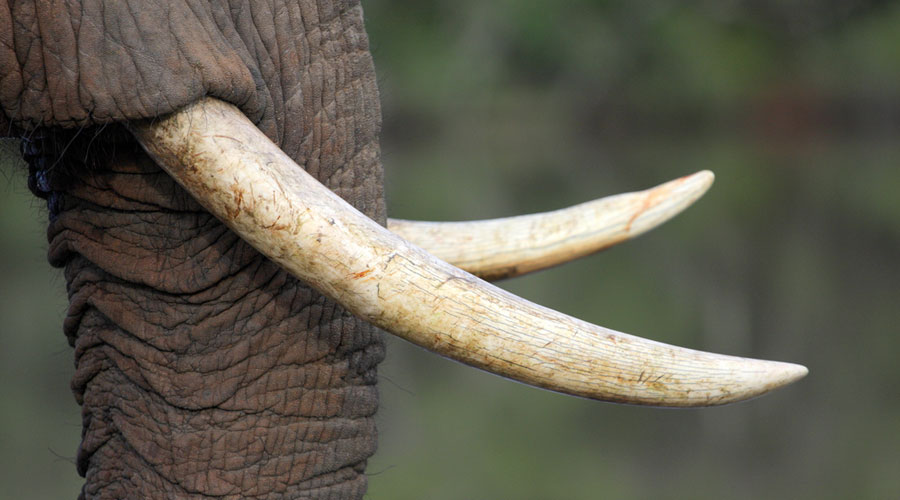
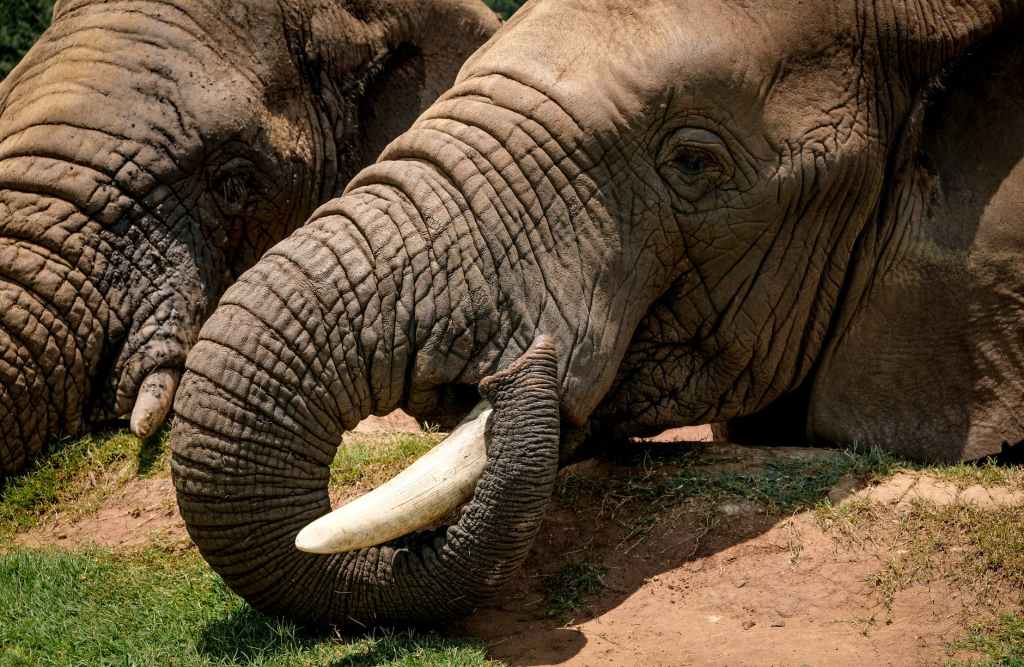
I am sure that we have all seen the majestic elephants flaunting big, off-white tusks on either side of their trunks. These tusks are both beautiful on the elephant and of utmost importance in the species’ survival.

Many poachers claim that there are no after effects of tusk-removal. Either the elephants are killed or sedated before removing their beautiful tusks.

An elephant’s tusk is deeply embedded in its skull. When the tusks are removed, there is a big hole left afterwards. The hole is big enough to stick your arm into it. If the tusks are removed at the point where it protrudes from the head, the nerve is exposed. Either way, now the wound is open and vulnerable to all sorts of infection. So, even though the elephant remains alive it is still at risk. Now, suppose there is an ivory poacher. Any poacher will want as much ivory as he can acquire with as little risk as possible. If he opts for the removal of the tusk completely, he/she will have to completely sedate or kill the elephant, because of little time and the fear of getting caught.

But is it just the elephants?

The answer is a ‘Big No’. Ivory has been valuable since ancient times in art and manufacturing a range of items and artefacts. Though elephant ivory is the most important source, ivory of walruses, mammoth, killer whale, sperm whale, hippopotamus, narwhal and warthog are used as well.

The international and national trade of ivory of threatened species such as African and Asian elephants is illegal.

Read about ivory trade and other tusk bearing species at- https://en.m.wikipedia.org/wiki/Ivory_trade#:~:text=The%20ivory%20trade%20is%20the,resulting%20in%20restrictions%20and%20bans.


The Road Not Taken

When every choice involves the loss of opportunity, which path will you choose? When your choices come with incomplete information, how can you be certain? How long will you stand still before making your choice? How confident are you when you realize you can’t save the first road for another day when the road you chose tends to lead onward to another? Whichever road you choose will make all the difference. In order to be different and do something great, you have to think different and implement things with a different approach. You have to take a different lane; the road not taken.

Remember the poem “The Road Not Taken” penned by Robert Frost?

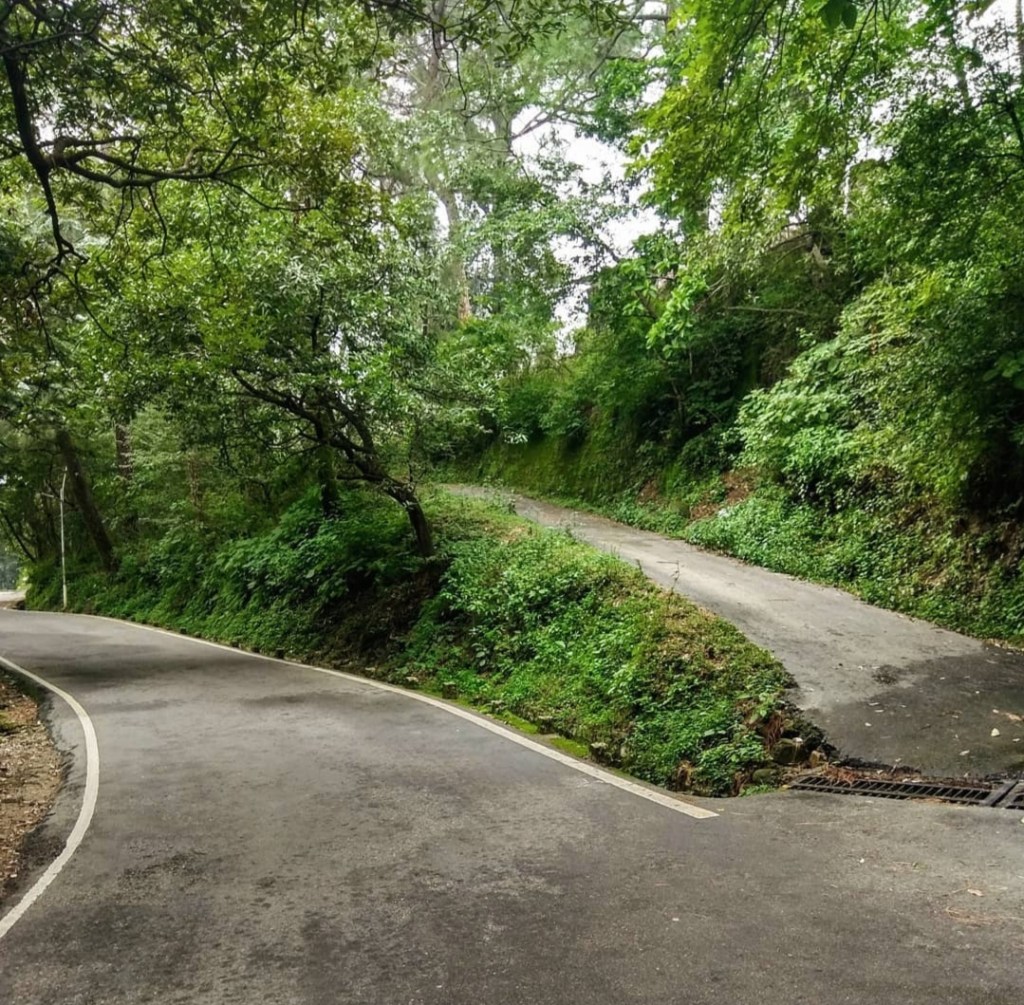
Two roads diverged in a yellow wood,

And sorry I could not travel both

And be one traveler, long I stood

And looked down one as far as I could

To where it bent in the undergrowth…

The poem describes someone standing at a fork, or turning point, in a road in the woods, trying to decide which path he is going to take. He looks down one road as far as he can see, and after thinking for another minute, decides to take one because it looks like nobody’s been that way yet, and he is curious about where it leads. He thinks maybe he might come back another day and try out the other path but he has a feeling that the road he has chosen will lead him to new places and discoveries, and he probably won’t be back. He thinks wistfully about that road, which he did not take, and where he might have wound up if he’d gone that way instead. Part of him regrets his decision, but he also realizes that the things he’s seen and the places he’s gone because of the direction he chose has made him who he is.

This poem tells a lot about life in general. Life is all about making choices, whether it’s about choosing to change your daily diet or choosing the right partner. Every choice has its significance in some way or the other.

It makes me remember that past is always dynamic because it shapes my present and therefore, I should be careful about my present as it will take care of my future. Most importantly, this poem makes me think wisely about my choices. It reminds me that I should not make such a choice which I would regret one day and say ‘if I would have taken the other road, it would have been better’. Rather I should be proud of my decision and say ‘Yes! Since I chose the right path, it has led to all this difference’. The difference is what makes it different. Just as Frost ended the poem: “I took the road less travelled, and that’s all that matters”. There are no bad roads, there are only different battles that births different results.

In my opinion, the poet encourages the readers to create opportunities that may be overlooked by us because we all are in search of solutions for our problems rather than trying to sort out the things in the less conventional way.

Day Out With Chip- The Robot!

There is no rule on how to write. Sometimes, it comes easily and perfectly; sometimes it’s like drilling rock and then blasting it out with charges.”

  • Ernest Hemingway

Today’s article discusses all about writing with Chip – The Robot. I had officially booked a day out with him and he seemed welcoming. We had a long conversation which I will try to compress in this article. So, let us begin.

Hello Chip. So, My Very First Question For You Is That What Do You Think About Writing?

Writing is an art which only a few are blessed with. Certain talented people around the globe are able to compose creative and fictitious worlds and make people visualize them through their amazing description. That is exactly what writing is all about. You make people reflect through your writing. Thus, it becomes an art and can’t be learnt. The creative and imaginative aspects sprout from within.

Totally! I Agree To This. However, What Do You Think Makes Writing An Entertaining Task?

This totally depends on the interest levels of the individual. Writing is fun for people who are completely inclined towards it while those who hesitate to read even a page, aren’t going to like it. So, the thing is that you need complete love for the process before initiating it. The second stage could be that you are interested in the process but aren’t able to concentrate and come up with certain new ideas and topics to write on. In such cases, you could take inspiration from the pettiest things around you. You just need to open your inner eye to notice that. And that, I tell you honestly, is an amazing job. Sitting and pondering over the petty objects and coming up with some imaginative character or story of your own, in itself is so entertaining. Another reason maybe that you aren’t able to concentrate could be that your mind is disturbed and aren’t focused. Thus, all you could do is practice meditation or do tasks that would soothe your senses. In short, I would state that indulging into the process of imagination is one of the best experiences when it comes to writing which is enough to make writing an entertaining task.

That Was So Helpful! Which Is Your Favourite Genre When It Comes To Writing?

My favourite genre shall always be fiction because it makes writing all the more interesting. You get to weave your own imagination and there aren’t any limits in the framing of thoughts onto that sheet of paper. Fiction introduces a new world, not only to the readers but also to the writers.

True That! So, What Are The Effective Ways Of Writing Fiction?

Fiction as a genre needs extremely insightful and creative people to frame a good story. You need to think outside the box when it comes to fiction. People don’t admire the same boring mythological concepts. Instead, when added a spice of an entirely new world of fictitious characters and incidents, the story begins to gain certain amount of popularity. The effective way of writing fiction is to never force on writing it. Sit and ponder over the outline of your story. Don’t try to be creative when your brain is stressed. Don’t set a deadline to writing a story when working on fiction. Just be cool, calm and devoted to your manuscript. Don’t give up easily on manuscript. You could always give some time to thinking effectively. However, if you wish to launch your book at a specific date then it is advisable to start as early as possible so that you don’t have to overdo on the last minute and can work with peace.

So, Important! Would You Like To Speak About Some Other Favourite Genre Of Yours?

Certainly! Mystery catches my attention every single time. It is because of the intense suspense factor that makes reading such a fun task. Here too, you need to have the creativity to frame the suspense appropriately. A single mistake can disclose the entire sequence and thereby disrupt your attempt of maintaining suspense. So, this is another genre, you need to be careful with. Give proper amount of time to thinking and don’t rush. Your manuscript isn’t yelling at you to finish it as soon as possible, nor is anybody else urging you to be prompt. Unlike writing prompts which don’t stress on the topic, other types of write ups don’t require you to be prompt. So, work with peace and eliminate all the pessimistic thoughts before you choose to begin with these genres.

That Was So Helpful! Lastly, Would You Like To Conclude On A Good Note?

Certainly! I would like to thank you for choosing to go out with me. I request each and every reader of this article to definitely write and not hesitate in the process. The more you write, the more efficient you shall be. You just need to be faithful and devoted to the process. Your thoughts need to be refined, in order to make writing a fun task. Maintaining effective sanity is quintessential for writers who must hibernate from chaos. So, go surrender yourself to the lap of mother nature and write for hours together, trusting that one fine day a highly creative idea would grace you with its presence on that blank sheet of paper!

Thank You So Much Chip!

Some Basic Rules that Diabetics need to follow.

(By Bhoomika Saini)

Are you worried about your fluctuating level of blood sugar? For a diabetic patient, it is the blood sugar levels which reveal whether they have either high amounts of blood sugar (hyperglycemia) or low blood sugar levels (hypoglycemia).

Lets see how you can gain control over your sugar levels and stay healthy even with a diabetic condition.

Be regular with your medication

Medication is important for having a good diabetic control. Missing medication can increase your risk of suffering from several diabetes-related health complications.

Eat right and exercise regularly

Eating meals and snacks at consistent times help keep your blood glucose levels within target range. Getting regular physical exercise is equally important to maintain normal blood sugar levels. But check your blood sugar levels before and after exercise and avoid exercising if your blood sugar levels are too high or too low.

Check your blood sugar levels regularly

Regular blood sugar monitoring is the most important thing you can do to manage type 1 or type 2 diabetes. You’ll be able to see what makes your numbers go up or down, such as eating different foods, taking your medicine, or being physically active. Most people with diabetes need to check their blood sugar (glucose) levels regularly.

Shed those extra pounds

Obesity is one of the most crucial mitigating factors of diabetes. Obesity also causes your cholesterol levels to skyrocket, increasing the chances of heart disease.


Control your cholesterol levels

Diabetes often increases LDL “bad” cholesterol levels in a person’s body while lowering HDL “good” cholesterol levels. Controlling cholesterol levels plays a crucial role in reducing a person’s risk of heart disease.

Data science

Data science is an interdisciplinary field that uses scientific methods, processes, algorithms and systems to extract knowledge and insights from structured and unstructured data,and apply knowledge and actionable insights from data across a broad range of application domains. Data science is said to data processing , machine learning and large data.


Data science may be a “concept to unify statistics, data analysis, informatics, and their related methods” so as to “understand and analyze actual phenomena” with data.[3] It uses techniques and theories drawn from many fields within the context of mathematics, statistics, computing , informatics , and domain knowledge. However, data science is different from computing and knowledge science. Turing Award winner Jim Gray imagined data science as a “fourth paradigm” of science (empirical, theoretical, computational, and now data-driven) and asserted that “everything about science is changing due to the impact of data technology” and therefore the data deluge


There are a spread of various technologies and techniques that are used for data science which depend upon the appliance . More recently, full-featured, end-to-end platforms are developed and heavily used for data science and machine learning


Data Analyst
Data analysts bridge the gap between data scientists and business analysts. they’re given the questions that require answering from a corporation then organize and analyze data to seek out results that align with high-level business strategy. Data analysts are liable for translating technical analysis to qualitative action items and effectively communicating their findings to diverse stakeholders.


Skills needed: Programming skills (SAS, R, Python), statistical and mathematical skills, data wrangling, data visualization


Data Engineer
Data engineers manage exponential amounts of rapidly changing data. They specialise in the event , deployment, management, and optimization of knowledge pipelines and infrastructure to rework and transfer data to data scientists for querying.


Skills needed: Programming languages (Java, Scala), NoSQL databases (MongoDB, Cassandra DB), frameworks (Apache Hadoop)

The Revolt of 1857

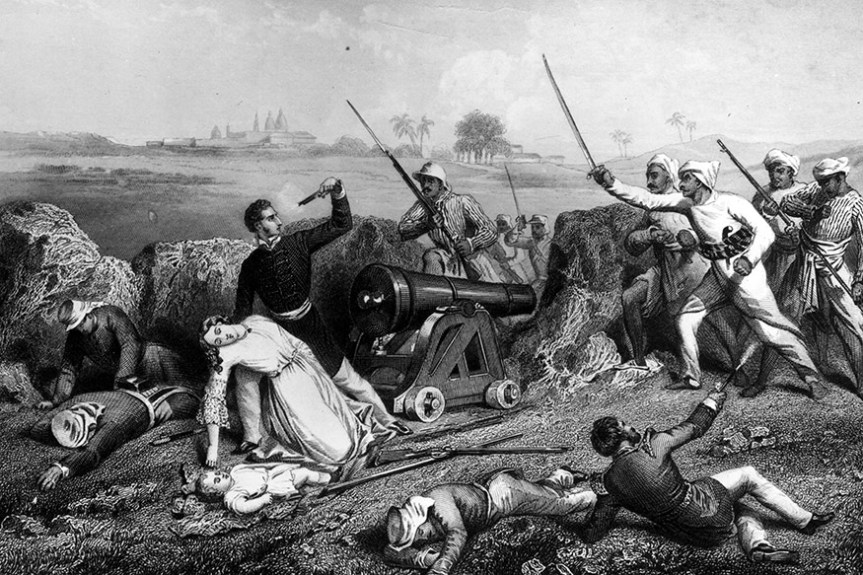
It was the first rebellion against the British East India Company in India which functioned as a sovereign power under the British Crown. The revolt began in Meerut when Sepoys of the British East India Company rebelled against the Company which led to widespread participation of the masses across the nation. The revolt is known by several names like the Sepoy Mutiny, the First War of Independence, the Great Rebellion.

Causes of the Revolt

  • The immediate cause of the revolt was from a rumour that spread that catridges used in rifles were greased with fat of cows and pigs. Before loading into the rifle the sepoy had to bite of the covering on the catridge. This was a big insult to the ritual of the Hindus and the Muslims. Lord Canning made ammends in the manufacturing of the catridges but the damage was done. In March 1857, Mangal Pandey refused to use the catridges and infuriated he attacked his British superiors. He was executed on April. On 9th May, 85 sepoys in Meerut refused to use the new catridges and were sentenced to ten years imprisonment.
Mangal Pandey
  • Indian sepoys formed a large majority of the British troops but they were considered inferior and paid less than a European sepoy who held the same rank. The General Services Enlistment Act Required the sepoys to be ready to serve even in the British land in the West.
  • The adoption of a new British policy called the Doctrine of lapse. The policy sought annexation of a Hindu ruler’s kingdom if had no natural heir, and also prohibits adopted successor of the ruler from seeking the throne, after the ruler dies. The rule was imposed by Lord Dalhousie. The rule annnexed many kingdoms and a large number of rulers were dislodged. Rani Lakshmi Bai’s adopted son was prohibited from acquire the kingdom of Jhansi. Satara, Nagpur, Jhansi were annexed under the rule. The kingdom of Awadh was also annexed which lead to discontent among the people.
Lord Dalhousie
  • The abolition of social practices like sati, and the legalizing of widow remarriage were perceived as threats to the culture. The introduction of acts like changing the Hindu law of inheritance allowing a Hindu who converted into a Christian inherit their ancestral properties. Introduction of Western style of Education was perplexing for the Indains.
  • The local peasants and zamindars were enraged ny the heavy taxes imposed on their land. Borrowal of money from money lenders in order to meet the heavy taxation demands eventually lead to bad debts, thereby losing their land that survived for generations.
  • The post Industrial Revolution in the West brought in an influx of British machine made goods into India. The action ruined the small scale industries like the textile and the handicraft.
Rani Lakshmi Bai

Many rulers also revolted. Begum Hazrat Mahal lead the revolt in Awadh when the British annxed the kingdom. Nana Saheb the adopted son Peshwa Baji Rao II, led the revolt in Kanpur. Rani Lakshmi Bai led the revolt in Jhansi after British suppressing her adopted son to ascend the throne.

JAIPUR – Pink City of India (Part – 2)

Jaipur or pink City, is the capital of Indian state of Rajasthan, and its largest city. The city was built in the 18th century by Sawai Jai Singh as India’s first planned city, and today it’s a major tourist attraction for Indians and for international visitors. It is a very picturesque city with splendid palaces, forts and historical monuments. Some of the tourists places are —

1 – City Palace in Jaipur

City Palace has stood at the heart of the Old City of Jaipur for nearly three centuries, shortly after Maharaja Sawai Jai Singh II decided to relocate his court from the city of Amber. Protected by huge guard walls, the fairy-tale-like structure is still the home of Jaipur’s modern-day royal family, and is more extravagant and enchanting than you might imagine.

City Palace is more than a sand-colored regal abode—it’s a sprawling complex of buildings built around a series of landscaped garden courtyards overlooking Jaipur and Lake Palace. The entire property is a stunning display of Rajasthani and Mughal architecture.

The current occupants reside in the most eye-catching building, the Chandra Mahal, an elegant structure with curved eaves and domed rooftops. Each of its seven stories features an entirely different style. The ground floor is included in the price of admission, but you’ll need to book a private tour to go upstairs.

2 – Jantar Mantar

At first glance, Jantar Mantar may look to be nothing more than a bunch of larger-than-life abstract sculptures. But this is not an art gallery—it’s a special collection of astronomical tools started by Rajput ruler Jai Singh II to measure the heavens nearly 300 years ago.

Each of the 20 or so structures at the UNESCO World Heritage Site serves a distinctive purpose. The observatory’s massive sun dial, known as Samrat Yantra, is particularly striking. At 27 meters tall, it casts a huge shadow that accurately measures time down to two seconds.

3 – Hawa Mahal

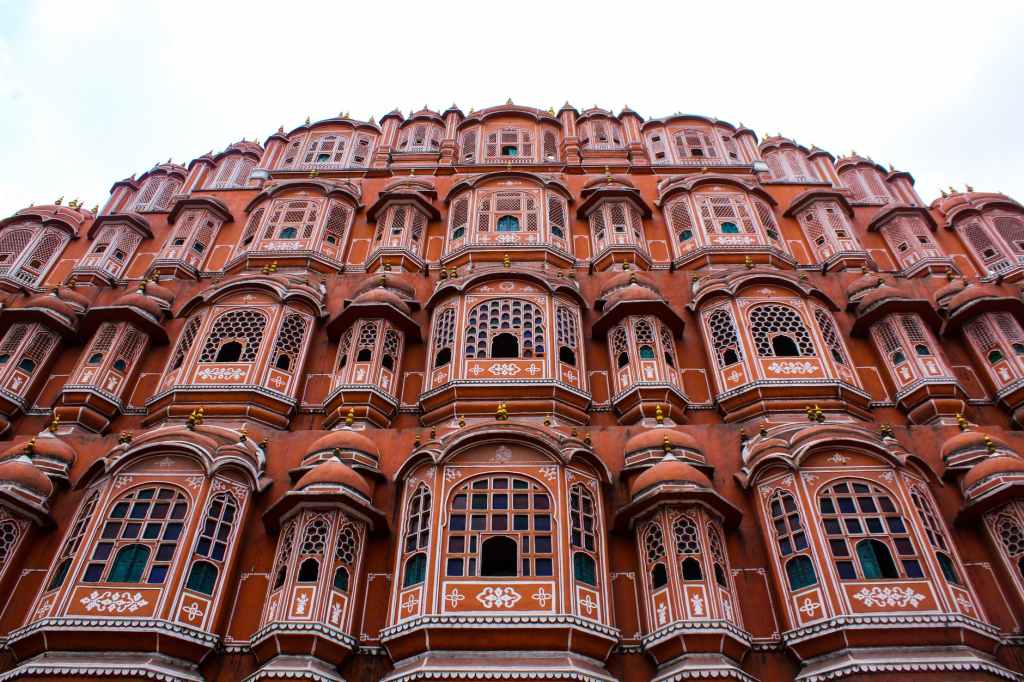
If you had any preconceived notions about how the buildings in Jaipur look, they probably came from Hawa Mahal (Palace of Breeze). It has all of the distinctive architectural features that appear in postcards of the city, from the salmon-pink, honeycombed facade, built to resemble the crown of Hindu god Krishna, to the geometric accents and rows of tiny windows.

The landmark was built in 1799 to allow royal ladies to watch festivals on the street without being seen by the public. Its 953 windows allow plenty of breeze to pass through, making it an ideal summer palace.

4 – Amber Fort

Jaipur is home to one of India’s most-visited forts: Amber Fort. Built in the year 1592, the sandstone and marble monolith stands atop a small hill roughly 20 minute’s driving distance northeast of the center of Jaipur. It’s best known for being a pristine example of Rajasthani architecture.

Getting to Amber Fort typically involves a short uphill hike that’s well worth the effort. It’s decked out with intricate patterns of inlaid marble in nearly every color of the rainbow. The fort is laid out into four separate sections, each of which has a spectacular garden courtyard outside. While you’d never know it from above, you can actually explore the fort’s underground tunnels, some of which have been restored.

5 – Albert Hall Museum

When English writer Rudyard Kipling visited the Albert Hall Museum in Jaipur, he wrote that it was a “rebuke to all other museums in India from Calcutta downwards.” That’s high praise coming from the son of a curator, and fitting for this renowned institution.

The oldest museum in Rajasthan, the Albert Hall Museum boasts an extensive collection of art and historically significant artifacts. Come for the Egyptian mummy, stay to see antique coins from different periods in India’s history, charming permanent exhibits of miniature paintings, 18th-century costumes worn by members of different castes, and a peculiar collection of 19th-century clay figures demonstrating all the yoga poses.

6 – Birla Mandir

In a city that seems to be dipped from top to bottom in pink, the stark white marble Birla Mandir stands out—big time. The Hindu temple pays tribute to Lakshmi, the goddess of wealth and purity, and Vishnu, one of the religion’s main deities.

7 – Nahargarh Fort

When it comes to sightseeing around Jaipur, the views don’t get better than what you’ll find at Nahargarh Fort. Also known as Tiger Fort, the nearly 300-year-old fort overlooks the entire city from atop the Aravalli Hills—a prime location for the structure to defend Jaipur against enemies many years ago.

More than just a formidable barrier though, this fort also contains Madhavendra Bhawan, a summer destination for royalty. The sumptuous Rajasthani building features a dozen identical boudoirs for the queens, which all connect to the king’s suite through mural-filled corridors.

8 – Jal Mahal on Man Sagar Lake

One look at the Jal Mahal, and you might think you’re seeing a mirage. The graceful palace seems to float atop the twinkling Man Sagar Lake , a calm sight compared to the rest of the frenzied city.

While it appears to have just one story, the Water Palace has four other levels submerged beneath a reservoir. Tourists can’t access the site, however, that may change in the future.

Wonders of Western Ghats

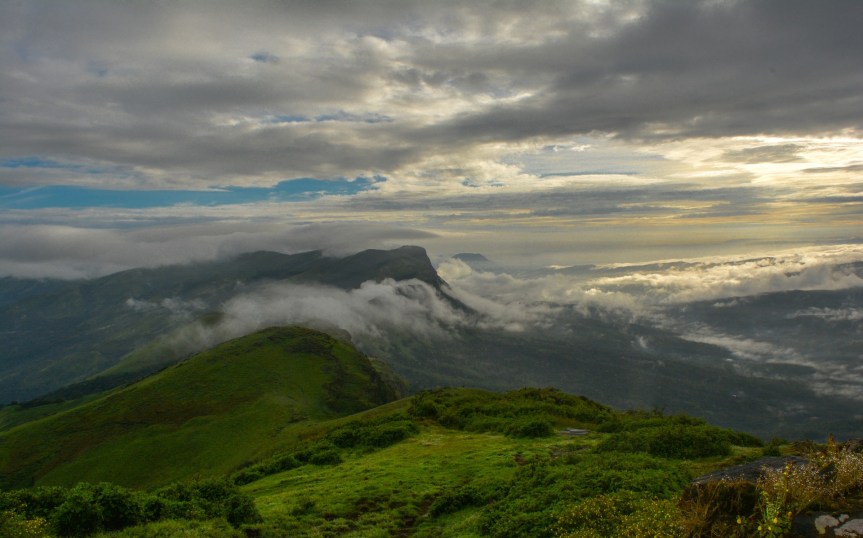
Western Ghats, mountain range which is older than the Himalayas, is present parallel to the western coast of Indian peninsula covering 160,000 square km area in a stretch of 1600km. Western Ghats travel through the states of Karnataka, Goa, Tamil Nadu, Kerala, Maharashtra, and Gujarat. UNESCO identifies it as a World Heritage site and it is one of the hotspots of biological diversity in the world. The mountain influences the country’s monsoon. Western Ghats has a rich biodiversity. There are so many species of flora and fauna endemic to the place and make it rich.

Western Ghats has over 7,402 flowering plants species, 1,814 non-flowering plant species, 139 species of mammals, 179 amphibian species, 6,000 insect species and 290 freshwater fish species. There are at least 325 globally threatened species present.

SOME OF THE WONDER SPECIES OF WESTERN GHATS
  1. BENGAL TIGERS: Bengal tigers are known for their beauty and power. they are native to Indian subcontinent. These predators are present in western Ghats also. Western Ghats are home to 10% of the tiger population. they live in the tiger reserve. Ranthambor national park has 585 tigers.
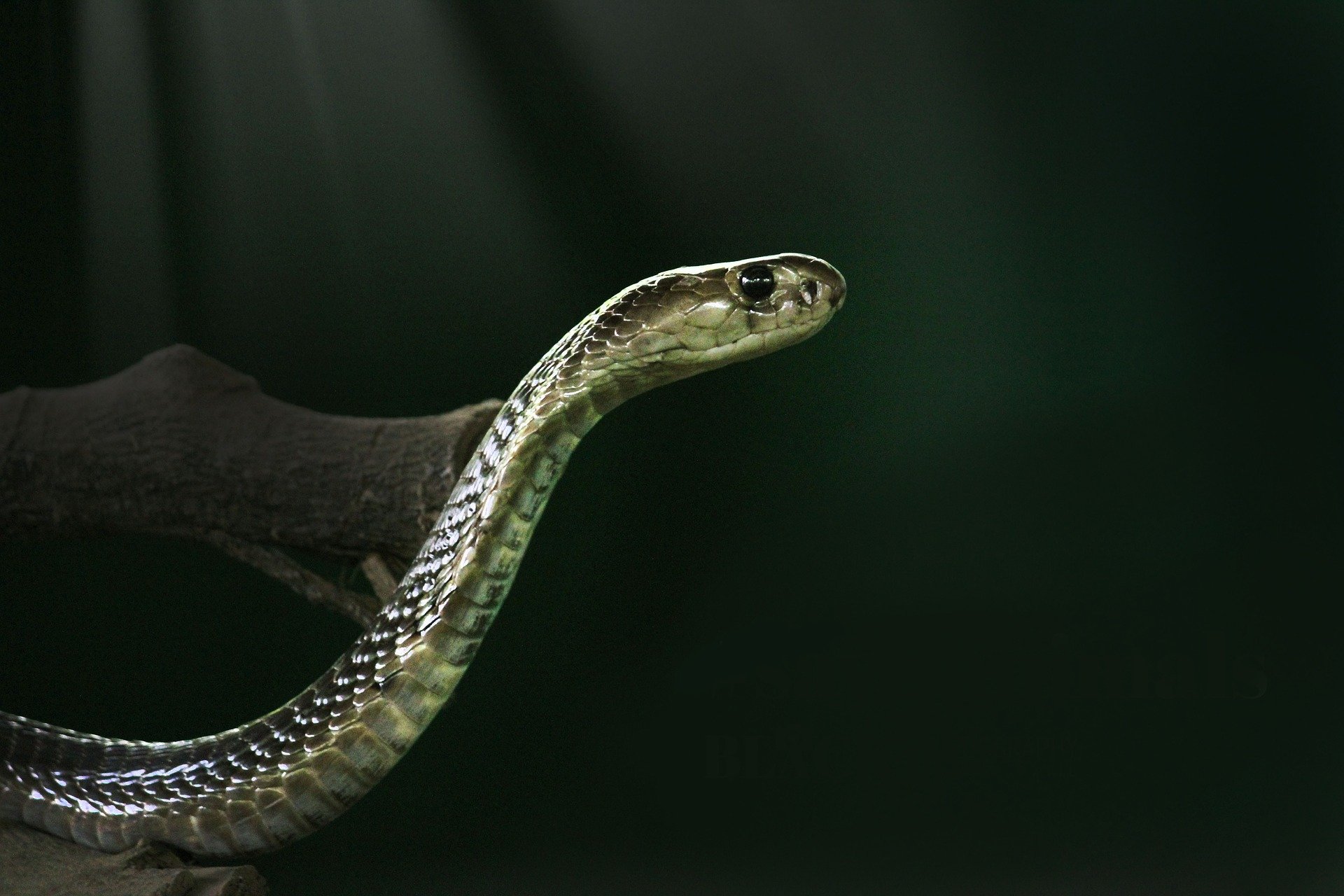
  2. KING COBRA: This is the worlds largest venomous snake. This lives in rainforests and scrubs and grasslands of western Ghats. Adult king cobras are 3.18-4m long and weigh between 11 and 20lbs. Male snakes are little longer than females. They are snake eaters and also eat lizards rats etc. This is the only snake that builds nest for its eggs. Their behavior include aggressiveness and shy nature. It has enough venom to kill an elephant.
  3. INDIAN WILD DOG: It is one of the most dangerous wild animal of Western Ghats. They are classified as endangered and the main reason is habitat destruction. They are also called as Dhole. They can be seen in jungle roads, river beds etc. It has large round ears and hooded eyes. It is a highly social and co-operative animal.
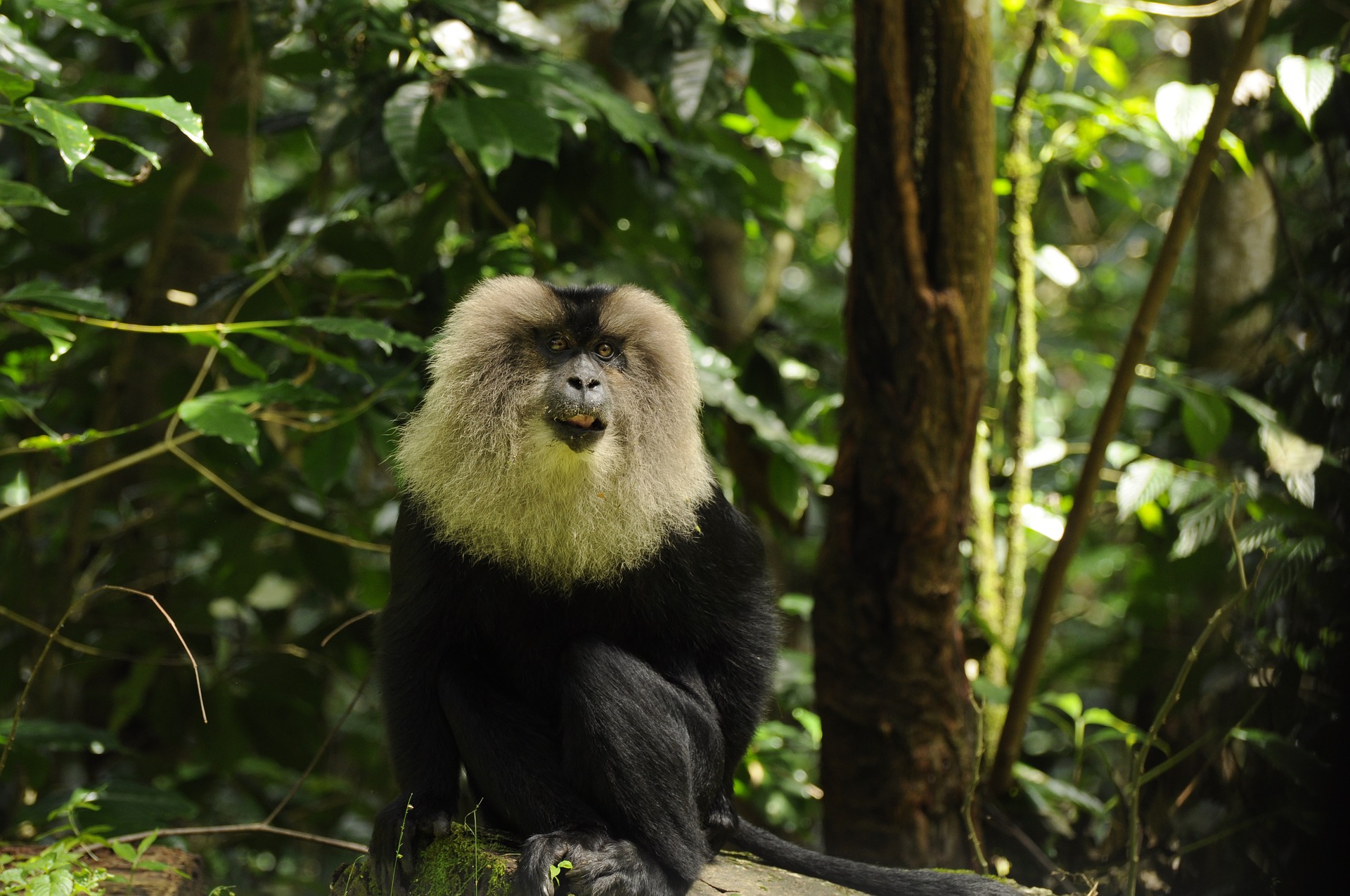
  4. LION TAILED MACAQUE: This animal is endemic to Western Ghats and it is one of the endangered species. their population is below 4000. They are an old world monkey. This magnificent animal is the proof for the wonderful biodiversity of the western Ghats. These are omnivores but fruits are the major part of their diet. These get a part of their required moisture by licking the leaves.
  5. INDIAN GIANT SQUIRRAL: They are also called Malabar giant squirrel. Bhima Shankar wildlife sanctuary has a noticeable population. They mostly live on trees. They build their spherical nest with leaves and twigs. they have a long bushy tail. They are mostly seen solitary or sometimes in pair. They feed on nuts, fruits and bird eggs.
  6. PURPLE FROG: It is also an endangered species because of habitat loss. this species is formally described recently in 2003. They have a bloated body, short hind legs and sucker like mouthparts. Local people consume tadpoles of this frog. These frogs are found in damp soil which is well aerated and loose. Only 135 individuals are identified in which only 3 are females.
  7. MALBAR GREY HORNBILL: This is also endemic to Western Ghats. They have large beak. They are found in dense forest and are mostly fungivores. They are mostly 45cm in length and weigh 240-340g.

Benefits of the Evergreen Neem

(By Bhoomika Saini)

This popular medicinal plant Neem, is famous for its healing properties. Neem, also known as Indian Lilac is commonly known for its antiseptic, anti inflammatory and antioxidant properties. It contains great sources of fatty acids, minerals and vitamins that has some medicinal properties that could be beneficial for you in many ways.

Either you have skin problems, hair problems or any other, Neem is here for the rescue. Let’s take a glance at the great benefits of this evergreen herb that could provide you many benefits.

Benefits of neem for skin:

1.Soothes irritated skin

Neem has antibacterial and anti-inflammatory properties that may pacify irritated skin. With the advantage of getting a cooling effect on the skin, neem is beneficial for treating skin sensitivity. Additionally, neem features a soothing effect on dehydrated or dry skin.

2. Fight signs of ageing

Neem leaves are stuffed with antioxidants, moisturizing triglycerides and vitamin E, which makes it an ideal anti-ageing treatment. They lower wrinkles, fines lines and dark spots and make your skin look firm and toned.

3. Treats acne

The antibacterial properties of neem fight acne-causing bacteria, which helps in the treatment and prevention of acne. Also, it’s extremely useful in controlling oil production in the skin.

4. Tackles blackheads and whiteheads

Neem on your face is helpful to say goodbye to whiteheads and blackheads when used regularly. It pulls back large pores and works as an exfoliating agent to pull out impurities and tighten pores.

Benefits of neem for hair:

1. Relieves itchy scalp

Neem has antifungal properties that may help within the treatment of dandruff. The effective use of neem to your hair can relieve the itchiness, inflammation, and irritation associated with dandruff.

2. Intensify hair growth

The regenerative properties of neem help in reducing hair fall. Gently, massaging your scalp with neem oil can increase the blood circulation in the scalp and help in enhancing the speed of hair growth.

3. Avert premature greying of hair

Neem is rich in antioxidants that curb the action of free radicals that cause premature greying of hair. Regular usage of neem powder or neem oil for the same is also useful.

4. Conditions under nourished hair

Neem contains a significant ingredient called fatty acid which help the scalp to nourish thereby keeping the hair smooth.

So, to get those clear skin goals or to get those luscious hair locks, Neem is all you need.