Bangladesh: From Basket Case to Economic Success

Bangladesh, a country since its inception known as one of the poorest and most overly populated nations, is now gradually seeing economic improvement to an even greater degree than its contemporaries: India and Pakistan. At one point, Bangladesh was included in the list of Least Developed Countries (LDC) enumerated by the UN; but now it has been estimated that by 2024 it will break free from this categorization as it has seen a drastic increase in standard of living, fertility rates, and lowered infant mortality rates.

A Rough Start

Bangladesh got its independence from Pakistan in the year 1971 with the help of India. However, this independence was achieved through a lot of violence and struggle, so the Bangladeshi administration was not able to fulfil even some of the basic needs of its people due to the damage it had suffered, both economical and physical. Following this, there was even a major famine which killed nearly 15 lakh people in the country. This, along with political instability and constant military coups made it very difficult for any growth to take place in the country.    

The Basket Case

After its independence, the foreign secretary of USA at the time, Alexis Johnson, called Bangladesh an ‘International Basket Case’. A basket case means a country burdened by economic strife and which falls into severe debt in order to cope with its financial crises. Such countries are those that struggle to maintain a self-sufficient and autonomous economy. Other newspapers would also predict that Independent Bangladesh will be an economic failure. Such predictions at the time were made due to the fact that Bangladesh was overburdened by a very dense populations, leading to severe problems like food shortage. It was also not a country rich in natural resources which would allow it to bolster its economy, so the general view was it would become an underdeveloped state and become economically dependent on other countries. This became true in the 1980s, when Bangladesh heavily relied on foreign aid to stay afloat and meets its needs.

How did Bangladesh become a well-performing economy?

Firstly, there is the well-known fact of the cheap labor or low-skill manufacturing that Bangladesh provides. After China, you are most likely to see a ‘Made in Bangladesh’ tag on the clothes bought in even the most expensive and high-end shopping areas in the world. This is because international clothing and apparel companies look to countries like Bangladesh for cheap labor and manufacturing so as to make greater profits on their products. This industry has provided major employment in the country, and has contributed up to 10% of its GDP at times, helping the country a lot in its growth.

Furthermore, around 80% of the workforce in these factories are women, which is an indicator of high employment for women and their empowerment. In a country where women are generally limited to being homemakers, the employment of women has led to fruitful advancements. Many reports have shown that as more and more women employed in factories, their educational attainment, age of marriage, and general welfare has increased. This is due to the fact that they have become economically independent and have seen an increase in income, thereby allowing expenses to be made on girl child’s education and not making marriage for money a necessity. Today, even the male-female wage gap is slowly decreasing in Bangladesh.

Then there is also the role of NGOs in Bangladesh. International and national NGOs got involved in the improvement of Bangladesh’s socioeconomic situations, with the building of schools and advancement of medical infrastructure. NGOs have played a unique role in Bangladesh’s improvement, as generally such welfare measures should be taken by the government so as to gain public trust. However, the Bangladesh government has given much leeway to the NGOs, and has encouraged to work together with them so as to promote growth in the country. This attitude has led to significant improvements, and other governments hesitant to work with NGOs for fear of it affecting their public image should look to Bangladesh as an example of its benefits.

Finally, and perhaps most important, is the balanced foreign policy of Bangladesh. They have created such a foreign policy that they have received foreign aid from many different countries, even those that have opposed their independence like the USA. Also, the scheme of remittances (money transferred by Bangladeshi citizens working in foreign countries to their home) in the foreign policy has contributed greatly to the GDP of the country. Overall, the foreign policy has allowed for products and services from Bangladesh to be bought and sold in foreign, richer countries, thereby helping income.

Conclusion

Hence, in this way Bangladesh has seen much economic success especially in the last decade or so. What remains to be seen is how the country will move forward in the years to come. Will their dependence on the clothing and garment industry be dangerous? Will international trade regulations become stricter as the country is economically improving? Only time will tell us the answer to these but for now, Bangladesh can celebrate how far it has come.
Mindfulness and its benefits.

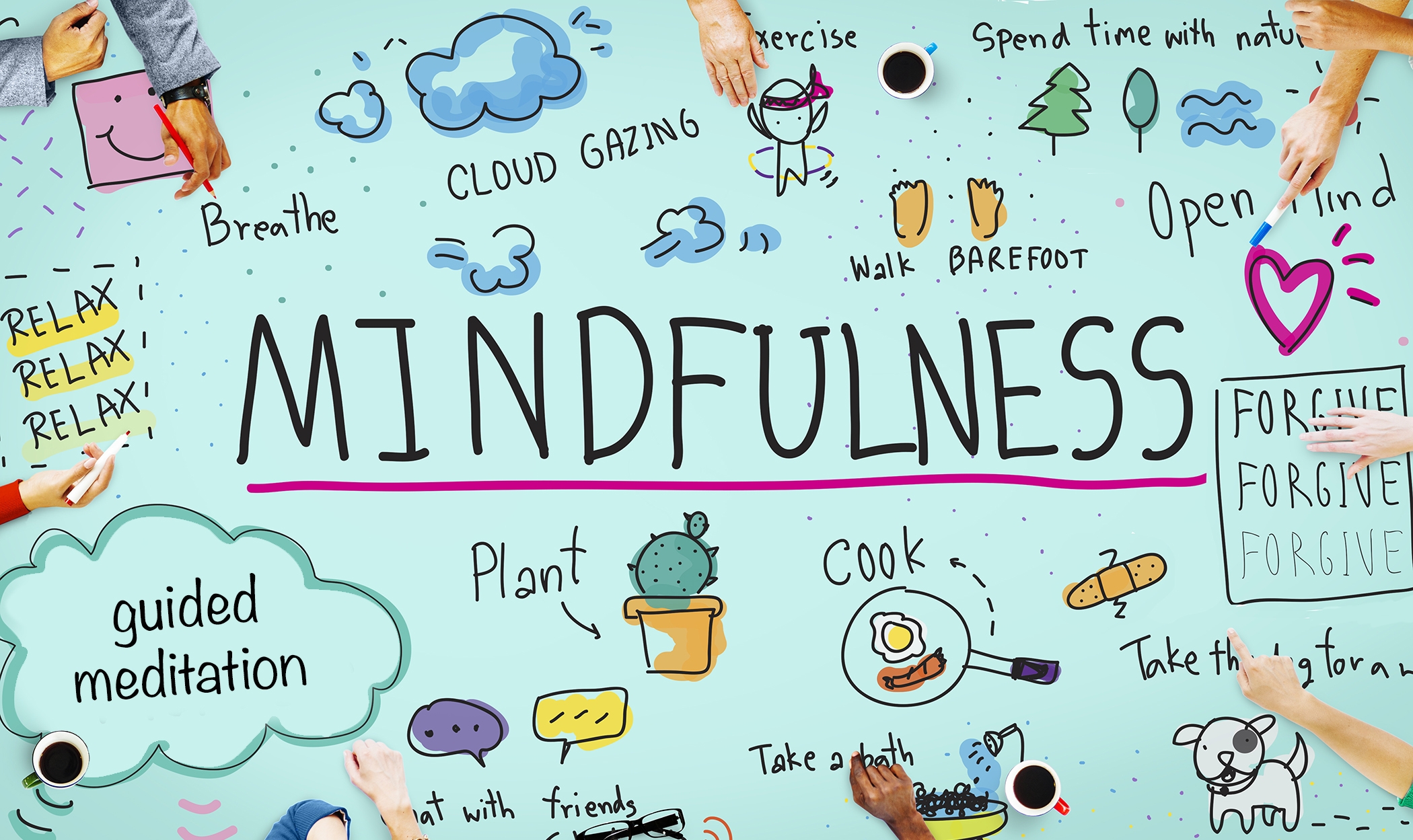
Mindfulness is the basic human ability to be fully present, aware of where we are and what we’re doing, and not overly reactive or overwhelmed by what’s going on around us. (Definition given by Mindful.org)

According to me, it is a practice of maintaining a complete non-judgmental state of awareness of one’s thought and emotions.

Also, many of us confuse mindfulness and meditation. In simple words, meditation is one of the ways to achieve mindfulness, or we can say; mindfulness is a quality whereas meditation is a practice.

So here the question comes, what are the benefits of practicing mindfulness?

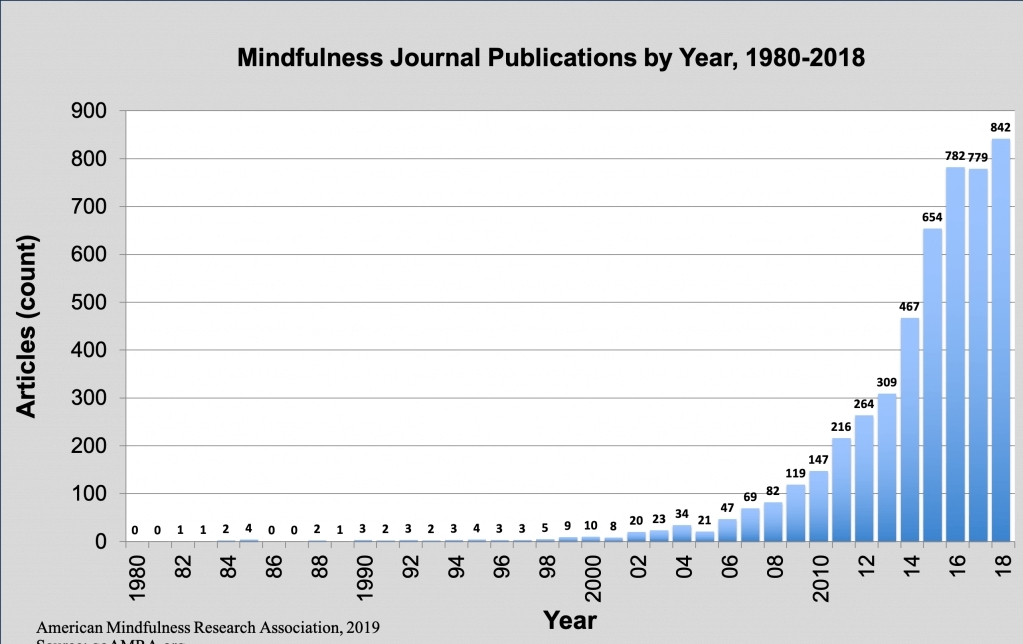
Well, to be honest, there are numerous. And seeing the popularity of the topic in positive psychology, we’ll probably be seeing a lot more to come. Have look at the graph below for example.

Mentioned below are just a few examples of what researchers have found.

1) Reduced emotional ‘reactivity’

In an emotional interference task conducted by Ortner and colleagues in 2007, participants with wide-ranging experience in mindfulness meditation were asked to categorize tones that were given either 1 or 4 seconds after a neutral or emotionally upsetting picture was presented.

The ones with more experience of practicing mindfulness-based mediation showed greater focus on the task even when emotionally upsetting pictures were shown.

2)  Enhanced visual attention processing

A study by Hodgins and Adair in 2010 has confirmed that those who practiced mindfulness-based mediation have shown better performance on tests of concentration, selective attention, and more.
      
3) Managing physical pain

Some research has also shown that mindfulness may have a role in helping with the management of physical pain.

4) Improved working memory

According to a study by Jha and colleagues in 2010, mindfulness is practically linked to enhanced working memory capacity.
    
According to the study, participants who practiced mindfulness-based meditation for 8 weeks have shown improvement in their working memory capacity.

5) Reduced stress

Bränström et al.(2010), found cancer patients who took part in mindfulness-based training have shown remarkably reduced self-reported stress than those who didn’t.

So these were a few of the many examples. Individuals who want to practice mindfulness can find many mindfulness-based training online and practice it on their own. Practicing mindfulness on a day-to-day basis is a great way to improve one’s well-being.
   

Front end and back end services of server less computing:


Photo by luis gomes on Pexels.com

The marketing term ‘Server less” refers to a new generation of platform –as-a-service offerings by major cloud providers. Here the infrastructure provider takes responsibility for receiving client requests and responding to them, capacity planning, task scheduling and operational monitoring. These new services were first introduced by Amazon Web Services (AWS) Lambda. Here the application developers are no longer in the ‘server’ process that listens to TCP socket. That means usage is billed only when an application actively processes events, not when it is waiting .This, in effect, means that application idle time is free. Server less computing can be viewed as containerization operated at a scale where the optimization of resource usage can be done by the infrastructure provider, across all customers, rather than managed by a particular customer within their own deployment. Here the service providers provides several distributed authentication and authorization mechanisms to support the untrusted requests coming from client applications. Another benefit is in AWS lambda the function can use streaming data APIs and work with significantly lower memory limit.

The Pros and Cons of Covid19

This covid19 has burdened us with many challenges and obstacles. The word corona by itself poses as a very pessimistic thing that we have ever faced which has completely toppled our lives and brought the world to a grinding halt. Contemplating on the cons, meaning it is more than a drawback or a snag, because on a personal standard many of the families have lost their loved ones and there were many lonely departures without the final adieu. The world has dissipated many doctors, healthcare & welfare workers, police officers who toiled dawn and dusk for the well being of all and many innocent people. Despite the unemployment factor already being a serious issue in the country, especially in this pandemic some had to lose their jobs and many with no or a less source of income.

The education system has also taken a back seat in the pandemic refraining students from gaining practical knowledge. The digital medium cant make a replica of the interpersonal interactions that the school facilitates by having the young generation together from diverse backgrounds and culture. The peer group interaction between the class hours, promotes communication skills to their holistic development. Moreover the students in the rural are more prone to the drawback of online classes because they might not have an elasticity to E-learning. Even the developed countries faced many obstacles to deliver quality education to students during the pandemic.

It made many people idle and we were left stranded with a big question that when are we going to get out this woeful situation. The house confinement and the lack of exposure to school, work place, sports and leisure activities had increased the occurrence of mental illness and distress. The constant subjection to cell phone, computer and other electronic devices makes people at the high risk of obesity, eyesight problems and other related issues. Besides covid19 being a public health crisis, it has also severely affected the global economy leading to significant reductions in the income, mitigated productivity, business closures, disruptions in the transportation, service and other manufacturing industries. Amidst some people saying that the lockdown renders more mental depression imagine the plight of the families who have lost their own people. So in this crisis we were burdened with many things happening around us. All these things were making life unfeasible and intricate. This has left us with a stream of dejections, tears and unreliability. It made us uncertain of many factors in the near future.

On the other hand with schools, workplaces and universities shut down, a feeling that the clocks don’t work anymore and a unified distress within us, we were able to connect to the other part of life, the world opened us a new window. Before we would be awaiting for holidays to stay home and spend some quality time with our loved ones, even though we didn’t have a really great time in the lockdown it made us to think out of the box, to think of something other than the regular consistent work, made children to think out of the school curriculum. We became open to many things that we weren’t exposed to before because of some hectic scheduled stuffs. The current delay gave us more time to formulate a better roadmap for the future. People made their venture into online businesses which later became a good source of income for them. Kids started relishing non-curriculum books, creating art and exploring many things. With the flexibility of time in my peer group we started trying out new courses and internships which will help us in the long run rather than merely sticking to the subjects. For some people, the restrictions laid for covid19 gave some relaxations to develop their physical and mental health, to focus over fitness, home workout and activities like yoga with the feasibility of time. Which place could be more enjoyable than burning calories from the comfort of your home. Mothers had a pause form the tiring household chores with the children and other family members sharing the burden of house works. It has granted us ample of time to focus on our health, a sound sleep, to promote discipline and hygiene etc.

We have to be strong, resilient, stick to the necessary protocols laid by the government, be mentally and physically fit to get the rid of the crisis and for the betterment of the situation. We have fought against plenty of factors during many hardships like flood times and cyclones so we are going to do the same, fight against covid19 together but with social distancing and the masks up. Get vaccinated. Stay indoors and stay safe!!

Benefits of Fishes

Nutritive value of Fishes
The nutritive and medicinal value of fish have been recognized from time immemorial.Fish flesh is an excellent source of protein in human diet.Fish is also a great source of omega-3 fatty acids,which are important for our body and brain.The principal biochemical contents of fish flesh are protein,fat and water.Protein constitutes about 20 percent.

The nutritional value of fish is comparable and even higher than that of the flesh of birds and mammals.Fish flesh remains a good source for all essential aminoacids in needed concentrations.

The Indian pomfret is ranked high on the basis of it’s aminogram.As a child food,fish is easily tolerated by infants.Lean fish is recommended to convalescing patients.

The nutritive value of preserved and processed fish and fishery product is generally lower than that of raw fish.

The following are the nutritive information of some fishes

Atlantic Salmon fillet:280 calories,12.5 grams of fat,86 mg of sodium,39.2 gram of protein.

Halibut : 116 calories, 3 grams fat, 0 grams carbohydrate, 20 grams protein.

Tuna : 109 calories, less than one gram fat, 0 grams carbohydrate, 24 grams protein. 

Cod : 82 calories, 0.7 grams fat, 0 grams carbohydrate, 18 grams protein. 

Whitefish  115 calories, 5 grams fat, 1.5 grams of omega-3 fatty acids

Pacific and jack mackerel (3 ounces) 134 calories, 7 grams fat, 1.6 grams of omega-3 fatty acids.

Medical and Economic importance of fish

Apart from direct consumption,contents in the body of fish are processed into a number of valuable products.

⭐Fish liver oil:Fish liver contains vitamin A and D in considerable quantities.Eg:cod liver oil and shark liver oil .Fish liver oil can cure or prevent occurrence of deficiency diseases such as rickets,eye defects, abnormalities in skin,mucous membrane and vertebrae.Fish liver oil will ensure healthy growth of bones and teeth.

⭐Fish body oil:Fish body oil is obtained from the entire body of fish.Fish body oil is generally extracted from oil sardines or from less edible varieties of Fishes.Some of the important uses of oil are:

1) Tanning of leather

2)steel and chemical industries

3) manufacture of lubricants,candles,cheap soaps,paints and varnishes.

⭐Fish meal:Fish meal makes an excellent poultry and animal feed.It enhances egg and milk production.

⭐Fish flour:Fish flour may also be mixed with wheat and maize flour.It is also used to enrich bakery products such as cakes,breads, biscuits,soup and sweets.

Fish manure and guano:All rejected and thrown out products from fishery industry are made use of as fish manure.Fish guano is obtained as waste from fish oil industries.It is a good manure.

⭐Fish glue:It is a kind of good glue obtained from fin trimmings,bones and skins of fishes.Fish glue is considered as a good adhesive.

⭐Isin glass:Isinglass is a high grade collagen produced from the air bladders of certain groups of fishes.It is also used in the preparation of plasters and special cements.

Fish skin:Tanned skin of sharks and rays are used in the manufacture of shoes,handbags and wallets.

⭐Fish fin:The fins of sharks are exported to China where they are used for preparing soup.

Scales of garpike are used for jewelry and novelties. From scales of some fish is secured a pigment whose water suspension is known as pearl essence. It is used in the manufacture of artificial pearl in Europe, especially in France.

Omega fatty acids

The unique feature which differentiates fish food from other animal protein sources is the presence of omega-3fatty acids such as linolenic acid,DHA and EPA.Decosahexaenoic acid(DHA) promotes learning ability in children and improved memory in elders.It is also essential for foetal growth and development.Omega fatty acid is also good for heart and reported to be good for arthritis.

5 Best Adventure Activities in Rishikesh

River Rafting

River Rafting is undoubtedly one of the most popular adventure activities in Rishikesh. This water sport allures thousands of tourists from all around. Rishikesh offers a thrilling opportunity to raft down the River Ganga. Rafting right amid rocky mountains, taking all the freshness of the green surroundings and enjoying as the water caresses your face, what could be better? One could feel their heart beat pumping as they move across the gushing water of River Ganga at Rishikesh.

Rishikesh offers this adventurous sport from the month of September to June every year. During these months, the water of River Ganga is perfect for rafting; it is neither too wild nor entirely calm. There are a number of rafting operators who arrange this activity for people. People can also opt for riverside camping along with rafting.

Safety Tips

  • Do not panic while rafting!
  • Make sure to wear the correct sports-wear
  • Attentively listen to your trainer and follow the instructions properly
  • It is good to learn proper swimming techniques
  • Select an authorized and professional rafting services provider
  • Always wear a life jacket and helmet


Camping

Camping is a popular activity which is ideal for all those who wish to stay close to Mother Nature. Rishikesh is one of the most popular camping zones in India. Those who take part in this activity are known as campers. This is a basic activity that can be enjoyed by people of any age group. Camping involves staying in a tent in the wild areas.

These days, modern camps are available which come with modern facilities. Some popular riverside camping sites include Shivpuri, Kaudiyala, Brahmpuri and Byasi. Camping is a great way of staying close to nature and exploring its beautiful treasures. Nothing can be better than enjoying the sounds of flowing of wild rivers and chirping of the birds. Also, camping offers an opportunity to explore the lives of the locals from nearby villages and discover new things.

This outdoor recreational activity is usually enjoyed while participating in adventure activities like trekking, wildlife safari, mountaineering and river rafting.

There are two types of camping available at Rishikesh – luxury camping and jungle camping. While the jungle camps are basic tents and offer temporary accommodation, luxury camps are Swiss camp cottages that come with basic facilities like electricity at camp site, attached washrooms, fan and hot/cold water facility. 

Safety Tips 

  • Safety Tips Always check the site if you are allergic to a particular thing
  • Always follow the campfire safety
  • Always stay updated with the climatic condition
  • Be aware of wild animals
  • Do not drink water from any source it might have germs
  • Guard your skin against the direct sun
  • Have fun but stay alert
  • keep yourself hydrated
  • Pack and Store Food Safely
  • Pick the clean shelter and site
  • Use Insect Protection

Bungee Jumping

Bungee Jumping is one of the most challenging adventure activities. This activity is perfect for those adventure enthusiasts who live life without fear. During this activity, a person is harnessed to the wire that dives from an altitude of around 220 to 273 ft. On release, the wire takes the person down to the river level and then goes back up. The speed of rushing down slowly accelerates upto speed of 160 km ph. This activity offers you a thrilling experience as you fall free at such high speed. This one is surely one among the top things to do in Rishikesh. 

Requirements

  • Age : Minimum 12 year
  • Weight: Minimum 40kg and Maximum 110kg

Safety Tips

  • Choose an experienced and reliable adventure service provider
  • Never Overthink
  • Wear Comfy Outfits
  • Choose your backdrop
  • Go for a Medical checkup before jumping
  • Don’t overeat before the jump.

Swing

Swing is a popular adventurous activity that involves jumping from a bungee platform which comes with a seat and chest harness that is further connected to fixed wire ropes. To perform this activity.

Though the activity may look a bit scary at first, the entire experience of the swing is breathtaking. This activity can be performed alone or by two people at a time. A person is set on a seat and harness which is connected to the fixed wire ropes. On jump from the platform, the ropes smoothly swing the person like a pendulum. The entire experience of the swing is exhilarating. As soon as the activity is completed, jumpers are lowered down to a drop zone in the river.
Requirements

  • Age : Minimum 12 year
  • Weight: Minimum 30kg and Maximum 120kg

Safety Tips

  • Do Not Overthink
  • Wear Comfy Outfits
  • Go for a Medical checkup before jumping
  • Don’t overeat before the jump
  • Be confident
  • Choose an experienced and reliable adventure service provider

Waterfall Trekking

For those who wish to spend some time close to nature, Waterfall Trekking is the perfect activity. This activity takes you closer to nature away from the hustle and bustle of city life. Waterfall trekking is a great option for all those who love trekking and nature. This activity can- be enjoyed by people of all age groups.
There are a number of hidden waterfalls in and around Rishikesh. However, these hidden treasures are not easily accessible. To reach these waterfalls, one has to trek. This is an exciting activity which takes you through the unexplored areas of Rishikesh which are set amid those green surroundings. As you walk through the narrow trails around Rishikesh, you may also get to see exotic wildlife of Uttarakhand.

Some beautiful waterfalls around Rishikesh are Neergadh Waterfall, Garud Chatti Waterfall and Patna Waterfall. All these waterfalls are immensely beautiful and promise a refreshing experience to all the trekkers.

Safety Tips

  • Always be alert
  • Wear protective gear such as helmet, and knee guard
  • Wear comfortable clothes
  • Always Stay on developed trails
  • Watch your footing avoid walking on rocks covered with algae it can be slippery
  • Be particularly cautious while taking pictures
  • Do not lean over a ledge at the top of a falls
  • Wear Sturdy Hiking Boots
  • Keep yourself Hydrated

Gopala Krishna Gokhale’s speech

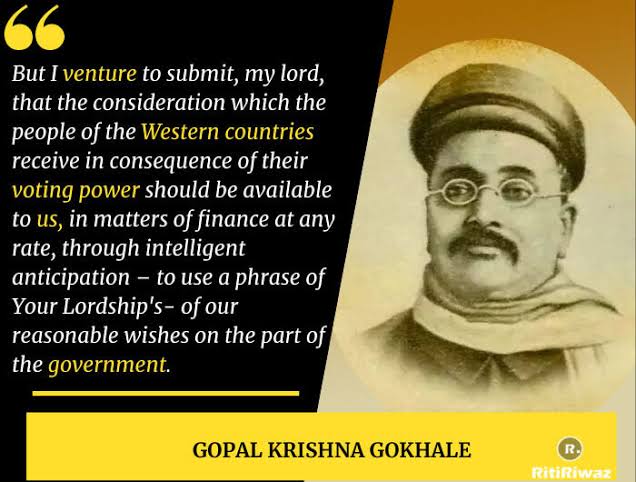
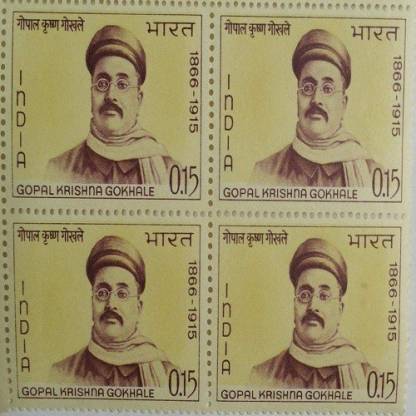
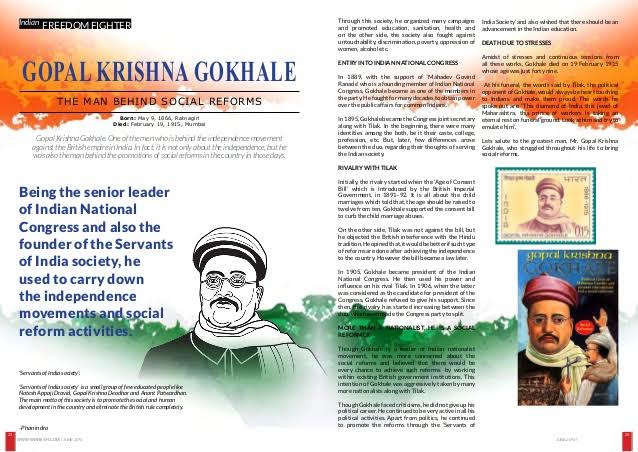
Gopal Krishna Gokhale CIE was an Indian liberal political leader and a social reformer during the Indian Independence Movement. Gokhale was a senior leader of the Indian National Congress and the founder of the Servants of India Society. 

Gopala Krishna Gokhale’s Speech👨‍🏫:

Gopala Krishna Gokhale,a great freedom fighter and social reformer was a guru to Mahatma Gandhi. He supported the education of women and welcomed Western education in India. He delivered this speech in response to the address present to him by the students of Chennai (then Madras) on 25th July 1911 at Mumbai.

The sheltered Life of students:


He was remained of his own student he was addressing them. Students lead a very sheltered life but they have certain responsibilities and they are expected to perform certain duties.

He list these duties under four heads ;


⭐A student’s first duty is to him/her self. Acquiring knowledge is one’s primary duty-not only for one’s success in the examination but also for one’s life. One can gain the ulmost advantage as a student if one seek knowledge with devotion and whole-hearted love.

The second requisite is to mould one's character. It is invidious (unjust) to distinguish between the value of character and knowledge. Both are indispensable (necessary).This character must show itself in sincerity, vigorous action and in lift sentiments. One needs to acquire a character which will raise the whole life of the people admist whom one moves and for whom one is expected to work.

A strong,firm and noble character makes one a good citizen. A strong character is needed to occupy the place of seniors and be a good example to Juniors,and the succeeding generation. In short,both character and knowledge are absolutely necessary for students.

⭐A student's duty towards his follow students will teach him/her co-operation which includes adjustment, giving in at times and standing up for one's view without hurting other's feeling. Such a sense of co-operation should be developed into a habit to last one's whole life time. Without it, life in future may be miserable. A student's third duty is towards those who have authority over him/her.

Obedience to parents :


Obedience to parents is essential for acquiring knowledge. Parents take care of their children and find the means to enable them to pursue studies. Their withes should prevail in all matters. Students lean on parents till they can stand on their own feet. Once their education is completed they should use their own judgement to make decisions.

Reverence to Teacher👨‍🏫 :

Students must show reverence (respect) to their teachers. A student learn values of discipline,and co-operation with his fellow only in an institution. The true Spirit of discipline and co-operation is gained only at school or at college and cannot to gained later.

Duty to government :

A student owes his/her duty towards the government which is the highest authority over him. All students who are simple-minded should not fall a prey to disturbing/ agitating emotions. They should not exercise independent judgement in these instances. As long as they are students, loyalty and patriotism should govern theirind and heart. Hostility or negative attitude towards the government will give raise to Distrubances.

Responsibility to the wider world :

Finally a student should be aware of needs, living conditions, Injustice, struggles and sufferings of those around him. Sympathy towards the afflicted (affected) , willingness to redress and remedy should be their duty. Awareness and observance of the public needs comes before commitment.

Conclusion :


Gokhale’s speech to the students suits students of all times. The talk gives a clear insight into the life of gokhale,the reverence he had towards himself, parents, teachers, friends,the community around him and his country.

” 👨‍🏫The part of duty is a way to glory 👨‍🏫”

PROCRASTINATION- A CURSE

‘I will do it some other time’ is the biggest lie one can tell oneself. To start with this phrase, it is rightly said that this is the biggest lie we tell to ourselves because there is no tomorrow to do a work. If it’s not today, then it’s never, and if we elongate procrastinating a work it becomes our habit. It is possible that when we delay or postpone a work it would give us a sigh of relief for that very moment, thinking we don’t need to do this thing now and we will continue this later on but later on this is the thing which starts creating a mental pressure on our mind and we begin to panic around. In a way, it can also hamper our on going work because then we would have to stop that for a while and do the previous work first.

WHY DO WE PROCRASTINATE?

We have several reasons to why we procrastinate a work but the most dominating of all are the psychological reasons. When we need to get something done, we rely primarily on our self-control in order to bring our self to do it. Our self-control often receives support from our motivation which helps us get things done in a timely manner. In some cases, we experience certain demotivating factors such as anxiety or fear of failure, which have an opposite effect than our motivation. In addition, we sometimes experience certain hindering factors such as exhaustion or rewards that are far in the future, which interfere with our self-control and motivation.

People sometimes procrastinate as result of their perfectionism. Perfectionism can lead to procrastination in many ways, such as by making someone so afraid to commit a mistake that they end up not taking any action at all, or by making someone so worried of presenting something with any flaws that they end up reworking instead of moving forward.

Laziness is another factor that leads us to procrastinate from our work most of the times. This may come from unhealthy food habits and untimed sleep schedule. Thus, it is always said to lead a healthy lifestyle with healthy food habits and a good sleep schedule with some exercises included. Food habits affect in a way that if we have to work at sometime and we have a heavy meal before the same then we would probably end up taking a nap or resting instead of doing our assigned work for the time being. Similarly, if we don’t take adequate amount of sleep we would always feel tired and reluctant to work.

Fear of evaluation or negative feedback can lead to procrastination as well. This happens because people are afraid to be judged for a negative impact left back at them. In many cases, people’s fear in this regard are irrationally exaggerated or unjustified, either because the chances of receiving negative feedback are low or because the consequences of that feedback aren’t as significant as they feel.

HOW TO AVOID THIS?

As it is rightly said that it is much better to accept the truth than to believe in a lie that you already know is going to end one or the other day and you need to face the reality similarly, we should avoid compiling our work for some other day rather do the same on the spot, as and when required. We should set abstract goals and always keep ourselves motivated to work for the same with a positive energy. Do the work as and when required!

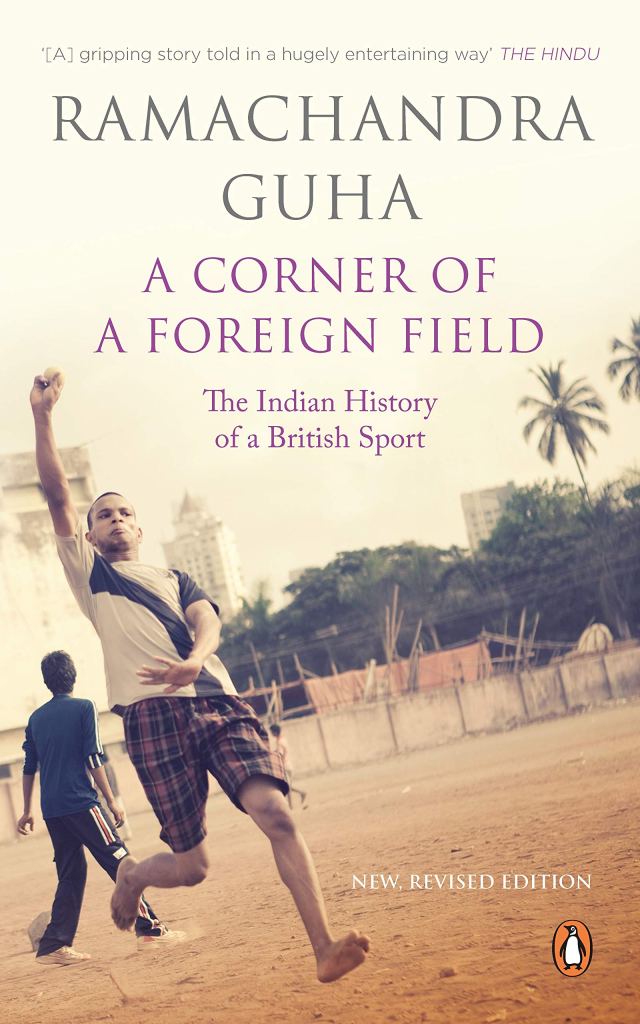
A Corner of a Foreign Field by Ramachandra Guha – Book Review

Ramachandra Guha is an Indian Historian and a columnist. His notable works include India After Gandhi and Gandhi: The Years That Changed the World. He has been awarded with several accolades for his achievements in the field of history. He has experiences of teaching at Yale University, the Indian Institute of Science and the University of California at Berkeley. He was also the Indo – American Community chair professor in 1997 and 1998. 

A Corner of a Foreign Field is a fascinating fusion of Indian history and Indian cricket.The book is divided into four chapters titled Race, Caste, Religion and Nation respectively. The first three chapter greatly benefit from thorough research and the skill of a great historian. The last chapter contains more of the authors feeling and opinion. Nevertheless, the book does not suffer from the personal feeling of the author. Throughout the book, the reader can experience the author’s love for the game. 

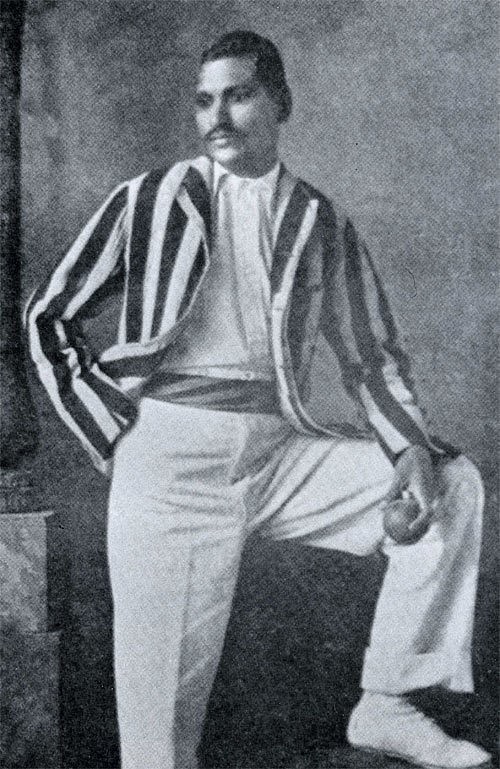
Palwankar Baloo

A Corner of a Foreign Field: The Indian History of a British Sport is a book about, one feels, the life of cricket in India so far. It is not just a history of the sport, but also a as much objective document of the sport as is possible. Cricket in India, as it is often said, is more than a sport. It evokes strong feelings from the audience and it won’t be an exaggeration to say that the team carries the burden of expectations of a billion people. Every on and off the field happening related to cricket is closely watched and excites opinions from all. This book views the unique sport through the lenses of race, religion, caste and nation. It speaks about the beginnings of cricket in India, how people reacted to this sport, its growth, impact and reception, BCCI, politics and much more. The book also gives insights into lives of people connected to the sport in one way or the other. The tales of cricketers like C. K Nayudu, Vijay Merchant, Palwankar Baloo and his brothers, Vijay Hazare makes it an interesting experience. It is astonishing how the game reflects the society at that point of time and the impacts each have had on one another throughout their history. It portrays the socio-cultural, political, economical aspects of the society by placing cricket at its centre. The book reflects the feelings of both an enthusiastic admirer of the sport and a historian keen on the socio-political happenings. The tales about cricketers are also good character sketches of the person. Not surprising, the story of Palwankar Baloo and his family is at the heart of this book as this originally began as a book about the life of Baloo. The book draws information heavily from newspapers of the day and the author uses this information beautifully to breathe life into the stories. The responses of various presses to the sport make for an interesting read. The knowledge of the author is seamless woven into the narrative. The writing of this book makes it an engaging experience even for a person not acquainted with the sport. Even for a fan of cricket, the book has much to offer and provide a great experience. It provides a whole lot new information and perspective even to a devoted follower of the sport.

The Dark Side of Social Media

The internet has been taken over by Facebook and other forms of social media. People use social media because they believe it improves their life. Is it, however, true? Is it true that people go on Facebook to socialise or to study other people’s posts to see what’s going on? Are they expressing their dissatisfaction with politics or government entities in general? (Venting has been demonstrated to increase rather than decrease anger.) Are individuals battling on Facebook or other social media platforms, ruining relationships rather than strengthening them or people’s lives? Instead, it was shown that the majority of people use it to consume knowledge, which experts discovered leaves them feeling empty and unfulfilled. Another study published in the journal “Current Opinion in Psychology” in 2016 found that envying other individuals on social media leads to depression. When you’re sick, sad, or alone, browsing through vacation images from someone’s recent trip to Hawaii, positive relationship statuses, parties, or people having a good time in general makes you feel even more alone and melancholy.

What Motivates People to Use Social Media?

People use social media for a variety of reasons, including keeping in touch with others and monitoring them. Surveillance has been utilised throughout history to protect people from danger and to keep them safe. However, the majority of social media monitoring of partners or ex-partners does not fulfil that criterion. “Interpersonal electronic surveillance monitoring” is the phrase for this. Low-quality relationships, low happiness, and terrible connections in general are all indicators of online surveillance.

What Happens When People Spend Too Much Time on Social Media?

Researchers at the University of Michigan found that the more time people spend on Facebook, the more miserable they get. When browsing through the wonderful aspects of other people’s lives, it can also cause sentiments of jealously, resentment, and inadequacy. “Results showed that Facebook usage had a strong negative link with self-esteem,” according to a study conducted at the University of Gothenburg in Sweden. In other words, those who spent more time on Facebook had poorer self-esteem, according to the findings.”

For some people, Facebook might be a trigger for P.T.S.D. For many African Americans and others, the footage of Philandro Castro and Sterling being streamed live on Facebook sparked their P.T.S.D. There were many expressions of mental and psychological concerns on Facebook in the week following Sterling’s and Castro’s deaths. The African-American community was one of the hardest hit. They are not, however, the only ones who have been touched by such horrific recordings of individuals dying at the hands of police officers.

Finally, social media can have a detrimental impact on people. It’s a public bulletin board where anyone can publish anything. However, there is research underway that suggests that this type of “socialising” is actually harmful to humans. It can stymie the healing process that people go through after rejection, heighten feelings of inadequacy and jealously, and cause P.T.S.D., as well as make people feel worse.

Sources

Science Explains How Facebook Makes You Sad | Psychology Today
The most popular social media platform could be wreaking havoc on your emotional health.

How To Keep Social Media From Complicating Your Relationship | Psychology Today
It’s usual for love partners to use social media and social networking sites to keep tabs on each other. So, how can you avoid your love connections becoming more complicated as a result of social media? What are some of the thorny topics you should be aware of?

Does Social Media Help or Hurt Relationships? | Psychology Today
Do you argue with your partner as a result of Facebook use?

http://journals.sagepub.com/doi/abs/10.1177/0265407514568749?cited-by=yesl33%2F2%2F171r33%2F2%2F171p

When black death goes viral, it can trigger PTSD-like trauma | PBS NewsHour
“We’re witnessing mentally and emotionally traumatizing videos and pictures. It’s enough, it’s just enough. It’s just so overwhelming all the time.” – April Reign

Ecology and Equity by Madhav Gadgil and Ramachandra Guha – Book Review

Madhav Gadgil is an Indian ecologist and the founder of the Centre for Ecological Sciences, Indian Institute of Science. He is know for heading the Western Ghats Ecology Experts Panel (WGEEP) of 2010, also known as Gadgil Commission. He was awarded with the Padma Shri in 1981 and the Padma Bhushan in 2006. Ramachandra Guha is an Indian Historian and a columnist. His notable works include India After Gandhi and Gandhi: The Years That Changed the World. He has been awarded with several accolades for his achievements in the field of history. 

Ecology and Equity is principally a book about the history of resource use in India after post-independent India. The second part of the book certain schematic solutions based on the findings of the authors. It is a book that caters to both people who are alien to environmental issues and people already informed on this subject. The writing is lucid and precise which makes the reader curious on this subject. 

In this book, too, the authors present a original analytic framework to classify the huge population of India. The theoretical framework is based on the idea of a ‘resource catchment’ – the place from which resources are collected for use by people. Using the example of the current Indian society, it divides population into three categories: omnivores, ecological refugees, and ecosystem people. The first category, omnivores(includes businessmen and entrepreneurs), uses most of the resources. They are the section that really benefits from economical development. Displaced peasants and tribal groups comprise ecological refugees. Development plans devoid of   ecological consideration have resulted in their displacement. They are victims of overexploitation of resources by omnivores. The last category, the ecosystem people, consists the most of the Indian population. This category relies on resources within their space for fulfilling their requirements. They are dependent on the natural resource base in their living area and have been dependent on these resources traditionally. They grow their own crops to meet their food requirements. Though the classification of more than a billion people into three categories seems too simple and insufficient, it serves the purpose of the authors. The book offers a new development agenda after considering the ecological factors, that could benefit the majority. The authors propose for a development mission on the basis of local communities under a decentralized political system.

The authors describe the disruptive use of natural resources in the current era and shortcomings of the ideologies followed in the current society. Theories that existed before 1970s tell very little of man’s interaction with nature. Growing ecological threats have necessitated the requirement for new framework. The authors have developed this framework for better understanding of ecological problems and history of resource use, and to make the readers conscious of environmental problems from its roots. The book stresses the need for development strategies to be ecologically prudent. It shows the relationship between social conflicts and ecological factors. They hope to build a country based on decentralization of power and increasing the participation of communities in the matters of resources. After reading this book, one begins to look at environmental problems from a different perspective. 

ISRO

• Dr Vikram Sarabhai – Indian National Committee
for Space Research (INCOSPAR)

• INCOSPAR renamed as ISRO (Indian Space Research organization).

• Department of Space.

• Vision of ISRO – Harness space technology for
national development, pursuing space science
research and planetary exploration.

Achievements

Aryabhata – India’s first satellite .

Rohini – first satellite to be placed into orbit – Indian-made launch vehicle SLV-3.

Chandrayaan -1 – unmanned lunar orbiter, success.
• Mars orbiter Mission (MOM)
 India first nation to succeed on maiden attempt to Mars.
 ISRO – Fourth space agency in the world
 First space agency in Asia.

• Astro-Sat


 launched on September 28, 2015, by PSLV-C30
 Space observatory
 First dedicated Indian astronomy mission to studying celestial
sources in X-ray, optical and UV spectral bands simultaneously.

• ISRO launched 104 satellites – single rocket
(PSLV-C37).

• ‘Chandrayaan-2’ – Partial success, Orbiter successfully launched .

Chandraayan 3 – in pipe line.

IRNSS/ NAVIC
 To meet the user requirements of the
positioning, navigation and timing services based on the indigenous system
 Navigation details in the Indian Ocean
regions.

• Upcoming mission – Gaganyaan : Indias
manned space mission

Police Reform in India


The police are a subject that is governed by states under the Constitution. As a result, each of the states has its own law enforcement agencies. The centre is also permitted to maintain its own police forces in order to help states in maintaining law and order. it keeps seven core police units and a few additional police organisations for specialised responsibilities like intelligence collecting, investigation, research and record-keeping, and training.
The primary function of police forces is to uphold and enforce laws, investigate crimes, and protect public safety. To effectively fulfil their function in such a huge and populous country as India, police forces must be well-equipped in terms of people, weaponry, forensics, communication, and transportation support. They also require operational flexibility to carry out their obligations competently, as well as favourable working conditions (e.g., regulated working hours and advancement chances), while being held accountable for bad performance or abuse of authority.


In September 2006, the Supreme Court issued a landmark decision ordering all states and union territories to implement police reforms. The Supreme Court issued a ruling in which it ordered states and union territories to follow seven binding directions that would kick-start changes.

The following are the six directives:

1. Limit political influence: Make sure the state government does not exert undue influence or pressure on the police.

2. Ensure that the Director-General of Police is appointed through a merit-based, transparent process and that he or she has a minimum tenure of two years.
3. Fix a minimum tenure: Ensure that other operational police officers (such as Superintendents of Police in charge of a district and Station House Officers in charge of a police station) have a minimum term of two years.
4. Separate the tasks of investigating and preserving law and order in the police force.

5. Set established a Police Establishment Board to decide and make recommendations on transfers, postings, promotions, and other service-related matters for police officers up to and including the rank of Deputy Superintendent of Police.
6. Establish a Police Complaints Authority in each state: A Police Complaints Authority should be established at the state level to investigate public complaints against police officers with the rank of Superintendent of Police and above in cases of serious misconduct, such as custodial death, grievous bodily harm, or rape in police custody.


A question is Aries “Why we need Police Reforms?”
Let’s look at some of the grounds for police reform in more detail:

Colonial Law: Even though our police are still founded on colonial law, we are aware that the British have used police as an instrument to stifle people’s voices and for personal purposes, and that our revered government is doing the same.

Custodial Death: There have been numerous occurrences of custodial death, which refers to death in police/judicial custody as a result of torture or pressure. The Supreme Court of India issued a guideline against custodial death in the D.K. Basu judgement in 1996-1997.

The “United Nations Convention on Torture” has only been signed by India, but it has yet to be passed by Parliament. Even while there is no formal legislation against torture, we do have judgement.

Political Interference: Due to the interference of political leaders, police officers are unable to carry out their duties. For officers in higher positions, there is no minimal tenure security or even posting security.


Conclusion


At this moment, India requires police reforms so that people perceive police as a resource rather than a burden. However, due to personal interests, the government is not putting it into effect. I hope that the administration recognises the need for police reforms in today’s society and works to implement them.

Manga Review: Haikyuu!

The premise of Haikyu!! is simple: middle schooler Shouyou Hinata happens to see a volleyball match on TV one day. He watches the Little Giant of Karasuno High School score point after point by jumping higher than anyone else, outplaying his tall opponents. And Hinata, short for his age, realizes that he could play volleyball too. When Hinata finally makes it to his first tournament in his third year of middle school, his team is crushed in the first round by a team led by setter Tobio Kageyama, a temperamental genius. Hinata vows to crush him the next time they meet on the court… only to walk into the volleyball gym on his first day at Karasuno, and see Kageyama practicing his serves. The rest of the series follows the unlikely pair and their teammates on their journey to the national championships and beyond. 

What really makes Haikyu!! stand out, and what got me hooked despite my generally lukewarm attitudes towards sports stories and male protagonists, was the depth of character development everyone gets. It’s not just a story about Hinata and Kageyama. It’s also a story about their teammates, their coaches, their rivals, and everyone else around them who plays a role in their development. Many chapters feature flashback sequences showing the reader how a rival team member we were seeing for the first time got to where they are today, making it impossible not to care for every character the reader encounters.

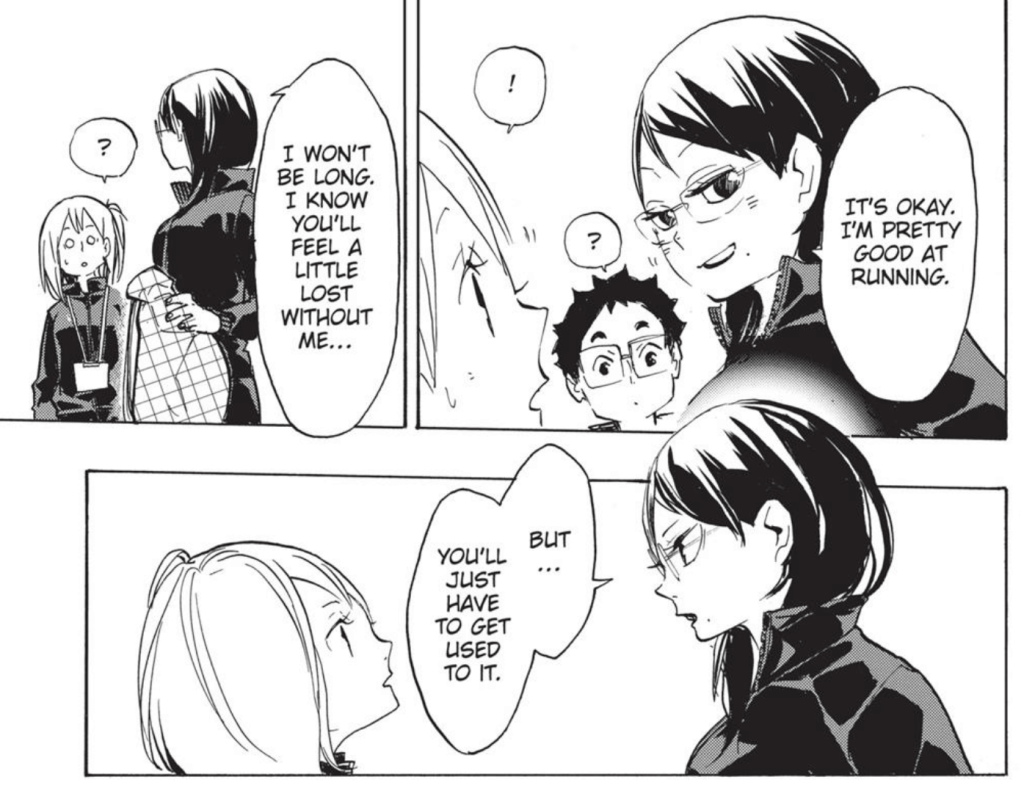
Even though it’s a story about a boy’s volleyball team, the women in the story (the managers, sisters, and girls volleyball team members) have their own arcs and interests not centered around the men. In other sports manga I have read, the team managers were only interested in helping the team move forward. In Haikyu!!, first year manager Hitoka Yachi’s entire introduction to the story is about her discovering what she wants for herself, and how she wants to achieve that. Yachi and third year manager Kiyoko Shimizu have their own interests, goals and personalities separate from how they relate to the team.

Where Haikyu!! sometimes falls short is its pacing. The weekly manga spent almost a full calendar year on a single match between Karasuno and another school, yet the transition into the final arc of the story felt very sudden and rushed. Without giving away too much, the characters’ high school life ends abruptly, and flashes forward to their lives several years later with no warning. The drastic shift in direction was entirely unexpected by most readers, yet many grew to welcome it as the story developed further and flashback sequences elaborated on the years in between. Furudate’s decision to continue the story beyond the typical high school sports manga confines was a bold choice, and while it may be alienating to some readers, others find it exciting and refreshing.

The art style also shifts dramatically as the comic goes on. The characters become more angular and stylized, and the action more exaggerated and expressive. It’s not as noticeable when reading archivally, but it is kind of surprising to see such style drift in a manga, even a long-running one.

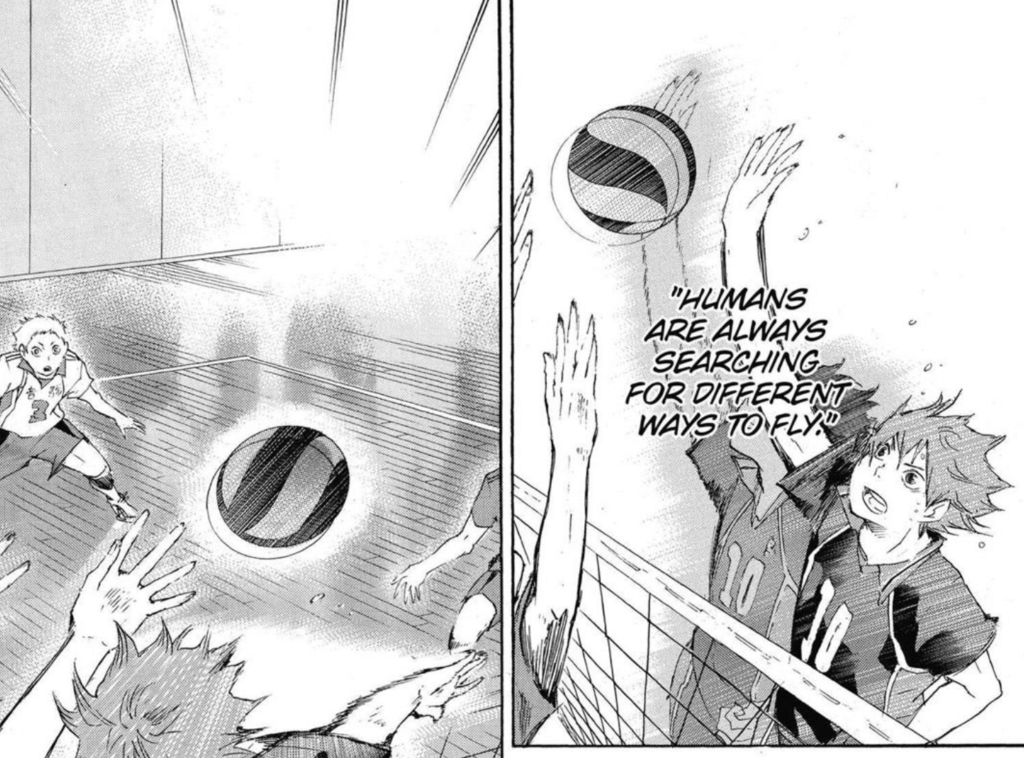
One of the recurring themes in Haikyu!! is the idea of flight. At first, Hinata seems too short to succeed at volleyball, a sport in which height is crucial to scoring points and winning games. But Hinata is capable of jumping extraordinarily high, and with the right teammates, he soars. In chapter 30, Karasuno’s coach says, “Because we don’t have wings, humans are always searching for different ways to fly.”

Teenagers Suicide in India


Puberty is the period of rapid physical, mental, and social changes that occurs in teenagers between the ages of 11 and 13. For teenagers, these years of considerable transition can be rather perplexing, resulting in restlessness and moodiness. Deep emotional changes and physical development can be a source of emotional distress for many children, making them prone to temptations and poor judgments. While this is a difficult time for the child, it also marks the beginning of an usual chasm between the youngster and his or her parents, leaving no place for the child to overcome or talk about the stresses they are under or the feelings they are experiencing.
Teenagers may believe that no one, particularly their parents, understands their feelings. As a result, they are enraged, alone, and perplexed as they deal with complex concerns such as identity, peers, sexual behaviour, career, studies, drinking, and drug usage. Families are usually successful in assisting their children in achieving their developmental goals during the teen years. However, there are a few warning signs that things aren’t going well that should be addressed and identified early so that outside assistance can be sought.
At this age, adolescents and young adults begin to think and feel differently. They are perplexed by their situation, which places them in a strange middle ground between being children and fully grown adults. They are feeling lonely and uneasy. Unfortunately, some people may assume that suicide is a permanent solution to problems that may be discussed and treated with the correct advice. Adolescents might pay a significant price for self-doubt, disorientation, and demands to succeed or conform.
They are linked to feelings of befuddlement, grief, rage, concentration and hyperactivity issues, stress, self-doubt, pressure to succeed, financial insecurity, disappointment, and loss.
There are a number of warning signs or symptoms that reflect the seriousness of the situation:


Helplessness is expressed in a variety of ways.
• Loss of faith and hopelessness
• Shame or remorse that is unbearably strong.
• Significant shift in one’s personality or physical appearance
• Behaviour that is unreasonable or strange.
• Eating habits had shifted
• Sleeping patterns that are irregular.
• A drop in grades or productivity at work.
• Loss of interest in formerly significant matters
• Suicide is discussed through writing, speech, and humour.
• Drinking and drug abuse are on the rise.
• Separating oneself from friends, family, and society.


There are numerous causes that can devote or build-up to the final result of suicide:

• Impulses that are out of control.
• There has been a history of suicide attempts in the family.
• There was already a suicide plan in place.
• Harsh or obnoxious behaviour
• Domestic violence is an example of exposure to violence.
• Access to firearms, such as a firearm at home
• Bullying.
• Acute rejection or loss.
• There have been changes in their families.
• Workplace anxiety
• Abuse, whether physical or sexual


Mental health disorders that can lead to suicides are:

• Depression.
• Bipolar Disorder.
• Post Traumatic Stress Disorder.
• Schizophrenia.
• Borderline personality disorder.
• Substance abuse.
• Mental illness and the LGBTQ community


Conclusion
While we are occupied with our work, a suicide is taking place. These individuals require assistance, love, inspiration, and understanding. WE have the capacity to stop the threat and create an environment where people who are at risk of suicide can speak honestly, express their thoughts, and discuss their issues. They just need someone to reassure them that everything will be fine. Simply do your bit, listen to them, and assist them in avoiding terrible measures such as suicide. Life is a gift, and we may enjoy it to the fullest while also helping to save the lives of those who do not have the same opportunity. Problems aren’t the end of the world; they can be solved and dealt with, and ending your life isn’t the answer. It is not a viable solution to burn our life book. Ask for support and speak up about your concerns because we weren’t born to be quitters. If you live a life that uplifts you, you will one day look back and be proud of how far you have gone.