Movement in plants

The movement in plants is mostly seen as bending, turning, twisting or as elongation of plant parts.Plants are fixed in a place with their roots in the ground.They lack the power of locomotion,but they can move individual parts or organs when subjected to external stimuli like light,water, chemical substances and touch.

These plants movements made in response to external stimuli fall into two main categories namely Tropic movements and Nastic movements.

Tropic movement

These are directional movements and are in response to stimulus,which comes mostly from one direction.The growth may be towards the stimulus or at the specific angle to the stimulus.Movement in which the direction of stimulus determines the direction of response is called tropism.

Depending on the types of the stimulus the tropic movement is classified as follows:

If the growth or movement of a plant part is towards the stimulus,it is called positive tropism.If the growth or movement of a plant part is away from the stimulus,it is called negative tropism.

⭐ Phototropism

The movement of a plant part in response to light is called Phototropism.If the plant part moves towards the sunlight,it is called positive phototropism.If the plant part moves away from the sunlight, it is called negative phototropism.The stem always grows towards light and the root always grows away from sunlight.

⭐ Geotropism

The movement of plant part in response to gravity is called Geotropism.If the plant part moves in the direction of gravity,it is called positive geotropism.If the plant part moves against the pull of gravity,it is called negative geotropism.Roots of a plant always grow downwards in the direction of gravity and the stem always grows upwards against gravity.

⭐Chemotropism

The movement of a plant part in response to a chemical stimulus is called Chemotropism.If the plant part moves towards the chemical,it is called positive chemotropism.On the other hand if the plant part moves away from the chemical,then it is called negative chemotropism.

⭐Hydrotropism

The movement of a plant part in response to water is called Hydrotropism.If the plant part moves towards water,it is called positive hydrotropism.On the other hand if the part moves away from water it is called negative hydrotropism.The roots of a plant always go towards water and they are positively hydrotropic.

⭐Thigmotropism

Climbing plants have weak stems.They cannot stand erect.They use thin thread like climbing organs called tendrils.Tendrils are sensitive to touch or contact of other objects,then the side of the tendril in contact with the object grows slower than its other side.This causes the tendril to bend towards the object by growing towards it,wind around the object and cling to it.The winding movement of the tendril of a climbing plant is an example for Thigmotropism.

Nastic movement

The movement of a plant part in response to an external stimulus in which the direction of response is not determined by the direction of stimulus is called Nastic movement.

Some of the Nastic movements are as follows:

⭐Thigmonasty

The non directional movement of a plant part in response to the touch of an object is called Thigmonasty.The best example for thigmonasty is mimosa pudica.If we touch the leaves of the sensitive plant,then its leaves fold up and droop immediately.

⭐Photonasty

The non directional movement of a plant in response to light is called Photonasty.The opening of leaves and flowers during the day and their closure at night is an example.A dandelion flower opens up in the morning in bright light but closes in the evening when the light fades and it gets dark.

⭐Thermonasty

The non directional movement of a plant in response to temperature is called Thermonasty.In crocus, the flowers open at high temperature and close at low temperature.

Teachers Day

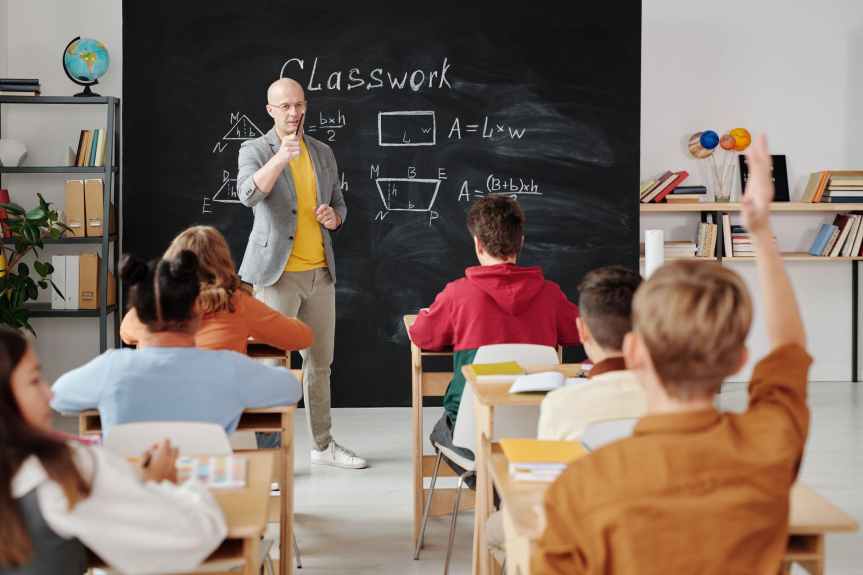
We celebrate teachers day in memory of Sarvepalli Radhakrishnan .we as a whole have learned a lot from our teachers. Their lessons direct us at each phase of our life. They value the most in our lives, and this is the motivation behind why we observe Teacher’s Day devoting them. It is a day to praise the most encouraging bond between the teachers and the students.

Each student should value and regard their teachers. Their challenging work and sacrifices for our mental development are unimaginable. A teacher, some of the time, plays a more critical job than our parents. They shape up our future and build up our mind to differentiate between good and evil.

Photo by August de Richelieu on Pexels.com

A teacher additionally does the country building work by making the future of every individual living in a nation. Teachers show us, yet they likewise improve our character, ability level and certainty. They think for each person, that is the reason we should consider and respect them on Teacher’s Day every year.we must follow their lessons to become successful.

A Teacher is someone who acts as a guide and inspiration to people – both young and old. He/she is charged with the responsibility of creating awareness as well as opening the mind of people by instilling values, morals, and ethics. Teachers efforts are recognized during the teacher’s day. They shape minds, and we annually celebrate their contribution to the development of society in the form of Teachers’ day across the world. However, We celebrate The International Teachers Day on October 5th annually.

Teachers’ Day in IndiaTeachers are respected and honored for their important contribution in shaping individuals. 5th of September is annually celebrated as Teachers’ day in India. This is actually the birthday of the former President of India, Dr. Sarvepalli Radhakrishnan.

The contributions and efforts made by teachers never go unnoticed. This led to the inauguration of the Teacher’s day which seeks to celebrate the efforts made by the teachers. In India, we celebrate the teacher’s day on the birthday of Dr. Sarvepalli Radhakrishnan who was known as a man of many great qualities and attributes.

Teachers play many roles in overall development such as:

  • They guide children and students to leadership skills
  • They instill discipline into young people molding them into future
  • Also, they provide their students with spiritual and emotional guidance.

Teachers also come across numerous challenges in their day to day activities such as the unappreciative culture by the community as well as dealing with disciplinary issues of their students.

What can we do on Teachers’ Day?

A thank-you can go a long way. In our busy lives, we have come to forget expressing gratitude. Many studies have come up explaining the benefits that gratitude can have on the one who expresses it and on the one who receives it. We can take this opportunity as a day to thank our teachers and express our love and care for them.

  • We can suggest and provide assistance by making use of the skills that we have learned over these years.
  • Also, we can give them a visit on this day and share with them our experiences. This will for sure make them happy and proud of their efforts.
  • We can present a small token of appreciation, something that they could keep as a memory like a pen or a planner or something that would be useful for them.
  • We should also seek their blessings and let them know that we are always there for them when they need us.
  • Students can collectively gift them books and other materials and organize a get-together especially if the class has graduated.

Time spent with them and gratitude expressed would be a great gesture to make teachers happy and proud. It is very important to recognize their contribution to molding our personality.

Conclusion

Teachers play an important role in the development of any country. This is why it is vital to set aside a day when the teachers are given the recognition they deserve. We celebrate Teachers’ day to honor the contribution of Teachers in our lives. Duties undertaken by teachers in the upbringing of children is immense and thus being recognized with teachers’ day is a step towards recognizing the profession and the role they play in society.

Life of Michelle Obama

Michelle LaVaughn Robinson Obama is an American attorney and author who served as the First Lady of the United States from 2009 to 2017. She was the first African-American woman to serve in this position. She is married to the 44th President of the United States, Barack Obama.

Michelle LaVaughn Robinson was born on January 17, 1964, in Chicago, Illinois, to Fraser Robinson III (1935–1991), a city water plant employee and Democratic precinct captain, and Marian Shields Robinson , a secretary at Spiegel’s catalog store. Her mother was a full-time homemaker until Michelle entered high school

The Robinson and Shields families trace their roots to pre-Civil War African Americans in the American South. On her father’s side, she is descended from the Gullah people of South Carolina’s Low Country region. Her paternal great-great grandfather, Jim Robinson, was born into slavery in 1850 on Friendfield Plantation, near Georgetown, South Carolina. He became a freedman at age 15 after the war. Some of Obama’s paternal family still reside in the Georgetown area. Her grandfather Fraser Robinson, Jr. built his own house in South Carolina. He and his wife LaVaughn (née Johnson) returned to the Low Country from Chicago after retirement.

Robinson was inspired to follow her brother to Princeton University, which she entered in 1981. She majored in sociology and minored in African-American studies, graduating cum laude with a Bachelor of Arts in 1985 after completing a 99-page senior thesis titled “Princeton Educated Blacks and the Black Community” under the supervision of Walter Wallace.

Robinson met Barack Obama when they were among the few African Americans at their law firm, Sidley Austin LLP (she has sometimes said only two, although others have noted that there were others in different departments). She was assigned to mentor him while he was a summer associate. Their relationship started with a business lunch and then a community organization meeting where he first impressed her.

Before meeting Obama, Michelle had told her mother she intended to focus solely on her career. The couple’s first date was to Spike Lee’s movie Do the Right Thing (1989). Barack Obama has said the couple had an “opposites attract” scenario in their initial interest in each other, since Michelle had stability from her two-parent home while he was “adventurous”.

During an interview in 1996, Michelle Obama acknowledged there was a “strong possibility” her husband would begin a political career, but said she was “wary” of the process. She knew it meant their lives would be subject to scrutiny and she was intensely private.

Although she campaigned on her husband’s behalf since early in his political career by handshaking and fund-raising, she did not relish the activity at first. When she campaigned during her husband’s 2000 run for United States House of Representatives, her boss at the University of Chicago asked if there was any single thing about campaigning that she enjoyed; after some thought, she replied that visiting so many living rooms had given her some new decorating ideas. Obama opposed her husband’s run for the congressional seat, and, after his defeat, she preferred he tend to the financial needs of the family in what she deemed a more practical way.

Don’t ever make decisions based on fear. Make decisions based on hope and possibility. Make decisions based on what should happen, not what shouldn’t

RIGHTS OF PAWNEE AND PAWNOR

RIGHTS OF PAWNEE AND PAWNOR

As per section 172 of the Indian Contract Act, 1872, a Pledge is a contract where a person deposits an article or good with a lender of money as security for the repayment of a loan or performance of a promise. Pledge is also known as a pawn. The depositor or the bailor is the Pawnor and the bailee or the depositee is the Pawnee. The Pawnee is under the duty to take reasonable care of the goods pledged with him. Let us learn about the Rights of Pawnee and Pawnor.

Key features of Pledge are:

  • The property under pledge shall be delivered to the Pawnee.
  • Such delivery shall be in the pursuance of the contract.
  • This delivery shall be for the purpose of security.
  • Also, delivery of articles shall be upon a condition to return.

 RIGHTS OF PAWNEE

Pawnee has the following rights:

  • Pawnee has a right to retain the goods pledged until payment of debt, interest and any other expense incurred for maintenance of such goods. For example, X pledges his gold jewelry for some loan from a bank. In such a case bank has all the rights to retain the gold jewelry not only for adjustment of loan amount but also for payment of interest accrued on such loan amount.
  • Pawnee has a right to file a suit for recovery of debt while retaining the goods pledged as security.
  • He has a right to sue for the sale of goods pledged and the payment of money due to him.
  • Pawnee has a right to seek reimbursement of extraordinary expenses incurred. However, he cannot retain goods with him in such a case.
  • Pawnee has a right to sell the goods after giving reasonable notice and time to pawnor. Pawnee can sue pawnor for deficiency, if any, after the sale of such goods. Also, if there is any surplus on sale of goods pawnee must return it to pawnor.

RIGHTS OF PAWNOR

   In case pawnee makes any unauthorized sale of goods pledged without giving proper notice and time to pawnor than pawnor has following rights:

  • Right to file a suit for redemption of goods by making payment of debt.
  • Right to claim for damages and loss on the ground of conversion.

LIEN

A lien is a legal right to claim a security interest in a property provided by the owner of the property to the creditor. It is generally used as a guarantee for some sort of legal obligation such as loan repayment.

In other words, a lien ensures that a creditor obtains the right to the property if a borrower fails to meet his legal and/or financial obligations. The grantor (the owner of the property) is called the lienee while the party that receives the lien is referred to as the lienor or lien holder.

TYPES OF LIENS

CONSENSUAL

Consensual liens are created by contractual obligations between the concerned parties. The most common examples are loans obtained to purchase real estate or personal property (chattel). They can be mortgages or auto loans.

 NON- CONSENSUAL

Non-consensual liens arise from statutory or common law. The most notable example is a tax lien, which is imposed by law against the property of a taxpayer. If a taxpayer fails to pay the taxes owed to the government, the tax agency can seize his or her real or personal property for the amount of the lien.

EXAMPLE OF LIEN

John wants to purchase a new house. In order to afford the purchase, he borrows $300,000 from ABC Bank. The bank wants to guarantee the repayment of the loan, and it requires John to provide the house as the collateral for the loan.

The bank files the documents with the government agency required to register the lien. Upon the completion of the process, the bank becomes the holder of the collateral provided by John (in this case, John’s house).

If John is unable to meet his financial obligations according to the mortgage agreement with ABC Bank, the bank will take possession of the property and will be able to sell it to satisfy the loan obligation.

DIY HOMEMADE NATURAL SKIN CARE TIPS

When ever I had a plan of buying some skin care products i am denied to do so by my mom. She always told me that its the kitchen that has the solution for all the skin problems. I trusted her, and i am glad i still do. We often are fascinated by all the chemical based products that many people on the internet use. Not going to deny that they all are helpful enough to make your skin better, but the magic that these natural ingredients exhibit is pleasing enough for us to stick to them tesilab.

These are some ingredients that gives your skin the care it needs.

HONEY

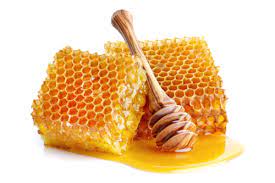
Honey is very beneficial for all types of skin. It moisturizes dry skin and balances oily skin. Honey can be used alone with no additives or it can be added with other ingredients like curd, turmeric, rose water, coffee etc. It has a lot of other important benefits like it cleans pores, exfoliates skin, treats acne, and fades scars. It is a must in your skin care routine.

ROSEWATER

Rose water has been used as a beauty product for thousands of years. It can improve your complexion and reduce skin redness. The antibacterial properties may help reduce acne. The anti-inflammatory properties can reduce skin redness and puffiness. One way of use would be to mix 2 teaspoons of rose water with half a teaspoon of lime juice. Using it every alternate day will help you to cleanse and freshen your skin naturally.

PAPAYA

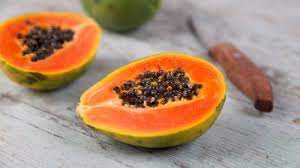
Papaya consists of an enzyme called papain which promotes healing of the skin and will also enhance the secretion of collagen when used topically for the skin. Papaya is a natural remedy to heal scars, burns and skin diseases for ages. Just rub a small piece of papaya on your face as let the ski absorb it all and late rinse it off for a radiant skin.

EGGS WHITES

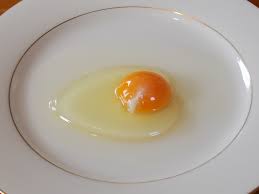
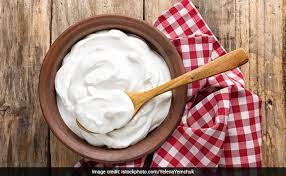
Egg whites contain vitamins and minerals that can benefit the skin’s overall appearance. For aging skin, egg whites can help tighten and firm. If you have large pores or acne-prone skin, egg whites help close pores and get rid of build up. Blending egg whites with yogurt will give the perfect combo that helps you get rid of clogged skin pores.

YOGURT

Yogurt also contains calcium, which supports skin cell generation, promoting healing of dry skin. The zinc in yogurt provides anti-inflammatory effects and protects the skin from sun damage. The lactic acid in yogurt also helps remove dry and dead skin cells, giving your skin a smooth appearance.

Arycle by : Haniah Mirza

Impact of online classes on children’s mental health

There’s a good side to online classes and a bad side too. Schools that are able to provide engaging online classes along with co-scholastic activities and regular peer-to-peer interaction have seen better mental health among students. For others, it has become monotonous, which has led to a rise in anxiety and hyperactivity among children. Especially children between the age of 6-15. It has been more of a boon for children which has led to problems such as anxiety for children.

Dr Kannan Gireesh, psychiatrist, psychotherapist and founder, Live Life Education says, “What they are lacking is peer-to-peer learning. Social learning is not happening as they do not have friends to talk to and build new friendships. Building friendships is very important especially in the lower age groups, which gives them security and self-esteem that gives them a sense of belonging.”

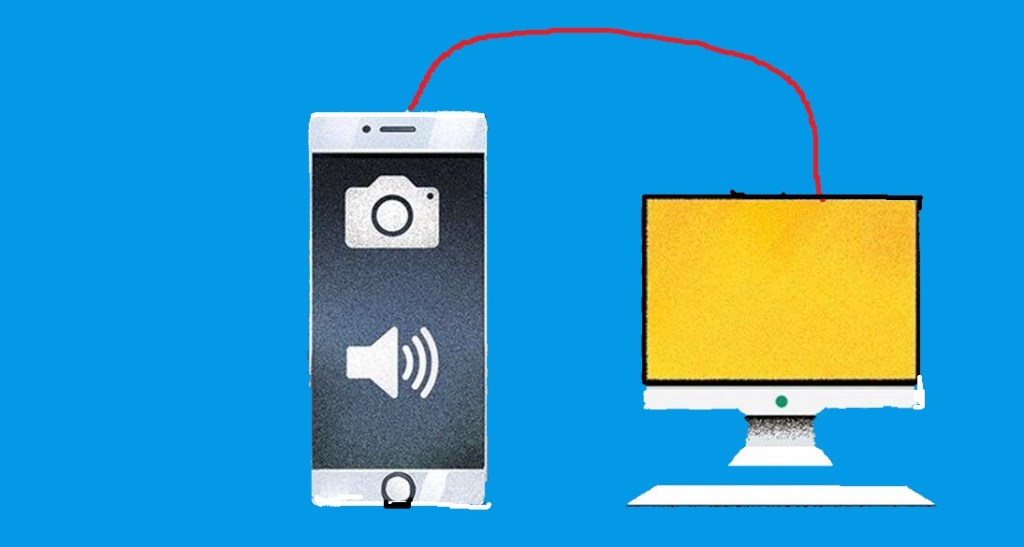
“Many children have become bored with online classes. In certain schools, online classes are very monotonous. Hence, what these students are doing is switching off the camera and are doing other activities. It’s like a time pass for them. Not only mental health, but they are also facing some health problems like eye strain, headaches and fatigue from seeing the screen for such a long time. Besides, sports education and extracurricular classes have also stopped. As most of the parents are working and the child is all alone in the house, there is no way the children can interact with anyone,” he adds.

UK-based internationally recognised parenting expert, broadcaster, speaker and author of Parenting Made Easy — How to Raise Happy Children (2012) Sue Atkins explained, “With the sudden halt to in-person learning, many students have missed their friends, yearned to be out of the house, developed erratic sleep habits and drove their (often working) parents crazy. On top of that, many were dealing with the trauma of a sick or dying family member, economic hardship and major changes to the life they once had.

As the pandemic drags on, it’s clear that not all kids are alright. According to a survey by Gallup, nearly 3 in 10 parents said their child is experiencing emotional or mental anxiety because of social distancing and school closures.”

“Schools should think about using the virtual learning environment to create a new relationship between teachers and children, not just one where kids can get help with maths, but where children are talking to teachers about what’s going on & the focus is on their well-being & mental health. 

Parents can support their children by actively listening, creating new routines that create a feeling of predictability in an uncertain world and nurturing self-esteem and self-care by playing, talking and eating with them. Collaboration between schools, families, community leaders and health officials will be even more critical to support children’s needs in and out of school as the world grapples with controlling the virus,” Atkins adds.

“As educational practitioners, we are committed to the wholesome development of the child and as we know, learning is not only about book knowledge, but also the physical, emotional, social and mental wellbeing of the child,” says Prema Muralidhar, principal of Ajman-based Woodlem Park School.

She adds, “As such, to help mitigate the effects of being endlessly homebound, at WPS we integrated more holistic approaches and more activity-based learning during our virtual sessions to help break the monotony and to keep the students engaged. Our students were introduced to breakout rooms that consist of smaller groups of students and provide the opportunity for them to interact briefly or to brainstorm with their peers during classes.

Incorporating regular PE and Karate sessions have helped to break the sedentary lifestyle and to encourage exercise. Our wellness programme is equally conducted for half an hour, twice a week where students practice breathing exercises, talk about anything of interest outside the normal curriculum, and share their thoughts and talents. The STTT (student-teacher talking time) also presents a brief interlude at the beginning of the day when the teacher can have a chat with the students to find out how they are generally doing.

Successful people without Formal Education

Nearly everyone thinks that to be educated, one must attend a formal school. This belief has led to many being illiterate or semi-literate, as they have been programmed by society to accept that you need a diploma or other degree to be considered educated.

There is more than enough practical and historical proof to debunk people who secretly grade others according to educational qualifications “many” “many” times over. These people believe themselves to be better than one who hasn’t studied in the four walls of a classroom for a higher level degree.

We’ll look at a brief description of people who rocked the world without going through any or a great deal of formal education. We’ll also know what it takes to obtain a formal education, if formal education is necessary at all, and if the current global education system actually improves or hampers knowledge acquisition.

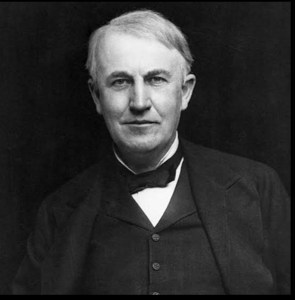
THOMAS EDISON : this guy was expelled from school because his teachers thought he was too slow to learn. After his expulsion, Thomas studied at home from his mother. She taught him to read and write. He worked hard and experimented a lot, until he invented the light buld, motion picture camera, and stock sticker, which the world relies on today.


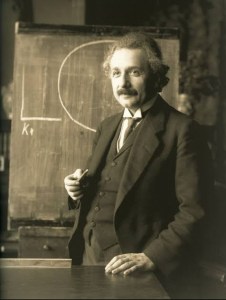
ALBERT  EINSTEIN:- Perhaps the most intelligent people the world has ever seen, this scientist started off his education poorly. In Germany, he only reached the standard of a “bad student” and his results for various entrance examinations were insufficient to get him through. He was a German-born theoretical physicist, widely acknowledged to be one of the greatest physicists of all time. Einstein is known for developing the theory of relativity, but he also made important contributions to the development of the theory of quantum mechanics. Relativity and quantum mechanics are together the two pillars of modern physics.


AISWARYA RAI :- This former Miss World is now one of the greatest actors in the country. She has garnered appreciation and success because of her work in and outside India. Little people know that this successful actor gave up her college education in order to pursue a career in modeling.


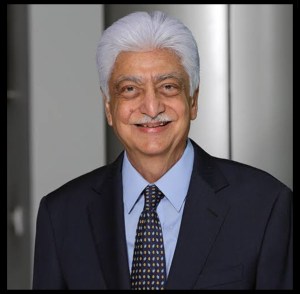
AZIM PREMJI :- Founder of WIPRO, this is one of the most prominent businessmen in the country. But, I bet you didn’t know that he dropped out of college! He is an Indian business tycooninvestorengineer, and philanthropist.


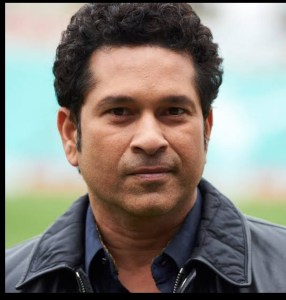
SACHIN TENDULKAR :- Perhaps the best cricketer ever produced in the world, this Indian has been one of the most successful people in the country. Yet, due to his cricket career, Sachin gave up his education in 1989. Sachin Tendulkar has been the most complete batsman of his time, the most prolific runmaker of all time, and arguably the biggest cricket icon the game has ever known.


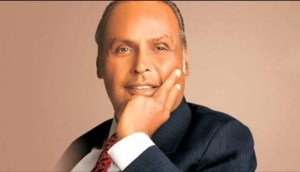
DHIRUBHAI AMBANI :- He was an Indian industrialist who was the founder of Reliance Industries, a giant petrochemicals, communications, power, and textiles conglomerate that was the biggest exporter in India and the first privately owned Indian company in the Fortune 500. Considered the most successful businessman in the country, this man made “Reliance Industries” what it is from scratch. As a child, Dhirubhai was not a good student and was extremely impatient. Despite being extremely intelligent, he did not do well at school. He gave up education while he was in college to take a job in Aden.


MARY KOM :- Mary Kom became the first Indian woman boxer to win a Gold Medal in the Asian Games in 2014 in South Korea and is also the first Indian woman boxer to win gold at the 2018 Commonwealth Games.This ace boxer had to give up her education in order to pursue her career in boxing. She went on to become one of the best female boxers India has ever seen.


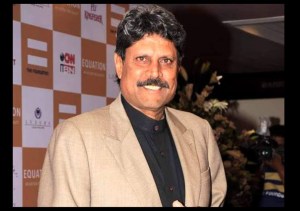
KAPIL DEV :- Kapil Dev was the greatest pace bowler India has produced, and their greatest fast-bowling allrounder. This former cricketer led the Indian Cricket Team to its World Cup victory in 1983. He is often considered to be one of the best cricketers of India. But, he gave up education between his schooling.


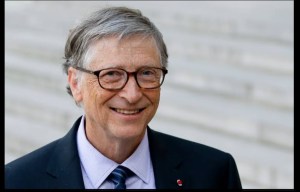
BILL GATES:- He is an American business magnate, software developer, investor, author, and philanthropist. He is a co-founder of Microsoft Corporation, along with his late childhood friend Paul Allen.Several times richest man in the world. He dropped out of Harvard, only to later build one of the most successful multi-national corporations of our time.

Lake Baikal

Hello guys😄 Today’s topic is about lake baikal.

So what is so interesting about lake baikal that it is worth mentioning in an article?what is so special about it?

The above questions may rise in your mind cause these were the questions that raised in my mind when I heard of this lake Baikal.

Jumping straight in to the topic

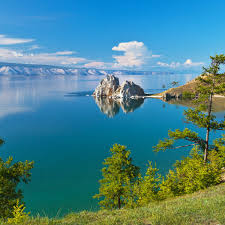
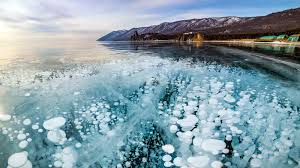
Lake Baikal is the deepest and oldest lakes in the world.Lake Baikal is located in mountainous Russian region of Siberia.

From: the conversation.com
This lake is so massive that it's often mistaken for a sea. It  is known for its crystal clear water.It contains 20% of the world's total unfrozen freshwater reserve which adds another feather to it's cap.

Baikal is an abode to numerous species of Plants and animals native to that place.

From: beautifulworld.com

The Buryat tribes, who raise goats, camels, cattle, sheep, and horses on the eastern side of the lake Baikal .

Lake Baikal is home to more than one thousand of species of plants and more than more than 2,500 species of animals

A wide range of mammal’s can be found in the lake around the lake such as Eurasian brown bear,elk,siberian deer etc .

Baikal seal is famous as it is one of the only three entirely fresh water seals.

Rich in aquatic flora,fishes ,amiphods, aquatic worms snails,bivalves,sponges etc.

From: adventure.howstuffworks.com

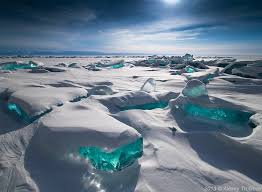
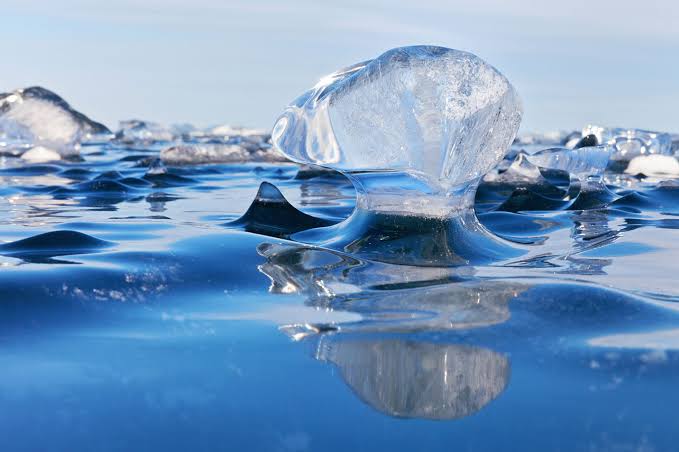
Tourists visit this place from mid Jan to mid April also called the ice season as the thickness of the ice increases during this period allows safe driving enabling the mobility of tourists safely.

From:theatlantic.com
People who visit this enchanting lake are left spell bound. Its a beautiful destination for travelling and the especially the trails and  picturesque places near the lake Baikal are something that you shouldn't miss when you visit there. It definitely  should be added to once bucket list.

Thankyou^^.

Featured pic taken from the conversation.com

Network Topology:

🔸️The network topology is the structure or layout of the communication channels that connects the various computers on the network. Each computer in the network is called a node.

🔸️There are a number of factors that determine the topology suitable for a given situation. Some of the important consideration is the type of nodes, the expected performance, type of Wiring (physical link) used and the cost.

🔸️Network can be laid out in different ways. The five common topologies are

🔹️Star
🔹️Ring
🔹️Bus
🔹️Hybrid
🔹️FDDI

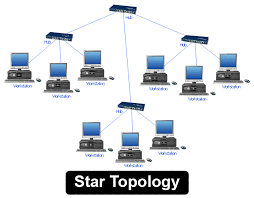
🌟Star Network:

🔸️In a star network all computers and other communication devices are connected to a central hub.
🔸️Such as a file server or host computer usually by a Unishielded Twisted Pair (UTP) cables.

💍Ring Network:

🔸️In a ring network computers and other communication devices are connected in a continuous loop.
🔸️Electronic data are passed around the ring in one direction, with each node serving as a repeater until it reaches the right destination.
🔸️There is no central host computer or server.

🚌Bus Network:

🔸️In a bus network all communication devices are connected to a common cable called bus.
🔸️There is no central computer or server.
The data transmission is bidirectional.

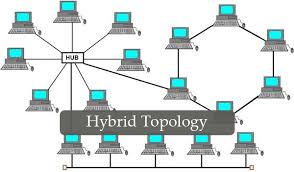
Hybrid Network:

A hybrid network is a combination of the above three networks suited to the need.

FDDI Network:

🔸️A FDDI network (pronounced as giddy short for Fiber Distributed Data interface) is a high-speed network using fiber optic cable.
🔸️It is used for high tech purposes such as electronic images, high – resolution graphics and digital video.
🔸️The main disadvantage is its high cost.

Insecurity

Everyone feels a little unsure at times. As humans, we constantly think, and some of our thoughts can be filled with doubt. This can lead to thoughts of insecurity. Too much insecurity can lead to other problems — in relationships and in your everyday life. However, there are ways you can work through your insecure thoughts and live life more confidently.

What Is Insecurity?

Insecurity is a feeling of inadequacy (not being good enough) and uncertainty. It produces anxiety about your goals, relationships, and ability to handle certain situations. Everybody deals with insecurity from time to time. It can appear in all areas of life and come from a variety of causes. It might stem from a traumatic event, patterns of previous experience, social conditioning (learning rules by observing others), or local environments such as school, work, or home. It can also stem from general instability. People who experience unpredictable upsets in daily life are more likely to feel insecure about ordinary resources and routines.On the other hand, insecurity can have no definite, external cause. Instead, it can appear as a quirk of personality or brain chemistry. Understanding the nature of insecurities can help you manage your own and offer others the support they need.  

Types of Insecurity:

There are almost limitless areas of potential insecurity. Moreover, insecurity often bleeds over from one area of life into another. However, there are some types of insecurity that appear frequently.

Relationship Insecurity: One of the most common kinds of insecurity concerns relationships or “attachments.” Attachment theory originated out of a desire to connect the attachment patterns of early childhood to later relationship patterns and expectations. When a child’s “attachment figures”, often parents or guardians, aren’t reliably available and supportive, the child often feels insecure, forms a negative self-image and relationship models, and experiences greater emotional distress and maladjustment later in life. Relationship or attachment insecurities don’t need to begin in early childhood. They can arise wherever previous experience or personal insecurity undermines someone’s security in their closest relationships.

Job Insecurity: Job insecurity occurs when you are anxious about your continued employment or about the continuation of certain benefits attached to your employment. It can be triggered by anxiety over your own job performance or anxiety over factors beyond your control, such as the economy, industry trends, workplace conflict, or the danger of company restructuring or failure. High rates of unemployment and temporary work increase job insecurity on a national scale and contribute to widespread mental health problems.

Body Image Insecurity : A common source of insecurity is body image. Many people feel insecure about the way they look and question whether they measure up to an imposed ideal. There is no necessary connection between actual body health or appearance and body insecurity. People of all body types can experience this type of insecurity.

Social Insecurity/Anxiety : Another common type of insecurity surrounds the way we are perceived by our peers and the ease with which we interact with them. This insecurity can be a recurring, low-level problem or can blossom into full-blown social anxiety disorder or social phobia.

Signs of Insecurity:

Signs of insecurity are as variable as the condition itself, but there are some common tendencies you can look out for.

Low or Superficial Self-Esteem : One sign of insecurity is low self-esteem or negative self-image, particularly when that image seems to be inconsistent with external observation. Low self-esteem means you think badly about yourself or your abilities. It can lead to other problems, especially concerning mental health. Talk to a doctor if your self-esteem is very low.Because the measurement of self-esteem generally relies on self-report, insecurity can lead to superficial self-esteem. People with insecurity often want to appear secure, and their explicit comments may be at odds with their automatic responses to certain stimuli. Deliberate self-misrepresentation or false behavior/information on social media can also be a sign of social anxiety. The act of faking then reinforces the social insecurity.

Perfectionism : The inability to be satisfied with progress and need to control and refine projects until they’re perfect can be a sign of insecurity. It stems from the sensation that you or your performance is never enough. It can appear as a manifestation of insecurity in any area of life but is frequently found in cases of job insecurity and body insecurity. Eating disorders, for example, often appear along with both harmful perfectionism and attachment insecurities.

Self-Isolation : Social insecurity can lead people to avoid social interactions, isolating themselves. Sometimes these people prefer to interact virtually in internet situations they feel they can control.

Anxious or Avoidant Attachment Styles : Attachment insecurities often result in problematic attachment styles, or dysfunctional approaches to relationships. The two most common are anxious or avoidant attachments. Anxious attachment styles are characterized by emotional dependence (relying on someone else for your emotional well-being), a fear of being alone, and fantasies of perfect relationships that can never be fulfilled. Avoidant attachment styles also stem from insecurity but go in the other direction. People with this style tend to keep relationships superficial and disengage from more intimate connections.

Poor Job Performance : Job insecurity (not having a stable job) can work to motivate some people, but it more often results in poorer performances. It can lead to absenteeism (avoiding work), turnover intention (wanting to change jobs soon after starting), disengagement from colleagues and in group projects, and poor work attitudes.

Depression or Anxiety : All types of insecurity can lead to decreased mental wellness. Depressive or anxious behavior or thinking is often an effect of insecurity, particularly when that insecurity produces (or is accompanied by) erroneous beliefs and patterns of thought.

Dealing with Insecurity :

Occasional insecurity is a natural part of life. For deeper and more longer-lasting feelings of insecurity, however, professional therapists can help you sort through your emotions and develop strategies for everyday life. In dealing with insecurity, there are a couple of helpful tips to keep in mind.

Social Networks Matter : Broad and meaningful social networks — frinedships, relationships with coworkers, and more — help to lessen both insecurity and its negative effects. There’s an inverse correlation between healthy social networks and insecure attachment styles. Having a wide circle of friends and many close connections allows you to develop the tools and confidence to engage in deeper adult relationships.Developing good friendships both in and out of the workplace also has a proven record of success as a coping strategy that helps prevent job insecurity, depression, and general anxiety. People who disengage from colleagues in response to job insecurity more frequently suffer in their mental health and job performance.

Trust Takes Practice : While having an overly trusting behavior creates its own problems, ask yourself if you have any reason to distrust expressions of affection or liking from others. People with insecurities sometimes express doubt and perceive rejection in everything from partner relationships to new acquaintances. These expressions can be self-fulfilling. Practice taking displays of interest at face value, something that can be easier in more casual relationships. You can build up the confidence to accept deeper affection and intimacy.


ONLINE CLASS IS A MENTAL EXHAUSTION FOR STUDENTS

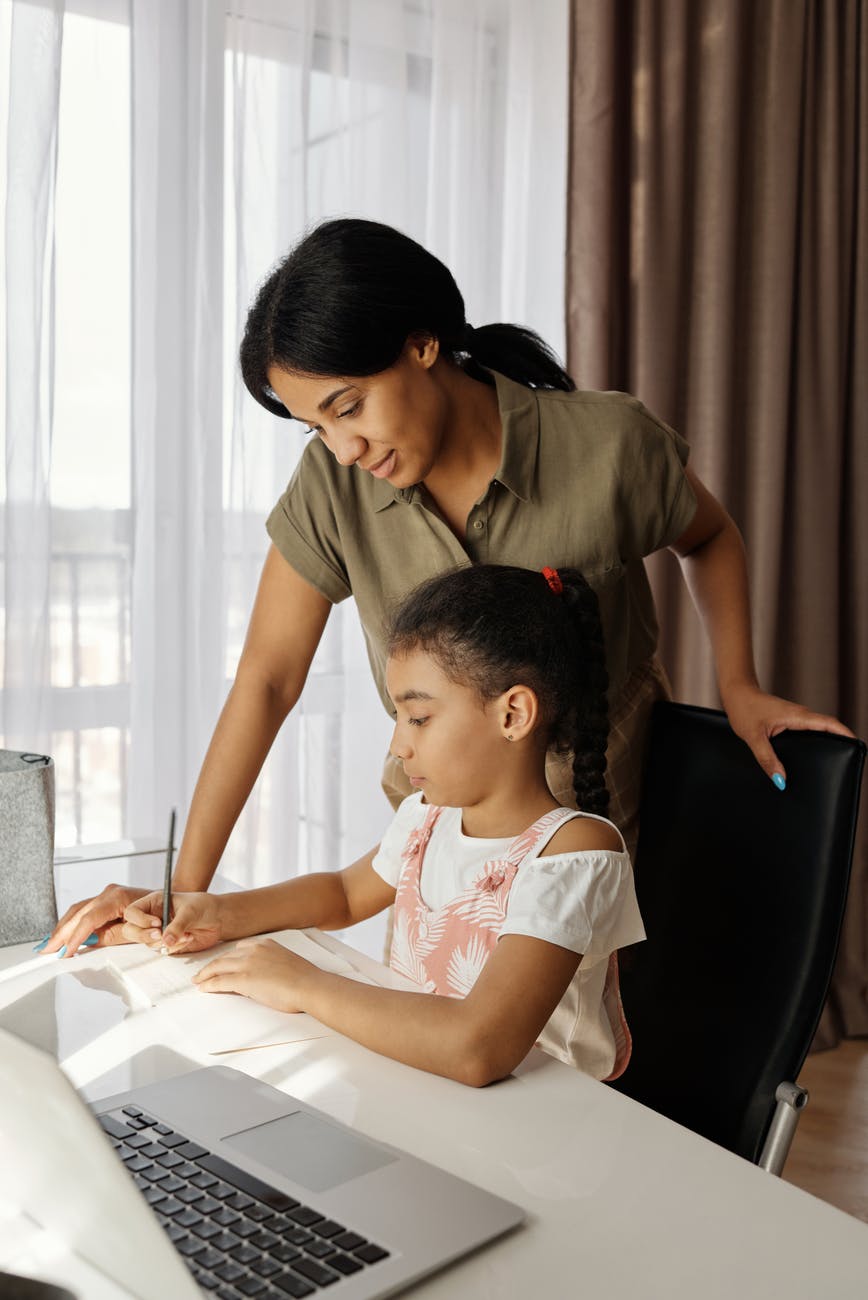
Education is taught in a classroom environment in schools all over the world. Students are conditioned from ages to this traditional form of teaching. With the onset of the Covid-19 pandemic throughout the world, the entire scenario has been changed. Although the decision of online classes was shocking to everyone, students were a bit happy as they don’t want to go to their schools and on the other hand, they were sad, as they will miss their friends. With the emergence of online classes, parents were forced to get mobile phones or other gadgets for their children even if they didn’t wish that from their hearts. Children went on cloud nine as they were given a separate pc or mobile in which they could play, chat, enter social media, etc. Nobody knows what they do with their smartphones. Even if the parent questions the children, they had a witty answer that they are listening to classes or doing their assignments. No matter how strict their parents are or how hard they try to spy, the children started breaking all these by using the term ‘privacy’. Let us see how this situation affects a child’s mental and physical state.

MENTAL HEALTH

As we know, students are more likely to get distracted even by small things. In that state, they have to sit inside their homes and listen to the monotonous classes online. The classroom environment can never be brought to home as they have to share space with the family members. In this case, they tend to lose concentration very often as everyone in the house is engaged with some tasks. This brings no difference however hard they try to focus rather makes the student stressed out. 

Kids start their social life only from school. They start to mingle with others only from that time. This important phase of life is missed out by them and they grow in a reserved manner. It becomes difficult for them to gel with society and others as they were homebound all these days. Again, this brings in mental stress for the introverts. However, Extroverts will cope with the situation better than introverts. 

Studies from experts also reveal that kids are prone to develop anxiety and depression from being confined in a single place. They come across many things that are irrelevant to their age in social media and begin to watch unnecessary bad things out of curiosity. This stimulates the child’s mental state to do the wrong. Moreover, they increased the video games playtime and got addicted to games such as PUBG and free fire which also affects the mental stability directly. 
PHYSICAL HEALTH

Apart from affecting mental well-being, online classes also affect physical health. Using mobile phones and PCs for a long time affects the eyesight and give rise to headache as well as fatigue. The rays from the gadgets cause eye pain and irritation. Children use the mobiles even after class time as they cannot go out and play with others. They use this technology as time pass. As a result, they lack physical activities like outdoor games. If they go to school, they had a separate hour for playtime during which they run and play on the ground. Also, when they return home from school, they enjoy playing games and cycling with their friends in the surroundings. This increases stamina and makes the physical body strong.  

Learning is not only about gaining knowledge but also about physical, mental, social, and emotional well-being. So, the emergence of online classes has created unwanted stress and irritation in budding lives. All these are not realized by the children as they lack enough maturity. Escaping from exams and other troublesome things, students continue to prefer online classes to get some lame advantages without knowing that they cannot escape from life exams. This would be realized one day or the other by everyone and that day they would regret the ‘lifeless life’ they led without spending time in the outside world.

America before Columbus: an analysis

The land of skyscrapers, the land that defined the American dream, was not always the happening place that it is now. 500 years ago it was a world of unbelievable natural wealth, two continents teeming with life, more than 600,000 miles of coastline, pristine waters and dense shoals, countless species, dense stretches of forest, it was a land of stark contrasts. With the lush green jungles in the south, glaciers in the north and the Great Plains of Midwest, there was always room for everyone, the caribou, antelopes, bison, and grizzly bear, there were even huge flocks of pigeons, ducks and geese.

Photo by Leo Pekaar on Pexels.com

There were flourishing vast civilizations throughout the continent. The Andes cradled a vast civilization ruled by powerful god-kings, there were Mesoamericans, the Atlantic coast filled with smaller villages and fields and the Mississippians, who were farmers, flourished where the Missouri, Illinois and the Mississippi rivers merged. Their staple food was corn, which was at then native to Americans and unknown to the rest of the world.  It was an outcome of their genetic engineering, the domestication of wild teosinte grass that later on became the fuel for their ever-growing population. It played a key role in the flourishing of cultures in America. The greatest empire of them all was the Inca Empire who settled themselves high in the Andes. They grew thousands of verities of tubers including the well-loved potatoes, that they domesticated from their ancestors, some were poisonous and some even carnivorous. The llamas and the turkeys being the most domesticated animals. The Native Americans defined a new agricultural system of burning grass as they believed crops grew faster in burnt grass.

 But in Europe, things are taking a different turn. It was a busy and crowding continent trying to feed a growing population of 100 million people. Natural resources are already exploited and the land is scarce and overworked. Most of the peasants are farmers working in the fields of the royalty or church. Here there is no space for an abundance of wildlife, agriculture and city life pushback the forest line. Christianity, the common religion all over Europe banned eating meat for more than 100 days a year. Leaving behind fish as the main food source. The demand for fish was huge but the supplies were dwindling fast enough. There is an immediate need to quench the thirst of millions of inhabitants.

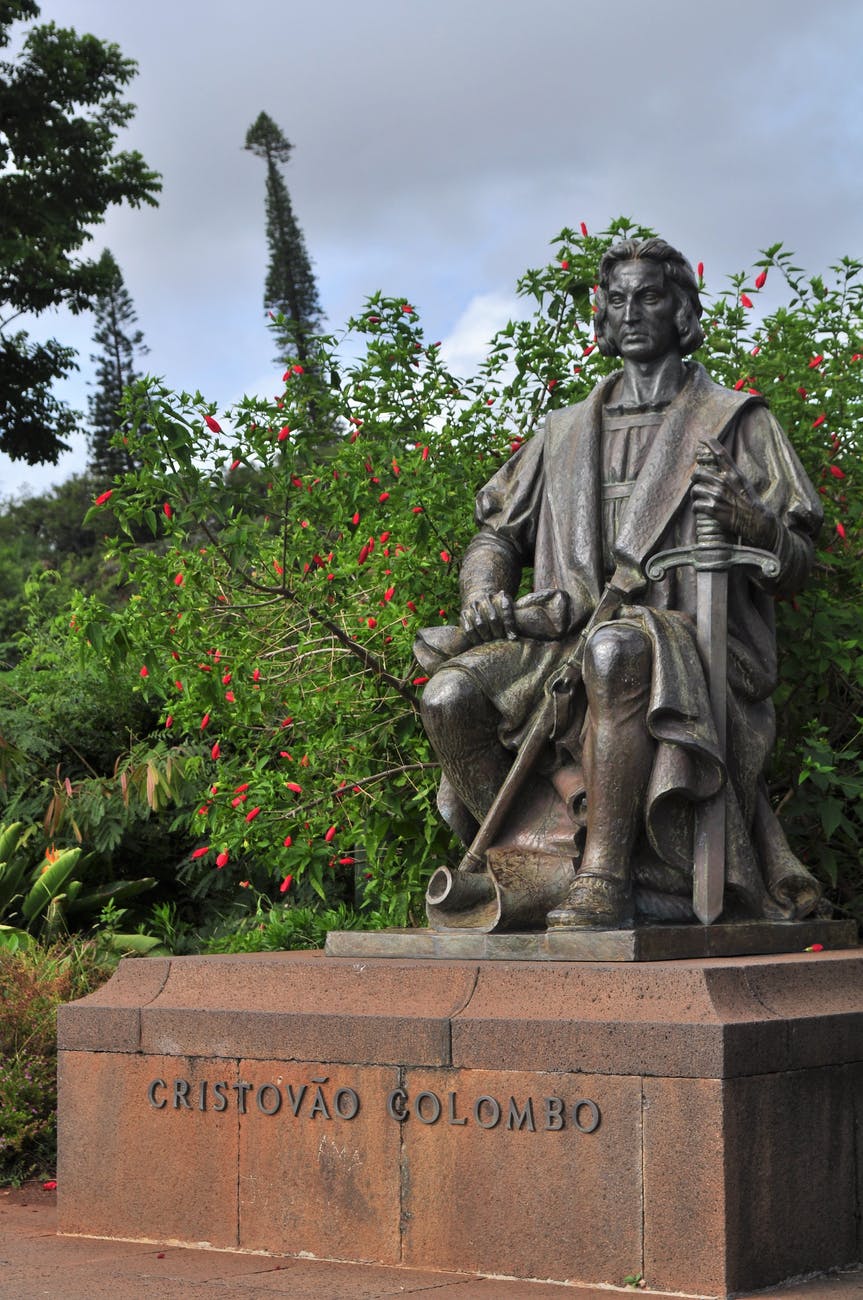
 The nobles have grown wealthier by trading with the east. Spices, gold, gemstones and silk are the most lucrative goods. But as they lost their silk road to the Turks, foreign trade declined rapidly, the wealth of the royalty was in danger. Rivalries between the princes grew intense, religious fervour, greed and curiosity took widespread. European kings and queens started sending explorers to expand and enhance their powers. Some explorers went around Africa to find the route to India. And Isabella, queen of Spain grew desperate to find new ways to India. She finally agrees to support a seaman from Genova, Italy who envisions to sail west to reach the east. Cristopher Columbus a fervent amateur then had spent five years trying to get financial support from the royalty. The Spanish crown decides to finance three ships. Columbus gathers together a motley crew of 87 men, mostly illiterates, petty criminals, murderers and soldiers. They set sail from the port of Seville in the summer of 1492 promising the queen a world of treasures trade and land.

On October 12th 1492 Columbus sights land, after three months of search, it is not India but an island in the Caribbean. The air is hot and the water warm, tropical seas to the arid desserts it was nothing that they expected. After seven months queen Isabella is delivered the news she was aching for, land to conquer, converts to Christianity and gold. The news spread like wildfire leaving several Europeans aching to visit the newfound land. In 1493 17 ships arrive in the new land carrying over 1200 Spanish conquistadors. With the horses, they have brought along the Spaniards spread all over the continent. They annihilate empires, the Incas fall to Pizarro and the Aztecs to Cortez within 40 years.

Hernando de Sotto travelled from Florida to Mississippi river. The Spaniards carry with them pigs which are a great source of food. But the wines become a threat for the Native Americans as unfenced fields undergo regular attack. In a Spanish missionaries records, there said to have an epidemic broken out, a sickness of pustules, large bumps spread on people. Smallpox was accidentally introduced to the Americas in the 6th century. And so smallpox along with influenza and measles wipes out almost ninety percent of the Native American population. Through the trade between the native people, certain diseases like syphilis took a widespread in Europe.

Photo by Charles Parker on Pexels.com

It was the 17th century that witnessed a new wave of people, the settlers. England had defeated the Spanish and became the new European superpower. In 1607 the British started a new colony in the east coast of North America now known as Virginia. They name it Jamestown after their king.  Many came here in search of religious freedom and a better lifestyle. For the first time women settlers came in bringing with them a whole new way of life. They introduced crops such as wheat. Meat became the cheapest food in the Americas and fur of the wild animals became the biggest export. Most trees were cut down and replaced with the trees they brought along and turned them into pastures and gardens were they grew all kinds of vegetables and fruits. They bring along with them peaches, pears, plums, figs, olives and bananas. The gardens slowly turn into plantations. Apples become a major industry in North America. Not only was it biological imperialism but also a Columbian exchange, European kitchens saw a huge American influence. The British settlers acquired a taste for sugar and tobacco. To satisfy such high demands, huge plantations started sprouting everywhere. Due to the shortage of manual labourers 10 million Africans were transported to America to work at the plantations. These slaves who were brought in were used to cultivate sugar in the Caribbean and Brazil, tobacco in Virginia, rice in South Carolina and cotton in North America.

By the 18th century, the metamorphosis of America was complete. The creation of the new world almost killed ninety percent of the Native Americans. People from all over the world, from Europe, slaves from Africa took over the place. It is now a place of skyscrapers, chrome and steel cities and is now the melting pot of races. 

Pegasus project

Amnesty International calls the results of the Pegasus Project “false rumours.” Amnesty International stated on Thursday that it supports the Pegasus Project’s conclusions and that the data is “irrefutably connected” to possible targets of NSO Group’s Pegasus malware.

According to the human rights organisation, Amnesty never said that the leaked list precisely includes the numbers of people who were targeted by the Pegasus malware.

It stated that the “false rumours” being circulated on social media are meant to divert attention away from the Pegasus Project’s revelations of widespread illegal targeting of journalists, activists, and others.

“Amnesty International unequivocally supports the Pegasus Project’s conclusions, and believes that the data is inextricably connected to possible targets of NSO Group’s Pegasus malware. The false rumours being circulated on social media are designed to divert attention away from the extensive illegal targeting of journalists, activists, and others exposed by the Pegasus Project “According to a statement issued by Amnesty International.

A worldwide investigation published last week by 17 media organisations alleged that NSO-developed Israeli malware was used to target the phones of politicians, journalists, government officials, and human rights activists. 

Forbidden Stories, a Paris-based journalistic charity, and Amnesty International headed the partnership. According to The Wire, a member of the international consortium, the leaked list of “potential targets” for hacking included many prominent Indian names, including former Congress chief Rahul Gandhi, BJP ministers Ashwini Vaishnaw and Prahlad Singh Patel, former election commissioner Ashok Lavasa, and poll strategist Prashant Kishor.

ASANAS AND ITS BENEFITS

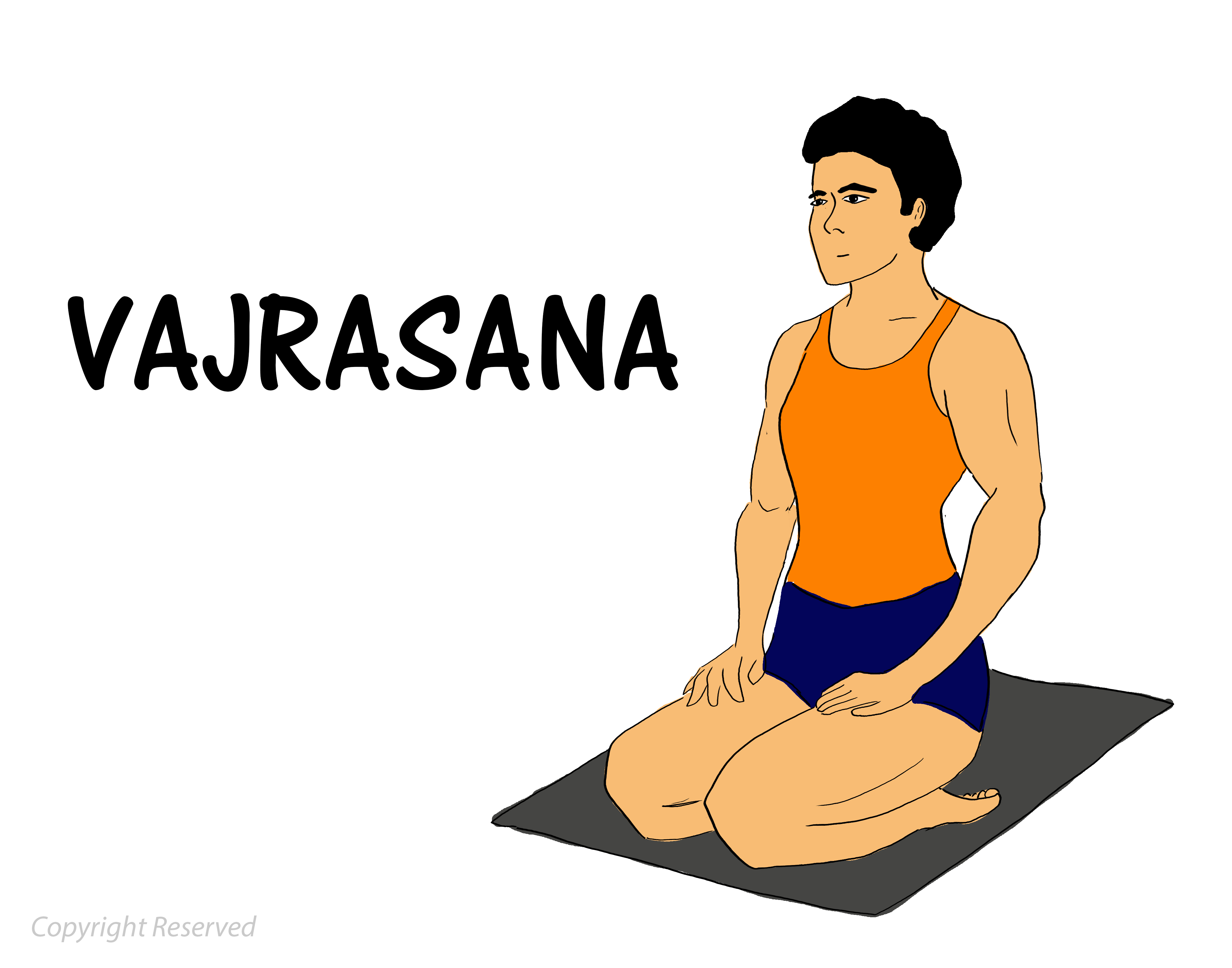
Vajrasana

It is a meditative asana. Kneel down on the ground or floor with your knees, ankles and toes touching the ground. Your toes should be stretched backwards. At this time, the breathing should be deep , even and slow . Then expand your chest forward and pull your abdominal portion inwards.

Benefits :

  • It is helpful in improving concentration .
  • It is helpful in curing dysentery , back pain and chest diseases.
  • It enhances memory pow
  • It cures the problems related to menstruation .
  • It cures mental stress.

Gomukhasana

Benefits Of Gomukhasana (Cow Face Pose) And How To Do It

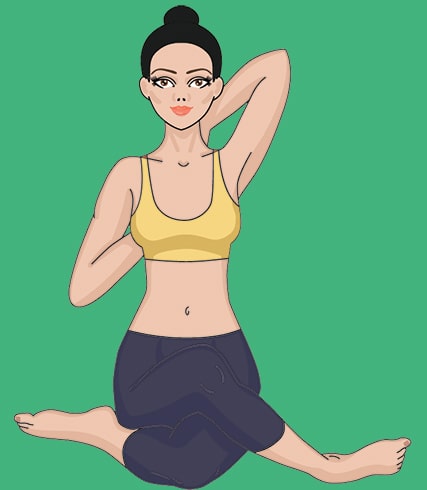
Sit down on the ground with legs stretched forward. Now fold the left leg at the knee and sit on the left foot. Fold the right leg and keep the right thigh on the left thigh with the help of your hands. Now lift your buttocks and bring the heels of both feet together so that they should touch each other . Now fold your left arm behind the back under the right shoulder. After that bend your fingers of both the hands and clasp each other. At this time your head and back should be erect. Then, repeat the same in reverse position.

Benefits :

  • It makes the leg muscles strong and elastic .
  • It helps in keeping the shoulder joints healthy, flexible and strong.
  • It helps in staying fit and strong.
  • Regular practice of this asana helps in the treatment of sciatica.
  • It also reduces stress and anxiety.

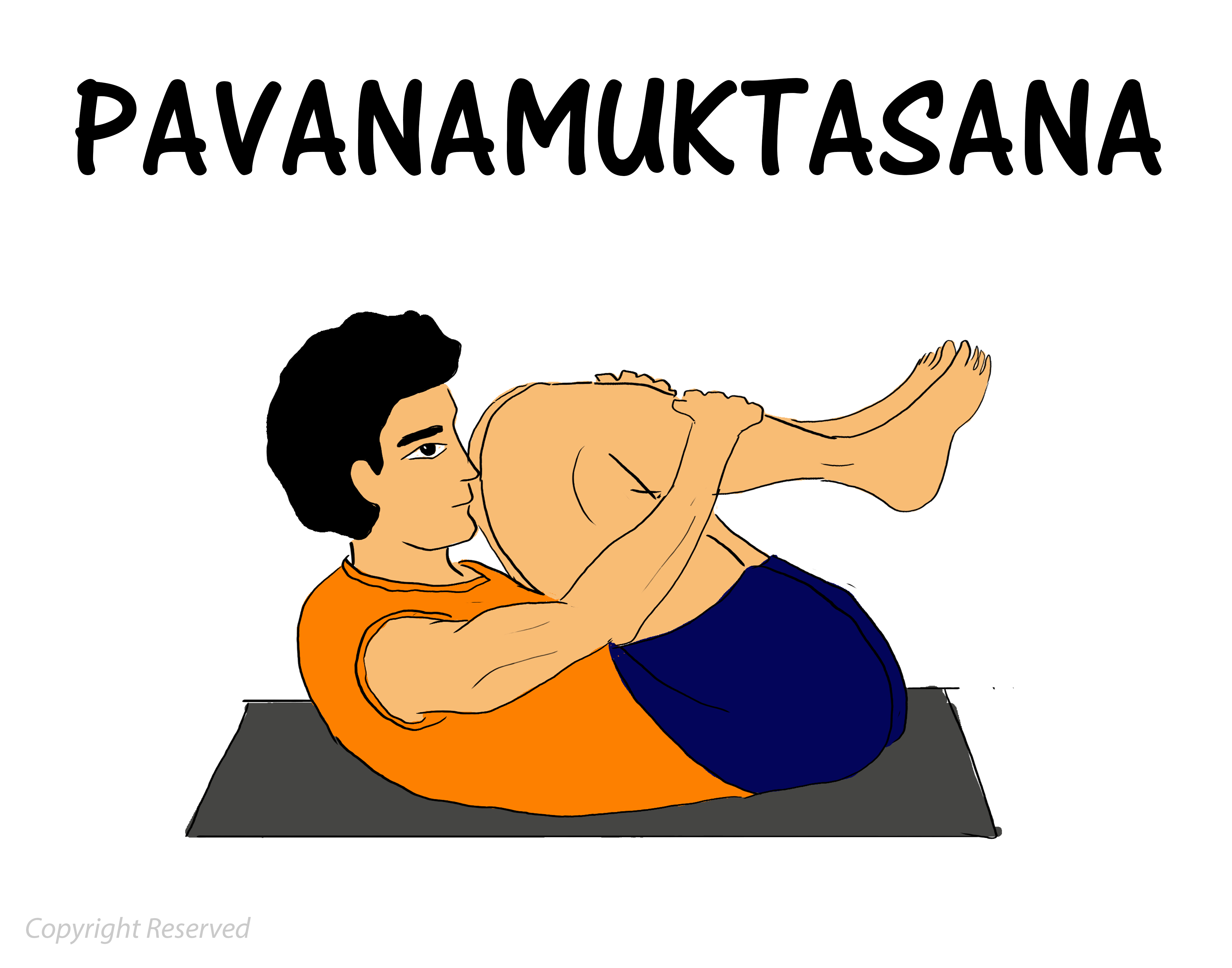
Pawanmuktasana

pawanmuktasana benefits | 101yogasan 101yogasan

Lie down on your back on a plain surface . Keep your feet together and place your arms beside your body. Take a deep breath . When you exhale bring your knees towards your chest. At the same time press your thighs on your abdomen. Clasp your hands around your legs. Hold the asana when you breathe normally. Every time you inhale, ensure that you loosen the grip . Exhale and release the pose after you rock and roll from side to side about 3 times .

Benefits :

  • It eases the tension in lower back.
  • It enhances the blood circulation in pelvic area.
  • It aids weight loss.
  • It tones the arm ,leg and buttocks.

SEASONS AND CLOTHING

Why do we need clothes?

Clothes keep us warm in winter and cool in summer.
In summer, we wear clothes made of cotton. In winter, we wear clothes made of wool or very thick material.
During rainy season, we wear raincoats or use umbrellas which are made of different kinds of cloth.

How are clothes made?

We make different kinds of clothes using different materials. These materials are got from plants and animals.

Cotton

Cotton clothes are made from cotton. Cotton is got from cotton plant.

Cotton is the white hair of the cotton seeds. This hair is used to make cloth.

Silk

The silk worm makes itself a home by covering itself with silk. This cover is made by a secretion from the mouth of the silk worm. This is used to make silk.

Wool

Wool is the hair covering the body of the sheep. The hair is cut and used to make woollen clothes.

Leather and Fur

Leather is skin of animals. It is also used for making clothes.

Fur is the hair of some animals like cats, rabbits, moles, stoat etc. Clothes made of fur are very costly. In very cold places, fur and leather clothes are used. Eskimos living in polar regions wear clothes made of fur and leather only. In other cold countries also, fur clothes are worn. Leather clothes are worn clothes for fashion also.

Other materials

We also make clothes with poly cotton, polyester, terry-cotton and nylon. They are not made from natural materials. They are made of chemical substances. They are light and dry easily when washed.

People belonging to different countries wear clothes made of different materials.