Yoga And Some Science-supported Benefits.

We all are familiar with Yoga and many of us even practice it on a day-to-day basis. But, do we know what does the word “Yoga” means? And what benefits of Yoga are supported by science? Well, some of us may know and some of us don’t. So, let’s dive into the questions mentioned above, and let’s learn.

The word “Yoga” is derived from the Sanskrit root “Yuj,” which means ‘to join’ or ‘to yoke or ‘to unite’. It assimilates mediation and poses composed to stimulate relaxation and reduce stress. In simple words, Yoga is an ancient practice that brings our body and mind together.

Practicing Yoga can provide a lot of benefits for both our mental and physical health. Although not all the benefits are supported by science. Mentioned below are some of the many benefits of Yoga that are supported by science:-

I) Improves Flexibility and Balance

In several studies, it has been found that practicing yoga can improve flexibility and balance. 

According to a study in 2017, a group of 26 male athletes who undertook Yoga for 10 weeks, had shown greater improvement in their flexibility levels compared to the control group. 

II) Could Promote Sleep Quality

Poor sleep quality can cause a lot of trouble for a person. Although it has been found in studies that yoga could improve sleep quality.

In a study, in 2005, 69 old patients were assigned to either practice Yoga, herbal preparation, or be a part of a control group. It has been found that the Yoga group fell asleep faster, slept longer, and felt more rested than the other groups. 

III) Can Decrease Stress

As mentioned in the above line Yoga is known for stimulating relaxation and stress. 

Many studies have also shown that it decreases the secretion of the primary stress hormone (cortisol). 

In an observation, 24 women labeled themselves emotionally distress, when completed a three-month yoga program, showed significantly lower levels of cortisol. They also had a lower level of stress, anxiety, fatigue, and depression. 

IV) Could Improve Heart Health

The health of your heart is a very essential component of your overall health. And studies have shown that yoga may help in improving heart health and in reducing factors leading to heart disease. 

A study has found that participants over 40 years of age who practiced yoga for five years had lower blood pressure and pulse rate than those who didn’t. 

V) Improves Life Quality

For many individuals, Yoga has now become an accompaniment to improve the quality of life. 

In a study, 135 elders were assigned to either practice Yoga for 6 months, walking, or join a control group. The Yoga group showed improved quality of life as well as mood, and fatigue, compared to other groups.

Though these were only a few benefits of Yoga that are supported by science, you can always go and google more. Science has also accepted the beneficiary of practicing Yoga, then you should too. Just by giving 1hr from your day to Yoga, you can improve both mentally and physically. In the end, it always depends on you.  

Problems Faced by Teenagers

Depression

According to The National Institute of Mental Health, about 20% of teenagers may experience depression before reaching adulthood.

An analysis by the Pew Research Center reported that depression rates grew among adolescents, especially in girls, over the previous decade when about 8% of teens reported being depressed in 2007. Some researchers blame technology for the rise in mental health problems.

Spending too much time on electronic devices may be preventing young people from in-person activities with their peers such as sports, which can help ward off depression. They also experience new conditions like “fear of missing out” or FOMO, which further leads to feelings of loneliness and isolation.

Depressive disorders are treatable, but it’s important to seek professional help. If your teen seems withdrawn, experiences a change in his sleep patterns, or starts to perform badly in school, schedule an appointment with your teen’s physician or contact a mental health professional.

Bullying

According to the National Center for Education Statistics, about 20% of teens experienced bullying. One explanation the research has cited for this is the rise of social media use by teens, which has made bullying much more public and more pervasive. In fact, cyberbullying has replaced bullying as the common type of harassment that teens experience.

Talk to your teen about bullying regularly. Discuss what they can do when they witnesses bullying and talk about options if they become a target themselves. Being proactive is key to helping your child deal with a bully.

It’s also important to talk to your child about when and how to get help from an adult. Remind them that asking for help is not a sign of weakness, but instead a show of courage. Talking about how someone has humiliated them is never an easy topic.

Bullying: A big problem with big consequences | UMN Extension

Sexual Activity

Based on the 2017 Youth Risk Behavior Surveillance data, 39.5% of high school students reported being sexually active. That means sexual activity had declined slightly over the past decade.

Fortunately, the teen birth rate has declined over the past decade as well. Births to teens ages 15 to 19 accounted for 5.0% of all births in 2017. The decline in pregnancy doesn’t necessarily mean teens are using protection, however.

Of the 20 million new sexually transmitted diseases each year, more than half were among young people between the ages of 15 and 24.

Parents may not be aware that their children are sexually active, however.

Coitus, But Not Other Kinds of Sexual Activity, Promotes Health - Public  Discourse

Drug Use

In 2017, about 6% of seniors in high school reported using marijuana daily. Marijuana use exceeds cigarette use is in teens now. In fact, many teens believe marijuana is less harmful now than in years past. This new perception may be due to the changing laws surrounding marijuana.

Meanwhile, other illicit drug use has held steadily at the lowest levels according to the Monitoring the Future Survey published by the National Institute on Drug Abuse. Teen use of illicit drugs in 2017 was the lowest since the study began in 1975.

Make sure you have regular conversations with your teen about the dangers of drugs. And don’t forget to mention the dangers of prescription drugs, too. Many teens do not recognize the dangers of taking a friend’s prescription or popping a few pills that are not prescribed to them.

World Drug Day: Drug use increased 30% in India in last decade, claims UN  Report - India News

Alcohol Use

As of 2017, alcohol use and binge drinking showed a significant decline among teenagers. Despite the decline, 29.3% of high school seniors still report drinking alcohol within the past month.

Talk to teens about the risks of underage drinking. Educate them about the dangers, including the fact that alcohol can take a serious toll on a teenager’s developing brain. Also, do not shy away from expressing your disapproval of underage drinking. Saying you don’t approve can make a big difference in whether your teen decides to drink.

Alcohol Abuse Treatment - What Is Alcohol Abuse? | familydoctor.org

Obesity

According to the Centers for Disease Control and Prevention, about 20% of 12- to 19-year-olds are obese. 

Aside from the fact that overweight children are often targeted by bullies, obese kids also are at a much greater risk of lifelong health problems, such as diabetes, arthritis, cancer, and heart disease. They also may struggle with body image issues or develop eating disorders as an unhealthy way of changing their appearance. But parents are not always aware of these issues.

In fact, surveys show parents are bad at recognizing when their kids are overweight. They tend to underestimate their child’s size and the risks associated with being overweight.

Talk to your child’s pediatrician about the weight and body mass are appropriate for your teen’s height and age and inquire about the steps you can take to ensure your teen is healthy. Then, if your doctor does recommend a healthier eating plan or exercise, find ways to support and empower your teen.

Obesity is Not a Disease of Sloth and Gluttony

Academic Problems

About 5% of high school students drop out of high school each year. A high school dropout is likely to earn 15 lakhs less over his lifetime when compared to a high school graduate, which can have a significant impact on a young person’s future.

But, it’s no longer just the “troubled teens” who are dropping out of school. Some teens feel so much pressure to get into a good college that they’re burning themselves out before they graduate from high school. Stay involved in your teen’s education. Provide support and guidance and be ready to assist your teen if he encounters problems.

Academic problem - Definition of Academic problem

Peer Pressure

While peer pressure isn’t a new issue, social media brings it to a whole new level. Sexting, for example, is a major cause for concern as many teens do not understand the lifelong consequences that sharing explicit photos can have on their lives. But sharing inappropriate photos is not the only thing kids are being pressured into doing.

More and more kids are being pressured into having sex, doing drugs, and even bullying other kids. To keep your kids from falling victim to peer pressure, give them skills to make healthy choices, and to resist peer pressure. Also, talk to teens about what to do if they make a mistake.

Sometimes, kids can make poor choices and may be too afraid to seek help. Make sure your kids are not afraid to come to you when they make a mistake. Demonstrate that you can listen without judging or overreacting and instead find healthy ways for them to make amends and move on.

What Is Peer Pressure and Does It Lead to Addiction?

Social Media

Facebook, Instagram, and Twitter can be great ways for teens to connect with one another; but social media can be problematic for several reasons. For instance, social media can expose your teen to cyberbullying, slut-shaming, and so much more. And, while there are some benefits to social media, there are a lot of risks as well.

Social media can have a negative impact on friendships and is changing the way teens date. It can even impact their mental health. But, no matter what precautions you take, teens are still likely to be exposed to unsavory people, unhealthy images, and sexual content online.

Help your teen learn how to navigate social media in a healthy way. Talk about ways to stay safe online. And most importantly, know what your teen is doing online. Educate yourself about the latest apps, websites, and social media pages teens are using and take steps to keep your teen safe.

A Chronological History of Social Media

On-Screen Violence

Teenagers are going to witness some violent media at one time or another. And it’s not just TV, music, and movies that depict violence. Many of today’s violent video games portray gory scenes and disturbing acts of aggression.

Over the past couple of decades, studies have linked watching violence to a lack of empathy and even aggressive behavior. And other studies have shown the number one factor in determining how kids relate to media is how their parents think and act.

According to Common Sense Media, the more violence that parents watch, the more likely they are to think it’s OK for their kids to view. Pay attention to your teen’s media use. Don’t allow teens to watch R-rated movies or to play M-rated video games. It’s not healthy for them to consume that material in excess and unsupervised. 

Also, talk to your teen about the dangers of being exposed to violent images and monitor your teen’s mental state. It’s also important to talk about sexual situations and racial stereotypes that your teen might see.

Teens need to learn how to identify what is good and what is bad about the media. It helps them become a healthier consumer when they can think objectively about what they are seeing online, in the movie theater, or in a video game.


Watching violence on screen is just as damaging to children as watching it  in real-life | Daily Mail Online

Problems Faced by Teenagers

Depression

According to The National Institute of Mental Health, about 20% of teenagers may experience depression before reaching adulthood.

An analysis by the Pew Research Center reported that depression rates grew among adolescents, especially in girls, over the previous decade when about 8% of teens reported being depressed in 2007. Some researchers blame technology for the rise in mental health problems.

Spending too much time on electronic devices may be preventing young people from in-person activities with their peers such as sports, which can help ward off depression. They also experience new conditions like “fear of missing out” or FOMO, which further leads to feelings of loneliness and isolation.

Depressive disorders are treatable, but it’s important to seek professional help. If your teen seems withdrawn, experiences a change in his sleep patterns, or starts to perform badly in school, schedule an appointment with your teen’s physician or contact a mental health professional.

Bullying

According to the National Center for Education Statistics, about 20% of teens experienced bullying. One explanation the research has cited for this is the rise of social media use by teens, which has made bullying much more public and more pervasive. In fact, cyberbullying has replaced bullying as the common type of harassment that teens experience.

Talk to your teen about bullying regularly. Discuss what they can do when they witnesses bullying and talk about options if they become a target themselves. Being proactive is key to helping your child deal with a bully.

It’s also important to talk to your child about when and how to get help from an adult. Remind them that asking for help is not a sign of weakness, but instead a show of courage. Talking about how someone has humiliated them is never an easy topic.

Bullying: A big problem with big consequences | UMN Extension

Sexual Activity

Based on the 2017 Youth Risk Behavior Surveillance data, 39.5% of high school students reported being sexually active. That means sexual activity had declined slightly over the past decade.

Fortunately, the teen birth rate has declined over the past decade as well. Births to teens ages 15 to 19 accounted for 5.0% of all births in 2017. The decline in pregnancy doesn’t necessarily mean teens are using protection, however.

Of the 20 million new sexually transmitted diseases each year, more than half were among young people between the ages of 15 and 24.

Parents may not be aware that their children are sexually active, however.

Coitus, But Not Other Kinds of Sexual Activity, Promotes Health - Public  Discourse

Drug Use

In 2017, about 6% of seniors in high school reported using marijuana daily. Marijuana use exceeds cigarette use is in teens now. In fact, many teens believe marijuana is less harmful now than in years past. This new perception may be due to the changing laws surrounding marijuana.

Meanwhile, other illicit drug use has held steadily at the lowest levels according to the Monitoring the Future Survey published by the National Institute on Drug Abuse. Teen use of illicit drugs in 2017 was the lowest since the study began in 1975.

Make sure you have regular conversations with your teen about the dangers of drugs. And don’t forget to mention the dangers of prescription drugs, too. Many teens do not recognize the dangers of taking a friend’s prescription or popping a few pills that are not prescribed to them.

World Drug Day: Drug use increased 30% in India in last decade, claims UN  Report - India News

Alcohol Use

As of 2017, alcohol use and binge drinking showed a significant decline among teenagers. Despite the decline, 29.3% of high school seniors still report drinking alcohol within the past month.

Talk to teens about the risks of underage drinking. Educate them about the dangers, including the fact that alcohol can take a serious toll on a teenager’s developing brain. Also, do not shy away from expressing your disapproval of underage drinking. Saying you don’t approve can make a big difference in whether your teen decides to drink.

Alcohol Abuse Treatment - What Is Alcohol Abuse? | familydoctor.org

Obesity

According to the Centers for Disease Control and Prevention, about 20% of 12- to 19-year-olds are obese. 

Aside from the fact that overweight children are often targeted by bullies, obese kids also are at a much greater risk of lifelong health problems, such as diabetes, arthritis, cancer, and heart disease. They also may struggle with body image issues or develop eating disorders as an unhealthy way of changing their appearance. But parents are not always aware of these issues.

In fact, surveys show parents are bad at recognizing when their kids are overweight. They tend to underestimate their child’s size and the risks associated with being overweight.

Talk to your child’s pediatrician about the weight and body mass are appropriate for your teen’s height and age and inquire about the steps you can take to ensure your teen is healthy. Then, if your doctor does recommend a healthier eating plan or exercise, find ways to support and empower your teen.

Obesity is Not a Disease of Sloth and Gluttony

Academic Problems

About 5% of high school students drop out of high school each year. A high school dropout is likely to earn 15 lakhs less over his lifetime when compared to a high school graduate, which can have a significant impact on a young person’s future.

But, it’s no longer just the “troubled teens” who are dropping out of school. Some teens feel so much pressure to get into a good college that they’re burning themselves out before they graduate from high school. Stay involved in your teen’s education. Provide support and guidance and be ready to assist your teen if he encounters problems.

Academic problem - Definition of Academic problem

Peer Pressure

While peer pressure isn’t a new issue, social media brings it to a whole new level. Sexting, for example, is a major cause for concern as many teens do not understand the lifelong consequences that sharing explicit photos can have on their lives. But sharing inappropriate photos is not the only thing kids are being pressured into doing.

More and more kids are being pressured into having sex, doing drugs, and even bullying other kids. To keep your kids from falling victim to peer pressure, give them skills to make healthy choices, and to resist peer pressure. Also, talk to teens about what to do if they make a mistake.

Sometimes, kids can make poor choices and may be too afraid to seek help. Make sure your kids are not afraid to come to you when they make a mistake. Demonstrate that you can listen without judging or overreacting and instead find healthy ways for them to make amends and move on.

What Is Peer Pressure and Does It Lead to Addiction?

Social Media

Facebook, Instagram, and Twitter can be great ways for teens to connect with one another; but social media can be problematic for several reasons. For instance, social media can expose your teen to cyberbullying, slut-shaming, and so much more. And, while there are some benefits to social media, there are a lot of risks as well.

Social media can have a negative impact on friendships and is changing the way teens date. It can even impact their mental health. But, no matter what precautions you take, teens are still likely to be exposed to unsavory people, unhealthy images, and sexual content online.

Help your teen learn how to navigate social media in a healthy way. Talk about ways to stay safe online. And most importantly, know what your teen is doing online. Educate yourself about the latest apps, websites, and social media pages teens are using and take steps to keep your teen safe.

A Chronological History of Social Media

On-Screen Violence

Teenagers are going to witness some violent media at one time or another. And it’s not just TV, music, and movies that depict violence. Many of today’s violent video games portray gory scenes and disturbing acts of aggression.

Over the past couple of decades, studies have linked watching violence to a lack of empathy and even aggressive behavior. And other studies have shown the number one factor in determining how kids relate to media is how their parents think and act.

According to Common Sense Media, the more violence that parents watch, the more likely they are to think it’s OK for their kids to view. Pay attention to your teen’s media use. Don’t allow teens to watch R-rated movies or to play M-rated video games. It’s not healthy for them to consume that material in excess and unsupervised. 

Also, talk to your teen about the dangers of being exposed to violent images and monitor your teen’s mental state. It’s also important to talk about sexual situations and racial stereotypes that your teen might see.

Teens need to learn how to identify what is good and what is bad about the media. It helps them become a healthier consumer when they can think objectively about what they are seeing online, in the movie theater, or in a video game.

Watching violence on screen is just as damaging to children as watching it  in real-life | Daily Mail Online

Yoga And Some Science-supported Benefits.


We all are familiar with Yoga and many of us even practice it on a day-to-day basis. But, do we know what does the word “Yoga” means? And what benefits of Yoga are supported by science? Well, some of us may know and some of us don’t. So, let’s dive into the questions mentioned above, and let’s learn.

The word “Yoga” is derived from the Sanskrit root “Yuj,” which means ‘to join’ or ‘to yoke or ‘to unite’. It assimilates mediation and poses composed to stimulate relaxation and reduce stress. In simple words, Yoga is an ancient practice that brings our body and mind together.

Practicing Yoga can provide a lot of benefits for both our mental and physical health. Although not all the benefits are supported by science. Mentioned below are some of the many benefits of Yoga that are supported by science:-

I) Improves Flexibility and Balance

In several studies, it has been found that practicing yoga can improve flexibility and balance. 

According to a study in 2017, a group of 26 male athletes who undertook Yoga for 10 weeks, had shown greater improvement in their flexibility levels compared to the control group. 

II) Could Promote Sleep Quality

Poor sleep quality can cause a lot of trouble for a person. Although it has been found in studies that yoga could improve sleep quality.

In a study, in 2005, 69 old patients were assigned to either practice Yoga, herbal preparation, or be a part of a control group. It has been found that the Yoga group fell asleep faster, slept longer, and felt more rested than the other groups. 

III) Can Decrease Stress

As mentioned in the above line Yoga is known for stimulating relaxation and stress. 

Many studies have also shown that it decreases the secretion of the primary stress hormone (cortisol). 

In an observation, 24 women labeled themselves emotionally distress, when completed a three-month yoga program, showed significantly lower levels of cortisol. They also had a lower level of stress, anxiety, fatigue, and depression. 

IV) Could Improve Heart Health

The health of your heart is a very essential component of your overall health. And studies have shown that yoga may help in improving heart health and in reducing factors leading to heart disease. 

A study has found that participants over 40 years of age who practiced yoga for five years had lower blood pressure and pulse rate than those who didn’t. 

V) Improves Life Quality

For many individuals, Yoga has now become an accompaniment to improve the quality of life. 

In a study, 135 elders were assigned to either practice Yoga for 6 months, walking, or join a control group. The Yoga group showed improved quality of life as well as mood, and fatigue, compared to other groups.

Though these were only a few benefits of Yoga that are supported by science, you can always go and google more. Science has also accepted the beneficiary of practicing Yoga, then you should too. Just by giving 1hr from your day to Yoga, you can improve both mentally and physically. In the end, it always depends on you.  

CHUNA : A Magical Medicine

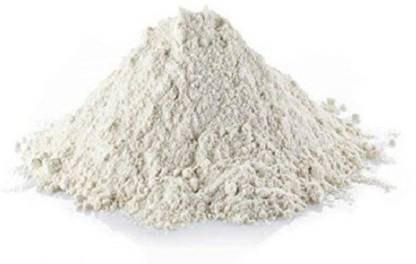
Chuna is a very familiar name also known as lime or calcium hydroxide.It is used for various purposes.But most importantly it is used to cure many health related issues.

Chuna that is used for eating is called edible chuna because it is the pure form of it. In ancient times people used to eat chuna by applying it on the beetle leaves because it has many benefits.
Benefits of Chuna

1.It is a good source of calcium
Calcium is very important for our body because it helps to strengthen our weak bones.Intake of calcium is necessary for each age group. But women above the age of 30 and old age group need more calcium for their body. So they have to take calcium supplements.Intake of chuna as calcium supplement can help to restore calcium in their body.

2.Helps to make teeth stronger
   As chuna is a good source of calcium it helps to make our teeth stronger and prevents from early falling of teeth.
3. Increases  height

One of the main problems of children is related with their height. Everyone want a good height.So if you want to increase your height take chuna regularly.

4. Periods 
Women’s who do not have their periods regular  or have very bad cramps during periods should take chuna regularly. Chuna helps to ease their problems. 
5. Helps to boost memory
 People who have problem in memorizing and tends to forget things easily,should intake chuna. It is  also very helpful for people suffering with Alzheimer disease.
6. Helps to cure jaundice
 If you are suffering from jaundice you should intake chuna by mixing it in water. It helps to cure jaundice.
7. Digestion 
Intake of chuna increases the level of gastric juices which  helps in proper digestion. Those who have the problem of constipation should intake chuna.
8.  Eyesight 

 Regular intake of chuna mixed with water helps to improve eyesight. Those who wear spectacles  should intake chuna.
9. Pregnancy

During pregnancy women body requires  an lot of calcium to strengthen her and fetus bones.So intake of chuna helps to provide calcium during this period. Regular intake of chuna helps to reduce labor pain. Take grain size amount of chuna, mix it in the pomegranate juice and drink it daily. From this pregnant women gets both calcium and iron. It also helps to prevent miscarriage.

10. Inflammation  of Joints 
People have problem of inflammation of joints due to the deficiency of calcium and vitamin D. Inclusion of chuna in the diet helps to prevent such diseases due to regular supply of calcium.

11. Anemia 
Anemia is a condition under which hemoglobin is less than the normal. Intake of chuna helps to increase hemoglobin.

12. Knee pain
 Those who have the problem of knee pain should regular intake chuna to get relief from such pain.

13. Menopause 
Women suffers with many problem when menopause starts. To have relief from such problem take  chuna regularly.

 Directions for use

Take grain size amount of chuna, mix it in the water and drink it daily. Do not take a large amount of chuna as it may result in bloating and gas.Those who have problem of kidney stones should not take chuna.

Availability of chuna
Edible chuna can be easily available at panwari shops and online stores.It has so many benefits but still its price is very low and anyone can afford it .


Ever Heard The Term ‘Foodaholic’?

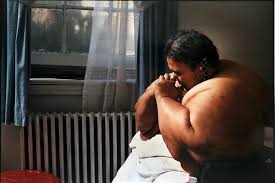
Whooping Walter Hudson’.

You probably know the meanings of the words’ workaholic’ and ‘alcoholic’.

What do you think a ‘foodaholic’ is? Walter Hudson was one.

How much do you weigh? Walter Hudson weighed more, much more. This is his obituary.

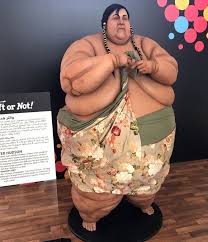
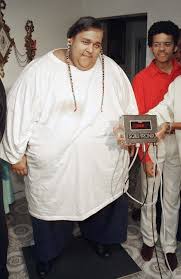
WALTER HUDSON, who has died at Hempstead, New York, age 46, was once listed in The Guinness Book of World Records as the heaviest man on earth. About 183 cm tall and 274 around, with cherubic features set off by pigtails braided in the Cherokee style, he long devoted himself to the pleasures of the table. Four years ago, Hudson-then tipping the industrial scales at his top weight of 543 kg gained worldwide notoriety (as “Whopping Walter”) when he became stuck in his bedroom door. He was wedged there for some four hours. It took eight firemen to free him.

Walter Hudson was born at Brooklyn in 1945 and, as he recalled, “began gorging at the age of six.” At 15 he was so obese his legs collapsed underneath him and he was confined to bed. Indeed, except for the time when his family moved to Hempstead in 1970 and he was transported by motor-car (his then 266kg broke the seat,) he remained inside. “I’m just a foodaholic,” he once confessed, “I have no excuse.”

Hudson’s eating habits were fuelled by food brought in by members of his family. He would generally start his day with a breakfast of two pounds of bacon, 32 sausages, a dozen eggs, a loaf of bread, jam and coffee.

For lunch, Hudson favoured four enormous bowls of rice, four double cheese- burgers, eight boxes of fried potatoes, six pies, and six large bottles of coca-cola. For dinner he would eat six roasted corns, half-a-dozen yams, and another six or seven baked potatoes, ending with a whole apple pie. Between these main meals, he would eat a chicken or two, followed by noodles, string beans, six large bottles of soda, not to mention colossal sandwiches, and copious amounts of ice-cream.

“All I cared about,” he recalled, “was food, FOOD!” When not eating and sleeping he would watch television, listen to tapes and read the Bible-he had a particular penchant for the psalms and was apt to recite Psalm 121. “I will lift up mine eyes unto the hills…”

Hudson, though, was advised against sitting up for longer than five minutes because of the risk of being smothered by flab. The only exercise he engaged in 8. was when he attended to his ablutions; it took him an hour to negotiate the six yards to the bathroom from his bedroom. Then in 1987, he found himself wedged in the door-way. “The day I got stuck in that door,” he recalled, “that when the Lord got me the help I needed.” The help to which he referred was offered by Dick Gregory, a comedian who masterminded the Slim Safe Diet Scheme.

“We think what might have happened,” said Gregory about his new client, “is that in 27 years of lying around he might, because of the reading of his Bible, have taken on the same characteristics as Buddhist monks – slowed down the biological processes. But we don’t know.” Gregory placed Hudson on a1,200 calorie-a-day diet of raw fruit and orange juice. For exercise he was advised to lie in bed waving his arms about like a conductor.

Hudson soon lost some four inches off his knees, and within three months had shed 178 kg. It began to look as if he might fulfil such ambitions as visiting his mother’s grave, riding on the New York subway, driving into the country-and even flying to a clinic in the Bahamas, from which he envisaged emerging as a sylph of 13 stones. 12. But it was not to be. At the time of his death, of an apparent heart attack, Hudson reportedly weighed 508 kg. Rescue workers had to cut a large hole in the wall of his bedroom to remove the body. He was unmarried.

SO HOW CAN OVERWEIGHT AND OBESITY BE REDUCED? It is not good for human body in this pandemic era……………….

Overweight and obesity, as well as their related noncommunicable diseases, are largely preventable. Supportive environments and communities are fundamental in shaping people’s choices, by making the choice of healthier foods and regular physical activity the easiest choice (the choice that is the most accessible, available and affordable), and therefore preventing overweight and obesity.At the individual level, people can:limit energy intake from total fats and sugars;increase consumption of fruit and vegetables, as well as legumes, whole grains and nuts; andengage in regular physical activity (60 minutes a day for children and 150 minutes spread through the week for adults).

Ever Heard The Term 'Foodaholic'?

Whooping Walter Hudson’.

You probably know the meanings of the words’ workaholic’ and ‘alcoholic’.

What do you think a ‘foodaholic’ is? Walter Hudson was one.

How much do you weigh? Walter Hudson weighed more, much more. This is his obituary.

WALTER HUDSON, who has died at Hempstead, New York, age 46, was once listed in The Guinness Book of World Records as the heaviest man on earth. About 183 cm tall and 274 around, with cherubic features set off by pigtails braided in the Cherokee style, he long devoted himself to the pleasures of the table. Four years ago, Hudson-then tipping the industrial scales at his top weight of 543 kg gained worldwide notoriety (as “Whopping Walter”) when he became stuck in his bedroom door. He was wedged there for some four hours. It took eight firemen to free him.

Walter Hudson was born at Brooklyn in 1945 and, as he recalled, “began gorging at the age of six.” At 15 he was so obese his legs collapsed underneath him and he was confined to bed. Indeed, except for the time when his family moved to Hempstead in 1970 and he was transported by motor-car (his then 266kg broke the seat,) he remained inside. “I’m just a foodaholic,” he once confessed, “I have no excuse.”

Hudson’s eating habits were fuelled by food brought in by members of his family. He would generally start his day with a breakfast of two pounds of bacon, 32 sausages, a dozen eggs, a loaf of bread, jam and coffee.

For lunch, Hudson favoured four enormous bowls of rice, four double cheese- burgers, eight boxes of fried potatoes, six pies, and six large bottles of coca-cola. For dinner he would eat six roasted corns, half-a-dozen yams, and another six or seven baked potatoes, ending with a whole apple pie. Between these main meals, he would eat a chicken or two, followed by noodles, string beans, six large bottles of soda, not to mention colossal sandwiches, and copious amounts of ice-cream.

“All I cared about,” he recalled, “was food, FOOD!” When not eating and sleeping he would watch television, listen to tapes and read the Bible-he had a particular penchant for the psalms and was apt to recite Psalm 121. “I will lift up mine eyes unto the hills…”

Hudson, though, was advised against sitting up for longer than five minutes because of the risk of being smothered by flab. The only exercise he engaged in 8. was when he attended to his ablutions; it took him an hour to negotiate the six yards to the bathroom from his bedroom. Then in 1987, he found himself wedged in the door-way. “The day I got stuck in that door,” he recalled, “that when the Lord got me the help I needed.” The help to which he referred was offered by Dick Gregory, a comedian who masterminded the Slim Safe Diet Scheme.

“We think what might have happened,” said Gregory about his new client, “is that in 27 years of lying around he might, because of the reading of his Bible, have taken on the same characteristics as Buddhist monks – slowed down the biological processes. But we don’t know.” Gregory placed Hudson on a1,200 calorie-a-day diet of raw fruit and orange juice. For exercise he was advised to lie in bed waving his arms about like a conductor.

Hudson soon lost some four inches off his knees, and within three months had shed 178 kg. It began to look as if he might fulfil such ambitions as visiting his mother’s grave, riding on the New York subway, driving into the country-and even flying to a clinic in the Bahamas, from which he envisaged emerging as a sylph of 13 stones. 12. But it was not to be. At the time of his death, of an apparent heart attack, Hudson reportedly weighed 508 kg. Rescue workers had to cut a large hole in the wall of his bedroom to remove the body. He was unmarried.

SO HOW CAN OVERWEIGHT AND OBESITY BE REDUCED? It is not good for human body in this pandemic era……………….

Overweight and obesity, as well as their related noncommunicable diseases, are largely preventable. Supportive environments and communities are fundamental in shaping people’s choices, by making the choice of healthier foods and regular physical activity the easiest choice (the choice that is the most accessible, available and affordable), and therefore preventing overweight and obesity.At the individual level, people can:limit energy intake from total fats and sugars;increase consumption of fruit and vegetables, as well as legumes, whole grains and nuts; andengage in regular physical activity (60 minutes a day for children and 150 minutes spread through the week for adults).

WHAT IS A NOVEL

The novel owes its existence to man’s interest in other men and the great panorama of human passion and action. Both the drama and the novel are compounded of the same material but in drama and the literary element is bound up with the elements of stage settings and interpretations through acting. So, Marion Crawford terms the novel as “Pocket theatre”. The novel may be defined as long narrative prose detailing the actions of fictitious people. Meredith calls it a ‘summing of actual life’. The novel combines narration and description, history and philosophy, poetry and fantasy, social criticism, and a particular view of life.

Elements of the Novel:

The novel has various elements.

  1. In the first place, it should have a plot. The novel deals with elements and actions and how these are presented is the plot.
  2. Secondly, the men and women who are involved in these elements and actions appear as characters in the novel.
  3. The third element is the dialogue the mean of interaction among the characters.
  4. The fourth element is the scene and the time of action because the characters must interact, do or suffer at some place or time.
  5. The fifth element is the style in which the narration is done.
  6. The Sixth Element is the view of life presented by the novelist.

The Plot:

The plot in a novel is the organization of incidents. The theme should have substantial value and human interest. It is primarily concerned with the things which make life strenuous, intense, and morally significant.

There are two types of plots – organic and episodic. In the first, the characters and events are well interwoven that no character or incident can be removed from the novel without causing damages to the whole. The plot and Jane Austen novels are examples. The second type of plot is loosely formed and characters and incidents have no essential bearing on each other. The picaresque novels of Fielding and even some of the novels of Dickens have episodic plots. How the various elements in the plot or organized to achieve a definite artistic purpose is called the structure. Unity in structure and plot is to be observed.

The Characterization:

Characterization is the act of presenting the characters alive and real to our imagination. The men and women in the novel must move through it like living beings they should remain in the readers’ memory after the novel is laid aside. There are two types of characterization – the direct or the analytic and the indirect or dramatic. In the analytical method, the novelist portrays his Characters from outside, dissects their passion, thoughts, and feelings, and even passes judgment upon them.

The Dialogue:

Dialogue is well managed, gives vividness, and actually to the plot and the characters. Dialogue reveals the passion and the emotion of the character and advises the movement of the plot. Dialogue should Constitute an organic element in the story. It should be natural, appropriate, and dramatic. It should be in keeping with the personality of the speaker.

The Time and Place of Action:

Time and place of action in a novel refer to the whole setting of the story, both social and material. They are novels of sea life, military life, industrial life of district life, and life of different classes of people. There are novels with a regional background; there are novels written in the historical background. whatever may be the setting, the novelist should master its details and then present a lively picture of it.

The novel is concerned with life and so the novelist’s view of life may be revealed in the novel. A novelist may make creative observations on human life. By the selection and organization of the material, and by the presentation of character and development of the plot, the novelist can show us what he thinks of life. However, the novelist should not indulge in propaganda or preaching. His philosophy is a part of the structure of the novel and should reveal itself through the interpretation of life, thought, character, and temper of the work as a whole.

The chief characteristics of Shakespearean novels

Must read two books by Paulo Coelho-2

WHAT IS A NOVEL

The novel owes its existence to man’s interest in other men and the great panorama of human passion and action. Both the drama and the novel are compounded of the same material but in drama and the literary element is bound up with the elements of stage settings and interpretations through acting. So, Marion Crawford terms the novel as “Pocket theatre”. The novel may be defined as long narrative prose detailing the actions of fictitious people. Meredith calls it a ‘summing of actual life’. The novel combines narration and description, history and philosophy, poetry and fantasy, social criticism, and a particular view of life.

Elements of the Novel:

The novel has various elements.

  1. In the first place, it should have a plot. The novel deals with elements and actions and how these are presented is the plot.
  2. Secondly, the men and women who are involved in these elements and actions appear as characters in the novel.
  3. The third element is the dialogue the mean of interaction among the characters.
  4. The fourth element is the scene and the time of action because the characters must interact, do or suffer at some place or time.
  5. The fifth element is the style in which the narration is done.
  6. The Sixth Element is the view of life presented by the novelist.

The Plot:

The plot in a novel is the organization of incidents. The theme should have substantial value and human interest. It is primarily concerned with the things which make life strenuous, intense, and morally significant.

There are two types of plots – organic and episodic. In the first, the characters and events are well interwoven that no character or incident can be removed from the novel without causing damages to the whole. The plot and Jane Austen novels are examples. The second type of plot is loosely formed and characters and incidents have no essential bearing on each other. The picaresque novels of Fielding and even some of the novels of Dickens have episodic plots. How the various elements in the plot or organized to achieve a definite artistic purpose is called the structure. Unity in structure and plot is to be observed.

The Characterization:

Characterization is the act of presenting the characters alive and real to our imagination. The men and women in the novel must move through it like living beings they should remain in the readers’ memory after the novel is laid aside. There are two types of characterization – the direct or the analytic and the indirect or dramatic. In the analytical method, the novelist portrays his Characters from outside, dissects their passion, thoughts, and feelings, and even passes judgment upon them.

The Dialogue:

Dialogue is well managed, gives vividness, and actually to the plot and the characters. Dialogue reveals the passion and the emotion of the character and advises the movement of the plot. Dialogue should Constitute an organic element in the story. It should be natural, appropriate, and dramatic. It should be in keeping with the personality of the speaker.

The Time and Place of Action:

Time and place of action in a novel refer to the whole setting of the story, both social and material. They are novels of sea life, military life, industrial life of district life, and life of different classes of people. There are novels with a regional background; there are novels written in the historical background. whatever may be the setting, the novelist should master its details and then present a lively picture of it.

The novel is concerned with life and so the novelist’s view of life may be revealed in the novel. A novelist may make creative observations on human life. By the selection and organization of the material, and by the presentation of character and development of the plot, the novelist can show us what he thinks of life. However, the novelist should not indulge in propaganda or preaching. His philosophy is a part of the structure of the novel and should reveal itself through the interpretation of life, thought, character, and temper of the work as a whole.

The chief characteristics of Shakespearean novels

Must read two books by Paulo Coelho-2

Saina Nehwal

Every parents want to fullfil their unfulfilled dreams through their children. Rani Nehwal, mother of Saina Nehwal was a state level badminton player and had always dreamt of becoming national level player. Though she couldn’t achieve it , her daughter Saina Nehwal did not back off from her dream.

Saina Nehwal was born on 17th March 1990 in Hisar, Haryana. When her father was transferred from Hisar to Hyderabad , she took badminton as a means to communicate with others, as she didn’t know their language. She started playing badminton at the age of eight. She took her passion further by participating at Under-19 National Championship. She created history by winning “Asian Satellite Badminton Tournament” twice at the age of 16 and became the first player to do so.

She is former no 1 and has won many international titles and superseries titles. She has represented India in Olympics for three times and won bronze at her second appearance.

Her father and mother were the biggest supporter in her journey. Her father Harvir Singh , used his provident fund so that Saina could get professional training. Saina has evein got her biopic played by Pareeniti Chopra which was released on 26 March 2021.

Saina Nehwal

Every parents want to fullfil their unfulfilled dreams through their children. Rani Nehwal, mother of Saina Nehwal was a state level badminton player and had always dreamt of becoming national level player. Though she couldn’t achieve it , her daughter Saina Nehwal did not back off from her dream.

Saina Nehwal was born on 17th March 1990 in Hisar, Haryana. When her father was transferred from Hisar to Hyderabad , she took badminton as a means to communicate with others, as she didn’t know their language. She started playing badminton at the age of eight. She took her passion further by participating at Under-19 National Championship. She created history by winning “Asian Satellite Badminton Tournament” twice at the age of 16 and became the first player to do so.

She is former no 1 and has won many international titles and superseries titles. She has represented India in Olympics for three times and won bronze at her second appearance.

Her father and mother were the biggest supporter in her journey. Her father Harvir Singh , used his provident fund so that Saina could get professional training. Saina has evein got her biopic played by Pareeniti Chopra which was released on 26 March 2021.

World After the COVID 19 Pandemic

COVID-19 will reverse both of those trends, increasing the space both between countries and among people. Some will laud these changes for increasing safety and resilience. But a world that’s less global and fewer urban would even be less prosperous, less stable and fewer fulfilling. Future is shrouded in clouds of uncertainty, as resilient leaders steel oneself against all possible global outcomes, few are more prominent than others. These are two most predicted and certain scenarios of how the planet would begin of COVID 19. Less global, more isolated. Even before COVID-19, the decades-long trend toward ever-more globalization of trade, investment, supply chains and other people flow were starting to grind to a halt. We began to seem closer to range in terms of the products we produce and consume, the people with whom we interact, and where we get our energy and our money. In retrospect, we’ll come to look at the years right before the 2008 financial crisis as “peak globalization.” Since then, the mixture of recession, inequality and populism has created a growing anti-globalization and anti-immigration consensus in western countries, exemplified by the U.S. trade war with China. The reaction of developed economies to the coronavirus will only strengthen this consensus, as all things international are going to be viewed as incurring unnecessary and dangerous risks.

What WHO calling the coronavirus outbreak a pandemic means | Science News

What was a growing “anti-globalization” consensus is poised to crystalize into a “de-globalization” reality. We are being told this de-globalization will make us all more resilient. But it’ll also make us less prosperous — with less choice and better prices. it’s going to also make us less secure, as international cooperation will decrease and therefore the potential for international conflict will increase. Less density, more distance. Urbanization is probably going to be the opposite major casualty of the coronavirus. Unlike globalization, the trend of ever greater-urbanization was unaffected by the worldwide financial crisis. Even America — the land of all things suburban — joined the worldwide march into cities. People were interested in cities not just for economic opportunity but also for the urban lifestyle. After coronavirus, people are going to be more scared of crowded trains and buses, cafes and restaurants, theaters and stadiums, supermarkets and offices. Crowded spaces are the lifeblood of cities. But now crowds are seen as major health risks. People that have the power to exit the town will increasingly be tempted to try to do so. people that cannot leave will feel at increased risk, hunker down, and reduce their movements and contacts. it’s hard to believe Manhattan without the subway and 10-deep pedestrians on Fifth Avenue. But that will be the increasing post-COVID reality. De-urbanization would harm the economic process because cities generate enormous scale economies and have proved to be remarkably effective incubators of creativity and innovation. This might be particularly true in developing economies where the movement of individuals from rural areas to rapidly expanding cities has been perhaps the key driver of poverty reduction. But the shrinking of cities will produce other adverse effects too, from reducing cultural vibrancy and cosmopolitanism to exacerbating global climate change. Additionally, to be more productive, cities also tend to be more environmentally sustainable. A world that’s less global and fewer urban would be far less appealing to me, personally. But it’s also a world that might hurt economic prosperity, reduce shared understanding among disparate people, and increase the prospect of conflict among them. Our immediate reactions to COVID-19 will lead us to require both to de-globalize and to de-urbanize. But we must take fully under consideration the profound longer-term costs of doing so. Globalization and urbanization generate challenges we must confront, all the more so during a post-coronavirus world. the answer is to manage them, to not reverse them.

World After the COVID 19 Pandemic

COVID-19 will reverse both of those trends, increasing the space both between countries and among people. Some will laud these changes for increasing safety and resilience. But a world that’s less global and fewer urban would even be less prosperous, less stable and fewer fulfilling. Future is shrouded in clouds of uncertainty, as resilient leaders steel oneself against all possible global outcomes, few are more prominent than others. These are two most predicted and certain scenarios of how the planet would begin of COVID 19. Less global, more isolated. Even before COVID-19, the decades-long trend toward ever-more globalization of trade, investment, supply chains and other people flow were starting to grind to a halt. We began to seem closer to range in terms of the products we produce and consume, the people with whom we interact, and where we get our energy and our money. In retrospect, we’ll come to look at the years right before the 2008 financial crisis as “peak globalization.” Since then, the mixture of recession, inequality and populism has created a growing anti-globalization and anti-immigration consensus in western countries, exemplified by the U.S. trade war with China. The reaction of developed economies to the coronavirus will only strengthen this consensus, as all things international are going to be viewed as incurring unnecessary and dangerous risks.

What WHO calling the coronavirus outbreak a pandemic means | Science News

What was a growing “anti-globalization” consensus is poised to crystalize into a “de-globalization” reality. We are being told this de-globalization will make us all more resilient. But it’ll also make us less prosperous — with less choice and better prices. it’s going to also make us less secure, as international cooperation will decrease and therefore the potential for international conflict will increase. Less density, more distance. Urbanization is probably going to be the opposite major casualty of the coronavirus. Unlike globalization, the trend of ever greater-urbanization was unaffected by the worldwide financial crisis. Even America — the land of all things suburban — joined the worldwide march into cities. People were interested in cities not just for economic opportunity but also for the urban lifestyle. After coronavirus, people are going to be more scared of crowded trains and buses, cafes and restaurants, theaters and stadiums, supermarkets and offices. Crowded spaces are the lifeblood of cities. But now crowds are seen as major health risks. People that have the power to exit the town will increasingly be tempted to try to do so. people that cannot leave will feel at increased risk, hunker down, and reduce their movements and contacts. it’s hard to believe Manhattan without the subway and 10-deep pedestrians on Fifth Avenue. But that will be the increasing post-COVID reality. De-urbanization would harm the economic process because cities generate enormous scale economies and have proved to be remarkably effective incubators of creativity and innovation. This might be particularly true in developing economies where the movement of individuals from rural areas to rapidly expanding cities has been perhaps the key driver of poverty reduction. But the shrinking of cities will produce other adverse effects too, from reducing cultural vibrancy and cosmopolitanism to exacerbating global climate change. Additionally, to be more productive, cities also tend to be more environmentally sustainable. A world that’s less global and fewer urban would be far less appealing to me, personally. But it’s also a world that might hurt economic prosperity, reduce shared understanding among disparate people, and increase the prospect of conflict among them. Our immediate reactions to COVID-19 will lead us to require both to de-globalize and to de-urbanize. But we must take fully under consideration the profound longer-term costs of doing so. Globalization and urbanization generate challenges we must confront, all the more so during a post-coronavirus world. the answer is to manage them, to not reverse them.

FLAX SEEDS: Best for Health and Longevity

Flax seeds are also known as linseed. It is a flowering plant called Linum usitatissimum.It is a food and fiber crop grown in temperate region.

Flax seeds has been used for thousand of years and they also form an essential part of our diet. It is best for health and longevity of life. It contains 800 times more lignin than any other food plant. It is one of the best vegetarian source of omega-3 found in salmon. 50 gm of flax seeds is equivalent to that found in 3-ounce of salmon serving. It also contains omega-6 and omega-9. It is a rich source of iron,calcium and protein. Amino acid found in flax seed are the one’s which human body can’t generate on its own.
Uses of Flax Seeds
According to a research, intake of omega-3 provides benefit in many diseases. By consuming flax seeds, we have the following benefits:-
1.Presence of high fiber and low carbohydrates in flax seeds helps in controlling weight as it reduce our appetite.
2.Intake of flax seeds decreases the LDL cholesterol, which reduces the chance of having heart diseases.Omega-3 fats does not allow blood vessels to get blocked. Through this omega-3 cleans our blood vessels. It helps in smooth flow of the blood. Omega-3 is very useful for the blood vessels.
3.Flax seeds have different types of antiviral properties, which protects us from frequent cold and flu ailments.
4. Omega-3 present in flax seeds does not allow clotting of blood. As blood clots increases the chances of having stroke,heart attack, etc.
5. Omega-3 fatty acids and vitamin B that are present in flax seeds help to  reduce dark marks and spots on face. It makes the skin glow and prevents pimples.
6. Flax seeds keeps are digestive system healthy. Intake of these seeds helps to cure the swelling in the stomach.Person get a better health when problems related to digestion ends.
7. Omega-3 boost the memory and concentration. It is good for the brain. Effective in Alzheimer disease.
8. Omega-3 helps to improve eyesight. Also effective in cataract and glaucoma. Use of flax seed makes  the eyesight sharp.
9. Intake of 15-20 gm flax seeds with aloevera, helps to reduce constipation.
10.Flax seeds balances women hormones so that danger of early menopause can be eliminated. Intake of flax seeds in the breakfast helps to regulate periods and eases period cramps.
11.Flax seeds are effective in high blood pressure.
12.Old age problem of knee pain can be reduced by intake of flax seeds.
13.Presence of antioxidants in flax seeds helps to cure different types of cancer.
13.Omega-3 is called feel good food as it keeps our mind and soul happy.
14.Omega -3 is very beneficial for our hair and nails.
15.Flax seeds are extremely high in soluble and insoluble fibers.
16.Flax seeds detoxifies cells.
17.It is very rich in calcium and iron.
18.It helps to prevent anemia.
19.It helps to burn fats
Dosage
Roast the flax seeds before use to get a better taste.
Take 1 tablespoon of flax seeds three times a day after every meal.

Comparing Writing forms of two Indian Writers- Twinkle Khanna and Dr. Shashi Tharoor

Twinkle Khanna has disarmed the audience with her thought- provoking writing and her charming wit. She is a popular newspaper columnist, Indian author, interior designer, film producer and a former Bollywood actress. She writes columns in The Times of India and Daily News Analysis (DNA), her discernible writing skills and her liberal opinions have captured the attention of her readers. Her craft of penning down funny fables and satirical writing has set her apart. She firmly believes that in life nothing is more sacred than laughter.

  • She writes anecdotes about everyday situations that a woman has to go through. The situations are mundane yet significant incidents in life. Her columns are random, though interesting, slice of life entries, adds life to her words through her self-deprecatory humour and unmatched wit with bits and pieces of life- learnings.
  • Her Popular works include – Mrs.Funnybones, Pyjamas are forgiving, The Legend of Laxmi Prasad
  • Her style of writing can be described as discernible, easy to read and has a smooth way of expressing herself through her writings. If a person is not an adamant reader, they will still be able to understand the picture that she is framing through her writings. Her flow of words is effortless.

 She deals with a wide range of topics from focusing on women empowerment, mental health and normalizing finding love at the age of sixty to WhatsApp forwards and her staff members being a menace to her. She masterfully manages to never belittle a problem or the issue and never diminishes their relevance in any way. Through her columns she can give words to your thoughts. Her columns are an amalgamation of intelligence, sarcasm, practicality and adulation.

  • Her choice of words is interesting, mostly uses expressive adjectives which intensifies her anecdotes. Includes – details that are distinctive, uses similes in her work which adds humor in situations and uses satire and irony which conveys absurdity and silliness of people, situations and things.
  • Her tone is joyful, sarcastic and cheerful.
  • Mood – she is comical, humorous and maddening.
Twinkle Khanna is ready with her third book and it is all about 'pyjama  girls' | Lifestyle News,The Indian Express

Dr. Shashi Tharoor is a best-selling author, columnist and a politician. He is currently member of parliament of Thiruvananthapuram. He has also served as a peacemaker and an administrator in the United Nations for over three decades. He certainly did not let his political career stop his pen. He is known to be the man of having many skills. Over the years he has made a reputation of an impactful orator and a prolific writer.

  • His popular work includes- The paradoxical prime minister, An era of darkness: The British Empire in India, Why I am a Hindu
  • He writes about politics and topical issues of caste system, society, democracy, foreign policy, patriotism, citizenship, nationalism and modern India. He chooses an immersive narrative for all his books and columns. His way of writing exhibits the qualities of good research and personal knowledge which gives a different and a new perspective to readers.

Readers who are looking for a refined viewpoint on the current events that unfold in our country’s political system must read his work. His ability to include the application of critical analysis creates better understanding of important matters that the country is facing or has faced.

  • He is known for having an inimitable style of writing. He has an extensive vocabulary and many people cannot perceive his work easily and often call it obscure in a way. His books are not an easy read and takes a time and efforts to understand vast concepts, debates, history and terminologies that he includes in his columns.
  • His choice of words is complex and informative. His work is recognized for brilliancy in the usage of satire to deliver serious messages. In his columns he has shown that a strong and thoughtful argument can be presented in a humorous way to prevent monotonousness, yet he manages to deliver the required message. By inculcating satire in his work, he candidly expresses himself.
  • His tone is firm, serious and formal.
  • Mood – critical and humorous  

The similarities in their work are that both have chosen topics that are relevant in our country. They both have strong stands and a sense of individuality which sets them apart in their felid of work. They are not hesitant to candidly express themselves and explain their point of views to the readers. Both have an interesting way to put across their messages. There writings include a few scathing statements but are thought-provoking and will entice the readers.