Pneumonia

Pneumonia, according to me is a disease that is taken very lightly but the actual disease is very lethal and kills a lot of people around the world. Infact when people are infected with COVID they get pneumonia and die. Pneumonia is an infection that inflames your lungs’ air sacs (alveoli). The air sacs may fill up with fluid or pus, causing symptoms such as a cough, fever, chills and trouble breathing.

Symptoms

  • Cough, which may produce greenish, yellow or even bloody mucus
  • Fever, sweating and shaking chills
  • Shortness Of breath
  • Rapid, shallow breathing
  • Sharp or stabbing chest pain that gets worse when you breathe deeply or cough
  • Loss of appetite, low energy, and fatigue
  • Nausea and vomiting, especially in small children
  • Confusion, especially in older people

Bacterial pneumonia, which is the most common form, tends to be more serious than other types of pneumonia with symptoms that require medical care. The symptoms of bacterial pneumonia can develop gradually or suddenly. Fever may rise as high as a dangerous 105 degrees F, with profuse sweating and rapidly increased breathing and pulse rate. Lips and nailbeds may have a bluish color due to lack of oxygen in the blood. A patient’s mental state may be confused or delirious.

The symptoms of viral pneumonia usually develop over a period of several days. Early symptoms are similar to influenza symptoms- fever, a dry cough, headache, muscle pain, and weakness. Within a day or two, the symptoms typically get worse, with increasing cough, shortness of breath and muscle pain. There may be a high fever and there may be blueness of the lips.
Pneumonia

Pneumonia, according to me is a disease that is taken very lightly but the actual disease is very lethal and kills a lot of people around the world. Infact when people are infected with COVID they get pneumonia and die. Pneumonia is an infection that inflames your lungs’ air sacs (alveoli). The air sacs may fill up with fluid or pus, causing symptoms such as a cough, fever, chills and trouble breathing.

Symptoms

  • Cough, which may produce greenish, yellow or even bloody mucus
  • Fever, sweating and shaking chills
  • Shortness Of breath
  • Rapid, shallow breathing
  • Sharp or stabbing chest pain that gets worse when you breathe deeply or cough
  • Loss of appetite, low energy, and fatigue
  • Nausea and vomiting, especially in small children
  • Confusion, especially in older people

Bacterial pneumonia, which is the most common form, tends to be more serious than other types of pneumonia with symptoms that require medical care. The symptoms of bacterial pneumonia can develop gradually or suddenly. Fever may rise as high as a dangerous 105 degrees F, with profuse sweating and rapidly increased breathing and pulse rate. Lips and nailbeds may have a bluish color due to lack of oxygen in the blood. A patient’s mental state may be confused or delirious.

The symptoms of viral pneumonia usually develop over a period of several days. Early symptoms are similar to influenza symptoms- fever, a dry cough, headache, muscle pain, and weakness. Within a day or two, the symptoms typically get worse, with increasing cough, shortness of breath and muscle pain. There may be a high fever and there may be blueness of the lips.

Changes in the structure of world economy

The Global economy is undergoing a long-term, structural transformation. In the past few decades, the key sectors responsible for the global output shift are the fall of agriculture, the decline of the manufacturing industry, and the rise in services. Next the capital expenditures are reducing.

Alessandro Magnoli Bocchi an Italian economist clearly stated in one of his books that by relying on the internet cheap interfaces with a large number of customers in other words, by inexpensively putting underutilized resources to use, it creates value with little capital cost. As a result, global net investment is close to its lowest level since the Second World War.

Moreover countries are making their economic structure more protective and are making their countries more self-sustained by encouraging industries in their countries to establish in their own country, therefore decreasing the import supply of goods and increasing their export supply to other countries to improve their economy. Currently, the United States is trying to do so. Decreasing their import supply of goods and increasing their export trade. US are going a step ahead by asking industries not to provide jobs to other nationalities.

Most of the countries are protecting their economies by encouraging their countries to establish industries in their own country. For example, Donald J. Trump went against General Motors for sending Mexican made model of Chevy Cruze to U.S car dealers-tax free across border. He says that General Motors must make in U.S.A or pay big border tax! Narendra Modi has encouraged industries to make products in India.

Changes in the structure of world economy

The Global economy is undergoing a long-term, structural transformation. In the past few decades, the key sectors responsible for the global output shift are the fall of agriculture, the decline of the manufacturing industry, and the rise in services. Next the capital expenditures are reducing.

Alessandro Magnoli Bocchi an Italian economist clearly stated in one of his books that by relying on the internet cheap interfaces with a large number of customers in other words, by inexpensively putting underutilized resources to use, it creates value with little capital cost. As a result, global net investment is close to its lowest level since the Second World War.

Moreover countries are making their economic structure more protective and are making their countries more self-sustained by encouraging industries in their countries to establish in their own country, therefore decreasing the import supply of goods and increasing their export supply to other countries to improve their economy. Currently, the United States is trying to do so. Decreasing their import supply of goods and increasing their export trade. US are going a step ahead by asking industries not to provide jobs to other nationalities.

Most of the countries are protecting their economies by encouraging their countries to establish industries in their own country. For example, Donald J. Trump went against General Motors for sending Mexican made model of Chevy Cruze to U.S car dealers-tax free across border. He says that General Motors must make in U.S.A or pay big border tax! Narendra Modi has encouraged industries to make products in India.

Healthy food

Healthy food refers to food that contains the right amount of nutrients to keep our body fit. We need healthy food to keep ourselves fit.

Furthermore, healthy food is also very delicious as opposed to popular thinking. Nowadays, kids need to eat healthy food more than ever. We must encourage good eating habits so that our future generations will be healthy and fit.

Most importantly, the harmful effects of junk food and the positive impact of healthy food must be stressed upon. People should teach kids from an early age about the same.

Healthy food does not have merely one but numerous benefits. It helps us in various spheres of life. Healthy food does not only impact our physical health but mental health too.When we intake healthy fruits and vegetables that are full of nutrients, we reduce the chances of diseases. For instance, green vegetables help us to maintain strength and vigor. In addition, certain healthy food items keep away long-term illnesses like diabetes and blood pressure.Similarly, obesity is the biggest problems our country is facing now. People are falling prey to obesity faster than expected. However, this can still be controlled. Obese people usually indulge in a lot of junk food. The junk food contains sugar, salt fats and more which contribute to obesity. Healthy food can help you get rid of all this as it does not contain harmful things.In addition, healthy food also helps you save money. It is much cheaper in comparison to junk food. Plus all that goes into the preparation of healthy food is also of low cost. Thus, you will be saving a great amount when you only consume healthy food.

Junk food vs Healthy Food

If we look at the scenario today, we see how the fast-food market is increasing at a rapid rate. With the onset of food delivery apps and more, people now like having junk food more. In addition, junk food is also tastier and easier to prepare.

However, just to satisfy our taste buds we are risking our health. You may feel more satisfied after having junk food but that is just the feeling of fullness and nothing else. Consumption of junk food leads to poor concentration. Moreover, you may also get digestive problems as junk food does not have fiber which helps indigestion.

Similarly, irregularity of blood sugar levels happens because of junk food. It is so because it contains fewer carbohydrates and protein. Also, junk food increases levels of cholesterol and triglyceride.

On the other hand, healthy food contains a plethora of nutrients. It not only keeps your body healthy but also your mind and soul. It increases our brain’s functionality. Plus, it enhances our immunity system. Intake of whole foods with minimum or no processing is the finest for one’s health.

In short, we must recognize that though junk food may seem more tempting and appealing, it comes with a great cost. A cost which is very hard to pay. Therefore, we all must have healthy foods and strive for a longer and healthier life.

Photo by Trang Doan on Pexels.com

Healthy food

Healthy food refers to food that contains the right amount of nutrients to keep our body fit. We need healthy food to keep ourselves fit.

Furthermore, healthy food is also very delicious as opposed to popular thinking. Nowadays, kids need to eat healthy food more than ever. We must encourage good eating habits so that our future generations will be healthy and fit.

Most importantly, the harmful effects of junk food and the positive impact of healthy food must be stressed upon. People should teach kids from an early age about the same.

Healthy food does not have merely one but numerous benefits. It helps us in various spheres of life. Healthy food does not only impact our physical health but mental health too.When we intake healthy fruits and vegetables that are full of nutrients, we reduce the chances of diseases. For instance, green vegetables help us to maintain strength and vigor. In addition, certain healthy food items keep away long-term illnesses like diabetes and blood pressure.Similarly, obesity is the biggest problems our country is facing now. People are falling prey to obesity faster than expected. However, this can still be controlled. Obese people usually indulge in a lot of junk food. The junk food contains sugar, salt fats and more which contribute to obesity. Healthy food can help you get rid of all this as it does not contain harmful things.In addition, healthy food also helps you save money. It is much cheaper in comparison to junk food. Plus all that goes into the preparation of healthy food is also of low cost. Thus, you will be saving a great amount when you only consume healthy food.

Junk food vs Healthy Food

If we look at the scenario today, we see how the fast-food market is increasing at a rapid rate. With the onset of food delivery apps and more, people now like having junk food more. In addition, junk food is also tastier and easier to prepare.

However, just to satisfy our taste buds we are risking our health. You may feel more satisfied after having junk food but that is just the feeling of fullness and nothing else. Consumption of junk food leads to poor concentration. Moreover, you may also get digestive problems as junk food does not have fiber which helps indigestion.

Similarly, irregularity of blood sugar levels happens because of junk food. It is so because it contains fewer carbohydrates and protein. Also, junk food increases levels of cholesterol and triglyceride.

On the other hand, healthy food contains a plethora of nutrients. It not only keeps your body healthy but also your mind and soul. It increases our brain’s functionality. Plus, it enhances our immunity system. Intake of whole foods with minimum or no processing is the finest for one’s health.

In short, we must recognize that though junk food may seem more tempting and appealing, it comes with a great cost. A cost which is very hard to pay. Therefore, we all must have healthy foods and strive for a longer and healthier life.

Photo by Trang Doan on Pexels.com

TOP 5 sectors that provide opportunities in post covid-19


The current situation are impact on ongoing pandemic, this changed lots of thing around us. Many of the changes have been come with negative impact for example small business house hit very badly, change in student’s education and their learning behaviours and many more industries have faced same impact.

 However there are some sectors which are still in high demand and we have to look this positive side of this pandemic as well. These sectors are providing opportunity in short term as well as in long term.  


1.     1.  E-learning platform

During this pandemic era, when all the schools and colleges are operating in virtual mode through online classes, it’s led to create a rise of web courses and online mode of education. The cost of education to also decrease, making it more financially accessible to a larger section of society as well. This helps many e-learning platforms to grow their market and reach every section of society though internet.  


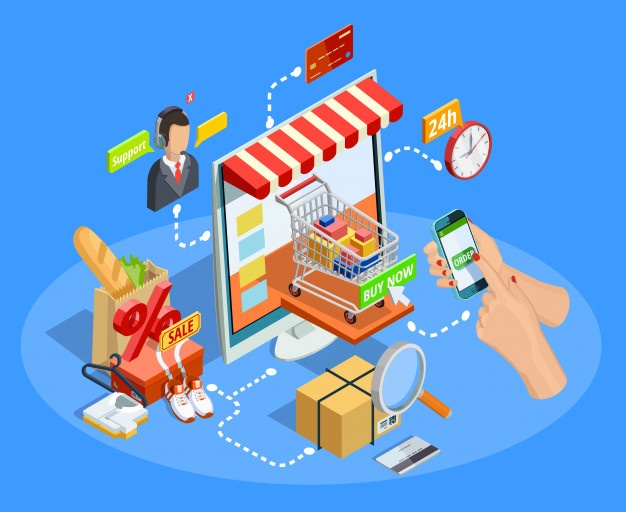
2.    2E-Commerce sector

  E-commerce was already on the rise before the pandemic hit due to our increasingly digitized & globalised world looking for further convenience. But, during pandemic consumer had a no choice to gave up there old shopping habits for fear to get sick. It is expected that e-commerce industry is likely to reach over $ 200 billion in the coming 8 years.

                Amazon, Walmart and Ali Babaare large players that will take leverage of the growth opportunity. 


3.    Remote working software

 Thegovernments implementing more serious measures such as full or partial lockdowns, and businesses struggling to find ways to maintain adequate levels of productivity, many are turning to remote working apps and software. The desire to have more flexibility of working and remain safe from virus will also drive businesses to rely more on cloud and virtual office solutions.

  The concept of ‘’WORK FROM HOME’’ become more widely popular. The tech firms like zoom, Google meet saw an unpredictable growth     that remain continues for upcoming years.  


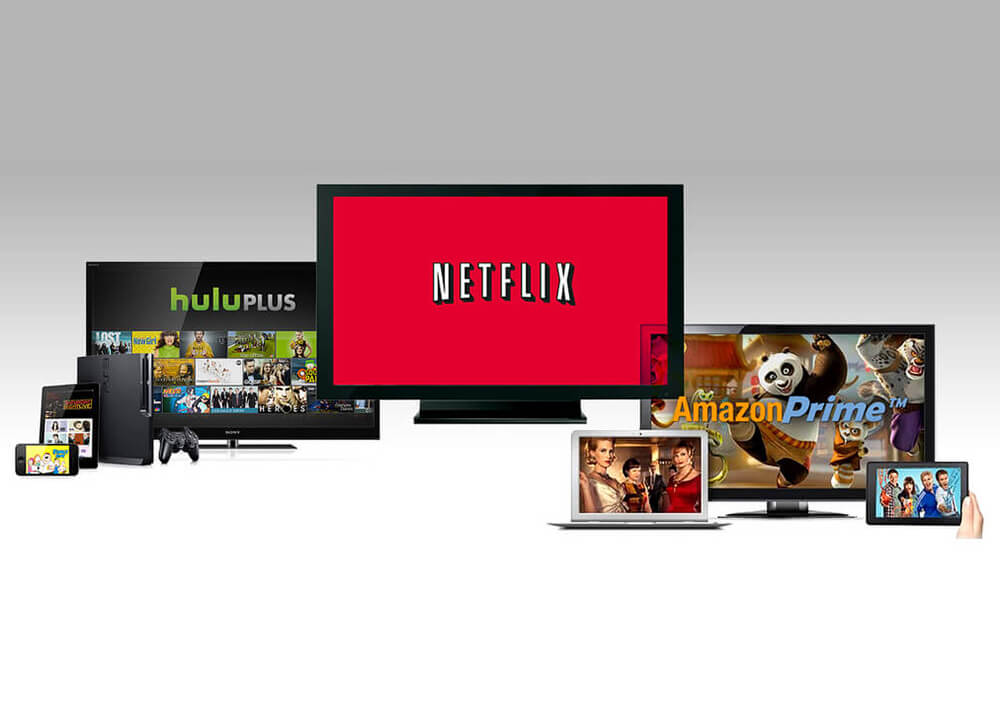
4.    OTT platforms

covid-19 has brought a shift to the entertainment sector where over the top (OTT) platforms   replaced old entertainment watching habits.  Over the past few months, online content consumption has risen exponentially, creating a vast user base for OTT platforms. Confined to their homes for months, people turned to OTT platforms to keep themselves occupied. The worldwide   OTT   platforms are Hotstar, Netflix, Prime, etc.

5.      HEALTH CARE

The pandemic has reminded us of many key essentials, but one of the biggest takeaways has been remembering how important it is to have skilled medical staff and top end medical equipment to combat unpredictable deadly and contagious diseases. The pandemic has undoubtedly brought the pharma and healthcare sectors to the forefront. While the crisis was unprecedented and did put a strain on the industry, it has recovered quickly and is now thriving. With a surge in demand for healthcare and pharma professionals, the industry is expected to be largely immune to the looming economic slowdown in the near future.


<

p class=”MsoNormal” style=”line-height: 18.15pt;margin-bottom: 0cm;vertical-align: top”>            Covid-19 is changed whole living pattern, from virtual classroom to remote working styles etc. Newer technologies are coming up to bridge   the gap created through social distancing. The new wave of technologies emerging helped to broom some sectors that provided new opportunities to all.  

The Internet boom and its effects on our environment

On the fifteenth of August 1995, the internet was made available to the public in our country. Today we have billions of active users. The Internet has now become a mere necessity rather than the comfort of luxury. Back then in 1995, internet speeds were just in a couple of kilobytes, but today we are blazing past the net at speeds almost at gigabytes. The cost of the internet has also drastically changed for a speed of 9Kb/s for 250 hours it was charged at almost 2500 rupees!! Now we can suffice all our internet needs at amazing speeds for almost months at the same price. The irony is since then prices of land, water, fuels, precious stones have skyrocketed; but that of communication and the internet have decreased exponentially.

In the year 2015 India had over 300 million users, thanks to the severe competition between network providers and the ever-competitive network battle. Now India has over 9 billion users, not only the network rage has caused this; the pandemic also is a major reason for this. Everyone was forced into their house with no other option but to adapt to this new technology. According to Nasscom since the pandemic hit our nation the network traffic has increased by almost ten manifolds. Companies had to install several servers and network infrastructure to support this erratic change in the consumer market. Although the prices have reduced, connectivity is now at home, comfort at the tips of your hands. We are unaware of the harms of what this could cause.  

We are seriously obsessed with the speed provided by network companies, we frequently complain and crib about the services offered. Forcing companies to either increase their spectrum range or increase their frequency at existing cell towers or construct new towers. This causes serious damage to small birds and insects, sparrows, pigeons all small birds are adversely affected by these rays. We must ensure that these birds must not be affected due to our comforts. We must give them their place on our planet. I agree we need the internet to survive in our daily lives, but we also need to think of the harm we are doing to our environment.

The Internet boom and its effects on our environment

On the fifteenth of August 1995, the internet was made available to the public in our country. Today we have billions of active users. The Internet has now become a mere necessity rather than the comfort of luxury. Back then in 1995, internet speeds were just in a couple of kilobytes, but today we are blazing past the net at speeds almost at gigabytes. The cost of the internet has also drastically changed for a speed of 9Kb/s for 250 hours it was charged at almost 2500 rupees!! Now we can suffice all our internet needs at amazing speeds for almost months at the same price. The irony is since then prices of land, water, fuels, precious stones have skyrocketed; but that of communication and the internet have decreased exponentially.

In the year 2015 India had over 300 million users, thanks to the severe competition between network providers and the ever-competitive network battle. Now India has over 9 billion users, not only the network rage has caused this; the pandemic also is a major reason for this. Everyone was forced into their house with no other option but to adapt to this new technology. According to Nasscom since the pandemic hit our nation the network traffic has increased by almost ten manifolds. Companies had to install several servers and network infrastructure to support this erratic change in the consumer market. Although the prices have reduced, connectivity is now at home, comfort at the tips of your hands. We are unaware of the harms of what this could cause.  

We are seriously obsessed with the speed provided by network companies, we frequently complain and crib about the services offered. Forcing companies to either increase their spectrum range or increase their frequency at existing cell towers or construct new towers. This causes serious damage to small birds and insects, sparrows, pigeons all small birds are adversely affected by these rays. We must ensure that these birds must not be affected due to our comforts. We must give them their place on our planet. I agree we need the internet to survive in our daily lives, but we also need to think of the harm we are doing to our environment.

Incredible India

INDIA is filled with culture, traditions, history, mysteries and facts. Many travellers have India in their bucket list for several reasons.

Here are some facts about India which will force you to visit atleast once in your life.

 • India is home to the wettest inhabited place on Earth, Meghalaya, a state in the northeast part of India receives around 12,000 mm of rain every year.

 • Famous board games such as snakes and ladders and chess trace their roots back to India. The inventor of the games is not known but, it was created to teach children lessons about karma.

 • The biggest cricket ground in the world, Narendra Modi Stadium, is situated in Ahmedabad, India. It has the largest sitting capacity in the world.

 • Chenab Bridge, the world’s highest railway bridge is situated in Jammu and Kashmir, India.It is 1178 feet above the water.

 • India was the only source of diamonds from the 4th century BC for around 1000 years. Therefore, India was the first country to mine diamonds. They were found in the Krishna River Delta.

 • The oldest religion in the world is practiced in India. Hinduism started around 1500 BC. Hinduism has no founder in fact it is a way of living life.

 • India has the highest population of vegetarians in the world. Around 30% of the population follows a vegetarian diet. Every restaurant in India will have a vegetarian menu too.

 • Kumbh Mela, the largest gathering in the world happens in India once every 12 years. The gathering is so huge that it is visible from space.

 • The holy city of Varanasi, also known as Banaras or Kashi is the oldest living city in the world. It is believed that it was once the home of Lord Shiva and Goddess Parvati.

 • India is the birthplace of Ayurveda and Yoga. It has healing powers and it is famous worldwide.

 • The word ‘shampoo’ comes from the Sanskrit word ‘champu’ which means to ‘massage’. Previously, various herbs were mixed with water to form a shampoo.

 •  The Statue of Unity is currently the tallest statue in the world. It is 600ft in height. It is situated in the state of Gujarat.

 • India is the first country to extract, refine and consume sugar. It was found and refined around 2500 years ago.

India is a place of 1.3 billion people more than 6 religions speaking more than rationalized mother tongues, 234 identifiable mother tongues, and 22 major languages, this is the only place in this world where parents and teacher shares a place similar to God. A place that gave the world Taj Mahal, Vedas, yoga, medical science, the number zero.

Incredible India

INDIA is filled with culture, traditions, history, mysteries and facts. Many travellers have India in their bucket list for several reasons.

Here are some facts about India which will force you to visit atleast once in your life.

 • India is home to the wettest inhabited place on Earth, Meghalaya, a state in the northeast part of India receives around 12,000 mm of rain every year.

 • Famous board games such as snakes and ladders and chess trace their roots back to India. The inventor of the games is not known but, it was created to teach children lessons about karma.

 • The biggest cricket ground in the world, Narendra Modi Stadium, is situated in Ahmedabad, India. It has the largest sitting capacity in the world.

 • Chenab Bridge, the world’s highest railway bridge is situated in Jammu and Kashmir, India.It is 1178 feet above the water.

 • India was the only source of diamonds from the 4th century BC for around 1000 years. Therefore, India was the first country to mine diamonds. They were found in the Krishna River Delta.

 • The oldest religion in the world is practiced in India. Hinduism started around 1500 BC. Hinduism has no founder in fact it is a way of living life.

 • India has the highest population of vegetarians in the world. Around 30% of the population follows a vegetarian diet. Every restaurant in India will have a vegetarian menu too.

 • Kumbh Mela, the largest gathering in the world happens in India once every 12 years. The gathering is so huge that it is visible from space.

 • The holy city of Varanasi, also known as Banaras or Kashi is the oldest living city in the world. It is believed that it was once the home of Lord Shiva and Goddess Parvati.

 • India is the birthplace of Ayurveda and Yoga. It has healing powers and it is famous worldwide.

 • The word ‘shampoo’ comes from the Sanskrit word ‘champu’ which means to ‘massage’. Previously, various herbs were mixed with water to form a shampoo.

 •  The Statue of Unity is currently the tallest statue in the world. It is 600ft in height. It is situated in the state of Gujarat.

 • India is the first country to extract, refine and consume sugar. It was found and refined around 2500 years ago.

India is a place of 1.3 billion people more than 6 religions speaking more than rationalized mother tongues, 234 identifiable mother tongues, and 22 major languages, this is the only place in this world where parents and teacher shares a place similar to God. A place that gave the world Taj Mahal, Vedas, yoga, medical science, the number zero.

CRISPER

One of the biggest and most important science stories of the past few years will probably also be one of the biggest science stories of the next few years. This is the powerful new gene editing technology known as CRISPR.

If you haven’t heard of CRISPER yet, the short explanation goes like this: In the past nine years, scientists have figured out how to exploit a quirk in the immune systems of bacteria to edit genes in other organisms — plants, mice, even humans. With CRISPR, they can now make these edits quickly and cheaply, in days rather than weeks or months. (The technology is often known as CRISPR/Cas9 also)

This is a powerful new tool to control which genes get expressed in plants, animals, and even humans; the ability to delete undesirable traits and, potentially, add desirable traits with more precision than ever before.

So far scientists have used it to reduce the severity of deafness in mice, suggesting it could one day be used to treat the same type of hearing loss in people. They’ve created mushrooms that don’t brown easily and edited bone marrow cells in mice to treat sickle- cell anemia. Down the road, CRISPR might help us develop drought-tolerant crops and create powerful new antibiotics. CRISPR could one day even allow us to wipe out entire population of malaria- spreading mosquitoes and ressurect once extinct species like the passenger pigeon.

CRISPER

One of the biggest and most important science stories of the past few years will probably also be one of the biggest science stories of the next few years. This is the powerful new gene editing technology known as CRISPR.

If you haven’t heard of CRISPER yet, the short explanation goes like this: In the past nine years, scientists have figured out how to exploit a quirk in the immune systems of bacteria to edit genes in other organisms — plants, mice, even humans. With CRISPR, they can now make these edits quickly and cheaply, in days rather than weeks or months. (The technology is often known as CRISPR/Cas9 also)

This is a powerful new tool to control which genes get expressed in plants, animals, and even humans; the ability to delete undesirable traits and, potentially, add desirable traits with more precision than ever before.

So far scientists have used it to reduce the severity of deafness in mice, suggesting it could one day be used to treat the same type of hearing loss in people. They’ve created mushrooms that don’t brown easily and edited bone marrow cells in mice to treat sickle- cell anemia. Down the road, CRISPR might help us develop drought-tolerant crops and create powerful new antibiotics. CRISPR could one day even allow us to wipe out entire population of malaria- spreading mosquitoes and ressurect once extinct species like the passenger pigeon.