Bachchan’s Madhushala – a gem in poetry

“Out of the grapes that are born of my emotions,

I bring forth to you this wine.

My beloved, have a taste of this cup of my emotions, From my very hands…”

Madhushala (the house of wine or the Tavern) is probably one of the most beloved pieces of poetry in Hindi literature. Harivansha Rai Bachchan has brought forth the wine to the lips of every reader and has metaphorised wine to mean every thing in life. It’s a complete book – a poem 145 stanzas long – prasing the tavern as a temple while contrasting the realities India faced in the face of the partition and freedom struggle. The tavern is like his life – the wine and the drinker complement each other just like two people in a relationship. The wine then becomes the sun, soon to become the moon and the drinker a person who is trying to find way through his life.

Call it not lava, though it flows red, like a tongue of flame.
Call it no Alas, he that with eager lips, has not kissed this wine,
Alas, he that trembling with joy, has not touched a brimming goblet,
He that has not drawn close the coy wine-maiden by her hand,
Has wasted this honey-filled tavern of Life.

Few poems could stand as high and mighty as this one. It is a poem that reflects life and India and as much a contemporary material as it was at the time of its inception. It is a story of human emotions more than just a poem and is hence, a very good read!

Life is short. How much love can I give and how much can I drink?
They say, “He departs,” at the very moment that he is born.
While he is being welcomed, I have seen his farewell being prepared.
They started closing the shutters of the tavern, as soon as they were raised.

Happy reading!!!

हरिवंश राय बच्चन की 2 प्रेरणादायक कविताएँ - HamariSafalta.com
Bachachan

The Secret Garden: A book review

A girl is born to a rich household of a British officer in the times of the Raj. As customary to apparently the then tradition of rich households in British India, the child was raised by the local servants. The father and the mother never really bothered to spend some time with her. However, a deadly plague breaks in and everyone dies. Everyone, but the girl child who is now a bitter, unkind girl who has spent a large part of her growing time simply commanding people and repressing her emotions and has a habit of being fed, and bathed and clothed – all by others. The death of her family means she has to now live with her uncle – a lord in the British Isles.

In that cold, dead and open manor, she discovers the meaning of work, expression, friendship and love – not only nurturing back his cousin to health, but also helping her uncle rediscover happiness and let the garden where her wife passed away – the secret garden with no doors open to anyone.

The Secret Garden by Frances Hodgson Burnett - Land of Tales

The secret garden – a British children’s classic for more than a century now – is some of those books which one might not necessarily complete in one go, but would be pressed innately to return to it. The story is very much of a child but it builds up in ways that often evade even adult and contemporary literature. Imagination, revelations and most importantly the fact that the protagonist is but a child – all of it is simply touching. A movie was made on the book in 2020 starring Collin Firth and Julie Walters.

The Secret Garden (2020 film) - Wikipedia

Remember to give it a read!!!

Penpals – Digitalized to be rediscovered!

Letters are probably the most graceful way of communication between people. It probably was the most common way of distant communication for more than 3000 years of our recorded history. Until very recently, letters were used by professionals and by common folks alike. You pick up a culture – Indian, English, American, Japanese etc. – all of them have a dedicated space for letter writing – often considered an art. However, mobile phones, instant messaging and e-mails changed the way in which communication was carried out between people forever. It is not that instant messaging is bad. It is better than what was, but certainly fails to have the element of gracefulness that was imbibed in the culture of letter writing.

However, until very recently, letters were also used for the tradition of penpals. Wikipedia defines penpals as – “Pen pals (or penpals, pen-pals, penfriends or pen friends) are people who regularly write to each other, particularly via postal mail. Pen pals are usually strangers whose relationship is based primarily, or even solely, on their exchange of letters. Occasionally pen pals may already have a relationship that is not regularly conducted in person.” And this was a very flourishing tradition between cultures. But of course, life becomes faster with technology and the social changes that come with it.

However, the ones who love and the ones who adore find more ways to hold on to things than the ways in which the others discard the same. There are several penpal clubs that run through magazines. But COVID has certainly put a halt on a large number of them. However, a better thing happened because of this – the innovation of digital letters. For instance, the 2019 Google Apps winner app Slowly built by a Hong Kong Based firm facilitates letter writing online. The time taken by a letter to reach the recipient is proportional to the distance the letter needs to travel geographically, essentially emulating a real-life letter experience. Several other websites that do not necessarily work on the letter based penpal format i.e. they work more like a chat between strangers erupted in market due to the pandemic. The most famous of them is perhaps Omegle which also offers face-time options.

While many may lament that the smell of paper and ink and the post man coming and delivering letters meant a lot to them, a reality is that our realities have changed. The present generation, mostly people born after 2004 might not have many recollections of letters at all in India- thanks to the massive cell-phone boom that has occurred since. However, letters are a good thing. Because the slow modality ensures that a person works upon his language and choice of words. If that isn’t training for soft skills and practicing writing, one may wonder what is. So, the author wishes the ones now planning to write to new people across the world, all the best!

Fake News: The plague of the internet.

The authenticity of Information has become a longstanding issue affecting businesses and society, both for printed and digital media. On social networks, the reach and effects of information spread occur at such a fast pace and so amplified that distorted, inaccurate or false information acquires a tremendous potential to cause real world impacts, within minutes, for millions of users giving the rise to “fake news”. Fake news or fabricated information that is patently false, has become a major phenomenon in the context of Internet-based media. It has received serious attention in a variety of fields, with scholars investigating the antecedents, characteristics, and consequences of its creation and dissemination. Usually, these stories are created to either influence people’s views, push a political agenda or cause confusion and can often be a profitable business for online publishers. False information can deceive people by looking like trusted websites or using similar names and web addresses to reputable news organisations.

The Rise of False Information

False information is not new; being older than the first Century BC, but under the rule of the internet and the emergence of social media has just added fuel to the fire. Traditionally we got our news from trusted sources including journalists and media outlets that are required to follow strict codes of practice. However, the internet has enabled a whole new way to publish, share and consume information and news at a rapid speed with very little regulation or editorial standards. Many people now get news from social media sites and networks and often it can be difficult to tell whether stories are credible or not. According to Martina Chapman (Media Literacy Expert), there are three elements to fake news: Mistrust, misinformation and manipulation. Information overload and a general lack of understanding about how the internet works by people has also contributed to an increase in fake news or hoax stories. Social media sites can play a big part in increasing the reach of these type of stories.

The False Information Business Model

The internet and social media have made it very easy for anyone to publish content on a website, blog or social media profile and potentially reach large audiences.With so many people now getting news from social media sites, many content creators/publishers have used this to their advantage. False information can be a profitable business, generating large sums of advertising revenue for publishers who create and publish stories that go viral. The more clicks a story gets, the more money online publishers make through advertising revenue and for many publishers social media is an ideal platform to share content and drive web traffic.

Consequences of Fake News

The spread of fake news can have both personal and academic consequences. In a perfect world everything reported would be based on facts and you would be able to trust that the media you consume is reliable. But unfortunately, that’s not the case. As a student you are expected to find, evaluate, and reference trustworthy information sources in a variety of formats. If fake news is included as evidence for your arguments or as part of your research it may raise doubts about the integrity of the sources used as a whole and the ability to identify quality information. It can also be dangerous to do something without having all the facts, but it can be just as detrimental to do so based on inaccurate information. Whether it’s political, medical, academic, or personal, a reliable source of information should be recognized to make an intelligent, fact-based choice. As more and more individuals fall for information online that directly opposes scientific research, researchers are increasingly put in the position of having to defend the validity of their findings. When information dissemination was limited to print, television, and radio there was less opportunity for individuals to publicly comment on, criticize, or refute knowledge presented by experts. With the internet, it is now possible for groups to push misinformation that aligns with their beliefs and disparage that which does not.

What can we do about False Information?

Companies like Google and Facebook have announced new measures to tackle fake news with the introduction of reporting and flagging tools.Media organisations like the BBC and Channel 4 have also established fact checking sites While these are welcome developments, digital media literacy and developing skills to critically evaluate information are essential skills for anyone navigating the internet and especially for young people.

The spread of anti-vaccination misinformation on social media, (and its implications for public health and the global fight against COVID-19) is a textbook example of how deadly misinformation can be. Misinformation can have real life consequences for individuals, businesses and public authorities. Besides the recent pandemic, fake news is another virus we should focus on tackling.

Unpaid Internships : Boon or curse ?

Internships provide the most important period for job candidates because they offer the opportunity to gain useful professional skills and work experience. Internship makes candidates mature and prepare them for future work challenges. Information from a survey that was conducted in Holland showed that while 63% of those with paid internships had landed jobs before graduation, just 37% of students with unpaid internships were successful. There is no denying that internships are of extremely valuable to students for their smooth transition from college to the job market. Sometimes procuring an internship opportunity feels like a matter of life-and-death but forfeiting an income should certainly not be the price one should pay to gain experience. Are unpaid internships actually more harmful than what may be seen on the surface as a positive experience?

Most employees offer unpaid internship opportunities or pay interns below the minimum wage. The unpaid internships impact the affected persons negatively. Fields such as education, arts, social sciences, humanities, and health sciences are notorious for offering unpaid internships. Most people are okay with acquiring an internship that does not pay and focus on acquiring experience instead. However, such trends hamper the ability of people to negotiate their salaries in the future. For instance, those that endure unpaid internship when they obtain employment get starting salaries that are low compared to those that obtain paid internships. In some instances, those with no internship experiences are likely to be paid equal or even more salaries that those that endured an unpaid internship.

It is notable that the economy may not be very favourable to many organizations and that students may not feel bothered as long as they are getting valuable work experience. However, working as an intern without a salary has a negative impact on the economy since it promotes unpaid labour practices. It is estimated that most paid internships translate into full-time jobs while only 1% of the unpaid internships translate into jobs. As such, taking up unpaid internships reduce the chances of a person to be employed in an organization on a full-time basis. In the long run, these internships prove harmful for a candidate’s career. Employers are willing to let the unpaid interns go with the knowledge that their organizations will be able to acquire other unpaid interns. Unpaid internship ends up benefitting the employers since they are able to reduce their wages and thereby maximizing their profits to the detriment of the interns that have to embark on a tedious job search. Unpaid internship can be understood to mean employers that are determined to get something for nothing.

However, on the flip side there are also some advantages of an unpaid internship. The knowledge and skills required to be successful in the workplace is something that can’t be taught in any college or university. The college has its own pace, and schedules vary, but most professional environments have more rigid schedules, dress codes, and other policies. An unpaid internship gives a candidate the opportunity to experience the job environment first hand without the risks associated with a normal job. The top strategy when searching for a new job is also the connections made during the internship which prove to be handy later on in one’s career. Establishing strong connections during an internship can result in quality job leads when you graduate and valuable references when you apply for full-time positions. These connections made and the mentoring received can’t be found in a college classroom.

It’s better to find that a preferred career might not be a good fit for you during an internship than during your first months on a job after graduation. An entire professional field cannot be assessed from one internship, but if it doesn’t feel like a good fit, you have time to figure out why. Thus, giving candidates an opportunity to change their mind about their future prospects.

Working in an office with other professionals and clients helps in developing strong skills including communication, creativity and teamwork. Learning how to work with others who are difficult to work takes hand-on experience, as does learning how to avoid being the one who is difficult to work with thus helping in them be better dealers of conflict. The development of these interpersonal skills helps in the overall holistic development of an individual and make them a better person and prepares them to face the challenges that lie in the future.

Many organizations have adopted the unpaid internship approaches especially after the previous economic recession. Employers should not adopt a general attitude. it is important for the employees to understand that appreciation in terms of wages abet small can generate additional interest among the interns and increase productivity. These internships also offer a tremendous amount of development and experience to the candidates, and is that payment enough?

How to Reduce Melanin Pigment to enhance skin tone.

Melanin is a pigment that’s responsible for your skin tone. Generally, having more melanin means that you have darker skin and if you want to reduce your melanin content, then you’re essentially lightening your skin tone. There are many options to lighten your skin tone like the safest and most effective method is laser treatment from a dermatologist. You can also try some approved skin creams to bleach the affected area. But keep in mind that you always do this under the supervision of a dermatologist to experience the best results. Some methods to enhance your skin tone and reduce melanin pigment are:-

Method-1

Laser Treatment

Consult your dermatologist about laser treatment-

Targeted laser treatment is the most common and effective procedure to reduce melanin. It’s especially useful because a dermatologist can specifically focus on dark patches without bleaching all your skin. If you’d like this treatment, then contact a professional dermatologist for a consultation. The dermatologist will then bring you in to determine if you’re a good candidate for laser treatment.

Dermatologists typically use lasers on people with dark patches or blotches on their skin. If you want to lighten larger areas, then they’ll probably use a cream or peel instead.

Only visit a licensed and certified dermatologist for laser treatment. Some cosmetic clinics might offer the treatment, but they may not use the best techniques or equipment.

Your insurance may or may not cover the treatment, so keep the cost in mind.

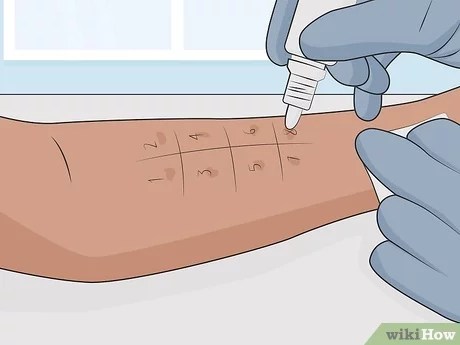
Let the dermatologist test your skin to ensure a laser treatment is safe for your skin or not-

Before the procedure, the dermatologist will probably do a test to make sure you aren’t overly sensitive to the laser. This involves focusing on a small patch of your skin for a short period of time. The dermatologist will then send you home to see if you have any reactions over the next few days, then schedule your laser treatment if all looks good.

Signs of a negative reaction include excessive redness, swelling, burning, and itching. Let your dermatologist know right away if you experience these side effects.

If you do have a negative reaction to the laser, then your dermatologist can recommend other lightning techniques.

Undergo a 30-60-minute laser treatment-

During the procedure, the dermatologist will give you eye protection to guard against the laser. They’ll then rub a laser device onto the affected area, and possibly blow cool air onto your skin to prevent the laser from overheating you. The treatment lasts 30-60 minutes and you can go home after it is done.

The treatment might feel a bit prickly or hot, but you shouldn’t feel pain. Let the dermatologist know right away if the treatment hurts you.

If you’re having treatment on just a few spots, then the session will probably be shorter. If you’re treating a large area, then it will be longer.

Return for repeat sessions if necessary

Whether or not you need more sessions depends on how large of an area you treated. Listen to your dermatologist’s instructions and schedule follow-up treatments if necessary.

The dermatologist will probably want to examine your skin in a week or 2 regardless to see how you’re healing and if everything looks good then treatment is successfully done.

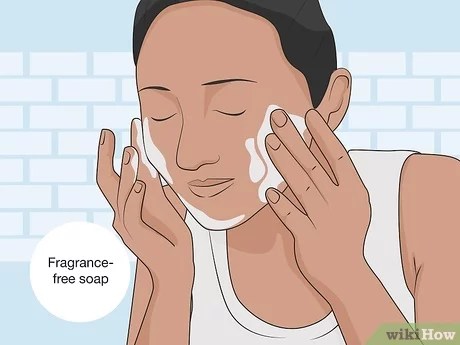
Wash the area with fragrance-free soap every day

Keeping the area clean helps prevent infections and complications. Wet it with clean, warm water and then gently rub some fragrance-free soap onto it. Rinse the area off and pat it dry with a towel.

The area will probably be sensitive for a few days, so don’t scrub it hard or use a washcloth. This will be painful if the area isn’t healed yet.

Don’t pick at any scabs that form. This could cause a scar.

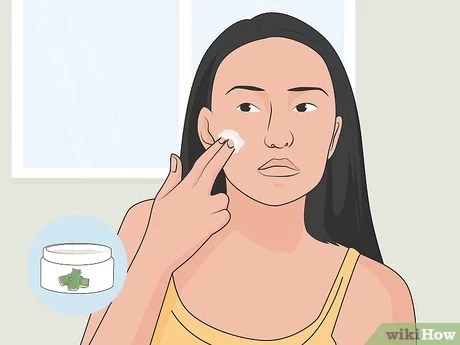
Apply aloe vera gel or cream to soothe the area until it heals-

 You might have some minor burns or irritation after the procedure. You could soothe the area with aloe vera gel or cream to reduce burning and discomfort. Try applying it once or twice a day as needed. Make sure any crams you use are fragrance-free to avoid irritation.

Follow all of your dermatologist’s instructions. If they tell you that putting any cream on the area isn’t safe, then listen to them.

You could also use a cold compress to relieve the pain if the dermatologist says you can’t use aloe cream.

Protect the area with sunscreen for at least 6 months after the treatment-

The area will be more sensitive to sunlight since the melanin has been removed. Make sure you protect it for at least 6 months after the procedure. Apply sunscreen regularly with at least 30 SPF whenever you go outside to avoid sunburns.

If the spot is in an area you can cover with your clothes, then you don’t need sunscreen.

Method-2

Using Skin-Lightening Products

Use a chemical peel to remove surface melanin-

If you want to lighten large patches of skin instead of a few spots, then your dermatologist may try a chemical peel to reduce melanin pigmentation. They will rub an acid agent onto your skin and let it sit for about 25-30 minutes. During this time, it dissolves the surface skin layers. Then, the dermatologist will wash the mask off.

Your dermatologist will probably use light to medium-depth peel to start out with. In general, the lighter you want your skin, the deeper the peel has to be.

If you have sensitive skin, your dermatologist may not use a chemical peel. Placing acid on sensitive skin could cause a lot of irritation and cause burning of the skin.

You may need multiple chemical peels to remove excess melanin.

Non-prescription and store-bought chemical peels are not recommended and could be harmful. Only have a chemical peel treatment under a dermatologist’s supervision.

You can visit your dermatologist for a microdermabrasion treatment-

This treatment involves using fine crystals to sand away the top skin layers and reveal fresh skin underneath. This is usually used to remove scars, but could also lighten your skin. The dermatologist will numb your skin, then spend a few minutes grinding at the dark spot. After the treatment is finished, you’ll be sent home to recover.

Your skin will be irritated and red for a few days after the treatment. Your dermatologist might tell you to take pain relievers and provide you with washing instructions to help you heal faster.

Microdermabrasion is usually only used on small patches, so your dermatologist may use a cream or peel if you want a large area lightened.

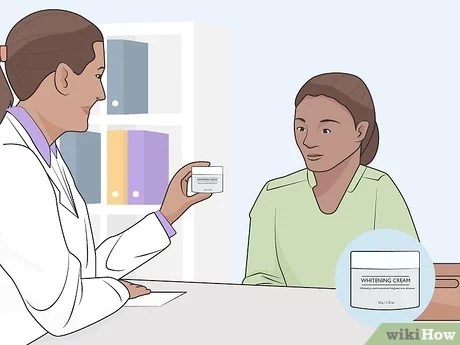
Ask your dermatologist for a prescription whitening cream-

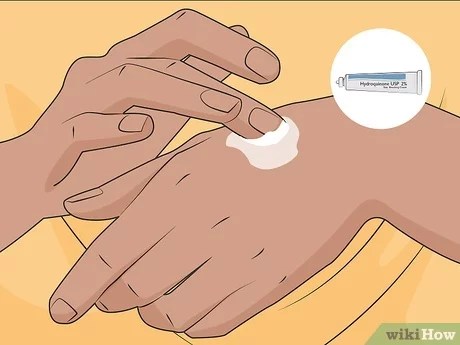
If you don’t want to have an in-office procedure, you could also get a prescription product to apply at home. Most of these creams contain retinoids or hydroquinone, both of which can lighten skin. Apply the cream onto your skin exactly as directed by your derma. In most cases, you’ll have to use prescription creams for about 3 months to complete the treatment.

The application instructions vary with different products, but in most cases, you’ll apply the cream 1 or 2 times per day. Rub it in completely and then wash your hands thoroughly.

Keep the cream away from your mouth or eyes.

Don’t get the cream on anyone else, or it could bleach their skin. Keep the cream away from children’s.

Those with darker skin tones should exercise caution if considering using a product that contains hydroquinone, as it can cause irreversible discolouration and skin darkening.

Apply an over-the-counter 2% hydroquinone cream-

Hydroquinone is a common bleaching product that’s effective for lightening skin. Low concentrations are available from pharmacies without a prescription. Check the application instructions and apply the cream to the affected area exactly as directed and don’t go out in sun.

OTC creams should produce results within 4 months. If you don’t notice any change, contact your dermatologist.

Products with a hydroquinone concentration higher than 2% are usually not available without a prescription. This is because hydroquinone could cause health problems in high concentrations and with long-term use.

Some countries have banned hydroquinone without a prescription or altogether because of potential health risks. However, studies demonstrate that concentrations between 2-4% are not dangerous.

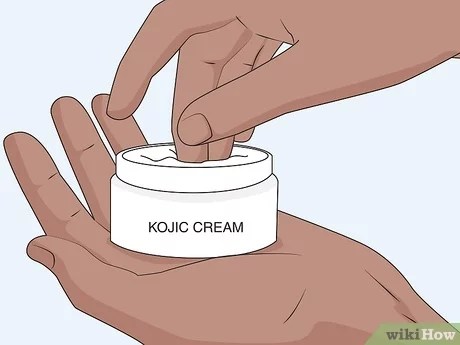
Get a skin cream that contains kojic acid-

This is another common ingredient that’s used in many skin-lightening products. This is because it can reduce the amount of melanin in your skin and prevent the formation of new melanin cells. Check the pharmacy or shop online for a kojic acid cream and apply it exactly as directed.

Kojic acid doesn’t have the potential health risks of hydroquinone, so you can use it if your country has banned hydroquinone. You could also ask your dermatologist for a prescription to buy kojic acid cream.


The role of physical education in the school system


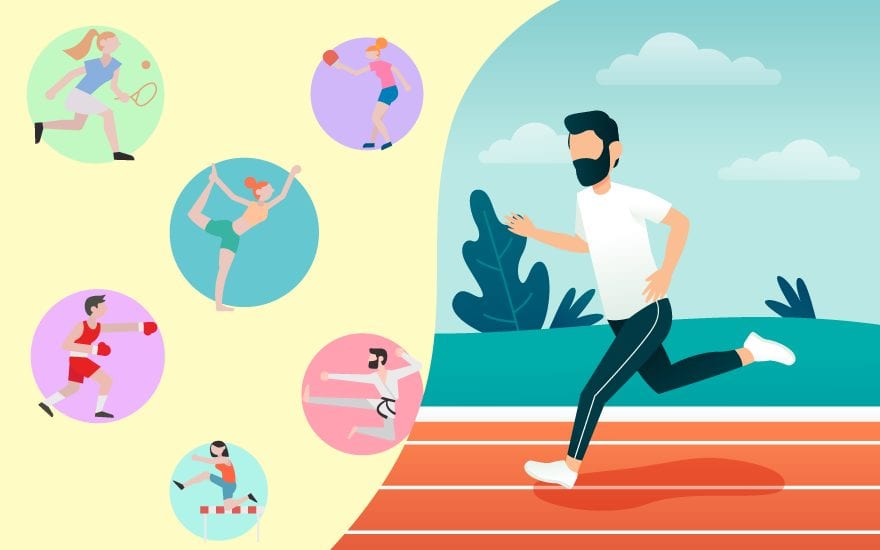
The number of non-educational activities that children do in India has increased over the last few years. With rising incomes, the proliferation of places selling junk food, and the easy availability of non-academic activities, children are spending less time keeping themselves healthy. Add to this the proliferation of mobiles, TV, and computers and you know why children are no longer keen on health.

The answer to this is physical education in schools in India as it plays a very consequential role in keeping children fit and active. Physical education helps in developing students’ competence and confidence. It helps them to take part in a wide range of physical activities that are crucial to their lives—both in and out of school.

A high-quality physical education program enables all students to enjoy and succeed in many kinds of physical activities. The importance of physical education programs is to help students to develop a wide range of skills as well as gives them the ability to use tactics, strategies, and newer ideas to perform successfully both at home and school.

Benefits of Physical Education

1.Teaches Ethical Traits


The first benefit of physical education is that it teaches ethical traits that students need to thrive in this competitive world. The main ethics that they learn from physical education are perseverance and work ethics. Whether in physical education or sports, disputes often arise and only ethics and perseverance from the players can reduce the disputes.

2.Physical Fitness


Physical fitness is the key ingredient for a healthy lifestyle. This is why physical education is an important element in most schools. When students have regular fitness activities as part of their daily regimen,  they stay fit and healthy. Regular physical activities daily help in better absorption of nutrients in the body and also helps in improving cardiovascular health and developing muscular strength.

3.Improvement in Academic Performance


One of the advantages of physical education is that it helps in improving the academic performance of the students. Most physical activities that students do in schools are related to higher levels of concentration which in turn help with better behaviours. Physical activities and sports activities help in boosting the knowledge learned in the classroom.

4.Social Interaction


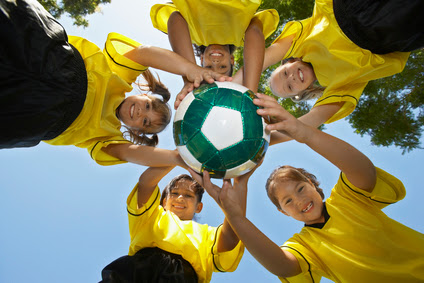
Apart from the classroom, physical education is the only time when students can meet and interact with their classmates and other schoolmates. It helps improve their social behaviour. During the physical education class, they learn to cooperate through various group activities and get a sense of identity from each other as well as of the team. These social activities continue to play an important role in the growth of a student into a better professional. For instance, sports is one of the best sources to instil team building, leadership, and management skills in them.

5.Reduces Stress


There’s immense academic pressure on kids lately. Most schools give importance to core subjects and students are under tremendous pressure to perform better in these subjects. Even after spending several hours in school, they have to work on homework at home and this leaves them with little time to do anything else. And because children spend a lot of hours on academics, this leads to a lot of mental and physical pressure. Physical activity can help take some of those stress and anxiety away. It can also lead to emotional resilience and stability.

CONCLUSION

Many schools have made physical education an essential part of their education program because they know that physical education plays a key role in the development of a student’s life. This is because of the fact students who participate in physical activities are always happier and healthier than those students that spend all their time studying. It has been known physical activities help in providing more oxygen to the heart and brain and allows the body to maintain a balance between physical and mental health.

Schools should consider several factors in the development of physical activities and one of those is the age of the student. Schools need to have age-appropriate physical education programs for students. Schools should be aware of the importance of physical education and have a healthy mix of academic, non-academic, and physical education activities for the holistic growth of the children.

FEVER

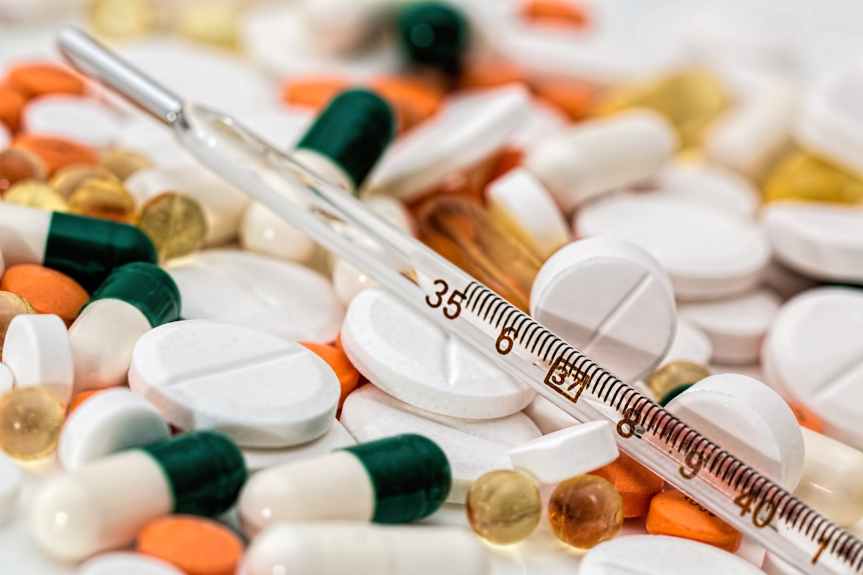
Fever is the sudden rise in body temperature. It is a signal that our body gives us that something bad is happening inside our body. It is a normal reaction or response of our immune system. Whenever a foreign particle enters our body and infects the cells, our antibodies fight against it. It is our body’s way of giving alerts by increasing the normal temperature. Fever is also called Pyrexia or Controlled Hyperthermia. When the body temperature goes to 100o F (38o C) or more, we consider it as a significant temperature rise. If it persists for more than 24 hours, the causes of it should be suspected, diagnosed, and treated. 

WHEN SHOULD WE TAKE IT SERIOUSLY?

Fever is just a normal function of our body that lets us know the correct response against an infection. But it should be taken care of especially in children or infants if there are symptoms like

  • Temperature is 102o F or more and if it continues for more than 36 hours.
  • Cold, cough, and loss of appetite.
  • Chills and night sweats.
  • Fever accompanied by vomiting and diarrhea.
  • Weakness, dizziness, body ache, or fatigue.
  • Having seizures or fits with high temperature.
  • Cough, sore throat, mucus accumulation, and chest tightness.
  • Inability to swallow foods even liquids.
  • Fever recurring after particular hours.

TYPES OF FEVER AND VARIATIONS

There are many kinds and causes of fever. Most commonly it may be due to viral or bacterial infections. Viral fevers usually stay for 1-3 days but the recurrent fever may persist for almost 14 days or more. A person with viral infections may experience nausea, coughing, running nose, body pain, etc. Not all viral fevers are contagious but most of them appear to be contagious. For example, common cold, influenza, malaria, dengue, HIV, covid-19, etc. are contagious and may spread from person to person by various means. Bacterial infections are similar to viral infections and there is no major difference in symptoms. It persists for few days or until treated with an antibiotic. Bacterial fever does not subside by itself and it is higher than a viral fever. It worsens day after day instead of showing better improvement.

Other than the common infections, fever may occur also due to other less common causes like hepatitis, sinusitis, gastroenteritis, tuberculosis, urinary tract infections, etc. Body temperature also varies with age and physical activities. It may be lower in the mornings and higher in late noon or after heavy workout sessions and hot showers.

WHERE TO TAKE THE TEMPERATURE?

There are four ways to measure the rise in body temperature.

  1. Rectal method – It is the most accurate way of measuring temperature, especially for children. It is taken by inserting the thermometer in the rectum or bum.
  2. Tympanic method – It is the next accurate method where the temperature is taken by keeping the thermometer into the ear canal.
  3. Axillary method – This temperature which is taken from the underarms is considered to be less accurate when compared with tympanic and rectal methods.
  4. Oral method – It is the least accurate method of all where the temperature is taken by keeping the thermometer under the tongue. But it is the most common method of reading the temperature.

THE BOTTOM LINE

Fever can be controlled by following some home remedies or by taking antipyretics which can only reduce the temperature but doesn’t treat the reasons. Few antipyretics or fever-reducing drugs are paracetamol, aspirin, or Anacin. These drugs can be taken rarely, however consuming them too often may cause unwanted side effects.

E RUPI

On 2 August 2021, a digital payment solution was launched by the honorable prime minister of India. 
E RUPI is a cashless and contactless payment method. Through it, the government is trying to bring an e-voucher system.
Under it, a QR code or message will be delivered to the mobile of the beneficiary. Through it, vouchers can be redeemed without a card, digital payment app, or net banking.
Developed by the National Payments Collaboration of India(NPCI) in partnership with the Department of Financial Services, Ministry of Health and Family Welfare & National Health Authority.
It works as a connection between a sponsor service and the targeted audience without involving any physical interface. Being pre-paid in nature will ensure timely payments in the process.
To be used as delivering service under welfare schemes by the government. It can also be used by the private sector companies for employees’ welfare schemes and corporate social responsibility.
It can be a game-changer in the future.

Hard Work vs Smart Work

Smart work:-

  • Advantages of Smart work:-
    • Smart work is intellectual. Hence it improves our innovative and creative thinking skills.
    • Smart work improves productivity.
    • It teaches time management skills.
    • Because of smart work, we now have more free time. For example, modern transport systems reduced effort and time in moving to another place.
    • Smart work forces us to concentrate on work fully because it demands mental presence too.
  • Disadvantages of Smart work:-
    • Smart work may make us lazy, as we get used to doing less work and get more output.
    • Mere smart work may not yield results. “Hard work beats talent when talent doesn’t work hard”. Hence we cannot completely rely on smart work.
    • To work smartly, at first we need knowledge about the work, which comes only with hard work and experience.
    • We cannot teach hard work to smart working persons if they are not willing to work hard.

Hard work:-

  • Advantages of Hard work:-
    • Through hard work, we gain knowledge and experience. This will help us to do smart work, that means we can then analyse shortcuts to do the same amount of work.
    • Hard work teaches us patience and discipline.
    • The result of hard work will be more appealing to us because we put a lot of effort into achieving it.
    • Everyone will choose hardworking persons to work under them.
    • We can teach smart work to hard-working people and we can be sure about the improved productivity because they work hard.
  • Disadvantages of Hard work:-
    • Hard work may become boring and monotonous.
    • It consumes a lot of time and effort.
    • If we fail after doing so much hard work, it’ll be very difficult to cope up with it.

Conclusion:-

We need to work hard as well as smart to achieve success in our lives. Only one of both will not be sufficient in this modern world. And hence both hard work and smart work are essential to succeed in life.

City vs Village

City Life:-

Advantages of City Life:-

  • City life has an advanced and well-equipped environment. People migrate to cities because of better job opportunities, stability and a decent income which is a lack in villages.
  • Cities have a huge number of schools, colleges or universities established. Hence, the city folks get proper quality education which is a primary factor for standard living.
  • Recreation and entertainment are plenty in the cities. People also get adequate opportunities to establish and showcase their talents here.
  • City life provides commercialization, banking systems, and entrepreneurial businesses. This attracts more people from townships to settle in cities.
  • Better transportation, sanitation, availability of water and drainage systems are seen in cities. The drainage of polluted water goes through treatment before getting dumped in lakes or rivers. This keeps a small check on pollution too.
  • Medical help is at fingertips when required. There are a number of hospitals and clinics and well-equipped doctors and nurses for people in need.
  • Anonymity in cities helps in escaping from the judgements of people.

Disadvantages of city life:-

  • Urbanization is increasing at a rapid pace, and currently, about 30-33% of Indians lives in cities. This rate tends to be around 40% by 2030. With the high population density, the quality of life in cities is expected to degrade and become unfit for living.
  • City life is a very busy one, developing every second to a better version of itself. This results in a loss of cultural qualities and flavours.
  • High demand for city life has resulted in congestion. Human population has increased a lot in city areas.
  • The city’s population increases day by day. This leads to an environment with polluted air, smog, unclean water supplies, noise pollution
  • It follows from the previous point that an increase in pollution rates in the cities brings in more health issues. People tend to fall sick more in cities due to the polluted environment which is unfit for living.
  • Unfair competition among businesses, an increase in crime rates and immorality of the people is more in the cities.
  • Increase in costs and expenditure is a vital problem for city dwellers. This creates a reason for more competition for gaining wealth and hence increases stress and crimes too.

Village Life:-

Advantages of rural life:-

  • A pollution-free environment is available in the rural/village areas only.
  • Scenic beauty and greenery of rural areas are prominent. This also attracts tourists from around the globe.
  • Rural areas have a scope for socio-economic benefits like reduction in prices of agricultural and consumer products, access to markets, public transport, employment opportunities, and better education and healthcare facilities.
  • The essence of folk and culture is prominent in these areas. This defines the rural areas uniquely.

Disadvantages of rural life:-

  • Lack of higher education is a backlog for rural lives. This creates the main hurdle for better standards of living.
  • Rural areas have poor road connectivity. Over 40 per cent of India’s rural population remains outside the rural road network. According to the Planning Commission’s Working Group on Rural Roads, there are over 3.3 lakh rural habitations with no road connection.
  • Limited medical help persists in these areas. A counted number of hospitals and even lesser doctors are available. Hence at times, people are bound to move to city areas for sustaining life.
  • Rural life is difficult for women more because of lack of proper sanitation and toilets. The primary reason for this has to be the lack of educational opportunities.

Conclusion:-

  • Though the city life has many disadvantages, people flock there more for its advantages.
  • Improper road connectivity is one of the main reasons for stopping growth in rural areas. But the government is making situations better for rural India. The Pradhan Mantri Gram Sadak Yojana (PMGSY) is a step towards improving road connectivity in rural parts of the country.
  • Hence, the reduction of pollution in cities and the development of roads and infrastructure in rural areas will bring a balance between the two.

Open book exams – Pros, Cons & Challenges

  • Delhi University conducted online open-book exams in 2020 due to COVID-19 pandemic.
  • In open-book exams, students are allowed to have their textbooks and other approved reference materials. They can check the material while writing their answers. The ability to find, analyse and apply the information will be tested through this type of exams.
  • The United States and some other countries have already implemented open-book exams in higher education. In India, the concept of open-book exams is being discussed in the past few years. Some experts are recommending these exams to reform the Indian education system. And some others are against this alternative to normal exams.
  • Central Board of Secondary Education (CBSE) has also tested open-book exams from 2014 to 2018 to make the exams suitable for all the students, who have different abilities & strengths.
  • Karnataka state too tried implementing open-book exams.

Pros:

  • Open-book exams can eliminate rote learning, which is deeply ingrained in the Indian education system. As they will analytical skills, students will be encouraged to be analytical & creative.
  • Memory-based exams often award the students that have better memory and are a cause of worry to students, who can understand the concepts but cannot memorize. Open-book exams can be a boon for the students, who have different learning abilities.
  • Without the fear of memory-based tests, students can peacefully learn concepts. At present, students are concentrating more on preparing themselves for exams rather than on conceptual understanding.
  • Open-book exams can reform the method of teaching and can improve the quality of education.
  • It can also eliminate cheating & copying.
  • Many are of the opinion that students will just copy the content from the textbook. But the questions in open-book exams are formulated in such a way that analysing the content is required.

Cons:

  • Fear of exams encourages many students to study. With open-book exams, students may not focus much on their studies.
  • In India, there are many coaching centres that prepare students for various exams. They may provide model answers for all the concepts, which can be memorized. This can dilute the purpose of open-book exams.
  • Memory training is also important, especially for children. Open-book exams may discourage students in memorizing even the basic things.
  • As the evaluation in open-book exams will be tough, it may put even more pressure on students.
  • Fear of forgetting the content will be eliminated.

Challenges:

  • If students are not guided well to give open-book exams, they may just copy what is in the textbook. And it will not serve the purpose for which the exams are held.
  • Training a large number of evaluators in the new evaluation method is also a challenge.
  • The lack of quality teachers in India will be a serious challenge in implementing the new way of teaching. Students in some high-quality schools will be at an advantage over other students.

Conclusion:

Open-book exams can bring a revolutionary change in the Indian education system by reforming the method of teaching. But it may not be suitable for primary education and will be useful in higher education. Not just open-book exams, but testing different kinds of exams as an alternative to memory-based exams is much needed to improve the quality of our education system.

Social media influencers – Impact on youth

  • Until recently, the impact of celebrities on youth is vastly discussed. Now, social media celebrities have more influence on people than traditional celebrities. Social media websites such as Youtube, Instagram, Twitter gave opportunities to common people to earn fame and thereby resulted in the rise of social media influencers.
  • Social media influencers have a great impact on many people and especially youngsters. Even film celebrities are collaborating with influencers to promote their films.

Impact of social media influencers on youth:

  • People trust social media influencers more than traditional celebrities because they are more relatable having the image of a girl/boy next door. Followers and especially youngsters feel closer to the influencers they follow because influencers interact with them frequently. And hence many youngsters follow social media influencers religiously and are influenced by what they say and promote.
  • As youngsters are spending more time on social media than people of other age groups, social media influencers have more impact on youngsters than others.
  • Brands are also preferring to collaborate with social media influencers over traditional celebrities due to the influence they have on youngsters, and also because the sponsored content is easily blended into the normal content of influencers. Influencer marketing is on the rise and is affecting the purchasing behaviour of youngsters. Moreover, youngsters are more likely to research the product before buying. And they will check the reviews by the influencers they follow.
  • Some influencers do not mention whether the content they created is sponsored or not. They promote products for money and mislead the youngsters. A few influencers are also creating paid content in favour of political parties. As followers do not know that it is paid content, they are likely to believe it and may get influenced.
  • The food habits of the youngsters are also shaping up by the influencers they follow.
  • As influencers are creating attention-grabbing content, several youngsters are wasting their precious time by watching the content.
  • Some influencers fake perfect bodies and perfect lives. So, some youngsters are comparing them with those influencers and are feeling insecure. This is resulting in low self-esteem, mental health issues, cosmetic surgeries and materialism. This influences identity formation too.
  • Youngsters are listening to different world views and perspectives from social media influencers.
  • Some social media influencers genuinely review the products they used. By watching their reviews, people are saving money and are avoiding bad purchases.
  • There are so many influencers on social media that promote positive things such as body positivity, financial awareness, ethical values etc.

Way forward:

  • With great power comes great responsibility. So, social media influencers should be socially responsible. They should avoid doing things that have the possibility of influencing people negatively.
  • Youngsters should be aware of the influence social media influencers have on them and need to make conscious decisions. They should choose to follow genuine influencers who are ethical and socially responsible.
  • Parents and teachers also have the responsibility to make their children aware of the positive and negative impact of social media celebrities on their daily lives.
  • Regulations should be there on influencer marketing to mitigate the negative impact and to prevent the misuse of fame.

Conclusion:

Social media influencers have the power to impact the daily lives of youngsters. However, many young people are increasingly aware of the influence social media celebrities have. So, they can choose the good leave the bad. But, influencers have the responsibility to be ethical.

Confidence vs Knowledge

  • Knowledge is essential to understand and solve problems. Confidence is necessary to take opportunities and to put the knowledge to use. So, both knowledge and confidence are important to achieve success.
  • When we have knowledge, we feel confident. More knowledge often increases confidence.
  • Knowledge alone may not give us success. Even if we have expertise, lack of confidence results in not utilising the knowledge, and hence wastage of resources.
  • Similarly, confidence without knowledge is not helpful in many circumstances. Sometimes, overconfidence without having the appropriate knowledge results in negative consequences.
  • Confidence alone is not sufficient to maintain success. To sustain the success in any field, one must work hard to gain and update the required knowledge.
  • But in some situations, confidence saves us even if we have no knowledge. For example, in group discussions, if we are confident enough we can understand what other participants are saying and we can manage to form new related points. If we are not confident enough and if we feel panicked, we cannot do so.
  • Sometimes more knowledge creates confusion and self-doubt. At that point, confidence helps in taking risks and in trying new things.
  • Most of the successful people are confident people or at least they fake confidence to overcome self-doubt. They work hard to increase their knowledge to maintain the level of confidence.

Conclusion:

Both confidence and knowledge are essential to achieve success. However, the importance of each varies depending on the situation.

revolution

    REVOLUTION THAT HELP IN GROWTH  OF                              INDIA

By: Neha Shahab 

The white revolution or called as operation flood relates to the rapid development in milk production that took place in india mid 1960s. The name is the variation of the name Green Revolution. 
The origin can be traced by the efforts of Dr. Varghese kurein at kaira district Co operatives milk producer union situated in Anand in gujarat state. The organization is better known by the brand name popularly called as Amul. 
The operation flood was implemented in 3 phases.
1. 1970 – 80
The financed by the sale of skimmed milk powder and butter oil donated by the European union through the world food programme. the dairies were setup in delhi , Mumbai,  Chennai and Kolkata.
2 . 1980 – 85
The milk sheds were increased from 18 to 136. By the end of 1985 , 43,000 villages cooperatives and 4,250,000 milk producers were covered. Direct marketing of milk by cooperatives increased by several million litres per day.
3. 1985 – 96 
Expansion and strengthening of infrastructure. The veterinary first aid , health care services , feed for animals were improved.