S.M.A.R.T. Weight Loss & Your Fitness Device

It Wouldn’t be nice if you knew exactly what to do to lose weight successfully? What you need is a fitness tracker and a smart goal! S.M.A.R.T. is an acronym to remind you how to set a goal that maps out exactly what you need to do. These goals are Specific, Measurable, Attainable, Relevant, and Time-bound.

Don’t just stack up data you get from a fitness device. Use the info you track, your calories burned, food eaten, and hours slept to shape S.M.A.R.T. goals for yourself.

Here’s one example of how to do it. Look at your fitness device to see how many calories you burn a week by . Let’s say it’s 1,000 calories.

Use that data to bump up your calorie burn. For example, a S.M.A.R.T. goal is “I will walk enough to burn at least 1,250 calories through exercise this week.”

Specific. Rather than simply saying, “I’m going to exercise more,” you’ve specified how many calories you’ll burn.

https://c602e2df2c4d24406b948fbd14b87a85.safeframe.googlesyndication.com/safeframe/1-0-38/html/container.html

Measurable. Your device will track the calories you burn, so you’ll be able to clearly know when you succeed.

Attainable. Since you’re already burning 1,000 calories a week through exercise, bumping it up a bit should be manageable. To burn 1,250 calories, you’ll need to add about one extra workout.

Relevant. Exercise is totally relevant to weight loss! So exercise more fits into your larger weight loss plan.

Time-bound. This is your goal for this week. Period. You can choose to pursue this goal again next week, or you can set a new goal. It’s easier to commit to a goal — and be successful — if you do it for a set amount of time.

Facts that will make you Uncomfortable

  • YOUR SKELETON IS WET
  • WE HAVE EXPLORED LESS THAN 5%MOF THE OCEAN
  • THE CHANCE OF YOU DYING ON YOUR BIRTHDAY IS 6.7% HIGHER THAN OTHER DAYS
  • BLOOD CAN BE SUBSTITUTED FOR EGGS IN BAKING
  • YOU HAVE MOST LIKELY ESCAPED DEATH IN YOUR LIFE SEVERAL TIMES ALREADY
  • WASPS CAN REMEMBER PEOPLE’S FACES
  • THEAVERAGE PERSON FORMS 400 FREINDSHIPS BUT ONLY 33 WILL LAST
  • SOME SPECIES OF OCTOPUS EAT THEIR ARMS WHEN THEY ARE BORE
  • ANCIENT ROMANS USED URINE AS A MOUTHWASH
  • THE AVERAGE PERSON WALKS BY 16 MURDERERS IN THEIR LIFETIME
  • YOUR BELLY BUTTON WAS YOUR MOUTH
  • YOU HAVE NO IDEA HOW YOU HAVE FORGOTTEN
  • A LION’S TONGUE IS SO ROUGH IT CAN LICK YOUR SKIN OFF
  • YOU ARE MOST LIKELY TO BE KILLED BY A COW THAN A SHARK
  • THERE ARE COLOURS HUMANS CAN’T SEE OR EVEN IMAGINE
  • RED DYE IN CANDIES IS OFTEN MADE WITH CRUSHED UP BEETLES
  • RIGHT THIS MOMENT, YOU ARE THE YOUNGEST AND OLDEST YOU’LL EVER BE
  • A DEAD BODY CAN SWELL AND DOUBLE IN SIZE DUE TO A BUILD UP OF GASES DURING DECOMPOSTION
  • THERE ARE TINY BUGS THAT LIVE ON YOUR FACE AND EAT DEAD SKIN OFF OF IT
  • YOU JERK YOURSELF AWAKE WHILE SLEEPING BEACUSE YOUR BODY THINKS IT IS DEAD; YOUR BRAIN IS CHECKING IF YOU ARE ALIVE

9 Benefits of Yoga

If you’ve done your “downward dog” yoga pose today, you’re probably feeling more relaxed. Regardless of your level of yoga expertise, if you’re practicing regularly, you can feel better from head to toe.

Yoga offers physical and mental health benefits for people of all ages. And, if you’re going through an illness, recovering from surgery or living with a chronic condition, yoga can become an integral part of your treatment and potentially hasten healing. 

A yoga therapist can work with patients and put together individualized plans that work together with their medical and surgical therapies. That way, yoga can support the healing process and help the person experience symptoms with more centeredness and less distress.

1. Yoga improves strength, balance and flexibility.

Slow movements and deep breathing increase blood flow and warm up muscles, while holding a pose can build strength.

Try it: Tree Pose
Balance on one foot, while holding the other foot to your calf or above the knee (but never on the knee) at a right angle. Try to focus on one spot in front of you, while you balance for one minute. 

2. Yoga helps with back pain relief.

Yoga is as good as basic stretching for easing pain and improving mobility in people with lower back pain. The American College of Physicians recommends yoga as a first-line treatment for chronic low back pain.

Try it: Cat-Cow Pose
Get on all fours, placing your palms underneath your shoulders and your knees underneath your hips. First, inhale, as you let your stomach drop down toward the floor. Then, exhale, as you draw your navel toward your spine, arching your spine like a cat stretching. 

3. Yoga can ease arthritis symptoms.

Gentle yoga has been shown to ease some of the discomfort of tender, swollen joints for people with arthritis.

4. Yoga benefits heart health.

Regular yoga practice may reduce levels of stress and body-wide inflammation, contributing to  Several of the factors contributing to heart disease, including high blood pressure and excess weight, can also be addressed through yoga.

Try it: Downward Dog Pose
Get on all fours, then tuck your toes under and bring your sitting bones up, so that you make a triangle shape. Keep a slight bend in your knees, while lengthening your spine and tailbone.

5. Yoga relaxes you, to help you sleep better.

that a consistent bedtime yoga routine can help you get in the right mindset and prepare your body to fall asleep and stay asleep.

Try It: Legs-Up-the-Wall Pose
Sit with your left side against a wall, then gently turn right and lift your legs up to rest against the wall, keeping your back on the floor and your sitting bones close to the wall. You can remain in this position for 5 to 15 minutes. 

6. Yoga can mean more energy and brighter moods.

You may feel increased mental and physical energy, a boost in alertness and enthusiasm, and fewer negative feelings after getting into a routine of practicing yoga.

7. Yoga helps you manage stress. 

According to the National Institutes of Health, scientific evidence shows that yoga supports stress management, mental health, mindfulness, healthy eating, weight loss and quality sleep.

Try It: Corpse Pose (Savasana) 
Lie down with your limbs gently stretched out, away from the body, with your palms facing up. Try to clear your mind while breathing deeply. You can hold this pose for 5 to 15 minutes.

8. Yoga connects you with a supportive community. 

Participating in yoga classes can ease loneliness and provide an environment for group healing and support. Even during one-on-one sessions loneliness is reduced as one is acknowledged as a unique individual, being listened to and participating in the creation of a personalized yoga plan.

9. Yoga promotes better self-care. 

Scientific Research on Yoga Benefits 

The U.S. military, the National Institutes of Health and other large organizations are listening to — and incorporating — scientific validation of yoga’s value in health care.

Numerous studies show yoga’s benefits in arthritis, osteopenia, balance issues, oncology, women’s health, chronic pain and other specialties.


Best places to eat in Delhi

1. Ama café

It is situated in Tibetan colony at Majnu ka tila which is easily reachable from vidhan sabha metro station. It has a different vibe as it is surrounded by Tibetan culture that one can experience while visiting the place. Now, let’s talk about food. Ama café has aced in all departments i.e., ambience, service, quality of food etc., and not to forget, it’s pocket friendly. This café has a variety of menu i.e., from sandwiches, pizza, pancakes to tea, coffee, shakes, this café has covered everything. This café is very famous for its bakery menu, especially mud cake and blueberry cheese cake. You can hang out with your friends and have a nice evening or start your day with their delicious breakfast.

Address – House no. 6, 1st Floor, Majnu-ka-tilla, New Aruna Nagar, New Delhi, Delhi 110054

2.Yum yum cha

It has 4 outlets in Delhi (Saket, khan market, vasant Kunj and Gurgaon). The restaurant is popular for its Pan Asian/Modern Asian cuisines. If you are looking for best variety of sushi’s and good steaming dim sums, you should definitely visit this place. They don’t believe in saying no, whether you ask for half portions or customization. The place has very welcoming and friendly vibe which makes you feel very comfortable and satisfied. one must go and have a yum yum finger licking experience at this place.

3. Nazeer

The ambience of this fine dining multi-cuisine restaurant is elegant and classy with pictures of Mughal emperors on the walls. The place is huge with comfortable seating space. It is perfect for family gatherings or even a quiet lunch or dinner with friends. Nazeer Delicacies specializes in North Indian, Mughlai and Chinese cuisine. You must try some of their signature dishes like ‘Nazeer Special Roasted Chicken’, ‘Murg Musallam’, ‘Special Mutton Bara’ or ‘Tandoori Raan Mutton’. Their ‘Chicken Seekh Roll’, ‘Mutton Seekh Roll’ and ‘Paneer Tikka Roll’ are a must try. End your meal with their ‘Nazeer’s Special Phirni’ or ‘Gulab Jamun’. This place is a must visit if you crave for good and authentic Mughlai food and have a great time with your family and friends. It has many outlets in Delhi.

Address –1. M block, Connaught place. 2. V3S mall, Laxmi Nagar, East Delhi.

4. Saravana Bhavan

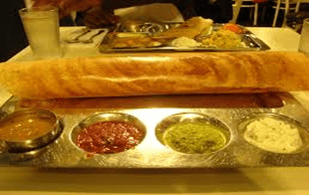
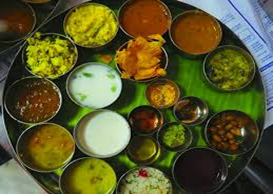
Hotel Saravana Bhavan is the largest South Indian restaurant chain in the world. They have 33 locations in India and 77 across 22 countries in Southeast Asia, Australia, New Zealand, the Middle East, Europe, and North America. It’s worth waiting in a long cue to get a table to have a bite of crunchy masala dosa dipped in chutney as the restaurant is always full with admirers of authentic south Indian food. It’s always a treat to be there as they serve you authentic flavors of south on a banana leaf. What’s more, its pocket friendly as well.

Address – P-13, Connaught Circle, Connaught Place, New Delhi

5. Desi vibe

Whether your order is Dal and Roti or a kingly repast, you will be served a welcome drink and a choice of about a dozen pickles with a smile. The staff is quite good at recommending dishes. Large tables to accommodate entire families make it a good option for a family gathering. Pick up your favorite cocktail from their extensive cocktail menu and accompany it with ‘Dahi K Kebabs’ and ‘Achari Paneer Tikka’. Do not miss the ‘Khas Tandoori Chaap’ and the ‘Paneer Lababdar’. End on a sweet note with ‘Phirni’ and ‘Moong Dal Halwa’.

Address – N-95, 2nd Floor, Connaught Place, Delhi 110001

Is privatization of public sectors good or bad?

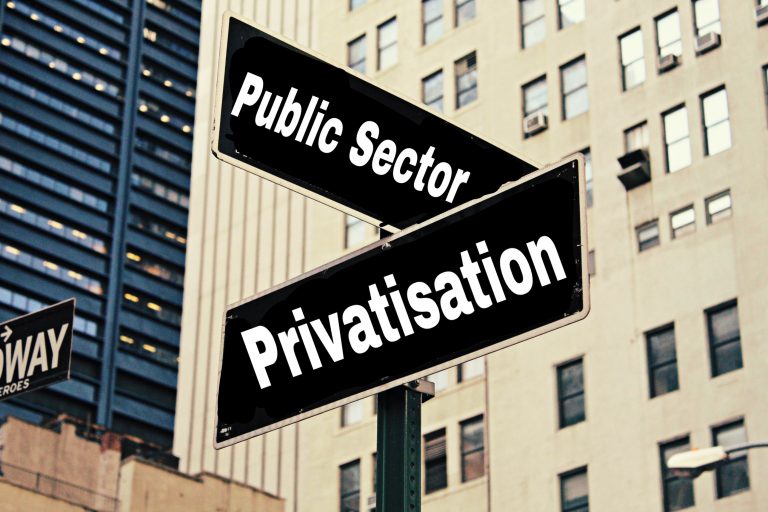
India comprises a mixed economy with the prevalence of both private and public sectors in wide range of fields like banking, education, health care, transport, manufacturing etc. Some are of the view that privatization could gear up the economic growth while other find that the privatization could bring more problems like unemployment taking the economic backward due to its inherent issues. Privatization could be defined as the process of transferring ownership of a business, enterprise, agency or public service from the public sector to the private sector. It is also known as denationalization. It is a situation where the government decides to transfer the control of a public owned resource to private sector either partially or completely. The history of privatization goes back to the Ancient Greece, when governments contracted out almost everything to the private sector in which private entities and companies performed the majority of services including tax collection, army supplies, construction.

Benefits

The proponents of privatization believe that private market factors can deliver goods or services more effectually due to free market competition. One promising reason that people want to privatize is to alleviate corruption. A monopolized function is prone to corruption and decisions are primarily designed for political reasons, personal gain of the decision maker, other than on a economic note. Privatization works on growth and performance. Corruption takes its place in both sectors but it can be effectively reduced by privatization. Private companies take immediate action on those who take bribe, so they are much motivated to work and focusses less interest on corruption.

It is beneficial for the growth and sustainability of the state owned enterprises. It is obliging in keeping the consumer needs uppermost, it helps in increasing long term jobs and promotes competitive efficiency and open market economy. Managers of publicly owned companies are required to be more accountable to the broader community and to political stakeholder, this can reduce their ability to directly and specifically serve the needs of their customers while the managers of privately owned companies are accountable to their owners/shareholders and to the customer and can only exist and thrive where needs are met. Private corporations typically profit more if they serve the needs of the clients well. Corporations of different sizes may target diverse market niches in order to satisfy the demand. If you work for a government run industry managers do not usually share in any profits, however a private firm is interested in making a profit, so it is likely to cut costs and be efficient. Public sectors may be unwilling to invest in infrastructure improvements which will benefit the firm in the long term because they are more concerned about projects that offer a benefit before the election.

Snags

There are also many reasons that accounts for the drawbacks of privatization. The opponents of this term believe that there are many industries which perform an important public service, eg. health care, education and public transport. The profit motive cannot be the primary objective of firms in the long run because in the case of health care, it is feared privatizing health care would mean a greater priority is given to profit rather than quality care to be given to the patients. Privatization would create a private monopoly which might seek to set higher prices which exploit consumers therefore it is better to have a public monopoly. Private companies often face a conflict between profitability and service levels. To please shareholders they may seem to increase short term profits and avoid investing in long term projects, while initial benefits to the consumer may occur, the industry may not be induced to keep prices low unless government controls are exerted. Privatization may limit access to certain industries for people who cannot afford them and the public has little control over a private industry. Public sectors could make education affordable for a wide range of people but when it becomes privatized the cost of education could increase tremendously.

It encompasses a variety of of techniques for shifting functions. Privatization could bring up a lot of problems as well pose some advantages, but if we are really considering privatization, there should a formulation of better maps and ideas to get rid of the challenges.

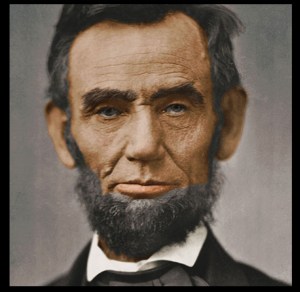
Abraham Lincoln

Abraham Lincoln, the name in itself speaks volumes. He is considered the greatest president of the United States of America. Historians and Political Scientists consistently rank him as the best American president ever. Above all, the man is renowned for ending slavery in his country. This certainly created a world-wide awareness against the evil of slavery. In the realm of social reform, he is holding a lofty status.Many surveys of the Presidents of the United States have taken place. Many scholars and experts of the United States took part in such surveys. Most noteworthy, Lincoln is always ranked in the top 3 in such surveys. Furthermore, there has been an organization of Presidential ranking polls since 1948. Abraham Lincoln certainly has the top rating in most of such polls.

Probably the most famous survey was by Chicago Tribune in 1982. There was a participation of 49 Historians and Political Scientists in that survey. These experts were to rate all the United States Presidents in five categories. The categories were: leadership, crisis management, political skills, appointments, and character/integrity. As was probably the prediction of most people, Lincoln got top place. Most noteworthy, Lincoln got top place in all the categories. This shows his magnificent historical reputation.


Many social reformers view him as a champion of liberty. He has the description of a classic liberal by historians. He is a role model to liberal intellectuals and human rights organizations. Some of his avid supporters even compare his life to Jesus Christ.

Abraham Lincoln appears on many postage stamps in the United States. His image also appears on two United States currency denominations. His sculpture on Mount Rushmore is certainly a world-class memorial. Furthermore, his other memorials include Ford’s theatre, Peterson House, and Lincoln Memorial.

The United States military greatly honors Lincoln. Many believe him to a symbol of national unity and pride. Two United States navy ships bear his name.

Abraham Lincoln was certainly a legendary American president. Probably everyone believes him to be a global icon of peace. His legacy is a powerful symbol against oppression. Above all, his greatest contribution to mankind is the emancipation of slaves. The forces of evil tried to stop him. However, his legacy became more glorious because of such attempts. Finally, his assassination took place at the hands of evil forces. However, this assassination left him as a national martyr. The name of Abraham Lincoln certainly belongs in the pages of greatness.

Lincoln taught himself law, passing the bar examination in 1836. The following year, he moved to the newly named state capital of Springfield. For the next few years, he worked there as a lawyer and serving clients ranging from individual residents of small towns to national railroad lines.

He met Mary Todd, a well-to-do Kentucky belle with many suitors (including Lincoln’s future political rival, Stephen Douglas), and they married in 1842. The Lincolns went on to have four children together, though only one would live into adulthood: Robert Todd Lincoln (1843–1926), Edward Baker Lincoln (1846–1850), William Wallace Lincoln (1850–1862) and Thomas “Tad” Lincoln (1853-1871).

PRESIDENTIAL ELECTION

In 1864, Lincoln faced a tough reelection battle against the Democratic nominee, the former Union General George McClellan, but Union victories in battle (especially General William T. Sherman’s capture of Atlanta in September) swung many votes the president’s way. In his second inaugural address, delivered on March 4, 1865, Lincoln addressed the need to reconstruct the South and rebuild the Union: “With malice toward none; with charity for all.”

As Sherman marched triumphantly northward through the Carolinas after staging his March to the Sea from Atlanta, Lee surrendered to Grant at Appomattox Court House, Virginia, on April 9. Union victory was near, and Lincoln gave a speech on the White House lawn on April 11, urging his audience to welcome the southern states back into the fold. Tragically, Lincoln would not live to help carry out his vision of Reconstruction.


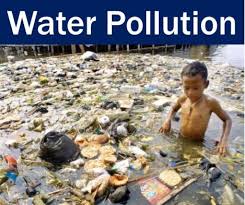
WATER POLLUTION

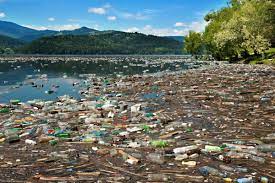
Water pollution is a global problem, affecting every continent and occurring in every type of ecosystem. It can be caused by industrial, agricultural and sewage systems, as well as by natural processes.

Water pollution does not respect political boundaries (or rivers), and can be managed at the international, national and local level. Water pollution occurs when harmful substances—often chemicals or microorganisms that contaminate a stream, river, lake, ocean, aquifer, or other body of water, degrading water quality and rendering it toxic to humans or the environment. Water pollution can come from a number of different sources. If the pollution comes from a single source, such as an oil spill, it is called point-source pollution. If the pollution comes from many sources, it is called nonpoint-source pollution. Most types of pollution affect the immediate area surrounding the source. Sometimes the pollution may affect the environment hundreds of miles away from the source, such as nuclear waste, this is called transboundary pollution.

550+ Water Pollution Pictures | Download Free Images on Unsplash

Water pollution is estimated to cause over 4 billion lost human lives per year. The global costs of water pollution exceed more than $1 trillion per year, making it the most costly environmental health hazard.Globally more than 2.5 billion people lack adequate drinking water, and another 1.8 billion lack adequate sanitation. More than 40% of the world’s population lives in water-stressed areas. The majority of this population lives in developing countries. In developing countries, water pollution is almost wholly due to point source pollution. The majority of the global burden of disease, injury, and premature mortality is estimated to be due to diseases caused by contaminated drinking water, sanitation, and unsafe sewage. Such major pollution events account for about 40 percent of the world’s total estimated disease burden.

It is well known that there are a number of ways in which water pollution can occur.

TYPES OF WATER POLLUTION

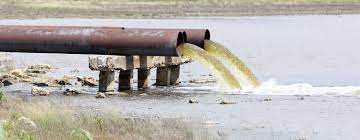
  • Industrial water pollution results when materials that are harmful to humans or the environment are dumped into water. Often industry will be negligent in ensuring that harmful wastes are managed safely.
  • Agricultural pollution derives from the discharge of chemicals to increase crop yields, or pesticides, herbicides, and fertilizers to grow food.
  • Wastewater pollution results from the discharge of human waste, sewage and industrial wastewater.
  • Nonpoint or diffuse pollution is pollution that occurs when substances diffuse into the water from a variety of sources.
  • Point source pollution is the damaging flow of a substance that originates from a single location that can be easily identified, contained or cleaned up.
Water Pollution: The Invisible Threat The World Is Ignoring

EFFECTS OF WATER POLLUTION

  • Virtually all types of water pollution are harmful to the health of humans and animals. Water pollution may not damage our health immediately but can be harmful after long term exposure.
  •  Heavy metals from industrial processes are toxic to marine life such as fish and subsequently to the humans who eat them.They can cause immune suppression, reproductive failure or acute poisoning.
  • Microbial water pollution is a major problem in the developing world, with diseases such as cholera and typhoid fever being the primary cause of infant mortality.
Water pollution - latest news, breaking stories and comment - The  Independent

These are just few effects of water pollution. If you wanna know more do research and know about it.

There are many ways to prevent water pollution and to avoid contaminating the water. Yes, there are various treatment plans to treat polluted water. For example, Sewage treatment plans, denitrification etc. The one thing we can do with the waste water is, Kitchen water can be directed to garden to save water as well as pollution. The things I said today are limited but there are many meaning in it. Hope you know more about it.

Top 6 Causes of Water Pollution and How to Reduce the Risks
SAVE WATER; SAVE LIFE

Read more;

reason behind the dispute

                THE UNSETTLED DISPUTE 

By : Neha Shahab

The boundary dispute between Assam and Mizoram dates back nearly a century and a half. Monday, as firing on the inter-state boundary left at least six Assam policemen dead and over 50 individuals injured. Mizoram borders Assam’s Barak Valley, and both border Bangladesh. The boundary between the two states, which runs 165 km today, has a history dating back to the time when Mizoram was a district of Assam and known as Lushai Hills. Boundary demarcations in 1875 and 1933, particularly the second one, are at the heart of the dispute.
The 1875 demarcation, notified on August 20 that year, derived from the Bengal Eastern Frontier Regulation (BEFR) Act, 1873. It differentiated Lushai Hills from the plains of Cachar in Assam’s Barak Valley. This was done in consultation with Mizo chiefs, and it became the basis for the Inner Line Reserve Forest demarcation in the Gazette two years later.

The 1933 demarcation marks a boundary between Lushai Hills and Manipur, beginning at the tri-junction of Lushai Hills, Cachar district and Manipur. The Mizos do not accept this demarcation on the ground that their chiefs were not consulted this time.

According to Mizo leaders, the only acceptable boundary is the Inner Line of 1875 on the southern frontier of Cachar, notified as per the BEFR Act. (This was subsequently revised in 1878 as it sought to demarcate the Lushai Hills frontier from the plains of Assam.

The dispute has been simmering since Mizoram became a Union Territory in 1972 and then a state in the 1980s. The two states signed an agreement that status quo should be maintained at no-man’s land set up in the boundaries. While alleged transgressions have often happened over the decades, skirmishes have happened very frequently in recent months.

While Assam sees its claimed boundary as transgressed, Mizoram cites unilateral moves by Assam inside Mizoram territory. It alleges that in June last year, Assam officials entered Mamit district and visited some farms; that miscreants entered Kolasib district and burnt down two farm huts; and that Assam officials visited the inter-state border between Vairengte (Mizoram) and Lailapur (Assam) and crossed the duty post manned by the CRPF. Mizoram claims that both Assam and Mizoram authorities have undertaken construction work at Buarchep village of Mizoram, and that the Home Ministry is aware of all these issues.

Last October, Assam Police officers allegedly visited Saihapui ‘V’ in Mizoram and threatened to blockade the inter-state highway. Later that month, the inter-state highway as well as the National Highway connecting the two states was blockaded by individuals at Lailapur in Assam. In November, bombs exploded at Upper Phainuam Lower Primary School in Mizoram. A peace meeting was held between the two states.

In recent months, several huts and small shops have been torched, and violent clashes have taken place on issues as petty as claims over betel nut cultivation, with plantations belonging to two residents of Mizoram allegedly set ablaze. There have been clashes between villagers of Lailapur and Vairengte, and between residents of Karimganj (Assam) and Mamiut (Mizoram).

WBYR- White, Black, Yellow, Red

Photo by Daniel Spase on Pexels.com

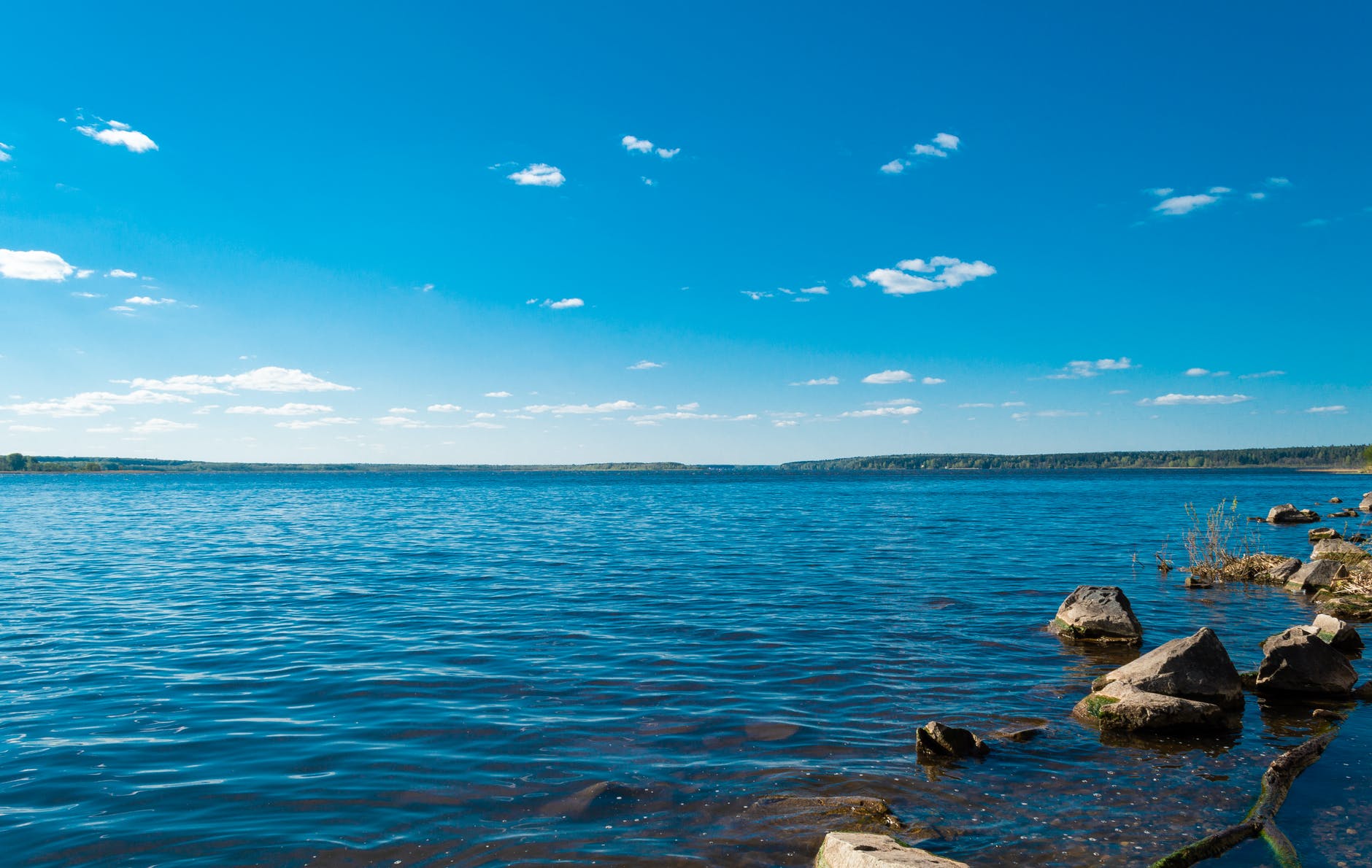
The names of the colors seemed strange, didn’t they? And I bet the picture above makes it all a lot more bizarre. But here’s the thing, all those colors above are names of lakes, well seas actually, that are spread all over the world. For those who knew we were gonna talk about seas, I bet you don’t know what gives them this distinctive name. Do you? Well, if you do know where they are located and why they are named so, you can skip the article. Or, you can read it, you know. It can be a wonderful revision and you can let me know if I miss something.

Well let’s start with black lake, shall we? The black lake helps the Urals, the Caspian sea and the Caucasus define the boundary between Europe and Asia. It shares its boundary with Ukraine to the north, Russia and Georgia to the east, Turkey to the south, and Bulgaria and Romania to the west. The black sea is connected to the small sea of Marmara (via the Bosporus strait) which is connected to Aegean sea via the strait of Dardanelles Well, this is something about the geography of the black sea. Now, to why it is known as the black sea. In earlier times, sailors and pirates saw the sea’s blue-green water appear all dark and black, especially during severe storms. Black sea has high concentration of hydrogen sulfide. When metal objects, dead plants and animal matter sunk deeper into the sea, they get covered with black sludge due to the hydrogen sulfide.

The next is Yellow sea. A marginal sea(sea bordering continents, separated from open ocean by island arcs and land ridges) of Pacific ocean, located between mainland China and Korean peninsula, the northwest part of East China sea. The sea becomes golden-yellow due to the yellow colored sand particles that flow in from the Gobi desert (located in Northern China and southern Mongolia).

The third is the red sea. It is located between the Arabian peninsula and the African peninsula. To the south lies the gulf of Aden and to the north lies the Sinai peninsula, the gulf of Suez and the gulf of Aqaba. Its name is a direct translation of its ancient Greek name, Erythra Thalassa, and many people believe that it derives its name because its normally blue-green water occasionally turns reddish-brown in the presence of a cyanobacteria called Trichodesmium erythraeum.

The last is the white sea. It is located in the North-west coast of Russia(in Europe) and is the southern inlet of Barents sea . It is covered with ice for 6-7 months every year. The covering of ice gives it a white color and hence the name.

This is all for the day. See you tomorrow with some more interesting phenomenon happening all around us.

Motivation

The term motivation is derived from the word ‘Motive’. Motive is a combination of thought, feeling or condition that causes one to act. Motivation is that force which incites individual to perform some activation.

Types of Motivation

  1. Intrinsic Motivation :- Intrinsic motivation is internal. It occurs when person are compelled to do something out of pleasure, importance or desire. Motivation is always intrinsic when it comes from within oneself.
  2. Extrinsic Motivation :- It occurs when eternal factors compel the person to do something. Reward,punishment, praise, blame or cash prize are example of extrinsic motivation.

Techniques of Motivation

  1. Goal Setting :- If you don’t set a goal, you cannot achieve apex position in your life.
  2. Elaborate Arrangement of competition :- Without extensive arrangement of competitions one can’t perform well in such competitions.
  3. Healthy Environment :- Healthy environment consists of good climate, proper wealth, humidity and temperature etc. In such healthy environment one can exhibit good performance in competition.
  4. Motivational Music :- It is a good way to motivate someone.
  5. Positive Attitude :- For proper motivation the one should try to encourage positive attitude among themselves.

BOOK REVIEW: HARRY AND THE DEATHLY HALLOW

From the outset, Harry Potter and the Deathly Hallows moves at breakneck speed. Author J.K. Rowling clambers to tie up loose ends left dangling from the previous six books, creating a final novel with a dark mood and somewhat convoluted story.

As usual, Harry begins by saying good bye to private drive-this time for good. At midnight, the protective charm provided by his mother’s sacrifice will break, leaving his vulnerable to a death eater plot to kidnapped him. During the fray, Voldemort appears and discovers that he needs a stronger wand to defeat and kill the boy. This begins the Dark Lord’s search for the legendary Elder Wand, an unbeatable weapon with a bloody history. To win its allegiance, a wizard must kill its owner.

From here, the bulk of the story surrounds the three main characters staying a step ahead of Death Eaters and camping out in a magically protected tent wherever the Horcrux trail leads. Their search is frustratingly difficult. Tempers run high. Harry is plagued by visions of Voldemort torturing and killing people. And Hermione spends her time poring over a book Dumbledore left her in his will.

Positive Elements:

J.K Rowling did very well in her past and she also continued the same in this work and the excellent character development prove that she is no doubt a great novelist. The reflection of God and Evil was very much clear in this novel. Cruelty reflects the evil nature of those who use it, and the life is assigned value, even in the cases of the most unlovely being. Themes of true friendship and self-sacrifice are touchingly developed. Harry, Ron and Hermione are nearing adulthood, and their relationships reflect this. Trying to convince Ron and Hermione to stay behind in safety, Harry finds his two friends determined to help him fight Voldemort. Ron and Hermione’s romantic relationship blossoms to genuine love. And it does so without any inappropriate sexuality. Throughout the Potter series, pride and hunger for power go hand in hand and almost always accompany evil, even in the noblest of characters. So it is in Deathly Hallows. Imagery of peacocks on the walls of Voldemort’s hideout reflects his over-confident belief in his being the most powerful and wisest wizard, a failing that often blinds him. 

The Final Battle:

We can see violence in the every chapter of Deathly Hallows and some of the imagery would do Stephen king proud, particularly in the case of Bathilda Bagshot, a neighbour of Harry’s parent in Godric’s Hollow. She promised her readers a story of war against pure evil. Resultantly, this book is fraught with injury and death. More than a few characters—some of them beloved by fans—die. One is “splinched,” his flesh ripped away during disapparation. Another takes a curse to the side of the head and loses an ear. Others burst into flame or strangle themselves.

Spirituality:

The visual imagery of magic, of course, continues to be Harry Potter’s primary problem. Because this book is so dark and its themes so sobering, everything seems more intensely real. As Ron, Harry and Hermione fight to remain hidden, they continually summon the benefits of spells to conceal themselves. Each time their tent is erected they encircle the area mumbling protective incantations and drawing shapes around the campsite with their wands. In Rowling’s world, characters embrace many of the same values Christians in the real world espouse. But as Harry, Ron and Hermione struggle to choose between right and wrong, and sort out grey areas, it is the human heart that decides, rather than any divine authority or maxim. Still, Deathly Hallows has a feel for spirituality that comes across as very believable at times. 

Conclusion:

As confusing and troubling as it may seem to have a lightning bolt-branded boy-wizard as a Christ figure, J.K. Rowling tries to create one in Harry. But while he is “savior,” he is also He-Who-Must-Be-Saved. Harry Potter and the Deathly Hallows conjures a world that practically begs for something to have faith in.

There is no doubt that J.K. Rowling will be remembered as one of the most well-read writers of our age. She will also be remembered for ignoring the simple truth of a very old—and sacred—text: We love because He first loved us.

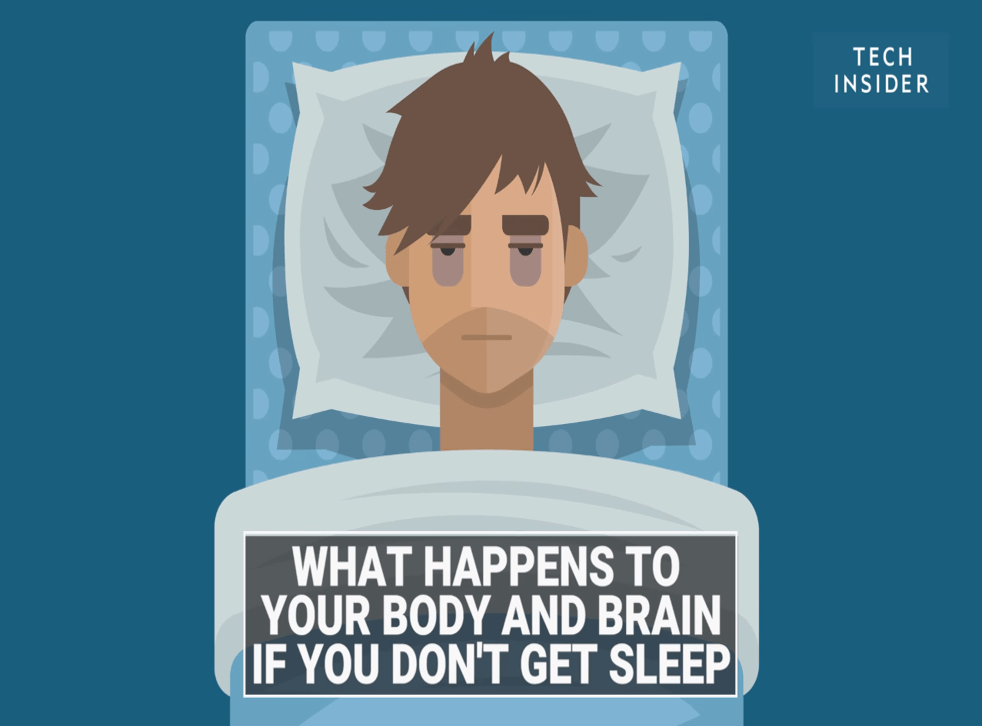
Sleep Deprivation: A serious issue.

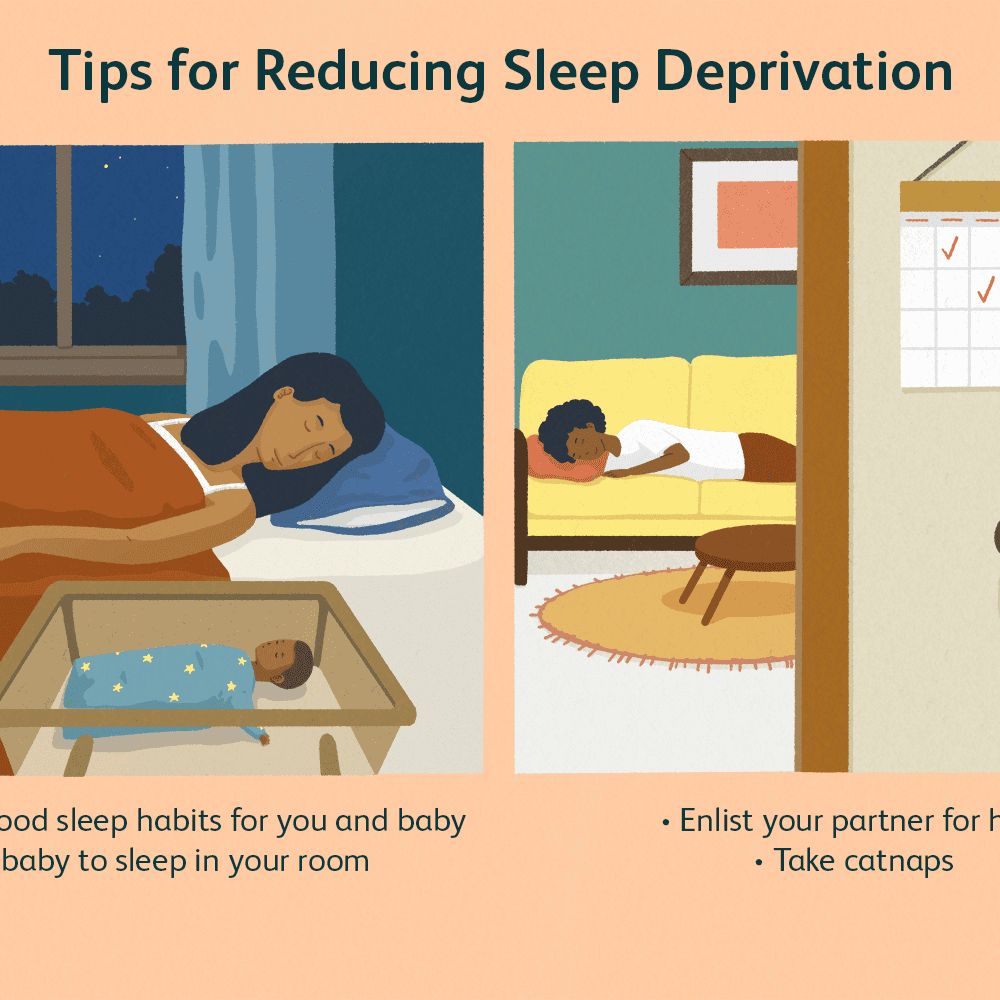
Sleep deprivation is the lack of sleep or reduced duration of sleep that damages one’s health in long run. The main reason behind lack of sleep these days is due to the lifestyle and excess interaction with gadgets such as mobile phones, laptops, tablets etc that promotes laziness and reduce physical activity manifold.

Sleep deprivation is the root cause of health deterioration as well as reduced life expectancy even though no one cares about the hours of sleep needed. Most of us spend two-third of our nights scrolling through phones using social media. Or watching a tv series, that causes insomnia if the habit persists. Sleep deprivation comes with a lot of health issues that we take for granted.

An average hour of sleep that is needed for an adult is around 7-8 hours, which is necessary for the body to perform metabolic activities and maintain homeostasis of the body. The lesser we sleep the more complex it would become for the body to perform efficiently that ultimately damages several organs of our body.

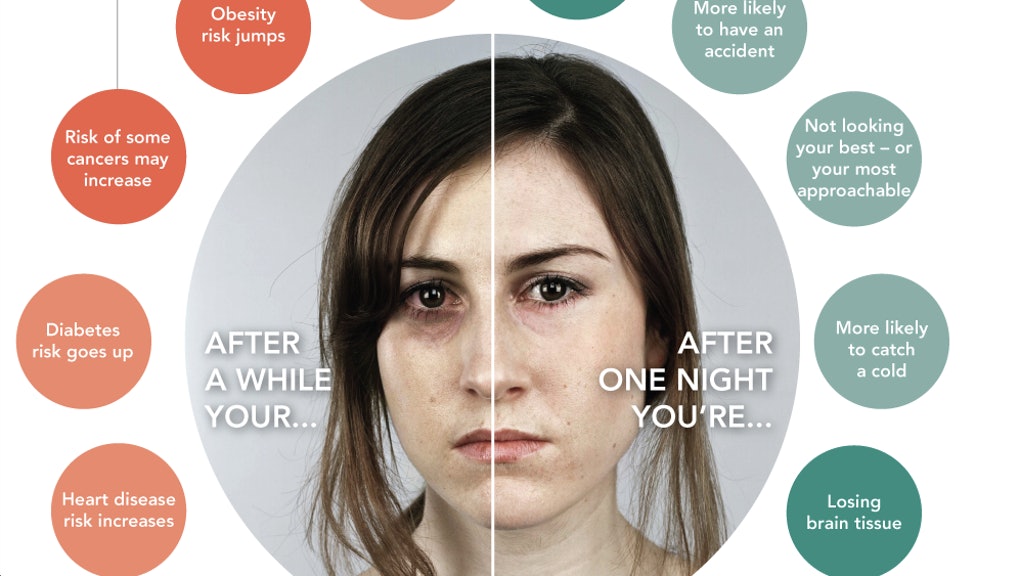
Effects on the body :

  • The cardiovascular system: Lack of sleep can severely damage the functioning of the heart. An adequate amount of sleep helps to maintain blood pressure, sugar levels etc that prevent the chances of increased heart disease.
  • Brain: Sleep deprivation can cause the altered perception as well as visualization. A lack of sleep may also make it harder for a person to form new memories, which can affect learning.
  • Hormonal imbalance: Insufficient sleep can cause a hormonal imbalance that upset the entire machinery. Lack of sleep causes release of stress hormone that builds up unnecessary tension in the muscles and nerves.
  • Fertility: Poor sleep may affect the production of hormones that boost fertility.
  • The immune system: Sleep deprivation may cause a person to be more prone to infections, that leads to various diseases.

There are lots of ways to tackle the problem of sleep deprivation such as medication, cognitive behavioural techniques, relaxation techniques and Homecare strategies. Among all of the methods mentioned, homecare strategies is the most effective way because of no side effects related to it.

Some of the home care strategies are:

  • Get a regular exercise.
  • Try to take power nap of 15 mins during day time.
  • Avoid having dinner just before going to bed.
  • Limit the consumption of caffeine.
  • Try to go to bed and waking up same time every day.
  • Try to do physical activities or workout a little.
  • After trying to fall asleep for 20 minutes, get up and read, then try again later.

References:

Wildlife and its Conservation

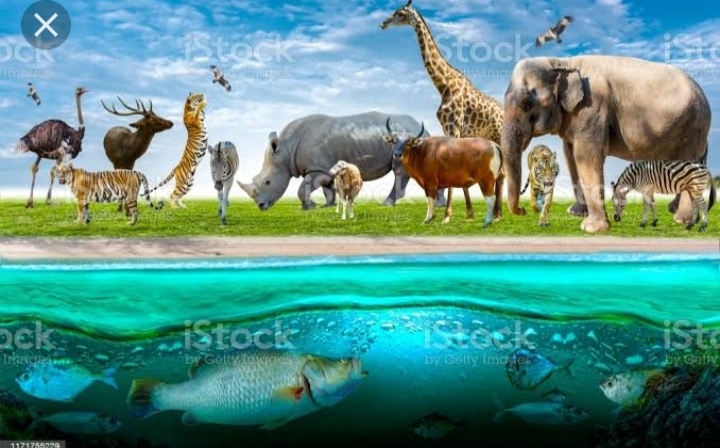
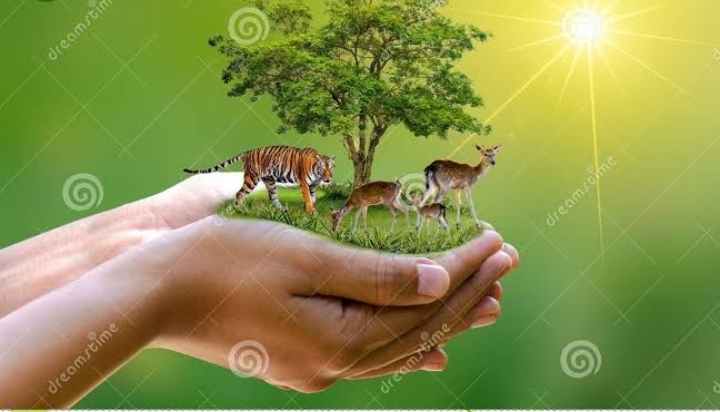
Wildlife refers to the undomesticated animals living in their natural habitats (forests, grasslands and deserts) an area without human habitation. They are needed for maintaining biological diversity. It also helps in promoting economic activities that generates revenue through tourism. Conservation of forest and wildlife is interrelated with each other.

Decline in Wildlife Population

Wildlife of India is a great natural heritage. Exploitation of wildlife resources has decreased global wildlife population by 52% between 1970 and 2014. Over exploitation and shrinking of forest cover areas has resulted in animals becoming extinct, some are threatened and some are on the verge of extinction. In recent years, increase in human encroachment has posed a threat to India’s wildlife.

Aims of Wild life Management

The main aim of wild life conservation are:

To control and limit exploitation of species. To preserve the plants and animals from extinction. Maintenance of threatened species and protect species which are on the verge of extinction. Preserve the endangered species. To study the ecological relationship of the plants and animals in natural habitat. Hunting and poaching should be prohibited. Establishment of National parks, wildlife sanctuaries, protected areas and Biosphere reserves.

The Wildlife Protection Act was established in 1972. The provisions of the act are

Prohibit killing and hunting of specified animals. Constitute sanctuaries, national parks, and closed areas for wildlife conservation. Special schemes for preservation of endangered species. Constitute Central Zoo Authority and recognition of zoos. Restrict, regulate or prohibit trade in Wild animals and products obtained from them.

Organisation Involved in Conservation of Wildlife

Indian Board for Wildlife (IBWL), World Wildlife Fund (WWF) for Nature, World Conservation Union (WCN), International Union for Conservation of Nature and Natural resources (IUCN), Convention of International Trade in Endangered Species (CITES), Bombay Natural History Society (BNHS), Wildlife Preservation Society of India, Dehradun.

OLYMPICS

An ancient Panhellenic festival held every fourth year and made up of contests of sports, music, and literature with the victor’s prize a crown of wild olive.

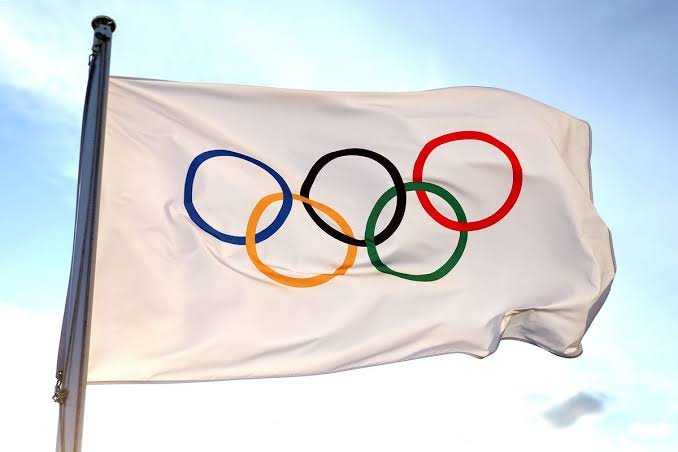
The modern Olympics are leading international sporting events featuring summer and winter sports competitions in which thousands of athletes from around the world participate in a variety of competitions. The Olympic Games are considered the world’s foremost sports competition with more than 200 nations participating.[3] The Olympic Games are normally held every four years, alternating between the Summer and Winter Olympics every two years in the four-year period.

Their creation was inspired by the ancient Olympic Games , held in Olympia, Greece from the 8th century BC to the 4th century AD. Baron Pierre de Coubertin founded the International Olympic Committee (IOC) in 1894, leading to the first modern Games in Athens in 1896. The IOC is the governing body of the Olympic Movement , with the Olympic Charter defining its structure and authority.

The evolution of the Olympic Movement during the 20th and 21st centuries has resulted in several changes to the Olympic Games. Some of these adjustments include the creation of the Winter Olympic Games for snow and ice sports, the Paralympic Games for athletes with disabilities, the Youth Olympic Games for athletes aged 14 to 18, the five Continental games (Pan American, African, Asian, European, and Pacific), and the World Games for sports that are not contested in the Olympic Games. The IOC also endorses the Deaflympics and the Special Olympics. The IOC has needed to adapt to a variety of economic, political, and technological advancements. The abuse of amateur rules by the Eastern Bloc nations prompted the IOC to shift away from pure amateurism, as envisioned by Coubertin, to the acceptance of professional athletes participating at the Games.

International Olympic Committee
The Olympic Movement encompasses a large number of national and international sporting organisations and federations, recognised media partners, as well as athletes, officials, judges, and every other person and institution that agrees to abide by the rules of the Olympic Charter.[86] As the umbrella organisation of the Olympic Movement, the International Olympic Committee (IOC) is responsible for selecting the host city, overseeing the planning of the Olympic Games, updating and approving the Olympic sports programme, and negotiating sponsorship and broadcasting rights.[


“The most important thing in the Olympic Games is not to win but to take part, just as the most important thing in life is not the triumph but the struggle. The essential thing is not to have conquered but to have fought well.”