“ROBERT HOOKE” Biography

“Robert Hooke” was an architect natural philosopher and brilliant scientist. He was born on 28 July, 1635 in freshwater, Isle of Wight, England. His father’s name was John Hooke and Mother’s name was Cecily Gyles. His father was a Church of England priest. Robert had three siblings. He received most of education at home because our continual frail health. His father passed away in 1648.
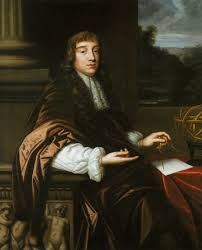
He studied Greek Latin mechanics and mathematics in 1655 Robert hooke become an assistant to the famous scientist Robert Boyle and worked in this capacity till 1662. He helped in the construction and operation of Boyle’s air pump. He discovered the law of elasticity which eventually came to be known as Hooks law. He described this law in an anagram ceiiionsssttuv in 1660 and gave its solution in 1678. This La is extensively used in all branches of Science and Engineering in 1660 the Royal Society were formed by 12 men at the Gresham college and on Sir Moray proposal along with Boyle’s support. Hooke was named as the curator of the society. He became a fellow of the society in 1663, he succeeded Arthur Dacresias professor of geometry at the Gresham College. In 1665 he published the book micrographia which considered to be one of the most important scientific books ever written he made tremendous contribution to time keeping by improving pendulum clocks. In astronomy Robert Hooke studied the Pleiades star cluster, the crater on the Moon rings of Saturn and the double star system Gamma Arietis. In 1582 he proposed A Remarkable mechanistic model of the human memory which addressed the components of encoding memory capacity repetition retriever and forgetting. he was also an architect who served as a Surveyor of London city. After the great fire in 1666 he help to rebuild the city and core designed many architecture Robert hooke is received the degree of doctor of physic in 1691 he never married but his diary records that he had sexual relations with his niece, Grace, and several of his housekeepers. He point records that on the this housekeepers gave birth to you girl but does note the paternity of the child. He died in London United Kingdom on 3rd March 1703 at the age 67.
Section “66A” of the IT act

Section 66A in The Information Technology Act, 2000

66A Punishment for sending offensive messages through communication service, etc. Any person who sends, by means of a computer resource or a communication device,-

[a], any information that is grossly offensive or has menacing character;

or(b) any information which he knows to be false, but for the purpose of causing annoyance, inconvenience, danger, obstruction, insult, injury, criminal intimidation, enmity, hatred or ill will, persistently by making use of such computer resource or a communication device;

or(c) any electronic mail or electronic mail message for the purpose of causing annoyance or inconvenience or to deceive or to mislead the addressee or recipient about the origin of such messages,shall be punishable with imprisonment for a term which may extend to three years and with fine.

For the purpose of this section, terms “electronic mail” and “electronic mail message” means a message or information created or transmitted or received on a computer, computer system, computer resource or communication device including attachments in text, image, audio, video and any other electronic record, which may be transmitted with the message.

Unconstitutional

Shreya Singhal v. Union of India is a judgement by a two-judge bench of the Supreme Court of India in 2015, on the issue of online speech and intermediary liability in India. The Supreme Court struck down Section 66A of the Information Technology Act, 2000, relating to restrictions on online speech, as unconstitutional on grounds of violating the freedom of speech guaranteed under Article 19(1)(a) of the Constitution of India. The Court further held that the Section was not saved by virtue of being a ‘reasonable restriction’ on the freedom of speech under Article 19(2). The Supreme Court also read down Section 79 and Rules under the Section. It held that online intermediaries would only be obligated to take down content on receiving an order from a court or government authority. The case is considered a watershed moment for online free speech in India.

Recent buzz

On July 5 this year, a Bench led by Justice Rohinton F. Nariman said it was “distressing,” “shocking” and “terrible” that people are still booked and tried under Section 66A even six years after the apex court struck down the provision as unconstitutional and a violation of free speech.NGO People’s Union of Civil Liberties, represented by senior advocate Sanjay Parikh and advocate Aparna Bhat, had drawn the court’s attention to the violations.Justice Nariman had authored the judgment trashing Section 66A in a petition filed by law student Shreya Singhal, who highlighted cases of young people being arrested and charged under the ambiguous provision for their social media posts.

“Section 66A of the IT Act has continued to be in use not only within police stations but also in cases before trial courts across India. This information was available on Zombie Tracker website, developed by a team of independent researchers… The findings of the website reveal that as on March 10, 2021, as many as 745 cases are still pending and active before district courts in 11 States, wherein the accused are being prosecuted for offences under Section 66A of the IT Act,” the PUCL has submitted.

Unnao rape case; Foul play in the allegations levelled

A Delhi Court has upheld the finding of the Central Bureau of Investigation (CBI) which ruled out any foul play in the 2019 car accident involving the Unnao rape case survivor.

The CBI concluded that there was no evidence regarding criminal conspiracy hatched among the accused persons, including expelled BJP MLA Kuldeep Singh Sengar, who is serving life imprisonment for raping the girl in 2017, with the driver of the truck, which collided with the car carrying the victims.

On July 28, 2019, the Unnao rape survivor, along with her two aunts, and a lawyer, were on their way to meet her uncle Mahesh Singh, who was lodged in Rai Bareilly Jail, when their car collided head on with a truck. The two aunts and the lawyer succumbed to the injuries.

Mr. Mahesh Singh, in his complaint, alleged that the accident was the result of a conspiracy hatched by Sengar along with his associates. He also alleged that in order to execute the conspiracy, the Personal Security Officers (PSOs) who were deployed with the rape victim and her family members were withdrawn which was why they were not accompanying the victims in the car.

District and Sessions Judge Dharmesh Sharma noted, “there was indeed a very diabolical background of the events that had taken place prior to the incident in question, but at the stage of considering taking of cognisance of offences allegedly committed by the accused persons, this court cannot be swayed by public sentiments, media reports nor the aspect of the conviction of accused Kuldeep Singh Sengar”.The court said that the initial investigation by the local police “appears to be tainted, lopsided and attempted to reach a conclusion hastily to pose the incident as a road side accident to please the superiors and the political masters”.

“Despite the fact that the investigation had been taken over by the CBI around 9 p.m. on July 30, 2019, the following day i.e., on July 31, 2019 a hasty conclusion was drawn thereby holding that the incident was a simple case of motor accident,” the court said.

However the acts of omissions, lapses and irregularities committed by the local police had caused no irreparable loss to the foundation of the prosecution, the court added.

“I have no hesitation in holding the findings of the CBI in the final report/charge sheet that there is no case against the accused persons so as to take cognisance and proceed against them under Section 302 (murder) and 307 (attempt to murder) of IPC r/w Section 120 B of IPC can not be faulted,” the judge said.

The court, further, said that merely because Sengar had been provided with a mobile phone “surreptitiously by the jail authority at Sitapur Jail would not invite an inference that he was involved in the planning the accident”.

It also said that the investigating agency did not find any “direct or remote connection” in the call details records of the accused persons “so as to suggest meeting of minds forging a common purpose and planning the collision of the truck with the ill-fated car”.The court, however, framed charges against the truck driver for causing death by rash and negligent driving, besides framing charges of criminal intimidation against Sengar and his associates.

Reserve Bank Of India

The Reserve Bank of India (RBI) is India’s central bank, also known as the banker’s bank.
The RBI controls the monetary and other banking policies of the Indian government. The Reserve Bank of India (RBI) was established on April 1, 1935, in accordance with the Reserve Bank of India Act, 1934. The Reserve Bank is permanently situated in Mumbai since 1937.

Establishment of Reserve Bank of India

The Reserve Bank is fully owned and operated by the Government of India. The Preamble of the Reserve Bank of India describes the basic functions of the Reserve Bank as;

1)Regulating the issue of Banknotes

2)Securing monetary stability in India

3)Modernising the monetary policy framework to meet economic challenges

The Reserve Bank’s operations are governed by a central board of directors, RBI is on the whole operated with a 21-member central board of directors appointed by the Government of India in accordance with the Reserve Bank of India Act.

The Central board of directors comprise of:
Official Directors – The governor who is appointed/nominated for a period of four years along with four Deputy Governors.
Non-Official Directors – Ten Directors from various fields and two government officials.

Functions of RBI

  1. The Issuer of the Currency: It has the sole authority to produce the currency. It also takes action to stop regulating the passage of fake money.
  2. Banker to the Government: It acts as a financer both to state and central government. It delivers short-term credit. It governs all new matters of government lands, maintaining the government debt unsettled, and taking care of the market for the government securities. It counsels the government on banking and monetary subjects.
  3. Banker’s Bank: It is the bank of all banks in the country as it delivers the loan to banks, rediscounts the invoice of banks and receives the payment of banks.
  4. Lender of Last Resort: All the other banks can borrow from the RBI by keeping qualified securities as a deposit at the time of crisis.
  5. Money Supply and Regulator of Credit: To manage demand and supply of cash in economy by Open Market Actions, Credit Ceiling and much more. It has to meet the credit necessities of the remaining banking system. It requires sustaining price stability and an elevated rate of economic growth.

WHY LOVING YOUR CHILD ‘TOO MUCH’ CAN BE HARMFUL

Many times we, as a couple or family members argue fight each other in an ugly manner. This is completely normal in any relationship. People are different and so are their thoughts and opinions on crucial matters. Arguments arise and are settled through talks ( mostly I suppose!).
The problem arises when this act is carried out in front of children. To be more specific, children aged between 1-7 years. Although traumatic experiences at home or elsewhere may affect an individual at any age, the age between one to seven years is a learning stage for children.
Children are very sensitive and have to be looked after very carefully. During the initial years, they learn and grasp from their surroundings quickly. What is portrayed before them, remains in their memories and becomes an essential part of their personality.
No doubt, after growing up and in their teenage stage, they may fall into bad company. Also, display of decency in their initial years may not guarantee a lifelong embedment of those traits, but that is not, in any way an excuse for not sticking to the same.
It is observed in schools that students of even class 4th indulge in gruesome fights and display aggression levels par their age. This not only throws light on the upbringing of the child but also is dangerous for him at a personal level. The child may become a potent criminal if his behavior is not corrected at the earliest. Therefore, it becomes extremely important to make the child learn mannerisms that are good for him as well as the society.
It is not a rare sight when parents are found arguing with teachers during parent-teacher meetings. All parents love their children. They face every hardship, so that their child/children may live a smooth and happy life. But loving your child too much can prove dangerous for them. Now some may ask how much is ‘too much?’
Too much love comes into existence when we start ignoring the mistakes of our children and blame others for their acts. Children must be corrected at every wrong turn they take, else the dark path awaits them.
One common mistake that parents make while correcting their child from doing anything or when he has done something is by scolding and shouting at them. In some cases, a beating follows. This is a very wrong move and makes a negative impact on the tender mind of children. This leads them to believe that violence and anger are the only resort to get things done.
They should be made to understand things with patience and love so that elements of generosity are planted in them.
Children learn around 75% of behaviorisms and activities by the age of six years. Therefore carefulness must be taken so that they come out to be good human beings and contribute towards a better world.

Good Luck!

Role Of Todays Youth In Building A Self Reliant India

“Self-reliance is the key to a vigorous life.”

Self-reliant India is the vision of the Prime Minister of India Narendra Modi of making India a self-reliant nation. The first mention of this came in the form of the ‘Self-Reliant India Mission’ during the announcement of the coronavirus pandemic related economic package on 12 May 2020. This self-reliant policy does not aim to be protectionist on nature and as the Finance Minister clarified, ” Self-reliant India does not mean cutting off from rest of the world”. The largest fund in the country worth Rs. 21,000 crore was setup by the IIT Alumni Council with the aim of supporting the mission towards self-reliance.

Everybody knows, that the youth are the future of any country. But India can take lead over many other nations because about 65 percent of the country’s population is below 35 years and 50 percent is below 25 years. With huge, educated young population, India is very uniquely poised to realise the demographic potential amd reap the advantage of this vast powerhouse of human resource talent. The need of the hour is to upgrade the skill or upskill the youth to meet the emloyment needs of technology driven 21st century and accelerate the pace of self-reliance.

The uncertainity created by the pandemic is being seen by many as an opportunity to upgrade knowledge and acquire new skills that will cater to the post-corona virus job scenario. The skills required for tomorrow’s jobs will be completely different from the skill-sets youth possess today.

So, its high time now, we have to make India self-reliant and youth plays the most important role in this mission.

BLESSINGS OF YOGA

Many people misunderstand the YOGA considering it with just as a stretching exercise specially those who are unaware of the concept of yoga and its benefits. The importance of yoga asana can only understand when it is done practically and regularly. Yoga lessens mental fatigue and emotional disorder and makes you feel refreshed.

Goodness of yoga on health.

Practicing yoga daily has great emotional and physical impacts. Beside this it helps to grow body strength as well as flexibility. It also aids anxiety, depression, and stress.

Keep on reading to understand the significance of practising yoga daily which are even confirmed by scientist.  

Helps to attain peace

Better quality life minus the unnecessary stress that we all wish to attain. Scientific studies have proven that doing continue yoga for three months can actually reduce discharge the stress hormones. Doing meditation with breathing leads to achieve unmatched calmness and peace in your mind.

Assist from anxiety

Managing with anxiety daily can be exhausting. Many people who discovered anxiety disorder in them claimed that how regularly practicing certain yoga poses have diminished the symptoms of anxiety which were difficult to heal. The “Camel Pose” boosts blood circulation in the body which rejuvenate body and mind. “Bridge Pose” calms the mind where as the “Butterfly Pose” frees tension heads.

Improves sleep

Practicing yoga daily relax mind as well as reduces stress which leads to better sleep. It also upgrades sleeping pattern. People who practice yoga daily can see circadian rhythm stabilize.

Boost immunity

Yoga cures and improves every cell of body also helps your body to become more immune. Yoga stimulates lymphatic system which drains out bane. It enhances immunity system to work flawlessly.

Reduces blood pressure

Irregular lifestyle and stress in city life leads to high blood pressure. Hence doing yoga daily reduces high blood pressure. Breathing exercise helps to control blood pressure and eliminate high stress level. Good blood circulation enhances good functioning of heart. Improvement in blood flow increase oxygen level thus lower the blood pressure.

When you should avoid doing yoga.

Doing yoga regularly is considered good for well being however there are some circumstances you should avoid doing yoga :

When you are totally exhausted or feeling ill.

Women must skip doing yoga during their mensuration period.

One should avoid yoga asana when you are suffering from back pain or undergone with any surgery.

Being A teenager today

In this generation being a teenager is much harder than being a adult. Teenager are constantly under an immense amount of stress. Their bodies are changing physically and mentally and peer pressure is amongst them. Many do not enough sleep because everything going on in their lives. Balancing school and afterschool activities are a lot of teenager to handle. And then top of that, trying to decide which area of study. The idea of that the rest of a teenager’s life could be impacted by the decisions they make in high school puts a strain on many.

Teenagers are put under a lot of pressure. Between balancing school and work, teens barely have any time to unwind and relax . Adults have incredibly high expectations. They expect their sons and daughters to do chores around the house, play sports , volunteer , participate in extracurricular activities, and get good grades . The need to impress their parents is one of the heaviest burden to carry. Also these pursuits are time consuming. Many teenagers are up past midnight finishing their homework, since they were busy all day with clubs, sports, and school. As a result, a lot of teenagers are sleep deprived.

For the most part, adults have their lives figured out. Many have jobs and families. Teenagers still need to decide what they are going to do with their lives. Even if a teenager thinks that they have their life planned out, things change. One of the hardest decisions that anyone will ever make is deciding what to pursue in college. It’s a life changing decision that adults expect adolescents to make. Choosing the right path can put a lot of stress on teenagers.

International Workers Day

“Without labour nothing prospers.”

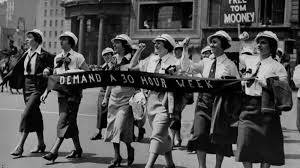
Labour Day or International Workers Day is celebrated annually on 1 May to celebrate the working class and labourers across the world. Socialist and labour unions celebrate this day by organising programmes to improve wages and working conditions of the workforce. In more than 80 countries Labour Day is a national holiday.

Before a formal Labour Day came into place, deaths, injuries and dangerous working conditions were very common among the working class globally. During the rise of industrialisation, the U.S. exploited the working class during the nineteenth century and made them work upto 15 hours a day under rigorous conditions. The rising death of the workforce in industries forced the working class to raise their voices for their safety. After efforts made by the workers and socialists, eight hours was declared as the legal time for the workers in the late nineteenth century by the American Federation of Labour.

The origin of Labour Day goes back to an incident in Chicago on May 4, 1886 known as the Haymarket Affair. On this day workers assembled as part of a peaceful rally in a strike demanding an eight hour work day. An unknown person threw a dynamite bomb at the police as they acted to disperse the meeting, and the bomb blast and ensuing gunfire resulted in the deaths of seven police officers and atleast four civilians; dozens of others were wounded. The Chicago protests led to many countries and at last they got the proper labour rights.

So, they had a long repression from the society. So, now the time has come to live respectfully and safe. Without labour no country can prosper. They are the ones who make a way towards country’s development. Their hardwork, dedication cherishes the path of development of country. So, respect them and provide safe working conditions to them. The below mentioned lives are aptly quoted;” A worker is a creator and a great asset to every nation”.

Erik Erikson’s psycho social development

Introduction:
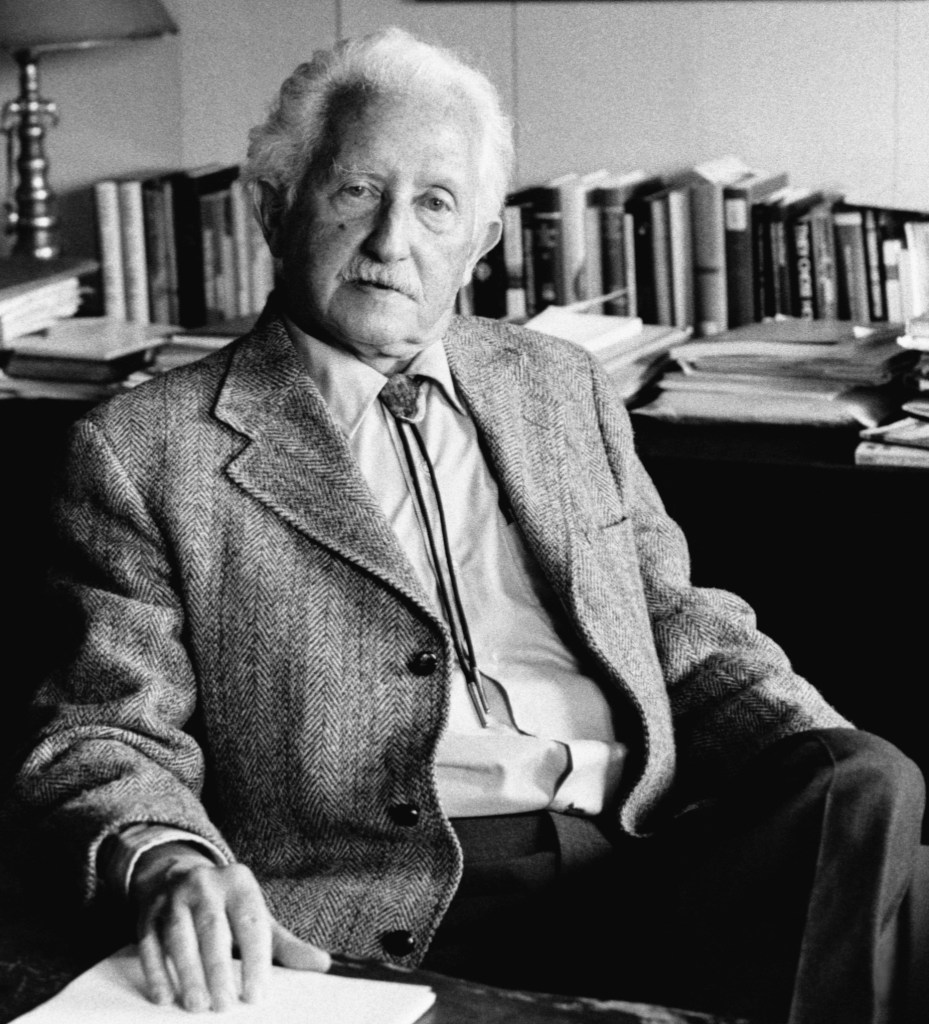
Erik Erickson was a German-American development psychologist and psychoanalyst known for his theory on psychological development of human beings. Erik Erickson’s psychosocial development theory mainly talks about how human development happens in 8 stages and their personality development also takes place through these eight stages starting from infancy to old age. His argument was about how a social life was important and how in each stage, when we interact with other humans, we learn and grow together and help us understand our social environment and surroundings.

The psychosocial development is influenced by Sigmund Freud’s Id, Ego and Super Ego. Development is a lifelong process and is divided into eight stages and is called ‘crisis in personality’, later referred to as competing tendency. The eight stages are:


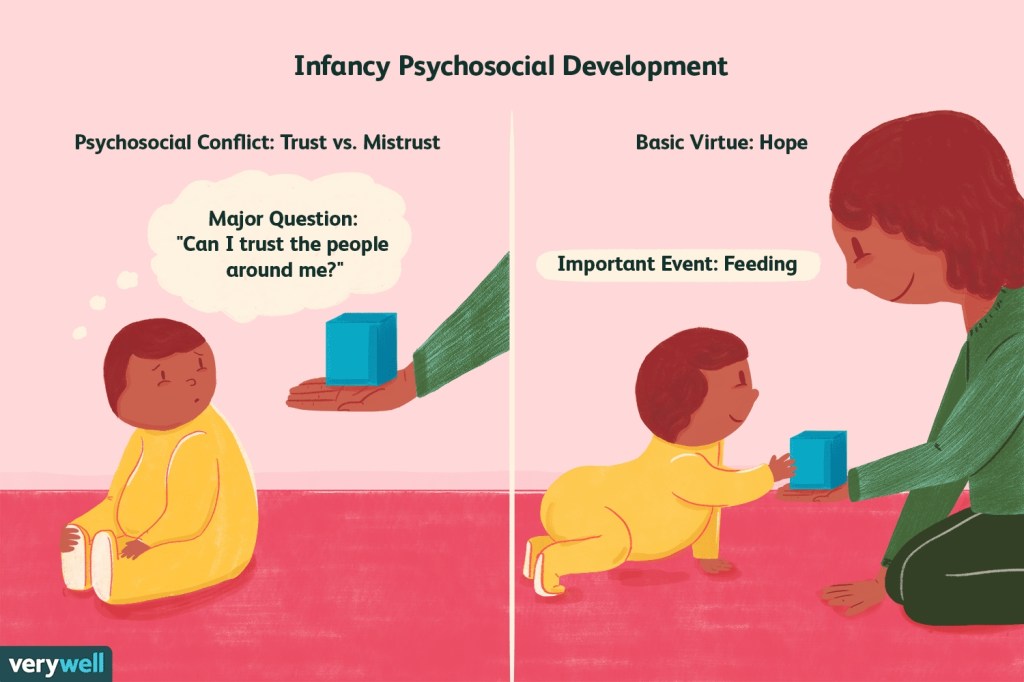
• Trust Vs Mistrust:
The first stage begins at the age of 12 months and continues till 18 months. The crisis in this stage is trust Vs mistrust. In the stage, the child learns a virtue in this stage called Hope. The first stage is where the child learns whom to trust and whom not. The mother is the most trusted person as the child feels more safe and connected to the mother than to anyone else.


• Autonomy Vs Shame:
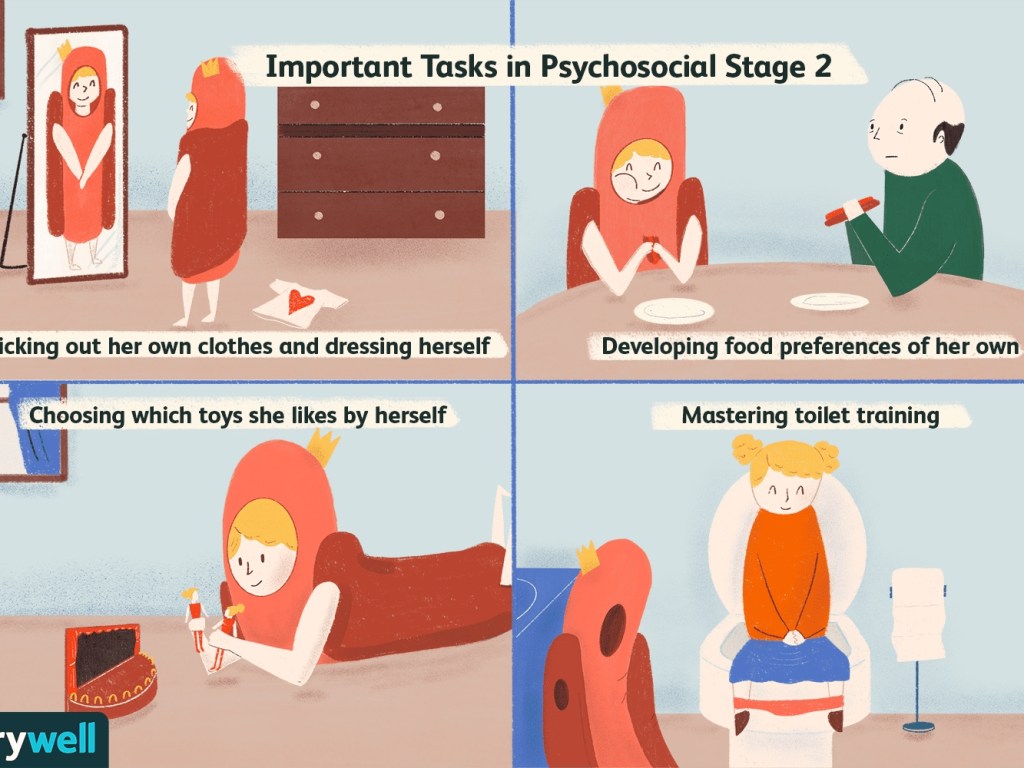
The second stage is Autonomy Vs Shame. This stage starts from (12-18) months to 3 years. The virtue learnt here is Will. In this stage, child engages in activities and learns to be independent or the child grows up to be shy and timid. Autonomy means independence. So, their own decision of doing something or not is what is learnt in this stage.


• Initiative Vs Guilt:
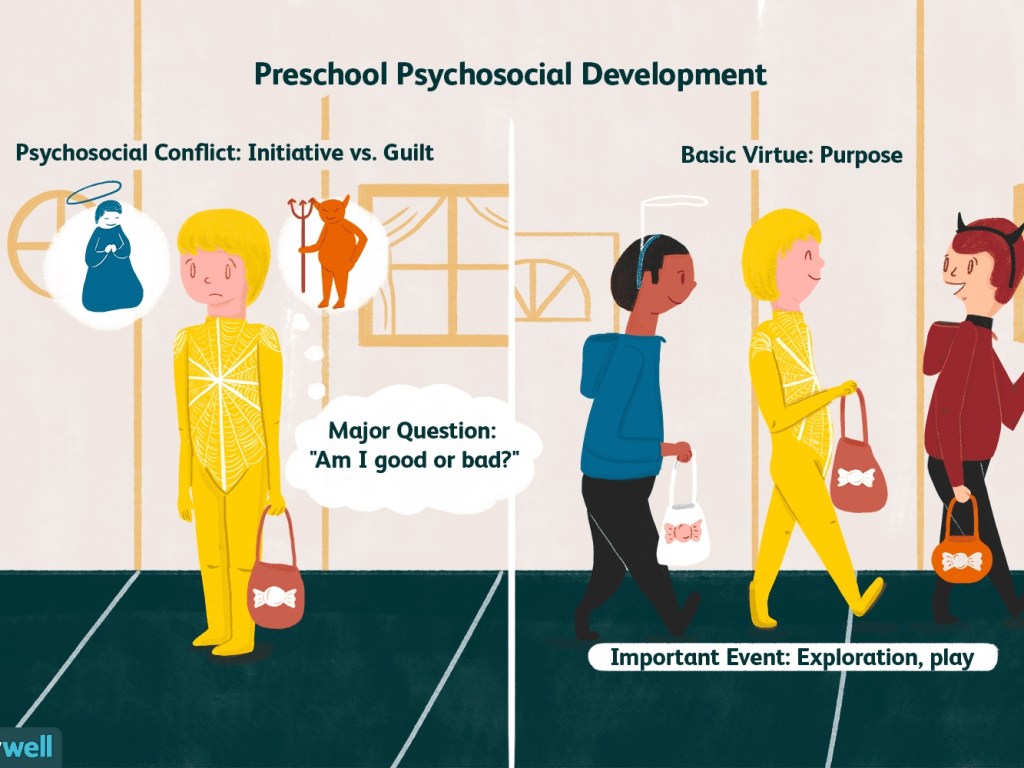
The third stage is from 3 years to 6 years. The crisis here is initiative Vs guilt and the virtue learnt here is purpose. The child price to be initiative and creative and tries to learn new things of feels guilty towards learning anything new. The child takes initiative in learning new things and exploring new possibilities or the child feels like if they try to do something new it’s wrong or it shouldn’t be done that way.


• Industry Vs Inferiority:
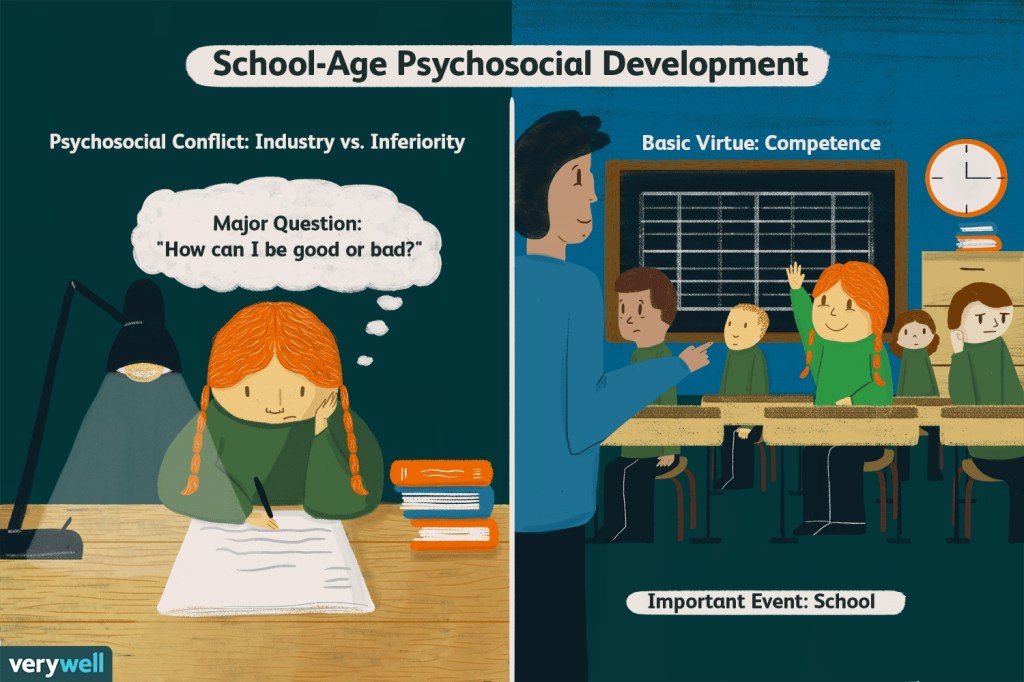
The fourth state starts from 6 years and last puberty. The crisis here is industry Vs inferiority. The main virtue learnt here is competence. In the states the child learns new hobbies for activities and tries to be bold or the child feels inferior to others. This state is where the child explorers new activities or interest of their own or when they see other people doing new things or activities they feel they are not good enough for feel inferior to others.


• Identify Vs Identify Confusion:
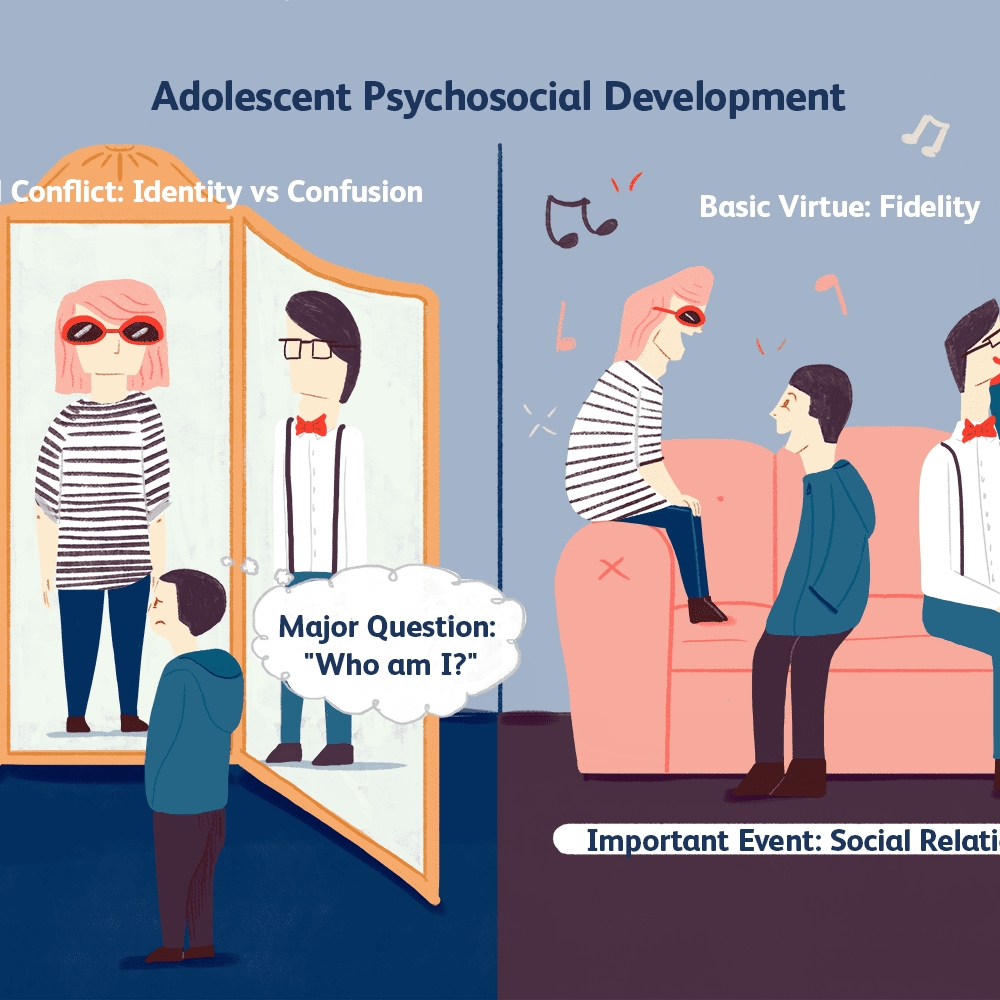
The first stages from puberty to young adulthood. The crisis identity Vs identity confusion and the virtue learnt here is fidelity. At this stage the child tries learning about themselves and tries to establish and identity for themselves for the child is confused about who they are. This is an important stage as this is the building blocks for the rest of your life. If one does not know who they are then they cannot go on with their life.


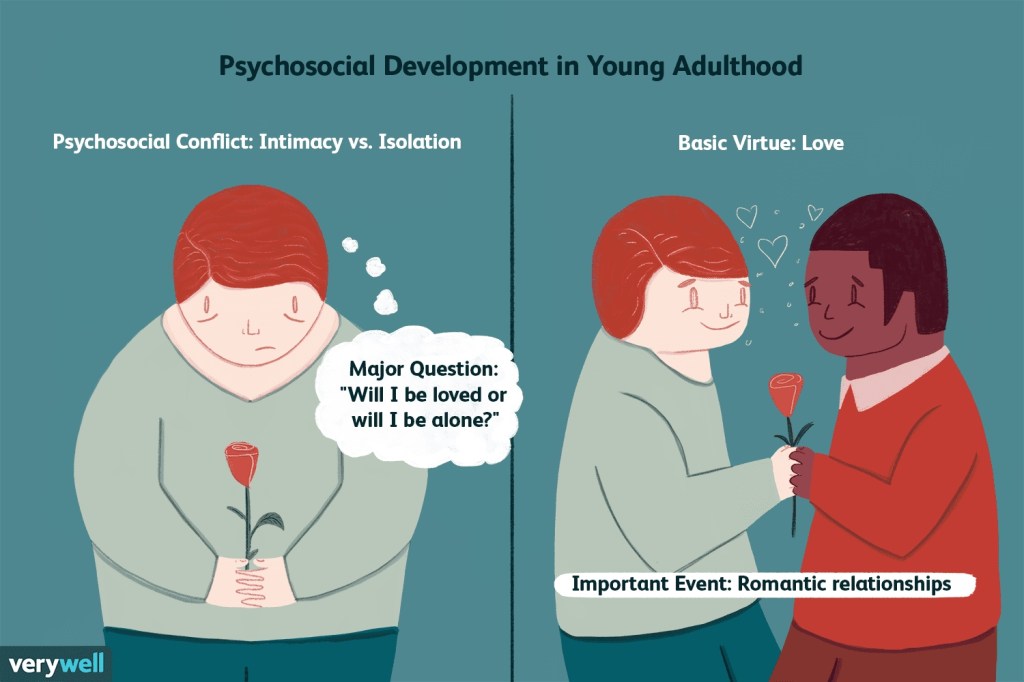
• Intimacy Vs Isolation:
The 6th stage is young adulthood where the crisis is intimacy Vs isolation. The virtue learnt here here is love. Here, the child learns to communicate with the opposite sex and establishes a connection or is shy and spends time in isolation.


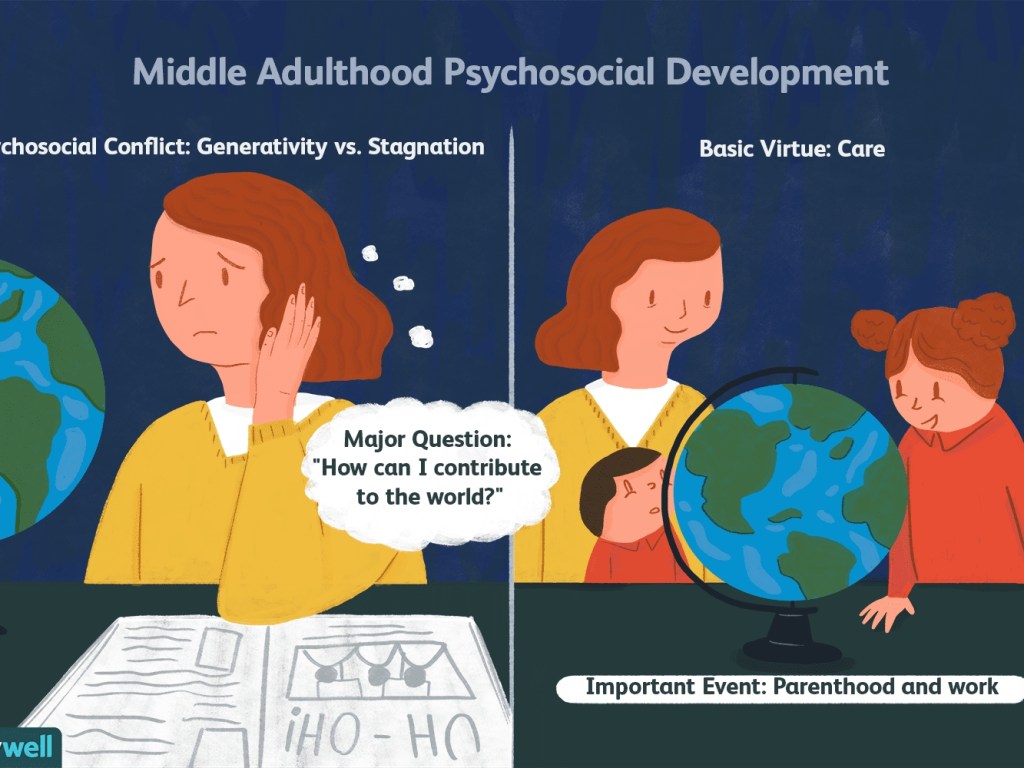
• Generativity Vs Stagnation:
The 7th stage is middle adulthood. The virtue learnt here is care. Here, the person learns to care for others and to be productive or is stagnant. Either they try to help other people how they learnt from their mistakes or they just do not care about anyone else other than themselves.


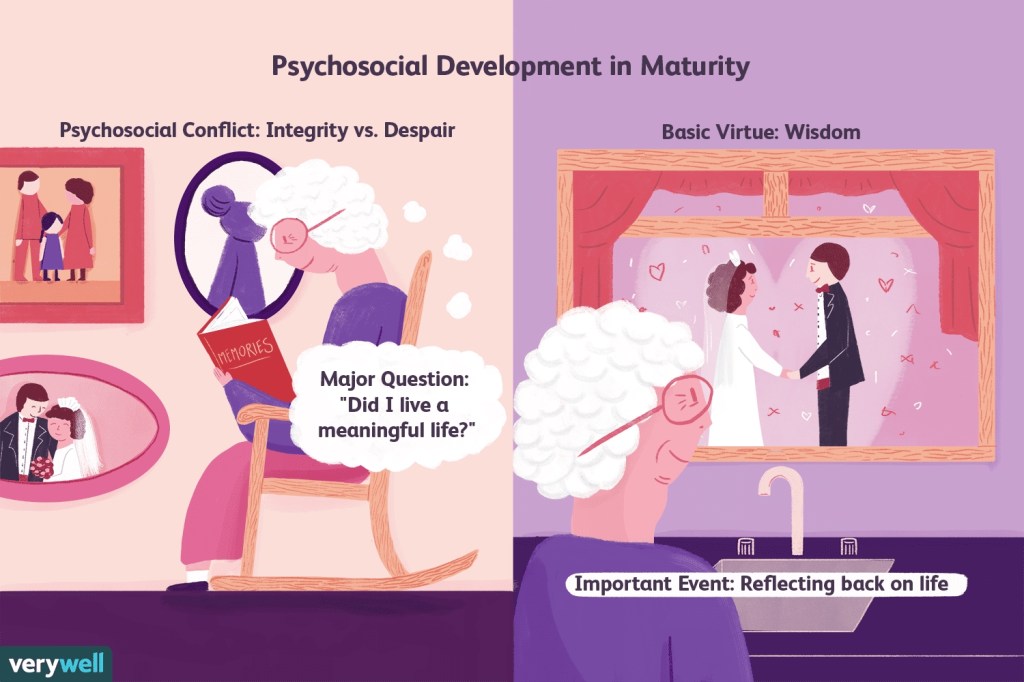
• Ego Integrity Vs Despair:
The eight stages late adulthood. The virtue learnt here is wisdom. Here, the adult is either a smart person who is proud of how they have led their life or someone who’s in despair because of how they lived. You can either be proud of who you are or you will regret what ever you have done in your life. That is what this stage is about.


Conclusion:
Development just doesn’t take place in one particular time period. It lasts throughout your lifetime and therefore it is important to learn from your mistakes and make sure to lead a good life so when you look back at how you led your life, you can be proud of who you are and were.

Indian men and women Hockey teams reaches semi finals, creates history

Both Indian men and women Hockey teams are having a wonderful Olympics so far as the both teams has reached semifinals . Yesterday Indian men’s team defeated great Britain by 3-1 and will play semifinal match on a Wednesday 7:00 AM (IST). they have reached semifinals after 49 years. On the other hand , Indian women team stunned Olympic favorites today and beat Australia 1-0.

After these two emphatic wins , the medal hopes are very high from our hockey team. Indian men were very confident against great Britain . India scored 3 field goals in the match, first goal was scored by Dilpreet Singh(7 th minute), 2nd goal from (16th minute) and Hardik Singh’s goal was the final goal from India. Great Britain tried there best but India managed to keep them away from comeback. only one goal was scored by great Britain and that was from Sam Ward.(source of the information 😦 https://timesofindia.indiatimes.com/sports/tokyo-olympics/indiatokyo/india-beat-great-britain-3-1-to-enter-semis-of-olympics-mens-hockey-after-49-years/articleshow/84947034.cms)

But the results which was totally unexpected was from today’s women team match, where our women hockey team defeated world champion Australian team. Indian women team was not totally in good touch from starting . They were defeated badly in there first few matches badly and no one in country would have believed at that time, that this team will be in semi finals. They defeated Ireland and South Africa in group matches from where they found a momentum. that is some unbelievable achievement from women’s team. and the way they played today and handled the pressure shows what an remarkable team it is.

Talking about today’ s match, Gurjit Kaur scored the lone goal of the match in 22nd minute through penalty corner. after that both teams tried to score goal but India did very well and Australia was not able to score a goal .Australia got many penalty corners but India did very well to counter that.

Indian men team was in very good touch from starting, they defeated New Zealand in there first match of Tokyo Olympic by 3-2, but then came the match against Australia, where they were blown away with a heavy 1-7 defeat. but the thing to appreciate was India’s comeback. After that match ,they didn’t lose any match and won matches against Argentina, Spain and Japan. This is not an easy thing to do because these type of loses like that against Australia can easily demotivate and and affect your confidence for upcoming matches.

Indian hockey has seen different phases from winning 8 gold medals till 1980 to not able to qualify in Beijing Olympics in 2008.In Rio Olympics 2016, India managed to enter quarter final but was defeated in next round. For a country like India who gave many great hockey players like Major Dhyan Chand , it is very difficult to believe that we were not not able to win an Olympic medal since 1980. But this Indian hockey team has that capability to win a medal for country and they have shown that again and again. If Indian hockey team(either men or women) manages to win a medal in hockey that will be a very huge boost to Hockey in India. it will revive again, India ‘s golden days in hockey will be back.

Digging deep into Green Revolution — The game changer

  • The Green Revolution was an endeavour initiated by Norman Borlaug in the 1960s. He is known as the ‘Father of Green Revolution’ in world.
    • It led to him winning the Nobel Peace Prize in 1970 for his work in developing High Yielding Varieties (HYVs) of wheat.
  • In India, the Green Revolution was mainly led by M.S. Swaminathan.
  • The Green Revolution resulted in a great increase in production of food grains (especially wheat and rice) due to the introduction into developing countries of new, high-yielding variety seeds, beginning in the mid-20th century.
    • Its early dramatic successes were in Mexico and the Indian subcontinent.
  • The Green Revolution, spreading over the period from 1967-68 to 1977-78, changed India’s status from a food-deficient country to one of the world’s leading agricultural nations.

An Insight into The Green Revolution

Objectives

  • Short Term: The revolution was launched to address India’s hunger crisis during the second Five Year Plan.
  • Long Term: The long term objectives included overall agriculture modernization based on rural development, industrial development; infrastructure, raw material etc.
  • Employment: To provide employment to both agricultural and industrial workers.
  • Scientific Studies: Producing stronger plants which could withstand extreme climates and diseases.
  • Globalization of the Agricultural World: By spreading technology to non-industrialized nations and setting up many corporations in major agricultural areas.

Basic Elements

  • Expansion of Farming Areas: Although the area of land under cultivation was being increased from 1947 itself, this was not enough to meet the rising demand.
  • The Green Revolution provided assistance in this quantitative expansion of farmlands.
  • Double-cropping System: Double cropping was a primary feature of the Green Revolution. The decision was made to have two crop seasons per year instead of just one.
  • The one-season-per-year practice was based on the fact that there is only one rainy season annually.
  • Water for the second phase now came from huge irrigation projects. Dams were built and other simple irrigation techniques were also adopted.
  • Using seeds with improved genetics: Using seeds with superior genetics was the scientific aspect of the Green Revolution.
  • The Indian Council for Agricultural Research developed new strains of high yield variety seeds, mainly wheat and rice, millet and corn.
  • Important Crops in the Revolution:
  • Main crops were Wheat, Rice, Jowar, Bajra and Maize.
  • Non-food grains were excluded from the ambit of the new strategy.
  • Wheat remained the mainstay of the Green Revolution for years.

The Green revolution in India – A revolution which changed India

Background of Green Revolution in India

  • In 1943, India suffered from the world’s worst recorded food crisis; the Bengal Famine, which led to the death of approximately 4 million people in eastern India due to hunger.
  • Even after independence in 1947, until 1967 the government largely concentrated on expanding the farming areas. But the population was growing at a much faster rate than food production.
  • This called for an immediate and drastic action to increase yield. The action came in the form of the Green Revolution.
  • The green revolution in India refers to a period when Indian Agriculture was converted into an industrial system due to the adoption of modern methods and technology such as the use of HYV seeds, tractors, irrigation facilities, pesticides and fertilizers.
  • It was funded by the US and the Indian Government and the Ford and Rockefeller Foundation.
  • The Green Revolution in India is largely the Wheat Revolution as the wheat production increased by more than three times between 1967-68 and 2003-04, while the overall increase in the production of cereals was only two times

Positive Impacts of Green Revolution

  • Tremendous Increase in Crop Produce: It resulted in a grain output of 131 million tonnes in the year 1978-79 and established India as one of the world’s biggest agricultural producers. The crop area under high yielding varieties of wheat and rice grew considerably during the Green Revolution.
  • Reduced Import of Food-Grains: India became self-sufficient in food-grains and had sufficient stock in the central pool, even, at times, India was in a position to export food-grains. The per capita net availability of food-grains has also increased.
  • Benefits to the Farmers: The introduction of the Green Revolution helped the farmers in raising their level of income. Farmers ploughed back their surplus income for improving agricultural productivity. The big farmers with more than 10 hectares of land were particularly benefited by this revolution by investing large amounts of money in various inputs like HYV seeds, fertilizers, machines, etc. It also promoted capitalist farming.
  • Industrial Growth: The Revolution brought about large scale farm mechanization which created demand for different types of machines like tractors, harvesters, threshers, combines, diesel engines, electric motors, pumping sets, etc. Besides, demand for chemical fertilizers, pesticides, insecticides, weedicides, etc. also increased considerably. Several agricultural products were also used as raw materials in various industries known as agro based industries.
  • Rural Employment: There was an appreciable increase in the demand for labour force due to multiple cropping and use of fertilizers. The Green Revolution created plenty of jobs not only for agricultural workers but also industrial workers by creating related facilities such as factories and hydroelectric power stations.

Negative Impacts of Green Revolution

  • Non-Food Grains Left Out : Although all food-grains including wheat, rice, jowar, bajra and maize have gained from the revolution, other crops such as coarse cereals, pulses and oilseeds were left out of the ambit of the revolution. Major commercial crops like cotton, jute, tea and sugarcane were also left almost untouched by the Green Revolution.
  • Limited Coverage of HYVP: High Yielding Variety Programme (HYVP) was restricted to only five crops: Wheat, Rice, Jowar, Bajra and Maize. Therefore, non-food grains were excluded from the ambit of the new strategy. (The HYV seeds in the non-food crops were either not developed so far or they were not good enough for farmers to risk their adoption.)
  • Regional Disparities:
    • Green Revolution technology has given birth to growing disparities in economic development at interred and intra regional levels.
    • It has so far affected only 40 percent of the total cropped area and 60 per cent is still untouched by it.
    • The most affected areas are Punjab, Haryana and western Uttar Pradesh in the north and Andhra Pradesh and Tamil Nadu in the south.
    • It has hardly touched the Eastern region, including Assam, Bihar, West Bengal and Orissa and arid and semi-arid areas of Western and Southern India.
    • The Green Revolution affected only those areas which were already better placed from an agricultural point of view.
    • Thus the problem of regional disparities has further aggravated as a result of the Green Revolution.
  • Excessive Usage of Chemicals: The Green Revolution resulted in a large-scale use of pesticides and synthetic nitrogen fertilisers for improved irrigation projects and crop varieties. However, little or no efforts were made to educate farmers about the high risk associated with the intensive use of pesticides.(Pesticides were sprayed on crops usually by untrained farm labourers without following instructions or precautions.) This causes more harm than good to crops and also becomes a cause for environment and soil pollution.
  • Water Consumption: The crops introduced during the green revolution were water-intensive crops. Most of these crops being cereals, required almost 50% of dietary water footprint. Canal systems were introduced, and irrigation pumps also sucked out the groundwater to supply the water-intensive crops, such as sugarcane and rice, thus depleting the groundwater levels. Punjab is a major wheat- and rice-cultivating area, and hence it is one of the highest water depleted regions in India.
  • Impacts on Soil and Crop Production: Repeated crop cycle in order to ensure increased crop production depleted the soil’s nutrients. To meet the needs of new kinds of seeds, farmers increased fertilizer usage. The pH level of the soil increased due to the usage of these alkaline chemicals. Toxic chemicals in the soil destroyed beneficial pathogens, which further led to the decline in the yield.
  • Unemployment: Except in Punjab, and to some extent in Haryana, farm mechanization under the Green Revolution created widespread unemployment among agricultural labourers in the rural areas. The worst affected were the poor and the landless labourers.
  • Health Hazards: The large-scale use of chemical fertilizers and pesticides such as Phosphamidon, Methomyl, Phorate, Triazophos and Monocrotophos resulted in resulted in a number of critical health illnesses including cancer, renal failure, stillborn babies and birth defects.

Green Revolution – Krishonnati Yojana

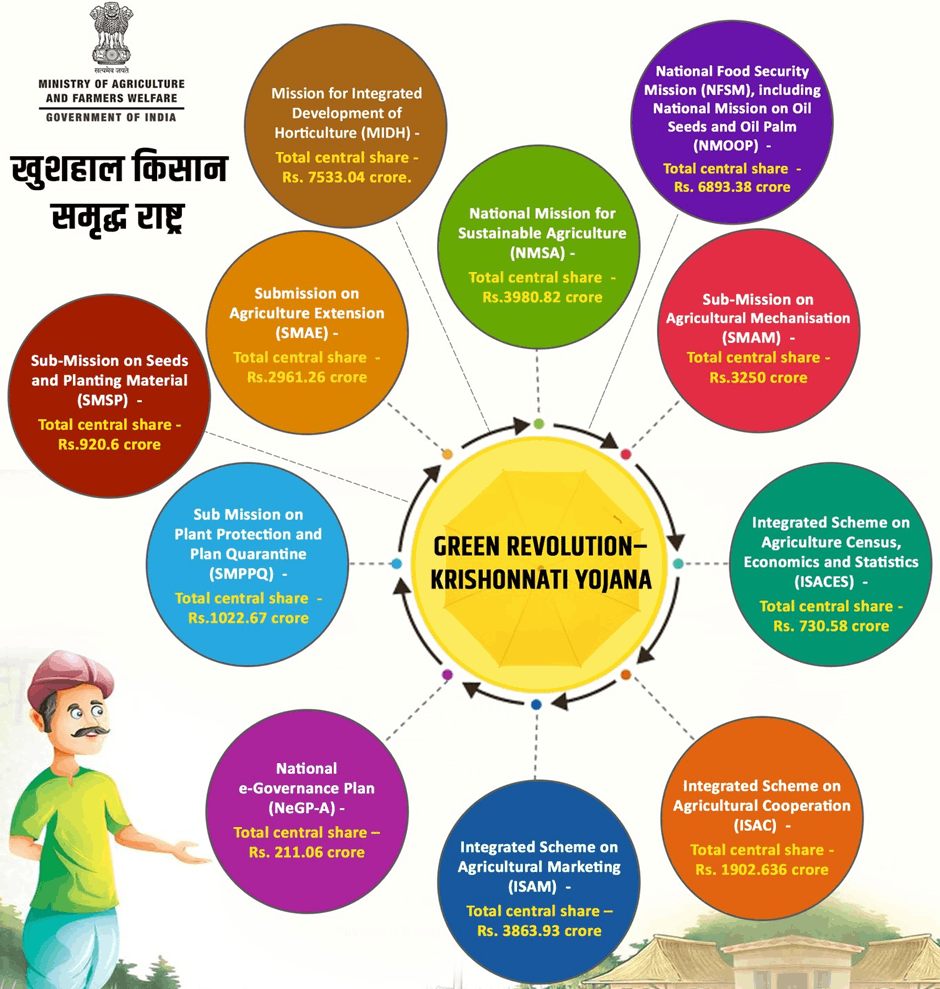
  • The government of India introduced the Green Revolution Krishonnati Yojana in 2005 to boost the agriculture sector.
  • Government through the scheme plans to develop the agriculture and allied sector in a holistic & scientific manner to increase the income of farmers.
  • It comprises of 11 schemes and mission under a single umbrella scheme:
    • Mission for Integrated Development of Horticulture (MIDH)
    • National Food Security Mission (NFSM)
    • National Mission for Sustainable Agriculture (NMSA)
    • Submission on Agriculture Extension (SMAE)
    • Sub-Mission on Seeds and Planting Material (SMSP)
    • Sub-Mission on Agricultural Mechanization (SMAM)
    • Sub-Mission on Plant Protection and Plan Quarantine (SMPPQ)
    • Integrated Scheme on Agriculture Census, Economics and Statistics (ISACES)
    • Integrated Scheme on Agricultural Cooperation (ISAC)
    • Integrated Scheme on Agricultural Marketing (ISAM)
    • National e-Governance Plan in Agriculture (NeGP-A)

The Evergreen Revolution

  • The improvements brought out by the Green Revolution came at the cost of adverse environmental effects in areas subjected to intensive farming. However, where population pressure is high, there is no option except to produce more food.
  • Hence, the need for the Evergreen Revolution was called out by Dr. M S Swaminathan, the Father of the Green Revolution in India.
  • Under the Evergreen Revolution, it is envisaged that productivity must increase, but in ways which are environmentally safe, economically viable and socially sustainable. The evergreen revolution involves the integration of ecological principles in technology development and dissemination.

Conclusion

  • Overall, the Green Revolution was a major achievement for many developing countries, specially India and gave them an unprecedented level of national food security.
  • It represented the successful adaptation and transfer of the same scientific revolution in agriculture that the industrial countries had already appropriated for themselves.
  • However, lesser heed was paid to factors other than ensuring food security such as environment, the poor farmers and their education about the know-how of such chemicals.
  • As a way forward, the policymakers must target the poor more precisely to ensure that they receive greater direct benefits from new technologies and those technologies will also need to be more environmentally sustainable.
  • Also, taking lessons from the past, it must be ensured that such initiatives include all of the beneficiaries covering all the regions rather than sticking to a limited field.
  • The awareness of Green Revolution – Krishonnati Yojana must be given to all farmers across the country
  • The government and the civil society should work towards bringing an Evergreen Revolution

New Forms of Punishment

Section 53 prescribes five types of punishments to be meted out to a person convicted of a crime under the Code, depending on the nature and gravity of the offence,viz .:

(i) Death; (ii) Imprisonment for life; (iii) Imprisonment, rigorous with hard labour, or simple; (iv) Forfeiture of property; and (v) Fine.

It is suggested to add five new forms of punishment to the existing ones in section 53, IPC with a view to deter particular types of criminals. Such punishments will have more psychological, social and moral impact on the criminals and will go a long way in curbing crimes. The proposed punishments are: (i) Externment, (ii) Compensation to victims of crime, (iii) Public Censure, (iv) Community service, and (v) Disqualification from holding public office.

(i) Externment: Externment or banishment is a form of punishment in which an accused is sent out of the place of his residence to another place for a specified period of time as mentioned in the order issued by the court. This is done to deprive the accused of the company of his family members, friends and associates so that he or she may not indulge in criminal activities. Externment is resorted to primarily in case of anti-social, hardened and habitual criminals.

(ii) Compensation to victims of crime: Unfortunately, the victims of crime in our country do not attract the attention of law makers. Of late, Civil Procedure Code, 1973 in section 357 has empowered the court to award compensation to the victims of crime in very limited cases at the time of passing the judgment. No doubt, the higher judiciary has on times provided compensation to the victims of crime of custodial violence, sexual assault, rape, illegal detention by invoking Article 21 of Constitution, but such instance will not serve the plight of helpless victims.

(iii) Public Censure: Public Censure or social censure is one of the methods of punishment prescribed in some of the countries, such as Russia, Columbia etc., in respect of certain offences of anti-social nature, such as white-collar crimes, tax crimes, food adulteration, etc. In ancient India, public censure was considered suitable punishment for certain class of criminals.

(iv) Community Service: Community service or corrective labour is a form of punishment in which the convict is not deprived of his liberty. Corrective labour is the standard penalty given in those cases where it is considered that the accused need not to be isolated from the society. The period ranges between one month to one year in such cases. This system is used in Soviet Russia with good results. An important feature of this type of punishment is that the accused is not deprived of his liberty and he may go home after the day’s work.

(v) Disqualification from holding public office and contest elections: Disqualification to hold public office and contest election of legislature and local bodies as a form of punishment will have the adequate and desired deterrent sanction, if sincerely implemented. Representation of the People Act, 1951 disqualifies a person convicted for a period of two years or more to contest election for a period of six years. But the provisions are very limited in scope and are being abused with impunity.

Anger!!!

It was the day of retirement of our Boss. Everyone had tears in their eyes on the day of his farewell.
One of the employees said“ Sir,there is one thing we want to learn from you. You worked here for so many years. Leave aside about scolding your subordinates,we have never seen you even shouting at them.
We have scolded our subordinate on pressure of work or for other reasons. We want to know about “the seed of your patience”.
The Boss said,“This all comes from the incident of my childhood,My father was working,as a lower level employee in an office. He was a very nice person. He was respected very much in our family.
It happened one day, “ I was studying in 4th standard”. I had gone to my father’s office. I saw that my father was not on his seat. I waited outside. After some time his Boss door opened and he came out.
I was taken back seeing the fair face of my father had turned red. He was standing in a corner and looking outside the window. He had not seen me. I went to him and called him slowly. He was stunned and surprised to look at me.
I was stream of tears flowing down his eyes. He was slightly disturbed,he did not find time to wipe out of his tears.“CAN MY FATHER CRY ANYTIME?”..
He was a strong man. I ran straight to my father’s Boss room and asked “Why did you make my father Cry?”
My father apologized and took me out and tried to meke me understand. But that day I decided to become a Boss one day, But I will not make my subordinates cry anytime.
People say it is not possible to control others without scolding them. But I say “WHAT IS LOVE THEN FOR?”. “People who come to work are the ones who devote their best quality time of the day to work, leaving not much for their families”.

Anger doesn’t solve anything
Anger builds nothing
But
Anger can destroy everything

BE COOL!!! BE HAPPY!!!

Sweets

Sweet this word brings smile on everyone’s face and make them…happy and to feel good.

In every festivals we make sweets to enjoy the auspicious day or special day..

In every function they start the meal with sweet because they want everything to be good.

Children have a huge crazy on sweet they like to eat sweets more and more… Like that some leaders also have crazy like that and …i too like sweets.

There are so many kinds of sweets but each sweet has its own taste ..and in some sweet they have medical benefits also……

FACTS

Eating the sweet item first enables the flow of digestive secretions. By pushing the sweets to the last, you would slow down your digestion.” Having a bite or two of sweet or a chunk or gur(jaggery) sweet right at the start of your meal is also said to activate the taste buds.

CONCLUSION

Though sweets are like by everyone …too much of anything is Good for nothing…so taking this words eat little sweet and make yourself happy and feel good with Good Health and lots of happiness………….😍😍😍😍😍😍😀😀😀😀😀😀