INDIA – CHINA Relation

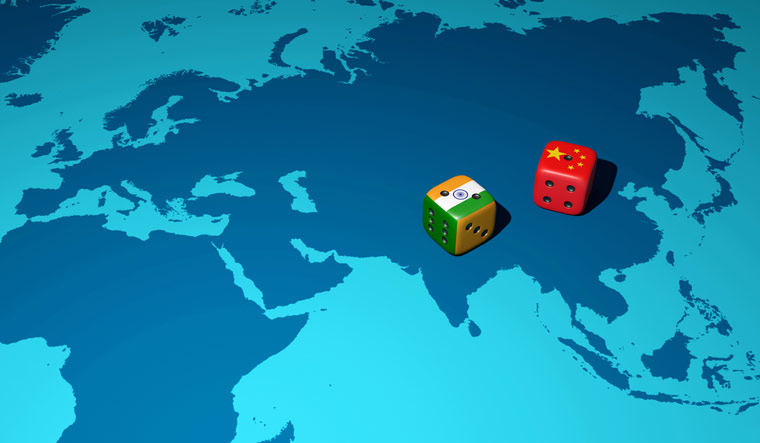
China–India relations, also called Sino-Indian relations or Indo–Chinese relations, refers to the bilateral relationship between China and India. China and India had historically peaceful relations for thousands of years of recorded history. But the tone of the relationship has varied in modern time, especially after the rule of Communist Party in China; the two nations have sought economic cooperation with each other, while frequent border disputes and economic nationalism in both countries are a major point of contention. The modern relationship began in 1950 when India was among the first countries to end formal ties with the Republic of China (Taiwan) and recognize the People’s Republic of China as the legitimate government of Mainland China. China and India are two of the major regional powers in Asia, and are the two most populous countries and among the fastest growing major economies in the world. Growth in diplomatic and economic influence has increased the significance of their bilateral relationship.

Cultural and economic relations between China and India date back to ancient times. The Silk Road not only served as a major trade route between India and China, but is also credited for facilitating the spread of Buddhism from India to East Asia. During the 19th century, China was involved in a growing opium trade with the East India Company, which exported opium grown in India. During World War II, both British India and Republic of China played a crucial role in halting the progress of Imperial Japan.

Relations between contemporary China and India have been characterized by border disputes, resulting in three military conflicts – the Sino-Indian War of 1962, the Sino-Indian war of 1967, and the 1987 Sino-Indian skirmish. In early 2017, the two countries clashed at the Doklam plateau along the disputed Sino-Bhutanese border. However, since the late 1980s, both countries have successfully rebuilt diplomatic and economic ties. In 2008, China became India’s largest trading partner and the two countries have also extended their strategic and military relations.

Despite growing economic and strategic ties, there are a lot of hurdles for India and the PRC to overcome. India faces trade imbalance heavily in favor of China. The two countries failed to resolve their border dispute and Indian media outlets have repeatedly reported Chinese military incursions into Indian territory. Both countries have steadily established military infrastructure along border areas including amidst the 2020 China–India skirmishes. Additionally, India remains wary about China’s strong strategic bilateral relations with Pakistan, and China’s funding to the separatist groups in Northeast India, while China has expressed concerns about Indian military and economic activities in the disputed South China Sea.

Should more money be spent on space exploration?

Poverty still rising all over the world, COVID-19 pandemic made it even worse. About 1.89 billion people, or nearly 36% of the world’s population, lived in extreme poverty. Nearly half the population in developing countries lived on less than $1.25 a day. Why should we spend money on space exploration when we already have so many problems here on Earth? Is it really that important? It’s like What if our ancestors thought that it would be a waste of time to figure out agriculture while we can do hunting? Or why should we spend so much time on exploring new lands while we have so many problems in our land? Each year, space exploration contributes to a lot of innovations on earth. It gave answers to many fundamental questions about our existence, and a lot of questions there to be answered if only we could increase our investment on space exploration. NASA’s annual budget is 23 billion dollars but, its only 0.1% of the total revenue. even if we were to increase the international budget 20 times it would only be a small fraction of GDP. isn’t our future worth a quarter of a percent?

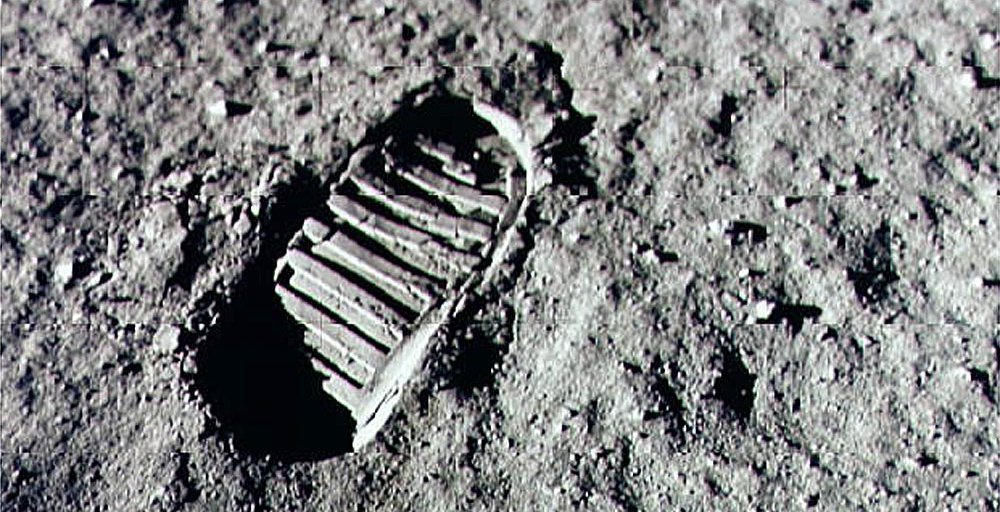
“That’s one small step for man, one giant leap for mankind”.

Benefits of space exploration:

    Improves our day to day life

       Since 1969, Neil Armstrong became the first human to ever set foot on moon, our interest in science and technology has improved a lot. In 22nd February 1978, US space agency launched the first satellite for its program of global positioning system (GPS). Currently there are 31 global positioning system (GPS) satellites orbiting the earth.Space exploration helped us to create many inventions like television, camera phones, internet, laptops, LED’s, wireless gadgets, purifying system of water and many more that we are using in our day to day life. There are nearly 3,372 active satellites providing information on navigation, business & finance, weather, climate and environmental monitoring, communication and safety.

   Improving health care

       The international space station plays a vital role in health and medical advancements. The Astronauts who works on the ISS able to do experiments that aren’t possible on earth due to the difference in the gravity. The project of Exomedicine – the study of medicine and micro-gravity, gravity has an effect on a molecular level so working in an environment where it can be eliminated from the equation allows discoveries that would otherwise be impossible. Medical advancements due to space exploration include,

  • Diagnosis, treatment, and prevention of cardiovascular diseases
  • Treatment of chronic metabolic disorders
  • Better understanding of osteoporosis
  • Improvements in Breast cancer detection
  • Programmable pacemakers
  • Laser angioplasty
  • NASA’s device with Space technology for Asthma
  • ISS plays vital role in vaccine development
  • Early detection of immune changes prevents shingles
  • Development of MRI s and CT or CAT Scans
  • And invention of ear thermometers
Proxima Centauri b is an exoplanet orbiting the red dwarf star Proxima Centauri

Need for space colonization

       Overpopulation is one of the major crises in our planet. Currently we have 7.8 billion people alive on earth. Experts predict that there will be 9.7 billion people by 2050 and 11 billion by 2100, our earth can carry only 9 billion to 12 billion people with the limited food and freshwater resources. That means we have to find an exoplanet with suitable conditions soon. We already went to moon 6 times, we already sent a rover to Mars. Robotic missions are cost efficient, but if one is considering the future of human race we have to go there ourselves. Elon Musk announced that SpaceX is going to send people to Mars I 2022. NASA planned to make a colony on Mars by 2030. These missions are not something we need at this moment. But it may play an important role on our future. Proxima Centauri b is an exoplanet which is 4.24 light years away from us. With our current technology, it is impossible to reach it in our lifetime. But we should make it as an aim for interstellar travel over the next 200 to 500 years. Stephen hawking said that the human race has existed as a separate species for about 2 million years. Civilization began about 10,000 years ago, and the rate of development has been steadily increasing. If the human race is to continue for another million years, we will have to boldly go where no one has gone before.

The day we stop exploring is the day we commit ourselves to live in a stagnant world, devoid of curiosity, empty of dreams. –Neil deGrasse Tyson

NOSTALGIC CHILDHOOD MEMORIES involves cartoons that today’s kids will never know

As we grow older, we sometimes forget about how much fun we had as children and how much we use to love waking up on Saturday morning and after returning from school to watch cartoons. Now that we are all grown up, it is easy to get lost in our long lists of things-to-do and forget to appreciate the little things.

The mind is a complicated thing, and although we have pushed back many of our childhood memories, it still harbours every theme song, character and saying that we use to live by. So, all it would take is for someone to hum a certain tune, and once recognized, you would probably be able to sing it out — word by word.

If you recently happened to flip through the channels, you might have caught a glimpse of today’s cartoons and been slightly disappointed at what you saw. Times are changing and with that the quality of TV shows are rapidly disintegrating. So be happy that you were born when you were and make sure to take a trip down memory lane every once in a while.

SOME MOST APPRECIATED AND ENJOYED CARTOON DURING MY TIME

  • BOB THE BUILDER

Bob the builder is one of my favorite cartoon show and I thoroughly enjoyed watching it as a kid. And the title track of this cartoon is super iconic, it just freshes up all the beautiful memories of my childhood. The show focused on Bob a building contractor who solves all the problems with a positive attitude along with his vehicles who can actually talk.

  • THE POWERPUFF GIRLS

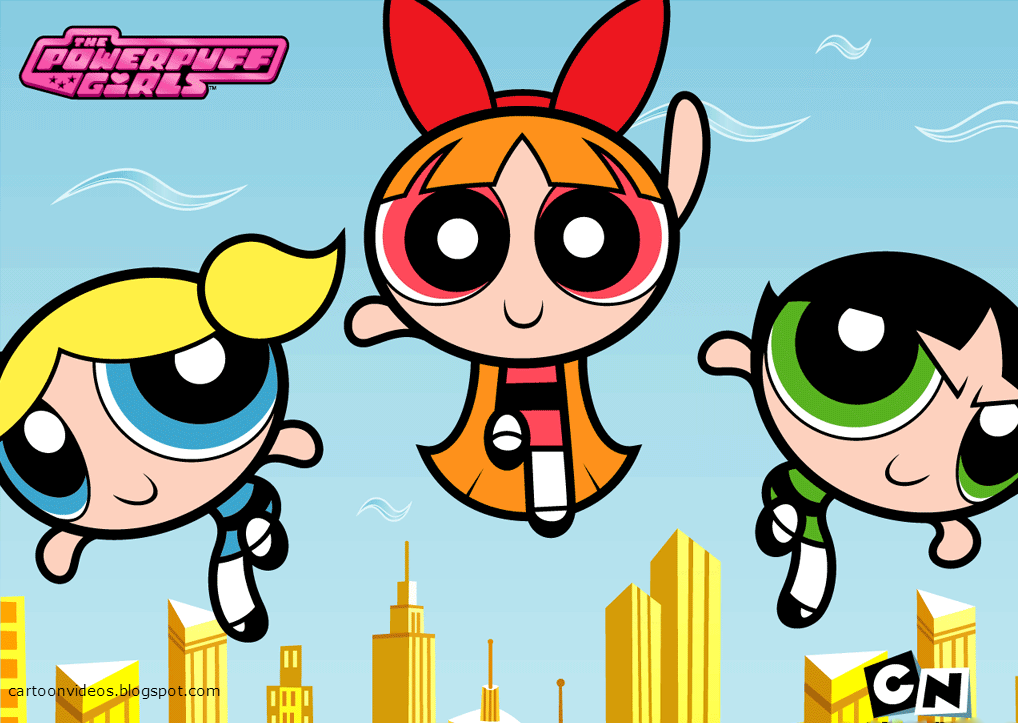
Whenever I think of  Cartoons, the first thing that pops into my head is “Powerpuff Girls”. The Powerpuff Girls – Blossom, Bubbles, and Buttercup were created by Professor Utonium in an attempt to create the “perfect little girl” using a mixture of “sugar, spice, and everything nice”. However, he accidentally spilled a mysterious substance called “Chemical X” into the mixture, creating three girls and granting all three superpowers including flight, superhuman strength, superhuman speed, superhuman senses, nigh-invulnerability, x-ray vision, red heat vision, energy projection, space survivability, and thermal resistance. Despite being the main characters of the show, the villain of the show was most popular character i.e. MOJO JOJO and his popularity was so high that you could do a freaking show on Mojo JoJo alone!

  •  Ed, Edd n Eddy

The show is based on three adolescent boys, Ed, Edd n’ Eddy. They hang around their suburban neighborhood of Peach Creek Estates, coming up with scams to con their peers for cash, so they can buy themselves a handful of their favorite treat, jawbreakers. Their plans normally fail though, leaving them in predicaments and situations that always go hay-wire. The characters almost never leave the neighborhood, and adults are nowhere to be seen, as well as any other kids.  The characters are funny and the jokes are creative. Most of the episodes are funny with the Ed’s and my favorite one is Ed because he is stupid in a funny way and comes up with the most things he says. My least favorite characters are the Kanger Sisters, Kevin, Sarah, and Jimmy.

  • JOHNNY BRAVO

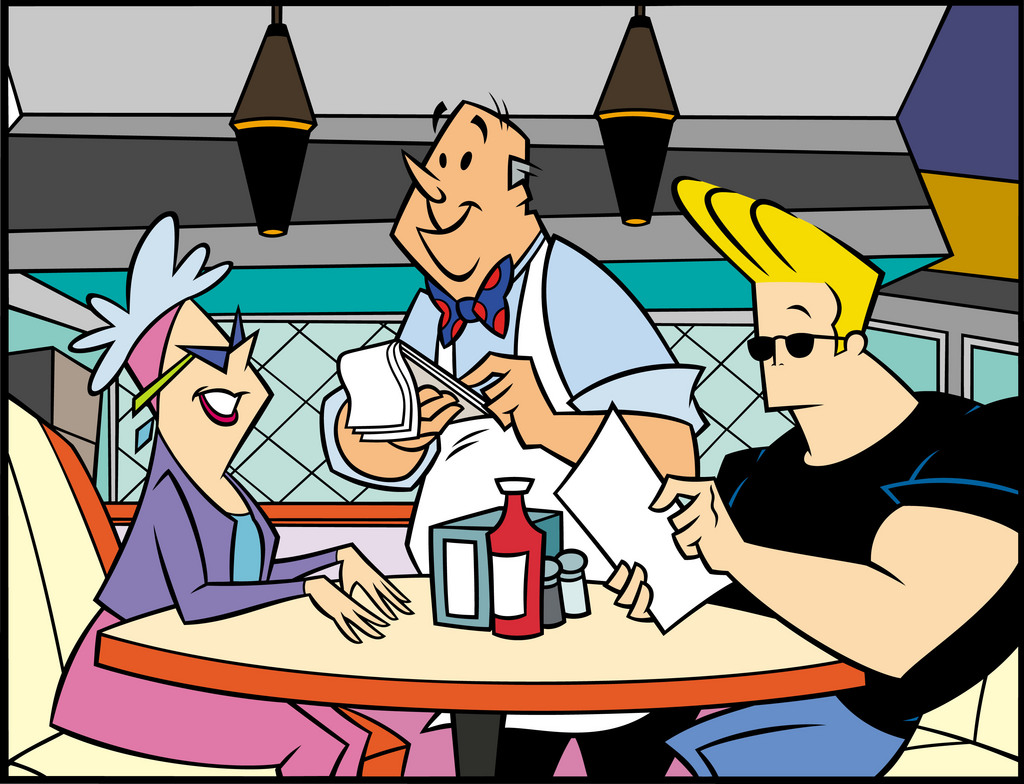
This is a show I grew up with. And probably the only show on this list that I’ve watched on and off for over a decade. Regardless of what age I was at,  “Johnny Bravo” has *always* made me laugh! And it made me laugh *a lot*! As you probably already know, Johnny is a 20 age something egotistical super-star wannabe.   What makes “Johnny Bravo” such a great show isn’t just the settings. It’s purely the main character! Constant Banters between Johnny and his mother were the most hilarious one of all things.

  • RECESS

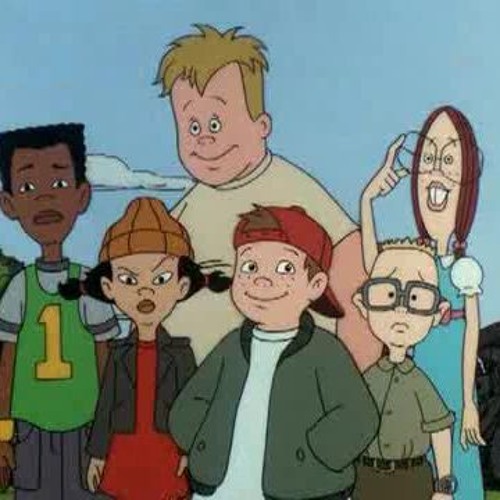
Recess is an American animated show that revolves around 6 brave elementary school kids. This cartoon show was best, it used to come on Disney channel. Almost every 90s kid has grown up watching recess in their childhood. It was just great watching recess after coming from school, this cartoon show holds so many beautiful childhood memories. This was the time where these idiotic storyline made me to cause ruckus in my own school and get punished very tough and fun time that was.

  • COURAGE THE COWARDLY DOG

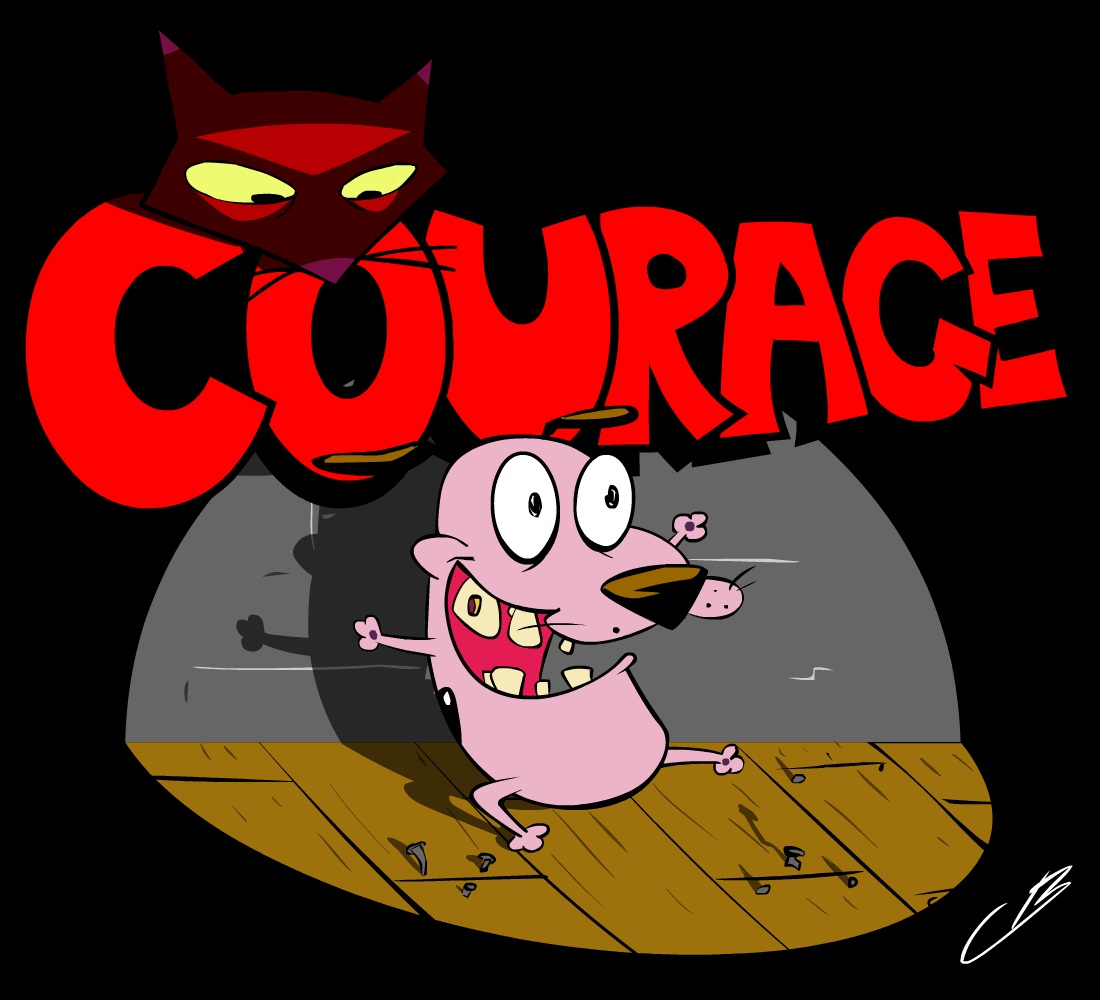
“Courage the Cowardly Dog”   I Watched “Courage” when I was 10 years old it was one of the 1st times I remember feeling… genuinely disturbed while watching a cartoon. There was a real sense of atmosphere in these settings. The colors were this strange contrast of bleak, yet alien. It really added to the sense of mystery in the show. All with alien, curses , psychopaths follows the dogs like a bad mojo and add to it the hilarious abuse he get from his male owner. I watched it both in English and Hindi, I seriously found it more hilarious in Hindi dude that psycho barber episode really give me goosebumps.

  • DEXTER’s LABORATORY 

 It mentions a scientific genius who conducts countless experiments in his secret laboratory while always keeping his eyes on his elder sister Dee Dee. This boy even has to use both his teeth and fingernail to prevent her from invading his lab. 

  • POWER RANGERS FRANCHISE

Power ranger was one of the most enjoyed show of all times especially in my time, kids were hooked on the special postures and tag lines to transform in the super gears. Popularity of power ranger over the kids was equally in both gender despite having some violent fight sequence it didn’t affected its popularity.  Each series revolves around a team of youths recruited and trained by a mentor to morph into the eponymous Power Rangers, able to use special powers and pilot immense assault machines, called Zords, to overcome the periodic antagonists.

These were some of my favourite show which was cherished and enjoyed not only by me but all from my age and still do.

Casteist Of Them All

Growing up in India, belonging to a caste which is not deemed as “prestigious” or “glorified” as some others, because certain classiest men believe it to be the best way of managing a society, cannot be and does not have to be easy. The fact that these casteist men are able to pull the scam of calling names to people of a caste different to them and blaming it to be their fault requires guts to another level. Caste system has been around for so long that now when someone prefers to not to state their surname so as to avoid any sort of casteist slurs or just to promote the feeling of unity or equality they are forced to introduce themselves with their full name. The feeling that one caste is superior to another leading to subjugation of the so called inferior caste to the degree that it becomes everyday business for some and normal for others is problematic and definitely needs urgent attention. With years of development and advancement there has to be some difference in the way “dominant” look at the “survivors”, but with lack of access to education and technology the gap has only grown further, making things worse for the “non-dominants”.

Entrenched In Past

History of caste system dates back to the “SATYUG”. At the time of RAMAYANA and MAHABHARTA, the caste system started taking shape although it was not as watertight as it appears to be today but still existed. A lot of scholars argue that it was VARNA system that existed then and that CASTE system is its corrupted and un-required form. It has long been believed that there are/were four strata of society each originating from different body parts of GOD BRAHMA. With Brahamanas taking birth from the head, Kshatriyas from arms, Vaishyas from thighs and finally Shudras from feet. They were assigned tasks on the basis of this division as their capabilities matched. Although there was this division of duties and responsibilities but people could change or shift from Varna to another if they had the capability for the same. And those who did not want to change remained in the same, but were never subjected to disrespect or violence for belonging to a particular Varna.

As the society shifted its YUGA, the system of Varna also started to change. It went through a dramatic change to become present day caste system- a system way worse than Varna system. With the involvement of traditions and customs and rules that were not to be broken the Varna system soon started becoming more rigid and difficult to cut through. People were now assigned the Varna on the basis of their birth and they were to follow their parents’ leads and indulge in the same occupation as them with no adherence to their own capabilities. As society progressed towards the present times, Varna system achieved its highest level of rigidity and was now termed as caste system. The caste system did not allow anything outside the caste and was seen as an assault on the whole system. Anyone who tried to break through this system was termed anti-traditions and given capital punishment. And thus, these roots became so deep that it is difficult to cut them off even in the present day.

Data on Vulnerability

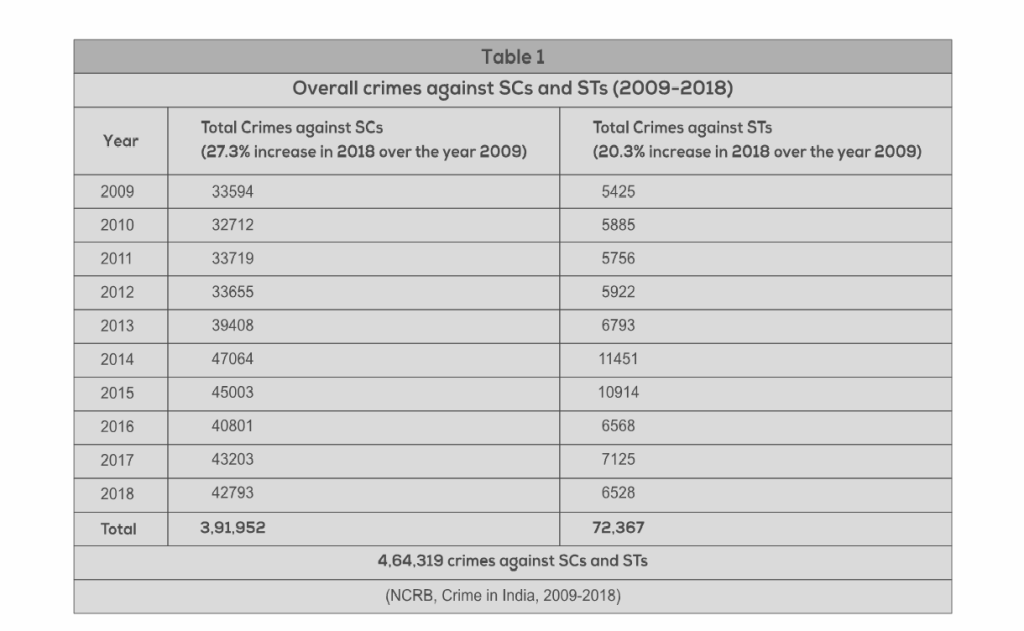
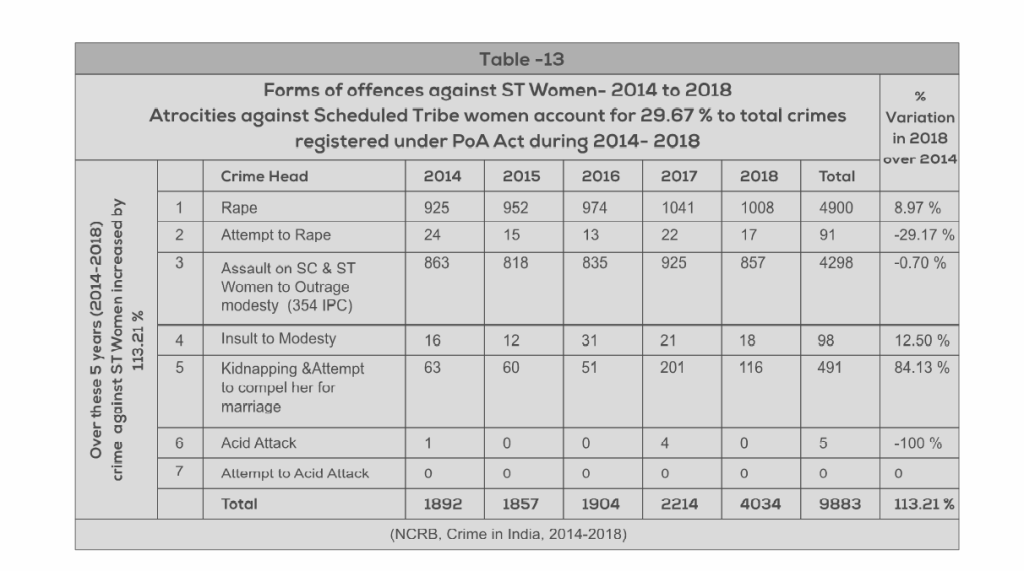
Today, we witness a number of cases of violence, brutality, discrimination and barbarity against the India’s “UNTOUCHABLES”. The graph of these cases has only been rising ever since. Sexual and physical and even mental torture continues in the name of protecting the society from the ills of SCs and STs causing a substantial number of deaths every year. The members of other caste take the responsibility onto themselves of ensuring that the audacity of these marginalized sects or caste remains in check through use of economic, political and violent power and resources, making it difficult for SCs and STs to live equally in this country as everyone. The women belonging to the discriminated castes face violence and sexual harassment more than those not belonging to these castes. According to National Crime Records Bureau of India as much as ten SC women are raped everyday and there has been a rise in their proneness to cruelty for about 44% in past ten years.

Picture Credit: https://bit.ly/39RBZpr

Present Times

In present times there have been a change in attitude of a lot of people with movies like, ARTICLE 15, MASAAN, THE WHITE TIGER and many more, the harsh reality has come in limelight and tried to change the perspective of the society towards the weaker sections. The big cities have never cared about the caste of a certain person, it is mostly the smaller towns and villages where the caste is so deeply engraved in the mindset of people that it will take time for the better and equal future. Though it will take time till this menace is shot dead in our Indian society and we could seize being Casteist of them All but still got to work for it together.

India and Unemployment

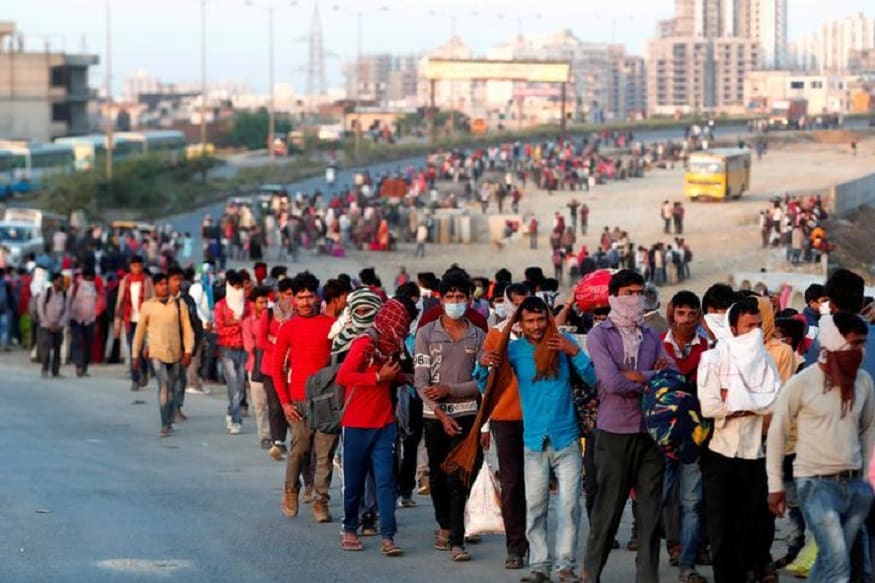
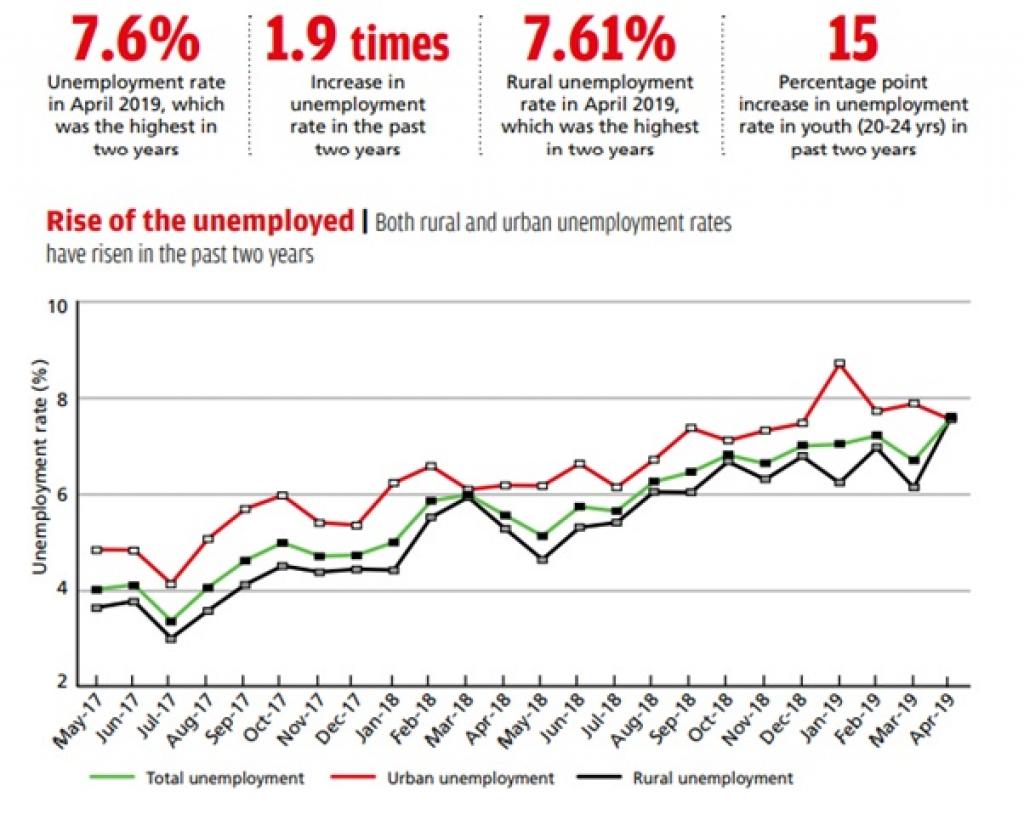
One of the major social issues in India is unemployment. As the Indian labour laws are inflexible and restrictive, and its infrastructure is poor, which is actually the main reason for India’s unemployment situation, according to The Economist. As of September 2018, according to the Indian Government, India had 31 million jobless people. The scenario of Assam, in the case of unemployment, is also worst. As per statistics made available by the state Skill Employment and Entrepreneurship department, the total numbers of registered employed in the state is 19,63,376; of them, 16,65,866 are educated or skilled ones and  2,97,510 unskilled ones. Further, as per statistics, the state has 942 unemployed medical graduates, 7,804 jobless engineering graduates, 327 jobless veterinary graduates, 832 jobless Agri graduates, 16575 postgraduates, 3,97,824 general graduates, 6,82,796 H.S.- passed candidates, 5,67,340 HSLC passed candidates and 46,137 others. The highest number of unemployed have their names registered in Guwahati which is almost 3 lakh. The lack of skill-based education in schools and colleges is the main reason for unemployment. Our education system is primarily concerned with the quality and knowledge and written examination more than practical based tasks. For these reasons, after completion of graduation, while facing interviews, students find themselves lacking in confidence and skills. The rapid growth of population also being the burden on cultivation, low productivity in the agriculture sector, defective economic planning, lack of capital etc are also some of the foremost reason for unemployment. The overall result of the unemployment is rate is already not so good; while now due to the coronavirus effect, it has left a devastating impact on the economy of India. The world has changed in the last few months, because of the rare disaster coronavirus pandemic has resulted in a tragically large number of human lives being lost. As the countries already implemented necessary quarantine and social distancing practices to prevent a pandemic, the whole world has been put in a Great Lockdown. There is uncertainty about its impact on people’s live and livelihoods. In addition, many countries are now facing multiple problems -a health crisis, a financial crisis, and a collapse in commodity prices which interact in complex ways. The COVID-19 crisis has led to a severe economic loss of the country. Within a month, unemployment rose from 6.7% on 15 March to 26% on 19th April. During the lockdown, an estimated 14 crore ( 140 million) people lost employment. It is reported that, compared to the previous year, more than 45% of households across the nation’s income is dropped. The Indian economy was expected to lose over 32,000 crore every day during the first 21 days of complete lockdown. The country’s unemployment rate rose to 27.11 % for the week ended May 3, up from the under 7% level before the start of the pandemic in mid-March, the Centre for Monitoring Indian Economy (CMIE) has said. The Mumbai-based think tank said the rate of unemployment was the highest in the urban areas, which constitute the most number of red zones due to the coronavirus cases, at 29.22%, as against 26.69% for the rural areas. When it was announced on March 25 by Prime Minister Narendra Modi to put the country under lockdown to arrest the spread of coronavirus infections; analysts had warned about the unemployment issue ever since then.  The government has so far announced income and food support to the vulnerable people as part of an Rs. 1.70 lakh crore fiscal stimulus to the economic -financial- and possibly humanitarian crisis. But it is a worst-case scenario, that 100 million and more Indian jobs will be at risk during and after the Covid-19 lockdown stage. From the end of March, most companies have come up with the three main decisions – dismissing the people, asking employees to go on indefinite leave without pay and slashing salaries by as much as 85%. During May-July, 2018, the beginning of the year of Narendra Modi’s government said the lack of employment opportunities and rising prices are India’s most pressing challenges. The lockdown has left tens of millions of migrant workers unemployed. They are often from rural areas but live most of the year in India’s megacities serving as day laborer’s, construction workers, or domestic help. Advocates for the poor say that while they support the lockdown to save lives, the way it has been rolled out with apparently little guidance for the poorest of India’s poor- may mean the lockdown itself endangers more lives than the coronavirus. India’s finance minister Nirmala Sitharaman announced more than 22 billion in coronavirus relief money. Sitharaman told reporters  “ to reach food to the poorest of the poor, to reach money in the hands of those who need it immediately.” But according to many economists, that’s not enough, “ we need a much, much larger stimulus- at least two or three times that amount”, says Jayati Ghosh, professor of economics at Jawaharlal Nehru University in New Delhi. Migrant workers fled India’s cities after Narendra Modi’s lockdown left them suddenly unemployed. Now the employers that let them go may need to offer big incentives to lure them back, “ the country has seen two lockdowns till now, both different in certain aspects, and now we have to think of the way ahead. Prime Minister Narendra Modi noted on Monday that the country will have to give importance to the economy as well, because the lockdown, has severely affected the economy.

In this ongoing crisis where coronavirus has spread the entire world, the economic condition of India, as well as  Assam too has seen a massive downfall. Assam’s educated unemployment rate stands at 17 lakh, as per data provided in the assembly on December 2019. In Assam too, the economic slowdown unfolded across the state, due to lockdown. Migrant workers and students from Assam stuck on different places of India have returned already. State Government has arranged food and lodging for them. The migrants who have returned to Assam say they won’t go back outside of Assam. They feel that it was a lack of opportunities that took them away, but now they will create opportunities locally. Assam Chief Minister Sarbananda Sonowal ordered to create jobs for the migrants who returned from the different parts of the country. He also mentioned prioritizing the skills of the migrant workers. “The Chief Minister directed the panchayat and rural development department to allot jobs under MGNREGA at the earliest.” An official release said. There is no clear indication as to when the country as a whole might emerge from the lockdown. So, it is also high time for the Government to look into the matter of unemployment seriously along with tackling the rare corona pandemic.

Top Non-Fiction Books of 2021 far till now

“Think Again: The Power of Knowing What You Don’t Know” by Adam Grant

Adam Grant is an organizational psychologist who studies how people find motivation and meaning. In this book, Grant encourages people to not only learn from being wrong, but explore how it makes us feel. He examines why we’re uncomfortable “thinking again,” how we can develop greater introspection, and how we can teach others to think again in a way that is often more productive than getting everything right the first time. This book encourages readers to overcome overconfidence and embrace not knowing everything.

“How To Avoid A Climate Disaster: The Solutions We Have and the Breakthroughs We Need” by Bill Gates

Backed by ten years of research, Bill Gates uses this book to explain why and how we must work towards a goal of zero greenhouse gas emissions. Split into three main parts, Gates describes the environmental fate we currently face, the ways in which technology can function to help us reduce or eliminate our greenhouse gas emissions, and an accessible, well-defined plan by which all individuals, corporations, and governments can abide to reach this goal. This read is urgent and practical, an ambitious plan but one that is optimistic about the future of our environment. 

“Between Two Kingdoms: A Memoir of a Life Interrupted” by Suleika Jaquad

In a trans formative story that grips readers from the first pages, we meet Suleika Jaquad in the summer after graduating from college with a world of opportunities ahead of her. After a swarm of strange itches, inescapable exhaustion, and a flurry of tests, Suleika is diagnosed with leukemia just before her 23rd birthday. After four years in a hospital bed, Suleika finally beats cancer to find a new set of challenges ahead of her: How to live rather than survive. Full of emotional truths, this is a story of heartbreak and triumph from a survivor with a chance to begin again. 

“Broken (in the best possible way)” by Jenny Lawson

Jenny Lawson is a popular blogger known for her sarcasm and unique outlook on life. She’s been open about her struggles with depression and her mental health journey and, with this book, encourages readers to humanize and destigmatize mental health in her own notoriously hilarious ways. With a series of funny anecdotes, Jenny hopes readers feel less alone in their own experiences with depression and anxiety, especially in a time where more people are struggling with their mental health than ever before. 

“Crying in H Mart: A Memoir” by Michelle Zauner

Michelle Zauner explores growing up Korean American, feeling the high expectations of her mother, and bonding with her grandmother over late-night food in Seoul. As she grows into adulthood, she feels more and more distant from her Korean heritage — until her mother is diagnosed with terminal pancreatic cancer. Forced to reconnect with her identity, Zauner offers the truest look at her most difficult days, portraying every bit of grief and conflict mixed with stunning food descriptions.

“Four Hundred Souls: A Community History of African America, 1619-2019” edited by Ibram X. Kendi and Keisha N. Blain

This is a chronological account of 400 years of previously silenced Black history in America. Curated by two historians, this book begins with the arrival of 20 enslaved Ndongo people in 1619 and continues to tell stories of slavery, segregation, and oppression over 80 chapters. There are also celebrations of African art and music, a life-changing collection that concludes with an essay from Alicia Garza on the Black Lives Matter movement.

“A Swim in a Pond in the Rain” by George Saunders

George Saunders teaches Russian short stories to MFA students at Syracuse University, focusing on what makes stories great, what fiction can tell us about ourselves, and the ways in which literature reflects our world today. This book is a version of his class, using Russian short stories across seven essays to demonstrate how relevant great writing still is. This book is highly accessible, abandoning complex literary concepts in the search for more straightforward answers, making it a perfect new publication for those who loved Stephen King’s “On Writing”. 

“The Light of Days: The Untold Story of Women Resistance Fighters in Hitler’s Ghettos” by Judy Batalion

This is a nonfiction book that reads like a thrilling historical fiction novel, a previously forgotten story of Jewish women who became resistance fighters in World War II after watching the Nazi destruction of their communities and the murders of their family members. The author is the granddaughter of Polish Holocaust survivors, transporting readers to 1939 where Jewish women bribed German soldiers, paid off guards, hid revolvers, and bombed train lines to fight for the freedom of their people.

“The Sum of Us: What Racism Costs Everyone and How We Can Prosper Together” by Heather McGhee

Heather McGhee is an economist who explains how racism and white supremacy have negative social and economic effects on white people, too. She uses the concept of “zero-sum” (the idea that progress for some comes at the expense of others) to introduce her own new concept: The Solidarity Dividend, an idea that progress is felt amongst all when people come together across race and achieve what cannot be done alone. Heather uses historical examples and individual stories to explain how racism against minorities has had negative consequences for everyone, and to offer real solutions for a better future.

“Aftershocks: A Memoir” by Nadia Owusu

“Aftershocks” is a memoir from a woman who was raised all around the world, struggling to understand all the pieces of herself. Nadia Owusu’s memoir is a beautifully written story about a complicated earthquake of a young life and understanding the aftershocks of trauma and vulnerability. When Owusu’s mother abandoned her at two years old and her father died when she was 13, she was raised by her stepmother, unable to shake the feelings of loneliness. Her story is a weave of memoir and generational history, a journey of understanding the compilation of experiences and cultures that comprise an identity. 

“You’ll Never Believe What Happened to Lacey: Crazy Stories About Racism” by Amber Ruffin and Lacey Lamar

Amber Ruffin and Lacey Lamar are sisters who collaborated to create a compilation of what seem like absurdly unreal stories of racism, yet are all true and sometimes regular experiences for Black people. Told with hilarious sibling banter, the sisters swap stories of people mistaking them for Harriet Tubman, putting their whole hand in their hair, and their interaction with a racist donut store owner. Amber and Lacey shed light on these ridiculous moments of racism with which Black people can commiserate and others can learn from.

“Last Call: A True Story of Love, Lust, and Murder in Queer New York” by Elon Green

This is a true crime book about the Last Call Killer, a serial killer who targeted gay men in New York in the 1980s and ’90s. Because of the high murder rates, the AIDS epidemic, and the sexuality of the victims, the Last Call Killer had been mostly forgotten despite the graphic and horrifying nature of the murders. This book traces the decades-long search for the murderer while also sharing the stories of the victims and the resilience of the gay community. 

World Rivers Day

26th September 2021

World Rivers Day is celebrated on the fourth Sunday of September every year to increase public awareness about rivers and to encourage their conservation. The day celebrates Earth’s waterways, in which over 60 countries participate every year.Today, rivers face an enormous challenge posed by humans due to climate change, rapid urbanisation.

History of World Rivers Day

In 2005, Mark Angelo, an internationally-celebrated river conservationist, approached the United Nations during its Water for Life campaign — a decade-long initiative to raise awareness about threatened water resources across the planet. Angelo advocated for an annual World Rivers Day to help anchor the campaign.World Rivers Day was seen by agencies of the United Nations as a good bet for the aims of the World for Life decade and other proposals.

The first World Rivers Day was celebrated in over a dozen countries. Now, the annual event is marked by celebrations in more than 60 countries, and the participation of millions of people. 

Importance of rivers

Rivers form an integral part of the environment. However, rapid urbanisation, industrialisation, and an increasing human population have caused tremendous damage to rivers. Also, there are many communities whose survival, livelihood depend on rivers.

Who is Mark Angelo?

Mark Angelo is a world renowned river conservation activist. He hails from Burnaby, British Columbia, in Canada. Angelo is the founder and Chair of BC Rivers Day and World Rivers Day. He is also Chair Emeritus of the Rivers Institute at the British Columbia Institute of Technology (BCIT). Angelo has travelled close to 1,000 rivers around the world, perhaps more than anyone else in the world. His programme, ‘Riverworld’, was a hit in North America and the show’s website had more than 40 million visits. Mark has won numerous awards for his contribution towards the conservation of rivers. He received the Order of British Columbia and Order of Canada, which is the highest honour in Canada. He has also won the United Nation’s Stewardship Award and the National River Conservation Award. According to Mark Angelo, “Rivers are the arteries of our planet; they are lifelines in the truest sense”.

About that artist- francis bacon-2

Saying that Francis Bacon’s life was tragic would be an understatement. He went through a great deal of emotional and mental trauma. 

Tough love

In the 1950s Bacon was moving around a lot, living ephemerally he became romantically involved with and that was Peter Lacy who was an English pilot. His relationship with Lacy was toxic in every way, shae and form to say the least. Their love was fervent and extremely passionate that perfectly enveloped the vicious and destructive side it possessed. Bacon was somewhat of a masochist and Lacy, the opposite. Peter lacy would beat Bacon and abuse him throughout their relationship. Now, an ordinary person would have been appalled by the actions of peter lacy, but this was bacon he was no ordinary man. He loved Lacy with all his might, he was obsessed with him and was blinded by this very love that was, inch by inch devouring his very existence. In fact it was so destructive that once, Lacy threw him out of the window of his house over an argument they had. Bacon’s face was disfigured owing to the assault on him by Lacy. This also affected Bacon’s artisan.

Around this time Bacon’s paintings changed dramatically, his style was much more different than the one’s he made previously.

Evolution of his work

The paintings he made in the 50s were characterized by the use of a combination of blue, black and green colors which could be attributed to the changes occurring in his life.

Francis Bacon’s series of seven paintings Man in Blue I-VII, 1954 shows men in black suits present in a murky, grey almost alien landscape seemingly estranged and bewildered.

His paintings Two Figures, 1953 and Two Figures, 1953 see two men in a rather strange setting with one on top of the other. These paintings vividly point towards the relationship between him and lacy.

A few years later lacy moved back to morocco and bacon followed him there. Francis Bacon had achieved a lot more by this time. He held multiple exhibitions and his paintings were being displayed in reputed museums and art galleries. Just before one of his exhibits in London, he was told that Lacy had passed away. This deeply scarred him.

After a little while he met George Dyer, and became involved with him too, who was a subject for a lot of his subsequent paintings. His relationship with Dyer was not as eventful as his previous relationship except just a few incidents. Dyer was found dead in the bathroom of a hotel where Bacon and Dyer were staying. His painting figure at a washbasin, 1976 resembles a man lying in the bathroom which could be about Dyer.

Over the next years Bacon’s work kept on evolving and his paintings became more polished but his desires didn’t falter. He continued to act the way he used to. In 1992, Bacon succumbed to a heart attack. His art was esoteric and he still maintained that cryptism in his art even though there was a lot that he was going through beyond his colors and canvas.

Why India is the next global leader?

In the 20th century entire world considered USA, Russia, Japan and some of the European countries As the global leaders. But in the 21st century two more countries from Asia emerged as the global leader that is India and China. Now the question is who is a global leader? Though there is no clear cut definition, a global leader is one who can a play major role in world affairs, work for maintaining peace and tranquillity and can extend all type of help in preventing global crisis such as climate change, food insecurity, hunger, poverty etc.

As mentioned above India emerged as a global leader in the 21th century due to it’s all round development. She got freedom from British government in 1947.From there on she never looked back and made rapid progress in the growth trajectory. First of all entire credit goes to her founding fathers and constitution writers. They did not left any loophole in the constitution .They established a responsible legislative body to make law and new policy, an executive body to execute various policy enacted by legislation and an independent judiciary to safe guard the constitution and the fundamental rights of each citizens. No individual or politician in India can take the power and law into his own hand at will, like what is happening in African countries, even in Pakistan .Pakistan is a country got freedom with India but the military power there has the power to topple the civilian government creating instability. But this is not the case with India, her founding father made a system by amalgamating the best features of other democratic countries. That is why India is known as one of the stable country of the world.

Since independence India became part of all important international organisations and plays a significant rule in creation of non-aligned movement during the Russian USA cold war period. Now India is member of major international organisation such as UNO, WORLD BANK, IMF, UNESCO, UNICEF, ILO, WTO, FATF etc. Currently India is a non-permanent member of the United Nations Security Council for two years for which the election was held this year. In that election she got a record 189 votes, only four countries voted against its membership. This shows her popularity throughout the world.

In the first three to four decade after independence India could not play any major role in international affairs due to her fragile economic condition and involvement in three major wars, two with Pakistan and one with China, she was mostly dependent on foreign aid for it’s socio economic and infrastructure development, but after 1991 economic liberalisation she has become a major contributor of aid to the third world countries. In 2008 India achieved a remarkable feat by becoming a trillion dollar economy. Currently India is at the cynosure of the world leader for it’s contribution to each and every continent of the globe.

Currently India is engaged with various countries for their infrastructure development, capacity building, and socio economic development. Being a part of south Asia India always take the leading role in promoting peace, financial stability, and facilitating free trade among the south Asian countries under the SAARC umbrella. She is helping Srilanka by providing financial and technical assistance in the construction of railway line, road, housing for displaced Tamils during LTTE war, renovating a Kankasanthurai harbour. She has provided $1 billion grant in aid to Bangladesh for their infrastructure development at the interest rate of .75%. India has allowed Bhutan and Nepal to use it’s land to do trade with Bangladesh and to import or export goods using Bangladesh port. Due to India’s sincere effort the relation with Pakistan is also improving.

India formed south south co-operation with Brazil and South Africa to provide financial help to the least developed countries which were earlier dependent only on the north for aid. India started an India Africa e-network project to connect all the 53 countries of Africa through fibre optic connection. This network will also be connected with some of the reputed technical institutions and famous medical colleges to provide e-education and telemedicine services to African people. Apart from this some of the other Indian project in Africa got international acclamation like construction of railway line linking Ethiopia and Djibouti, setting up of 80 institutions for capacity building in various sectors such as food processing, agriculture, textile, weather forecasting and rural development.

India has the observer status of SCO and also planning to join CSTO. She is working closely with the SCO member countries in maintaining peace and stability and preventing terrorism, drug trafficking from central and south Asia. She is also planning to extend help in construction of nuclear reactors for some of the central Asia countries like Kazakistan.She is the world’s 6th largest contributor to the Afghanistan infrastructure project and also providing training to Afghanistan security forces so that they can protect their country after Americas pull out from 2014.Along with this India has taken the responsibility of giving training to Afghan Gov. employees through VV Giri National labour institute , constructing road from delaram to Zarang and building power plants to meet its energy need.

With the grouping like BIMSTEC, Mekong Ganga co-operation, India ASEAN summit, East Asia summit India is maintaining cordial relations with all the south east asean countries. India has promised to promote culture by protecting all important historic monuments through ASI of India. She has proposed to build a highway which will connect Myanmar, Thailand , Laos ,Vietnam and Cambodia to facilitate free movement of goods and spur economic development in that region. India also establishing training institutions to provide vocational training to the students as a part of Indian ITEC (Indian technical and economic co-operation) program. She is also providing grant in aid to these countries. Recently Indian P.M Dr Manmohan Singh offered 500 million grant in aid to Myanmar. As a peace loving nation India wants peace to prevail in the west Asia and North Africa. She wants an amicable resolution of outstanding issues between Israel and Palestine and India is one among the few countries who recognised Palestine as an independent state. As a larger democracy of the world she promotes democratic government instead of autocratic Government throughout world.

Above all India has developed strong institutional capabilities that will benefit the world community. Indian election commission providing all necessary assistance to the countries which want a strong impartial election process in their system. Recently Indian election commission extend help to Egypt for their election reform. India also providing it’s wonder machine EVC(electronic voting machine) to Nepal, Mexico, Bangladesh, Ethiopia, Afghanistan etc. for conduction of their election. Indian CAG (Controller and auditor general) which is another example of a unique institution in the field of audit appointed as the external auditor of two major UN organisations: IAEA and world intellectual property right.

India has one of the largest and advanced security forces in the world. She has a strong navy, army and air force which is not only protecting our countries but also engaged in UN’s peace keeping process weather it is in Srilanka, Somalia , Afghanistan or any other countries. She has also engaged in the Indian Ocean’s international transit corridor to protect the merchant vessel from the Somalia pirates which has become a sanctuary for them. Till now India escorted more the 1000 vessels including some Indian vessels. India has a well develop space research centres (ISRO) which is regularly launching satellites for itself and for other countries. The types of satellites include communication satellite, weather forecasting, remote sensing etc. Recently ISRO launched a satellite called meghatropics with collaboration with France which will benefit all tropical countries. This will provide real time data regarding rainfall pattern in tropical region thereby helping farmers in agriculture and ensure food security. India is World’s first country to identify presence of water on Moon surface through her Chandrayan-I mission and planning for Chandrayan-II mission to send humans on to the moon surface.

21st century belongs to the country leading in food production and having large work force and India has both the above factor. India’s food production is increasing year by year to feed the world And she has one of the largest work forces of the world which is a boon for her. The contribution India will make to the global society is prefigured by the upsurge in the national mood which is marked by ambition, optimism and the spirit to accept the challenge of innovation and accomplishment. There is no doubt that India is a present leader. The world leaders should acknowledge it by providing unequivocal support for its quest as a permanent member in UN’s reformed Security Council. Then only her efforts and contribution towards the world will be rewarded.

Northeast India an Untouched Heaven

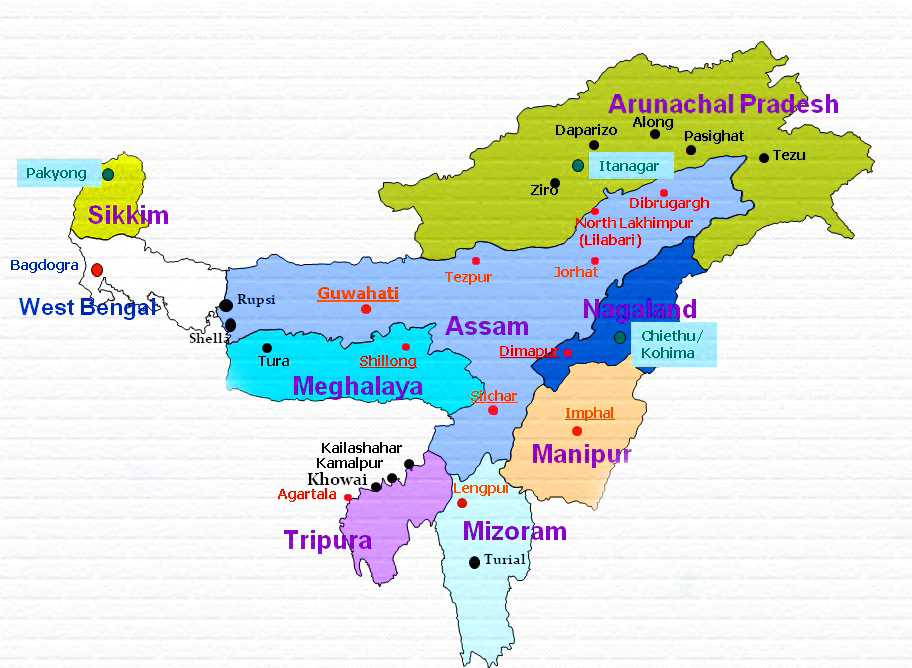
Northeast India of you may be familiar with others might not have given attention in the geography class. North East India consists of eight States Sikkim, Assam, Meghalaya, Tripura, Mizoram, Manipur, Nagaland and Arunachal Pradesh. The states are much closer to the name nature as compared to other states. The people here live a mostly tribal but they are friendly too. These states were always neglected form development for many years. They are discriminated because of their looks. Many North East Indian student face racist comments on daily basis.

And since the outbreak of COVID-19 their situation is becoming worse. They were beaten , were called coronavirus, where spit up on, even the shopkeeper refuse to sell their products to them.

The we treated like they don’t belong to this country. This is really shameful act. It doesn’t mean that I am pointing out each and everyone and saying that they are racist, but there are some Anti Social people who are racist.

There are many examples where North East people have brought glory to our country whether it is Mary Kom,Hima Das, Mirabai Chanu ,Baichung Bhutia, Lovlina borgohain, etc. Slowly their understanding their right and are coming up in in all the field, but there is a long way to go. And it’s our responsibility to treat every being with respect and should at least know about one own country’s geography.

Now new development projects are taking place in North East too. The act is east policy which will connect India to Southeast and East Asia.

They are famous for other things too like Assam is famous for its tea, which is considered to be the most expensive tea in the world. Sikkim is famous for its cleanliness and organic farming. Meghalaya for receiving the highest rainfall in the world. Tripura for producing sports stars and hand-wovencottonfabric and woodcarvings.Meghalaya is famous for manipuri dance and bamboo forests. Mizoram for it’s evergreen Hills and dense forest of bamboo. Nagaland for which tribal culture and the hottest chilli in the world, the ghost paper. Arunachal Pradesh also known as the Rising Sun of India famous for Buddhist temple, Brahmaputra river and beautiful green forests.

If you are a person who loves nature and adventure, and want to take a holiday and relax then North East is a must visit place for you. It will provide you with the opportunity of river rafting mountain climbing trekking etc. You will definitely not regret it.

Ecological Organization of Organisms

All organisms are interdependent and interrelated with one another and with their environment. This concept applies at all levels from a small pond to the world. Implicit in ecological organization is the idea that plants and animals do not occur randomly, but rather that particular kinds are especially adapted to a certain complex of environmental conditions and therefore coexist with others of similar requirements and tolerance in communities.

All individuals of a particular species constitute a population. A community, therefore, is an aggregation of populations. Maintenance of a community is dependent upon flow of energy through functional strata of populations. One stratum is com posed of producers, the plant species which, through photosynthesis, convert solar energy to chemical energy contained in plant tissues. the second stratum consists of consumers, the animals which ingest plants or other animals that have fed upon plants. the third stratum is the de-composers, mainly bacteria and fungi but also including many kinds of small animals which decompose dead organisms and organic debris to release basic chemical substances to the environment to be taken up by living plants. These strata, their activities, and energy transfer through the community constitute an ecosystem. Ultimately, the total ecological organization is recognized as the world ecosystem, or ecosphere (also called biosphere).

In the context of ecological organization and the ecosystem are embodied a number of basic ideas which give meaning to the inter relatedness of life. One of the most important of these is environment, and although the term has been used freely up to this point, it bears defining. Environment comprises the sum of all the external factors, processes, and conditions that affect a living system. These may be other living systems (the biotic environment) or nonliving factors (the abiotic environment). Thus inside an animal a single nerve cell may be embedded in a biotic environment of muscle cells and other nerve cells and subjected to abiotic states such as oxygen and salt concentration in the tissue The biotic environment of a hickory tree in a deciduous forest commonly includes other hickory trees, along with beech, maple, poplar, and birch, a rich understory of shrubs, and animals such as deer, squirrels, tree-nesting birds, numerous insects, and many others. Abiotic conditions and processes, including rainfall, ice, wind, evaporation, light, temperature, and soil type, together with biotic constituents, all affect the hickory tree.

Of greatest significance in ecological organization is the concept of dynamism in ecosystems. Organisms do not simply live side by side in the abiotic environment. Rather, there are constant, often complex, action systems in which all living systems exert some effect on one another and on the nonliving surroundings, which in turn influence the living mechanisms of the organisms present. Furthermore, there is great variation among ecosystems from tropical to polar regions, from sea level to oceanic depths and mountain tops, through geological time, and through changing climates and land-water distribution, through seasons, and night and day. Abiotic factors, such as oxygen, carbon dioxide, nitrogen, and water, are constantly being cycled in various ways throughout the world community. Water, for example, covers 70 percent of the earth’s surface, and is the primary environment in which life exists since every living cell must be moist. Distribution of this important liquid is de pendent upon a world hydro-logical cycle.

Solar energy must be transformed into chemical energy and passed to all organisms for maintenance of their life and growth. Autotrophic organisms serve as the basis or core of ecosystem food webs that are actually energy-transfer systems. Unlike chemical nutrients that are cycled, energy must be supplied constantly, for it is used and transformed to heat. Thus through photosynthesis and eating and being eaten, organisms are intensely interdependent and interrelated. They are further bound through requirements and contributions relative to breeding sites, cover, shading, predation, competition, and numerous other aspects of living.

Role of Women in Shaping Society

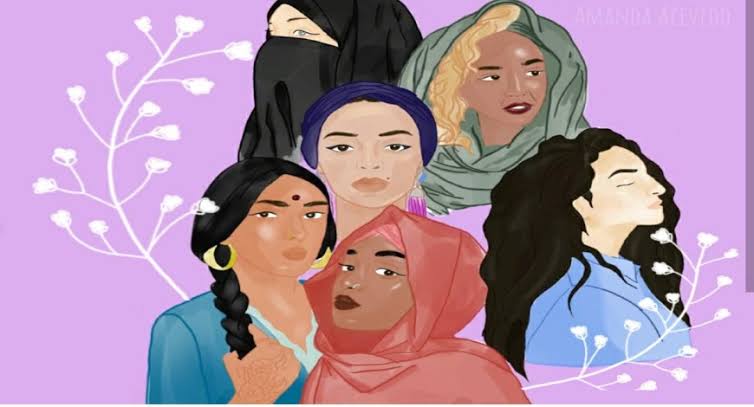
Women plays a crucial role in developing any society. Freedom of Independence has been suppressed from the ancient times but, the woman have fought for their rights in the history and fighting for themselves in today too. Now this need to be taken into consideration that even today the women have to prove themselves that they worth being treated equal to their mens counterpart.

Women have fight for everything which the men automatically gets as their birth privilege, because of which women they have value for each of these things. The situation good in urban areas but the womens in rural area face domestic violence, mental torture, not allowed to work or study. The are forced to limit their world in a small house.

In this I does not mean that every women are facing this level of injustice in rural area, but even if one of them is facing this that is going to impact the whole family of her, as if she have a daughter she will suppress her and if she have a son he will be learning same thing to disobey women. As one rightly said that have men gets educated he gets educated alone, but when women gets educated a whole family gets educated.

In some or the other sence always a women gets questioned for her deeds, she always has to prove herself better than a men to get appreciated. We have to actually change the mentality that be like a boy, no just be yourself. We have to change a stereotype that she walks like a men, he walks like a girl, this is the work of men, that is the work of women.

CUSTOMS DUTY AND GST

Custom duty
is a type of indirect tax that is levied on the goods transported across the
borders of a nation. Tax levied on goods imported from foreign countries is
known as import duty and goods exported to the foreign countries is known as export
duty. The value of these duties depends on various factors. Duties levied based
on the value of the goods is known as velorem duties and duties levied
depending on the quantity of the goods is referred to as specific duties.

The main
objective of levying these taxes is to ensure the safety of a country’s
economy, environment, jobs and citizens by managing the transportation of goods
in and out of the country.

In India,
custom duties come under the Customs Act, 1962. According to this, the
government has a right to impose these taxes on both, the import as well as the
export of the goods. Any matters corresponding to these are looked after by the
Central Board of Excise and Custom (CBEC) which is a part of the Department of Revenue
of the Ministry of Finance.

The
government charges the exporter with export duty to send the goods across the
national borders and when any goods are received by a country from outside the
borders then the buyer or the customs broker must pay the pre-decided amount
first in order to retrieve the delivery.

How are
these customs duties imputed? Under the Customs Valuation Rules 2007, there are
various rules laid down to impute the value of these taxes.

Rule 3 and 4
Comparative Value Method, comparison of transaction value of similar
goods.

Rule 7 – Deducting
Value Method
, use of sale price of imported goods in the importing country.

Rule 8 – Computed
Value Method
, combines the cost of materials, fabrications and profits in
the production country.

Rule 9 – Fallback
Method
, based on the previous methods

On the 1st
of July 2017, the Goods and Services Tax (GST) was implemented which shook the
entire tax system. It is basically a tax that eliminates all the other indirect
taxes and makes the tax system much easier. There are 3 different categories of
GST – Central Goods and Services Tax (CGST), State Goods and Services Tax
(SGST) and Integrated Goods and Services Tax (IGST). The first two are for
intra-state transactions and the last one is for inter-state transactions.

The customs
duty which are included in GST are the
Countervailing Duty (CVD) and Special
Additional Duty (SAD). The Basics Customs Duty (BCD) is still regulated
as it is. When any goods are imported in India, IGST is imposed on
them along with BCD. Before IGST, there were several other taxes such as
anti-dumping duty, safeguard duty, central excise duty and
service charges which made the whole tax system a lot more complicated whereas
now, only one integrated tax is chargeable.

The introduction of GST made the whole international
logistics process easier and less complicated. Although, this policy adopted by
the government was criticized by many for various factors but all in all, it
has reduced the possibility of loopholes in the taxation system and has made it
more transparent.


ABOUT THAT ARTIST- Francis Bacon-1 

A lot of you might think of the philosopher, but that is not who we are going to talk about in this article. 

There was another Francis Bacon, who was named after the philosopher and British Chancellor who, as the artist’s father claimed, was their ancestor born in 1909 in Dublin, Ireland an artist known for his unorthodox, borderline disturbing paintings.

A lot of his paintings were portraits of faces disfigured from some form of emotional suffering which his life was certainly full of. He derived inspiration for his paintings from an array of landscapes. For example he derived inspiration for one of his paintings from a nurse screaming in the movie battleship potemkin molded with his own fascinating imagination.

Humble beginnings 

Bacon was asthamatic and from a young age was very much in touch with his feminine side, his homosexuality was beginning to transpire and his family, especially his father considered it an abomination and Bacon, at the age of 16, was dismissed from his house. He went to London afterwards, where he did a couple of odd jobs just trying to make ends meet. Francis Bacon later started living with an art connoisseur, in France whom he met at an exposition. It was in France where the idea of becoming a painter started to grow on him. The Spanish painter Pablo Picasso was a major influence for Bacon, he was extremely in awe of the way Picasso’s ability to imagine and the uncanny geometry he used, the fragments of which can be slightly seen in Bacon’s work.

Early career 

Francis Bacon completed his first painting called crucifixion in 1933 and this brought him some success. But things did not run so smoothly for him after his artistic debut, his career saw a decline from here. His subsequent paintings did not receive critical or commercial success, instead his paintings were being criticised at this time.

Bacon did not release any of his work to the public for a while after this. During this time he was extremely self critical of his work, and was dissatisfied with almost all of it until he released his painting Three Studies for Figures at the Base of a Crucifixion in 1944 at an exhibition which enticed a lot of attention back to him. From this point onwards Bacon saw substantial success.

Bacon went on to make paintings such as Painting, 1946, Head I, 1948, Head VI, 1949 and perhaps his most famous, a painting inspired from Velázquez’s Portrait of Pope Innocent X by the Spanish painter Diego Velázquez. 

All his paintings till now had very similar color scheming, he used quite dark, gloomy colors for a lot of his work and all of them possess an enigmatic whiff to them. His paintings seem like a hybrid of something so familiar yet something that can still manage to evade one’s imagination.

During all this while Bacon’s transformation could be seen through his paintings, his work was evolving as the years passed by and was being deeply affected by his personal experiences as one would expect.

Bharat Bandh and Everything about it.

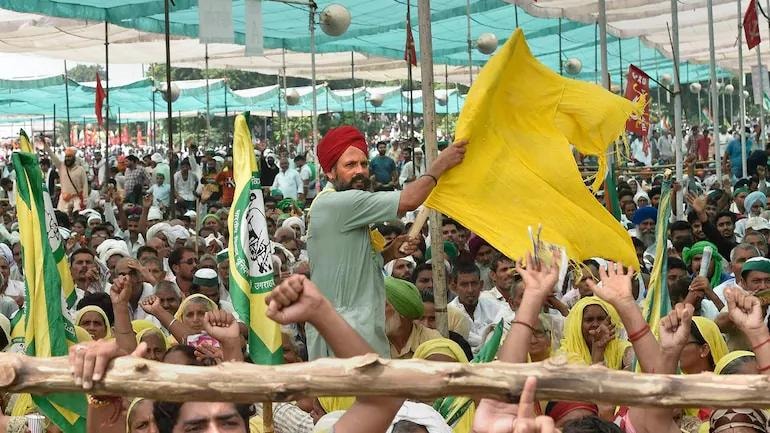
Current Bharat Bandh is being organized on 27th September from 6 am to 4 pm by Samyukta Kisan Morcha.

Image courtesy: PTI

What is Bharat Bandh?

It is a bandh or shut down of public sector services/government services spread out all across India. It is a sort of protest conducted by political activists or parties with the help of general public against government policies/laws or reforms which they don’t find compliable. The general public is expected to not go to their works and rather stay at their homes. The supreme court disallows the practice of bandhs with the exception of voluntary bandhs. Find more information on bandhs and their history here.

Purpose of Bharat Bandh

This time the bandh will be organized to highlight the farmers’ protest against the three farm laws passed during September 2020 by the Parliament of India. It is to signify the protest making its way into the 10th month. 9 long grueling months of protest in front of the Capital with little to no response. The arrangement of bandh this time hopes for the Parliament to revoke the farm laws.

Samyukta Kisan Morcha (SKM)

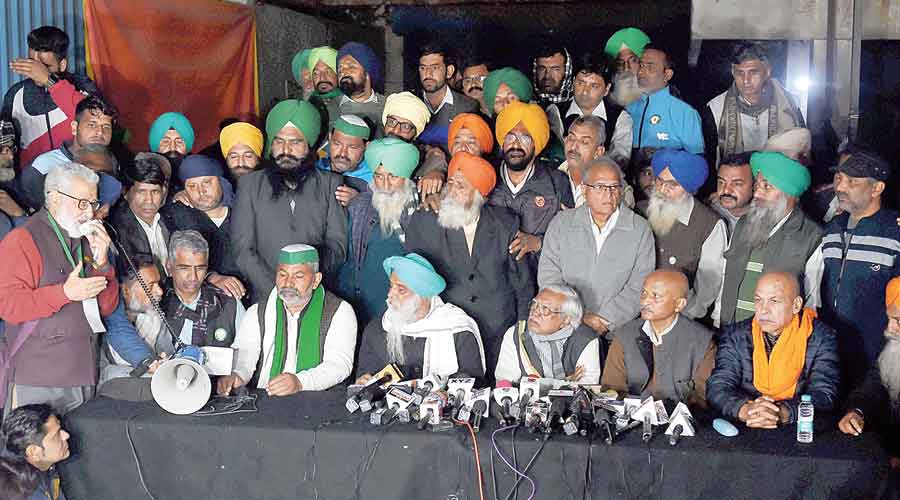
Gathering of SKM leaders; Image courtesy: PTI

It is an Indian farmers association group that has 40+ farmer unions clubbed together to voice out their problems and concerns. It was formed in November 2020 in regards against the farm laws. The group hopes for the laws to be revoked due to the laws’ harsh conditions on the farmers. SKM has launched yet another bandh this time assuring the bandh to be voluntary, peaceful and respectable. A lot other public association unions have merged hands with SKM and its farmers in support of the bandh. Get to know more on SKM and their farmers here.

Affects

Since this is a nation-wide movement, we can expect the closure of many government and commercial establishments or institutes. The farmers have requested for the closure of all shops, malls and markets. Road and rail transport will also be affected if not closed during the entire bandh. SKM will not be involved with any essential services involved with healthcare whatsoever.