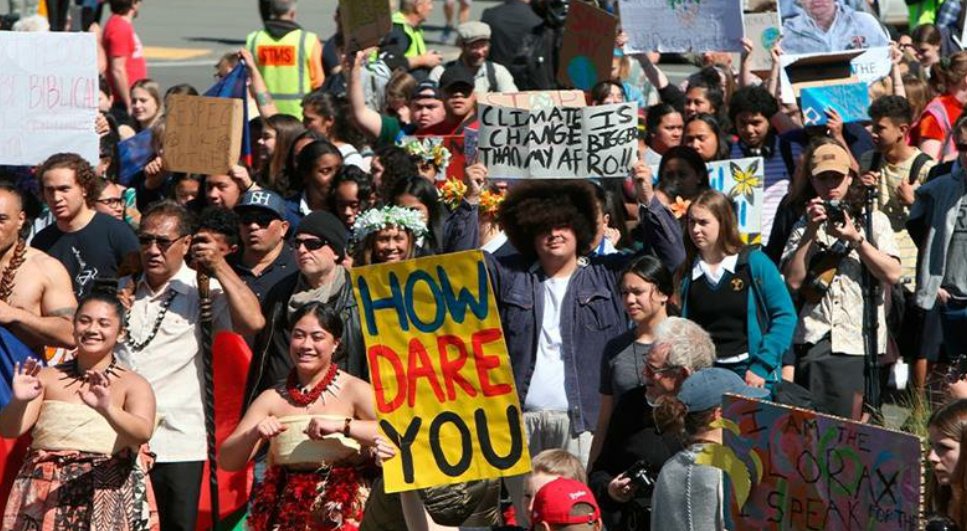
STOP BARRING THE VOICES OF NATION

Source: The Guardian (New Zealand start climate change protest)

When countries are facing crisis in the form of protests that simply means government and others should focus on their needs. Protests emphasized on the fact that we do have problems in our countries which we need to address as early as possible. Protests are a wake call to the country.

Source: The Washington Post (Chile demonstration March October 2019)

In Modern era protests become the vitality of the democracy. If government tries to shut the voices of the protests then we should raise our voices even more because if we don’t react today it will be become more dangerous to the Constitution, then their is no meaning to enjoying the ‘DEMOCRACY’.

Source: New York times (French union workers strike against Government for pension reform Plan Dec 2019)

Protests are not just some voices against injustice or representing dissent. It is much more than this, more meaningful; it is AWAKENING. Awakening of people, awareness of surrounding. Awakening cannot die and it should not die because this is a combination of our consciousness or subconsciousness.
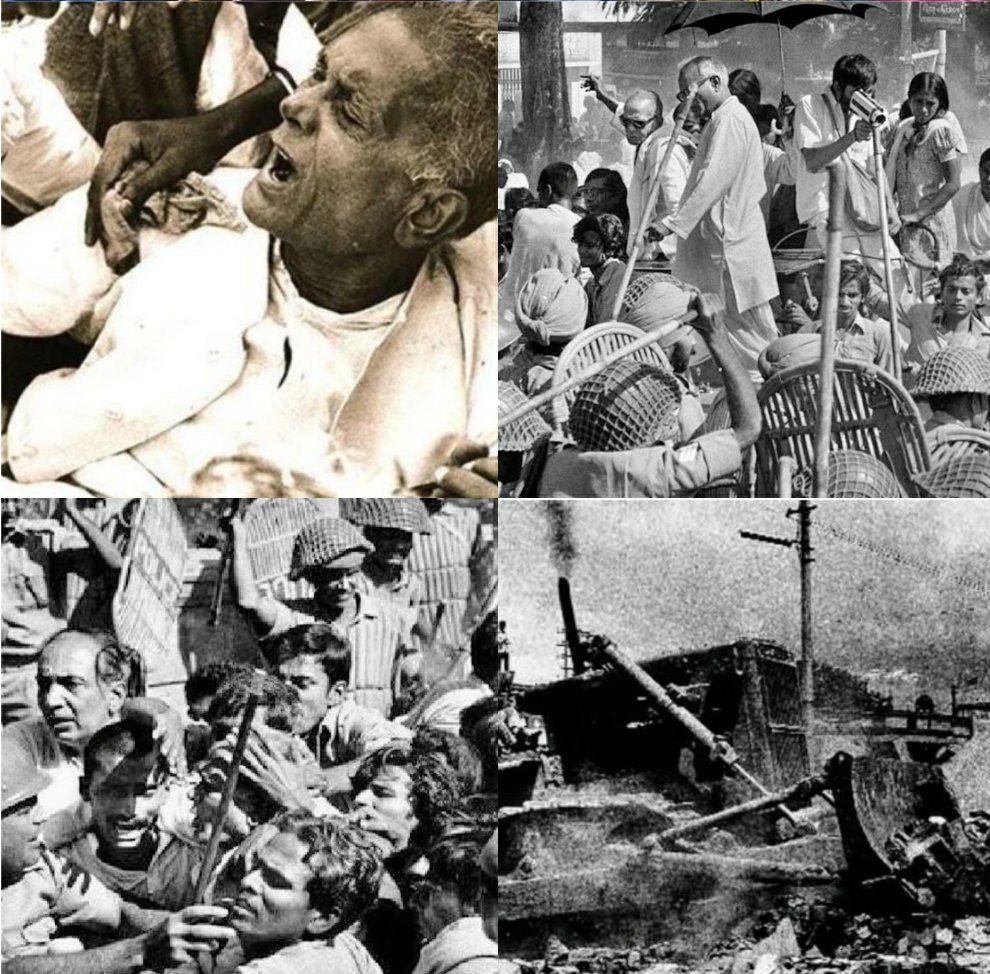
Source: TOI (Emergency in 1975)

Our history and freedom is a reflection of stand against the cruelty , knowing the fact if we don’t speak today, tomorrow will be in dark. JP Narayan movement which was started as protest against the government (Emergency) eventually become the movement for country. At the end of the movement what happened to “INDIRA” government was fallen Apart.

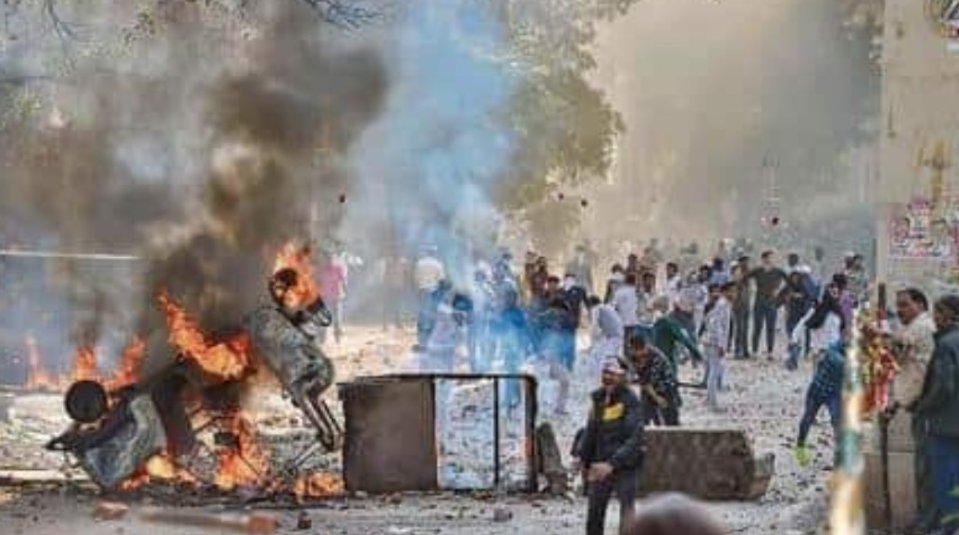
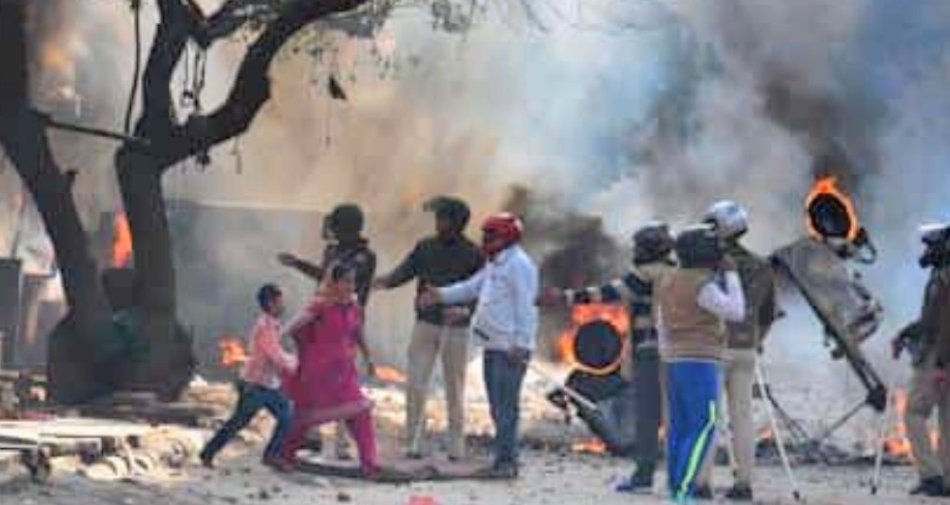
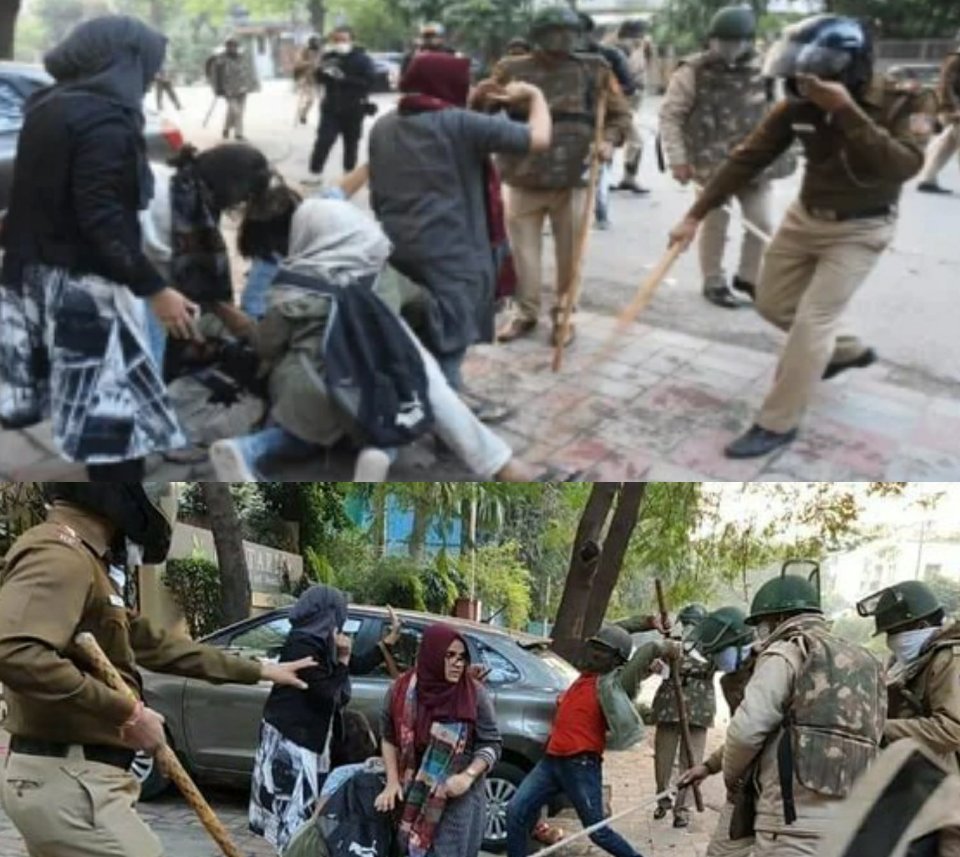
Source: TOI (From Right to Left Mandal commission, CAA Protests in foreign & Indian University)

Mandal commission another vicious mistake of government. This particular protest turned into violence. Commission introduced high reservation to Social and educationally backward classes in the central government and public sector.

Source: Indian Express

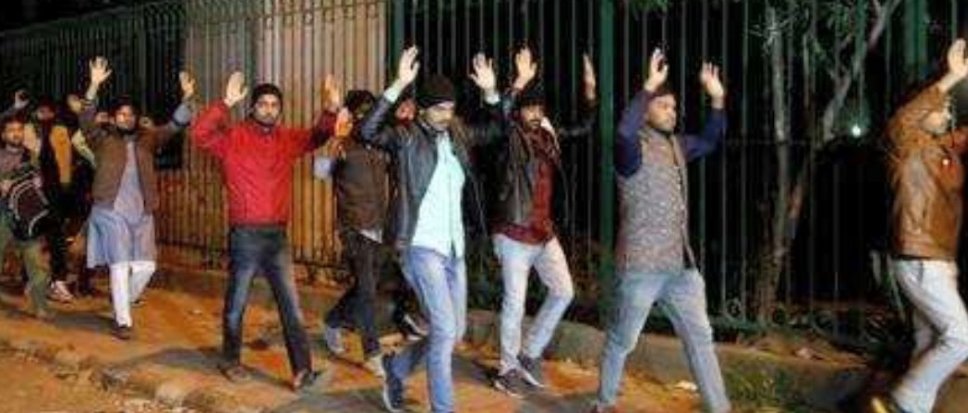
Citizenship Amendment Act 2019 was passed by the parliament of India on December 11 2019. This act amended the 1995 citizenship Act by providing a pavement to indian citizen for persecuted religious minorities from the countries like Afghanistan, Bangladesh and Pakistan; who are only Hindus, Sikhs , Buddhist, Jains, Parsis or Christian, the law does not grant such eligibility to Muslims from these Muslim majority countries. The act was declared as first act in the history of India and lndian law that used religion as criterion for citizenship. The amendment has been criticized on the basis of religious discrimination which targets one community.

 United Nations Commissioner for Human Rights (OHCHR) called this act fundamentally discriminatory. The protests first began in Assam and spread swiftly in the other states such as Meghalaya, Arunachal Pradesh and Tripura. The CAA protests rests on 14 Match 2020 because of coronavirus. This protests led Police brutality at University campus, violence brokedown against protestors. Through Section 144 Curfew Internet shutdown and paramilitary forces were imposed in various parts of the country. According to Police record, more than 65 died, 175 injured and 3000+ we’re arrested.
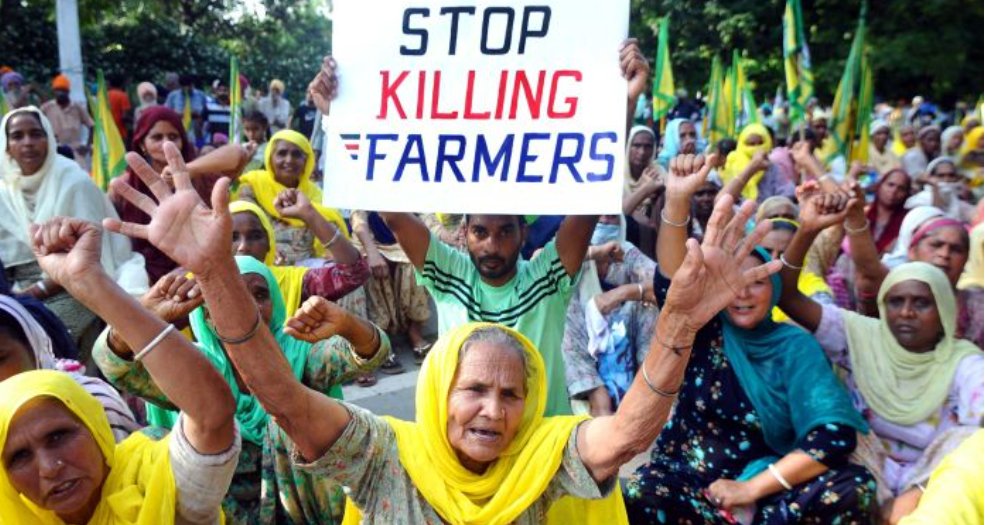
Source: abc

Thousands of farmers protest against three most problematic agricultural reform laws that they say government putting corporate interests over the country requirement. The 3 laws introduced to loosen the grip of rules around the sale, pricing and storage of farm produce in india. Government claimed that these changes make it easier for farmers to bypass regulatory farming market and sell their produce directly to Private buyers like supermarkets chains. As per Government, laws would benefit farmers and make investment to a agricultural sector that makes up nearly 15% of Indian $3.8 trillion economy.

Source: Indian Express (Police use water canons to disperse & stop Farmer activits from marching into New Delhi)

Now discuss if laws sounds too accurate then where is a problem? Problem lies in Government’s intension. Farmers were worried that they don’t have enough bargaining powers to get the kinds of prices they want for their products especially when they are negotiating with bigger companies. There was one more tassel over MSP – Minimum Support Price which is a price the government guarantees for certain crops like wheat and rice. The protests were largely peaceful until 26 January after this it took drastic sight. The central government again shut down mobile internet services at several protest sites and putting the fundamentals rights of people’s on threshold.

Many socio – Political movements occurred in the past for instance Chipko movement, silent valley protest, Assam movement, Jungle bachao Andolan, Great Bombay strike, Narmada bachao Andolan, Dalit Agitation in Maharashtra (2006), Nandigram and singur protests in West Bengal (2007), Nirbhaya protest, FTII protest against chairman many more in different part of country, CAA Protest and widespread Farmer Protest.
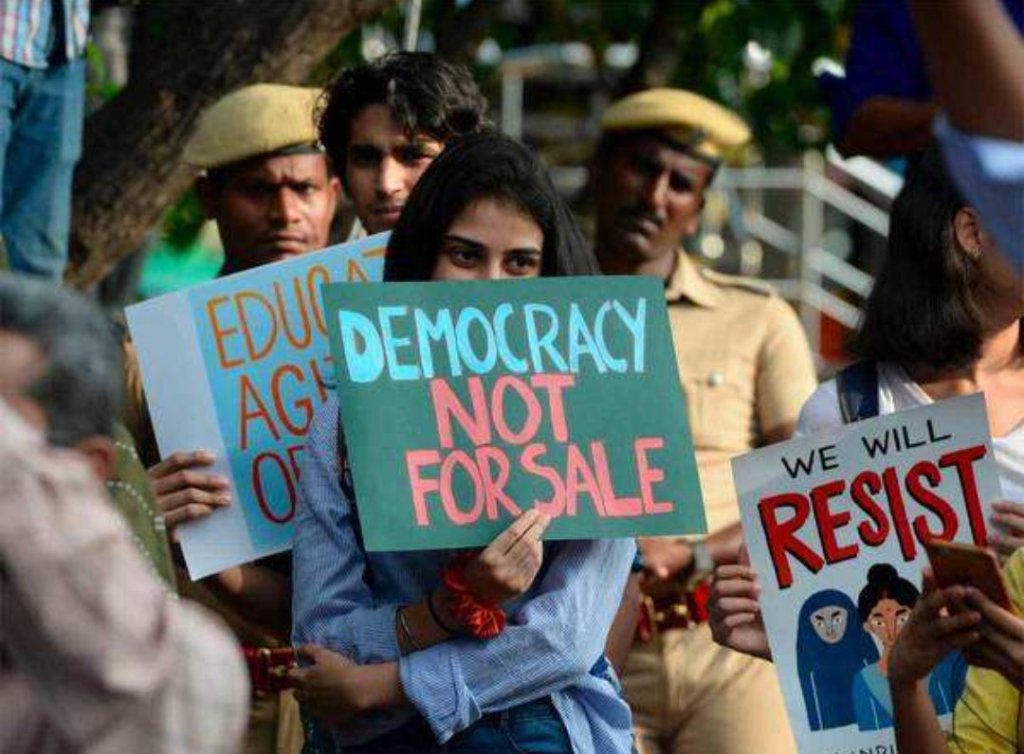
Source: The Economics Times

Now Remember, we living in the kind of society where we know when we have to pick up our placard, flags, slogans, singing songs and show our dissent.

What should government do in such situations is a biggest question – firstly they should not adopt such policy which go against the people. Even if it is beneficiary to few people but at the same time going against the numerous number of population. Take affective measure to control the situation; Use the effective power of bureaucracy. It is government responsibility that make sure people must believe the government and their style of policy implementation is good for nation; after all Our constitution stand on – OF THE PEOPLE, BY THE PEOPLE, FOR THE PEOPLE!!

Women empowerment

 Women empowerment” is defined as making a woman independent and let her choose what she wants without being dependent on anyone. Women empowerment is making a woman powerful in her own way. 

                In olden days, a woman is seen as a slave or as a non-existing thing. Women were married to an old man and also killed them when the husband was dead. After some year they stopped killing but did not stop child marriages. Society did not accept a women or a girl to get educated as man and boys. Government didn’t give a voting right in olden days. Women were discriminated and didn’t give any rights. But they are many great women in the past fought for equality and women rights. Till today women are fighting for their rights and choices with family and society.

          Till today women are still getting raped and killed. Women are getting discriminated for wearing her choice cloths. Society will still discriminate a women even she is independent. Society will never accept a woman as she is. Society discriminate the way she wear her cloths, her skin color, they even body shame more than a men.

         There are many women inspirations in India like Lakshmi agarwal who had an acid attack but still survived and fight for years to get her justice. She also helped many acid survivors and fought for their justice with them. a movie was released in 2020 named “chhapak”  inspired my her true story. 

           Not only Lakshmi agarwal there are many other women who inspired many other women such as kiran bedi, irom sharmila, Indra nooyi, neerja bhanot and many more.  Neerja, kahaani, razzi, gunjan saxena: the kargil girl are some the Indian movies which were inspired by true women stories. These movies show the discrimination women face and also shown about women empowerment.                               

Why should one get enough sleep?

We all need sleep, get most of us take it for granted by staying up for  long hours at night watching a screen or blocking the brain with caffeine and other harmful drugs . Many people do not get enough quality sleep, and this can affect their health, well-being, and ability to do everyday activities.

You may think nothing is happening when you sleep. But parts of your brain are quite active during sleep. And enough sleep (or lack of it) affects your physical and mental health. When you sleep, your body has a chance to rest and restore energy. A good night’s sleep can help you cope with stress, solve problems or recover from illness. Not getting enough sleep can lead to many health concerns, affecting how you think and feel.

How much sleep do I need?

Many factors affect how much sleep you need. Age is a big factor:

  • Infants need about 16 hours a day.
  • Toddlers and preschoolers need about 12 hours.
  • Teenagers need about nine hours.
  • Adults need seven to eight (though some are fine with five and others need closer to 10).
  • Pregnant people often need more sleep during the first trimester.

If you haven’t slept well or long enough for a few days, you might create a sleep debt. Once your debt builds up, you may feel physically and mentally exhausted. Try to make sure you get enough sleep every night to avoid creating this debt. You can’t necessarily make up your debt by sleeping a lot on the weekends. It’s best to get enough sleep all week long. A person who is getting too little quality sleep may experience a range of symptoms including: fatigue, irritability, mood changes, difficulty focusing and remembering, reduced sex drive

In1965 , an experiment was conducted where a high school boy stayed up for 264 hours or 11 days. He slowly lost focus of the eye, became moody and irritable, he stopped sensing stimuli and could not concentrate or retain memories. We grow sleep due to signals from our body hormones like melatonin and adenosine that send us into a deep doze.

During the night, you cycle through two types of sleep: non-rapid eye movement (non-REM) sleep and rapid eye movement (REM) sleep. Your brain and body act differently during these different phases. During non-REM stages, your body-Builds bone and muscle, Repairs and regenerates tissues, Strengthens the immune system. When you enter REM sleep, brain activity increases again, meaning sleep is not as deep. The activity levels are like when you’re awake. That’s why REM sleep is the stage where you’ll have intense dreams. Usually, REM sleep arrives about an hour and a half after you go to sleep. The first REM period lasts about 10 minutes. Each REM stage that follows gets longer and longer.

Sleeplessness may result in inflammations, hallucinations, high blood pressure and is also related to obesity and diabetes and obesity along with impairment in memory mood, reaction time etc.

How does sleep deprivation cause such immense effects?

 Our brain collects a lot of unwanted information during the day that can be proceed as useful and waste while we sleep. Our brain uses a lot of energy source that leads to build up of adenosine, which increases the urge to sleep and caffeine blocks the pathway of this that causes us to be awake. Waste products if not cleared away overload the brain leading to the negative symptoms of sleep deprivation. A glymphatic system is present in all which acts as a clean-up machine that removes this build up and is active mostly when we are asleep. hence if the brain doesn’t get its sufficient recharge it could lead to dire consequences like insomnia and other fatal disorders that a person can develop. For now, we can be sure that slipping into slumber is a necessity to maintain our health and sanity.

Takeaway

Sleep deprivation can harm a person’s mental and physical health, their performance at school or work, and their overall quality of life. Also, a persistent lack of sleep can lead to complications or indicate an underlying health problem, such as sleep apnea or anxiety. Anyone who is concerned about a lack of sleep should contact a medical professional.

Why should one get enough sleep?

We all need sleep, get most of us take it for granted by staying up for  long hours at night watching a screen or blocking the brain with caffeine and other harmful drugs . Many people do not get enough quality sleep, and this can affect their health, well-being, and ability to do everyday activities.

You may think nothing is happening when you sleep. But parts of your brain are quite active during sleep. And enough sleep (or lack of it) affects your physical and mental health. When you sleep, your body has a chance to rest and restore energy. A good night’s sleep can help you cope with stress, solve problems or recover from illness. Not getting enough sleep can lead to many health concerns, affecting how you think and feel.

How much sleep do I need?

Many factors affect how much sleep you need. Age is a big factor:

  • Infants need about 16 hours a day.
  • Toddlers and preschoolers need about 12 hours.
  • Teenagers need about nine hours.
  • Adults need seven to eight (though some are fine with five and others need closer to 10).
  • Pregnant people often need more sleep during the first trimester.

If you haven’t slept well or long enough for a few days, you might create a sleep debt. Once your debt builds up, you may feel physically and mentally exhausted. Try to make sure you get enough sleep every night to avoid creating this debt. You can’t necessarily make up your debt by sleeping a lot on the weekends. It’s best to get enough sleep all week long. A person who is getting too little quality sleep may experience a range of symptoms including: fatigue, irritability, mood changes, difficulty focusing and remembering, reduced sex drive

In1965 , an experiment was conducted where a high school boy stayed up for 264 hours or 11 days. He slowly lost focus of the eye, became moody and irritable, he stopped sensing stimuli and could not concentrate or retain memories. We grow sleep due to signals from our body hormones like melatonin and adenosine that send us into a deep doze.

During the night, you cycle through two types of sleep: non-rapid eye movement (non-REM) sleep and rapid eye movement (REM) sleep. Your brain and body act differently during these different phases. During non-REM stages, your body-Builds bone and muscle, Repairs and regenerates tissues, Strengthens the immune system. When you enter REM sleep, brain activity increases again, meaning sleep is not as deep. The activity levels are like when you’re awake. That’s why REM sleep is the stage where you’ll have intense dreams. Usually, REM sleep arrives about an hour and a half after you go to sleep. The first REM period lasts about 10 minutes. Each REM stage that follows gets longer and longer.

Sleeplessness may result in inflammations, hallucinations, high blood pressure and is also related to obesity and diabetes and obesity along with impairment in memory mood, reaction time etc.

How does sleep deprivation cause such immense effects?

 Our brain collects a lot of unwanted information during the day that can be proceed as useful and waste while we sleep. Our brain uses a lot of energy source that leads to build up of adenosine, which increases the urge to sleep and caffeine blocks the pathway of this that causes us to be awake. Waste products if not cleared away overload the brain leading to the negative symptoms of sleep deprivation. A glymphatic system is present in all which acts as a clean-up machine that removes this build up and is active mostly when we are asleep. hence if the brain doesn’t get its sufficient recharge it could lead to dire consequences like insomnia and other fatal disorders that a person can develop. For now, we can be sure that slipping into slumber is a necessity to maintain our health and sanity.

Takeaway

Sleep deprivation can harm a person’s mental and physical health, their performance at school or work, and their overall quality of life. Also, a persistent lack of sleep can lead to complications or indicate an underlying health problem, such as sleep apnea or anxiety. Anyone who is concerned about a lack of sleep should contact a medical professional.

History of India & Indian National Movement.

India’s movement toward independence occurred in stages prompted by the inflexibility of the British and, in many instances, their violent responses to peaceful protests. Many attribute the Indian Revolt of 1857 (known by the British as the Sepoy Mutiny) as the first battle in the struggle for Indian independence.

The 1857 Indian Revolt revealed the miscalculations of the British in understanding the social and cultural issues important to Indians. Indian soldiers called sepoys (from the Hindi sipahi) grew increasingly uncomfortable with the British encroachment on India’s states and provinces as the English East India Company expanded its influence in the region. In addition, poor wages and harsh policies made nationals increasingly tired of the British presence in India.

In 1885, the Indian National Union was formed, which became the Indian National Congress and had as its goal the moderate position of seeing more locals in political representation. The Indian National Congress (INC) was created to help ease the tensions in the British relationship with Indians after the Sepoy Mutiny. In the beginning, the INC did not contradict British rule, but in the face of increasingly egregious acts by the government, the INC came to identify with the independence movement. The INC would dominate Indian politics and house many of the early leaders of the independence movement including Gopal Krishna Gokhale, leading those in favor of dominion status and Bal Gangadhar Tilak, leading those who saw self rule as the only option. Throughout the impendence movement leaders emerged from among the Congress’ membership including Mahatma Ghandi, the leader of the non-violence movement, as well as Jawaharlal Nehru, the first prime minister of the new nation.

The push for independence occurred in three interconnected stages: the noncooperative movement, the civil disobedience movement, and finally the “Quit India” movement. None of these stages were rigidly defined; they naturally flowed into one another as a result of contemporary events. The foundational principles of the noncooperative movement included resisting the British by not buying imported goods, refusing to pay taxes, and not working for the British, rather than violence as a means of gaining independence.

A major turning point occurred in March 1930 with the Dandi March, which sparked the civil disobedience movement. In what many consider a stroke of political savvy, Gandhi chose the British taxes and regulations on salt as the issue around which to stage a protest. Every Indian, whether aristocrat or peasant, knew the value of salt, which was used as a preservative. Gandhi’s highlighting of the British monopoly on salt production helped showcase the issue of native choice in daily life. In a strategic move, Gandhi and seventy-eight supporters undertook a twenty-three-day journey by foot to Dandi, a coastal region where salt was abundant. Upon their arrival, Gandhi made natural salt, thus violating the British law that only imported salt could be used or purchased. Illegal salt was being made all over the country, and many Indians, including Gandhi, were being imprisoned for doing so. Salt thus became a symbol for the injustice and oppression of the British Empire. After the Dandi March, the entire nation became more aware of the fight for sovereignty from British rule.

When the British conceded independence to India, it came with such swiftness that many of the unresolved tensions were swept aside, only to come bursting forth later. Lord Louis Mountbatten (1900–1979), the last viceroy of British India, who was in good standing with Nehru, granted the demands of the Muslim League to create a separate state, Pakistan, for Muslims. Increasingly uncomfortable in Hindu-dominated India, many in the Muslim League had agitated for the formation of a separate Muslim state. At the time of his assassination in 1948, Gandhi opposed the partitioning of India, but the speed of independence overshadowed such concerns. Violence ensued as Hindus attempted to cross newly created borders into India, while Muslims fled to Pakistan, resulting in many deaths and clouding India’s long-awaited freedom from the British Raj.

History of India & Indian National Movement.

India’s movement toward independence occurred in stages prompted by the inflexibility of the British and, in many instances, their violent responses to peaceful protests. Many attribute the Indian Revolt of 1857 (known by the British as the Sepoy Mutiny) as the first battle in the struggle for Indian independence.

The 1857 Indian Revolt revealed the miscalculations of the British in understanding the social and cultural issues important to Indians. Indian soldiers called sepoys (from the Hindi sipahi) grew increasingly uncomfortable with the British encroachment on India’s states and provinces as the English East India Company expanded its influence in the region. In addition, poor wages and harsh policies made nationals increasingly tired of the British presence in India.

In 1885, the Indian National Union was formed, which became the Indian National Congress and had as its goal the moderate position of seeing more locals in political representation. The Indian National Congress (INC) was created to help ease the tensions in the British relationship with Indians after the Sepoy Mutiny. In the beginning, the INC did not contradict British rule, but in the face of increasingly egregious acts by the government, the INC came to identify with the independence movement. The INC would dominate Indian politics and house many of the early leaders of the independence movement including Gopal Krishna Gokhale, leading those in favor of dominion status and Bal Gangadhar Tilak, leading those who saw self rule as the only option. Throughout the impendence movement leaders emerged from among the Congress’ membership including Mahatma Ghandi, the leader of the non-violence movement, as well as Jawaharlal Nehru, the first prime minister of the new nation.

The push for independence occurred in three interconnected stages: the noncooperative movement, the civil disobedience movement, and finally the “Quit India” movement. None of these stages were rigidly defined; they naturally flowed into one another as a result of contemporary events. The foundational principles of the noncooperative movement included resisting the British by not buying imported goods, refusing to pay taxes, and not working for the British, rather than violence as a means of gaining independence.

A major turning point occurred in March 1930 with the Dandi March, which sparked the civil disobedience movement. In what many consider a stroke of political savvy, Gandhi chose the British taxes and regulations on salt as the issue around which to stage a protest. Every Indian, whether aristocrat or peasant, knew the value of salt, which was used as a preservative. Gandhi’s highlighting of the British monopoly on salt production helped showcase the issue of native choice in daily life. In a strategic move, Gandhi and seventy-eight supporters undertook a twenty-three-day journey by foot to Dandi, a coastal region where salt was abundant. Upon their arrival, Gandhi made natural salt, thus violating the British law that only imported salt could be used or purchased. Illegal salt was being made all over the country, and many Indians, including Gandhi, were being imprisoned for doing so. Salt thus became a symbol for the injustice and oppression of the British Empire. After the Dandi March, the entire nation became more aware of the fight for sovereignty from British rule.

When the British conceded independence to India, it came with such swiftness that many of the unresolved tensions were swept aside, only to come bursting forth later. Lord Louis Mountbatten (1900–1979), the last viceroy of British India, who was in good standing with Nehru, granted the demands of the Muslim League to create a separate state, Pakistan, for Muslims. Increasingly uncomfortable in Hindu-dominated India, many in the Muslim League had agitated for the formation of a separate Muslim state. At the time of his assassination in 1948, Gandhi opposed the partitioning of India, but the speed of independence overshadowed such concerns. Violence ensued as Hindus attempted to cross newly created borders into India, while Muslims fled to Pakistan, resulting in many deaths and clouding India’s long-awaited freedom from the British Raj.

“THEY” OR “US”

Source: TOI

You don’t understand at first what this title is trying to convey , I know not so easy to get it. Well, same happened to me when I heard this statement. It is not even my creation; I heard it in metro infact overheard because a guy who was too loud as he wants to grab more people’s attention because he thought he is right!

It was the time of East Delhi riots he was very much outspoken about what is happening in Delhi. Last 2 months was quite difficult but he was not concern about how the situation is happening is wrong and getting worse infact imposing blame on “one community” how he was using his words clearly indicate that he is Hindu or more privileged Hindu( upper class Hindu).

North East Delhi Riots

Source: Indian Express

North East Delhi Riots
He was narrating the whole story in metro to the strangers and asking their validation that “these” people are doing wrong his exact words “hamesha ki tarah pareshaan Kar rhe haa chale kyun nhi gaye jab choice tha naa Pakistan ka Hindustan toh Hindo ka h” -{Translation: As always troubling us why they didn’t go if they had a choice during partition}. Shocking right nobody was saying anything but noding like people were agreed with him on each statement. It was more shocking for me not was what that man was saying ; but how people noding and saying sach meh!

Source:TOI

I was just standing didn’t utter a word yes I didn’t unlike others I was avoiding him but at one point I want to tell him he should SHUT UP and you are dangerous to mankind but couldn’t..!! the fear wrapped me trapped me! what if other people not gonna stand with me Because they are already agreeing with him.

How am I gonna convience them that whatever they are thinking is utterly wrong.

This incident was in my mind since then but didn’t discuss to nobody about it now when people are talking about #blacklivesmatter. I am thinking about my country people their civil rights, human rights. #Muslimlivematter #dalitslivesmatter #stoplynching.

It hurts, frustrate, angry me when people use statements like chale kyun nhi gaye partition ke time par itna kuch hua ab phir kyun karna “unke” liye h naa Pakistan(community based segregation)

Source: Indian Express

I just want to say that “un” logo ne uss want apne Ghar rahna sahi samjh joh phir ya toh Pakistan meh tha ya Hindustan meh Bina sochte ki meh Hindu toh Hindustan Chala jata ho aur musalman woh toh Pakistan. Un logo ko Kya pata tha ki aage Kya hoga sab ke Mann meh beez boo Diya gaya haa joh sirf nafrat samjhta haa kabhi marege ya nahi pata nahi Socha hoga Jesse ab rahte haa waise rahege yaha apna Ghar, kaam sab haa yahi rahte.

Before claiming , this is our Hindustan beware “woh log” are citizens of our country having all constitutional rights. We don’t have single right to tell them chale jayo Pakistan.

Safoora Zargar who stood up against the wrong become the reason Don’t feel wrong , don’t raise your voice just go blindly with government’s cheap tactics. Safoora Zargar kind of people knows how we got our freedom we just now enjoying and claiming India as democratic and republic country.

Role of Government

Police brutality , Government dysfunction are not hidden in our democracy. How government takes up chance of any violence we have seen in 1993 blast , Gujarat riots 2002. Police and administrators are just puppet of politicians. These people are first who encounter the riots but they fail completely to satisfy the Constitution and citizens; but pass with merit to satisfy the politicians.

All I say haters are all around the world just don’t be one of them or part of this stupid system. Try to work on your mind/ brain eventually we see ourselves in better human being and possibly we will protect and secure our successors.

"THEY" OR "US"

Source: TOI

You don’t understand at first what this title is trying to convey , I know not so easy to get it. Well, same happened to me when I heard this statement. It is not even my creation; I heard it in metro infact overheard because a guy who was too loud as he wants to grab more people’s attention because he thought he is right!

It was the time of East Delhi riots he was very much outspoken about what is happening in Delhi. Last 2 months was quite difficult but he was not concern about how the situation is happening is wrong and getting worse infact imposing blame on “one community” how he was using his words clearly indicate that he is Hindu or more privileged Hindu( upper class Hindu).

North East Delhi Riots

Source: Indian Express

North East Delhi Riots
He was narrating the whole story in metro to the strangers and asking their validation that “these” people are doing wrong his exact words “hamesha ki tarah pareshaan Kar rhe haa chale kyun nhi gaye jab choice tha naa Pakistan ka Hindustan toh Hindo ka h” -{Translation: As always troubling us why they didn’t go if they had a choice during partition}. Shocking right nobody was saying anything but noding like people were agreed with him on each statement. It was more shocking for me not was what that man was saying ; but how people noding and saying sach meh!

Source:TOI

I was just standing didn’t utter a word yes I didn’t unlike others I was avoiding him but at one point I want to tell him he should SHUT UP and you are dangerous to mankind but couldn’t..!! the fear wrapped me trapped me! what if other people not gonna stand with me Because they are already agreeing with him.

How am I gonna convience them that whatever they are thinking is utterly wrong.

This incident was in my mind since then but didn’t discuss to nobody about it now when people are talking about #blacklivesmatter. I am thinking about my country people their civil rights, human rights. #Muslimlivematter #dalitslivesmatter #stoplynching.

It hurts, frustrate, angry me when people use statements like chale kyun nhi gaye partition ke time par itna kuch hua ab phir kyun karna “unke” liye h naa Pakistan(community based segregation)

Source: Indian Express

I just want to say that “un” logo ne uss want apne Ghar rahna sahi samjh joh phir ya toh Pakistan meh tha ya Hindustan meh Bina sochte ki meh Hindu toh Hindustan Chala jata ho aur musalman woh toh Pakistan. Un logo ko Kya pata tha ki aage Kya hoga sab ke Mann meh beez boo Diya gaya haa joh sirf nafrat samjhta haa kabhi marege ya nahi pata nahi Socha hoga Jesse ab rahte haa waise rahege yaha apna Ghar, kaam sab haa yahi rahte.

Before claiming , this is our Hindustan beware “woh log” are citizens of our country having all constitutional rights. We don’t have single right to tell them chale jayo Pakistan.

Safoora Zargar who stood up against the wrong become the reason Don’t feel wrong , don’t raise your voice just go blindly with government’s cheap tactics. Safoora Zargar kind of people knows how we got our freedom we just now enjoying and claiming India as democratic and republic country.

Role of Government

Police brutality , Government dysfunction are not hidden in our democracy. How government takes up chance of any violence we have seen in 1993 blast , Gujarat riots 2002. Police and administrators are just puppet of politicians. These people are first who encounter the riots but they fail completely to satisfy the Constitution and citizens; but pass with merit to satisfy the politicians.

All I say haters are all around the world just don’t be one of them or part of this stupid system. Try to work on your mind/ brain eventually we see ourselves in better human being and possibly we will protect and secure our successors.

Make in India

All You Need To Know About 'Make In India' - iPleaders
source: Google

As India is completing her 75th year of independence, the government has put all its focus on making India self-reliant. In 1950, since the very first plan formulated by planning commission, self-reliance was given due importance. From a broken agrarian economy India has built up an economy which is seventh largest in the world. However, the fact is that it is not sufficient to meet the growing needs of 140 crore population of the country.

India is forced to depend on other nations to meet many of its needs even at present. This solidifies the need for an initiative to boost India’s production. Recognising this urge, the government of India has initiated the scheme termed “Make in India”.

Make in India aims to promote the manufacturer to develop, manufacture and assemble products domestically. It not only emphasizes on production but also focuses on innovation and research. Under this scheme government provides market for goods made in India and also markets them in international markets. “Make in India” had three stated objectives:

  • to increase the manufacturing sector’s growth rate to 12-14% per annum;
  • to create 100 million additional manufacturing jobs in the economy by 2022;
  • to ensure that the manufacturing sector’s contribution to GDP is increased to 25% by 2022 (later revised to 2025).

In order to achieve this objectives government of India has initiated several programs like:

Sagarmala

Sagarmala Programme aims to provide enhanced connectivity between the ports and the domestic production& consumption centres. The programme envisages unlocking the potential of waterways and the coastline to minimize infrastructural investments required to meet these targets.

Bharatmala

The Bharatmala Pariyojana is a centrally-sponsored and funded Road and Highways project of the Government of India.[1] The total investment for 83,677 km committed new highways is estimated at ₹10.63 lakh crore, making it the single largest outlay for a government road construction scheme.

Digital India

Digital India is a campaign launched by the Government of India in order to ensure the Government’s services are made available to citizens electronically by improved online infrastructure and by increasing Internet connectivity or making the country digitally empowered in the field of technology.[1][2] The initiative includes plans to connect rural areas with high-speed internet networks. It consists of three core components: the development of secure and stable digital infrastructure, delivering government services digitally, and universal digital literacy.

Freight corridors and Industrial corridors

These are infrastructure projects to facilitate easy movement of goods as well as infrastructural setup for business investments

UDAN RCS

Ude Desh ka Aam Naagrik (Hindustani for “Let the common citizens of the country fly”), known by its acronym UDAN (Hindi for “flight”) is a regional airport development program of the Government of India and part of the Regional Connectivity Scheme (RCS) of upgrading under-serviced air routes. Its goal is to make air travel affordable and widespread, to boost inclusive national economic development, job growth and air transport infrastructure development of all regions and states of India.

Last two years was the period when we realised the importance of self-reliance the most. During lockdown when international borders were closed there was shortage of many goods. On successful implementation of this initiative India could be able to meet its own needs along with the needs of the world. So let us hope that on the eve of 100th year of independence India would be a global leader with an economy sufficient to meet the demand of the world.

Let us conclude on the note that self-reliance is the most important thing a country as well as an individual should strive for.

Make in India

All You Need To Know About 'Make In India' - iPleaders
source: Google

As India is completing her 75th year of independence, the government has put all its focus on making India self-reliant. In 1950, since the very first plan formulated by planning commission, self-reliance was given due importance. From a broken agrarian economy India has built up an economy which is seventh largest in the world. However, the fact is that it is not sufficient to meet the growing needs of 140 crore population of the country.

India is forced to depend on other nations to meet many of its needs even at present. This solidifies the need for an initiative to boost India’s production. Recognising this urge, the government of India has initiated the scheme termed “Make in India”.

Make in India aims to promote the manufacturer to develop, manufacture and assemble products domestically. It not only emphasizes on production but also focuses on innovation and research. Under this scheme government provides market for goods made in India and also markets them in international markets. “Make in India” had three stated objectives:

  • to increase the manufacturing sector’s growth rate to 12-14% per annum;
  • to create 100 million additional manufacturing jobs in the economy by 2022;
  • to ensure that the manufacturing sector’s contribution to GDP is increased to 25% by 2022 (later revised to 2025).

In order to achieve this objectives government of India has initiated several programs like:

Sagarmala

Sagarmala Programme aims to provide enhanced connectivity between the ports and the domestic production& consumption centres. The programme envisages unlocking the potential of waterways and the coastline to minimize infrastructural investments required to meet these targets.

Bharatmala

The Bharatmala Pariyojana is a centrally-sponsored and funded Road and Highways project of the Government of India.[1] The total investment for 83,677 km committed new highways is estimated at ₹10.63 lakh crore, making it the single largest outlay for a government road construction scheme.

Digital India

Digital India is a campaign launched by the Government of India in order to ensure the Government’s services are made available to citizens electronically by improved online infrastructure and by increasing Internet connectivity or making the country digitally empowered in the field of technology.[1][2] The initiative includes plans to connect rural areas with high-speed internet networks. It consists of three core components: the development of secure and stable digital infrastructure, delivering government services digitally, and universal digital literacy.

Freight corridors and Industrial corridors

These are infrastructure projects to facilitate easy movement of goods as well as infrastructural setup for business investments

UDAN RCS

Ude Desh ka Aam Naagrik (Hindustani for “Let the common citizens of the country fly”), known by its acronym UDAN (Hindi for “flight”) is a regional airport development program of the Government of India and part of the Regional Connectivity Scheme (RCS) of upgrading under-serviced air routes. Its goal is to make air travel affordable and widespread, to boost inclusive national economic development, job growth and air transport infrastructure development of all regions and states of India.

Last two years was the period when we realised the importance of self-reliance the most. During lockdown when international borders were closed there was shortage of many goods. On successful implementation of this initiative India could be able to meet its own needs along with the needs of the world. So let us hope that on the eve of 100th year of independence India would be a global leader with an economy sufficient to meet the demand of the world.

Let us conclude on the note that self-reliance is the most important thing a country as well as an individual should strive for.

Explaining Autism

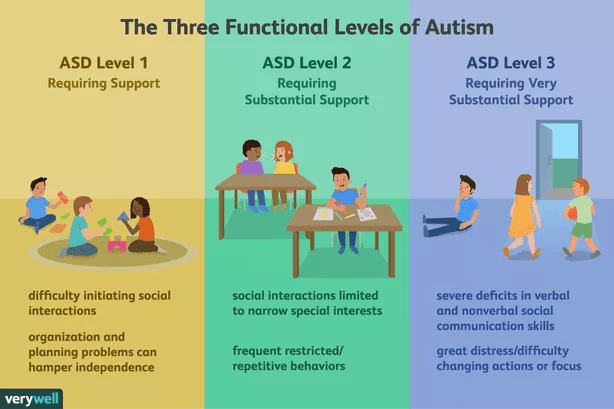
There are many people around us of different age groups that are either diagnosed or have underlying symptoms of autism. Autism is a neurodevelopmental disorder characterized by challenges with social communication, and by restricted and repetitive behaviours. is now considered part of the wider autism spectrum. People with autism have trouble with communication. They have trouble understanding what other people think and feel. This makes it hard for them to express themselves, either with words or through gestures, facial expressions, and touch. People with autism might have problems with learning. Their skills might develop unevenly. For example, they could have trouble communicating but be unusually good at art, music, math, or memory. Because of this, they might do especially well on tests of analysis or problem-solving. More children are diagnosed with autism now than ever before. But the latest numbers could be higher because of changes in how it’s diagnosed, not because more children have a disorder.

Autism is known to affect every one in every 60 individuals and boys are said to have more risk of developing it than girls. It can be hard to get a definite diagnosis of autism. Your doctor will focus on behaviour and development.

A developmental screening will tell the doctor whether a child is on track with basic skills like learning, speaking, behavior, and moving. If a child shows signs of a problem on these screenings, they’ll need a more complete evaluation. This might include hearing and vision tests or genetic tests. Your doctor might want to bring in someone who specializes in autism disorders, like a developmental paediatrician or a child psychologist. Some psychologists can also give a test called the Autism Diagnostic Observation Schedule (ADOS).parents can also find some symptoms and unusual behaviour

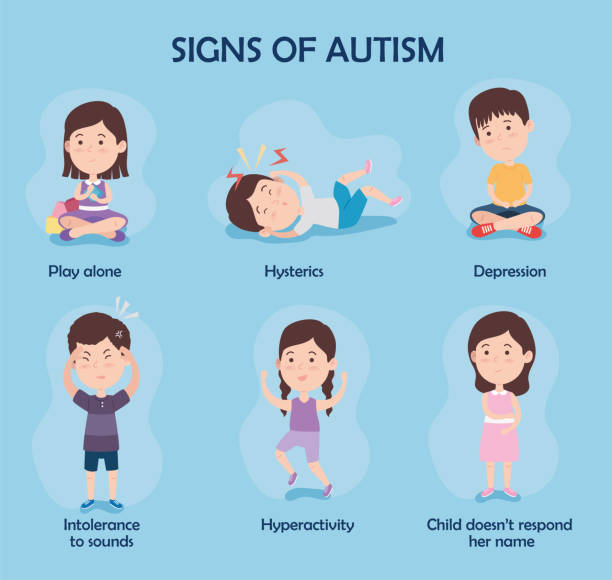
Common symptoms of autism include:

  • A lack of eye contact
  • A narrow range of interests or intense interest in certain topics
  • Doing something over and over, like repeating words or phrases, rocking back and forth, or flipping a lever
  • High sensitivity to sounds, touches, smells, or sights that seem ordinary to other people
  • Not looking at or listening to other people
  • Not looking at things when another person points at them
  • Not wanting to be held or cuddled
  • Problems understanding or using speech, gestures, facial expressions, or tone of voice
  • Talking in a sing-song, flat, or robotic voice
  • Trouble adapting to changes in routine

What Are the Types of Autism Spectrum Disorders?

These types were once thought to be separate conditions. Now, they fall under the range of autism spectrum disorders including:

Asperger’s syndrome. These children don’t have a problem with language; in fact, they tend to score in the average or above-average range on intelligence tests. But they have social problems and a narrow scope of interests.

Autistic disorder. This is what most people think of when they hear the word “autism.” It refers to problems with social interactions, communication, and play in children younger than 3 years.

Childhood disintegrative disorder. These children have typical development for at least 2 years and then lose some or most of their communication and social skills.

Pervasive developmental disorder (PDD or atypical autism). Your doctor might use this term if your child has some autistic behavior, like delays in social and communications skills, but doesn’t fit into another category.

What Causes Autism?

Exactly why autism happens isn’t clear. It could stem from problems in parts of your brain that interpret sensory input and process language.. It can happen in people of any race, ethnicity, or social background. Family income, lifestyle, or educational level doesn’t affect a child’s risk of autism. Autism runs in families, so certain combinations of genes may increase a child’s risk. A child with an older parent has a higher risk of autism. Pregnant women who are exposed to certain drugs or chemicals, like alcohol or anti-seizure medications, are more likely to have autistic children. Other risk factors include maternal metabolic conditions such as diabetes and obesity. Research has also linked autism to untreated phenylketonuria (also called PKU, a metabolic disorder caused by the absence of an enzyme) and rubella (German measles).There is no evidence that vaccinations cause autism.

How Is Autism Treated?

There’s no cure for autism. But early treatment can make a big difference in development for a child with autism. If you think your child shows symptoms of ASD, tell your doctor as soon as possible.What works for one person might not work for another. Your doctor should tailor treatment for you or your child. The two main types of treatments are:

Behavioral and communication therapy to help with structure and organization. Applied behavior analysis (ABA) is one of these treatments; it promotes positive behavior and discourages negative behavior. Occupational therapy can help with life skills like dressing, eating, and relating to people. Sensory integration therapy might help someone who has problems with being touched or with sights or sounds. Speech therapy improves communication skills.

Medications to help with symptoms of ASD, like attention problems, hyperactivity, or anxiety.

Complementary treatments may help boost learning and communication skills in some people with autism. Complementary therapies include music, art, or animal therapy, like horseback riding and even swimming with dolphins.

It is high time that people start to embrace autism and not ostracize such individuals but give more support and kindness. Young children must be taught about it and it’s not a topic to shy away from but accept and cherish that its ok to be different because that way you are special.

Explaining Autism

There are many people around us of different age groups that are either diagnosed or have underlying symptoms of autism. Autism is a neurodevelopmental disorder characterized by challenges with social communication, and by restricted and repetitive behaviours. is now considered part of the wider autism spectrum. People with autism have trouble with communication. They have trouble understanding what other people think and feel. This makes it hard for them to express themselves, either with words or through gestures, facial expressions, and touch. People with autism might have problems with learning. Their skills might develop unevenly. For example, they could have trouble communicating but be unusually good at art, music, math, or memory. Because of this, they might do especially well on tests of analysis or problem-solving. More children are diagnosed with autism now than ever before. But the latest numbers could be higher because of changes in how it’s diagnosed, not because more children have a disorder.

Autism is known to affect every one in every 60 individuals and boys are said to have more risk of developing it than girls. It can be hard to get a definite diagnosis of autism. Your doctor will focus on behaviour and development.

A developmental screening will tell the doctor whether a child is on track with basic skills like learning, speaking, behavior, and moving. If a child shows signs of a problem on these screenings, they’ll need a more complete evaluation. This might include hearing and vision tests or genetic tests. Your doctor might want to bring in someone who specializes in autism disorders, like a developmental paediatrician or a child psychologist. Some psychologists can also give a test called the Autism Diagnostic Observation Schedule (ADOS).parents can also find some symptoms and unusual behaviour

Common symptoms of autism include:

  • A lack of eye contact
  • A narrow range of interests or intense interest in certain topics
  • Doing something over and over, like repeating words or phrases, rocking back and forth, or flipping a lever
  • High sensitivity to sounds, touches, smells, or sights that seem ordinary to other people
  • Not looking at or listening to other people
  • Not looking at things when another person points at them
  • Not wanting to be held or cuddled
  • Problems understanding or using speech, gestures, facial expressions, or tone of voice
  • Talking in a sing-song, flat, or robotic voice
  • Trouble adapting to changes in routine

What Are the Types of Autism Spectrum Disorders?

These types were once thought to be separate conditions. Now, they fall under the range of autism spectrum disorders including:

Asperger’s syndrome. These children don’t have a problem with language; in fact, they tend to score in the average or above-average range on intelligence tests. But they have social problems and a narrow scope of interests.

Autistic disorder. This is what most people think of when they hear the word “autism.” It refers to problems with social interactions, communication, and play in children younger than 3 years.

Childhood disintegrative disorder. These children have typical development for at least 2 years and then lose some or most of their communication and social skills.

Pervasive developmental disorder (PDD or atypical autism). Your doctor might use this term if your child has some autistic behavior, like delays in social and communications skills, but doesn’t fit into another category.

What Causes Autism?

Exactly why autism happens isn’t clear. It could stem from problems in parts of your brain that interpret sensory input and process language.. It can happen in people of any race, ethnicity, or social background. Family income, lifestyle, or educational level doesn’t affect a child’s risk of autism. Autism runs in families, so certain combinations of genes may increase a child’s risk. A child with an older parent has a higher risk of autism. Pregnant women who are exposed to certain drugs or chemicals, like alcohol or anti-seizure medications, are more likely to have autistic children. Other risk factors include maternal metabolic conditions such as diabetes and obesity. Research has also linked autism to untreated phenylketonuria (also called PKU, a metabolic disorder caused by the absence of an enzyme) and rubella (German measles).There is no evidence that vaccinations cause autism.

How Is Autism Treated?

There’s no cure for autism. But early treatment can make a big difference in development for a child with autism. If you think your child shows symptoms of ASD, tell your doctor as soon as possible.What works for one person might not work for another. Your doctor should tailor treatment for you or your child. The two main types of treatments are:

Behavioral and communication therapy to help with structure and organization. Applied behavior analysis (ABA) is one of these treatments; it promotes positive behavior and discourages negative behavior. Occupational therapy can help with life skills like dressing, eating, and relating to people. Sensory integration therapy might help someone who has problems with being touched or with sights or sounds. Speech therapy improves communication skills.

Medications to help with symptoms of ASD, like attention problems, hyperactivity, or anxiety.

Complementary treatments may help boost learning and communication skills in some people with autism. Complementary therapies include music, art, or animal therapy, like horseback riding and even swimming with dolphins.

It is high time that people start to embrace autism and not ostracize such individuals but give more support and kindness. Young children must be taught about it and it’s not a topic to shy away from but accept and cherish that its ok to be different because that way you are special.

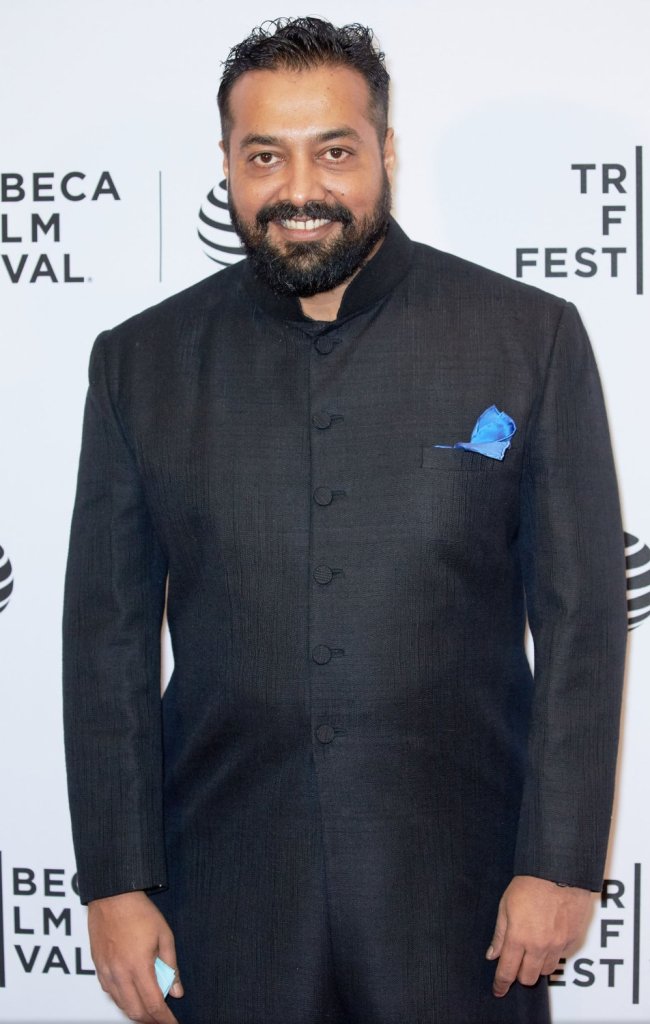
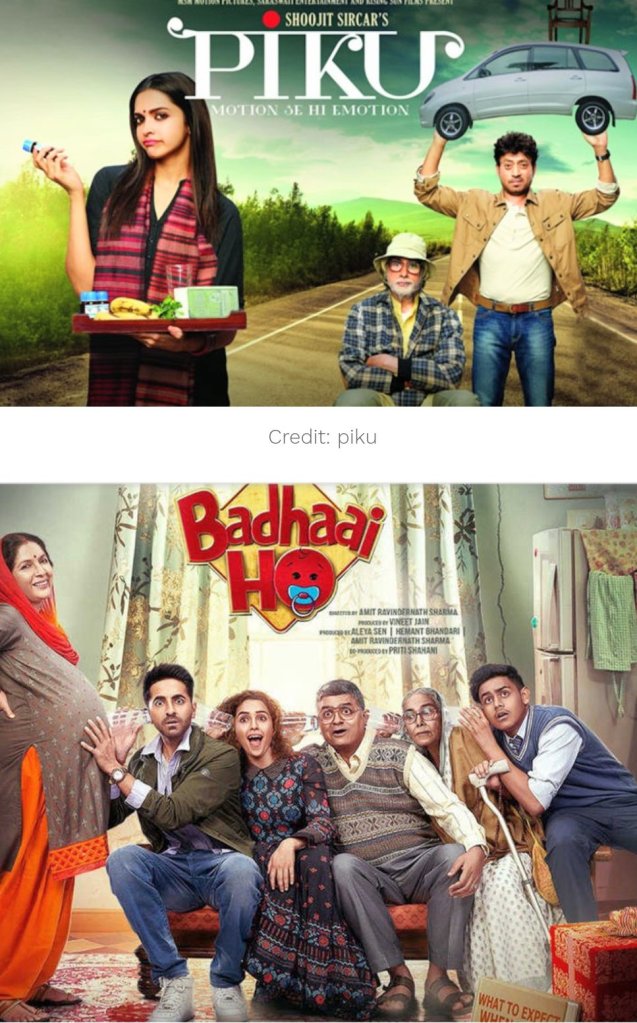
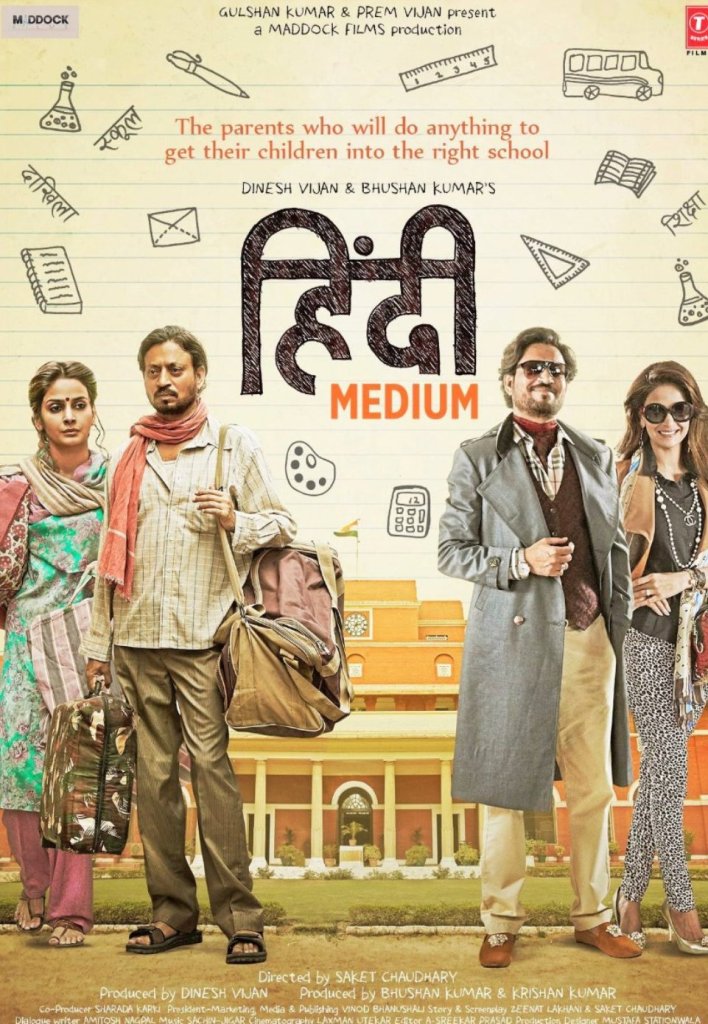
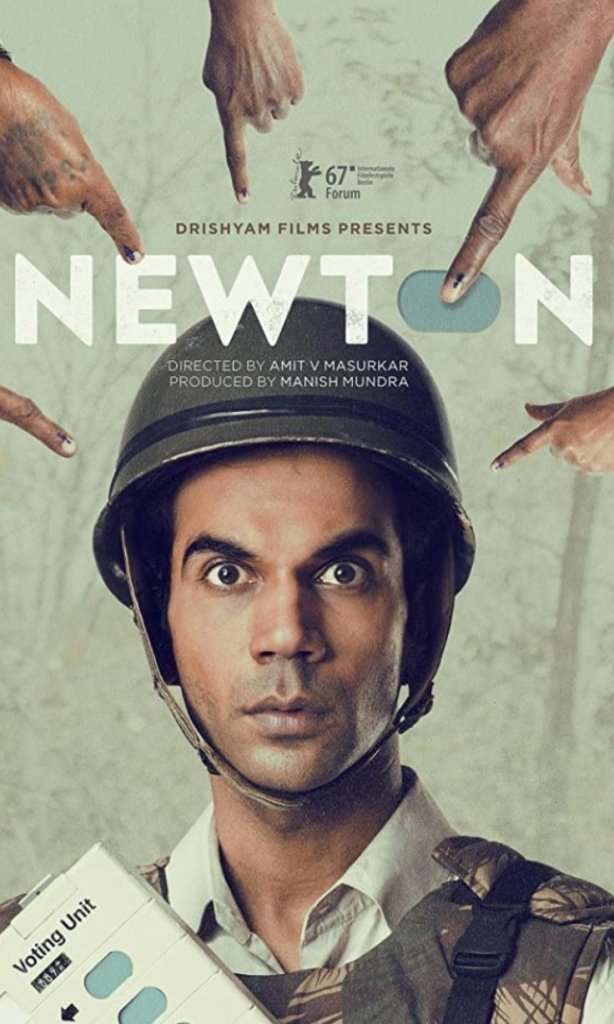
WAS ANURAG KASHYAP A GAME CHANGER OF BOLLYWOOD??..

Well! Well! First let me give you disclaimer that this discussion is about the contemporary scanerio of Bollywood keeping in mind classic Bollywood (which was full of new ideas) and I am not a big fan of kashyap but infact love his unique style of filmmaking (not always) he played completely different symphony than the USUAL BOLLYWOOD.

Credit: IMDB

Also, we need to Know one thing that kashyap is not the only director/ writer who love to experiment has different perceptive. Many new writers coming now more with fresh ideas continue same legacy which we lost back behind years ago .

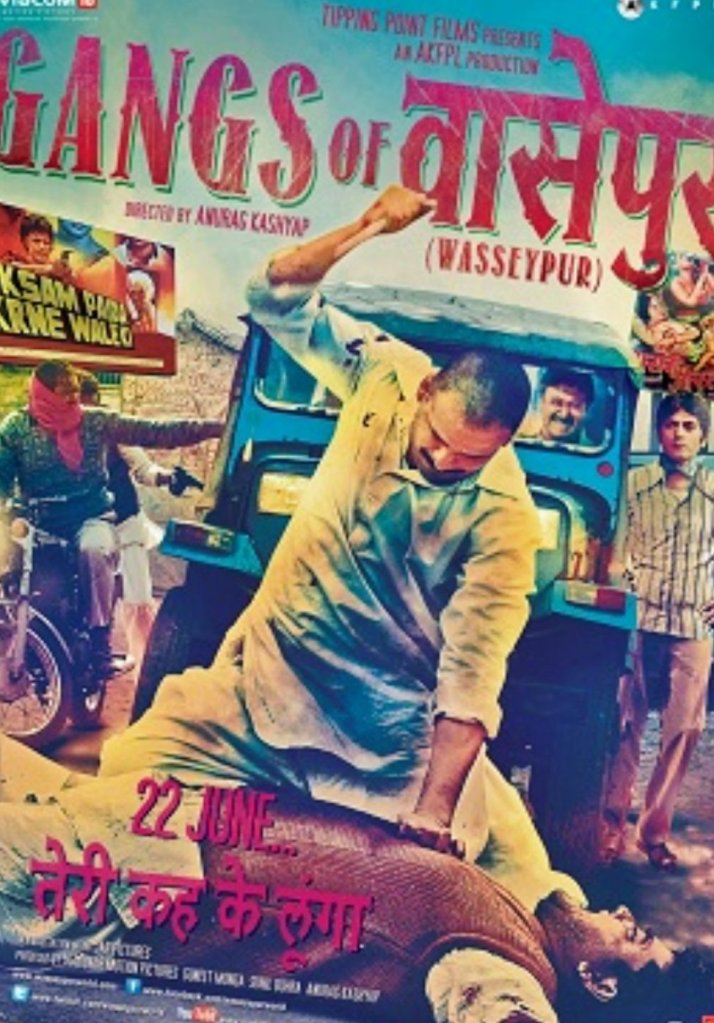
Now, let’s discuss why he is game changer. kashyap’s gangs of wasseypur was brought new wave of talented actors , never seen the kind of a screenplay that we encounter in GOF. Whereas mostly seen big stars in movies with nothing but only Dancing.

Both wasseypur part 1 and 2 stood only on script, acting, screenplay, direction, editing, cinematography and music that’s all . All ingredients that we need to make a good/ decent movie no more sho Sha!!

Credit: IMDb

Anurag is the one who had fights with censor, continue to strike on right matters. Actually loves to dance on his own rhyme and creates his own beats. There must be many writers who wants to find their ways in Bollywood. So, what wasseypur did moved the table in 360° angel. How? Audience is GOD in showbiz , People love the film then what will happened critical claimed, HIT on silver screen, audience love dialogue (ironically even recite). Anurag became the The Anurag kashyap people started experiments in ways of thinking and filmmaking that was not the case before.

New writers started writing in real authentic way. Producers are ready to take risks, giving chances to new people. I am not saying it is completely changed but slowly and steadily moving towards changing and progressing simultaneously .

Good content matters

Ohh! Really good content matters now days. Not just movies but WEB SERIES CULTURE changed the entire filmmaking environment. where new writers has more to express , no censorship or producers/actors tantrums . All we need audiences.

Credit: IMDB

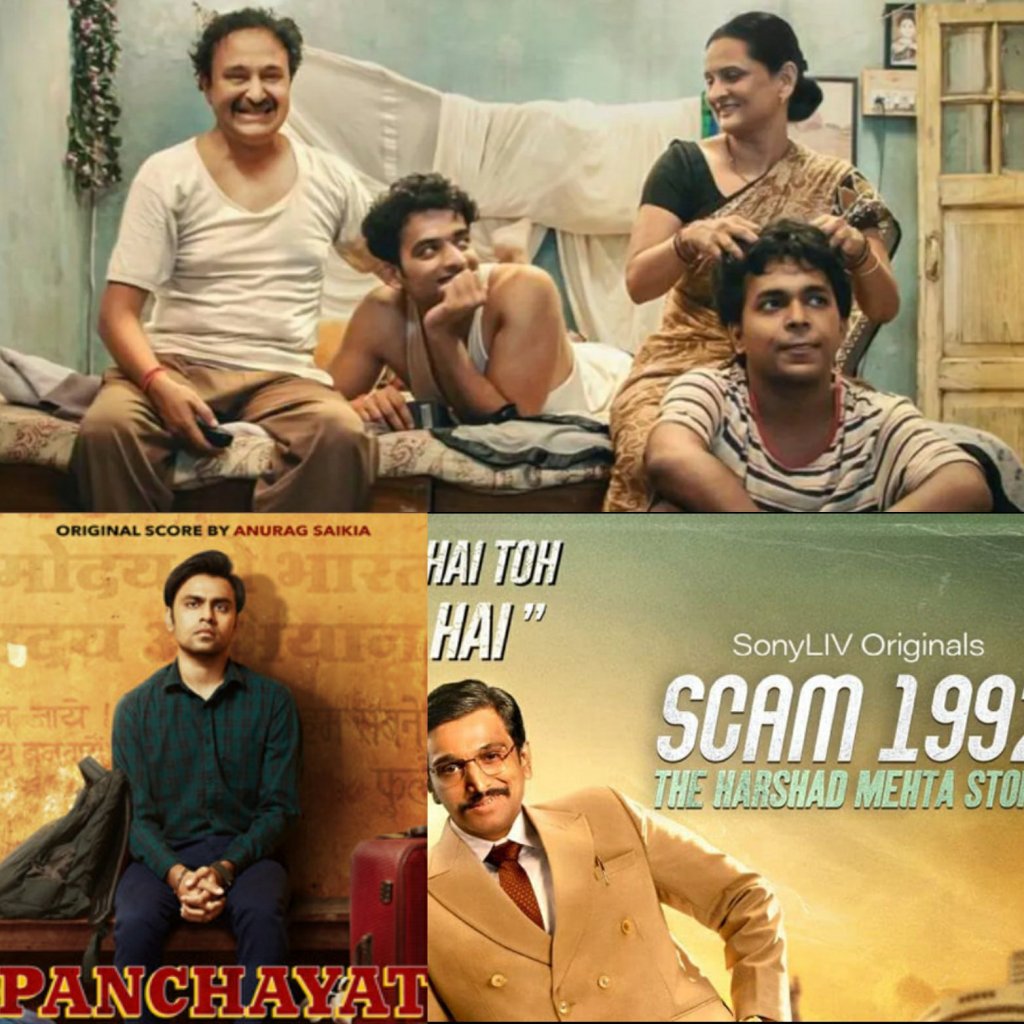
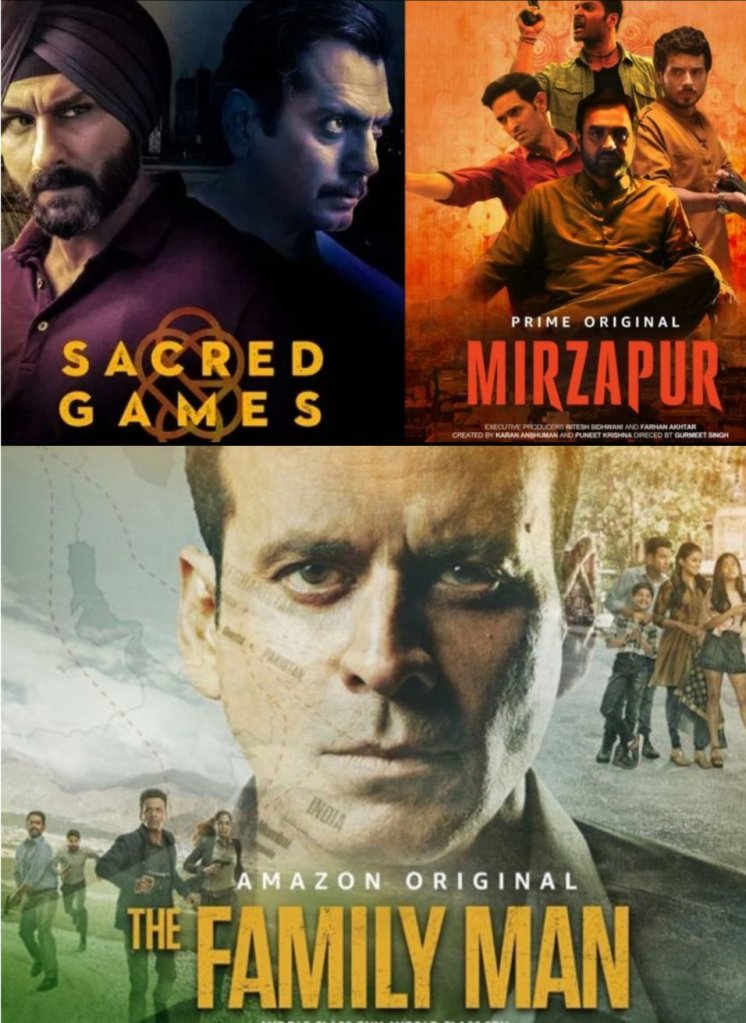
Mirzapur, scared games, patal Lok , family man are those web series which has something different new as compare to that old Bollywood stories. You know what I mean!!

Credit: IMDB

Anurag kashyap was ready to take risk when nobody wants to make movies what movies should be look like. Now after 2012 we can say there is lots of movies which likeable and different. However, before 2012 there were good like swades, luck by chance, udaan, lakshay , sarfrosh, lagaan, and many more but these kind of movies came out as once in year but now every next Friday we have something good to watch.

Introduction of Talent to BOLLYWOOD

Credit: IMDB


I will give one more example which infused that anurag is a game changer. He was the one who introduce us to amazing talent like nawazuddin , pankaj tripathi, Raj Kumar Rao, kalki koechlin, mahi Gill, abhay deol, radhika apte etc. Just imagine today’s cinema without them… You’ll be like yes that’s what we want. Who really deserves what they have late but not rejected. Where Nawaz was only seeing as pick pocketer in Munna Bhai mbbs nothing as he got because he doesn’t own THAT Bollywood looks.

Credit: IMDB
Credit: IMDB

All I can say enjoy new Bollywood and web series experiment with the hint of talented and handsome actors.

Remember –

If you not afraid then you are not taking risk, if you are not taking risks, then you are not doing something original. – Beau willimon (house of cards’ director)

WAS ANURAG KASHYAP A GAME CHANGER OF BOLLYWOOD??..

Well! Well! First let me give you disclaimer that this discussion is about the contemporary scanerio of Bollywood keeping in mind classic Bollywood (which was full of new ideas) and I am not a big fan of kashyap but infact love his unique style of filmmaking (not always) he played completely different symphony than the USUAL BOLLYWOOD.

Credit: IMDB

Also, we need to Know one thing that kashyap is not the only director/ writer who love to experiment has different perceptive. Many new writers coming now more with fresh ideas continue same legacy which we lost back behind years ago .

Now, let’s discuss why he is game changer. kashyap’s gangs of wasseypur was brought new wave of talented actors , never seen the kind of a screenplay that we encounter in GOF. Whereas mostly seen big stars in movies with nothing but only Dancing.

Both wasseypur part 1 and 2 stood only on script, acting, screenplay, direction, editing, cinematography and music that’s all . All ingredients that we need to make a good/ decent movie no more sho Sha!!

Credit: IMDb

Anurag is the one who had fights with censor, continue to strike on right matters. Actually loves to dance on his own rhyme and creates his own beats. There must be many writers who wants to find their ways in Bollywood. So, what wasseypur did moved the table in 360° angel. How? Audience is GOD in showbiz , People love the film then what will happened critical claimed, HIT on silver screen, audience love dialogue (ironically even recite). Anurag became the The Anurag kashyap people started experiments in ways of thinking and filmmaking that was not the case before.

New writers started writing in real authentic way. Producers are ready to take risks, giving chances to new people. I am not saying it is completely changed but slowly and steadily moving towards changing and progressing simultaneously .

Good content matters

Ohh! Really good content matters now days. Not just movies but WEB SERIES CULTURE changed the entire filmmaking environment. where new writers has more to express , no censorship or producers/actors tantrums . All we need audiences.

Credit: IMDB

Mirzapur, scared games, patal Lok , family man are those web series which has something different new as compare to that old Bollywood stories. You know what I mean!!

Credit: IMDB

Anurag kashyap was ready to take risk when nobody wants to make movies what movies should be look like. Now after 2012 we can say there is lots of movies which likeable and different. However, before 2012 there were good like swades, luck by chance, udaan, lakshay , sarfrosh, lagaan, and many more but these kind of movies came out as once in year but now every next Friday we have something good to watch.

Introduction of Talent to BOLLYWOOD

Credit: IMDB

I will give one more example which infused that anurag is a game changer. He was the one who introduce us to amazing talent like nawazuddin , pankaj tripathi, Raj Kumar Rao, kalki koechlin, mahi Gill, abhay deol, radhika apte etc. Just imagine today’s cinema without them… You’ll be like yes that’s what we want. Who really deserves what they have late but not rejected. Where Nawaz was only seeing as pick pocketer in Munna Bhai mbbs nothing as he got because he doesn’t own THAT Bollywood looks.

Credit: IMDB
Credit: IMDB

All I can say enjoy new Bollywood and web series experiment with the hint of talented and handsome actors.

Remember –

If you not afraid then you are not taking risk, if you are not taking risks, then you are not doing something original. – Beau willimon (house of cards’ director)

Earth Day 2022

HISTORY OF EARTH DAY:

The first Earth Day in 1970 launched a wave of action, including the passage of landmark environmental laws in the United States. The Clean Air, Clean Water, and Endangered Species Acts were created in response to the first Earth Day in 1970, as well as the creation of the Environmental Protection Agency (EPA). Many countries soon adopted similar laws. Earth Day continues to hold major international significance: In 2016, the United Nations chose Earth Day as the day when the historic Paris Agreement on climate change was signed into force.

Now, the fight for a clean environment continues with increasing urgency, as the ravages of climate change become more and more apparent every day. As the awareness of our climate crisis grows, so does civil society mobilization, which is reaching a fever pitch across the globe today. Earth Day was a unified response to an environment in crisis — oil spills, smog, rivers so polluted they literally caught fire. On April 22, 1970, 20 million Americans — 10% of the U.S. population at the time — took to the streets, college campuses, and hundreds of cities to protest environmental ignorance and demand a new way forward for our planet. The first Earth Day is credited with launching the modern environmental movement and is now recognized as the planet’s largest civic event.

Earth day continues to grow as a worldwide event focused on promoting clean living and a healthy, sustainable habitat for all living beings. The day also reminds us how fragile our planet is and how it is important to save it from the global climate crisis that is worsening with each passing day. The theme of Earth Day 2022 is to ‘Invest in our planet’, urging businesses to shift towards sustainable practices. According to the UN, “Despite on-going efforts, biodiversity are deteriorating worldwide at rates unprecedented in human history. It is estimated that around one million animal and plant species are now threatened with extinction”. As per Earth Day Organization, “We need to act (boldly), innovate (broadly), and implement (equitably). It’s going to take all of us all in. Businesses, governments, and citizens — everyone accounted for, and everyone accountable. A partnership for the planet.”

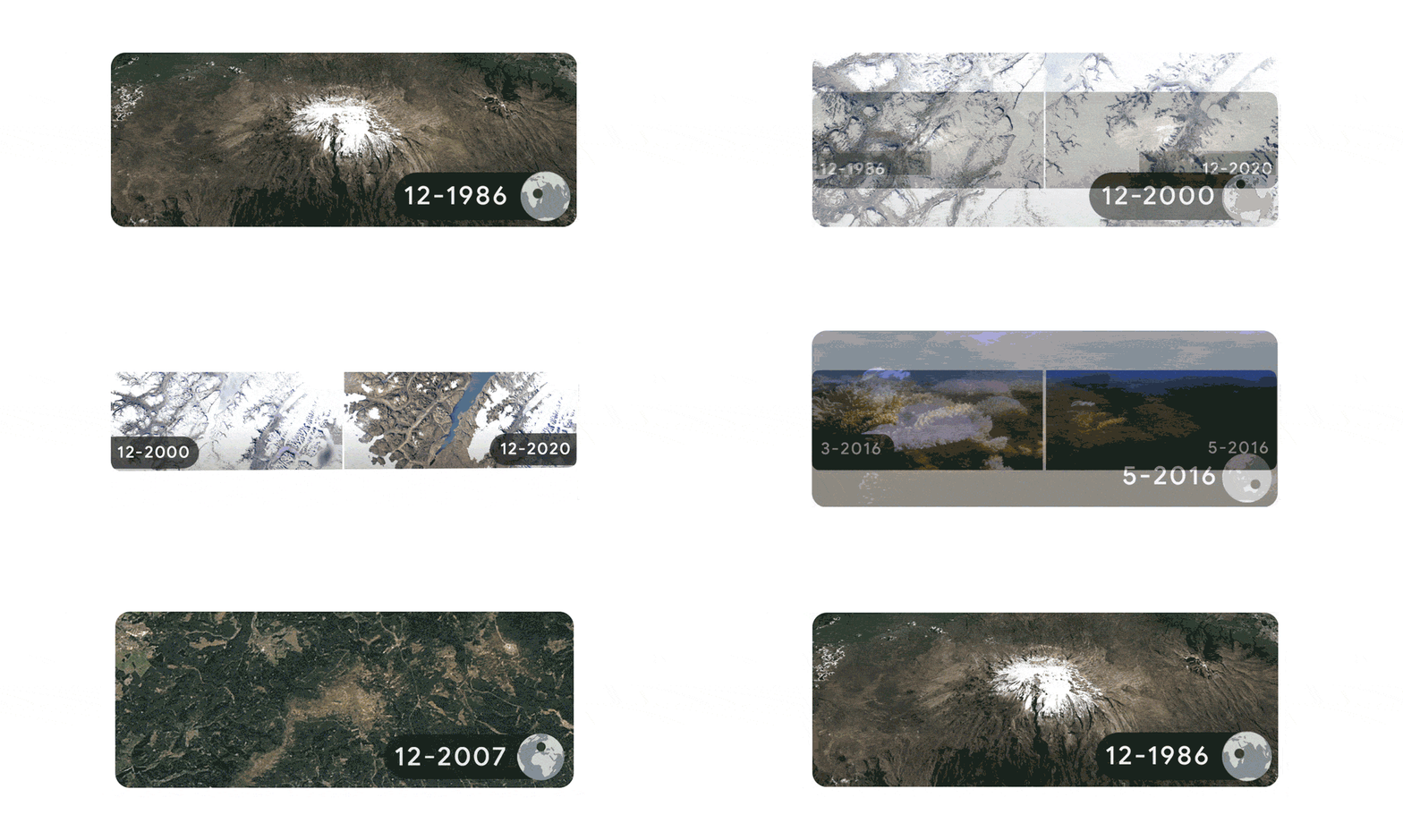
On the occasion of Earth Day 2022, American tech giant Google also dedicated the artwork through its Doodle to raise awareness about climate change. The artwork showcases real time-lapse imagery from Google Earth Time-lapse and other sources to showcase the impact of climate change across different regions.

reference-https://www.indiatoday.in/information/story/earth-day-2022-theme-history-significance-and-all-you-need-to-know-1940282-2022-04-22

Every year we celebrate earth day on 22nd of April as a reminder for the mankind to protect and safeguard the mother earth and its species, to make Earth a better place for the coming generations. It’s gained   a lot of popularity and significance in the world in the recent years as to global crisis relating to environment like global warming, deforestation, climate change etc.

We celebrate our mother earth with ‘World Earth Day, which marks the anniversary of the Modern Environmental Movement, which started in 1970. World Earth Day is a reminder for mankind to protect and safeguard the mother earth and its species, to make Earth a better place for the coming generations. April 22, 2022, will mark 52 years of Earth Day. Today, Earth Day is widely recognized as the largest secular observance in the world, marked by more than a billion people every year as a day of action to change human behaviour and provoke policy changes.