NCGG concluded its 2nd Webinar of webinar series on Public Policy and Good Governance in collaboration with IIT Kanpur on 24th October 2024. The webinar was chaired by Shri V. Srinivas, Secretary, Department of Administrative Reforms and Public Grievances (DARPG) & Director General, National Centre for Good Governance (NCGG).
There were two esteemed speakers for the webinars. The first speaker for the webinar was Dr. Ajay Kumar, former Defence Secretary, Government of India & Distinguished Visiting Professor at IIT Kanpur and the second speaker for the webinar was Prof. Vimal Kumar, Head, Dept of Economic Sciences, IIT Kanpur.
Dr. Ajay Kumar delivered lecture on Challenges in Public Policy highlighting the role of Government of India in Policy making and how over the time it has changed its approach in policy making. His lecture further highlighted that changes in public policies should be calibrated in phases, the impact of digitization in mitigating the challenges faced while making new policies by highlighting the digitization of land records. He also highlighted on using data in decision making. He elaborated on the different approaches to policy making and emphasized that the process of policy making should involve diverse stakeholders. While discussing the challenges in public policy he also suggested the solutions such as incentivizing the progressive policies.
The second speaker for the webinar was Prof. Vimal Kumar, Head of Economic Sciences, IIT Kanpur who delivered his lecture on Platform Business Model & their regulation in Digital Economy. He started his lecture by discussing a quick history of Business in India from artisans producing single product to mass production. His lecture also suggested the importance of network and platform creation for any successful business model. He emphasized on diverse usage of various business platforms including payment networks, social media, traditional media such as newspaper, e-commerce platforms like Amazon & Flipkart, Apple’s App store and others. He also highlighted network on a platform within the group and cross-group wherein he explained attraction loop and attraction spill over. He concluded his lecture with the importance of digital platform using the comparison between BMW and Uber as case studies.
The webinar was concluded by the vote of thanks given by Dr. Himanshi Rastogi, Associate Professor, NCGG. Dr. Rastogi, expressed her heartfelt thanks to all participants, from Institutes of National Importance and Central Universities. She also thanked Shri V. Srinivas, Secretary, DARPG & Director General, NCGG for chairing the webinar.
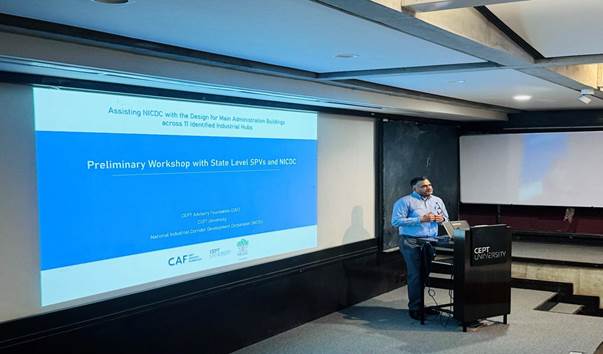
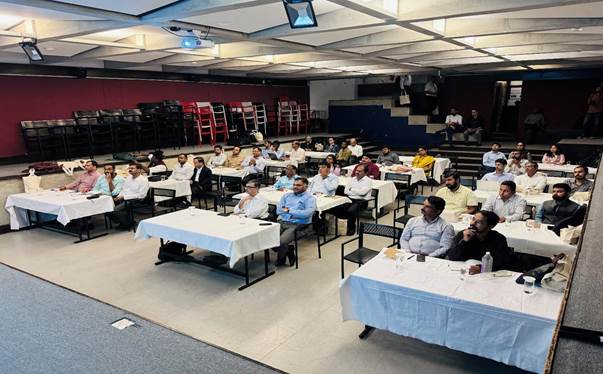
The National Industrial Corridor Development Corporation Limited (NICDC), under the administrative control of the Department for Promotion of Industry and Internal Trade (DPIIT), Ministry of Commerce and Industry, Government of India, in collaboration with the CEPT Advisory Foundation (CAF) of the Centre for Environmental Planning and Technology (CEPT) University, organised a workshop to discuss the sustainable design of administrative buildings for 12 new greenfield industrial smart cities recently approved by the Government of India. This first-of-its-kind workshop, held on October 24, 2024, at the CEPT University campus in Ahmedabad, Gujarat, focused on highlighting sustainable design concepts such as biophilic architecture, integrated and inclusive planning, energy efficiency, and climatic bio-massing.
It has been envisioned that administrative buildings in these futuristic smart cities will embody these advanced principles to create uniquely designed structures that contribute to eco-friendly urban landscapes.The workshop was held to inspire Special Purpose Vehicles (SPVs) and state officials to participate in discussions on emerging technologies and sustainable practices on both national and global levels.
Participants engaged in two detailed sessions during the workshop. In the initial session, the emphasis was placed on the value of good design and its role in creating appealing, functional workspaces. Distinguished architects demonstrated exemplary projects to showcase the advantages of innovative designs, while open discussions were held on the latest design trends and implementation challenges. This session was led by renowned professionals, including Ms. Aparna Khemani from Gensler, Mr. Bedanta Saikia from Edifice, and Mr. Ambrish Arora from Studio Lotus.
In the second part of the workshop, the CAF team outlined a robust and transparent process for procuring architectural services. This presentation emphasized the importance of balancing quality and cost in commissioning competent designers through a reliable and thorough process. This session was facilitated by Mr. Prasad Jasti from Jacobs and Mr. Avanish Pendarkar, Center Head, CEPT Urban Planning and Design Foundation – CoE.
CEO and MD, NICDC, Shri Rajat Kumar Saini, IAS, stressed the significance of developing unique, iconic administrative buildings in the industrial smart cities being established under the National Industrial Corridor Development Programme. The aim of these industrial corridors is to create dynamic zones that stimulate industrial growth, improve logistics, and foster eco-friendly environments. Shri Saini expressed the NICDC’s vision of collaborating with CEPT University and CAF to develop resilient cities equipped to meet the needs of future generations.
CAF Director, Mr. Darshan Parikh, highlighted the importance of this collaboration with NICDC and SPVs, emphasising that CAF is committed to supporting NICDC in realising the vision of iconic buildings across designated locations. Mr. Parikh added, “Together, we aim to work collaboratively to bring the best design competencies for the development of these iconic administrative buildings”.
The workshop concluded with state officials gaining a deeper understanding of the nuances involved in designing and planning context-specific, innovative administrative buildings. This initiative represents a step toward the goal of Viksit Bharat, showcasing the pivotal role that architecture, culture, design, planning, technology, research play in building a robust and sustainable future.
NICDC, formerly known as the Delhi Mumbai Industrial Corridor Development Corporation, is responsible for developing greenfield industrial smart cities with manufacturing as the primary economic driver, as part of the National Industrial Corridor Development Programme.
CEPT Advisory Foundation (CAF) is a section 8 (non-profit) company that focuses on advisory projects, constituted in November 2023. CAF offers services across nine thematic centres, including urban planning, transport, infrastructure, and water supply and sanitation. Its portfolio includes over 200 projects, ranging from development and strategic plans to feasibility studies and development control regulations.
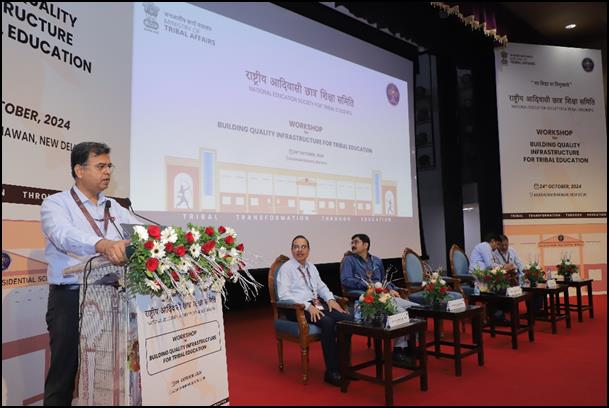
National Education Society for Tribal Students (NESTS) successfully organized a workshop on “Building Quality Infrastructure for Tribal Education” on 24th October 2024 at Akashvani Bhawan, New Delhi. This event is part of the government’s ongoing efforts to provide quality educational infrastructure for tribal communities through Eklavya Model Residential Schools (EMRSs), ensuring sustainable and effective learning environments.
Shri Ajeet K. Srivastava, Commissioner of NESTS, inaugurated the workshop, emphasizing the critical need for completing EMRS construction on time with emphasis on quality of construction. He stated, “Non completion of good quality EMRS on time means tribal children not going to school which is unacceptable.” He exhorted the participants to take pledge that they would construct EMRS before time by ensuring best quality of construction. Commitment to multifaceted development is evident in NESTS’ initiatives, including modern educational programs like the Amazon Future Engineering program and the organization of a Principal’s Conclave focused on academic and administrative excellence. This holistic approach underscores the importance of providing both high-quality infrastructure and advanced educational opportunities for tribal students.
Shri Ajeet K. Srivastava, Commissioner, NESTS addressing the gathering.
The workshop covered essential technical aspects such as geotechnical investigations, material testing, earthwork, and the reinforcement of construction practices in tribal areas. Participants included civil engineers, project managers, and architects, all eager to share best practices and insights from the newly launched handbook titled “Building Quality Infrastructure for Tribal Education.”
Interactive sessions focused on project planning, architectural layouts, and specific reinforcement issues related to tribal education infrastructure. Participants emphasized the importance of aligning construction practices with the unique geographical and cultural contexts of tribal regions for sustainable development.
Throughout the day, expert speakers provided valuable insights, fostering collaboration and innovative solutions to infrastructure challenges.
Topics included quality assurance during the construction process, effective material testing methodologies, and strategies for successful project planning. Interactive Q&A sessions allowed participants to address specific issues related to EMRS development, facilitating knowledge exchange and practical problem-solving.
This pioneering workshop represents a significant step forward in NESTS’ mission to enhance educational access and quality for tribal communities, reaffirming its vision of providing equal opportunities for all tribal students.
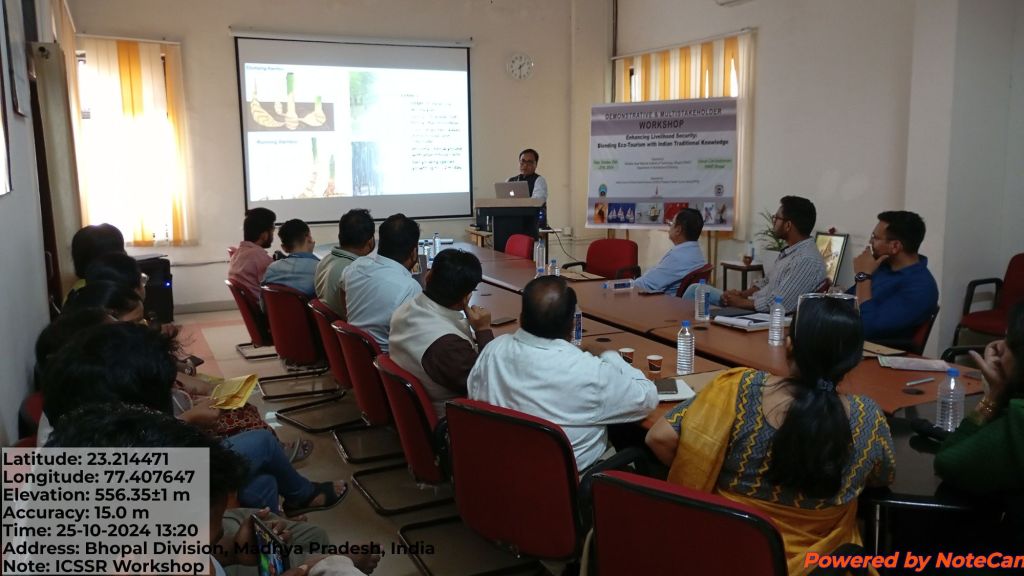
Bhopal, October 25, 2024 — The ICSSR-sponsored workshop, titled “Enhancing Livelihood Security: Blending Eco-Tourism with Indian Traditional Knowledge,” commenced today at MANIT Bhopal, in collaboration with the Madhya Pradesh Tourism Board. The event, hosted by the Department of Architecture & Planning, attracted a diverse group of experts, researchers, and local stakeholders.
The inaugural session featured a welcome address and introduction to the workshop’s objectives, focusing on sustainable development strategies that integrate eco-tourism with traditional knowledge to support tribal livelihoods. Dr. Sameeta Rajora, CEO of M.P. Eco-Tourism, graced the event as Guest of Honour, sharing insights on eco-tourism’s role in enhancing the socio-economic status of tribal communities in the region.
The first lecture was delivered by Dr. Lal Bihari Singha of Manipur University, who highlighted the cultural significance of bamboo crafting in homestay tourism, emphasizing its potential to strengthen local economies. Following the lecture, Dr. Khokhar from Van Dhan Kendra, Mandla, presented an expert session on developing indigenous herbal products for tourism, showcasing various herbal teas and wellness products created by tribal artisans.
The day concluded with a panel discussion on “Challenges and Opportunities for Livelihood Sustainability,” where prominent panelists, including Jigyasa Bisaria, Dr. Ramakant, and Prof. Madhuri Dubey, explored potential solutions for sustaining livelihoods through eco-tourism and community involvement.
The workshop continues tomorrow with a deliberation session, followed by a site visit to understand the livelihood opportunities available within the tribal communities of Madhya Pradesh.
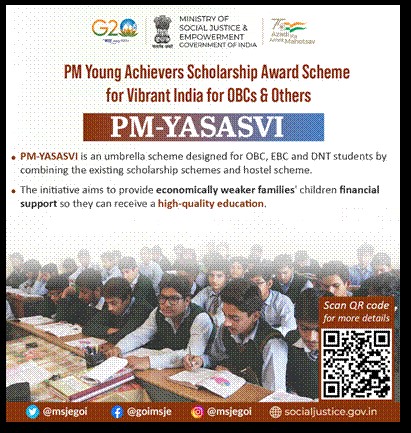
With a vision of “Sabka Sath, Sabka Vikas”, the Ministry of Social Justice and Empowerment has implemented the PM Young Achievers Scholarship Award Scheme for Vibrant India (PM-YASASVI). This comprehensive umbrella scheme is aimed at uplifting students from Other Backward Classes (OBC), Economically Backward Classes (EBC), and Denotified Tribes (DNT) by providing them with access to quality education during their formative years.
The PM YASASVI scheme consolidates and enhances several earlier initiatives, including the Dr. Ambedkar Post-Matric Scholarship Scheme for EBCs and the Dr. Ambedkar Pre-Matric and Post-Matric Scholarship Scheme for DNTs, which were subsumed under this program starting from 2021-22. By integrating these schemes, PM YASASVI aims to ensure a more streamlined and impactful approach to supporting the educational needs of socially and economically disadvantaged students.
Objective
The overarching goal of the scheme is to promote educational empowerment among these vulnerable groups, helping them overcome financial barriers and complete their education. This initiative not only fosters individual academic growth but also contributes to the broader vision of creating a more inclusive and equitable society.
Under this Scheme students can avail Pre-Matric Scholarship from Class 9 to 10 and Post Matric Scholarship for their higher studies at post-matriculation or post-secondary stage. Students who excel in their studies also get an opportunity of Scholarship to study in Top Class Schools and Colleges under the Scheme of ‘Top Class School Education’ and ‘Top Class College Education’. Hostel facilities are also provided to OBC students under the ‘Scheme of Construction of Hostels for OBC boys and girls.’
PM –YASASVI for OBC, EBC and DNT students has been formulated having following five sub-schemes:
Pre-Matric Scholarship for OBC, EBC and DNT Students
Post-Matric Scholarship for OBC, EBC and DNT Students
Top Class School Education for OBC, EBC and DNT Students
Top Class College Education for OBC, EBC and DNT Students
Construction of Hostel for OBC Boys and Girls
Scope
The Pre-Matric Scholarship is designed for students in classes IX and X attending government schools, offering an annual academic allowance of Rs. 4,000 to families with an income below Rs. 2.5 lakh. For the 2023-24 academic year, Rs. 32.44 crore has been allocated to states and Union Territories for its implementation. The Post-Matric Scholarship supports students pursuing post-secondary education, providing academic allowances ranging from Rs. 5,000 to Rs. 20,000 based on the category of the course. For this scheme, Rs. 387.27 crore has been released for the current year.
Additionally, the Top Class School and College Education schemes are designed to support meritorious students from OBC, EBC, and DNT categories. These programs cover tuition fees, hostel expenses, and other academic costs, with school students (Class 9-12) eligible for funding up to Rs. 1.25 lakh annually. College students at top institutions receive full financial support, including tuition, living expenses, and educational materials. To further enhance access to education, Rs. 12.75 crore has been allocated in 2023-24 under the ‘Construction of Hostels for OBC Boys and Girls’ scheme, which aims to provide accommodation for socially and educationally backward students near government schools and institutions, ensuring they have better access to quality education.
Benefits
The PM YASASVI aligns with the government’s broader vision of fostering inclusivity, equity, and societal upliftment. By offering comprehensive support to students from OBC, EBC, and DNT categories, it directly addresses the systemic barriers that prevent many from accessing quality education. This initiative not only ensures financial assistance but also promotes educational empowerment for some of the most vulnerable sections of society, thereby creating opportunities for upward mobility and self-reliance.
The scheme’s focus on supporting students at both school and college levels helps to nurture talent from an early age and carry it through to higher education, laying a strong foundation for personal and professional growth. Moreover, by integrating earlier scholarship initiatives into a single, streamlined program, PM YASASVI enhances the impact of these efforts, contributing to the creation of a more inclusive and equitable education system. PM-YASASVI is ensuring that no student is left behind in the pursuit of academic and social progress. This scheme is playing a crucial role in the welfare and upliftment of marginalized communities, enabling them to contribute meaningfully to the vision of Viksit Bharat @ 2047.
Impact
The PM YASASVI (Young Achievers Scholarship Award Scheme for Vibrant India) scheme has made significant strides in providing financial assistance to students from Other Backward Classes (OBC), Economically Backward Classes (EBC), and De-Notified Tribes (DNT). In Financial Year 2023-24, a substantial sum of ₹ 193.83 cr. was allocated for the Pre-Matric Scholarship, benefiting 19.86 lakh students during 2023-24, with further beneficiaries for 2023-24 expected. Similarly, under the Post-Matric Scholarship scheme, ₹988.05 cr. was released, benefiting 27.97 lakh students in 2023-24. These scholarships aim to empower underprivileged students by alleviating financial burdens, thereby promoting education across marginalized communities.
Additionally, the government has invested in other educational support initiatives. ₹14.30 cr. has been released for the construction of hostels, accommodating 1146 students in 2023-24. Top-class education programs and overseas study interest subsidies have also seen significant funding, reaching thousands of students. For example, ₹ 111.18 cr. was allocated to support 4762 students in top Class education in college scheme and Rs. 6.55 Cr. Was allocated to support 2602 students in Top Class education in Schools for OBC, EBC & DNT Students and ₹ 56.24 Cr. was granted as interest subsidies to 2789 students pursuing overseas education. These efforts reflect the growing impact of the PM YASASVI scheme, which is transforming the educational landscape for disadvantaged students, enabling them to achieve their academic potential and contributing to overall societal upliftment.
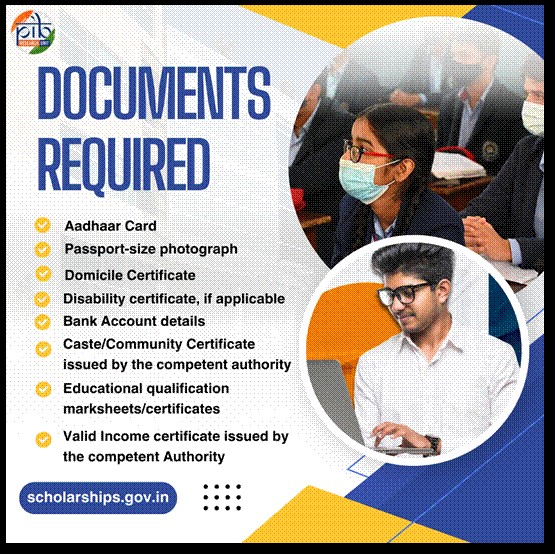
*Any additional documents specified in the application form
Key Points
Selection Process: The YASASVI Entrance Test (YET) 2023 is the basis for candidate selection, conducted by the National Testing Agency (NTA) under the direction of the Ministry of Social Justice and Empowerment (MSJ&E), Government of India.
Eligibility: Open to OBC, EBC, and DNT students with a total annual family income of up to ₹2.50 lakhs. Additional eligibility criteria may apply, depending on the specific scholarship scheme.
Where to Apply: Eligible students can apply online at the National Scholarship Portal: scholarships.gov.in.
Conclusion
By offering a comprehensive array of scholarships and support programs, PM-YASASVI is addressing the financial constraints that often hinder access to education for marginalized communities. The integration of various earlier schemes into one streamlined initiative ensures that students are supported from their school years through to higher education, creating pathways for personal and professional growth. With the government’s ongoing commitment to expanding access to quality education, the PM YASASVI Scheme is making a tangible impact on the lives of thousands of students, helping to create a more inclusive and prosperous India.
Selling your home can be an emotional and daunting process, often marked by a mix of excitement and anxiety. Whether you’re moving for a job, downsizing, or seeking a change of scenery, understanding the selling journey can help you navigate the complexities involved. Here’s what to expect when you decide to list your home.
Before you even list your home, preparation is key. Start by decluttering and depersonalizing your space. Potential buyers want to envision themselves in your home, so it’s important to create a neutral environment. Remove personal photographs, excess furniture, and any items that may distract from the home’s features.
Consider making necessary repairs, such as fixing leaky faucets, patching up holes in the walls, or freshening up the paint. Investing in minor updates, like landscaping or new light fixtures, can significantly enhance curb appeal and attract buyers.
2. Setting the Right Price
One of the most critical aspects of selling your home is setting the right price. Overpricing can deter potential buyers, while underpricing may lead to financial loss. To find the ideal price, research comparable homes in your area that have recently sold. Consult a real estate agent to gain insights into the market and determine a competitive price based on current conditions and the unique features of your property.
3. Choosing a Real Estate Agent
Hiring a knowledgeable real estate agent can significantly impact your selling experience. Look for an agent with a strong track record in your local market. They can provide valuable advice on pricing, marketing strategies, and negotiation tactics. During your initial meetings, ask about their marketing plans, communication style, and experience to ensure they align with your needs.
4. Listing Your Home
Once you’ve prepared your home and set a price, it’s time to list it. Your agent will typically create a listing that includes high-quality photographs and a compelling description of your home’s features and amenities. Online listings are critical since most buyers start their search on the internet. Ensure your agent promotes your home across multiple platforms, including real estate websites, social media, and local listings.
5. Showings and Open Houses
Expect your home to be shown to potential buyers, often at a moment’s notice. Be prepared for various showings and open houses. During this time, it’s crucial to keep your home clean and presentable. Consider a flexible schedule, allowing your agent to arrange showings at convenient times for potential buyers.
When buyers visit, try to make yourself scarce. This allows them to explore your home freely and discuss their thoughts without feeling pressure. Ensure the atmosphere is welcoming: open curtains, turn on lights, and perhaps even bake cookies for an inviting scent.
6. Receiving Offers
As offers start to come in, your agent will present them to you. Each offer will include important details such as the proposed price, contingencies, and timelines. Don’t be discouraged if the first offer isn’t what you expected; it’s a part of the negotiation process.
Evaluate each offer carefully, considering not only the price but also the terms. Some buyers may request repairs or have contingencies that could affect the closing process. Work closely with your agent to determine the best course of action, whether it’s accepting an offer, making a counteroffer, or waiting for better terms.
7. Negotiation
Negotiation is a critical part of selling your home. Expect back-and-forth communication as you and the buyer work towards a mutually agreeable price and terms. Your agent will help facilitate this process, advising you on how to respond to offers and counteroffers effectively.
Keep in mind that negotiations can sometimes be tense. Be prepared to compromise on certain aspects, whether it’s the price, closing date, or specific repairs. Maintaining open lines of communication with your agent can help ease any tension and keep the process moving forward.
8. Closing the Deal
Once you’ve accepted an offer, the next phase is preparing for the closing process. This stage involves a significant amount of paperwork, including the purchase agreement, disclosures, and various legal documents. Your real estate agent will assist you in navigating this phase, ensuring that all required documents are completed correctly.
In Utah, it’s also wise to work with a real estate attorney to ensure compliance with state laws and to help you understand your rights and obligations. Typically, a home inspection will take place during the closing process, allowing the buyer to evaluate the condition of your property. If any issues come to light, you may need to negotiate repairs or concessions before the sale is finalized.
9. Moving Out
After closing, it’s time to move out of your home. Make a moving plan well in advance to ensure a smooth transition. Create a timeline for packing, schedule your moving day, and arrange for utilities to be disconnected. Consider hiring professional movers or enlisting friends and family to help with the process.
In Conclusion
Selling your home is a significant journey that requires careful planning, preparation, and patience. By understanding what to expect at each stage of the selling process, you can approach the experience with confidence and ease. Collaborating closely with a knowledgeable real estate agent can provide invaluable support, helping you achieve a successful and satisfying sale. Remember, while the process can be challenging, it’s also an exciting opportunity to embark on a new chapter in your life.
In today’s competitive business environment, cost management in large-scale operations has become a critical component for maintaining profitability and sustainability. Whether you’re managing a manufacturing plant, a sprawling logistics network, or a multi-national corporation, understanding and implementing effective cost management strategies can mean the difference between thriving and merely surviving. This blog post will explore various techniques and insights into managing costs effectively, tailored for decision-makers who aim to enhance operational efficiency.
Effective cost management is crucial for any business, but it becomes even more essential as operations scale. Large-scale operations often involve complex processes, multiple stakeholders, and significant capital investments. Mismanagement at any level can lead to financial losses and potential operational setbacks. By focusing on cost management, businesses can optimize resources, streamline operations, and improve overall financial health.
Cost management is not just about cutting expenses; it’s about making strategic decisions that align with long-term goals. For example, investing in technology that reduces manual labor can lead to immediate costs but result in substantial savings over time. This mindset shifts the focus from short-term budget constraints to long-term operational efficiency and sustainability.
Lastly, operating at a large scale allows businesses to take advantage of economies of scale. However, without proper cost management strategies, these advantages can quickly dissipate. Implementing robust cost management processes ensures that large-scale operations remain agile, efficient, and competitive in a rapidly changing market.
Streamlining Procurement Processes
Procurement is a major cost center in large-scale operations. Efficient procurement strategies can significantly reduce waste and lower costs. Centralizing procurement functions to enhance negotiation power with suppliers is one approach. By consolidating purchases, businesses can leverage better pricing, terms, and contracts, thereby reducing costs.
Automation is another valuable tool for streamlining procurement. Implementing technology solutions like procurement software can reduce manual errors, increase transparency, and improve efficiency. Automation also enables real-time analytics, allowing businesses to make data-driven decisions that enhance cost management.
Building strong relationships with suppliers also plays a pivotal role in cost management. Collaborating with suppliers can lead to better pricing agreements, improved product quality, and quicker delivery times. Establishing trust and open communication lays the groundwork for a mutually beneficial partnership that enhances cost efficiency.
Enhancing Workforce Efficiency
Labor costs are a significant expense for large-scale operations. Improving workforce efficiency can yield substantial cost savings. One approach is to invest in employee training and development programs. Equipping employees with the skills they need to work efficiently reduces errors, improves productivity, and increases job satisfaction.
Adopting flexible work arrangements is another strategy that can enhance workforce efficiency. Offering remote work options or flexible schedules can reduce overhead costs while improving employee morale and retention. This flexibility can lead to increased productivity and lower turnover rates.
Leveraging technology to automate repetitive tasks can also pay dividends. By freeing up employees from mundane tasks, businesses can focus their efforts on higher-value activities. This not only leads to cost savings but also drives innovation and continuous improvement within the organization.
Optimizing Supply Chain Management
Supply chain management is a critical area for cost management in large-scale operations. Effective supply chain strategies can reduce costs and improve service levels. One way to achieve this is by optimizing inventory levels. Implementing just-in-time inventory systems can reduce carrying costs and minimize waste.
Utilizing technology to improve supply chain visibility is another key strategy. Real-time tracking and data analytics can provide insights into demand patterns, supplier performance, and potential disruptions. Businesses can proactively address issues and avoid costly delays by gaining better visibility into the supply chain.
Collaborating with supply chain partners can also yield cost-saving opportunities. Developing strategic partnerships and sharing information can improve coordination, reduce duplication, and enhance efficiency. Such collaboration fosters an integrated supply chain that operates seamlessly and cost-effectively.
Leveraging Technology for Cost Efficiency
Technology plays a crucial role in cost management for large-scale operations. Investing in advanced technologies can improve processes, reduce errors, and enhance decision-making. For instance, utilizing industrial piping in Utah can streamline production processes, reduce downtime, and enhance overall efficiency.
Data analytics is another powerful tool for cost management. By analyzing large volumes of data, businesses can identify cost-saving opportunities, uncover inefficiencies, and make informed decisions. Predictive analytics can also help anticipate demand fluctuations and optimize resource allocation.
Incorporating automation into various aspects of operations can result in significant cost savings. Automated systems can handle repetitive tasks, monitor performance, and generate insights. This reduces labor costs and enhances accuracy, speed, and consistency across the organization.
Conclusion
Effective cost management is essential for large-scale operations seeking sustainable growth and profitability. By implementing strategies such as streamlining procurement, enhancing workforce efficiency, optimizing supply chain management, and leveraging technology, businesses can achieve cost efficiency and maintain a competitive edge.
To further enhance your cost management efforts, consider exploring additional resources or consulting experts in the field. Remember, successful cost management requires a holistic and proactive approach. By continually evaluating and optimizing your operations, you can ensure a strong foundation for long-term success.
In today’s fast-paced world, investing in self-improvement has become more important than ever. Personal development is not just about gaining new skills or knowledge; it’s about enhancing the quality of your life and achieving your goals. This blog post explores the concept of self-improvement as an investment and how even small personal choices can yield substantial returns over time.
Investing in yourself is one of the most rewarding decisions you can make. It encompasses learning new skills, adopting healthier habits, and expanding your mindset. By prioritizing self-improvement, you can unlock a range of benefits, from increased confidence to better career prospects.
One of the most significant advantages of personal investment is the boost in self-confidence. When you commit to improving yourself, you develop a sense of accomplishment and self-worth. This newfound confidence can help you tackle challenges and seize opportunities with determination and resilience.
In addition to self-confidence, investing in personal growth can enhance your career. Acquiring new skills and expanding your knowledge base makes you more valuable in the job market. Employers are always on the lookout for individuals who are committed to continuous improvement.
Setting Clear Goals and Intentions
The first step in investing in self-improvement is setting clear goals and intentions. Without a roadmap, it’s easy to get lost or distracted. Begin by identifying areas of your life you’d like to improve and establish specific, achievable objectives.
Clear goals give you a sense of direction and purpose. They provide you with motivation and a framework to measure your progress. By setting intentions, you are more likely to stay focused and committed to your self-improvement journey.
To set effective goals, use the SMART criteria—Specific, Measurable, Achievable, Relevant, and Time-bound. This approach ensures that your goals are realistic and attainable, making it easier to track progress and celebrate successes along the way.
Cultivating a Growth Mindset
A growth mindset is essential for self-improvement. It involves believing that your abilities and intelligence can be developed through dedication and hard work. This perspective fosters a love of learning and resilience in the face of challenges.
Having a growth mindset allows you to view setbacks as opportunities for growth rather than failures. It encourages you to take risks and step outside your comfort zone, leading to personal and professional development.
Cultivating a growth mindset involves being open to feedback, learning from mistakes, and seeking new experiences. By adopting this mindset, you create a foundation for continuous self-improvement and lifelong learning.
Building Strong Habits
Habits play a crucial role in self-improvement. They are the building blocks of change and can significantly impact your life. Developing positive habits requires discipline, patience, and consistency.
Start by identifying habits that align with your self-improvement goals. Whether it’s exercising regularly, reading daily, or practicing mindfulness, focus on incorporating these habits into your routine.
Building strong habits takes time and effort, but the rewards are well worth it. Over time, these habits become second nature, contributing to your overall well-being and success.
The Role of Education and Skill Development
Education and skill development are integral components of self-improvement. They open doors to new opportunities and help you stay competitive in a rapidly changing world. Whether through formal education or self-directed learning, acquiring new skills is a valuable investment.
Consider enrolling in courses, attending workshops, or pursuing certifications to enhance your knowledge and abilities. These investments can lead to career advancement, increased earning potential, and personal fulfillment.
Remember, learning doesn’t have to be limited to your professional life. Explore hobbies and interests that bring you joy and satisfaction. This holistic approach to education enriches your life and contributes to your overall development.
Prioritizing Health and Well-being
Your health and well-being are fundamental to personal growth. Without a strong foundation of physical and mental health, it’s challenging to achieve your goals and live life to the fullest.
Prioritize self-care by adopting healthy habits such as regular exercise, balanced nutrition, and adequate sleep. These practices boost your energy levels, improve your mood, and enhance your cognitive function.
Mental well-being is equally important. Practice mindfulness, seek support when needed, and engage in activities that promote relaxation and stress reduction. A healthy mind is better equipped to handle life’s challenges and maintain focus on self-improvement.
Building Meaningful Relationships
Relationships are a key aspect of personal development. Surrounding yourself with supportive, positive individuals can inspire and motivate you to grow. Invest time in nurturing meaningful connections with family, friends, and mentors.
Strong relationships provide emotional support, guidance, and encouragement. They offer different perspectives and insights that can enrich your self-improvement journey. By cultivating a network of positive influences, you create an environment conducive to personal growth.
Remember, meaningful relationships are built on trust, communication, and mutual respect. Be open, honest, and empathetic in your interactions to foster genuine connections.
Financial Literacy and Stability
Financial literacy and stability are essential components of personal growth. Understanding how to manage your finances empowers you to make informed decisions and plan for the future.
Invest time in learning about budgeting, saving, and investing. These skills provide you with the freedom and flexibility to pursue your self-improvement goals without financial stress.
Achieving financial stability enables you to invest in experiences and opportunities that enhance your personal development. Whether it’s further education, travel, or hobbies, having control over your finances allows you to make choices that align with your aspirations.
Leveraging Technology for Self-Improvement
Technology offers a wealth of resources to support your self-improvement efforts. From online courses to productivity apps, technology can enhance your learning experience and streamline your personal development.
Explore platforms that offer courses aligned with your goals and interests. Use productivity tools to manage your time and tasks effectively. Leverage social media and online communities to connect with like-minded individuals and share experiences.
While technology can be a powerful ally, it’s essential to use it mindfully. Set boundaries to prevent digital overload and ensure that your tech usage contributes positively to your self-improvement.
Dental Implants in Richland WA and Self-Care
Investing in self-care extends beyond daily habits—it includes taking care of your dental health. For instance, seeking dental implants in Richland WA can significantly enhance your quality of life if you’re dealing with missing teeth. Good oral health is vital for overall well-being and confidence, allowing you to focus more on your self-improvement goals.
Dental implants provide a permanent solution that looks and feels natural, improving your smile and boosting your self-esteem. This investment in your health can lead to better social and professional interactions, contributing positively to your self-improvement efforts.
Measuring Your Progress and Celebrating Success
Tracking your progress is crucial for staying motivated and achieving your self-improvement goals. Regularly evaluate your growth and make adjustments as needed. Celebrate your successes, both big and small, to maintain momentum and build confidence.
Set aside time to reflect on your achievements and the lessons learned along the way. This practice reinforces your commitment to self-improvement and helps you stay focused on future goals.
Remember, self-improvement is a lifelong journey. Be patient with yourself and acknowledge the progress you’ve made, no matter how incremental it may seem.
Conclusion
Investing in self-improvement is one of the most rewarding choices you can make. By prioritizing personal development, you unlock a lifetime of returns in the form of confidence, success, and fulfillment. Whether it’s through setting goals, building habits, or seeking knowledge, the path to self-improvement is filled with opportunities for growth.
Take action today and invest in yourself. Whether it’s enrolling in a course, joining a community, or starting a new habit, every step you take brings you closer to realizing your full potential. Remember, the best investment you can make is in your own future.
Owning a home is a dream come true for many, but with ownership comes responsibility. Regular home maintenance is often overlooked, yet it is crucial for ensuring the longevity of your property. Whether you’re a homeowner, a real estate investor, or a DIY enthusiast, understanding the importance of routine upkeep can save you time, money, and headaches in the long run. In this blog post, we’ll explore why regular maintenance matters, practical tips for keeping your home in top shape, and how it can enhance the value of your investment.
A well-maintained home not only looks good but functions efficiently. Regular maintenance helps identify and resolve minor issues before they escalate into significant problems. For example, a small leak in the roof might seem trivial, but if left unattended, it can lead to water damage, mold, and costly repairs. By addressing such issues promptly, you preserve the integrity of your home and ensure it remains a safe haven for your family.
Another reason maintenance is vital is energy efficiency. Routine tasks such as cleaning air filters or sealing windows can significantly reduce energy consumption, resulting in lower utility bills. A home that runs smoothly is not only cost-effective but also environmentally friendly, making it an important consideration for today’s eco-conscious homeowners.
Finally, regular upkeep enhances the resale value of your property. When potential buyers see that a home has been well-maintained, they are more likely to view it as a sound investment. This can lead to higher offers and a quicker sale, providing you with a better return on your investment.
Essential Exterior Maintenance Tasks
The exterior of your home is its first line of defense against the elements. Keeping it in excellent condition involves several key maintenance tasks. Start by inspecting your home’s siding for cracks or damage. These should be repaired promptly to prevent moisture from seeping in and causing structural issues.
Next, focus on your home’s roof. Regularly check for missing or damaged shingles, as these can lead to leaks. If your roof is aging, it may be time to consider installing a new roof in Sandy to protect your home from harsh weather conditions. Remember, a sturdy roof is essential for the overall safety and longevity of your home.
Don’t forget about your gutters and downspouts. Clean them regularly to ensure proper drainage and prevent water damage to your home’s foundation. Additionally, inspect the exterior paint and touch up any areas that are peeling or chipping to maintain your home’s curb appeal.
Indoor Maintenance for a Healthy Home
Inside your home, several maintenance tasks can keep everything running smoothly. Start with your HVAC system. Change the filters regularly to ensure efficient operation and improve indoor air quality. Schedule professional inspections at least once a year to catch any potential issues early.
Plumbing is another critical area. Check for leaks under sinks and around toilets, and repair them immediately to prevent water damage and mold growth. It’s also a good idea to test your water heater’s pressure relief valve annually to ensure it’s functioning correctly.
Electrical systems need attention, too. Test smoke detectors and carbon monoxide alarms monthly to keep your family safe. Also, inspect electrical outlets and cords for signs of wear or damage, and replace them if necessary to prevent potential hazards.
Saving Money with DIY Maintenance
Many maintenance tasks can be done yourself, saving you money on professional services. For instance, cleaning out gutters, replacing air filters, and touching up paint are simple tasks that require minimal tools and skills. Not only does DIY maintenance save money, but it also gives you a sense of accomplishment and a deeper understanding of your home.
However, it’s essential to know your limits. Some tasks, like roof repairs or electrical work, are best left to professionals who have the experience and equipment to do the job safely. Always prioritize safety over savings when considering DIY projects.
Creating a Maintenance Schedule
A well-organized maintenance schedule is key to keeping your home in top condition. Start by listing all the tasks that need to be done annually, seasonally, and monthly. This includes everything from inspecting the roof to checking the HVAC system.
Use a calendar or a home maintenance app to keep track of tasks and set reminders. By spreading out tasks throughout the year, you’ll avoid feeling overwhelmed and ensure that nothing is overlooked.
Community and Professional Resources
Don’t hesitate to tap into community resources for maintenance tips and advice. Local hardware stores often offer free workshops on home improvement projects, providing valuable skills and knowledge. Online forums and social media groups can also be great places to share experiences and get recommendations for reliable local contractors.
When professional help is needed, choose skilled and reputable service providers. Whether you’re installing anew roof in Sandy or fixing a plumbing issue, quality workmanship is crucial for long-term results. Ask for referrals from friends or neighbors and check online reviews to find the best professionals in your area.
Regular home maintenance is essential for protecting your investment and ensuring a safe and comfortable living environment. By staying on top of routine tasks and addressing issues promptly, you can extend the life of your home and enhance its value. For those who wish to learn more, various resources are available, from DIY guides to local workshops. Remember, a well-maintained home is a happy home.
In today’s fast-paced world, the pursuit of productivity is often accompanied by an alarming rise in burnout. Whether you’re a student, a professional, or a stay-at-home parent, the pressure to perform can sometimes feel overwhelming. However, achieving greater productivity doesn’t have to come at the expense of your well-being. Here are several effective strategies to help you enhance your productivity while maintaining a healthy balance to avoid burnout.
Recognizing your limits is the first step toward sustainable productivity. Pushing yourself beyond your capacity can lead to exhaustion and decreased performance. It’s essential to assess your workload realistically. Consider keeping a journal for a week, documenting your tasks, energy levels, and feelings. This reflection can help identify patterns and pinpoint when you’re most productive, allowing you to plan your most demanding tasks during those peak times.
2. Prioritize Tasks
Once you’ve gained insight into your limits, it’s time to prioritize tasks. The Eisenhower Matrix is a useful tool for categorizing tasks based on urgency and importance. Divide your tasks into four quadrants:
Urgent and Important: Do these tasks immediately.
Important but Not Urgent: Schedule these for later.
Urgent but Not Important: Delegate if possible.
Not Urgent and Not Important: Consider eliminating these tasks.
By focusing on what truly matters, you can allocate your energy more effectively, reducing the feeling of being overwhelmed.
3. Set Realistic Goals
Setting clear, achievable goals is vital for maintaining motivation and productivity. Instead of overwhelming yourself with a long to-do list, break your goals into smaller, manageable tasks. This approach not only makes tasks seem less daunting but also allows you to celebrate small victories along the way, boosting your morale and motivation.
4. Embrace Time Management Techniques
Effective time management is crucial for enhancing productivity without leading to burnout. Techniques like the Pomodoro Technique can help you work efficiently while providing necessary breaks. This method involves working for 25 minutes, followed by a 5-minute break. After four cycles, take a longer break (15-30 minutes). This structure allows you to maintain focus and prevents fatigue, ensuring you stay productive throughout the day.
5. Take Breaks
It may seem counterintuitive, but taking regular breaks can enhance productivity. Research shows that short breaks can improve focus, creativity, and overall performance. Use these breaks to step away from your workspace, stretch, or take a short walk. Engaging in a brief physical activity can rejuvenate your mind and body, helping you return to your tasks with renewed energy and focus.
6. Practice Mindfulness and Stress-Relief Techniques
Incorporating mindfulness practices into your daily routine can significantly enhance your productivity while reducing stress. Techniques such as meditation, deep breathing exercises, or even simple moments of silence can help center your thoughts and calm your mind. Taking a few minutes each day to practice mindfulness can increase your focus, improve decision-making, and foster a positive mindset.
7. Create a Supportive Work Environment
Your environment plays a crucial role in your productivity levels. A cluttered, noisy, or uncomfortable workspace can lead to distractions and decreased focus. Take the time to create a space that promotes productivity. This could involve organizing your desk, using ergonomic furniture, or adding elements that inspire you, such as plants or motivational quotes.
Additionally, to minimize interruptions, consider establishing boundaries with colleagues or family members regarding your work hours. A dedicated workspace, even if it’s just a corner of your home, can signal to yourself and others that it’s time to focus.
8. Prioritize Self-Care
Self-care goes beyond a mere trend; it’s essential for sustaining productivity while avoiding burnout. Prioritizing sleep, nutrition, and exercise is vital. Insufficient sleep can impair cognitive function and elevate stress levels, so aim for 7-9 hours of quality rest each night.
Investing in a comfortable pillowtop queen mattress can significantly enhance your sleep quality. Maintaining a balanced diet and incorporating regular exercise into your routine will boost your overall well-being and resilience.
9. Learn to Say No
One of the most challenging aspects of maintaining productivity is knowing when to say no. It’s easy to become overwhelmed with commitments, whether they’re work-related, social, or personal. Learning to say no allows you to focus on your priorities and prevent overcommitting yourself. Remember, it’s okay to prioritize your well-being and existing responsibilities over additional tasks or obligations.
In Conclusion
Increasing productivity doesn’t have to mean sacrificing your health and well-being. By understanding your limits, prioritizing tasks, and implementing effective time management techniques, you can achieve a more balanced approach to productivity. Embracing mindfulness, creating a supportive work environment, and prioritizing self-care are all essential components of this balancing act.
Remember, it’s not just about working harder but also about working smarter. With these strategies, you can enhance your productivity while safeguarding against burnout, ultimately leading to a more fulfilling and sustainable work-life balance.
Africa is home to several top-tier medical institutions that offer quality medical education and are renowned for their research contributions and clinical training. Many African medical colleges produce skilled professionals who contribute significantly to the healthcare systems in their countries and globally. Below are some of the top medical colleges across various African nations:
1. University of Cape Town (UCT) Faculty of Health Sciences – South Africa
The University of Cape Town is one of the most prestigious institutions in Africa. Its Faculty of Health Sciences offers a range of medical programs, including MBChB (Bachelor of Medicine and Bachelor of Surgery). UCT’s medical school is well-known for its world-class research, particularly in areas such as HIV/AIDS, tuberculosis, and cardiovascular diseases. Its affiliation with Groote Schuur Hospital, where the first successful heart transplant was performed, adds to its prestige.
2. Stellenbosch University Faculty of Medicine and Health Sciences – South Africa
Another top medical college in South Africa, Stellenbosch University is recognized for its academic excellence and medical research. Its Faculty of Medicine and Health Sciences offers comprehensive training in medicine, with a strong emphasis on research and clinical experience. The university has a global reputation in fields like immunology and health sciences.
3. University of Nairobi School of Medicine – Kenya
The University of Nairobi’s School of Medicine is one of the leading medical schools in East Africa. It is known for its robust medical programs and contribution to healthcare research. The school plays a pivotal role in training medical professionals who serve in Kenya’s healthcare sector, and it has made strides in research on infectious diseases, including malaria and HIV.
4. Makerere University College of Health Sciences – Uganda
Makerere University in Uganda is among the oldest and most prestigious universities in Africa. Its College of Health Sciences offers medical degrees and is known for its pioneering work in health research, particularly in HIV/AIDS and other infectious diseases. Makerere’s medical school has been instrumental in producing skilled healthcare professionals for Uganda and the East African region.
5. Cairo University Faculty of Medicine – Egypt
Cairo University’s Faculty of Medicine is one of the top medical schools in North Africa. Established in 1827, it offers high-quality education in medicine and surgery. Cairo University is known for its comprehensive medical curriculum, with strong research initiatives in fields like oncology and neurology. It has collaborations with various international medical institutions, enhancing its global profile.
6. University of Ibadan College of Medicine – Nigeria
The University of Ibadan’s College of Medicine is the premier medical school in Nigeria. It offers undergraduate and postgraduate medical programs and is well-respected for its contributions to medical research and healthcare training in West Africa. The college has made significant contributions to research in areas like sickle cell anemia and maternal health.
7. Addis Ababa University College of Health Sciences – Ethiopia
The College of Health Sciences at Addis Ababa University is the leading medical school in Ethiopia. It offers a wide range of medical programs and has been instrumental in training healthcare professionals for the country. The university is also involved in critical health research projects, including those focused on public health and infectious diseases.
8. Kwame Nkrumah University of Science and Technology (KNUST) School of Medical Sciences – Ghana
KNUST’s School of Medical Sciences is one of the top medical schools in Ghana and West Africa. The institution is known for its comprehensive medical education programs and research initiatives. KNUST has partnerships with international medical organizations and is highly regarded for its work in tropical medicine and public health.
9. Cheikh Anta Diop University Faculty of Medicine, Pharmacy, and Dentistry – Senegal
This prestigious medical school in Senegal offers high-quality medical education and training in various health-related disciplines. Cheikh Anta Diop University is a leader in health sciences in West Africa, with strong programs in medicine, pharmacy, and dentistry. The university contributes significantly to research in tropical diseases and public health in Francophone Africa.
10. Muhimbili University of Health and Allied Sciences (MUHAS) – Tanzania
MUHAS is the top medical university in Tanzania, offering a variety of medical programs, including MBBS, nursing, and public health. The university is known for its clinical training and medical research, particularly in infectious diseases and non-communicable diseases such as diabetes and hypertension.
Conclusion
African medical colleges are making significant strides in global health, education, and research. Institutions such as UCT, Makerere University, and Cairo University not only provide excellent medical training but also contribute to cutting-edge research in fields critical to Africa’s health challenges. These universities produce healthcare professionals who play a vital role in improving the healthcare landscape in Africa and beyond.
Here is a list of the top 20 medical colleges in the USA, known for their research, clinical training, and academic excellence:
1. Harvard Medical School (Boston, MA)
Consistently ranked as one of the top medical schools globally, Harvard offers unmatched research opportunities and clinical training. Its affiliation with leading hospitals like Massachusetts General Hospital strengthens students’ clinical exposure.
2. Johns Hopkins University School of Medicine (Baltimore, MD)
Known for its pioneering medical research and breakthroughs, Johns Hopkins excels in both clinical and basic science education. It’s associated with the world-renowned Johns Hopkins Hospital.
3. Stanford University School of Medicine (Stanford, CA)
Stanford emphasizes innovation, offering strong programs in technology integration with medicine. It’s known for cutting-edge research, especially in biotechnology and cancer research.
4. University of California, San Francisco (UCSF) School of Medicine (San Francisco, CA)
UCSF focuses on health sciences and medical education, renowned for specialties like internal medicine, obstetrics, gynecology, and surgery. Its commitment to serving underserved populations sets it apart.
5. Mayo Clinic Alix School of Medicine (Rochester, MN)
Mayo Clinic is globally recognized for its patient care and clinical training. Students get hands-on experience through Mayo’s prestigious integrated medical centers.
6. Columbia University Vagelos College of Physicians and Surgeons (New York, NY)
Known for its research and academic rigor, Columbia is closely associated with NewYork-Presbyterian Hospital, offering excellent clinical training in a bustling urban environment.
7. University of Pennsylvania Perelman School of Medicine (Philadelphia, PA)
Perelman is known for combining advanced research and cutting-edge clinical training, particularly in oncology, cardiology, and genetics. It is home to world-class biomedical research.
8. Washington University School of Medicine in St. Louis (St. Louis, MO)
Washington University is a leader in medical research and education, offering strong clinical training with affiliations to top hospitals in the Midwest.
9. Yale School of Medicine (New Haven, CT)
Yale is renowned for its flexible curriculum, research programs, and clinical training. It offers a unique student-centered approach, promoting self-directed learning.
10. University of Chicago Pritzker School of Medicine (Chicago, IL)
Pritzker emphasizes both research and clinical care, with particular strengths in internal medicine and pediatrics. It’s affiliated with the University of Chicago Medical Center.
11. Duke University School of Medicine (Durham, NC)
Duke’s innovative curriculum and research output make it a top choice, especially for those interested in global health. It has a robust emphasis on interdisciplinary learning.
12. New York University (NYU) Grossman School of Medicine (New York, NY)
Offering full-tuition scholarships to all MD students, NYU is a leader in medical education and research, particularly in fields like cardiology and neuroscience.
13. University of Michigan Medical School (Ann Arbor, MI)
Michigan Medical School is recognized for its innovative approaches to education and strong residency programs. It excels in research across multiple medical fields.
14. Vanderbilt University School of Medicine (Nashville, TN)
Vanderbilt offers a balanced approach between research and clinical training, with highly regarded programs in surgery, oncology, and cardiology.
15. Cornell University Weill Medical College (New York, NY)
Weill Cornell, affiliated with NewYork-Presbyterian Hospital, offers top-tier clinical training and has a global network for research and patient care, particularly in precision medicine.
16. Northwestern University Feinberg School of Medicine (Chicago, IL)
Feinberg is known for its medical research and clinical training programs. Its affiliation with Northwestern Memorial Hospital provides students with extensive clinical exposure.
17. University of Pittsburgh School of Medicine (Pittsburgh, PA)
The University of Pittsburgh excels in research, especially in areas like transplantation, immunology, and oncology. It offers a comprehensive, research-oriented curriculum.
18. Baylor College of Medicine (Houston, TX)
Baylor is a top medical school with significant strengths in patient care, research, and medical education. It is closely affiliated with the Texas Medical Center, the largest medical complex in the world.
19. Icahn School of Medicine at Mount Sinai (New York, NY)
Known for its research and clinical programs, Icahn is a leader in personalized medicine and genomics, providing excellent clinical training at Mount Sinai Health System.
20. Emory University School of Medicine (Atlanta, GA)
Emory is known for its clinical training and strong residency programs, especially in infectious diseases, neuroscience, and global health.
These schools are ranked based on a combination of factors including research output, clinical training opportunities, faculty reputation, and innovation in medical education. Many of them are associated with leading hospitals and research institutions, offering students a rich environment for hands-on learning.
The U.S. is home to many top-tier schools offering high-quality education. Here are some of the best schools for kids, covering both public and private institutions:
Public Schools
1. Thomas Jefferson High School for Science and Technology (Virginia)
Known for its emphasis on science, technology, engineering, and math (STEM).
2. Stuyvesant High School (New York)
One of New York City’s specialized high schools, famous for its rigorous academics.
3. Adlai E. Stevenson High School (Illinois)
Consistently ranked as one of the best public schools in the U.S.
4. Harker School (California)
Offers K-12 education, emphasizing STEM, arts, and extracurriculars.
5. School for Advanced Studies (Florida)
A highly-rated public school known for its early college program.
Private Schools
1. Phillips Exeter Academy (New Hampshire)
Offers a prestigious education with an emphasis on critical thinking and leadership.
2. Trinity School (New York)
One of the oldest schools in the U.S., known for academic excellence.
3. Harvard-Westlake School (California)
Famous for both its rigorous academic programs and its athletics.
4. Sidwell Friends School (Washington, D.C.)
Known for its academic rigor and association with prominent families.
5. The Lawrenceville School (New Jersey)
Offers a unique house system and a broad range of extracurricular activities.
Factors to Consider
When choosing a school for kids in the U.S., consider the academic programs, extracurricular activities, location, and your child’s learning style. Public schools may be excellent if you live in states like Massachusetts, New Jersey, or Virginia, which have top-performing public school systems.
Building muscle is a goal many fitness enthusiasts aspire to achieve, whether to enhance athletic performance, improve overall health, or achieve a specific aesthetic. The journey to muscle growth requires dedication, proper nutrition, and a well-structured exercise routine. This post will explore essential exercises that effectively promote muscle growth, focusing on compound movements that engage multiple muscle groups, as well as isolation exercises that target specific muscles.
Before diving into specific exercises, it’s essential to understand the science behind muscle growth. When you engage in resistance training, you create small tears in your muscle fibers. The body repairs these tears through a process called muscle protein synthesis, resulting in thicker and stronger muscle fibers. To maximize muscle growth, you should focus on progressive overload, which involves gradually increasing the weight, frequency, or number of repetitions in your workouts.
Essential Compound Exercises
Compound exercises are fundamental to any muscle-building routine because they work multiple muscle groups simultaneously. Here are some of the most effective compound exercises for muscle growth:
1. Squats
Squats are a powerhouse exercise that primarily targets the quadriceps, hamstrings, and glutes. They also engage the core, back, and calves, making them a comprehensive lower-body workout.
How to Perform Squats:
Stand with your feet shoulder-width apart.
Lower your body by bending your knees and pushing your hips back as if you’re sitting in a chair.
Keep your chest up and back straight.
Go as low as you can while maintaining good form, ideally until your thighs are parallel to the ground.
Push through your heels to return to the starting position.
Variations: Barbell squats, front squats, goblet squats, and jump squats.
2. Deadlifts
Deadlifts are another excellent compound exercise, primarily targeting the hamstrings, glutes, lower back, and core. They also enhance grip strength and overall stability.
How to Perform Deadlifts:
Stand with your feet hip-width apart, with a barbell positioned over the middle of your feet.
Bend at your hips and knees to grip the barbell with both hands, keeping your back flat.
Drive through your heels to lift the barbell, extending your hips and knees simultaneously.
Keep the barbell close to your body as you lift it to hip level.
Lower the barbell back to the ground by bending at the hips and knees.
Variations: Conventional deadlifts, sumo deadlifts, and Romanian deadlifts.
3. Bench Press
The bench press is a classic upper-body exercise that primarily targets the chest, shoulders, and triceps. It’s essential for developing upper body strength and mass.
How to Perform Bench Press:
Lie on a flat bench with your feet flat on the ground.
Grip the barbell slightly wider than shoulder-width apart.
Lower the barbell to your chest, keeping your elbows at a 45-degree angle.
Push the barbell back to the starting position, fully extending your arms.
Pull-ups are a fantastic bodyweight exercise that primarily targets the back, biceps, and shoulders. They require no equipment other than a sturdy bar, making them accessible and highly effective.
How to Perform Pull-Ups:
Hang from a pull-up bar with your palms facing away from you and hands shoulder-width apart.
Engage your core and pull your body up until your chin is above the bar.
Lower yourself back to the starting position with control.
Variations: Assisted pull-ups, chin-ups (palms facing you), and wide-grip pull-ups.
Isolation Exercises for Targeted Growth
While compound exercises are vital for overall muscle development, isolation exercises help target specific muscles for balanced growth.
5. Bicep Curls
Bicep curls are effective for isolating the biceps and improving arm strength and aesthetics.
How to Perform Bicep Curls:
Stand with a dumbbell in each hand, arms fully extended at your sides.
Curl the weights toward your shoulders while keeping your elbows close to your body.
Lower the weights back to the starting position with control.
6. Tricep Dips
Tricep dips effectively target the triceps, shoulders, and chest.
How to Perform Tricep Dips:
Find a sturdy bench or dip station.
Position your hands shoulder-width apart on the edge of the bench, with your legs extended in front of you.
Lower your body by bending your elbows until your upper arms are parallel to the ground.
Push through your palms to return to the starting position.
7. Leg Curls
Leg curls focus on isolating the hamstrings, helping to develop balanced leg strength.
How to Perform Leg Curls:
Use a leg curl machine, adjusting the pad to sit just above your heels.
Curl your legs towards your glutes while keeping your upper body stationary.
Lower your legs back to the starting position.
In Conclusion
Building muscle and sculpting strength demands commitment and a comprehensive exercise plan. By integrating both compound and isolation exercises, you can effectively engage all major muscle groups, leading to balanced development. Don’t forget to support your workouts with a nutritious, protein-rich diet and ensure you stay hydrated.
With consistency, patience, and the right strategy, you’ll be on track to reach your muscle-building objectives. If you’re in Lehi, consider working with a personal trainer to tailor your program for optimal results. Enjoy your journey to strength!
Nature is an intricate ballet of life, energy, and nutrients—a dance that sustains the world around us. In the heart of ecosystems, whether dense forests or arid deserts, lies a cycle of nutrients that fuels this balance. This process not only supports the thriving diversity of flora and fauna but also underpins agricultural productivity and climate stability. By grasping how nutrients move through ecosystems, we gain insight into how to preserve and enhance these natural processes.
The nutrient cycle is a continuous loop vital for life on Earth. It involves the movement and exchange of organic and inorganic matter back into the production of living matter. Plants, animals, and microorganisms all play crucial roles, working together to keep the environment balanced. This cycle encompasses the major nutrients necessary for life, including carbon, nitrogen, phosphorus, and others.
Decomposers The Unsung Heroes
Have you ever wondered what happens to fallen leaves or deceased animals? Decomposers—bacteria, fungi, and certain insects—are nature’s recyclers. They break down dead organic matter, transforming it into simpler substances. This decomposition returns nutrients to the soil, making them available for plants to absorb and use in their growth and development.
Plants The Primary Producers
Plants are remarkable entities that harness sunlight, water, and nutrients from the soil to create food via photosynthesis. They form the foundational base of the food web, providing nourishment to herbivores, which in turn support carnivores. By absorbing nutrients through their roots, plants redistribute these essential elements throughout the ecosystem.
Herbivores and Carnivores Transferring Energy
Herbivores, such as deer and rabbits, consume plants, transferring the stored energy and nutrients to higher trophic levels. Carnivores, like wolves or eagles, then prey on herbivores, further distributing nutrients. This consumption cycle ensures that nutrients flow throughout the ecosystem, supporting diverse life forms.
Symbiotic Relationships Nature’s Partnerships
Within ecosystems, symbiotic relationships between organisms enhance nutrient cycling. For example, nitrogen-fixing bacteria in the roots of legumes convert atmospheric nitrogen into a usable form for plants. In return, plants provide carbohydrates to the bacteria. Such partnerships boost soil fertility and productivity, showcasing nature’s collaborative spirit.
Nutrient Storage in Soil The Reservoir
The soil acts as a reservoir for nutrients, storing them until they are needed by plants. Organic matter, such as decaying plant material and animal waste, enriches the soil with essential elements. This dynamic storage system prevents nutrient loss and serves as a buffer during periods of scarcity, ensuring ecosystems remain resilient.
Human Impact on Nutrient Cycles
Human activities, including agriculture and industrialization, can disrupt natural nutrient cycles. Excessive use of fertilizers, for instance, can lead to nutrient runoff, polluting water bodies and causing harmful algal blooms. Recognizing our impact and adopting sustainable practices are vital for maintaining nutrient balance and ecosystem health.
The Role of Organic Compost
One of the most effective ways to support natural nutrient cycling is by using organic compost. Composting organic waste allows us to recycle nutrients back into the soil, improving both its fertility and structure. In Salt Lake City, many residents and community gardens embrace organic compost to strengthen local ecosystems, showcasing their commitment to sustainable practices.
Agricultural Practices Mimicking Nature
Innovative agricultural practices, such as crop rotation and cover cropping, mimic natural nutrient cycles. These methods enhance soil health by reducing erosion, maintaining moisture, and improving nutrient availability. By aligning farming techniques with nature’s wisdom, we can ensure long-term productivity and environmental stewardship.
Climate Change and Nutrient Dynamics
Climate change poses challenges to nutrient cycles by altering temperature and precipitation patterns. These changes can affect the timing and availability of nutrients, impacting plant growth and ecosystem stability. Understanding these dynamics is crucial for developing strategies to adapt to and mitigate climate change impacts.
The Future of Nutrient Cycling in Ecosystems
As we look to the future, safeguarding nutrient cycles is paramount for sustaining life on Earth. By fostering education, research, and collaboration, we can devise solutions to preserve these natural processes. A collective effort will ensure that ecosystems continue to thrive, providing essential services for generations to come.
Conclusion
The cycle of nutrients in natural ecosystems is a testament to nature’s ingenuity and resilience. By appreciating and nurturing these cycles, we safeguard the delicate balance that sustains biodiversity and human civilization. Through conscious actions and sustainable practices, we can ensure that this intricate dance of nutrients continues to support life in all its forms.



























 Eduindex
You must be logged in to post a comment.