Book Review – Rich Dad Poor Dad

Book Review: Rich Dad Poor Dad

<span style="--tw-border-spacing-x: 0;--tw-border-spacing-y: 0;--tw-ring-color: rgba(69,89,164,.5);--tw-ring-offset-color: #fff;--tw-ring-offset-shadow: 0 0 transparent;--tw-ring-offset-width: 0px;--tw-ring-shadow: 0 0 transparent;--tw-rotate: 0;--tw-scale-x: 1;--tw-scale-y: 1;--tw-scroll-snap-strictness: proximity;--tw-shadow-colored: 0 0 transparent;--tw-shadow: 0 0 transparent;--tw-skew-x: 0;--tw-skew-y: 0;--tw-translate-x: 0;--tw-translate-y: 0;border: 0px solid rgb(217, 217, 227);color: var(--tw-prose-bold);font-weight: 600">Author: Robert T. Kiyosaki</span>


Rating: ⭐⭐⭐⭐⭐ (out of 5 stars)

Introduction:
“Rich Dad Poor Dad” by Robert T. Kiyosaki is a groundbreaking personal finance classic that challenges conventional wisdom about money and investing. With a narrative framed around the author’s upbringing with two father figures, Kiyosaki shares invaluable lessons that have the potential to transform the reader’s mindset about wealth and financial success.

Summary:
The book revolves around the dichotomy of “Rich Dad” and “Poor Dad,” representing two contrasting approaches to money. Kiyosaki contrasts the traditional, job-focused mindset (Poor Dad) with the entrepreneurial, wealth-building mindset (Rich Dad). Through anecdotes and practical advice, Kiyosaki introduces fundamental concepts such as assets, liabilities, and the importance of financial education.

Strengths:
Kiyosaki’s straightforward and engaging writing style makes complex financial concepts accessible to readers of all backgrounds. The book challenges the conventional path of education and employment, encouraging readers to think critically about their financial decisions. The emphasis on financial education as a key determinant of success is empowering, and the book serves as a wake-up call for those seeking financial independence.

Weaknesses:
While the book provides valuable insights, some critics argue that Kiyosaki oversimplifies certain aspects of wealth creation and may not offer a one-size-fits-all solution. Additionally, the narrative style, while compelling, may not resonate with everyone, as personal anecdotes and allegories are used extensively.

Characterization:
The characters of Rich Dad and Poor Dad serve as powerful symbols, representing contrasting approaches to money and life. The characterization is effective in conveying the author’s key messages and principles.

Writing Style:
Kiyosaki’s writing is clear, concise, and accessible. He combines personal anecdotes with financial principles, making the book engaging and relatable. The conversational tone helps demystify financial concepts and keeps the reader invested in the narrative.

Themes:
The primary themes revolve around financial education, the importance of assets over liabilities, and the mindset required for wealth creation. Kiyosaki challenges societal norms and encourages readers to break free from the traditional employment mindset.

Conclusion:
“Rich Dad Poor Dad” is a must-read for anyone seeking financial literacy and independence. It goes beyond mere financial advice and serves as a catalyst for a paradigm shift in how readers approach money. While not without its critics, the book’s impact on countless individuals worldwide is a testament to its enduring relevance and influence on the way we perceive and manage wealth. Highly recommended for those ready to challenge their financial beliefs and embark on a path toward financial freedom.

Free Book Reviews Publication on EduPub

 Title: [Book Title]

Author: [Author’s Name]

Image: [Attach an image of the book cover]

Rating: ⭐⭐⭐⭐⭐ (out of 5 stars)


Introduction:
Begin your review by introducing the book. Include information about the author and any relevant background that might add context to the book.

Summary:
Provide a brief summary of the book without giving away too many spoilers. Highlight the main plot points, characters, and any unique elements that make the book stand out.

Strengths:
Discuss the aspects of the book that impressed you the most. This could include the writing style, character development, plot intricacy, or any themes that resonate strongly.

Weaknesses:
Be constructive in pointing out any shortcomings you noticed. This could be areas where the plot seemed weak, character development was lacking, or any elements that could have been improved.

Characterization:
Evaluate the characters in the book. Are they well-developed and relatable? Do they undergo significant growth or change throughout the story?

Writing Style:
Comment on the author’s writing style. Is it engaging and easy to follow? Does it contribute to the overall enjoyment of the book?

Themes:
Discuss any themes explored in the book. How effectively does the author convey these themes, and do they resonate with the reader?

Conclusion:
Summarize your overall thoughts on the book. Would you recommend it to others? Who do you think would enjoy this book the most?


Feel free to customize this template based on the specific book you are reviewing. Once you’ve written your review, you can submit it along with the book cover image to the provided email address editor@edupub.org

Is NSHSS a Legitimate Academic Organization?

Bloganuary writing prompt
If you could un-invent something, what would it be?

The National Society of High School Scholars (NSHSS) frequently comes into conversation among students, parents, and educators across the nation. Promising a vast array of benefits from scholarship opportunities to academic prestige, it naturally sparks curiosity — as well as skepticism — regarding its legitimacy. With invitations arriving in the mailboxes of high-achieving students, the central question arises — is the honor of being an NSHSS member as distinguished as it appears? In this article, we’ll delve into the NSHSS’s background, operations, and the perceptions that it holds among various academic stakeholders.

Understanding the National Society of High School Scholars

The National Society of High School Scholars was founded in 2002 by Claes Nobel, a member of the family known for the Nobel Prizes, and James Lewis, an educator. It markets itself as an organization that connects high-performing students with unique educational and career opportunities. The NSHSS champions itself as being a springboard to future success and a network where young scholars can thrive.

Membership to NSHSS includes a one-time fee. Following payment, members are provided with various resources such as access to scholarship platforms, academic competitions, and university admissions resources. It’s the outlay of this fee that has people questioning, “Is NSHSS a scam?” and wondering about the true value of its benefits.

Examining the Criteria for NSHSS Membership and Offerings

One of the most debated aspects of NSHSS is the criteria for membership. To join, students need to meet certain academic standards, such as maintaining a specific GPA or achieving a particular score on standardized tests. These thresholds are set by the society and used as benchmarks for prospective members.

Once a part of NSHSS, members have access to a suite of benefits. These include exclusive scholarships, events for leadership development, and college fairs specifically geared toward members. The organization also provides various tools and resources to aid in the college application process.

Additionally, the NSHSS sells branded merchandise and offers members the chance to buy honor cords and other recognition paraphernalia for graduation ceremonies. For some, these tangible items add to the perceived value of membership, while for others, they represent a commercial aspect of the society that undermines its academic foundation.

Scholarships awarded via NSHSS are diverse, ranging from merit-based to those targeted toward specific fields of study or extracurricular interests. The society also provides avenues to internships and mentorship programs, furthering its mission to prepare members for their educational and professional futures.

Debating the Value and Recognition of NSHSS in Academic Circles

Discussion often arises regarding how well-regarded NSHSS membership is within academic and professional spheres. Some educators and college admissions officers recognize the society for its efforts in rewarding academic achievement. However, this recognition isn’t universally held across all educational institutions.

Critics argue that while NSHSS provides benefits, the value may not align with the cost of membership. From an admissions standpoint, simply being part of an organization like NSHSS isn’t always a distinguishing factor. Admissions committees increasingly look for depth in activities and personal achievements beyond membership in honor societies.

Furthermore, the marketing tactics used by NSHSS have been a point of contention. With aggressive advertising and bold claims about society’s impact on a student’s future success, some question the substance behind the style. It’s important for students and parents to thoroughly research and weigh these factors before committing to membership.

Overall, the NSHSS presents a mix of opportunities and challenges for high-achieving students seeking to enhance their academic and professional journeys. While some find value in the networking and resources provided, others question the cost and the actual impact on college admissions and future success. As with any such decision, it is imperative for students and parents to conduct thorough research, consider testimonials from both students and educators, and reflect on personal objectives before committing to membership in NSHSS or similar organizations.

Being an Aspirant: By; Himanshi

Is it easy to stick to being an aspirant for several years? I guess it’s the toughest job not everyone understands. Because when you become an aspirant of any competitive exam you just delve into the field and keep on hustling. But when you don’t succeed what then? Then either you lose yourself or leave the preparation.

One who doesn’t lose themselves and shines back again and restarts; is the true Aspirant I believe. Life cannot be an easy road to travel it will always have thorns to break you and hurt you. It’s on us how we deal with it and move forward, as the person who struggles then falls back and then again stands up is the one for whom everyone stands up and applauds.

Marketing

 Marketing is fairly a broad concept. The American Marketing Association defines marketing as “the activity, set of institutions, and processes for creating, communicating, delivering and exchanging offerings that have value for customers, clients, partners and society at large.

Marketing concept emphasizes on:

  • Understanding and fulfilling needs and wants of the customers.
  • Building relationships with the target audience.
  • Making products and services readily available and facilitating transactions.
Marketing is a dynamic field, constantly evolving with new technologies and consumer behaviors. 
Now a days we have two pillars of marketing.
  1. Online Marketing
  2. Offline Marketing
Online Marketing

Online marketing also known as digital marketing.
 It refers to the selling and purchasing of goods and services through online.
Here are some channels:
  • Social Media Optimization
  • Search Engine Management
  • Social Media Marketing 
  • Pay Per Click Advertising
  • Email Marketing
  • Content Marketing
  • Affiliate Marketing 


                                                                     Offline Marketing

                               It’s a marketing effort that takes place outside the digital realm.

Like billboards, print ads, TV commercials, radio spots, event sponsorships, direct mail, brochures etc.

Why invest in offline marketing?

  • Targeted reach
  • Brand building
  • Tangible engagement
  • Memorable impact


Get Your Case Study Report Published with ISBN

You can write and get your research report published with ISBN. Get one ISBN from EDUPub and publish your case study for wider dissemination. 

Selecting an appropriate subject is the first crucial step in crafting a case study research. Opt for a case that holds relevance and interest for your target audience. Ensure that the chosen case encompasses a clear problem or issue that merits investigation and analysis.

Define the Purpose:
Clearly articulating the purpose of your case study is essential. Explicitly state what you aim to achieve through your research. Whether it is to analyze a problem, propose a solution, or explore a particular phenomenon, having a well-defined purpose sets the direction for your investigation.

Conduct Background Research:
Before delving into the case study, gather comprehensive background information about the subject, industry, and relevant context. Familiarize yourself with existing literature and identify any theories or concepts that will provide a framework for your analysis.

Identify the Key Issues:
Pinpointing the main problems or challenges faced by the subject is critical. Take time to understand the factors contributing to these issues, as a thorough identification forms the foundation for your subsequent analysis.

Formulate Research Questions:
Developing clear and focused research questions is crucial for guiding your investigation. These questions should align with the key issues identified earlier, helping you stay on track and ensuring a targeted approach to your research.

Choose a Case Study Type:
Decide on the type of case study you intend to conduct. Whether it’s exploratory, explanatory, descriptive, or intrinsic, the chosen type should align with your research goals and the nature of the case.

Collect Data:
Utilize a variety of methods, including interviews, surveys, observations, and document analysis, to gather relevant data. Ensure your data collection is thorough, unbiased, and aligned with the research questions and objectives.

Organize and Analyze Data:
Once data collection is complete, organize the information and categorize it based on themes or patterns. Employ appropriate analytical tools and techniques to interpret the data, ensuring a systematic and insightful analysis.

Develop a Case Study Outline:
Create a well-structured outline for your case study, encompassing key sections such as introduction, background, presentation of key issues, analysis, solutions, and conclusion. A clear outline serves as a roadmap for your writing process.

Write the Introduction:
In the introduction, provide a brief overview of the case’s significance. Clearly state the purpose and objectives of the case study, setting the stage for the reader to understand the context and importance of your research.

Present the Background:
Offer relevant background information to provide context for your case study. Discuss any pertinent theories or concepts that contribute to a comprehensive understanding of the subject matter.

Describe the Case:
Present the details of the case, including the individuals or entities involved, the timeline, and the setting. This section serves to familiarize the reader with the specifics of the case under scrutiny.

Analyze the Issues:
Delve into an in-depth analysis of the key issues identified earlier. Use your research questions as a guide and apply relevant theories or frameworks to dissect and interpret the gathered data effectively.

Propose Solutions:
Recommend practical solutions or strategies to address the identified issues. Justify your recommendations by drawing on evidence and insights derived from your thorough analysis of the case.

Write the Conclusion:
Summarize the key findings and proposed solutions in the conclusion. Reflect on the implications of your research and suggest areas for further investigation, providing a cohesive and conclusive end to your case study.

Include Citations:
Ensure proper citation of all sources used in your case study. This not only gives credit to the original authors but also allows readers to explore further readings and references related to your research.

Review and Revise:
Conclude the writing process by thoroughly proofreading your case study for clarity, coherence, and consistency. Seek feedback from peers or mentors, and make necessary revisions to enhance the overall quality of your research.

Paws for Life: 5 Ways to Perform CPR on a Cat

Bloganuary writing prompt
Where can you reduce clutter in your life?

As a cat owner, your furry friend’s safety should always be a top priority.

Although we hope that our cats never encounter an emergency, it’s important to know how to perform CPR on a cat in case of an unexpected event. Whether your cat has a heart attack or experiences difficulty breathing, performing CPR can save their life.

In this post, we will teach you five ways to perform CPR on a cat and hope that you will never have to use this knowledge.

1. Check for Signs of Life

Before you begin CPR for cats, check if they are breathing with a quick check. A healthy breathing pattern is slow and steady, with the rise and fall of the chest. If your cat is not breathing on their own, or their breathing is labored and shallow, it’s time to start CPR.

2. Perform Chest Compressions

Place your cat on their side, on a flat surface, and position their head carefully to open the airways. Perform compressions by pressing down on your cat’s chest with your palms, just behind their elbow joint.

The compressions should be smooth, but firm, with one compression for each second. Make sure you match the pressure and depth according to the size of your cat’s chest.

3. Give Mouth-To-Mouth Resuscitation

This procedure involves blowing into the pet’s nostrils to provide air to their lungs. To do this, hold the cat’s jaw closed with one hand and inhale deeply. With your other hand, hold the cat’s nose closed, and blow into the cat’s nostrils until you see the chest rise.

After your first breath, wait for the cat’s chest to fall before giving a second breath. Continue the cycle of breathing in and out every five seconds until the cat starts to breathe.

4. Use a Pet-Specific CPR Mask

These are designed masks that fit over the pet’s mouth, nose, and face. They come with a one-way valve to help ensure that air flows in only one direction. Using this mask, the ratio of compressions to breaths is the same as in human CPR: 30 compressions for every two breaths.

When using a pet-specific CPR mask, you must first see if there is any obstruction in the pet’s throat. If there’s no unmovable blockage, you can proceed with the compression sequence. If the compression cycle is successful, but the pet is still unconscious, try breathing into the pet’s mouth.

5. Monitor Your Cat Carefully

Once you’ve started CPR, it’s important to watch your cat’s vital signs. Check for breathing, pulse rates, and color changes in the gums to determine if feline resuscitation is working or not. Also, if possible, while performing CPR, call your Veterinarian or an emergency vet for helpful guidance. 

For those looking to learn how to perform CPR on a cat, it is important to get certified. You can check it out here on how to get certified now and become prepared to handle any emergency with your beloved furry companion.

Learn How to Perform CPR on a Cat to Save Your Feline Friend’s Life

While performing CPR can be stressful, it’s important to know how to perform CPR on a cat in an emergency. Remember to stay calm, and to perform the steps to prevent further injury to your cat.

Practice with a dummy or manikin to become more confident in performing CPR. You never know when you might need to use your life-saving training and the knowledge could save your cat’s life.

To dive into some of our topics, check out our other great articles.

Admission Open in Courses of IGNOU 2024

 Indira Gandhi National Open University (IGNOU) is a renowned distance education institution located in New Delhi, India. Established in 1985, IGNOU has played a crucial role in providing accessible and flexible education to a diverse range of learners, including those who are unable to pursue traditional on-campus education due to various constraints.

IGNOU offers a wide array of courses at different levels, including undergraduate, postgraduate, diploma, and certificate programs. The university follows an open and distance learning (ODL) system, allowing students to study at their own pace and convenience. Here are some key features of IGNOU and the types of courses it offers:

  1. Diversity of Programs:

    • IGNOU provides a comprehensive range of programs across various disciplines, including arts, science, commerce, social sciences, education, engineering, health sciences, and more.
    • The university covers a diverse set of fields such as humanities, business, management, computer applications, environmental science, and vocational courses.
  2. Flexible Learning Mode:

    • IGNOU’s flexible learning model is designed to cater to the needs of working professionals, homemakers, and individuals who cannot attend regular classes.
    • Students have the option to choose from a variety of study materials, including printed books, multimedia content, and online resources.
  3. Admission Procedure:

    • Admission to IGNOU programs is generally open throughout the year, allowing candidates to enroll in courses at their convenience.
    • The university conducts entrance exams for some specific programs, while others admit students based on merit or eligibility criteria.
  4. Degree Programs:

    • IGNOU offers Bachelor’s, Master’s, and Doctoral degree programs. Some popular courses include Bachelor of Arts (BA), Bachelor of Science (BSc), Bachelor of Commerce (BCom), Master of Arts (MA), Master of Science (MSc), Master of Business Administration (MBA), and more.
  5. Diploma and Certificate Courses:

    • In addition to degree programs, IGNOU provides a variety of diploma and certificate courses in specialized areas. These short-term courses cater to the specific needs of learners seeking skill development and practical knowledge.
  6. Innovative Initiatives:

    • IGNOU has been at the forefront of introducing innovative programs, including online courses, MOOCs (Massive Open Online Courses), and collaborative initiatives with other institutions.
  7. Research and Development:

    • The university actively engages in research and development activities, contributing to the academic and professional growth of its students and the community at large.

IGNOU’s commitment to providing quality education to diverse learners has made it a significant player in the field of distance education. The institution’s emphasis on inclusivity and flexibility has attracted students from various backgrounds, making education more accessible to a broader spectrum of society.

Fresh Admission for all programmes offered in ODL/Online mode for the January 2024 session 

18 December, 2023

 With the approval of the Competent Authority, the last date for “Fresh Admission for all programmes offered in ODL/Online mode for the  January 2024 session is open.


Fresh Admission for January 2024 Session (ODL/Distance Programmes)


Fresh Admission for January 2024  Session (Online Programmes)


(Fresh Admission for January 2024 Session for PGDMCH, PGDGM, PGDHHM, DNA, PGDHIVM, PGCMDM) 

Unlock Your Literary Potential with Edupub's Exclusive Book Publication Services – $30 per eBook with ISBN and DOI

 In the ever-evolving landscape of literature, aspiring authors seek not only to express their creativity but also to share their stories with a broader audience. Edupub, a trusted name in publishing services, is thrilled to offer a limited-time promotion to budding authors: professional book publication services at an unbeatable discounted price of $20 per eBook, complete with ISBN and DOI.

Why Choose Edupub?

Edupub stands out among the plethora of publishing services available for its commitment to quality, professionalism, and affordability. Here’s why you should consider Edupub for your book publication needs:

  1. Expertise in Publishing:
    With years of experience in the publishing industry, Edupub boasts a team of seasoned professionals who understand the nuances of bringing a book to life. From editing and formatting to cover design and distribution, Edupub covers every aspect of the publishing process.

  2. Customized Services:
    Edupub understands that every author has unique requirements. Whether you’re a first-time writer or a seasoned author, their services can be tailored to meet your specific needs. From fiction to non-fiction, Edupub is equipped to handle a wide range of genres.

  3. Affordable Pricing:
    In an industry where publishing costs can be a barrier for many authors, Edupub is breaking the mold by offering a limited-time promotion. For just $20, you can have your eBook professionally published, complete with an ISBN (International Standard Book Number) and a DOI (Digital Object Identifier).

  4. ISBN and DOI Inclusion:
    An ISBN is crucial for identifying and managing your book in the vast world of literature. A DOI provides a unique and permanent link to your eBook, making it easily accessible and citable. Edupub ensures that every published eBook comes with both an ISBN and a DOI, giving your work the recognition it deserves.

  5. Global Distribution:
    Edupub doesn’t just stop at publishing your eBook; they also assist in distributing it globally. Your book will be made available through major online retailers, reaching readers worldwide.

How to Avail the Offer:

Getting started with Edupub’s exclusive $20 eBook publication offer is easy:

  1. Visit the Edupub website at www.edupub.org
  2. Navigate to the Book Publication Services section.
  3. Choose the package that suits your needs.
  4. Use THIS LINK to checkout to avail the $30 pricing.

Conclusion:

Edupub’s limited-time offer is a golden opportunity for authors to see their literary dreams come to fruition without breaking the bank. Don’t miss the chance to have your eBook professionally published, complete with an ISBN and DOI, for just $20. Trust Edupub to be your partner in the journey of bringing your words to the world. Embrace the world of publishing with Edupub, where quality meets affordability!

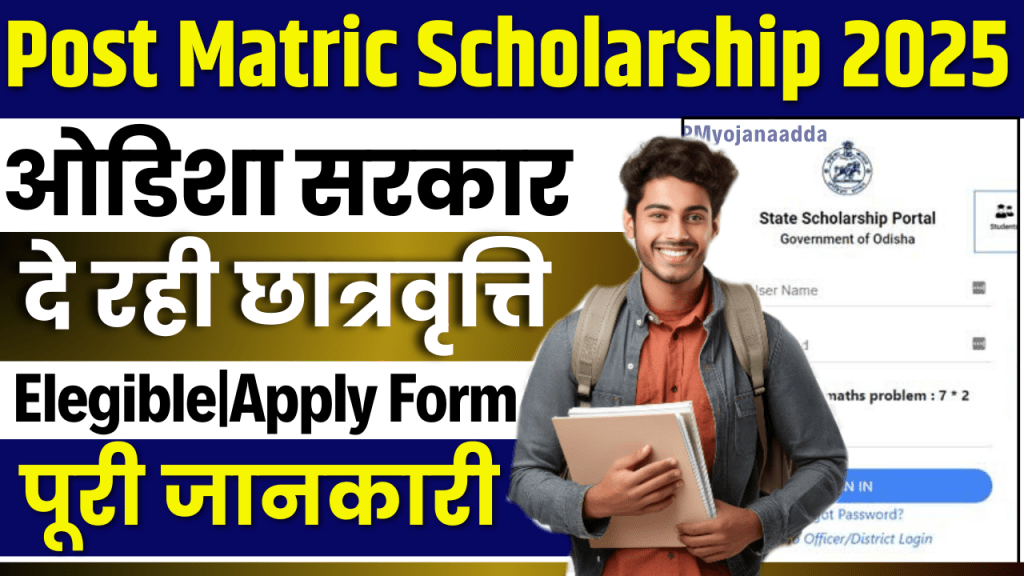
Post Matric Scholarship Scheme for Scheduled Castes, Scheduled Tribes, and Other Backward Classes

Daily writing prompt
In what ways do you communicate online?

By Shashikant Nishant Sharma

The Post Matric Scholarship Scheme for Scheduled Castes, Scheduled Tribes, and Other Backward Classes is a significant initiative of the Government of India designed to provide financial assistance to students from economically weaker sections of society for pursuing post-matriculation education. Below are detailed aspects of this scheme:

1. Objective

The primary objective of the scheme is to remove financial barriers for students belonging to marginalized sections so that they can continue higher education after matriculation (Class 10). It aims to increase the literacy rate and reduce drop-out rates among these categories.


2. Target Beneficiaries

The scheme targets students belonging to:

  • Scheduled Castes (SC)
  • Scheduled Tribes (ST)
  • Other Backward Classes (OBC)
  • In some cases, students from Economically Backward Classes (EBC) may also be covered under certain states’ schemes.

3. Eligibility Criteria

  • Nationality: The applicant must be an Indian citizen.
  • Education Level: The student must have passed Class 10 and be pursuing studies in post-matriculation (Class 11 and above) up to postgraduate or professional courses.
  • Annual Family Income:
    • For SC/ST students: Family income should generally not exceed ₹2.5 lakhs per annum.
    • For OBC students: Family income limit is typically around ₹1 lakh to ₹1.5 lakhs per annum, depending on the state.

4. Scope of Assistance

The assistance covers:

  1. Maintenance Allowance: Monthly financial aid for lodging and boarding.
  2. Tuition Fees: Full reimbursement or payment of tuition and other compulsory fees charged by the educational institution.
  3. Book and Equipment Allowance: For students enrolled in professional courses.
  4. Special Allowance: For students with disabilities to support their educational needs.
  5. Study Tours and Thesis Preparation Allowance: Provided under certain conditions.

5. Key Features

  • Direct Benefit Transfer (DBT): The scholarship amount is transferred directly to the bank account of the eligible students.
  • Renewal of Scholarships: Students need to apply for renewal each year provided they fulfill the academic requirements.
  • Categorization of Courses: The amount disbursed depends on the level and category of the course. Courses are divided into groups such as Group I (engineering, medical), Group II (nursing, pharmacy), etc.

6. Application Process

  1. Online Registration: Most states and institutions require students to register online through national or state-level portals like the National Scholarship Portal (NSP).
  2. Submission of Documents:
    • Caste certificate
    • Income certificate
    • Academic certificates
    • Bank passbook details
    • Aadhaar card
  3. Verification Process: Applications are verified by the educational institution and state authorities before approval.

7. State and Central Responsibility

  • The Central Government bears 100% of the expenditure for SC and ST scholarships in Union Territories and a significant portion in other states.
  • State Governments share the expenditure for OBC scholarships.

8. Challenges and Reforms

Some challenges with the scheme include delays in fund disbursement, non-compliance by institutions, and lack of awareness. Efforts are being made to simplify the process and ensure timely payments through technology-enabled platforms like the NSP and integrating Aadhaar for verification.


The Post Matric Scholarship Scheme plays a crucial role in enabling students from disadvantaged backgrounds to access higher education, thereby promoting social equity and empowerment. It has a significant impact on reducing drop-out rates and improving the socio-economic conditions of marginalized communities.

References

Lama, M. (2019). An Evaluation of the Post Matric Scholarship Scheme provided to the tribal students of Darjeeling Municipality. International Journal of Advanced Scientific Research and Management4(4), 155-161.

Sikligar, P. C., & Madurai, N. V. (2006). Provision of Post Matric Scholarship for Development of Weaker Sections: A Study in Andhra Pradesh and Pondicherry. Indian Journal of Public Administration52(2), 190-201.

Sharma, S. N. Unveiling the Benefits of Turnitin Software in Academic Writing.

Sharma, S. N. (2018). Transformation of Aspirational Districts Programme: A Bold Endeavor Towards Progress. Think India Journal21(4), 197-206.

Umapathi, A., & Venkatramana, C. Higher Education Opportunities in Enhancing Capabilities–The Case of Reimbursement of Tuition Fee Scheme under Post-Matric Scholarships in Andhra Pradesh, India (2008–2012).

Different Research Methodologies

Research methods can be broadly categorized into two main types: qualitative and quantitative. Each type has its own set of techniques and approaches, and researchers often use a combination of both methods to gain a more comprehensive understanding of a research question.

Here’s an overview of each type:

  1. Quantitative Research Methods:

    • Experimental Research: Involves manipulating one or more independent variables to observe their effect on a dependent variable while controlling for other factors.
    • Survey Research: Uses questionnaires or interviews to gather data from a sample of participants, aiming to generalize findings to a larger population.
    • Observational Research: Involves systematically observing and recording behavior in its natural context without interference. Researchers may use structured or unstructured observations.
  2. Qualitative Research Methods:

    • Interviews: Conducting in-depth, semi-structured or unstructured interviews with participants to gather rich, detailed information about their experiences, opinions, and perspectives.
    • Focus Groups: Involves a group discussion led by a facilitator to explore a specific set of issues. It helps researchers understand group dynamics and diverse perspectives.
    • Case Study Research: In-depth investigation of a single individual, group, event, or situation to gain a holistic understanding and generate detailed, context-specific knowledge.
    • Ethnographic Research: Involves immersing the researcher in the culture or community being studied to gain a deep understanding of social phenomena in their natural context.
  3. Mixed-Methods Research:

    • Combines both quantitative and qualitative research methods within a single study to provide a more comprehensive understanding of the research question.
  4. Action Research:

    • Involves collaboration between researchers and practitioners to solve real-world problems. The process is iterative, with researchers and participants working together to implement and evaluate solutions.
  5. Meta-Analysis:

    • Involves the statistical analysis of existing research findings from multiple studies on a particular topic to draw generalizable conclusions.
  6. Longitudinal Research:

    • Conducts observations or measurements over an extended period to track changes or developments over time.

These research methods can be applied in various fields and disciplines, depending on the nature of the research question and the goals of the study. Researchers select the most appropriate method based on factors such as the research question, available resources, and the type of data needed.

Support for Student Research and Internships in Africa

Grant opportunities of up to $3,000 are available to support research projects or internships related to Africa through the ASC. The ASC is dedicated to assisting students, regardless of their citizenship or academic level, in pursuing research, internships, or training activities in or on the continent. Project durations are flexible, and they should commence between May 1 in the calendar year of application submission and April 30 of the following year.

Given the challenges posed by the ongoing Covid-19 pandemic, physical travel to Africa may or may not be feasible. In response to this, the ASC encourages alternative approaches, such as virtual internships. Grant funds can also be utilized for hiring local research assistants, scanning archival materials, or supporting internet-based or app-based research plans.

Applicants seeking research grants may be at varying stages of their research, from preliminary to advanced. Internship applicants should specify a particular venue for their internship, such as a governmental agency, business, or non-governmental institution engaged in Africa-focused work. It’s important to note that students graduating in the current Winter Term will not be considered for grants. Additionally, preference will be given to applicants who have not previously received ASC Summer Research and Internship funding. This initiative aims to foster a diverse range of projects and experiences contributing to a deeper understanding of Africa.

Deadline: The application deadline is 11:59 pm on February 15.

Applications are to be submitted using the II Student Fellowships (IISF) common application. Applicants are encouraged to visit the II Student Fellowships Resource Page prior to beginning the application process.

Note: All travel must follow current guidelines, which are detailed in the International Institute Travel Policy.  Please note that additional travel restrictions are in place because of the ongoing Covid-19 pandemic. Applicants must also meet all of the requirements of the Institutional Review Board and provide documentation of IRB approval or exemption should funding be awarded.

A written project report will be required at the conclusion of the grant.

Questions should be directed to iifellowships@umich.edu.

The LSA African Study Centre (ASC) stands as a beacon for academic exploration and cultural understanding, focusing on the diverse and rich tapestry of Africa. At the heart of its mission is the commitment to supporting students across all academic levels and fields, irrespective of their citizenship, in pursuing research, internships, or other training activities related to Africa.

One noteworthy avenue for students to engage with the ASC is through its scholarship opportunities. Generous grants, with amounts reaching up to $3,000, are made available to assist students in funding their research projects or internships. These grants are not only a financial boost but also a testament to the ASC’s dedication to fostering educational experiences that contribute to a broader and nuanced understanding of the African continent.

The ASC recognizes the dynamic challenges posed by the Covid-19 pandemic, and in response, it encourages flexibility in project execution. Acknowledging potential limitations on physical travel, the ASC welcomes alternative approaches, such as virtual internships. This adaptability showcases the center’s commitment to ensuring that students can still engage meaningfully with African-focused projects despite external constraints.

Applicants for these scholarships may find a range of possibilities to explore. Whether at the preliminary stages or with more advanced research, the ASC provides a platform for students to pursue their academic interests. Internship applicants are encouraged to identify specific venues, be it governmental agencies, businesses, or non-governmental institutions, to enhance their practical experiences in the region or within the realm of Africa-focused work.

To maintain a diverse pool of participants, the ASC has set preferences in the selection process. Applicants who have not previously received ASC Summer Research and Internship funding are given priority. This prioritization aims to broaden the reach of opportunities, ensuring that a variety of students can benefit from the resources and support provided by the ASC.

In essence, the LSA African Study Centre and its scholarship opportunities serve as catalysts for academic growth, fostering a community of scholars and researchers dedicated to unraveling the complexities of Africa. Through these initiatives, the ASC plays a pivotal role in shaping the next generation of individuals passionate about contributing to a deeper and more informed global understanding of the African continent.

Mysteries of the Winderness Kindle by Apostle Dr Isaac Odoi Danquah

 he MYSTERIES OF THE WILDERNESS’ is a book intended for anyone willing to experience greatness, bumper rich harvest in life, jumbo wealth creation, rich successful life and not afraid to go through the hustles, torchers and agonies in life called wilderness to accomplish it. The book explores the various kinds of people on earth, the deep secrets and mysteries associated with greatness such as troubles and problems, test for and towards greatness and the mysteries about creation by the divine creator. How the divine creator created the Heaven and Earth and placed man in the Garden of Eden and asked him to have dominion and nurture the Garden. It explains how man lost control over the Garden and lost dominion to the enemy and found himself in the wilderness – sin. The torcher, hustles and problems he and his wife have to face on the other side of the beautiful garden in catering for their family. 

This is comparable to the problems and issues of life faced on daily basis on our persue towards greatness, wealth creation and enrichment in life. It explains all kinds of tools and opportunities made available unto us by divine creation as we seek divine encounter and daily walk with Christ and towards self – enrichment and wealth creation in life. It explains how to have dominion and total control over once creation towards a wealthy life and living to impact now and future generations. And finally, how the divine creator is willing to hold our hands and leads us through the wilderness in our persue of wealth creation and enrichment in life and carry us to a successful end. And to a place we love and dream to be most.

LINK to BUY Books on Amazon 


BJP President Ravinder Raina and BJYM President Arun Prabhat Commend and Honor Sahaj Sabharwal for His Third Published Book – ANECDOTE

 BJP President Ravinder Raina and BJYM President Arun Prabhat Commend and Honor Sahaj Sabharwal for His Third Published Book – ANECDOTE

JAMMU, January 9, 2024 – BJP President Ravinder Raina and BJYM President Arun Prabhat extended their heartfelt appreciation to the young budding writer and author Sahaj Sabharwal for his latest (third) published book, “ANECDOTE.”
In a special ceremony, both leaders had the opportunity to explore the diverse contents of Sahaj’s book, including titles such as “Maharaja Hari Singh – Personality of Jammu,” “The Man Who Carries Plate In Bag,” “Drug Destroyed Decent,” “Teacher-Our Future Maker,” “Ideal Positivity Prayer,” and several others. They were particularly impressed with Sahaj’s earlier works, “Poems by Sahaj Sabharwal” written at the age of 17, “Pedagogical Thoughts Made Facts” written at the age of 19, and “ANECDOTE” written at the age of 21, considering them informative and motivational for the youth and society.
BJP President Ravinder Raina and BJYM President Arun Prabhat were impressed that Sahaj is an Aeronautical Engineer, and along with studies, he excels in literary passion too. They highlighted Sahaj Sabharwal’s significant contributions to social awareness through his writings on various topics such as success, failure, motivation, affirmation, and positivity. The leaders expressed their support for Sahaj’s literary endeavors and recommended his books to a wider audience.
“ANECDOTE” marks Sahaj Sabharwal’s third literary endeavor, encapsulating a diverse range of content, including poems, thoughts, quotes, articles, stories, lyrics, non-fiction, scripts, and anecdotes. The book aims to combat stress, demotivation, negativity, and depression while addressing important social issues.
Both leaders emphasized that Sahaj Sabharwal is a source of inspiration for many and expressed hope for continued success in his future literary pursuits. The support from BJP President Ravinder Raina and BJYM President Arun Prabhat underscores the positive impact Sahaj’s writings aim to have on society.
BJP and BJYM leaders assured Sahaj Sabharwal of their ongoing support, acknowledging his efforts in creating valuable and meaningful literary works. They congratulated Sahaj Sabharwal’s parents and ensured that such a bright youth of Jammu and Kashmir will make the whole Nation proud in the future.

India Lost a Great Classical Singer: Ustad Rashid Khan

  Music is one of the entertainment areas which almost all the people in the world like. The music of India includes multiple varieties of classical music, folk music, film, and Indian pop. It is noteworthy to mention that  Indian classical music is divided into two main traditions: Carnatic and Hindustani. Folk music is an important part of India’s musical heritage and is characterized by its unique rhythms, melodies, and lyrics. One of the famous names in classical music is Ustad Rashid Khan. The great classical singer Ustad Rashid Khan, who was undergoing treatment at a Kolkata hospital for prostate cancer, died on January 9, 2024. The classical singer was 55 years old. He is survived by his wife, two sons, and a daughter. The singer was born on July 1, 1968, at Badayun, Uttar Pradesh. He received his initial training from his maternal grand-uncle, Ustad Nissar Hussain Khan. Rashid Khan was also the nephew of Ustad Ghulam Mustafa Khan. The singer, who belongs to the Rampur-Sahaswan Gharana, is the great-grandson of Gharana founder Inayat Hussain Khan.  All these reveal the fact that Ustad Rashid Khan’s family members were associated with music generation after generation. It is pertinent to mention that Rashid Khan performed his first concert at the age of eleven years, and in 1978, he performed at an ITC concert in New Delhi. In April 1980, when Nissar Hussain Khan moved to the ITC Sangeet Research Academy (SRA), Calcutta/Kolkata, Rashid Khan also joined the academy at the age of 14 years. Thus, throughout his life, he was a popular classical singer.   Rashid Khan is best known for the Kareena Kapoor-Shahid Kapoor film  Jab We Met’s superhit song Aaoge Jab Tum.  Also, he has sung in many films, and I have listened to his Rabindra Sangeet (songs written by Rabindranath Tagore), which is excellent.  The sudden demise of great classical singer Ustad Rashid Khan is a great loss in the music world of the country as he passed away only at the age of 55 years. Rashid Khan was awarded the Padma Bhushan.  He received the Padma Shri and the Sangeet Natak Akademi Award in 2006. As per the latest news, his last rites will be performed in his native village of Uttar Pradesh, where his mortal remains will be buried. 

Prof Shankar Chatterjee, Hyderabad