


State civil services officers attending the 126th Induction Training Programme at LBSNAA called on the President of India, Smt Droupadi Murmu at Rashtrapati Bhavan today (March 07, 2025).
Speaking on the occasion, the President congratulated officers on their promotion and induction into the Indian Administrative Service and said that they should inspire and lead by example in their new role, motivating those around them to strive for excellence in public service. She advised them to adopt a national and inclusive approach in administrative functioning and implementation of government policies and programs.
The President said that the essence of governance lies in responsiveness and sensitivity towards the needs of the people. A citizen-centric administration prioritizes the welfare of people, focusing on the poor and deprived. She advised them to ensure that policies and programs are implemented in a way, which addresses their concerns effectively. She said that the decisions that they take and policies that they implement should contribute to the development of our country and the people.
The President said that as we tackle the challenges of climate change and environmental degradation, it is essential to promote eco-friendly initiatives. At the same time, the benefits of development should reach all sections of society, especially the disadvantaged and marginalized. She urged officers to uphold the principles of sustainability and inclusiveness in their functioning.
On 7th day of the week long celebrations, PMBI (Pharmaceuticals and Medical Devices Bureau of India) celebrated the 7th Jan Aushadhi Diwas, 2025 today across the country by conducting more than 100 major events where the Hon’ble Chief Ministers of the State/UTs, Members of Parliament, Members of the Legislative Assemblies, Councilors and other public representatives including many senior Government officials of the Central and the States have marked their presence to grace the event by elaborating upon the benefits of the Pradhan Mantri Bhartiya JanAushadhi Pariyojna (PMBJP) so that awareness and benefits may be availed by the public.
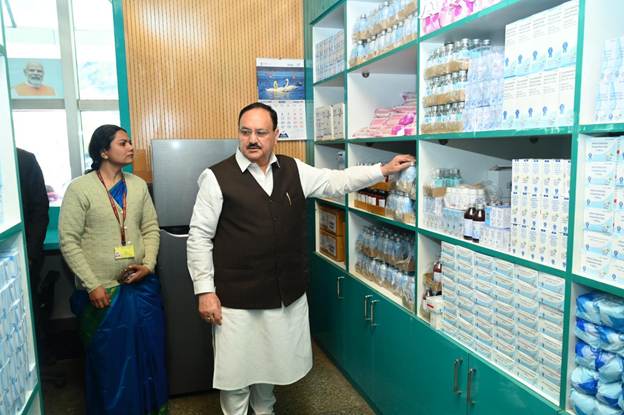
Union Minister Health & Family Welfare and Chemicals & Fertilizers, Shri Jagat Prakash Nadda visited Jan Aushadhi Kendra at AIIMS, Bilaspur, Himachal Pradesh and interacted with beneficiaries. Kendra owners and beneficiaries of Jan Aushadhi scheme also shared their experiences.
Union Minister of Health & Family Welfare and Chemicals & Fertilizers, Shri Jagat Prakash Nadda and Minister of State for Chemicals & Fertilizers Ms Anupriya Patel, shared video message through social media and wished everyone a very Happy 7th Jan Aushadhi Diwas, 2025 to all the citizens of the country.
Also, Chief Minister of Delhi, Ms. Rekha Gupta, also visited a Jan Aushadhi Kendra at Ashok Vihar, Delhi today where she explained the benefits of this Pariyojana and encouraged people to become a part of this noble project which is aimed at providing quality medicines at affordable rates.
On the occasion of 7th Jan Aushadhi Diwas, renowned sand artist Padmashree Sudarshan Patnaik created a divine sand art depicting the theme of ‘Daam Kam Dawai Uttam’ on the shores of Niladri Beach, Puri, Odisha. Its grandeur is not only attracting people but also reflecting the vision of the Prime Minister.
Under the Pradhan Mantri Bhartiya Janaushadhi Pariyojana (PMBJP), Pharmaceuticals & Medical Devices Bureau of India (PMBI), the implementing agency of PMBJP is celebrating the 7th Jan Aushadhi Diwas 2025. The programme commenced with Jan Aushadhi Jan Chetna Abhiyan on 1st March across the country and ended with the celebration of Jan Aushadhi Diwas, 2025 on 7th March. The events that took place continued from Jan Chetna Abhiyan/Padyatra, Heritage Walks and Health Camps, Jan Aushadhi Bal Mitra, Ek Kadam Matri shakti ki Ore, Pharmacist Awareness programme, Aao Jan Aushadhi Mitra Banein and the Jan Aushadhi Diwas on 7th March.
The large-scale activities focused on inclusion and ensured holistic participation of people, beneficiaries and multi-level stakeholders of the PMBJP. The major highlight of the event was flagging off Jan Aushadhi Rath (mobile van) by Union Minister of Chemicals & Fertilizers and Health & Family Welfare, Shri Jagat Prakash Nadda to generate mass awareness among the people of the country. The mobile vans had travelled throughout the National Capital of the country to reach the people. On the same day, Jan Aushadhi Pratigya Yatras were conducted across the country. Pad Yatras were conducted to create a mass fervor among the people. The pad yatras were attended by school children wearing the Jan Aushadhi T-shirts and Caps.
On 2nd March, 2025, Heritage walks with the theme – Jan Aushadhi Virasat Ke Sath were organised on pan India level at 25 major historical locations like Hauz Khas, New Delhi, Gwalior Fort, Beyond Taj Mahal, Imambara, Lucknow, etc. at 500 locations across the country, Health Camps were organised for the senior citizens of the country.
On 3rd March, 2025, Jan Aushadhi Bal Mitra Participation was conducted at different schools across the country to persuade children into various activities through which the message of Jan Aushadhi Pariyojana was spread.
On 4th March, 2025 women beneficiaries were present at 30 locations in all States/UTs at Jan Aushadhi Kendras where interaction was conducted in the presence of women public representatives, women doctors, NGO’s and information sharing about Health benefits of Jan Aushadhi medicines was done.
On 5th March, 2025 seminars were conducted at Pharmacy Colleges/Universities across the country to guide Pharmacy students with the information about the employment opportunities under Jan Aushadhi Pariyojana. Pan India seminars and workshops on PMBJP in Pharma colleges and Universities were conducted.
On the 6th Day of week-long celebration of Jan Aushadhi Diwas, 2025. PMBJP has organized ‘Aao Jan Aushadhi Mitra Banein’ to register citizens as volunteers across the nation. Qutub Minar was also illuminated with beautiful lights, spreading the message of Jan Aushadhi Pariyojana.
As part of the weeklong celebration, more than 1.12 crore Digital messages to national pensioners and beneficiaries of Jan Aushadhi and other schemes were sent across the country to spread awareness about this noble project. In order to educate the youth of the country, various competitions such as essay writing, poster making, quiz etc. were organised through MyGov portal. Winners of the quiz/competitions have been awarded. Through the MyGov portal more than 7 crore messages were also sent to generate awareness. Community Radio stations at 300 locations were also used as a medium to spread the message and create awareness among the masses.
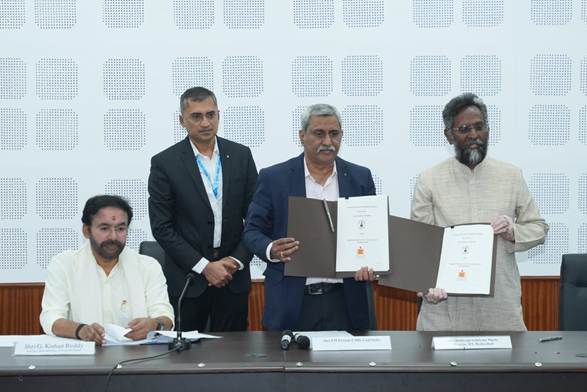
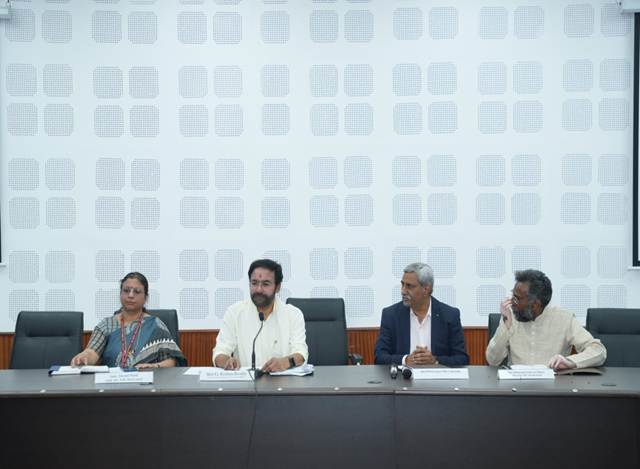
Coal India Limited (CIL) has inked a memorandum of understanding (MoU) with Indian Institute of Technology, Hyderabad (IIT-H), on 7 March, for establishing a Centre of Clean Coal Energy and Net Zero (CLEANZ) at Hyderabad.
The joint initiative between CIL and IITH aims to develop clean coal technologies and diversification in coal utilization. Both the entities will synergize their efforts in developing cutting edge technology readiness level (TRL) for sustainable utilization of Indian coal. This is in line with the country’s Net Zero commitments. The Coal Ministry is also keen in developing research capabilities in coal sector and advised to take up research projects relevant to India’s coal and energy sectors.
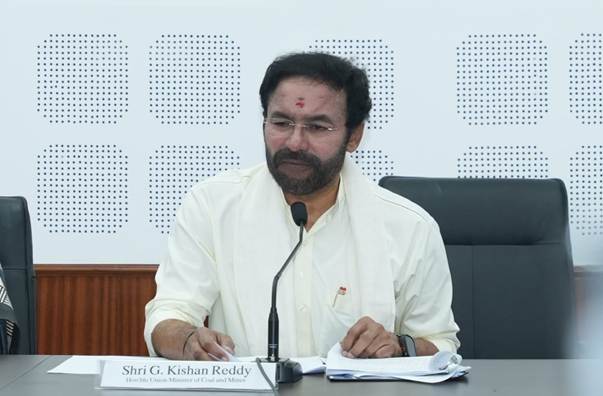
Shri G Kishan Reddy, Union Minister of Coal & Mines was the Chief Guest, and the pact was formally signed in his presence by P M Prasad, Chairman, CIL and Prof. B S Murty, Director, IITH in Hyderabad.
CIL’s management has green flagged a grant of Rs.98 Crores to IITH for a duration of five years for setting up this Centre of Excellence. It is anticipated that the project will be financially self-sustainable beyond the initial five year funding received from CIL.
CIL’s Board earlier in July 2024 has given its nod to focus on providing grants to reputed government institutions and research organizations under R&D expenditure. The objective is to enhance research capabilities and establishment of Centres of Excellence.
The current collaborative model is an R&D endeavour under the umbrella of National Centre for Coal and Energy Research (NaCCER). This is an independent R&D unit of CMPDI, the mine development and consultancy arm of CIL.
CLEANZ envisions net zero utilization with special emphasis on low grade and rejected coal. The thematic areas under CLEANZ are enhanced coal bed methane and coal mine methane recovery, carbon capture technologies, coal gasification and syngas utilization, energy efficiency and conservation, artificial intelligence and machine learning among others.
Other salient features are training and assisting CIL officials in tech adoption, skill and capability enhancement, extraction and beneficiation technologies for critical minerals.
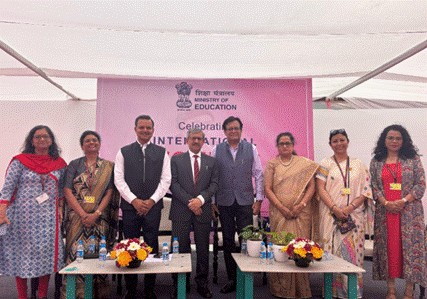
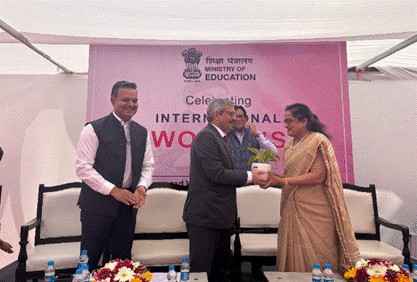
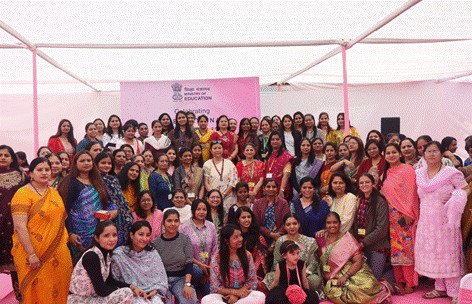
Ministry of Education celebrated International Women’s Day at its premises at Shastri Bhawan, New Delhi today, bringing together women employees from all departments to acknowledge their contributions, share inspiring stories. The event aimed to recognize the contributions of women in the Ministry of Education and promote their well-being through an interactive session.
Secretary, Department of Higher Education Shri Vineet Joshi; Additional Secretary, Sunil Kumar Barnwal; Additional Secretary, Department of School Education and Literacy Shri Anandrao Vishnu Patil; Joint Secretary, Higher Education, Smt. Rina Sonowal Kouli; graced the occasion with their presence. The event was further honored by the participation of the Vice Chancellor of NIEPA Shashikala Wanjari, who attended as the Guest of Honour.
During the event, Shri Vineet Joshi, highlighted the dedication and efficiency of women in task execution, emphasizing their responsiveness and sense of responsibility. He emphasized the Ministry’s commitment to maintaining a gender-inclusive workforce, ensuring equal opportunities for all. He highlighted the leadership demonstrated by women across various roles, acknowledging their contributions in strengthening the institution.
Prof. Shashikala Wanjari emphasized the extraordinary role of women in the Indian context, drawing inspiration from figures like Ahilyabai Holkar and Jijabai. She highlighted how these icons efficiently managed both family and administration, setting an example for society.
To inspire and empower the attendees, Dr. Jitendra Nagpal, psychiatrist at Moolchand Hospital, delivered a session focusing on the general well-being and professional growth of women employees. The session provided valuable insights on maintaining a healthy work-life balance.
All women employees of the Ministry of Education joined the celebration, reflecting the ministry’s commitment to acknowledging the hard work and dedication of its female workforce.
The Ministry of Electronics and Information Technology (MeitY) spearheaded a nationwide awareness campaign on Safer Internet Day, observed on February 11, 2025, to promote safe and responsible use of the internet. Organized under the theme ‘Together for a Better Internet’, the campaign aimed to educate and sensitize internet users about cyber hygiene, online safety practices, and emerging cyber threats. This initiative was conducted under the Information Security Education and Awareness (ISEA) program in collaboration with NIC, NIXI, C-DAC, NIELIT, MyGov, NeGD, and various partner institutions. The National Informatics Centre (NIC) played a crucial role in amplifying the outreach efforts through its extensive digital infrastructure and communication networks.
Cyber awareness drive
As part of this extensive campaign, 1,521 awareness workshops were conducted across 35 States/UTs, 599 districts, 493 blocks/tehsils, and 134 gram panchayats, reaching over 3.08 lakh beneficiaries. These workshops covered key topics such as cyber threat mitigation, digital security best practices, and responsible online behavior. Additionally, a series of expert talks, quizzes, and competitions were organized to further reinforce awareness.
Strengthening digital resilience
To maximize outreach, promotional messages and expert interviews were broadcasted on a Pan India basis in 11 major Indian languages, covering vital topics such as cyber hygiene practices, common cyber threats, and the mechanism for reporting cybercrimes through the toll-free National Cybercrime Helpline Number (1930). These messages were disseminated through FM stations, Prasar Bharati, and Vividh Bharati networks, achieving an estimated reach of 2.27 crore listeners. On digital platforms, social media outreach led by MyGov, NIC, and ISEA teams garnered over 5.49 lakh impressions and 63.57 lakh views through 680 creative posts.
An online awareness workshop, titled ‘Navigating the Digital Highway: Safeguarding Your Online Journey’, was also organized for the officials of MeitY and other government ministries, departments, and organizations, engaging 1,217 participants in discussions on digital safety. The session sensitized participants on best cybersecurity practices and also provided demonstrations of insightful security tools, such as PIC2MAP, deviceinfo.me, coveryourtracks.eff.org, stopNCII.org, SecureEraser app, etc. which help in verifying online content authenticity, preventing identity fraud, analyzing device fingerprints, and securing personal data. The workshop was highly appreciated by participants for its practical approach and relevance in addressing contemporary cybersecurity challenges.
About ISEA
The Information Security Education and Awareness (ISEA) Project, implemented by MeitY, aims to strengthen cybersecurity awareness and build skilled human resources in Information Security. The recently approved ISEA Phase-III (October 2023) seeks to develop 2.25 lakh trained individuals in cybersecurity over five years, including 45,000 skilled and certified cybersecurity professionals (CISOs, Deputy CISOs, and aspirants) and 2.3 lakh students and researchers in formal and non-formal courses. Additionally, the project aims to cover over 12 crore beneficiaries from diverse backgrounds—school children, teachers, college students, faculty, women, senior citizens, government employees, MSMEs, and NGOs—through mass awareness initiatives under the Cyber Aware Digital Naagrik campaign.
The Department of Fisheries, under the Ministry of Fisheries, Animal Husbandry and Dairying (MoFAH&D) is organizing a Fisheries Startup Conclave 2.0 on 8th March 2025 in Hyderabad, Telangana. The event will be graced by Union Minister, Shri Rajiv Ranjan Singh, MoFAH&D and Ministry of Panchayati Raj, along with Minister of State, Shri George Kurian, MoFAH&D and Ministry of Minority Affairs and Minister of State, Prof. S.P. Singh Baghel, MoFAH&D and Ministry of Panchayati Raj. The event will also witness participation from government officials, Fisheries Startups and Entrepreneurs.
The Startup Conclave 2.0 will bring together key stakeholders to discuss and promote innovation in the fisheries sector. Deliberations on startup opportunities in fisheries/aquaculture along with e- commerce prospects in the sector will also be held. Startup conclave 2.0 will also witness the launch of the National Fisheries Digital Platform (NFDP) Mobile App, a transformative initiative aimed at streamlining digital access to fisheries-related services and resources. The Fisheries Startup Grand Challenge 2.0 will also be unveiled, reinforcing the government’s commitment to fostering entrepreneurship and technological advancements in the sector. Additionally, the distribution of Entrepreneur Model approvals to fisheries startups will recognize and support emerging enterprises, further strengthening the fisheries startup ecosystem. The technical feedback & interaction session will provide a platform for in-depth discussions on the fisheries ecosystem in India and key initiatives undertaken by National Fisheries Development Board (NFDB) and Indian Council of Agricultural Research (ICAR) along with experience sharing by fisheries startups.
India’s fisheries and aquaculture sector sustains 3 crore livelihoods and drives employment across the value chain. Since 2015, the Government has invested ₹38,572 crore through initiatives like the Blue Revolution Scheme, FIDF, PMMSY, and PM-MKSSY to promote sustainable growth. The rapid growth of India’s fisheries and aquaculture sector has fuelled the rise of over 300 fisheries startups, driving innovation and efficiency. These startups leverage advanced technologies such as blockchain, IoT, and AI to develop commercially viable solutions that address grassroots challenges, enhance productivity, ensure traceability, and improve value chain efficiencies. The Department of Fisheries has launched multiple initiatives to foster innovation and support fisheries startups. The Matsya Manthan series serves as a platform for knowledge exchange and collaboration among stakeholders, facilitating discussions on emerging trends and best practices. To strengthen the fisheries startup ecosystem, the Department has established dedicated incubation centers. LINAC-NCDC Fisheries Business Incubation Centre (LIFIC) in Gurugram, the first of its kind under PMMSY, was inaugurated in 2021. A Business Incubation Centre for Fisheries and Aquaculture has been set up at Guwahati Biotech Park, Assam with a total outlay of Rs 9 crore. Additionally, three premier institutions—MANAGE Hyderabad, ICAR-CIFE Mumbai, and ICAR-CIFT Kochi—have been notified as incubation centers under Department of Fisheries to support at least 100 fisheries start-ups, cooperatives, FPOs, and SHGs. To further strengthen the fisheries startup ecosystem, the Department conducts regular stakeholder consultations, addressing challenges, offering financial assistance, and shaping policy interventions to drive growth in the sector.
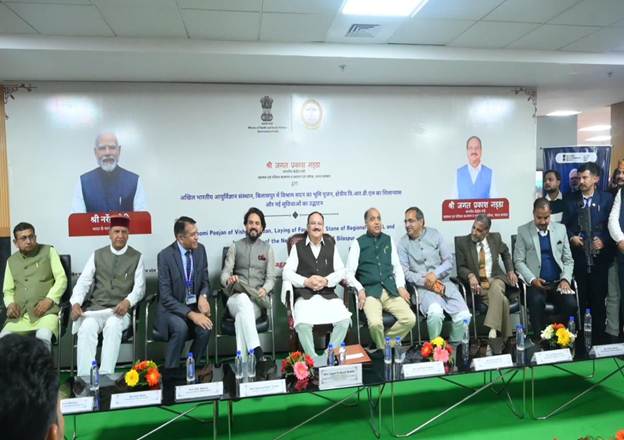
Union Minister of Health and Family Welfare and Minister of Chemicals and Fertilizers, Shri Jagat Prakash Nadda, visited the All-India Institute of Medical Sciences (AIIMS) Bilaspur, Himachal Pradesh to review the institute’s progress and evaluate the implementation of important healthcare initiatives. The Health Minister visited facilities of the institute and enquired about availability of various patient care services and their functioning. Shri Jagat Prakash Nadda also congratulated everyone for Jan Aushadhi Diwas. Senior officials from the Ministry of Health and Family Welfare and AIIMS Bilaspur were present on the occasion.
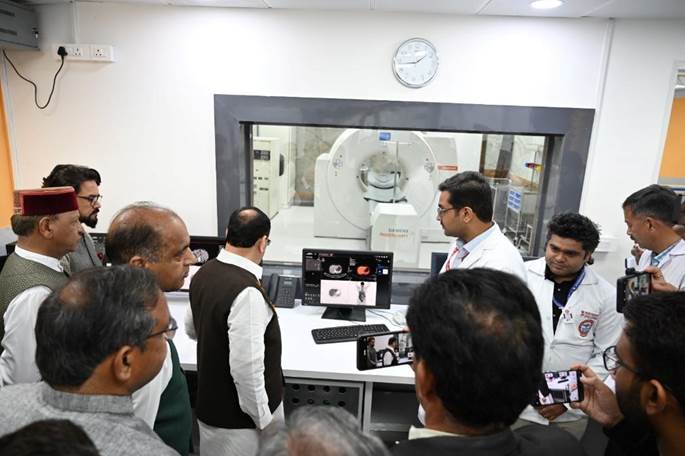
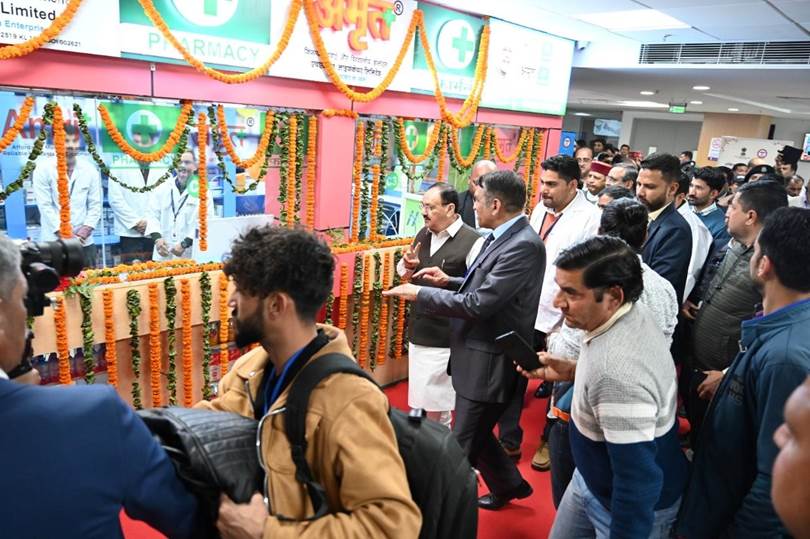
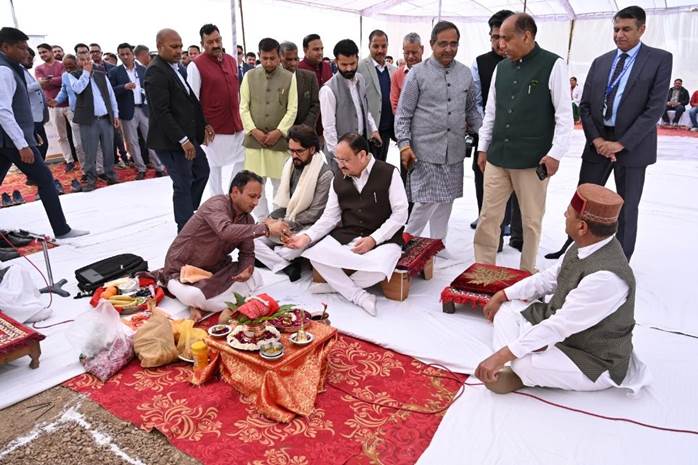
Shri J. P. Nadda laid down the foundation stone of Regional VRDL (Viral Research and Diagnostic Laboratory), inaugurated the Nuclear Medicine Facility at AIIMS Bilaspur, an additional Amrit Pharmacy Unit-3 at AIIIMS Bilaspur (HP). Union Health Minister also visited the site for Vishram Sadan
Shri Nadda praised the remarkable growth of AIIMS Bilaspur since its foundation was laid by the Prime Minister Shri Narendra Modi on October 3, 2017. The review meeting was attended by Shri Anurag Thakur, MP, Shri Jai Ram Thakur, Ex-Chief Minister of HP and Leader of opposition, HP, H.P., Sh. Srikant Sharma, Former Minister and MLA, U.P., Sh. Randhir Sharma, Sh. Jeet Ram Katwal, Sh. Trilok Jamwal, Members of Legislative Assembly, Bilaspur, H.P., and the officials from AIIMS Bilaspur and the State Government.
Addressing the gathering remarks, Shri Nadda reiterated the government’s commitment to continue fortifying the healthcare infrastructure in the region. He expressed his profound pleasure with the advancements made by AIIMS Bilaspur within a short span of its establishment. He stressed that the people of Himachal Pradesh and beyond would continue to benefit greatly from the top-notch medical education and healthcare services provided by AIIMS Bilaspur with the help and active cooperation of the Government of India and Himachal Pradesh.
AIIMS Bilaspur Unveils State-of-the-Art Nuclear Medicine Facility
Shri J. P. Nadda has officially inaugurated the Nuclear Medicine Facility at AIIMS Bilaspur, marking a significant milestone in the region’s healthcare capabilities. This advanced facility is equipped with cutting-edge technology, including PET/CT, SPECT/CT, SPECT radio-pharmacy/hot lab, and a Low-Dose Therapy (LDT) Ward, with an investment of Rs. 30.43 crore. With these in-house state-of-the-art facilities, the department will be able to synthesize most of the necessary radiopharmaceuticals, enabling a wide range of diagnostic investigations such as renal scans, liver scans, bone scans, thyroid scans, cardiac scans, gastro-intestinal scans, and cancer imaging.
In addition to comprehensive diagnostic services, the facility will also provide low-dose radionuclide therapy for patients suffering from thyroid cancer, prostate cancer, neuro-endocrine cancer, liver cancer, and those experiencing bone and joint pain. Shri Nadda mentioned that “these services will be offered at significantly lower prices compared to the private sector, and patients enrolled in the PMJAY and Himcare insurance schemes, as well as those living below the poverty line, will receive these services free of charge”. The dedicated ward will facilitate day-care treatment for patients with low-risk thyroid cancer, prostate cancer, and other conditions at minimal costs.
Union Health Minister has highlighted the significance of the newly established SPECT/CT and PET/CT facilities at AIIMS Bilaspur, describing them as transformative for patients in Himachal Pradesh. This local availability is expected to significantly lower healthcare costs and minimize travel times for patients seeking advanced diagnostic services.. Furthermore, the Nuclear Medicine Facility will enable the synthesis and evaluation of new radiopharmaceuticals for research purposes, with plans to establish a High Dose Therapy (HDT) Ward in the future. This initiative underscores AIIMS Bilaspur’s commitment to enhancing healthcare access and quality for the community it serves.
Union Health Minister Shri Nadda also visited the site for Vishram Sadan. The 250 bedded facility is being built at the project cost of Rs. 13.57 Crore. In the near future, the bed capacity will be enhanced to 500 beds. He reviewed the progress of the construction at site. The institute is situated in a remote hilly terrain with no facilities for the stay of the patient’s attendees in the nearby area. The beneficiaries to AIIMS are coming from Himachal Pradesh and the adjoining states of Punjab and Haryana. The Vishram Sadan will help the poor and needy, requiring shelter, besides protection from biting cold, harsh summer and incessant rains during monsoon,during treatment of patients suffering from cancer, cardiac and other disorders requiring treatment at AIIMS Bilaspur (H.P.). Their stay in the Vishram Sadan will save multiple visits and expenditure from their far away residences. This will also help in diagnosis and treatment in a single visit resulting in rapid recovery, reduced load on hospital services, improved healthcare delivery, better patient satisfaction and reduced out of pocket expenditure of the individuals visiting the institute.
AIIMS Bilaspur Launches Additional Amrit Pharmacy Unit to Enhance Patient Care
This new unit is designed to address the increasing patient load and aims to provide affordable medications to all patients, thereby reducing waiting times and enhancing overall patient care.
Unit-3 will cater specifically to outpatient department (OPD) patients from various specialties, including Cardiology, Neurology, Endocrinology, Oncology, and Eye departments. Additionally, it will serve inpatient department (IPD) patients under the Ayushman Bharat and Himcare schemes, as well as those enrolled in other government insurance programs, offering services on a credit basis.
The Amrit Pharmacy Unit-3 will not only supply essential medicines, surgical supplies, and consumables but will also provide high-end items such as implants, medical devices, stents, pacemakers, and oncology medications at significantly discounted rates, ensuring that patients receive the best possible care around the clock.This initiative reflects AIIMS Bilaspur’s commitment to making healthcare more accessible and affordable, ultimately improving the health and well-being of the community it serves.
AIIMS Bilaspur Marks a Milestone with the Foundation Stone Laying of Regional VRDL. This facility will be one of 11 regional VRDLs among a total of 165 across India, equipped with a state-of-the-art Biosafety Level 3 laboratory, advanced sequencing capabilities, and comprehensive diagnostic and research facilities. The establishment of the Regional VRDL is poised to play a pivotal role in diagnosing viral illnesses and other infectious diseases, addressing the evolving epidemiology of both known and emerging viral threats.
.
The Regional VRDL will not only enhance the capacity for timely identification of viral infections but will also provide localized expertise and services that are often lacking in smaller or remote healthcare settings. It aims to track disease outbreaks, improve understanding of disease epidemiology through robust surveillance and reporting systems, and bolster public health preparedness. Additionally, the laboratory will focus on training and capacity building in diagnostic procedures, pathogen handling, and outbreak management, fostering collaborative research to create a cohesive network for viral and infectious disease research and diagnostics. To date, 12 research staff have been recruited, and facilities for serological services and molecular testing against over 35 pathogens have been established.
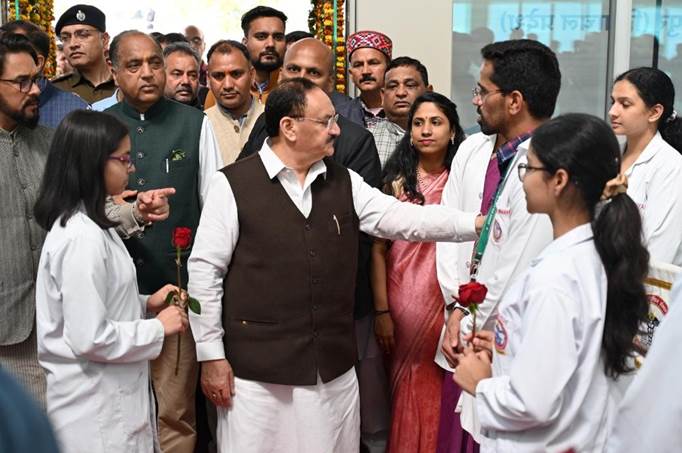
During the event, Shri Nadda also took the opportunity to engage with specialist DM and MCH students currently undergoing training in various departments at AIIMS Bilaspur. He encouraged them to embrace their roles with dedication and commitment to serving the nation, emphasizing the importance of their contributions to healthcare and public health. The establishment of the Regional VRDL marks a significant step forward in enhancing health security and research capabilities in the region, ultimately benefiting the communities of northern India. Shri Nadda also extended his heartfelt congratulations to AIIMS Bilaspur on the successful recruitment of 35 new faculty members, who are set to join the institution soon. He said that, “This influx of talent is poised to significantly enhance the academic landscape and clinical capabilities of AIIMS Bilaspur” .
AIIMS Bilaspur Enhances Disaster Response Capabilities with Allocation of BHISHM Cubes under Pradhan Mantri Aarogya Maitri Bhishm Scheme. Each set comprises two mother cubes, each containing 33 RF-tagged mini-cubes filled with essential medical and surgical supplies, designed to support up to 200 casualties during mass disasters. These cubes can be deployed through various transport methods, including air, water, land, and even drones, ensuring rapid response in critical situations. The investment for each set is approximately 3 crore rupees, reflecting a commitment to improving emergency healthcare infrastructure.
In addition to disaster preparedness, AIIMS Bilaspur is set to enhance its facilities and educational offerings. A state-of-the-art indoor stadium, costing around 4.90 crore rupees, has been approved for use by faculty, students, and staff, equipped with modern amenities for various indoor sports. Furthermore, starting in the 2025 academic session, the institute will introduce a diploma course in Emergency Medical Technician (EMT), initially accepting 10 students, with plans to expand intake in the future. This initiative aims to train skilled technicians who will provide critical care during patient transport. Additionally, AIIMS Bilaspur is preparing to launch comprehensive cancer services, including bone marrow transplants and stem cell therapy, thereby broadening access to advanced treatment options. Recent review meetings have focused on the institute’s achievements and future goals, emphasizing its dedication to improving healthcare services in Himachal Pradesh.
In his concluding remarks, Shri Nadda reiterated the government’s commitment to continue fortifying the healthcare infrastructure in the region. He expressed his profound pleasure with the advancements made by AIIMS Bilaspur within a short span of its establishment. He stressed that the people of Himachal Pradesh and beyond would continue to benefit greatly from the top-notch medical education and healthcare services provided by AIIMS Bilaspur with the help and active cooperation of the Government of India and Himachal Pradesh.
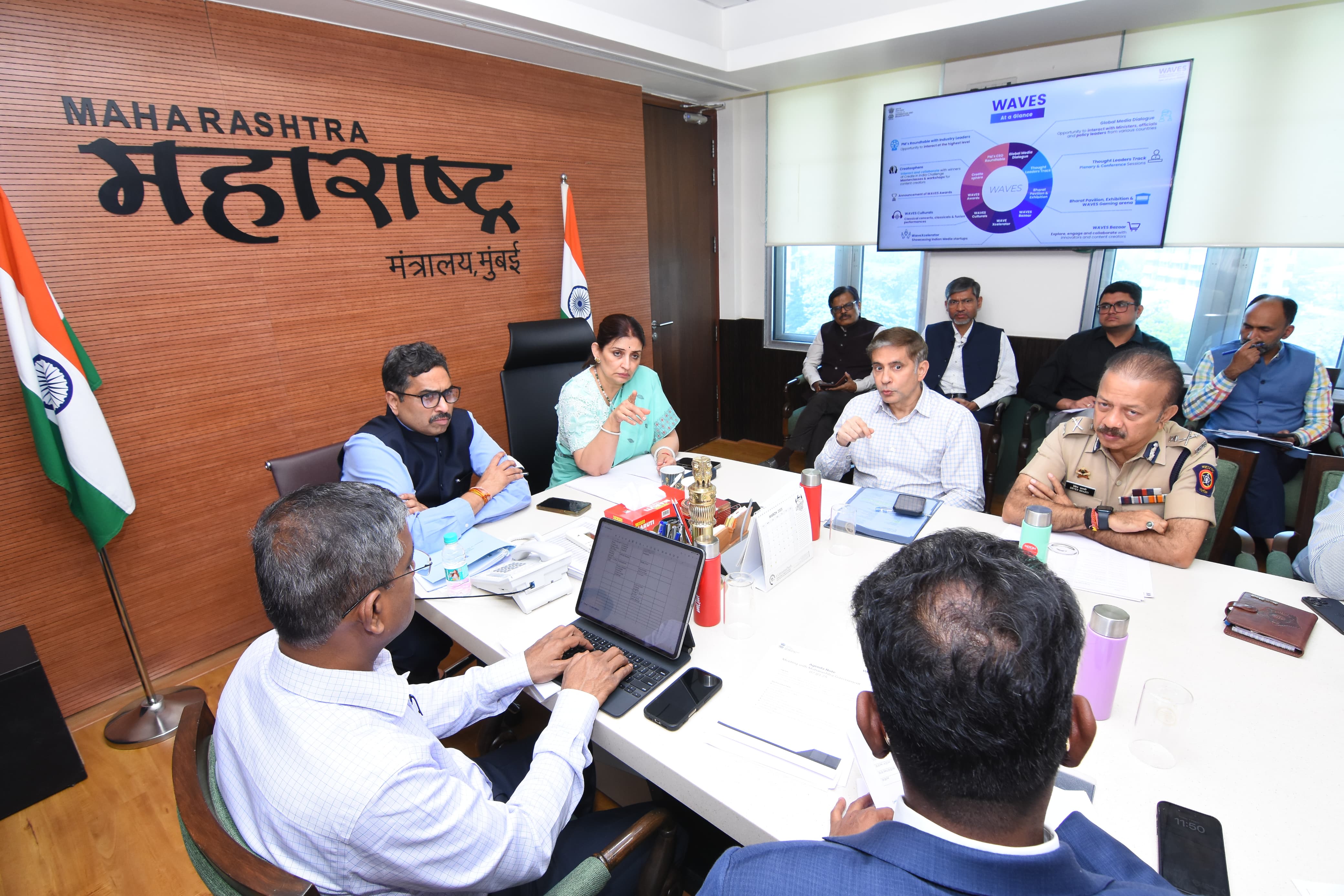
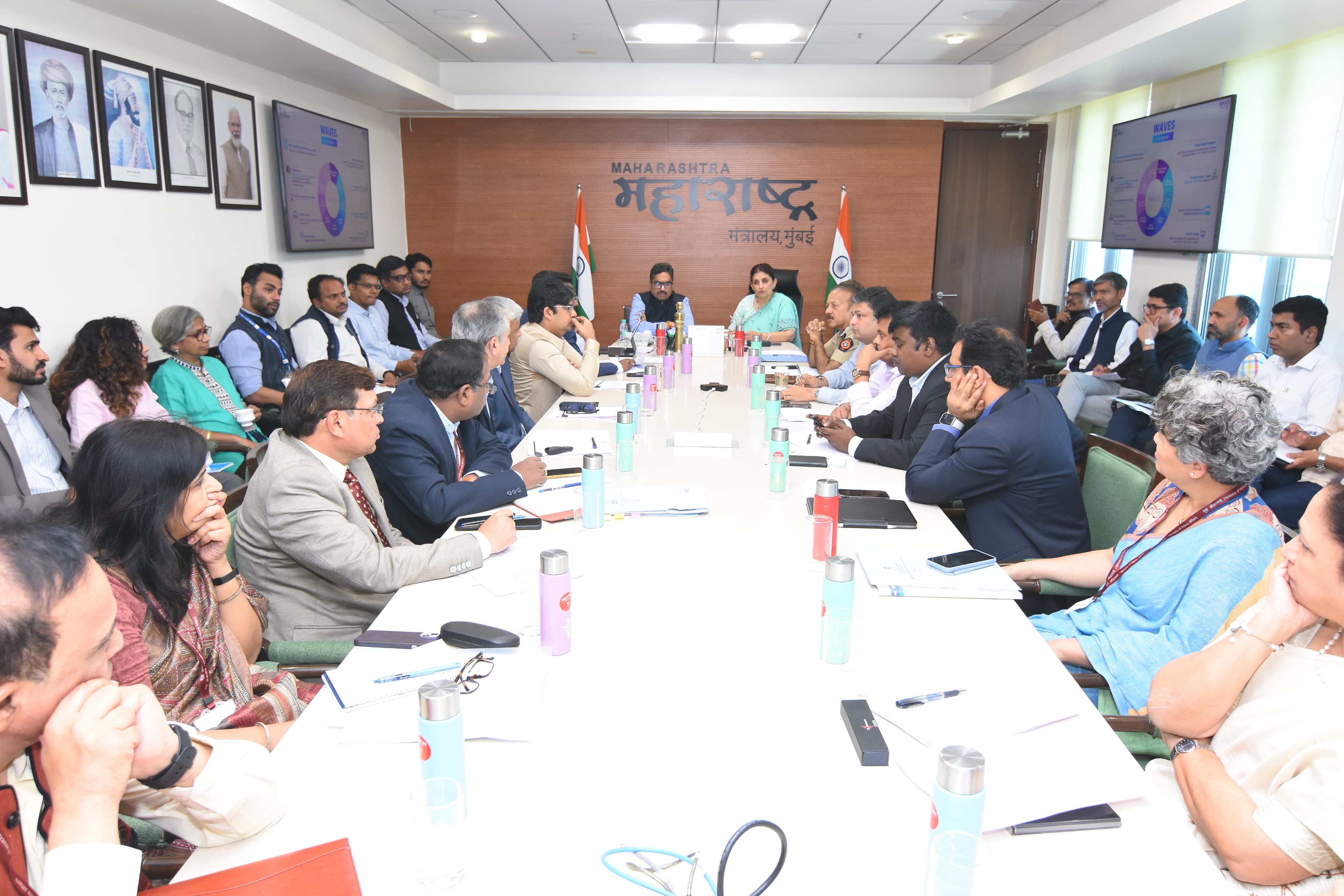
Mumbai is set to host WAVES 2025 Summit, an event poised to position India at the forefront of the global creator economy. Chief Secretary, Government of Maharashtra, Ms. Sujata Saunik and Secretary, Ministry of Information and Broadcasting, Government of India, Shri Sanjay Jaju co-chaired a high-level meeting today, 07th March 2025 with officials from various Government departments for the successful execution of WAVES 2025. The Government of Maharashtra has assured its full support, ensuring world-class infrastructure, hospitality, and logistics to make the event a landmark occasion.
Chief Secretary, Government of Maharashtra, Ms Sujata Saunik directed that a State Level Committee be formed for this global Summit. She also stated that each department of the administration will work in coordination seamlessly for the success of the Summit.
Speaking on the occasion, Secretary, Ministry of Information and Broadcasting, said, “This Summit is a global platform for the Media and Entertainment sector. The main aim of this Summit is to develop the Indian media and entertainment sector by connecting it to its global media counterparts.”
The meeting covered key points such as forming a joint coordination committee and arranging logistics and outdoor publicity. The meeting also formulated a comprehensive outreach plan, with the Ministry of Information and Broadcasting leading the effort to invite global leaders, individuals of eminence and industry representatives. Officials gave special attention to ensuring security, emergency services, and seamless connectivity for all delegates attending the event. A dedicated senior nodal officer will oversee coordination efforts to guarantee smooth execution.
Senior officials from both the Government of India and Government of Maharashtra attended the meeting to establish seamless coordination across logistics, hospitality, cultural activities, and administrative support, ensuring the highest standards of event management and global participation.
Principal Director General, PIB Shri. Dhirendra Ojha, Director General, Central Bureau of Communication, Shri. Yogesh Baweja, Joint Secretary, Ministry of Information and Broadcasting, Sanjeev Shankar, Joint Secretary, Ministry of Information and Broadcasting, C. Senthil Rajan, Joint Secretary, Ministry of Information and Broadcasting, Shri Ajay Nagbhushan and nodal officers from Press Information Bureau, National Film Development Corporation of India, All India Radio, Doordarshan, and the WAVES Council attended the meeting. Officials from the Government of Maharashtra included the Municipal Commissioner of Brihan Mumbai Municipal Corporation, the Additional Chief Secretary of Cultural Affairs, the Principal Secretary of Tourism, and the Chief Executive Officer of MIDC, along with senior officials from various key departments.
Following the meeting, Secretary, Ministry of Information and Broadcasting and senior officials conducted a detailed recce of the logistical arrangements to assess readiness for WAVES 2025.
Keep an eye on this ground-breaking summit, where industry titans will converge to shape the future of the digital and creative economies. https://wavesindia.org/
* * *
PIB TEAM WAVES 2025 | Nikita Joshi/ Dhanalakshmi/ Dharshana |
The first World Audio Visual & Entertainment Summit (WAVES), a milestone event for the Media & Entertainment (M&E) sector, will be hosted by the Government of India in Mumbai, Maharashtra, from May 1 to 4, 2025. Whether you’re an industry professional, investor, creator, or innovator, the Summit offers the ultimate global platform to connect, collaborate, innovate and contribute to the M&E landscape. WAVES is set to magnify India’s creative strength, amplifying its position as a hub for content creation, intellectual property, and technological innovation. Industries and sectors in focus include Broadcasting, Print Media, Television, Radio, Films, Animation, Visual Effects, Gaming, Comics, Sound and Music, Advertising, Digital Media, Social Media Platforms, Generative AI, Augmented Reality (AR), Virtual Reality (VR), and Extended Reality (XR).
The TruthTell Hackathon, part of the Create in India Challenge – Season 1, is designed to develop cutting-edge AI-powered tools for real-time fact-checking during live broadcasts. Supported by prominent organizations like the India Cellular & Electronics Association (ICEA), Ministry of Information & Broadcasting (MIB), Ministry of Electronics & Information Technology (MeitY), and IndiaAI Mission, the hackathon brings together key stakeholders to foster innovation in the media and technology sectors. This initiative is a crucial component of the inaugural WAVES (World Audio Visual & Entertainment Summit).
The World Audio Visual & Entertainment Summit (WAVES) in its first edition is a unique hub and spoke platform poised for the convergence of the entire Media and Entertainment (M&E) sector. The event is a premier global event that aims to bring the focus of the global M&E industry to India and connect it with the Indian M&E sector along with its talent.
The summit will take place from May 1-4, 2025 at the Jio World Convention Centre & Jio World Gardens in Mumbai. With a focus on four key pillars—Broadcasting & Infotainment, AVGC-XR, Digital Media & Innovation, and Films-WAVES will bring together leaders, creators and technologists to showcase the future of India’s entertainment industry.
The TruthTell Hackathon is a key component of Pillar One of WAVES, focusing on Broadcasting and Infotainment. To date, 5,650 participants have registered, including 186 international entries.
Registration Process and Timeline
The TruthTell Hackathon invites participants to develop an AI-powered solution to counter misinformation and promote ethical journalism. Participants can join individually or form teams of up to 5, including developers, data scientists and media professionals. Registrations are now closed, with the final date being 21st February 2025.
Opening of Registrations:1st October 2024
Deadline for Submissions of Ideas and Prototypes:21st February 2025
Announcement of Top 25:7th March 2025
Mentoring & Tinkering:8th – 18th March 2025
Jury Presentation & Selection of Top 5 Winners:24th – 28th March 2025
WAVES Summit:1st – 4th May 2025
Tasks Include:
Dataset Preparation:
Analyze data using external fact-checking APIs.
Pre-process and clean text-based media content (tokenization, entity extraction).
Developing a Real-time NLP Model:
Train machine learning/deep learning models on misinformation datasets.
Implement NLP techniques (text classification, sentiment analysis, entity recognition) for real-time text analysis.
Fact-checking Integration:
Integrate external fact-checking APIs to verify flagged content.
Cross-reference live broadcasts with trusted knowledge databases.
Real-time Data Processing:
Set up streaming infrastructure for live broadcast feeds.
Implement data pipelines to process new information as it arrives.
Knowledge Graph for Fact-checking:
Build and deploy a knowledge graph to track entities and their verified status.
Use the graph to detect patterns of misinformation.
Real-time Dashboard for Broadcasters:
Create an interactive dashboard displaying real-time alerts, confidence scores, and verification info.
Testing and Validation:
Test with live or recorded broadcasts.
Validate accuracy using ground-truth data from fact-checking organizations.
Project Submission Guidelines
Written Proposal:
Project Description: Provide a detailed explanation of your proposed tool and its intended functionality.
Problem Statement: Clearly describe the specific problem your tool addresses.
Target Audience: Identify the intended users or beneficiaries of your tool.
Technical Approach: Outline the methods, algorithms, and technologies you will use, with a focus on APIs and datasets provided by the hackathon.
Development Timeline: Provide a realistic timeline with key milestones and deadlines.
Prototype:
Working Prototype: Demonstrate the core functionality of your tool. Ensure it is user-friendly, functional, and showcases the impact of your solution.
Key Considerations:
Functionality: Ensure it can perform the intended tasks effectively.
User Experience: Design an intuitive and easy-to-navigate interface.
Completeness: Include all essential features of your tool.
Documentation: Provide clear instructions on using your prototype.
Additional Tips:
Use clear, concise language.
Support claims with evidence and examples.
Ensure your proposal is visually appealing and well-formatted.
Access to Powerful Tools and Technologies
The TruthTell Hackathon offers a unique opportunity to develop innovative AI-driven solutions to combat misinformation. Participants will have access to powerful tools, mentorship and resources to build their projects. Here are some popular tools and technologies that can be used to develop AI-driven solutions for combating misinformation:
Programming Languages:
Python (with libraries like TensorFlow, PyTorch, NLTK, Scikit-learn)
R, Java, javascript
Natural Language Processing (NLP) Libraries:
TensorFlow Text, Hugging Face Transformers, SpaCy, Gensim
Machine Learning Frameworks:
TensorFlow, PyTorch, Keras
Key Considerations for Development
Functionality: Ensure your tool performs its intended tasks effectively.
User Experience: Design an intuitive, user-friendly interface.
Completeness: Include essential features and components of your tool.
Documentation: Provide clear instructions for using your prototype.
Evaluation Criteria
The evaluation criteria for the TruthTell Hackathon are as follows:
Innovation: The originality and creativity of the solution.
Impact: The potential of the solution to make a significant impact on combating misinformation.
Technical merit: The quality of the code, data analysis and AI implementation.
Scalability: The ability of the solution to be applied at a larger scale.
User experience: The ease of use and effectiveness of the user interface.
Adherence to ethical guidelines: The compliance of the solution with ethical principles and standards.
Presentation and communication: The clarity and persuasiveness of the project presentation.
Proof of concept (PoC): The demonstration of the solution’s functionality and effectiveness.
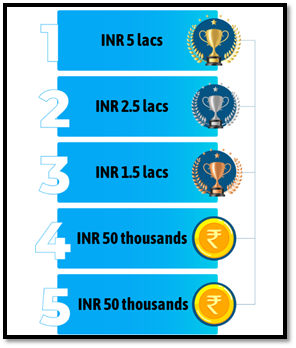
Prizes The top 5 winners will be recognized and awarded at the WAVES event, with cash prizes for the winners.
Conclusion
the TruthTell Hackathon offers a valuable platform for innovation, enabling participants to create AI-driven solutions that combat misinformation and promote ethical journalism. With access to powerful tools, expert mentorship, and a chance to showcase impactful solutions at the WAVES Summit, this event presents an exciting opportunity to make a real difference in the media landscape.
The first World Audio Visual & Entertainment Summit (WAVES), a milestone event for the Media & Entertainment (M&E) sector, will be hosted by the Government of India in Mumbai, Maharashtra, from May 1 to 4, 2025. Whether you’re an industry professional, investor, creator, or innovator, the Summit offers the ultimate global platform to connect, collaborate, innovate and contribute to the M&E landscape. WAVES is set to magnify India’s creative strength, amplifying its position as a hub for content creation, intellectual property, and technological innovation. Industries and sectors in focus include Broadcasting, Print Media, Television, Radio, Films, Animation, Visual Effects, Gaming, Comics, Sound and Music, Advertising, Digital Media, Social Media Platforms, Generative AI, Augmented Reality (AR), Virtual Reality (VR), and Extended Reality (XR). Have questions? Find answers here Come, Sail with us! Register for WAVES now(Coming soon!).
The Namami Gange Programme, launched in 2014 by the Government of India, stands as one of the most ambitious and holistic initiatives ever undertaken to restore the health of the River Ganga. Its multifaceted approach integrates pollution abatement, ecological restoration, capacity building, and community engagement, with a focus on both the river’s environmental integrity and the livelihoods of millions who depend on it.
In Namami Gange Programme, the implementation of the projects picked up pace after completion of preparatory activities which included robust monitoring & financial approval mechanism. Against available resources of Rs. 20,424.82 Crore for the period 2014-15 to 2023-24, NMCG has disbursed Rs. 16,648.49 Crore, which is 82% of the budgetary provisions.
It is worth noting that the programme’s financial outlay of Rs. 42,500 Crore is not to be treated as immediate expenditure target (cash outgo), but rather a sanctioning space that includes present expenditure and future commitments (annuity payment / O&M expense) for pollution abatement infrastructure with a lifecycle of 17 years (2 years of construction phase and 15 years of operation and maintenance phase). Hybrid Annuity Model was taken as an innovative approach to ensure responsible operation and maintenance of the constructed STPs which has resulted into spread of capital expenditure over 15 years of O&M phase.
The Namami Gange Programme has made significant strides in pollution abatement, creating 3,446 MLD of sewage treatment capacity, surpassing the pre-2014 capacity by over 30 times. NMCG has completed 127 projects and 152 Sewage Treatment Plants within 7-8 years, demonstrating notable progress in restoring the River Ganga’s pristine glory.
The objective of CGF is to mobilize contributions from all sections of the civil society, including residents of the country, NRIs and corporates. 95% of the contributors to the CGF are individual citizens and balance 5% is private corporates and public sector companies. The utilization of funds under CGF undergoes through a rigorous sanctioning process as with budgetary expenditure under NGP with utmost financial prudence. CGF is mainly used for unique and signature projects having significant contribution to the achievement of the National Mission for Clean Ganga objectives.
As per the CPCB’s periodic report on polluted river stretches for restoration of water quality; in Uttar Pradesh in 2015 the stretch from Kannauj to Varanasi was in PRS III (BOD 10-20 mg/l) category whereas in 2022 the river quality witnessed an improvement due to continuous efforts and the improved polluted river stretch falls in PRS V (BOD 3-6 mg/l). In UP, out of 135 operational STPs 118 STPs (more than 90% are compliant) achieving norms.
In Bihar, in 2015 the stretch from Buxar to Bhagalpur was in PRS II (BOD 20-30 mg/l) category whereas in 2022 the river quality witnessed an improvement due to continuous efforts and the improved polluted river stretch falls in PRS IV (BOD 6-10 mg/l). In Bihar, out of 14 STPs 13 are operational.
In West Bengal, in 2018 the stretch from Triveni to Diamond Harbour was in PRS III (BOD 10-20 mg/l) category whereas in 2022 the river quality witnessed an improvement due to continuous efforts and the improved polluted river stretch falls in PRS IV (BOD 6-10 mg/l). In West Bengal, out of 55 existing STPs 53 of them were functional.
To summarize there has been a significant improvement in the water quality in all the states including the above referred states.
In Prayagraj, it would be pertinent to mention that from 2017 to 2024, the treatment capacity has increased from 268 MLD to 348 MLD. Also, the river water quality has improved from PRS IV to PRS V. Further, out of 60 untapped drains in 2017 now there is no untapped drains. Similarly, for Varanasi, treatment capacity has increased from 100 MLD to 420 MLD, number of untapped drains has reduced from 8 to one partially tapped drain and PRS has improved from IV to V.
The improvement in riverine ecosystem is substantiated by the increase in population of Gangetic Dolphin. The comparison of baseline (2018) and current study of WII indicates increase in the population of Gangetic Dolphins (Platanista gangetica) from 3,330 (+/-) 630 to 3,936 (+/-) 763. Now dolphins are recorded from the previously unreported stretches of the Ganga River, such as the stretch between Bithura to Rasula Ghat (Prayagraj). The dolphins were also reported for the first time from the Babai and Bagmati rivers in India.
The success of the Namami Gange Programme in rejuvenating the Ganga is being recognized on the global stage. In December 2022, the UN Decade on Ecosystem Restoration acknowledged it as one of the Top 10 World Restoration Flagship Initiatives. Furthermore, the International Water Association awarded the National Mission for Clean Ganga (NMCG) the title of Climate Smart Utility, further cementing the programme’s commitment to sustainable water management.
Namami Gange Programme’, is an Integrated Conservation Mission, approved as ‘Flagship Programme’ by the Union Government in June 2014 with budget outlay of Rs.20,000 Crore to accomplish the twin objectives of effective abatement of pollution, conservation and rejuvenation of National River Ganga.
The Government of India (GoI) launched the Namami Gange Programme (NGP) in 2014-15 for the rejuvenation of river Ganga and its tributaries with a budgetary outlay of ₹ 20,000 crore, for five years, up to March 2021 and has been further extended to March 2026 with a budgetary outlay of ₹ 22,500 crore.
The National Ganga Plan (CS) has been allocated a financial outlay of ₹3,400 crore[1] for the year 2025-26. This investment aims to enhance sewage treatment capacity, improve water quality, and regulate industrial waste discharge to rejuvenate the Ganga River and achieve prescribed bathing standards by 2025.
Ganga: Lifeline of India
The Ganga River, one of the most sacred rivers in the world, faces significant threats from excessive water abstraction and pollution. As a vital part of India’s cultural heritage and a key resource for sustenance, the river’s health is of paramount importance. To address these challenges, the Namami Ganga program was launched with the twin objectives of effectively reducing pollution and conserving and rejuvenating River Ganga.
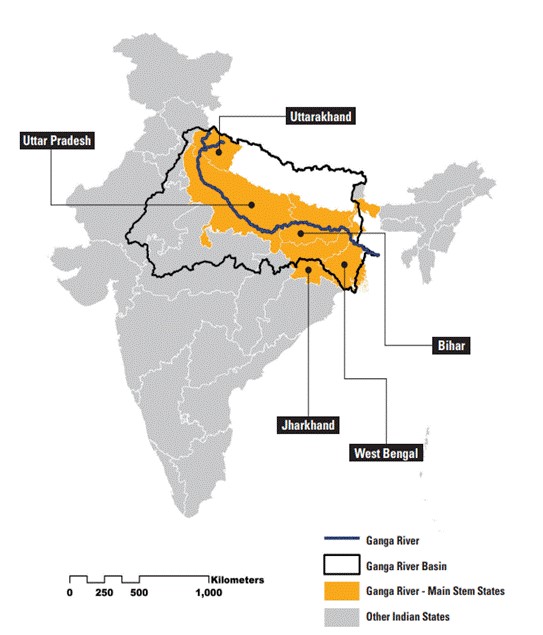
The Ganga River Basin
The Ganga River basin is the largest in India, encompassing 27% of the country’s land mass and supporting about 47% of its population. Spanning over 11 states, the basin covers nearly 27% of India’s total geographical area. The majority of the basin, around 65.57%, is used for agriculture, while water bodies cover 3.47% of the area. Despite receiving 35.5% of the total water input in terms of precipitation, the Ganga River Basin is the second most water-stressed basin in India, following the Sabarmati Basin, with only 39% of the average per capita annual rainwater input among major Indian river basins. [2]
Vision
The vision for Ganga rejuvenation revolves around restoring the river’s wholesomeness, defined by ensuring “Aviral Dhara” (Continuous Flow), “Nirmal Dhara” (Unpolluted Flow), and maintaining its geological and ecological integrity. A comprehensive Ganga River Basin Management Plan (GRBMP) was developed by a consortium of seven IITs, emphasizing an Integrated River Basin Management (IRBM) approach with multi-sectoral and multi-agency interventions.
Key Interventions
Pollution Abatement (Nirmal Ganga): Addressing and reducing the sources of pollution in the river.
Improving Ecology and Flow (Aviral Ganga): Enhancing the ecological health and continuous flow of the river.
Strengthening People-River Connect (Jan Ganga): Fostering a deeper connection between the people and the river through community engagement and awareness.
Facilitating Research and Policy (Gyan Ganga): Promoting diversified research, scientific mapping, studies, and evidence-based policy formulation
Over the years, concerted efforts made by NMCG are beginning to find success in restoring the pristine glory of the river.
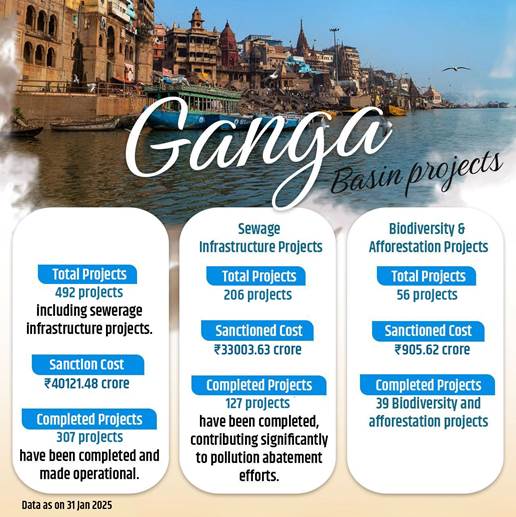
A comprehensive total of 492 projects, valued at 40121.48 Crore, have been launched.
Among these, 307 projects have reached completion and are now operational.
An impressive 206 projects addressing Sewage Infrastructure have been set in motion.
A substantial fund of 33003.63Crore has been sanctioned for these sewage infrastructure projects.
Of these, 127 sewerage projects have been successfully completed, playing a pivotal role in mitigating pollution.
Additionally, 56 projects dedicated to Biodiversity & Afforestation have been undertaken.
These projects have received a funding commitment of over ₹ 905.62 Crore.
Notably, 39 projects focused on biodiversity and afforestation have been successfully concluded, augmenting the ecological equilibrium of the Ganga basin.
Government’s Recent Initiatives for a Pollution Free Ganga[4]
In a major step towards tackling pollution, the 60th Executive Committee Meeting of the National Mission for Clean Ganga (NMCG) approved the interception and diversion of the Durga Drain and the construction of a 60 MLD capacity sewage treatment plant (STP) in Varanasi, Uttar Pradesh, at a cost of ₹274.31 crore. This project, based on the hybrid annuity model, includes a 75 MLD capacity main pumping station and other essential structures, ensuring long-term wastewater management and pollution control.
Additionally, a significant project was approved to prevent the flow of untreated sewage into Varuna, a major tributary of the Ganga, in Bhadohi. With an investment of ₹127.26 crore, this initiative will establish three STPs with capacities of 17 MLD, 5 MLD, and 3 MLD, along with an extensive sewer network to tap four major drains and prevent pollution. This project follows the Design-Build-Operate-Transfer (DBOT) model, ensuring sustainable operation and maintenance over the next 15 years.
A National Framework for Safe Reuse of Treated Water has been developed by NMCG to guide States in formulating their reuse policies and to establish economic models for the reuse of treated wastewater. NMCG has also issued a guidance handbook for urban policymakers and city officials on safely reusing treated water, which aims to conserve freshwater resources and promote sustainable water management practices. [5]
Seven Biodiversity Parks in seven districts(Mirzapur, Bulandshahar, Hapur, Budaun, Ayodhya, Bijnore and Pratapgarh) of Uttar Pradesh and 5 priority wetlands in Uttar Pradesh (3), Bihar (1) and Jharkhand (1) have been sanctioned.
NMCG, through the State Forest Department, has implemented a forestry intervention project along the main stem of river Ganga. 33,024 hectares area have been afforested with an expenditure of about ₹ 398 crore.
A total of 143.8 lakhs of Indian Major Carp (IMC) fingerlings have been ranched in the Ganga since 2017 to conserve fish biodiversity and prey base for river Dolphins, and ensure the livelihood of fishers in the Ganga basin under the special project implemented by Central Inland Fisheries Research Institute (CIFRI).
A total of 203 number of sewerage infrastructure projects costing ₹ 32,613 crore have been taken up for remediation of polluted river areas with treatment capacity of 6,255 Million Litres per Day (MLD).127 STP projects with a capacity of 3,446 MLD have been completed and made operational.
For industrial pollution abatement, 3 nos. of Common Effluent Treatment Plants (CETPs) have been sanctioned, i.e., Jajmau CETP (20 MLD), Banther CETP (4.5 MLD), and Mathura CETP (6.25 MLD). Two projects, Mathura CETP (6.25 MLD) and Jajmau CETP (20 MLD) have been completed.
Conclusion
The National Mission for Clean Ganga (NMCG) strives to deploy the best available knowledge and resources globally for Ganga rejuvenation. With significant progress achieved in various interventions, the programme continues to strive towards its goal of ensuring a clean and thriving Ganga for future generations.
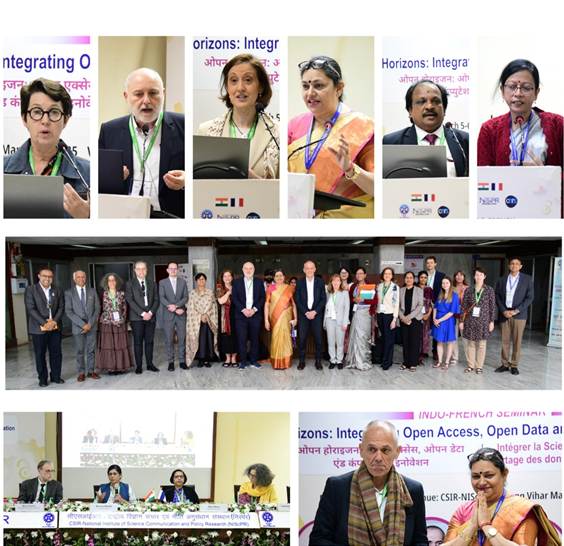
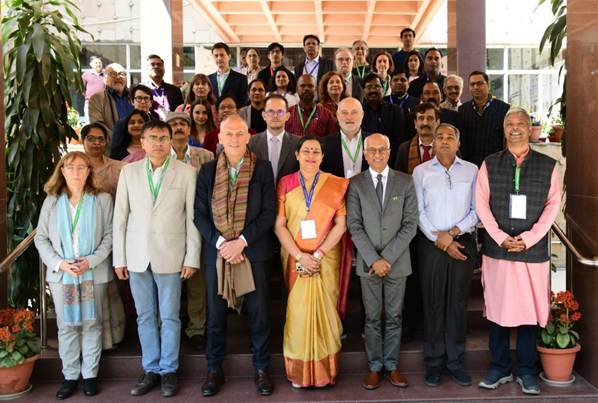
The CSIR-National Institute of Science Communication and Policy Research, New Delhi (CSIR-NIScPR), in collaboration with the CNRS- Department for Open Research Data, Open Science, Publications, Research Data and High Performance Computing, Paris (CNRS-DDOR), organized a two-day Indo-French Seminar on “Open Horizons: Integrating Open Access, Open Data, and Computational Innovation” on March 5-6, 2025 at CSIR-NIScPR, Satsang Vihar Campus, New Delhi-110067.
Glimpses of Indo-French Seminar
This significant seminar was organized to deliberate on how India and France are taking a stride towards open access, open data and open science; how digital technologies and Open Source platform offer great promise in implementing an information-driven approach to advance science, promote collaborations, increase transparency and utilize tools for partnerships between science and society. The seminar was attended by researchers, scientists, and policymakers from India and France; provided a unique opportunity for open access information sharing and networking opportunities.
The inaugural session was attended by esteemed dignitaries from India and France with Dr. Antoine Petit, Chairman and CEO, CNRS, France; Prof. Ranjana Aggarwal, Director, CSIR-NIScPR; Prof. Nitin Seth, Director, CEFIPRA; Dr. Srinivasa Reddy, Director, CSIR-IICTon the dais.
“We are delighted to organize this event with CNRS, France, to promote open science and research data sharing,” said Prof. Ranjana Aggarwal, Director, CSIR-NIScPR setting the tone for the conference. Describing the relevance of the event she said, “This seminar marks an important step towards fostering international collaboration and advancing sharing of scientific research for all sections of the society.” She also mentioned “One Nation One Subscription” initiative of Indian Government and its role in providing open access to larger number of stakeholders.
Prof. Nitin Seth, Director, Indo-French Centre for the Promotion of Advanced Research (CEFIPRA) recollected how they started with 1-2 calls annually to now with so many several dedicated partnerships in S&T between the two countries. He also shared his views about the expectations from this seminar. “Open access made scientific knowledge accessible, it brings a lot of opportunities”, Dr. Srinivasa Reddy, Director CSIR-IICT shared his thoughts in theinaugural session. He also mentioned the collaborations CEFIPRA has had with CSIR-IICT from last several years.
From the National Centre for Scientific Research (CNRS), Dr. Antoine Petit, Chairman and CEO; Dr. Sylvie Rousset, Senior Scientist & Head, Open Research Data Department (DDOR) gave a brief of CNRS and DDOR, its objectives functions and roles they are playing in making open access of articles and data, a norm in scientific research. Dr. Kasturi Mandal, CSIR-NIScPR and Dr. Sylvie Rousset, CNRS-DDOR provided the overview of the program of two days seminar like topics of discussions, and takeaways from the sessions.
The first session of the seminar was designed on theme “Policies for Open Access, Open science in France and in India” was, chaired by Prof. Vivek Kumar Singh, Senior Adviser, NITI Aayog, Govt. of India. Dr. Marin Dacos from the French Ministry of Higher Education and Research discussed the benefits of open science like increase in academic efficiency, reproducibility, prevention of duplication, and increasing citation. He also shared highlights of French open science policies in the country. Dr. Remya Haridasan from the PSA Office, Govt. of India, discussed flagship ‘One Nation One Subscription’ (ONOS) initiative in detail like why it was needed, the impact it has on science dissemination and the hurdles faced by the stakeholders during the implementation. The other speakers who shared their thoughts on open science and data includes Dr. Sylvie Rousset and Mr. Mukesh Pund Chief Scientist, CSIR-NIScPR.
The second session was based on topic “Open Access: A Diversity of Routes”. The session was chaired by Prof. Anirban Chakraborti, School of Computational and Integrative Sciences (SCIS), JNU, New Delhi. Dr. Bénédicte Kuntziger, CCSD, CNRS, during his talk said, “At CCSD, we promote open access through HAL, the French national open access repository, ensuring long-term, barrier-free access to publications. Notably, 167,751 full-text documents were deposited in 2024 alone, bringing the total to over 1.4 million full-text documents available through HAL as on January 2025”, he added. Dr. Françoise Rousseau, Couperin Consortium shared the model through which they negotiate with major science publishers to advance open science. Other speakers including Dr. Subbiah Arunachalam from DST-CPR, IISc Bangalore, presented an overview of open access in India, highlighting the country’s progress in promoting open access to research and Dr. Geetha Vani Rayasam, Head, CSIR-HRDG presented a perspective on open source and drug discovery, highlighting the potential of open source approaches in accelerating drug discovery and development.
The third session of day 1 was extension of session 2 under the theme “Open Access: A Diversity of Routes (Part II)”. Session was chaired by Dr. Laurence El Khouri from CNRS-DDO. The speakers including Dr. Lidia Borrell-Damian, Science Europe discussed the benefits of Diamond Action Plan which proposes to align and develop common resources for the entire Diamond OA ecosystem. Prof. Rajeswari Raina from Shiv Nadar University asked researchers and policy makers to think step ahead while saying it’s not about one scheme, one nation or one sector, we have to see the global aspects and thus need to set the horizons and limits of open access at global level. Dr. Raphael Tournoy from Episciences discussed the importance of Overlay Journals.
All the sessions of day 1 concluded with Q&A, where experts answered questions from the audience and shared their insights on the future of open science. This was followed by Felicitation of the guests and speakers of the event.
The second day of the India-France seminar on Open Science and Research Data concluded successfully, featuring insightful discussions and presentations on computational innovation, research evaluation, and open data sharing.The day’s proceedings began with a session on “R&D in Computational Innovation and Open Source Software,” chaired by Dr. Avinash Kshitij, Principal Scientist, CSIR-NIScPR. The speakers included- Prof. Roberto Di Cosmo, INRIA, who discussed the “Software Heritage initiative. Prof. P. K. Suri, Delhi Technological University, delivered a talk on “Data Standardization in Agricultural.Dr. Sridhar Gautam, ICAR-Indian Institute of Horticultural Research, spoke on “Advancing R&D with Open Source Software, Open Access, and Open Data”.Sh. G Mayli Muthu Kumaran Deputy Director General, National Informatics Center (NIC) discuss on the computational innovation and open source and elaborated on the initiative towards the R&D in computational innovation at NIC. This was followed by a session on “Reforming the Evaluation of Research,” which featured presentations from:Dr. Lidia Borrell-Damian, Science Europe, discussed “Reforming Research Assessment and CoARA Initiative”. Dr. Vinayak, Principal Scientist, CSIR-NIScPR spoke on “Some New Methods for Measuring Phases of Science.” Dr. Moumita Koley from IISc, Bengaluru, discussed on the topic “Rethinking Research Assessment: Building an Efficient and Innovative Research Ecosystem in India” and Dr. Nishy. P, CSIR-NIIST, spoke on “Open Source for Research Evaluation and Future Trends”.
The seminar also featured a session on “Open Data Sharing,” with presentations from Ms. AlkaMisra, Deputy Director General, NIC, who discussed the “Open Data sharing initiative of Govt. of India”. Dr. Marin Dacos, French Ministry of Higher Education and Research, presented “An ecosystem for sharing and opening research data” and Dr. Naresh Kumar, Chief Scientist, CSIR-NIScPR, presented his talk on “Sharing data in Science.
The seventh session of the seminarhaving a panel discussion on “Future for Open Science, Open Data, and Open Source,” featuring experts from various fields, including Dr. Sujit Bhattacharya; Dr. Laurence El Khouri, CNRS-DDOR; Dr. Roberto Di Cosmo, INRIA Software Heritage; Dr. Deepali Kuberkar, Tata Memorial Hospital; Dr. Kasturi Mandal, CSIR-NIScPR, New Delhi; Dr. Yogesh Dhoble, CSIR-IPU, New Delhi and Dr. Sandhiya Lakshmanan, CSIR-NIScPR.
The Indo-French Joint Seminar concluded with the valedictory session during which Dr. Naresh Kumar, Scientists, CSIR-NIScPR delivered the welcome address and highlights of the two-days intense deliberation on the Open Science, Open Source and Open Data in the R&D in Computational Innovation. Prof. Anirban Chakraborti from JNU address the need of balanced approach in moving towards the conduct of Open Science, Dr. Laurence and Dr Avinash Kshitij summarise the two-days deliberation amongst the 6 different topics, Mr.Mukesh Pund, CSIR-NIScPR shows his gratitude towards the Indian and French speakers, scholars, delegates and the all individuals involved in different roles during his address for Vote of Thanks.
About CSIR-NIScPR
The CSIR-National Institute of Science Communication and Policy Research (NIScPR) is a premier institute in India, engaged in science communication, STI based policy studies and research.
About CNRS
The French National Centre for Scientific Research (CNRS) is a government-funded research organization, dedicated to advancing scientific knowledge and innovation in France and globally.
Researchers have found an efficient, less energy-intensive, and environmentally friendly way of synthesizing hydrogen peroxide, a chemical that is crucial to the industry for disinfection, paper bleaching, and so on.
Hydrogen peroxide (H2O2) is a versatile oxidizing agent that is widely used in environmental disinfection, chemical synthesis, paper bleaching, and fuel cells. In addition, the growth of this market is driven by the increasing awareness of disinfection, the rise in the number of surgeries, the prevalence of hospital-acquired infections, and so on. Currently, over 95% of H2O2 is produced industrially using the anthraquinone oxidation process, which is very energy intensive, expensive and produces many hazardous chemicals as by-products.
Scientists are therefore looking for an environmentally friendly and economical strategy to produce H2O2 from renewable resources with minimal environmental impact. In this context, a new class of porous and ordered polymers with modifiable catalytic sites and light-harvesting properties in visible range, called covalent organic frameworks (COFs), have emerged as promising photocatalysts.
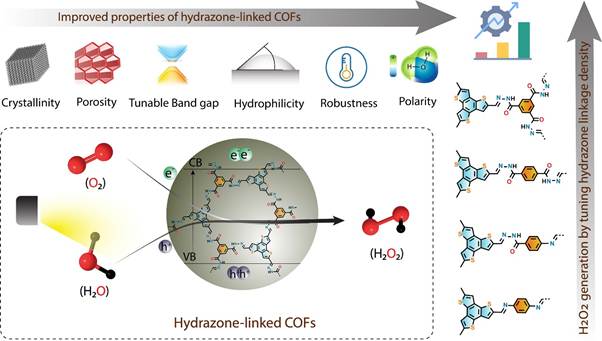
Figure 1. Sustainable synthesis and versatile applications of hydrogen peroxide.
Researchers at S. N. Bose National Centre for Basic Sciences, Kolkata, an autonomous institute under the Department of Science and Technology (DST), have designed and prepared a series of COFs having good water affinity through careful control of the hydrazone linkage density and studied their effect on the photocatalytic performance for H2O2 generation. It was observed that the hydrazone-linked COFs provide abundant docking sites for water and oxygen, thereby promoting water oxidation reaction (WOR) and oxygen reduction reaction (ORR) – two main pathways for photocatalytic H2O2 generation.
As a result, the hydrazone-linked COF exhibited exceptional photocatalytic H2O2 production without external sacrificial electron donors when irradiated with a 40 W blue LED (λ = 467 nm). Interestingly, a significant amount of H2O2 (550 μmol g-1 h-1) was also produced under sunlight irradiation, which outperforms most organic photocatalysts under similar conditions, thus demonstrating a clean and sustainable pathway.
Furthermore, as-synthesized hydrazone-linked COFs can generate H2O2 up to 21641 μmol g-1 h-1 using an aqueous benzyl alcohol solution (water: benzyl alcohol = 90:10) by preventing the degradation of H2O2. This strategy of using a mixture of water-benzyl alcohol solution will be helpful in developing a continuous flow reactor for the sustainable production of H2O2 and will reveal a laboratory-to-industry technology transfer for the benefit of mankind.
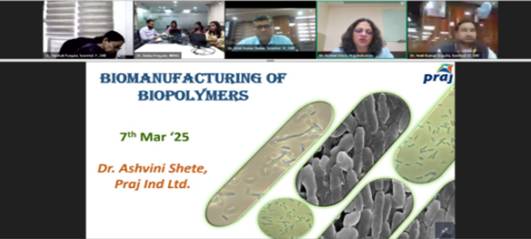
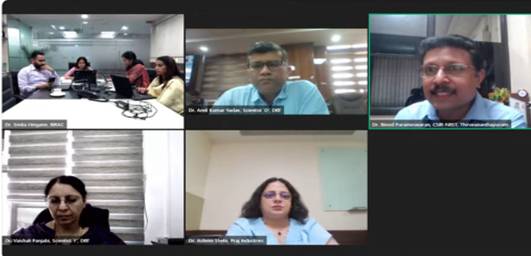
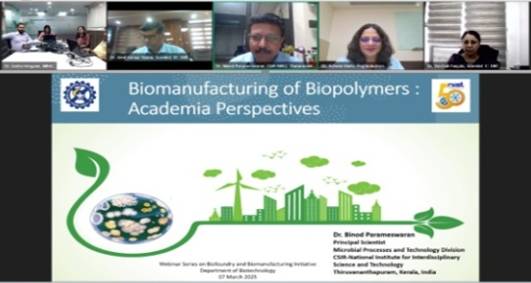
The Department of Biotechnology, Government of India hosted the ninth Webinar in its Biofoundry and Bio manufacturing Initiative series on March 7, 2025. The session centered on “Bio manufacturing of Biopolymers,” a crucial area under the BioE3 Policy, which was approved by the Union Cabinet in August 2024. The BioE3 Policy is designed to establish India as a global leader in bio-based innovations, emphasizing sustainable biomanufacturing across various thematic areas, including biopolymers. This Webinar served as a platform for academia, industry leaders, startups, and researchers to engage in discussions about advancements and opportunities in biopolymer biomanufacturing.
Dr. Vaishali Panjabi, Scientist ‘F’, DBT, highlighted the BioE3 Policy’s vision to foster high-performance biomanufacturing. She informed that the ninth Webinar in this series focuses on ‘Biomanufacturing of Biopolymers’. India, given its academic and industrial strength, is poised to create a vibrant ecosystem for cost-effective biopolymer production. She mentioned the potential gaps, challenges in this sectors followed by strengths and opportunities to address the same.
Dr. Binod Parameswaran, CSIR-NIIST, Thiruvananthapuram mentioned the major differences between biopolymers, process involved along with challenges and limitations in biomanufacturing. Finally he also shared the key trends shaping the future of biopolymer R&D in India.
Dr. Ashvini Shete, Praj Industries Ltd. mentioned in detail the process involved in the production of Biopolymers and the challenges associated with its production. She emphasized on the importance of strain and feed stock selection, process optimization and downstream processing for biopolymer production. She mentioned that a Vibrant Ecosystem for Cost-Effective Biopolymer Production can be created in India based on the rich availability of feedstock and technology with in the country.
The session concluded with a vibrant Q&A segment moderated by DBT and BIRAC officials. Participants actively engaged with the experts, discussing challenges and opportunities in bio manufacturing of biopolymers.
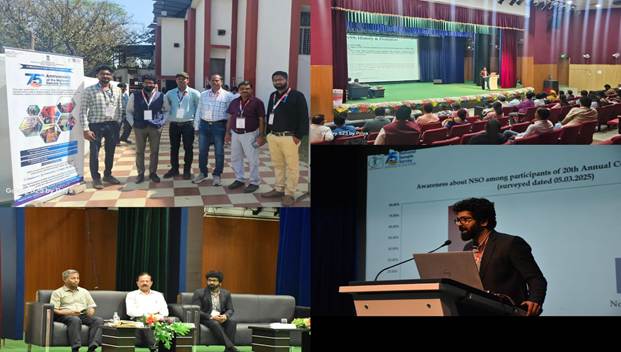
As part of celebration of 75th Anniversary of NSS, commemorating its transformative role in shaping India’s evidence-based policy making, an awareness campaign was organized by National Statistics Office (Field Operations Division), Govt. of India, Regional Office, Sambalpur at the 20th Annual Conference of Indian Association for Social Science and Health (IASSH) organized by Sambalpur University at Biju Patnaik Auditorium.The campaign was organized on 05.03.2025 and 06.03.2025. Publicity materials were displayed and distributed among the 250 nos. of participants of the conference.
A plenary sessionwas conducted by NSO(FOD) RO, Sambalpur on the theme “Data for Development” on 06.03.2025. The session was chaired by Prof R. Nagarajan, IIPS Mumbai & Prof. Pradeep Kumar Panda from AIPH University, Bhubaneswar was the co-chair. Sh. Rahul Kumar Patel, Deputy Director & Regional Head, NSO(FOD) RO Sambalpur was the speaker. Importance of NSS data for policy formulation and decision making for the development and nation building were highlighted. A documentary about evolution of NSS during the last 75 years was also displayed. Information onrecently completed as well as ongoing surveys such as Periodic Labour Force Survey (PLFS), Household consumption Expenditure Survey (HCES), Annual Survey of Unorganized Sector Enterprise (ASUSE), Annual Survey of Industries (ASI), Socio-economic survey 80thround (Health & Telecom), Pilot study on Annual Survey of Service Sector Enterprises (ASSSE), Price Collection, Forward Looking Survey on Private Corporate Sector Capex Investment Intentions etc.,wasshared with the participants.As the participants were mostly the post-graduate students, researchers, academicians etc., hence process to access the unit level data of various surveys under NSO was also explained for the benefit of the participants.
Prof. R. Nagarajan and Prof. Pradeep Kumar Panda congratulated NSS for completing 75 years of successful data collection, dissemination and also stressed the importance of NSS data and how it has helped Govt, researchers, policy makers in decision making, economic growth and resource allocation.







 /
/













 Eduindex
You must be logged in to post a comment.