

Remote work reshaped a lot of career paths, and for a growing number of professionals currently based in the UAE, from independent consultants to remote employees of international companies, that flexibility has opened up a real question: could you do this job just as well from Spain? Since Spain introduced its National Digital Nomad Visa, the answer for many is yes, provided the application is handled correctly.
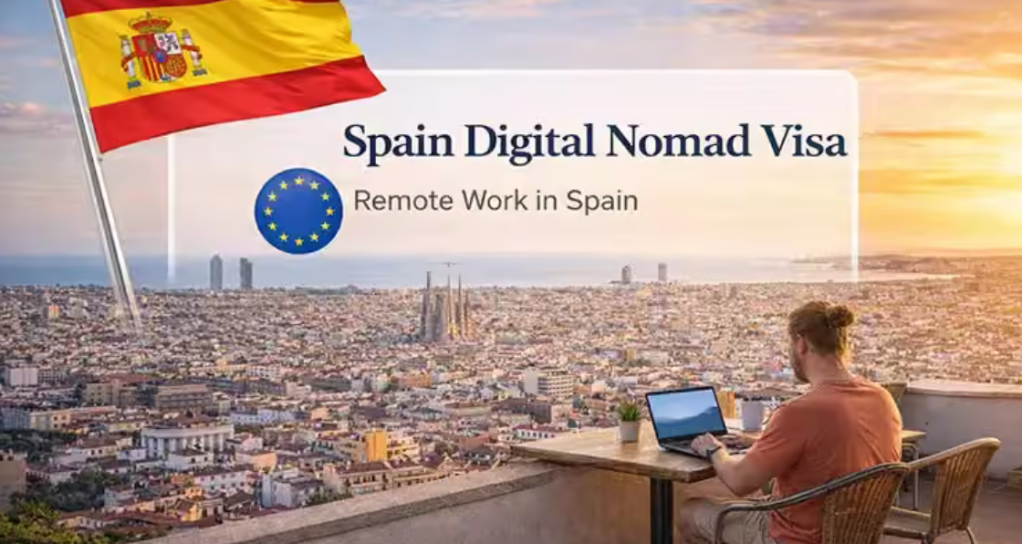
This guide breaks down who qualifies, what documents are actually required, and what tends to trip up applicants coming from the UAE specifically.
Who This Visa Is Actually For
Spain’s Digital Nomad Visa is built for people who work remotely for employers or clients based outside Spain. It’s not a general relocation visa, and it doesn’t apply to work with Spanish-based clients as the primary income source. It generally covers three overlapping groups: employees of international companies who work fully remote and whose employer is not registered in Spain, freelancers and consultants billing clients outside Spain directly, and business owners running a company that operates independently of the Spanish market.
The rule that disqualifies applicants most often is having the bulk of your income tied to Spanish clients or a Spanish employer. Spain generally allows up to around 20 percent of income from domestic sources, but the majority needs to originate outside the country.
Core Requirements
Applicants generally need to demonstrate remote work status through a contract or client agreements that explicitly allow remote work, at least three months of prior remote work experience (sometimes up to a year, depending on the applicant’s profile), a minimum monthly income calculated as a multiple of the Spanish minimum wage, which is updated periodically, private health insurance valid in Spain, a clean criminal record that’s been apostilled and translated where required, and proof of relevant qualifications or at least three years of professional experience in the applicant’s field.
That last requirement matters more than it first appears. Freelancers who work through multiple platforms or clients rather than a single employer sometimes need to assemble evidence from several sources: contracts, invoices, and payment histories covering the required time period. Starting this collection early avoids a scramble later.
Applying From the UAE
A meaningful number of people building this kind of remote career are based in Dubai or elsewhere in the UAE, drawn by flexible freelance permit structures and tax-free income. For this group, the Spain Digital Nomad Visa application is submitted directly from the UAE, through the Spanish consulate or an authorized visa channel, without needing to return to a home country first. Bank statements, freelance license documentation, and client or employer letters can all be compiled while still resident in the Emirates.
Timeline and What to Expect
Processing typically takes several weeks once a complete file is submitted from the UAE. The visa, once granted, allows an initial residence period with renewal options extending up to five years total. One detail that catches applicants off guard: renewal is assessed against your work status at the time of renewal, so a significant shift away from remote, foreign-sourced income can affect eligibility later on.
Frequently Asked Questions
Can I apply if some of my income comes from Spanish clients? Generally yes, as long as the majority of your income, typically at least 80 percent, comes from outside Spain.
Do I need a university degree to apply? Not necessarily. The visa accepts either a relevant degree or at least three years of demonstrated professional experience in the applicant’s field.
Can my family join me on this visa? Yes, dependents including spouses and children can generally be included, though this increases the income threshold required and adds supporting documents.
Building the Paper Trail Before You Need It
Because so much of this application rests on proving a consistent pattern (steady remote income, an ongoing client relationship, relevant experience), applicants who move through the process fastest are usually the ones who started keeping organized records long before deciding to apply. That means saving signed contracts rather than relying on email threads, keeping a running log of invoices rather than reconstructing them from bank statements after the fact, and asking clients or employers for a simple confirmation letter periodically rather than only when a visa application forces the issue.
What Happens If You Work With Multiple Clients
Freelancers and consultants who bill several clients rather than a single employer face a slightly different documentation path. Instead of one employer letter, the application typically needs contracts or written agreements from each significant client, along with invoices or payment records showing consistent income over the required period. Applicants in this position often underestimate how long it takes to gather this from multiple sources, especially if some clients are slow to respond to a request for a formal letter, so it’s worth starting that outreach well before the rest of the application is ready.
Getting the Application Right
Because eligibility and documentation depend heavily on income structure and employment type, many UAE residents applying for the spain digital nomad visa dubai route choose to work with a specialist rather than assembling the file alone. Oki Doki, licensed under Dubai Department of Economy and Tourism license 72623 with a 5.0 rating on Google and a 98% approval rate on tourist visa applications, helps UAE-based remote professionals put together the specific combination of income proof, freelance documentation, and qualification records this visa requires.
Is It Worth the Paperwork
For remote professionals who’ve built location-independent careers, trading a UAE base for a European one built around Spain’s lifestyle, time zone, and access to the wider Schengen area is a real option. The visa isn’t complicated in structure, but it rewards applicants who treat documentation as an ongoing habit rather than something assembled in the final weeks before applying.
This article is for informational purposes only and does not constitute legal or immigration advice. Visa requirements change frequently; always verify current rules with the relevant embassy or consulate before applying.


You must be logged in to post a comment.