

Moving into a first rented flat teaches a long list of practical lessons that no lecture covers: how bin collection works, which bills are included and what to do when the heating stops. For many students and young renters, the first cold snap is the first time they have had to think about a boiler. This article collects the essentials so that you know what to check, who to call and what rights you have.
Modern boilers are generally reliable, but they do not always like being ignored. A system left off all summer and then switched on at the first frost can need a little attention. If the boiler will not start, this practical guide from Olia’s Plumbing & Heating explains the common reasons a boiler does not fire up and the checks that are safe for a non-specialist.
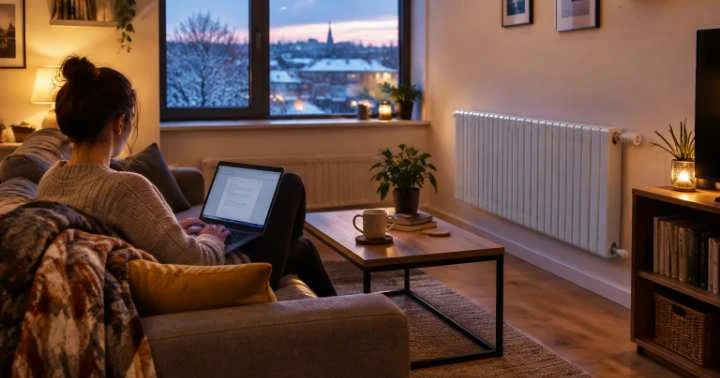
Learn the basics on day one
On moving in, spend ten minutes finding out how the heating works. Ask the landlord or agent to show you:
- where the boiler is and how to read its display;
- where the pressure gauge is and what the normal range is;
- how to set the timer or programmer and the room thermostat;
- where the stopcock is, in case of a leak;
- where the gas meter and the emergency control valve are;
- where the instruction manual is kept.
Take photos of the boiler, its controls and any labels. They help if you need to describe a fault later.
Using the heating efficiently
Heating costs are a significant part of student budgets, particularly when bills are shared. A few habits help without leaving the house cold:
- set the thermostat to a steady, comfortable temperature, often around 18 to 21 degrees Celsius, rather than switching between maximum and off;
- use the timer so the heating comes on shortly before you are home;
- close doors to keep heat in the rooms you use;
- use thermostatic radiator valves, if fitted, to lower the temperature in rooms you rarely enter;
- draw curtains at dusk and use draught excluders on doors.
Housemates should agree on a routine early to avoid disputes about the thermostat.
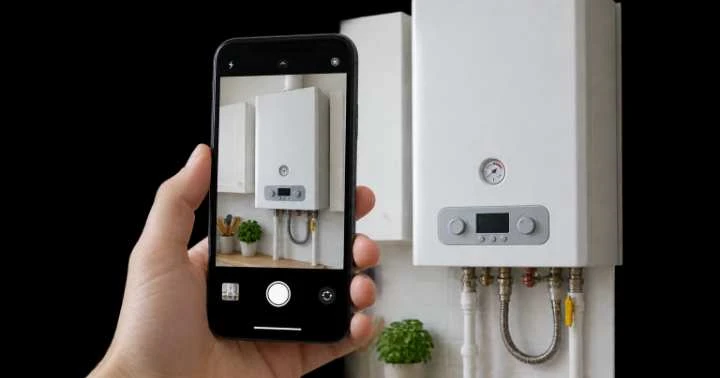
If the boiler stops working
Start with simple checks:
- Is there power to the boiler? Look at the display and check whether a fuse has tripped.
- Is the programmer on, and is the thermostat set higher than the room temperature?
- What is the boiler pressure? If it is well below the normal range, tell the landlord, since a low-pressure lockout is common.
- Is there a fault code? Photograph it and look it up in the manual.
- Has the weather turned very cold? A frozen condensate pipe can shut a condensing boiler down.
Many boilers can be reset by pressing a button once. If the fault returns immediately, do not keep resetting it. Do not remove casings or tamper with the boiler. Tenants should report heating faults to the landlord or letting agent promptly, in writing, and keep a copy of the message.
Your rights as a tenant
In England, landlords are responsible for keeping gas appliances and the heating and hot water installation in repair. Landlords must also arrange an annual gas safety check by a Gas Safe registered engineer and give tenants a copy of the record. New tenants should receive the latest certificate before they move in. If you have not seen one, ask for it.
The housing charity Shelter England sets out who is responsible for heating and hot water repairs, and Citizens Advice publishes independent information on what to do when a landlord is slow to act and how to escalate a complaint. Keep records of every request, with dates and copies of messages. If you rent through a university or a private halls provider, the accommodation office is also a route for repairs.
Tenancy rules differ across the UK nations, so check the version that applies where you live.
Gas safety and carbon monoxide
Rented homes with gas appliances should have a working carbon monoxide alarm in rooms with fixed combustion appliances, and tenants should test alarms regularly using the button on the unit. The warning signs of carbon monoxide poisoning include headaches, dizziness, nausea and breathlessness, and they often ease when you leave the building. Never ignore these symptoms if more than one person in the flat is affected.
If you smell gas, do not use light switches or naked flames, open doors and windows, leave the property if the smell is strong and call the National Gas Emergency Service free on 0800 111 999.
You can also check that any engineer visiting your flat is on the Gas Safe Register, and ask to see their ID card. This is a reasonable request that no genuine engineer will mind.
What to avoid
Student flats are prone to a few risky habits during cold weather:
- using a gas oven or hob to heat the room;
- blocking ventilation or air bricks to stop draughts;
- drying clothes directly on or over a radiator for long periods, which traps moisture and encourages mould;
- covering a boiler or storing items in its cupboard against the manufacturer’s advice;
- using portable heaters carelessly, particularly near beds, clothes and curtains.
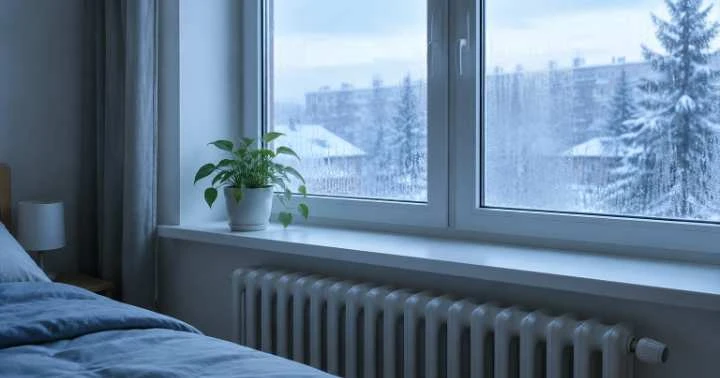
Damp and condensation
Cold weather and closed windows can lead to condensation and mould. Wipe condensation from windows in the morning, use extractor fans when cooking or showering, keep furniture a few centimetres from external walls and open windows briefly to let moisture out. If mould appears persistently, report it to the landlord, since it can indicate a ventilation, heating or damp problem that needs fixing.
Quick winter checklist for renters
- Photograph the boiler display and gauge when you move in.
- Ask for the current gas safety record.
- Know where the stopcock and gas emergency valve are.
- Agree a heating routine with housemates.
- Report faults in writing, early.
- Test your carbon monoxide alarm.
- Save 0800 111 999 in your phone.
Summary
Winter in a rented home is far easier if you know a little about the heating before it fails. Learn the basics, use the system sensibly, report problems promptly and understand the rights and safety checks that protect you. When the boiler refuses to start, work through the simple checks, leave anything inside the appliance to a registered professional and keep records of everything you report.

