EduPub (Edupedia Publications Pvt Ltd) is a company dedicated to the development of the education, learning, research and innovation in the field of the research and books publication. We are pioneer in providing wide range of services to educational institutions, government agencies, individuals and corporates in the field of training and education, research and development, research and innovation. research and publication.
The main task for COP26 was to finalise the rules and procedures for implementation of the Paris Agreement. Most of these rules had been finalised by 2018, but a few provisions, like the one relating to creation of new carbon markets, had remained unresolved.
After two weeks of negotiations with governments debating over provisions on phasing out coal, cutting greenhouse gas emissions and providing money to the poor world, the annual climate change summit came to an end on Saturday night with the adoption of a weaker-than-expected agreement called the Glasgow Climate Pact.
The Glasgow meeting was the 26th session of the Conference of Parties to the UN Framework Convention on Climate Change, or COP26. The main task for COP26 was to finalise the rules and procedures for implementation of the Paris Agreement. Most of these rules had been finalised by 2018, but a few provisions, like the one relating to creation of new carbon markets, had remained unresolved. However, due to clear evidence of worsening of the climate crisis in the six years since the Paris Agreement was finalised, host country United Kingdom was keen to ensure that Glasgow, instead of becoming merely a “procedural” COP, was a turning point in enhancing climate actions. The effort was to push for an agreement that could put the world on a 1.5 degree Celsius pathway, instead of the 2 degree Celsius trajectory which is the main objective of the Paris Agreement.
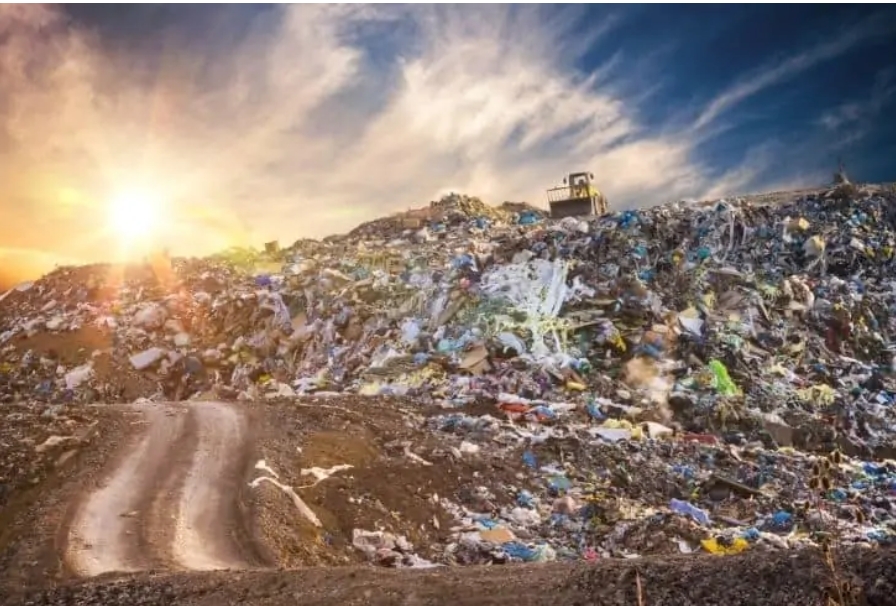
Pollution is defined as introduction of harmful particles in the environment.It can be man made or natural.The reason for pollution is many like toxic gas from industry, plastics in water,sound from vehicles etc.
TYPES OF POLLUTION:-
* Land pollution
* Noise pollution
* Water pollution
* Air pollution
* Light pollution.
LAND POLLUTION:-
Land pollution means that contamination of soil or land. Land pollution leads to contamination of ground water.Land pollution is caused due to urbanization, deforestation, mining and throwing plastics in the land.
NOISE POLLUTION:-
Noise is,defined as unwanted sound. Sound which pleases the listeners is music and that which causes pain and annoyance is noise.Noise pollution is majorly from vehicles,industrial works.Noise pollution leads to hearing problems, sleepless,cardio vascular issues and psychological problems.
WATER POLLUTION:-
Water pollution is defined as introduction of unwanted materials in the water.It is one of the serious type of pollution Harmful to human, plants and animals.water pollution is caused by industrial waste,oil spills,marine dumping plastics,sewage,mining activities.It leads to serious problems like cancer,diarrheal disease, respiratory disease, neurological disorder and cardiovascular disease.
AIR POLLUTION:-
Air pollution is a mixture of solid particles and gases in the air. Car emissions, chemicals from factories, dust, and mold spores may be suspended as particles. Ozone, a gas, is a major part of air pollution in cities.Some air pollutants are poisonous.It is harmful to all living organisms in the world.Air pollution leads to breathing problems, asthma, heart attack and stroke.
LIGHT POLLUTION:-
Light pollution is unwanted over usage of artificial light.It wash out star light in the night, disturb ecosystem,interferes with space research.Light pollution alters their night time environment by turning night into day.spark from artificial lights can also impact wetland habitats that are home to amphibians such as frogs and toads.
CONTROLLING MEASURES FOR POLLUTION:-
* By controlling wastes.
* With the practice of recycle.
* Going with natural ways.
* Using eco friendly products instead of plastics.
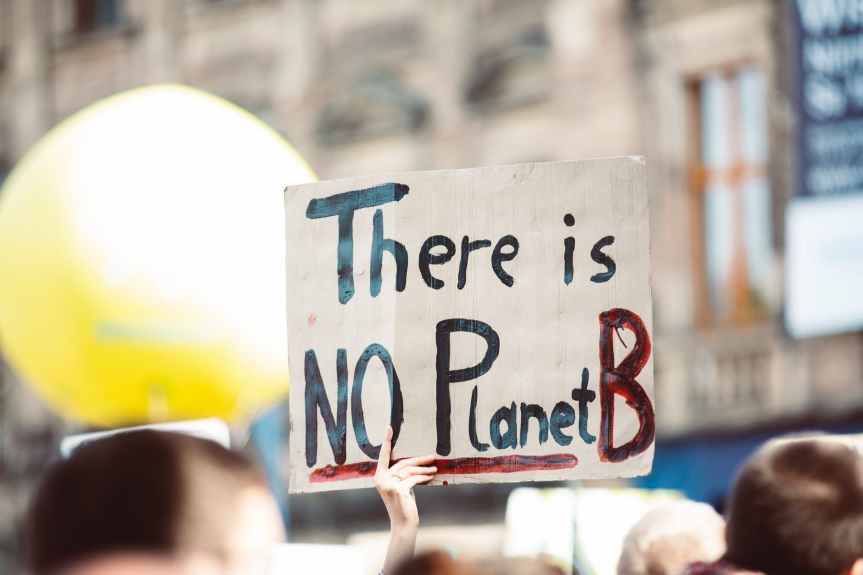
With increasing awareness and demand for drastic measure to avert the crisis of climate change. It might actually be possible to keep the impacts well below disastrous. The world is making progress in the right direction as we join hands and unite with agreements such as the Kyoto protocol, Paris agreements to a name a few.
Plant Based Meat.
Although, the biggest culprit in global warming is deemed to be carbon dioxide. Other gases such as nitrous oxide and methane are a lot more potent and thus are a cause of major concern. Methane is largely released during livestock farming. As demand for meat has exponentially increased in the past years, it is without a doubt that if things went on the same as they are. The hope to keep temperature rise well below 2c will merely remain a dream. But with a new innovation of plant based meat. The turnover to eating largely plant based may not seem impossible. A faux meat – made entirely out of plant based ingredients- is intended to taste and look exactly like meat. It is believed that in 30 years or so, all meat and dairy will be replaced and only plant based products will triumph. These plant based substitutes have close to negligible carbon footprint and therefore, it is a sound solution.
Renewable Energy
The demand for energy is ever on the rise. But this demand is being fulfilled mainly by renewable energy sources. In the past years, renewable energy sources like solar panels and wind turbines have been a lot cheaper to install than they used to be a decade ago. Thus, more and more countries are looking to utilize mainly renewable energy sources to fulfil their energy demands. India, also, has promised to increase share of renewable energy to 50% by the year 2030 in the conference held at Glasgow, COP26.
Afforestation.
Deforestation of forests for farming, timber production etc alone contributes to about 15% of greenhouse gas emissions. The amount of trees cut has roughly doubled since the past decade and this a cause for major concern. But steps in the right direction are talking place. Countries like Brazil and Indonesia have invested money to fund agricultural subsidies. And with the efforts of China, India and South Korea alone have managed to sever close to 12 billion tons of carbon dioxide from the atmosphere.
Electric Cars
Electric cars have also been on the rise as a green solution to reducing pollution cause by cars. Countries have also announced future bans on fossil-fueled cars. Car companies like Jaguar, Volvo, Land rover are all looking to end production of fuel based cars.
There is a lot of hope that countries will follow through and estimated control will be very much possible. Green economic growth is the only long term goal.
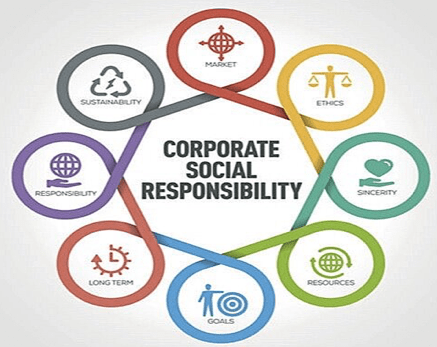
Its been six years of the advent of the Companies Act, of 2013 that obligated companies to contribute over a specific size and profitability, a portion of their profits or benefits towards societal development, discourses about corporate social responsibility, or CSR, is all over the place. There have been workshops, seminars, meetings, newspaper articles, and award distribution ceremonies galore on the matter. Today, CSR has become an important aspect for all companies in contributing towards both, society as well as increasing the brand value reputation of the companies. As corporate social responsibility (CSR) is not compulsory, many companies might not prioritize it or engage in it. However, there are many companies ranging from middle-class companies to highly valued companies who have contributed a lot to CSR and continue to contribute, knowing its importance. The top 6 companies with the best CSR reputation are:
INFOSYS LIMITED
Image credit: Alamy
Infosys Limited is ranked as the top company in India, contributing the most towards CSR. Being an early adopter of corporate social responsibility (CSR) initiatives, its contributions to the environment and society have been key factors in the holistic growth of its business.
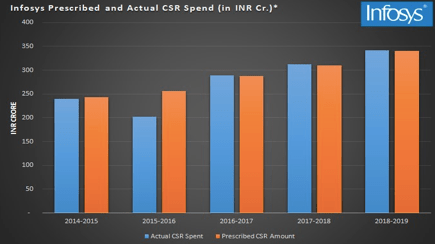
The company spent nearly Rs. 360 crores on various CSR schemes in the financial year 2019-20[1]. It has contributed to many covid relief works and among its main CSR initiatives in the financial year, 2019-20 were a 100-bed quarantine set up in Bengaluru in partnership with Narayana Health City, and another one which had 182 beds for COVID-19 patients for Bowring and Lady Curzon Medical College & Research Institute[2]. This company has also established the Infosys foundation— a nonprofit nodal body aimed at contributing toward community and society development and betterment and also fulfilling its CSR commitments. Infosys Foundation has worked with many non-government organizations for implementing its projects. Highlights of the Foundation’s interventions in the past include the introduction of Aarohan Social Innovation Awards, restoration of water bodies in Karnataka, enabling the pursuit of access and excellence in sports through the GoSports Foundation, and disaster relief efforts in Tamil Nadu, Karnataka, and Kerala[3].
Image credit: The CSR journal
The above graph shows CSR spending of Infosys Ltd. in the last 5 years[4]
ROLEX WATCH CO. LTD.
Image credit: prezi.com
Rolex has been on the top 10 list of the most reputable companies in the world for four consecutive years. Rolex’s success is attributed to the authenticity and longevity of its charity work. By investing in and committing to long-term social enterprise projects, Rolex has an impressive record of over forty years of philanthropic work[5]. The Rolex Awards for Enterprise which were established to commemorate the 50th anniversary of the Oyster Chronometer is a great example of CSR activity carried out by the company. All the individuals who demonstrate leadership and entrepreneurialism in the areas of technology, applied sciences, and the environment are presented with these awards. Since the inception of the Awards, 33,000 people from over 190 countries have applied, and 140 laureates have been selected[6]. These laureates have worked on projects benefitting millions of people in 60 countries across the globe[7]. Several initiatives under the Rolex Perpetual Planet have been taken up for upgrading our environment. These include watching over the Earth’s blue heart, Heroes of the Oceans, and Paula Kahumbu: defending rights for elephants.
MAHINDRA AND MAHINDRA LTD.
Image credit: Avinash Chandra
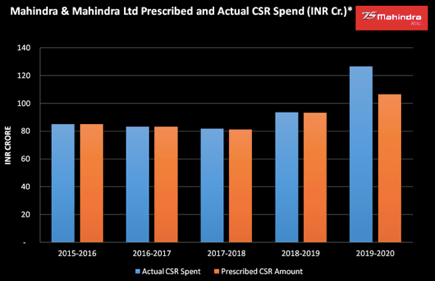
Mahindra and Mahindra ltd. is known for its contributions to climate change and sustainable business practices. The company spent INR 93.50 crores on CSR initiatives during the financial year 2018-19[8]. The biggest CSR project for educating girls in India known as Nanhi Kali was conducted by Mr. Mahindra. This project provides free education to girls, who belong to low-income backgrounds and also empowers their families. The group works closely with non-profits like Naandi Foundation, which feeds over 1.3 million government school children every[9]. This project also encourages environment-friendly farming practices by working with many small farmers. Mahindra and Mahindra Ltd. has also won the award for India’s best CSR project in the Environment and Sustainability category for its green initiative of project Hariyali, which aims at planting 1 million trees on India’s green cover every year. In the financial year 2019-20, Mahindra & Mahindra planted 1.32 million trees, taking the total tally to 17.93 million trees[10]. Of these, 10.78 million trees have been planted in the Araku Valley, which besides greening the environment, also provides livelihood support to tribal farmers growing coffee in the region[11]. The company’s other CSR projects include Mahindra Pride schools: a unique 90-day livelihood training program for youths from socially and financially disadvantaged communities, Integrated Watershed Management Programme, saving a life with safer roads, employee social options, and covid-19 releif[12].
Image credit: The CSR Journal
The above graph shows the CSR Spends of Mahindra and Mahindra Limited for the last five years.
WALT DISNEY COMPANY
Image credit: Money Inc
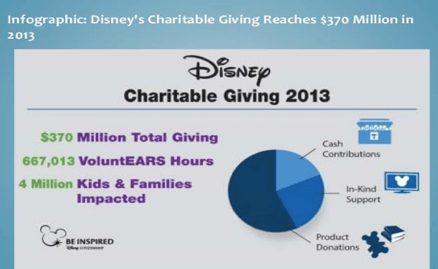
Considering the Walt Disney company CSR report, it can be said that it is well organized, and consistent, and is in connection with the global reporting initiative (GRI) too. The company has contributed a lot towards renewable energy, workforce investment, community engagement, charitable giving, and diversity and inclusion. In the financial year of 2019-20, Disney brought online a massive 270-acre, 50+-megawatt solar facility onsite in Orlando, in collaboration with the Reedy Creek Improvement District and Origis Energy USA[13]. The facility generates enough power from the sun to operate two of the four theme parks at Walt Disney World annually[14]. This, along with other initiatives, helped to reduce the net emissions by 47% in FY19 from 2012 levels[15].
Disney has also donated a lot towards workforce investment, supporting the long-term career goals of its employees through education.
The company is investing $150 million over the first five years to cover 100% of employee tuition, books, and education fees[16].
Disney also gave $338.2 million in cash and in-kind donations to non-profit organizations that bring comfort, inspiration, and opportunity to kids, families, and communities around the world[17].
Image credit: Slideshare
COCA- COLA COMPANY
Image credit: India Frontline
Coca-Cola aims to create a sustainable and better future. For this, they follow various activities like Focusing on a World Without Waste, Maximising water conservation, reducing carbon footprint, etc.
In addition to this, all the countries where coca-cola has its market, have increased employment and helped to raise the standard of living which has, in turn, helped to strengthen the national economy.
The company has also launched its project known as the last mile, which aims to expand access to HIV and malaria medicines across Africa. The Coca-Cola Foundation recently awarded a $2 million grant to Project Last Mile—$1 million for South Africa and $1 million for additional countries across the continent—as part of the foundation’s $20 million “Stop the Spread” fund[18]. An additional $500,000 grant from The Coca-Cola Foundation has supported COVAX, a program co-led by the World Health Organization (WHO) to ensure equitable global access to COVID-19 vaccine tests and treatments in the world’s poorest countries[19].
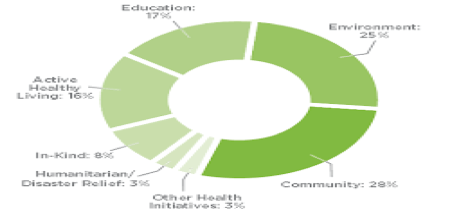
The company also aims at making all its packaging 100% recyclable and also reduce its carbon emissions 25% by 2030 from a 2015 base year[20]
Image credit: research-methodology.net
TATA CHEMICALS LTD.
Image credit: csrbox.org
The CSR model of Tata chemicals limited is very unique. Although the prescribed CSR for 2019-2020 was 21.39 Crores, the company went on to spend 37.81 crores on community development projects[21]. Tata Chemicals spends INR 12 crores on CSR annually, and wildlife conservation accounts for 30% of the budget of the TCSRD[22]. The company has also established the Tata Chemicals society for rural development. The company’s CSR agenda also focuses on empowerment, inclusion—especially of women and socially backward communities, volunteering, technology, innovation, etc. At Okhai, the company provides sustainable livelihood to 900 rural women artisans by applying their traditional handicraft-making skills to create marketable products[23].
Blossom: Promotion and development of native handicrafts •Enhance: Overall enhancing the quality of life, Aspire: Education and vocational skill development, Conserve: Investment in Bio-diversity, natural resource, and climate change management leading to increase in environmental sustainability, Nurture: Health care, sanitary solutions, and safe drinking water are some of the other projects taken up by Tata chemicals ltd[24].
Built by Raja Raja Chola I in 1010 AD, is an ancient temple at Thanjavur in Tamil Nadu. The deity of the temple is Lord Shiva—in his dancing pose—who is called the Nataraj. The temple is also known as Rajeswara Temple, Rajarajeswaram and Periya Kovil. The temple was built, like a fortress on the shores of a river, by the king to grace the Chola Empire. This thousand-year-old temple is now part of the UNESCO World Heritage Site adding to its exceptional historical and cultural value.
FEATURES
The Big Temple of Tanjavore is a stunning monument that speaks oodles about the architectural mastery of the Chola era. This 212 ft (64.8 meter) towering Shiva temple is home to one of the largest Shiva Lingas of the country. A majestic Nandhi (bull), measuring a gigantic 19.4 ‘ x 8.23’ x 12’ (5.94 x 2.51 x 3.66 in meters) stands guard over the temple. This is the second largest Nandhi in India and is carved out of a single stone. Everything about this temple is big, majestic. No wonder it is referred as The Big Temple.
King Raja Raja Cholan had the main temple built completely with granite. It is hard to imagine how, in that age, more than 130,000 tones of granite was brought to the temple site, especially given that there is no granite quarry within a hundred kilometers of the temple site. Another stunning architectural feat is the Vimana / Shikhara – the spire atop the temple. The beautiful lotus shaped stone of the Big Temple weighs a stunning 80 tons. We can but marvel at the engineering mastermind who managed to hoist an 80 ton carved rock up a 212 feet tower back in the 11th century.
The chief architect of the temple was Kunjara Mallan Raja Raja Perunthachan. The layout of the temple is based on the principles of Vastu Shastra, the ancient Hindus science of architecture and construction and Agamas, the ancient scripts that define principles behind temple construction. The central temple site is surrounded by a rectangular boundary 885 ‘ x 450 ‘ (270 m by 140 m). The temple boundary holds many sub shrines besides the main temple and the Nandi.
The niches on three sides of the temple hold images of Shiva, Vishnu and Durga. The southern wall has sculptures of Ganesha, Vishnu with his consorts Sridevi and Bhudevi, Lakshmi, a pair of Dvarapalas, Vishnu anugraha murti, Bhikshatana, Virabhadra, Dakshinamurti, Kalanta and Nataraja. On the west side there are images of Harihara, Ardhanarishvara, a pair of dvarapalas and two Chandrasekharas, one with and the other without halo. On the north, in the lower series, the depiction of Adhanarisvara, Gangadhara, a pair of dvarapalas, Virabhadra (with a sword and a shield), Alingana Chandrasekhara, Siva holding a Sula (spear), a pair of dvarapalas, Sarasvati, Mahishasuramardini and Bhairava. The north series shows a number of Tripurantakas repeated in each niche. In the small circular space of the top niches are present the carvings of Ganesha, Vrishabavahana, Bhikshatana, Narasimha and Varaha.
Besides these, each wall of the temple and the surrounding architecture are filled to the brim with carvings and paintings depicting the rich history of art, culture, mythology and science of the era.
“IF HAD A TIME MACHINE ,I WOULD GO BACK 1000 YEARS FOR CHOLA PERIOD TO SEE HOW THEY BUILT A BRIHADEESWARAR TEMPLE(BIG TEMPLE)“
A solar eclipse occurs when a moon is directly between earth and sun. which fully or partially blocks sunlight.During this earth,moon and sun are in a alignment. Such alignment coincides with a new moon indicating the Moon is closest to the ecliptic plane.
TYPES OF SOLAR ECLIPSE:-
* Total eclipse
* Annular eclipse
* Hybrid eclipse
* Partial eclipse.
TOTAL ECLIPSE:-
A total eclipse occurs when the dark side of the Moon completely observe the bright light of the Sun.During total eclipse totality occurs at only in a narrow track on the surface of Earth. This narrow track is called the path of totality.
ANNULAR ECLIPSE:-
An annular eclipse occurs when the sun and moon are exactly in line with earth but one side of the moon is smaller than that of sun.so that region looks very bright.
HYBRID ECLIPSE:-
It is very rare type of eclipse shifts between the total eclipse and the annular eclipse.sometimes it appears as a total eclipse on other side it appears as annular eclipse.A hybrid eclipse occurs when the magnitude of an eclipse changes during the event from less to greater than one.
PARTIAL ECLIPSE:-
A partial eclipse occurs when the Sun and Moon are not exactly in alignment with the Earth. One partial side of the moon observe the bright light of the sun.The phenomenon is called partial eclipse.It seen most part of the earth.
HISTORICAL SOLAR ECLIPSE:-
The first appearance of a solar eclipse can be found in the Rig Veda, the oldest document from India dated to between 1700 and 1400 BC.
The longest solar eclipse in history is 6 minutes 53 seconds on July 11,1991.
IMPACT OF SOLAR ECLIPSE:-
When in total solar eclipse moon is between earth and the sun. It creates unusual weather conditions.It cause drop in temperature and lack of light.It have impact on weather, animals and plants.
Effect in plants
IMPACT ON HUMAN:-
Eye injury: Viewing the eclipse with naked eyes can damage your retina and even lead to blindness.
Digestive issue: The eclipse is believed to disturb the digestive system. For the reason, eating or drinking during the eclipse is to be avoided.
SAFETY MEASURES:-
Projecting the Sun through a box projector, or we can see using binoculars or telescope, or simply 2 pieces of card is a safe and easy way to view a solar eclipse.
GHAZIABAD: Over 320 illegal colonies in the district were identified by the Ghaziabad Development Authority (GDA). The GDA plans to make the list public soon on GDS’s portal so that buyers exercise caution while investing in such colonies.
According to officials, Unauthorised colonies have put an additional burden on the city’s resources. In the non-appearance of effective mechanisms, the development authority has failed to monitor the safety quality resulting in building collapse incidents. GDA has long tried to take in in illegal colonies and stopped the registries of such colonies a few years ago.
GDA official said that “Unauthorised colonies in the district are a bane, and they are increasing every year. The problem about these colonies is due to a lack of awareness, buyers invest in these properties and mediators, and land sharks have a big role to play in it. There is an increased pressure to provide civic amenities like water and electric supply once these colonies come up.
“These 321 unauthorised colonies identified in the district include Pandav Nagar, Nandini Enclave, Brij Nagri, Durga Enclave. So, we have decided that these 321 unauthorised colonies will be made public, and the list will shortly be uploaded to the portal. This will prevent people from investing in these colonies,” the official also added.
The problem was also addressed earlier by GDA by requesting the stamp and registry department to verify the land records and documents before executing land registries. The official also said that “But that did not materialise as there is a clause in the registration manual according to which registering officers will not take into account the validity of documents brought to them before executing registries”.
The official also added that registries in unauthorised colonies should keep taking place as in the past, the development authority had written to the state government, requesting it to make the GDA’s previous approval mandatory.
Bio diversity is the biological variability of life on earth. It is the variation of animal, plants, fungi and microorganisms like bacteria. Biodiversity is a variation in the genetic, species, and ecosystem level. Terrestrial biodiversity is usually greater near to the equator. Biodiversity is not equally distributed on earth. There are only 10% of tropical evergreen forests on earth but they contain about 90% of world species. Marine Biodiversity is greater is usually higher along the coast in western pacific where the sea temperature is highest. Biodiversity generally tends to cluster in hotspots and has been increasing through time. Biodiversity supports everything in nature that we need to survive: food, clean water, medicine, and shelter.
But as people put expanding weight on the planet, utilizing and devouring more assets than ever some time recently, we hazard disquieting the adjust of biological systems and losing biodiversity. Quick natural changes regularly cause mass terminations. More than 99.9 percent of all species that ever lived on Soil, producing to over five billion species, are evaluated to be terminated. In 2006, numerous species were formally classified as uncommon or imperiled or undermined; in addition, researchers have assessed that millions more species are at chance which have not been formally recognized. Approximately 40 percent of the 40,177 species surveyed utilizing the IUCN Ruddy List criteria are presently recorded as undermined with extinction—a add up to of 16,119.
The factors affecting the biodiversity are Residential & commercial development, Farming activities, Energy production & mining, Transportation & service corridors and human activities. Pollution is an another major cause of loss of biodiversity causing habitat destruction. Territory devastation has played a key part in terminations, particularly in connection to tropical woodland pulverization. Components contributing to living space misfortune incorporate: overconsumption, overpopulation, arrive utilize alter, deforestation, contamination (discuss contamination, water contamination, soil defilement) and worldwide warming or climate alter.
Climate change is the long-term alteration of temperature and normal climate designs in short. Climate alter might allude to a specific area or the planet as a entire. Climate alter may cause climate designs to be less unsurprising. These unforeseen climate designs can make it troublesome to preserve and develop crops in districts that depend on cultivating since anticipated temperature and rainfall levels can now not be depended on. Climate alter has too been associated with other harming climate occasions such as more visit and more seriously tropical storms, surges, deluges, and winter storms.
Effects of climate change are Hotter temperatures Nearly all land areas are seeing more hot days and heat waves; 2020 was one of the hottest years on record. Higher temperatures increase heat-related illnesses and can make it more difficult to work and move around. Wildfires start more easily and spread more rapidly when conditions are hotter. More extreme storms Changes in temperature cause changes in precipitation. This comes about in more extreme and visit storms. They cause flooding and avalanches, pulverizing homes and communities, and costing billions of dollars. Many more effects like Droughts, Rise in the level of oceans, shortage of food and more health problems.
Securing biodiversity could be a exceptionally complex errand since most of human’s activities have a negative impact on biological systems by overexploiting them. For occurrence, human exercises create contamination that influences living species. Deforestation crushes the living space of numerous animals, reptiles, and plants. Limiting deforestation Reducing the artificialization of natural environments and preserve natural areas as much as possible Reduce air pollution (by limiting our use of transport and our energy consumption, by switching to renewable energies) Fighting global warming by creating regulations for activities that contribute to the greenhouse effect. Making changes in the way industrial agriculture works and using more agroecology methods.
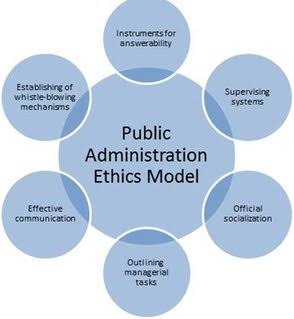
Administration is a part and parcel of our daily lives. The food we eat, the clothes we wear, the goods we buy, the streets and highways on which we travel, the automobiles in which we ride, and the many services we enjoy – education, medical care, housing, facility, entertainment, protection of our lives and property, and many others – are made possible by administration.
Public administration, at least in its embryonic form, was born primarily and principally to regulate group action and behaviour. When a group of people started living together and emerged as a community some common problems made themselves felt which needed collective resolution. One such concern has been the maintenance of peace and prevention of crime. It was in this category of needs that for the first time public administration was born.
Regulation of group action was as inescapable a necessity as was the need for group living. It was only at a much later stage in the course of its evolution that it found itself engaged in carrying out positive functions intended to promote happiness and welfare of the people.
Origin Of Public Administration
Public administration in the beginning was necessarily measly in size, its functions being absolutely minimal. We do not have figures of the government employees in India when the crown took over the East India Company in 1858. What we know is that the Government of India employed nearly 11 lakh just prior to the year 1947, when the country had not become partitioned and divided. The United States of America could perhaps be an apt example.
Public Administration is as old as our ancient civilization. But as an independent discipline Public Administration cannot claim for a long history.
Public Administration as an academic discipline is barely 131 years old but as an aspect of governmental activity, public administration has been co-existing with every political system as the action part of government for the fulfillment of the objectives set by the political decision makers.
Meaning And Definitions
• L.D. White defines Public Administration in the broader terms. He said, “Public Administration consists of all those operations having for their purpose the fulfillment or enforcement of public policy.”
• Luther Gulick, on the other hand, views Public Administration as embracing the executive branch of government only. “Public Administration”, he writes, “is that part of the science of administration which has to do with government and, thus, concerns itself primarily with the executive branch, where the work of government is done though there are obviously administrative problems also in connection with the legislative and judicial branches.”
• John M. Pfiffner defines it as “Public Administration consists of doing the work of government, whether it be running X-Ray machine in a health laboratory or coming money in the mint.”
• Woodrow Wilson, the father of Public Administration defines, “Public Administration is the detailed and systematic application of law. Every particular application of law is an act of administration.”
Significance of Public Administration
Public Administration plays an important role in the modern society. First of all, it is an instrument for providing services. It protects the life and property of people by maintaining law and order. It provides a number of services for people such as public health, education, housing, and social security, among others.
The various services provided by public administration affect the life of every citizen from birth to death.
Public Administration is also responsible for implementing laws and policies of the government. It is an instrument of socioeconomic change and national integration. It is the public administration that translates the decisions of the government into reality.
To sum up, public administration plays an important role in modern society.
It is an instrument to formulate and implement public policies. It maintains law and order. It is an instrument of social change and economic development.
In the era of liberalization and privatization, there is a change in the role and scope of public administration. Now it has to promote and encourage as well as regulate the private sector in order to protect public interest.
In Public Administration, good sense would seem to require that public expectation be kept at the lowest possible level in order to minimize eventual disappointment.
John Kenneth Galbraith
Reference
1. Public Administration In A Globalizing World By Chakrabarty and Kandpal
2. Public Administration By Avasthi and Maheshwari
Each year, National Donor Sabbath is observed two weekends before Thanksgiving Day, from November 12 to November 14 this year. The concept behind this day is to unite the different people of different religions, while learning how to save a life by donating vital organs to those in need. America is a land of great diversity — there are people from different races, backgrounds, and nations. There may be huge differences in their lifestyles and ideas, but one thing all these people have in common is belief in humanity or human kindness. National Donor Sabbath is a three-day observance of prayers, worship, and coming together of the leaders of different faiths to participate in services, programs, and initiatives. Time is taken to talk about the importance and public need of saving lives through organ and tissue donation. Organ donations transfers life to others via transplantation so that the recipient has the chance of a full, long life, free of diseased organs such as kidneys, hearts, and even eyes. These organs are donated by the families of loved ones who pass away in accidents and the like, with their organs intact, thus giving people with organ problems a second chance in life.
HISTORY
The National Donor Sabbath spreads awareness on the topic of organ donations. The concept of organ donations comes from a century old goal of healing patients and saving lives by transplanting organs from a donor to a recipient. Starting off as a minor side study pursuit, it soon began to expand as cases of people needing organ transplant started surfacing. In 1906, doctors were able to perform the first ever successful cornea transplant in a patient who was completely blind in one eye. This proved to be a major milestone in the history of organ transplant and paved the way for future transplant to happen. As medical advancements were made, doctors started performing effective transplants of lungs, liver, kidney, bone marrow and other vital organs from deceased donors.
By 1968, the first initiative to register donors and give them a donor card was made under the Uniform Anatomical Gift Act. This led to the first-ever observance of the National Organ and Tissue Donor Awareness Week, which is dedicated to spreading awareness of the need to donate the organs after death to save the lives of others. Soon, another act was passed by the Congress which made the sale and purchase of organs illegal in the U.S. This act was the National Organ Transplant Act. Organ donations are voluntary, free and usually based on decisions made to be a donor ahead of time, and communicated with family members or in the written last will of a person.
Finally, in 1997 as part of the national donation initiative, National Donor Sabbath was announced by the U.S. Department of Health and Human Services, and since 1997 it has been celebrated every year when leaders of different faiths stand together to spread awareness about the campaign.
PATHWAY
THE FIRST SUCCESSFUL CORNEA TRANSPLANT – 1906
This is the first success story of organ transplant,which in future would pave the way for more successful and advanced transparent procedures.
ORGAN PROCUREMENT AGENCY IS FORMED – 1968
The organ procurement organization(OPO) is established in New England,Boston.
FIRST ORGAN AND TISSUE DONOR AWARENESS WEEK – 1983
Congress declares the first National Organ and Tissue Donor Awareness Week, meant to spread awareness on the need of registering oneself as a donor.
NATIONAL ORGAN TRANSPLANT NETWORK – 1984
A system of Organ Procurement and Transplantation Network (O.P.T.N.) is launched to make sure that the organs are being allocated fairly and to the people who need them.
NATIONAL DONOR SABBATH IS LAUNCHED – 1997
The theme of “GIVE THANKS.GIVE LIFE” is main focal point.
*******DONATING ORGANS IS A GESTURE OF LOVE*******
We all enjoy doing certain things in our free time. What you choose to do with you free time directly reflects on what kind of person you are. Your hobbies and interests define the kind of person you are and the personality you have. It is really good to pickup a new hobby.
Learn how to draw.
Drawing, for example is a great hobby to pick up. If you don’t already, I suggest you start drawing. It doesn’t matter whether you are good at it or not. Just draw. Drawing is a medium to express oneself. At first you might be bad at it. You might want to give up and abandon the drawing. But don’t. Work on it, look at things more objectively and use your skills to figure out how to improve. In doing so you will be fully engaging your mind and learning how to draw better, practicing will make you feel more content. Enjoy the learning experience. It will take time but it will be fun. When you look back at how far you’ve come. You will feel a sense of accomplishment and looking back at old drawing will be a lovely feeling.
Learn a new language
Learning a new language is of course difficult at first. But once you get into the flow of it and start leaning more and more vocabulary it becomes enjoyable just as fast. Being able to communicate with people of a foreign nation, appreciate their culture, art would make things a lot more interesting once you learn a new language. That’s what adds spice to life. It is a great exercise for your brain as well, as it is challenging to properly converse in new language. Thus, you improve your memory and thinking skills.
Play a new instrument.
There are numerous benefits of picking up a new instrument. Not only does it increase your cognitive ability and mind-body coordination. It is also extremely fun. It makes you more creative and makes you appreciate other things even more. Learning a new instrument also improves memories. And it is also a pretty impressive skill to have. Learning how to play an instrument also requires patience and determination to excel at it. Which will teach you so many things once you start.
Joining a new sport.
Sports as we know it is great for your physical health. Not only does it keep your body fit, but your mind too. As it requires strategizing and devising game plans in order to win. It is also a great way to socialize and meet other people. Collaborate and play with others. Occupying your free time with sports is immensely fun.
Pursuing a new hobby helps you cultivate curiosity, and engages your mind and keeps you happy. It also makes you a more interesting person. A lot of people usually give up when they don’t do so well in the beginning. But if you can make it past the initial failure and work on improving, that’s where the fun begins. Besides no one has ever really gone far with just natural talent. A little effort is required in all domains of life. There’s a lot to learn and a sea of options to pick from!
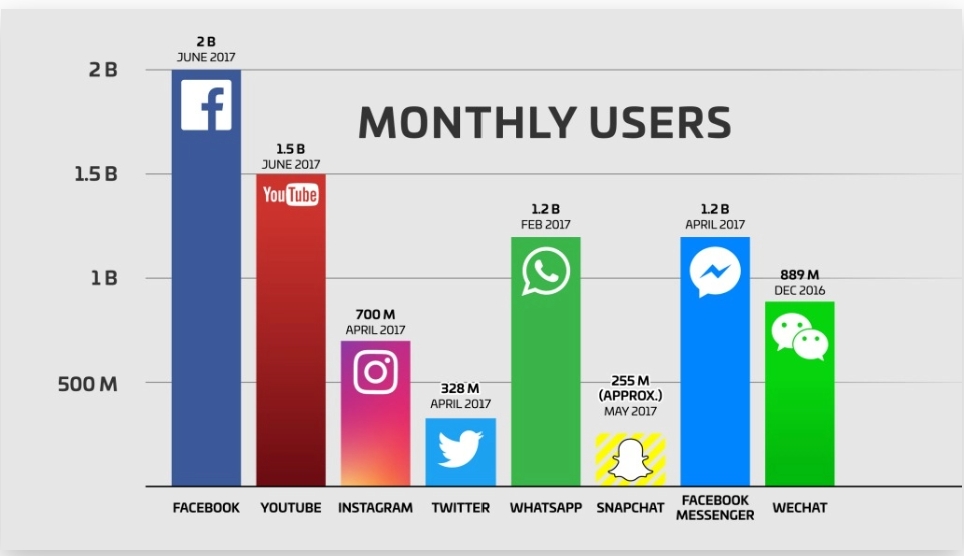
Social media marketing means selling or promoting the products of the company by using social media.For example social medias like Facebook Twitter Instagram Pinterest etc.
Uses of social media marketing:-
* It is used to sell or promote the products in the world level.
* With a strong social media strategy and the ability to create engaging content, marketers can engage their audience
* social media marketing allow people to get what they want.
EFFECTIVE TYPE OF SOCIAL MEDIA MARKETING:-
* Facebook advertising
* Twitter advertising
* Instagram advertising
* you tube advertising
* Pinterest advertising
* LinkedIn advertising.
BENEFITS OF SOCIAL MEDIA MARKETING:-
* Grow your sales and your fanbase.
* Use customer generated content for ads (which perform better, too!).
* Better target new and regular customers so the waste can be reduced.
DISADVANTAGES OF SOCIAL MEDIA MARKETING:-
* The main disadvantage of social media marketing is highly rely on ads.
* No direct interaction with the people to solve problems.
* One of main issue is security and privacy policy.Many of us can be faced.
CONCLUSION:-
There is no better marketing strategy for selling and promoting products than social media advertising. No other strategies can deliver consistent, scalable, quality leads and customers from day one that can supplement any promotional marketing.
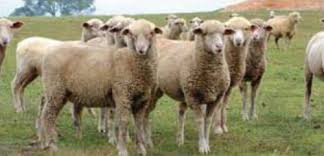
Agriculture is our wisest pursuit, because it will in the end contribute most to real wealth, good morals, and happiness. Animal husbandry is the branch of agriculture where animals are reared, bred and raised for meat, fiber, eggs, milk and other food essentials. It refers to livestock raising and selective breeding. A large number of farmers rely on animal husbandry for their livelihood.
Food is necessary for the development and survival of all the organisms. To deal with the need of food with the increasing population, it is necessary to increase food production. There are many technologies which increase yield such as plant breeding, animal husbandry and modern technologies like tissue culture, genetic engineering, embryo transfer.
Types Of Animal Husbandry
Out of many methodologies, there are four major types of animal husbandry practiced in the world today. An elaborated description of the same has been stated under: Dairy Farming – It is mostly concerned with the long term production of milk, which is then processed to obtain dairy products such as curd, cheese, yoghurt, butter, cream and so on and so forth. Poultry farming – It is concerned with raising and breeding of birds for commercial purposes. The eggs and meat hence produced are a rich source of protein. Fish farming – It is the process of raising fish in closed tanks or ponds for commercial purposes. Another name one can call it is pisciculture. Fish farming or pisciculture is of two types, namely: Extensive aquaculture, based on the local photosynthetic production. Intensive aquaculture, based on the external food supply given to fishes. Bee farming – Also known as apiculture, is the practice of maintaining bee colonies by humans in man-made hives.
Role Of Animal Husbandry In Human Welfare
• Animal husbandry is beneficial to human beings in a decent number of ways, one of which is production of dairy products. • Animals such as cows, goats, sheep are the major source of milk and milk products such as yoghurt, cheese, butter, etc. • Meat is another very important product yielding via husbandry of animals such as pigs and goats. • Animals also produce fibres or textiles such as wool and leather. Just as sheep are reared for wool whereas leather can be obtained from camel.
Strategies For Enhancement Of Food Production
An improved variety can be produced by induced mutation and by selecting improved mutants. Genetic engineering is also an option.
Main Steps Required For Developing New Varieties
The first involves collection of variability, genetic variability, being the main reason behind breeding. Akin to this fact, evaluation and selection of parents certainly becomes equally as essential.
Hybridisation, which is the process of making cross between two genetically diverse parents to obtain a progeny with desired superior traits, is the third and a very important step for developing new varieties. The fourth step involves selection and testing of superior recombination, which is more or less as the term suggests. It comprises selecting, among the progeny of the hybrids, to be specific, those plants that have the desired character combination. This is the crucial step for the success of breeding objectives and requires careful scientific evaluation of progeny.
Plant breeding is one of the shortest and most effective routes to improve global health through better nutrition.
Everyone of us, at some point in our lives, would have faced criticism in one form or the other (except of course if we’ve chosen to shut ourselves up in a room and not attempt anything at all in life). It might be about anything – about what you have said or done or not done or the way you dress or about your work, the list just goes on. Criticism pops up everywhere. It’s as much a part and parcel of our lives as the air we breathe, and hence learning how to deal with it gracefully is an important life skill to have.
Is Criticism good for you ?
Criticism, wrapped up and delivered even in the best of the packaging, is not something that anybody actually enjoys. The instant reaction to it in most cases is to close ourselves up and get into defensive mode. So identifying whether it’s constructive or destructive is a key step that’ll help you in figuring out whether it’s good or bad for you.
So, what exactly is Constructive and Destructive criticism ?
Constructive Criticism is a way of giving feedback with an intention of helping you improve yourself. It not just points out your mistakes and weaknesses, but also includes suggestions for improvement and the actions that need to be taken. It can be considered as that much needed reality check which we all need from time to time.
Destructive Criticism on the other hand is given with the sole intention of tearing you down. The reasons for doing that may be many – jealousy, insecurities, ignorance, complexes, boredom etc. Here, instead of commenting on the actions of a person, the focus mainly is on attacking the person and pulling him down. The critic in this case, is not in the least interested in your well being or improvement.
So, as you might have figured out by now, constructive criticism more often than not, represents an opportunity. It helps you in identifying your weaknesses, which you might otherwise be unaware of and enables you to see things from a different perspective. Whereas destructive criticism is more or less an attempt by a person to let his steam off at the expense of others.
How do you identify them ?
Honestly, when you are out there at the receiving end, identifying whether it’s constructive or destructive would probably be the last thing on your mind. But before you pounce on your critic, just pause and take a deep breath. Wait, what ? Yes you read it right. Pause and take a deep breath (Remember, deep breath not an annoyed sigh !You don’t want to worsen the situation, do you ?) Let the emotions flow through you. Do not restrict it but also do not take it out on the other person.It’s not easy but it’s definitely doable. If you find it hard to refrain yourself from blowing a fuse, excuse yourself and take some time out before responding. Setting your emotions aside and getting into a frame of mind where you are calm enough to analyse the situation rationally, is the most difficult but important step to take, while facing criticism.
Once you have calmed yourself down, listen to the other person without interrupting. By listening, I meant active listening and not just nodding along while thinking about ways on how to attack the critic back. Allow the other person to share their thoughts and comments completely. While listening, focus on the content of the comment and not on the tone. Sometimes even the best intended criticisms may sound harsh or even worse, the most toxic comments may be presented in the most tactful manner. So it’s very important that you detach the content from the tone.
At this point, you can try and repeat back what you have heard and understood. Be careful to do that in a non aggressive tone. By repeating back, you are not only making sure that you aren’t misinterpreting their comments, but also helping yourself understand the comment better. When you take a step back and remove yourself from the equation and focus just on the comment, chances are that you may be able to view it through a different lens. At this stage, by analysing it objectively, you will be able to figure out the intention behind it – whether you are actually being attacked or is it just your ego playing tricks on you.
If you are still confused, seek clarification. Break it down and ask questions. When you are asking questions, do it with an open mind and not with an intention to prove the other person wrong. You can ask for specific examples to get better clarity on the issue raised or ask for suggestions on how the situation could have been handled differently. Be genuinely curious in finding the intention. If the critic actually means well, he’ll be able to give you answers or suggestions or atleast give you valid and logical reasons to back his comment, which might help you to see things from the critic’s perspective. Destructive criticism shatters under scrutiny – no logic, no reasons, nothing but just a set of toxic statements thrown at you with the sole intention of hurting your self-esteem and pulling you down.
So now that you have calmly analysed the issue and identified whether the criticism was meant to help you or to tear you down, it’s time to take action.
Okay, but before that, you may now take a moment to appreciate yourself for successfully pulling off the I-Can-Be-Calm-No-Matter-What version of you. A little bit of self appreciation always helps to put that vulnerable little child inside you in a better mood.
Alright, now that you are slightly in a better mood, let’s get to business. Let’s say you have identified the criticism to be toxic, what do you think you should do next ? Tell them that their points are baseless ? Make them understand that you are right and argue until you prove your point ? Or give them a taste of their own medicine and criticise them ? Well, the best course of action here would be to ignore. Ignore ? Seriously? But how can you just walk away when somebody is attacking you and challenging your self worth?
Well, it might sound all philosophical and seem like something that only people roaming about with a halo around their heads can do. But trust me, it is the most logical thing to do, given such a situation. Think about it, here is a person who is trying to derogate and destroy your self-esteem, confidence and reputation using some baseless and illogical set of arguments. Do you think if that person was logical enough he would have stooped to this level ? No matter what you do, understand that he has come with a closed mindset and a fixed agenda, that is,to insult you. Nothing you say or do is going to knock sense into that person’s head. And moreover it’s not even your responsibility to do that.There’s no point in wasting your time and energy on such people, so just let it go. Politely excuse yourself, thank the person for the feedback and move on with your life.
Now, let’s come to constructive criticism. When you receive it, ask yourself ‘Does this align with my priorities ?’ For example, you might be criticised for not making that perfect pasta or for being lousy at tennis. Ask yourself, does it really matter ? Is this really a priority in your life ? Well, depending upon your goals, it might or might not be. In any case it is important that you identify that. And if the suggestion doesn’t align with your priorities, even though it is constructive, there is no point investing too much of your time in it. So, take note of it and ask for suggestions on how to improve, if you feel a need for that and move on.And hey, don’t forget to thank your critic !
Now, what if it aligns with your priorities ? Then set your ego aside and ask yourself – ‘Deep down, do I agree with what is being said ?’ If you can’t bring yourself to agree to it, respectfully disagree. Present your side of the story. Engage in a constructive discussion.Chances are that when you do it, the other person may understand your perspective or vice-versa.Either way it’s a win-win. However, there are chances that you both might not come to a conclusion at all. Accept the fact that everyone is entitled to have their own opinions and perspectives and it’s perfectly okay not to be on the same page always. So just agree to disagree and peacefully move on.
Finally, let’s say that the little voice inside your head secretly agrees to all the charges that you are accused of. In that case, buckle up, it’s time for action. If you find that there is truth in what the other person has said, then do not shy away from acknowledging it. Analyse the comment, deconstruct it and figure out what needs to be addressed and what measures need to be taken to learn and evolve from your mistakes. You may even take suggestions from your critic on the steps that need to be taken. Accepting your mistakes and learning from them is a great way to kick-start your journey of self improvement.
Bottom Line
Criticism comes in all shapes and forms. Neither can you avoid it nor can you control the way others perceive you. The only thing you have control over is your attitude towards it and the way you choose to respond to it. It is important that you identify the intent behind it and take action accordingly. And depending on it, you can either use the criticism as a foundation to build a better future for yourself or choose to ignore it if it’s not worthy of your time and energy. Having said that, I also want you to know that developing a positive attitude towards criticism is not something that comes easy. It takes time, patience and hell a lot of practice. So be gentle with yourself; take it one step at a time. And while you are at it, don’t forget to acknowledge and celebrate even the smallest of your milestones. Good Luck !




































You must be logged in to post a comment.