3 Steps to Becoming a Medical Assistant

Interested in becoming a medical assistant? Follow these three steps to start your healthcare career.

Medical assisting is one of the fastest growing jobs in healthcare, with employment expected to increase by 29 percent from 2016 to 2026, according to the Bureau of Labor Statistics. For those who are interested in a healthcare career, a degree in medical assisting offers one of the fastest paths to entry-level roles in the field.

As healthcare organizations work to accommodate a growing patient population, medical assistants are becoming an increasingly vital part of the healthcare team. They help support physicians and registered nurses (RNs) in providing care for patients and also perform administrative and clerical duties to keep things running smoothly. Learn more about a typical day in the life of a medical assistant.

Interested in becoming a medical assistant? Follow these three steps to start your healthcare career.

1. Choose a degree program

Most medical assisting positions will require either a diploma (DMAS) or an associate degree in medical assisting services (ASMAS). An ASMAS will help you develop the basic skills and knowledge you need to be successful as a medical assistant and will also give you the opportunity to advance your education with a bachelor’s degree if you choose to do so. Herzing’s online ASMAS program can be completed in as little as 16 months and provides a clear pathway for upward mobility, allowing students to apply their ASMAS credits towards a bachelor’s degrees in online healthcare management bachelor degree program or health information management program.

A DMAS can be completed in as little as 10 months, allowing you to get a faster start on your medical assisting career. However, an associate degree program might be the better option if you are planning to advance your healthcare career later on. Find more detail about both of our medical assisting online program options.

2. Get certified

After you have completed a degree or diploma program, you should consider sitting for the Registered Medical Assistant (RMA) and Certified Clinical Medical Assistant (CCMA) exams. While not all states require medical assistants to be certified, having these certifications can serve as an important differentiator that will set you apart from other job candidates. Graduates of both ASMAS and DMAS programs can sit for these exams.

3. Advance your career

Becoming a medical assistant is a great entry point to other jobs in healthcare. For example, you can move from medical assisting into leadership or management positions by earning a bachelor’s degree in healthcare management. If you discover that you have a calling for patient care, you can also transition to a nursing career by pursuing a bachelor of science in nursing (BSN).

How much can I make as a medical assistant?

The Bureau of Labor Statistics (BLS) reports medical assistants earn an average salary of $34,540 per year ($16.61 hourly). This can vary widely based on your experience and the state in which you practice. Graduates straight out of school will have to gain more experience and grow beyond an entry level wage and approach this average. Find the average medical assistant salary by state.

Medical assisting is a fast-growing and flexible career path with ample opportunities for advancement – perfect for anyone who is looking to jumpstart a rewarding career in healthcare.

PM’s address in the 12th Episode of ‘Mann Ki Baat 2.0’

My dear countrymen, Namaskar! Our Mann ki Baat too has not remained untouched by the effect of Corona. The  last time I spoke to you through ‘Mann Ki Baat’ , passenger train services, busses and flights had come to a standstill. This time around much has resumed-Shramik special trains are operational; other special trains too have begun. With utmost precautions, flights have resumed; industry too is returning to normalcy; thus, opening up a major segment of the economy. In such a scenario, we need to be even more alert and careful. Whether it’s the mandatory two yards distancing, wearing face masks or staying at home to the best extent possible, there should be no laxity on our part in complete adherence.

The battle against Corona is being fiercely waged in the country through collective efforts. When we glance at the world, we can actually experience the magnitude of the achievements of the people of India. Our population itself is many times that of most countries. The challenges facing the country too are of a different kind, yet Corona did not spread as fast as it did in other countries of the world. The mortality rate of corona too is a lot less in our country. All of us deeply regret the loss that we had to undergo. But whatever we have been able to save is a result of the collective resolve of the country. In a country as big as ours, everyone is determined to put up a fight; the entire campaign is people driven.

Friends, in this fight, besides the resolve of our countrymen, the other biggest strength is their spirit of service. In fact, during this pandemic, we, the people of India have visibly proved that the notion of service and sacrifice is not just our ideal; it is a way of life in India. We are familiar with the dictum- Sewa Paramo Dharmah; service is a joy in itself….service is a satisfaction in itself. You must have observed that a person devoted to the service of others never suffers from any kind of depression or tension. Every moment of his life and attitude towards life exudes immense self-confidence, positivity and vivacity.

Friends, I have often refered to the spirit of service on part of our doctors, nursing staff, sanitation workers, police personnel and media persons. I have touched upon this in ‘Mann Ki Baat’ too. There are innumerable people who are willing to give their all in the service of others. One such gentleman is K.C. Mohan of Tamilnadu. Shri Mohan ji runs a salon in Madurai. Through sheer hard work, he had saved five lakh rupees for his daughter’s education. But he spent the entire amount in the service of the needy and the underprivileged in these difficult times. Similarly, Gautam Das ji of Agartala whose only means of sustenance is plying a handcart is feeding the needy by buying rice and pulses out of savings from his daily earnings. I have come to know of a similar example from Pathankot, Punjab. Divyang Raju through a small investment raised with help from others got over three thousand masks made and distributed them. In these difficult times, Brother Raju has arranged for feeding of around a hundred families.

Numerous stories of perseverance of women’s self help groups are coming to the fore from all corners of the country. In villages and small towns, our sisters and daughters are making thousands of masks on a daily basis. Many social organizations too are helping them in this endeavor.

Friends, one is getting to see and hear of many such examples day by day. There are many people who are conveying their efforts to me through the NAMO app and other media. Many a time, on account of paucity of time I am unable to name a lot of people, organizations and institutions. I appreciate all such people who are helping others with a spirit of service….. I respect them and express my gratitude to them from the core of my heart.

My dear countrymen, one more thing that has touched my heart is innovation at this moment of crisis. A multitude of countrymen from villages and cities, from small scale traders to start ups, our labs are devising even new ways of fighting against Corona; with novel innovations.

The example of Rajendra Yadav of Nasik is very interesting. Rajendra ji is a farmer from Satna village in Nasik. To protect his village from the spread of Corona, he has devised a sanitization machine attached to his tractor and this innovation is performing very effectively. Similarly I was observing numerous photographs on social media. Many shopkeepers in order to adhere to the two yard distancing have installed big pipe lines in their shops. Merchandise is released from one end and collected at the other end by the customer. Meanwhile teachers and students have come together with myriad innovations in the field of education. Online classes, video classes are being innovated in different ways.

Work being done in our labs on Corona vaccine is being keenly observed by the world and we are hopeful too. In order to change circumstances, besides resolve, a lot depends on innovation too. The journey of the human race, spanning thousands of years has reached this modern phase on account of continuous innovation. Thus, these special innovations form the firm basis of our victory over the pandemic.

Friends, the path of our fight against Corona goes a long way. It is a calamity, a scourge that does not have an antidote in the entire world; there is no prior experience on that. Amid this scenario, we are facing newer challenges and consequent hardships. This is the situation of every Corona affected country in the world- India is no exception. There is no stratum in our country unaffected by the difficulties caused by the affliction-the most gravely affected by the crisis are the underprivileged labourers and workers. Their agony, their pain, their ordeal cannot be expressed in words. Who amongst us cannot understand and feel what they and their families are going through! All of us are trying to share their distress; the torment…..the entire country is doing that. Our railway personnel are at it day and night. From the centre, states, to local governance bodies, everybody is toiling around the clock. The way our railway men are relentlessly engaged, they too are front line Corona Warriors. Safely transporting lakhs of labourers in trains and busses, caring for their food, arranging for their quarantine in every district, testing, check up and treatment is an ongoing process on a very large scale. But friends, the current scenario that we are witnessing is an eye opener to happenings in the past to the country; it is also an opportunity for scrutiny and lessons for the future. Today, the distress our workforce is undergoing is representative of that of the country’s eastern region. The very region which possesses the capacity to be the country’s growth engine, whose workforce possesses the capability and the might to take the country to greater heights…the eastern region needs development. It is only the development of the eastern region that can lead to a balanced economic development of the country. Ever since the country offered me the opportunity to serve, we have accorded priority to the development of eastern India. In the last few years, much has been done in this direction which gives me inner satisfaction. And now, considering the migrant labourers, the need of the hour is devising a new solution – paradigm….we are ceaselessly taking steps in that direction. For example, at places skill mapping of labourers is being carried out; at other places start ups are engaged in doing the same…the establishment of a migration commission is being deliberated upon. Besides that, recent decisions taken by the Central government have opened up vast possibilities of village employment, self employment and small scale industry. The objective of these decisions is finding solutions to the situation, for the sake of a self-reliant India. Had our villages, towns, districts and states been self-reliant, problems facing us would not have been of such a magnitude as is evident today. But moving from darkness toward light is a human trait. Amidst multiple challenges, it gives me joy to see extensive deliberation in the country on Aatmnirbhar Bharat, a self-reliant India. People now have begun to take it as a movement of their own. Our countrymen are picking up the reins of leadership of this mission in their own hands. Many people have mentioned the fact that they have made complete lists of the products being manufactured in their vicinity. These people are now buying only these local products, promoting “Vocal for Local”. In order to encourage “Make in India” everyone is expressing one’s own resolve.

One of our friends from Bihar, Shriman Himanshu has written to me on the Namo App that he dreams of the day when India reduces imoports to the bare minimum…be it the import of Petrol, Diesel, fuels, electronic items, urea or even edible oils. I understand his sentiments. There are many products that find their way into the country from outside resulting in wasteful expenditure on part of the honest Tax payers. Their substitutes can easily be manufactured in India.

Sudeep from Assam has written to me that he trades in local bamboo products crafted by women. He has decided that in the next two years, he will transform his bamboo products into a global brand. I firmly believe that the Atmanirbhar Bharat campaign will take the country to greater heights in this decade.

My dear countrymen, during the ongoing Corona crisis, I spoke to mnay world leaders. I would like to share a secret today- I’ve observed that during deliberations between world leaders; a lot of interest is evinced in Yog and Ayurved. Many leaders asked me if Yog and Ayurved could be of help in this calamitous period of Corona.

Friends, ‘International Yoga Day’ is arriving soon. As ‘Yoga’ is getting integrated with people’s lives, the awareness about their health, is also continuously on the rise among them. During the present Corona pandemic it is being observed from Hollywood to Haridwar that, while staying at home, people are paying serious attention to ‘Yoga’. People everywhere want to know more about ‘Yoga’ and along with it ‘Ayurveda’ and adopt it as a way of life. Many people, who have never practiced yoga, have either joined online yoga classes or are also learning yoga through online videos. Truly , ‘Yoga’ is good for community, immunity and unity!

Friends, during the present Corona pandemic, Yoga becomes all the more important, because this virus affects our respiratory system maximally. In yoga, there are many types of Pranayama that strengthen the respiratory system; the beneficial effects of which we have been witnessing for long. These are time tested techniques, which have their own distinct significance. Most people will be familiar with ‘Kapalbhati’ and ‘Anulom-Vilom  Pranayam’. But there are many other forms of Pranayamas like ‘Bhastrika’, ‘Sheetali’, ‘Bhramari’ etc, which also have many benefits. By the way, the Ministry of AYUSH has also done a unique experiment this time to increase the practice of yoga in your life. The Ministry of AYUSH has started its International Video Blog competition entitled ‘My Life, My Yoga’.

Not only Indians, but people from all over the world can participate in this competition. To participate in this International Video Blog competition, you will have to make a three-minute video and upload it. In this video, you have to show performing Yoga, or Asana, that you usually do and also tell about the changes that have taken place in your life through yoga. I request all of you too participate in this competition, and through this novel way, be a part of the International Yoga Day also.

Friends, in our country, for decades, crores of impoverished citizens have been living their lives engulfed by the constant concern- what will happen if they fall ill….to seek medical treatment or worry about earning bread for the family? Realizing this distress, the ‘Ayushman Bharat’ scheme was launched about one and a half years ago to ameliorate this constant worry. A few days ago, the number of beneficiaries of ‘Ayushman Bharat’ scheme crossed over one crore. More than one crore patients implies that more than one crore families of our country have been served.  Do you know what more than one crore patients means? It maens the cumulative population of two Norways and two Singapores have been provided free treatment in such a short time.

If the poor had to pay for the treatment post hospitalization, had they not received free treatment, according to a rough estimate, more than rupees 14 thousand crores would have been required to be paid out of their own pockets. The ‘Ayushman Bharat’ scheme has saved spending this huge amount of money belonging to the poor.  I congratulate not only the beneficiaries of ‘Ayushman Bharat’ but also all the doctors, nurses and medical staff who treated patients under this scheme. An important feature with the ‘Ayushman Bharat’ scheme is its portability facility. This portability of the scheme has also helped to paint the country in the color of unity, which means, an underprivileged person from Bihar will get the same medical facility in Karnataka, which he would have got in his home state. Similarly, if a deprived person from Maharashtra is in need of medical treatment then he would get the same treatment facility in Tamil Nadu. Due to this scheme, the underprivileged in any area where the system of health is weak are able to seek the best medical treatment in any corner of the country.

Friends, you will be surprised to know that 80 percent of the one crore beneficiaries hail from the rural areas of the nation. About 50 percent of these beneficiaries are our mothers and sisters and daughters. And most of these beneficiaries were suffering from diseases which could not be treated with standard medicines. Of these, 70 percent people have had surgical intervention. You can guess how these people have got rid of their trouble.

Kelansang, a six-year-old child in Chura-Chandpur, Manipur, has also got a new lease of life from the Ayushman scheme. Kelansang suffered from severe brain disease at such a tender age. Kelansang’s father, a daily wage laborer, and the mother working as a weaver faced a situation where it was becoming very difficult to seek treatment for their child. But due to the ‘Ayushman Bharat’ scheme now, their son received free treatment. Amurtha Valli of Puducherry had a similar experience. For her also, ‘Ayushman Bharat’ scheme appeared as a saviour! Amurtha Valli’s husband had tragically died of a heart attack. Her 27-year-old son Jeeva also had heart disease and Doctors had suggested surgery for Jeeva, but, for Jeeva, a daily wage laborer, it was near impossible to get such a large operation done on his own earnings. However, Amurtha Valli registered her son in the ‘Ayushman Bharat’ scheme, and  nine days later son Jeeva had heart surgery performed on him.

Friends, I have only narrated a meagre three to four incidents but then there are more than one crore stories linked with ‘Ayushman Bharat’. These stories are of live people and of our own families who have been salvaged from suffering. I request you, whenever you get time, you must definitely converse with a person who has benefitted from his treatment under the ‘Ayushman Bharat’ scheme. You will see that when an underprivileged steps out of the circle of the disease, you can witness in him a new vigour to combat poverty. And I want to tell the honest Tax payer of our country that the credit for happiness and satisfaction derived by the beneficiaries treated free under the ‘Ayushman Bharat’scheme makes you the rightful stakeholder of the benefic deed, our honest tax payer also deserves the Punya, the fruit of this altruistic deed.

My dear countrymen, on one hand we are busy combating the Corona pandemic whereas on the other hand, we were recently confronted with natural calamity in certain parts of Eastern India. During the last few weeks, we have seen the havoc wreaked by Super Cyclone Amfan in West Bengal and Odisha. Many houses were razed by the storm. Farmers also suffered heavy losses. I went to take stock of the situation last week to Odisha and West Bengal. The courage and bravery with which the people of West Bengal and Odisha have faced the ordeal is commendable. In this hour of crisis, the country also stands in unison with the people of these two states in every manner whatsoever!

Friends, on the one side where Eastern India is facing cyclonic calamity; on the other many parts of the country have been affected by locust attacks. These attacks again remind us of the great damage this small creature can inflict! The locust attack lasts for several days and affects a large area. Be it at the level of the Government of India, State Government, Agriculture Department or Administration, all are involved using modern techniques to not only help the farmers but also lessen the loss accruing due to this crisis. And attention is being paid to new inventions, and I am sure that together not only will we be able to battle out this crisis that is looming on our agricultural sector, but also manage to salvage our crops.

My dear countrymen, a few days later, on 5th June, the entire world will celebrate ‘World Environment Day’. The theme for this year’s ‘World Environment Day’ is Bio Diversity. This theme is especially pertinent in the current circumstances. During Lockdown in the last few weeks the pace of life may have slowed down a bit but it has also given us an opportunity to introspect upon the rich diversity of nature or biodiversity around us. Much of the avian fauna had sort of disappeared due to sound and air pollution, and now after years people can once again listen to their melodic chirping in their homes.

There are also reports from many places of uninhibited behavioural patterns of animals. You must have read and seen these clips in social media just like I have. Many people are commenting, writing and sharing pictures that they are now able to see the hills far away from their homes, are able to see the sparkle of distant lights. By gazing at these pictures, a pledge must have arisen in the hearts of many of us – can we preserve scenes like these forever? These images have also inspired people to do something for nature. For ensuring that the rivers remain clean, animals and birds have the right to live freely and the sky remains pollution free, we must derive inspiration to live life in harmony with nature.

My dear countrymen, we repeatedly hear the refrain that ‘Water is life! If there is water there is a tomorrow’, but we have a responsibility towards water as well. We have to save Rain water. Every drop has to be saved! How do we save rainwater in each and every village? The traditional conservation methods are in the form of very simple remedies, and employing these we can tap the water. If the water is retained for five days or a week, not only will it quench the thirst of mother earth, it will seep into the ground, and the same percolated water will become endowed with the power of life and therefore, in this rainy season, all of us should strive to save water, conserve water.

My dear countrymen, a clean environment is directly an integral part of our lives, and of our children’s future too. Therefore, we have to ponder over this issue on individual level as well. I request you to serve nature on this ‘Environment Day’ by planting some trees and making some resolutions so that we can forge a daily relationship with nature. Yes! Summer is on the rise, so do not forget to facilitate water for the birds.

Friends, all of us also have to bear in mind that after such austere penance, and after so many hardships, the country’s deft handling of the situation should not go in vain. We must not let this fight weaken. Becoming careless or lackadaisical can not be an option. The fight against Corona is still equally serious!

You, your family, may still face grave danger from Corona. We have to save the life of every human being, therefore, distancing of two yards, face masks and washing of hands are all those precautions that are to be meticulously followed in the same manner as we have been observing them so far. I am sure that you will take these precautions for yourself, your loved ones and for your country. With this assurance, my best wishes for your good health. We will meet in another episode of ‘Mann Ki Baat’ next month with many new topics.


FREE MARKET CAPITALISM

The existence of a free market does not of course eliminate the need for government. On the contrary, government is essential both as a forum for determining the ‘rules of the game’ and as an umpire to interpret and enforce the rules decided on.

The debate over free market capitalism generally pits those in favor of economic regulation against those who believe markets are strongest when left to function without regulatory intervention.

One one side of the debate, regulatory advocates believe that free markets are inherently unstable, unequal, and prone to the traditional “business cycle” of booms and busts. Known as Keynesians in economic circles, these individuals believe that free markets need to be controlled by the government in the form of fiscal policy and monetary policy, in order to soften the impact of yhe business cycle and prevent painful recessions.

On the other end of the spectrum, free market economists argue that government interference in the economy is what causes the business cycle in the first place.

In practical terms this debate also pits those who believe the government is best suited to distribute economic resources through social programs and infrastructure projects against those who believe that unregulated private enterprises are best suited to stimulate progress and wealth growth. Central issues within this debate include the privatization of public resources or utilities, the legislative push and pull over regulatory oversight, and the outsize role that money plays in our political system.

10 Things You Didn’t Know About Medical Assisting

If you’re looking for a hands-on career in healthcare, then medical assisting could be right for you.

Medical assistants are an increasingly important part of the healthcare team as hospitals and healthcare facilities strive to accommodate the needs of a growing patient population. If you’re looking for a hands-on career in healthcare, then medical assisting could be right for you.

Check out some of the benefits of a medical assisting career:

1. Medical assistants are in demand

Medical assisting is one of the fastest-growing healthcare careers today. The Bureau of Labor Statistics (BLS) estimates employment for medical assistants will grow by as much as 29 percent through 2026, adding as many as 183,900 new jobs. Read more about the average medical assisting salary across the United States and find an estimate in your state.

According to the BLS, employment growth in the healthcare sector is driven largely by the aging baby boomer population, which will continue to drive demand for preventative health services in years to come. Physicians will increasingly rely on medical assistants for clinical and administrative support so they can serve more patients.

2. There are different types of medical assistant

Not all medical assistants have the same duties and responsibilities. Some medical assistants provide administrative support, while others provide clinical support or a mix of the two. In an administrative role, you might be tasked with greeting patients, updating insurance information and managing billing for medical services. These roles require attention to detail and strong organizational skills.

In a clinical role, you will work alongside physicians and registered nurses (RNs) in providing primary care for patients. Your duties could include assisting with examinations; explaining medical procedures and medications to patients; and recording vital signs.

3. They play a key role in patient care

Medical assistants are often the first and last person a patient interacts with during a medical visit. Part of their job is to help put patients at ease and ensure a smooth and stress-free appointment. For example, a medical assistant can help a patient feel more comfortable about an upcoming procedure by translating complex medical language into terms patients can better understand.

“It’s very important that our employees are able to make their patients feel comfortable as they deliver excellent care,” says Shawn Powers, CEO of Baptist Community Health Services (BCHS), one of Herzing’s clinical partners in New Orleans. “We look for medical assisting graduates that already have the skills they need to cultivate relationships and build trust with our patients, as well as support the doctor in all aspects of patient care.”

4. Successful medical assistants have strong interpersonal skills

In addition to a good bedside manner, medical assistants need strong interpersonal skills to work effectively with physicians, nurses, and other members of the healthcare team. Whether you’re working primarily in an administrative or clinical role, empathy, problem-solving, communication and collaboration are all key to your success.

5. The possibilities are endless

As a medical assistant, you can work in a variety of healthcare settings. Most medical assistants build their careers in general practice or specialty physicians’ offices, while others might work in hospitals, long-term care, or outpatient clinics.

If you wish to incorporate both clinical and administrative duties into your daily work routine, you might enjoy working in a physician’s office or smaller work environment where medical assistants often perform both functions.

6. It’s a fast track to a healthcare career

You can earn a diploma in medical assisting and begin your career in as little as 10 to 12 months. Some medical assistants choose to advance their career with an associate’s degree in medical assisting, which can be completed in as little as 16 months at Herzing University.

7. You can advance into nursing or other healthcare jobs

With experience, medical assistants can move into leadership roles, filling another vital healthcare workforce need. By advancing their education, they can become healthcare managers, healthcare administrators, nurses and more.

Herzing’s medical assisting program prepares students for administrative and clinical roles in medical assisting, while providing a clear pathway for upward mobility. Graduates of Herzing’s medical assisting program can apply credits toward bachelor’s degrees in Healthcare Managementhealth information managementhealth sciences or one of Herzing’s various nursing degree programs.

8. You can specialize based on your interests

Medical assistants who work at a hospital or large practice typically specialize in either clinical or administrative work as they gain experience. Other medical assistants may specialize depending on the type of office they work in. For example, a podiatric medical assistant would work alongside a podiatrist and could assist with X-rays, surgery, and more.

9. Certification and continued education is important

Certification is an important part of becoming a medical assistant. While your state might not require medical assistants to be certified, it can give you a competitive edge over other job candidates. After you have completed a degree or diploma program, you should consider sitting for the Registered Medical Assistant (RMA) and Certified Clinical Medical Assistant (CCMA) exams.

Graduates of both Herzing’s ASMAS and DMAS programs are prepared to sit for these exams.

10. It’s a rewarding profession

“I chose to pursue a career in medical assisting because I wanted to make a difference in others’ lives. I wanted to do something important,” says Kelly Habig, a medical assisting graduate and current healthcare student at Herzing University.

Medical assistants might not be the first people you think of when it comes to the healthcare team, but they are indispensable and play a vital role in ensuring patients have a positive healthcare experience.


How to Become an RN Fast

RNs are in demand and have lots of work opportunities in healthcare. Here are a few nursing pathways to consider to quickly become an RN.

A career as a registered nurse (RN) is appealing for healthcare and non-healthcare professionals alike. Not only is the demand for nurses growing, but RNs also have the opportunity to care for others and work in a variety of healthcare settings. Plus, RNs earn an average annual salary of $71,730, with the highest 10 percent earning more than $106,530 according to the Bureau of Labor Statistics (BLS).

Whether you have dreams of one day becoming a nurse or you already have experience in the healthcare field, there are various pathways you can take to become an RN quickly.

If you’re new to nursing:

No previous experience or education in the healthcare field? No problem. You can still become an RN in a few different ways.

Associate of Science in Nursing (ASN) program

Time: As little as 2 years

An associate of science in nursing (ASN) program will prepare you to take the National Council Licensing Examination for Registered Nurses (NCLEX-RN), and allow you to become an RN within two to three years. To qualify for Herzing’s ASN program, you need a high school diploma with a minimum 2.5 grade-point average as well as a composite score of at least 58 on the most current version of the Test of Essential Academic Skills (TEAS). ASNs can work anywhere from the NICU or ICU to rehab centers, schools, nursing homes and more.

Traditional Bachelor of Science in Nursing (BSN) program

Time: As little as 3 years

A BSN is the next step up on the educational ladder, giving RNs the opportunity to advance in their careers and increase their earning potential. BSN salaries vary by state and can range from $58,340 to $106,950 according to the BLS. With Herzing’s traditional BSN program, much of the coursework is offered online for students who still plan to work full time.

Accelerated Bachelor of Science in Nursing (ABSN) program

Time: As little as 16 months

Already have a bachelor’s degree in a non-nursing related field? Then this could be the pathway for you. An ABSN program allows you to earn your BSN quickly. Because of the condensed time period, this is a demanding, fast-paced program that requires a lot time and effort. With an ABSN program, students can also choose to pursue a dual credit option to work toward their master’s of science in nursing (MSN) degree.

If you’re a nurse or a healthcare professional:

Certified Nursing Assistants (CNA) and Licensed Practical Nurses (LPN) can choose the traditional ASN or BSN programs, or take advantage of bridge programs to earn their degree faster. Herzing University offers three different pathways for current healthcare professionals to become an RN:

LPN to ASN program

Time: As little as 2 years

As an LPN, you have the opportunity to advance your career, take on additional duties and earn more money by getting your ASN. This is the fastest path available for becoming an RN, and the program can be completed in as little as two years. Available at Herzing’s Birmingham, Alabama and Orlando campuses, this program prepares you for the NCLEX-RN and all the responsibilities that come with being an RN, like performing diagnostic tests, administering medication and more.

LPN to BSN program

Time: As little as 28 months

For current LPNs or licensed paramedics wanting to eventually earn an MSN, the LPN to BSN program may be the best option. With a bachelor’s degree, you have more opportunities for advancement than you would with an associate degree, as well as the chance to earn a slightly higher salary. With Herzing’s LPN to BSN program, available at the Kenosha, Madison and Brookfield campuses in Wisconsin and the Minneapolis campus, existing credits from previous training can be transferred, helping you quickly reach your goal of becoming an RN.

Bridge to BSN program

Time: 28-32 months

Herzing University offers several BSN options for students who have already earned a healthcare license, including:

The program can be completed within 28-32 months, depending on the number of transferrable credit hours you have and which campus you attend.

Learn more about Herzing University’s nursing programs to find out how you can get started on your path to becoming a registered nurse.

Two Contrasting Views of Educational Technology

I’d like to share a couple of videos with you that I have used recently in the courses I teach. I find these videos particularly interesting because they show such contrasting approaches to learning and in particular – for want of a better word – elearning.

This first one is from the early 1950’s and is about something called a ‘teaching machine’ which was created by behavioural psychologist B F Skinner.


As you see Skinner’s teaching machines, though not exactly iPads do look remarkably like  what we would recognise as computers. What’s also remarkable is the claims that he makes for them and the reasons why he believes they are effective are remarkably similar to those made by many producers of learning and especially language learning software today.

However, despite the extremely logical reasoning that Skinner expounds I’m sure if you were invited to sit down and use one of these machines for a period of time it wouldn’t hold your interest for very long and like me you probably watch those hard working children with a sense of pity.

Of course it’s easy to look at videos like this with the advantage of hindsight and with a shinny iPad sitting close by and wonder at how they could ever have believed these machines would be effective, but if we look closely at quite a lot of elearning being produced these days, it isn’t long before we realise how similar in many ways it is to the kind of learning materials used on Skinner’s teaching machines. Gapfills, Multiple Choice Questions, True false Questions, etc. but with some multimedia rolled in still seem to be the mainstay of much computer based instruction and even mobile apps, so I’m not surprised to find that many of the teachers who come onto the courses I teach want to know how to use and produce these kinds of materials and to be honest I can see that they do have their place, but I think we should be aiming to do so much more than that with the materials we produce.

Here’s the contrasting video that I like to use.


This clearly shows a completely different approach to the use of technology and for me a much more powerful one. It shifts the role of the computer from being a storage place for predefined information and transforms it into a conduit by which knowledge is shared and constructed through the interaction between people. I think this aspect of computer based learning is the one that most critics of educational technology most often fail to see, unfortunately it’s also this aspect and role of the computer that is most often feared and blocked by educational institutions around the globe, and ironically enough, by governments wishing to suppress the rights of their citizens.

These videos and the methods of education demonstrated within them also highlight some other important points.

In the first video knowledge is clearly seen as residing in the materials of the institution. The students have no part in the creation of the content nor do they have the chance to question the validity and accuracy of the content and the role of the students is simply to learn and remember the content.

They sit in rows obediently working hard with no communication between them and no discussion sharing or collaboration of what they learning.

The second of the videos is almost the opposite of this. The classroom and even the school has become almost unnecessary. The student creates and negotiates knowledge through interaction with multiple sources of information and using multiple channels of communication. The student acts independently and works autonomously much of the time.

In a time when critical thinking, creativity and the ability to evaluate and manage information have become so important, it’s clear to see which kind of student we should be creating within our schools and the way we design and apply out learning tasks and materials will be a key factor in this.

It’s true that the student in the second video isn’t a language student, and developing linguistic ability is about more than finding and applying knowledge, it also has to do with skills and the practice and development of those skills, but what better way to do this than from the kinds of authentic network building and knowledge building tasks that can help our students become life long learners of far more than language?

The final thing that strikes me about these two videos is how they reflect the kinds of societies that the system of education seeks to create. For me the first is a society of obedient unquestioning worker drones being spoon fed information that will enable them to fulfil their predefined roles. The second is a society in which individuals are encouraged to think, act and explore, to question and to create. I know which I would prefer to live in.

Related links

BJP to hold virtual rallies in all districts to mark the occasion.

The Narendra Modi Government has completed first year of its second term today. The one-year tenure has witnessed several landmark economic and political decisions. Bringing out Indian economy from fragile five, removing the country from the shadow of terrorism and preparing it for the decisive fight against the menace, resolving to rejuvenate farmers and poor in the true sense and ability to turn challenges into opportunities were hallmarks of the first five – year tenure of Narendra Modi Government. During the first year of its second term, the NDA Government has stressed on convergence to realize the dream of New India.  As Prime Minister Narendra Modi had mentioned, during his first speech after Lok Sabha poll victory in May last year, the country will now have only two castes – the poor and those who want to alleviate poverty, the government has left no stone unturned to work in this direction. 

Our correspondent takes a look at significant steps and welfare measures taken by the NDA Government in the last one year.

The abrogation of  Articles 370 and 35A from Jammu and Kashmir, paving the way and expediting the construction of Ram Temple, banning Triple Talaq to provide justice to Muslim women and enactment of  Citizenship  Amendment Act are among the major historic decisions of the Narendra Modi Government during this period. The extension of Pradhan Mantri Kisan Samman Nidhi to all the farmers in the country for providing six thousand rupees per year, pension for small and marginal farmers as well as for small traders are also the significant highlights. During this period, the government has also created a new Jal Shakti Ministry. The decisive leadership of Prime Minister Narendra Modi has given new direction to country’s foreign and defence policies which have changed the world view towards India. The government has reformed the higher defence management by creating the post of Chief of Defence Staff to facilitate optimal utilization of resources and promote jointness among the three services. The country’s economy was kept strong despite global slowdown during this tenure. Above all the government action during the COVID-19 pandemic to check the spread of infection along with protecting the interest of all sections of the society have been remarkable. From the announcement of 20 lakh crore rupees package to food grains and financial benefits for poor, migrants and women and their health care, every step has shown the resolve of government to work for the welfare of all countrymen. Diwaker, AIR News, Delhi”.

US Prez Trump calls for expansion of G7; Seeks inclusion of India, Russia, Australia & South Korea

US President Donald Trump has said that he will postpone a meeting of Group of 7 nations until fall and called for an expansion of the group’s membership. Mr Trump told reporters that that he has not yet set a new date, but it can take place in September around the time of the annual meeting of the United Nations.
 
The leaders of the world’s major economies were slated to meet in June in the US. Mr Trump said he considers the G7 an outdated group that doesn’t properly represent what’s taking place in the world. The US President singled out India, Russia, Australia and South Korea as possible additions.  The G7 members are US, Canada, France, Germany, Italy, Japan, and UK.

SpaceX’s Crew Dragon spacecraft successfully takes off for International Space Station

SpaceX’s Crew Dragon spacecraft successfully took off last night from Kennedy Space Center for the International Space Station (ISS), with two NASA astronauts Robert Behnken and Douglas Hurley. The spacecraft is the first to take the American astronauts to orbit from American soil in nearly a decade. The mission marks the first launch of a rocket owned by SpaceX, the commercial space company founded by Elon Musk. US President Donald Trump was present at the Kennedy Space Center to view the rocket launch.

On Wednesday, the planned launch was called off due to bad weather. NASA has assigned Hurley and Behnken–two of its most experienced astronauts. Behnken is the joint operations commander for the Demo-2 mission, responsible for activities such as rendezvous, docking and undocking, as well as activities while the spacecraft is docked to the space station.

He was selected as a NASA astronaut in 2000 and has completed two space shuttle flights. Hurley is the spacecraft commander for the mission, responsible for activities such as launch, landing and recovery. He was selected as an astronaut in 2000 and has completed two spaceflights.

Two Contrasting Views of Educational Technology

I’d like to share a couple of videos with you that I have used recently in the courses I teach. I find these videos particularly interesting because they show such contrasting approaches to learning and in particular – for want of a better word – elearning.

This first one is from the early 1950’s and is about something called a ‘teaching machine’ which was created by behavioural psychologist B F Skinner.


As you see Skinner’s teaching machines, though not exactly iPads do look remarkably like  what we would recognise as computers. What’s also remarkable is the claims that he makes for them and the reasons why he believes they are effective are remarkably similar to those made by many producers of learning and especially language learning software today.

However, despite the extremely logical reasoning that Skinner expounds I’m sure if you were invited to sit down and use one of these machines for a period of time it wouldn’t hold your interest for very long and like me you probably watch those hard working children with a sense of pity.

Of course it’s easy to look at videos like this with the advantage of hindsight and with a shinny iPad sitting close by and wonder at how they could ever have believed these machines would be effective, but if we look closely at quite a lot of elearning being produced these days, it isn’t long before we realise how similar in many ways it is to the kind of learning materials used on Skinner’s teaching machines. Gapfills, Multiple Choice Questions, True false Questions, etc. but with some multimedia rolled in still seem to be the mainstay of much computer based instruction and even mobile apps, so I’m not surprised to find that many of the teachers who come onto the courses I teach want to know how to use and produce these kinds of materials and to be honest I can see that they do have their place, but I think we should be aiming to do so much more than that with the materials we produce.

Here’s the contrasting video that I like to use.


This clearly shows a completely different approach to the use of technology and for me a much more powerful one. It shifts the role of the computer from being a storage place for predefined information and transforms it into a conduit by which knowledge is shared and constructed through the interaction between people. I think this aspect of computer based learning is the one that most critics of educational technology most often fail to see, unfortunately it’s also this aspect and role of the computer that is most often feared and blocked by educational institutions around the globe, and ironically enough, by governments wishing to suppress the rights of their citizens.

These videos and the methods of education demonstrated within them also highlight some other important points.

In the first video knowledge is clearly seen as residing in the materials of the institution. The students have no part in the creation of the content nor do they have the chance to question the validity and accuracy of the content and the role of the students is simply to learn and remember the content.

They sit in rows obediently working hard with no communication between them and no discussion sharing or collaboration of what they learning.

The second of the videos is almost the opposite of this. The classroom and even the school has become almost unnecessary. The student creates and negotiates knowledge through interaction with multiple sources of information and using multiple channels of communication. The student acts independently and works autonomously much of the time.

In a time when critical thinking, creativity and the ability to evaluate and manage information have become so important, it’s clear to see which kind of student we should be creating within our schools and the way we design and apply out learning tasks and materials will be a key factor in this.

It’s true that the student in the second video isn’t a language student, and developing linguistic ability is about more than finding and applying knowledge, it also has to do with skills and the practice and development of those skills, but what better way to do this than from the kinds of authentic network building and knowledge building tasks that can help our students become life long learners of far more than language?

The final thing that strikes me about these two videos is how they reflect the kinds of societies that the system of education seeks to create. For me the first is a society of obedient unquestioning worker drones being spoon fed information that will enable them to fulfil their predefined roles. The second is a society in which individuals are encouraged to think, act and explore, to question and to create. I know which I would prefer to live in.

Related links

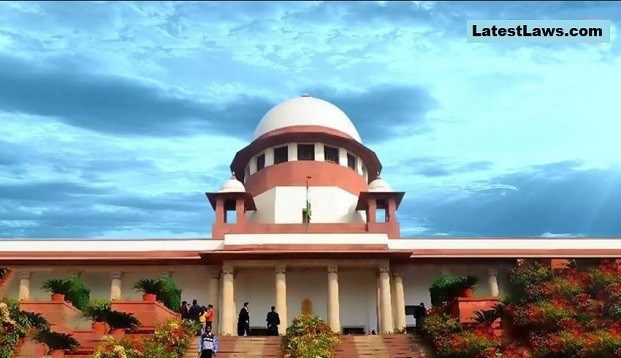
DUE PROCESS OF LAW = PROCEDURE ESTABLISHED BY LAW + INHERENT FAIRNESS/JUSTNESS OF LAW

INTRODUCTION –

In these times with the changing world, our constitution has to survive for ages but with changing mentality of the society, our constitution needs alteration. That’s why the meaning and purpose of ARTICLE 21 of constitution has undergone a lot of changes with time and has been interpreted regularly. This doctrine has been deciphered a lot of times in several verdicts of law courts.

There are many things, which are basic and important to the citizens so that they feel secured.

So Article 21 states “ no one shall be deprived of life and personal liberty except procedure established by law”.

This doctrine was derived from US law composition, which says that no one should be divested of their fundamental rights to live and access freedom according to DUE PROCESS OF LAW.
Initially it was not available in the constitution nonetheless after 5th and 14th amendment, this was a part of US constitution. In 19th century, US government traced the doctrine to Magna Carta. Management might not divest any individual after right to living or house under due process of law.

This theory favors the supremacy of courts over constitution and gives judiciary to access the fundamental rights, justice and liberty.
If the honorable Supreme Court finds that any law is not rational, it will be declared invalid and gives precedence over constitution.

NATURAL JUSTICE

In The Constitution of India, nowhere the expression Natural Justice is used. However, golden thread of natural justice perceptively passed through the body of Indian constitution. Preamble of the constitution includes the words, ‘Justice Social, Economic and political’ liberty of thought, belief, worship ,equality of status and of opportunity, which not only ensures fairness in social and economical activities of the people but also acts as shield to individuals liberty against the arbitrary action which is the base for principles of Natural Justice.

In India, the principles of natural justice are firmly grounded in Article 14 & 21 of the Constitution. With the introduction of concept of substantive and procedural due process in Article 21, all that fairness which is included in the principles of natural justice can be read into Art. 21.

The doctrine talks about its relevance, which comes from the due process. Due process talks about the freedom of the citizen to access fundamental right. The doctrine of natural justice tells us about the freedom to be heard and freedom to be heard without any bias or favourism. So both the doctrines are very interrelated in our legal statutes and hence help us to be productive and helpful towards the people.

WHY DUE PROCESSOF LAW WAS DROPPED FROM INDIAN CONSTITUTION?

It was Justice Frankfurter who instructed B.N Rau to drop this doctrine of due process from the draft of constitution as it was measured unfair and imposed an unfair liability on bench. B.N Rau at that time was the leading member of drafting committee.
Later in an interview, Ashok Desai (high-grade advocate of Supreme Court) said that Frankfurter advised this because of his varied view about the doctrine. He further stated that each person will have different view about various aspects and thus will cause chaos and unreason ability.

“After a lot of debates and arguments it was held that, this doctrine was new and freshly liberated, so it is not decent for our democracy.
It was feared that the legal issues might become subjective and political. The members of constituent assembly were afraid about the adoption of this American policy, it will lead to a stream of lawsuit and many cases will be registered after launch of new constitution. They were not set, hence they deleted the clause of due process of law from the draft script and substitution it with Article 21”, which quotes that –

“No person shall be deprived of his life or personal liberty except according to a procedure established by law”.

“Procedure established by law means that a by-law that is accordingly sanctioned by legislature or the concerned party is effective if it has been committed in a correct procedure”.
Thereafter this phrase (procedure established by law) was adopted in our Indian constitution.
B.R Ambedkar wanted this phrase“ due process of law) to be used but Sir Alladi Krishnaswamy Iyer said that in future when we have to introduce social legislations, this part will create problem.
So that’s why procedure established under came into action.
“Due process of law doctrine not only checks if there is a law to deprive the life and personal liberty of a person but also see if the law made is fair, just and not arbitrary.
If Supreme Court finds that a law is not fair and just and discovers that it is infringing the rights, it will be declared invalid”.

The liberal interpretation of this policy was made after 1918 in India.

CASELAWS –

• MANEKA GANDHI CASE (1978)
“Supreme Court overruled its previous stance and it held that Article 21 seeks to provide full and complete liberty to the individual and inherently encloses the principle of natural justice”.
The court also held that the procedure established by law within the meaning of Article 21 must be right and fair and should not be harmful, offensive and arbitrary.

It also is also relative to the doctrine of Audi Alterum Partum (It is the policy that no one ought to be judged deprived of a unbiased hearing in which every party is given the chance to answer to the proof in contradiction to them).
• A.K GOPALAN V/S STATE OF MAHARASHTRA
The plaintiff was stopped somewhere by the officials. It was later alleged that he was restrained and that infringes his right to personal liberty, which comes under Article 21.
Supreme Court said that the right to personal liberty could only be infringed if –
• Physically restraining someone
• In case of coercion
In this particular case, the judgment was passed that this is not a case of infringement of personal liberty.
• LOCHNER V/S NEW YORK (17TH APRIL 1905)
“Lochner, a baker was condemned of interrupting the New York Bakeshop Act, which forbidden bakers from working extra than 10 hours a day and 60 hours a week. The Supreme Court smacked down the Bakeshop Act, ruling that it breached on “right to contract.” The Supreme Court got this “right” from the Due Process Article of the 14th Modification; a change that many think outdid jurisdictional power”.
• Regents of the University of California v. Bakke (26 Jun 1978) –
“Allan Bakke, a white person was disallowed entry in the University of California Medical School at Davis twice on different times. The medical school agreed 16 spots for minority applicants in an effort to address unjust minority omission from medical school. Bakke took the matter to the court about his omission from the Medical School as he stated that his exclusion was entirely the outcome of his race. The Supreme Court ruled that the university’s usage of firm racial allocations were unlawful and not only ordered the university to permit Bakke, but also said that race might be used as one of numerous aspects in the admissions procedure. Justice Lewis F. Powell, Jr. in his view stated that the strict usage of racial quotas disrupted the equal protection article of the 14th Amendment”.
• Mapp v. Ohio (19 Jun 1961) ―
Police got information that a shelling suspect may be located at Dollree Mapp’s house in suburban Cleveland, Ohio. When police inquired to investigate her home, Mapp denied if the police produced a permit. The police used a piece of paper as a bogus permit and got entry to her house unlawfully. After examining the home minus to find any bombing suspect, police noticed some sexual materials and detained Mapp under state law that banned the ownership of X-rated stuffs. Mapp was condemned of owning disgusting things and encountered up to seven years in jail before she filed her case on the reason that she had a right to keep the stuff. The Court said that the proof gathered from an illegitimate quest would be eliminated from her hearing. This came under the safeguarding confidentiality by exercising the Due Process Clause.

CONCLUSION –

DUE PROCESS OF LAW =
PROCEDURE ESTABLISHED BY LAW + INHERENT FAIRNESS/JUSTNESS OF LAW
Due process is the legal obligation that the state must respect all legal rights that are owed to a person. When a government damages a person without following the course of the law, this means there is a due process violation, which offends the rule of law.
Due process has also been frequently interpreted as limiting laws and legal proceedings (see substantive due process) so that judges, instead of legislators, may define and guarantee fundamental fairness, justice, and liberty. That interpretation has proven controversial. The interpretation of due process is sometimes expressed as a command that the government must not be unfair to the people or abuse them physically.
It says that the law must be fair and just and should follow the procedure of law

DARPG adopted the Mantra of Reform, Perform and Transform

Union Minister of State for Personnel, Public Grievances and Pensions Dr. Jitendra Singh has launched the e-booklet on DARPG achievements for the period May 30, 2019 to May 30, 2020 on the occasion of 1st year of Modi Government 2.0. Dr. Singh complimented the Department for being the first one to present its achievements to the people and interacted with senior officials through video-conferencing.

Speaking on the occasion, Dr. Jitendra Singh said that the DARPG had lived upto Prime Minister’s vision of Good Governance and adopted the mantra of Reform, Perform and Transform in letter and spirit. He highlighted the fact that DARPG had provided immense impetus to e-Governance in Indiaby

  1. Intense pursuit of implementation of e-Office in the Central Secretariat and States and
  2. The conduct of the 22nd and 23rd National e-Governance Conferences at Shillong and Mumbai in 2019 and 2020 respectively.

Further Dr. Jitendra Singh recognized that DARPG had undertaken significant reforms in handling Public Grievances by pursuing CPGRAMS reforms in several Ministries and Departments.

Dr. Jitendra Singh said that success of the systemic reforms undertaken by DARPG was witnessed in the COVID 19 pandemic period where in several Ministries/ Departments could work from home without disruption in work by using e-Office and timely redressal of 0.87 lac COVID 19 Public Grievances in a record average time of 1.45 days/ grievance.

Dr. Jitendra Singh complimented the DARPG’s engagement with Government of Jammu & Kashmir in conducting a series of Regional Conferences and Capacity Building programs which were participative and innovative in taking forward Government’s agenda for good governance in J&K.

Dr. Jitendra Singh commended DARPG for bringing out 3 important publications – the Good Governance Index (GGI) 2019, the National e-Services Delivery Assessment 2019 and the Central Secretariat Manual of Office Procedure 2019. These publications were rich in their academic content and provided immense inputs for taking good governance forward like enabling the march towards a digital central secretariat.

Looking at the future, Dr. Jitendra Singh said DARPG has a massive responsibility in meeting new challenges of providing timely grievance redressal by improving its tool kit with feed-back call centers, upgraded software solutions and taking forward the Government’s good governance agenda with focus on e-Governance and e-Services. He also urged the DARPG to expedite putting in place an effective work from home policy.

Secretary DARPG, Dr. KshtrapatiShivaji, Additional Secretary DARPG V.Srinivas, Joint Secretaries Smt. Jaya Dubey and N.B.S.Rajput along with senior officials of the Department participated in the event which was conducted through video conferencing facility.

Please click here to see the DARPG e-booklet-

Phased re-opening of all activities outside Containment Zones; Unlock 1 to have an Economic focus

Union Ministry of Home Affairs (MHA) issued new guidelines to fight COVID-19 and for phased re-opening of areas outside the Containment Zones, today.  The guidelines would come into effect from June 1, 2020 and would be effective till June 30, 2020.  The current phase of re-opening, Unlock 1, will have an economic focus. The new guidelines have been issued based on extensive consultations held with States and UTs. 

A strict lockdown was imposed throughout the country since March 24, 2020.  All activities were prohibited except essential activities. Subsequently, in a graded manner and keeping the overarching objective of containing the spread of COVID-19 in view, the lockdown measures have been relaxed.

Salient features of the new guidelines

Lockdown measures would continue to be implemented strictly in the containment zones. These will be demarcated by the State/ UT Governments, after taking into consideration the guidelines issued by the Health Ministry. Within the containment zones, strict perimeter control shall be maintained and only essential activities allowed. 

All activities that were prohibited earlier would be opened up in areas outside Containment Zones in a phased manner, with the stipulation of following Standard Operating Procedures (SOPs), to be prescribed by the Health Ministry:

Phase I (permitted to open from June 8, 2020)

  • Religious places and places of worship for public;
  • Hotels, restaurants and other hospitality services; and
  • Shopping malls. 

Health Ministry would issue SOPs for the above activities, in consultation with the Central Ministries/ Departments concerned and other stakeholders, for ensuring social distancing and to contain the spread of COVID-19.

Phase II

Schools, colleges, educational/ training/ coaching institutions etc., will be opened after consultations with States and UTs.  State Governments/ UT administrations are being advised to hold consultations at the institution level with parents and other stakeholders.  Based on the feedback, a decision on the re-opening of these institutions will be taken in the month of July, 2020.  MoHFW will prepare SOP for these institutions. 

Limited number of activities to remain prohibited throughout the country

  • International air travel of passengers;
  • Operation of Metro Rail; 
  • Cinema halls, gymnasiums, swimming pools, entertainment parks, theatres, bars and auditoriums, assembly halls and similar places; and,
  • Social/ political/ sports/ entertainment/ academic/ cultural/ religious functions/ and other large congregations. 
  • Dates for the opening of above activities would be decided in Phase III, based on assessment of the situation. 

Unrestricted Movement of Persons and Goods

  • No restriction on inter-State and intra-State movement of persons and goods.  No separate permission/ approval/ e-permit would be required for such movements.
  • However, if a State/ UT, based on reasons of public health and its assessment of the situation, proposes to regulate movement of persons, it would give wide publicity in advance regarding the restrictions to be placed on such movement, and the related procedures to be followed. 

Night curfew would continue to remain in force, on the movement of individuals, for all non-essential activities.  However, the revised timings of the curfew will be from 9 pm to 5 am. 

National Directives for COVID-19 management would continue to be followed throughout the country, with a view to ensure social distancing.    

States to decide on activities outside Containment Zones

States and UTs, based on their assessment of the situation, may prohibit certain activities outside the Containment zones or impose such restrictions, as deemed necessary. 

Protection for vulnerable persons

Vulnerable persons, i.e., persons above 65 years of age, persons with co-morbidities, pregnant women, and children below the age of 10 years, are advised to stay at home, except for meeting essential requirements and for health purposes.

Use of Aarogya Setu

The Aarogya Setu mobile application is a powerful tool built by Government of India to facilitate quick identification of persons infected by COVID-19, or at risk of being infected, thus acting as a shield for individuals and the community.  With a view to ensure safety, various authorities are advised to encourage the use of the application.

Click here to see the MHA Guidelines

IT Minister Launches National AI Portal of India- www.ai.gov.in

On the occasion of the first anniversary of the second tenure of the government, the Union Minister for Electronics and IT, Law and Justice and Communications Ravi Shankar Prasad launched India’s national Artificial Intelligence Portal called www.ai.gov.in

This portal has been jointly developed by the Ministry of Electronics and IT and IT Industry. National e-Governance Division of Ministry of Electronics and IT and NASSCOM from the IT industry will jointly run this portal. This portal shall work as a one stop digital platform for AI related developments in India, sharing of resources such as articles, startups, investment funds in AI, resources, companies and educational institutions related to AI in India. The portal will also share documents, case studies, research reports etc. It has section about learning and new job roles related to AI.

On this occasion, the Minister for Electronics & Information Technology, Communications and Law & Justice, Ravi Shankar Prasad, also launched a National Program for the youth, Responsible AI for Youth”. The aim of this Program is to give the young students of our country a platform and empower them with appropriate new age tech mind-set, relevant AI skill-sets and access to required AI tool-sets to make them digitally ready for the future. The Program has been created and launched by the National e-Governance Division, Ministry of Electronics & IT in collaboration with Intel India, with support from Department of School Education and Literacy (DoSE&L), Ministry of Human Resource Development. DoSE&L will help reach-out to State Education Departments to nominate teachers as per eligibility criteria.

“Responsible AI for Youth” will empower the youth to become AI ready and help reduce the skill gap, while enabling youth to create meaningful social impact solutions. The Program is designed to reach out to students from Government schools pan India and provide them with an opportunity to become part of the skilled workforce in an inclusive manner.

Addressing the media at the launch event, the Minister for Electronics & IT, Law & Justice, Shri Ravi Shankar Prasad said “India must be a leading country in the development of Artificial Intelligence in the world, leveraging upon its vast Internet savvy population and data it is creating. India’s AI approach should be of inclusion and empowerment of human being by supplementing growth and development rather than making human beings less relevant”.

MoS for E&IT, Communications, and HRD, Shri Sanjay Dhotre, while emphasising the role of digital technologies with special reference to pandemic-afflicted world, said that such technologies have proved to be our saviours during the difficult times. These have been of very crucial help especially in the field of education, agriculture, healthcare, e-commerce, finance, telecommunications, etc. He further added that the digital technologies have been great equalisers despite several odds. Highlighting the importance of the AI Portal, Shri Dhotre said that such national portal will lead to democratization of artificial intelligence in the country.

Details of Responsible AI for Youth Programme:

The National Programme is open to students of classes 8 – 12 from Central and State government-run schools (including KVS, NVS, JNV) from across the country – all 28States and 8Union Territories and aims to bring about a change in the thought process and create a bridge for the digital divide. The Program will be implemented in a phase-wise manner and in its first phase, each of the State Education Department will nominate 10 teachers as per the eligibility criteria. Teachers may also self nominate themselves by fulfilling the eligibility criteria. These teachers will be provided orientation sessions aimed to help them understand the premise and identify 25-50 potential students for the Program. The identified students will attend online training sessions on AI and understand how to identify social impact ideas/projects that may be created using AI and submit their ideas through a 60 seconds video explaining a proposed AI enabled solution.

From the submitted ideas in the form of videos, top 100 ideas will be shortlisted and these students will be invited to attend residential boot camps or online sessions (subject to COVID-19 situation); to take them through a deep dive AI journey. Post the boot-camps/ online sessions, these students will be asked to create real time projects and submit their final project in a video format on the website.

Adequate handholding will be provided by Intel certified AI coaches and mentors throughout to ensure that ideas mature as prototypes. The experts will shortlist top 50 project ideas and students will be invited to showcase their projects either face to face or in an online format. Further, top 20 innovative projects will be selected by an independent committee of experts and provided opportunities to showcase at relevant platform.

Indian Navy Commences Next Phase of Operation “Samudra Setu”

The next phase of Operation “Samudra Setu” to repatriate Indian citizens from overseas will commence on 01 June 2020.

In this phase, Indian Navy Ship Jalashwa will repatriate 700 personnel from Colombo, Republic of Sri Lanka to Tuticorin, Tamil Nadu and subsequently repatriate another 700 personnel from Malè, Republic of Maldives to Tuticorin.

Indian Navy has already repatriated 1,488 Indian nationals from Malè to Kochi during the previous phase of operations.

Indian Missions in Sri Lanka and Maldives are preparing a list of Indian nationals to be evacuated and will facilitate their embarkation after requisite medical screening. COVID-related social distancing norms have been catered onboard and evacuees would be provided basic amenities and medical facilities during the sea-passage. 

After disembarkation at Tuticorin the evacuated personnel will be entrusted to the care of State authorities. This operation is being progressed in close coordination with Ministries of External Affairs, Home Affairs, Health and various other agencies of the Government of India and State governments.