INDIAN NAVY ON MISSION LiFE

 With the underlying significance of adopting environmentally conscious lifestyles, Mission LiFE (LiFEStyle for Environment) activities have been organised across all Naval units and establishments as Run-up to World Environment Day 2023 which focuses on living sustainably in harmony with nature. IN has prioritized the adoption of cleaner and greener practices both at the organizational and individual levels. Actions taken include energy savings through the use of occupancy sensors and automatic controllers, reduced vehicular pollution through the emphasis on e-vehicles, observing no-vehicle day within Naval establishments, Public Bicycle Sharing System, enhanced water conservation measures, collection and distribution of unutilized household items, books etc through Meri LiFE Centres.  Reduction in carbon footprint through measures such as solar-powered street lighting, restoration of mangrove forests and tree plantation drives. In 2022-23, a total of 5,24,820 tree saplings have been planted capturing approximately 11,500 Tonnes of carbon in one year.

In keeping with the vision of the ‘Clean India Campaign’, Indian Navy has initiated a nationwide campaign under the program Puneet Sagar Abhiyaan (PSA). The campaign focuses on cleaning the seashores/ beaches of plastic and other waste and increasing awareness about the importance of keeping them clean, serene and pristine. Local naval units and establishments dedicate one day, each month, towards coastal cleanup including rivers/ lakes and have liaised with local municipal bodies, NGOs, NHAI and Regional Directors of NCC towards responsible disposal/ recycling of waste material. In the last year, approximately 78,700 Kg of plastic waste from 58 beaches and 2100 km of coastline has been cleaned.

Community participation has played a great role in the implementation of initiatives. Successful institution of green measures in the Navy has been possible through a self-conscious Naval community, well aware of the necessity of environmental remediation and energy conservation. To foster a sense of responsibility towards the environment, various mass participation events such as the LiFE Pledge ceremony, mass shramdan, coastal cleanup drives, cyclothons/walkathons etc are organized regularly.

**

WORLD ENVIRONMENT DAY AT SOUTHERN NAVAL COMMAND

 The Southern Naval Command observed World Environment Day on 05 Jun 23 with ‘Beat Plastic Pollution’ as the theme and waste segregation, plastic waste removal, afforestation and mangrove restoration as focus areas.

Pursuant to the global campaign of keeping coastlines clean, around 3000 Naval personnel, defence civilians and families of Southern Naval Command undertook mass clean-up drives of beaches, harbours and waterfront areas of Mahatma Gandhi Beach, Fort Kochi Beach, Puthuvype Beach, Puthenthode Beach, Vypin Beach, Cherai Beach, Marine Drive, Queen’s Walkway, Bolgatty and CoPT walkway at Kochi city. Around 4700 kg of plastic and non-biodegradable waste was collected during the campaign. In addition, a 2 km stretch of the Venduruthy channel was also cleaned while restoring about 1 lakh sq m of mangroves along the channel’s banks.

Vice Admiral MA Hampiholi, PVSM, AVSM, NM Flag Officer Commanding-in-Chief, Southern Naval Command along with Mrs Madhumati Hampiholi, President, Naval Wives Wellness Association (Southern Region) participated in the clean-up drive at Fort Kochi beach along with SNC Parivaar. The beach cleanship drive also saw motivated participation by recently joined Agniveers, NCC cadets, school children and families from ICICI Foundation. Hon’ble Mayor Adv M Anilkumar, Kochi Municipal Corporation also graced the occasion with his presence. Speaking to the media team present at the beach, C-in-C South reaffirmed the Indian Navy’s commitment and continued efforts towards environment conservation, green initiatives and energy efficient practices. He also highlighted the various initiatives undertaken as part of environment friendly month in May-Jun 23 and Puneet Sagar Abhiyan at Kochi city. He urged each one to adopt Mission LiFE- Lifestyle for Environment approach towards a sustainable and healthier future.

As part of the Environment Day, more than 1600 saplings were planted by the participants from different Naval units at Kochi. In addition, community awareness/ public outreach programmes, painting and ‘best-of-waste’ competitions, lectures, workshops/ seminars etc were also organised centred around the theme and Mission LiFE. Other outstation naval units located at Jamnagar, Lonavla, Chilka, Coimbatore, Goa, Ezhimala and Malad (Mumbai) also enthusiastically conducted similar events with all out efforts towards making a tangible impact in environment conservation and cleaning.

Children of the Navy Children Schools and KVs in Southern Naval Command also actively participated in the event through conduct of special assembly, educative skits, environmental quiz, seminars, slogan writing, poster making and painting competitions.

___________________________________________________________________

New National Cooperation Policy

 The Chairman of the National Level Committee for drafting new National Cooperation Policy document Shri Suresh Prabhu, made a presentation to Union Home Minister and Cooperation Minister Shri Amit Shah in New Delhi today. The meeting was also attended by other committee members including Shri Dileep Sanghani, Chairman, NCUI, Shri K V Shahji, Chairman, NABARD, Shri Jyotindra Mehta, Chairman, NAFCUB, Shri P K Aggarwal, Financial Advisor, D/o Cooperation, Govt. of Uttar Pradesh, Dr. Umakant Dash, Director, Institute of Rural Management Anand (IRMA), Shri Satish Marathe, Director, RBI, Dr C Pitchai, Professor, Gandhigram Rural University, Dr. Hema Yadav and Director, VAMNICOM.  Secretary (Cooperation), Additional Secretary (Cooperation) and senior officers of Ministry of Cooperation were also participated in the meeting.

The Committee members briefed Minister of Cooperation Shri Amit Shah about the objectives, vision and mission of the draft Policy along with key recommendations in various sectors including structural reforms & governance, cooperatives as vibrant economic entities, level playing field for cooperatives, sources of capital and funds, inclusion of priority sections, use of technology, upskilling and training, sustainability and implementation plan.

During the meeting, Union Home Minister and Minister of Cooperation Shri Amit Shah gave his guidance on how to realise Prime Minister Shri Narendra Modi ji’s vision of ‘Sehkaar se Samriddhi’ and to strengthen the Cooperative movement at the grassroot level through the new policy. As per the guidance received from Minister of Cooperation, the Committee will prepare a revised draft. The new Cooperation Policy is expected to be unveiled in July, 2023 after consulting all the stakeholders including state governments, central ministries / departments, National Cooperatives, etc.

The National Level Committee for drafting New National Cooperation Policy was formed on 2nd September 2022 with a view to prepare a new National Policy to realise Prime Minister Shri Narendra Modi’s vision of ‘Sehkaar se Samriddhi’ under the leadership of Home Minister and Minister of Cooperation Shri Amit Shah. The current policy on cooperation was formulated in 2002 and there is a felt need to draft a new policy to deal with the changed economic scenario.

The drafting Committee is chaired by Shri Suresh Prabhu, former Union Minister. It comprises of 49 members drawn from all over the country and various stakeholders such as officers of cooperation department of various state governments, ministries/departments concerned of central governments, institutions like IRMA, RBI, National federations like IFFCO, NCCF, NAFCARD, NAFCUB, KRIBHCO, NFCSF, NCUI, NAFED, representatives from Cooperative Societies in various sectors, academicians and experts.

The process of forming new National Cooperation Policy was initiated when the concept was discussed in the conference of State Cooperation Secretaries/ RCS held on 12th & 13th April, 2022 and State Cooperation Ministers held on 8th & 9th September, 2022 which were inaugurated by the Union Home Minister and Minister of  Cooperation. More than 500 suggestions were received from various stakeholders and general public for the draft policy document. The National level Committee after its formation held more than 8 meetings and also consulted various stakeholders to prepare the draft document.


*****

Sustainable & Eco-friendly Lifestyle on World Environment Day 2023

 On the occasion of the World Environment Day (05th June 2023), Ministry of Coal and Coal PSUs have organized numerous programs to encourage employees and local communities to embrace sustainable and Eco-Friendly Lifestyles in line with the LiFE activities envisioned by the Prime Minister Shri Narendra Modi. The LiFE campaign aims to prioritize individual actions in combating climate change. It encourages people to make small but significant changes in their daily lives, such as reducing plastic consumption, minimizing food waste, energy saving, recycling of waste and using public transportation.

Coal Sector under the aegis of Ministry of Coal has actively undertaken a range of sustainable and environmentally friendly initiatives aligned with LiFE actions. These initiatives include strategic efforts in land amelioration and afforestation, effective management of air quality and noise, emission reduction, gainful utilization of mine water for community purposes, implementation of energy-efficient measures, sustainable utilization of overburden and development of Eco Parks and Mine Tourism.

Glimpses of LiFE Activities taken by Coal/Lignite PSUs

During the last two weeks over 200 awareness campaigns/programs have been organized by Coal PSUs to promote and adopt LiFE actions in day-to-day life. These programs encompass a wide array of activities  such as raising awareness about the 5R principles of Waste Reduction (Refuse, Reduce, Reuse, Repair & Recycle), hosting informative discussions on the significance of diverse tree species found in coal regions through the “Know Your Tree” initiative, emphasizing the importance of sustainable food systems, distributing fruit-bearing plants/saplings and eco-friendly jute bags, organizing essay writing competitions on the theme of “Lifestyle for Environment,” promoting creative endeavors like the Best out of Waste Competition, Quiz competition, Extempore Competition, Speech Competition, Cyclathon  etc.

A picture containing text, water, screenshot, lakeDescription automatically generated

Additional activities like conducting plastic waste collection drives within and around office premises to raise awareness about the detrimental effects of Single-Use Plastic on the environment, organizing e-waste collection drives, facilitating pond cleaning activities, hosting seminars on “Home Composting,” & LiFE Actions were also held.

All senior officers, employees of the Ministry of Coal and Coal PSUs have also administered the pledge dedicated to Mission LiFE.

****

World Environment Day

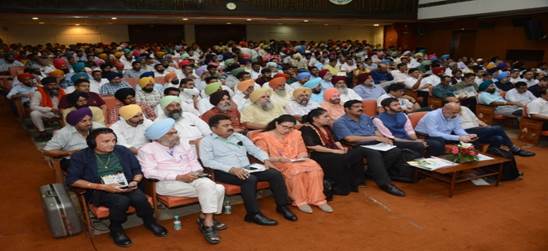
 Ministry of Agriculture and Farmers Welfare organized Mega Event on Mission LiFE on the occasion of “World Environment Day” today at Dr. C. Subramaniam Auditorium, NASC Pusa, New Delhi.  The program began with tree plantation activity in the premises of the venue by Shri Kailash Choudhary, Minister of State for Agriculture and Farmers’ Welfare, with other dignitaries. Shri  Manoj Ahuja, Secretary DA&FW, Additional Secretaries and Joint Secretaries of Ministry of Agriculture & Farmers Welfare were present in the event along with staff of ICAR and DA&FW, FPOs, Agri-start-ups, Students, Scientists, Officers and Farmers from various States. This was followed by inauguration of exhibition on Natural and Organic Farming showcasing and creating awareness on the sustainable agricultural practices symbolizing Mission LiFE.

WhatsApp Image 2023-06-05 at 5.17.41 PM.jpeg WhatsApp Image 2023-06-05 at 5.17.39 PM.jpeg

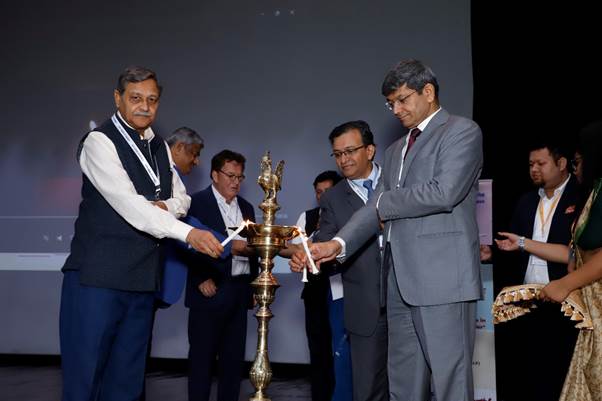
The program was inaugurated by Shri Kailash Choudhary, Minister of State for Agriculture and Farmers Welfare, by lighting the lamp.  In his remarks, he highlighted the importance of Life Style for Environment and stressed upon chemical free farming as one important options for sustaining the resources for future generations. He emphasized the adoption of Mission LiFE in agriculture to address the adverse impact of climate change. Quoting the example of Rajasthan, he mentioned that the state is having pre-monsoon showers more frequently than earlier years. Untimely and heavy rains are causing distress to the farming community. Farmers are highly vulnerable to climate change. Keeping this in mind ICAR developed 1750 climate resilient varieties after 2016 and these have potential to give normal yields under adverse conditions in vulnerable areas. He also stressed upon recycling of wastes in agriculture as it is best example for circular economy. He emphasized that we should all take care in day to day life to save the resources. Then, he administered the pledge on Mission LiFE with all the audiences present in the event.

WhatsApp Image 2023-06-05 at 5.17.40 PM (1).jpeg WhatsApp Image 2023-06-05 at 5.17.40 PM.jpeg

In his address, Shri Manoj Ahuja, Secretary, DA&FW briefed on the global temperatures rise from pre-industrial era and its direct and indirect impacts on agriculture and allied sectors. Maintenance of soil health through natural and organic practices having beneficial effect on soil flora and fauna is leading to better availability of nutrients in the soil. He also mentioned on the saving of water through adoption of Per Drop More Crop as India consumes more water for irrigation compared to other countries. There is a need to adopt all the 7 principles of MissionLiFE in day to day agricultural practices besides making policy towards sustainable agriculture.

Shri Faiz Ahmed Kidwai, Additional Secretary, DA&FW in his welcome address highlighted the importance of Mission LiFE and mentioned about the background of the launching of Mission LiFE by Prime Minister during CoP-26. He further gave the details of 7 principles underlying the Mission LiFE for adopting. A detailed presentation on Adopting Mission LiFE was given by Joint Secretary, Shri Samuel Praveen Kumar. He expressed that promotion of environment sustainability through agriculture is crucial for Nation’s well being, preserving biodiversity and mitigating the impact of climate change. The programme ended with vote of thanks by Shri Franklin L. Khobung, Joint Secretary (NRM) and Nodal Officer (Mission LiFE). Two champion farmers who are practicing Natural Farming were honored with a certificate of appreciation.  

The inaugural was followed by panel discussion on linking Mission LiFE to organic and natural farming chaired by Shri Faiz Ahmed Kidwai, Additional Secretary (NRM) and moderated by Dr. Yogita Rana, Joint Secretary (INM). Panelist Shri T. Vijaya Kumar shared the success stories of natural farming in Andhra Pradesh. Padam Shri Bharat Bhushan Tyagi stressed on crop diversification and nutritional management through organic and natural means for achieving the goals of Mission LiFE. He also called for strengthening of FPOs for higher returns to the farmers. Ms. Kashika Malhotra, M/s Invest India threw light on the potentials and ways of adopting circular economy in agriculture. Two champion farmers, Shri Shalender Sharma from Himachal Pradesh and Shri Lal from Bhuj, Gujarat shared their experiences on adoption of Natural Framing. The panelists were thanked by Ms. Rachna, Deputy Secretary, INM Division. A total of 713 awareness events and 709 action events have been organized with 52346 no. of participants and total 49028 people took pledge under Mission LiFE so far.

*******

Understanding Man-made Disasters

  1. What is the definition of a man-made disaster?
  2. What are some examples of man-made disasters?
  3. How do man-made disasters differ from natural disasters?
  4. What are the main causes of man-made disasters?
  5. How can human error contribute to man-made disasters?
  6. What role does technology play in man-made disasters?
  7. What are the environmental impacts of man-made disasters?
  8. How do man-made disasters affect human populations?
  9. What are the economic consequences of man-made disasters?
  10. How can man-made disasters be prevented or mitigated?
  11. What are the key challenges in responding to man-made disasters?
  12. What are some international organizations that focus on man-made disaster management?
  13. How has the understanding and management of man-made disasters evolved over time?
  14. What are the ethical considerations in dealing with man-made disasters?
  15. How can communities and individuals prepare for man-made disasters?
  16. What are some case studies of notable man-made disasters?
  17. How does media coverage influence public perception of man-made disasters?
  18. How do man-made disasters impact infrastructure and urban development?
  19. What are some lessons learned from past man-made disasters?
  20. How can interdisciplinary approaches contribute to our understanding of man-made disasters?

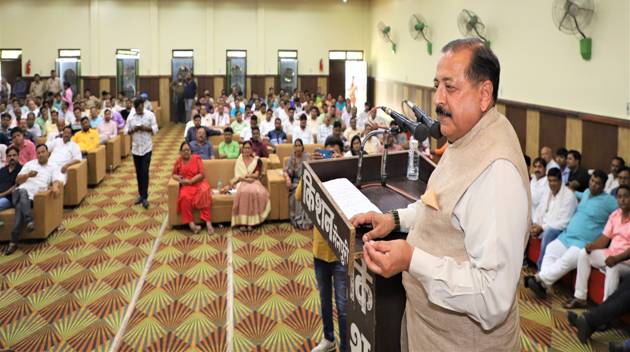
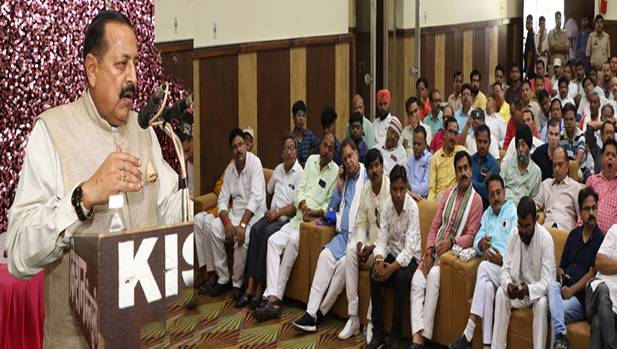
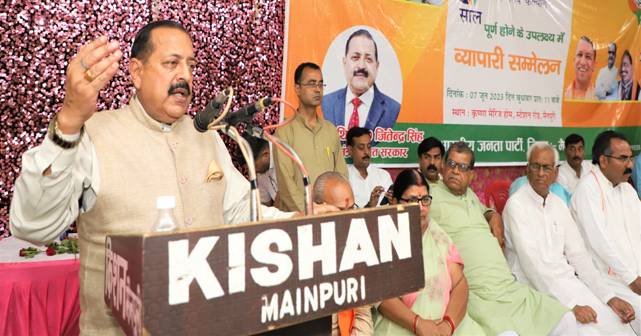
Bhaderwah has emerged as the Lavender capital of India and Agri StartUp destination

 It is a moment of pride for all of us…Bhaderwah has emerged as the Lavender capital of India and Agri StartUp destination.

This was stated today by Union Minister Dr Jitendra Singh while inaugurating the 2 -day Lavender festival at Bhaderwah in Jammu region.

CSIR- Indian Institute of Integrative Medicine, Jammu has organised the event as part of its One Week One Lab Campaign.

Dr Jitendra Singh described Bhaderwah as the birthplace of India’s Purple Revolution and the destination of Agri-StartUps.

The Minister said that the valley of Bhaderwah is the best example of development of the present progressive government at the centre which should have been celebrated much earlier, Bhaderwah being the best place for lavender cultivation in terms of land and climate.

Dr. Jitendra Singh while referring to the lavender cultivation in the region, said that Lavender is an avenue of employment generation and research opening many paradigms of development.

The lavender cultivation has changed the lives of many farmers and it is heartening to note that Prime Minister of India, Shri Narendra Modi, in the 99th Edition of Mann ki Baat, appreciated the efforts of the Council of Scientific & Industrial Research- Indian Institute of Integrative Medicine (CSIR-IIIM) in supporting farmers in the cultivation of Lavender in the Bhaderwah, Doda district, J&K under CSIR-Aroma Mission. He said, “Farmers had been engaged in traditional maize cultivation for decades, but some farmers thought of doing something different. They turned to floriculture, that is, the cultivation of flowers. Today, around two and a half thousand farmers are cultivating Lavender here. They have also been handheld through the Aroma Mission of the Central Government. This new cultivation has greatly increased the income of the farmers.”

The CSIR-Aroma Mission is a flagship project of CSIR under which Lavender cultivation is being promoted in the temperate regions of J&K. The aim of the project is to increase the income of small and marginal farmers and develop agriculture-based Startups. The project is being directly monitored by Dr. Jitendra Singh, Hon’ble Union Minister of State (IC) of the Ministry of Science & Technology. Under his directions, CSIR-IIIM is implementing Lavender cultivation in Bhaderwah and other parts of J&K.

It is important to mention that over many decades of scientific interventions, the CSIR-IIIM has developed its elite variety (RRL-12) and agrotechnology of Lavender. The variety of Lavender is highly suitable for cultivation in the rainfed temperate regions of India. Under CSIR-Aroma Mission, CSIR-IIIM introduced Lavender and provided more than 30 Lakh free Lavender plants to the farmers of different districts of J&K. The end-to-end technology package for cultivation, processing, value addition, and marketing of the Lavender crop were also provided to the farmers. CSIR-IIIM installed fifty distillation units (45 fixed and five mobile) at different locations across J&K to support farmers in processing their produce.

Many small and marginal maize farmers in the temperate regions of the Jammu division have successfully adopted Lavender. Lavender cultivation has employed large numbers of farmers and young entrepreneurs in the geographically remote regions of J&K. Due to the intervention of CSIR-IIIM, a new industry around Lavender cultivation has developed in the region. More than 2500 farmers are cultivating Lavender in different parts of J&K. Women are primarily employed in the Lavender fields for harvesting and processing the flower, which has increased women’s income in the region. Many young entrepreneurs have started small-scale businesses through the value addition of Lavender oil, hydrosol, and flowers. CSIR-IIIM conducted many skills development programs and trained more than 2500 farmers and young entrepreneurs from J&K on Lavender cultivation, processing, value addition, and marketing.

The net annual income of farmers who switched from maize to Lavender cultivation has increased many folds from around Rs. 40,000/- to Rs. 60,000/- per hectare to Rs. 3,50,000/- to Rs. 6,00,000/- per hectare. Farmers of the Bhaderwah, Doda district, produced 300, 500, 800, and 1500 Litres of Lavender oil in 2019, 2020, 2021, and 2022, respectively. They earned > Rs. 5.0 Crore between 2018-2022 by selling dry flowers, Lavender plants, and Lavender oil. The successful end-to-end technology transfer on the cultivation of Lavender to the farmers of J&K by CSIR-IIIM, Jammu, under Aroma Mission has been widely covered nationally and internationally by print and electronic media. The media has recognized this initiative of CSIR-IIIM as the “Purple Revolution.” CSIR-IIIM received the CSIR award for S&T innovations for rural development (CAIRD- 2020) for Purple Revolution in Jammu & Kashmir: Rural Development Through Lavender Cultivation in J&K.

Prominent among many others present were Dr. D Srinivasa Reddy, Director, CSIR-IICT, Dr. Zabeer Ahmed, Director, CSIR-IIIM, Jammu, Dhanetar Singh, DDC Chairman, Doda, Sangeeta Rani Bhagat, DDC Vice Chairman, Doda, Vishesh Paul Mahajan, Deputy Commissioner Doda.

Health and Family Welfare

 The threat of pandemics is far from over. The need is to integrate and strengthen One Health-based surveillance systems.” This was stated by Dr Bharati Pravin Pawar, Union Minister of State for Health and Family Welfare during her address to the 3rd Health Working Group meeting under G20 India Presidency, here today. Shri G Kishan Reddy, Union Minister of Tourism, Prof SP Singh Baghel, Union Minister of State for Health and Family Welfare and Dr V K Paul, Member (Health), NITI Aayog were also present on the occasion.

Underlining the importance of global collaboration and partnerships, Dr Bharati Pravin Pawar said that “the COVID-19 pandemic highlighted that partnerships are most fruitful only when developed during peacetime and not amidst an ongoing pandemic; and that we need to focus on creating resilient health systems, with primary health as its cornerstone.” She further stated that “partnership we share as G20 members is vital and facilitates in building trust, sharing knowledge, creating networks and working together to achieve meaningful impact and results.”

Dr Pawar also highlighted the need for availability of safe, effective and quality medical countermeasures. Stating that India’s G20 Presidency is working towards building consensus for an end-to-end Global Medical Countermeasure (MCM) ecosystem, following a Network of Networks approach and leveraging existing global and regional initiatives, Dr Pawar urged the leadership of G20 countries to create an interim platform which will be guided by the Intergovernmental Negotiating Body (INB) process and will feed into the same.

Acknowledging the convergence between G7 and G20 priorities, including the launch of MCM Delivery Partnership during Japan’s G7 Presidency which aligns with G20’s proposal of an end-to-end MCM ecosystem, Dr Pawar urged the global community to strengthen ongoing efforts in that direction. “Pandemics may not wait for the finalization of the Pandemic Treaty and hence, the time to act is now”, she stated.

Dr Pawar also informed the delegates of India’s proposal of a Global initiative on Digital Health, a WHO-managed network to converge ongoing initiatives in use of technology in the global health arena. She stated that “this initiative can enable bridging the digital divide amongst nations and ensure that the fruits of technology are made available to every citizen of the world.”

Underscoring the contribution of Indian traditional knowledge systems to healthcare, Shri G Kishan Reddy stated that “Indian traditional knowledge system propagated preventive and holistic wellbeing for all”. He highlighted the significant impact of Ayurveda and Yoga across the world. He stated that “Indian civilization and cultural heritage has given us the Ayurveda or the Science of Lives which is a five-thousand-year-old medical practice. Similarly, Yoga has emerged as one of the most trusted practices to boost both physical and mental wellbeing.”

Highlighting the vision of Hon’ble Prime Minister to make India one of the new hubs of medical value travel, the Union Tourism Minister said that India is home to affordable, efficient and reliable healthcare which positions the country as a go to destination for medical value travel. He also informed that India is among the top ten countries preferred by people all over the world for health and wellness.

Shri Kishan Reddy stated that “India takes great pride in being a reliable partner in the noble vision of saving lives and protecting livelihoods” and highlighted India’s recognition as the “Pharmacy of the World”. He stated that the Genome Valley in Hyderabad alone contributes close to 33% of world’s vaccine production.

The Union Tourism Minister emphasized that India is committed to achieving universal healthcare for all by 2030. He concluded his speech by stating that “there cannot be a better platform than the G20 to support, harness, and facilitate the power of Universal Healthcare to build a healthy and motivated world”.


Prof S P Singh Baghel noted that pandemic prevention, preparedness and response require diverse multilateral efforts. “The recent Covid 19 pandemic taught us that only through a sustainable health system a sustainable economy can be built. Effective pandemic prevention, preparedness, and response can only be facilitated through continuous interventions in the health sector at the regional, national, and global levels”, he stated.

The Union Minister stated that India aims to ensure best health facilities, vaccines, therapeutics and diagnostics for all through the platform of the G20. He commended the efforts of the G20 Joint Finance and Health Task Force and the G7 for prioritizing the issue of financing health systems and societies in the face of an emergency, besides preparedness financing. He also noted that International Financial Institutions and Multilateral Development Banks and Funds like the Global Fund and Pandemic Fund can play a significant role in assisting resource-constrained regions to build common goods and public capabilities.

Shri Rajesh Bhushan, Union Health Secretary stated that “’Health for All’ is an important agenda outlined in the Sustainable Development Goals. It was also a pertinent theme in the recently concluded 76th World Health Assembly”. He noted that the theme of India’s G20 Presidency, i.e., “One Earth, One Family, One Future” also alludes to the wider concept of Universal Health Coverage. Underscoring the need to converge the ongoing parallel discussions in Global Health Architecture in Health Emergency Preparedness, Prevention and Response; Medical Countermeasures and Digital Health, he stressed on the need to break the existing silos and reduce fragmentation. “It is critical to integrate all existing global health initiatives, global and regional health processes like G7, G20 and UNGA by jointly harnessing our strengths for a fit-for-purpose global health architecture”, he stated.


The Indonesian and Brazilian Troika members commended the Indian Presidency for underlining the three health priorities. They stated the need to collectively accelerate our efforts towards strengthening pandemic preparedness, prevention and response measures and create a fit-for-purpose global health architecture.

Dr. Rajiv Bahl, Secretary, Dept of Health Research and DG, ICMR; Shri Abhay Thakur, Additional Secretary, Ministry of External Affairs and Sous Sherpa of India’s G20 Presidency, Shri Lav Agarwal, Additional Secretary, Ministry of Health and Family Welfare, Smt. Hekali Zhimomi, Additional Secretary, Ministry of Health and Family Welfare, representatives from the G20 member countries, special invitee countries, international organizations, forums and partners like WHO, World Bank, WEF etc., and senior officers of the Union Government were present.

****

Meri LiFE App under LiFE mission

 The Union Minister of Environment, Forest and Climate Change, Shri Bhupender Yadav presided over the award Ceremony for Trash to Treasure Hackathon, Dharti Kare Pukaar, Youth Conclave & Inter-School Painting Competition, held today, on the eve of World Environment Day, in the presence of Minister of State, Shri Ashwini Kumar Choubey, and senior officials of the government.

Speaking at the ceremony, Shri Yadav congratulated Meri LiFE initiative of the government, as the application has recorded 1 crore 90 lakh participants, and 87 lakh events, which is a milestone in environmental consciousness. He said that not only the winners, but also all participants need to be commended, as they have shown their dedication towards environment protection.

Calling conscious consumption as a big challenge, he expressed that there are limited resources available on the planet and that to tackle global warming, biodiversity loss and pollution, adopting environmentally friendly lifestyle is the way ahead. He spoke about the initiatives launched under the leadership of the Hon’ble Prime Minister, such as International Solar Alliance, Coalition for Disaster Resilient Infrastructure among others, which have led to India achieving many of its Nationally Determined contribution targets well ahead of time.

Shri Yadav  said that while mitigation measures are a part of government policy, adaptation measures are a part of societal behaviour, environmental consciousness is the responsibility of every individual, and that there is a need to take Mission LiFE forward to make it a public movement.

Appreciating the participation of the youth from all parts of the country, Shri Ashwini Kumar Choubey said that climate change is a global challenge and yuva shakti has a major role to play in tackling it. Though e-waste is an emerging issue, it has now become a big problem and hoped that the solutions which have come out from the hackathon will help in addressing the problem to an extent and help create awareness on the importance of converting waste to wealth. He said that the youth have shown the capability to lead, and recounted examples of historical Indian figures such as Chanakya and Guru Dronacharya, to suggest the importance of timely guidance and encouragement, which the government is ready to provide.

Taking inspiration from the declaration of the Prime Minister in COP26 and the role of youth in Amrit Kaal, Shri Choubey appealed to the children to take the call for LiFE forward to every town and village in the country, in their own unique ways.

During the award ceremony, prizes were given to winners of National Ideation Hackathon organised by CPCB for coming out with innovative solutions for battery and electronic waste management. Awards were also conferred on the winners of the inter-school painting competition on Clean and Healthy Oceans, organised for students for classes 8th to 12th, by National Museum of Natural History in collaboration with UNEP India, and on the 5 Youth Icon Award winners of Youth Conclave, organised by Indian Institute of Forest Management.

National winners of National Level Nukkad Natak Competition “Dharti Kare Pukaar”, Kikani Vidhya Mandir, Coimbatore, performed on stage with their act focusing on LiFE actions, and were also felicitated in the event. The competition saw participation of over 6 lakh students, and was organised by National Museum of Natural History.

Ms. Leena Nandan, Secretary, Ministry of Environment, Forests & Environment (M/o EF&CC) underscored that the challenge is infinite, however India has shown the way, with the immense participation in LiFE related activities in the past month a testimony to India’s determination. She said that the winners of various events are now ambassadors of LiFE and need to spread the message far and wide.

Ms. Inger Andersen, Executive Director, UNEP through a video message expressed UNEP’s support for India’s LiFE initiatives and said that actions under LiFE can not only help beat plastic pollution, the theme for this year’s World Environment Day, but can also help tackle the triple planetary crisis, and that India’s role would be vital in this fight.

Ms. Cynthia McCaffrey, Country Representative, UNICEF India laid emphasis on the role of children in the fight against climate change. She was pleased to see the involvement of children in India’s fight through various initiatives, and urged the children to convince their friends and family to adopt a sustainable lifestyle and support Mission LiFE. The event saw participation from students and teachers from across India, UNICEF, UNEP, officials from MoEF&CC and CPCB.

***

MJPS

G20 nations join forces to propel global startup ecosystem growth and innovation

 The second day of the Startup20 Engagement Group meeting in Goa witnessed crucial discussions and meetings aimed at strengthening collaboration and aligning efforts towards the growth and support of startups globally.

The program commenced with closed-door meetings between national and international delegations and Dr. Chintan Vaishnav, Chair of Startup20, focusing on key agendas and strategic partnerships.

During the press conference held later in the day, Dr. Chintan Vaishnav addressed the media, highlighting the progress made and the significance of the Policy Communiqué. He expressed his satisfaction with the agreement reached by all delegates on the Communiqué, marking a pivotal moment in the journey of the G20 nations towards fostering startup ecosystems worldwide. Dr. Vaishnav emphasized the collective efforts and extensive consultations undertaken with G20 nations to arrive at this crucial juncture.

In his statement, Dr. Chintan Vaishnav underscored the importance of specific action points outlined in the Communiqué. The key action points include the creation and adoption of a definition framework for startups, creating a network institution to support startups and ecosystem stakeholders across G20, increasing and diversifying access to capital, easing market regulations for startups, and prioritizing the inclusion of underrepresented communities within the startup ecosystem as well as the scaling up startups of global interest. These measures aim to foster a conducive environment that empowers startups to innovate, grow, and address global challenges effectively.

Dr. Vaishnav also made a significant call to action, urging G20 countries to unite in their commitment to the startup ecosystem. He proposed allocating a substantial sum of 1 trillion dollars for the startup ecosystem by 2030.

The day ended on a positive note, with delegates expressing their enthusiasm and commitment to realizing the goals outlined in the Policy Communiqué. The  agreement signifies the confidence of the Startup20 community in scouting startups globally, funding them collaboratively, mentoring them contextually,  and scaling them internationally. The G20 nations have taken a significant stride forward in their mission to nurture and support startups, setting the stage for a vibrant and thriving global startup ecosystem.

The Startup20 Engagement Group of the G20 concluded with success here in Goa Sankalpana, with an atmosphere of unwavering energy and determination.

Amidst the discussions on driving global startup ecosystem growth and innovation, all the delegates took a moment to extend their heartfelt condolences for the train accident that occurred in Odisha. They expressed their deep sympathies and solidarity with the affected families and the entire nation. Recognizing the importance of supporting and uplifting communities during difficult times, the delegates emphasized the need for collective efforts to ensure safety and security in all aspects of life, including transportation infrastructure. 

The summit meeting of Startup20 Engagement Group is slated to happen in July at Gurugram on July 3rd and 4th. 


* * *

3rd Health Working Group at Hyderabad, Telangana

 Ministry of Ayush is participating in the side event exhibition of 3rd Health Working Group, 4th – 6th June, 2023 at Hyderabad, Telangana. Ministry of Ayush is showcasing research-based Ayush drugs/formulation like AYUSH-64, AYUSH-82, UNIM004 + UNIM 005, Kabasura Kudineer and Homoeopathic formulation Nanocurcumin, developed by Research councils under the aegis of Ministry of Ayush. Indian Medicines Pharmaceutical Corporation Limited (IMPCL), a public sector undertaking under Ministry of Ayush, is also exhibiting Ayush formulation, manufactured by them.

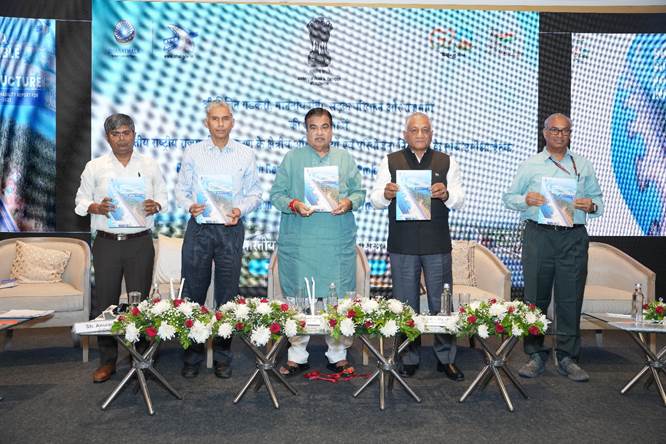
During this event, “G20 Primer on Traditional Medicine” prepared by Ministry of Ayush and Forum on Indian Traditional Medicine (FITM) was unveiled by Shri G. Kishan Reddy, Union Minister of Tourism, Prof. S. P. Singh Baghel, Minister of State, Ministry of Health and Family Welfare and Dr. Bharati Pravin Pawar, Minister of State, Ministry of Health and Family Welfare. This event was attended by Dr. G.P. Prasad, Assistant Director, In-charge, Dr. Santosh Mane, RO of CCRAS and staff of NIIMH, Hyderabad.

The G-20 Primer Booklet on Traditional Medicine provides a comprehensive overview of Ayush systems and its role in global healthcare. This primer aims to highlight the principles, practices, and benefits of the Ayush system, promote its integration into mainstream healthcare, explore its benefits and challenges and encourage collaboration among G-20-member nations.

It can serve as a foundation for G-20 member nations to engage in discussions, share experiences, and develop strategies for integrating Ayush into their healthcare systems. By promoting integration, collaboration, research, and regulation, G-20 countries can leverage the potential of the Ayush system to enhance healthcare outcomes, provide accessible and affordable healthcare solutions, and contribute to global well-being.

The 3rd Health Working Group meeting as part of G20 India Presidency is being held at Hyderabad with focus on the three key priorities of the G20 Health Track. The side events exhibition of the 3rd HWG is highlighting research and innovation in the health sector.

***

Understanding Natural Disasters

  1. What are natural disasters and how are they different from other types of disasters?
  2. What are the main causes of natural disasters?
  3. How do natural disasters impact the environment?
  4. What are some common types of natural disasters and their characteristics?
  5. How do natural disasters affect human populations?
  6. What are some measures that can be taken to mitigate the effects of natural disasters?
  7. How does climate change contribute to the frequency and intensity of natural disasters?
  8. How do natural disasters impact infrastructure and property?
  9. What role does early warning systems play in mitigating the impact of natural disasters?
  10. How do natural disasters affect the economy of a region or country?

  1. What are the social and psychological impacts of natural disasters on affected communities?
  2. How can communities and individuals prepare for natural disasters?
  3. What are the key challenges in responding to and managing natural disasters?
  4. How do natural disasters affect agriculture and food security?
  5. What are the long-term implications of natural disasters on the affected regions?
  6. How can technology be utilized to better understand and predict natural disasters?
  7. What are some examples of successful disaster recovery and reconstruction efforts following natural disasters?
  8. How do natural disasters impact vulnerable populations, such as the elderly, children, and marginalized communities?
  9. How can international cooperation and assistance be coordinated during and after natural disasters?
  10. What are the lessons learned from past natural disasters and how can they inform future disaster management strategies?

Top 10 Train Accidents in India


Train accidents can have devastating consequences, leading to loss of life, injuries, and damage to infrastructure. While I can provide information on notable train accidents in India, it’s important to note that this list may not be exhaustive and may not include the most recent accidents. It’s always advisable to refer to reliable news sources and official reports for the most up-to-date and accurate information. Here are details about ten significant train accidents in India:

Gaisal Train Disaster (1999): On August 2, 1999, the Gaisal Express derailed in Gaisal, Assam, resulting in a collision with an incoming freight train. The accident claimed the lives of 285 people and injured more than 300.

Khanna Rail Accident (1998): On November 26, 1998, near Khanna, Punjab, the Jammu Tawi-Sealdah Express collided with two derailed wagons, causing a massive fire. The accident resulted in the loss of 212 lives and injuries to several others.

Firozabad Train Collision (1995): On August 20, 1995, in Firozabad, Uttar Pradesh, the Purushottam Express collided with a stationary Kalindi Express due to a signal error. The accident caused the deaths of 358 people and injured over 400.

Rafiganj Train Derailment (2002): On September 10, 2002, near Rafiganj, Bihar, the Rajdhani Express derailed after hitting a derailed goods train. The incident resulted in the loss of 130 lives and injured several passengers.

Kanpur Train Derailment (2016): On November 20, 2016, the Indore-Patna Express derailed near Kanpur, Uttar Pradesh. The accident led to the deaths of 150 passengers and injured many others. The exact cause of the derailment was under investigation.

Pukhrayan Train Derailment (2016): On November 20, 2016, near Pukhrayan, Uttar Pradesh, the Indore-Patna Express derailed, resulting in one of the deadliest train accidents in recent times. The accident claimed the lives of 152 passengers and caused injuries to numerous individuals.

Howrah-New Delhi Rajdhani Express Accident (1991): On September 6, 1991, the Howrah-New Delhi Rajdhani Express collided with a derailed freight train near Khanna, Punjab. The accident led to the deaths of 57 people and injured many others.

Awadh-Assam Express Collision (1995): On April 21, 1995, the Awadh-Assam Express collided with the Brahmaputra Mail near Ghaziabad, Uttar Pradesh. The accident resulted in the loss of 57 lives and caused injuries to several passengers.

Midnapore Train Derailment (2010): On May 28, 2010, the Howrah-Kurla Lokmanya Tilak Gyaneshwari Express derailed near Midnapore, West Bengal. The accident was caused by sabotage, resulting in the deaths of 148 passengers and injuries to many others.

Kalka Mail Train Accident (2011): On July 10, 2011, the Howrah-Delhi Kalka Mail derailed near Fatehpur, Uttar Pradesh. The accident led to the loss of 69 lives and injured numerous passengers.


The death toll in the three-train accident at Bahanaga Bazar station in Odisha’s Balasore rose to 288 on Saturday and left over 1,000 injured, with a preliminary probe implying human error in the deadliest railway tragedy in 30 years. Railway minister Ashwini Vaishnaw who reviewed the restoration work at the Balasore triple train collision site on Sunday, said that the accident that claimed the lives of 288 passengers happened due to a change in electronic interlocking. 

It’s important to note that these accidents are tragic events that highlight the need for continuous efforts in improving railway safety, infrastructure maintenance, and implementation of advanced technologies to prevent such incidents in the future.

Strategies for eCommerce Business Management

 by Shashikant Nishant Sharma 

In the digital age, ecommerce has revolutionized the way businesses operate, providing a platform for buying and selling products and services online. However, the management of an ecommerce business requires careful planning, execution, and adaptation to succeed in a highly competitive market. This article discusses key management strategies that can help businesses thrive in the ecommerce landscape.

Customer-Centric Approach: Successful ecommerce businesses prioritize customer satisfaction. Understanding customer needs, preferences, and expectations is crucial for tailoring products, services, and overall user experience. Implementing robust customer relationship management (CRM) systems, gathering customer feedback, and analyzing data can provide insights into customer behavior, enabling businesses to personalize offerings and enhance customer loyalty.
Seamless User Experience: A seamless and user-friendly website or mobile app is vital for ecommerce success. Businesses must invest in responsive design, intuitive navigation, fast page loading times, and secure payment gateways to ensure a smooth shopping experience. Regular usability testing, optimization, and incorporating user feedback help identify and address any usability issues, improving customer satisfaction and conversion rates.
Effective Inventory Management: Efficient inventory management is essential for ecommerce businesses to meet customer demands while minimizing costs. Employing inventory management systems and implementing demand forecasting techniques can help optimize stock levels, avoid stockouts, reduce holding costs, and streamline order fulfillment processes. Real-time inventory tracking ensures accurate product availability information, minimizing the risk of disappointing customers with out-of-stock items.
Streamlined Order Fulfillment: Timely order fulfillment and reliable shipping processes are critical for customer satisfaction. Ecommerce businesses should establish partnerships with reliable logistics providers to ensure prompt delivery and order tracking. Integration between the ecommerce platform and the fulfillment process, along with automated order processing, can improve efficiency and reduce errors. Providing customers with transparent shipping updates and clear return policies further enhances their experience.
Data-Driven Decision Making: Effective management of an ecommerce business relies on leveraging data insights. By utilizing analytics tools, businesses can track key performance indicators (KPIs), analyze sales trends, customer behavior, and website performance. This data-driven approach helps identify areas for improvement, fine-tune marketing strategies, optimize pricing, and enhance overall business operations.
Marketing and Customer Acquisition: To stand out in the competitive ecommerce landscape, businesses must invest in marketing and customer acquisition strategies. Utilizing search engine optimization (SEO) techniques, paid advertising, social media marketing, and content marketing can increase brand visibility, drive traffic to the website, and attract potential customers. Effective use of data analytics and customer segmentation allows businesses to target their marketing efforts, maximizing the return on investment.
Mobile Optimization: As mobile usage continues to rise, optimizing ecommerce websites and applications for mobile devices is crucial. Mobile responsiveness, intuitive navigation, and mobile-friendly payment options ensure a seamless experience for customers accessing the platform through smartphones and tablets. Mobile optimization strategies also include leveraging mobile apps, push notifications, and location-based marketing to engage with customers and enhance their mobile shopping experience.
Cybersecurity and Data Protection: With the increasing risk of cyber threats and data breaches, ecommerce businesses must prioritize cybersecurity and data protection. Implementing robust security measures such as encryption, secure payment gateways, and secure user authentication helps safeguard customer information and build trust. Compliance with data protection regulations, such as the General Data Protection Regulation (GDPR), is essential for ensuring customer privacy.
Continuous Innovation and Adaptation: The ecommerce landscape evolves rapidly, and successful businesses must adapt to changing trends and technologies. Continuous innovation in product offerings, customer experience, and technology implementation is vital to stay competitive. Monitoring market trends, keeping an eye on competitors, and actively seeking customer feedback enables businesses to identify opportunities for improvement and implement necessary changes.

ATL Tinkerpreneur 2023: Atal Innovation Mission calls for registration

 Atal Innovation Mission (AIM), NITI Aayog has opened registration for ‘ATL Tinkerpreneur 2023’- a flagship summer boot camp under AIM’s Atal Tinkering Labs program.

ATL Tinkerpreneur is a 7-week long virtual summer bootcamp in June July which equips students with key digital skills and frameworks to create their own online venture by the end of the bootcamp. The last edition of the bootcamp witnessed 5000+ team innovations, the top 100 of them got internship & funding opportunities from Indian School of Business.

The bootcamp is open to students from all schools (ATLs and non-ATLs). Students will receive certificates, internships, and other attractive opportunities. The last date for registration is 5th June 2023.

Each of the registered teams shall be provided dedicated mentoring support for the whole duration of the bootcamp from NITI Aayog’s Mentors of Change. The bootcamp shall start from 8th June and shall last till 24th July. The students can submit their entries by 6th August.

Each week, there will be dedicated expert sessions for students on digital skills, product development and entrepreneurship skills, and handholding sessions for a more focussed approach.

This year, there will be special podcasts in regional languages, weekly challenges to solve and lots of learning through different sessions.

Unveiling the challenge, Mission Director AIM , Dr Chintan Vaishnav said “This is an exciting moment for all of us as. We have seen some brilliant innovations in previous two editions and we are sure this year too, we will get to see some exciting innovations. For students, ATL Tinkerpreneur is a great platform to traverse the journey from think to implementation”

Students can register themselves here: https://kid-ex.com/champions/atltnkr2023

For detailed brochure, click here: https://kid-ex.com/pdf/ATL_Tinkerpreneur_2023_Brochure.pdf

*****