ROI (Return on Investment) is a financial performance metric used to evaluate the profitability of an investment relative to its cost. It is expressed as a percentage and is calculated by dividing the net profit from an investment by its initial cost and multiplying the result by 100.
ROI can be used to compare the profitability of different investments, and it can also help investors make decisions about where to allocate their resources in order to maximize their returns. However, it is important to note that ROI does not take into account the time value of money or other factors such as risk and opportunity cost, and should be used in conjunction with other financial metrics to make informed investment decisions.
Advantages of using ROI:
Easy to understand: ROI is a simple and straightforward financial metric that is easy to calculate and interpret, making it a popular tool for investors and businesses.
Helps in making investment decisions: ROI can be used to compare the profitability of different investments and help investors make informed decisions about where to allocate their resources.
Encourages efficiency: ROI can help businesses focus on projects or investments that generate the highest returns, which can lead to increased efficiency and profitability.
Measures financial performance: ROI provides a clear picture of a company’s financial performance and can help investors and stakeholders evaluate its success over time.
Disadvantages of using ROI:
Limited in scope: ROI only considers the financial returns of an investment and does not take into account other factors such as risk, time value of money, and opportunity cost.
Ignores non-financial benefits: ROI does not consider non-financial benefits such as improved customer satisfaction or brand reputation, which can be important in certain investments.
Can be manipulated: ROI can be easily manipulated by adjusting the inputs to the calculation, such as the cost of investment or the net profit.
Does not reflect long-term impact: ROI may not reflect the long-term impact of an investment, especially if the returns are not realized immediately.
Overall, ROI is a useful tool for evaluating the financial performance of an investment or project, but it should be used in conjunction with other financial and non-financial metrics to make informed decisions.
Formula for ROI
Numerical Example.
ROI = (Net Profit / Cost of Investment) x 100
For example, if you invested $10,000 in a business and earned a net profit of $12,000, your ROI would be:
ROI = ($12,000 / $10,000) x 100 = 120%
This means that for every dollar you invested, you earned $1.20 in profit. A higher ROI indicates a more profitable investment, while a lower ROI indicates a less profitable investment.
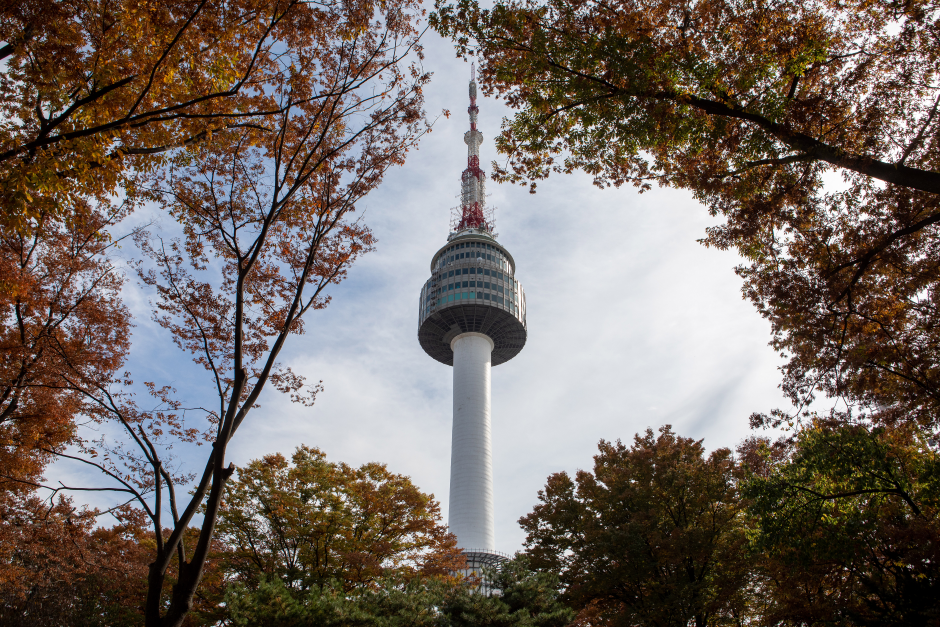
Namsan Tower, also known as N Seoul Tower, is an iconic landmark located in the heart of Seoul, South Korea. The tower is situated on top of Namsan Mountain, offering panoramic views of the city from its observation deck. It is a popular tourist destination, attracting millions of visitors each year.
The tower was first opened to the public in 1980 and has since become one of the most recognizable symbols of Seoul. It was built as part of a government project to promote tourism and develop the city’s infrastructure. The tower stands at a height of 236 meters (774 feet), making it the tallest point in Seoul.
Visitors can reach the tower by hiking up Namsan Mountain or taking the Namsan Cable Car, which offers breathtaking views of the city. The tower features several observation decks, including an indoor observation deck located on the tower’s third floor, and an outdoor observation deck located on the tower’s fourth floor. The outdoor deck offers panoramic views of the city, including popular landmarks such as the Han River and the Gyeongbokgung Palace.
In addition to its observation decks, Namsan Tower is also home to several restaurants and cafes, as well as a gift shop and a digital art gallery. The tower’s restaurants offer a range of cuisine, including Korean, Japanese, and Western dishes, and are popular destinations for romantic dinners and special occasions.
One of the most unique features of Namsan Tower is its “Locks of Love” exhibit. Visitors can purchase padlocks from the gift shop and attach them to the fence surrounding the tower’s outdoor observation deck. The tradition of attaching padlocks to the fence dates back to the early 2000s, and is a symbol of love and commitment between couples. It is now a popular tourist attraction, with thousands of padlocks attached to the fence.
Namsan Tower is also a popular destination for events and celebrations. The tower is lit up in different colors during major holidays and events and hosts a range of cultural performances and festivals throughout the year. In addition, the tower is a popular spot for fireworks displays, particularly during New Year’s Eve celebrations.
Overall, Namsan Tower is a must-visit destination for anyone traveling to Seoul. It offers stunning views of the city, unique cultural experiences, and a romantic atmosphere that makes it a popular destination for couples. Whether you’re looking for a romantic dinner with your significant other, or simply want to take in the breathtaking views of Seoul, Namsan Tower is the perfect place to do so.
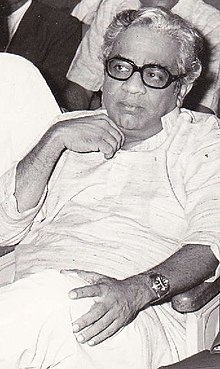
Pu La Deshpande (Purushottam Lakshman Deshpande) was a renowned Marathi writer, humorist, and actor from Maharashtra, India. He was born on 8 November 1919 in Mumbai and passed away on 12 June 2000. He was known for his contributions to Marathi literature, especially his humorous writings and plays.
He started his career as a teacher, but he soon realized that writing was his true calling. He began his writing career as a journalist and later started writing short stories, plays, and novels. His writing style was unique, and his works were infused with humor and satire. He was also known for his mastery of the Marathi language, and his ability to convey complex ideas in a simple and witty manner.
His most famous works include his humorous essays and articles, which were published in various Marathi newspapers and magazines. These essays covered a wide range of topics, from politics to everyday life, and were immensely popular among Marathi readers. Some of his most popular collections of essays include “Batatyachi Chal” (Potato’s Movement), “Vyakti Ani Valli” (People and Relationships), and “Asa Mi Asami” (I am That Name).
Apart from his essays, Deshpande was also a prolific playwright. He wrote several plays, including “Teen Paishacha Tamasha” (The Spectacle of Three Coins), “Pudhcha Paaul” (Next Please), and “To Mee Navhech” (I am not Him). These plays were hugely successful, and are still performed in Marathi theaters today. Deshpande was not only a writer but also an accomplished actor. He acted in several Marathi plays and was also a popular television and film actor. He starred in several Marathi films, including “Gupchup Gupchup” and “Var Dhagala Lagli Kala”. He was also a popular television personality and hosted several TV shows, including “Pu La Deshpandeanchi Mati” (The Soil of Pu La Deshpande).
In addition to his literary and acting career, Deshpande was also a social activist. He was actively involved in various social causes and used his writing and public speaking skills to raise awareness about issues such as education and rural development.
Deshpande received several awards and honors for his contributions to Marathi literature and culture. He was awarded the Padma Bhushan in 1990, and the Sahitya Akademi Award in 1987, for his book “Vyakti Ani Valli”. He was also awarded the Maharashtra Bhushan Award and the Sangeet Natak Akademi Award for his contributions to Marathi literature and theater.
Pu La Deshpande was a beloved figure in Maharashtra, and his contributions to Marathi literature and culture continue to be celebrated today. His unique writing style and sense of humor have influenced generations of Marathi writers and readers, and his legacy remains an important part of Marathi culture.
Jyotirlinga is a term used in Hinduism to refer to twelve holy shrines that are dedicated to the worship of Lord Shiva. The term “jyotirlinga” translates to “lingam of light,” which refers to the radiant energy that is believed to emanate from these shrines. There is a distance of 2383 km between Kedarnath and Rameswaram. But all these temples fall in almost the same parallel line. After all, thousands of years ago, the technology with which these temples had been built in a parallel line is a mystery to this day.In this article, you can read about the 12 Jyotirlingas below:
Somnath Jyotirlinga: Located in the state of Gujarat, Somnath Jyotirlinga is considered to be the first among the twelve jyotirlingas. The temple has been destroyed and rebuilt several times throughout history.
Mallikarjuna Jyotirlinga: Located in the state of Andhra Pradesh, Mallikarjuna Jyotirlinga is situated on Shri Shaila Mountain. The temple is considered to be one of the holiest shrines in South India.
Mahakaleshwar Jyotirlinga: Located in the city of Ujjain in Madhya Pradesh, Mahakaleshwar Jyotirlinga is one of the most famous jyotirlingas in India. The temple is known for its unique architecture and rich history.
Omkareshwar Jyotirlinga: Located in the state of Madhya Pradesh, Omkareshwar Jyotirlinga is situated on an island in the Narmada River. The temple is famous for its unique location and beautiful natural surroundings.
Kedarnath Jyotirlinga: Located in the state of Uttarakhand, Kedarnath Jyotirlinga is situated in the Himalayas. The temple is considered to be one of the holiest shrines in the country and is visited by millions of pilgrims each year.
Bhimashankar Jyotirlinga: Located in the state of Maharashtra, Bhimashankar Jyotirlinga is situated in the Sahyadri Mountains. The temple is known for its beautiful architecture and stunning natural surroundings.
Vishwanath Jyotirlinga: Located in the city of Varanasi in Uttar Pradesh, Vishwanath Jyotirlinga is one of the most famous temples in India. The temple is known for its beautiful architecture and rich history.
Triambakeshwar Jyotirlinga: Located in the state of Maharashtra, Triambakeshwar Jyotirlinga is situated in the Western Ghats. The temple is known for its beautiful architecture and stunning natural surroundings.
Baidyanath Jyotirlinga: Located in the state of Jharkhand, Baidyanath Jyotirlinga is situated in the town of Deoghar. The temple is known for its unique architecture and rich history.
Nageshwar Jyotirlinga: Located in the state of Gujarat, Nageshwar Jyotirlinga is situated on the coast of the Arabian Sea. The temple is known for its beautiful location and rich history.
Rameshwaram Jyotirlinga: Located in the state of Tamil Nadu, Rameshwaram Jyotirlinga is situated on an island in the Gulf of Mannar. The temple is known for its beautiful architecture and stunning natural surroundings.
Grishneshwar Jyotirlinga: Located in the state of Maharashtra, Grishneshwar Jyotirlinga is situated near the famous Ellora Caves. The temple is known for its beautiful architecture and rich history.
Each temple is unique in its own way and has its own rich history associated with it. For example, the Somnath Jyotirlinga is believed to have been built by the moon god, Chandra, to seek forgiveness for the curse he received from his father-in-law, Daksha. The Kedarnath Jyotirlinga is believed to be the place where Lord Shiva appeared in the form of a bull to bless the Pandavas after the Kurukshetra war. Pilgrims from all over India and the world visit these shrines to seek the blessings of Lord Shiva and attain spiritual enlightenment.
The significance of the twelve jyotirlingas is not only limited to their religious importance but also to their historical and cultural value. These temples are considered to be a representation of the rich cultural heritage of India, and are an important part of its history. Visiting these shrines is also believed to be a spiritual journey that can bring about a sense of peace and enlightenment.
The capybara is a large, semi-aquatic rodent native to South America. It is the largest living rodent in the world, with adults typically weighing between 35 and 66 kg (77 and 146 lb). They are herbivorous animals and feed mainly on grasses, aquatic plants, and fruits.
Capybaras are social animals and typically live in groups of 10-20 individuals, though larger groups of up to 100 individuals have been observed. They are excellent swimmers and spend much of their time in and around water. They are also capable of holding their breath for up to five minutes underwater, making them well-adapted to their semi-aquatic lifestyle. They have a distinctive appearance, with a round, barrel-shaped body, short legs, and a short, blunt snout. They have webbed feet that help them navigate through the water and reduce friction when swimming. Their fur is short, dense, and varies in color from reddish-brown to grayish-brown.
In the wild, capybaras are found throughout much of South America, living in a variety of habitats, including forests, savannas, and wetlands. They are preyed upon by a variety of predators, including jaguars, pumas, anacondas, and caimans.
Capybaras are important prey for many species in their ecosystem, and they also play an important role in maintaining the health of their habitats. They are considered keystone species, meaning that their presence or absence can have a significant impact on the biodiversity of their environment. They are also important to humans in several ways. In some areas, they are hunted for their meat, which is considered a delicacy in some parts of South America. They are also sometimes kept as pets, although they require specialized care and can be difficult to keep in captivity.
Capybaras are also important in the field of science, as they are often used as a model organisms in studies of animal behavior, ecology, and physiology. They have been used in studies of thermoregulation, social behavior, and the evolution of mammals, among other topics.
Despite their importance, capybaras face several threats in the wild, including habitat loss and hunting for their meat and fur. In some areas, they are also considered agricultural pests, as they can damage crops and compete with livestock for food.
Efforts are underway to conserve capybara populations and their habitats. In some areas, they are protected by law, and conservation organizations are working to educate people about the importance of these animals and the need to protect them.
Kamakhya Temple is a Hindu temple dedicated to the goddess Kamakhya, located in the city of Guwahati in the northeastern state of Assam, India. It is a significant Hindu pilgrimage site and a cultural icon of Assam. It is not only a place of worship but also a symbol of the rich cultural heritage of the region.
According to Hindu mythology, the temple is the site where the goddess Sati’s womb and genitals fell after her body was dismembered by the god Shiva. The temple is thus considered to be one of the Shakti Peethas or holy sites where the body parts of the goddess Sati fell to earth.
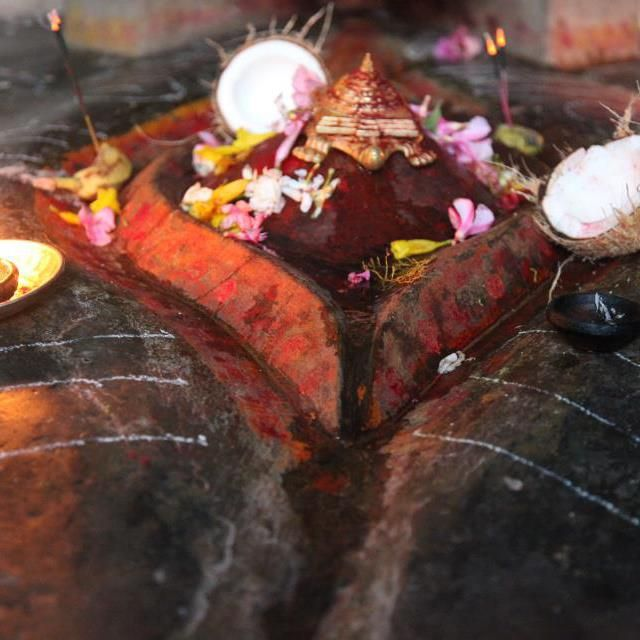
The temple is one of the most important pilgrimage sites for Hindus, especially those who worship the divine feminine. The temple complex consists of several smaller shrines and buildings, but the main temple is a large structure made of stone and brick. The temple has a unique design, with a dome-shaped roof and walls made of red sandstone. The main shrine inside the temple houses a rock formation that is said to represent the goddess Kamakhya. The rock is covered with a red cloth and is surrounded by images of other Hindu deities. The temple also has several smaller shrines dedicated to other deities.
The temple is famous for its annual Ambubachi Mela, a festival held in the month of June or July to celebrate the goddess Kamakhya’s menstruation. During the festival, the temple is closed for three days as it is believed that the goddess is menstruating during this time. Devotees from all over the country come to the temple to offer their prayers and seek the blessings of the goddess.
Apart from its religious significance, Kamakhya Temple is also known for its stunning architecture and beautiful surroundings. The temple is located on a hill and offers a panoramic view of the city of Guwahati and the Brahmaputra River. The temple complex is surrounded by lush green forests and is home to several species of birds and animals.
In recent years, the temple has also become a popular tourist destination, attracting visitors from all over the world. The Assam government has taken several measures to improve the infrastructure around the temple, including building new roads, parking areas, and hotels.
Here is a comparison table of the popular personal loans online along with their processing fees, preclosure charges and interest rate:
BANK/NBFC
Interest Rate(pa)
Loan Amount
Processing Fees
Part Payment
Pre-closure Charges
Locking Period
Tenure
IDFC First Bank
12.00 % to 21%
1 Lakhs to 40 Lakhs
Up to 2.0% of the loan amount
Up to 40% of loan amount every year
5% on your principal outstanding + GST
1 Month
12 to 60 months
HDFC Bank
11.25%- 17.75%
50k to 40Lakhs
Up to 2.50% of the loan amount subject to a minimum of ₹1,999/- & Maximum of ₹25000/-
Up to 25% of Principal Outstanding allowed
13-24 Months – 4% of Principal Outstanding
25-36 Months – 3% of Principal Outstanding
>36 Months – 2% of Principal Outstanding
>48 months – 0%
12 Months
12 to 60 months
ICICI Bank
11.50% – 17.25%
50k to 25 Lakhs
Up to 2.25% per annum of loan amount plus GST
Not available
5% per annum of principal outstanding plus GST
6 months
12 to 60 Months
Bajaj Finserv
12.49% -15.30%
1 Lakh to 20 Lakhs
Up to 2.0% of the loan amount
Normal Loan – Should be more than 1 EMI (2% + applicable taxes on part-payment amount paid) Flexi Loan – Unlimited part payment Allowed (Min. Rs. 100 ) without any charges
4% plus applicable taxes on Loan amount
1 month
12 to 60 Months
Kotak Bank
10.75% -17.99%
1Lakh to 30Lakhs
Up to 2.5% of the loan amount + GST and other applicable statutory levies
–
5% of the outstanding amount + GST on principal outstanding
12 months
12 to 60 Months
TATA Capital
11.25%-18.75%
75K- 25 Lakhs
From ₹999/- Up to 3.00% of the loan amount and applicable Service Tax
Part-payment up to 25% of the principal outstanding (No part-payment charges) More than 25% of the principal outstanding (2.50% part-payment charges on the part-payment exceeding 25% of principal outstanding)
*Maximum of 50% of the principal outstanding permissible
>6 months – 3.5% of principal outstanding
For Loan amount >=7Lacs – NIL Preclosure
BT – 5% of the principal outstanding
6 Months
12 to 72 Months
IndusInd Bank
11.50% -19.0%
1Lakh to 25Lakhs
Up to 3.00% of the loan amount plus tax
–
Salaried: 4% of the principal outstanding after repayment of 12 EMIs.
1 Year
12 to 60 Months
Fullerton
11.99% – 25%
65k to 25Lakhs
Upto 4.5% of the loan amount plus GST
Within 7 months to 17 months – 7%
Within 18 months to 23 months – 5%
Within 24 months to 35 months – 3%
After 36 months – NIL
6 Months
12 to 60 Months
RBL Bank
11.99%- 18.0%
1Lakh to 20Lakhs
1.5% of the loan amount (Non Refundable fee of Rs 7500 Upfront, Rest at the time of disbursal)
NIL
NIL
12 months
12 to 60 Months
Yes Bank
10.99% – 15.99% (BT Special rates – 10.75%)
1Lakh to 25Lakhs
Up to 2.50% of the loan amount subject to a minimum of ₹999/- plus taxes
• 20% Principal Outstanding for 12 – 24 months
• 20% Principle Outstanding for 25 – 36 Months
• 25% Principal Outstanding for 37 – 48 Months
• 25% Principal Outstanding for 49 – 60 Months
1% plus applicable taxes on part payment amount paid
13 – 24 months – 4% of principal outstanding
25 – 36 months – 3% of principal outstanding
37 – 48 months – 2% of principal outstanding
>48 Months – Nil
12 months
12 to 60 Months
*The figures provided in the table are indicative subject to change from time.
Representative Example:
With a representative 10.75% APR based on borrowing ₹ 10 lacs and repaying over 60 months with 60 monthly repayments. Monthly repayments of ₹ 21618.
Types of Personal Loan:
Here are the different types of online personal loan:
Personal Loan for Home Improvement There’s something that can be always done to your home and this is where an instant personal loan can help you fulfill them. From remodelling your kitchen to making your house a perfect mix of comfort and durability, a personal loan for home renovation can be the solution.
Personal Loan for wedding In India, a normal wedding cost ₹25 lakhs on an average! Exhausting all your savings for all the wedding expenses is not an ideal option. This is where you apply online personal loan and cover the expenses. Now, planning a wedding is now easy.
Personal Loan for Travel Apart from home renovation or wedding, you can get personal loan to cover your travel expenses. Since it is convenient and an economic option, it can be an open option. Moreover, it can alternate your uses with your credit card and help you save on interest costs.
Fresh Funding Meeting working capital requirements can be a daunting process and without raising fresh funds, the everyday operations can get affected. A personal loan can be the best alternative option to meet your short-term working capital requirements such as cover accounts payable, wages, etc
Top Up Personal Loan Top up personal loan is a facility provided by financial institutions to customers that allows you to borrow a certain amount of money over your personal loan. The interest rate for a top up loan is slightly higher than the regular personal loan.
Personal Loan Balance Transfer Did you know you can save thousands on your interest costs on a personal loan? Well, that is what a balance transfer can help you with. You can pay off your existing loan with a new loan at a lower-interest rate. Please note there is a charge associated with a personal loan balance transfer. .
Applying for a personal loan involves three simple steps:
Step-1: Fill the eligibility form
In the first step, the customer needs to fill in the eligibility form which includes filling the following details:
Full Name(As per PAN Card)
Email Address
Current Residence Pincode
Employment Type
Current Company Name
Monthly in-hand salary
Mobile Number
Step-2: Select from the multiple offer(s)
You will be given a list of lenders based on the information provided by you in Step-1. The offer could be one or more than one based on your profile. Out of the list, select the lender you wish to go ahead with. Please remember to consider the following points when choosing the lender:
Interest rate offered
Loan amount
Loan Tenure
EMI
Step-3: Apply for the loan
This step is an extended version of Step-1 where you have to give more details on your application. This is where you give a detailed information about your personal details and bank details.
Once you submit your application, our representative will contact you to cross verify the details before sending the application to the respective lender.
Best Personal Loans in India
S. No.
Bank Name
Interest rate (p.a)
Loan Amount
1
Yes Bank
10.99% – 15.99% (BT Special rates – 10.75%)
₹1 lakh – ₹25 lakhs
2
ICICI Bank
11.50% – 17.25%
₹50k – ₹25 lakhs
3
HDFC Bank
11.25% – 17.75%
₹50k – ₹40 lakhs
4
Kotak Bank
10.75% – 17.99%
₹1 lakh – ₹30 lakhs
5
Tata Capital
11.25%- 18.75%
₹75k – ₹25 lakhs
6
IndusInd Bank
11.50% to 19.00%
₹1 lakh – ₹25 lakhs
7
IDFC First Bank
12.00 % to 21%
₹1 lakh – ₹40 lakhs
8
Bajaj Finserv
12.49%-15.30%
₹1 lakh – ₹20 lakhs
9
RBL Bank
11.99% – 18.0%
₹1 Lakh – ₹20 Lakhs
10
Fullerton
11.99% – 25%
₹65K – ₹25 Lakhs
*The figures provided in the table are indicative subject to change from time.
Yes Bank Personal Loan
YES Bank personal loans are personalised, faster and easier.
Particulars
Salaried Individual
Interest Rate
10.99% – 15.99% (BT Special rates – 10.75%)
Loan Tenure
12-60 months
Age
22 to 60 years (at the time of loan maturity)
Processing Fee
Up to 2.50% of the loan amount subject to a minimum of ₹999/- plus taxes
Lock-in period
12 months
Prepayment/ Preclosure charges
13 – 24 months – 4% of principal outstanding
25 – 36 months – 3% of principal outstanding
37 – 48 months – 2% of principal outstanding
>48 Months – Nil
*The figures provided in the table are indicative subject to change from time.
ICICI Personal Loan
ICICI personal loans are flexible, quick and convenient and have competitive interest rates.
Particulars
Salaried Individual
Interest Rate
11.50% to 17.25%
Loan Tenure
12-60 months
Age
23 years to 58 years
Processing Fee
Up to 2.25% per annum of loan amount plus GST
Lock-in period
6 months
Prepayment/ Preclosure charges
5% per annum of the principal outstanding plus GST
*The figures provided in the table are indicative subject to change from time.
HDFC Personal Loan
HDFC bank personal loan is one of the popular products of this bank. The personal loans are easy-to-get, hassle-free and superfast.
Particulars
Salaried Individual
Interest Rate
11.25% – 17.75%
Loan Tenure
12-60 months
Age
21 years – 60 years
Processing Fee
Up to 2.50% of the loan amount subject to a minimum of ₹1,999/- & Maximum of ₹25000/-
Lock-in period
12 months
Prepayment/ Preclosure charges
13-24 Months – 4% of Principal Outstanding
25-36 Months – 3% of Principal Outstanding
>36 Months – 2% of Principal Outstanding
>48 months – 0%
*The figures provided in the table are indicative subject to change from time.
Kotak Bank Personal Loan
Kotak bank personal loans are quite popular in India. It provides personal loans at minimal documentation and flexible EMI’s.
Particulars
Salaried Individual
Interest Rate
10.75% – 17.99%
Loan Tenure
12-60 months
Age
21 years – 58 years
Processing Fee
Up to 2.5% of the loan amount + GST and other applicable statutory levies
Lock-in period
12 months
Prepayment/ Preclosure charges
5% of the outstanding amount + GST on principal outstanding
*The figures provided in the table are indicative subject to change from time.
Bajaj Finserv Personal Loan
The Bajaj personal loans are non-collateral loans with minimal documentation. Moreover, the loans are available at flexible EMI’s ranging from a year to 5 years.
Particulars
Salaried Individual
Interest Rate
12.0% to 21%
Loan Tenure
12-60 months
Age
25 years – 58 years
Processing Fee
Up to 2.0% of the loan amount
Lock-in period
1 month
Prepayment/ Preclosure charges
4% plus applicable taxes on principal outstanding
*The figures provided in the table are indicative subject to change from time.
IDFC First Bank Personal Loan
Particulars
Salaried Individual
Interest Rate
12.49% to 15.30%
Loan Tenure
12-60 months
Age
23 years – 60 years
Processing Fee
Up to 2.0% of the loan amount plus GST
Lock-in period
1 month
Prepayment/ Preclosure charges
4% plus applicable taxes on Loan amount
*The figures provided in the table are indicative subject to change from time.
RBL Personal Loan
Particulars
Salaried Individual
Interest Rate
11.99% to 18.00%
Loan Tenure
12-60 months
Age
25 years – 60 years
Processing Fee
1.5% of the loan amount (Non Refundable fee of Rs 7500 Upfront, Rest at the time of disbursal)
Lock-in period
12 Months
Prepayment/ Preclosure charges
NIL
*The figures provided in the table are indicative subject to change from time.
Tata Capital Personal Loan
Particulars
Salaried Individual
Interest Rate
11.25% to 18.75%
Loan Tenure
12-72 months
Age
25 years – 60 years
Processing Fee
From ₹999/- Up to 3.00% of the loan amount and applicable Service Tax
Lock-in period
6 months
Prepayment/ Preclosure charges
>6 months – 3.5% of principal outstanding For loan amount >= 7lakhs – NIL Preclosure BT – 5% of the principal outstanding
*The figures provided in the table are indicative subject to change from time.
Even if you are yet to identify the property that you intend to purchase, it is a good idea to get a pre-approval on your home loan. This would ensure that when you find an opportunity to buy the right property at the right time, you don’t miss out on a great deal because you are struggling to arrange for your loan disbursement
For pre-approval on your home loan, only two things matter: what the bank thinks of your ability to repay the loan and what the bank thinks of your willingness to repay the loan
Unless you earn a salary in cash, it is fairly straight-forward for a bank to assess ability to pay. Bank statements and Income Tax Returns are usually sufficient for the bank to assess the future income earning potential and hence the ability to repay your loan.
Willingness to repay is normally assessed based on your track record – that is your credit history. Had you taken a loan in the past and were you prompt in your EMI payments? Have you been regularly paying your credit card outstandings on time? Through credit bureaus, banks have access to all these details about you.
Property already identified
A pre-approval on your home loan is always granted on a “subject to” basis. In other words, it is conditional. If you have a pre-approval, to be able to get the loan amount disbursed, you will need to fulfill the conditions. This would only be possible once you identify the property and are able to provide the related property documents.
If you have already identified your property before approaching the bank, the process followed will be a comprehensive approval including checks on your ability to repay, your willingness to repay and the quality of your potential property rights (as established from the relevant property documents).
Ideally, since you are making a property purchase, it is in your interest to consult a lawyer yourself to advice you on the quality of property rights you will own after the transaction.
And when you borrow from a bank, it is also in the bank’s interest to assess the quality of the property rights. For a bank, a home loan is a risk that is secured by property rights as a collateral. Hence, the bank would want to assure itself that the property you wish to purchase has no encumberances. Often, such an assessment would require the bank to seek legal advice. In case your property is in large projects, there is a good chance that the bank has already done this assessment in a past case – and this will save you time.
In case of a fixed rate home loan, the applicable interest rate is constant right through the tenure of the loan. Theoretically, this means that market risks related to rise in interest rates in the future are borne by the lender and your EMI remains constant. But often, there is fine print that allows the lender to raise rates in certain circumstances and you must do your due diligence before signing.
In case of a floating rate home loan, the applicable interest rate fluctuates with market fluctuations and your EMI may rise or fall depending on the prevailing conditions. So you could benefit from fall in market interest rates and get hurt with a rise. In practice, the RBI Monetary Policy Committee meets six times a year and sets the repo rate. If there are changes to this repo rate, commercial banks adjust their retail prime lending rate on which your floating rate home loan is benchmarked. Critics often argue that when RBI increases repo rates, banks are quick to increase their prime lending rates but when RBI reduces the repo rate, banks are slow to pass the benefit to the consumer.
So what is better – fixed rate home loan or floating rate home loan? The optical value of a fixed rate loan is always higher than a floating rate loan because of the interest rate risks that the bank takes. So does this mean that a floating rate loan is always better? The answer is “it depends”. If you believe that inflation in India is currently as high as it potentially can get and over the tenure of your loan is likely to slow down, you can assume that RBI will bring down repo rates in the future. This would mean that a floating rate home loan is likely to enjoy a lower interest rate in future. However, if you are concerned about future inflation, you should not take risks on interest rates and must opt for a fixed rate loan. Also, it is noteworthy that for a small fee, most banks allow a switch from fixed rates to floating rates and vice versa.
Current rates
As of June 2022, RBI repo rate is 4.90%. This follows two recent rate hikes – the first in May 2022 of 0.40% and a second in early June of 0.50%. This has resulted in several banks increasing their benchmark lending rates by close to 0.90%. Depending on one’s credit profile and quality of property documentation, banks would quote a certain “spread” on top of their benchmark rates. Thus, it is possible for you to get a better rate than your neighbour at “Bank A” and for your neighbour to get a better rate than you at “Bank B”. If you have the time to shop for a home loan, you must get quotes from multiple banks. Remember, tenure on your home loan could range from 20 to 30 years. Hence, a supposedly small difference in interest rate could make a difference of lacs in repayment amount.
Repayment of a home loan typically follows a monthly schedule where equal amounts of money need to be paid over the loan tenure. The key here is whether the EMI payment is to be made in advance or in arrears. When EMIs are paid in advance, the loan is often disbursed after netting off the first EMI payment (and also netting off the processing fee if applicable). The advantage is a lower EMI each month thereafter. When EMIs are paid in arrears, nothing other than processing fee is netted off at the time of disbursement and the first repayment typically begins 30 days later.
EMI Calculations
The simplest way to determine EMI is to look up the EMI per lac table that’s applicable to you and then multiply your loan amount (in lacs). For e.g. If the EMI per lac for you works out to ₹645 then the EMI applicable on a ₹40 lac loan will be ₹25,800
Chainlink is a decentralized oracle network that connects smart contracts to real-world data and events. Oracles act as bridges between the blockchain and off-chain data sources, allowing smart contracts to execute based on real-world information. Chainlink uses a network of nodes to aggregate and validate data from various sources, providing secure and reliable data feeds for smart contracts. If you are interested in bitcoin trading, then you can start your Bit Traderjourney and open an account here.
The Role of Oracles in Smart Contracts
Smart contracts are self-executing contracts that automatically execute when certain conditions are met. They are typically used to automate transactions and enforce the terms of an agreement without the need for intermediaries. However, smart contracts are limited by the information they can access on the blockchain. They cannot access data from external sources, such as real-world events or market prices. This is where oracles come in.
Oracles provide smart contracts with access to external data, allowing them to execute based on real-world information. They act as trusted intermediaries between the blockchain and off-chain data sources, ensuring that the data is accurate and reliable.
The Growing Ecosystem of Chainlink Integrations
Chainlink has been rapidly expanding its ecosystem of partnerships and use cases, spanning across blockchain platforms, DeFi applications, traditional enterprises, and the gaming industry.
Blockchain Platforms
Chainlink has partnered with several blockchain platforms, including Ethereum, Polkadot, and Binance Smart Chain. These partnerships have enabled developers to integrate Chainlink oracles into their decentralized applications (dApps), providing secure and reliable data feeds.
DeFi Applications
Decentralized finance (DeFi) has been one of the most popular use cases for Chainlink. Chainlink oracles provide real-time price feeds for DeFi protocols, enabling developers to create more sophisticated financial products. Chainlink has partnered with several DeFi platforms, including Aave, Synthetix, and Compound.
Traditional Enterprises
Chainlink has also been making inroads into traditional enterprises, such as banks and insurance companies. Chainlink oracles provide secure and reliable data feeds for these companies, enabling them to automate their processes and reduce costs. Chainlink has partnered with several traditional enterprises, including SWIFT, Google Cloud, and Hedera Hashgraph.
Gaming Industry
The gaming industry has also been a growing area of focus for Chainlink. Chainlink oracles provide real-time data feeds for gaming applications, enabling developers to create more immersive and engaging experiences. Chainlink has partnered with several gaming companies, including Ubisoft and Nifty Gateway.
Chainlink Partnerships
Chainlink has formed partnerships with a wide range of companies and organizations, ranging from blockchain startups to traditional enterprises.
Use Cases of Chainlink Integrations
Chainlink has been integrated into various use cases, such as:
Decentralized Finance
Chainlink has been instrumental in the growth of DeFi by providing reliable and secure data feeds for price oracles, enabling developers to create new financial products. Some of the notable DeFi protocols that have integrated Chainlink include Aave, Synthetix, and Compound.
Insurance
Chainlink oracles have also been used in the insurance industry to provide real-time data for underwriting, policy management, and claims processing. This has enabled insurers to automate processes, reduce costs, and offer more personalized insurance products. Some of the companies that have integrated Chainlink for insurance include Etherisc and Arbol.
Supply Chain Management
Chainlink has been used in supply chain management to provide transparency and traceability of goods and services, as well as real-time tracking of shipments and deliveries. This has enabled companies to reduce costs, improve efficiency, and increase customer satisfaction. Some of the companies that have integrated Chainlink for supply chain management include IBM and Intel.
Gaming
Chainlink has been used in gaming to provide real-time data feeds for in-game items, such as collectibles, weapons, and skins, as well as to verify the outcome of games and events. This has enabled developers to create more immersive and engaging gaming experiences. Some of the gaming companies that have integrated Chainlink include Ubisoft and Nifty Gateway.
Real Estate
Chainlink has been used in the real estate industry to provide real-time data feeds for property valuations, rental prices, and market trends. This has enabled companies to make more informed decisions about buying, selling, and renting properties. Some of the companies that have integrated Chainlink for real estate include Propy and Realio.
Future of Chainlink Integrations
Chainlink is poised for further growth as more companies and organizations seek to integrate its oracle network into their blockchain applications. As blockchain technology becomes more mainstream, the demand for reliable and secure data feeds will continue to increase, and Chainlink is well-positioned to meet that demand.
Challenges and Limitations
While Chainlink has been successful in expanding its ecosystem of partnerships and use cases, there are still challenges and limitations that need to be addressed. One of the biggest challenges is the complexity of integrating Chainlink into existing systems, which can be time-consuming and costly. Additionally, there is the risk of oracle attacks, where malicious actors try to manipulate the data that is being fed into smart contracts.
Conclusion
Chainlink has been at the forefront of the blockchain revolution, providing reliable and secure data feeds for smart contracts. Its growing ecosystem of partnerships and use cases is a testament to its success in bridging the gap between the blockchain and the real world. As more companies and organizations seek to integrate Chainlink into their applications, we can expect to see even more innovative use cases in the future.
FAQs
What is Chainlink?
Chainlink is a decentralized oracle network that connects smart contracts to real-world data and events.
What are oracles in blockchain?
Oracles are trusted intermediaries that provide smart contracts with access to external data, enabling them to execute based on real-world information.
What are some use cases of Chainlink?
Chainlink has been integrated into various use cases, including decentralized finance, insurance, supply chain management, gaming, and real estate.
What are some challenges of integrating Chainlink?
The complexity of integration and the risk of oracle attacks are some of the challenges of integrating Chainlink.
What is the future of Chainlink?
As blockchain technology becomes more mainstream, the demand for reliable and secure data feeds will continue to increase, and Chainlink is well-positioned to meet that demand. We can expect to see even more innovative use cases and partnerships in the future.
How does Chainlink ensure the security of its oracle network?
Chainlink uses a decentralized network of nodes to aggregate and validate data from various sources, ensuring that the data is accurate and reliable. It also has a robust security framework in place to prevent oracle attacks.
What are some of the benefits of using Chainlink?
Using Chainlink provides developers with access to real-world data and events, enabling them to create more sophisticated and innovative blockchain applications. It also ensures the accuracy and reliability of the data being fed into smart contracts.
Can Chainlink be used outside of blockchain?
Yes, Chainlink can be used in any context where real-world data needs to be integrated into a digital system.
How can I get started with using Chainlink?
Developers can get started with using Chainlink by visiting the Chainlink website and exploring its documentation and tutorials. They can also join the Chainlink community to connect with other developers and stay up-to-date on the latest developments.
Mizoram, located in the northeast region of India, is often called the “land of the hill people.” This beautiful state is home to many indigenous communities and boasts a rich cultural heritage. In recent years, Mizoram has gained a reputation as one of the happiest states in India. Here are some reasons why Mizoram is considered the happiest state in India.
1. Strong Community Bond
One of the main reasons why Mizoram is considered the happiest state in India is because of its strong community bond. People in Mizoram have a deep sense of community and belongingness. They share a common culture, language, and tradition, and they support each other in times of need. The people of Mizoram are known for their hospitality and kindness, which helps to create a positive and happy atmosphere in the state.
2. Low Crime Rate
Mizoram is one of the safest states in India, with a very low crime rate. This is due to the strong community bond and the fact that people in Mizoram take their social responsibilities seriously. They have a strong sense of right and wrong and are committed to maintaining peace and harmony in their communities. This sense of security and safety helps to contribute to the overall happiness of the people in Mizoram.
3. Natural Beauty
Mizoram is blessed with natural beauty in the form of lush forests, hills, and valleys. The state is home to many waterfalls, caves, and lakes, which attract tourists from all over the world. The scenic beauty of Mizoram is truly breathtaking, and it helps to create a sense of peace and contentment among its inhabitants.
4.Education
Mizoram is one of the most literate states in India, with a literacy rate of over 91%. The state government has invested heavily in education, and this has helped to create a highly educated population. Education is seen as a way to improve one’s life and the lives of others, which contributes to a sense of purpose and fulfillment among the people of Mizoram.
5.Strong Economy
Mizoram’s economy has grown steadily in recent years, thanks to the state government’s efforts to promote economic development. The state has a strong agriculture sector, and it is also rich in natural resources like bamboo and timber. The government has also encouraged the development of industries like textiles and handloom, which has created jobs and helped to improve the standard of living of the people in Mizoram.
The people of Mizoram are happy, content, and proud of their state, and they work hard to maintain its unique culture and traditions. If you are looking for a place to visit in India that will make you happy and fulfilled, Mizoram should be at the top of your list.
Erin Brockovich is an American legal clerk and environmental activist who gained fame for her role in the 1996 Hinkley groundwater contamination case. She was born on June 22, 1960, in Lawrence, Kansas, and grew up in a troubled home. She attended Kansas State University but dropped out to work as a management trainee for Kmart.
In 1981, Brockovich moved to California and worked for several years as a clerk in a law firm. In 1991, she was hired as a legal clerk at the law firm Masry & Vititoe, which was representing plaintiffs in a case against Pacific Gas and Electric Company (PG&E). Brockovich was tasked with organizing the documents and evidence for the case, and while doing so, she discovered that PG&E had been contaminating the groundwater in Hinkley, California, with the toxic chemical hexavalent chromium. She convinced her boss, attorney Ed Masry, to investigate the matter further and he eventually filed a lawsuit against PG&E on behalf of the residents of Hinkley.
Brockovich played a pivotal role in the case, gathering evidence, conducting interviews, and connecting with the affected residents. Her efforts helped to secure a $333 million settlement for the plaintiffs, which was the largest settlement ever paid in a direct-action lawsuit in US history. Her story gained national attention and was the subject of the 2000 biographical film “Erin Brockovich,” in which she was portrayed by Julia Roberts. The film was a critical and commercial success and won several awards, including the Academy Award for Best Actress for Roberts.
Following the success of the Hinkley case, Brockovich continued to work as an environmental activist, advocating for the rights of communities affected by toxic pollution. She founded the Brockovich Research and Consulting firm, which provides consulting services for environmental, legal, and consumer issues.
Brockovich has also been involved in several high-profile environmental cases, including the 2010 BP oil spill in the Gulf of Mexico and the 2014 chemical spill in West Virginia. She has written two books, “Take It From Me: Life’s A Struggle But You Can Win” and “Superman’s Not Coming: Our National Water Crisis And What We The People Can Do About It.”
Her work has been recognized with numerous awards and honors, including the Consumer Advocate of the Year award from the Consumer Attorneys of California and the Environmentalist of the Year award from Earth Day Network. She is widely regarded as a champion of environmental justice and a symbol of empowerment for those fighting against corporate negligence and environmental injustice.
Monarchy may have been abolished from the country in 1971. Even after nearly five decades, a few Indian royal families continue to live a life of legacy and luxury. Unfortunately, most of us are either keeping up with Prince Harry and his bride Meghan Markle or binge-watching dramas focused on Queen Elizabeth II of England. However, few of us are as familiar with Indian monarchy. But don’t worry, we’re here to assist. Here’s a rundown of various royal families. Each has one person who is reportedly the “king” at the helm. However, because they no longer have kingdoms to manage, this is all they’re doing now.
1. The Mewar Dynasty
The Mewar Dynasty, probably India’s most prolific royal family, has produced renowned monarchs such as Maharana Pratap. His descendants now reside in Udaipur. His Royal Highness Arvind Singh Mewar is the head of this dynasty. He is the House of Mewar’s 76th custodian. Arvind Singh is a tremendously wealthy businessman in addition to being a titular king. He is the CEO of the HRH Group of properties, which operates over ten properties.
He and his wife, Maharani Vijayaraj, live in the Udaipur city palace, a section of which is available to the public for viewing and exploration. Along with that, he has leased several properties that still belong to the royal family, such the Lake Palace and the Fateh Prakash Palace, to the Taj Group of Hotels. He is regarded as one of the wealthiest brains in the tourism and travel sector. He also runs the city’s vintage automobile museum and looks after his father’s crystal collection.
2. The Wadiyar Dynasty
The Kingdom of Mysore was controlled by the Wadiyar Dynasty in the past. They may trace their ancestors back to Lord Krishna’s Yaduvanshi clan. Queen Alamelamma of Vijaynagar cursed the Wadiyar family for taking the crown in 1612. She claimed right before she leaped to her death that Mysore rulers would never have children. This curse appears to have remained in effect for the last 400 years, despite the fact that later members of the dynasty created a statue of the Queen and worshipped it on a regular basis.
Yaduveer Krishnadutta Chamaraj Wadiyar, 27, is the current leader of the family. He was not, however, the immediate successor. Srikantadatta Wadiyar, his uncle, died childless in 2013 and left no heir.And hence, his wife, the Rajmata adopted Yaduveer as their son and turned him into king. With Mysore as the top silk producer in the company, the family’s brand, Royal Silk of Mysore started by Srikantadatta has remained a major success. The new king, however, holds a degree in English Literature and economics. He tied the knot to the Princess of Dungarpur, Trishika Kumari Singh, in 2016.
3. The Royal Family of Jaipur
Members of the royal family of Jaipur have slowly but surely now attained celebrity status. His Highness Bhawani Singh was the last titular head of Jaipur. However, due to not having any sons, in his old age, Bhawani Singh adopted his daughter, Diya Kumari’s son, Padmanabh Singh. In 2011, Padmanabh became the Maharaja of Jaipur. He is a national-level polo player and is working to bring more awareness to the sport today.
Not only has the royal family given out the Rambagh Palace to Taj Hotels to run, the young king himself partnered with AirBnB recently. Under this new company, he has set up a suite at the Jaipur City Palace on the travel website where travellers may come, stay, and experience the royal lifestyle. All the proceeds from this would go to the Princess Diya Kumari foundation. Moreover, the young King is an avid traveller and has appeared on magazine covers, across the world.
4. The Royal Family of Alsisar
Another royal dynasty from Rajasthan is the Alsisar family, who once ruled over the kingdom of Khetri. The family now possesses opulent havelis in both Jaipur and Ranthambore. HH Abhimanyu Singh is the present ruler. Abhimanyu Singh is recognised for co-sponsoring the yearly EDM event, Magnetic Fields, in addition to maintaining various hotels on their grounds. As a result, Singh has earned the title “Party Prince of India” in popular culture.
5. The Royal Family of Jodhpur
Jodhpur was once governed by the Rathore dynasty. It is home to the Mehrangarh Fort and the Umaid Bhawan Palace, which are both among the world’s largest forts and private houses. Maharaja Gaj Singh now resides at the Umaid Bhawan Palace with his wife, two children, and their spouses.
A portion of the Palace is available to tourists, while the remainder is administered by the Taj Group of Hotels, which works in collaboration with the family. Maharaja Gaj Singh not only served in the Rajya Sabha, but he was also the Indian High Commissioner to Trinidad and Tobago a few years ago.
6. The Gaekwads of Baroda
Since the early 18th century, the Gaekwads, who originated in Pune, have maintained control in Baroda (now Vadodara). Samarjitsinh Gaekwad, 52, is the current leader of the royal family of Baroda. He inherited property worth over Rs 20,000 crores when he got to the throne. The 2,000 acres of premium real estate, 600 acres of land, and the 187-room Laxmi Vilas Palace are all included. As if that wasn’t enough, Samarjitsinh also received many paintings by Raja Ravi Varma, as well as numerous valuables like as gold, silver, and royal jewels. He also oversees 17 temple trusts in Gujarat and Banaras. In addition, he built an own 10-hole golf course in the palace.
Samarjitsinh is a top-tier cricketer who has represented his state in the Ranji Trophy. He dabbled in politics but has been inactive since 2017. One little-known detail about the Gaekwads of Baroda is that they are the maiden family of Jaipur’s famous Maharani Gayatri Devi.
7. Bourbons of India
Did you know that an Indian royal dynasty claims to be the heirs to the now-defunct monarchy of the Kingdom of France? Meet the Indian Bourbons, who live in Bhopal. Balthazar Napoleon IV de Bourbon, a lawyer with three children, is at the helm. This family claims to be a true descendant of the House of Bourbon, descending from Jean Philippe de Bourbon, an exiled French aristocrat who served in the court of Mughal Emperor Akbar. In his book, Prince Michael of Greece and Denmark claims that Jean de Bourbon was a nephew of Henry IV, the first Bourbon French monarch.
8. The House of Bhonsales
If you reside in Maharashtra, you are well aware with Shivaji Maharaj and the Chhatrapatis. However, few people are aware that the great Swarajya King’s descendants have now been dispersed among many districts in the state, including Kolhapur, Satara, Nagpur, Mudhol, Savantwadi, and Tanjore. Several significant family heads are dispersed across these areas. Satara’s Udayanraje is claimed to be the 13th Chhatrapati title bearer. He is a well-known politician and a member of the Bhartiya Janata Party (BJP). He recently reported assets totaling Rs 170 crore, which included five automobiles and numerous pieces of jewellery.
9. Nawab of Pataudi
A list of royals would be incomplete without include Bollywood’s very own Pataudi clan. Back in the day, the Nawabs governed the kingdom of Pataudi, with Mansoor Ali Khan Pataudi serving as the final titular ruler. His Royal Highness, in addition to being a Nawab, was a former captain of the Indian Cricket Team. He married actress Sharmila Tagore and had three children with her. Saif Ali Khan, a Bollywood actor, is now the Nawab of Pataudi. Saif Ali Khan also owns the Pataudi Palace, which is valued at Rs 800 crore. In addition, according to Forbes, Saif earned Rs 66 crore in the previous year.











You must be logged in to post a comment.