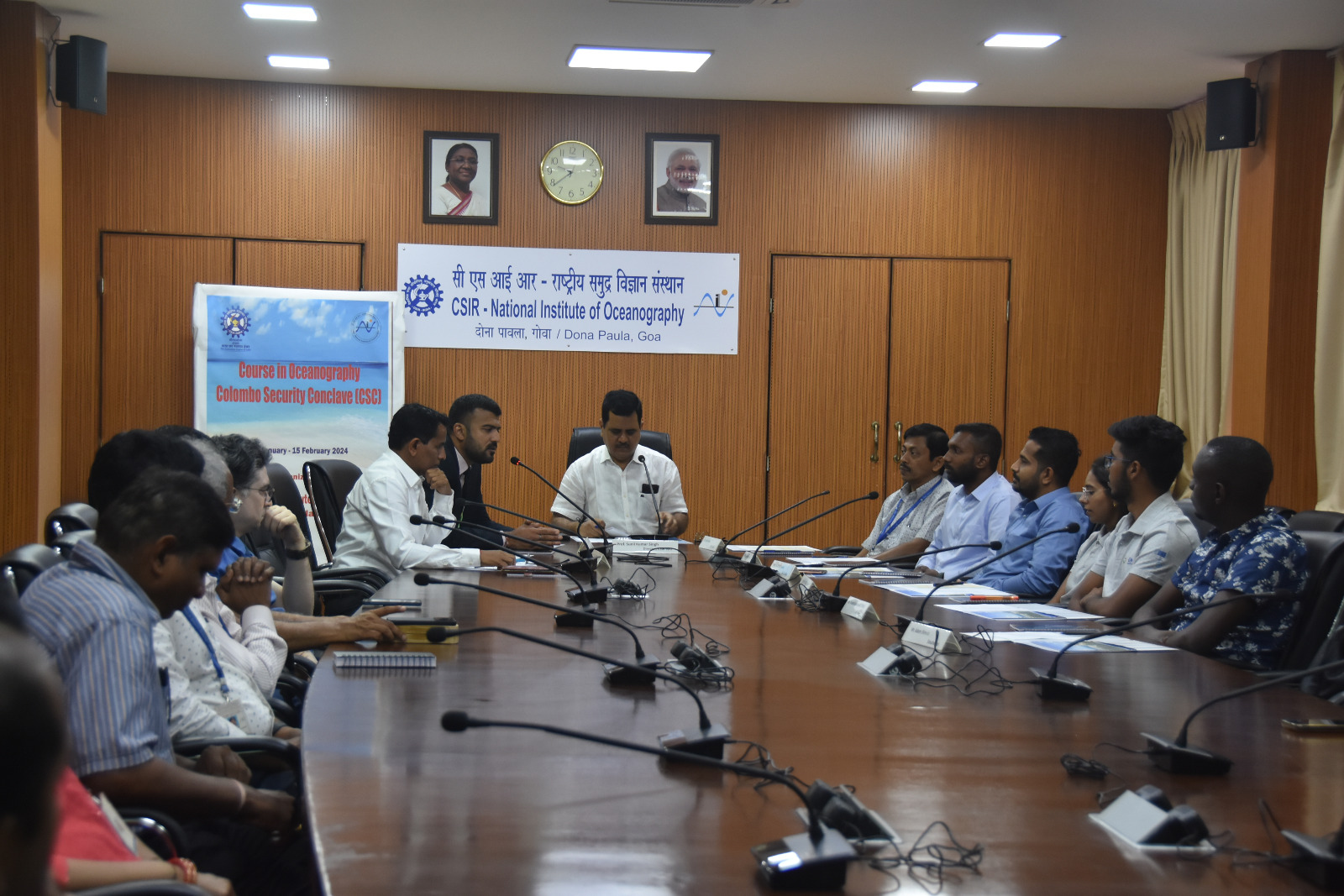
CSIR – National Institute of Oceanography (NIO) Initiates Month-long Oceanographic Certificate Course for Colombo Security Conclave (CSC) Member Countries

 In a significant step towards fostering collaboration and capacity building in the field of Oceanography, CSIR – National Institute of Oceanography (NIO) has commenced a month-long certificate course for the member countries of the Colombo Security Conclave (CSC). The inaugural session of this pioneering initiative took place on January 15, 2024.

This educational endeavor is a direct outcome of the maiden CSC Oceanographers and Hydrographers conference, which transpired in Goa and Hyderabad in November 2022. Following this conference, scientists from CSC nations jointly conducted two expeditions in the Indian Ocean Region from June to September 2023. Another joint expedition in the Antarctic, launched in December 2023, is currently underway.

During the inaugural address, Prof. Sunil Kumar Singh, Director of CSIR-NIO, emphasized the crucial role of littoral nations in comprehending the complexities of the Indian Ocean Region. The month-long certificate course is being coordinated by Dr Manguesh Uttam Gauns, Senior Principal Scientist & Head, Biological Oceanography Division.

Participants in the course will delve into various facets of Oceanography, addressing the profound impacts of climate change on the Indian Ocean and around the world. The program includes interactive discussions, the exchange of best practices, and hands-on project work to enhance practical knowledge.

The course is anticipated to facilitate a rich exchange of ideas and contribute to the growing body of knowledge in Oceanography. The engagement aims to enhance the capabilities of the participating nations in addressing environmental challenges, fostering sustainable practices, and promoting scientific cooperation.

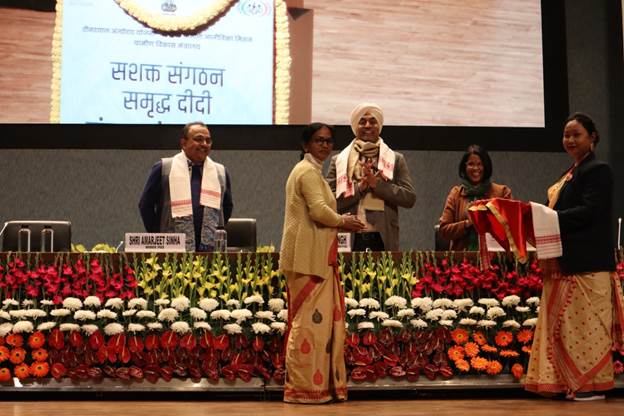
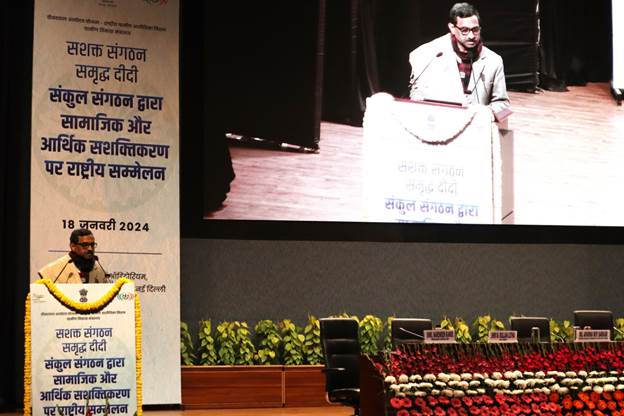
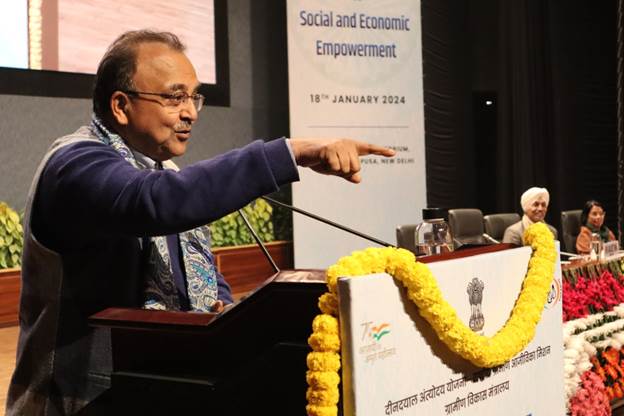
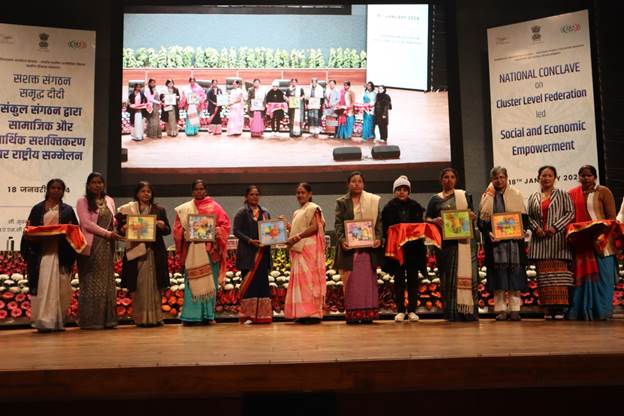
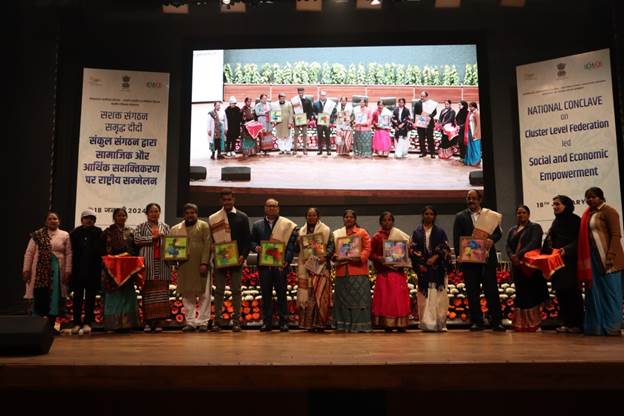
DAY-NRLM organised National Conclave on Cluster Level Federation (CLF) led Social and Economic Empowerment

 Secretary, Ministry of Rural Development Shri Shailesh Kumar Singh has emphasised on the whole of government and whole-of-society approach and stressed on the need for the CLF to extend its focus beyond the farm sector. Shri Singh highlighted the importance of diversifying livelihood sources, specifically emphasizing secondary and tertiary avenues. Shri Shailesh Kumar Singh was addressing a National Conclave on Cluster Level Federation (CLF) led Social and Economic Empowerment, which was organised by Deendayal Antyodaya Yojana – National Rural Livelihood Mission (DAY-NRLM) with the support of its partner organisations, PRADAN and TRIF.

The conclave was held to reflect on the collective power of Cluster Level Federations (CLFs) promoted under DAY NRLM and its members in reshaping the socio-economic landscape.


Guest speaker, Secretary, Ministry of Steel, Shri. N N Sinha shared insightful perspectives and emphasized the significance of “Lakhpati Didi” as a crucial starting point for the journey towards livelihood intensification. However, he stressed that this concept should evolve beyond being merely a Lakhpati Didi, aiming for broader and sustained impacts.


During a significant segment titled “Enabling CLF as Sustainable Institutions,” Shri Amarjeet Sinha, Chairman, Public Enterprises Selection Board (PESB), spoke of the significance of CLF-led economic development while urging participants to embrace a broader perspective. He emphasized the need to envision the big picture, advocating for a comprehensive approach guided by an overarching vision.

Additional Secretary (MoRD) Shri Charanjit Singh spoke on the broad objective and DAY-NRLM’s perspective on CLF-led socio-economic empowerment. Emphasizing the significance of PRI-CBO (Panchayati Raj Institution-Community Based Organization), he underscored the need for collaborative efforts between these entities.

Conversations during the course of the conclave delved into governance aspects, leadership, decision-making, audits, and compliance. The conclave also focused on addressing multi-dimensional poverty and fostering synergy among individual entrepreneurs, producer collectives, and stakeholders involved in the production-marketing cycle in its various focussed sessions.

Panel discussions were also held on themes like strengthening governance of CLFs; contextualized planning, building backward and forward Linkages; and role of CLFs in addressing multi-dimensional aspects of poverty; bringing synergy among Producer Collectives and Cluster Level Federations. The community leaders from CLFs across the country shared their experiences during different sessions.

******

NCGG’s 2nd Internship Programme in 2024 successfully completed, research papers of 8 interns accepted for publication

 The 2nd batch of NCGG Internship Programme 2024 was successfully completed at the National Centre for Good Governance (NCGG), New Delhi on January 17th 2024. The NCGG Internship Programme is a short-term engagement of ‘selected students’ intends to provide exposure to the public policy and governance related issues to students for mutual benefit. The second batch of the NCGG Internship Programme received more than 300 applications, of whom 8 interns were chosen based on exceptional academic achievements and dedicated commitment to their respective domains. In two internship programs in 2024, 24 Interns have successfully submitted their research papers on diverse subjects of public policy.

The inaugural session was addressed by Shri V. Srinivas, IAS, Secretary, Department of Administrative Reforms & Public Grievances, and Department of Pension and Pensioners’ Welfare, Government of India, and the Director General of NCGG and Dr. Gazala Hasan Assistant Professor and Course Coordinator firmed up the research subjects. The 8 interns engaged with subject matter experts – Dr. Naveen Sirohi, Associate Professor at the Indian Institute of Corporate Affairs, Dr. Kusum Lata, Associate Professor at the Indian Institute of Public Administration, Dr. Shyamli Singh, an Assistant Professor at the Indian Institute of Public Administration, Shri Apruv Kumar Mishra, Consultant at the Economic Advisory Council to the Prime Minister, Dr. Malvika Upadhya, Post-Doctoral Fellow at the Institute of Eminence, University of Delhi, and Dr. Neha Aneja, Assistant Professor at the Faculty of Law, University of Law, Delhi University.

The 8 interns thereafter undertook the responsibility of choosing a specific domain for their internship, aligning their selections with their educational backgrounds. Weekly review meetings on Saturday were held with the 8 interns at the level of Director General and progress closely monitored. Throughout the 3-month-long Internship Programme (October’23 to January’24), mentorship to the Interns was provided by Dr. Kusum Lata, Associate Professor, IIPA, Dr. Shyamli Singh, Assistant Professor, IIPA, Dr. Josyula Srinivas, Associate Professor of Practice, Indian Institute of Management, Visakhapatnam, Shri Apurv Mishra, Consultant, Economic Advisory Council to the Prime Minister, and Dr. Neha Aneja, Assistant Professor, Faculty of Law, University of Delhi.

The 8 interns submitted their research papers on 17 January 2024

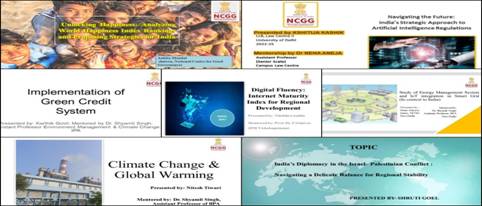
  • Ms. Ankita Mondal paper on ‘Unlocking Happiness: Analyzing World Happiness Index Rankings and Proposing Strategies for India.’
  • Mr. Nilabhra Auddy paper on ‘Digital Fluency – Internet Maturity Index for Regional Development,’ 
  • Mr. Karthik Govil paper on  ‘Implementation of Green Credit Systems.’
  • Ms. Gauri Sakaria paper on ‘Study of Energy Management System and IoT Integration in Smart Grid (In context to India)
  • Ms. Kshitija Kashik paper  on ‘Navigating the Future: India’s Strategic Approach to Artificial Intelligence Regulations,’
  •  Mr. Nitesh Tiwari paper on ‘Climate Change & Global Warming: Paris Agreement.’
  • Ms. Shruti Goel paper on ‘India’s Diplomacy in the Israel – Palestinian Conflict: Navigating a Delicate Balance for Regional Stability.’

These impactful papers will be compiled into a compendium, accessible to the public through publication on the NCGG’s website.


***

Central Geological Programming Board (CGPB)

 The 63rd Central Geological Programming Board (CGPB) meeting organized by Geological Survey of India (GSI), Ministry of Mines will be held on 22nd January 2024 in Bhopal, Madhya Pradesh.

The meeting will be held under the Chairmanship of Shri V.L. Kantha Rao, Secretary, Govt. of India, Ministry of Mines. It will be attended by Shri Sanjay Lohiya, Additional Secretary, Ministry of Mines, Shri Janardan Prasad, Director General, GSI and other senior functionaries of different Ministries, State Directorates of Mining & Geology, PSUs, representatives from private mining industry, Mining associations and other stakeholders.

On this occasion, GSI will hand over the Report on Geological & Geotechnical investigation of Joshimath Township, Chamoli District, to Uttarakhand Govt. The Mineral Map of the newly carved out UT of Ladakh will also be released on this occasion along with other significant publication of GSI.

Review of Follow-up Action on the Agenda items of 62nd CGPB Meeting as well as the new agenda items proposed by the stake holders will be discussed amongst the members of the Board. Subsequently, the Field Season Proposals of GSI for the year 2024-25 will be placed before the Board for discussion.

GSI has formulated about 1055 scientific programs for the year 2024-25, which includes 392 Mineral Development projects (G2;G3;G4; and Offshore Explorations) that has the potential to generate auctionable mineral blocks in near future. Other 133 projects with mineral bias or Mineral Discovery Projects (RMT; Research Project; C-MAP;GT; MPA; Multispectral/Hyperspectral projects) having potential for generating promising areas for future exploration in G4 stage will be taken up. Within the exploration activity, the major thrust has been given on the exploration of strategic & critical and fertilizer minerals. A total of 188 projects on these strategically important mineral commodities like REE, RM, Graphite, Lithium, Vanadium and PGE etc. have been proposed for the year 2024-25, which is almost a jump of 50% from previous year’s target.

Also 111 projects under Natural Hazard Studies/Public Good Geoscience have been taken having societal benefits. Among these, 25 programmes are being taken up on State request/Disaster Management Authorities which includes programme mostly covering the Natural Hazards and 43 programmes are in collaboration with universities / agencies / under sponsorship of different authorities like IITs, NGRI, DRDO, NRSC-ISRO, University of Hyderabad, ASI, CGWB Ministry of Jal Shakti, SJVNL, NWDA, Indian Railways, BRO and State Irrigation Departments etc.

In the post lunch session of the meeting, a two-hour session has been earmarked on the recently launched National Geoscience Data Repository portal, to brief stakeholders about this cloud-based portal, that will host all pre-competitive baseline geological data and mineral exploration data as a single point of truth, making it available to all participants in the mineral and mining sectors. An exhibition showcasing the activities of GSI will also be held during the meeting.

About CGPB

The Central Geological Programming Board (CGPB) is an important platform of the Geological Survey of India (GSI), Ministry of Mines wherein the Annual Field Season Program (FSP) of GSI is placed for discussion and to avoid duplication of work.  The members of CGPB and other stakeholders like State Governments, Central/ State Government Mineral Exploration Agencies, PSUs and Private Entrepreneurs place their requests for collaborative work with GSI. Based on the priorities set by the Government of India and the importance and urgency of proposals presented by the members and stakeholders, the Annual Programme of GSI for survey & mapping, exploration, Research and Development, multidisciplinary catering to societal projects and training & capacity building programmes during the forthcoming financial year is given a final shape after due discussion and deliberations held at the topmost level at CGPB meeting, chaired by the Secretary, Ministry of Mines, Government of India.

The Ministry of Mines, Government of India, vide notification dated 18th August 2023, had revamped/ reconstituted the CGPB Committee into 12 theme-based groups. The main objective of this reconstitution is to enable the States and other Stakeholders to accrue benefit from wider participation and interaction with GSI to further their activities and avoid duplication. It was felt that it would provide a forum for better coordination between Central and State level stakeholders by encouraging the regular functioning of State Geological Programming Boards (SGPB), set up by the State Governments. It was decided that the 12 Committees for the various sub-sectors would comprise members and invitees from the concerned States and Agencies engaged in activities in the field relevant to that particular sector and present their recommendations to the CGPB.

About Geological Survey of India

The Geological Survey of India (GSI) was set up in 1851 primarily to find coal deposits for the Railways. Over the years, GSI has not only grown into a repository of geo-science information required in various fields in the country but has also attained the status of a geo-scientific organisation of international repute. Its main functions relate to creating and updating of national geoscientific information and mineral resource assessment. These objectives are achieved through ground surveys, air-borne and marine surveys, mineral prospecting and investigations, multi-disciplinary geoscientific, geo-technical, geo-environmental and natural hazards studies, glaciology, seismo-tectonic study and carrying out fundamental research.

GSI’s chief role includes providing objective, impartial and up-to-date geological expertise and geoscientific information of all kinds, with a focus on policy making decisions, commercial and socio-economic needs. GSI also emphasizes on systematic documentation of all geological processes both surface and subsurface, of India and its offshore areas. The organization carries out this work through geological, geophysical, & geochemical surveys using the latest does so by using the latest and most cost-effective techniques and methodologies.

GSI’s core competence in survey and mapping is continuously enhanced through accretion, management, coordination and utilization of spatial databases (including those acquired through remote sensing). It functions as a ‘Repository’ for the purpose and uses the latest computer-based technologies for dissemination of geoscientific information and spatial data, through cooperation and collaboration with other stakeholders in the Geo-informatics sector.

GSI, headquartered in Kolkata, has six regional offices located in Lucknow, Jaipur, Nagpur, Hyderabad, Shillong and Kolkata and state unit offices in almost all states of the country. GSI is an attached office to the Ministry of Mines.


Viksit Bharat Sankalp Yatra

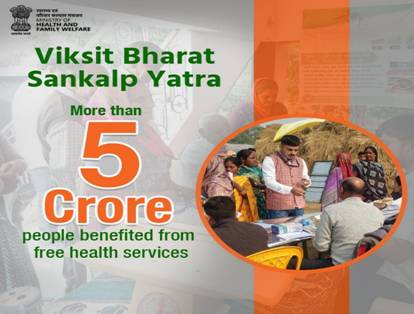
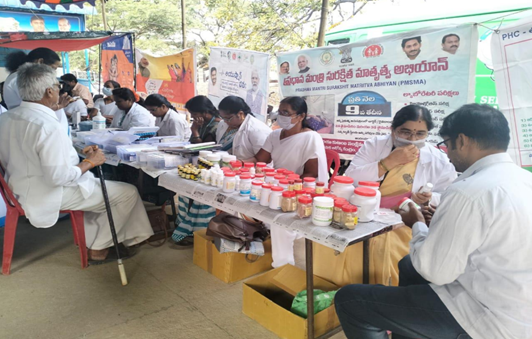
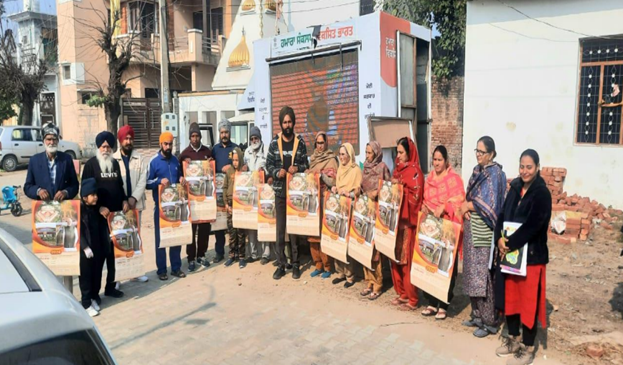
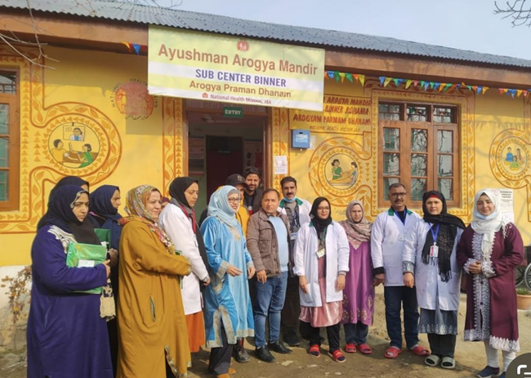
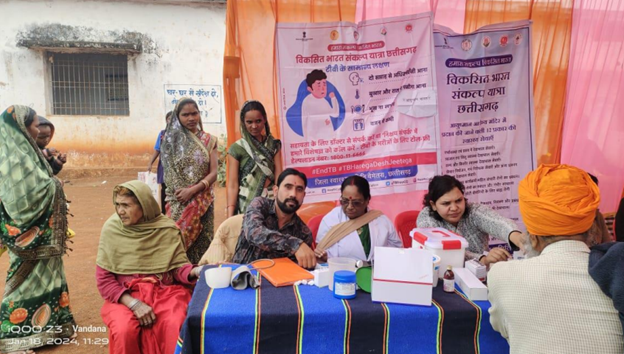
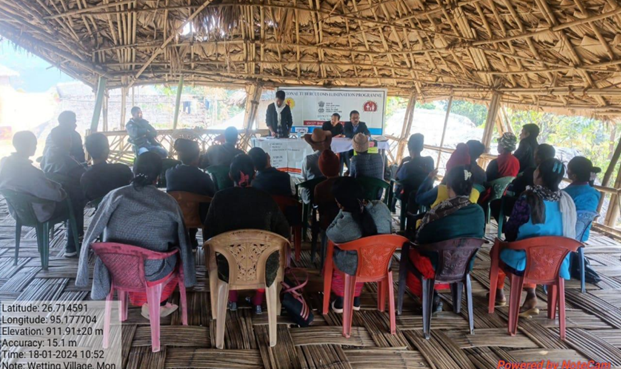
 Under the ongoing Viksit Bharat Sankalp Yatra, the cumulative footfall has reached 5,19,35,933 in 1,99,199 Health camps conducted in Gram Panchayats and Urban Local Bodies, till date.

The following activities are being carried out in the Health Camps:

Ayushman Bharat – Pradhan Mantri Jan Arogya Yojana (AB-PMJAY): Under the flagship scheme of MoHFW for the Viksit Bharat Sankalp Yatra, Ayushman cards are being created using the Ayushman app and physical cards are being distributed to the beneficiaries. Till date, 48,96,774 physical cards have been distributed.

A total of 4,51,492 Ayushman cards have been created at the health camps held yesterday. Cumulatively, 2,61,11,405 cards have been created, till date.

Tuberculosis (TB): Screening of patients for TB is carried out by screening for symptoms, sputum testing, and using NAAT machines wherever available. Case suspected to have TB are referred to higher facilities. By the end of Day 65, more than 2,62,05,700 people have been screened out of which more than 9,93,800 were referred to higher Public Health Facilities.

Under Pradhan Mantri TB Mukt Bharat Abhiyan (PMTBMA), consent is being taken for patients suffering from TB for receiving assistance from Nikshay Mitras. Attendees willing to be Nikshay Mitras are also being provided on-spot registration. More than 3,62,700 patients have given consent under PMTBMBA and more than 99,100 new Nikshay Mitras were registered.

Under Nikshay Poshan Yojana (NPY), monetary assistance is provided to TB patients through Direct benefit Transfer. For this purpose, details of bank account of the pending beneficiaries are being collected and accounts are being Aadhaar seeded. Details of 69,300 such beneficiaries have been collected.

Sickle Cell Disease: In areas with predominant tribal population, screening of eligible population (up to 40 years of age) is being done for the detection of Sickle Cell Disease (SCD) through the Point of Care (PoC) tests for SCD or through Solubility Test. Cases testing positive are being referred to higher centers for management. More than 31,34,600 people have been screened so far, out of which 60,900 were found to be positive and referred to higher public health facilities.

Non-Communicable Diseases (NCDs): Screening of eligible population (30 years and above) is being done for Hypertension and Diabetes and cases suspected to be positive are being referred to higher centers. Around 4,25,76,600 people have been screened for Hypertension and Diabetes. More than 16,44,900 people were suspected to be positive for Hypertension and more than 11,74,700 were suspected to have Diabetes and more than 25,50,700 people were referred to higher public health facilities.

Annamaya, Andhra Pradesh


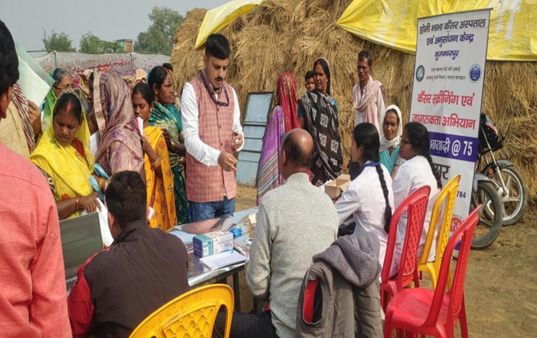
Buxar, Bihar


Hoshiarpur, Punjab


Baramulla, Jammu & Kashmir


Bemetara, Chhattisgarh


Noklak, Nagaland

Background:

The Viksit Bharat Sankalp Yatra was launched by the Hon’ble Prime Minister on November 15 from Khunti, Jharkhand to saturate the benefits of central government schemes across the nation. As a part of on-spot services under the Viksit Bharat Sankalp Yatra, Health Camps are being organized at the places of halt of the IEC Van in the Gram Panchayats.

****

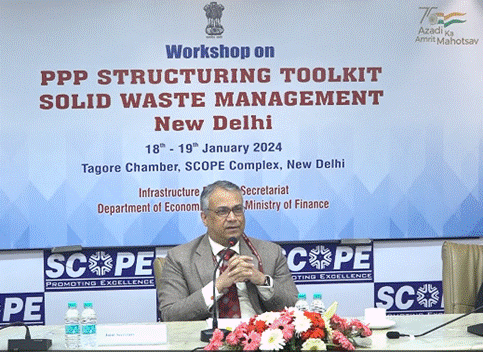
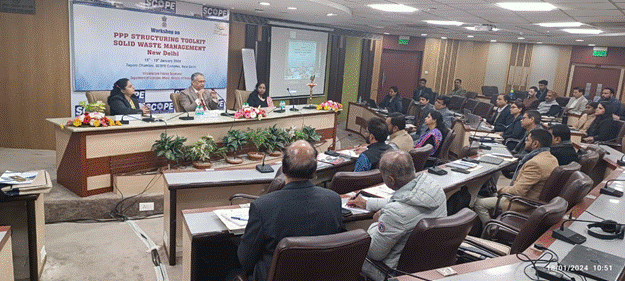
Workshop on ‘Public Private Partnership (PPP) Structuring Toolkit – Solid Waste Management (SWM)’

 The two-day workshop organised in hybrid mode by the Infrastructure Finance Secretariat (IFS) in the Department of Economic Affairs (DEA), Ministry of Finance (MoF), concluded in New Delhi, today. The workshop was organised to sensitise Project Sponsoring Authorities (PSAs) on how to use PPP structuring toolkit for PPP projects in Solid Waste Management (SWM) Sector. SWM is one of the prominent sector where PPPs are happening. The workshop was attended by more than 80 participants from Central Government and State/UT Governments.


‘PPP Structuring Toolkit’ is one among the initiatives that IFS has taken to support the Project Sponsoring Authorities (PSAs) to develop their projects with objectivity and to boost private sector investment in the country.

This workshop, which is the second in a series catering to Solid Waste Management Sector, was inaugurated by Shri Baldeo Purushartha, Joint Secretary, Infrastructure Support & Development (ISD) Division, DEA, MoF. He highlighted the importance of infrastructure and the need for creating a shelf of viable infrastructure projects to take India on a higher growth trajectory. The workshop provided an overview of the toolkit and a demonstration of tools developed for Solid Waste management sector. Shri Purushartha further encouraged the participants to develop few projects in PPP in solid waste management sector.


Ms. Preeti Jain, Director, DEA, highlighted how infrastructure development contributes to GDP growth and also stressed the necessity of appropriately structuring PPP projects due to their inherent complexities.

The workshop familiarised participants with the toolkit’s overview and objectives through the case studies for practical understanding, detailing its five integral tools:-

  • Suitability Filter
  • Family Indicator Tool
  • Mode Validation Tool
  • Financial Viability Indicator, and
  • Value for Money Indicator tool


IFS also showcased the ‘Contingent Liability Toolkit’, which gives a hands-on approach to the PSAs for estimating probable pay-outs of the PSA due to occurrence of various contingencies.

The workshop saw enthusiastic participation from officials representing Central Ministries/Departments, various State/UT Governments especially from Urban Local Bodies.

More details on the PPP Structuring Toolkits are available on:

https://www.pppinindia.gov.in/ppp_structuring_toolkit


****

Coal Sector's Stride into Energy Efficiency; Steps towards Carbon Neutrality

 India is committed to reduce Emissions Intensity of its GDP by 45 per cent by 2030 as per the updated NDC. In alignment of this, Coal Sector is at the forefront in leading energy conservation and efficiency measures recognizing the paramount importance of judicious energy resource utilization. The significance of this endeavour is that, generally, saving one unit of energy at the consumption level can potentially reduce the need for fresh capacity creation by 2 to 2.5 times.

Over the last 3 years, Coal/Lignite PSUs have diligently pursued various energy conservation and efficiency measures encompassing energy audits, transitioning to energy-efficient LED lights, adopting star-rated appliances, installing capacitor banks, utilizing auto-timers in street lights, deploying energy-efficient pumps and electric vehicles. Such energy management initiatives translate directly into a substantial reduction in carbon footprint, aligning with global environmental sustainability goals.

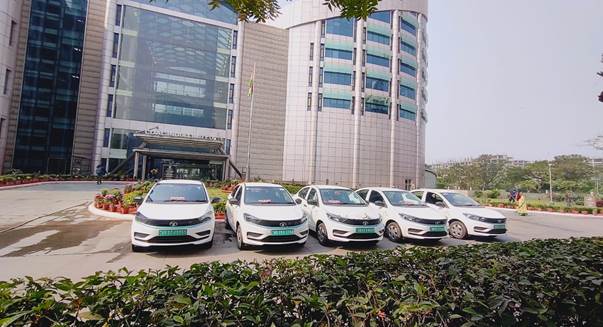
Deployment of e-vehicles at CIL Corporate HQ, Kolkata

Coal India Limited has entered into an MOU with Energy Efficiency Services Limited to implement comprehensive Energy Efficiency Programs at CIL and its subsidiaries. This initiative encompasses Building Energy Efficiency Projects (BEEP), the replacement of outdated fans, air conditioners, and conventional light fittings, motors, the adoption of electric vehicles, and the installation of distributed and rooftop solar projects.

In a landmark achievement, Coal/Lignite PSUs have successfully replaced all conventional lights with Energy-Efficient LED lights across command areas, premises, company’s headquarters, all mines, offices, warehouses, colonies, residences, campus, restrooms etc. marking a significant milestone towards commitment to sustainability and energy efficiency.This extensive implementation not only addresses the lighting requirements but also demonstrates a dedicated effort to replace inefficient lighting systems with environmentally friendly alternatives.

From FY 2021-22 to December 2023, Coal/Lignite PSUs have made commendable efforts towards energy efficiency, including the replacement of 4.24 lakh conventional lights with LED lights, 5357 energy-efficient air conditioners, 83236 super fans, deployment of 201 electric vehicles, 1583 efficient water heaters, 444 energy-efficient motors for pumps, 2712 auto-timers in street lights and the installation of capacitor banks. The adoption of energy efficiency measures led to notable accomplishments, yielding a total energy savings of 14.34 crore kWh and financial savings amounting to Rs 107.6 crore. Further, these endeavours played a vital role in promoting environmental sustainability, culminating in a collective reduction of 1.17 lakh tonnes of CO2 equivalent in carbon emissions.

What Does It Mean To Have An Energy Efficient Motor ...

Pump House with IE3 Motor at SECL

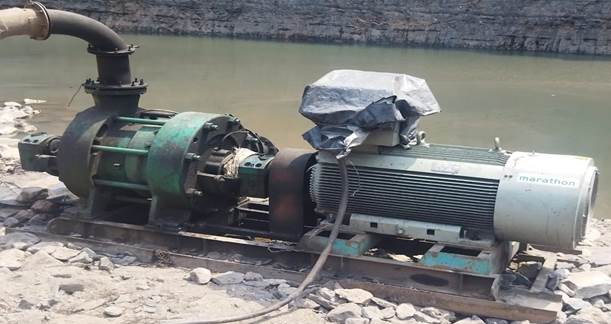
Dewatering Pump with Energy Efficient Motor AT CCL


Secretary (Coal) has reviewed Energy Efficiency Measures undertaken by Coal/Lignite PSUs on 19.01.2024 and appreciated the remarkable works being done in Coal Sector on this initiative. During the meeting, Secretary (Coal) suggested to explore use of EVs in transportation and mining operations in consultation with DGMS, undertake building energy efficiency measures in all the buildings of Coal/Lignite PSUs in phased manner, use of LNG vehicles in mining operations etc.

Various initiatives towards energy conservation by Coal/Lignite PSUs reaffirms dedication to reducing its carbon footprint and embracing innovative solutions to enhance energy efficiency across its operations while meeting the energy demands of the nation.

The commitment of Coal/Lignite PSUs to this initiative aligns with the G20 New Delhi Leaders’ Declaration, wherein a voluntary commitment has been made by the G20 and CoP-28 to double the Rate of Energy Efficiency Improvement by 2030.

****

BY/RKP

Obama Foundation’s Leaders 2024 Program (Fully Funded)

 The Obama Foundation is a non-profit organization founded by former U.S. President Barack Obama and former First Lady Michelle Obama. The foundation aims to inspire, empower, and connect people to change their world. One of its key initiatives is the leadership programs designed to support emerging leaders and changemakers.


These leadership programs typically focus on cultivating leadership skills, fostering collaboration, and providing resources and mentorship to individuals who show promise in making a positive impact in their communities and beyond. Participants often engage in training sessions, workshops, and networking opportunities to enhance their abilities to address pressing social issues.

The Obama Foundation’s Leaders program aims to inspire, empower, and connect regional cohorts of changemakers to accelerate positive and lasting change in their communities and throughout their region.

These emerging leaders from around the world, generally 24-45 years old, forge societies and communities rooted in shared values, where all people belong, participate, and thrive.

The Leaders program launched in Africa in 2018, expanded to Asia Pacific in 2019, and inaugurated Europe in 2020. During the Obama Foundation Democracy Forum in New York City, we announced our newest program in the United States.

Obama Foundation Leaders hail from a wide variety of nations and territories, work across public, private, and nonprofit sectors, and address a full range of social impact issues.

The Leaders program offers practical skill building for social change, leadership coaching, discussion of critical issues, and small group support. As participants, Leaders self-define a values-based foundation for sustained leadership, cultivate relationships with others to catalyze more inclusive, lasting change, and prepare to engage with issues at the systems level.

Upon completion of the program, Leaders will have gained a deeper understanding of how values-based leadership advances their ability to enact change. They will be inspired to take further action, propelled by new ideas and skills. Most importantly, Leaders will continue to gain a broader continental and global perspective, joining the Obama Leadership Network, a growing global alumni community of over 1,000 active changemakers.

Benefits

Participants will gain:

  • Fully Funded: All expenses, including travel and accommodation, are covered.
  • Leadership Development: Engage in workshops, coaching, and mentorship to enhance your leadership abilities.
  • Networking: Connect with other emerging leaders globally and build a strong support network.
  • Skill Building: Learn crucial skills like project management, communication, and advocacy to impact your community positively.
  • Resources: Access valuable resources from the Obama Foundation and its partners to advance your work.

Eligibility

Eligible candidates for this program are:

  • Aged 24-45.
  • Residents of eligible countries in Africa, Asia-Pacific, Europe, or the United States.
  • Actively working on creating positive change in their local communities, countries, or regions.
  • Have at least 3 years of experience in their respective issue area.
  • Proficient in English (both spoken and written).

How to Apply?

The application process for the Obama Foundation Leaders Program 2024 is straightforward:

  • Create an Account: Sign up on the Obama Foundation website.
  • Application Form: Fill out the form detailing your background, experience, and leadership aspirations.
  • Essays: Submit two essays demonstrating your leadership experience and vision for positive change.
  • Letters of Recommendation: Provide two references who can vouch for your leadership potential.
  • Interview: If shortlisted, the Obama Foundation will contact you for an interview.

Application Deadline: 9th February 2024

Click Here to Apply

What Is a Ponzi Scheme?

 Ponzi schemes typically lure in investors by promising high returns with little to no risk. Because initial investors often see high returns at first, early Ponzi schemes often gain investor interest and confidence.

Ponzi schemes eventually unravel when the stream of new investor capital slows down enough that investors can’t be paid anymore.

Ponzi schemes commonly share the following characteristics:

  • A “guarantee” of high return with no risk

  • The returns are consistent regardless of market conditions

  • Investments are not registered with the SEC.

  • “Secret” or undisclosed investment strategies which are “too complicated” to explain

  • Official documentation is hidden from investors

  • Clients have a difficult time withdrawing their fund

Who Was Charles Ponzi?

A Ponzi scheme (or a “Ponzi scam” ) is an investment scam in which early investors are paid returns from funds contributed by later investors, although it has taken on a broader definition in recent years.

A Ponzi scheme often conducts no actual business while the orchestrator pockets a cut of the money.

The term originated with Charles Ponzi, who orchestrated the first of this type of scam in 1920.

Characteristics of a Ponzi Scheme

Promise of High Returns

Operators of such schemes lure potential investors by promising them high returns on their investment, often far exceeding the average market rate.

These returns, although enticing, are unrealistic and not backed by genuine profit-making activities.

In many cases, these promised returns are used as bait, drawing unsuspecting victims into the scheme.

The overly optimistic and consistent return rates act as a smokescreen, masking the nefarious undertakings of the fraudsters behind the scene.

Unsustainable Business Model

Unlike legitimate business ventures that generate revenue through genuine operations, Ponzi schemes rely on a continuous influx of new money to stay afloat.

Once the influx of new investors slows down or stops, the scheme begins to crumble. Since there isn’t a real investment strategy in place, the scheme lacks the resilience to sustain itself in the long run.

As such, all Ponzi schemes are doomed to fail eventually, leaving a trail of financial devastation in their wake.

Reliance on New Investors

Central to a Ponzi scheme’s operation is the continuous recruitment of new investors. The scheme depends heavily on this constant influx of fresh funds to pay returns to earlier investors. This creates an illusion of a profitable business venture.

However, this system creates a perilous cycle. As more investors join and the demand for returns grows, the need for even more new investors intensifies.

This escalating cycle speeds up the eventual collapse of the scheme, as it becomes harder to attract enough new participants to fund the ever-growing liabilities.

Lack of Legitimate Investments

A genuine investment opportunity involves putting money into assets or ventures that have the potential for profit.

In contrast, Ponzi schemes rarely, if ever, make genuine investments. Instead, they shuffle money from new participants to pay returns to earlier ones.

This lack of legitimate investment means that no real value is created. Instead, the scheme simply circulates money, creating an illusion of profit where none genuinely exists.

Marketing

 Marketing is fairly a broad concept. The American Marketing Association defines marketing as “the activity, set of institutions, and processes for creating, communicating, delivering and exchanging offerings that have value for customers, clients, partners and society at large.

Marketing concept emphasizes on:

  • Understanding and fulfilling needs and wants of the customers.
  • Building relationships with the target audience.
  • Making products and services readily available and facilitating transactions.
Marketing is a dynamic field, constantly evolving with new technologies and consumer behaviors. 
Now a days we have two pillars of marketing.
  1. Online Marketing
  2. Offline Marketing
Online Marketing

Online marketing also known as digital marketing.
 It refers to the selling and purchasing of goods and services through online.
Here are some channels:
  • Social Media Optimization
  • Search Engine Management
  • Social Media Marketing 
  • Pay Per Click Advertising
  • Email Marketing
  • Content Marketing
  • Affiliate Marketing 


                                                                     Offline Marketing

                               It’s a marketing effort that takes place outside the digital realm.

Like billboards, print ads, TV commercials, radio spots, event sponsorships, direct mail, brochures etc.

Why invest in offline marketing?

  • Targeted reach
  • Brand building
  • Tangible engagement
  • Memorable impact


Admission Open in Courses of IGNOU 2024

 Indira Gandhi National Open University (IGNOU) is a renowned distance education institution located in New Delhi, India. Established in 1985, IGNOU has played a crucial role in providing accessible and flexible education to a diverse range of learners, including those who are unable to pursue traditional on-campus education due to various constraints.

IGNOU offers a wide array of courses at different levels, including undergraduate, postgraduate, diploma, and certificate programs. The university follows an open and distance learning (ODL) system, allowing students to study at their own pace and convenience. Here are some key features of IGNOU and the types of courses it offers:

  1. Diversity of Programs:

    • IGNOU provides a comprehensive range of programs across various disciplines, including arts, science, commerce, social sciences, education, engineering, health sciences, and more.
    • The university covers a diverse set of fields such as humanities, business, management, computer applications, environmental science, and vocational courses.
  2. Flexible Learning Mode:

    • IGNOU’s flexible learning model is designed to cater to the needs of working professionals, homemakers, and individuals who cannot attend regular classes.
    • Students have the option to choose from a variety of study materials, including printed books, multimedia content, and online resources.
  3. Admission Procedure:

    • Admission to IGNOU programs is generally open throughout the year, allowing candidates to enroll in courses at their convenience.
    • The university conducts entrance exams for some specific programs, while others admit students based on merit or eligibility criteria.
  4. Degree Programs:

    • IGNOU offers Bachelor’s, Master’s, and Doctoral degree programs. Some popular courses include Bachelor of Arts (BA), Bachelor of Science (BSc), Bachelor of Commerce (BCom), Master of Arts (MA), Master of Science (MSc), Master of Business Administration (MBA), and more.
  5. Diploma and Certificate Courses:

    • In addition to degree programs, IGNOU provides a variety of diploma and certificate courses in specialized areas. These short-term courses cater to the specific needs of learners seeking skill development and practical knowledge.
  6. Innovative Initiatives:

    • IGNOU has been at the forefront of introducing innovative programs, including online courses, MOOCs (Massive Open Online Courses), and collaborative initiatives with other institutions.
  7. Research and Development:

    • The university actively engages in research and development activities, contributing to the academic and professional growth of its students and the community at large.

IGNOU’s commitment to providing quality education to diverse learners has made it a significant player in the field of distance education. The institution’s emphasis on inclusivity and flexibility has attracted students from various backgrounds, making education more accessible to a broader spectrum of society.

Fresh Admission for all programmes offered in ODL/Online mode for the January 2024 session 

18 December, 2023

 With the approval of the Competent Authority, the last date for “Fresh Admission for all programmes offered in ODL/Online mode for the  January 2024 session is open.


Fresh Admission for January 2024 Session (ODL/Distance Programmes)


Fresh Admission for January 2024  Session (Online Programmes)


(Fresh Admission for January 2024 Session for PGDMCH, PGDGM, PGDHHM, DNA, PGDHIVM, PGCMDM) 

Different Research Methodologies

Research methods can be broadly categorized into two main types: qualitative and quantitative. Each type has its own set of techniques and approaches, and researchers often use a combination of both methods to gain a more comprehensive understanding of a research question.

Here’s an overview of each type:

  1. Quantitative Research Methods:

    • Experimental Research: Involves manipulating one or more independent variables to observe their effect on a dependent variable while controlling for other factors.
    • Survey Research: Uses questionnaires or interviews to gather data from a sample of participants, aiming to generalize findings to a larger population.
    • Observational Research: Involves systematically observing and recording behavior in its natural context without interference. Researchers may use structured or unstructured observations.
  2. Qualitative Research Methods:

    • Interviews: Conducting in-depth, semi-structured or unstructured interviews with participants to gather rich, detailed information about their experiences, opinions, and perspectives.
    • Focus Groups: Involves a group discussion led by a facilitator to explore a specific set of issues. It helps researchers understand group dynamics and diverse perspectives.
    • Case Study Research: In-depth investigation of a single individual, group, event, or situation to gain a holistic understanding and generate detailed, context-specific knowledge.
    • Ethnographic Research: Involves immersing the researcher in the culture or community being studied to gain a deep understanding of social phenomena in their natural context.
  3. Mixed-Methods Research:

    • Combines both quantitative and qualitative research methods within a single study to provide a more comprehensive understanding of the research question.
  4. Action Research:

    • Involves collaboration between researchers and practitioners to solve real-world problems. The process is iterative, with researchers and participants working together to implement and evaluate solutions.
  5. Meta-Analysis:

    • Involves the statistical analysis of existing research findings from multiple studies on a particular topic to draw generalizable conclusions.
  6. Longitudinal Research:

    • Conducts observations or measurements over an extended period to track changes or developments over time.

These research methods can be applied in various fields and disciplines, depending on the nature of the research question and the goals of the study. Researchers select the most appropriate method based on factors such as the research question, available resources, and the type of data needed.

Support for Student Research and Internships in Africa

Grant opportunities of up to $3,000 are available to support research projects or internships related to Africa through the ASC. The ASC is dedicated to assisting students, regardless of their citizenship or academic level, in pursuing research, internships, or training activities in or on the continent. Project durations are flexible, and they should commence between May 1 in the calendar year of application submission and April 30 of the following year.

Given the challenges posed by the ongoing Covid-19 pandemic, physical travel to Africa may or may not be feasible. In response to this, the ASC encourages alternative approaches, such as virtual internships. Grant funds can also be utilized for hiring local research assistants, scanning archival materials, or supporting internet-based or app-based research plans.

Applicants seeking research grants may be at varying stages of their research, from preliminary to advanced. Internship applicants should specify a particular venue for their internship, such as a governmental agency, business, or non-governmental institution engaged in Africa-focused work. It’s important to note that students graduating in the current Winter Term will not be considered for grants. Additionally, preference will be given to applicants who have not previously received ASC Summer Research and Internship funding. This initiative aims to foster a diverse range of projects and experiences contributing to a deeper understanding of Africa.

Deadline: The application deadline is 11:59 pm on February 15.

Applications are to be submitted using the II Student Fellowships (IISF) common application. Applicants are encouraged to visit the II Student Fellowships Resource Page prior to beginning the application process.

Note: All travel must follow current guidelines, which are detailed in the International Institute Travel Policy.  Please note that additional travel restrictions are in place because of the ongoing Covid-19 pandemic. Applicants must also meet all of the requirements of the Institutional Review Board and provide documentation of IRB approval or exemption should funding be awarded.

A written project report will be required at the conclusion of the grant.

Questions should be directed to iifellowships@umich.edu.

The LSA African Study Centre (ASC) stands as a beacon for academic exploration and cultural understanding, focusing on the diverse and rich tapestry of Africa. At the heart of its mission is the commitment to supporting students across all academic levels and fields, irrespective of their citizenship, in pursuing research, internships, or other training activities related to Africa.

One noteworthy avenue for students to engage with the ASC is through its scholarship opportunities. Generous grants, with amounts reaching up to $3,000, are made available to assist students in funding their research projects or internships. These grants are not only a financial boost but also a testament to the ASC’s dedication to fostering educational experiences that contribute to a broader and nuanced understanding of the African continent.

The ASC recognizes the dynamic challenges posed by the Covid-19 pandemic, and in response, it encourages flexibility in project execution. Acknowledging potential limitations on physical travel, the ASC welcomes alternative approaches, such as virtual internships. This adaptability showcases the center’s commitment to ensuring that students can still engage meaningfully with African-focused projects despite external constraints.

Applicants for these scholarships may find a range of possibilities to explore. Whether at the preliminary stages or with more advanced research, the ASC provides a platform for students to pursue their academic interests. Internship applicants are encouraged to identify specific venues, be it governmental agencies, businesses, or non-governmental institutions, to enhance their practical experiences in the region or within the realm of Africa-focused work.

To maintain a diverse pool of participants, the ASC has set preferences in the selection process. Applicants who have not previously received ASC Summer Research and Internship funding are given priority. This prioritization aims to broaden the reach of opportunities, ensuring that a variety of students can benefit from the resources and support provided by the ASC.

In essence, the LSA African Study Centre and its scholarship opportunities serve as catalysts for academic growth, fostering a community of scholars and researchers dedicated to unraveling the complexities of Africa. Through these initiatives, the ASC plays a pivotal role in shaping the next generation of individuals passionate about contributing to a deeper and more informed global understanding of the African continent.

Women empowerment

 Women Empowerment is a multifaceted  concept consists of social, economic, political dimensions. Since last years women have faced multiple challenges like they had no rights to do anything except household work. However, when women empowerment concept came into women’s life we can see some changes in their life. Many girls would motivated by this concept and now they are fighting for their rights.

Every women should be self independent. Education is must for every girl. So, they can do anything in their life. They can be financially independent. Providing quality education equip women with the knowledge and skills needed to break free from so called traditional rules and also decision-making capabilities. Everyone should learn some skills which will help them to go ahead in their life. When they learn about education, they will have equal opportunities to pursue high degree of education and the chances will increase to get hired by the companies.

If we talk about social dimension, then yes women empowerment also plays a crucial role in society. Women can do anything….but when it comes to women there are lot of barriers which they have to face especially in society. Everytime a woman have to face discrimination in some areas including in the home and in the work place. Many people used to say that women can’t work like a man, women should know their limits, they have no rights to make a decision, they don’t know about world, they can’t go without their brother, father or husband. WHYY??????? Because she is a woman. This type of mindset could destroy our society and also lost their women rights. But because of women empowerment every woman is trying to go ahead in their lives. They are contributing towards society. From many years , Indian women have eventuated as strongest pillars in nation building and again proved that whenever given a chance they can be the best decision makers for themselves, their family as well as the nation.

Example of Greatest Women Responsibilities:

Anandi Gopal Joshi: First Female Doctor in India

Anansuya Sarabhai: Social Worker and Trade Union Leader

Asima Chatterjee: Scientist

Begum Akhtar: Classical Singer

Dr. Rakhambai: Physician and Feminist

Economic empowerment plays a crucial role in the women lives. When women work, economies grow. It’s hard to believe that in today’s modern world there are still 18 economies where husbands can legally prevent their wives for working. Investing in women’s economic empowerment is intrinsic to achieving the Sustainable Development Goals. It sets a direct path towards the gender equality, poverty and inclusive economic growth. Yet despite the important progress that has been made in these areas, large gender gaps in economic opportunities and outcomes still remain across all countries and regions. By addressing gender-based economic disparities, we have the way for financial independence and reduced vulnerability. Success stories of women entrepreneurs serve as beacons. illustrating the transformative impact of economic empowerment on communities and economies.

Leadership and representation remain critical components of women’s empowerment. Increasing the presence of women in leadership positions fosters diverse perspectives and dismanties entrenched gender blases. Acknowledging the achievements of woman leaders encourages aspiring individuals and challenges existing norms.