How to Optimize your blog content through SEO strategy (SEO content marketing)?

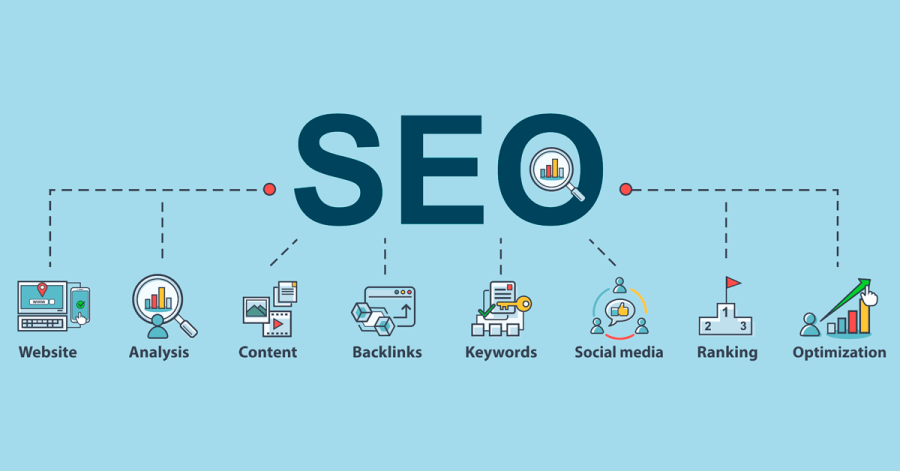
SEO: Search Engine Optimization is used to fetch top rank in the results of searches that people do. It can be achieved by using some definitive keywords in your blog. These keywords should be suitable for the content you develop for the target audience.

SEO can be classified into two techniques namely White hat and Black hat.

The White hat SEO is the technique that is accepted by search engines and the Black hat technique is the one that is not accepted.

The Black hat SEO uses some malicious ways like using keywords as hidden text or using the text of the same color as that of the background.

You should always use the white hat technique in your blogs as the search engines might penalize and reduce its ranking if they find out that you are using the black hat SEO.

Content marketing is writing and distributing relevant content to a specific audience online. 

When the SEO strategy and content marketing are applied together, your blog can appear in the top search results. SEO content marketing is a great way to attract more leads and to get your content a great deal of exposure and make it discoverable to a larger audience.

These are some few tips to boost your rank in search results:

1)Figure out the Keyword game: Research on what words the audience is using to search for content similar to yours. Now, use these keywords very judiciously and effectively in your content.

2)Keep your content updated: The information that your content contains should be updated regularly. This would make your content more reliable and hence it would get more reach among the audience.

3)Know your audience: Figure out what type of audience you want to write for and then develop content that they are looking for. Remember your content should be at par with their needs.

4)Make your content user friendly: Write in such a way that appeals audience but at the same time it should be easy to read

5) Effective Blog title: Using keywords in the blog title would be very effective in increasing your blog’s ranking as the search engines use the blog’s title and the metadata to rank the content.

Thus, a meticulously planned SEO content marketing strategy could help in fetching your blog a good ranking in the search results, and eventually, it will lead the target audience to your blog.

Covid-19: impact on Small Scale Industries

It has been over a year since the Covid-19 pandemic came to India and caused widespread havoc. The virus got noxious day by day even after the implementation of a nationwide lockdown.

This catastrophe was and is still so devastating that it has latched itself on to the economy of the country like a deadly sting of a bee. Though no sector has been left untouched by the pandemic’s spell, the small-scale industries have been hit very hard.

Indian small-scale industries play a key role in India’s export business. 45% to 50% of the Indian export is being contributed by Small Scale Industry sector. Unfortunately, this key business sector has been blown severely by the situation.

More than 80% of the small-scale businesses have suffered a negative impact due to Covid-19 and 70% expect that would take a year for their demands to recover to the pre-pandemic times, as observed by the survey of Dun & Bradstreet, a provider of commercial data, for businesses.

The survey also found out that 60% of the small business would require more support including initiatives by the government to stand up to the ill effects of the pandemic.
It further pointed out the 3 top challenges that might hinder these small businesses to expand, which are- market access (42%), improving the overall productivity (37%), and having access to more finance (34%).

During this time digitization in various sectors and even small businesses have earned them cost reduction and productivity. Small scale businesses have cut their costs by 54% during the time.
The Managing Director of Dun & Bradstreet India says “globally, digital adoption has been accelerated by 7 years due to the covid-19 crisis”.

The pandemic has aggravated the problems of credit facility, market support, and technological advancement that already persisted in pre-covid times.
“Given the intensity and duration of Covid-19, these problems will continue to exist in near future,” says Arun Singh, Global Chief Economist, Dun & Bradstreet, India.

STEPS TO TACKLE THE SITUATION:

  1. Government should allocate funds to these small businesses through financial institutions. These institutions must provide loans at low rates.
    2. These banks must provide loans after obtaining minimum security.
    3.The gap between the customer and producer must be bridged through effective marketing, by organizing fairs and exhibitions.
    4.The licensing procedure must be simple and at ease.
    5.Technological support must be provided to these businesses for their modernization.
    6.Training must be provided to entrepreneurs in technological, managerial, financial, and marketing areas.

We as the citizens of our country and potential customers of the small businesses must also contribute to uplifting them.
After all, what is more, heartwarming than lighting someone’s home and life?

WHAT WE CAN DO FROM OUR SIDE?

There are many small small steps that we can take, for instance,
instead of buying packed flour, we can purchase grains and get them ground from the small local mills.
We can privately fund small incense stick manufacturers and help them in their progress.
We can buy dry snacks from local bakery shops.
Likewise, we can support many other small businesses in our everyday life and bring a difference to them.

After all, helping others is not just a responsibility but it gives real meaning to our lives.

5 Tips to manage your time

You wake up with the mindset to be productive the whole day, but after thirty minutes you find yourself mindlessly scrolling through your social media? Or maybe always end up getting distracted while working hence missing deadlines. You also might find yourself saying – ‘I don’t have time for this.’ If you find yourself in these situations quite often, it might be important for you to start managing your time. Time management is simple terms is planning the usage of time and conscious control over it to increase productivity and efficiency. We need to remember that everyone has 24 hours at their disposal and those who manage their time end up finding time to do everything they need, limiting the wastage of time and accomplishing their goals. Tips to keep in mind while looking to manage your time are-

Make a to-do list – Start by making a to-do list of all the things you need to complete for a particular day. This can also be done the night before so that you’re aware beforehand. This helps you keep all the tasks mentioned in one single place so you would not forget anything important. Creating and following a to-do list helps you start the day right rather than frittering away time getting started.

Prioritise your tasks – The next step is to prioritise the tasks in order of importance. This should be done in descending order, with the task having the highest priority put first. This would help you with putting your attention and focus on the task requiring urgency, improving the quality of work, and proper utilisation of time. 

Set time slots – You might feel overwhelmed with several tasks to be completed on a particular day – which would either make you stressed. To overcome this, try setting time slots for the tasks listed in the to-do list. This is like training your mind to follow a routine – which helps you twofold – firstly you know when you need to do a specified task and also the estimated time within which you need to complete that task. This helps you manage time as well as increases productivity. 

Free yourself from distractions – So you have a list, you’ve prioritised the task, and set time slots. But all of these wouldn’t be fruitful if you get distracted while you are working. The next important step is thus to free yourself from distraction while working. For example, work alone in a room free from the sound of the television. Try keeping your phone away from your workspace if you’re tempted to scroll through your social media. These small actions if taken care of can help you not get distracted and finish your work on time.

Focus on one task at a time – After choosing the task from the specific time slot, sit through it till the end till you finish it. Avoid switching to multiple talks or multitasking like working on a project, replying to emails, and checking your messages at the same time. This hampers your productivity and quality of work as well. Focus on one task at a time to help you avoid being all over the place and off-track from your routine.

Science — A Curse

Science lies at the root of progress. In spite of great achievements of science, thinking people have begun to question if it is really a blessing or a curse.

People all know how power of science is being used for evil purpose also. It is the superior scientific knowledge that makes one nation stronger than the other and helps the former to oppress the latter. Not content with individual killings, aeroplanes bomb entire cities out of existence. The atom bomb, the hydrogen bomb, poison gas, chemical warfare—what a horrible application of science!

Evil effects of science are also manifested in various other ways. Computers and robots, are eating up employment opportunities. Satellites are now used extensively for espionage purpose also. Too much of industrialisation, propagation of automobiles— all lead to air pollution and health hazards.

Science has given material comforts no doubt, but it has taken mankind away from nature. But as the soul is infinitely more important then the body, right thinking men have begun to look upon science as a curse—a lure to hell.

Disrupt, Divide, and Develop

The Effects of Covid-19 on Education

The pervasive nature of the Covid-19 pandemic has created one of the largest disruptions of education in human history, countervailing all efforts to provide education for all children. It caused unprecedented changes and continues to change numerous aspects of education that we took for granted. In March 2020, schools around India began closing to avoid the spread of Covid-19. These sudden closures led to confusion and uncertainty amongst students, especially those who were appearing for their board exams. For other students, these abrupt closures brought about a perplexing break from school. These ostensibly temporary closures were made permanent once the nationwide lockdown was effectuated and students were separated from their schools.

According to data by UNICEF and UNESCO, more than 1 billion children were at risk of falling behind due to school closures during the pandemic. Schools for more than 168 million children globally have been completely closed for almost an entire year. Around 214 million children globally, which is equivalent to 1 in 7 children, have missed more than three-quarters of their in-person learning. Furthermore, more than 888 million children worldwide continue to face disruptions to their education due to full and partial school closures. 

In India, the closure of 1.5 million schools in 2020 impacted 247 million children enrolled in elementary and secondary schools. In early March 2021, only eight States and Union Territories had reopened classes 1 to 12; 11 had reopened classes 6-12 and 15 had reopened classes 9-12. However, the ongoing second wave has caused the complete closure of schools yet again, as well as either the cancellation or postponement of board exams, competitive exams, and entrance exams. 

We began a new academic year like never before – from our homes. To continue the process of education, schools were compelled to adapt, adopt, and evolve. The biggest change has been the abandonment of traditional notions of schooling and the shift to online learning and teaching. Teachers have had to adapt to teaching online, a complete shift for those who’ve had many years of traditional classroom teaching experience. The fun and exciting trip to school has been diminished to clicking a link to join our classes. Interactive classes have become eerily similar to videos on our laptop or phone screen with a tincture of interaction arising when teachers ask us whether we’re present. The extreme sport of completing notes just before the teacher calls out our names has become the tedious process of scanning our notes and sending them as a pdf. Eating with our friends in the school canteen has been replaced with us eating alone during classes. Our classmates have become little rectangles on our screens. Outdoor sports have disappeared from the list of extracurriculars that we did in school. The end of school or college life is marked by video calls instead of grand graduation ceremonies. A lot has changed. 

These changes have led to some pernicious problems. The blurring of lines between school and home has led to students feeling overworked. This holds true for teachers too as they answer questions, clear doubts, and create lesson plans at all hours of the day. Students often have to study and sleep in the same rooms now. According to scientific studies, this often leads to a decrease in productivity and concentration. Students, especially younger ones, are easily distracted during online classes, despite attempts to marshal concentration and focus, as a classroom atmosphere is non-existent. Teachers are unable to pick up cues such as body language and facial expressions, making it challenging to connect with and understand their students. Problems such as eye strain and headaches are more common now due to the drastic and unavoidable increase in screen time for students. Online classes are often disrupted by copious internet problems, power cuts, background noise, and vexing software problems. All forms of practical education have been eliminated. A lack of clarity on important events such as board exam and entrance exam dates has led to the upheaval of students’ plans that were formulated before the pandemic began, fueling a rise in students’ anxiety and uncertainty.  

Covid-19 has also been a catalyst to the widening of socio-economic gaps in society on numerous fronts. While the virus cossets no one, the fact that it has disproportionately affected students belonging to less affluent households, especially those in rural India, is indubitable. Undoubtedly, access to the internet and an appropriate device are the lifelines of online education. 

A UNICEF report from August 2020 highlighted that only 24% of Indian households have access to the internet. While television and radio were purported as an alternative, there is no substitute for an actual teacher. A more recent survey conducted by Learning Spiral in February 2021 revealed that more than 50% of Indian students in rural and urban areas don’t have access to the internet. Moreover, only 47% of the households that have access to the internet own a device that can access the internet. It also revealed that, while 27% of all Indian households have access to the internet, only 28% of those are in rural India, even though rural India comprises of nearly 71% of India’s households.

Families in rural India are plagued with other impediments to online education –  insufficient or no smartphones, having to borrow smartphones (and therefore may not get them at the time needed), not having enough money to buy an appropriate internet package, and patchy connectivity even if they have internet access. The severity of these problems is incalculable and more prevalent than in urban households.   

Assuming that the problems stop here would be specious. The closure of schools has obstructed the “Mid Day Meal Scheme”. India has about 120 million children enrolled in the scheme in over 1.26 million schools across the country. However, due to the disruptions caused by Covid-19, many States and Union Territories have been forced to stop this initiative, depriving children of their basic nutritional needs. This scheme also serves as a huge incentive for children to attend school. Therefore, its removal may negatively impact both their health and their education. Furthermore, incidents of domestic abuse and child labour have drastically increased as students can no longer be protected by going to school. 

The Covid-19 pandemic has been atrocious but there has been a silver lining. The pandemic has led to an “academic revolution” that, unfortunately worsened certain differences in our society, but has also alleviated certain differences. 

Even before Covid-19, there was high growth in and adoption of education technology. Projections have shown that the overall market for online education may be valued at $350 Billion by 2025. There has been a significant surge in the usage of language apps, virtual tutoring, video conferencing tools, online learning software, etc. This is not only providing alternative paths for education but it is also future-proofing education. Through programs such as Coursera and edX, students can attend classes that they normally wouldn’t have had access to. India is considered the largest marketplace for Massive Open Online Courses (MOOCs) after the USA.

In certain aspects, online learning has made school more inclusive and obviated numerous hindrances to education. The use of videos in class greatly benefits visual learners. The use of tools such as online polling and chats have improved the class participation of those who otherwise may have hesitated to speak up. Notes, videos, and other study material that are sent to students can be reviewed anytime so the pressure on students to complete their work “before the bell” has been reduced. Furthermore, differently-abled students who found it difficult to attend school in-person can now attend classes with their friends from their homes. 

As students are attending classes from their homes, commuting to school no longer blocks their schedules. This gives them more time for extracurriculars such as internships, online courses, and online competitions. It also allows them more time to do the things they enjoy such as singing, cooking, writing, and painting. Students are also honing their online collaborative skills and improving their digital literacy, this will immensely benefit them in the future as the entire world shifts online.    

Hopefully, the move to online learning creates a new, permanent, and more effective method of educating students. While this “new normal” has had certain benefits, we must remember the value of education for all and prudentially strive to shrink the divide caused by this unavoidable transition to online learning.     

Bioweapons

War have been a part of human history since the beginning of time. However, the agents used to carry out warfare have changed and evolved just like humans did over time. First people use to hurt each other with their bare hands and sharp nails or throw stones or sticks at each other. Then someone thought, lets join the stone and stick, which led to the development of spheres and other things specially designed to kill. With the discovery of fire came a new way to cause mass destruction over a large scale. As science evolved, so did the weapons used in wars. From swords, crossbows and canons to guns, bombs, and tanks. But then came the era of nuclear warfare, things so powerful that it could destroy the entire world as we know it. However, an agent of war many people don’t know about and whose use has increased with the advancements of biotechnology and microbiology are bioweapons. Bioterrorism technically is defined as the violent use (by a person or group of individuals) of biological substance or toxins to injure. For example, this covid-19 pandemic which could be a form of bioterrorism, killing millions. But lets start from the first advent of the use of bioweapons.

Throughout human history, bioterrorism has been an issue. The Assyrians poisoned their enemies’ wells with ergot, a toxin-producing fungus typically found in Rye. This is one of the first stories of the use of bioterrorism and goes back to the 600 BC. In a more recently published account, Pizarro delivered the native Indians clothing tainted with smallpox in the 1500s when he conquered South America. Another similar report claims that Britain may have utilised diseases to undermine its adversaries during North American colonisation. The country could intentionally have sent Native Americans blankets tainted with pox. Bioweapons spread fast and cause mass destruction. The Convention against biologic weapons, which forbids the manufacturing, development, stockpiling and use of biological weapons was signed by 103 states under the guidance of the United Nations in 1972. Its however, well established that even superpowers of this world are not ready for an attack or outbreak of a bioweapon like smallpox and ebola. The high fatality rate among infected people is attributed to the possibility of aerosol transmission and the relative simplicity of large-scale manufacturing. Anthrax and especially smallpox are regarded the most significant threats of bioterrorism.

During world war 2 extensive research was carried out and many bioweapons were stockpiled by various countries from both the allied and axis powers. In an attack performed by religious-cult Aum Shinrikyo in a Tokyo metro station in 1995 using sarin, a chemical affecting the nervous system, resulted in the revelation of the risk of bioterrorism. Pathogens can also be engineered in the lab to give antibiotic resistance and higher virulence factor for the use of bioweapons. But science can also be used to create defences against these pathogens. Vaccination therapies, genome sequencing of the organism and drug designing are just among the wide biodefense’s science has to offer.

Some of common bioweapons used are:

  • Anthrax: Highly infectious and deadly, caused by bacterium bacillus anthrax. Having an incubation period of 7 days it can affect animals, humans, and children. It can be clinical diagnosed as either cutaneous, gastrointestinal, or inhaled. Its however, difficult to diagnose as it mimics the symptoms of a common cold.
  • Smallpox: Highly contagious and deadly, smallpox has been eradicated from the world thanks to vaccines, however smallpox vials had been stored in US and Russia in the name of research and these vials have been reportedly stolen, leaving the entire world population which is mostly not vaccinated against smallpox due to its eradication, at a high risk. If there is a smallpox attack, there aren’t enough vaccines for most of the people.
  • Cholera: Bacterium caused disease which was endemic in many parts of the world a few decades ago, cholera is transmitted through water ways and can be used as a bioweapon.
  • Salmonella: It’s a species of bacterium which infects the food you eat. Mixed with any food, it could cause gastrointestinal problems. However, it’s not considered that dangerous as food can be removed from the market.
  • Botulism: Produced by clostridium botulism its one of the most fatal toxins in the world. It can be inhaled or be present in your food, mostly canned food. Causing paralysis, vision problems suffocation within days or hours depending on the amount consumed, this bioweapon is highly dangerous and just need a few micrograms to kill millions. Once a person inhales it, its most certain death because an antidote does not exist for the toxin.
  • Ebola: Causing death in 90% of the people infected, Ebola is a much-feared virus that can be used as a bioweapon.
  • Ricin: Another toxin which is famous for being the bioweapon in the “umbrella murder case” its found in castor beans.

Although diseases are genetically modifiable, there is no evidence of virulence increase and the ability to promote an epidemic. This is no guarantee, however, that this risk is gone from the world. Because bioterrorism is a problem of global security, intelligence agencies have the responsibility to verify their actual potential and expansion. Some military specialists think Iraq still has an active bio war programme. A few years ago, a rare disease triggered an epidemic in Iraqi wheat fields, suspected of escaping a pathogenic infection from bioterrorism investigative facilities. Intelligence, constant monitoring, early warning systems, information sharing between agencies and cooperation should be part of any preventive programme in bioterrorism. Legislation should be in place that allows the government to apply quarantines to suspected people or items infected with infection, confiscate property and use hospitals for the benefit of the public. Finally, nobody should presume that biology and biotechnology science are always used for good. Biotechnology could be used in states that sponsor terrorism in the development of mass destruction pathogens and pests. Recent events have made us conscious of the worldwide community, and local events often have an impact around the world. It is crucial that one must be aware that science with all its benefit can also cause bioterrorism.

Plant tissue culture and related opportunities

Introduction

Plant tissue culture (PTC) is a bunch of procedures for the aseptic culture of cells, tissues, organs and their parts under characterized physical and chemical conditions in-vitro and controlled climate. It likewise investigates conditions that advance cell division and hereditary re-programming in-vitro conditions and it is viewed as a significant instrument in both fundamental and applied examinations, just as in business application. It is a territory of applied science that gives a wide stage to the aseptic culture of cells, tissues, organs, and their segments under characterized substance and physical in-vitro conditions. This science follows an essential idea where the plant body or organ or any tissue can be dismembered into more modest parts called “explants” and any explants can be additionally formed into an entire plant. Plant recovery shapes the premise of in-vitro engendering. There are different ideas and strategies that are as often as possible rehearsed in plant tissue culture science. In current biotechnology, the greater part of the ideas and procedures manage the hereditary investigation of plants. In present day plant biotechnology, the quality of interest is removed from the genome with the assistance of a limitation catalyst. The quantity of plants developing wild increasingly more decreases, as a result of the aimless assortment, in this manner numerous species are vanishing quick and those current are frequently unusable because of unequivocally dirtied regions. In such circumstance the presentation of types specifically compelling in development and training, can be entirely beneficial and the mechanical control on their spread can ensure a consistent biomass accessibility. These cycles incorporate different fundamental ideas and procedures that lead to the progressive improvement of callus lastly foundation of the ideal full cell line of the plant, which could be probed again for different exploration purposes.

General steps of plant tissue culture

1. Micropropagation 

Micropropagation begins with the choice of plant tissues from a solid, vivacious mother plant. Any piece of the plant can be utilized as explant. 

2. Preparation of donor plant

Any plant tissue can be presented in-vitro. To improve the likelihood of achievement, the mother plant should be ex-vitro developed under ideal conditions to limit defilement in the in vitro culture. 

3. Initiation stage 

In this stage an explant is surface sanitized and moved into supplement medium. For the most part, the joined utilization of bactericide and fungicide items is recommended. The determination of items relies upon the kind of explant to be presented. The surface cleansing of explant in synthetic arrangements is a significant advance to eliminate foreign substances with insignificant harm to plant cells. The most regularly utilized disinfectants are sodium hypochlorite, calcium hypochlorite, ethanol and mercuric chloride (HgCl2). The way of life is hatched in development chamber either under light or dim conditions as per the technique for spread. 

4. Duplication stage 

The point of this stage is to build the quantity of propagules. The quantity of propagules is duplicated by rehashed subcultures until the ideal number of plants is achieved. 

5. Rooting stage 

The establishing stage may happen at the same time in a similar culture media utilized for increase of the explants. Nonetheless, now and again it is important to change media, including dietary adjustment and development controller arrangement to incite establishing and the improvement of solid root development. 

 6. Acclimatization Stage 

At this stage, the in-vitro plants are weaned and solidified. Solidifying is done step by step from high to low dampness and from low light power to high light force. The plants are then moved to a suitable substrate and continuously solidified under nursery. .

General requirements for plant tissue culture

  • Instruments. 
  1. Filter sterilization units. 
  2. Osmometer. 
  •  Transfer and Culture 
  1. Laminar flow cabinet, for all controls requiring sterility. 
  2. Culture room or incubator.
  3. Orbital shaker, for cell suspension. 
  4. Low-speed bench centrifuge, for example, the Hettich Universal. 38-, 50-, and 280~pm mesh hardened steel strainers. 
  • Media 

Numerous media details have been concocted to help the development of refined plant cells. The most generally utilized media, MS, was created by Murashige and Skoog, other media incorporate B5 

  • Ultrafiltration 

Media containing heat labile parts e.g., indole acidic corrosive, gibberellic corrosive, zeatin, glutamine or complex combination of sugars e.g., KMSP should be channel cleaned by pull of the medium through a 0.2~pm breadth pore size channel. On the off chance that agar media are required, they can be channel sanitized at double the last fixation, and blended in with an equivalent volume of autoclaved twofold quality agar that has been permitted to cool to about 60°C. 

  • Growth Regulators 
  1.  Water-solvent: ABA (abscisic acid), GA, (gibberellic acid). 
  2. Dil. HCl-solvent: BAP (benzyl amino purine), kinetin, zeatin. 
  3. Ethanol solvent: 2,4-D (2,4-dichlorophenoxy acidic corrosive), IAA (indole3-yl-acetic acid), NAA (a-naphthalene acetic acid).

Types of technique for culturing plant tissue culture

  • Callus culture: Callus culture might be characterized as creation and upkeep of a chaotic mass of proliferative cell from disconnected plant cell, by developing them on counterfeit supplement medium in glass vials under controlled aseptic conditions. 
  • Single cell culture: Single cell culture is a technique for developing disengaged single cell aseptically on supplement medium under controlled condition. 
  • Suspension culture: Suspension culture is a kind of culture where single cell or little totals of cell duplicate while suspended in fomented fluid medium. Suspension culture are utilized in enlistment of shoots, creation of optional metabolites, in vitro mutagenesis, choice of freaks and hereditary change considers. 
  • Embryo culture: Embryo culture might be characterized as aseptic detachment of undeveloped organism from the greater part of maternal tissue of develop seed and in vitro culture under aseptic and controlled state of being in glass vials containing supplement semisolid or fluid medium to develop straightforwardly into plantlet 
  • Anther culture: Androgenesis is the in vitro advancement of haploid plants starting from strong dust grains through a progression of cell division and separation. 
  • Pollen culture: Pollen culture is the in vitro method by which the dust grains are crushed from the unblemished anther and afterward refined on supplement medium where the microspores without delivering male gametes. 
  • Somatic Embryogenesis: Somatic embryogenesis is the cycle of a solitary or gathering of cells starting the improvement pathway that prompts reproducible recovery of non-zygotic incipient organisms fit for developing to shape total plants. 
  • Protoplast Culture: It is the way of life of disengaged protoplasts which are exposed plant cells encompassed by plasma layer which is possibly equipped for cell divider recovery, cell division, development and plant recovery on reasonable medium under aseptic condition 
  • Shoot tip and Meristem culture: The tips of shoot can be refined in vitro creating bunches of shoots from either axillary or unusual buds. This strategy can, be utilized for clonal spread. 
  • Explant Culture: There are assortment of types of seed plants viz., trees, spices, grasses, which show the essential morphological units i.e., root, stem and leaves. Parenchyma is the most adaptable of a wide range of tissues. They are equipped for division and development 

 Application 

  1. In a generally brief timeframe and space, countless plantlets can be delivered beginning from the single explants. 
  2. In the living plant the conduct of each piece of tissue is unequivocally impacted by correlative controls forced by the remainder of the plant by disengaging it in vitro, the idea of a portion of these correlative controls can be resolved. 
  3. The creation of precise of plants that produce especially great blossoms, organic products, or have other alluring attributes. 
  4. To rapidly deliver develop plants. 
  5. The creation of products of plants without seeds or fundamental pollinators to deliver seeds. 
  6. The recovery of entire plants from plant cells that have been hereditarily altered. 
  7. The creation of plants in sterile compartments that permits them to be moved with extraordinarily decreased odds of sending infections, irritations, and microorganisms. 
  8. The creation of plants from seeds that in any case have extremely low odds of developing and growing, i.e.: orchids and nepenthes. 
  9. Used to preserve uncommon or imperiled plant species. 
  10. A plant reproducer may utilize tissue culture to screen cells instead of plants for worthwhile characters, e.g., herbicide opposition/resistance. 
  11. Enormous scope development of plant cells in fluid culture inside bioreactors as a wellspring of auxiliary items, similar to recombinant proteins utilized as bio-drugs. 
  12. To cross indirectly related species by protoplast combination and recovery of the novel half and half. 
  13. To cross-fertilize indirectly related species and afterward tissue culture the subsequent undeveloped organism this would somehow typically pass on .

Opportunities. 

Plant cell cultures have become a significant device to plant researchers, cell cultures have stayed a significant tool in the investigation of plant science, and today in vitro culture methods are standard methodology in the vast majority of the plant science’s labs. Cell cultures will stay as a significant device in the investigation of morphogenesis. Sub-atomic, physiological, and biochemical examinations on physical embryogenesis and plant recovery cycles will keep helping the manner in which cells pick any morphogenetic pathway. Notwithstanding Arabidopsis model, the disconnection of new mutants from PTC will help in this assignment. Cell cultures have remained, and will proceed, a critical tool in the investigation of primary metabolism, e.g., the utilization of protoplasts and vacuoles for the investigation of the components of poisonousness of hefty metals, just as the creation of safe plants situated in PTC innovation. The advancement of restorative plant cell culture procedures has prompted the ID of complete pathways of alkaloid biosynthesis. Comparative data emerging from the utilization of cell cultures for atomic and biochemical examinations is creating research action on metabolic designing of plant secondary metabolite production. The support of this information goes past essential examination. Huge spread of plants speaks to now a financially compensating undertaking and this will increment in the next years by consolidating new plants into the market, basically intriguing plants with new bloom tones and scents. On account of the improvement of genomics, proteomics, and metabolomics, plant. biotechnology is testing new and energizing advances. These “omics” approaches, with no uncertainty, will quicken the disclosure, disconnection and portrayal of qualities giving new agronomic characteristics to crops. Effective hereditary designing projects will be centered in the improvement of new plant assortments with attributes that expansion the nature of the harvests to battle undernourishment and in this manner the increment in the yields without the utilization of synthetic compounds in the field will stay a significant assignment. The new plant assortments should likewise give an expansion access the utilization of the land for horticultural point by beating issues, for example, saltiness, dry season and desertification. PTC strategy will likewise permit the creation of roots for food in bioreactors, under controlled conditions. Innovations for cell culture in enormous volumes for the creation of fine synthetic substances in hereditarily changed cells refined ought to be set up. This method presents points of interest over their creation in field developed plants that ordinarily possess significant expansions of land. The utilization of in vitro strategies in undeveloped organism salvage during plant reproducing, to spare hazardous annihilation plants, and the development of germplasm banks to safeguard plants with important attributes will help the consistent need of hereditary improvement programs 

Conclusion  

Plant tissue culture have caused critical commitments to the development of agrarian sciences as of late and today. They comprise a basic device in current horticulture. The admittance to innovation is not, at this point the selective of developed nations thus it is fundamental that we as a whole perceive the possibilities and that we use the innovation in the entirety of its measurements. The advantages as of now have moved from being viewed as simply part of the farming creation. The plants and the beneficial frameworks dependent on current horticulture are rapidly turning out to be significant income workers, and yet: ensuring food security worldwide and giving a superior way of life for every last one of the occupants of the planet. The innovation has exhibited its value and is accessible, presently it’s our chance to utilize it on a large however responsibly.

India-US a major relation in the world today, says Jaishankar

External Affairs minister Jaishankar on his first visit to U.S. after Biden said the importance of India-US relation: On his first visit to the United States after the end of Trump administration and beginning of the Biden administration, External Affairs Minister S Jaishankar called the relationship of India and US as one of the most important relationships in the world.

On wednesday S Jaishankar told H R McMaster the former national security advisor (during administration of Trump) that “I think our relationship has come a long way. It is, today, one of the major relationships in the world,” during a webcast discussion.

“My own sense is that I Washington today there is a real appreciation of the potential of this relationship … and it’s true of New Delhi as well,” he said. He also added that the challenge today is for the other countries to  learn to work with each other more effectively in this multipolar world.

He further added that “I see a big change in the American mindset in that regard, The United States has not only an enormous ability to reinvent itself, it also has a great ability to assess its situation and re-strategize, in a way. And I do think today that when it comes to the big issues of our day …we have fundamental convergences. Convergences which are societal convergences, which are geopolitical . And I think the challenge before us is how to translate those convergences into actionable policies” .

In July Mr. S Jaishankar gave an statement saying that America need to go “beyond alliance” and should learn how to work in a multipolar world with plurilateral arrangements. But since Biden administration came into power after Trump administration, the country has again started to recommit itself to the multilateralism as a pillar of its foreign policy. During Trump administration major policies were based on the idea of America First.

S Jaishankar also said that “I think there needs to be that realization that this could easily happen to us. In many cases, it has happened to us and the right response, therefore is to help each other out and I am glad to say we’ve [ India] seen a tremendous outpouring of international support and solidarity at this time,”. Mr. Jaishankar emphasised on the changing world after epidemic. Jaishankar also said to world that when you have a big problem the only way out is global cooperation.

Mr. Jaishankar also shared his views on increasing strategic anatomy. He said “I think …the conversations are beginning to change towards more resilience …how do you de-risk the world,“. He also said that world is going to change a lot due to pandemic. He said “We can’t have a world which is part vaccinated and part neglected, because that world is not going to be safe. ‘How do we get through the global challenges in a global way?’ I think that’s the big question,“. He also said regarding the countries pursuing their national interest at the cost of everything else and he said that it is going to cause problems for everyone.


Explained: Net Zero and India’s stand on it

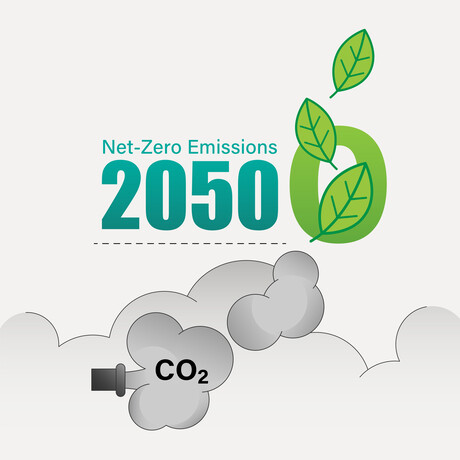
Lately, in April 2021, the US conducted a virtual summit on climate change with 40 world leaders to take bold pledges and chalk out prominent decisions on climate change. The summit has committed to achieving the Net-Zero target by 2050.

What is the Net Zero target?


Net Zero also referred to as carbon-neutrality is that situation where the entire man-made greenhouse gas from the atmosphere has been removed.

The summit held in April decided to achieve a balance on the emission of greenhouse gases and the removal of the same from the atmosphere.
Canada, South Korea, Japan, and Germany have committed to attaining a net-zero future.
India is the third-largest emitter of carbon after the US and China. And India plays a major role in global climate actions.

We all know that there has been a continuous rise in greenhouse gas emissions from industries, transportation, and livestock, resulting in global warming and prominent changes in climate patterns.
These harmful gases trap the heat and don’t allow them to escape the earth, causing temperature rise. The continuous change in climate patterns are causing severe floods, droughts, cyclones, and whatnot thereby leading to mass destruction of lives and property.

“The global temperature rose a total of 4 to 7 degrees Celsius over about 5,000 years. In the past century alone, the temperature has climbed 0.7 degrees Celsius, roughly ten times faster than the average rate of ice-age-recovery warming” as observed by NASA World Observatory.
“Models predict that Earth will warm between 2 and 6 degrees Celsius in the next century”.

If the global temperature rose at this pace, it would prove catastrophic. So in 2015, the 21st meeting of the United Nations Climate change conference took place to collectively agree to limit carbon emission by 1.5 degrees Celsius.

How to achieve Net Zero target?


Thus, the countries jointly agreed to become carbon-neutral or Net Zero carbon emitter by 2050. In achieving so the countries would have to balance their carbon emissions by removing the carbon from the atmosphere.

The countries have to develop renewable energy resources instead of burning fossil fuels, replacing fuel-based vehicles with electric vehicles, developing efficient technologies, etc. Also, the energy, transportation, and manufacturing sectors need to adopt net-zero targets.

Plants and water bodies are great carbon sinks as they absorb carbon from the air. Hence, expanding more forest cover would eliminate the carbon content from the atmosphere.
There are other technological techniques for containing atmospheric carbon.
Carbon sinks are a man-made reservoir where carbon-containing compounds are stored for an indefinite period for future usage, thereby decreasing the CO2 concentration from the atmosphere.

Measures adopted by countries:


Bhutan is the only country in the world that is “carbon negative” which means that it absorbs more carbon than it emits.
Countries like UK and France, have already enacted laws promising to achieve a net-zero emission by the middle of the century. China has promised to go net-zero by 2060.

India’s stand:


For India the scenario is different. India still has to reach the peak of emission, as for over next 2-3 decades the carbon emission would to grow because the country has to pull millions of people out of poverty.
Also, the carbon removal technologies are either unreliable or very expensive.
So, it’s not that India is straightaway striking out the carbon neutrality target by 2050, it’s that India at this point does not want to internationally announce any commitments.

Thus, the decision of attaining the Net Zero target is very arduous and challenging. The developed countries responsible for great carbon emission historically must take urgent steps and help developing nations with technology and capital to fulfill the cause.

Music Therapy – an aid to healing

Music heals, we all agree with that, don’t we? Not only does it uplift our mood and make us feel good, but also has proven health benefits. Music can boost the brain’s production of ‘dopamine’ – the hormone which helps us feel pleasure and ‘endorphins’ – the hormone that reduces stress and pain. Music eases anxiety, depression, reduces the feeling of pain, stimulates memories, and well – this list isn’t all-inclusive. These health benefits have given birth to ‘Music therapy’ – where music is used to address the physical, emotional/psychological; behavioural, cognitive, social, and spiritual needs of an individual or a group of people.

About music therapy and music therapists-

Music therapy is a burgeoning field and has grown a lot in the past few years playing a great role in all facets of healing. It is a clinical and evidence-based method of using music to accomplish individual goals carried on by a credentialed professional who helps the client form a therapeutic relationship with music. These music therapists are certified and trained in an approved music therapy program. They usually belong to the field of music and have the knowledge and skill to use music to heal people and stimulate or relax their feelings.

Types of Music Therapy

The two broad types of music therapy are receptive and active (also called creative/expressive music therapy) music therapy. Receptive music therapy involves listening to music, which can be live or recorded. The feelings, thoughts, and ideas post listening to the music may then be discussed among the client and the therapist. Receptive music therapy helps majorly in inducing relaxation, reducing anxiety and pain. On the other hand, active music therapy is where the client, along with the music therapist, indulges in any kind of music-making. It can be composing a song, rapping, drumming, or song improvisation. This type of music therapy is associated with benefits like improving brain structure and function in infants.

Benefits of Music therapy

Music therapy is extremely beneficial for people suffering from emotional health issues such as grief, anxiety, and depression. It also benefits people who address rehabilitative needs after a stroke, a traumatic head injury, or with chronic conditions like Parkinson’s or Alzheimer’s disease. Music therapy also helps in reducing the symptoms of psychological disorders like schizophrenia. Music therapy has no age bar, and you do not necessarily have to be sick to enjoy its benefits. This is because music therapy can also be used as a tool for self-improvement and personal growth, as it has also proven to improve self-expression and communication skills. It boosts immunity, enhances intelligence, IQ, and learning. It also helps control negative aspects of our personalities like worry, prejudice, and anger. It also has some amusing benefits like improving memory and focusing attention and also can enhance physical coordination and development. Overall, music therapy can increase positive feelings like calmness, confidence, emotional intimacy, and empowerment.

One important thing to note is that relying on only music therapy for the treatment of serious health conditions might not be enough. However, combining it with medications and other necessary tools in a treatment plan as guided by the health expert can help the patient manyfold.

The Internet

The internet has revolutionized the way people communicate with each other across the world. The internet is a world wide web of computers exchanging information with each other through telecommunication satellites and leased lines. Initially started as a defence project of the U. S. Government in 1968, the Internet’s usage has grown rapidly as a preferred medium of communication to the public at large.

It has three main uses—as a means of communication, as a mammoth storehouse of information of any kind, and as a new medium of commerce for buying and selling goods. Software applications like e-mail, chat, instant messaging and video conferencing have brought people living in far off places together in a virtual world where distances do not matter anymore. Numerous websites and search programmes can dig out any information at a click from a large variety of sources. Electronic commerce applications enable buying and selling of goods through virtual shopping centres and auctions.

It has become so popular because it provides information, communication and entertainment in an economical and attractive manner. People are rapidly opting for the internet in homes, offices and cyber cafes. The internet is changing lives in a way that telephone and television did long time ago. The world is truly becoming a global village.

To kill a mockingbird- Book review

A book relevant at all times through all ages.

You might have read the book at some point in your life. Either due to pressure from others (including google) or due to curiosity. And when you read it you have absolutely no regret you did so. You are left with nothing but inspiration, a new outlook on life, and love for everyone no matter how many times you read it.

The book is through the viewpoint of jean louise and is set in 1930s America. A time of trial and tribulation for the American people due to the great American economic depression. However, the beauty of the book is such that even in such times, in a time of no money, no support, when you feel that the entire worlds burden is on you, even at that time you can still be good, do the right thing and set an example. The book is not just relevant to the Americans, but to every race of the world. Every part of world has a society hierarchy, be it on the basics of colour, ancestors, job, caste, religion, sex or money. The book gives an example of America at a time when racism and woman oppression was quite prevalent in the country, and slavery was just starting to be condemned. The mindset of Atticus finch, his values and beliefs in a town where everyone, even his family were pro racisms and sexism, is quite inspirational. Because of his ethical and not his physical ability, he acts as an unconventional hero and role model. The entire novel shows the theme of morality, very difference from our modern-day movies where heroes are defined on their physical capabilities and looks.

The books highlights the fact that everyone has the capability to change and do the right thing, no matter how bad they are or what has happened in their past. Mrs Dubose for example, is a recovering morphine addict, who suffered and had the constant urge to use the drug, even when her health had given her away and made her despicable. Even a person like her had the will to do the right thing and she decided that during the last stages of her life, she is not going to hold on to the drug. She wanted to be liberated from a thing that had caused her so much of damage, and indeed she did. The book captures the essence of innocence and how just by following your gut instinct a person can come to know whether a thing is right or wrong. This innocence, however, prevails only in a child who is not subjected to the senseless rules and mannerisms of the society. Most of the people, while growing up, succumb to these mannerisms and idiosyncrasies of the society, in an effort to fit in. The few who resist this grow up to be like Atticus finch, not being xenophobic or homophobic but instead changing the mindset of the society and uplifting others. Everyone takes something different from the other, from this book, based on their life experience.

The book is a good teacher to our country India, which is one of the most diverse countries of the world in all aspects, be it colour, religion, caste, languages and beliefs. Our country is divided among itself in a variety of ways. Dowry, the need for a male child, oppression of woman, and superstition are still prevalent in rural areas of the country. However, one thing that is faced by most of India is interfaith marriages and casteism. A country this diverse is bound to have such problem. Understanding and overcoming the peculiar beliefs of people to not marry a person out of their religion or even in their religion but of a different caste is one thing that our country can learn from the lesson of equality the book teaches us. People can live together and follow different religion. Atticus finch is all the social workers who help the needy, all the teachers, and guardians who set good moral standards for their children, all the lawyers who fight for woman injustice and equality, Atticus finch can be the growing population of LGBTQ community and animal lovers.

Everyone is equal. You are a human being and so are the people around you. Hence, before you judge anyone, step into their shoes and see their perspective. And remember, kill all the bluejays you want, if you can, but it’s a sin to kill a mockingbird.

Apoptosis- A potential target for cancer therapy

Introduction

The avoidance of apoptosis by cancer cells is a prominent characteristic of cancer. Since apoptosis inhibition is at the heart of tumour growth, the clearing of malignant cells and retaining a definite number of healthy cells involves tumour-cell death. Cellular death pathway targeting provides some possible therapeutic targets for all cancers. The most obvious strategy for cancer treatment is to concentrate on lesions, particularly apoptosis in tumour cells, which eliminate cell death.

Apoptosis is an essential component of normal development. For keeping normal physiological processes between cell proliferation and cell deaths, homeostatic balance is essential. Aberrant control of apoptotic mechanisms is one of the main characteristics of cancer growth and development. Apoptosis can be activated by triggering two different molecular pathways, a pathway of the extrinsic, a death receptor or a mitochondrial pathway, intrinsic pathway also called apoptotic cascade. Extrinsic pathways from outside the cells are activated by pro-apoptotic receptors, such as CD95 and TNF-related ligands inducing apoptosis (TRAIL) interacting with specialised cell surface death receptors. Mitochondrial (intrinsic) pathways induce the transcription of or the post-translational activation of BH3 proapoptotic B-cell leukaemia / lymphoma 2 (Bcl-2) family proteins from the inside of the cell, as a result of extreme cell pressure such as DNA or cytoskeleton damaging apoptotic protease-activating factor-1 (Apaf-1) and assemblies of Cytochrome c  activate caspase 9. This caspase activates the effector 3, 6 and 7 caspases, which perform apoptosis. Latest development of different therapeutic methods that interfere with apoptosis and are commonly used or studied for cancer treatment are becoming popular. It induces cancer cell death or enhances the response to certain cytotoxic medicines of cancer cells and CCs. Some of them are still in preclinical and clinical trials such as caspase activators, apoptosis modulators or agents targeting apoptosis-related proteins. Future methods for targeting apoptotic pathways in cancer patients with promising application are also seen.

Therapeutically inducing apoptosis strategies

The progressive pre-clinical or early clinical development of many therapeutic approaches inducing apoptosis are seen. The research processes two styles from a mechanical perspective of separate approach: (a) specifically separating tactics induce apoptosis, which is here called pro-apoptotic; and (b) survival-signalling techniques that modulate this to promote apoptosis, which is called permissive approach.

Proapoptotic approach:

Apoptin. A promising tumour killing technique

Apoptin (VP3) is a cell used when sparing normal cells and killing only tumour cells. The chicken anaemia virus is a source of 14,000 proteins. Latest evidence shows that this molecule induces apoptosis in which Caspases are included. Apoptin is very much shown, in vitro findings, that it is active against cancer cells without induction of natural toxicity Cells. The basic effect of it being this tumour killing only could be clarified by nuclear tumour cell location of the protein, activity requirement, whereas the protein in normal cells are Cytoplasm localised. In addition, apoptin is also active and potentially chemo resistant in genetically disrupted cells such as p53, Bcl-2 or tumour cells that express BCR-ABL. Apoptin is under progress in tumour cells in vivo in gene therapy strategies. Multiple injections of adenovirus into healthy rats or nude mouse have not been found toxic in preclinical studies. Furthermore, antitumor effects in the nude s.c. mouse were observed, hepatoma in human beings. These findings, however, remain preliminary and more preclinical work is needed with human cells to ensure safety and evaluate apoptin ‘s potential as an anti-cancer compound better.

Apoptosis was examined for the development and treatment of cancer by attempting to determine its function in chemotherapy cytotoxicity caused by agents. Cytotoxic agents frequently lead to apoptotic by only a fraction of the cells. A significant portion of cells must be recruited into apoptosis to allow maximum use of apoptosis as a mechanism for anti-neoplastic agent response. The only regularly used cytotoxic agents that have been shown to induce apoptosis in breast cancer cells are paclitaxel (Taxol ®). Another of such cytotoxic agents is cyclophosphamide, and furthermore cytosine arabinoside is also used. Quantitative measurements of apoptotic cells were performed by controlling the binding of the phosphatidylserine-binding protein (FITC)-labelled annexin V into cellular cells.

Inhibitor of apoptosis protein (IAP)

The genome of baculoviruses was the original founder of IAPs because of their capacity in infected host cells to inhibit apoptosis. Re-based on the survival and XIAP of recent attempts to use IAPs to obtain anti-cancer treatment. In vitro experiments showed that the anti-apoptotic function of the proteins was inhibited by caspases-3, -7, and -9. As these cases have shown to be important in vitro for chemical apoptosis aimed at its natural inhibitors, the IAPs have been identified as a possible means of increasing chemosensitivity. In fact, NSCLC cells inhibited up to 70 per cent of surviving mRNA expression with the use of the oligonucleotide 4003, resulting in etoposide sensitization of cancer cells. Additionally, the downregulation of XIAP in ovarian cancer cells with wild type p53 by adenoviral antisense expression has caused apoptosis. These promising findings have led to clinical trials using anti-sense IAPs being mapped. The IAPs’ function may be more complex than the in vitro data initially suggested. Indeed, in NSCLC patients c-IAP1, c-IAP2, and XIAP had no precedented response to chemotherapy responses, unlike most of the expected multiple in vitro trials. Moreover, in patients with non-Hodgkin’s lymphoma and AML, there were no variations in reaction to chemical therapy between survivin-positive and negative instances. Furthermore, XIAP expression was not associated and did not have any relation with the apoptotic index of NSCLC patients but was inversely related to tumour growth. In this group of patients, higher XIAP expression has been predictively converted into a considerably longer overall survival. In addition, the nuclear localisation of survivor has shown positive effects on prognosis in a recent study of gastric cancer patients. These findings verified that it may mean that limitless ODN survival inhibition may not be desirable both within the cytoplasm and the nucleus. It is possible that the IAPs are engaged in apoptosis inhibition by the blocking of caspase but also other essential functions including proliferating. These conflicting results can be clarified. In addition, the net effect of IAPs can depend on their interaction with the control molecules Smac / DIABLO, HtrA2 and Factor1 associated with XIAP, an antagonist of the XIAP apoptotic operation. Therefore, while it is potentially promising, additional functional research and IAP interactions are required to better utilise them as goals for anti-cancer therapy.

BH3 Mimetics

There is a common consensus that BH3-only proteins are essential for apoptosis, promulgating inherent and extrinsic pathways of cell death. Based on the blocks of the sequence homology called BH domains, proapoptotic members from the BCL-2 family may be further identified. Only one domain, in general called the α-helical BH3 region is available for all BH3 protein. This preserved BH3 domain played a key role in the treatment of cancer. Three BCL-2 protein subgroups: BH3 (BCL-2 homology 3), BCL-2, BCL-2-associated X-protein (BAX), and the BCL-2 antagonist-killer (BAK), interacting on one another on the mitochondrial membrane, activate the pathway. This is the basis of three distinct groups. BH3-only proteins have been shown to achieve two mechanisms by transmitting signals to induce apoptosis, and only BH3-proteins inducted by transcriptional or post-translational cytotoxic stress. The neutralisation of antiapoptotic BCL-2 proteins or direct activation of BAK and BAX 47 is a clear way to understand the previous mode of action, both structurally and functionally, and hence the goal for production of pharmaceuticals. By attaching its hydrophobic groove by adding four hydrophobe residues it antagonises the BCL-2 antiapoptotic protein family members. Members such as cell-death antagonist BCL-2 and NOxa bind to their anti-apoptotic brothers, while other proteins such as BIM, tBID and PUMA only neutralise other anti-apoptotic agents.

miRNA

The miRNAs (MiRNAs) is a small endogenous class of 18 to 25 nucleotide length non-encoding RNAs which modify gene expression by mRNA degradation or mRNA deletion. The mature-miRNA products are produced by sequential processing by the ribonucleases Drosha and Dicer1 from a longer primary miRNA (pri-miRNA) transcript. miRNAs are known to inhibit thousands of target genes, since the objective mRNA needs only partial complementarity. Thus, one miRNA can target at the same time to a complexity of mRNAs, and several miRNAs can control the expression of one particular mRNA. The alteration of miRNAs includes a varying variety of human diseases, including cancer, by natural mechanisms miRNA are involved in number of process, including cell growth, differentiating, proliferating, apoptosis, and stem cells self-renovation. The de-regulation of miRNA also induces apoptosis avoidance, involving tumorigenesis and pharmaceutical resistance. The functioning of aberrated miRNAs, which are closely linked to the apoptosis mechanism, will act as oncogenes (OncomiRs) or tumour suppressors (TSmiRs) during tumour induction and progression. Manipulation of the levels of miRNA expression affecting apoptosis genes and pathways may also be a clinical approach to develop successful cancer treatment. Furthermore, because cancer cells frequently display a distinct trend for miRNA expression, novel profiles of altered miRNA expression may be useful for tumour-diagnosed molecular biomarkers, disease-specific outcome predictions and tumour-aggression evaluations. Therefore, numerous anti-cancer therapies are being designed to recover miRNA behaviours and rebuild gene regulation networks or drug sensitivity. A number of miRNAs were associated with drug resistance, some of them linked to apoptosis. Deregulation of miR-214 is a frequent phenomenon in ovarian cancer in human beings and it has been shown that miR-214 mainly targets PTEN / Akt pathways and promotes cell survival and cisplatin tolerance. It’s also recognised that the let-7 miR family plays an essential part in a number of cellular functions including opioid sensitivity modulation. The miRNA let-7a, aimed at caspase-3 in human cancers, was over-expressed and demonstrated resistance to a range of drugs, including doxorubicin, paclitaxel and interferon-gamma, which are caspase-3-dependent. Let-7e was up-regulated with improved tolerance to doxorubicin in some ovary cancer cell lines. Conversely, let-7i has been documented as uncontrolled in ovarian cancer resistant to chemotherapy, and the reintroduction of let-7i could sensitise ovarian resistant cell line to platinum-based chemotherapy. The cause of apoptosis induced by the chemo preventive agent curcumin has been shown to be the downregulation of miR-185 in a non-small cell-lung cancer cell line which increased its direct target expression, Caspase-10. The effect on miRNA expression profiles was thus studied by anti-cancer drugs that modulate apoptosis cell proliferation and could help predict the resistance to apoptosis. This will help prevent needless morbidity and represent a new class of biomarks to allow customised care through the awareness of possible miRNAs involved in apoptosis resistance.

Blebbishield Formation

The development of blebbishields is one method used by cancer stem cells to resist apoptosis. The emergency system is enabled to rescue the stem cells in apoptotic cancer. The apoptotic blebs merge together into a formed sphere called blebbishields. Cells undergoing blebbishield development display visual symptoms of apoptosis, but the reaction is prevented and ends in cells living. Serpentine filopodia formation due to endocytosis are involved in blebbishield formation to avoid complete apoptotic reaction. Apoptosis normally results in secondary necrosis from a lack of ATP, blebbishields by activating glycolysis are able to prevent secondary necrosis. In order to ensure clinical effectiveness, cancer stem cells must be blocked to survive in parallel to treatments by apoptosis. A variety of possible candidates were identified including inhibitors of caspase, Smac mimetics and inhibitors of the translation at an internal ribosome entrance site (IRES). IRES translation is regulated by antiapoptotic proteins, such as cIAP-2, and XIAP. IRES translation facilitates survival by converting the cIAP-2, which enflames the mechanism and moves the antiapoptotic to the proapoptotic equilibrium towards antiapoptotic survival. Hemming IRES translation will prevent blebbishield formation from being started. N-Myc is an IRES translation goal intended to avoid the development of blebbishield.

Conclusion

Apoptotic approach to seeking alternative anti-cancer drugs is intriguing, since it is not unique to the form of cancer. In both the extrinsic and intrinsic pathways of cancer there are various mutations that cause cells to evade apoptosis, which is a distinctive characteristic of cancer. A more general cancer cure will also include the opportunity to target and activate apoptotic tract. Many compounds extracted from plants that are not toxic to healthy cells are particularly promising compounds to cause apoptosis.


Twitter Facebook going to be banned! Why and from when?

It seems the two big social media giants, Facebook and Twitter are soon going to be banned: A group of news reports are estimating that the two big social media giants which are Facebook and Twitter may face a ban in India if they will be failed to comply with the new intermediary guidelines made for social media platforms.

The Ministry of Electronics and Information Technology gave a three-month deadline to the big organisations to accept the guidelines given to them by Ministry till May 25, but till now only Koo the Indian social media platform similar to Twitter, none have accepted them. As per an official of government ,if any of these social media platform will fail to accept these Guidelines they might risk losing status as social media platforms. The government can also take action against them as per the law of the land for not following the rules.

The rules will be effective from May 26. Although whatever happens, but Indian users will still be able to use these social media platforms. It is being estimated by some experts that it is not likely that government would strictly enforce all provisions unless it would be seriously required as social media platforms will always have an option to move to court and challenge the government. Also the government wouldn’t wish that social media platforms move to court as they might fear being embarrassed in court as the guidelines sound unconstitutional.

Besides, the Centre was also expected to issue a set of FAQs to explain about these guidelines that how they are being implemented. However, those have not been released till and there is also a huge possibility of the deadline being extended to give more time to the Ministry of Electronics and IT department to figure out the nuances. Also there are extremely low possibilities that government would impose a ban on these US companies because of the dominance of US government in world.

The government had also set 50 lakh registered users as the threshold for defining ”significant social media intermediary”, which means that large players like Twitter, Facebook and Google would have to comply with additional norms. When the government announced these guidelines in February it said that the rules will be implemented instantly, although the significant social media platforms(having large no. of users) will have an extra time of three months for complying these guidelines. These significant social media platforms will be also required to publish a monthly compliance report revealing the details of complaints received and action taken by them. They will also be required to have a physical contact address in India published on its website as well as on it’s mobile app.

Basically the new guidelines were meant to make social media platforms (Facebook, Twitter Instagram, Whatsapp) responsible for the content it is having. For example- Social media companies will have to remove posts related to nudity within 24 hours only. However they won’t be asked to disclose the content of any message. Also the users will be informed and explained the cause in case social media platforms remove any content of users on their own. They will be required to give a valid explanation behind that.

Worst hit pandemics thorough ages

The novel Coronavirus has created a catastrophe in the entire world bringing it down to its knees with cases counting more than 16.7Cr, (as per the data provided by Wikipedia).

It’s not the first time that a pandemic has engulfed this large number of people from around the world. History has records of many deadly diseases creating havoc in the world.

Human civilizations have evolved and developed continually, causing population bursts. With no efficient knowledge of sanitation and hygiene, and poor health facilities people have unknowingly created fertile situations for the growth of these deadly infections.

The Centers for Disease Control and Prevention (CDC) has defined a pandemic as “an epidemic that has spread over several countries or even continents. Pandemics usually affect large segments of the population”.

Here’s a list of the worst hit pandemics through history.

Plague of Justinian, 541-542

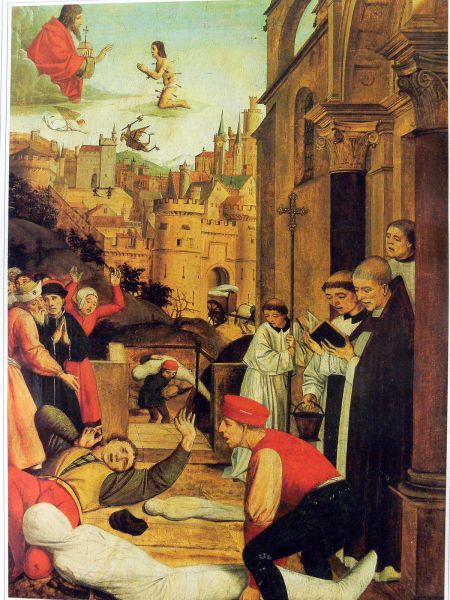
Saint Sebastian pleads with Jesus for the life of a gravedigger afflicted by plague during the Plague of Justinian. (Josse Lieferinxe, c. 1497–1499)
Source pic- Wikipedia


The plague of Justinian was the worst pandemic recorded in history caused by the fatal bacterium called Yersinia pestis.
The plague was brought to Constantinople, the capital of the Byzantine Empire, in 541 CE from Egypt. During the time Egypt was paying a tribute to Emperor Justinian in grains.
The plague-laden fleas infected the rats eating grains.

This lethal disease spread like a forest fire across Europe, Asia, North Africa, and Arabia killing an estimated 30 to 50 million people, almost half of the world’s population.

Black Death (1347-1351)


This was a global bubonic plague that hit Europe in 1347-1351, astonishingly taking a toll of 200 million in just 4 years.
It was a type of plague that was spread via the bite of infected rat fleas.
This plague caused religious, socio-economic upheaval with a profound impact on European history. The bacterium that caused this was the same that brought the Plague of Justinian.

During this time the sailors that had came to Europe were required to stay on their ship for 30 days, which was known as “Trentino” in Venetian law. Later, the Venetians increased the forced isolation to 40 days or a “quarantino”. From here quarantine word was introduced which is now in great implementation.

The painting “Blessed Bernard Tolomei Interceding for the Cessation of the Plague in Siena” by the Italian artist Giuseppe Maria Crespi.
Source pic- Britannica

Spanish Flu 1918:

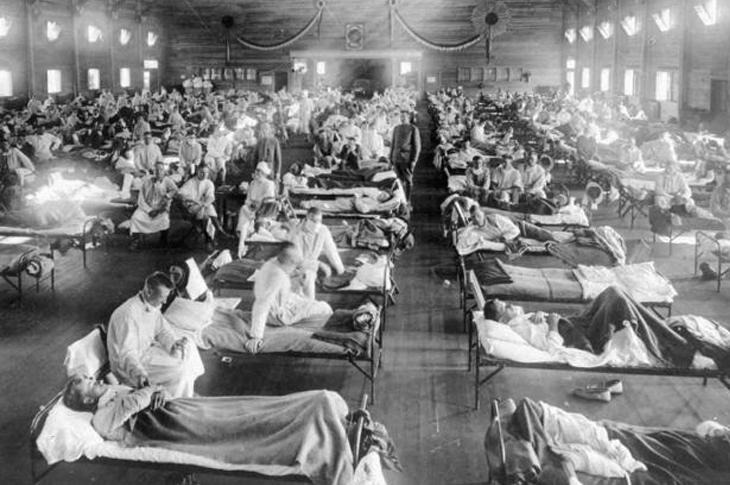
Source pic- World Health Organization


Spanish flu was the most severe and devastating influenza pandemics that the world ever witnessed. Also known as the 1918 influenza pandemic, it infected 500 million people – about a third of the world’s population at the time – in four successive waves.
Though the flu engulfed Europe, America, and parts of Asia, the exact place and cause of its origin are unknown to this day.
Some say that the flu showed itself in the military camp in Kansas, and from the US it spread to Europe when the troops traveled east in World War I.

Though the name is Spanish flu the pandemic did not originate in Spain, the British Medical Journal referred to the virus as “Spanish flu” because Spain was hit hard by the disease.

Small Pox 15th Century:


Smallpox has been estimated to have killed over a 500 million people.
It was in 1980 that the World Health Organization declared smallpox to be eradicated.

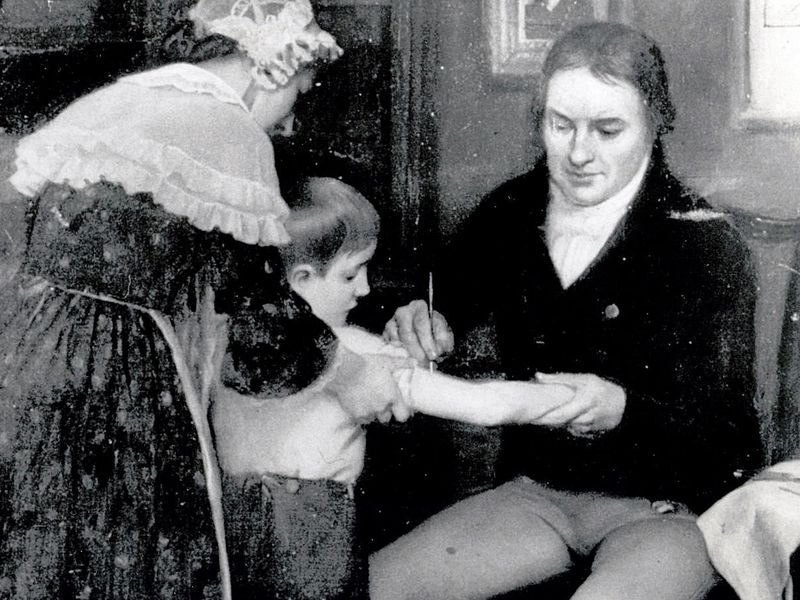
Edward Jenner giving the boy smallpox vaccine.
source pic- Smithsonian Magazine

Smallpox became the first death-dealing pandemic whose vaccine was developed in the late 18th-century, by a British doctor named Edward Jenner.

Edward Jenner observed that some local milkmaids were not exposed to the harsh virus and just showed mild symptoms which were called “cowpox”. Edward then decided to extract a small sample of milkmaid’s pus and inject it into the arm of a young boy named James Phipps. After that, he exposed the boy to the smallpox virus, and to his amazement, the boy showed no illness. This was the first vaccine ever discovered in history.