5 must read books for young adults (non-fiction)

Photo by Pixabay on Pexels.com

We talk a lot about all of the hottest new fiction (and old faves), but there’s a ton of great nonfiction out there, too. And a lot of it focuses on topics and stories that you should know about so we thought it was time to give the genre a little love. Because great stories keep you turning pages, whether they are made up or true-to-life!

1. March

ICYMI, John Lewis is a congressman from Georgia, and he’s kind of a big deal.

You may have seen him featured in David Letterman’s recent interview with Barack Obama. He’s one of the key figures of the civil rights movement, and his commitment to justice and nonviolence has taken him from a segregated schoolroom to the 1963 March on Washington and from receiving beatings from state troopers to receiving the Medal of Freedom.

March is the first in a graphic novel trilogy, and you should totally pick it up to learn more about this American icon.

2. This Land is Our Land: A History of American Immigration

Immigration is a hot-button issue these days. And American attitudes towards immigrants are paradoxical.

On the one hand, we see our country as a haven for the poor and oppressed; anyone, no matter his or her background, can find freedom here and achieve the “American Dream.” On the other hand, we set boundaries and restrictions on who may come to this country and whether they may become citizens.

If you’re looking to know more about the backstory of immigration in the U.S., particularly the ways in which government policy and popular responses to immigrant groups has evolved, check out This Land is Our Land.

3. Blood, Bullets, and Bones

If you are a fan of mysteries and crime scene drama, you have to check out this fascinating look at the ever-changing science of forensics.

Author Bridget Heos uses real-life cases to tell the history of modern forensic science, from the first test for arsenic poisoning to fingerprinting, firearm and blood spatter analysis, DNA evidence, and more. By turns captivating and shocking, Blood, Bullets, and Bones demonstrates the essential role forensic science has played in our criminal justice system.

4. Dear Bully

Have you ever been bullied? Have you ever witnessed bullying? You are not alone, and Dear Bully will prove it.

Seventy of today’s top authors come together to share their stories about bullying — as silent observers on the sidelines of high school, as victims, and as perpetrators — in a collection at turns moving and self-effacing, but always deeply personal.

5. The 57 Bus: A True Story of Two Teenagers and the Crime That Changed Their Lives

If it weren’t for the 57 bus, Sasha and Richard never would have met.

Both were high school students from Oakland, California, one of the most diverse cities in the country, but they inhabited different worlds. Each day, their paths overlapped for a mere eight minutes. But one afternoon on the bus ride home from school, a single reckless act left Sasha severely burned, and Richard charged with two hate crimes and facing life imprisonment.

The case garnered international attention, thrusting both teenagers into the spotlight.

I hope you like this list.

Thank you.

5 reasons to choose a career in digital marketing

We are in the digital age, where the emergence of digital marketing as opposed to the traditional forms of marketing is clearly visible. As a result, most of the jobs today in the marketing and advertising industry demand expertise in field like media planning, content management, and social media. And digital marketing also has countless alternatives and techniques related to it, you can get innovative and explore different avenues for your advertising strategies on a careful spending plan.

Today, as we can see all generations from Gen Z, millennials and elders are online 24X7 and to attract them, nowadays businesses use digital media as a source of communication. There were as many as 2 lakh job offerings for digital marketing in 2016, and this demand is estimated to increase 10x over the next few years. Due to the fact that the digital world is ever-evolving, digital marketing experts have an unprecedented opportunity to develop their skills as storytellers and impact many sectors.

E-commerce marketing platforms such as Instagram and Facebook introduce new features continuously to help brands communicate with users, resulting in increasing brand loyalty. Reports suggest that by 2021 there will be around 635.8 million web users in India. According to McKinsey, the number of people using smartphones will again double by 2023.

Digital marketing methods have a similar objectives as that of traditional marketing tools. Promoting through advanced channels offer many benefits to publicists, including quantifiable ROI.

Reasons to choose a career in digital marketing:-

1.Highly demanded profession – Unlike any other marketing, digital marketing is much easier to launch your professional career. learning how the business runs and acquiring the correct knowledge of the online industry is the least it takes your way to be a digital marketing expert. Indeed one can also learn without an entry-level position you can also feature your abilities and work through contributing to a blog and online media exercises.

2.Broader spectrum of choices – As digitisation becomes popular among enterprises, organisations across from new businesses to big corporate houses are now looking for experts in the field of digital marketing with applicable experience. Many big brands like Google are looking for new generation digital marketers especially in the areas of AI which are on the uprising emerging innovations as it turns out to be more standard and offers adaptability.

3.Keeps you up to date – Working in this industry where something comes up new every day implies a quick-moving environment. An individual doing SEO, for example, should stay aware of the metrics which are updated constantly. Advertisers likewise should also see all the rules regarding different channels.

4.Higher Compensation – This market is a competitive industry where all the people rival for their gifted ability in the industry. This implies that people with higher abilities can have higher compensation and also many extraordinary perks and even rewards replying upon their job.

5.One man, too many hats – Another explanation that this field will be among the top vocations in the year 2021is its versatility. Digital marketing experts can show considerable amount of authority in more than one zone depending upon the enthusiasm and the abilities they posses. As the business develops further more options may further introduce themselves making this field more significant.

Effective study tips for board exams.

Photo by cottonbro on Pexels.com

It is that time of the year again as board exams for classes 10 and 12 are in the horizons and students as well as parents are working hard to prepare well for the examination. This year, the exams are scheduled to begin from the third week of February and students have already started feeling the anxiety and stress that inevitably accompanies one of the most important exams they will ever take, the result of which will in impact the evolution of their career and shape the course of their life.

Here are some practical tips to help the students prepare more effectively for the upcoming board exam and achieve desired results in the exam:

1. Learn to be stress-free:

It is true that performance in the board exams is a cause for enormous anxiety for students which often leads to stress and sometimes rash action on their part. The immediate and most important outcome of good grades in board exams is that it enables a student to pick up subjects of his or her choice. At this critical juncture, getting bogged down by skepticism and stress is a real threat.

2. Manage/plan your time:

Time management is an important life skill that plays a key role in preparing for exams and beyond. Planning of schedule and its implementation leads to a more effective utilization of available time.

With time management, we can spare time for both studies as well as physical activities. Therefore, the strategy for preparing for the exam should be a perfect blend of learning and revising the syllabus with sufficient time remaining to attempt sample papers successfully.

3. Take care of your health:

Health is a corollary of getting enough sleep, maintaining a predictable schedule, sufficient physical activity and eating right. Go to bed early and get up early. Kick start your day off with exercise and a healthy breakfast that will boost your energy and will help you stay active through the day. Mental health is as important as physical health and must not be ignored.

4. Set targets:

Setting practical targets would be immensely helpful for students as one can maintain momentum and achieve the goals. Therefore, by setting daily, weekly, and monthly study targets, one can equally focus on subjects he/she is weak at and understanding them while solving different level of questions. Enrolling for the best crash courses available would be a good way to gain sufficient practice on the subject.

5. Practice previous year’s question:

A good way to prepare for an exam is to know the exam pattern and the kind of questions that could appear in the exam. Attempting previous years questions helps in practicing and revising questions, understanding patterns of questioning that can be expected and introduces students to the time limits they will be exposed to on the day of their exam. Practice taking mock tests as much as possible to be conversant with the examination.

6. Choose your material and follow the pattern:

Examinations are an art in their own unique way, in that questions are set to certain parameters such as difficulty levels, time required to provide an answer etc. Try to begin with the 5 marks questions and set a time limit to complete that.

Questions based on Laboratory diagram are important and must be practiced beforehand. Diagrams carry a good percentage of marks so be very careful while drawing and labeling them.

7. Utilize gadgets productively:

Gadgets such as smartphones and computers are often condemned as distractions when one is preparing for an exam and for good reasons. However, that need not always be the case as the right usage of the same can be productivity booster and a handy source of information when necessary. From alarm clock to countdown timers, there are positive ways in which gadgets can impact exam preparations.

Apart from the points mentioned above, there are some basic hygiene that when maintained evokes a positive impression. Maintaining a legible handwriting, maintaining margins and keeping answer sheets neat and tidy is a practical advice. While they may not add marks, they do induce a positive vibe.

I hope these tips help you.

Thank you.

7 Communication tips for College Freshers.

Photo by Andrea Piacquadio on Pexels.com

Having great communications and networking skills in college will go a long way in establishing your identity.

Here are some of the best tip from seniors on how to network better in your college as a fresher-

1. Build networking into your everyday routine

If the idea of networking is intimidating to your introvert-self, you’re not alone. But, with a little intention, you can start building your network during your everyday activities, like engaging with your professors and classmates.

Sometimes your professors and classmates can be some of your most valuable assets when it comes to job hunting. Not only can your professors offer valuable industry insight and advice, they’ve also taught some bright students in the past — what are they up to now? Sometimes those former students will email professors links to job openings: “Graduation is coming up… know any promising students who could take on this role?” By actually talking to your professors, it keeps your name in the back of their minds when this question arises.

2. Get involved on campus

There are a number of benefits to getting involved on campus. You’ll make friends, beef up your resume, and, yes, build your network.

There are a ton of ways to get involved on campus, including honor societies, professional clubs, social sororities and fraternities, jobs, student media, club spots — you name it. Not only will you be able to connect with a number of other students, you’ll also be able to connect with speakers, advisers, and mentors.

If your campus has an involvement or club fair, go! Or sign up for a campus email newsletter, peruse the bulletin boards in the study lounges or library, and talk to classmates and friends. As cheesy as it sounds, there’s something out there for everyone.

3. Pay a visit to your campus career center

Chances are, your campus has a career center full of free resource.

Find open internships or jobs posted by alumni, get tips on how to build your online presence, participate in a mock job interview, and learn about upcoming job fairs. Even if you aren’t actively looking for a job right now, it can’t hurt to stop by these job fairs. Shake hands with company representatives, pass your resume around, have conversations, learn what’s going on in your industry, and see where your potential future lies.

4. Develop your online presence

If the idea of talking to strangers makes you a little sweaty, don’t worry. You can also network from behind a screen — though not exclusively.

Start by building your online presence. If you haven’t already, create your LinkedIn profile. Depending on your industry, you might also want to make a website or start an online portfolio. Even if it’s a little sparse right now, you’re getting an awesome head start.

You can also leverage  social media, as long as your profiles are cleaned up. Your school might even have an alumni group on Facebook, and these can be infinitely helpful. Alumni will often post job openings within their company, and if you’re a fit, you can reach out to the poster to learn more. You already have one thing in common (ahem, where you went to school), so start a conversation. Ask thoughtful questions about the company and the open position. They just might go to their manager on Monday morning and give you a glowing recommendation, putting you ahead of the pack.

5. Be open to new connections

Honestly, establishing a networking connection could happen anywhere. Maybe you’re at your bus stop and overhear a professor talking and politely join in. Or you’re in line at the local coffee shop and hear a fellow student chatting about the guest lecturer they’re excited about.

6. Don’t be afraid to make the first move

But really, don’t be afraid to make the first move when it comes to building your network. Confidence can go a long way! Our best small-talk tip? Be genuine. Don’t treat networking like a game of who can make the most connections or how many resumes you can pass around. Instead, genuinely take interest in who you’re talking to — who they are and what they do. Try to remember important information about them. If you have to, jot some notes down in your phone.

7. Maintain your networks

We can’t emphasize enough that networking is more than collecting business cards, passing out resumes, and gaining LinkedIn connections. It’s hard work, and you’ll want to invest some time in maintaining your networks. If you meet someone at a job fair, for example, shoot them an email afterward. Even if they don’t have your perfect job position open right now, let them know you appreciate the time they took to talk to you.

For brownie points, throw in something personal you learned during your conversation. This will show that you were genuinely listening, and they just might remember you when they’re hiring again.

I hope these networking tips help you.

Thank you.

9 skills to have on your resume.

Photo by Sora Shimazaki on Pexels.com

There are endless skills that you can include on any resume, and you have to decide which ones will be the most effective. There are hard, industry-specific technical skills, as well as soft skills that every job demands.

Hard skills are technical abilities that are specific to a particular job and are often measurable. For software developers, their set of hard skills would include specific programming languages. Soft skills are interpersonal or creative abilities that can come naturally or be strengthened over time. Some examples of soft skills are adaptability, self-motivation, and the ability to work under pressure.

1. Problem Solving

No matter what the job is, eventually something will go wrong and employers want to know that you’re capable of coming up with a quick and effective solution. In fact, there are jobs that are essentially nothing but solving problems for the company, the clients, or both.

2. Critical Thinking

Being able to think rationally and thoughtfully is the basis of critical thinking. Employers want workers who can think through a problem or a project and determine the best steps needed. Critical thinkers come up with new and better ways to work, making it an invaluable skill to put on a resume.

3. Flexibility

Many organizations and industries covet employees who are dynamic and adaptable to every situation, or who have a natural ability to use a variety of methods and approaches in different circumstances to get the best end result.

 4. Communication

Whether it’s written or verbal, being able to communicate with your boss, coworkers, and clients/customers in all situations is very valuable. The better you are at it, the better results you will generate.

5. Teamwork

Most jobs will sometimes require you to work with other people at some point, and employers want to know that you can succeed in a team environment. Some jobs will prize this skill more than others.

6. Organization

This is not just about having a neat desk, but organizing tasks and projects for your coworkers, management, and at the very least, yourself! If you want to show off your organization skills, having a tightly structured resume certainly helps.

 7.Creativity

Thinking outside of the box and coming up with creative solutions can be a real asset in any role. Perhaps you’re good at thinking about something in a way that hasn’t been done before. Creativity can be shown on your resume through a problem you solved or through a creative skill like writing or design.

8.Responsibility

Part of being a good employee is taking responsibility for your duties and even owning up to mistakes. Most managers don’t want to have to check in on their employees to ensure every part of their job is getting done. Responsibility means doing what you need to do to complete your tasks.

9. Attention to Detail

On the job you need to ensure you follow all instructions in order to complete your work. This can be especially important when you work with others. Paying attention to detail will be needed at any role you have. Consider times when you caught or fixed a potential mistake due to your attention to detail.

5 Side business you can start.

Photo by Kampus Production on Pexels.com

Side businesses are always great to have. They can be a source of passive income.

Some ideas are-

1. Sell your crafts online

If you have an artistic streak, you can use your talent to start a side hustle and earn some extra cash. They are many websites out there such as Etsy where you can list your crafts and other home-made items for others to buy.

Apps such as Instagram and Facebook are also great places to showcase your work. Many artists post pictures of their work on their Instagram or Facebook pages along with a link to their websites where customers can purchase the products. The rise in businesses born this way has led to a decrease in the number of brick and mortar stores worldwide.

2. Sell your stuff on e-bay or Amazon

A sure-fire way to make money online and have a lucrative side-business is to sell your items on websites such as e-bay, Amazon, or Olx. These items could include anything from household goods to furniture, books and even stamps. This is a great way to make use of things that you don’t really use or need. If you find that you have a knack for selling stuff online, you can do this professionally and earn a commission on every sale.

3. Drive for Uber or Ola

One of the best and most versatile ways to make money is to drive for Uber or Ola. Companies such as these have transformed the way we view transport in today’s sharing economy.

What makes these ride-share companies so great is that you get to decide when you want to work with just the click of a button. In metropolis cities such as Bangalore or Chennai, this is an easy and convenient way to make a side-income.

4. Start a blog

Starting a blog is not a quick money maker but it is a great way to create a platform for something you are passionate about while developing your skills.

What’s more? you can do it anywhere and from any part of the world. A blog is something you can create in your spare time and consistently working on it and posting great content can result in a high income eventually. You can even monetize your platform through sponsored posts, affiliate links or a shopping link to buy your products. Many people have created very lucrative businesses through their blogs.

5. Get a part-time job

If you want to trade in your time for money, you can get a part-time job. They are many options you can choose from to match your interests and skill-sets. A few ideas include babysitting, an administrative assistant or a barista.

If you are big on Instagram or Facebook, you can even take on a social media gig. The only downside to part-time jobs is that they often don’t pay as well as online businesses but they are still a great way to earn money while doing something you love.

These were some of the few side businesses that can done by anyone, even a student. There are also plenty of ideas available online.

Thank you.

Health tips for students that don’t suck

Photo by Gabby K on Pexels.com

You are a student so you’re probably young and feel indestructible. But we all have to take care of ourselves if we want to stay healthy, especially if we want to do well in your studies. The good news is that staying healthy doesn’t mean giving up everything you enjoy. And if you stick to these basic health tips, you should be in great shape to excel in your studies.

1. You Are What You Eat

Eating well is vital for healthy living, but it’s not something that students are always good at. There’s a reason for all those cold beans and instant noodles.  stereotypes, after all.

This is changing, though. Increasing awareness of diet means more students are eating healthily. Many are even trying vegetarianism and veganism, which are good for the environment as well! But the most important thing is making time to eat proper, healthy meals on a regular basis.

2. A Healthy Body

Maybe you’re a gym bunny already. Good for you. But if not, don’t be put off by people demanding that you “feel the burn.” Even a little bit of regular exercise can help keep you healthy.

Ideally, you should find time for around 150 minutes of moderate aerobic activity per week. You can even work it into your daily routine, if going to the gym doesn’t appeal to you.

3. A Healthy Mind

Anxiety and other mental health issues affect most people at some point. And students can be especially vulnerable, since balancing your studies, work, and social life is often stressful.

But there are simple ways you can help stay healthy, including:

  • Being aware of your own mental health and stress levels.
  • Knowing your stress triggers.
  • Taking time out to relax now and then.
  • Meditation and breathing techniques.

Most important, though, is not being afraid to seek help if you need it. Your college should have support systems in place if you are feeling overwhelmed.

Talking to friends or family when you’re feeling low is a great first step, too.

4. Sleeping Is Good

Sleep is just as important as diet and exercise for a healthy lifestyle. Ideally, you should get between seven and nine hours every night. If this isn’t currently the case, cutting back on caffeine after 3pm and avoiding illuminated screens (phones, tablets, etc.) before bed could help.

5. Sex, Drugs and Rock ‘n’ Roll (in Moderation)

While college life should, of course, include trying out new things and having fun, excessive partying will take its toll. Limiting yourself to going out at the weekends is a good start. If nothing else, it will mean you won’t have to deal with 9am lectures on next to no sleep.

6. Do Good

This one might sound strange, especially if your schedule is already hectic, but research shows that volunteering counteracts stress and makes you happier. It also lets you try new things and get valuable experience, so there’s plenty to gain from being selfless!

These were some of the basic health tips for students. Everything in moderation is the key to a healthy student life.

I hope these tips were helpful to you.

Thank you!

4 job options for tally experts

Tracking, recording, analysing, and reporting everyday operations and financial aspects of a business is very essential for mindful investment, profit generation, and expenditure. Tally is a technologically-driven advanced accounting tool that helps many organizations manage different operations, maintain accounting data, avoid loss, omission, or repetition of data, and transfer or present the data coherently whenever required.

Tally can help one equip with many relevant skills which are required for banking, bookkeeping, inventory management, billing and taxation, purchase and sale management, and so on. Knowledge of Tally can be of huge help to individuals they can change their area of work or department, land lucrative opportunities as a fresher, change their career path, and can also manage their own business professioally.

  1. Billing executive

Billing involves the creation, management, and issuing of receipts and invoices to internal or external stakeholders of the business. Businesses usually handles many different existing and new clients at tight deadlines and require proof of all the payments made or received to enhance their professional relationships which can assist in profit or loss calculations.

Tally is mainly used by billing executives to avoid manual data entry, ensure accurate figures, and eliminate errors while preparing receipts and invoices. It helps in creating new invoices, adding, searching, and summarising customer records, converting different currencies, and credit card processing. This tool also include many different features like financial calendars, database and records management, hours tracking, reminders, and reporting options that make billing much easier.

2. Tally Freelancers

Freelancing in Tally can be called as a new-age dynamic career opportunity for experts who wish to be associated with different organisations instead of imparting their services to one. Freelancers can work for different clients and earn individually based on every service or installation they do.

They work for 2-5 hours a day, Tally experts work on basic bookkeeping and accounting functions, provide daily work reports, create and provide GST reports, pay TDS, make receivable and payable statements, and bank reconciliation statements. Tally experts are one who can provide services on a contractual or consultation basis to mid-size or large organisations. They can also work as trainers for corporate clients if they want.

Individuals with a flair and passion for teaching and a love for tally could combine their skills and provide education to young learners which can take their expertise a step further.

3. Inventory manager

Inventory management involves tracking, controlling, and managing the movement, stocking, usage, order processing, and manufacturing of inventory. Inventory usually contains raw products, goods which are work-in-progress, and final products which differ from industry to industry.

Tally provides inventory managers to ensure a sufficient supply of the right materials at the right time, avoid overstocking or understocking, which can reduce the handling costs. This software simplifies the stock management, helps in location or warehouse management, manufacturing, organising the inventory batch-wise and lot-wise, making accurate reports, managing the costs from other parties, making and delivering online business reports accurately.

4. Accountant

Accountancy is the process of recording, managing, and reporting the financial activities of a business. Accounting starts right after when bookkeeping ends and helps businesses understand their status, profit and loss made during a certain period, and their financial results.

Usage of Tally software for accounting improves its accuracy and efficiency upto a certain level, prevents mistakes and promotes the utilisation of time for valuable administration, strategy building, and execution-related functions. The software allows multi-user access, automation, online support, data security, is affordable, and is scalable which helps in easing accountancy processes.

Productivity tips for studying from home

Photo by Liza Summer on Pexels.com

While the pandemic has compelled us to do all our work and study from home. But studying form home has many challanges. Here are some of the tips to stay productive while studying from home-

1. Create a Distraction-Free Study Space

The key to studying at home is to create a space within your home that has some of the benefits of a school or library, with as few of the distractions of the home as possible. In other words, you need a nook where you can work without a TV, bed, or other distracting objects near you. 

Some students have achieved this by setting up their study space on a dining room table in their home. Others have set up a desk in the hallway so that they won’t be tempted to go to their room and sleep. Some may be able to use the common computer room or study space.

2. Follow a School-Like Schedule 

The easiest way to mimic the focus and productivity that you have in school is by working on the same schedule you would when you’re in school. Similarly to how you spend consecutive periods in different subjects during the school day, you can set a schedule for yourself that has you spend a certain amount of consecutive hours studying each subject every day. 

This routine may seem a bit odd at first since you won’t be moving around like you do when you switch classes at school. However, much like you get used to the school schedule in a few days after summer vacation, you’ll get used to the new schedule you set for yourself as well. 

3. Dress The Part 

Remember the feeling of comfort and laziness you feel when you’re in pajamas (some of you may be feeling it right now)? Now think about the feeling of purpose and determination you can feel once you’ve showered and gotten dressed for the day? They’re very different mindsets, and you can probably guess which one is best for studying from home. 

Something as simple as getting ready in the morning as if you were going to school can really put your mind in a more determined, focused state. This can really help you get into that focused, productive mindset. In other words, if you dress the part of a focused student, you have a better chance of acting the part of a focused student. 

4. Avoid Your Bed At All Costs

Most students have fallen prey to this sneaky trap. We get tired in the middle of the day from being productive in the morning. We think we can take a small nap break. Next thing we know, we’ve slept most of the afternoon away and then wake up not wanting to do any more studying. It is so easy to do, and it can ruin what could have been a very effective study day. 

So, as a general rule, when you’re trying to study, avoid your bed as much as you can. Try to study in a chair or at a desk, where you have to sit up and pay attention. If you let yourself lie down or try to study in bed, you are guaranteed to feel sleepier and not be as productive. If you don’t really have any other space to study, try to sit on your bed a different way, away from your pillows, so you’re less tempted to fall asleep.

5. Take Breaks

There is no sense in trying to study for 10-12 hours straight if your body and mind can’t handle that. After the first few hours, you are going to get tired, and your brain won’t be able to absorb and retain information as well as it could if you were rested. At this point, you can study all you want, but you will not be studying productively. 

It’s okay to take periodic breaks during the day as often as you need to. Mind you, these won’t be long breaks. You don’t want to lose your motivation! But you can take 15 minutes here and there to clear your head, recharge, and be ready to tackle those books again at full force. 

6. Form Virtual Study Groups

Who says that study groups need to be in person? In this day and age, with technologies like Zoom, Skype, FaceTime, or just a plain phone call, you can connect with your fellow classmates from the comfort of your home and help each other learn just as if you were together in class. 

There are several benefits to virtual study groups. Some video conferencing platforms allow you to record your meetings, so you can look back on the study session you and your peers had if you ever forget what was said. You can also mute yourself whenever you need to so that you can multitask, if needed. Finally, the home environment seems far less lonely and maybe even more fun when you have students like you to talk to you and compare notes with. 

7. Get Your Other Chores Out Of The Way 

One of the most annoying things that can happen to a teenager is to be working in the zone, then to be distracted by their parents asking them to do the dishes, laundry, etc. Taking unplanned breaks during your study time to do something else can really mess up your concentration. It’s hard to get back in the zone once you’ve been pulled out of it. 

So if you know that you also need to do some household chores in addition to your math homework, try to knock the chores out either before or after your study session. This way, you won’t be constantly worried about getting them done, and you’ll be less likely to be distracted while you’re trying to study. 

8. Set Boundaries For Yourself 

If you find that you’re going to be working from home for a few days or even a few weeks, you’re going to need to make sure that you’re setting boundaries for yourself that will allow you to keep your sanity while not leaving the house. For instance, if you let yourself study for 12 hours a day for days on end, odds are that you are quickly going to get really sick of studying at home. 

Set time limits for yourself each day. Maybe you won’t start working until mid-morning so that you can go for a run and eat a healthy breakfast. Maybe you won’t work best at 6 PM since you want to spend that time with your family. If you set these boundaries for yourself, you will help keep your mental health in check. You may also find that placing time limits on your study time helps to motivate you to get more done during the hours that you are studying. Generally, the more time we give ourselves to do something, the more time we take.

9. Exercise Regularly 

It is well known that exercising can give your body the endorphins and serotonin that it needs to be relaxed, focused, and more productive during the day. The downside to studying at home is that you probably don’t have a gym inside your house where you can get in an intense hour-long workout. While you can’t necessarily do a full workout if you’re stuck at home, there are little exercises that you can do at home to help you be more productive. 

10. Give Yourself Something To Look Forward To 

At the end of the day, if you’re truly not feeling like you’re studying your best, try to set some goals for yourself and reward yourself for hitting those goals. For instance, you can set a goal to memorize 100 flashcards by the end of the day. If you do, you’ll reward yourself with an hour of watching your favorite show. 

When you have to study from home for a while, it can be easy to fall into a rut. After all, you’re in the same place day after day, and your days aren’t that varied. So positive reinforcement mechanisms like this can really help to keep you going and give you a reason to keep studying. I hope these tips help you.

How to become resilient after Covid-19 ?

Photo by Pixabay on Pexels.com

As the Covid-19 continues to shatter the normal existence, our economy and ways of livelihood of many people have been disturbed to a great extent. The global economy has fallen into an unprecedented recession. The International Labor Organization has estimates that 400 million people in India are at risk of falling deep into poverty. Along with economic problems, there have also been an decline in the environmental condition that has further put the poor people into depression.

The government must take some comprehensive steps that are sustainable and will help to recover from the decline while becoming resilient. Here are some of the steps recommended by some eperts-

  1. Invest in sustainable energies- Infrastructure investments are an effective way to boost economic activity and create jobs. Data from the 2008-09 financial crisis shows that South Korea, which directed nearly 70%of its stimulus towards green measures, rebounded faster than other economies in the Organization for Economic Co-operation and Development (OECD). In the United States’ 2009 Great Recession recovery package, investments in clean energy.

India too should take this opportunity to increase support for renewable energy, particularly rooftop solar, through appropriate policies and business models. Decentralized solar power can help spread critical services in remote regions if the upfront capital constraints can be addressed. It should revisit the potential import duties on solar panels, since this may not increase domestic production, but may raise the cost of solar power.

Similarly, scaling up the electrification and adoption of public transport will be critically important to reduce traffic congestion and air pollution. This should involve closer coordination with the electricity sector and a greater focus on vehicle charging infrastructure. Continued investment in cold storage facilities and supply chains will ensure the preservation and timely delivery of agricultural produce and reduce losses to farmers.

2. Build resilience for the most vulnerable- About 90% of India’s workforce is informally employed, which includes gig economy workers. This population is extremely vulnerable to economic shocks and needs greater access to formal credit and social safety nets such as insurance and pension schemes.

Beyond employment guarantees, a universal basic income – broader than current schemes that are conditional upon occupation and land ownership – can help provide vital resources for subsistence, or for investing in education and health. Greater access to bank accounts for the 20% of adults without one, per 2017 data, would help efficiently deliver this income to households.

Lastly, it is critically important to expand access to clean water, clean air and primary health care. These will improve life expectancy and increase economic and physical resilience.

3.  Use fiscal mechanisms for recovery and resilience

Fiscal mechanisms can help support recovery and resilience efforts, while promoting low-carbon development. The Indian government has announced an economic stimulus of INR 1.7 trillion ($24 billion), and is exploring another bailout of INR 750 billion for Micro, Small and Medium Enterprises (MSME), among other steps. Though MSMEs need immediate financing to deal with their wage bills, the government can also infuse capital for them to undertake needed industrial energy efficiency upgrades.

Several sectors, like the aviation and auto industries, will need support in order to recover. This will require consideration of the fiscal situation, and it presents an opportunity to encourage greater sustainability by making this support conditional on cleaner technologies and fuel efficiency.

4. Encourage long-term change in behavior

The current crisis has changed patterns of consumption. Electricity usage patterns have shifted as people are working from home on more flexible schedules. Non-essential purchases have temporarily ceased. All these offer an opportunity for implementing demand-side solutions to drive long-term behavior changes for more sustainable development.

For instance, encouraging conservation in energy – through nudges and tariff reforms – can drive down consumption. Promoting reuse, recycling and repair models for consumption can contribute to a circular economy and reduce the waste generated by current business models. Supporting the continuation of work-from-home policies can drive down road traffic congestion and air pollution.

5. Regulate enabling technologies

Finally, it is useful to consider that the future may see greater employment in the gig economy and e-commerce sectors, as well as in new technologies that can help support future response and resilience mechanisms. While supporting the development of such sectors, it is important to put the right regulations in place to ensure data privacy and consumer protection.

The decisions taken today can provide immediate relief, but also secure a lasting economic recovery, increase community resilience and ensure a long-term pathway to sustainable development. We shouldn’t let this chance slip.

The War that divided the world

Photo by Pixabay on Pexels.com

No, I am not talking about the World Wars. I am talking about a war where actually no was ever fought, a bullet fired or a war bell rung. I am talking about the COLD WAR, a war that lasted more that the two world wars combined. This war was a period of geopolitical conflicts and ideological battles. It became as to who were more powerful militarily and economically. This war divides the world into two distinct blocs and there was a constant threat of war even after the horrors of the world war was over.

Basically, it was more of an ideological conflict. The Americans believed in FREE market system and capitalism. They allowed private ownership and accumulation of wealth and profit. There was always competition with the rich getting richer.

On the other hand, USSR or Union of Soviet Socialists Republics believed in Karl Marx’s theory of communism and collective ownership. All the wealth of the nation is to be collectively owned and shared. It even had the ideal of a stateless society where all are equal.

Clearly, both of these are extreme ideologies with little respect to be in the middle ground. And this became the cause of the war. Both of them viewed the other as an enemy and a threat to their state. They started expanding their influence to their neighboring states. They had almost fanatic ideas that the other will take over the world. So by hook or crook, they started defending their ideas and values.

But mostly, a was never fought between them. There was immense stockpiling of weapons as a precautionary move. USA and USSR started to influence the other countries by providing them with monetary aids. The Cold War even went to this extent where even the same country as divided up into two halves. For example, Korea, Vietnam and Germany. There was a display of stark contrast between these two halves.

But it does not mean that no life was killed. Extremely polarized wars took place at the battles of Korea an Vietnam. The worst policy to ever be criticized was that USA and USSR both purposely helped one half of the same country. While USA helped South Korea, USSR helped only North Korea. There was no effort from anyone to resolve the war but prove their superiority. Countless people have been killed in the wars.

Another horrific war that occurred was the Vietnam War. Almost a million of American soldiers were deployed in this war. Even the American public opinion were against the war but consecutive American Presidents were determined to win the war. Even the United Nations or the UN could not take any steps to promote world peace. The other newly independent states of Asia and Africa were cautious about engaging in such decisive politics.

Eventually, this war fizzled out in the 90’s when the state of USSR collapsed. After that the world witnessed the rise of unipolar USA practically taking the reins of the entire world. It severely dominated world affairs to look after its own interest, to what is referred to as Unilateralism.

The Cold War surely disturbed world harmony. This conflict showed that how even ideologies can become such rigid and intolerant. We must live together peacefully and support everyone to become the best version of oneself rather than being engaged in this ‘ego war.’

6 Ways to Help the Environment from Home

Photo by Rachel Claire on Pexels.com

Global Warming has become Climate Change now. Our world is now being pushed into the brink of extinction due to rising industrialization, deforestation and urbanization. Countless activists, individuals, scientists and environmentalist began an outcry about the tremendous hazard we are causing to the world, owing to our activities.

Even though many people are taking serious actions to reduce the impact on the earth, damage is still being done. We can even feel the effects of such damages as a result of climatic disasters, pollution, soil erosion and extinctions of several species in the flora and fauna.

Many people have switched to sustainability and veganism to reduce their carbon footprint. Apart from these steps, there are certain steps we can take to reduce the footprint. These steps are simple to follow and can be followed by anyone.

Read on the steps below-

  1. Recycle- Most of the stuffs we buy from commercial groceries are either sold in plastic containers or packets. We can instead choose to buy the products in glass containers. They can be expensive for sure but this is the least we can do to help. Plastic is the most hazardous object for the environment so we must at least substitute plastic for other sustainable choices. Recycling plastic and other materials help to reduce waste and harmful emission from industries and reduce your footprint. It also reduces the need to use natural resources to create new products for use.
  2. Compost- If you are able to, compost appropriate food and products. This is a process by which organic substances are decomposed and provide nutrients to the soil. Substances like fruit peels, tea bags, vegetable scraps can be easily decomposed. This is also great for the soil and it will make it fertile. It also prevents soil pests.
  3. Buy sustainable food products- Food production for the growing population causes huge deforestation and loss of wildlife. Agricultural production of meat and dairy not only causes deforestation but also uses a large amount of energy. Try navigation away from a meat-dominated diet and buy locally sourced and produced food items. These options are more sustainable and uses less energy for transportation.
  4. Support eco-friendly companies- As a consumer we can choose to support eco-friendly and sustainable companies. Their products are sustainably sourced. Many of these brands use a portion of their profits towards the conservation of the environment.
  5. Stay informed- As we sit at home, we are drawn to the screens most of our time. We have all the information we ever need at our fingerprints so take time to go through them and knowledge yourself about the environment and how to save them. Expose yourself to articles like these. Knowledge is power so it is wise to be aware.
  6. Donate to the right organization- There are many orgnizations that are tirelessly working to protect our plant. If you can, volunteer for the right organization and help to save our planet. Create as much awareness as you can.

These were some of the easy tips to help save this planet. Always do your best.

Why committing to routines is the best way to success?

Photo by Karina Zhukovskaya on Pexels.com

You might have been told to maintain a routine in your daily life. But do we even enjoy it or does it make us more effective and productive? We often despise our routine and feel restrictive. But real routines are supposed to make us feel productive and useful and leave us with energy and peace of mind.

I have got a few hacks and wise words that will help you develop a better routine for yourself. Read on:

  1. Divide and invest your energy intentionally. You only have a fixed amount of energy each day. After that we retire to our sleep to fuel up for the next day. Dandapani, a spiritual and wisdom teacher advocates that where our attention goes, energy flows. If you spend time scrolling through your phone, your mental, emotional and physical energy is being spent there and as a result you are spending some of your energy there. However, if you had been reading a book your energy would have been spent somewhere else. It is not about negative or positive places, the universe only has energy. You can be a little bit more intentional with where you spend your energy. This is the first step, to become aware of how and where you are spending your energy.
  2. The next step is to curate a routine specific for you. You might have seen countless daily routine videos on the internet but we must realize that every person has different energy cycles and so we need to customize our own routines. Ideally, our routine must have some creating and consuming activities. This would help to create a balance of energy throughout the day. Jay Shetty, a former monk and now a viral influencer, says that is his past experience as a monk has revolved around routines. These routines he says are not to impose but to help train the minds of the monks. In his book, Think Like a Monk, he says that the monk philosophy can be put to use quite effectively in our lives as well. He also says that we do not need to wake up at 4 in the morning or chant prayers. We just need to have a well-intentioned start to the day. Build a routine that does not drain off our energy and make us feel clumsy at the end of the day. Even the simplest work we do like brushing our teeth can help us become aware of the importance it plays in our life.
  3. Lastly, habit formation is in vogue now. James Clear, a bestselling author attributes his success to his routines. He has a simple routine which has curated for himself. In his book, he gives simple ideas like making the habit obvious and rewarding for you. This will automate your habits and routines and make them easy yet effective for you. If we get even 1% better every day, then we will be 100% better at the end of the year. He says that our daily habits compound over time.

These were some habit tips that helped me build an efficient routine for me. I hope these best tips from some of the influential and successful people.

Proven Study methods to Ace your Exams

Photo by RODNAE Productions on Pexels.com

Scoring good marks and acing the exams should be easy if you have studied every lesson by heart, solved the questions and had good revision schedules. But majority of the students do not seem to be getting that amount of time and motivation to keep up. To keep up with the massive amount of syllabus seems impossible and as a result we have to leave out some parts of the syllabus or do not get a chance to revision the lessons. And then add procastination to it even worse. However modern research has been able to crack the code to score well in exams while eliminating inefficiency and increasing efiiciency.

So, while studying the two most important aspects are-

  1. Understanding
  2. Memorising

The first aspect is understanding. If we do not understand what we are studying we will never be able to produce the lessons in our exams. It is quite common that if we understand the lesson once we will be to remember it better. Understanding is truly the most crucial step to acing the exams.

The best scientific method to understand our lessons have been given by an American psychologist Richard Feynman. He gave a pretty simple technique or method. He said that if we are able to explain what we are studying to a 5-year-old clearly, we have understood it. And if we have understood it, we are good to go. We need to get the basic concepts clear in our head. Children like stories and easy explanations so that is what is going to help us. Get to the core of the subject. This was the main idea given by him but it is not practical to get a 5-year old to listen to you. So a better and more appropriate way to inculcate this approach is to get your friends listen to you explaining a concept. It will be beneficial for both you and your friend.

Alright, the next essential thing to studying is memorizing. The two most helpful study methods are

  1. Active Recall and
  2. Spaced Repetition

So the idea behind spaced repetition is that the more we actively recall something, the brain cells register them better in our memory. This is the main idea behind active recall. The ways by which you can practise this method is by first understanding a topic and then answering all the possible questions from it. If you cannot answer a question it is completely fine, go back and check the answers. This will strengthen the brain connections and you will be good to go for a long time. Just be active with your studies even if you sit to study for just 30 minutes.

Another great method that is extremely good for memorizing is Spaced Repetition. To follow this technique is by studying a lesson deliberately at intervals. So if say you decide to study something for the first time then the next time study it for revision only when you have forgotten it to a certain extent. So again the idea behind this technique is to actively strengthen the brain cells when you have forgotten them. A study has shown that with time the brain connections seem to fade away. So the best way to recall is to delay the study only when you have forgotten some parts of it.

Ali Abdaal, a famous youtuber explains these concepts in his videos really well, do not forget to check them out.

I hope this article helps me as much it did to me.

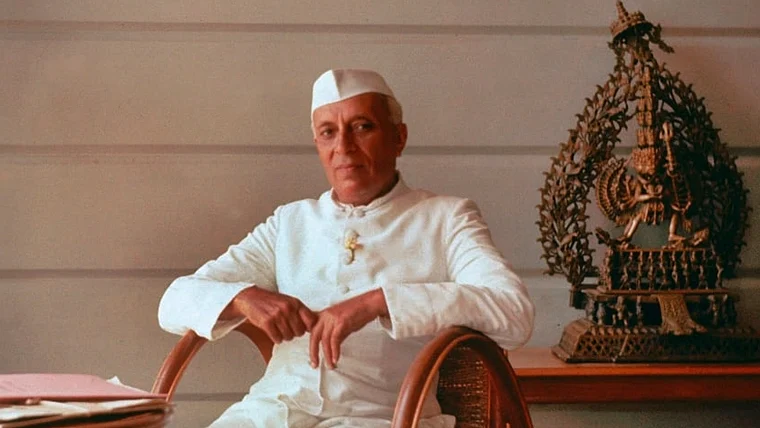
Jawaharlal Nehru faced more setbacks than you think.

File picture of Jawaharlal Nehru

The first Prime Minister of India, Pandit Jawaharlal Nehru gave India a new hope to dream of a free nation. He, along with other leaders gifted us the biggest democracy, the most ambitious republic, a colossal Constitution and an advanced form of secularism. He alsmost single-handedly integrate the entire nation after Indepence from India. He stirred emotions and tears when he said in his speech, “Long years ago we made a tryst with destiny, and now the time comes when we shall redeem our pledge, not fully or in whole measure, but very substantially. At the stroke of the midnight hour when the world sleeps, India will awake to life and freedom.”

Such invoking and inspiring speeches is one of the reason why Jawaharlal Nehru is deeply loved and revered among the Indians. It is said that during the first General Assembly Election 0f 1952, Dr.Nehru addressed almost 1/10th population of India. A brilliant statesman and orator, he is even respected in the global sphere.

However, a successful person is not without failures and setbacks. Nehru was an idealist hence even the slightest contrary caused him discomfort. Though he handled them with grace and elan.

The first setback he faced in his illustrious political career was when Subhas Chandra Bose resigned from Congress. Jawaharlal Nehru had attachment towards Gandhi but he also wanted Subhas to be in the Congress as he was modern and had socialist beliefs. Nehru never wanted this division in the Congress but in vain.

The next major dilemma Nehru faced was the Partition and the horrors of the communal riots and the immigration of thousands of refugees. Nehru always wanted peaceful coexistence and equality of all religions. He had to agree to the Partition to avoid more deaths and a civil war. Though his policy of secularism helped him gather people’s support during the election campaign.

In between of all these political conflicts, he was not without personal losses. He lost his dear wife, Kamala Nehru who was Indian activist. Jawaharlal lost her to tubercolosis in Switzterland in 1936. Nehru recalls in his book, “The Discovery of India” reading out to Kamala when she could no longer read due to her weakness. Nehru recounts in his book that he would look at the moon from his prison window and think of her. Kamala was his strength.

Another major and mammoth task after Independence was the consolidation and integration of the Indian states into the Indian Union. States like Kashmir, Junagad and Hyderabad proved to be troublesome. Though it was the work of Srdar Vallabhai Patel to integrate the states. Nehru gave the Tribal Panchsheel policy to integrate the tribal states using humane and considerate ways. One of his principle was that development should be assessed with qulaities and not statistics. He was successful but had faced immense amount of resistance. Nehru never used the Indian Armed Forces until it was the breaking point.

Nehru has been extremely respected by his opposition parties. Nehru had internationalist views as well. Nehru was the brainchild of the NAM or Non Aligned Movement. He shared his idealist vision with the other leaders of newly independent states of Asia and Africa. When the world was grasping in fear of another war due to the Cold War, he saved us from fear and promoted his non-alignment views. He promoted far more modern ideas like economic assistance, non-interferance, integrity and pecaeful co-existence. But this policy was brutally criticized by the Western theorists as it did not fit into the American view. The policy of NAM was also blatantly violated by even his NAM counterparts.

Last but not atleast, Nehru was badly betrayed by his ally he trusted. He had signed an agreement with the Chinese premier Zhou Enlai only to be attacked badly at the Tibetian fronts during the Indo-China War of 1962. Nehru had never felt this betrayed and the condition of his heart worsened. For the first time he was criticized largely by his oppositions in the Parliament. It was a huge embarrassment for him in the world forum. He only wanted to share good values with the still-developing China but alas.

Many information in this article are from the book The Discovery of India by Jawaharlal Nehru. In the book he has delved deep into the foundation of the Indian society since the Indus Valley Civilization and the Aryan society. He fully embraced Indian culture but mixed it with ancient wisdoms that are relevant even n today’s hostile political climate.

Jawaharlal Nehru believed in the Indian people when the British rulers could not even entrust upon us the task of making a Constitution. His failures made him strong and resilient. He truly was the quintessential administrator and the ‘Chacha’ of the beloved children of his nation.