SOCIAL ISSUES

THE SOCIAl ISSUES

The social issue is a problem that influences by many citizens within a society.

Social issue be a group of common problem in present society and one that many people struggle  to solve. Social issues are distinguished from economic issues. Some issues have both social and economic aspects, such as immigration. There are also issues that don’t fall into either category, such as wars.

The definition of a social problem has both an objective component and a subjective component. The objective component involves empirical evidence of the negative consequences of a social condition or behavior, while the subjective component involves the perception that the condition or behavior is indeed a problem that needs to be addressed.

 social issues influence society

Slow social change is desirable, but rapid social change threatens social order. Social problems weaken a society’s stability but do not reflect fundamental faults in how the society is structured. Solutions to social problems should take the form of gradual social reform rather than sudden and far-reaching change.
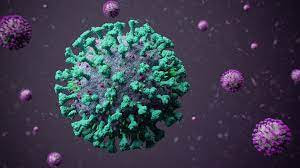
COVID-19 from 2020 is the hell of the year for all of us . the world facing many issues in this  pandemic situation . many of people lose thire dear and nears ones and many of finacial supports many of the people become homeless, they don’t have proper food to continue thire lifes

In every conntry thire many of issues facing in society , in this pandemic  the people facing issues are:

Suicide Prevention

With so many people forced into lockdown and isolation over the last year, many people have suffered from poor mental health. In Victoria alone, there has been a 40% spike in calls to various mental health hotlines as a consequence of COVID-19, and it is now more important than it ever has been to pay attention to the struggles of millions of people around the world

Family Violence

Another victim of the pandemic are families who are in dangerous situations due to loss of work, lockdowns and being isolated from the public. Record rates of family violence were recorded in 2020, and cases have increased dramatically, resulting in many support services struggling to help those in need

The Rise In Homelessness

Over the last year, the number of people who have been forced into homelessness has surged as short-term coronavirus and housing protections have phased down. Due to loss of income, many families have had to bear the burden of being kicked out of housing due to an inability to pay rent.

Our Ecological Crisis

Poverty and pandemic aside, another issue we are facing is the ecological crisis due to the collapse of ecosystems and troubling disappearance of biodiversity. Although the slowdown in economic activity due to COVID-19 created a very brief reduction in global carbon emissions, it is impossible to ignore the mounting effects of unchecked human activity over the last decade or so

Speeding Up The Vaccine Rollout

Last but certainly by no means the least, 2021 will see the COVID-19 vaccines being rolled out in most countries around the world. Although more than 360 million vaccine doses have been administered, there is a troubling gap between vaccination programmes in various countries, with many yet to report even a single dose.

Common of Social Issues

  • Poverty and Homelessness. Poverty and homelessness are worldwide problems. …
  • Climate Change. A warmer, changing climate is a threat to the entire world. …
  • Overpopulation. …
  • Immigration Stresses. …
  • Civil Rights and Racial Discrimination. …
  • Gender Inequality. …
  • Health Care Availability. …
  • Childhood Obesity.

Poverty and Homelessness

Poverty and homelessness are worldwide problems. According to Habitat for Humanity, one-quarter of the world’s population lives in conditions that harm their health and safety. Many do not have shelter, a basic human need for survival.

This social issue also goes beyond the 25% of the population directly affected. Because of the lack of shelter for this vulnerable population, there is greater stress on government and social programs, including schools and healthcare systems.

Climate Change

A warmer, changing climate is a threat to the entire world. Climate change affects the entire world population, and the Union of Concerned Scientists calls this social issue “one of the most devastating problems humanity has ever faced.”

The 800 million people already living in extreme poverty will be impacted most severely. Around the world, people are already noticing warmer winters, more severe storms and rainfall events, and more frequent wildfires. These issues already put stress on governments and systems in many countries.

Overpopulation

As the population of the world grows, resources become scarcer. The United Nations reports that the current population of 7.7 billion people is expected to grow in coming decades, with a projection of 8.5 billion people by 2030.

The fastest growing areas of the world, such as sub-Saharan Africa, often face already scarce resources like land for farming. As the population becomes more than the country can sustain, people will need to move elsewhere to avoid starvation and homelessness.

Immigration Stresses

People move from one country to another, and in itself, this isn’t a social problem. However, immigration can place stress on government programs and social systems within a country, and it can be a divisive topic in a society. These immigration-related stresses affect many people.

Civil Rights and Racial Discrimination

Civil rights, or the rights of citizens in a country to have equal treatment socially and politically, is another one of the most significant social issues in America and around the world. More than 40 years after the Civil Rights Act passed, almost 60% of African Americans still live in segregated neighborhoods and 90% of African Americans report that racial discrimination is still a major problem.

Gender Inequality

A report from the Pew Research Center Fact Tank indicates that about 50% of Americans feel the country needs to do more to address the income gap between men and women. Women still lag behind men in wages and top leadership positions held, although they are now more likely to attain a college degree.

Worldwide, the situation is even more extreme. UNICEF reports that 12 million girls are married before they reach adulthood, and 98 million high school-aged girls do not attend school.

Health Care Availability

When people are sick or hurt, they need access to medical care to get better. According to the Centers for Disease Control and Prevention (CDC), almost one in 20 U.S. citizens do not obtain needed medical care because of the cost. Worldwide, 97 million people become impoverished by seeking needed medical care, as reported by the World Health Organization (WHO). Governments around the world are working on this problem, as are nonprofit organizations.

Childhood Obesity

Some types of social problems are health-based, but they also have an impact on socio-economic issues. For instance, the CDC reports that 18.5% of U.S. children are considered obese, having a body mass index at or above the 95th percentile.

However, the childhood obesity epidemic doesn’t affect all children equally. Children in families where the parents have more education and higher incomes are far less likely to be obese than those in families with less education and lower incomes.

Poor Leadership

Many of the social problems in society are connected in subtle ways, but all social problems are connected to the leadership of countries, corporations, and other groups. An ongoing Gallup poll asks Americans to rate the most important problems and social issues facing the country. By far, the most significant issue was poor leadership; 28% of respondents list it as the number one problem.

Social Issues  Teens facing

Advances in technology mean today’s teens are facing issues that no previous generation has ever seen. While some issues are not exactly new, electronic media has changed or amplified some of the struggles young people face.

Depression

According to The National Institute of Mental Health, an estimated 3.2 million adolescents in the United States had at least one major depressive episode in 2017. That means about 13% of teenagers may experience depression before reaching adulthood.

Depressive disorders are treatable, but it’s important to seek professional help. If your teen seems withdrawn, experiences a change in his sleep patterns, or starts to perform badly in school, schedule an appointment with your teen’s physician or contact a mental health professional. Do not delay getting help for your teen if you notice these symptoms

Bullying

It’s also important to talk to your child about when and how to get help from an adult. Remind them that asking for help is not a sign of weakness, but instead a show of courage. Talking about how someone has humiliated them is never an easy topic.

Sexual Activity

Of the 20 million new sexually transmitted diseases each year, more than half were among young people between the ages of 15 and 24.

Parents may not be aware that their children are sexually active, however. Talk to your teen about sex, even if you don’t think your child is engaging in sexual activity.

Drug an Alcohol use

Make sure you have regular conversations with your teen about the dangers of drugs. And don’t forget to mention the dangers of prescription drugs, too. Many teens do not recognize the dangers of taking a friend’s prescription or popping a few pills that are not prescribed to them.

Unfortunately, teens often underestimate how easy it is to develop an addiction. And they don’t understand the risks associated with overdosing. Be sure you are talking about these risks on a consistent basis.

Fixing Social Issues

Although many Americans feel their leaders are the biggest problem they face, governments, corporations, and communities are working to fix some of the top social issues. These are just a few of the actions they are taking:

Schools are implementing anti-bullying programs, which the PACER National Bullying Preventions Center says can decrease bullying by up to 25%.

Community efforts to help reduce childhood obesity include adding salad bars to school lunches, focusing on physical fitness, and adding obesity prevention initiatives to hospitals.

The U.S. enacted the Affordable Care Act (ACA) to begin addressing the challenges in health care availability, and it remains an important political issue.

The European Union is on track to meet its goals for reducing carbon emissions and helping mitigate the effects of climate change. Other countries are also working hard to make progress.
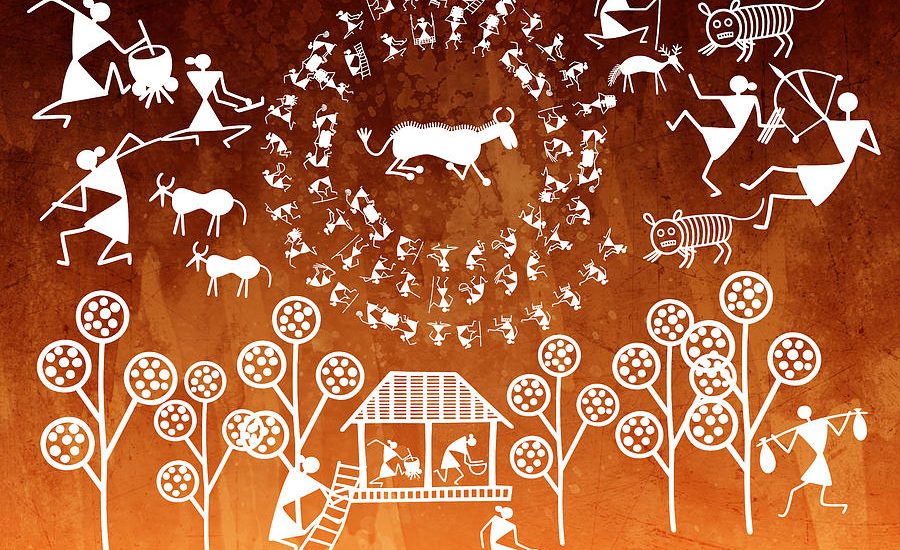
WARLI- THE TRIBAL ART

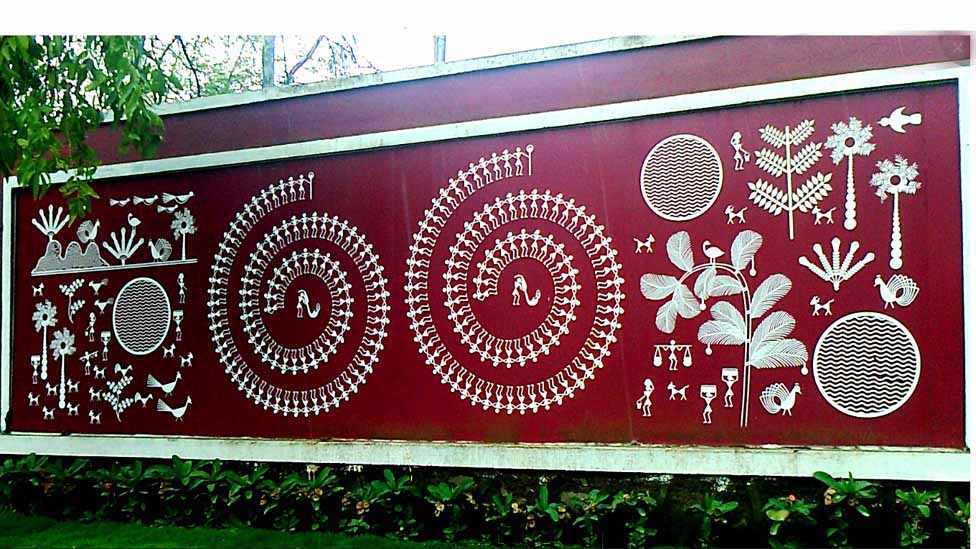
Tribal art is the visual arts and material culture of indigenous people. Warli is one of the Tribal art forms. India is a place of culture and Warli is a cultural folk style art. It is created by the tribal people from North Sahyadri Range in Maharastra, India. 

Warli painting traditions in Maharashtra are among the finest examples of folk culture. The Warli painting is created with the concept of Mother Nature and elements of nature. This type of painting was not discovered until the 1970s.Warli art is believed to have originated 2000years ago. 

The Warli painter’s main way of their life is farming and a large source of food for the tribe. So they greatly respect nature and they create the Warli art by centering this. The Wrli artists use their clay huts as the canvas.Basically this art is too simple to draw. It is characterized as geometrical shapes. The walls are only decorated to mark special occasions like weddings,festivals or harvests.

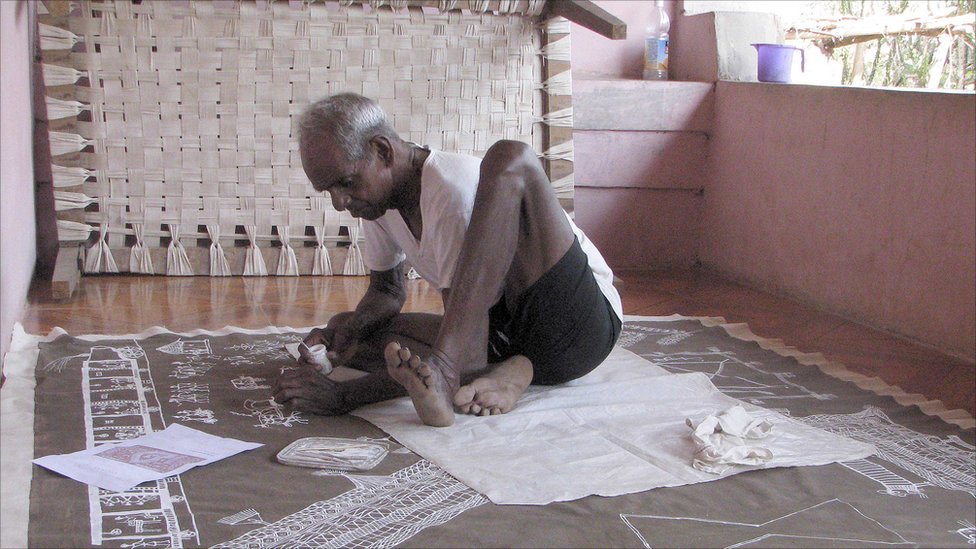
For this painting the preparation should be great. According to the Warli artists, to draw Warli on the clay huts there is some pre – preparation . Firstly , the walls should be covered by cow-dung, next earth and lastly with the reddish-brown terracotta paste. Then a paste of powdered rice and gum has to be prepared and as pens the artists use a thin stick of Baharu tree. And the upcoming result is the Warli paint. One interesting thing is there is no straight line in the Warli paint. The art is usually crooked lines, dots , circle , square , triangles and others geometric design. 

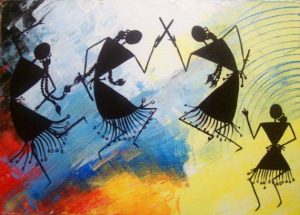
We must say that whoever discovers this art style he should be too intelligent because this art style has a symbol in every touch. This painting is a visual poetry where its evry symbols stand for a significance. Like, the circle represents the sun and moon. The  square represents the sacred land and the triangle represents trees and mountains. Square is the central motif in most of this type of painting. There is one more thing by which you will be more interested that is the central motif of this paint is such as pottery sense of hunting , fishing or farming , dancing or festive mode etc. Actually this type of painting indicates the daily life of villagers , which is apart from other modern art styles. You can notice in this art the ‘Tarpa dance’- actually tarpa is like any instrument , different men play it turn by turn. When music plays the villagers including men and women join their hands and move in a circle around the tarpa players.   

 But here I have a point to tell you that Jivya Soma Mashe , is the artist in Thane district who has played a great role in making Warli paint famous.

But all art is disappearing in this digital life . it is a matter of concern but all are not the same in this world. A few kind hearted people are still the same as they were in the past , and keep this wonderful traditional culturing art. Thus we can mention a saviour of this culture , Govardhan Eco Village in Thane district that keeps this painting alive by providing Warli artists a platform to display their art. In 2016 a group of Japanese artists made an effort to keep this art alive. They adopted the Ganjad village in Palghar district. To promote this art , this Japanese group has also been decorating huts according to the formula of Warli paint. By the way, Dahanu is one more village to keep this painting alive .  

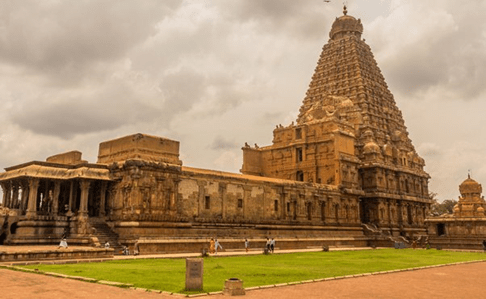
Brihadisvara temple, Tamil Nadu

This temple is a perfect illustration of the great heights achieved in the field of architecture by the Chola rulers. It is a homage paid to Lord Shiva and is a display of power of Raja Raja Chola I. The temple is formed of 130,000 tons of GRANITE.

Granite is the best-known igneous rock. The rock is rich in quartz and feldspar; it is the most common plutonic rock of the Earth’s crust, forming by the cooling of magma at depth. The looks obtained from using this stone are versatile. Granite can withstand heat up to 1200 degrees Fahrenheit. Granite is a highly durable siliceous stone. Many of the lighter granite do need to be sealed because the crystals are larger.

Brihadeeswarar Temple is also widely known by name of ‘Big Temple’. This temple completed its 1000 years in the year 2010. The temple is fortified. A long associated myth with this temple temple is that the shadow of the main structure does not fall on the ground. However, this has been proven wrong by scientists. Brihadeeswarar temple, also known as the Tanjore big temple expounds the number of alphabets in Tamil by the distance and height it is designed. The statue of Nandi at the entrance of the temple is carved out of a single stone.

The lingam is often represented as resting on disc shaped platform called a linga on a peetham. An elliptical figure placed atop a circular base called ‘peedam’ also called as “Peetham”.

MODE OF TRANSPORTATION-

1) BY AIR

The nearest airport to Brihadeeshwar Temple is the Tiruchirapalli Airport (65 kms).

2) BY ROAD

Thanjavur can be easily accessed from the nearby cities through bus. There are frequent government and private buses running to Thanjavur throughout the day.

3) BY RAIL

Thanjavur is the nearest railhead tothis temple.

Indian festivals!

Festivals in India are celebrated in many parts of India, as India is subdivided into different Linguistic States. The local Government in each State also specifies certain festivals, in addition to Central Government festivals and holidays, depending on the local population which have elected them.

INDIA

INDIA
Festivals of India


Festivals in India
Festivals in India are celebrated in many parts of India, as India is subdivided into different Linguistic States. The local Government in each State also specifies certain festivals, in addition to Central Government festivals and holidays, depending on the local population which have elected them.

India is a multi-cultural country
India is a multi-cultural country, and it is reflected in the Festivals of India: Festivals of India is about various social, religious, and national festivals celebrated in different parts of India. India has been rightly described as a sub-continent and of its major festivals, many are region-specific festivals too. There are many festivals which are celebrated as national festivals; while a number of them are celebrated by members of particular religious or social groups. India is a land of festivals. These Indian festivals bind all Indians together of different castes, religions, etc there is no discrimination while celebration. When there is no discrimination then it is called INDIA.


The major festivals are from religious groups as under:


Diwali or Deepawali
Dussehra
Raksha Bandhan
Krishna Janmastami
Ugadi
Maha Shivaratri
Ramanavami
Makar Sankranti
Holi
Pongal
Onam
Bonalu
Hanuman Jayanthi
Vasant Panchami
Thaipusam
Chaitra Navratri
Gangaur Festival
Mahavir Jayanti
Rath Yatra
Mahavir Jayanti
Guru Purnima
Ganesh Chaturthi
Maharishi Valmiki jayanti
Karva Chauth
Dhanteras
Govardhan Puja
Bhai Dooj
Eid-ul-Fitr
Muharram
Ramzan
Barawafat
Milad-Un-Nabi
Giaravahin Sharif
Hazarat Ali’s Birthday
Shab-e-Barat
Jamat-Ul-Vida
Id-ul-Zuha (Bakrid or Eid-Ul-Zuha)
Good Friday
Easter
Christmas
Losar
Buddha Purnima
Hemis Gompa
Ullambana
Guru Nanak’s Birthday Jayanti
Guru Govind Singh’s Birthday Jayanti
Guru Teg Bahadur’s Martyrdom Day
BaisakhiMJNJ

And many more! But this is the power of our Indian culture we celebrate all of the festivals together and happily.

RAJASTHAN- THE LAND OF KINGS AND COLOUR

THE GREAT RAJASTHAN

Rajasthan is the largest state of India and Jaipur is the capital of this state. Its area is 342,239km square. In the past, what is now Rajasthan were partly part of the Vedic Civilization and Indus Valley Civilization.  By population Rajasthan is the 7th largest state of India. It is located on the north-west side of India. Its big attraction is the GREAT INDIAN DESERT.

Rajasthan is actually “the land of kings”. The history of Rajasthan is 5000 years old. According to history Rajasthan is found in a stone inscription of 625 AD. In the 9th century, Rajasthan was grabbed by the “Rajput” royal family. So, we must say that it is the land of Rajput. In Rajput rulership there was much improvement in Rajasthan, the landmark was growing in their rulership. If anybody stroll along the path of Rajasthan they can see the magical historical building, sculpture, fort, temple which were built by the Rajput kingdom. But over the centuries the Rajput kingdom divided into 21 dynasties and 36 Rajput clans.

 After that in 10th century Rajasthan was grabbed by the “Chouhan” emperor but their rulership was not for long as “Rajput”. In 1192 AD the Prithvi raj Chauhan was defeated by Muslim sultan and concurred some part of the state.

In the early 13th century AD, there was the most powerful and prominent seat which was “Mewar”. In the modern period (1707-1947 AD) Rajasthan had never been united politically until its domination by Mughal Emperor but Mughal Emperor started to decline after 1707 AD. After the decline of Mughal Emperor, there was political disintegration by the dismemberment of Mughal Empire. After the decline of the Mughal Emperor the “Marathas” infiltrated in Rajasthan. In 1755 Marathas occupied Ajmer.

Rajasthan is a damn beautiful place. It is culturally rich and the culture has a touch of great tradition which is a reflection of ancient Indian way of life. There is a “folk culture” in the village which is a cultural symbol of the state. Their traditional folk dance is Ghoomar or Ghumar. Also, folk music is a part of Rajasthani culture, which is sung by Manganhar and Longa communities.

It is true that Rajasthan is well known for their traditional culture but there is also one more attractive feature which is the colorful art like block prints, tie and dye prints, Gota patto, Bagru print, Sanganer Prints and Zari embroidery. Their crafts are beautiful.

Rajasthan’s main festivals are Navaratri, Deepawali, Holi, Gangur, Teej, Gogaji, Janmashtami etc. In winter there is a desert festival in Rajasthan.

Tourism industry is the major income source of Rajasthan. Jaipur – the pink city is situated here. The foreign travelers are too attracted to Rajasthan. The main travel places are- Jaipur, temples of Rajsamand, Pali, the lakes of Udaipur, the sand dunes of Jaisalmer and Bikaner, Mandawa and Fatehpur, Dungarpur, Banswara, Pushkar etc. “Sonar Kella “which is the name of the famous fort of Jaisalmer is the big attraction of Rajasthan. The name “Sonar Kella ” was given by the great Bengali filmmaker Satyajit Ray for his movie named “Sonar Kella ”.  

 Jaipur’s Jantar Mantar, Mehrangarh Fort, Stepwell, Dilwara temples, Chittor Fort, etc are the tourist spots. Desert’s camel ride is the most interesting thing.

Ancestral Worship in South-east Asia

What is Ancestral Worship?

‘Ancestral worship’ is the custom of worshiping or reverence of the deceased ancestors. The whole custom is based on the belief that the deceased ancestor is still a part of the family, and whose spirit is believed to have powers to affect the lives of the living descendants in every walks of life.

It is believed that the deceased ancestor’s spirits have supernatural potential, which affects the lives of the descendants according to how ‘they are honored, and are hence, venerated as a deity or spiritual figure.

The rituals and practices of the ancestral worship vary, however, the belief remains common, that the spirits of the deceased ancestors have a hold on the lives of their descendants; rewarding or punishing them according to whether offerings are provided or not.

The roots of the ancestral worship are said to have grown in the primitive culture but its traces can still be found in various religious communities. While it is often associated with Confucianism, this custom of ancestral worship prevails across boundaries of religious traditions.
The custom of ancestral worship not just bases on spiritual belief or religious belief, but is also practiced to cultivate social values of filial piety which means to show love, respect, support and to take care of one’s parents, loyalty towards one’s family, and upholding the family lineage.
South-east Asia is one of the oldest practitioners of ancestral worship. Different offerings are provided to the deceased ancestors like- special food, clothing, and paper money on the ancestor’s altar by commemorating them on special days such as death anniversaries or funerals.

The deceased descendants are commemorated and the offerings are presented by the families as a gesture of commemoration and veneration. It is believed, descendants who fail to present any offerings are punished and the ones to do without any fail are rewarded by the spirits of the deceased ancestors. The practice of ancestral worship is evident in parts of Southeast Asia like India, Vietnam, Thailand.

Vietnam

Vietnam includes various religious communities including Taoism, Buddhism, Cao Dai, Confucianism, and Hoa Hao. Even after having this diverse religious belief, almost every Vietnamese household believes and practices ancestral worship.

The practice of ancestral worship is carried out by the family members of the deceased ancestor. Children are not only obliged to respect their parents and grandparents in life, but also after they die. Vietnamese families place the ancestral altar in prominent places of the house, with the picture or a wooden tablet with the name of the deceased ancestor carved on it, with a burning incense stick. The incense stick is believed to make the spirit feel welcoming to return to their home. Two candles are burned on both sides of the altar. The candle on the left representing the ‘sun’ and the candle on the left representing the ‘moon’. Red is believed to be the colour of happiness and thus, a red and gold coloured cloth is also used.

Regular offerings are made to the altars and afterward consumed by the living members of the family. These rituals of veneration must be followed upon the death of a family member. Failing to practice these rituals after the death of a family member is believed to unable the spirits to find their way back home, forcing them to wander. The wandering and homeless spirits are believed to bring bad luck to their families.

Special rites are performed on special days or special occasions like the ancestor’s death anniversaries or Lunar New Year, to communicate with the dead ancestors. On these days, every home tray consists of five different types of fruit which are placed on the ancestral altar. The fruits are of a different colour. The fruits may include pomelo, banana, pear, persimmon, and tangerine or oranges. These different colors represent the desire for “Phu” (prosperity), “quy” (notability), “tho” (longevity), “chang” (health), and “ninh” (peace). To drive the evil spirits away the altar is decorated with peach blossoms in warm pink.

A prominent place is occupied by the ancestral altar in every Vietnamese family, showing respect for the past and future both.

Thailand

Offerings are made to house spirits in Thailand. A house spirit (phi ruan) is made an offering with the construction of a house. When a family member dies, after the funeral a procession is carried out, leading the spirit of the deceased member back home, ensuring the spirit does not wander. Also, there are rituals for calming down the spirits that are thought to have caused an illness to any living member of the family. When an argument takes place among the family members or any disputes on the inheritance of property, the spirits become anxious and troublesome.

Singapore

Instead of wooden tablets having the names of the deceased ancestor carved on them, a piece of red paper is used in Singapore, on which the name of the deceased ancestor is written. This red paper inscribed with the name of the deceased ancestor is called ‘kong-ma-pai’. Kong-ma-pai is placed with the idols of family Gods on the household altar. Regularly, the offering is made and incense stick is burned.

The commonality of Ancestral Worship in India and Southeast Asia

Like most of the parts of Southeast Asia, India also believes in and practices ancestral worship. ‘Pitri-Paksha’ is an annual ancestral worship ritual followed and practiced by the Hindus in India.
A period of 15 days is devoted to the commemoration of the ancestors of a family. Food is donated to the hungry; be it any human being, animal, or bird. It is believed that feeding them will result in the feeding of their deceased ancestors.

These 15 days of pitri-paksha are devoted to the forefathers as a remembrance of the ancestors’ contributions for the betterment of the descendants as an act of paying respect and thanking them for their contributions and efforts.

No matter what degree of difference prevails in the practice of the rites and rituals of ancestral worship among the parts of Southeast Asia and India, the believes remain common. Every country, every society, every religion, every community, believes that even the deceased ancestor matters to the family and affects the lives of their living descendants. It is believed that the deceased ancestor does not cease to be a part or member of the family.

On one hand, people worship and pay respect even to the deceased ancestors of the family, considering them to be still a part of the family, and on the other hand, families or some members of the family do not count the living elders as a part of the family. They are often left out, disrespected, and abused.

Ancestral worship is not just about spiritual belief, but also about the belief and respect for the elders of the family. The elderly are the foundation stones of a family, supporting on which the family stands.

Early practices, rituals, and rites are also moral educators. Like the custom of ancestral worship is a way of remembering and paying a tribute to the ancestors for all they did for us. It is the efforts of our forefathers for what we are today……for what we are able to achieve.

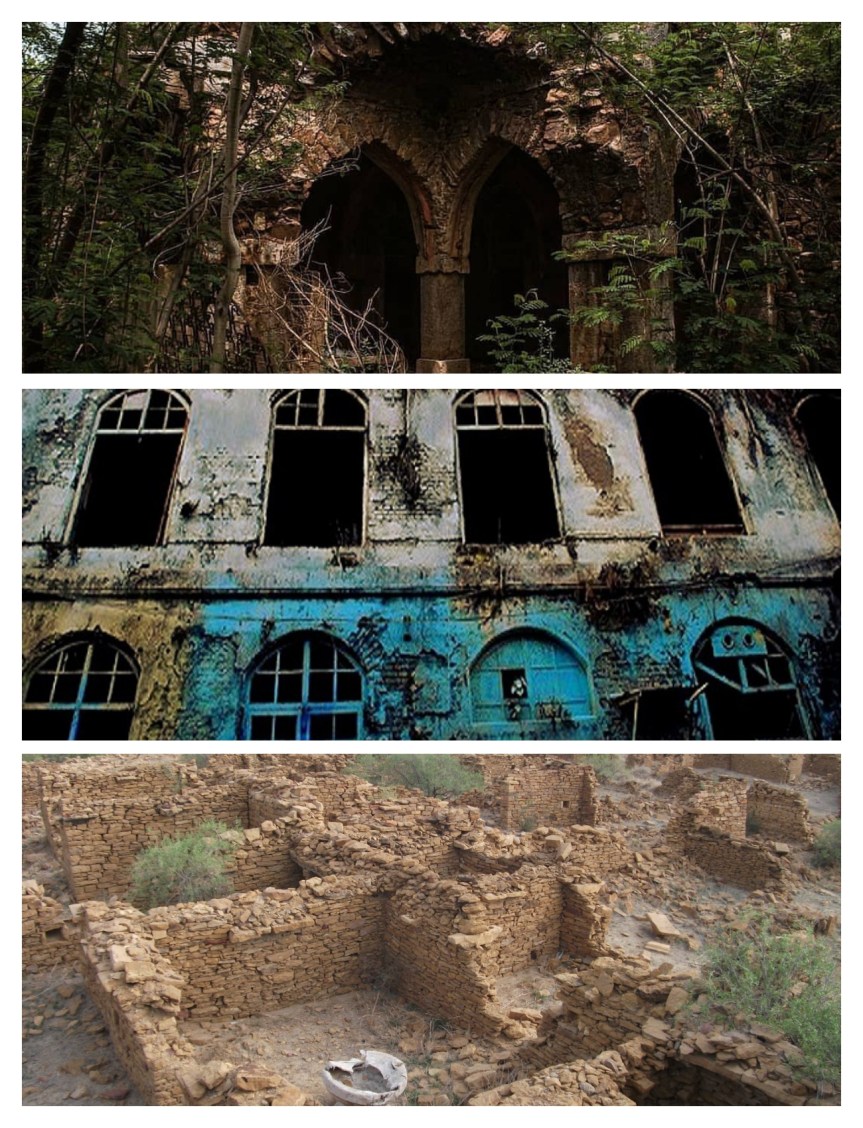
3 Indian Historical Monuments and Their Spine Chilling Back Stories

1. Malcha Mahal, Delhi – Delhi is home to many haunted places but i picked this because of its tragic back story. This mahal was inherited by Princess Wilayat but the property was seized by Britishers who ruled the country at that time which left the princess and her 2 kids homeless. After a 9 year long battle Princess Wilayat was given her place back in 1985 but it was all runied and infested. Depressed she committed suicide in 1993 consuming crushed diamonds, leaving her kids behind and since then those 2 people, the brother and the sister lived there all by themselves. It was said that anyone who went near that area was shot down by them. The brother died in 2017 due to some unknown cause and the sister died a few years before him, date and cause unknown. The mahal is still in ruins and not many people dare to go near it.

2. Mukesh Mills, Mumbai– As the name suggests, it was a mill back in the time, around the 1870s and had a good business. But something happened in the late 1980s and the business was shut down. An unexplained fire broke out at the place leaving the building coal black. This became a true attraction for bollywood directors and actors like Bipasha Basu, have unexplained events like someone possessing them, music heard when no one was around in the building, spotting of mysterious people etc. Many actors still fear shooting there.

3. Kuldhara, Rajasthan– Now maintained by the archeological survey of India, this village was abandoned by the villagers around 200 years ago. They say the Prime Minister, Salim Singh here was a really cruel person and would use unethical methods for collecting the tax. One day his eyes wandered and landed on the daughter of the village cheif. He declared his intentions to marry her. The Paliwal Brahmins were horrified by this proposal since there was no room for inter caste/religion marriages back then. Fed up with his torture all the villagers left the village. No one knows where they went and settled down but to this day, no one can live over night in the village. People who try to, witnessed unusal activites and some of them were even recorded. Some people spotted shadows moving around, weird noises coming or tap on their shoulder when no one was around. This place is still a tourist attraction and people from across the glove visit but no one dares to spend the night here.

Decline of Political participation of Females in India

Since the beginning of rebellious movements against the oppressive British regime in 19th century, women have played an integral part in freedom struggle in India. From Rani Lakshmibai in 1857 to Mantangini Hazra in 1942, women have always upheld the patriotism and love for their nation.

Sarojini Naidu, an Indian political activist, joined Indian Independence movement back in 1905 and later became the Governor of Uttar Pradesh in Independent India, making her India’s first female Governor.

In the post independent India, prominent freedom fighter Sucheta Kriplani became the first female Chief Minister of India for Indian State Uttar Pradesh. In 1966, Indira Gandhi became the first female Prime Minister of India.

But if women participated in Indian politics and independence movements so actively at a time when women weren’t even allowed to walk out freely, why do we see a sudden decrease in participation of women in Indian Politics in 21st Century?

In 1990s, there were about 6 sitting female Chief Ministers in India and in 2021, there is only one sitting female Chief Minister in India, that is, Mamata Banerjee in West Bengal. Let us see the reasons behind lack of participation of females in Indian politics.

Assault on Indian female politicians:

India holds a bad history of torture, discrimination and hostility towards female politicians. From Ms. Jayalalitha who was brutally assaulted in late 1980s to Ms.Mayawati and Ms. Mamata Banerjee who were assaulted ruthlessly in mid-1990s proves that Indian Politics has never been safe for women. These female politicians were assaulted especially by male chauvinists to intimidate them for being a woman and raising voice in politics. These assaults discourage women in India to join politics.

Indian Political Parties are Male-dominated:

Unless a political party is formed by a female, all other political parties be it left, right or centre are by nature male-dominated in India. Females are not given powerful positions in these parties which further lower their self-esteem and this influences other women negatively to not join politics.

Systematic Sexism in Politics:

Even if women are given political positions, they are mostly given those positions that are stereotypically considered “womanly”. Women holding positions are also often harassed by male politicians. Women who want to hold more prominent positions thus get discouraged. Although some things have changed in recent years where we have seen women holding powerful positions in Defence and Finance Ministry, still a lot more has to be done.

Patriarchal Society:

This is a bitter reality that our male-dominated society doesn’t love “dominant female leaders”. For instance, when in 2019, two Female MPs from West Bengal wore a shirt and jeans, they were criticised and shammed for wearing western whereas so many male members in Parliament wearing jeans wasn’t an issue. The fear of getting judged by the society also discourages women to join politics.

What can be done to improve the situation?

First and foremost, we should make a safe political environment for women and listen to the issues they face in politics. Second, society and the government must have a feminist approach so that women come out and lead political movements. And lastly, although India has women friendly laws, these laws aren’t implemented and thus proper implementation of these laws must be done, for example, taking strict action against male politicians who make misogynistic statements, abuse women and like.

Web Development

Web development is a method of providing site structure and maintenance and this is work done in the background, intending to keep the site look good, running quickly, and performing well with consistent customer interactions. Web developers use various programming dialects to do this. The dialect used depends on the type of errand. Performance and the stage of their work. Online promotion skills are popular all over the world, and they are well paid, making them an excellent career choice.

This is one of the areas that are easier to open up, and the rewards are more generous because you need not have to struggle with a formal university degree to obtain qualifications. The field of web development is mainly divided into front-end(client-side) and back-end(worker-side).

Comparing Front-End and Back-End Development

The Front-End web developer is responsible for layout, design, and interaction with HTML, CSS, and JavaScript. He takes an idea from the drawing board and implements it. The content you see and use, such as the visual aspects of the website, drop-down menus, and text, is put together by a front-end developer who has written many programs to link and build elements, improve their appearance, and add interactivity. The program runs through the browser. It happened behind the scenes. This is where the data is stored. Without this data, there is no external interface.

The Back-End or the server side of the network consists of the server hosting the website, the application that starts the website, and the database where the website is located. Server-side developers use computer programs to ensure the smooth operation of servers, applications, and databases. Such developers need to analyze the company’s needs and propose effective software solutions. ng uses different server-side languages ​​such as PHP, Ruby, Python and Java.

The Industrial applications

In larger organizations and companies, a Web development team can consist of hundreds of people (Web developers) and follow standard practices such as agile Web development. Small organizations may only need a permanent or contract developer, or assist in the allocation of appropriate positions. As a graphic designer or IT expert. Web development can be collaborative work between departments, rather than the domain of a specific department. Web developer professions are divided into three types: front-end developers, back-end developers, and full-stack developers. Responsible for the actions and images that run in the user’s browser, while the internal developers are responsible for the server.

All of this may seem difficult to understand at first glance, but you don’t need to understand all of them immediately. You will gradually increase your awareness and things will start to click. The good news is that learning to be a developer is easy to get and access. This applies in particular to Open Classrooms.

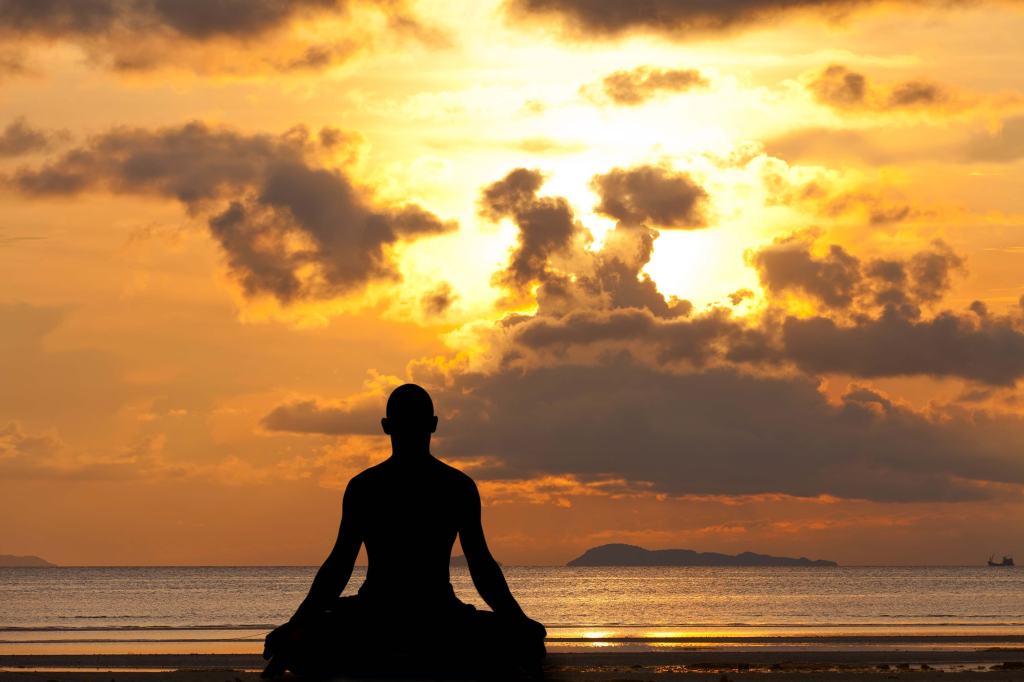
yoga

It was identified from ancient sources that yoga was found and originated from India. Its presence was found in the ancient books of India and was even mentioned in various religious books.

Humans have been performing yoga since ancient time. The evidence of which has been found by researchers.  

It is one of the ancient practices, which is been practice till now. Yoga is a word which is derived from Sanskrit root (‘Yuj’). And the meaning of this word is union of body (शरीर) and soul (आत्मा). The brief explanation to this definition is:

Yoga is the basically the functionality of our body which results in the union of our body with our soul.

Yoga is basically doing postures in a comfortable position yet a little challenging position to yourselves while berating slowly inhaling and exhaling Thorley and properly even breathes.

Yoga has been in practice not only by mans but women too. Many people do and practice yoga on regular basis to get them to various benefits of yoga which and many. There are various benefits one can get by performing yoga on regular basis.

Some of the benefits of yoga of yoga are: –

  • It connects our body to soul.

Yoga is just a form of meditation where you do not worry about the past neither future you live in the moment and that also with your inner piece (silence and concentration). Yoga does not bide you to or forces you it wants you to enjoy the moment which is now and be happy.

  • It helps in the functionality of various organs.

It has been known that yoga improves the organs functionality and now it has been scientifically, oxygen is essential for us humans and when we do yoga, we breathe slowly that helps in reaching the oxygen to all the organs of body and helps there functionality even better.

Yoga
Vibe


  • It may help live longer (longevity).

When our organs work well, they do their respective roles for our body to function and with yoga we breathes and does some mobility which may help increase the life span.

  • It helps in the proper blood flow throughout our body.

While performing yoga we breathe slowly which results in pumping up of heath in a good or proper way, which helps in proper blood flow through out our body to each organ.

  • It helps reduce stress, anxiety, and prevention from various mental problems.

While performing yoga you do not worry about future not past you focus on the present (you are performing yoga) you will feel like it is happiest to be you (at a moment) which helps you reduce you stress and helps in various mantle health problems.

  • It may help loose some amount of weight and toning up of body.

There are various types of yoga some are to relaxes your health some your building up your body while getting the benefits of yoga which will help you toning up of your body and might loosen your weight.

Do not wait any more go try yoga and you will fell in love with it.

Ecommerce in India!

So let’s have a look that what does ecommerce mean~ E-commerce is the activity of electronically buying or selling of products on online services or over the Internet.

And if we talk about “Ecommerce in India” then, India has an Internet user base of about 696.77million as of May 2020, about 40% of the population. In 2017, the largest e-commerce companies in India were Flipkart, Snapdeal and Amazon. In 2018, Amazon beat Flipkart and was recorded the biggest ecommerce in India in terms of revenue. And it’s rapidly growing up day by day.

In India, cash on delivery is the most preferred payment method, accumulating 75% of the e-retail activities. Demand for international consumer products (including long-tail items) is growing faster than in-country supply from authorised distributors and e-commerce offerings. Long tail business strategy allows companies to realize significant profits by selling low volumes of hard-to-find items to many customers, instead of only selling large volumes of a reduced number of popular items. The term was first coined in 2004 by Chris Anderson.

In 2017, the largest e-commerce companies in India were Flipkart, Snapdeal and Amazon. In 2018, Amazon beat Flipkart and was recorded the biggest ecommerce in India in terms of revenue.

And some of the ecommerce sites are:

1. Amazon.in

2. Flipkart

3. Snapdeal

4. ebay India

5. IndiaMART

6. Shopclue

And so on…

But one should properly check the product and should take a clear look in the mind that this product is the only one which I want to purchase and they’ve can go on but inspection of the product must be the first priority of the customer.

Raymond Willams 

Raymond Willams 

Raymond Williams, the overlooked Marxist but an impactful figure to the study of Literature and Linguistics. When we are introduced to Karl Marx, we often times overlook how Friedrich Engles, plays a jarringly critical roles and how he has enabled Marx with the support and opportunity he needed to move with what Marx believed and simultaneously wrote about. Similarly, Williams became this figure– unless you’ve touched subjects directly under his expertise– he’s the one we’ve turned a blind eye towards. 

Keywords, by Raymond Williams, a treatise and not a dictionary where he presented us the historical transformation 109 words which have underwent as a part of socio-political, ethno-cultural and economical transcendence and haven being privileged enough to read one of his impactful works, it’s just baffling to see how less of a influence he has outside of his field. It’s not extrapolating information that is thrown at you just for the heck of it, but rather an insistence to know who and what Raymond Williams’ stands for. He has redefined/ restructured what Antonio Gramsci has called Hegemony, and even went on further with his works in tearing down era’s through his works and critiquing the existence and work of aristocrats and ownerships in his works The English Novel from Dickens to Lawrence and in Culture and Society: Coleridge to Orwell with his highlights on class struggle; from his comments overarching and inclusive of architecture, fashion, food, and even leisure, he has lured literary critics. 

Williams was one of the pioneers to question about the greatness of culture, the association of High Culture to the Bourgeoise and propagated skeptically the notion of something with no inherent value to be associated and put into pedestal, a notion he worked to deconstruct by questioning the elites and it’s control over the means of production as well as its hegemonic power over what is to be named as culture, and more.

This British man, also was very actively engaging in discussion of what Language is, and how it is a reflection of society, that has been nothing short of a lopsided tale serving a particular class; he question the use of language in reality, and how it has shaped the area of Literature, and constricted it, almost white-washed it. He persists upon altering generic views towards literature, to understand categories like arts, humanity, creativity, science and more. He also spoke about the politics of Speech Writing and how narrowed or culture centric it has to be in order to act as a tool of aid to the speaker to give him impetus, this all significantly spotlights William’s need to bring Language to the forefront of the existence and continuation of human society, not as a crutch, but more like a base for the super-structure to stand tall on; not a closed, rigid system, but something that could be reimagined and conceptualised to constantly regenerates, this is Raymond Williams’ basic as a Marxist Cultural Critic. 

INTERNATIONAL WIDOWS DAY: A timeline of lives of Widows in India.

Today, June 23, is a very important day for one of the most neglected sections of our society, and they are none other than the widows. International Widows Day was firstly established by The Loomba Foundation to increase awareness about the tyrannies faced by widows all across the world. June 23 was especially adopted by the Loomba Foundation because it was on this day in 1954 the mother of foundation’s owner became a widow. Later on in 2010, this date was officially adopted by United Nations to focus on issues of widowhood.

Widowhood in India: A brief History.

During ancient times, after the death of a man, their wives were expected to live an execrable and damnable life. Widows were made to wear only white clothes, shave their heads and had limited options for having food of their choice. Untouchability and ostracism of widows were at peak. At some places widows were forced to undergo the Sati practice in which widows had to sacrifice themselves by sitting atop their deceased husband’s funeral pyre. These practices came from the patriarchal idea that if a husband’s life is over, his wife’s life is also over.

Ban of Sati Practice: Prominent Social Reformer Raja Rammohan Roy led the movement against the evil practice of Sati in India and finally on December 4, 1829, Bengal Sati Regulation was passed by Lord William Bentinck.

Widow Remarriage: A significant change!

Indian Social Reformer Ishwar Chandra Vidyasagar from Bengal was one of the major leaders who advocated in favour of remarriage of widows in India. He received support from several dignitaries of that time including Rani Rashmoni of Kolkata to many other government officials in East India Company.

Finally, Hindu Widows’ Remarriage Act, 1856, was drafted by Lord Dalhousie and passed by Lord Canning for remarriage of Hindu Widows in all jurisdictions of India under East India Company.

Did the lives of widows change after the progressive law?

The simple answer to the question above is “no”. Although things have improved in well-read and educated families where widows don’t have to go through the same amount of brutality as before, however things have not changed for millions of widows in India.

Abandonment: A newer problem!

Widows, even in 21st century have to face massive amount of torture from confinement to lack of care in many Indian families who have a patriarchal and out-dated approach.

Most women in India are not financially independent and are dependent on their husbands for daily needs. And thus, when the husband passes away widows become financially vulnerable. Children of the widows do not take the responsibility of their well-being and abandon them. With no options left, widows take shelter in old age homes or take the path of spiritual life and settle in ashrams of holy cities like Varanasi and Vrindavan. There are also some NGOs and private bodies in these holy cities who take care about the wellbeing of the widows including their medical and food expenses. Widows are also encouraged to engage themselves in some relatively easy jobs like stitching and sewing by these NGOs to have financial stability.

There are more than 50 million widows in India and its high time that we as a society and government must step up to protect their rights and make a discrimination free environment for them.

United Nation Public Service Day , 23rd June 2021.


You must have heard about stories of superman with Cape , flying high in the sky, fighting selflessly to save people , dodging punches and being as far as one can be from reality , being all fiction .

But do you know about hero’s born without a Cape , one with no flying ability ,no superpower like reading minds and breaking buildings  or spider webs spilling from their wrist  to climb the walls ?

You must have heard them being designated as unsung heroes , humans as heroes. Being human does limit us if you contrast them with fiction but the truth is  reality always challenges fiction .

To make it more comprehensive ,  stating , David Harris Bradfield, words

Everyday somewhere in the world
another unsung hero is born.
Someone who is willing,
to lay his life on the line
to save another living creature,
on this wonderful planet of ours.
To go out of their way,
and risk life and limb to save something,
from danger and certain death.
These unsung heroes don’t want medals,
glory or even fame.
In fact, most would walk away afterwards,
without anyone ever knowing their name.”


Going out of the context but have you watched the NESCAFÉ  ad ?
Where they tell us we meet nearly 80,000   people in our lives.
I assume you do .

They weren’t lying. We do meet 80,000 people. Some or the other help us to live ,some help us to eat ,some help us to be safe , some and some and some ….who are these some ?

They are public servants .
Yes the hero without Cape ,the unsung heroes who are willing to lay their life on the line .


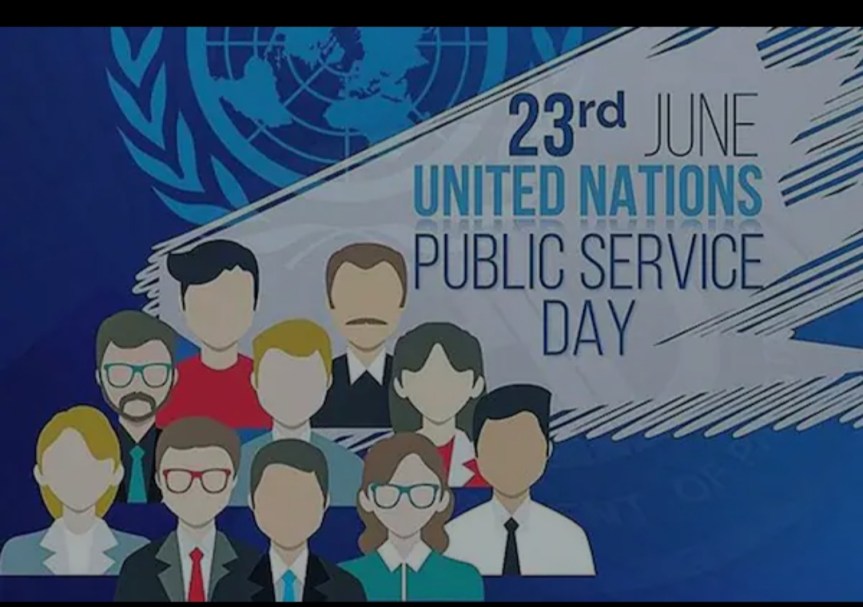
23rd June , Public Service Day :-

23rd June of every year is celebrated as
The United Nations Public Service Day “. The UN Public Service Day was designated by the United Nations General Assembly’s in 2003, to “celebrate the value and virtue,  the willingness to serve , the unsung heroes , and their public service to the community”.


Public Service Day  reminds us of the unmatched sacrifices of the public servants in making this society a better place to live in.


Theme 2021:-

This year, the United Nations Public Service Day will be celebrated under the theme of “Innovating the Future Public Service: New Government Models for a New Era to Reach the SDGs”.


The theme focuses on innovation and technology playing an important role in the delivery of public services. The pandemic itself highlights the rapid adoption of technology at its best .  The theme also considers the  preparation of future public service for a new era, so as to reach the 2030 sustainable development goals.

The  digital revolution that changed the way we inhabit our lives helped us to bide during the pandemic . The 2020 Covid-19 pandemic manifested  the digital service ,  virtual service , new technology ,an  increase in digitalization  leading firms and educational  institutions, and work-from-home service .  
Every country needs to reform and set the future for the   fundamental changes in the public service , to be  nimble footed  as well as tech savvy with  the new innovations and technology.


Origin & Events .:-


The General Assembly entitled 23 June as Public Service Day by adopting a resolution on 20 December 2002.
To  appreciate and celebrate  the contribution of public service in the development process ,Their selfless service , and to  encourage youth  to pursue careers as public servants ,the UN   inducted 23rd June as Public Service day. To acknowledge  the value of public service, the United Nations established the UN Public Service Awards (UNPSA) programme in 2003, which was reviewed in 2016 to align  with the Agenda for Sustainable Development 2030.

Several other events are organised by public service organizations to  recognise the role of public servants in making developments and improvements in the community.


Public Service the Major Instrument :

Every kind of service necessary to public good   becomes  honourable by being necessary “
                   Albert Schweitzer


Public servants  are the major instrument   in improving people’s lives. Sustainable development is evidently impossible without public servant administration .  Modernization , digitalisation and this pandemic gave us the picture  that human  existence is impossible without public administration.

Government service , Education , Public safety , Emergency service , healthcare , Environmental protection, justice , consumer protection, custom & immigration , transportation, infrastructure, global affairs, public broadcasting, social service,  postal service , art & culture , agriculture , natural resources ,
Urban & rural development planning , etc. are some common typical standard public services .

The local government try to balance the community choices  and goals to make it better together ,  the doctors saving life risking their own, the soldiers and police administration  who are never coming home and the ones who come home but never remain the same after the tragedies faced to keep the security blanket around civilians , the cleaners doing their best to fight the virus and deadly disease for public to have a safe environment to walk around ,  come  together to accomplish a common goal to find meaning 
beyond our political beliefs or opinions regarding their service .


The public servant, regardless of position or title work together with a share passionate and  vision, a purpose and  commitment to the importance and value of
public community.


Selfless Public Service  during Covid -19  :-

The frontline battle of Covid -19 is more scary than we see it flooding on social media. We can rarely discern reality and social media but that’s because we are incapable not because there is nothing to comprehend .
The life threatening  pandemic has finally sailed and became death threatening  .
While  we remain confined in our  homes dealing with  online education   institution system and doing online work  , seeing the virus becoming lethal  and  shutting down all the possible chances of facing the lethality  ,  doctors, health-care workers, and medical staff members and all the other public servants are leading the battle against COVID-19 , putting their own lives at risk with selfless determination for the sake of saving lives despite of every possible chances of actually been dead threaten. 

  Putting their own health, families, and most importantly their own lives at risk, the least we can do is appreciate their efforts and celebrate their audacious  gallant effort  on this entitled day of Public Service .


Public service is the most difficult job in a modern society.  Their  work too often goes unnoticed . Today , 23rd June this is a chance to
acknowledge their efforts and celebrate their  willingness to sacrifice themselves for the public and are 
most passionate about finding meaning in their service  then  profit .

Let’s glorify the virtue and passion of the public servants on this designated Public Service Day  by showing our gratitude for their altruistic service .

FESTIVALS

A festival is an event ordinarily celebrated by a community and centering on some characteristic aspect of that community and its religion or cultures. It is often marked as a local or national holiday.

Festivals are larger than life celebrations of various things. They occur at regular intervals and helping in breaking the monotony of life. Furthermore, they give you the chance to celebrate the little and big things in life. Festivals are the carriers of peace and joy in the communities.

Festivals are perfect learning experiences to teach moral values . Festivals are full of excitement, celebration and happiness. They not only bring joy to our homes but also brings families together.

Some of the benefits of festivals are :

•Keeps us closer to our religion and tradition.

•Promotes harmony.

•Carrying the message of the past generations to the present and future.

•Festival celebrations promote communal harmony.

•We get to know about different religions.

• Helps to preserve our culture and heritage.