Nobody was expecting to be one day locked in their homes and worrying about keeping the virus at bay. Untill the vaccines are out we have to take certain serious measures to ensure the safety of our family and loved one’s.
Is cleaning like we usually did enough? What can a common man do without thehigh tech protective gears?
Let us break down some steps which can be followed at home as a part of our daily routines to not only clean but also disinfect :
Food and it’s cleaning procedure:
Nowadays with online shopping of essentials, we must make sure that the vegetables and fruits are disinfected. We must transfer the eatables into a dish and wash off the container immediately. If it is a disposable container, throw it in the trash can which should have a lid. Remove and throw away outer cartons of cereal boxes. All unnecessary shrink wraps and plastic packaging must be disposed off. Beverage bottles and cans can be wiped with disinfectant. Fresh vegetables and fruits must be thoroughly rinsed under a running tap, preferably with warm water and salt and turmeric. Wash your hands with soap and water once you are done. One can also keep certain items in sunlight to naturally kill some germs under the Uv rays.
Washing clothes after returning home:
Warm water destroys germs. So, use the warmest water appropriate for the fabrics you are washing. Use a generous amount of detergent or soap along with disinfectant liquids likke Dettol/ Savlon. Allow the clothes to dry fully, either in the dryer or outside on a clothesline in the sun. All of the above steps are necessary to fully exterminate the virus. Remember to disinfect the laundry bag as well. And wash your hands with soap immediately afterwards.
Disinfect surfaces that are frequently touched:
Surface that are touched very frequently like door knobs, door edges, handrails, light switches, kitchen and living room surfaces, mobile phones, earphones, remote controls, wallets, toilet seats, taps, tables and chairs should be cleaned one a week or even more frequently.
If the surface is too grimy, you first want to clean it with soap and water. Use a clean piece of cloth or a kitchen sponge wipe. Then wipe the surface with a disinfectant wipe or a disinfectant solution that has at least 70% alcohol. You can also use bleach. One cup of bleach mixed with five gallons of water is suitable for non-wood surfaces. For wooden surfaces, a solution of white vinegar and water works well.
The disinfected surface needs to dry naturally. Do not quickly wipe it dry. Most disinfectants need to stay wet on a surface for at least a few minutes in order to be effective. We suggest using a wipeable waterproof cover for your phone. It will be easier to disinfect and there’ll be less chance of the disinfect damaging the device.
Cleaning of floors and walls of theHouse:
Even if you are not using a vacuum cleaner, you can manually sweep and mop the floor with disinfectant. Pay special attention to high-traffic zones like porches, hallways, lobbies, kitchens and corridors. You want to clean the floor in these places more thoroughly. Make this an everyday habit and if you go outside then twice a day is highly recommended.
What to doif you come home from outside:
When you come home from outside, you bring a lot of germs into the house on your clothes, shoes and bags. As soon as you enter the house, remove your shoes and overcoat at the door. Leave your bags in a corner and head straight to the bathroom. Wash your hands, face and other exposed parts with water and soap. Next, disinfect your bags and the things you have brought home. You can use wipes or simply wash them with soap water. You can also sun them out as heat is known to kill coronavirus.
These are some of the few things you can do to make sure you and your family stay safe and healthy through this pandemic.
While it will likely change over time, focusing on a certain career path can help inform your decisions about your professional growth as you gain skills and experience. It’s important to reflect on your interests, skills and career goals as you make certain life choices such as which school to apply for, which entry-level job is right for you, whether to get a post-graduate degree or specialized certification and more.
In this article, I will focus on how to identify your key skills and interests, match those qualities to a potential job field and start a career.
1- WRITE DOWN CAREER GOALS
Before selecting a career, start with self-reflection by asking and answering certain questions. Active reflection helps narrows your choices into something more specific.
Consider asking yourself:
What do I want from my career?
What are my core values?
What activities do I most enjoy, professionally or in my free time?
What are my interests?
What are my strengths and aptitudes? Soft skills? Hard skills?
Do I want to specialize in certain technical skills or take on management roles?
Once you answer questions like these (and any others that are important to you), you can better research potential careers paths. It’s also important to revisit your career goals as you grow personally and professionally to ensure your goals remain achievable and aligned with your interests.
2- Set one short term & one long term goal
Once you have narrowed down your options, consider establishing milestones for your career. Research where other people in your field are at five or ten years into their career, and make note of the job titles they have. Decide what title or advancements you want to have at these future points. Then research what you can do to reach those goals. You may need to undergo training programs, take on specific responsibilities or hold prerequisite positions.
By establishing career goals five or ten years in the future, you can plan based on what progress you should expect every year. Schedule time regularly to reflect on your career and goals.
3- Identify your Personality Type
A personality type is a set of personality traits that can be grouped together. There are multiple methods for discovering your personality type, many of which focus on your responses to different situations. Different personality types may naturally gravitate toward different interests and develop different strengths, including careers.
Different tests list common career choices for each personality type. If you take a variety of tests and one or two careers appear across multiple tests, that specific career is likely worth researching.
4- Did you enjoy your previous job/internship?
Your job satisfaction in previous roles can also help guide your career choices. Identify trends in your previous positions, such as focusing on a specific technical skill. Also, review your job history to identify positions that you felt fulfilled in.
5- Educate yourself with the Job requirements – skills, knowledge, interests,etc
Many jobs have specific education requirements for applicants and new hires, such as obtaining a high school diploma, completing a bachelor’s degree program or having a master’s degree. Some positions also require applicants to have their degrees in a specific field related to the position.
Review the education requirements for jobs you are interested in, and apply for jobs that accept your current level of education or research additionally degrees or certifications you may need.
6- Work on gaining expertise in the skills you already possess
Make a list of your current skills, certifications and areas of expertise. Also ask for feedback about your technical, interpersonal and people management skills from coworkers and colleagues. This evaluation can help you find careers that match what you are best at.
7- If you can choose your interest as your career,what will it be?
Depending on your personality, you may have interests that lend themselves to different careers. Examine your hobbies, past volunteer experiences and interests to identify activities or fields you enjoy. While this information is outside of a professional context, creating a list of activities you like can help you focus a career search. For example, you may enjoy a career in cybersecurity if you enjoy logic puzzles, or you may enjoy a traveling sales role if you like meeting new people.
Use this knowledge to apply for short-term positions or volunteer opportunities to explore new career options. This first-hand experience allows you to test your suitability for a career. If you are currently in school or have a job, consider taking a course or certification program that is required for a field that interests you. This experience can help you determine if the career’s skills and content are something you enjoy.
8- Consider your salary needs
Depending on your lifestyle, you may require a certain salary. Find average salaries by job title, company and location on salaries. This can be a good starting point for determining how much money you may have when first starting out, as well as your earning potential after you’ve gained a certain amount of time and experience. While salary certainly does not equal an engaging, satisfying job, it is an important factor to consider when mapping out your career path.
Fats are mostly just a chain of carbons, usually about 12-16 carbons long. Normally each carbon had a single bond to the carbon before and after it and to two hydrogens (four bonds total).
Saturated fats have this design on every single carbon. It’s called saturated, because it is saturated with the maximum possible hydrogens attached to it.
Unsaturated fats are missing some of the hydrogens and have a second bond between the carbons missing those hydrogens. Since double bonds don’t allow the bound atoms to rotate these fats can either line up with the rest of the chain or it creates a permanent Kink in the chain. The kinked ones are called cis and the straight are called trans. Trans only happen in large quantities when we manipulate them, and not much in nature. It’s specifically partially hydrogenated oils that result in trans fats in any notable quantity, as fully hydrogenated oils results in saturated fats only.
As far as how they effect human health, they generally behave in a similar way as saturated fats, except for the extent. This is because they are straight like saturated fats and enzymes that work with saturated fats also latch onto trans fats, but can’t get past the double bond resulting in them taking much longer to break down.
There are list all, the things trans fats do in the body, but in general terms they are negatively effect blood pressure, raise LDL cholesterol (the bad kind), and seems to increase the risk for heart disease and diabetes.
It must also be noted that amount is an important factor as a tiny amount, such as what you encounter from natural foods, doesn’t have too much of an effect. It’s only the higher levels of trans fats of partially hydrogenated oils that seems to be too much for the body to take care of.
According to experts, trans fats should be avoided completely. The World Health Organization even advocated a ban on trans fats in food, as they would pose an enormous health hazard. The following products contain many trans fats:
Baked goods such as croissants
Cookies
Chips, flips, popcorn
Fast food
Ready meals like French fries and pizza
The list of ingredients of finished products provides information: The descriptions ” vegetable fat, partially hardened” or “unsaturated fatty acids, contains hardened fats ” stand for trans fats. In order to avoid this, you should also take care when shopping to avoid declared vegetable fat as hardened, partially hardened or hydrogenated. When frying and deep frying, you should use clarified butter, extra virgin olive oil, peanut oil or refined oils from corn, sunflowers, peanuts, soybeans and rapeseed.
Now the question, government should ban the use the ban the use of the Trans-Fats in food items.
This is not only the government, but I think it is us, who should the first corrective step in this matter. We must ourselves understand the bad of Transfats on our health try to improve the awareness of common man on the subject to avoid Transfats contain food.
Above is the Trans-Fats Free logo provides a boost to the ‘ Eat Right India’ movement of FSSAI.
The Eat Right India Movement is inspired by the vision of PM Narendra Modi for a ‘NEW INDIA’ by 2022 which is healthier with proper Nutrition and social security. Considering that the food plays an important role in insuring good health, FSSAI pledged to eliminate the Trans Fats from food supplements through its ‘Eat Right India’ movement.
So now the question of banning Transfats will be a difficult step intially, but our government is definitely working on the subject, by bringing awareness in general that this type of fats are silent killer and should not be used. Lots has to be done before banning Transfats.
Below are some ways to avoid eating foods that contain trans fats:
Eat more whole foods like fruits, vegetables, whole grains, beans, lean meats, fish, nuts, and lean poultry. Shop the perimeter of the grocery store and avoid inner aisles where you’re more likely to find processed foods that may contain trans fats.
Cut back on consumption of processed foods. Eat these foods less often and in smaller portions.
Not all processed foods contain trans fats. When you do eat processed foods, avoid processed foods known to contain trans fats such as chips, cookies, donuts, icing, cakes, biscuits, microwave popcorn, crackers, fried fast foods and frozen pizzas.
Read food labels and avoid foods with partially hydrogenated oil listed as an ingredient.
Avoid stick margarine and vegetable shortening. Swap this for olive oil, grape seed oil, canola oil, soybean oil, corn oil, or sunflower oil when baking or preparing meals at home.
Whether dining in or out, avoid fried foods. Choose foods that are baked, steamed, broiled, or grilled.
Indian inventions and discoveries have been instrumental in shaping the face of the current modern world. I have picked 12 such interesting findings out of a whole bunch that will make you go, “I didn’t know that”.
Shampoo
The word ‘Shampoo’ is derived from chāmpo (चाँपो). It was initially used as a head massage oil for the Nawabs of Bengal during the Mughal Empire around 1762. It evolved into shampoo over the years. Yes, you have India to thank for shampoo.
Buttons
Buttons were first used in Mohenjo-daro for ornamental purpose rather than for fastening. They were first used in the Indus Valley Civilization by 2000 BCE.
The Chess Game
Chess developed out of Chaturanga, which is an ancient strategy board game developed during the Gupta Empire in India around the 6th century AD. Now you know why Vishwanathan Anand is such a pro. It is simply in our roots.
Ruler / Scale
Rulers were first used by the Indus Valley Civilization prior to 1500 BCE. Made of ivory, the rulers found during excavation, reveal the amazing accuracy of decimal subdivisions on it.
Radio / Wire-less Communication
We all know that Marconi received a Nobel Prize in Physics in 1909 for contribution to the development of wireless telegraphy. But the first public demonstration of radio waves for communication was made by Sir Jagdish Chandra Bose in 1895, two years prior to Marconi’s similar demonstration in England.
Sir Bose was posthumously credited (more than a century later) for his achievement. The fact remains that this discovery truly shaped the face of modern wireless communication.
Ink
Many ancient cultures and civilizations independently discovered and prepared ink for writing purposes. The source of carbon pigment used in Indian Ink (called musi) used in ancient India, was India. Since 4th century BC, the practice of writing with ink with a sharp pointed needle was common in South India.
Flush in Toilets
Flush toilets were first used in the Indus Valley Civilization. These existed in most homes and were connected to a sophisticated sewage mechanism. The civilization was prominent in hydraulic engineering.
Diamond Mining
Worldwide, India was the only source of diamonds until the discovery of mines in Brazil in the 18th century. Almost 5000 years ago, diamonds were first recognized and mined in central India.
Cotton – so basically we clothed the World!
The ancient Greeks used to wear animal skins and were not even aware of cotton. But Indians were sort of cool and started cultivating cotton during the 5th – 4th millennium BCE in the Indus Valley Civilization. The word spread to the Mediterranean and beyond and soon everyone was ordering one from Flipkart. Well, pretty much.
Steel and Metal Works
Ancient Indians were pioneers in metallurgy. High quality steel was produced, almost two thousand years before it was understood by the West. One of the most remarkable feat in metallurgy: creating a seamless celestial globe, was invented in Kashmir. It was earlier considered impossible to create a metal globe without seams.
So thanks to India, Iron Man can wear his suit now.
Plastic Surgery & Cataract Surgery
Yes, you heard it right. Indians were pioneers in Plastic Surgery and Cataract surgery, too. It was carried out in India as early as 2000 BCE by Rishi Sushruta also known as the father of surgery.
Snakes & Ladders
The game, Snakes & Ladders, was invented in India as a game of morals. Later it spread to England and eventually introduced in the USA by game pioneer Milton Bradley in 1943.
Being one of the oldest civilizations in the world, complete with a rich history and culture as well as a strong and long scientific and technological tradition, it comes as no surprise that many significant inventions have come out of INDIA.
Firecrackers are merely constituents of gunpowder comprising of various elements which gives rise to prolong combustion. In India, it means a lot more than that. It has aesthetic purposes since it has been believed that ‘Agnichurna’ was used in ancient times to fight enemies during wars. Be it marriages, birth or festivals, firecrackers are a form of awakening light by defeating the darkness. One such prevalent case has been of Diwali, where the entire country lights up together and celebrates the mythological victory of good over evil.
Firecrackers believably have grown during the end of Mughal dynasty and start of British East India Company and are burst like any other ritual in the country. Apart from acting as a ritual, there are also scientific reasons why the bursting has become so prevalent. Diwali comes after the monsoon season, at a time when the population of insects increases rapidly and encroaches various human habitats, be it cities or villages. That is also why most houses paint homes. Crackers then act like city wide fogging which cleans these insects, making a healthy and safe home for its residents throughout the year. This act of bursting crackers has been set on the hearts of people igniting homes and binding people all over the country. Firecrackers in a way, signals the entire country that everyone is celebrating a festival together. The bursting of crackers has been serving a ritual since decades across India. The religious sentiments that are aligned with the act are huge.
Focusing on the origin of Diwali, it is not only a specific event but the entire country actually has its varied forms of celebrating it. Like Ma Kali is worshipped in Bengal, Lord Ganesha is also worshipped in many homes, Jains specifically devote their day to Lord Mahavira. Lighting diyas and bursting crackers has been going on since time immemorial and along with it is lies belief of most Indians. These rituals significantly have stories to tell upon which India bases its heart. The sound of firecrackers, according to the older generation, is an example and indication of joy in people’s heart which makes the Gods aware of their state in their devotees’ lives. Hence, it clearly foreplays as an act of worship to satisfy the God as well. Most people in the country who cannot be in their homes during these times depend on the sound of crackers and lights around to feel complete.
Apart from these sentiments, there are various real-life problems attached to this. The firecracker industry gives employment to a large segment of people. Amidst the lack of employment scarcity already observed in the country, banning firecrackers can give rise to a different issue altogether. The claims of pollution due to crackers is a valid argument but pollution is also caused due to automobiles. And it is impossible to point out which act causes more harm. At this point of time, the firecracker industry is worth of 6000 crores and the economic aspect stands as the biggest reason why India cannot afford banning firecrackers. What can also not be ignored is the fact that the people who are working under such sites and have become skilled for this specific business have a family to support. Most of them found security in this industry and gave a major part of their lives to excel in it. With complete ban will come the threat to such workers who would face situations to start new amidst crisis until their death. There is also a relevance of economic aspect aligned with the fundamental rights. The extended jurisdiction of Article 21 guaranteed under the Constitution of India gives the right of livelihood to manufacturers. It is important to realise that crackers are not the only factor of pollution and respiratory problems, there are other factors involved like the wind and temperature which contributes to it. Until and unless, there is proper data on how much pollution and harm has been caused due to firecrackers, the industry cannot be strictly banned. Any violation of this would also be a violation of their right to business.
However, the way forward is certainly not dull as it sounds now. There can be terms where both of the situations can be kept under control. Some of the ideas that can be implemented as alternatives to the current scenario are as follows:
On adopting the various laws as introduced in the developing countries such as Washington, Switzerland etc, the idea is of having a regulation on the bursting of crackers. There can be only specific occasions on which the use of firecrackers shall be allowed and only up to a certain time. It would help preserve the religious sentiments as such.
Green crackers shall be developed which would not fall under these regulations. Claims on the pollution levels would not be affected by Green Crackers, they shall be environment friendly. It would help keep the industry intact along with the socio-economic affects.
The industry shall not favour child labour but at the end of the day, child labour happens in the need of money. So, there shall be job securities given to the skilled labourers who have given at least five years to the same industry.
In order to support the sale and good flow in the industry, there shall be one day sponsored by the Government when there shall be a firecracker show in an inner area. The show shall be open to all but at own’s risk.
The license of selling firecrackers shall be issued by the Government.
You must have seen a video which got viral few days back where a boy was seen damaging the walls of a temple that is currently being built in Islamabad(Pakistan). Another example like this was where a five year old boy was seen warning the Pakistani Prime Minister Imran Khan that if he will allow the the temples to be built, he will “kill all the Hindus”. Imagine a five year child speaking in his childish voice and warning such higher authority which may seem funny, but on the other hand this is a very important matter for the society that some people of Pakistan are filling up their children’s mind with filth and not showing them the right way where they should treat everyone as equal irrespective of caste, colour, gender plus nationality. I do agree with some of the things that the conflict between India and Pakistan is never ending but at least we can try to change the minds of the youth who will take the country forward.
Let me begin with the actual story where the Pakistani Government has decided to release funds for the Hindu temple to be built in Islamabad. This decision was made for the Minority class- the Hindu’s in Pakistan who also have the right to worship God in the temples. This plan was committed in the year 2017 by Nawaz Sharif’s government but it got delayed due to some issues. This is not the first time where the government has taken such step, before this the government took many initiatives for Hindu pilgrimage like they renovated Katas Raj Temple– a buddhist temple for the Hindus to worship. The Government has also helped the Sikh community with building gurudwaras for them like The Peshawar Gurudwara and the Nankana Sahib in Sailkot which was renovated for the sikhs.
aljazeera.com
Well, all of these things are small stepping stones by the Government for the minority so that they can also live like normal people without the barriers of religion. But on the other hand some projects have been backlashed by the Muslims of Pakistan where in a recent example the Pakistani government was planning to celebrate the legacy of Maharaja Ranjit Singh with statue, but it ended up causing a controversy on social media and in less than two months the statue was vandalised by the people. How will the country progress like this where the people are still not agreeing to some basic terms of accepting their fellow citizens as equal, building a temple or a gurudwara will never harm the other religion in fact all of these initiatives will bring the conflicts to an end. I am not saying that we Indians are the best and we don’t do such things, we are still facing major conflicts between Hindu and Muslim and there is no other solution to bring an end to this but there are Gurudwaras, Temples, Mosque and Church which are built together on the same lane and people respect that.
But why are these issues still arising, why can’t the soldiers just guard the country peacefully? The major reason for this is ‘Education‘ where the children are taught some facts which are against Hindus and Muslims, the facts which are putting them apart instead of living in tranquility and in harmony. The youth is being taught the wrong subjects with wrong facts and the society is also playing a major role in this, where they term minority people with funny names, where they are always referred to as a ‘minority class‘ instead of terming them as equal citizens.
All these examples and statements are not to hurt anyone be it from any religion or country. Building a temple or a gurudwara or even a mosque will never help the people to understand and have respect for the other religious sentiments, but education is and will be the only factor to bring everyone together and to treat everyone as equal, not becoming religion bias.
“My religion is ver simple, my religion is Kindness.” -Dalai Lama
It refers to the hierarchical relations between men and women whereby men dominates and control over women’s sexuality.
Structures of patriarchy
According to Sylvia walby patriarchy as a system of social structure where men are in the dominant position to exploit and opress women.
She talks about six structures of patriarchy;
1. Patriarchal mode of production,
2. Patriarchal relations in paid work,
3. Patriarchal relations in the state,
4. Male Violence,
5. Patriarchal relations in sexuality,
6. Patriarchy relations in cultural institutions.
Now, let us study some of the institutions, practices and norms that maintain patriarchal set up of the society.
Family
Kate millets says “patriarchy’s chief institution is the family”. Family is the main agent of socialization where young boys and girls first encounter patriarchal power.generally, whatever is taught by the patriarchal ideology running in the family is accepted as natural and unchallengeable.
School
Women need to go to the school to receive education, in order to achieve freedom in true sense. The patriarchal belief system rests on the assumption that there’s no need to enrich women with higher level of education as they just have to remain inside the four walls.patriarchy is able to make women ignorant of her capabilities and makes them highly dependent on the menfolk.
Marriage
Marriage is practiced and institutionalised in our society keeping in mind tha patriarchal ideology and it’s structure. Our society has put certain Norms and values that a man and woman have to follow to make their marriage acceptable by people at large for instance , in the marriage between a man and woman a man should be elder to woman.
Conclusion
Many forms of violence and Crimes against women take place in our society for the sake and defence of patriarchal. Structure and ideology. Other structures like that of caste , class and religion collaborate with patriarchy that leads to violence and oppression like honour killing, female foeticide, forced marriages, control over modes of contraception etc. As a result women and other weaker sections of the society get caught in a vicious circle that leads to never ending modes of domination and suppression. If women and other suffering group identify and acknowledge the source of domination, it would be a great achievement in its own way, this is because the invisibility and acceptability of patriarchy at large is the main reason behind its very existence. So, we may conclude by saying that patriarchy forms the governing ideology that device our experiences when we are born as a girl or as a boy. It directs our socialization and provides us position of submission and domination.
India is a beautiful country with waterfalls originating both from the ice glaciers to the waterfall that caters their way into the sea. Waterfalls have always been inspiring forces of nature and people travel from all over the world to experience these natural wonders on Earth. However, there are hundreds of beautiful waterfalls in the world but India and its waterfall beauty have something unique in them. They have a charm that can attract a huge number of viewers in and around.
Iruppu Falls, Coorg –
Iruppu Falls is located in the Kodagu district of Karnataka. Coorg is one of the most popular hill stations of South India. The Iruppu Falls is located close to Nagarhole National Park. This beauty of Nature attracts a lot of people from all over the world especially during Maha Shivratri- a festival celebrated in honour of the Lord Shiva probably in the month of February or March every year.
Nohkalikai Falls Meghalaya –
Meghalaya is a small state situated in the Northeast of India. It is the wettest region in India. Meghalaya fully justifies its name as “The Abode of Clouds” as this beautiful place situated in the East Khasi Hills District of Meghalaya enjoys rain cats and dogs throughout the year. The seven sister states is the home to India’s tallest waterfall – Nohkalikai Falls. Nohkalikai Falls is located near Cheerapunji Meghalaya and is also known as the seven sister falls because of the seven streams cascading side-by-side.
Bhimlat Falls, Rajasthan –
Rajasthan is a place known for the extreme temperature, and it is a place where the sun does not hesitate to shine brightly throughout the year. Having one of the top ten waterfalls in such a dry state is no less than a wonder. You would be surprise to know that the Bhimlat Falls crash this stereotypical image of Rajasthan. Bhimlat Falls is just 60 meters high, but for a dry state like Rajasthan and for the people residing there it is no less than a jewel.
Dudhsagar Falls, Goa –
Goa is the smallest state in India known for a huge tourist spot. It is one of the most beautiful states with one of the top ten waterfalls, Dudhsagar Falls in India. No wonder it is also called as the” Ocean of Milk”. This beauty of the world is 310 meters tall, surrounded by the deciduous forest which is simply worth its see.
Kempty Falls, Uttarkhand –
Kempty Falls, situated in a northern part of India “Uttarkhand”. It is nearly 1364 meters above sea level, surrounded by the high mountain ranges deserves to be among the top ten waterfalls in India. You can visit it at any time of the year and explore this beauty of Nature.
Chitrakote Falls, Chhattisgarh –
The Chirakote Falls is located to the west of the Jagdalpur in Bastar district in Chhattisgarh. It is also known as the Nigara Falls of India, with this waterfall being 29 meters tall, surrounded by dense forest makes it fit in the top ten waterfalls in India.
Jog Falls, Shimoga, Karnataka –
Jog falls is located near Sagara taluk, Shimoga district in the state of Karnataka. Karnataka is a state which is blessed with some of the highest waterfalls in India. Jog Falls is the second highest waterfall in India. It is a treat to watch this 253 meters tall waterfall as it can almost make you feel the force of it against the rock. This beauty of Nature is also on the 13th number in the world by the waterfall database.
Jang Falls, Tawang, Arunachal Pradesh –
Arunachal Pradesh has yet another beauty of the Northeast India, which holds the maximum number of population among the states in the Northeast region of India. This beautiful crashing water scares can attract both souls and minds. The beauty of nature is yet not known to many and only came into notice after a song from the movie Koyla, featuring Madhuri Dixit was shot in here.
Athirappilly Waterfall Kerala –
Kerala is the Land of Gods, situated in South India on the Malabar Coast. Athirappilly falls is situated at Athirappilly Panchayat of Thrissur district. You can visit Athirappilly Falls during the monsoon in Kerala and experience the beauty of this 80 ft. tall waterfall. Athirappilly Waterfalls passes through a landscape of winding roads, small villages and dense green trees.
India is a democratic country. But do we all know what democracy actually is?What it is all about?
Democracy is the most significant topic in political science as well as political philosophy, and a generally accepted view. Democracy, or rule by the people, is an unrestricted form of government in which all the inhabitants of a nation determine public policy, the laws, and the actions of their state together. Democracy requires that all citizens have an equal opportunity to express their opinion. Practically, democracy is the extent to which a given system approximates this ideal, and a given political system is referred to as a democracy if it allows a certain approximation to ideal democracy. Although no country has ever granted all its citizens the right to vote, most countries today hold regular elections based on egalitarian principles, at least in theory.
Features of Democracy:
Citizen Rule A democratic government grants adult citizens the right to elect their representatives. It also establishes clear guidelines for election cycles and term limits so that key positions are contested at regular intervals. Through this process of voting, citizens are regularly given the ability to hire or fire their representatives.
Majority Rule and Minority Rights The principle of majority rule is an important part of the democratic system. The majority rules in the election process, but individual rights are protected by the maintenance of decentralized, local government bodies. In a democracy, all levels of government should be accessible to, and representative of, the people.
Individual Rights Democracies value the protection of individual rights. The word freedom is used synonymously with democracy to describe individual liberties afforded in this type of government. In the U.S., the Bill of Rights serves as a summary of individual liberties. Freedom of speech and religion, protection from unlawful search and seizure and the right to bear arms are examples of individual liberties, afforded in a democracy. Equal treatment, under the law, is assured for everyone in a democratic society.
Free and Fair Elections The key to the exercise of democracy is the election process. Free and fair elections are held at regular intervals for the election of representatives at all levels of government. In a free, democratic election, all adult citizens are given the right to cast votes which, in theory, ensures that the will of the people will be expressed.
Citizen Participation Citizens of a democracy not only have the right to vote, but also the responsibility to participate. Informed participation is key in a democracy. When the people elect their representatives, they are ensuring the preservation of the democratic process Engaged citizenship is essential in a healthy democracy.
Cooperation and Compromise Democracies also value cooperation and compromise to protect individual rights. To adequately safeguard diversity, and accurately represent all communities, a democracy must protect the right to be different. Anti-discrimination is at the heart of a true democracy. The freedom to assemble and voice opinion drives government accountability to ensure that underrepresented people have the same rights as the majority. Types of Democracy
Direct Democracy A direct democracy is when citizens get to vote for a policy directly, without any intermediate representatives or houses of parliament. If the government has to pass a certain law or policy, it goes to the people. They vote on the issue and decide the fate of their own countries. The people can even bring up issues themselves, as long as they have a substantial consensus on the issue. Even taxes cannot be raised without the public support! When the population is small, educated and mostly homogeneous (at least politically), a direct democracy doesn’t seem like a bad idea. Switzerland, for example, has had a long history of a successful direct democracy.
Representative Democracy
Representative democracy is type of democracy founded on the norm of elected people representing a group of people, as opposed to direct democracy. In modern democratic states, representatives are voted for by, and are ultimately accountable to the electorate. Different methods of selecting representatives are described in the article on electoral systems, but often a number of representatives are elected by, and responsible to, a particular subset of the total electorate: this is called his or her constituency. The representatives form an independent ruling body charged with the responsibility of acting in the people’s interest, with enough authority to exercise swift and resolute initiative in the face of changing circumstances. Representative Democracy is typically associated with Liberal Democracy which describes the political system which originated in the USA and Western Europe and has subsequently been adopted in numerous Third World countries and may gradually be well established in the former USSR and its former satellites in Eastern Europe. Liberal Democratic regimes may be classified as either Presidential or Parliamentary systems and there are also important variations within these broad categories.
Participatory Democracy
The exact opposite of an authoritarian democracy is the participatory form of democracy. There are different types of participatory democracy, but all of them yearn to create opportunities for all members of a population to make meaningful contributions to the decision-making process. It empowers the dis-empowered by breaking up the state into small networks and prefers to empower community-based grassroots politics. It values deliberation and discussion, rather than merely voting. Today, no country actively practices this form of democracy. Although the theories behind it are sound, the real-life application of this approach is fraught with complications. However, many social movements, like the international Occupy movement, the Bolivarian movement in Venezuela and the Narmada Bachao Andolan in India organize themselves around a participatory model of democracy.
Social Democracy
Social Democracy arose as a reaction to neoliberal policies in international economics. Under neoliberalism, profit-making entities like multinational corporations can easily infiltrate other political states. They maintain a level of sovereignty and mobility that no government can counter. The power of the political state seems flimsy in comparison. Social Democracy aims at empowering the state over the mere whims of the neoliberal market. The state can increase its expenditure by providing free alternatives to overpriced private ventures. It may focus on providing free education or free healthcare, so that people don’t have to depend on profit-making corporations.
Differences between Democracy and Dictatorship:
In a democracy the leaders of the party control most of their votes, but they still have to answer to their political party and the voters. In a dictatorship there is just one leader who has total control over the party and the country. Often propaganda, as well as genuine support, may paint them as the people’s hero.
In a democracy political parties represent different points of view and compete for the votes of the electorate. In a democracy political power is secured by winning a fair election. In a dictatorship the government strictly control all the aspects of the state.
In a democracy newspapers are free to print the truth and can criticise the government when mistakes are made or if there is disagreement. A dictatorship completely disregards the rights of individual citizens. The government and state will try to control all citizens through laws, police, spying and force. The government and state is the most important thing to a dictatorship.
In a democracy there is usually less control over the films and books people can enjoy. In a dictatorship there is only one party, all opposition is destroyed and banned. Totalitarian states don’t allow opposition or elections.
In a democracy the government has less control over people’s choice and belief. People are free to join clubs, political parties and other groups. The government in a dictatorship controls every element of people’s lives, including radio, cinema and newspapers.
Still, how is it that some people have all the answers? How do the rich keeping getting richer while the poor keep getting poorer? Is the game actually rigged against us? Are we, in fact, doomed to live ordinary lives, merely controlled by our hedonistic desires and pleasures, forced to succumb to our animalistic urges, never able to actually get ahead in life, let alone get rich? Or, is there some solution? A way out, if you will?
Clearly, these are questions posed by the masses. But not everyone can pull it off. What separates those who seem to have all the answers from those that are constantly jumping from one ship to the next, never able to truly find their gravy train? Well, the answers are far simpler than most would imagine.
Don’t spend more money than you make.
Not many people follow this advice. Many are focused on spending as much as possible. Whether it’s to revel in the perception of being more well-off than they actually are, or some other purpose, this is the truth across much of the developed world.
Keep a Diary of your Expenses.
Benjamin Franklin once said, “Beware of little expenses. A small leak will sink a great ship.”
As easy as it might seem to ignore the little stuff, so to speak, the more you sweat the details, the better off you’ll be. Cancel that gym membership you haven’t used in six months. Eliminate that costly cable television plan. Stop buying expensive lattes and eating out when you know you can’t afford to do it. Download an app or purchase a small notebook and track every expense no matter how small or how big.
Quit all the Bad Habits- drinking, smoking, gambling, etc.
Bad habits hold us back from achieving many kinds of goals. They stop us from losing weight, making more money, saving, investing and everything in between. The only way you can actually get ahead in life is to decimate those bad habits. You need to quit the bad habits before they lead you down a deathly spiral.
It’s hard to achieve something that takes so much of your energy, such as getting rich, without eliminating your bad habits first. I’m not just talking about poor financial habits; I’m also talking about any other habit that eats away at you, physically, emotionally or mentally.
Save 20 % of your Income every Month.
In order to get rich, you need to save at least 20 percent of your income off the top. Everyone has heard this before, but how many people actually follow this advice?
The term “pay yourself first” holds major weight here. While some don’t find the importance in this, others realize that this not only provides a rainy-day fund in case of emergencies, but also moment-of-the-opportunity cash. When the right opportunity comes by, you need cash to seize it. If you don’t have the cash, you just missed the proverbial boat.
Pay-Off your Debts.
When you’re debt-free from the bad debt (not the good debt like mortgages for investment properties and loans to grow you business, for example), take that money and put it towards your savings. The trick is not to go spending cash and splurging on a vacation or a new car once you’re debt-free. Stay focused.
Don’t Rent but Own your House.
No matter what it takes, even if you have to downgrade your living situation, you should do what it takes to purchase a home. Sit down with a mortgage broker and assess your situation. Set some goals and create a plan of action.
Even if you don’t have enough money saved for a down payment right now, figure out what it’s going to take to buy your home. We’re not talking about your dream home here. However, over time, the money spent on your mortgage is far better invested than money spent paying rent.
Invest, but only after Researching the hell out of it.
Many people invest for the sake of it. If you don’t have proper knowledge about the plans your investment offers then you might never really grow your money in it. The better you know an industry or niche, the more likely you’ll be able to spot ideas that could possibly create massive amounts of income for you in the future. No one else is going to do this for you. And when you do invest in something that you know, be sure to track it vehemently.
Multiple source of income but not mainstream.
Anyone who’s serious about getting rich needs to build multiple streams of passive income. Passive income is incredibly important when it comes to amassing wealth. Simply put, you to need to generate your income on autopilot if you want to create a considerable net worth.
There are a number of passive income generating ideas that you could implement. Some of the most popular involve real estate and dividend income for those that can afford the often high-cost barrier of entry into those fields. Others opt for generating passive income by starting a blog, creating digital products such as e-books or courses, and even creating online tutorials, just to name a few examples.
Time Value of Money.
We all have the same amount of time in this world. You don’t have more than the next person and that person doesn’t have more time than another. No matter if they’re a powerful politician, a business magnate or a famous athlete, they don’t have more time than you do. Time is life’s greatest equalizer.
It all depends on how you utilize your time. Every second is precious. Become lazy or procrastinate and lose your dream of being rich.
Romewas notbuiltin a day.
Daily goal setting provides milestones on your way to your bigger goals. Break the big goal down to achievable daily goals that won’t seem so overwhelming. For example, if you want a $10 million dollar net worth in the next five or 10 years, figure out what it’s going to take on a daily basis to move closer to that goal.
If I were given a chance to start my life, it would be something which I am dreaming right now. Might be, waking up early and wearing track suit, going for a walk then coming back and drinking a glass of healthy juice.I wish to put on some music and dancing on it’s beat. Enjoying a healthy breakfast with family on dinning table is the best to start the day.
I would do everything to make myself feel alive whether it’s like grabbing a cup of coffee along with a book in my own personalised garden or meditating in a peaceful environment that too designed by me. I want to just get myself lost in those things which adds spark to my life and don’t wish to have any regret later on.
A good relationship means that you are having a good life. Being surrounded with loving wife, supportive in-laws, bright kids and trustworthy friends what else I could have asked the God. not but least, I would love this lifestyle every day and thanksing god for showering all his blessings upon me whether may be if it is healthy food, relations, friends and materialistic things.
To prove criminal conspiracy, the prosecution provide evidence to prove that:
1. The accused agreed to the act or caused it to act;
2. The Act was unlawful or done in illegal ways as defined under the IPC;
3. Whether any overt act was done by any one of the accused in pursuance of the same.
Under Sec. 120A of the IPC, the offense of criminal conspiracy is an exception to the criminal law when intent alone does not constitute a crime. It is the intention to commit a crime and to join hands with individuals with the same intention which is taken into consideration. An agreement has to be made to carry the object of intent. It would not suffice for a crime of conspiracy when some of the accused merely entertained a will, whatever it may be, reduced the crime.
An allegation of conspiracy may prejudice the prosecutors because it compels them into a joint trial and the court may consider the entire mass of evidence against each accused. It is stated that a criminal conspiracy is a partnership in a crime, and that each conspiracy has a joint or mutual agency for the prosecution of a shared arrangement. Thus, if two or more persons enter into a conspiracy, any act done by either of them according to the agreement is in contemplation of the law. This would be an act of each of them and they are therefore jointly responsible. This means that everything written or done by any conspirator in a general-purpose execution or further conspiracy is said to be known, done or written by them. And this joint responsibility is not only carried out by any conspirator pursuing the original agreement, but also to end the incident and move beyond it for the original purpose. A conspirator is not responsible, however, for acts committed by a co-conspirator after the plot is concluded. The joining of a plot by a new member does not create a new conspiracy nor does it change the status of other conspirators, and the mere fact that conspiracies carry out different actions individually or in groups to a common end. It would not divide a conspiracy into several different conspiracies.
A criminal conspiracy is a meeting in the minds of two or more individuals to commit an unlawful act that is non-qualified legally, but it is not possible to prove it by direct evidence. Therefore, the conspiracy and its purpose can be understood from the surrounding circumstances and the conduct of the accused. Furthermore, it is also relevant to note that the plot continues until it is executed or saved or frustrated by the choice of necessity. It is not necessary that all conspirators agree to the general objective at the same time. They can join with other conspirators at any time before the intended purpose is consumed, and all are equally responsible. Everyone may not know which part each conspirator has to play or the fact that when a conspirator joined the conspiracy and left. A person can be involved in a conspiracy by word or deed. However, criminal responsibility for a plot requires more than a passive approach to an existing conspiracy. An overworker with knowledge of the conspiracy is guilty. And one who accepts the purpose of a conspiracy and goes with the other conspirators, in fact while others keep the conspiracy in effect, is guilty, though he does not want to take any active part in the crime.
Any person who is found to be the guilty of committing criminal conspiracy is governed by Section 120B which prescribes punishments for the same to the person. It sentences the conspired party of an offence punishable with death, life imprisonment or rigorous imprisonment for a term of two years or more if no specific mention is made in that regard. This specific Code for the punishment of such a conspiracy punishes in the same manner as if the person had abetted the particular offence. The Code also prescribes punishment to the party of a criminal conspiracy even if not under a criminal conspiracy to commit an offence punishable as mentioned above with imprisonment of not more than six months, or often just with fine. Mostly with both.
Students are already drowning in student loan and upon that they have miscellaneous expenses to cover. Many of you would have lost hopes of studying in prestigious Universities thinking about the expensive cos of living there. However there are cities in the world which offer cheap and affordable living especially for students.
This article derives results based on the average costs indicated on the Mercer Cost of Living Survey. Each of these cities contain not only cheap living but also some of the top universities one might be delighted to get into.
Kuala Lumpur
Kuala Lumpur, Malaysia’s capital and largest city, ranks second in the world for affordability. Also featuring in joint 29th place overall in the best student cities this year, tuition fees at one of Kuala Lumpur’s five ranked universities will cost an average of only US$2,500 per year for international students. For those looking to live in the city center, a one-bedroom apartment will cost an average of US$568 per month.
Kuala Lumpur also ranks well for affordability in the Mercer Cost of Living Survey, coming 141st of 209 countries in terms of expense.
Bangalore
the Indian city of Bangalore, a new entry in this year’s Best Student Cities index at 81st, has the lowest tuition fees of all the cities on this list (only costing US$100 per year on average.) The city also has extremely low living costs , a one bedroom apartment in the city center, for example, will cost you an average of US$250 — this is extremely low compared to cities such as London, where you’d be paying a monthly average of US$2,132.
Bangalore has two universities currently featuring in the world university rankings. It also ranks highly in both the student view indicator and the employer activity indicator, suggesting that Bangalore’s graduates are viewed highly among graduate employers.
Johannesburg
Coming in at ninth worldwide for affordability in 2019, individuals in Johannesburg’s city center can expect to pay an average of US$471 in rent per month for a one bedroom apartment, excluding bills and annual tuition fees of around US$2,300. The city also ranks 185th out of 209 cities in the Mercer Cost of Living Survey (where first place is the most expensive).
This sunny South African city is ranked 78th overall in the Best Student Cities and climbed six places this year in the affordability indicator. The city is home to two institutions featured among the world’s top 550 in the world university rankings.
Budapest
Boasting three world leading universities, and home to over three million people, Hungary’s capital ranks first once again for the affordability category in 2019. Budapest also comes 43rd overall in the Best Student Cities, rising six places his year due to its improved scores in the desirability and student mix indicators (appearing in the global top 60 for both).
Budapest will cost international students an average of US$1,400 in tuition fees per year (much lower than many other study destinations). The city also ranks 164th out of 209 countries in the Mercer Cost of Living Survey.
Tomsk
Ranking 73rd overall in the Best Student Cities index, Tomsk places joint fourth for affordability in 2019 along with fellow Russian cities Novosibirsk and St. Petersburg. Tomsk gained the title of the ‘cultural capital of Siberia’ from the 1960s, when it was fill of artists, writers and film directors, and is still known today as a major educational, scientific and innovation center in Siberia.
If you’re interested in studying at one of Tomsk’s leading institutions, international undergraduate tuition fees cost an average of US$2,600 per year.
St. Petersburg
St. Petersburg is Russia’s second largest city (after Moscow, of course) and home to over five million people. Ranked 66th in the city ranking in 2019, it’s climbed four places in the affordability indicator to claim joint fourth place, with tuition fees at its three leading universities costing an average of US$2,600 per year.
Students looking to study in this awe-inspiring city will be pleased to find out that the city’s cost of living is 28.2 percent cheaper than in Russia’s capital, Moscow. And although St Petersburg’s best score overall is for its affordability, its biggest improvement this year is in the student view indicator, rising 16 places in 2019, reflecting its popularity among students.
Manila
The capital city of the Philippines and one of the oldest cities in the world, Manila is ranked eighth in the world for affordability this year, as well as joint 85th overall in the Best Student Cities index. Manila contains four excellent universities, led by the University of Philippines, which places joint 356th in the world.
With tuition fees averaging out at around US$2,400, and the city ranking 109th out of 209 in the Mercer Cost of Living Survey, Manila is a great place to get a top-quality education without breaking the bank. On top of this, Manila earns its best score in Student View this year, based on student’s experiences whilst studying in the city, and their perceptions of the availability and quantity of graduate employment.
Wroclaw
With sensational architecture and a plethora of diverse cafés and restaurants, Wroclaw, the fourth-largest city in Poland, comes third in the affordability indicator and is a new entry in the Best Student Cities index in 2019 at 108th. Students looking to study in Wroclaw will be pleased to hear that higher education is free for Polish students, and for international students willing to take the same entrance exams and to study a course taught in Polish.
However, if you’d prefer to study in English, tuition fees are still much lower than you’ll find elsewhere. The cost of living in Wroclaw is also relatively low, estimating that the monthly rent for a single person living in the center will cost on average around US$597.
Novosibirsk
Russia’s third largest city, Novosibirsk is packed full of parks and tree lined avenues, as well as being a major manufacturing and administrative center.
It climbed six places to rank 92nd in the Best Student Cities ranking this year and is rated joint fourth for affordability, with tuition fees averaging at US$2,600 per year for international students. Living costs are lower here than in Moscow, with a single metro ticket for example only costing 22 rubles (the equivalent to only 35 US cents).
Hsinchu
Perhaps those of you looking for a great place to study abroad will be blown away by Hsinchu, the second city laying claim to the title, ‘The Windy City’ (the first, of course, being Chicago). Coming 10th for affordability this year and joint 68th overall in the Best Student Cities index, Hsinchu is an excellent option for those who want to study in Taiwan without all the hustle and bustle of a big city.
the spread of Corona Virus and strict lockdown in the entire nation, everybody is looking for – Work from Home options. However due to the shutting down of businesses, Companies are not in hiring instead they are laying off employees due to recession. Many home-based businesses can be started with very little money and very little experience. How do I know? Because I’ve been there and I’ve done it.
You can begin small, even part-time. And then you can grow them at your own pace. You can make excellent profits even with a very small home-based business. And if you want you can grow it into a much larger enterprise. So even if you don’t have much experience or savings, you too can start your own home-based business and become highly successful.
The key behind a successful business is finding out the DEMAND in the market depending on the situation and customer needs. With Corona Virus being the topic of this year, the demand for related products like hand sanitisers and disinfectants have surged more than these manufacturing industries could ever imagine.
But what can I do sitting at home? It all starts with an idea, hence here are the Top 7 business ideas that can be executed from home during covid-19 pandemic:
Tiffin / Lunchbox Service:
After the entire Nation shut down, many students who lived in hostels and bachelors who were dependent on outside food were left hungry and starving. At such times starting a Dabba Service will not only earn profits but also blessings from these people struggling to find home-cooked food.
In order to run Tiffin service successfully, you will require more than a passion for cooking. Furthermore, you will need good planning and management skills as well as flexibility to successfully handle any last-minute changes required by customers.
How successful your Tiffin service will be will depend mainly on having good reputation. For this business setup to succeed therefore, you must be able to meet the needs of your customers and have the ability to work well under pressure.
Things you require for a Successful Take-off:
Table cloths
Kitchen facilities
Tables
Tiffin boxes
Serving equipment
Utensils – silverware, glassware
Simple but healthy home-cooked meals preparation
Online Tuitions & Tutoring:
Schools and Colleges have shut down leaving a big stress among everybody. Students are concerned with completing their portion without their teachers. At such times the need for online assistance for education is at a rise.
Online tutoring is a profitable business. This industry is developing rapidly with advent of innovations, technologies and wide spread usage of the internet. Parents and students are comfortable with online tutoring websites for their personalized learning requirements.
Things you require for a Successful Take-off:
Start a face-to-face video conferencing.
Speak to each other with high-quality and excellent voice.
Write, type, erase and draw in distinctive colours on digital advanced whiteboard.
Text chat via instant messaging.
Upload and share files.
Alter message progressively with other person seeing what you are doing. Access the session from all devices.
Mask Stitching and Selling:
The world has changed. Not only has the world economy shut down, but people are also on edge. This is likely because we can’t leave our homes, and this can lead to isolation. Nowadays you cannot spot a single person on the streets without a mask covering their face.
If one is good at stitching at home, then this is a golden opportunity to not only earn money but also get creative. People are bored of the old plain mask and hence are looking for designer and customised masks. One can use their own imagination and entice people with your unique masks.
Things you require for a Successful Take-off:
Face Mask Cloth
Mask Inner Ear Loop threads
Paints, beads, needle works
Stitching machine or sewing machine
Needle and thread
Online Fitness and Yoga Coach:
The threat of coronavirus has left the fitness industry ailing and barely able to stand with smaller gyms on the verge of shutting down, larger chains contemplating huge losses and unemployment becoming a very real prospect for many thousands of trainers and support staff.
However, if you have a laptop and good functioning internet connection you can become a fitness coach for everybody missing the gym and looking for services from home. With people wanting to keep themselves fit and improving their immune system, Yoga trainers are high in demand.
Things you require for a Successful Take-off:
Create a virtual workshop using online studio software
clean background
remove clutter and distracting objects
place select “yoga” objects in frame if desired
Use a tripod if you can
Test to make sure that the camera can capture you in all your poses
Use impeccable, clear language (don’t rely on video)
Embrace imperfections! Be human and carry on.
Cake Baking for Special Occasions:
Are you the one that makes killer cakes for every birthday? Do you churn out to-die-for donuts? If you’re ready to turn your talents into a profitable bakery, you’ve come to the right place.
No matter what the situation, the show must go on. Cakes have been the symbol of any kind of situation since centuries. But with all CAKE SHOPS and bakeries shut, one cannot access them for special occasions. If you are a good baker, then this is your time to shine. Homemade cakes will be a hit and people will be assured about its safety.
Things you require for a Successful Take-off:
Mixers
Oven
Dough proofer
Bakeware
Tools for measurement
Ingredients as per flavour
Refrigerator
Bread slicer
Dough mix
Cardboard boxes
Piping bags
Dairy products
Display case
Gardening and selling Organic Fruits & Vegetables:
If you are interested in gardening at home and have enough space to grow more for everyone then organic farming is a great business idea. With today’s vegetables being produced with pesticides and chemicals
Growing a garden for profit is something that definitely needs to be kept simple. The reason is that if you try and do a whole bunch at once, then you won’t be great at any of it. If you pick a few simple and small things to start out with, then you can work to perfect those things and be much more successful.
I learned that the hard way because I wanted to sell EVERYTHING out of my garden. Well let me tell you, that is impossible without a team of employees. You just can’t do it well, so don’t try it.
Things you require for a Successful Take-off:
Put them in baskets
Order personalized boxes with your logo/brand name on them
Make signs that tell about your unique produce
Include a recipe card for how to cook with it
Organize the different colours in patterns
Put the containers on their sides so they appear to be “overflowing” with fruits or vegetables
Incorporate wheelbarrows, gardening tools, flowers, etc. into your display
Build your own shelves to sell from that stand out
Design a logo or picture to use for your new “business”
Take attractive pictures of your produce for your display
Use tablecloths or nice napkins that make it feel more high end and less dirty.
Customised T-shirts and Dresses Painting :
Whenever people think about starting a business, a t-shirt company is probably one of the first five ideas that come to their mind. Why? Well, t-shirt printing business looks like fun and cool. To some extent, they are right. Being your own boss, having own t-shirt designs, selling them with your brand label, having people supporting your work – that’s happiness. Isn’t it?
If you enjoy T-Shirt painting, then there is a whole lot of millennial generation ready to throw all their money at your unique art and designs.
Things you require for a Successful Take-off:
Plain t-shirts
Fabric paints
Tracing paper
Sunlight
Innovative and creative designs
Trendy drawings
All size t-shirts
So there you have it in a nutshell- First you need to decide where you are going to sell your produce. Then you can decide what you are going to sell.
Remember your business will grow if people are happy with what they buy from you. Make it look nice, and only sell the best you have.
The Code was enacted in 2016 following decades of recommendations suggesting improvements to the previous insolvency regime, which was fragmented, fraught with delays and resulted in poor recoveries for creditors. [1]
The insolvency resolution process in India has in the past involved the simultaneous operation of several statutory instruments.
These include the Sick Industrial Companies Act, 1985, the Securitisation and Reconstruction of Financial Assets and Enforcement of Security Interest Act, 2002, the Recovery of Debt Due to Banks and Financial Institutions Act, 1993, and the Companies Act, 2013.[2]
Broadly, these statutes provided for a disparate process of debt restructuring, and asset seizure and realization in order to facilitate the satisfaction of outstanding debts. [3]
As is evident, a plethora of legislation dealing with insolvency and liquidation led to immense confusion in the legal system, and there was a grave necessity to overhaul the insolvency regime.
All of these multiple legal avenues, and a hamstrung court system led to India witnessing a huge piling up of non-performing assets, and creditors waiting for years at end to recover their money. [5]
The Bankruptcy Code is an effort at a comprehensive reform of the fragmented regime of corporate insolvency framework, in order to allow credit to flow more freely in India and instill faith in investors for speedy disposal of their claims. [4]
The Code consolidates existing laws relating to insolvency of corporate entities and individuals into a single legislation.
The Code has unified the law relating to enforcement of statutory rights of creditors and streamlined the manner in which a debtor company can be revived to sustain its debt without extinguishing the rights of creditors[5]:-
1) The scheme of the Code marked a sea change from the previous regime. In respect of corporate entities, the Code introduced a creditor-in-control regime (with a focus on empowering financial creditors), a time-bound resolution process and reduced scope for judicial intervention, and established institutions such as the Insolvency and Bankruptcy Board of India, insolvency professionals and information utilities.[6]
Since the implementation of this new regime, the constitutional validity of various provisions of the Code has been challenged before various High Courts, and the Supreme Court.
Applicability
The Code provides creditors with a mechanism to initiate an insolvency resolution process in the event a debtor is unable to pay its debts. The Code makes a distinction between Operational Creditors and Financial Creditors. [7]
A Financial Creditor is one whose relationship with the debtor is a pure financial contract, where an amount has been provided to the debtor against the consideration of time value of money (“Financial Creditor”).
Recent reforms have sought to address the concerns of homebuyers by treating them as ‘financial creditors’ for the purposes of the Code. [7]
By a recently promulgated ordinance, the Insolvency and Bankruptcy Code (Amendment) Ordinance, 2018 (“the Ordinance”), the amount raised from allottees under a real estate project (a buyer of an under-construction residential or commercial property) is to be treated as a ‘financial debt’ as such amount has the commercial effect of a borrowing.[7]
The Ordinance does not clarify whether allottees are secured or unsecured financial creditors. Such classification will be subject to the agreement entered into between the homebuyers and the corporate debtor.
In the absence of allottees having a clear status, there may be uncertainty about their priority when receiving dues from the insolvency proceedings. [7]
An Operational Creditor is a creditor who has provided goods or services to the debtor, including employees, central or state governments (“Operational Creditor”). A debtor company may also, by itself, take recourse to the Code if it wants to avail of the mechanism of revival or liquidation. [7]
In the event of inability to pay creditors, a company may choose to go for voluntary insolvency resolution process – a measure by which the company can itself approach the NCLT for the purpose of revival or liquidation. [7]
What was the judicial approach to the Insolvency and Bankruptcy Code?
SERIES OF JUDICIAL PRONOUNCEMENT
With almost more than two years since the introduction of the Code, there have been various challenges in the effective implementation of the Code. However, constructive interpretation by the judiciary coupled with effective amendments to the Code has helped in eradicating most of these teething issues. [8]
Some of the key judicial pronouncements are discussed below:
The Insolvency and Bankruptcy Board of India which is the regulatory and supervisory body in charge of the IBC, has done a commendable job in proactively spreading awareness and regulating the space. [9]
Many important judgments were pronounced throughout the year, including certain landmark cases, where in the Supreme Court has tried to ensure that the spirit of the Code is given primacy over procedural requirements. [9]
Suspended Board of Directors of Corporate Debtor Entity are entitled to access the resolution plan and other related documents:-
In a significant judgments delivered on January 31, 2019, the Hon’ble Supreme Court of India decided on an important aspect with respect to the rights of the suspended board of directors of the Corporate Debtor Entity to receive and access the resolution plan and other related documents, whose case has been admitted by the Adjudicating Authority under the relevant provisions of the Code. [10]
Facts of the Case:
In respect of Mr. Vijay Kumar Jain, Director of Corporate Debtor (‘Appellant’) vs. Standard Chartered Bank and Ors. (As ‘Financial Creditors’), the NCLT had approved the appointment of Resolution Professional (‘RP’) to conduct Corporate Insolvency Resolution Process of Corporate Debtor Company i.e. Ruchi Soya Industries Limited (‘RSIL’). [10]
The appellant, being a member of the suspended board of RSIL, was given notice and agenda for the first meeting of Committee of Creditors (‘CoC’) and was permitted to attend the meeting of CoC. The appellant alleged that he was not granted permission to participate in subsequent meetings of CoC. [10]
As a result, the appellant filed a miscellaneous application before the NCLT to allow his participation in the subsequent meetings of CoC. The appellant also executed a Non-Disclosure Agreement (‘NDA’) to keep information received through participation in the CoC meeting strictly confidential and even undertook to indemnify RP. [10]
However, NCLT vide its order dated August 1, 2018 dismissed the said application of appellant with liberty to the appellant to attend the COC meetings, but not to insist upon the CoC or RP to provide information which is considered as confidential by the CoC or RP. [11]
Against the said order of NCLT, the appellant filed an appeal before the Appellate Tribunal, which recognized the right of appellant to attend and participate on the CoC meetings but Appellate Tribunal vide its order dated August 9, 2018 [12] denied the prayer of the appellant to have access to certain documents including sensitive resolution plan.
The appellant aggrieved by the order of the NCLAT, filed an appeal before the Hon’ble Supreme Court of India. [13]
Apex Court Observations and Findings:
On advertising relevant provisions of the Code and arguments of parties to the dispute, the Supreme Court opined that notice of each meeting of the CoC will have to be given to the suspended board of directors of the corporate debtor entity. [14]
The Supreme Court further noted that the statutory scheme of IBC makes it clear that though the suspended board are not members of the CoC, yet, they have a right to participate in each and every meeting held by the CoC and also have a right to discuss along with members of the CoC, resolution plan that are presented at such meeting. [14]
The Supreme Court further observed that Section 31(1) of the Code make it clear once the resolution plan is passed by the Adjudicating Authority, it shall be binding on the corporate debtor together with guarantors and other stakeholders. [14]
This being the case, it is clear that the erstwhile board of directors, which consists of persons who may have given personal guarantees for the debts owed by the corporate debtor, will be bound by the resolution plan, and therefore, have a vital stake in what ultimately gets passed by the CoC’s.[14]
The Supreme Court also made it clear that so far as confidential information is concerned, RP can take an undertaking in the form of NDA from suspended board of directors of the corporate debtor entity with an objective to maintain strict confidentiality in regard to resolution plan and other related documents. [14]
Further, according to Regulation 39(5) of IBBI (Insolvency Resolution Process for Corporate Persons) Regulations, 2016, the RP shall forthwith send a copy of the order of the Adjudicating Authority approving or rejecting a resolution plan to the participants and resolution applicant. The term ‘Participants’ includes members of the erstwhile Board of Directors of Corporate Debtor. [14]
Thus in view of the above, the Supreme Court allowed the appeal and set aside the impugned order of the Appellate Tribunal. [14]
What was the result of Insolvency and Bankruptcy Code in the present scenario? Also cite relevant case laws.
IBC came into being repealing SICA (Sick Industrial Companies Act), SICA was repealed with effect from 1 December 2016. [15]
To know the background of IBC, it is important to know more about SICA and why it failed to prevail as a law. [15]
This is the exact rationale for the existence of The Insolvency and Bankruptcy Code in India which has been into effect since 2016. [15]
To know the background of IBC, it is important to know more about SICA and why it failed to prevail as a law. [15]
The journey from SICA to IBC
The SICA, 1985:-
The name SICA, itself connotes the reason for its actuality. India witnessed an atmosphere of rampant industrial sickness in the 1980s in furtherance of which the Government of India came up with key legislation i.e. the Sick Industrial Companies Act to combat the issue. [15]
Widespread industrial sickness affects the economy in a number of ways, thus The Act came into being to spot the sick or potentially sick companies owning industrial undertakings and take speedy remedial measures for their revival or in a scenario where there is no such measure, close such units. [15]
This was an action to get the locked up investment in such industrial units released and use them in a more productive manner. SICA was repealed and replaced by the Sick Industrial Companies (Special Provisions) Act of 2003, which diluted certain provisions of SICA and filled certain gaps. [15]
One of the main changes to the new law was that, in addition to combating occupational diseases, it also aimed to reduce the growing incidence by ensuring that companies do not use a medical certificate simply to evade legal obligations and access concessions granted to financial institutions to receive. [15]
The comprehensive performance of the Act did not live up to the expected results and thus, IBC was notified as on 28th May 2016 and the repeal of SICA came into full effect from December 1, 2016. [15]
IBC Kicks In
Mistakes of the past were taken in view and The Insolvency and Bankruptcy code came into being with a wider scope and aiming to resolve the issues via more effective provisions and implementation. It is an act to consolidate and amend the laws having reorganization and insolvency resolution issues as the subject-matter. [15]
The provisions of the Act shall apply to the following in case of insolvency, liquidation, voluntary liquidation or bankruptcy; [15]
“An Act to consolidate and amend the laws relating to reorganisation and insolvency resolution of corporate persons, partnership firms and individuals in a time bound manner for maximisation of value of assets of such persons, to promote entrepreneurship, availability of credit and balance the interests of all the stakeholders including alteration in the order of priority of payment of Government dues and to establish an Insolvency and Bankruptcy Board of India, and for matters connected therewith or incidental thereto.
Whether the expression “and” occurring in section 8(2)(a) may be read as “or”?
The Court held that the expression “and” occurring in section 8(2)(a) may be read as “or” in order to further the object of the statute and/ or to avoid an anomalous situation – once the operational creditor has filed an application, which is otherwise complete, the adjudicating authority must reject the application under Section 9(5)(2)(d) if notice of dispute has been received by the operational creditor or there is a record of dispute in the information utility – So long as a dispute truly exists in fact and is not spurious, hypothetical or illusory, the adjudicating authority has to reject the application – A “dispute” is said to exist, so long as there is a real dispute as to payment between the parties that would fall within the inclusive definition contained in Section 5(6). [16]
2) Surendra Trading Company Vs. Juggilal Kamlapat Jute Mills Company Ltd. & Others- Supreme Court:
The time limit prescribed in IBC, 2016 for admitting or rejecting a petition or initiation of CIRP under proviso to sub-sec. (5) of Sec. 9, is directory. [17]
The question before the NCLAT was to whether time of fourteen days under section 9(5) given to the adjudicating authority for ascertaining the existence of default and admitting or rejecting the application is mandatory or directory. [17]
NCLAT hold that the mandate of sub-section (5) of section 7 or sub-section (5) of section 9 or sub-section (4) of section 10 is procedural in nature, a tool of aid in expeditious dispensation of justice and is directory. [17]
Further question (with which supreme Court is concerned) was as to whether the period of seven days for rectifying the defects under proviso to sub-section (5) of Section 9 is mandatory or directory. The aforesaid provision of removing the defects within seven days is directory and not mandatory in nature. [17]
3) Essar Steel India Ltd. Vs. Reserve Bank of India-
RBI is authorized to direct any banking company to initiate insolvency resolution process- Gujarat High Court. [18]
A long-drawn legal battle for Essar Steel ends with this Supreme Court judgment. In one of the most discussed cases under IBC i.e. the case of Essar Steel Limited, the Supreme Court delivered its judgment which would probably be the final judgment of the case. Key highlights of the Essar Steel Supreme Court judgment are as follows: [19]
The requirement of completing the corporate insolvency resolution process within 330 days from the insolvency commencement date as introduced by the 2019 Amendment Act was held as non-mandatory. [19]
CoC can delegate its administrative powers or power of negotiation with the resolution applicants to a smaller committee (sub-committee) since such acts would be ultimately required to be approved and ratified by the CoC. [19]
Prospective resolution applicant has a right to receive complete information as to the CD, debts owed by it, and its activities as a going concern and as such it cannot suddenly be faced with “undecided” claims after the resolution plan submitted by it has been accepted. [19]
To put an end to uncertainty, parameters were laid down for limiting the scope of interference of Adjudicating Authority and Appellate Authority with the commercial decision taken by the requisite majority of CoC. [19]
The Supreme Court has re-emphasized the primacy of the commercial wisdom of the CoC in relation to resolution of the corporate debtor as well as difference in treatment of unequally placed creditors based on its earlier decisions in Swiss Ribbons and K. Sashidhar cases. [19]
Why are the judgments of the Insolvency and Bankruptcy cases pending with court?
The judgments of the cases are pending with the Court due to the Causes for the delays which range from frivolous challenges by operational creditors and promoters to basic issues like shortage of judges. [20]
There is no stipulated time-line for operational creditors to challenge the rejection of their claim, shortage of members at the bench, allowing intervention by promoters at the admission stage and long gaps between conclusion of hearing and passing of written orders are all causing delays,” said Sapan Gupta, national head banking and finance practice at Shardul Amarchand and Mangaldas. [20]
To be fair, delays are not a peculiarly Indian phenomenon. Many advanced countries struggle to provide quick, high-quality justice to citizens. But in India the scale of the problem is unprecedented. Focusing on capacity alone won’t reduce delays. [21]
A pervasive reason for the delays is adjournments. Many advanced countries struggle to provide quick, high-quality justice to citizens. But in India the scale of the problem is unprecedented.[21]
Conclusion
In conclusion, the Insolvency and Bankruptcy Code, 2016, is a progressive legislation that is intended to improve the efficiency of insolvency and bankruptcy proceedings in India. The new legislation provides for the early detection of financial distress and a time bound process for resolution. [22]
However, many details on the IBC’s implementation need to be worked out in the regulations, and its success will depend to a large extent on how quickly a high quality cadre of insolvency resolution professionals will emerge and on whether the time bound process for insolvency resolution will be adhered to in practice. [22]
The IBC has taken its first steps to regularize the insolvency process in India. It has amended over 11 legislations in India, bringing about one of the most significant changes to commercial laws in India in recent times. However, the 22 months of this nascent legislation have been ridden with controversies and speedy resolutions. [23]
It has also become a very important tool for banks to regularize multitudes of non-performing assets plaguing the country’s economy. Within 7 months of the enactment of the IBC, the Reserve Bank of India released a list of 12 companies which held about 25% of the gross non-performing assets of the country.[23]
With more than 11% of all loans in India being terms as bad loans, the IBC has become the need of the hour. The IBC has brought a plethora of changes to insolvency laws in India and aims to reduce the amount of bad loans that has saddled the economy over the last few years. [23]
We are beginning to see this through various companies successfully concluding their insolvency process. The first successful case of a CIRP was that of Bhushan Steel wherein TATA Steel agreed to purchase Bhushan Steel for Rupees Thirty-Two Thousand Five Hundred Crores. [23]
With many more insolvency resolution processes in the pipeline, only time will tell if the IBC will prove to be a successful tool with its objective of streamlining the insolvency process in India. [23]
1) Bankruptcy Law Reforms Committee, The Interim Report of the Bankruptcy Law Reforms Committee (2015).
2) Rule 2.1.1. of RBI Master Circular – Prudential Norms on Income Recognition, Asset Classification and Provisioning – Pertaining to Advances defines an NPA as ‘An asset, including a leased asset, becomes non-performing when it ceases to generate income for the bank. A ‘non-performing asset’ (NPA) was defined as a credit facility in respect of which the interest and/ or installment of principal has remained ‘past due’ for a specified period of time.
3) It must be noted that creditors having outstanding debts continue to have the right to approach an appropriate forum like civil courts or arbitral tribunals for recovery of debts which would be a contractual right of recovery.
4) As cited in the “Abstract” of “Emerging Jurisprudence on Corporate Insolvency” by Shipra Sayal Institute of Law, Nirma University, Ahmedabad, Gujarat, India.
5) As cited in the “Introduction” Para of “A Primer on the Insolvency and Bankruptcy Code, 2016” by Nishith Desai Associates:- The Legal and Tax Counseling Worldwide.
6) As cited in the “Introduction” para of “Understanding the Insolvency and Bankruptcy Code, 2016:- Analysing the developments in jurisprudence” by “Vidhi Bankruptcy Research Programme” at the Vidhi Centre for Legal Policy and the Legal Division of the Insolvency and Bankruptcy Board of India.
7) As cited in the “Applicability” Para of “A Primer on the Insolvency and Bankruptcy Code, 2016” by Nishith Desai Associates:- The Legal and Tax Counseling Worldwide.
8) As cited in the “4th Para ,viz, Series of Judicial Pronouncement” of “Series of Judicial Pronouncement – Insolvency and Bankruptcy Code, 2016” written by Rushabh Ajmera on TaxGuru.
9) As cited in the “Introduction” Para of “Insolvency and Bankruptcy Hotline:- ANALYSING 2018 THROUGH THE LENS OF THE INSOLVENCY CODE” written on January 17, 2019 by Nishith Desai Associates.
10) As cited in the “4th Para” viz, Series of Judicial Pronouncement” of “Series of Judicial Pronouncement – Insolvency and Bankruptcy Code, 2016” written by Rushabh Ajmera on TaxGuru Website India 11 months ago.
11) As cited in “NCLT pronounced order on August1, 2018”.
13) As cited in “Facts of the Case Para” of “Series of Judicial Pronouncement – Insolvency and Bankruptcy Code, 2016” by Rushabh Ajmera 11 Months ago on TaxGuru India Website.
14) As cited in ” Apex Court Observations and Findings Para” in “Series of Judicial Pronouncement – Insolvency and Bankruptcy Code, 2016” by Rushabh Ajmera 11 Months ago on TaxGuru India Website.
15) As cited in “IBC (Insolvency and Bankruptcy Code, 2016) – The Bankruptcy Law of India” written by Vidushi Trehan, LL.M from Symbiosis Law School, Pune , Intern at Khurana & Khurana, Advocates and IP Attorneys.
16) As cited in “Brief about decision para” in ” “and” occurring in section 8(2)(a) may be read as “or”- Mobilox Innovations (P) Ltd. Vs. Kirusa Software (P) Ltd.- Supreme Court” written by IBC LAWSon September 21, 2017.
17) As cited in “Case Name: M/S. Surendra Trading Company Vs. M/S. Juggilal Kamlapat Jute Mills Company Limited and Others” written by IBC LAWS on September 18, 2017
18) As cited in “RBI is authorised to direct any banking company to initiate insolvency resolution process- Essar Steel India Ltd. Vs. RBI- Gujarat High Court” written on July 17, 2017 by IBC LAWS.
19) As cited in “The Insolvency And Bankruptcy Code In 2019 : Recent Amendments And Key Judgments” written by Mayur Shetty and Chintan Gandhi of Rajani Associates on 12th March 2020.
20) As cited in “Delay becomes the norm in insolvency & bankruptcy cases” by Joel Rebello & Saikat Das, ET Bureau on Aug 15, 2019 at 11:25pm.
21) As cited in “Hidden factors that slow our courts and delay justice” written by Arghya Sengupta.
22) As cited in “Insolvency And Bankruptcy Code” written on 12 September 2017 by Samvad Partners.
23) As cited in “2016: Overview Of The Insolvency And Bankruptcy Code, 2016” written by Namrata Bhagwatula , Senior Associate on 20 September, 2018.













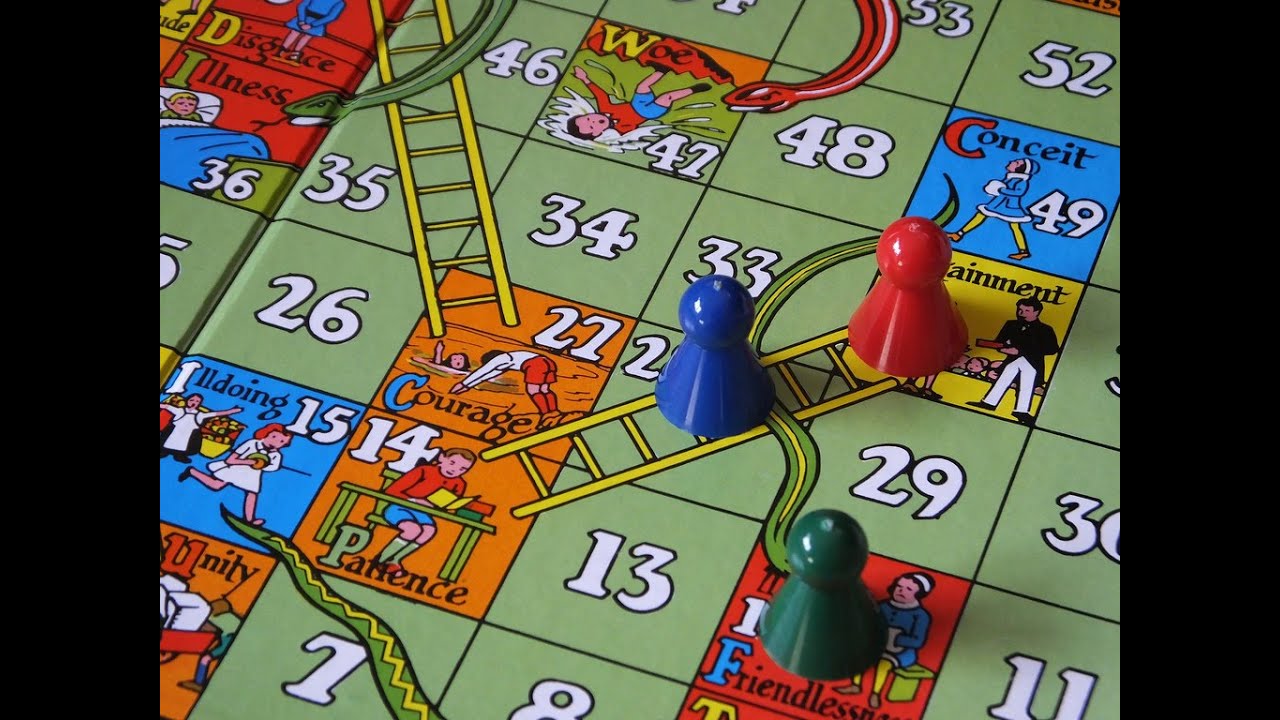
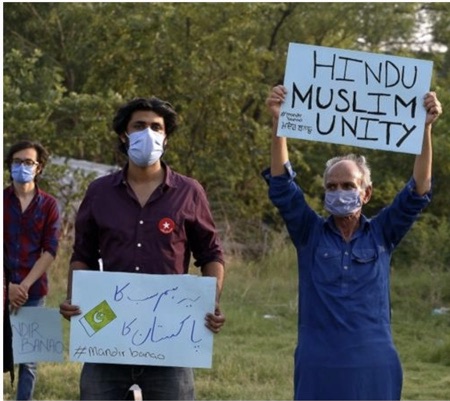
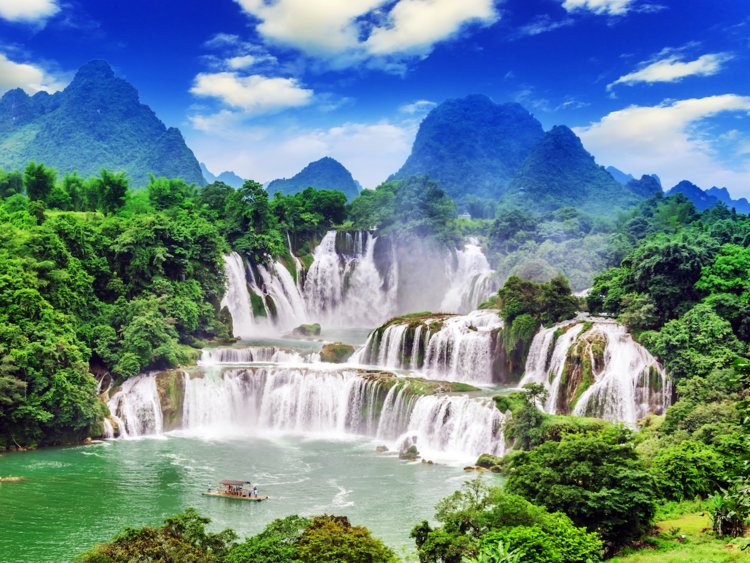


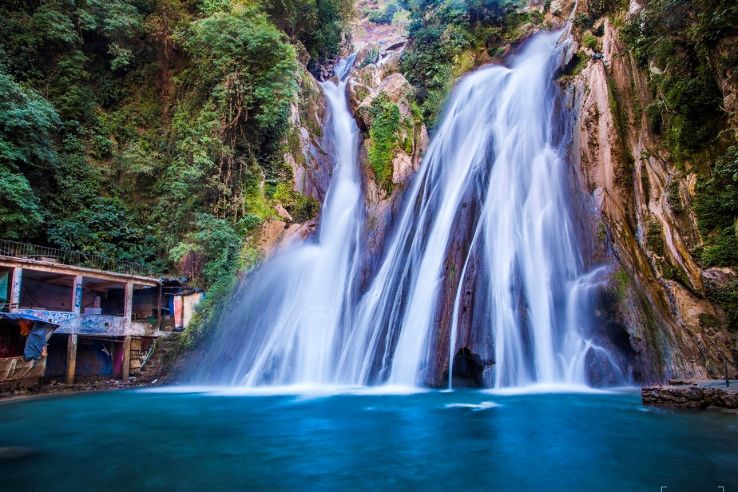
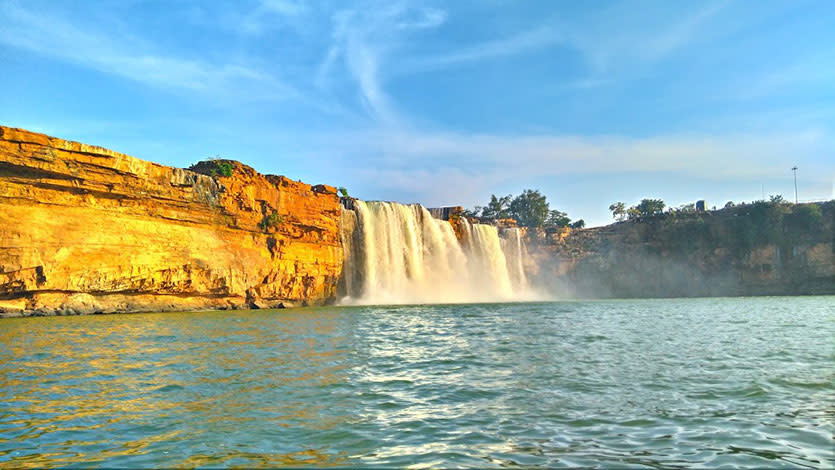
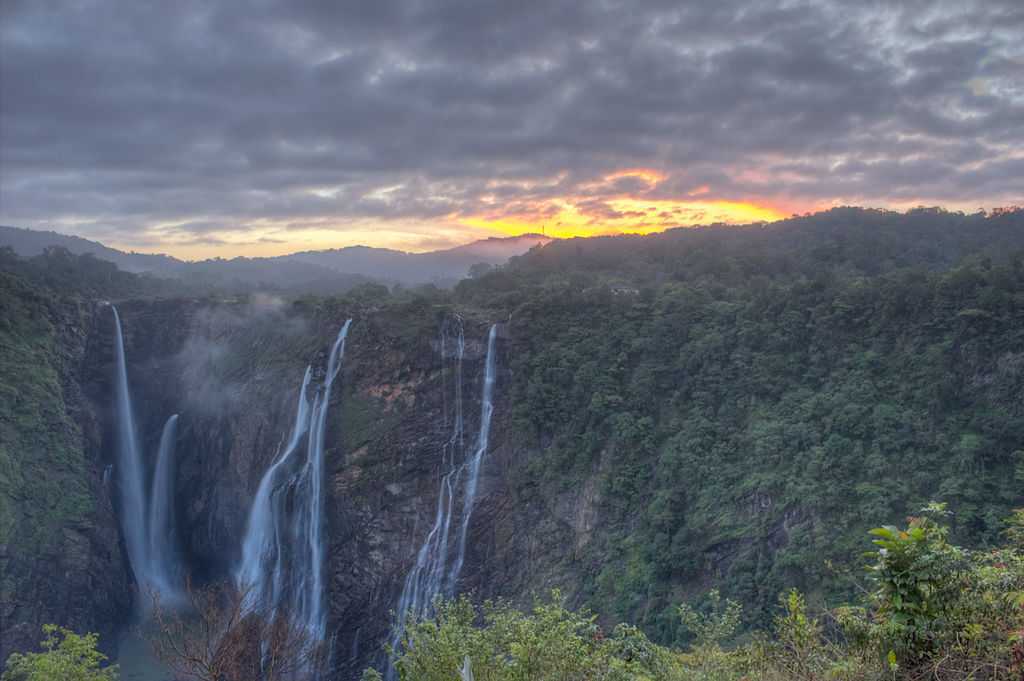

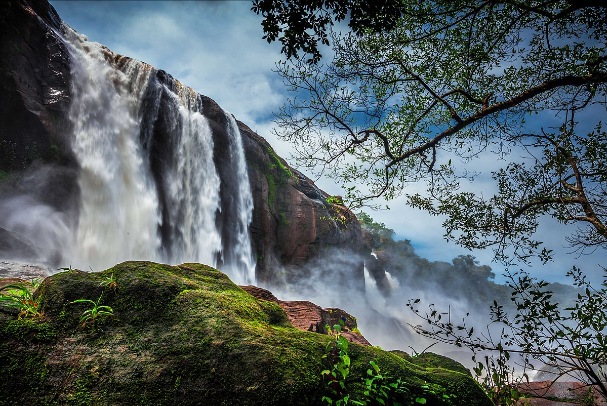


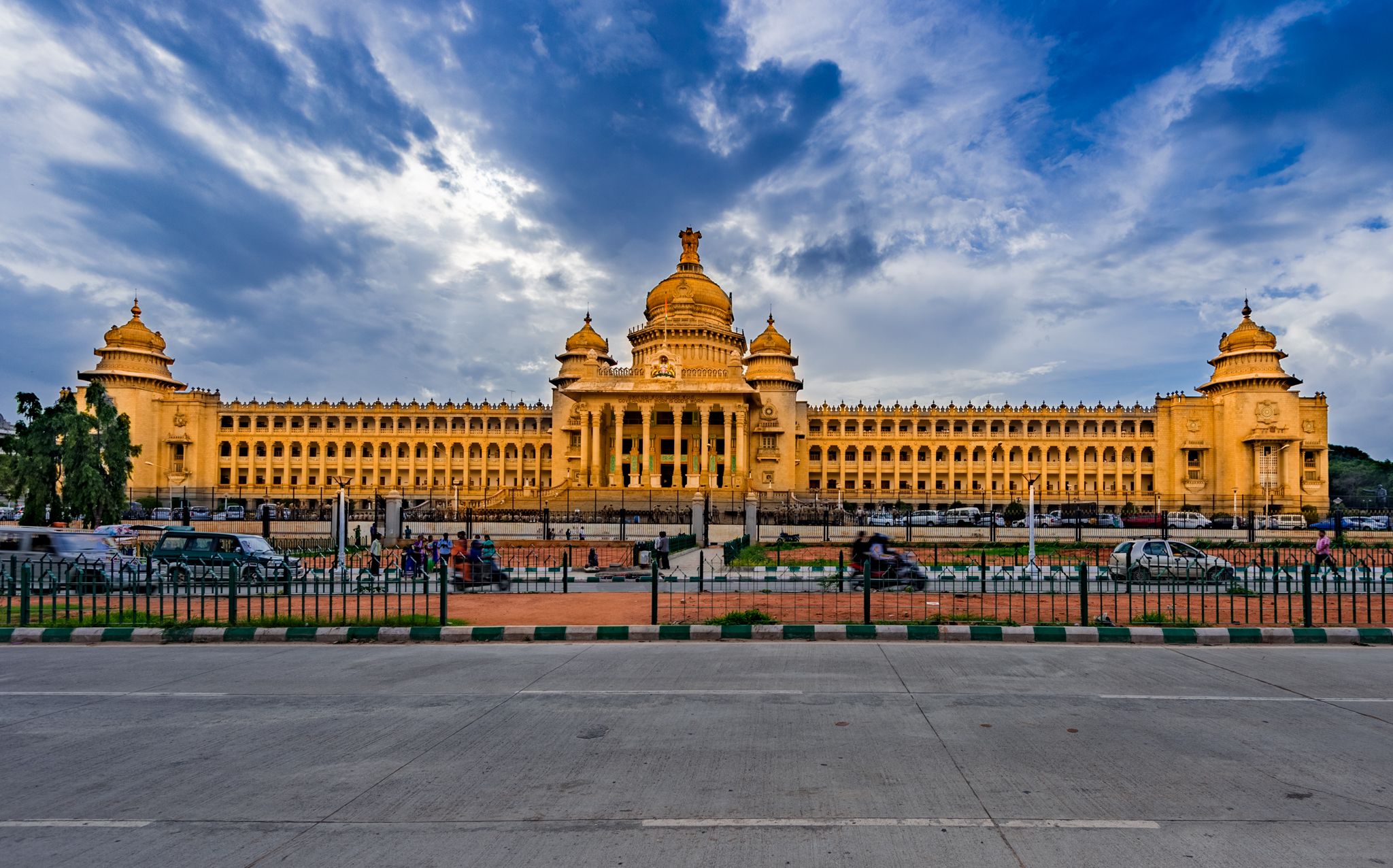

/the-hungarian-parliament-on-the-danube-river-at-sunset-in-budapest--hungary-945207010-5c34c19346e0fb00011d477a.jpg)
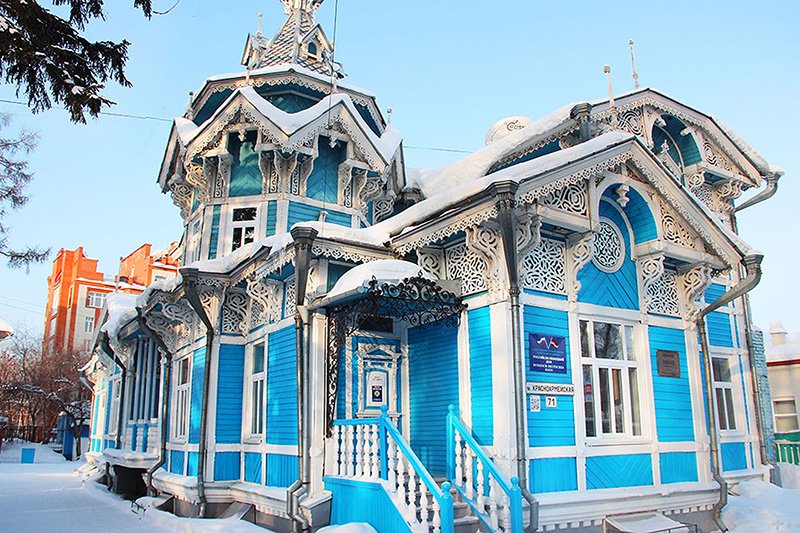
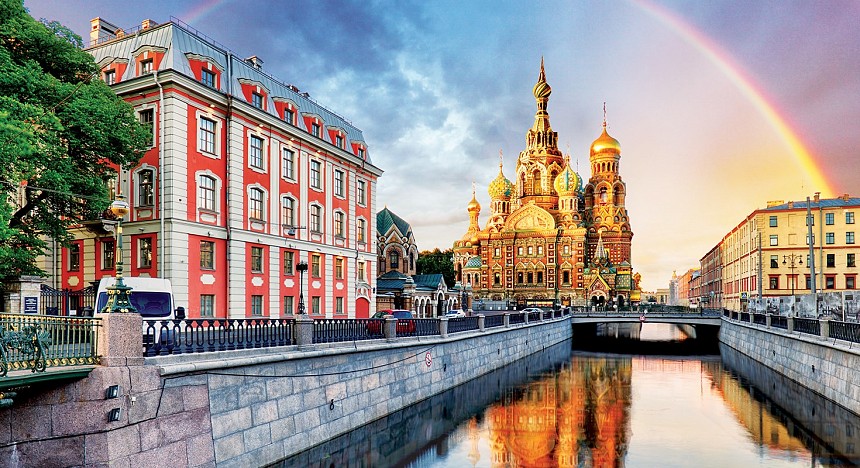


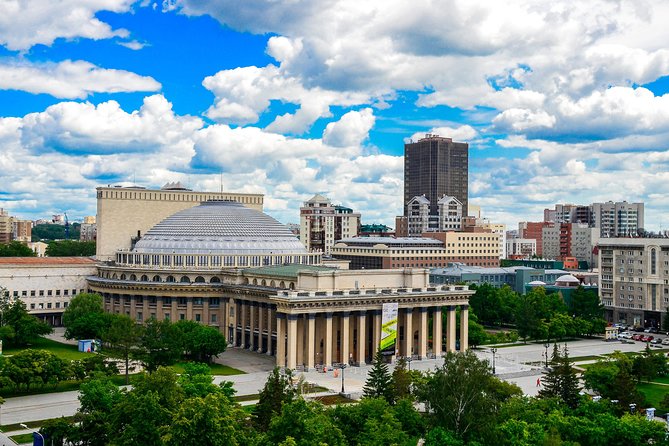
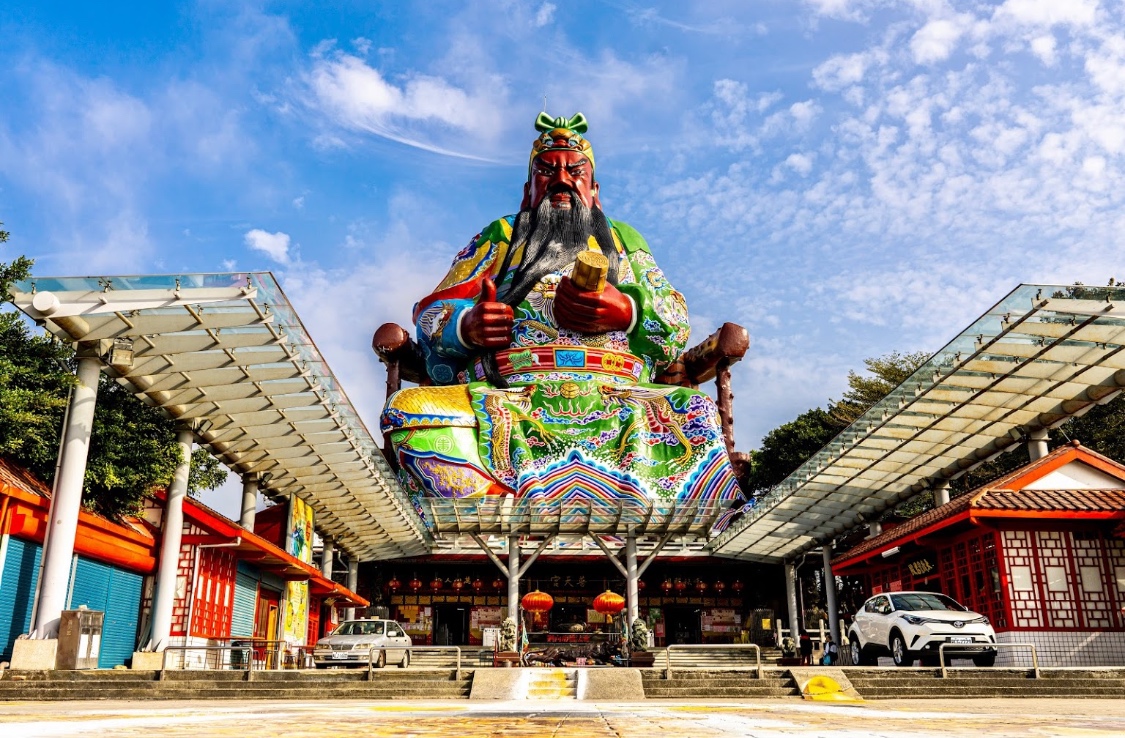
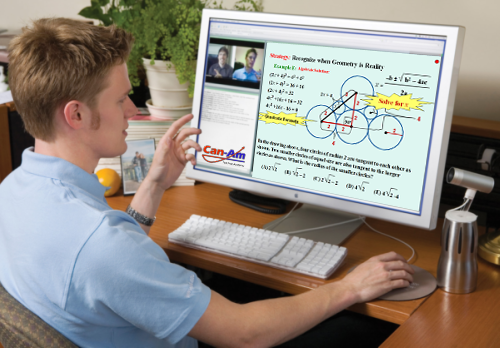





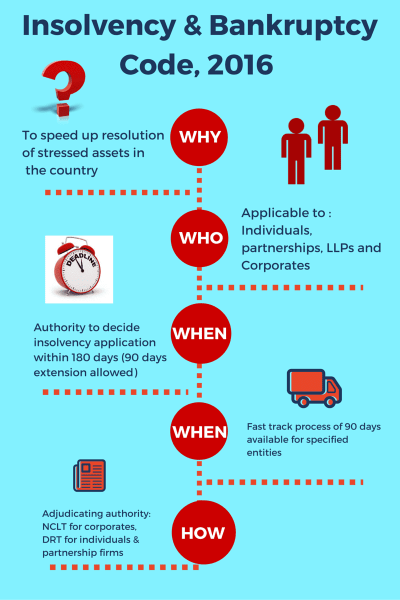



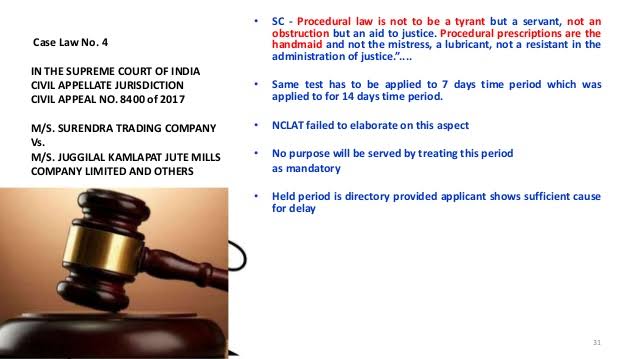
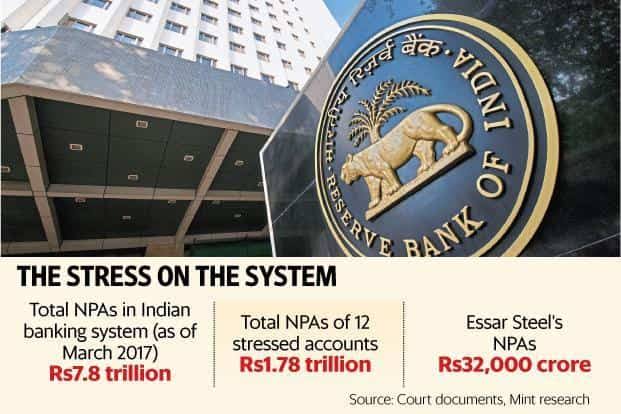

 Eduindex
You must be logged in to post a comment.