Gandhi’s Concept of Bread Labour and Sarvodaya

Mahatma Gandhi are one of the legend figures associated with India and it’s Independence. Born on 2 October 1869, Gandhi Ji always stood strong about their principles. Two of their very famous principles; Bread Labour and Sarvodaya are explored in this article.

Bread Labour is a concept that is referred to as a blessing to those who observe non-violence and worship truth. When we talk about labour there exists two types of labour, manual labour and intelligence labour. Manual labour, as the name suggests refers to work that includes physical handwork like carpentry or labours that help in construction works. Intelligence labour talks about work that uses the intellect of a human being for example scientists, teachers, salesmen etc.

Gandhi advocated that an individual must labour to fulfil their daily needs and desires but along with this the individual should also make use of their intellect to help others and provide service to mankind. E.g. NGOs, social workers who labour for the well-being of others.

Gandhi ji first practiced the ideal of Bread Labour in Phoenix Settlement and Tolstoy farm in South Africa. Bread labour was a compulsion for certain hours of every day in the ashrams and people performed activities like agriculture, dairying, weaving, carpentry etc.

When Gandhi ji returned to India he continued with the bread labour concept in his Sabarmati Ashram along with providing people with basic educational activities. The reason why Gandhi ji strongly believed in Bread Labour and encouraged it was because he believed that upon the adoption of bread labour, we will have a classless and casteless society.

Gandhi ji also said that a rich man cannot forever be happy with his riches and will someday get bored of them.  And that this rich man will be able to understand others and feel satisfied only when he takes upon physical work and engages in the activity of bread labour.

In his concept of Sarvodaya Gandhi ji explores a more a comprehensive, social, economic, political, moral and spiritual philosophy.

Sarvodaya is a term meaning ‘Universal Uplift’ or ‘Progress of All’. It is based on the principle of duties rather than rights of individuals. It lays great emphasis on moral and spiritual values. It seeks to create new social and economic values.

The term was first coined by Mohandas Gandhi as the title of his 1908 translation of John Ruskin’s tract on political economy, “Unto This Last”, and Gandhi came to use the term for the ideal of his own political philosophy.

Gandhi advances the concept of Sarvodaya, which were the based on three basic principles:

  1. That the good of the individual is contained in the good of all.
  2. That a lawyer’s work has the same value as the barber’s in as much as all have the same right of earning their livelihood from their work.
  3. That is a life of labour, i.e., the life of the tiller of the soil and the handicraftsman is the life worth living.

Gandhi ji were of the firm view that the earth provides enough to satisfy every man’s needs, but not for every man’s greed. The concept of possession yields places to the concept of trusteeship. In the Sarvodaya society of Gandhi ji’s dream, therefore, every member will be free from any greed for limitless acquisition of material wealth and more and more luxurious living and they will follow the motto of simple living and high thinking. Everyone will, thus, get ample opportunity to produce and earn sufficiently through honest work for decent and dignified living. Consequently there will be no problem of unemployment.

In short we can say that the concept of Sarvodaya and Bread Labour is for the betterment of the society and holds a significant role even today in its application.
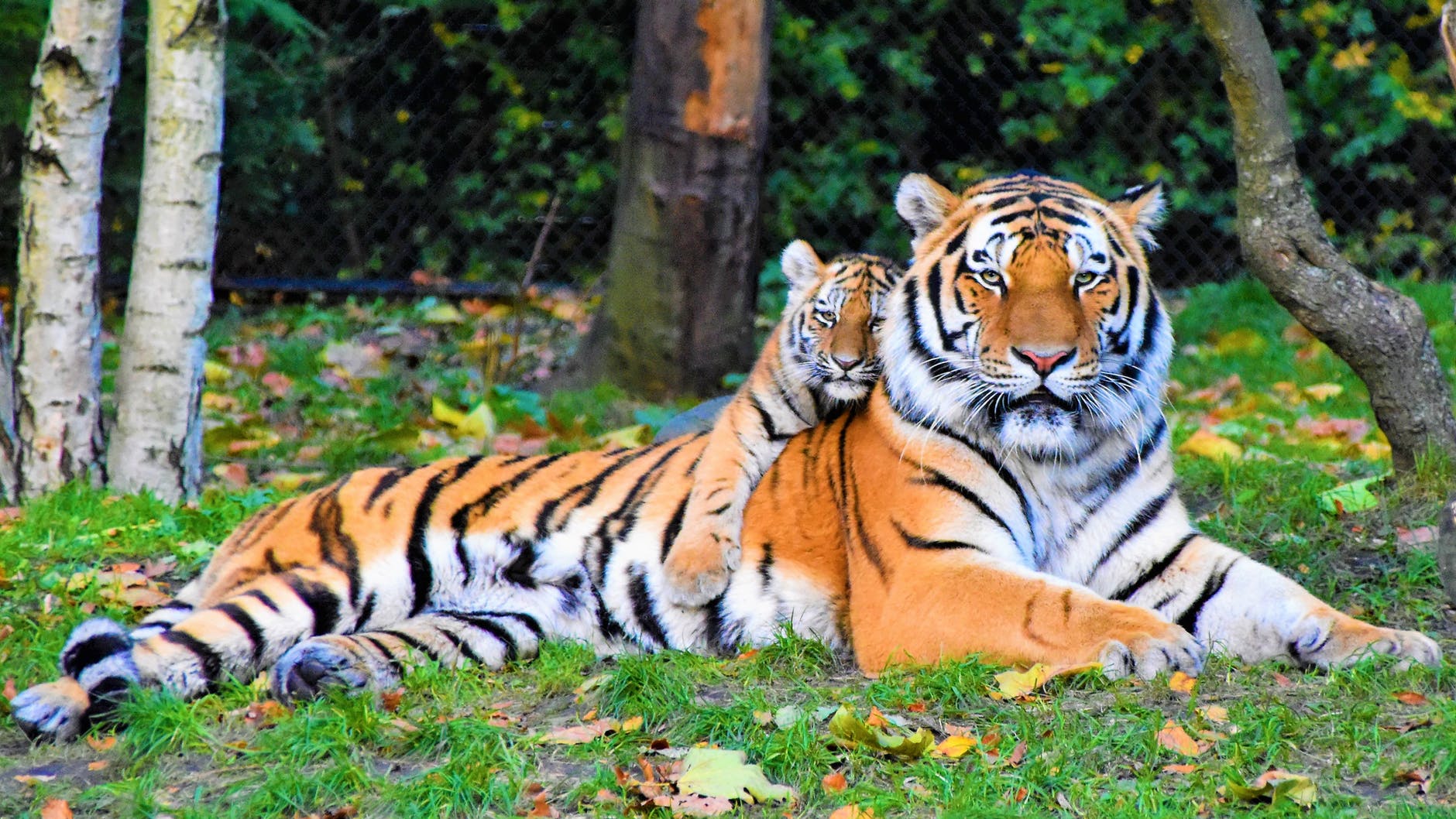
Tiger conservation: Strides and hurdles

On International Tiger Day( July 29), Prime Minister Narendra Modi reaffirmed that the government is committed to ensuring safe habitats for tigers and nurturing tiger- friendly ecosystems in India, home to over 70% of the world’s tiger population.

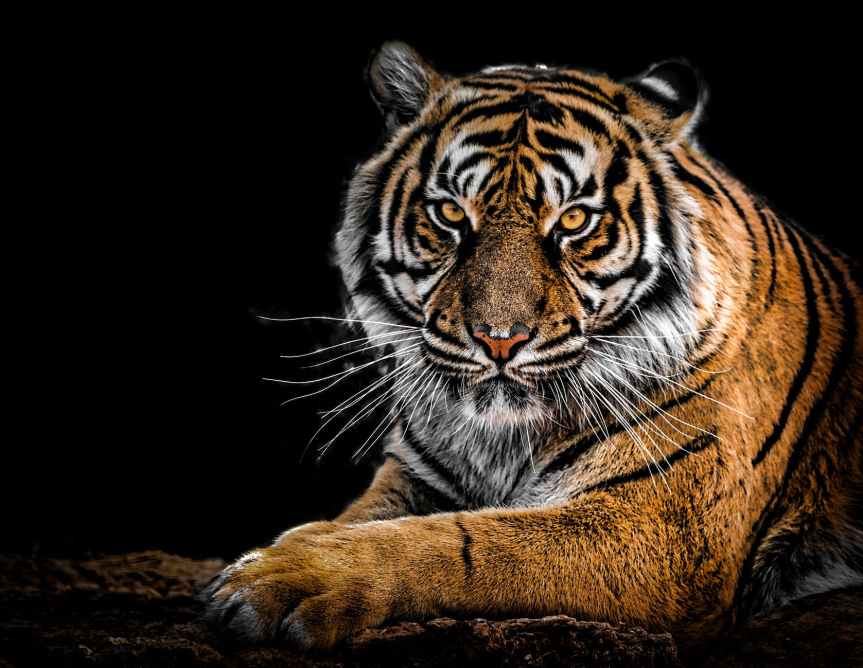
Photo by Waldemar Brandt on Pexels.com

The last tiger census (2018) pegged the big cat’s population at 2967, marking an increase of about 30% compared to the 2014 report ( 2226). In 2010, India had 1706 tigers, while in 2006 it was 1411. India’s tiger conservation journey started in 1973 with Project Tiger with nine reserves; today, it has 50 tiger reserves in 18 states.

The steady growth in the number of tigers and reserves happened because of state support; vigilance and conservation efforts by the forest department, especially its frontline staff; and the involvement of local communities that help secure forests and participate in ecotourism activities in many of the popular and revenue – generating tiger reserves.

While increased protection has encouraged tigers to breed, it has also led to migration from the safety of reserves. Once they leave the park, big cats encounter a different world.

The Management Effectiveness Evaluation of Tiger Reserves 2018 report shows that at least half of the 50 tiger reserves are facing threats from linear infrastructure ( roads, highways, and railway lines), fragmented forest corridors, poaching, pressure of human – wildlife conflict, mining, improper garbage disposal, and pollution.

About 20% of the reserves have unsustainable pressure from pilgrims visiting temples inside them.

India has made progress, but must remain acutely conscious of the need for the need for the tiger conservation.

Know About The Vinca Cora Red (The Beautiful Periwinkle)

Kingdom:   Plantae

Clade:        Angiosperms

Clade:        Eudicots

Clade:        Asterids

Order:        Gentianales

Family:      Apocynaceae

Flowers are often famous for either their smell or their visuals that catches the heart many. However very little attention is paid to flowers that grow locally and doesn’t belong to the ‘exotic’ category of plants. Vinca minor or as it is locally known, Periwinkle is one such flower plant. It is a perennial, evergreen flower plant that has a quick growth rate and not much of a fragrance. Apart from the pre-dominantly white and pink periwinkle flowers, the Vinca genus also includes other color variations such as blue, maroon-red, faded-pink, purple etc. In this article, the focus will be on the maroon-red flower plant of Vinca Genus known as Vinca Cora.

The periwinkle plant – Catharanthus roseus  also known as rosy periwinkle or Vinca Cora Red, is a lovely small plant that grows outside very well but also finds itself at home in a summer window.

Vinca Cora Red features large, dark red blooms along glossy green foliage. The stunning scarlet flowers of ‘Cora Red’ annual vinca have a white eye that gives the plant an extra dose of personality. Vinca plants are native to North America, Europe, China and India.

Vinca or Periwinkle is a prolific heat and drought tolerant annual, perfect for hot, dry areas. This small upright plant grows to about a maximum height of 14 inches. The leaves of Vinca  are very shiny and long, with a clear almost white center vein.

Periwinkle plants are easy to grow and care for. Provide them a well-drained moist soil, plenty of bright light, warm temperatures 65° F and above and they will do wonderfully out on the patio or deck as potted plants.

Take care not to overwater this plant as it’s easily susceptible to root rot. 

Taking care of Vinca

  • Lower Leaves Turing Yellow and Falling Off

When lower foliage turn yellow and fall off, it usually is the sign  of too much water or the plant has been subjected to cold.

Back off the water or if it is cold related, move the plant to a warmer position.
  •  Leaves Droop and Fall

When leaves hang, droop and fall, it normally is a periwinkle plant growing in a pot and has dried out too much. The best solution is to drop the whole pot into a bucket of Luke warm water for at least half an hour.

When the weather is warm, plants may need to be watered daily.

Uses Of Periwinkle Plant

Apart from functioning as a ground cover to areas where grass won’t grow, periwinkle also serve as a source of alkaloids for medicinal use. With a total of 86 alkaloids, the periwinkle plant extract covers a lot of benefits.

One of its products is vinpocetine, a synthetic derivative coming from the vincas alkaloid vincamine. This compound aids short-term memory and serves as an anti-aging agent.

Vincristine and vinblastine can treat various forms of cancer such as leukemia, child cancers, hodgkin disease or hodgkin lymphoma, and other types of lymphoma.

Online Examination

Since pandemic , we have the seen and experienced struggles and difficulties in all fields of life. one of the biggest problem was caused for our Education System . the Education system has suffered a lot during this pandemic in terms of both, resources and mode of education and due to this online exams and online education has become a new norm in our life.

As soon as pandemic arrived , the pandemic affected every age group but especially students in each and every country. They were forced to take online classes. students had no other option but gradually it became a success too, student could learn there respective subjects from home by just clicking one link and enter the class. After seeing good amount of success and response in online classes, Online examination was the next thing to come.

Online examination is a very simple ,easy and cost-effective way to give exams from home using a laptop, desktop or mobile. students do not need to go schools during pandemic they can easily give there test and pass there respective standard or degree. nowadays almost all schools and Universities are organizing exams online because that is the best and only way to conduct examinations .But every thing in this world has its advantages and disadvantages and Online Exams too have its advantages and disadvantages.

Advantages of Online exams:-

  1. It saves paper: In most of the online exams ,we do not require pages due to which we can save a lots of papers.

    It saves more time :A lot of time is saved in online classes the result is given instantly after the exam instead of offline where a teacher will check it and the result will be declared after a month. it saves a lot of time.

3. it saves money: we do not require stationary items and other stuffs during online exams.

4. It saves the student’s money : Students don’t have to travel to a particular location to conduct the exam. So even for students from remote area’s it’s possible to take the exam. without facing any difficulties.

5. flexible and secure: it is very flexible and very secure. student feels comfortable with it.

Disadvantages of online Exams:-

Some of the disadvantages of online examinations are mentioned below.

  1. Connectivity issue:

As the exam is executed online, it needs a good internet connection. The connection is not constant in some places. Hence, if connectivity loses, then there is a high chances of getting low marks due to netwok. A good internet connection is a must for online exams and most of the students have a poor internet connection.

  1. Comfortability:

Not everyone is comfortable with online exams. some face many technical issues during test, some do not have a good typing speed and many other things .a nd there are some subjects where typing the answer does not works.

Online exams are being adopted by every school and college. it has some disadvantages( including many advantages) but we have no other clue or a way to deal the situation.it is also a veery new expereience for students who have always given the offline exams.

The Epic

Introduction:

Impersonal poetry can be divided into two groups dash the narrative and The dramatic.

Epic:

In the first group, The Epic on the heroic poem is the most important. an epic is a long narrative in verse on a great and serious subject related in an elevated style. And nothing else is generally a well-known story and is centered around the heroic or semi-divine figure whose action depends on the fate of a tribe in addition to the human race. The action in an epic is serious and there is a good deal of physical and spiritual conflict. the characters and events or boat ride in detail, elaborate descriptions of places and actions are given, figures of speech are used and usually, an elevator and ornated style are adopted. Aristotle the epic second only to tragedy. It was the norm of great poetry in sixteenth and seventeenth-century England. Dryden wrote, “A hero poem, truly such, is undoubtedly the greatest work which the soul of man is capable to perform.

Two types of epics:

Historically, there have been two types of epics:

  • The primitive epic or The epic of growth
  • The epic of art or the literary epic.

The epic of growth:

The epic of growth is not entirely the work of a single author but is evolved from pre-existing legends, folk poems, and sagas. It is the final product of a long series of accretions and synthesis shaped by the conscious intervention of some great poet. Well-known examples of this type of EPIC are Iliad and Odyssey, the English Beowulf, and the Indian epics The Ramayana and The Mahabharata. All epics of growth deal with the same subject matter – the deed of heroes. These heroes belong to the race and their exploits form the core of mythology. As such the epics of growth contain supernatural and religious elements. The style of such an epic is marked by directness and simplicity. Stylistic devices may be repeater why they are never obscure.

The epic of art:

The epic of art or the literary epic is the product of individual genius. Of this kind, the earliest was Virgil’s ‘Aenid’. It became a model for the later epic poets. In English, the supreme example of a literary epic is Milton’s Paradise Lost. Arnold’s “Sohrab and Rustom” the fragmentary epic “Hyperion” by Keats and Spencer’s “Fairy Queen” also belong to this category stop a literary epic is the result of the poet’s erudition and scholarly research through it shares several of its characteristics with the epic of growth. Most traits of the traditional epic are found in the literary epic also.

Conclusion:

The Epic is an important literary form in English literature. In the earlier period, In the English language mostly authors wrote about Historical novels and Epic novels. They described the huge events, God’s and their stories and incidents. Even now Epic is mostly used to write about mythologies and God deeds and it is popular among the readers. Nowadays, authors are writing many fictional epics also.

Book Review: 1984 by George Orwell

Two must read books by Paulo Coelho

“SIR ISSAC NEWTON” Biography

“Sir Isaac Newton” was a scientist mathematician and astronomer. He was born on January 4, 1643, in Woolsthorpe, England. His father’s name was Isaac Newton SR and his mother’s name was Hannah Ayscough. His father was a farmer and had died three months before Newton’s birth his mother remarried when Isaac was three years old and left young Issac in the care of his grandparents.

Issac attended a school where he was an adequate student at one point his mother tried to take him out of gold so he could help on the farm, but Issac had no interest in becoming a farmer and was soon back at school. Newton attained his preliminary education from the King School in Grantham where he had sold and achieved the top rank. He then enrolled himself as a sizar at the Trinity College, Cambridge in 1661. The young Isaac Newton is sitting in his garden when an apple falls on his head and with any stroke of brilliant Insight he suddenly comes up with his theory of gravity he would spend much of his life at Cambridge becoming a professor of mathematics and a fellow of the Royal Society. He eventually was elected to represent Cambridge University, as a member of parliament Issac had to leave Cambridge from 1665 to 1667, because of the Great Plague. He spent these two years in study in isolation at his home in Woolsthorpe developing theories on calculus, Gravity, and the laws of motion. In 1696 Newton become the warden of the Royal Mint in London he took his duties seriously and tried to get rid of corruption as well to Reform the currency of England he was elected president of the Royal Society in 1703 and was knighted by Queen Anne in 1705. In 1687 Newton published his most important work called “The Philosophies Naturalis Principia Mathematica”. In this work, he describes the three laws of motion as well as the law of universal Gravity this work would go down as one of the most important works in the history of science. It not only introduced the theory of gravity but defined the principles of modern physics outlined in the Principia is a theory about gravity that helps to explain the movement of the planets and the sun this theory is known today as Newton’s law of universal gravitation. Newton’s laws of motion were three fundamental laws of physics that laid the foundation for classical mechanics Newton invented a wall new type of mathematics which he called”Fluxions”. Today we called Smart Calculus and it is an important type of math used in “Advanced Engineering and Science”. In 1658 Newton invented the reflecting telescope this type of telescope used to reflect light and form an image nearly all of the major telescopes used in Astronomy today are reflecting telescopes. He died on March 31st, 1727, in London England at the age of 84 “TWO EVERY ACTION THERE IS AN EQUAL AND OPPOSITE REACTION”.

Some Myths about Solar Energy

The sun is the source of the solar power which converts into other form of power for utilization .Today’s Solar Energy is the most popular & most needed renewable energy .But with its popularity here comes some myths which create misbelieve among people & prevent the consumption of solar energy in great dimension .There are some of the myths about solar energy are discussed below .

1. Manufacturing Energy of Solar Panels are Greater than Produced Energy by Solar Panels :                                                                                                                                              It is a baseless conception about solar panels .National Renewable Energy Laboratory proved with their experiments that all types of solar panels pay back energy positively within 4 years .Retaliation Period for Mono- crystalline panels ,Poly-crystalline panels & Thin film panels are 2 years , 1-1.5 years & 1 year respectively .

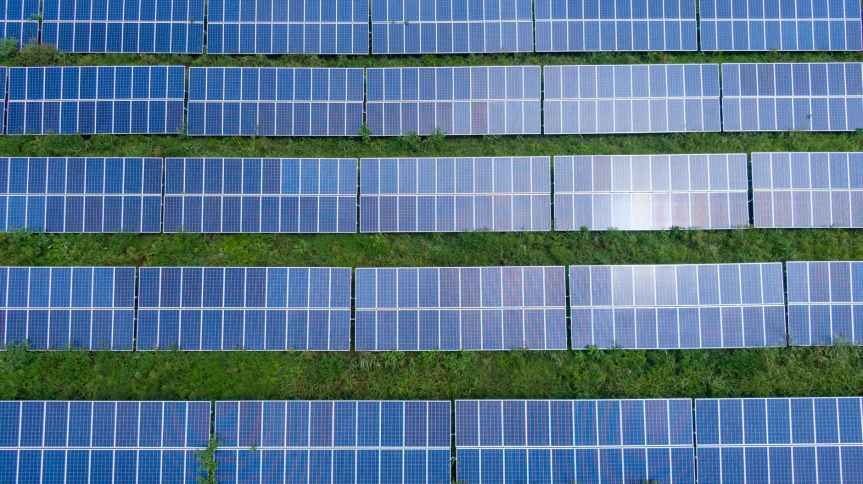
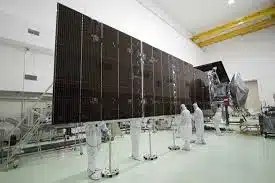
Manufacturing of solar panels
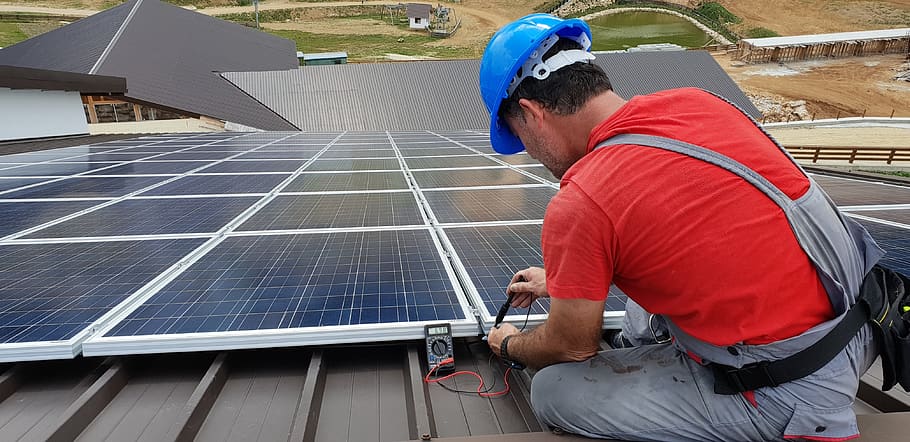
Solar power measuring of solar panels

2. Daily Maintenance is Necessary for Solar Panels :                                                                Solar panels loss only 5-10% efficiency without it’s cleaning maintenance .So it is not a necessary requirement .Only off grid solar panels need some maintenances in battery but not in majority .

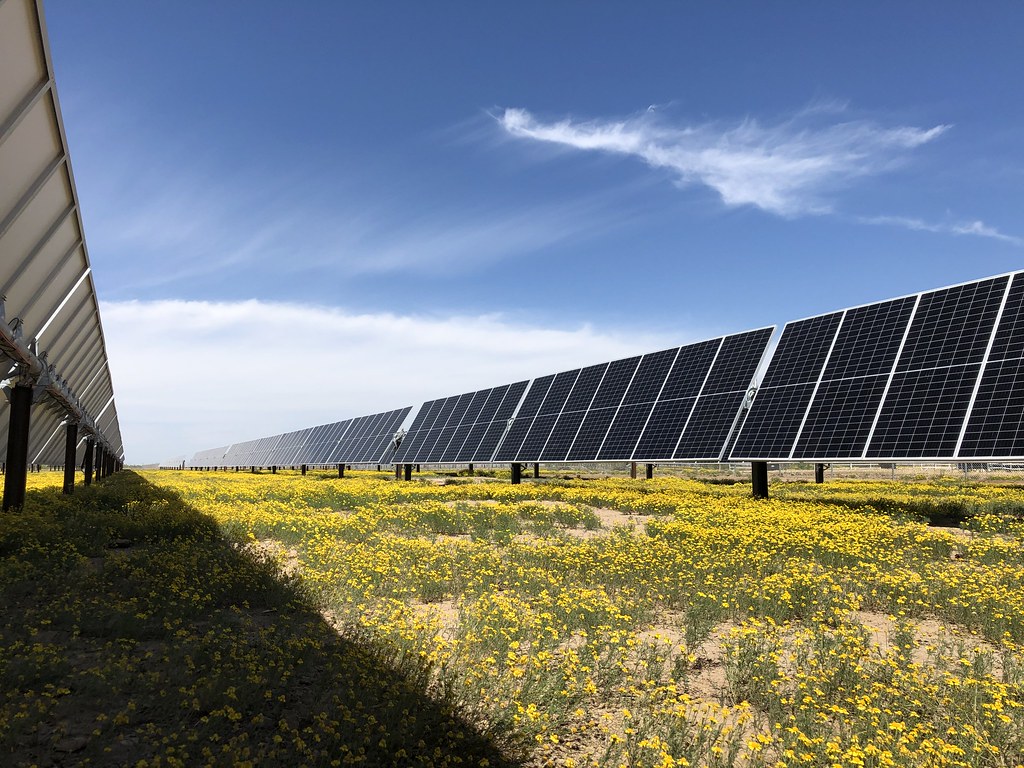
Maintenance of solar panel
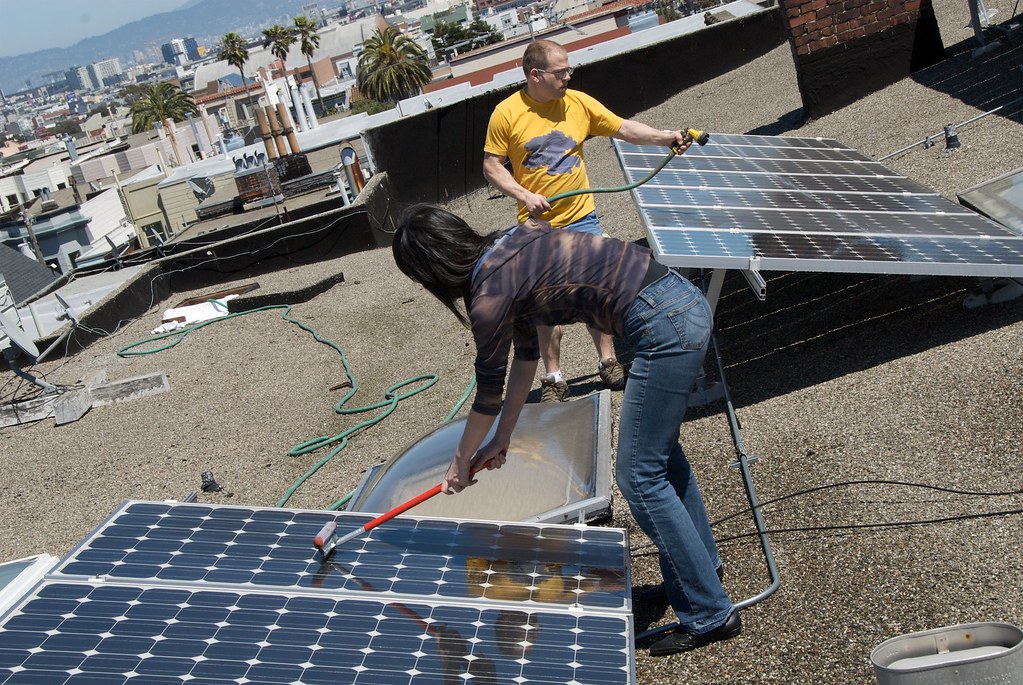
solar panel cleaning

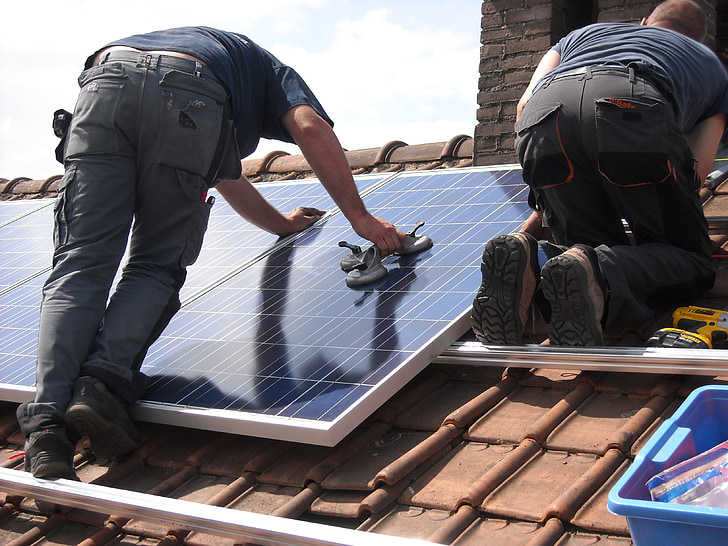
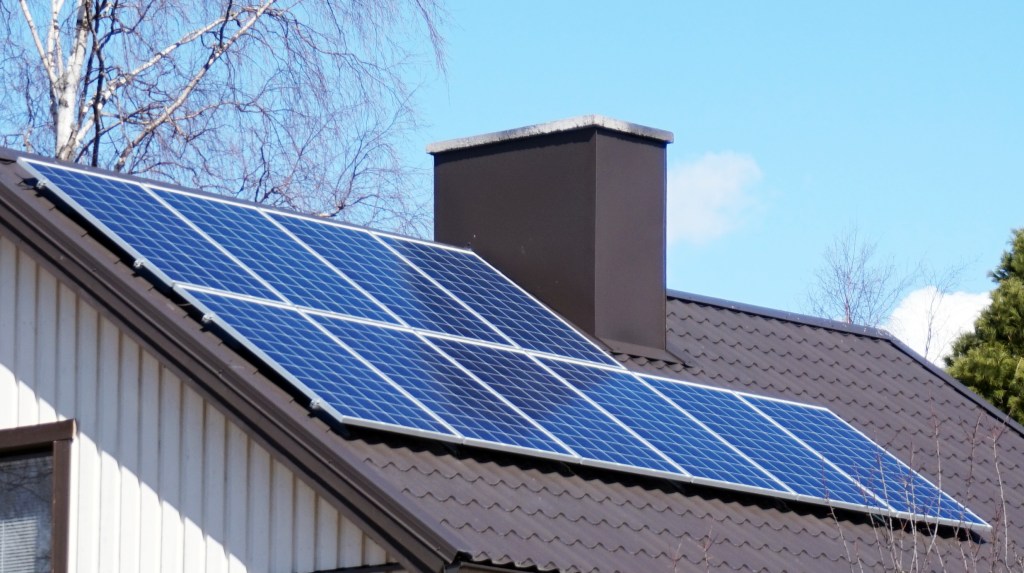
3. Solar Panels will Wreck the Roof of House:                                                                              The Roof-attached Solar panels are not attached to the roof directly .Solar panels are sited on a rack which is actually attached to the rooftop .So solar panels can’t harm a roof of the house.

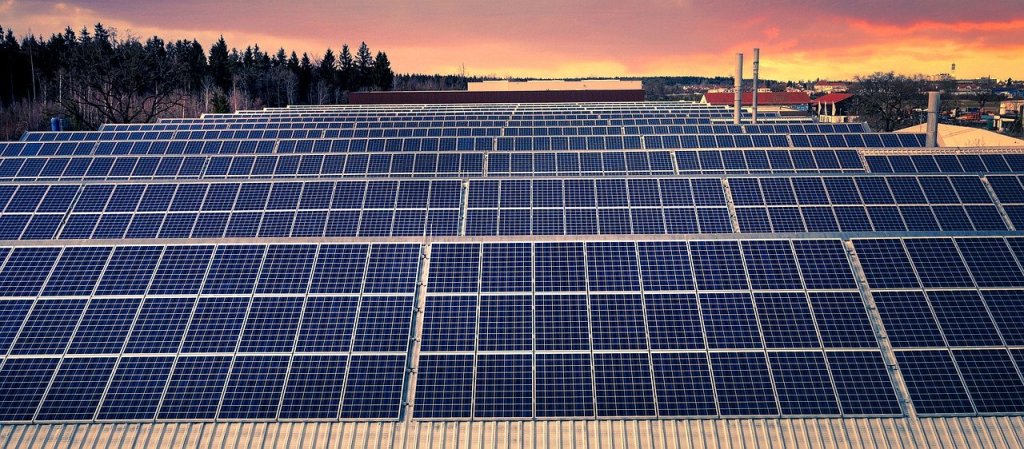
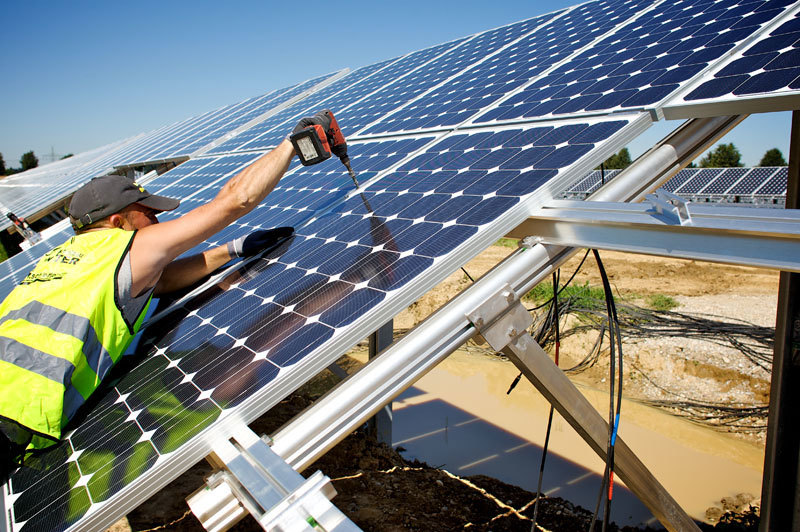
solar panel fitting in rooftop
solar panel on rooftop

4. Solar Power Systems are Costly :                                                                                                  It is one of the popular misbelieve  about solar energy .It was true at the innovation time of solar panels around 1970 but in recent days solar panels are not expensive compared to other technological innovation . For recent advanced technology ,solar system becomes reachable in cost .

solar system are not coastly

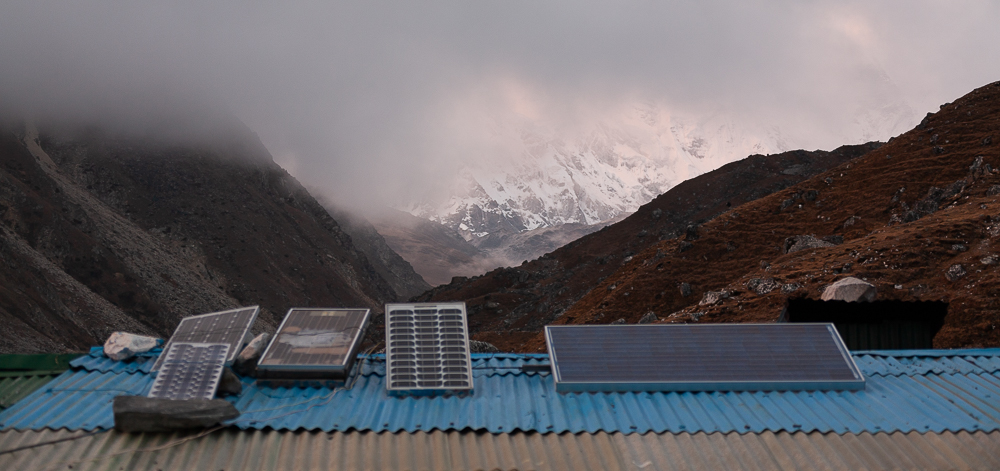
5. Solar Panels are Invalid in Cloudy Days :                                                                                            It is the biggest wrong information about solar panels .People think that as solar panels use solar light & heat to generate current so rainy days are  not suitable for absence of light & heat .In fact solar panels can generate current in cloudy days but in less amount than the sunny days for efficiency reduction . Minimum 10-25% of usual current can be produced in rainy days by panels .

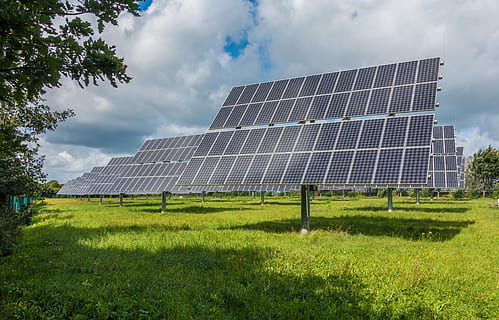
solar energy in cloudy weather
solar panel are working in rainy day

6. Solar System Keeps Working Even at the Time of Power-cut :                                                     It is a misconception to think that solar systems are able to work if power goes out .For Grid-connected system ,it will be invalid to work & for Hybrid system ,they only able to work in daytime .Only when the solar battery storage are coupled with solar system ,it can work during outage

power cut

 7. Warm Weather is Better for Solar Power Production :                                                       It is a conventional misapprehension among people that warm climate helps to generate much power .The actual fact is solar panel use sun light to produce power rather than heat .On the contrary ,high temperature  reduced efficiency of solar system .       

solar energy in warm weather
solar panels in sunny day

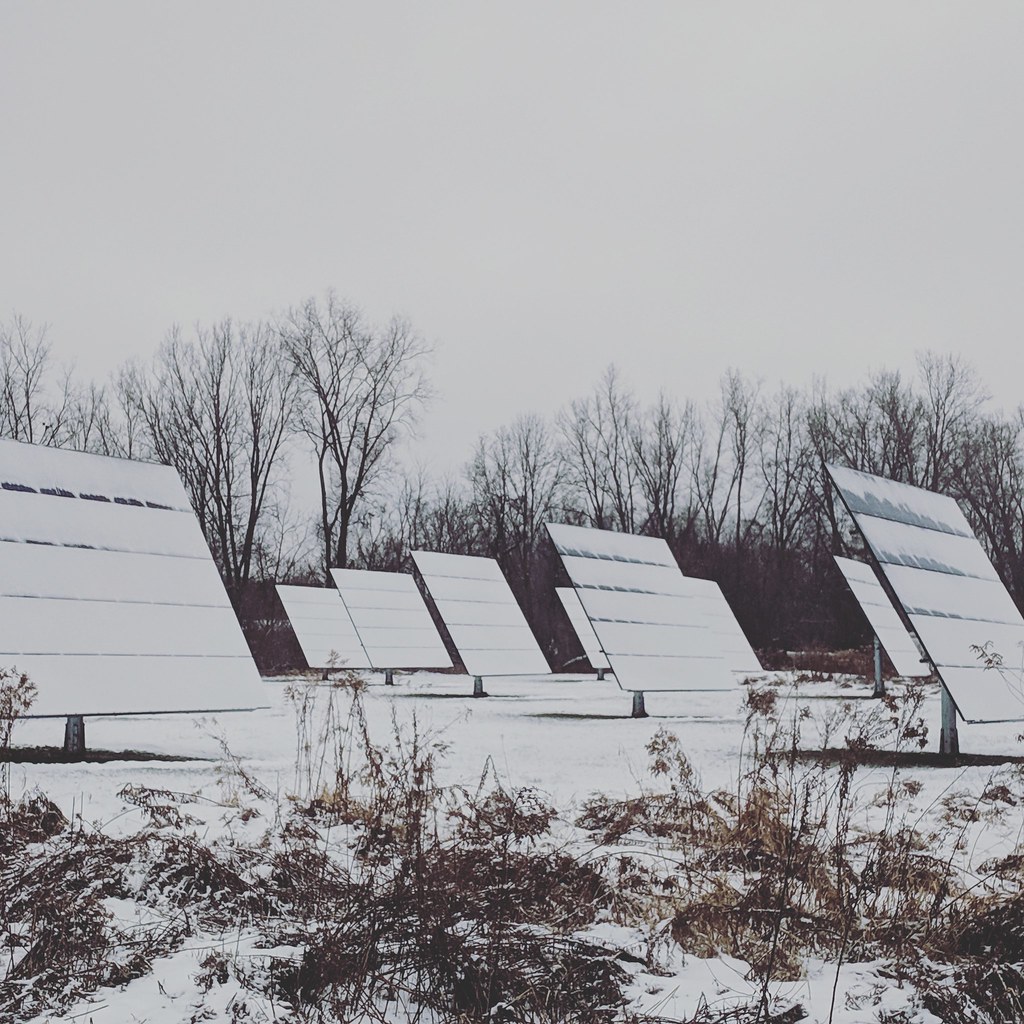
 8. Solar Panels Don’t Work on Cold Climate :                                                            With advanced technology ,solar panels can induce energy in every types of climate even in snowy or cold days .In fact cold weather helps to increase efficiency of solar system .      

solar panels in cold days
solar system in cold weather

  9. Solar Panels , Which finished Their Life-time, are Environmentally Greave :                                            It is a fallacy that time span finished solar panels is harmful for environment . The life time limitation for a solar panels are usually 25 years .The parts of solar systems can be recycled again for reuse after its lifetime .So in no way the parts of the solar system damage the nature .     

solar panels are recyclable

 10. Electric Bill will be Cheaper by the Installation of Solar System :

It is not actually true statement . The electric bill in fact depends on the way of using produced energy . Electric bill can be cheap by using produced excess energy or using electric appliances (which needed much electric) in less electricity using time (evening or night time).

Electric bill of solar energy
electric bill

There are more myths about solar energy other than these 10 —                                                               ~Heavy current loaded appliances are unable to run in Solar Energy .                                                   ~Solar panels are easily damageable by wind , birds .                                                                     ~Installation of solar panel are complicated .

These are the usual myths .But one have to remember that these are all myths .These statements doesn’t hold the complete truth about solar energy .So we should search about the complete truth before believing these conceptions about solar power .


The Sonnet

The Sonnet is the lyric in fourteen lines in iambic pentameter governed by certain prescribed rules in general and in the arrangement of The rhymes. It aims at concentrated expression, but a fairly complex development of a single theme also is possible.

Origin of sonnet:

It derives its name from the Italian “sonnetto”which means “A little song” or sound sung to the strain of music. It has only one leading thought or emotion as in Milton’s ‘On his blindness’ or Keats’s ‘On first looking into chapman’s Homer’.

Sonnets were first written in Italy in the latter half of the thirteenth century. The form of composition is associated with the name of petrarch, through the form had been used even by Dante before him.

Composition of the sonnets:

A petrarchan sonnet is composed of two parts, the octave compressing the first eight lines and the sestet compressing the last six lines. The octave two has rhymes ‘a’ and ‘b’ are arranged in the a b a b a b a b scheme. The sestet has three rhymes arranged in various forms as cde, cde or cde, dcd or cde, dce. The octave may be divided into two stanzas of four lines each called quatrains and sestet into two of three lines is called the tercets. At the end of the eight lines, there is a pause called caesura followed by a turn of thought called volta. Milton wrote some of his sonnets in this manner.

Some of the earliest writers of sonnet:

The sonnet was introduced in England by wyatt and Surrey in the 16th century. They discarded the Italian form and adapted a new rhyme sheme. Surrey wrote his sonnets in three quatrains in alternate rhymes followed by a concluding couplet.- a b a b, c d c d, e f e f, g g . This form was later used by Shakespeare with the marvelous success in his series of sonnet dedicated to Mr WH. so it came to be known as the shakespearean sonnet. romantic poets like Wordsworth and keat’s followed the shakespearean pattern. Spenser adopted a slightly altered form of the shakespearean sonnet. He used an intermixture of rhyme to connect each of the quatrains making it a b a b, b c b c, c d c d, e e.

The theme of the sonnets:

The common theme of a sonnet is love as the sonnets of Shakespeare, Philip Sidney and Elizabeth Barrett Browning. However several poets have used other themes also in their sonnets. Milton’s sonnet ‘On his blindness’, wordsworth’s sonnet addressed to Milton, Keats’s sonnet ‘On first looking into chapman’s Homer’ and Arnold’s Sonnet on Shakespeare are examples.

Some of the famous sonnets are:

  • Sir Thomas Wyatt, ‘Whoso List to Hunt’.
  • Sir Philip Sidney, Sonnet 1 from Astrophil and Stella.
  • William Shakespeare, Sonnet 29.
  • John Donne, ‘Death, Be Not Proud’.
  • William Wordsworth, ‘Composed upon Westminster Bridge’.
  • John Keats, ‘On First Looking into Chapman’s Homer’.

Conclusion:

Sonnet is one of the literary forms that used in majorly writing poems. It will contain fourteen lines and has a lot of poetical devices like, metaphor, allitration, personalification etc.

The Farce

Bookish Terms

International Tiger day

International Tiger day is celebrated every year on July 29,to raise awareness among people for tiger conservation.It was created in 2010,at the Saint Petersburg Tiger Summit.

Tiger are the largest member of cat family and one of the endangered species.Tiger population have fallen around 95% in last decade, their surviving rate in only 40%.

Amur is the largest tiger species in the world.They are also known as Siberian Manchurian,Ussurian,or Northeast- china. The male Amur can grow up to 3.3 m and weight upto 660 pounds. However,females can only grow upto 2.6 m and weight upto 330 pounds.Moreover , they are pale orange in colour and have brown stripes.They white chest and bellies.

India is the home for largest tigers in World with an estimated population of around 2500 to 3750 tigers .The most numerous tiger ,Bengal found in India.

Tiger reservation is the need of an hour .Its important to aware people about tiger reservation,before they become exist.

Yoga- Benefits and its use to increase immunity against Covid.

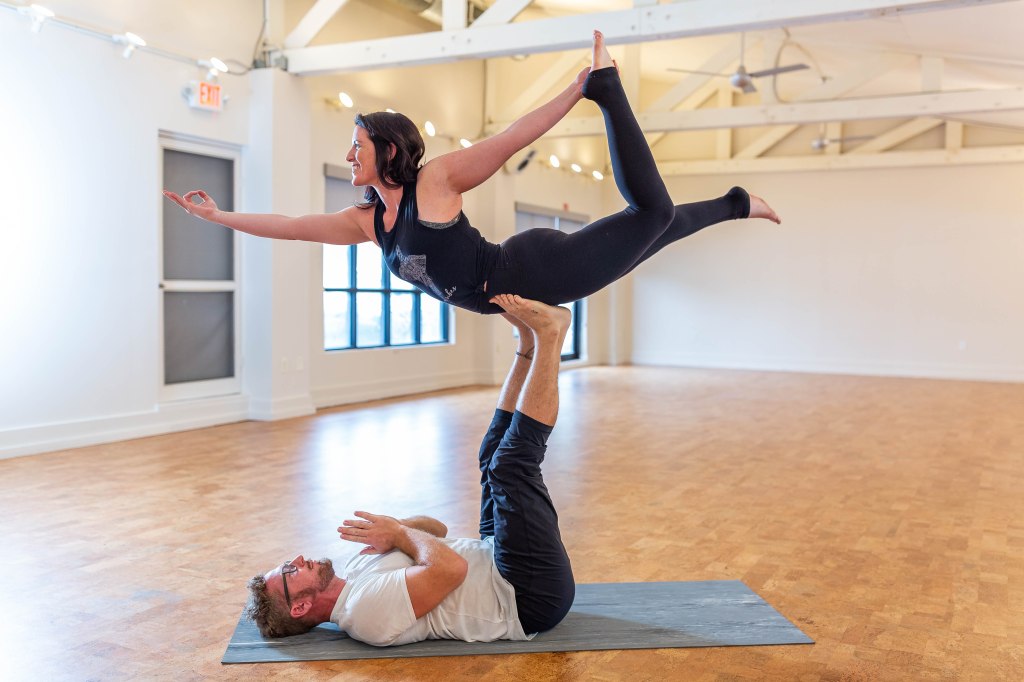
If you thought that yoga was all about bending and twisting your body in odd shapes, it’s time to rethink. Yoga is much more. In very simple words, giving care to your body, mind and breath is yoga. Derived from the Sanskrit word ‘yuj’ which means ‘to unite or integrate’, yoga is a 5,000-year-old Indian body of knowledge. Yoga is all about harmonizing the body with the mind and breath through the means of various breathing exercises, yoga poses (asanas) and meditation.

  • Yoga improves strength, balance and flexibility.
  • Yoga helps with back pain relief.
  • Yoga can ease arthritis symptoms.
  • Yoga benefits heart health.
  • Yoga relaxes you, to help you sleep better.
  • Yoga can mean more energy and brighter moods.
  • Yoga helps you manage stress.

Yoga for Mental Health:

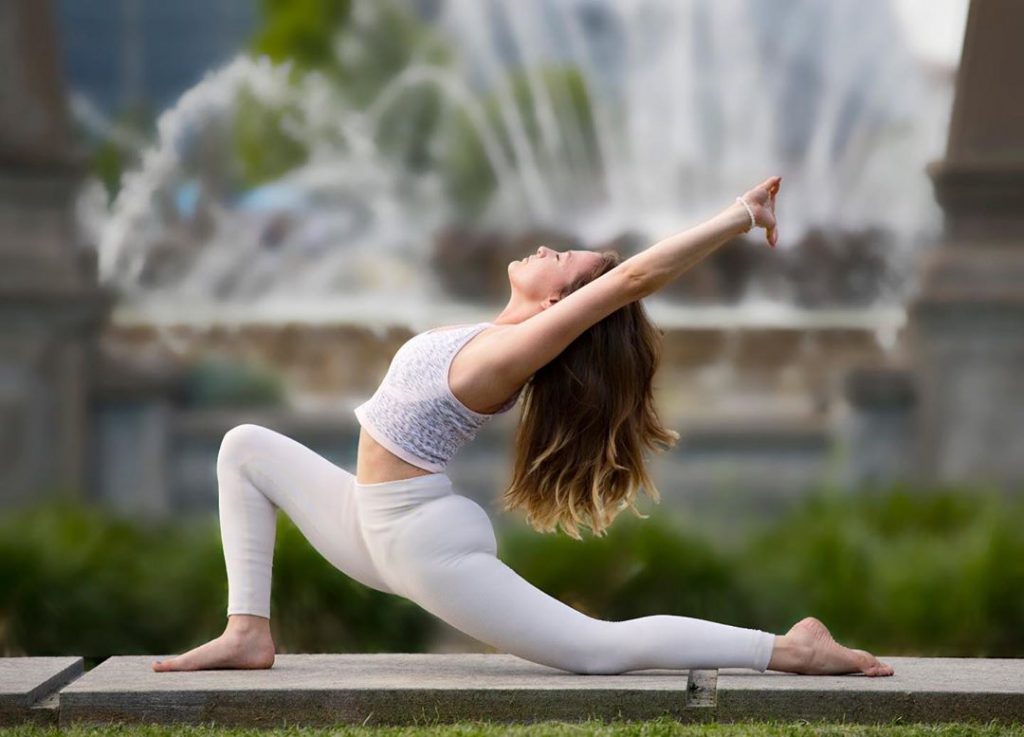
  1. Anjaneyasana

This pose is also known as “the high lunge”. Doing the crescent variation of this exercise is known to help improve your blood flow, calm your mind.

Steps:

  • While standing, lunge one leg forward.
  • Bend the front knee, make sure your knee is in line with your ankle, stretch your back leg.
  • Press your ankle flat against the ground on both ankles.
  • Raise your arms to the sky and connect your palms.
  • Breathe in deeply and breathe out in an even flow.
  • Repeat 5 times per leg.

2. Garudasana.

This pose is known commonly as the eagle pose. This pose requires you to breathe while holding your body in balance. It helps prevent anxiety attacks while improving your focus. Steps are as follows:

  • Breathe in deep, shift the weight of your body onto one leg.
  • Slowly wrap one leg around the other.
  • Sink your hips and gently bend your knees.
  • Keep your ankle flat on the ground.
  • Keep your breathing even and slow.
  • Wrap one arm around the other at the elbows and wrists.

3. Natarajasana

Commonly referred to as “the dancer’s pose”, this asana is great for mood balancing. It can be beneficial for those who are fighting depression and anxiety.

How to Do It:

  • With both legs planted on the ground, bend one knee back; using your arm, grip the ankle.
  • Slowly keeping a steady posture, lean forward and lift your ankle towards the sky.
  • Extend your free hand in front of you.
  • Take 5 deep and even breaths.

Yoga to increase immunity against Covid:

1. Shishuasana:

  • Sit on your heels. Keeping your hips on the heels, bend forward, and lower your forehead to the floor.
  • Keep the arms alongside your body with hands on the floor, palms facing up. (If this is not comfortable, you can place one fist on top of another and rest your forehead on them.)
  • Gently press your chest on the thighs.
  • Hold.
  • Slowly come up to sit on the heels, uncurling vertebra by vertebra and relax.

Shishuasana is an excellent pose to decongest the chest and relax the mind.

2.Setu Bandhasana:

  • To begin, lie on your back.
  • Fold your knees and keep your feet hip distance apart on the floor, 10-12 inches from your pelvis, with knees and ankles in a straight line.
  • Keep your arms beside your body, palms facing down.
  • Inhaling, slowly lift your lower back, middle back and upper back off the floor; gently roll in the shoulders; touch the chest to the chin without bringing the chin down, supporting your weight with your shoulders, arms and feet. Feel your bottom firm up in this pose. Both the thighs are parallel to each other and to the floor.
  • If you wish, you could interlace the fingers and push the hands on the floor to lift the torso a little more up, or you could support your back with your palms.
  • Keep breathing easily.
  • Hold the posture for a minute or two and exhale as you gently release the pose.

Setu Bandhasana opens the heart and improves blood circulation, increasing energy in the body.

3.Dhanurasana:

  • Lie on your stomach with your feet hip-width apart and your arms by the side of your body.
  • Fold your knees and hold your ankles.
  • Breathing in, lift your chest off the ground and pull your legs up and back.
  • Look straight ahead with a smile on your face. Curve your lips to match the curve of your body!
  • Keep the pose stable while paying attention to your breath. Your body is now taut as a bow.
  • Continue to take long deep breaths as you relax in this pose. But don’t get carried away! Do not overdo the stretch.
  • After 15 -20 seconds, as you exhale, gently bring your legs and chest to the ground. Release the ankles and relax.
  •  

Yoga’s incorporation of meditation and breathing can help improve a person’s mental well-being. “Regular yoga practice creates mental clarity and calmness; increases body awareness; relieves chronic stress patterns; relaxes the mind; centers attention; and sharpens concentration.

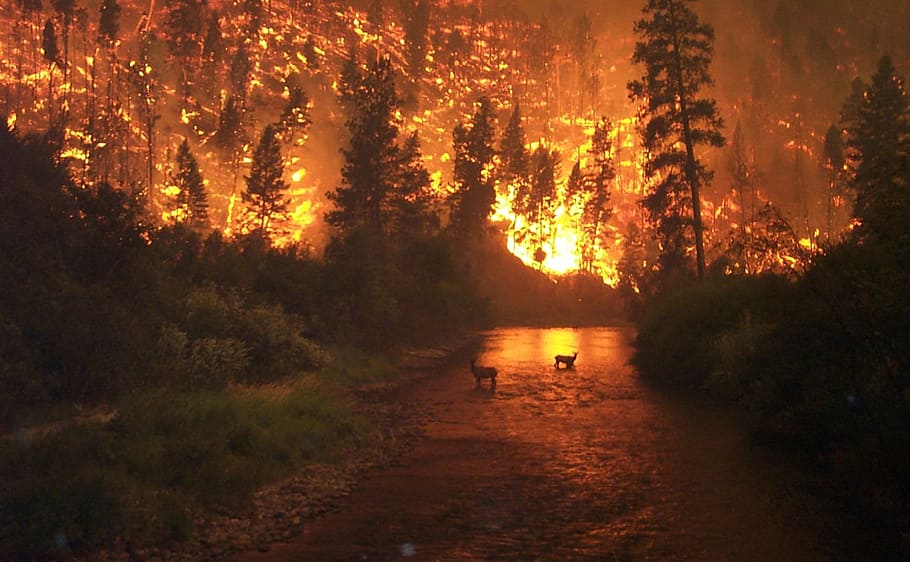
Why is wildfire smoke potentially worse than other pollutants in the air?

Wildfires in the Western United States have spread smoke across the landscape, posing a rising hazard to public health. The 2020 fire season was so terrible, because of climate change, that it nearly quadrupled the previous record for acres burned in California, and at-home monitoring of the smoke’s impact on air quality became practically ubiquitous. This year’s season is off to a disastrous start, with smoke from West Coast wildfires already darkening skies on the East Coast.

Smoke isn’t your typical form of pollution. According to studies published in the journal Nature earlier this year, the small particles present in smoke can be up to ten times more hazardous to human health than soot from other sources such as tailpipes and factories.

Fine particles, also known as PM2.5, are 30 times smaller than the diameter of a human hair follicle and were studied by researchers. When a fuel, whether it’s gas or plant, burns, tiny particles are released into the air and occasionally into our bodies. According to the study, fine particles from wildfire smoke resulted in 10% more respiratory hospitalizations than they would have been without the smoke. While pollution from other sources is also hazardous, it only increased hospitalizations by around 1%.

Rosana Aguilera, the study’s primary author and a postdoctoral researcher at the University of California, San Diego, spoke in an interview. She explained what she and other academics are doing to learn more about the effects of wildfire smoke on human health.

The interview was slightly altered for clarity.

What are “fine particles,” and why are they a concern?

Fine particles were investigated by the research group I work in since they are one of the primary components of wildfire smoke. These particles are distinct from others. Their chemical makeup varies depending on the items being burned. There are a variety of chemicals that may be found in wildfire smoke and fine particles, including carbon and heavy metals.

We’re concentrating on these small particles found in wildfire smoke right now because wildfire smoke is becoming increasingly prevalent as a source of emissions in various parts of the United States and the world. It’s one form of air pollution in California that appears to be on the rise in the foreseeable future. Some articles support the notion that wildfire smoke will be one of the primary sources of fine particulate matter in areas such as the Western United States.

What kind of impact may such tiny particles have on people’s health?

Because it’s tiny enough to infiltrate our respiratory system and reach deep into the lungs, it’s one of the air pollutants to be concerned about. It might enter the circulation and spread to other organs from there. It can make breathing difficult. It can irritate the skin and aggravate illnesses such as asthma and other respiratory and cardiopulmonary problems.

We mostly deal with acute impacts, which are the reactions that occur after being exposed to wildfire smoke for a few days. My study group isn’t focusing on long-term impacts right now, but I believe it’s an issue that needs to be explored more. Long-term exposure is more difficult to study since it requires following individuals who have been exposed to several wildfires.

So, how does wildfire smoke compare to other sources of pollution like vehicles, trucks, and industry?

When comparing wildfire smoke to non-smoke fine particles, we discovered that wildfire smoke is more hazardous in terms of increased hospitalizations.

The mix of traffic emissions and wildfire smoke may be extremely different. We haven’t looked at the chemical makeup of these tiny particles concerning their origins. However, several toxicological studies have delved into this further and shown that wildfire smoke toxicity may be enhanced. If it passes through a structure, it may pick up pollutants from homes and other structures.

What do you want to achieve with your research?

We’d like to investigate these differential effects of fine particles concerning emission sources, as well as try to learn more about the chemical makeup of various wildfires.

If wildfire smoke has a higher impact, and if it will be one of the primary sources of this sort of pollution in the future — or if it currently is — we need to learn more about why it is more damaging. Then, what kind of long-term impact can we expect?

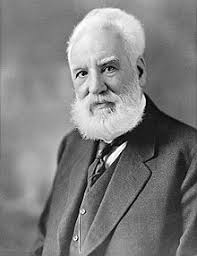
“ALEXANDER GRAHAM BELL” Biography

“Alexander Graham Bell” he was the inventor of Telephone. He was born on March 3rd 1847 in Edinburg Scotland. His father’s name was Alexander melville Bell and mother’s name was Elisa grace. His father was a professor and mother was a painter and pianist. He had two brothers but both of whom died of Tuberculosis.

Throughout his childhood is spent short period of time in traditional educational institutions including Edinburghs Royal High School, which he left at the age of 15 he initially attended University of Edinburgh and then the university College London England but did not receive a formal education in 1817 after the death of two of his brother the bell family moved to Canada for the sake of his health expanding on his father work of teaching deaf people to communicate he began working on transmitting and telephonic messages in 1872 he founded School of “vocal physiology and mechanics of speech”in Boston where he taught elocution to his pupils in 1873 he was appointed the professor of vocal physiology and Elocution at the Boston University School of oratory. While pursuing his teaching profession he was drawn towards an idea of transmitting the human voice over wires. In 1874, he hired an assistant Thomas Watson is skilled electrician, who developed the tools and instruments he needed Jo continue the project on March 10 1876 he produced the first intelligible telephone call when he said Mr Watson come here I want to see you Thomas Watson who was in another room here Bells voice and it came to see the telephone had worked a legal battle ensued with inventors Elisha Gray, who claimed his invention of the predated Bell’s. But the court ruled in Bell’s favor and subsequently”Bell Telephone Company was formed in 1877.

On July 11,1877 he married his deaf student, Mabel Hubbard at the age of 30. They had four children, They are Elsie May Bell, Marian Hubbard Bell, Edward Bell, and Robert Bell. By 1883, he created the technology for the Graphophone and other early sound recording equipment in magnetic recording technology that was an early form of tape recording towards the end of the nineteenth century his interest began to move away sound transmission and recording to transport Technologies he developed a passion for air travel and helped to established the aerial experiment Association in 1907 in all he held 18 patents in his name alone and to all that he shared with collaborators among them telephone, Photo phone, Hydrofoil board, Audio meter, HD-4, Metal detector, Tetrahedral kite are noteworthy. He was one of the founders of the National Geographic society in 1888 and served as its president from 1896 to 1904 he died on August 2, 1922 in Beninn Bhreagh, Nova Scotia, at age of 75 due to complications from Diabetes “BEFORE ANYTHING ELSE , PREPARATION IS THE KEY TO SUCCESS”.

Economics

Introduction:- The term economic comes from the ancient Greek word oikonomia means ‘management of a household’. The term economic process refers to those activities, through which goods and services aimed at satisfying human needs, are produced distributed, and used. Economic includes the study of labor, land investment of capital, income, and production, and taxes and government expenditures. Adam Smith regarded as the Father of Economics, defines Economics as “the science relating to the laws of production, distribution, and exchange”.

Branches of Economics:- The two chief branches of economics are as follow:

Micro Economics – It examines the behavior of basic elements in the economy including individual agents, such as households and firms, or as buyers and sellers and market and their interactions.

Macro Economics – It studies the economy as a whole and its features like national income, unemployment, poverty, the balance of payments, and inflation. It deals with the formulation of models explaining the relationship between factors such as consumption, inflation, savings, investment, national income, and finance.

Economy:- It represents production, distribution, or trade and consumption of goods and services in a given geographical area by different agents which can be individuals, businesses, organizations, or governments. The study of the economy of any country helps us to find out the financial condition of the population as well as the different working sectors of the economy.

A modern economy is a complex machine. Its job is to allocate limited resources and distribute output among a large number of agents mainly individuals, firms, and governments allowing for the possibility that each agent’s action can directly or indirectly affect another agent’s actions. There are two major types of economies they are:

Open Economy: It belongs to a market economy, which is mainly free from trade obstructions and where exports and imports comprise a lush large percentage of the GDP. No economy is absolute whether open or closed in terms of trade restraints and all governments have fluctuating levels of control over the activities of capital and exchange.

The degree of the vulnerability of an economy determines a government’s freedom to pursue monetary policies of its choice and the exposure of the country to the international economic cycles.

Closed Economy- An economy in which no exercise is conducted with outside economies. A closed economy is self-sufficient, meaning that no imports are brought in and no exports are sent out. The goals of such an economy are to furnish consumers with everything that they need from within the economy’s perimeters.

The degree of exposure of an economy is decided by their respective governments by using policy controls like tariffs, import, and export quotas, and exchange rate limits. In india, since independence, the government has played a major role in planning economic activities.

Present status of the Indian economy: Indian economy is the world’s 6th largest economy or nominal GDP basis and the 3rd largest by Purchasing Power Party (PPP) in 2017. According to CSO, the growth in GDP during 2017-2018 is estimated at 6.5% as compared to the growth rate of 7.1% in 2016-17.

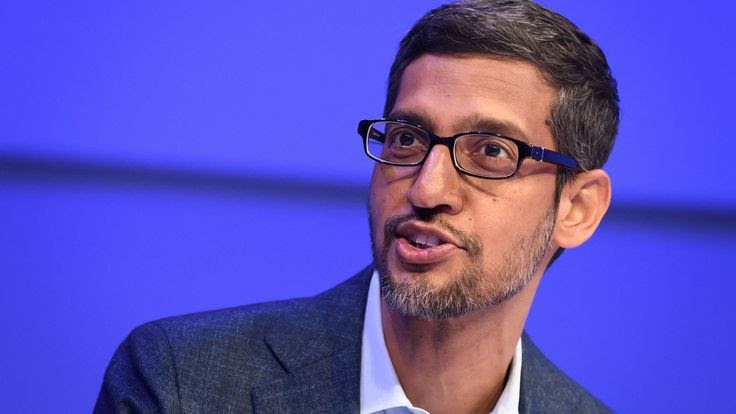
Google CEO Sundar Pichai’s view on former Amazon CEO Jeff Bezos flying into space

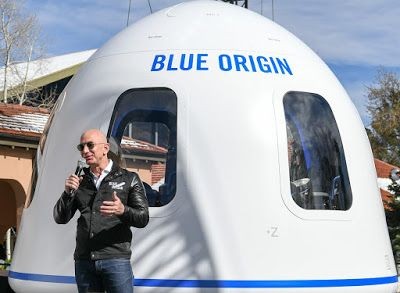
Google’s CEO Sundar Pichai admitted that he was “jealous” of the Blue Origin and Amazon founder Jeff Bezos for his July 20 space flight that would launch him, and his brother, Mark Bezos, into the edge of the space. Bezos is expected to fly approximately 100 kilometres or 328,000 feet to the Kármán Line on New Shepard on the day that marks NASA’s Apollo moon landing anniversary.


Speaking about Bezos’ 11-minute trip to space, Google’s CEO Pichai told BBC in a televised interview, “Well, I’m jealous, a bit,” adding that he would love to look at Earth from space. He then went on to describe his views on AI, saying that it is the most profound technology that humanity has developed.

the interview, Pichai talked about a varied range of things. When asked when was the last time he cried, he said: “Seeing the morgue trucks parked around the world during COVID. And seeing what’s happened in India over the past month.”

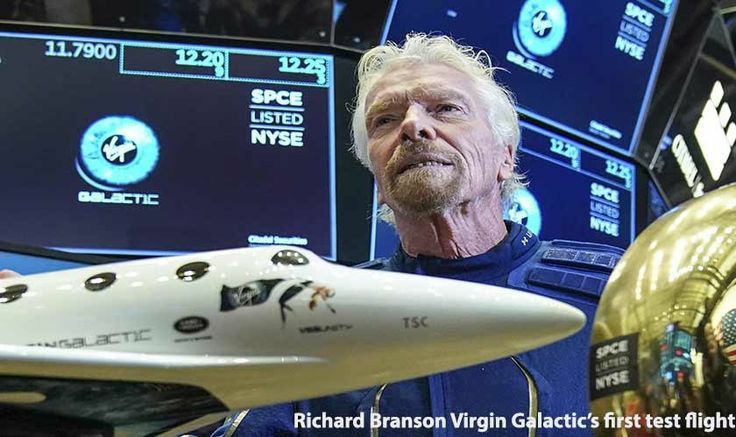
Meanwhile, British billionaire Richard Branson on last Sunday soared more than 50 miles above the New Mexico desert aboard his Virgin Galactic rocket plane and safely returned in the vehicle’s first fully crewed test flight to space, a symbolic milestone for a venture he started 17 years ago.

launch of the VSS Unity passenger rocket plane marked the company’s 22nd test flight of its SpaceShipTwo system, and its fourth crewed mission beyond Earth’s atmosphere. It was also the first to carry a full complement of space travelers – two pilots and four “mission specialists,” Branson among them.Heralding a new space tourism era, Branson reached space with three employees, including one of Indian-origin, leaving Jeff Bezos to follow his route on July 20. Bezos has been planning to fly aboard his own suborbital rocketship, the New Shepard, later this month.

High Court

Every High Court consisted of a Chief Justice and such other Judges as the President may from time to time deemed necessary to appoint. Thus the Constitution does not specify the strength of a High Court and leaves it to the direction of the President. Accordingly, the President determines the strength of a High Court from time to time depending upon the workload.

The Constitution of India provides a High Court for every state, but the 7th Amendment Act 1956 authorized the Parliament to establish a common High Court for two or more states or a state and a union territory.

The territorial jurisdiction of a high court is co-terminus with the territory of a state. There are 25 High Courts in India as of 2019.

Appointment of Judges:-

• Under Article 217, the judges of the High Court are appointed by the President.

• The Chief Justice of the High Court is appointed by the President after consultation with the Chief Justice of Supreme Court and the Governor of the concerned state.

Qualification of Judges:- One should be a:

• citizen of India.

• have held a judicial office in the territory of India for 10 years; or

• have been an advocate of a High Court for 10 years.

Tenure:- Holds Office until he attains the age of 62 years.

Removal:-

• He can resign his office by writing in his hand to the President.

• He can be removed from his office at the recommendation of the President.

• He vacates his office when he is appointed as a judge of the Supreme Court or when he is transferred to another High Court.

Salaries and Allowances:-

• Determined by Parliament from time to time.

Independence of High Court:- Following provisions are made to safeguard and ensure the independence of the High Court:

• Mode of Appointment

• Security of tenure

• Fixed service conditions

• Expenses charged on the consolidated fund of state

• Conduct of judges cannot be discussed

• Power to punish for its contempt

• Freedom of appointment of his staff

• Its jurisdiction cannot be curtailed

• Separate from executive

Jurisdiction and Powers of High Court:- At present, a High Court enjoys the following is the jurisdiction and powers:

• Original Jurisdiction

• Writ Jurisdiction(Article 226)

• Appellate Jurisdiction

• Supervisory Jurisdiction

• Control over Subordinate courts

• A court of record

• Powers of Judicial review

The Supreme Court can issue a writ jurisdiction, only where a fundamental right has been infringed. High Court can issue these writs under Article 226 not only in such cases but also where an ordinary legal right has been infringed. High Court does not have advisory powers as in the case of the Supreme Court.

Appointment of District Judges:- The appointment, posting, and promotion of a district judge in a state are made by the Governor of the concerned state in consultation with the High Court.

A person to be appointed as District judge should have the following:

• He should not already be in the service of the Union or the State Government.

• He should have been an advocate pleader for 7 years

• He should be recommended by the High Court.