This story not only epitomizes love, friendship, and resilience but also about loss, grief, and despair. This global pandemic has caught us in an infinite loop; the number of endless cases adding up each day and with it the increasing number of deaths.
A week ago, my best friend and also a Neurosurgeon, Ram Tripathi was infected by Covid-19 and was admitted to the same hospital. The day when he was admitted, his oxygen levels were plummeting. And as the days passed, his health worsened and we had to put him on the ventilator. Every day, I personally went to his bed for checkups. For those 2 mins, he would ask about no one but his wife and his baby girl. I can still remember the last words he said to me the day before he died – “Promise me you’ll take care of my wife and Naira (his 5-months old daughter). Meera always wanted to be a baker but… I’ll have to leave her this journey halfway” At that moment all I could do was just hold his hands and assure him that he’ll be fine.
The next day, I was asked to hurry to the hospital, there was an emergency; It was Ram taking his last breaths. We all tried our best to save him but we couldn’t. I couldn’t process all of this and was asked to call his wife and inform her about his death. Somehow, I gathered the courage to dial her number but stood quiet. She was getting anxious with every passing second and lined up questions if Ram’s doing okay and why am I not speaking up. After a min, I said her that we lost him. She screamed and wept; I could hear the baby girl crying in the background too, only if she knew that her dad won’t be back home ever again. Today, lying on the death bed, all that’s running in my mind is the promises I made to Ram. Also how after I die, my mother would be called and informed that she lost her son to Covid-19 too, how she won’t be able to believe that all her prayers were left unanswered. But fortunately, I lived and I feel the only reason I’m alive is that I’d to keep the promise, the one that I made to Ram. Till the day I recovered, it was time to scatter Ram’s ashes. In my absence, Meera and Naira stayed at my place with my parents. Meera had already gone into deep despair. I could see her eyes all red as if she cried herself to sleep every night and shed blood tears. She often called me Bhaiya and I took it as my responsibility to make my younger sister achieve all her dreams and also keep my promise to Ram. Years went and she was among the best bakers in our city yet I haven’t seen her smile in all these years. As if with Ram, her smile went along. Naira was her only ray of hope and only motivation. She wanted her to live a better life and did every possible thing that Ram would have dreamt for her daughter.
Just like millions of people lost their loved ones to this Covid-19, Meera( Ram’s wife) lost her husband, and Naira (his 5-months old daughter) lost her dad even before she could talk to him. Yet Meera didn’t lose hope and stood strong to take care of her child all by herself. She started her own bakery shop with the help of funds arranged by Mayank initially. Later, she lived her life on her own terms and would never let her daughter’s wish unfulfilled.
Like Meera, when one feels stuck in a loop of grief or despair, just remember,
As the capital of Canada ‘Ottawa’ is known for its mind-blowing Victorian Architecture. Ottawa was once called ‘Bytown’, but its name was changed to Ottawa in 1854. Situated on the bank of the Ottawa river, there are various astonishing places to visit in Ottawa. If you are planning to visit Ottawa then you must not miss these mesmerizing places in Ottawa. Here are the TOP 10 PLACES TO VISIT IN OTTAWA, CANADA.
1. PARLIAMENT HILL
PARLIAMENT HILL
One of the best places to visit in Ottawa is Parliament Hill (Colline du Parlement). Along with being a good tourist attraction, it is also a workplace for the Canadian Government. This political monument was constructed between 1859 and 1876. Approximately 3 million visitors come to see Parliament Hill every year.
Parliament Hill basically constitutes 3 main blocks: East Block, West Block, and Centre Block. It is built in ancient Gothic-style architecture. You can have a breathtaking view of the city, and the Ottawa river as well, on the top of Parliament Hill. It is located at Wellington St, Ottawa, ON K1A 0A9, Canada.
2. RIDEAU CANAL
The second most astonishing place to visit in Ottawa, after Parliament Hillis Rideau Canal. This canal has a length of 200km, and a depth of 1.6m. This canal is located on Lake Ontario and connects Ottawa with Kingston. The most favorable time to visit this canal is in the season of winter, where the canal entirely freezes and people from all over the world come here for skating and celebrating.
It is undeniably the most memorable phase for any tourist. Rideau Canal’s epic urban skating rink is the biggest skating trail in the world. If you are a skating fan, then you must visit here once in your life. It is located in Ottawa, Ontario, Canada.
3. CANADIAN WAR MUSEUM
Canada War Museum (Musée Canadien de la Guerre), is yet another famous place to visit in Ottawa. This museum is a huge collection of the past Canadian Military, the museum constitutes over 3 million artifacts of the Canadian military which fought various battles in its past including World War I and World War II.
There are various military vehicles displayed in the museum such as tanks, jeeps, armored trucks, armored vehicles, motorcycles, etc. The most famous of them is Adolf Hitler’s bullet-proof Mercedes Benz limo, which is heavily modified with immense armor plating. It is located at 1 Vimy Pl, Ottawa, ON K1A 0M8, Canada.
4. NATIONAL GALLERY OF CANADA
The National Gallery of Canada (Musée des Beaux-Arts du Canada), is a perfect example of Modern-day architecture. The National Gallery of Canada constitutes the biggest collection of the past. The history of Canada is recorded in this national gallery since the 18th century, there are also certain artifacts that are even older than the 15th century. It is one of the biggest art museums in North America.
The Museum displays the Canadian art development from religious works to the Group of Seven. The museum also contains two fascinating courtyards and an amazing Rideau Street Convent Chapel. The entry to this National Gallery of Canada is absolutely free on Thursdays from 5-8 pm. It is located at 380 Sussex Dr, Ottawa, ON K1N 9N4, Canada.
5. CANADIAN MUSEUM OF NATURE
The Canadian Museum of Nature (Musée Canadien de la Nature), is yet another fascinating museum to visit. It displays the Canadian history of plants and animals from the era of Dinosaurs and even before to the modern-day era. The museum offers 3D movies, guided tours, exhibitions, and workshops for visitors.
The Canadian Museum of Nature is also the National Museum for Natural Science and History. Situated a few distances away from Parliament Hill, this museum was once the main headquarters of the Canadian government. It is located at 240 McLeod St, Ottawa, ON K2P 2R1, Canada.
6. NATIONAL WAR MEMORIAL
The National War Memorial (Monument Commémoratif de Guerre), is built with an aim to honor the Canadian Military Forces, who sacrificed their lives for their country in various wars. A very famous statue called Canada’s Tomb of Unknown Soldier has been built in the National War Memorial to honor the sacrifice of soldiers who served their country in World War I.
It is also among the Top Places to Visit In Ottawa, as rated by the tourists who come to Ottawa. It is located at Wellington St, Ottawa, ON K1P 5A4, Canada.
7. NOTRE DAME CATHEDRAL BASILICA
NOTRE DAME CATHEDRAL BASILICA
Situated adjacent to the National Gallery of Canada, Notre Dame Cathedral is an astonishing Catholic Basilica. It was built in 1846 and is the biggest and the oldest church still functioning in Ottawa. This church is an excellent specimen of Canadian religious art and culture. It is famous for its interior mahogany carvings by Philippe Parizeau.
It is also famous for the sculpture of apostles, prophets, and evangelists, crafted by Louis Philippe Hébert. It is located at 385 Sussex Dr, Ottawa, ON K1N 1J9, Canada.
8. CANADA AVIATION AND SPACE MUSEUM
Depicting the story from Canada’s first flight to the World Wars to this modern era, the Canadian Aviation and Space Museum, (Musée de l’Aviation et de l’Espace du Canada), is
situated at Rockcliffe Airport. It has a collection of more than 120 military, civilian, and transport aircraft.
The most famous among them is the replica of the famous Silver Dart, which made the first flight in Canada in the year 1909, and the famous Avro Arrow and the Lancaster bomber, which gave their services in World War II. It is located at 11 Aviation Parkway, Ottawa, Canada.
9. PEACE TOWER
PEACE TOWER
The Peace Tower (Tour de la Paix), is the highest point in Ottawa. It is situated at Parliament Hill. From here the breathtaking scenes of the Ottawa city, the Ottawa river, Rideau Canal, the Northern Hills, and the Gatineau can be seen. It is also called the ‘Tower of Victory and Peace.’
The entry to this Peace Tower is absolutely free but you will have to buy the tickets for the entry to Parliament Hill, as Peace Tower is situated in Parliament Hill. It is located at Wellington St, Ottawa, ON K1A 0A9, Canada.
10. ROYAL CANADIAN MINT
Once the Royal Canadian Mint (Monnaie Royale Canadienne), was manufactured mint, back in the year 1908. Now it is a manufacturing hub of hand-made coins and medallions. It also manufactures Olympic Medals. The tour of the Canadian Mint is very amazing, especially on the working days.
Therefore, these are the Top 10 must-go places to explore in Ottawa. I hope you enjoyed the article and made up your mind about visiting Ottawa. Believe me, there are more fascinating places to visit in Ottawa like Diefenbunker, Canada’s Cold War Museum,Canadian Tulip Festival, Byward Market, Dows Lake Pavilion, and many more ….
If you want more Places to Visit in Ottawa, then comment below, we will surely bring a detailed and more elaborated version of this. If you want a detailed blog on the Best Hotels to Stay in Ottawa, then let us know in the comment section below.
How many of you’ll miss going to theatres? and grabbing some popcorns and your favorite drink? I guess we all have. Movies are considered to be the best source of entertainment. It is easily available to everyone. One can watch movies in theatres, at home on television, and with our technology one can also watch movies on their mobile phones and laptops. A Movie can stimulate a lot of feelings and emotions inside us and make us react despite knowing that it is not real, for example, crying during a sad scene, laughing during a comedy scene, or getting scared during a horror scene. We connect to movies in different ways and might adopt some things from them too. We all have our own genres when we talk about movies, like horror, comedy, romantic, patriotic, etc.
Here are some patriotic movies about sports, war, the freedom movement, etc.
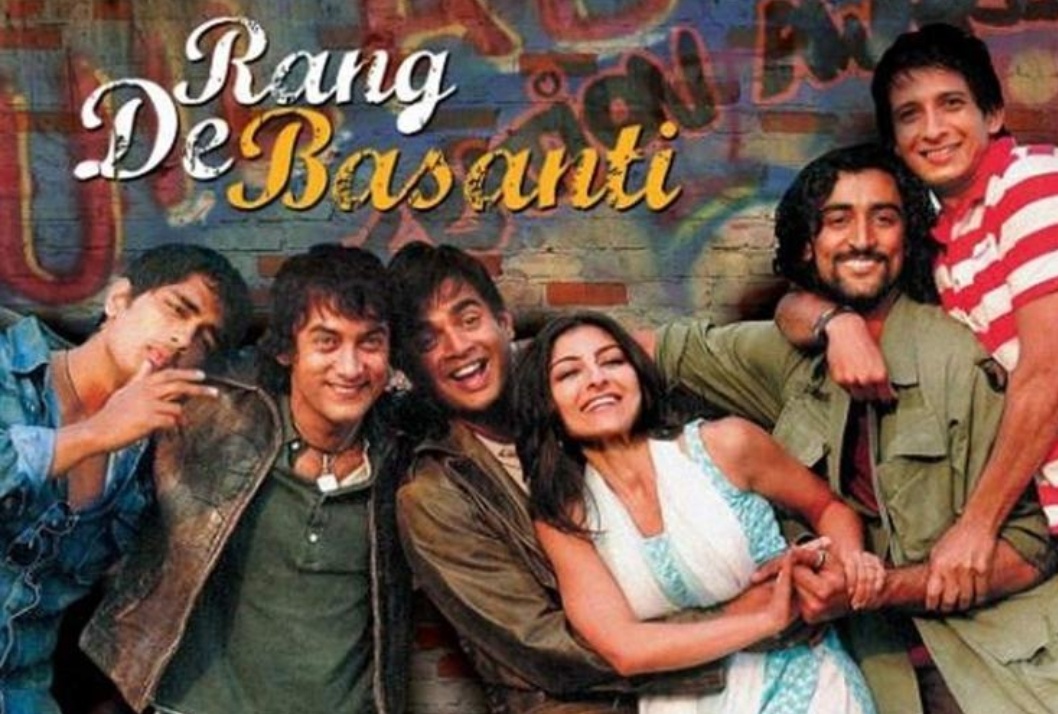
• Rang De Basanti Rang de Basanti is based on political issues. The movie made a remarkable impact on Indian Society and inspired many Indians.
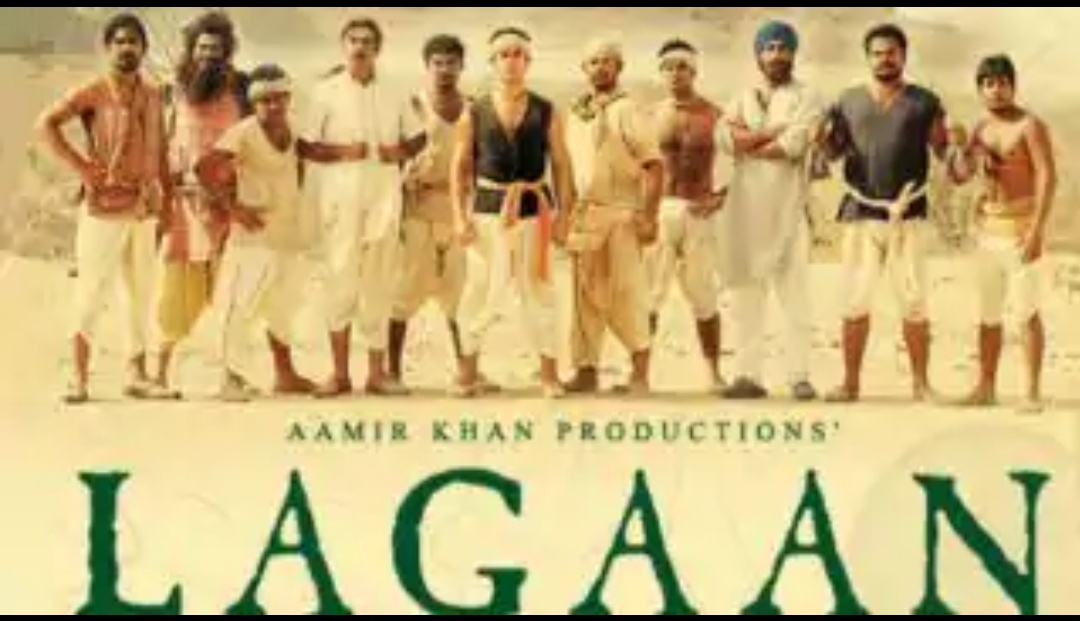
• Lagaan Lagaan is an Oscar-nominated movie. The story of the movie is based on a true story. It is a must-watch if you love cricket.
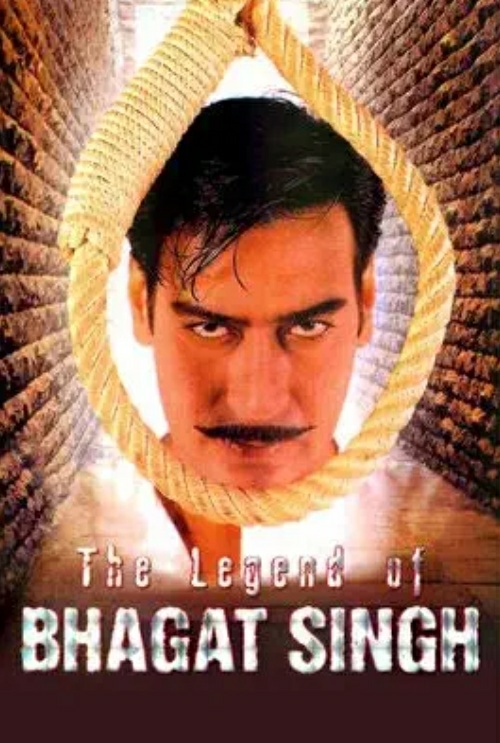
• The Legend of Bhagat Singh The legend of Bhagat Singh is about the most fearless freedom fighter of India. The role of Bhagat Singh is played by actor Ajay Devgan.
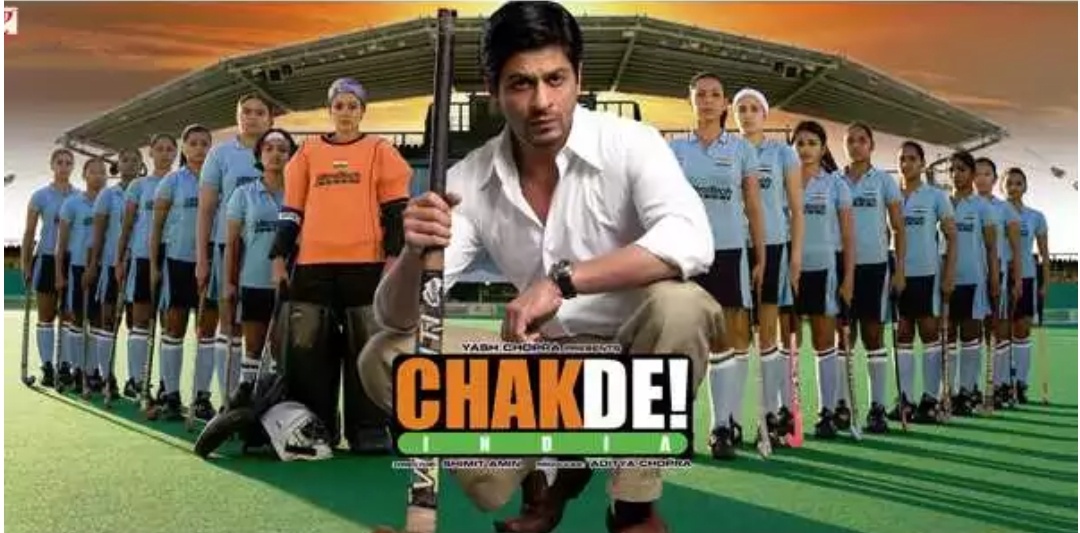
• Chak De India Chak De India is an iconic movie based on the national sport of India, hockey. This movie is definitely going to give goosebumps.
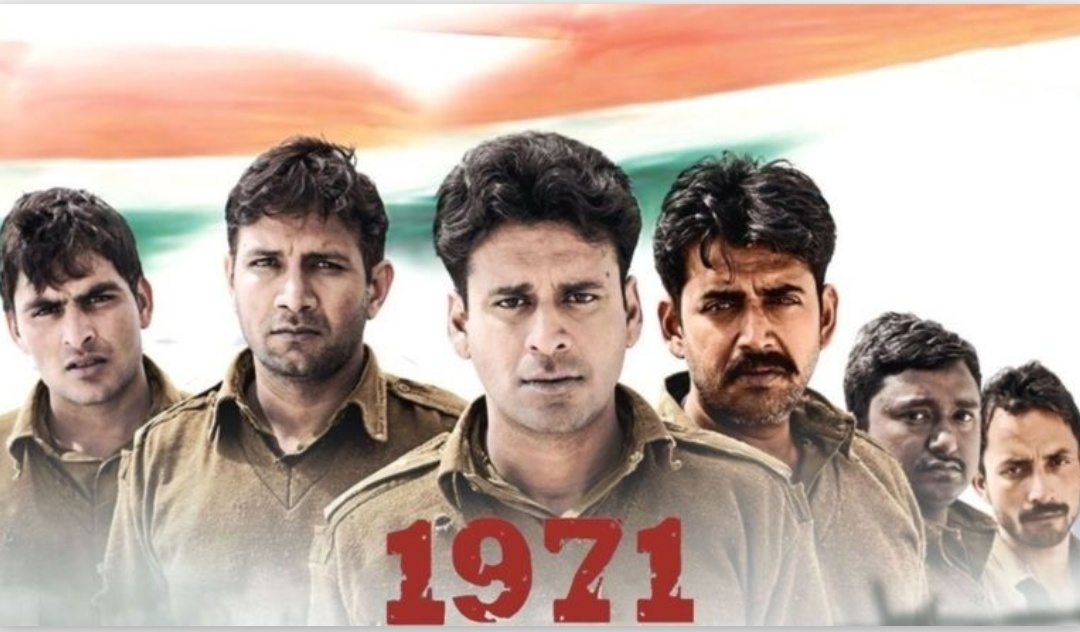
• 1971 1971 is based on a true story starring Manoj Bajpai. It is based on war drama.
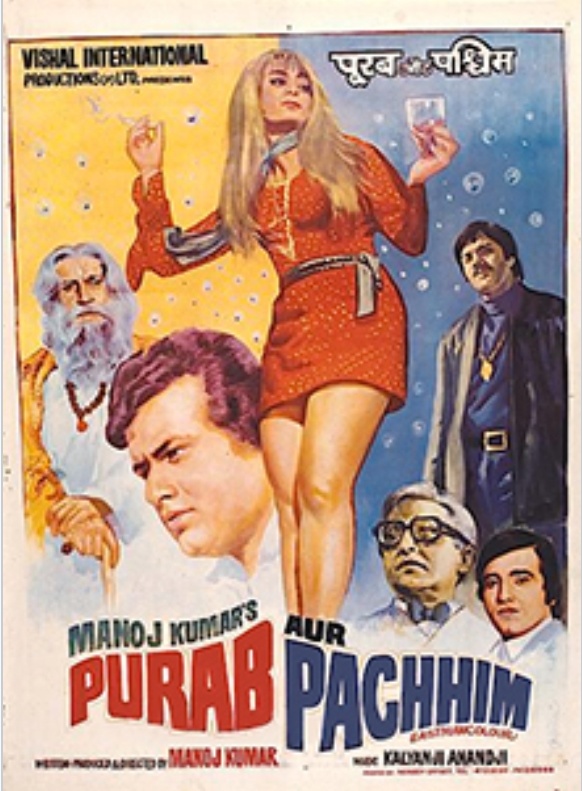
• Purab Aur Paschim Purab Aur Paschim is a 1970 film starring Manoj Kumar and Saira Banu. The songs are as hit as the movie
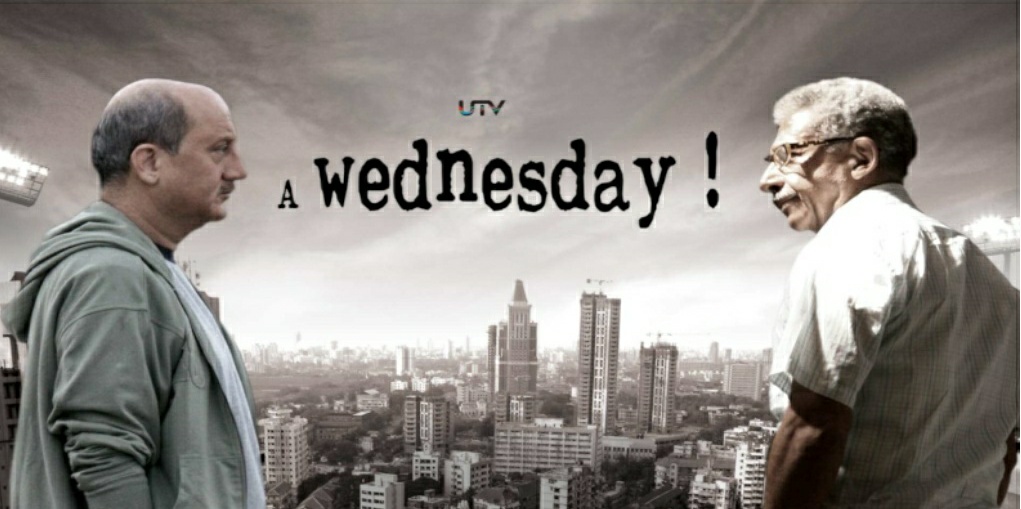
• A Wednesday A Wednesday is inspired by the 11 July 2006 Mumbai train bombings. It has received many awards. This movie can be viewed by all age groups.
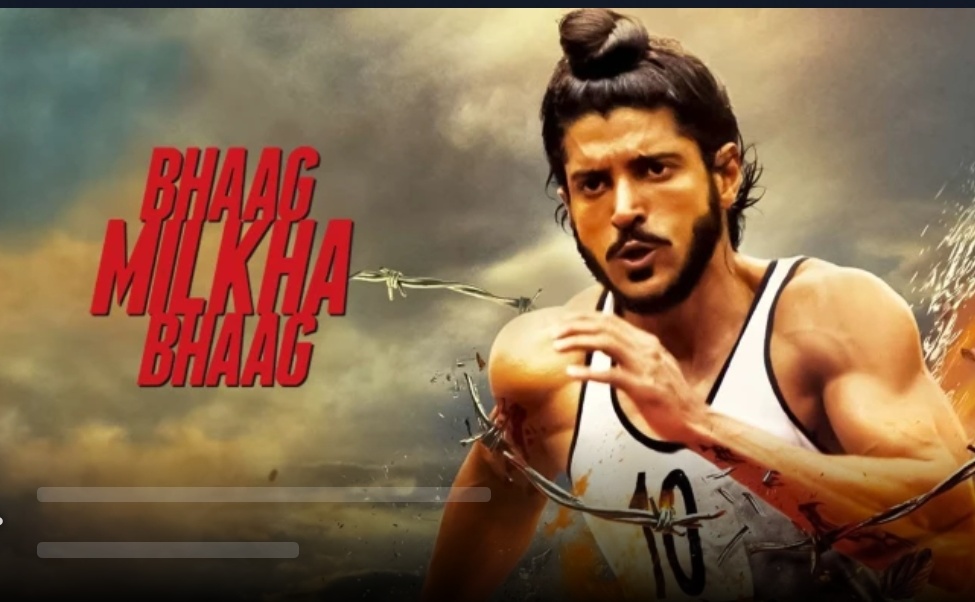
• Bhaag Milkha Bhaag Bhaag Milkha Bhaag is based on sports starring Farhan Akhtar. The movie is based on the real story of, Milkha Singh, an Indian athlete.
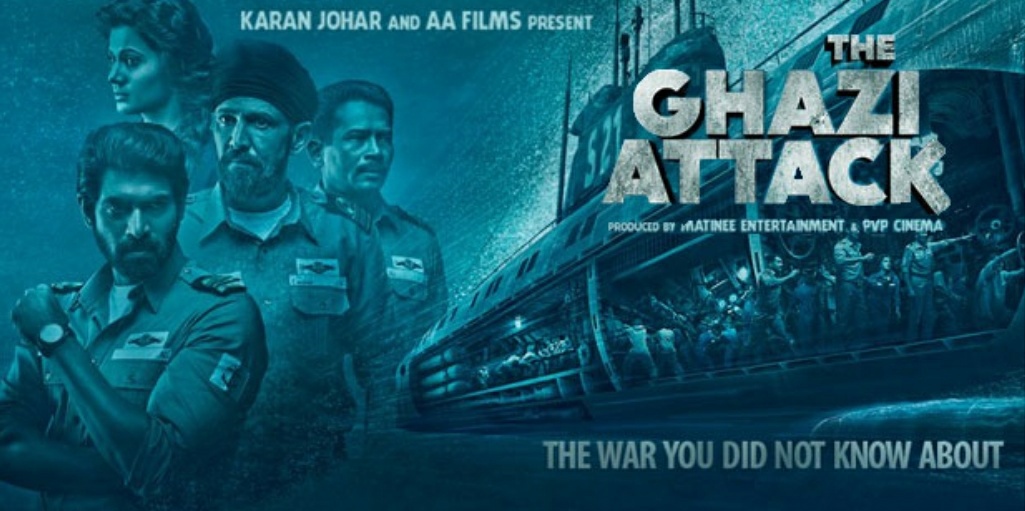
• The Ghazi Attack The Ghazi Attack is based on true events from the Indo- Pakistani war. It is truly a patriotic movie showing the struggle and strength of the Indian Navy.
• Uri: The Surgical Strike Uri: The Surgical Strike is an iconic movie starring Vicky Kaushal. This movie attracted a lot of youngsters to join the Indian Army.
Over the years, Amul, one of the most beloved brands of our country, has become the taste of India, just as its tagline claims. Every Indian millennial has grown up listening to the jingles of its many dairy products, and the Amul girl, the brand’s mascot in the polka-dotted dress, has become a nostalgia-evoking symbol. Amul has truly come a long way since its founding in 1946.
The beginning
Amul was formed as a part of a cooperative movement against Polson Dairy in Anand, Gujarat, which procured milk from local farmers of Kaira District at very low rates and sold it to the then Bombay government. Everyone except the farmers benefited from this trade. The farmers took their plea to Sardar Patel, who had advocated farmers’ cooperatives since 1942. The result was the formation of the Kaira District Co-operative Milk Producers’ Union Limited in Anand.
The union started pasteurising milk produced by a handful of farmers for the Bombay Milk Scheme and grew to 432 farmers by the end of 1948. The rapid growth led to problems including excess production that the Bombay Milk Scheme couldn’t accommodate. To solve this issue, a plant was set up to process all that extra milk into products such as milk powder and butter.
Amul is born
The late Dr. Verghese Kurien, rightly called the Milkman of India, was Amul’s true architect. His journey at Amul began in 1949 when he arrived in Anand to manage a dairy as a government employee. He went from helping farmers repair machinery to revolutionising India’s dairy industry with the White Revolution (or Operation Flood), the largest dairy development programme in the world.
The new dairy with the milk processing plant was ready for operation in October 1955, the year that also saw a breakthrough in dairy technology —buffalo milk was processed to make products for the first time in the world. The word ‘Amul’, derived from ‘Amulya’, which means ‘precious’ or ‘priceless’ in Sanskrit, was used to market the range of milk products developed by the Kaira Union. It is also an acronym for Anand Milk Union Ltd.
Dr Kurien had a vision. He wanted to offer small-scale dairy farmers quality-control units and centralised marketing, which were missing at the time in the dairy economy. Thus, the Gujarat Cooperative Milk Marketing Federation (GCMMF) was created in 1973 to market milk and all milk products produced by six district cooperative unions in Gujarat. GCMMF is the largest exporter of dairy products in India and Amul is the umbrella for all of its products.
Awards, accolades, and a global presence
Over the years, Amul, together with GCMMF, has won numerous awards. Some of these include the Rajiv Gandhi National Quality Award, 1999; the Golden Trophy for Outstanding Export Performance, 2009-10; Best Marketing Campaign, 2014; and World Dairy Innovation Award, among many others. Amul earned recognition all over the world when GCMMF introduced it on the Global Dairy Trade (GDT) platform, where only the six top dairy players across the world sell their products.
More than a mere slogan
Amul’s famous slogan, which is now a part of its logo, was created in 1994 by Shri Kanon Krishna of a Mumbai-based advertising agency called Advertising and Sales Promotion (ASP). According to Amul, the Taste of India slogan is more than just corporate positioning or advertising jargon. This slogan lends meaning to the brand’s never-ending commitment to taking quality food and products to the rural man, which he otherwise couldn’t have afforded.
The Butter Girl
Amul did not always have the round-eyed moppet as its mascot. The Butter Girl was born in 1966 when Sylvester daCunha, the then MD of the advertising agency handling Amul butter’s account, created her for its campaign. It was a pleasant change from the dull, corporate ads that the previous agency had come up with. Being a seasoned marketer himself, Dr Kurien gave daCunha complete creative freedom to create and release the ads without taking the company’s permission. 30 years later, the Utterly Butterly Girl still wins hearts wherever she is, whether on a billboard or on the packet of butter.
Amul is not just a brand; it is also a movement that represents farmers’ economic freedom. The name is now a household term that is here to stay, and the chubby-cheeked Amul girl will continue to cast a spell on the public.
In 1983 the video games industry was hit with a recession that almost ended the existence of video games of that time period. This period lasted for almost two years from 1983 to 1985. Many people and journalists who were critical were calling video gaming a fad. Numerous companies went bankrupt or stopped making video games entirely. This recession is known as the Great North American Video Game Crash or Atari Shock (Primarily in Japan).
Video games in the 1970s were dominated by arcade machines and by the end of the decade home game consoles were also getting popular. With the start of the 1980s, the video gaming industry witnessed a boom with numerous companies like Mattel, Atari, and Coleco dominating the market. The early 80s was a time of innovation and growth in the video game industry but there was instability in the industry as well. This was a time period when video games were becoming more mainstream and popular. Many new players entered the market ranging from industries to small developers that had no association or prior experience in game development in general.
Super Nintendo Entertainment System released on November 1990 (Successor to NES)
Pacman was a big hit in the early 80s and it was not of the most popular video games in the arcades. Its successor Miss. Pacman improved on the formula and was a success as well. After the success of Pacman in the arcades, Atari wanted to replicate the success in the home game consoles. But with the limited constraints with the memory and short development period, the game was not well received by the consumers and critics alike. In 1982 Atari also brought the license to release the video game of the movie for 21 million. The game was developed in a time period of only 5 weeks. The game was negatively received and only 1 million copies of the game were sold off the 5 million manufactured. Many of the sales were also returned to the retailers furthering the damage. During this period video games were being published by small developers with very poor quality and many big developers were producing games that were more of a marketing token than the game. There were many clones of the same games with little to no redeeming quality and replayability. There were also numerous consoles unlike today with too many options that were no different from one another. With the abundance of supply and low sales of games, retailers started to remove stocks of video games and this led to the shrinking of the industry. Atari had lost $500 Million in 1983 and had to cut its workforce from 10,000 employees to just 400 employees.
During the 1980s there was a boom in the Personal Computers market as well. The PCs were much more powerful than consoles and they could play games and do many tasks like word processing and spreadsheets. The PC industry was unaffected by this low point of video game consoles.
In 1985 Nintendo Corporation launched the Nintendo Entertainment systems in North America and Nintendo ensured that only a limited number of games to be released under their license agreement. This ensured a certain threshold of quality for the games that were released for the system and Nintendo emerged out of the survivor from the video game crash. The Nintendo Corporation started to dominate the video game industry with an assurance of quality that was unmatched by any other corporation at that time. Many other entrants like SEGA also emerged after the crash. Nintendo with its approach and license and quality assurance of video games has left a big impact on the industry to this date. Video games industry has only grown since then and also overtaken other source of entertainment. Nintendo can be credited to provide the industry a trajectory that was severely needed after the crash of 83.
In this digital era we always use an electronic device like computer for getting our works done but coming to the taste of experience a computer will never replace a book. There might be several reasons to say that computer is best than a book but for sure what ever the epic information that we see today in a computer was written in a book priorly. A good book in the words of John Milton is the precious lifeblood of a master spirit, embalmed and treasured up to a purpose of life.
The thoughts and ideas contained in a book are immortal like tulasidas’s Rama Charitra Manas, Veda Vyas Mahabaratha, The Bible and many other religious literary works like shakespere’s play etc… On the other hand, a computer is a machine that can visualize the contents of a specific book but thinking about the replacement of a book by a computer is unthinkable and far fetched.
A book provides the most cost effective for spreading education and literacy. It is available at a fraction of the cost of a computer. Moreover it is extremely portable and handy, it is not dependent on any external factors like availability of power supply, software and space which are essential prerequisites for a computer. To go through the contents of a book, the two basic ingredients required are time and inclination. It can be read at any time of day or night and anywhere, like while travelling or even while dozing off to sleep.
Though the above mentioned all phases can be full filled by an electronic gadget also reading a book does not create any physical discomfort or eye strain. We all are aware of the hazards of back pain and eye strain caused by a long stretch of viewing a computer screen. Another factor in favor of the book is the general high degree of respectability and faith commended by the written word. Thus while we may see or hear event on our computer terminal, there is nothing better than to confirm the same from a newspaper or a book. Besides helping in spreading education to masses, a plays an important role in developing our power of expression, and the generation of new ideas and thoughts, which help in modelling our personality .
A book is a source of knowledge on a particular subject, offering no diversion or distraction while a computer offers multiple sources like reading, entertainment, games or news on one go along with several advertisements which some times leads to the distraction of our mind and consequently hinders the acquisition of knowledge.
Thus the computer can never replace a book either now or in the near future, this is for the conviction and convenience offered by a book and it can never be possible through a computer. Moreover being a machine it has chance to break down or show an error, these factors are non-existent while reading a book.
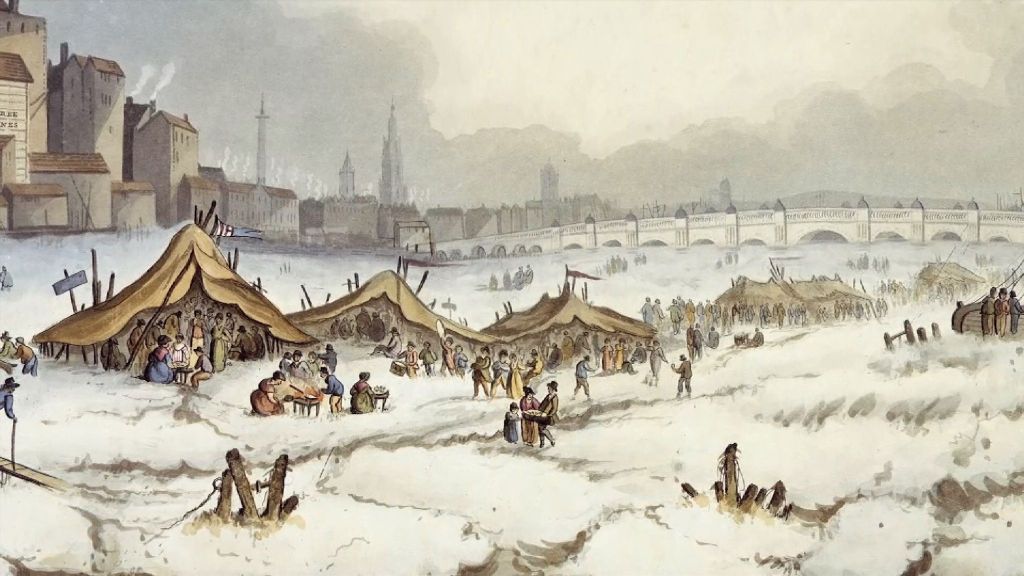
Little Ice Age (LIA), climate interval that occurred from the early 14th century through the mid-19th century, when mountain glaciers expanded at several locations, including the European Alps, New Zealand, Alaska, and the southern Andes, and mean annual temperatures across the Northern Hemisphere declined by 0.6 °C (1.1 °F) relative to the average temperature between 1000 and 2000 CE. The term Little Ice Age was introduced to the scientific literature by Dutch-born American geologist F.E. Matthes in 1939. Originally the phrase was used to refer to Earth’s most recent 4,000-year period of mountain-glacier expansion and retreat. Today some scientists use it to distinguish only the period 1500–1850, when mountain glaciers expanded to their greatest extent, but the phrase is more commonly applied to the broader period 1300–1850. The Little Ice Age followed the Medieval Warming Period (roughly 900–1300 CE) and preceded the present period of warming that began in the late 19th and early 20th centuries.
Geographic extent
Information obtained from “proxy records” (indirect records of ancient climatic conditions, such as ice cores, cores of lake sediment and coral, and annual growth rings in trees) as well as historical documents dating to the Little Ice Age period indicate that cooler conditions appeared in some regions, but, at the same time, warmer or stable conditions occurred in others. For instance, proxy records collected from western Greenland, Scandinavia, the British Isles, and western North America point to several cool episodes, lasting several decades each, when temperatures dropped 1 to 2 °C (1.8 to 3.6 °F) below the thousand-year averages for those areas. However, these regional temperature declines rarely occurred at the same time. Cooler episodes also materialized in the Southern Hemisphere, initiating the advance of glaciers in Patagonia and New Zealand, but these episodes did not coincide with those occurring in the Northern Hemisphere. Meanwhile, temperatures of other regions of the world, such as eastern China and the Andes, remained relatively stable during the Little Ice Age.
Still other regions experienced extended periods of drought, increased precipitation, or extreme swings in moisture. Many areas of northern Europe, for instance, were subjected to several years of long winters and short, wet summers, whereas parts of southern Europe endured droughts and season-long periods of heavy rainfall. Evidence also exists of multiyear droughts in equatorial Africa and Central and South Asia during the Little Ice Age.
Effects on civilization
The Little Ice Age is best known for its effects in Europe and the North Atlantic region. Alpine glaciers advanced far below their previous (and present) limits, obliterating farms, churches, and villages in Switzerland, France, and elsewhere. Frequent cold winters and cool, wet summers led to crop failures and famines over much of northern and central Europe. In addition, the North Atlantic cod fisheries declined as ocean temperatures fell in the 17th century.
During the early 15th century, as pack ice and storminess increased in the North Atlantic, Norse colonies in Greenland were cut off from the rest of Norse civilization; the western colony of Greenland collapsed through starvation, and the eastern colony was abandoned. Iceland became increasingly isolated from Scandinavia when the southern limit of sea ice expanded to encapsulate the island and locked it in ice for longer and longer periods during the year. Sea ice grew from zero average coverage before the year 1200 to eight weeks in the 13th century and 40 weeks in the 19th century.
In North America between 1250 and 1500, the Native American cultures of the upper Mississippi valley and the western prairies began a general decline as drier conditions set in, accompanied by a transfer from agriculture to hunting. Over the same period in Japan, glaciers advanced, the mean winter temperature dropped 3.5 °C (6.3 °F), and summers were marked by excessive rains and bad harvests.
Causes
The cause of the Little Ice Age is not known for certain; however, climatologists contend that reduced solar output, changes in atmospheric circulation, and explosive volcanism may have played roles in bringing about and extending the phenomenon.
Increased volcanism
Cool conditions in different regions during the Little Ice Age may have been influenced by explosive volcanic eruptions, such as the eruptions of Laki in Iceland in 1783 and Tambora on Sumbawa Island in 1815. Explosive eruptions propel gases and ash into the stratosphere, where they reflect incoming solar radiation. Consequently, they have been linked to conditions of lower average temperature around the world that may last a few years. Some scientists hypothesize that such volcanic activity may strengthen and extend the negative phase of the NAO, thus bringing on cooler conditions in northern Europe. Other scientists, however, argue that explosive eruptions may be linked to warmer winter conditions across northern Europe.
Maybe it’s some mystery or may it be what I have ignored. In this luxury of hustling world, is it that we don’t take time to search or at least wonder about the unknown at. In this society set ‘Pattern of Living’ and ‘Frame of Thinking’, do we ever care to get a glimpse of what we don’t know!? Yeah,I agree with the fact that we aren’t able to harness we have grown already; what we have known already. But why do we often let this ‘Want’ fade away, is it just because of the uncertainty of the next? Or too coward to take that one little extra mile? No matter how efficiently I try to describe this unsettling situation, the quotation that, “Knowing that I don’t know, itself is an accomplishment”, is undeniable.
How beautiful would it be to able to reach that far fixed fence; but is it really how this is supposed to be?
The unknown as it pertains to me , is the horizon, it’s up to us to believe in or not but the run for eternity is happening constantly like it’s been always Things do happen whether we acknowledge it or not , isn’t it? But it’s just that my WANT TO KNOW THE UNKNOWN keeps rising. What about your want?
TVF (The viral fever) is an Indian over-the-top streaming service and YouTube channel. It is seen as the pioneer of web content in India. Their earlier shows like Permanent Roommates and Pitchers introduced the idea of serialised storytelling on YouTube to an average Indian consumer. The idea at TVF has always been to come up with original content that strikes a chord with the Indian audience. Whether it’s family, relationships or the difficulties of college life, the shows and videos have always been refreshing and yet relatable. When people hear the word TVF, they imagine the best storytellers in the country irrespective of the platform. There has to be something different about our shows.The Viral Fever was one of the early arrivals on the Indian digital entertainment segment with videos covering a range of topics on Indian politics, movies, lifestyle, and emerging social concepts.
The Viral Fever has etched its name in our hearts with some of the most relatable and quirky web series on the internet. Their relatable and rather hatke content has time and again won our hearts. Whether it’s something in drama or maybe a comedy, they have set the bar pretty high. Today, we’re here with a list of 5 tvf webseries that you must watch.
1.Panchayat
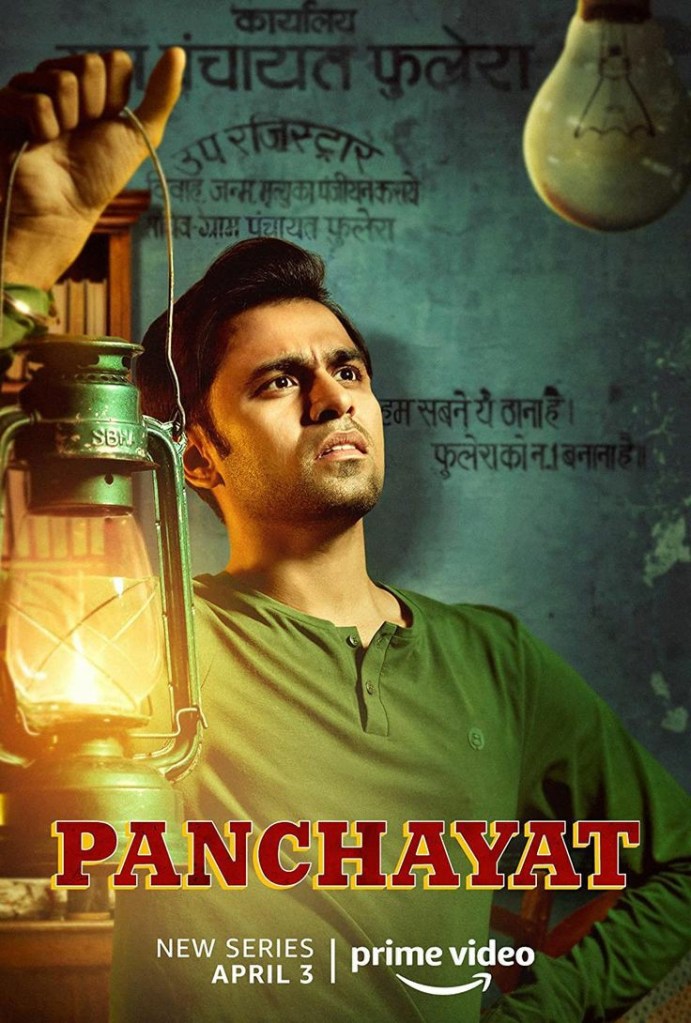
Panchayat, created by TVF for Amazon Prime Video, has been winning hearts since its premiere. Starring Jitendra Kumar, Raghubir Yadav, Neena Gupta, Panchayat follows a man who has been posted to a village as a part of his government job. The show follows his journey as he tries to make peace with his surroundings even though he feels like he is in an alien environment.A satire on the challenges he faces during his tenure in the office and the dry humour has won over countless people who have seen this show. A must-watch if you still haven’t seen this one. At the inaugural ceremony of Filmfare OTT Awards, the film won all the nominations under the Comedy Series category, except for Best Actress, which went to Mithila Palkar for Little Things. The series were also nominated for Best Original Story, Screenplay and Dialogues for Chandan Kumar, although it did not receive a win.
2.The pitchers
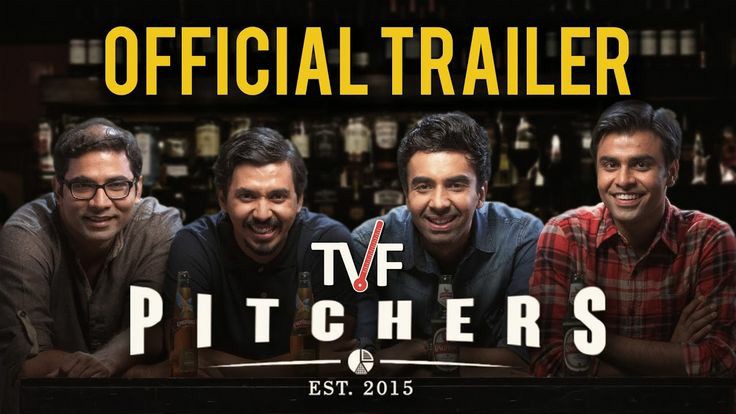
The plot of Pitchers follows the lives of 4 friends who’re pretty unhappy with their jobs. An inspirational story filled with some great comic scenes – it shows how these friends come together to start a company by quitting their day jobs. Portraying the struggle, hard work, sweat, tears and countless sacrifices that go into making a company successful – this show is a must-watch. The first season of the show was fairly successful but following the sexual harassment claims against creator-actor Arunabh Kumar, the show did not return for a second season.
3.kota factory
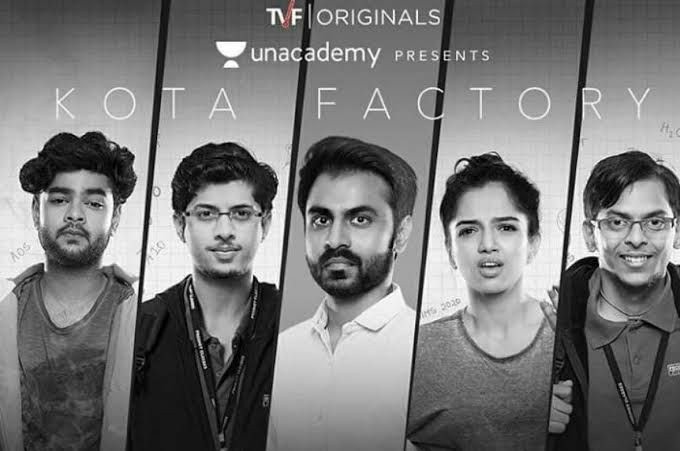
Kota Factory followed the coaching culture that’s prevalent in the city of Kota, Rajasthan. Starring Jitendra Kumar and Mayur More, Kota Factory struck a chord with the audience and was an instant hit on YouTube. The five episodes of the series have over 130 million views on YouTube collectively. It is hilarious, a little dark, bittersweet and very entertaining. Plus, the fact that it’s been shot in monochrome sets it apart from other web series.
4.Aspirants
This plot follows the lives of 3 friends – Abhilasha, Guri and SK living in Old Rajinder Nagar in Delhi. Showcasing the struggle and drama that goes on behind the making of an IAS or CSE, Aspirant brings forth this entire journey. Starring Naveen Kasturia, Sunny Hinduja, and others in significant roles, Aspirants follows candidates who are preparing for their UPSC exams in Delhi’s Old Rajinder Nagar.
5.Hostel daze
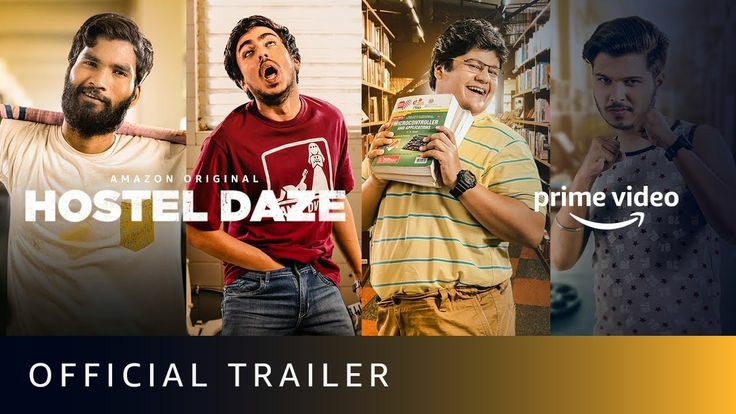
Hostel Daze is an Indian Hindi-language comedy-drama streaming television miniseries created Saurabh Khanna and Abhishek Yadav. Directed Raghav Subbu, it stars Adarsh Gourav, Luv, Shubham Gaur, Nikhil Vijay and Ahsaas Channa in lead roles. Hostel Daze premiered on Amazon Prime Video on 13 December 2019. Hostel Daze can be described as a laughter ride through the corridors of hostel life that celebrates the catastrophe escapade of four students played by Adarsh Gourav, Luv, Shubham Gaur, Nikhil Vijay, and wing-mates, brought together by fate and later followed by forced friendships, heartbreaks, and flumping grades.
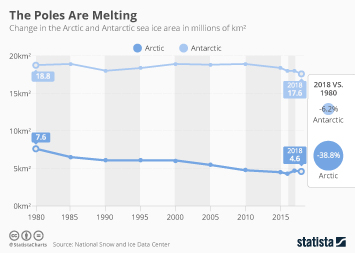
It’s not exactly news that Greenland and Antarctica are shedding ice at record rates.
But in 2016, an eyebrow-raising idea ricocheted through the scientific community: It was possible, the authors said, that a warmer planet could push the towering ice cliffs at the fringes of the Antarctic ice sheet to essentially self-destruct, collapsing like a set of dominoes.
What was extra shocking was just how fast the ice could retreat under this runaway scenario, leading to about three feet of sea level rise fed from Antarctica alone by 2100—much faster than previous estimates, which generally proposed increases of only a few centimeters by the end of the century.
But two new pieces of research, published Wednesday in Nature, suggest a more measured retreat is likely in the coming decades. Both studies revise the estimates of just how much sea levels will rise by 2100 downward, suggesting that Antarctica could contribute somewhere between about three to 16 inches to the world’s oceans under the “worst case” scenarios.
Adding that to the other components that make up sea level rise—how the ocean expands as it warms (which will likely add about 10 inches), the melt from mountain glaciers (about six inches), and changes to the amount of water stored in lakes and rivers on land (one and a half inches), and the total is still a daunting number somewhere between just under two- to over three- foot range.
That is in no way a get-out-of-jail-free card, say the authors of both studies. It’s still an enormous amount of extra water that could slosh up onto coasts, enough to debilitate cities from Boston to Shanghai. But the most drastic impacts of sea-level rise, they say, are likely to kick in only after the turn of the century, giving communities around the world more time to adapt.
What’s more, changes to the ice sheets in both Greenland and Antarctica could also trigger planet-wide shifts in temperature, ocean circulation, and many other parts of the climate system, says says Nick Golledge, a climate scientist at the Antarctic Research Center of the University of Victoria, Wellington, and the lead author of one of the studies.
“The sea-level estimates maybe aren’t as bad as we thought, but the climate predictions are worse,” says Golledge.
What happens in the Antarctic…
In a separate analysis, the team led by Golledge found that their ice sheet model could match the modern and Last Interglacial records well—also without MICI. Warm water soaking the base of the ice sheets, they found, was enough to force key parts of the ice sheet to melt away.
They used that model to predict how the Greenland and Antarctic ice sheets will speed up their melting in the coming decades. If the world continues to burn greenhouse gases unabated, following the worst-case scenario, the authors predict that the two ice sheets will add about 10 inches to the world’s oceans by 2100.
That number is similar to what the IPCC projected for the “worst case scenario” in their last comprehensive report in 2013, predicting about nine inches of sea level rise from Greenland and Antarctica. It is smaller than the number predicted by the 2016 study, which said that Antarctica alone might feed more than three feet of sea level rise into the oceans by 2100.
The sea level rise estimates may be lower, but the overall picture of how melting ice sheets will affect climate is grim.
Golledge and his colleagues also attached their ice sheet model to a global climate model, in order to see how the impacts of ice melting at the poles would influence climate and oceans in farflung parts of the world (in the past, ice sheet models have traditionally been run separately, primarily because computers haven’t been powerful enough to link them together).
Changes in the ice sheets, they found, could influence global climate profoundly—slowing down major ocean circulation pathways, skewing air temperatures around the world, and somewhat surprisingly, making climate more variable from year to year.
“What happens in the Antarctic does not stay in the Antarctic, and that’s what they show very clearly,” says Pattyn.
The impacts are already leaking out of the poles. “We’re living in a time when, even in the last few years, we have seen extreme weather events become even more and more common,” says Golledge. “Dealing with steady warming is easier, in many ways. But if things are just unpredictable and extremely variable from year to year—well, that’s a much harder problem for society to solve.”
We send texts on our phones; now we can do the same on our desktop computers. Many Android apps, such as MightyText, are available on the Google Play Store as well as on App Store that allow users to send and receive text messages from their computers. MightyText is one of the most popular desktop clients for accessing and controlling mobile devices from a PC.
You can simply sync MMS, SMS, Videos, Photos, and other files to other devices with MightyText. It can also be used to send and receive text messages from computers. However, it can or cannot be a paid service. The free version of Mighty Text includes a monthly restriction of around 500 text messages. Mighty Text also includes a subscription edition that allows you to schedule messages, remove the message limit, remove adverts, and sync up to 100 GB of photographs and videos, among other things. MightyText’s Pro version costs $9.99 per month or $79.99 per year. If you’re satisfied with the free version’s 500 message limit per month, Mighty Text should function fine.
AirDriod
The Airdroid is a good substitute for MightyText. Above all, if you want to send SMS from your computer. It will also include a number of additional features not available on MightyText. Along with the standard SMS, this is one of the coolest features. Messages from Telegram, WhatsApp, and Facebook Messenger are also synced via the Airdroid.
Apart from that, it will have a number of other capabilities, such as notification mirroring. A file-sharing programme may make and receive phone calls, among other things. The nicest part about this software is that it allows you to send limitless text messages for free.
Yappy
Yappy is another option available as one of the most powerful alternatives. This programme is available as a web extension and is capable of syncing with both mobile and desktop computers. Furthermore, the quantity of messages you can send via your PC with Yappy is unrestricted. This extension’s free version includes everything, but if you prefer an ad-free experience, you may upgrade to the Pro version. The enhancements are only available in Chrome or Firefox. The free form has no message boundaries; it can send and receive SMS or alerts, make phone calls from a distance and hold a 14 day message.
MySMS
MySMS is an Android software that is both easy and powerful. You can even send SMS from your PC or tablet using this method. There are currently no more exciting features in the app. Despite this, it has grown in popularity due to its skills. It’s true. Presently With over 1 million users, MySMS is available in over 180 countries.
You must send an SMS from your computer. After that, you must first log in to the MySMS Android app. So, just use the same Google account to log in to the desktop app. Now your account will be synced across both devices. As a result, you can send and receive messages using only your computer. In addition, you can save your messages to the cloud using Google Drive or Dropbox. The user interface for the MySMS features is similarly neat and tidy. It is really simple for users to navigate.
PushLine
One of the best ways is by using Pushline to manage your mobile and computer. If you simply want to send and receive SMS, this is one of the greatest apps. It is a completely free programme from which to choose. You will not see advertisements even if you have the free version.
Join
Another excellent MightyText alternative is Join. This app is highly adaptable and performs admirably on both mobile devices and computers. This is now accessible for both Android and iOS devices.
However, regardless of the device you’re using, you can get SMS remotely using a browser. You also receive a slew of other capabilities, like file sharing. Screen sharing, toll-free voice, video conferencing, and more features are available. An end-to-end encryption option will be included with a Join. This will also ensure that your privacy is well protected. There are also a few fantastic connectors, such as Chrome, Outlook, Office365, and so on. The application has a free preliminary rendition for 30 days post which is accessible for 5$.
PushBullet
One of the best Mighty Text alternatives is PushBullet. This will also have a streamlined UI that will look fantastic on any device. Furthermore, seamless device syncing and relatively simple configurations make it even more appealing.
Messages can now be sent and received from any platform. PushBullet also allows you to view notifications on your phone, share files and links, and communicate with pals. This is also accessible in both a free and a premium version. The free version does have some limitations, but the premium version allows you to go as far as you want.
TextFree
Text Free is another excellent free SMS and calling application for your Android phone. Text Free is a web application, you can use it from any programme.
Text Free provides customers with a real phone number that can be used to exchange texts. The actual phone number can also be utilized to make judgments. Text free is a website that allows you to send free text messages to anyone, anywhere.
These Mightytext Alternatives do not expect access to your phone number; instead, the administration generates a strange phone number that can be used to message people. It’s an excellent way to send SMS in a trouble-free manner, as long as you don’t mind it being sent from a different number.
Pulse SMS
Pulse SMS may be the perfect choice for you if you’re seeking for an Android SMS programme that’s swift, secure, and packed with useful features. Expect your mind to be blown. You can sync your SMS and MMS communications across all of your devices, including PCs, using Pulse SMS.
TextNow
Text Now is similar to the Text Free Android software, which keeps track of prior text messages. Text Now, like Text Free, allows users an arbitrary phone number to which they can send instant messages. Because it is a web application, it may be accessed from any device or programme. It also offers calling capabilities, however it is not free.
The text now generates a random number and does not allow the user to send messages using their own phone number. The most important aspect is that it allows you to appreciate endless information from all around the world. So, if you don’t give a damn about numbers, the programme can be of use to you.
Send Anywhere
The application also offers a work area form, making it a perfect alternative for synchronizing your computerized devices. It allows you to move or transfer gadgets to its employees for more centralized access. Before beginning any data transfer, the programme verifies and generates a six-digit access pin.
However, the plug has a 10-minute validity period after which the records are automatically destroyed. The application does not require any information exchange and allows you to surreptitiously move an unlimited amount of data.
Remote access apps for Android can, in fact, be used to send SMS from a computer. To begin sending and receiving messages, connect your Android to your computer using Wi-Fi or Bluetooth. Apart from sending and receiving SMS, remote access applications can also be used to manage other types of data stored on Android, such as photos, videos, and documents.
Deadliest Warrior is a tevelsion program in which information on historical or modern warriors/groups and their weapons are used to determine which of them is the “deadliest” based upon various tests performed during each episode. The show was known for its use of data compiled in creating a dramatic simulation of the warriors’ battle to the death. The simulations were played for multiple times until a clear winner was found. The show had 3 seasons and first aired on History TV 18 from 2009.
The Format
Episodes begun with the introduction of either two types of historical or contemporary warriors or two historical individuals. Two teams of experts were brought in to explain the ‘character’s’ history, weapons, cultures, tactics and special factors. Their general fighting philosophies were explored. The explanations were accompanied by segments showing actors performing dramatized scenes that are meant to depict the daily lives of the actual fighters. The different weapons were organized into four categories (and as of season 3, three categories) which were short range, mid range, long range, and special weapons.
The teams testes the assigned weapons on various targets including human silhouette targets, mannequins, pig and cattle carcasses, and ballistic gel torsos, heads, limbs, etc. Additionally, pressure mats, accelerometers, chronometers, and other measuring tools are used to test such figures as the striking force and speed of each weapon which were devised by Biomedical engineer Jeff Desmoulin.
The data collected from these weapons tests was fed into a computer simulation based on an unreleased commercial game engine to determine the average winner of one thousand battles. The winner of the episode was termed the ‘Deadliest Warrior’.
Episodes
The show ran for 3 seasons. Season 1 episode list had the likes of Apache v Gladiator, Spartan v Ninja, Green Berets v Spetsnaz.
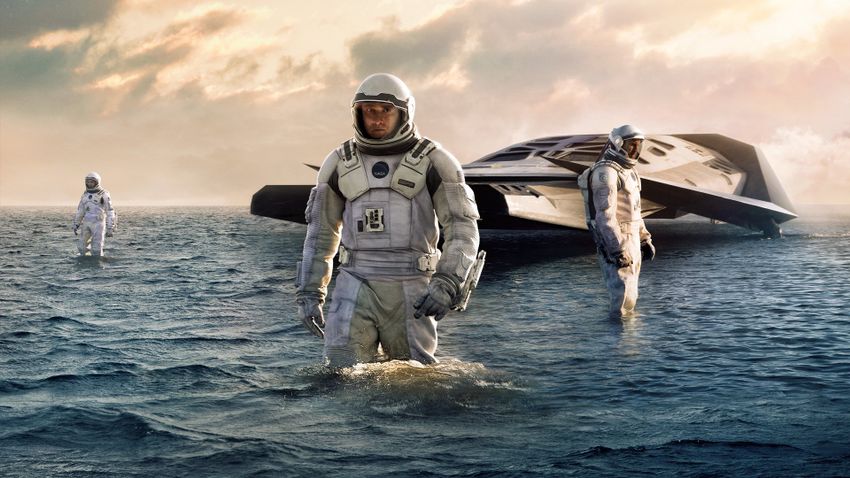
In Interstellar, the final frontier is not outer space but the fifth dimension, which exists beyond the three dimensions of space and the time dimension of relativity. This is not surprising: director Christopher Nolan conducted ambitious experiments with space and time in his prior films Memento and Inception. Here he returns to the set with a hypothesis that rests somewhat uneasily on both the hardheaded persistence of science and the earnest vulnerability of the human condition. For instance, it is noteworthy that Kip Thorne, a theoretical physicist who specializes in gravitational physics, served as a consultant and executive producer. Yet, Interstellar is a movie where “love” is uttered in the same breath as explanations for Einstein’s theory of relativity, and the formula to break the space-time continuum can be found in a child’s bedroom. What Nolan conveys is that the problem, the drive that pushes mankind to explore space is connected—inseparable, even—to the spaces of interiority we inhabit as individuals, and the solution lies beyond the perceptions cast in three dimensions.
What distinguishes Interstellar from his prior work is the way that Nolan tackles the consequences of the very same pleasure found in the technological offerings in his other films like The Dark Knight trilogy and The Prestige. Accordingly, his latest movie builds off these premises: that humans have exhausted all resources within 3D Earth, technology has accelerated its obliteration, and time is pushing the planet forward to ruin. The Atlantic’s Noah Gittell writes that when it comes to addressing the effects that technological fallout may have on the environment, “Hollywood has yet to adequately address [it]… When faced with unpleasant [End Page 92] realities, we all prefer a fantasy.”1 This is a movie that explores ways to escape Earth, and the protagonist Cooper (Matthew McConaughey), is charged with carrying out an undercover NASA mission to find a suitable planetary replacement. Cooper agrees to the mission after discovering NASA’s underground headquarters and meeting its de facto head Brand (Michael Caine), who spells dire consequences for Earth. This imperative pushes mankind out of the dust and out into the stars.
In the world of Interstellar, if man is contesting his place under the sun, then where does technology fall? Computers no longer serve as totemic objects; rather, they appear in a home-worn ubiquitous way, much in the same vein as Her, Gravity, and other recent sci-fi films. In Interstellar, technology is no longer representational—it does not appear as glitzy gadgetry that typically serve as plot gimmicks nor as the focus of cyborgian suspicion like with Ridley Scott’s David in Prometheus or Spike Jonze’s Samantha in Her. The film’s droids come in the form of TARS and CASE, and the former, voiced with deadpan humor by Bill Irwin, portrays none of the tension that arises from artificial sentience the way that his predecessors do. In fact, most of the technology looks worn: the ship is called the Endurance and the images of the team’s take-off look like they were pulled from footage of Cold War era space missions. Man’s greatest endeavors are meant to look fragile. At a moment of grave miscalculation, Cooper rages at Brand, the professor’s daughter and a scientist of her own right (Anne Hathaway): “We’re not prepared for this.” Movie critic A.O. Scott observes, “The Nolans cleverly conflate scientific denialism with technophobia, imagining a fatalistic society that has traded large ambition for small-scale problem solving and ultimate resignation.”2 The movie occupies half of its screen time in dust-baked American farmland. By juxtaposing scenery evocative of the 1930s Dustbowl with televised memorials of elderly Americans recounting the blight with an innocuous black laptop on a kitchen table collecting dust, the film subtly jolts viewers back to the movie’s futuristic premise.
Let’s pick up where we left off the last time. Palpatine rose to the position of Chacelor, Qui-Gon Died and Anakin was accepted in the Jedi Order as Obi-Wan’s apprentice. A Sith threat looms in the distance. The story is set 10 years after the battle of Naboo.
The Galactic Republic faces a new threat in the form of a separatist movement organised by former Jedi Knight Count Dooku. Dooku is the former student of Grand Master Yoda and master of the now deceased Qui-Gon Jin, known for his excellent combative prowess and being egotistical. Queen Padme now a senator wishes to form an army to help Jedi combat the threat, she narrowly avoids an attempt on her life on Coruscant. Jedi Knight Obi-Wan Kenobi and his apprentice Anakin Skywalker are assigned to protect the senator, after thwarting another attempt on the senators life Obi-Wan is asked to find the mysterious bounty hunter responsible in the death of the assassin.
Obi-Wan’s search leads him to Kamino a planet known for its cloning facilities. There Obi-Wan finds out that clones are being made in the name of the Republic on the orders of Sifo Dyas. Sifo Dyas was gifted with the power of foresight wihch showed him the possibility of a war. Sifo Dyas died before the order could be completed and the order was funded by darth Sidious who used bounty hunter Jango Fett as the genetic template for the clones. Obi-Wan interested in Jango meets him and discovers that a man known as Darth Tyranus suggested Jango being the genetic templet. Obi-Wan notices the helmet stored in Jangos room and realises him to be the same bounty hunter that killed the assassin. After a brief battle against Obi-Wan, Jango escapes with his son Boba to the planet Genosis.
Anakin begins experiencing visions of his mother Shmi, in those visions she seems to be in a lot of pain. He decides to return to Tatooine his home world to check up on her. The slave trader Watto reveals that he sold Shmi to a moisture farmer, after tracking the farmer Anakin finds out that Shmi was abtucted by the tusken Raiders. Hell bent on saving his mother Anakin ventures into the camp to find Shmi barely alive, she dies in his arms. Anakin overcome with anger massacres the entire tribe of the Tusken Raiders only to realise what he did after a while. Feelings like anger, fear, hatred and jealousy are considered to be the seeds of the Dark side as they cloud our judgement.
Obi-Wan discovers the separatist movement organised by count Dooku on Genosis and is caught before he could relay his findings to the Jedi order. Count Dooku visits the captured Obi-Wan and reveals himself to be working with the mysterious Darth Sidious against the galactic republic. The message that Obi-Wan sent reached Anakin who along with Padme decide to save Obi-Wan, they are caught by Jango and sentenced to death along with Obi-Wan.
The trio manages to fend off the creatures set to kill them and stay alive until a clone army led by Grand Master Yoda, Master Mace Windu and other Jedi arrive on Genosis after receiving the retransmitted message from Anakin. Windu kills Jango Fett in the ensuing battle against the droid armies, Obi-Wan and Anakin intercept Dooku that tries to escape. They engage in a light saber duel against Count Dooku but loose after a brief battle due to Dooku being a skilled duellist. They are about to be killed but Yoda intercepts and defends them, Dooku knowing he could never defeat his old master uses the force to distract Yoda by making him choose between saving the young Jedi or letting Dooku go. Yoda decides to save the young Jedi and Dooku uses this opportunity to escape.
Senate representative Jar-Jar Binks proposes a successful vote to give the chancellor emergency powers completely authorizing the creation of the clone army. The Jedi council now more wary of the oncoming threat is baffled by the claim Dooku made, that the senate is controlled by Sidious. Anakin secretly marries Padme which is against the Jedi rules, Jedi claim attachments to be a path that could lead to the dark side.
We shall pick up the next part soon so stay tuned. Until then May the Force be with you
No matter how aged we are the childhood memories has an special place in our heart . we maybe matured by mind but the heart still acts like a kid when it comes to watching this cartoons. Those days were entirely different than now free of technology, lots of neighbour friends ,we play and talk and so on. Everyone was innocent back then. Lets see the lists of Some golden shows that made our childhood days.















 Eduindex
You must be logged in to post a comment.