Most of the time people feel sad or depressed. It’s normal reaction to loss or struggles in life. But when this sadness become intense – including feeling helpless, worthless , hopeless , lack of self esteem and lack of confidence – last for many days to weeks and keeps you from living your life happily, it may something more than sadness. You could have clinical depression – a treatable medical condition.
Symptoms of depression
Depression symptoms can vary from mild to severe and can conclude:
1. You can’t sleep or sleep too much almost every day,
2. You have almost no interest or pleasure in many activities nearly every day,
3. You’ve lost or gained weight.
4. You feel restless,
5. You often think about suicide or death,
6. You feel tired or lack of energy,
7. Loss pleasure in life,
8. Have sad, anxious or empty feelings.
Physical signs of the depression
There are some physical sign of the condition they may include back pain, joint pain, digestive problems, sleep trouble and breathing problems. At any one time it is estimated that more than 300 million people have depression – about 4% people of the world’s population when the figures were published by world health organization (WHO) in 2015 women are more likely to be depressed than man.
Treatment
The WHO estimates that Fewer than half of people with depression are receiving treatment. Many more will getting inadequate help, often focused on medication.
The most common therapy is congnitive Behavioural therapy, which breaks down overwhelming promotion into Situations , thoughts, emotions, physical feelings And actions try to break a cycle of negative thoughts.
If you or you know someone who has symptoms of depression, talk to your doctor. he can evaluate you And offer you treatment or refer you to a mental health professional.
Conclusion
While there are more and more treatments for depression. The problem is rising not falling.
According to a research , From 2005-15 , cases of Depressive illness increase by nearly a fifth. People born after 1945 are 10 times more likely To have depression this reflects both population growth and a proportional increase in the rate of depression. Among the most at- risk ages. the WHO said.
A key reason for the Continuing rise in depression cases Is that drug is that drug not necessarily “cure” the patient. And other therapies that can make the crucial difference are not in sufficient supply.
So we have conclude that we should openly talk about depression illness and it’s symptoms we should not take it lightly or as a myth. Mostly in Indian society when anyone is suffered by depression insted of helping the person, we considered that person as mentally disabled. We need to understand that depression is Simlar to cold and fever if anyone is needed is just the right treatment.
President Donald Trump executive orders, aimed at substantially reducing drug prices for the US residents, underscore the campaign pitch of the next election. Pharma pricing has been one of the most widely debated topic in America and we are likely to see some pre-election action on the issue.
Trump said the first order “will require federal community health centers to pass the giant discounts they receive from drug companies on insulin and EpiPens directly to their patients,” while the second allows some drug importation and the third will take discounts away from middlemen such as pharmacy benefits manager and give them to patients.
The fourth order will require that Medicare purchase drugs at the same price as foreign countries pay, Trump said. It “will end global freeloading on the backs of American patients and American seniors.
Though the enforcement of the orders before the November 3 election looks difficult because of legal hurdles and various caveats, if they go through Indian drug manufacturers may stand to benefit in terms of increased market access on the formulation side.
As a result of the orders, the heads of major drug companies have requested a meeting on Tuesday to discuss how to lower drug prices and out-of-pocket expenses for Americans, the president added. If talks are successful, the administration may not need to implement the fourth executive order.
The Trump’s order in general is aimed at reducing the gains of middlemen in the US pharma value chain and to that extent, at least optically, it doesn’t impact manufacturers directly. But the way drug price negotiations are usually done it can have an indirect impact on the large pharma manufacturers.
The most important executive order from the manufactures point of view is the fourth one. Spooked by this order, the stocks of the US-based big pharma companies reacted negatively on Friday. While the order doesn’t distinguish between patented drugs and generic drugs, it is most likely meant for the former as the generic market is already quite competitive.
Since the whole idea of the executive orders is to make drugs affordable, there is a good chance of a revamp of the US medicare and the way drug price negotiations are done. This can have a positive outcome on market access. In our opinion, Indian drug manufactures such as Cadila, Lupin, Cipla, Dr Reddy and Sun Pharma and a few small-sized pharma companies, such as Laurus Labs, may benefit if such an event unfolds. In such a case, volume opportunity may offset the incremental pricing erosion.
Trump over the years often has stated that drug companies are “getting away with murder” and prices are “out of control,” though this year he has been meeting with pharma execs as their companies work on a CoronaVirus vaccine.
Have you ever wondered what actually accounts for difference in people ? Why are some people hyperactive and why are some people very lazy and slow ? Why can some people eat six course meal in a day with ease, while others barely finish their one course meal ? Modern genetics provide some insight, But what about the other characteristics that make every person unique ?
Ayurveda answers all these answers with the three doshas : Vata, Pitta and Kapha. Just as everyone has a unique fingerprint, each person has a particular pattern of energy.
Vata is characterized by the mobile Nature of wind (air) energy.
Pitta emobies the transformative nature of fire energy.
Kapha represent the binding nature of water energy.
Vata, Pitta, and Kapha are each essential to our physiology in some way, so no one dosha is better than, or superior to, any other. Each of them has a very specific set of functional roles to play in the body. That said, when the doshas are out of balance, they can wreak havoc on our health. But before we get into the specifics of each of the three doshas, it is helpful to understand their elemental composition, and their broader role in the natural world.
Vata
Vata is characterized by the mobile Nature of wind (air) energy. It is the energy of movement and the force governing all biological activities. vata is often called ” the king of doshas”. It gives motion to vata and pitta.
Vata characteristics :
1. Lean body frame,
2. Very active,
3. Lack of sleep,
4. Very agitated,
5. Digestive issues,
6. Intolerant to cold.
Pitta
Pitta derives from the elements of fire and water and translate as “that which cooks”. It is the energy of digestion and metabolism In the body such as organic acids , enzymes and bile.
Pitta characteristics :
1. Short tempered,
2. Very cheerful,
3. Very social,
4. Intolerant to hunger,
5. Quick digestion.
Kalpha
Kapha derives from the elements of earth and Water and translates as “that which sticks”. It is the energy of building and lubrication that provide the body with physical and structure form.
Kapha characteristics :
1. Calm and composed,
2. Firm judgment,
3. Large body frame,
4. Slow digestion,
5. Sleeps Deeply.
Conclusion :
Vata, Pitta or kapha ? The combination of Doshas is essential for your health. When You know what constitution you have .You better understand who you are the wayYou are. You discover what nutrition is Suitable for you and how you can stay healthy.Because any imbalance of doshas leads to Diseases. Everyone has these three doshas But one of them usually primary the other Is secondary and the third one is least Prominent.
Nobody was expecting to be one day locked in their homes and worrying about keeping the virus at bay. Untill the vaccines are out we have to take certain serious measures to ensure the safety of our family and loved one’s.
Is cleaning like we usually did enough? What can a common man do without thehigh tech protective gears?
Let us break down some steps which can be followed at home as a part of our daily routines to not only clean but also disinfect :
Food and it’s cleaning procedure:
Nowadays with online shopping of essentials, we must make sure that the vegetables and fruits are disinfected. We must transfer the eatables into a dish and wash off the container immediately. If it is a disposable container, throw it in the trash can which should have a lid. Remove and throw away outer cartons of cereal boxes. All unnecessary shrink wraps and plastic packaging must be disposed off. Beverage bottles and cans can be wiped with disinfectant. Fresh vegetables and fruits must be thoroughly rinsed under a running tap, preferably with warm water and salt and turmeric. Wash your hands with soap and water once you are done. One can also keep certain items in sunlight to naturally kill some germs under the Uv rays.
Washing clothes after returning home:
Warm water destroys germs. So, use the warmest water appropriate for the fabrics you are washing. Use a generous amount of detergent or soap along with disinfectant liquids likke Dettol/ Savlon. Allow the clothes to dry fully, either in the dryer or outside on a clothesline in the sun. All of the above steps are necessary to fully exterminate the virus. Remember to disinfect the laundry bag as well. And wash your hands with soap immediately afterwards.
Disinfect surfaces that are frequently touched:
Surface that are touched very frequently like door knobs, door edges, handrails, light switches, kitchen and living room surfaces, mobile phones, earphones, remote controls, wallets, toilet seats, taps, tables and chairs should be cleaned one a week or even more frequently.
If the surface is too grimy, you first want to clean it with soap and water. Use a clean piece of cloth or a kitchen sponge wipe. Then wipe the surface with a disinfectant wipe or a disinfectant solution that has at least 70% alcohol. You can also use bleach. One cup of bleach mixed with five gallons of water is suitable for non-wood surfaces. For wooden surfaces, a solution of white vinegar and water works well.
The disinfected surface needs to dry naturally. Do not quickly wipe it dry. Most disinfectants need to stay wet on a surface for at least a few minutes in order to be effective. We suggest using a wipeable waterproof cover for your phone. It will be easier to disinfect and there’ll be less chance of the disinfect damaging the device.
Cleaning of floors and walls of theHouse:
Even if you are not using a vacuum cleaner, you can manually sweep and mop the floor with disinfectant. Pay special attention to high-traffic zones like porches, hallways, lobbies, kitchens and corridors. You want to clean the floor in these places more thoroughly. Make this an everyday habit and if you go outside then twice a day is highly recommended.
What to doif you come home from outside:
When you come home from outside, you bring a lot of germs into the house on your clothes, shoes and bags. As soon as you enter the house, remove your shoes and overcoat at the door. Leave your bags in a corner and head straight to the bathroom. Wash your hands, face and other exposed parts with water and soap. Next, disinfect your bags and the things you have brought home. You can use wipes or simply wash them with soap water. You can also sun them out as heat is known to kill coronavirus.
These are some of the few things you can do to make sure you and your family stay safe and healthy through this pandemic.
Fats are mostly just a chain of carbons, usually about 12-16 carbons long. Normally each carbon had a single bond to the carbon before and after it and to two hydrogens (four bonds total).
Saturated fats have this design on every single carbon. It’s called saturated, because it is saturated with the maximum possible hydrogens attached to it.
Unsaturated fats are missing some of the hydrogens and have a second bond between the carbons missing those hydrogens. Since double bonds don’t allow the bound atoms to rotate these fats can either line up with the rest of the chain or it creates a permanent Kink in the chain. The kinked ones are called cis and the straight are called trans. Trans only happen in large quantities when we manipulate them, and not much in nature. It’s specifically partially hydrogenated oils that result in trans fats in any notable quantity, as fully hydrogenated oils results in saturated fats only.
As far as how they effect human health, they generally behave in a similar way as saturated fats, except for the extent. This is because they are straight like saturated fats and enzymes that work with saturated fats also latch onto trans fats, but can’t get past the double bond resulting in them taking much longer to break down.
There are list all, the things trans fats do in the body, but in general terms they are negatively effect blood pressure, raise LDL cholesterol (the bad kind), and seems to increase the risk for heart disease and diabetes.
It must also be noted that amount is an important factor as a tiny amount, such as what you encounter from natural foods, doesn’t have too much of an effect. It’s only the higher levels of trans fats of partially hydrogenated oils that seems to be too much for the body to take care of.
According to experts, trans fats should be avoided completely. The World Health Organization even advocated a ban on trans fats in food, as they would pose an enormous health hazard. The following products contain many trans fats:
Baked goods such as croissants
Cookies
Chips, flips, popcorn
Fast food
Ready meals like French fries and pizza
The list of ingredients of finished products provides information: The descriptions ” vegetable fat, partially hardened” or “unsaturated fatty acids, contains hardened fats ” stand for trans fats. In order to avoid this, you should also take care when shopping to avoid declared vegetable fat as hardened, partially hardened or hydrogenated. When frying and deep frying, you should use clarified butter, extra virgin olive oil, peanut oil or refined oils from corn, sunflowers, peanuts, soybeans and rapeseed.
Now the question, government should ban the use the ban the use of the Trans-Fats in food items.
This is not only the government, but I think it is us, who should the first corrective step in this matter. We must ourselves understand the bad of Transfats on our health try to improve the awareness of common man on the subject to avoid Transfats contain food.
Above is the Trans-Fats Free logo provides a boost to the ‘ Eat Right India’ movement of FSSAI.
The Eat Right India Movement is inspired by the vision of PM Narendra Modi for a ‘NEW INDIA’ by 2022 which is healthier with proper Nutrition and social security. Considering that the food plays an important role in insuring good health, FSSAI pledged to eliminate the Trans Fats from food supplements through its ‘Eat Right India’ movement.
So now the question of banning Transfats will be a difficult step intially, but our government is definitely working on the subject, by bringing awareness in general that this type of fats are silent killer and should not be used. Lots has to be done before banning Transfats.
Below are some ways to avoid eating foods that contain trans fats:
Eat more whole foods like fruits, vegetables, whole grains, beans, lean meats, fish, nuts, and lean poultry. Shop the perimeter of the grocery store and avoid inner aisles where you’re more likely to find processed foods that may contain trans fats.
Cut back on consumption of processed foods. Eat these foods less often and in smaller portions.
Not all processed foods contain trans fats. When you do eat processed foods, avoid processed foods known to contain trans fats such as chips, cookies, donuts, icing, cakes, biscuits, microwave popcorn, crackers, fried fast foods and frozen pizzas.
Read food labels and avoid foods with partially hydrogenated oil listed as an ingredient.
Avoid stick margarine and vegetable shortening. Swap this for olive oil, grape seed oil, canola oil, soybean oil, corn oil, or sunflower oil when baking or preparing meals at home.
Whether dining in or out, avoid fried foods. Choose foods that are baked, steamed, broiled, or grilled.
Firecrackers are merely constituents of gunpowder comprising of various elements which gives rise to prolong combustion. In India, it means a lot more than that. It has aesthetic purposes since it has been believed that ‘Agnichurna’ was used in ancient times to fight enemies during wars. Be it marriages, birth or festivals, firecrackers are a form of awakening light by defeating the darkness. One such prevalent case has been of Diwali, where the entire country lights up together and celebrates the mythological victory of good over evil.
Firecrackers believably have grown during the end of Mughal dynasty and start of British East India Company and are burst like any other ritual in the country. Apart from acting as a ritual, there are also scientific reasons why the bursting has become so prevalent. Diwali comes after the monsoon season, at a time when the population of insects increases rapidly and encroaches various human habitats, be it cities or villages. That is also why most houses paint homes. Crackers then act like city wide fogging which cleans these insects, making a healthy and safe home for its residents throughout the year. This act of bursting crackers has been set on the hearts of people igniting homes and binding people all over the country. Firecrackers in a way, signals the entire country that everyone is celebrating a festival together. The bursting of crackers has been serving a ritual since decades across India. The religious sentiments that are aligned with the act are huge.
Focusing on the origin of Diwali, it is not only a specific event but the entire country actually has its varied forms of celebrating it. Like Ma Kali is worshipped in Bengal, Lord Ganesha is also worshipped in many homes, Jains specifically devote their day to Lord Mahavira. Lighting diyas and bursting crackers has been going on since time immemorial and along with it is lies belief of most Indians. These rituals significantly have stories to tell upon which India bases its heart. The sound of firecrackers, according to the older generation, is an example and indication of joy in people’s heart which makes the Gods aware of their state in their devotees’ lives. Hence, it clearly foreplays as an act of worship to satisfy the God as well. Most people in the country who cannot be in their homes during these times depend on the sound of crackers and lights around to feel complete.
Apart from these sentiments, there are various real-life problems attached to this. The firecracker industry gives employment to a large segment of people. Amidst the lack of employment scarcity already observed in the country, banning firecrackers can give rise to a different issue altogether. The claims of pollution due to crackers is a valid argument but pollution is also caused due to automobiles. And it is impossible to point out which act causes more harm. At this point of time, the firecracker industry is worth of 6000 crores and the economic aspect stands as the biggest reason why India cannot afford banning firecrackers. What can also not be ignored is the fact that the people who are working under such sites and have become skilled for this specific business have a family to support. Most of them found security in this industry and gave a major part of their lives to excel in it. With complete ban will come the threat to such workers who would face situations to start new amidst crisis until their death. There is also a relevance of economic aspect aligned with the fundamental rights. The extended jurisdiction of Article 21 guaranteed under the Constitution of India gives the right of livelihood to manufacturers. It is important to realise that crackers are not the only factor of pollution and respiratory problems, there are other factors involved like the wind and temperature which contributes to it. Until and unless, there is proper data on how much pollution and harm has been caused due to firecrackers, the industry cannot be strictly banned. Any violation of this would also be a violation of their right to business.
However, the way forward is certainly not dull as it sounds now. There can be terms where both of the situations can be kept under control. Some of the ideas that can be implemented as alternatives to the current scenario are as follows:
On adopting the various laws as introduced in the developing countries such as Washington, Switzerland etc, the idea is of having a regulation on the bursting of crackers. There can be only specific occasions on which the use of firecrackers shall be allowed and only up to a certain time. It would help preserve the religious sentiments as such.
Green crackers shall be developed which would not fall under these regulations. Claims on the pollution levels would not be affected by Green Crackers, they shall be environment friendly. It would help keep the industry intact along with the socio-economic affects.
The industry shall not favour child labour but at the end of the day, child labour happens in the need of money. So, there shall be job securities given to the skilled labourers who have given at least five years to the same industry.
In order to support the sale and good flow in the industry, there shall be one day sponsored by the Government when there shall be a firecracker show in an inner area. The show shall be open to all but at own’s risk.
The license of selling firecrackers shall be issued by the Government.
One of the biggest problems that people face these days is bullying. Right from children to adults everyone has faced bullying some or the other way. Bullying is unwanted, aggressive behaviour among school-aged children that involves a real or perceived power imbalance. The behaviour is repeated, or has the potential to be repeated, over time. Both kids who are bullied and who bully others may have serious, lasting problems.
To be considered bullying, the behaviour must be aggressive and include:
An Imbalance of Power: Kids who bully use their power—such as physical strength, access to embarrassing information, or popularity—to control or harm others. Power imbalances can change over time and in different situations, even if they involve the same people.
Repetition: Bullying behaviours happen more than once or have the potential to happen more than once.
Bullying includes actions such as making threats, spreading rumours, attacking someone physically or verbally, and excluding someone from a group on purpose.
Bullying can occur during or after school hours. While most reported bullying happens in the school building, a significant percentage also happens in places like on the playground or the bus. It can also happen travelling to or from school, in the youth’s neighbourhood, or on the Internet. People usually think of bullying as taking place between children at school. However, it can also occur at work and include aggressive behaviour’s like verbal abuse, sabotaging the victim’s job or work relationship, or misusing authority. Adult bullies who engage in these behaviours are males 60% of the time. While men who bully tend to victimize both genders equally, women bullies target other women about 80% of the time.
Types of Bullying
There are three types of bullying:
Verbal bullying is saying or writing means things. Verbal bullying includes:
Teasing
Name-calling
Inappropriate sexual comments
Taunting
Threatening to cause harm
Social bullying, sometimes referred to as relational bullying, involves hurting someone’s reputation or relationships. Social bullying includes:
Leaving someone out on purpose
Telling other children not to be friends with someone
Spreading rumours about someone
Embarrassing someone in public
Physical bullying involves hurting a person’s body or possessions. Physical bullying includes:
Hitting/kicking/pinching
Spitting
Tripping/pushing
Taking or breaking someone’s things
Making mean or rude hand gestures
Cyberbullying
As the social life of young people has moved onto the internet, so has bullying, with electronic bullying becoming a significant new problem in the past decade. Whereas bullying was once largely confined to school, the ubiquity of hand-held devices affords bullies constant access to their prey. Cyber harassment can be especially disturbing because it can often be carried out anonymously; victims may have no idea who the perpetrators are.
How has the internet changed bullying?
The anonymity of cyberbullying removes many restraints on meanness and amplifies the ferocity of aggression. It’s easier to inflict pain and suffering on others when you don’t have to look them in the eye. Constantly evolving digital technologies enable new ways of spreading false information about targets.
How do bullies harm others on the internet?
Both direct harassment and relational aggression thrive on the internet. Cyberbullies can spread false rumours with viral speed on social media. They can falsely impersonate someone and conduct all manner of mischief in someone else’s name. Sexual harassment and cyberstalking particularly target women. And long after the active bullying has stopped, malicious information can linger on the internet and continue to harm.
How can people reduce their risk for being bullied?
Since low self-esteem tends to be a risk factor for becoming the victim of bullying, interventions that promote confidence and self-esteem are important ways to reduce the risk of being bullied. Confidence builders can range from engaging in activities at which the person excels (for example, theatrical performances, sports teams, and special work projects) to engaging in psychotherapy. As isolation is both a risk factor and result of bullying, helping the person feel less alone by lending a listening ear and/or engaging in a support group can go a long way toward providing the community needed to prevent a person from being bullied. The government has launched a helpline to take care of bullying please do not hesitate to take help.
The Code was enacted in 2016 following decades of recommendations suggesting improvements to the previous insolvency regime, which was fragmented, fraught with delays and resulted in poor recoveries for creditors. [1]
The insolvency resolution process in India has in the past involved the simultaneous operation of several statutory instruments.
These include the Sick Industrial Companies Act, 1985, the Securitisation and Reconstruction of Financial Assets and Enforcement of Security Interest Act, 2002, the Recovery of Debt Due to Banks and Financial Institutions Act, 1993, and the Companies Act, 2013.[2]
Broadly, these statutes provided for a disparate process of debt restructuring, and asset seizure and realization in order to facilitate the satisfaction of outstanding debts. [3]
As is evident, a plethora of legislation dealing with insolvency and liquidation led to immense confusion in the legal system, and there was a grave necessity to overhaul the insolvency regime.
All of these multiple legal avenues, and a hamstrung court system led to India witnessing a huge piling up of non-performing assets, and creditors waiting for years at end to recover their money. [5]
The Bankruptcy Code is an effort at a comprehensive reform of the fragmented regime of corporate insolvency framework, in order to allow credit to flow more freely in India and instill faith in investors for speedy disposal of their claims. [4]
The Code consolidates existing laws relating to insolvency of corporate entities and individuals into a single legislation.
The Code has unified the law relating to enforcement of statutory rights of creditors and streamlined the manner in which a debtor company can be revived to sustain its debt without extinguishing the rights of creditors[5]:-
1) The scheme of the Code marked a sea change from the previous regime. In respect of corporate entities, the Code introduced a creditor-in-control regime (with a focus on empowering financial creditors), a time-bound resolution process and reduced scope for judicial intervention, and established institutions such as the Insolvency and Bankruptcy Board of India, insolvency professionals and information utilities.[6]
Since the implementation of this new regime, the constitutional validity of various provisions of the Code has been challenged before various High Courts, and the Supreme Court.
Applicability
The Code provides creditors with a mechanism to initiate an insolvency resolution process in the event a debtor is unable to pay its debts. The Code makes a distinction between Operational Creditors and Financial Creditors. [7]
A Financial Creditor is one whose relationship with the debtor is a pure financial contract, where an amount has been provided to the debtor against the consideration of time value of money (“Financial Creditor”).
Recent reforms have sought to address the concerns of homebuyers by treating them as ‘financial creditors’ for the purposes of the Code. [7]
By a recently promulgated ordinance, the Insolvency and Bankruptcy Code (Amendment) Ordinance, 2018 (“the Ordinance”), the amount raised from allottees under a real estate project (a buyer of an under-construction residential or commercial property) is to be treated as a ‘financial debt’ as such amount has the commercial effect of a borrowing.[7]
The Ordinance does not clarify whether allottees are secured or unsecured financial creditors. Such classification will be subject to the agreement entered into between the homebuyers and the corporate debtor.
In the absence of allottees having a clear status, there may be uncertainty about their priority when receiving dues from the insolvency proceedings. [7]
An Operational Creditor is a creditor who has provided goods or services to the debtor, including employees, central or state governments (“Operational Creditor”). A debtor company may also, by itself, take recourse to the Code if it wants to avail of the mechanism of revival or liquidation. [7]
In the event of inability to pay creditors, a company may choose to go for voluntary insolvency resolution process – a measure by which the company can itself approach the NCLT for the purpose of revival or liquidation. [7]
What was the judicial approach to the Insolvency and Bankruptcy Code?
SERIES OF JUDICIAL PRONOUNCEMENT
With almost more than two years since the introduction of the Code, there have been various challenges in the effective implementation of the Code. However, constructive interpretation by the judiciary coupled with effective amendments to the Code has helped in eradicating most of these teething issues. [8]
Some of the key judicial pronouncements are discussed below:
The Insolvency and Bankruptcy Board of India which is the regulatory and supervisory body in charge of the IBC, has done a commendable job in proactively spreading awareness and regulating the space. [9]
Many important judgments were pronounced throughout the year, including certain landmark cases, where in the Supreme Court has tried to ensure that the spirit of the Code is given primacy over procedural requirements. [9]
Suspended Board of Directors of Corporate Debtor Entity are entitled to access the resolution plan and other related documents:-
In a significant judgments delivered on January 31, 2019, the Hon’ble Supreme Court of India decided on an important aspect with respect to the rights of the suspended board of directors of the Corporate Debtor Entity to receive and access the resolution plan and other related documents, whose case has been admitted by the Adjudicating Authority under the relevant provisions of the Code. [10]
Facts of the Case:
In respect of Mr. Vijay Kumar Jain, Director of Corporate Debtor (‘Appellant’) vs. Standard Chartered Bank and Ors. (As ‘Financial Creditors’), the NCLT had approved the appointment of Resolution Professional (‘RP’) to conduct Corporate Insolvency Resolution Process of Corporate Debtor Company i.e. Ruchi Soya Industries Limited (‘RSIL’). [10]
The appellant, being a member of the suspended board of RSIL, was given notice and agenda for the first meeting of Committee of Creditors (‘CoC’) and was permitted to attend the meeting of CoC. The appellant alleged that he was not granted permission to participate in subsequent meetings of CoC. [10]
As a result, the appellant filed a miscellaneous application before the NCLT to allow his participation in the subsequent meetings of CoC. The appellant also executed a Non-Disclosure Agreement (‘NDA’) to keep information received through participation in the CoC meeting strictly confidential and even undertook to indemnify RP. [10]
However, NCLT vide its order dated August 1, 2018 dismissed the said application of appellant with liberty to the appellant to attend the COC meetings, but not to insist upon the CoC or RP to provide information which is considered as confidential by the CoC or RP. [11]
Against the said order of NCLT, the appellant filed an appeal before the Appellate Tribunal, which recognized the right of appellant to attend and participate on the CoC meetings but Appellate Tribunal vide its order dated August 9, 2018 [12] denied the prayer of the appellant to have access to certain documents including sensitive resolution plan.
The appellant aggrieved by the order of the NCLAT, filed an appeal before the Hon’ble Supreme Court of India. [13]
Apex Court Observations and Findings:
On advertising relevant provisions of the Code and arguments of parties to the dispute, the Supreme Court opined that notice of each meeting of the CoC will have to be given to the suspended board of directors of the corporate debtor entity. [14]
The Supreme Court further noted that the statutory scheme of IBC makes it clear that though the suspended board are not members of the CoC, yet, they have a right to participate in each and every meeting held by the CoC and also have a right to discuss along with members of the CoC, resolution plan that are presented at such meeting. [14]
The Supreme Court further observed that Section 31(1) of the Code make it clear once the resolution plan is passed by the Adjudicating Authority, it shall be binding on the corporate debtor together with guarantors and other stakeholders. [14]
This being the case, it is clear that the erstwhile board of directors, which consists of persons who may have given personal guarantees for the debts owed by the corporate debtor, will be bound by the resolution plan, and therefore, have a vital stake in what ultimately gets passed by the CoC’s.[14]
The Supreme Court also made it clear that so far as confidential information is concerned, RP can take an undertaking in the form of NDA from suspended board of directors of the corporate debtor entity with an objective to maintain strict confidentiality in regard to resolution plan and other related documents. [14]
Further, according to Regulation 39(5) of IBBI (Insolvency Resolution Process for Corporate Persons) Regulations, 2016, the RP shall forthwith send a copy of the order of the Adjudicating Authority approving or rejecting a resolution plan to the participants and resolution applicant. The term ‘Participants’ includes members of the erstwhile Board of Directors of Corporate Debtor. [14]
Thus in view of the above, the Supreme Court allowed the appeal and set aside the impugned order of the Appellate Tribunal. [14]
What was the result of Insolvency and Bankruptcy Code in the present scenario? Also cite relevant case laws.
IBC came into being repealing SICA (Sick Industrial Companies Act), SICA was repealed with effect from 1 December 2016. [15]
To know the background of IBC, it is important to know more about SICA and why it failed to prevail as a law. [15]
This is the exact rationale for the existence of The Insolvency and Bankruptcy Code in India which has been into effect since 2016. [15]
To know the background of IBC, it is important to know more about SICA and why it failed to prevail as a law. [15]
The journey from SICA to IBC
The SICA, 1985:-
The name SICA, itself connotes the reason for its actuality. India witnessed an atmosphere of rampant industrial sickness in the 1980s in furtherance of which the Government of India came up with key legislation i.e. the Sick Industrial Companies Act to combat the issue. [15]
Widespread industrial sickness affects the economy in a number of ways, thus The Act came into being to spot the sick or potentially sick companies owning industrial undertakings and take speedy remedial measures for their revival or in a scenario where there is no such measure, close such units. [15]
This was an action to get the locked up investment in such industrial units released and use them in a more productive manner. SICA was repealed and replaced by the Sick Industrial Companies (Special Provisions) Act of 2003, which diluted certain provisions of SICA and filled certain gaps. [15]
One of the main changes to the new law was that, in addition to combating occupational diseases, it also aimed to reduce the growing incidence by ensuring that companies do not use a medical certificate simply to evade legal obligations and access concessions granted to financial institutions to receive. [15]
The comprehensive performance of the Act did not live up to the expected results and thus, IBC was notified as on 28th May 2016 and the repeal of SICA came into full effect from December 1, 2016. [15]
IBC Kicks In
Mistakes of the past were taken in view and The Insolvency and Bankruptcy code came into being with a wider scope and aiming to resolve the issues via more effective provisions and implementation. It is an act to consolidate and amend the laws having reorganization and insolvency resolution issues as the subject-matter. [15]
The provisions of the Act shall apply to the following in case of insolvency, liquidation, voluntary liquidation or bankruptcy; [15]
“An Act to consolidate and amend the laws relating to reorganisation and insolvency resolution of corporate persons, partnership firms and individuals in a time bound manner for maximisation of value of assets of such persons, to promote entrepreneurship, availability of credit and balance the interests of all the stakeholders including alteration in the order of priority of payment of Government dues and to establish an Insolvency and Bankruptcy Board of India, and for matters connected therewith or incidental thereto.
Whether the expression “and” occurring in section 8(2)(a) may be read as “or”?
The Court held that the expression “and” occurring in section 8(2)(a) may be read as “or” in order to further the object of the statute and/ or to avoid an anomalous situation – once the operational creditor has filed an application, which is otherwise complete, the adjudicating authority must reject the application under Section 9(5)(2)(d) if notice of dispute has been received by the operational creditor or there is a record of dispute in the information utility – So long as a dispute truly exists in fact and is not spurious, hypothetical or illusory, the adjudicating authority has to reject the application – A “dispute” is said to exist, so long as there is a real dispute as to payment between the parties that would fall within the inclusive definition contained in Section 5(6). [16]
2) Surendra Trading Company Vs. Juggilal Kamlapat Jute Mills Company Ltd. & Others- Supreme Court:
The time limit prescribed in IBC, 2016 for admitting or rejecting a petition or initiation of CIRP under proviso to sub-sec. (5) of Sec. 9, is directory. [17]
The question before the NCLAT was to whether time of fourteen days under section 9(5) given to the adjudicating authority for ascertaining the existence of default and admitting or rejecting the application is mandatory or directory. [17]
NCLAT hold that the mandate of sub-section (5) of section 7 or sub-section (5) of section 9 or sub-section (4) of section 10 is procedural in nature, a tool of aid in expeditious dispensation of justice and is directory. [17]
Further question (with which supreme Court is concerned) was as to whether the period of seven days for rectifying the defects under proviso to sub-section (5) of Section 9 is mandatory or directory. The aforesaid provision of removing the defects within seven days is directory and not mandatory in nature. [17]
3) Essar Steel India Ltd. Vs. Reserve Bank of India-
RBI is authorized to direct any banking company to initiate insolvency resolution process- Gujarat High Court. [18]
A long-drawn legal battle for Essar Steel ends with this Supreme Court judgment. In one of the most discussed cases under IBC i.e. the case of Essar Steel Limited, the Supreme Court delivered its judgment which would probably be the final judgment of the case. Key highlights of the Essar Steel Supreme Court judgment are as follows: [19]
The requirement of completing the corporate insolvency resolution process within 330 days from the insolvency commencement date as introduced by the 2019 Amendment Act was held as non-mandatory. [19]
CoC can delegate its administrative powers or power of negotiation with the resolution applicants to a smaller committee (sub-committee) since such acts would be ultimately required to be approved and ratified by the CoC. [19]
Prospective resolution applicant has a right to receive complete information as to the CD, debts owed by it, and its activities as a going concern and as such it cannot suddenly be faced with “undecided” claims after the resolution plan submitted by it has been accepted. [19]
To put an end to uncertainty, parameters were laid down for limiting the scope of interference of Adjudicating Authority and Appellate Authority with the commercial decision taken by the requisite majority of CoC. [19]
The Supreme Court has re-emphasized the primacy of the commercial wisdom of the CoC in relation to resolution of the corporate debtor as well as difference in treatment of unequally placed creditors based on its earlier decisions in Swiss Ribbons and K. Sashidhar cases. [19]
Why are the judgments of the Insolvency and Bankruptcy cases pending with court?
The judgments of the cases are pending with the Court due to the Causes for the delays which range from frivolous challenges by operational creditors and promoters to basic issues like shortage of judges. [20]
There is no stipulated time-line for operational creditors to challenge the rejection of their claim, shortage of members at the bench, allowing intervention by promoters at the admission stage and long gaps between conclusion of hearing and passing of written orders are all causing delays,” said Sapan Gupta, national head banking and finance practice at Shardul Amarchand and Mangaldas. [20]
To be fair, delays are not a peculiarly Indian phenomenon. Many advanced countries struggle to provide quick, high-quality justice to citizens. But in India the scale of the problem is unprecedented. Focusing on capacity alone won’t reduce delays. [21]
A pervasive reason for the delays is adjournments. Many advanced countries struggle to provide quick, high-quality justice to citizens. But in India the scale of the problem is unprecedented.[21]
Conclusion
In conclusion, the Insolvency and Bankruptcy Code, 2016, is a progressive legislation that is intended to improve the efficiency of insolvency and bankruptcy proceedings in India. The new legislation provides for the early detection of financial distress and a time bound process for resolution. [22]
However, many details on the IBC’s implementation need to be worked out in the regulations, and its success will depend to a large extent on how quickly a high quality cadre of insolvency resolution professionals will emerge and on whether the time bound process for insolvency resolution will be adhered to in practice. [22]
The IBC has taken its first steps to regularize the insolvency process in India. It has amended over 11 legislations in India, bringing about one of the most significant changes to commercial laws in India in recent times. However, the 22 months of this nascent legislation have been ridden with controversies and speedy resolutions. [23]
It has also become a very important tool for banks to regularize multitudes of non-performing assets plaguing the country’s economy. Within 7 months of the enactment of the IBC, the Reserve Bank of India released a list of 12 companies which held about 25% of the gross non-performing assets of the country.[23]
With more than 11% of all loans in India being terms as bad loans, the IBC has become the need of the hour. The IBC has brought a plethora of changes to insolvency laws in India and aims to reduce the amount of bad loans that has saddled the economy over the last few years. [23]
We are beginning to see this through various companies successfully concluding their insolvency process. The first successful case of a CIRP was that of Bhushan Steel wherein TATA Steel agreed to purchase Bhushan Steel for Rupees Thirty-Two Thousand Five Hundred Crores. [23]
With many more insolvency resolution processes in the pipeline, only time will tell if the IBC will prove to be a successful tool with its objective of streamlining the insolvency process in India. [23]
1) Bankruptcy Law Reforms Committee, The Interim Report of the Bankruptcy Law Reforms Committee (2015).
2) Rule 2.1.1. of RBI Master Circular – Prudential Norms on Income Recognition, Asset Classification and Provisioning – Pertaining to Advances defines an NPA as ‘An asset, including a leased asset, becomes non-performing when it ceases to generate income for the bank. A ‘non-performing asset’ (NPA) was defined as a credit facility in respect of which the interest and/ or installment of principal has remained ‘past due’ for a specified period of time.
3) It must be noted that creditors having outstanding debts continue to have the right to approach an appropriate forum like civil courts or arbitral tribunals for recovery of debts which would be a contractual right of recovery.
4) As cited in the “Abstract” of “Emerging Jurisprudence on Corporate Insolvency” by Shipra Sayal Institute of Law, Nirma University, Ahmedabad, Gujarat, India.
5) As cited in the “Introduction” Para of “A Primer on the Insolvency and Bankruptcy Code, 2016” by Nishith Desai Associates:- The Legal and Tax Counseling Worldwide.
6) As cited in the “Introduction” para of “Understanding the Insolvency and Bankruptcy Code, 2016:- Analysing the developments in jurisprudence” by “Vidhi Bankruptcy Research Programme” at the Vidhi Centre for Legal Policy and the Legal Division of the Insolvency and Bankruptcy Board of India.
7) As cited in the “Applicability” Para of “A Primer on the Insolvency and Bankruptcy Code, 2016” by Nishith Desai Associates:- The Legal and Tax Counseling Worldwide.
8) As cited in the “4th Para ,viz, Series of Judicial Pronouncement” of “Series of Judicial Pronouncement – Insolvency and Bankruptcy Code, 2016” written by Rushabh Ajmera on TaxGuru.
9) As cited in the “Introduction” Para of “Insolvency and Bankruptcy Hotline:- ANALYSING 2018 THROUGH THE LENS OF THE INSOLVENCY CODE” written on January 17, 2019 by Nishith Desai Associates.
10) As cited in the “4th Para” viz, Series of Judicial Pronouncement” of “Series of Judicial Pronouncement – Insolvency and Bankruptcy Code, 2016” written by Rushabh Ajmera on TaxGuru Website India 11 months ago.
11) As cited in “NCLT pronounced order on August1, 2018”.
13) As cited in “Facts of the Case Para” of “Series of Judicial Pronouncement – Insolvency and Bankruptcy Code, 2016” by Rushabh Ajmera 11 Months ago on TaxGuru India Website.
14) As cited in ” Apex Court Observations and Findings Para” in “Series of Judicial Pronouncement – Insolvency and Bankruptcy Code, 2016” by Rushabh Ajmera 11 Months ago on TaxGuru India Website.
15) As cited in “IBC (Insolvency and Bankruptcy Code, 2016) – The Bankruptcy Law of India” written by Vidushi Trehan, LL.M from Symbiosis Law School, Pune , Intern at Khurana & Khurana, Advocates and IP Attorneys.
16) As cited in “Brief about decision para” in ” “and” occurring in section 8(2)(a) may be read as “or”- Mobilox Innovations (P) Ltd. Vs. Kirusa Software (P) Ltd.- Supreme Court” written by IBC LAWSon September 21, 2017.
17) As cited in “Case Name: M/S. Surendra Trading Company Vs. M/S. Juggilal Kamlapat Jute Mills Company Limited and Others” written by IBC LAWS on September 18, 2017
18) As cited in “RBI is authorised to direct any banking company to initiate insolvency resolution process- Essar Steel India Ltd. Vs. RBI- Gujarat High Court” written on July 17, 2017 by IBC LAWS.
19) As cited in “The Insolvency And Bankruptcy Code In 2019 : Recent Amendments And Key Judgments” written by Mayur Shetty and Chintan Gandhi of Rajani Associates on 12th March 2020.
20) As cited in “Delay becomes the norm in insolvency & bankruptcy cases” by Joel Rebello & Saikat Das, ET Bureau on Aug 15, 2019 at 11:25pm.
21) As cited in “Hidden factors that slow our courts and delay justice” written by Arghya Sengupta.
22) As cited in “Insolvency And Bankruptcy Code” written on 12 September 2017 by Samvad Partners.
23) As cited in “2016: Overview Of The Insolvency And Bankruptcy Code, 2016” written by Namrata Bhagwatula , Senior Associate on 20 September, 2018.
United States deaths from the novel coronavirus rose by more than 1150 for a second day on Wednesday 22nd July, including a record one-day rise in fatalities in Alabama, California and Nevada, according to a Worldometer.
The United States has not seen back to back days with over 1150 deaths since May end. Weeks after cases began to surge, more than 20 states are now seeing fatalities also rise.
Positivity rates are at alarming levels in numerous states, hospitalizations are soaring, and more than 1205 Deaths rose by on Wednesday to a total of over 146,183 after climbing 1165 on Tuesday. Total cases are nearing 4.1 million.
One hard hit New Jersey, Florida and Texas county is storing bodies in refrigerated trucks after Covid-19 deaths doubled in the span of a week.
As Corona virus keeps on getting bigger and spreads so is the technology and innovation. It is making peoples life easier in the lockdown by keeping us all virtually connected. Technology is helping the authorities fight this virus.
The Drones in the Skies-
These flying camera birds are helping in patrolling and making sure evrybody is maintaining social distancing. They help the officials check on things and also maintain social distancing at the same time. In remote areas agricultural drones were used for spraying disinfectants. In some parts of the country theyare being used to deliver crucial medical supplies.
Online Clinics and Counseling-
Due to this one illness other diseases have lost its importance. People suffering from issues like hypertension and arthiritis are being provided with online medical assistance. Many institutes are also offering online psychological counseling service.
Robot nurses and Artificial Intelligence scans
Robots are also used in many Chinese hospitals to deliver food, medicine and other supplies to patients; to disinfect hospitals and other public areas; to check patients temperatures; and to answer common questions. Coronavirus is being diagnosed using AI, which can read thousands of CT scans in 20 seconds with an accuracy rate of 96%.
Virtual Classrooms
After weeks of schools being closed, possibly the biggest challenge for parents is keeping children occupied and continuing their schoolwork. To enable this, many schools have rolled out online learning platforms, where students take courses and teachers give lectures from home, via live-streaming platforms.
Research and Development
Within the first few weeks of the virus, China had sequenced the genome. By posting that sequencing online, it trigged a ripple effect in research labs across the world, with a surge in orders for synthetic samples of the virus to build copies of it from scratch. This allowed new treatments to be trialed – even experiments that failed offered vital clues in guiding researchers on where they should focus.
Smartphones and Internet
Smartphones are playing a critical role in reducing exposure. Delivery apps offer contact-less delivery, whereby drivers drop food off at a specific point – including a card stating the temperature of everyone involved in cooking and delivering the food. Another offers users maps marking residential communities with confirmed cases and their proximity to them. Meanwhile, mobile payment apps are reducing transmission along paper money, which can carry viruses for up to 17 days. With the world’s highest penetration of e-wallets and two of the world’s largest mobile pay, Chinese fin-tech is helping to slow the coronavirus spread.
Work From Home
A major challenge during the virus is being able to work. Several tech companies are offering free online collaborative tools. Other businesses have quickly adopted work-from-home policies, using online meeting software, collaborations platforms and LBS technology to clock in and ensure employees stay home. At UNDP, the use of Zoom teleconferencing and ERP Platforms have allowed us to keep working.
Virtually Connected
Compulsory quarantine has disrupted daily life and curtailed social interaction for nearly one fifth of the global population. This is leading millions to meet online instead. Families dine together with relatives in distant cities, raising a glass to each other on camera. Even weddings have been held in Virtual Reality.
While the use of technology can at times present its own challenges, and fuel debates about privacy and public good; in the fight against the coronavirus, it is playing a critical role in offering treatment, information, support, food, schooling and greater safety for many.
Abortion is the term used to identify the act of intentionally interrupting pregnancy and not allowing the embryo or foetus to continue its normal process. The definition clearly recognizes only women reproductive parts giving a clear message that it only affects the women. But the question is whether it is actually true and justified from a general point of view.
Up to some extent, we find the world comfortable with the debate being a sole decision of the mother because there is no proper legislation regarding it yet. Our Legislation gives special Right to Women in order to encourage them to be at par to men in day to day life but no where does it mention that Men should compromise for the same. What is fair should remain fair according to law. If it is a “women’s choice” whether or not she wants to become a mother then it is also a man’s choice whether or not he wants to become a father.
When a father doesn’t have an opportunity to express his opinion it only disapproves that he as a human, can have feelings. It is totally unjust that he doesn’t have a preference in the birth of his own child. In the support of my argument, there are provisions that I feel can be enforced. Like, if both parents choose to have an abortion then the child is aborted where both of them have an equal share in costs of the procedure. But if the mother chooses to have an abortion and the father wants to keep the child then she shall not be required to fund any part of procedure or any costs that may arise from it. Similarly, if the mother chooses to keep the child but the father wanted the abortion, then the father shall have zero legal or financial obligations from the day forward. In each case, the father shall likewise be recognized, and his choice duly recorded as a matter of legal record.
Another point to give light to is, when we claim that it is only about the mother’s choice, we tend to deny the whole of father’s responsibility in the scenario. Perpetually like that men need to stay out of the discussion about abortion because it is a woman’s body is not only untrue, it is catastrophic for generations to come. It is a sort of hindrance to the society we need for its utmost development. What we need is a generation of young men who honour ladies by helping them protect the precious gift of their sexuality as it was intended to be. We need a generation of young men who will not treat women like objects but honour them with dignity and respect. A generation who will not run away when they get a woman pregnant or pressure a woman to end their life. We need a generation of men who will love their unborn child and go to utmost lengths to encourage the mother to have their baby. They must be willing to help raise the child or place the child for adoption. In addition to that, we also need a generation of women who will encourage men to take responsibility and show the sacrificial love and empathy that ought to mark men, not push them out of the conversation of abortion.
Though abortion uniquely affects women, it is not only about women. It is also about the child in her womb, and the child’s father. Because in the end, it is her body but it is THEIR baby.
The very concept of Mid-Day Meal scheme was introduced on the year of 2000 by Akshaya Patra Foundation and was later passed as a mandate by Supreme Court of India on the year 2001. The sole purpose of the scheme is to provide wholesome freshly cooked hot lunch to all the students in the government and government aided schools in India. Usually the meal should be a whole mix of carbohydrates, proteins and various vegetables as per the bodily requirements of the children. The goal of such a scheme was to encourage the parents to send their wards to schools, to increase the school attendance and to do away with the norm of child labour, to prevent the child from being hungry at the time of attending the classes and thus to avoid malnutrition, and finally to improve the socialisation among the castes and last but not the least, to promote women empowerment.
The ultimate goal – to provide at least one of the three daily meals required for the proper growth of the children.
The scheme was institutionalized by the designated states and the schools and things were going fine until the pandemic hit the world. During the month of March, the lockdown was declared by the nation and there rose comprehensions among the low wage workers. They were worried about one of the most important thing on earth – what will happen to our mid-day meal and how can we arrange food for our children? The reason being the mid-day meal was one of the main reason as to why their parents sent their wards to school and they were worried about how to relinquish their daily requirements. But, like a godsend, the Government of India declared that even though the schools will be closed owing to the social distancing, the schools will still have to arrange the benefit of mid-day meal or any other substitute of equal value to the children and their families. Not only that, the Government also passed that if and when necessary, required assistance will be rolled out for the underprivileged.
Mid-Day Meal Scheme
The Government of India rolled out various schemes under which various states had to provide the mid-day meal scheme to the students. Some of such initiative are:
West Bengal – Ensured the distribution of the meals to their wards’ home amidst the curfew.
Odisha – Facilitation of Public Distribution System (PDS).
Chhattisgarh – Provision of mid-day meal to the parents of the children for about 40 days, with the difference in quantity by the primary and higher secondary school.
Kerala – Delivery of meal supplies to homes of their children.
Bihar – Transfer of the monetary amount of the mid-day meal, as a substitute of the food, to the accounts of their parents.
Maharashtra – Provision of the meals only to rural children.
Assam – Provision of mid-day meals to about 40 lakhs students.
Each and every state has taken the initiative to make sure that the meal reaches their students at times of distress. There also exists an underlying fear among the administration that if the meal is stooped, then it will automatically lead to the un-enrolment of the students whose attendance is already irregular and this will definitely push up the levels of illiteracy and unemployment.
States are putting in continuous efforts to make this journey smooth for the students. For instance, West Bengal has announced the decision to provide masks, sanitizer, as well as basic protein items such as pulses, soya bean which will be handed to the parents. They are going an extra length by providing stationery items to those students affected by Amphan.
It is very responsible on the part of Government of India to ensure the provision of mid-day meal and this help will definitely go a long way to build the future of India.
Technology has always aimed in making our lives better – be it the automatic machines or smart devices- appliances have long brought convenience to our lives.
But in the World of Climate Change and Environment preservation, we need technology to focus on Sustainability in order to save resources for the future generations.
CLEAN WASHING, LESS WATER
Washing Machines and Dish Washers have gained popularity across various parts the country due to their efficiency and convenience. But are they also water efficient?
The advertisements for various washing machines now have started to show how one can save more than two buckets of water when the clothes are washed in the machine as compared to when they are washed by hand. Dishwashers nowadays use ultrasonic technology to reduce consumption of water while making sure there is no reduction in the efficiency of cleaning. Due to technology we have been able to invent appliances that help in deeper cleaning and use less water.
DAILY ROUTINE, WATER WASTAGE
Right from brushing our teeth to taking a shower we use water that very conveniently reaches our house in pipes and showerheads
But not to worry about saving water anymore as the latest achievement in the field of technology is OPTIMIZED showerheads designed to maintain the flow pressure while drastically reducing the water consumption. One can research and purchase the one which best suits your showering needs and also saves water.
FLUSHING ACTION, SMART SOLUTION
Technologists have been continuously working towards designing a flush system to produce an alternative which is more hygienic and water-efficient in its operation.
Apart from standard improvements, there are new water treatment systems being developed which could help recycle sink water to flush toilets in Indian homes in the near future. Such a system would save gallons of water, while making the required amount available for comprehensive and hygienic flushing action.
SUSTAINABILITY BEGINS AT HOME
The simplest method for conserving water is to turn off the tap whenever possible.
Running the water when you’re brushing your teeth, for example, wastes at least a quart of water. That may not seem like much, but it can really add up over time: a family of four could save at least 60 gallons of water a month by simply turning off the faucet.
FLOWING FAUCETS
New faucets utilize several different kinds of aerators, but all conserve water without sacrificing pressure. Older faucets use three to seven gallons of water per minute, while newer ones can cut that to around two gallons per minute, or even less.
WASTING WATER FOR WASHING WASTE
New low-flow toilets use 1.6 gallons per flush. They work as well as the older types but use considerably less water. Homeowners can also consider using dual-flush toilets, which offer two settings, depending on the type of waste in the bowl.
WATER HEATER, PRESERVE DROPS
A small pump that runs on minimal electricity can be attached to your hot water system and can help keep hot water circulating when it’s not in use. This prevents waste of up to 10 gallons of water while waiting for the shower to heat up. Tank less water heaters offer the same convenience, but cost more; a recirculation system can be sometimes be installed for as little as $300.
FIX LEAKS, SAVE GALLONS
Have water leaks in your home fixed right away. Even a tiny leak can quickly add up to a huge amount of wasted water. A faucet leak of just one drip per second can waste more than 2,000 gallons of water in a year, according to the U.S. Geological Survey.
These are some of the latest technologies that have brought the twin objectives of more hygienic homes and water conservations to the fore. As more manufacturers innovate, such technologies are projected to become standard in all Indian homes. Helping create cleaner homes at the cost of less water is also a mission of MODERN TECHNOLOGY AND SCIENCE, a movement dedicated to creating a more sustainable future for our water resources. You can also support such initiatives they’ve undertaken and join in to help conserve water for a healthier tomorrow.
June 2020 has seen two important government initiatives for the every-day earners for food in news. They are the Garib Kalyan Rojgar Yojana and the PM Street Vendor’s Atmanirbhar Nidhi.
First on the list is the Garib Kalyan Rojgar Yojana. It is a central government initiative taken amidst the pandemic circumstances. The Abhiyaan was launched by the Prime Minister in June from Telihar in Bihar. As so the title suggests, the objective of the Abhiyaan is to secure, empower lives by providing livelihood opportunities. The scheme is specifically launched for that population of the country whose areas or villages have witnessed the return of a large number of migrant workers after the citizens were no longer employed following the lockdown announced for the devastating Covid-19.
This campaign is sought to be one of the components of Rs 1.70 lakh crore package under Pradhan Mantri Garib Kalyan Yojana which was set to help the poor fight against Corona Virus Pandemic.
The Campaign is nothing but a massive employment -cum- rural public works in which the public works are to be undertaken with an aim of generating a resource envelope of minimum Rs 50,000 crores. The campaign would involve 125 days of work. The public works will supposedly include rural housing for the poor along with the provision of providing drinking water through the already established Jal Jeevan mission. The infrastructure of Panchayat Bhavans, rural mandis, community toilets, rural roads, etc. are sought to be developed.
The initiative is hoped to cover 116 districts in 6 states – Uttar Pradesh, Bihar, Rajasthan, Madhya Pradesh, Odisha and Jharkhand. There are 27 aspirational districts hoped to be covered under this initiative. The mentioned are estimated to hopefully cover about 2/3 of the unemployed migrant workers. A major emphasis has also been put to the rural infrastructure. The initiative will have 25 different types of public works which is specifically to create infrastructure and importantly boost livelihood opportunities in the areas.
High speed and cheap internet are also part of the maintenances to be provided in every rural household. Thus, there shall be laying of fibre cable.
The campaign however would require a Multi-Ministerial Effort between different Departments of the Government with Ministry of Rural Development as the nodal Ministry along with the other ministries such as Panchayati Raj, Mines, Road and transport etc.
Second on the news was the PM Svanidhi. The initiative PM Street Vendor’s Atmanirbhar Nidhi was launched by the Ministry of Housing and Urban Affairs. It is launched with the aim of introducing a special micro-credit facility Scheme which would provide affordable loans to the street vendors, who recently went on losses or no business at all since the wake of the COVID-19 crisis. This scheme will thus enable the street vendors to resume work and earn their livelihoods.
The beneficiaries will include over 50 lakh people which would include the vendors, hawkers, etc. who work to supply fruits, vegetables, ready-to-eat street foods etc in the markets. It would also include the business of service providers like barber shops, laundry services etc.
The scheme shall be available for beneficiaries belonging to only those States and Union Territories which have notified been under the Rules and Scheme provided under Street Vendors Protection of Livelihood and Regulation of Street Vending Act in 2014.
The vendors or the hawkers can avail a loan (working capital) of up to Rs. 10,000 which is subject to be repayable in monthly instalments within the tenure of one year. On timely and the early repayment of the loan, credit limit was claimed to be raised and interest subsidy to be given at the rate of 7% per annum which ultimately shall be credited through Direct Benefit Transfer on a quarterly basis. 108 cities were selected, and the loan disbursement was planned to commence in July, 2020. The eligible lenders were rated as the bank such as Regional Rural Banks, Small Finance Banks, Non-Banking Finance Companies, Micro Finance Institutions established in some States and Union territories.
The Small Industries Development Bank of India (SIDBI) is an implementation agency. It was developed to manage the credit guarantee approved to the lending institutions through Credit Guarantee Fund Trust for Micro and Small Enterprises.The SIDBI was developed through an Integrated PM SVANidhi portal. The Portal was developed to integrate credit management and PAiSA portal of MoHUA to administer the interest subsidies automatically.
“We can disagree and still love each other unless your disagreement is rooted in my oppression and denial of my humanity and right to exist.”
James Baldwin
What are Human Rights?
We learn social and moral cues from our environment. No one teaches us norms, things that come “naturally” to us. However, the basic freedom that everyone needs can’t be left up to the general public. They need to be written down and strictly monitored.
Human Rights are basic rights each person deserves and gets, to live, express, study freely, and more.
There are 30 Rights given to each individual and they are entitled to them regardless of their sex, age, orientation, colour, or any other differential characteristic.
Why is Human Rights important?
Every person is unique and so is every culture, religion, and nationality. These differences and the human urge to control and dominate makes it hard to maintain human rights for everyone. So a list was of articles were made to ensure:
Everyone is treated with respect and given equal opportunities
Protects those vulnerable from exploitation
Give citizens the opportunity and support to stand against societal corruption and inequality
Encourage freedom of speech and expression
Provide an opportunity for education
Allows everyone to practice their religion or any other practice
Allow people to love, marry, and start a family with whomever.
Encourages equal work opportunities
Protects the environment
To protect the world from having another war.
Who governs the Human Rights? How to Protect Human Rights?
The UN has set up a lot of committees that govern Human Rights.
Office of the UN High Commissioner for Human Rights (OHCHR)
The OHCHR is most responsible for promoting and protecting human rights.
The High Commissioner of Human Rights regularly comments on Human Rights situations in the world and has the authority to investigate situations and issue reports on them.
Human Rights Council
Established in 2006, is the key independent UN intergovernmental body responsible for human rights.
Human Rights Treaty Bodies
Is the committee of independent experts that monitor implementation of the core International Human Rights Treaties.
Special Procedures
Experts working voluntarily, who examine, monitor and publicly report and advice on Human Rights
UNDG-HRM
UN Development Group’s Human Rights Mainstreaming Mechanism pushes the mainstreaming efforts within the UN.
Enforcing International Human Rights:
The International Bill of Human Rights
The first legal document protecting universal rights
Democracy
Democracy is the ultimate means of achieving the 3 pillars of the UN Charter, international peace and security, economic and social progress, and development.
Security Council
Main duties involve dealing with grave human rights violations.
Third Committee of the General Assembly
Examines a range of issues including human rights questions.
Other Bodies
Secretary-General, General Assembly, Economic and Social Council, Member States, The United Nations Permanent Forum on Indigenous Issues are a few other committees that work to maintain the UDHR’s promise of providing each individual all the Human Rights.
Retribution for Violations:
Violating Human Rights not only weakens a country’s strength, but also affects an individual socially, emotionally, and economically. Human Rights are set in place to protest people, breaking them causes deep psychological trauma for years to come. African-Americans freed from slavery centuries ago, still are restricted and living lives fighting systematic racism each day.
In 1996, the International Criminal Court (ICC) was created to prosecute any human rights violator. “The ICC is authorized to try crimes against humanity, genocide, war crimes, slavery, mass rape, torture, and racism.”
The ICC can prosecute any individual, group, or government out of power and sentence them to prison (in their state) or death.
Why hasn’t Human Rights bettered the World?
Countries that are Violating Human Rights:
Almost every country is violating at least 3 human rights. Below is a list of violations from a few countries.
Australia
Denying basic rights to Asylum seekers and Refugees
Exploiting Indigenous people
Unreliable cyber surveillance
Lacking support and rights for Disabled citizens
Forced labor in the form of the recent Modern Slavery Bill
Brazil
Horrifying Prison Conditions
Prisoners face torture, assault, and unfair punishments
High rates of Juvenile Detainees
Reporters being made political prisoners
Denying basic rights to Asylum seekers and Refugees
Cuba
Illegal detaining
Denied freedom of speech and expression
An increasing number of political prisoners
Horrifying prison conditions
Exploiting workers
Democratic Republic of Congo
Denied freedom of speech and expression
Frequent attacks on civilians
Corrupted justice system
Women being denied basic rights
LGBTQ people denied basic rights
Disabled people being denied rights
El Salvador
Police Brutality
Horrifying Prison Conditions
Degrading prisoners and abusing them
Increasing gang violence
Women being denied basic rights and reproductive rights
Attacks on media
France
Flawed Asylum and Immigration Laws
Denying basic rights to Asylum seekers and Refugees
Flawed Child Protection services
Increased Sexual Assault and Rapes
Germany
Flawed Asylum and Immigration Laws
Denying basic rights to Asylum seekers and Refugees
Xenophobic culture
Illegal detaining
Corrupted Criminal Justice System
Haiti
Corrupted Criminal Justice System
Illiteracy
Women being denied basic rights
LGBTQ people denied basic rights
Disabled people being denied rights
Child Labor
Illegal detaining
Exploiting workers
India
Increased violence against Dalits, Tribals, Muslims and other marginalized communities
Denied freedom of expression
Police brutality
Women being denied basic rights
LGBTQ people denied basic rights
Disabled people being denied rights
Targeting political oppositions
Denied freedom of speech
High rates of Human trafficking
Corrupted Criminal Justice System
Child Labor
Illiteracy
Forced Prostitution and Begging
Increased Violence against women, LGBTQ and marginalized communities
Honour Killings
Denying Inter-Caste Marriages
Female Foeticide
Conservative Abortion Laws
Exploiting workers
Racist courts, hospitals, educational institutions, work places
Corruption
Poverty
Alarming rise in Sexual Assault and Rapes
Broken Healthcare System
Pollution
inconsistent access to food
Inconsistent access to sanitation
Regionalism, Casteism
Increasing addiction amongst the youth
domestic violence
Double Burden of Malnutrition
Japan
High rates of Death Penalty
Denied freedom of speech
Women being denied basic rights
LGBTQ people denied basic rights
Disabled people being denied rights
Kenya
Government controlled Media
Open threats to oppositions
Lack of accountability for rape and sexual violence
Women being denied basic rights
LGBTQ people denied basic rights
Libya
Armed Conflicts and War Crimes
Illegal Detaining
High rates of Death Penalty
Denied freedom of speech
Denied freedom to practice one’s religion
Maldives
Targeting political oppositions
Denied freedom of expression
Women being denied basic rights
LGBTQ people denied basic rights
High rates of Human trafficking
Nepal
Changing Criminal Codes
Exploiting migrant workers
Women being denied basic rights
Disabled people being denied rights
LGBTQ people denied basic rights
Oman
Denied freedom of expression
Women being denied basic rights
Disabled people being denied rights
LGBTQ people denied basic rights
Exploiting migrant workers
Peru
Police brutality
Denied freedom of expression
Women being denied basic rights
Disabled people being denied rights
LGBTQ people denied basic rights
Qatar
Women being denied basic rights
Exploiting migrant workers
LGBTQ people denied basic rights
Refugees being treated horribly
Russia
Opposing citizens are openly tortured to death
Denied freedom of speech
Denied freedom of web use
LGBTQ people denied basic rights
A high number of domestic violence cases
South Korea
Denied freedom of expression
Exploiting workers
Women being denied basic rights
LGBTQ people being denied basic rights
Tunisia
Inoperative Constitution and parliament
Denying freedom of expression
Women are denied basic rights
LGBTQ people are denied basic rights
United States of America
Unfair and Harsh Criminal Sentencing of marginalized communities
Police Brutality often leading to deaths
Increasing Hate Crimes
No Health Insurance
Many are denied education/employment-based on discriminatory grounds
Venezuela
Prosecuting political opponents and those who speak against the government
Dictator as the Country Head
Preventing peaceful protests
Humanitarian Crisis
Zimbabwe
Media is controlled by the government
Non-heterosexual relationships are a criminal offense
Right to health has been violated multiple times
What happens when a Country Violates Human Rights?
Enforcing Human Rights on an international level is difficult and often problematic. Many countries might be unwilling to cooperate. The Human Rights Council was set up in 2006 to promote and protect human rights and is the main committee that overlooks the workings. The UN has a screening process in place to filter out any breach ton human rights violations.
When the UN receives a complaint, it launches an investigation. The International Criminal Court carries out the criminal proceedings of human rights abuse.
Why isn’t the UN and the ICC able to control Human Right Violations?
The UN has the right to intervene and fix any violations of Human Rights. The problem arises when the country in question refuses to let the UN intervene. The UN cannot carry out an investigation when the country denies consent. A debate may be held on the country’s human rights abuses. If neither the investigation, not the debate allows the UN to intervene, all the UN can do is pass a resolution condemning the country’s human rights abuse.
Unlike the UN, this court is authorized to extend legal opinions without consent from the offending country.
The ICC may hold the authority to prosecute the North Korean Dictator. Where it lacks is the manpower force. Without support from the North Korean Police, the ICC cannot arrest the dictator.
While International Law and Human Rights seem strong on paper, they continue to prove weak and unorganized in practice. Without complete support from a state, none of the rulings of the ICC nor the presence of the UN are of any use.
The International Criminal Court works independently from the UN and hols the authority to prosecute individuals or groups for crimes violating human rights. If the UN violates Human Rights, then the ICC, which operates separately from the UN and holds the right to call out the UN on their wrongdoings. However, without the support of manpower, the pronouncement has no merit.





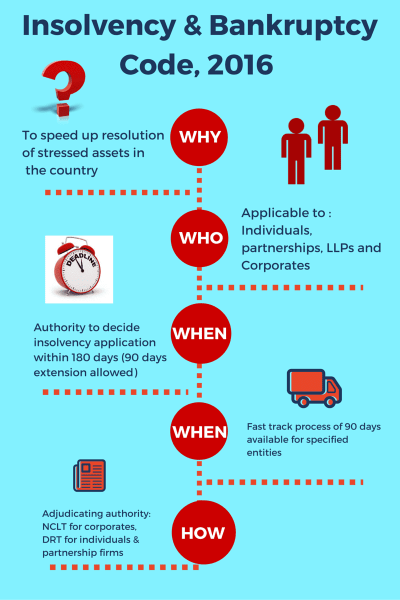


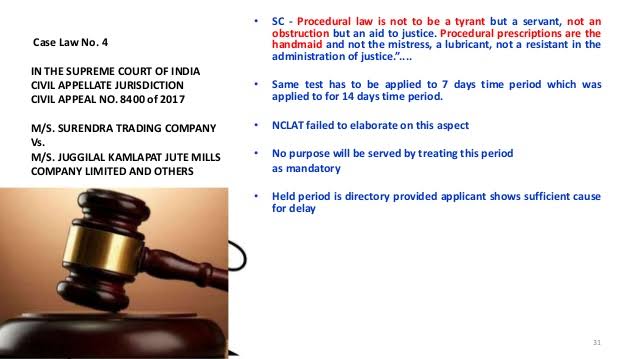
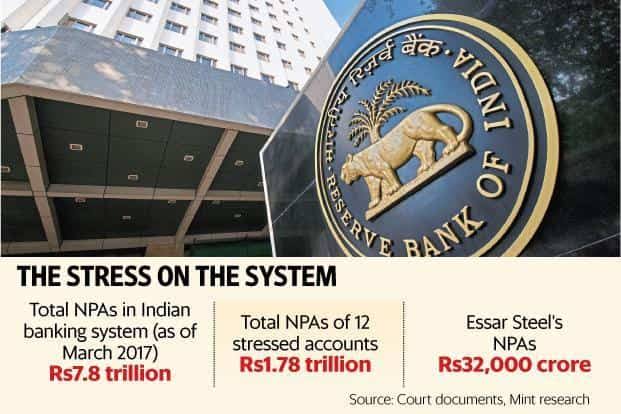
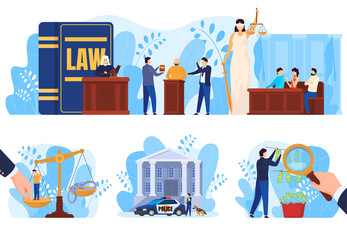
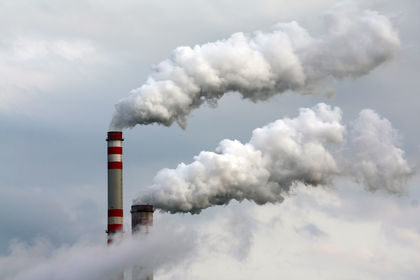
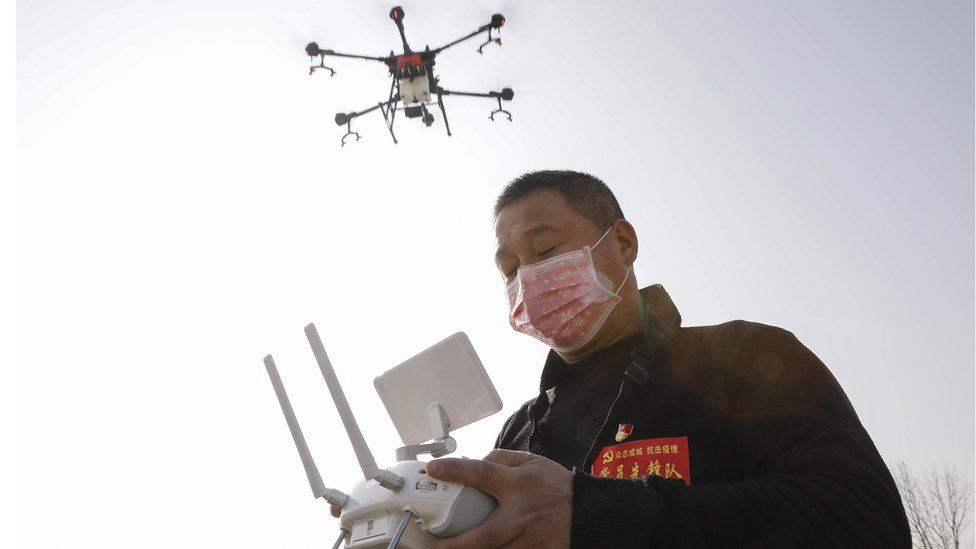

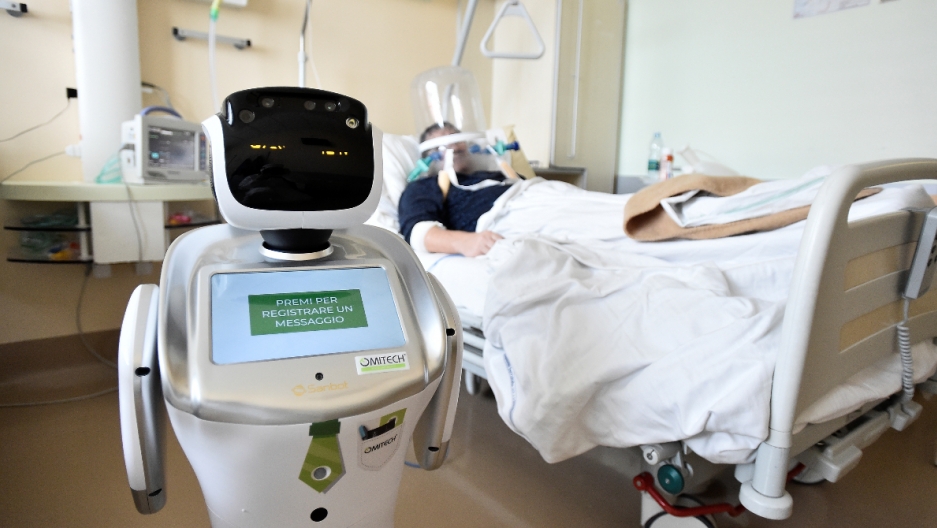




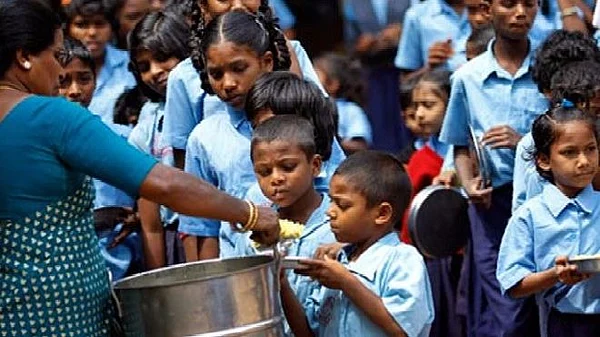
 Eduindex
You must be logged in to post a comment.