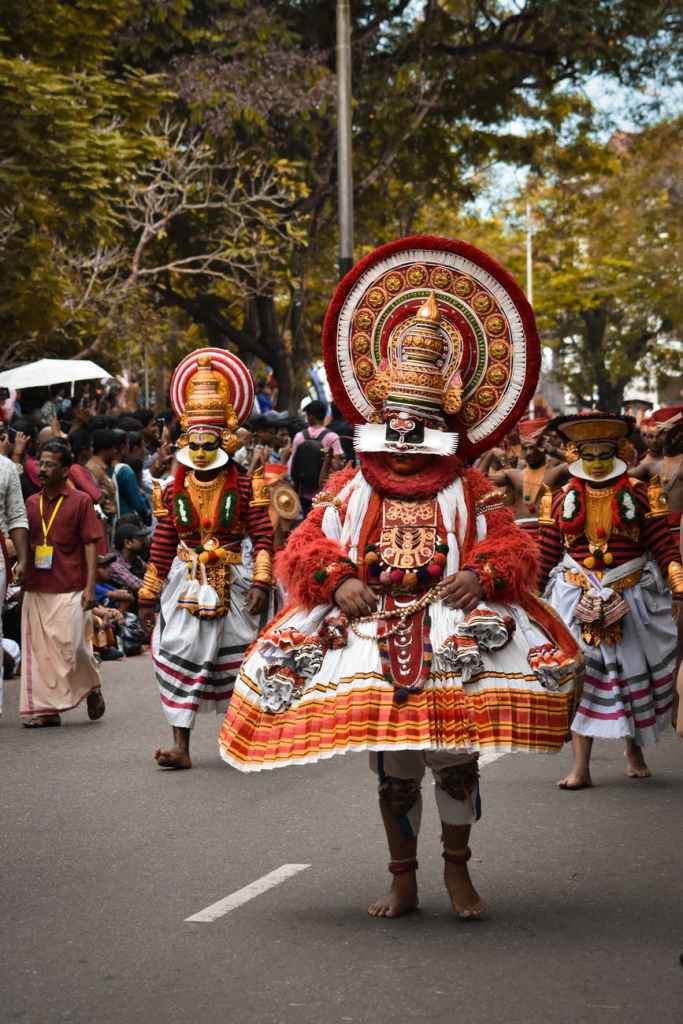
HARYANA

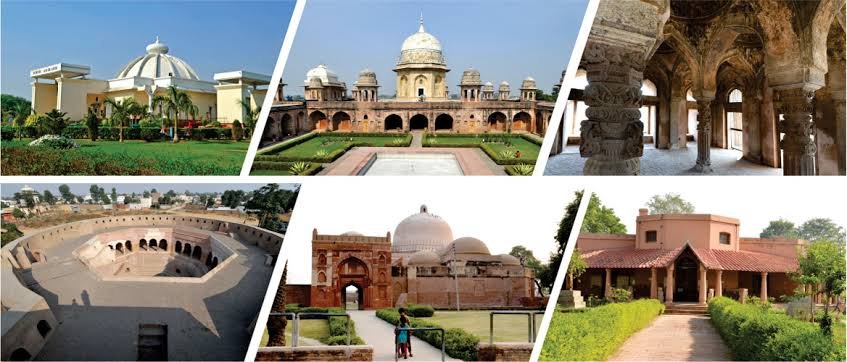
Haryana is a state in India located in the northern part of the country. It was carved out of the former state of East Punjab on 1 November 1966 on a linguistic basis. It is ranked 22nd in terms of area, with less than 1.4% of India’s land area. Chandigarh is the state capital, Faridabad in National Capital Region (NCR) is the most populous city of the state, and Gurgaon is a leading financial hub of the NCR, with major Fortune 500 companies located in it. Haryana has 6 administrative divisions, 22 districts, 72 sub-divisions, 93 revenue tehsils, 50 sub-tehsils, 140 community development blocks, 154 cities and towns, 6,848 villages, and 6,222 villages panchayats.

Music Edit
Main article: Music of Haryana
Haryana has its own unique traditional folk music, folk dances, saang (folk theatre), cinema, belief system such as Jathera (ancestral worship), and arts such as Phulkari and Shisha embroidery.

Folk theatre and dances Edit
Folk music and dances of Haryana are based on satisfying cultural needs of primarily agrarian and martial natures of Haryanavi tribes.

Haryanvi musical folk theatre main types are Saang, Rasa lila and Ragini. The Saang and Ragini form of theatre was popularised by Lakhmi Chand.

Haryanvi folk dances and music have fast energetic movements. Three popular categories of dance are: festive-seasonal, devotional, and ceremonial-recreational. The festive-seasonal dances and songs are Gogaji/Gugga, Holi, Phaag, Sawan, Teej. The devotional dances and songs are Chaupaiya, Holi, Manjira, Ras Leela, Raginis). The ceremonial-recreational dances and songs are of following types: legendary bravery (Kissa and Ragini of male warriors and female Satis), love and romance (Been and its variant Nāginī dance, and Ragini), ceremonial (Dhamal Dance, Ghoomar, Jhoomar (male), Khoria, Loor, and Ragini).

Folk music and songs Edit
Haryanvi folk music is based on day to day themes and injecting earthly humour enlivens the feel of the songs. Haryanvi music takes two main forms: “Classical folk music” and “Desi Folk music” (Country Music of Haryana), and sung in the form of ballads and love, valor and bravery, harvest, happiness and pangs of parting of lovers.

Classical Haryanvi folk music Edit
Classical Haryanvi folk music is based on Indian classical music. Hindustani classical ragas, learnt in gharana parampara of guru–shishya tradition, are used to sing songs of heroic bravery about the bravery of Alha and Udal, Jaimal and Patta of Maharana Udai Singh II), Brahmas worship and festive seasonal songs (such as Teej, Holi and Phaag songs of Phalgun month near Holi). Bravery songs are sung in high pitch.

T.V., mobiles , computers and the Suffering childhood

Photo by Jean van der Meulen on Pexels.com

Ever since the onset of the pandemic and the beginning of online classes, mobiles and computers have played a significant role in education and mobile, televisions and laptops are the source of entertainment to kids and relaxation to the parents. Since the advent and accessibility of technology to children, its ability to entice the mind of children has grown exponentially. Programs and advertisements meant specifically for kids , it increases the overall effect technology has on the mind of children.

Though the technology today is important for education, its negative effects on the minds and body of children plays a significant role. It affects the cognitive development of child’s mental faculties, and lowers their concentration level ,with them switching to various modes of entertainment in between their studies. t also , very severely might I add, degrades health and physicality of a growing child, caused due to increased exposure to radiations and lack of physical activities. Children are exposed to sensitive and violent content that later reflects in their behaviors. Children really are growing far quickly than their ages. All these reasons being mentioned, children are leading themselves to paths of self destruction. Online people are exposed to certain degrees of online harassments (eg.- phishing). Adults can protect themselves, having gained knowledge and awareness, but what about kids? We all agree as to how the presence of any digital device in close vicinity is more than enough to keep us up for hours. Grown up and all , this is our level of self restraint. So let us think about kids. Unsupervised, what restraint will those kids show?

The children have, due to years of access, grown a certain fondness over their gadgets as well as over those lethargic activities they call games . As a result, younger children are having issues with face-to-face social interactions. Many of them (well, even us adults sometimes) seem to prefer to text or talk on social media as opposed to talking to each other in-person. Even when children spend time together, they may spend more time texting or on their phones than actually being together, engaging in group activities and games. Well, group activities now refer to chat rooms and online games.  

Though, we can’t disagree, the important role technology has in the overall development of a child’s personality. Access to world class education, unlimited resources and that too without any geographic or economic barrier (well, not not any but definitely reduced barriers). But it is important that it is carefully regulated, especially for the children in the teen or pre-teen age group.

Gen Alpha

The successors of Gen Z (1997-2012), the youngest adults currently, the gen Alpha were welcomed to the earth about a decade ago. The gen Alpha (or the gen A) comprises of all the people born after 2012 to maybe, around 2025. These people are the future of the world and though currently, all those reading this article might belong to Gen Z or Gen Y, (or millennials as you all like to call yourselves), knowing about our successors won’t hurt.

Photo by cottonbro on Pexels.com

Let us first begin with why are the generations named after alphabets.

It all started post World War-2. Americans at that time enjoyed a new found prosperity which resulted in a lot of children being born. The children in this era came to be known as ‘baby boomers’. Well, the name here is self explanatory though, so no issue. The children born after this era, didn’t have any special cultural identifier that made them different. And so here, the name ‘Gen X’ originated, illustrating the diminishes characteristics that would later be known. The generations next was by default known as ‘Gen-y’, though they later adopted a new name- ‘the Millennials’, when the impending turn of the millennium began to feature heavily in the cultural consciousness.

It is now assumed, though, that both the ‘gen-Z’ and the ‘gen-A’, will later adopt a new name that suits their interests. Some potential names for ‘gen-z’ include Gen Tech, post-Millennials, iGeneration, Gen Y-Fi, and Zoomers.

Gen-A is the first generation to be born completely in the 21st century and most off them are the children of millennials. Generation Alpha is expected to reach two billion by 2025. Many members of Generation Alpha have and will grow up using smartphones and tablets as part of their childhood entertainment as well as education with many being exposed to devices as a soothing distraction or educational aids, especially now with the global pandemic. Generation Alpha have also been surrounded by adult Internet use from the beginning of their lives, much more even when compared to gen-x (whose parents are primarily gen-x). Their parents, primarily Millennials, are heavy social media users and rely heavily on gadgets for work and even entertainment (Alexaaa!). Broadcast television viewing among children has declined during the early lives of Generation Alpha. Statistics from the United States suggested that viewing of children’s cable networks among American 2- to 11-year-olds were falling sharply in early 2020 and continued to do so even after them being at home due to pandemic(source: Wikipedia). After some time, we might not even see cartoon channels in the wake of the children belonging entirely to Gen-Alpha or Gen-Beta .

The first wave of Generation Alpha will venture into adulthoods in 2030s. By that time, the human population is estimated to be just under nine billion, and the world will have the highest ever proportion of people aged over 60. Gen Alpha has a huge burden waiting for them.

Emily Dickinson – An intellectually Rebellious and the most memorable poet of all time.

About Emily Dickinson, her writing style, favorite works and Amazing facts about her. Dickinson Series- Apple TV

Emily DIckinson

Birth, inspirations, and how her works were saved.

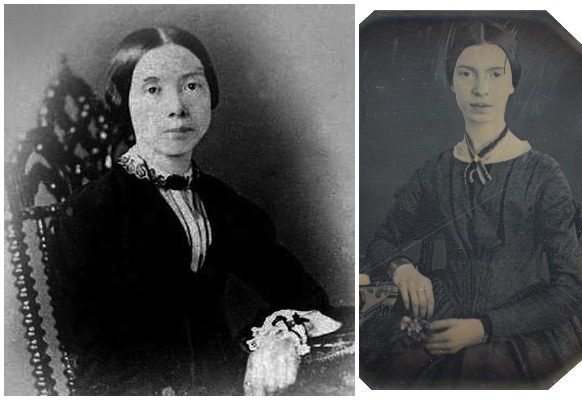
Emily Dickinson was born on December 10, 1830, in Amherst, Massachusetts. She attended Mount Holyoke Female Seminary in South Hadley for one year. Dickinson’s poetry was influenced by the Metaphysical poets of seventeenth-century England. She also read Book of Revelation, admired the poetry of Robert and Elizabeth Barrett Browning, and John Keats. She was dissuaded from reading the verses of Walt Whitman (Due to his daring writeups). Yet Walt Whitman and Emily Dickinson ending up being two of the most famous poets from the time period who revolutionized both the subject and style of American poetry. The first volume of her work was published posthumously in 1890 and the last in 1955. She died in Amherst in 1886. Dickinson’s family found forty volumes of nearly 1,800 poems (or “fascicles”).

Dickinson assembled these booklets by folding and sewing five or six sheets of stationery paper, what seem to be final versions of poems. The original order of the poems was not restored until 1981, when Ralph W. Franklin used the physical evidence of the paper itself to restore her intended order. He relied on smudge marks, needle punctures, and other clues to reassemble the packets.

The Manuscript Books of Emily Dickinson (Belknap Press, 1981) is the only volume that keeps the order intact.

Her Writing Style:

Her features were of verse forms suggesting hymns and ballads, with lines of three or four stresses. Her unusual off-rhymes have been seen as influenced by the 18th-century hymnist Isaac Watts. The intellectual content of her work amazed many and her writings were exceptionally and beautifully bold and original. Her verses has distinct quality by their epigrammatic compression, haunting personal voice, enigmatic brilliance, and lack of high polish.

Her major themes include nature, law, music, commerce, medicine, fashion, finding oneself, death and immortality, and love. She had a unique usage of Capitalization. She is best known for her use of slant rhyme.

Facts:

  • Unconventional approach to poetry, she interspersed her writing with many dashes of varying lengths and orientations (horizontal and vertical)
  • She could play piano.
  • She called herself a pagan.
  • She had an older brother named William Austin and a younger sister called Lavinia.
  • She wrote about the benefits of science over religion.
  • She lived with her family throughout her life. She shared her poems via letters to Susan, her alleged love interest. Who became her sister-in-law later.
  • She sent 250 poems.
  • Dickinson was a fan of the book ‘Jane Eyre’.
  • Her sister and Mabel Loomis Todd (An alleged mistress) published her works after Dickinson’s death.
  • Her second Tombstone reads “Called Back”, reference to an 1880 novel by Hugh Conway called “Called Back” that Dickinson enjoyed loved. This was the idea of Martha Dickinson Bianchi, her niece. The reason could be that she wrote a letter to her cousins before her death to her cousins which had only “Called Back” written.

Emily Dickinson’s well-known must-reads!!

  1. I’m Nobody! Who are you?
  2. Because I could not stop for Death
  3. Success is Counted sweetest
  4. Wild nights – Wild nights!
  5. I taste a liquor never brewed
  6. I Felt a Funeral, in my Brain
  7. Hope” is the thing with feather
  8. Tell all the truth but tell it slant
  9. My Life had stood – a Loaded Gun
  10. ‘Hope’ is the thing with feathers

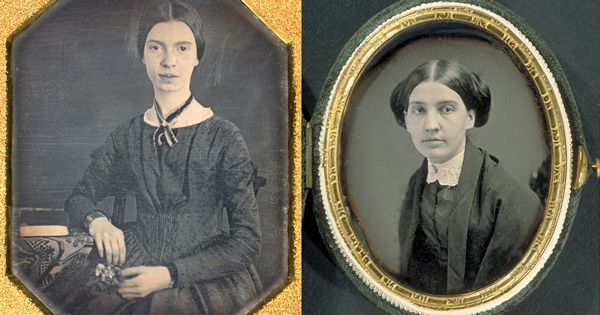
Emily Dickinson and Susan Gilbert

Ps… Dickinson is believed to have a lifelong love affair with her childhood friend Susan Gilbert, who agonizingly became her sister-in-law. Emily had written many letters to Susan till the end. The letters are believed to be indirect confession and expression of love. Austin’s mistress Mabel Loomis Todd -Editor and publisher- erased references to Susan from Emily’s letter, but the fact that the Mysterious “Master” poem – letters (Alleged love interest of Emily) were sent to Susan, doesn’t hide much. But, well historians will still call them “Best Friends”, right?

There’s a book called “Emily Dickinson’s Intimate Letters to Susan Huntington Dickinson”

Summary: For the first time, selections from Emily Dickinson’s thirty-six year correspondence to her neighbor and sister-in-law, Susan Huntington Dickinson, are compiled in a single volume. Open Me Carefully invites a dramatic new understanding of Emily Dickinson’s life and work, overcoming a century of censorship and misinterpretation.

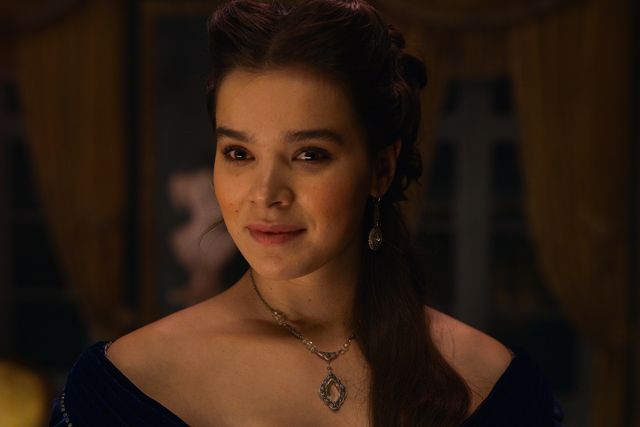
MY FOREVER FAVOURITE FAVOURITE POTRAYAL OF EMILY DICKINSON.

Dickinson (2019) : SEASON 1 AND 2!!

An American comedy streaming television series about Emily Dickinson, created by Alena Smith and produced for Apple TV+.

Hailee Steinfeld as Emily Dickinson and Ella Hunt as Susan and many more !! Their acting is top-notch and the series will hold you till the end and leave you wanting for more.

It is a must-watch.

References:

https://poets.org/poet/emily-dickinson

Story – Attitude is everything

Moral Stories For Kids | Bedtime Stories | Stories for kids in english -  YouTube

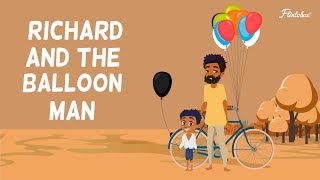
There was a man who made his living selling balloons at a fair. He had balloons of many colors, including red, yellow, blue and green. Whenever business was slow, he would release a helium-filled balloon into the air. When the children saw the balloon go up, they all wanted one. They would come up to him, buy a balloon and his sales would go up. All day, he continued to release a balloon whenever sales were slow. One day, the balloon man felt someone tugging at his jacket. He turned around and a little boy asked, “If you release a black balloon, will that also fly?” Moved by the boy’s concern, the man replied gently, “Son, it is not the color of the balloon, it is what’s inside that makes it go up.”

THE same principle applies to our lives: It’s what’s inside that counts and what’s inside of us that makes us go up is our attitude.

Many of you might have read/ heard this story before; Richard and the balloon man. But despite of the above conclusion, there’s more to the story. The story also focuses on colour discrimination. Everyone human being, right from their birth, are taught to consider fair, white people as beautiful whereas the dark ones are considered being ugly. Who categorized humans based on their appearance and not what they own inside them. No outer appearance decides the altitudes a person might reach, it’s the attitude they hold that paves their way towards success.

William James of Harvard University said, “The greatest discovery of my generation is that human beings can alter their lives by altering their attitudes of mind.”

ARUNACHAL PRADESH

The land of dawn-lit mountains

Arunachal Pradesh is an Indian state in Northeast India. It was formed from the erstwhile North-East Frontier Agency (NEFA) region, and became a state on 20 February 1987. It borders the states of Assam and Nagaland to the south. It shares international borders with Bhutan in the west, Myanmar in the east, and a disputed border with China in the north at the McMahon Line. Itanagar is the state capital of Arunachal Pradesh. Arunachal Pradesh is the largest of the Seven Sister States of Northeast India by area. Arunachal Pradesh shares a 1,129 km border with China’s Tibet Autonomous Region.

Arunachal Pradesh, meaning ‘the land of the rising sun’ is a state comprising of 24 districts with 26 major tribes including various sub tribes. It is equally rich and diverse in both cultural and ecological aspects, however for a long time much of the world remained elusive to this richness because of the state’s remote location.
An exploration of the cultural roots of Arunachal Pradesh therefore, takes us on a fascinating anthropological journey.

PEOPLE –
A place brimming with tremendous anthropological richness, Arunachal Pradesh is home to several groups of indigenous people. Broadly speaking there are three cultural groups; first being Monpas and Sherdukpen of Tawang and West Kameng districts who are followers of the tradition of Mahayana Buddhism. The second group comprising of Apatanis, Adis, Galos, Mishmis, Nyishis, Tagins, Akas etc worship the Sun and Moon God while the third group including Noctes, Wanchos and Khampti (tribal communities of TLCN – Tirap, Longding, Changlang, Namsai) follow basic Vaishnavism and Buddhism respectively and are ruled by a hereditary chief. Additionally there are the Galo, Nyishi, Tagin, Apatani and Adi communities who are commonly known as Tani clans due to their connection with Abotani (abu/abo-father, tani-tribes) – from whom the mythical heritage of mankind’s origin is associated.

LANGUAGE –
The people’s languages are mostly derived from Tibeto-Burman language with more than 50 dialects spoken by specific tribes. The Tani clans have similarities within each other’s social languages. Assamese is spoken by most people since prolonged influence of the Ahom dynasty era. Hindi and English are currently the most widely spoken languages for people across the state, besides their own tribe’s language.

CULTURE AND TRADITION –
living in close proximity with nature since centuries, people were depended on Mother Nature for everything. From traditional handicrafts, fishing and hunting tools etc – the people developed many unique skills over the years and even today many of these skills are passed down. Apong (rice/millet wine) is the prominent drink induced by the people, especially in festivals. People used to drink it to honor the spirit guardians. Dance is an important element of the people’s heritage and traditional dancing along with priest/priestess chants, war dance and ritual dance with Buddhist connection etc are mostly performed by men. Ponu is performed in groups by both men and women for the celebration of joyous and fortunate events in the future. A rich oral collection of folklores and chants, usually in a ballad tone, have been passed down from centuries about the historical events, myths, power of spirits and calling of deities.

#EduRob- ROBOTICS IN EDUCATION

INTRODUCTION

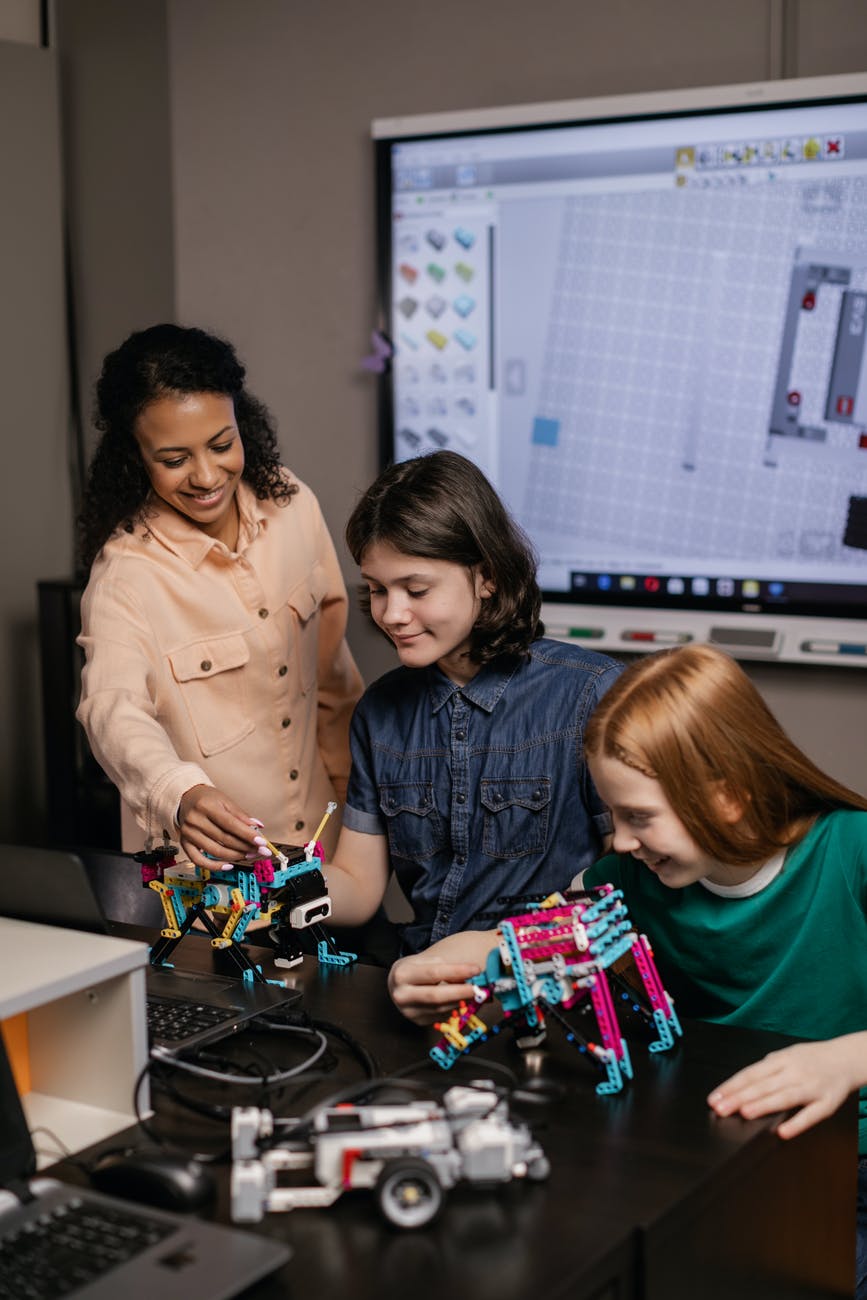
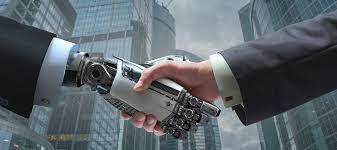
“Our future success is directly proportional to our ability to understand, adopt and integrate new technology into our work.” During the pandemic, technology facilitated both work and learning. Keeping this in mind, the idea of intertwining Robotics in Education seems convincing. According to the research by Global Market Insights, Artificial Intelligence in the education market will surpass USD 6 billion by 2024.

A PEEP INTO THE EFFICACY OF ROBOTICS IN EDUCATION

Technology in education, popularly called edtech is the need of the hour.

Audio Visual Media

Robotics can use audiovisual media to impart quality learning. Online learning requires a lot of attention from students and a proper system to deliver on the part of teachers. Therefore, Robotics can also make use of Virtual Facilitators like gesture recognition, 3-D gaming and computer animation to create interactions with students, making learning engaging. Subsequently, gamification tools can make the subject more engaging. Also, Chatbots can address queries by providing tailor-made answers.

Combat the Paradox in Employment

India has witnessed a paradox in employment. Indian recruitment is going through a peculiar phase. Surprisingly, almost 8 million youngsters enter the job market every year; still, companies find it tough to fill vacancies for crucial roles. The main reason for this is the enlarging skill gap. Many times students do not possess the skill set required by companies for crucial roles. Artificial Intelligence (AI) in Robots can help re-skill and up-skill students. Subsequently, Robotics can use AI and predictive analysis to map high demanded skills to boost career prospects.

Streamline admin work and universal access

Teachers have to spend their precious time and energy on admin tasks and paper checking. They can use this time to impart knowledge. Here Robotics comes into play as it can streamline these tasks. Robotics in Education gifts us universal access wherein students belonging to different linguistic communities can learn freely.

Customized Learning

The most fundamental efficacy of Robotics in Education is customized learning. Different students have different problems. Therefore, we require different methodologies to address them. Some students have good grasping power while some learn at a slower pace. Subsequently, AI in Robots can smartly customize learning by giving challenging tasks to fast learners and going at a slower speed for slow learners. It can also communicate with learners, simulating human experiences by voice or hologram.

Catering to differently abled students

Today, we have a plethora of online courses for upgrading skills available. But unfortunately, these courses are unable to cater to the needs of differently-abled students. In such a scenario, Robotics attains prime importance. AI in Robots can create customized lessons to suit the learning needs of differently-abled students as well. During the video conference for Smart India Hackathon, 2019, an engineering student from Dehradun presented her program that could help dyslexic students by utilizing the benefits of AI. Hence, Robotics can unclip the wings of specially-abled children by enabling them to learn the latest skill sets.

A GLANCE AT SOME SUCCESS STORIES

Some counties have already very well amalgamated technology with education. Columbia is running full-time online schools as a substitute for bricks and mortar schools. The schools use digital resources like digital grade books, digital portfolios, learning games and real-time feedback of students. Finland has goodwill as an educational powerhouse, imparting quality learning. It is also known for making the most advanced application of digital technology in formal and extracurricular activities. Finland has successfully used Robotics through humanoid robots and mobile apps. The robots can understand and speak up to 23 languages. The robots can also give feedback to teachers about the problems that students face. Robotics enhances the overall interest in STEM (Science, Technology, Engineering and Mathematics) by developing critical thinking skills.

Robotics in E-Learning is not an unexplored arena. Air Force technicians use Intelligent Tutoring Systems like SHERLOCK to detect electrical system problems in aircraft. We can use a similar system in education as well. Another pertinent instance is Duolingo which is one of the most famous apps used for learning foreign languages. Carnegie Learning’s MATHia was awarded the “Best Use of AI in Education”. It is a learning engine that adjusts itself according to the capacity of students.

THE FINAL THOUGHT

Robotics can certainly pave a new path for Education. It provides adaptive learning to help students ace subjects. It would help impart quality education through an engaging methodology.Skill upliftment through a digital medium can provide a flexible approach besides adding shimmer to one’s resume. Today various fields are making optimum use of Robotics. Hence we need to deal with the challenges associated with it. The primary challenge before us is preparing students for this change. We need to instill an understanding that AI would simply complex things while eliminating boundaries in learning. At the same time, one also needs to understand that there are roles requiring creativity, emotional intelligence. Only humans can play these roles well. We ought to bust the myth that utilizing Robotics in various fields would not lead to unemployment.

The purpose of using Robotics in Education is not to replace the existing people but to enhance the quality of Education. Thus the need of the hour is striking a balance and combining both AI and human abilities. Another challenge is that there is a vast need for Research & Development in this field as we are just in the initial phase of usage. Extensive Research and further innovation would ensure successful implementation.

Adapting to changes always seems difficult. But we need to understand that change is the only constant. Therefore, we must be more receptive to it.“Robotics in Education is not meant to eliminate humans but to facilitate them”.


WHAT WILL LIFE BE LIKE IN 2050 ?

After 29 years from now we will sore new heights in technology and medical science. Try not to get befuddled on the off chance that you see robots and distinctive A.I machines at your work place. Possibly we could go to Mars and different planets. 4G and 5G will turn out to be exceptionally normal and think about what perhaps it would not be being used around then.

Yet, not to fail to remember that now our mother earth is confronting such a lot of a global warming, contamination, deforestation, ozone layer depletion and the list goes on. A few specialists accept that a large number of the cities or nation will get vanished in next 10 to 20 years. These generally incorporates cities close to seaside area on the grounds that the degree of ocean water is rising step by step. Because of global warming polar caps are melting and colder areas are becoming hotter.

We may likewise confront water shortage in 2050 in light of the fact that fresh water is just 2.5% on earth and we are not conserving our natural resources. Not notice that oxygen that we inhale will likewise be exceptionally less in 2050 in light of the fact that now additionally because of contamination air we inhale is becoming poisonous step by step which can influence our lungs gravely. The measure of harmful gases like Sulfur dioxide, nitrogen dioxide and carbon monoxide are influencing air quality index(AQI) gravely. A few specialists say that we may have to convey our own oxygen cylinder in 2050.

Regardless of the amount we dominate in our innovation however we will require these regular assets to live healthy. What will be the reason behind living in such developed society in the event that we can’t be healthy. So we need to save our natural resources and limit contamination assuming we need to live heathy in 2050.

FACT Devices; Statcom and it’s working

FACT is an abbreviation for Flexible AC transmission system. A system composed of static equipment used for the alternating current (AC) transmission of electrical energy. It is generally a power electronics based system.

Series compensation – In this we connect the fact devices in series with power system. Here, the line impedance is modified, that means net impedance is decreased and increasing the transmittable active power.

Shunt compensation – It is used to improve the power factor. In this we connect the fact devices in parallel with power system. It also works as a controllable for the current source. Eg- Statcom (Static synchronous Compensator) and SVC (Static VAR compensator). They are further classified into two types –

  1. Shunt capacitive compensation: This method is used to improve the power factor. Whenever an inductive load is connected to the transmission line, power factor lags because of lagging load current. To compensate, a shunt capacitor is connected, which draws the current leading to the source voltage. The net result is an improvement in power factor.
  2. Shunt inductive compensation: This method is used either when charging the transmission line, or when there is a very low load at the receiving end. Because of very low, or no load–very low current flows through the transmission line. Shunt capacitance in the transmission line causes voltage amplification (Ferranti effect). The receiving end voltage may become double the sending end voltage (generally in case of very long transmission lines). To compensate, shunt inductors are connected across the transmission line. 

A few advantages of FACT devices are:
• Helps in improving power transfer capability
• Used for transient and dynamic stability improvement.
• Used for damping of power system oscillations.
• For better voltage regulation.
• For flexible operation and control of the system.

What is a Statcom?

The STATCOM (or SSC) is a shunt-connected reactive-power compensation device that can generate and/ or absorbing reactive power and in which we can vary the output to control the specific parameters of an electric power system. It is a solid-state switching converter capable of generating or absorbing independently controllable real and reactive power at its output terminals when it is fed from an energy source or energy-storage device at its input terminals.Voltage-source converter that, from an input of the voltage, produces a set of 3-phase AC-output voltages, each in phase with and coupled to the corresponding AC system voltage through a relatively small reactance.

How does a statcom work?

Now suppose we have a load connected to the grid; the load takes the power as P + jQ, where P is active power and Q is reactive power. Now we have to make the Q= 0. So that the power factor is always unity (PF = 1). For that, we connect statcom at the load, so that the reactive power is supplied by the statcom and active power is given by the Grid. This is how a statcom works for reactive power compensation.

The different softwares in which we can simulate and analyze FACT devices are:
• MATLAB
• PSCAD
• ETAP

Custody of Children to Grandparents

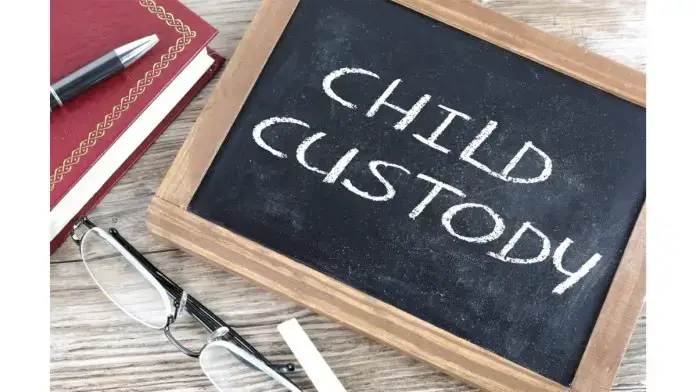
Custody is included within the notion of Guardianship, and it happens as a result of the parents’ divorce. Divorce may be harmful to both parents and children, and children are often subjected to significant emotional trauma as a result of their parents’ divorce. The question of custody comes after the divorce is finalised, and it is a pertinent subject that must be resolved by the court. Custody refers to the privilege granted by the court to either of the parents in favour of the kid who is under the age of eighteen. The parent who is given the custodial right has to look after the financial, emotional, medical, and all other necessary needs of the child.

Custody of Children to Grandparents

Types of Custody in India

Physical Custody-

The kid will be under the guardianship of one of the parents in this custody, and the other parent will have the ability to visit the child from time to time. This is the most common type of custody, and it ensures that the kid receives all of the advantages of the family as well as the finest possible upbringing. Both parents’ love and devotion are intended for the kid.

Joint Custody- 

In this custody, both parents are allowed the right to keep their kid with them, but only in turn. Joint custody is one of the greatest alternatives to the post-divorce custody struggle. No parent feels deprived under this custody arrangement since both parents have the opportunity to be with the kid and have a major role in their upbringing. The major advantage of this custody arrangement is that the kid receives the love, care, and attention of both parents equally, and both parents have the right to make decisions about the child’s future.

Third-Party Custody-

In this custody, neither of the parents gets the custodial right. This is because the court believes that both parents are incapable of parenting a child and that granting the child’s rights to any of them would be detrimental to the child. In such cases, a third party is appointed and the custody of the child is given in his favor for the benefit of the child. This is mainly done in cases when both the parents re-marry after divorce then the custody of the child is given to grandparents. 

Sole Custody-

In this case, the custody of the child is given to either mother or father and the other parent has no right over the child. This is usually done because of the abusive or immoral nature of the non-custodial parent. Under such cases, the court passes an order that non-custodian parents will not be granted the right to visit or meet the child once in a while.

Custody of Children to Grandparents

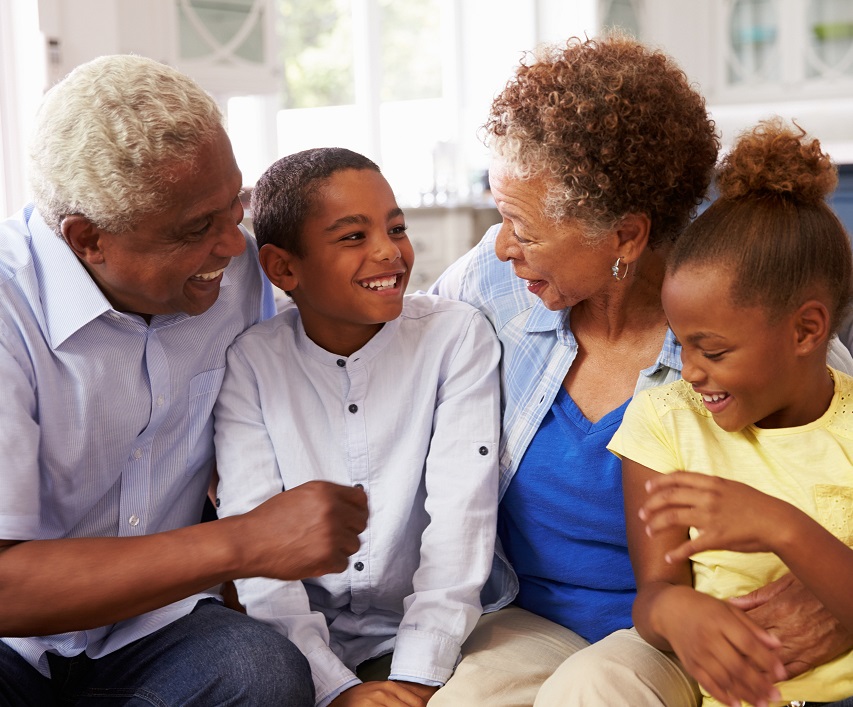
In some circumstances, the court may give grandparents custody of the kid. When giving custody of a child, the court takes various factors into account. The minor’s well-being takes precedence over a specific party’s legal rights. If the youngster is mature enough to choose who he wants to live with, the court will take it into account while deciding on final custody. The court must consider the following Acid test while determining custodial rights:

  • Education, health, and maintenance of the child are the relevant factors while determining the custody of the child.
  • The priority of the custody of the child is given to their biological parents. However, if they do not promote the welfare of the child, custody can be granted to the grandparents.
  • Financial stability cannot be the sole ground for deciding the custody of the child, the welfare of the child is of paramount consideration. 
  • The child’s moral and ethical well-being, as well as its bodily well-being, must be considered by the Court.
  • Love of the parents towards their children cannot be a ground for deciding the custody in their favor. 
  • The physical and mental conditions of the parents along with their professional life are taken into consideration while deciding the custody. In such cases in which both the parents are professionally working and are not able to look after the child properly, custody will be granted to the grandparents. 
  • The wish of the child with whom he/she wants to stay is of utmost importance while deciding the custody.
  • The ‘character’ of the proposed guardian is one of the issues that must be examined by a court of law.
  • When dealing with custody disputes, a court is not bound by legislation, rigorous standards of evidence or process, or precedents. When choosing a competent guardian for a minor, the most important factor should be the child’s welfare and well-being.
  • Custody disputes cannot be determined only based on papers, oral evidence, or precedents; the human touch is the most important factor for the minor’s wellbeing, since the other materials may be generated by the parties themselves or on the advice of counsel to fit their needs.

In Jai Prakash Khadria v. Shyan Sunder Agarwalla and Anr, the appellant was the child’s maternal grandfather, while the respondent was the child’s paternal grandparents. Because the kid’s school was close to their house, the court gave paternal grandparents custody of the youngster. The paternal grandpa became overly close to the youngster and gave all of his property to him. The court also argued that because the maternal grandfather was living alone and there was no one at his house to care for the kid, custody would be given to the paternal grandparents.

Conclusion 

Child custody is one of the most sensitive and difficult problems that arises following a parent’s divorce. Custody of the kid is always granted to the person considered by the court to be the best alternative for the child. The welfare of the children is the most important consideration when determining custody. Courts will award custody of the kid to the party who can demonstrate that the child’s best interests are served by them. In some instances, if the court deems it appropriate, custody of the children might be assigned to grandparents.

The Rock cycle

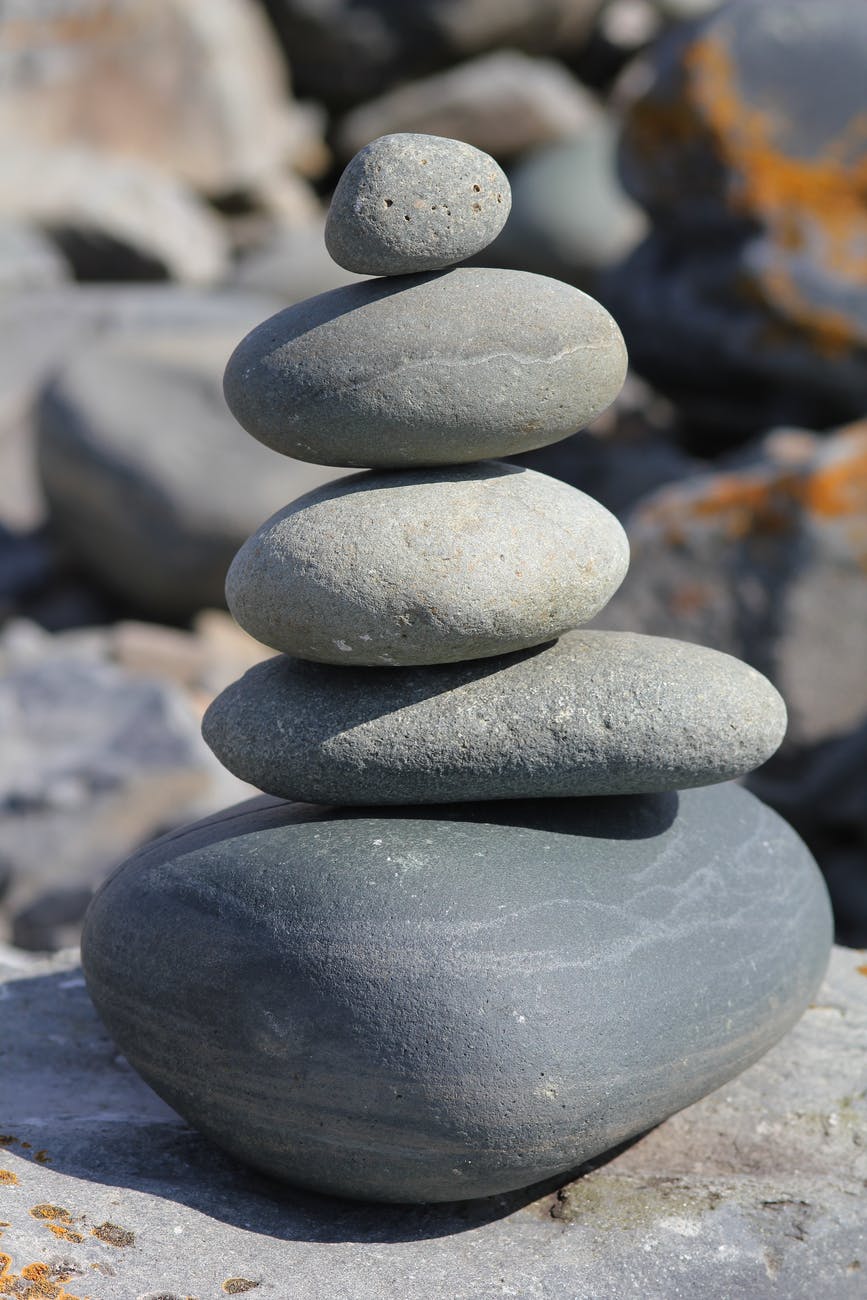
Photo by Anthony on Pexels.com

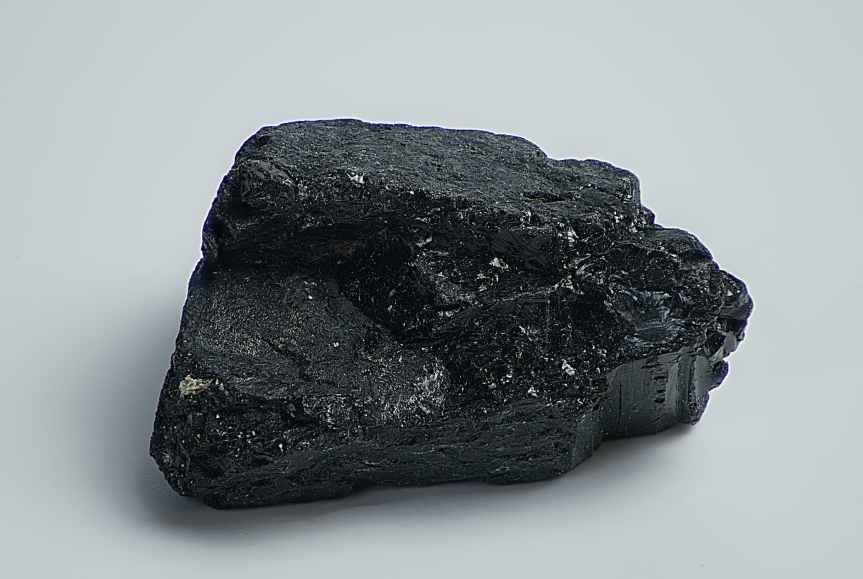
Look at all the rocks around you. They are a very important part of your existence, they form soils, are used in construction, for manufacturing substances, making medicines, cosmetics and soo much more. So you kinda get an idea, right?

Come, let us all today see the various kinds of rocks surrounding us and how they are formed.

There are 3 kinds of rocks-

  1. Igneous rocks- These are the most primary form of rocks and are formed when the molten lava cools and solidifies. They can be formed both inside the earth as well as the earth’s surface. When formed inside the surface of earth, they are known as intrusive igneous rocks (having a course structure with large mineral gains indicating they spent a large amount of time inside the earth’s crust) . Examples are granite and diorite. And when igneous rocks are formed on the earths crust they are known as extrusive igneous rocks. They have relatively small grains and very fine structure. Examples are rocks like basalt and obsidian.
  2. Sedimentary rocks- These rocks are formed from pieces of existing igneous or metamorphic rocks or biological material that undergo weathering and erosion and get deposited in the form of strata or layers. These are further sub-divided into three types- clastic, organic, and chemical . Clastic(eg.- sandstone) and organic rocks(eg.- coal) are formed due to weathering of rock into small fragments which are later transported to new places, or the biological materials like plants, shells, and bones that are compressed into rock. Chemical sedimentary rocks(eg- limestone) are the result of chemical precipitation. A chemical precipitate forms when the solution (usually water) evaporates and leaves the compound behind.
  3. Metamorphic rocks- When either the igneous or the sedimentary rocks are subjected to immense heat or pressure, metamorphic rocks are formed. They are of two types- foliated and non-foliated.  When the minerals line up in layers, they form foliated rock. (eg.- gneiss- made from granite). Non- foliated rocks follow the same procedure but they do not have the layered appearance of foliated rocks. Sedimentary rocks ( bituminous coal, for example) when provided enough heat and pressure, can turn into non-foliated metamorphic rocks (anthracite coal).

ROCK CYCLE

All the three types of rocks are inter-changeable into one another.

  1. The igneous rock can be subjected to intense heat and pressure and form metamorphic rock or be weathered and eroded to give rise to sedimentary rocks or it can even be subducted and melt to give way to magma and again form igneous rock .
  2. The sedimentary rocks can either be subjected to extreme conditions of temperature or pressure to form metamorphic rocks or subduct to form magma or even weather and erode to again from sedimentary rock.
  3. The metamorphic rocks can either erode to give rise to sedimentary rocks or subduct to form magma that can later form igneous rocks.

This is how the rock cycle in our surroundings work. Rocks are continuously weathered and eroded and subducted and exposed to high heat and pressure. Some of the forces that drive the rock cycle are-

  1. Plate tectonic
  2. Spreading ridges
  3. Subduction zone
  4. Continental collision
  5. Accelerated erosion

This is all in the article about rock process.

Clouds

All of us have looked at the clouds. Many of them appear white, sometimes fluffy, sometimes as thin as a wisp, sometimes black. Based on the color of clouds, we predict the weather for the day. But have you ever looked at all the clouds and wondered just how many different types of clouds we encounter everyday and we just categorize them as black and white.

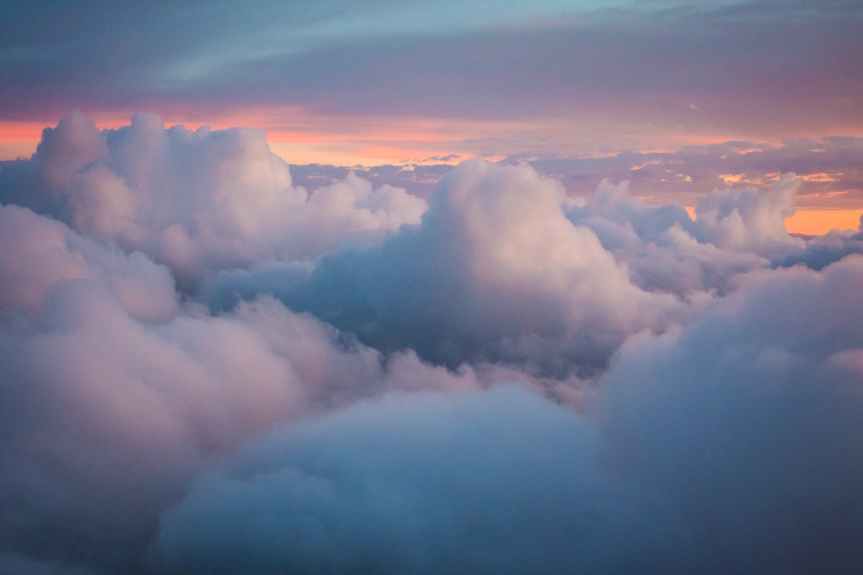
Photo by paul voie on Pexels.com

So, today let us look at the categorization of various kinds of clouds that exist and see what they predict about our day.

Clouds are at the basic level subdivided into 3 categories-

  1. High clouds- They occur between 20,000-40,000 feet above the sea level. They mainly occur in a feathery form. (very high above the ground. Air has less molecules of water vapor as well as possible nuclei for cloud formation. Air molecules are scattered ). These clouds do not bring rainfall.
  2. Medium clouds- They occur in the range of 10,000-20,000 feet above the sea level. They occur as clusters of clouds and can bring rainfall and snow.
  3. Low clouds- Occur in the range of 6,500-10,000 feet. These clouds mainly block sunlight ans can cause light drizzle/mist. Ever seen clouds appear beneath you from a mountain top?

The high clouds have 3 kinds of cloud varieties-

  1. Cirrus- Thin, wispy, fibrous clouds that appear in bright blue sky are cirrus. They barely dim the sunlight though. They are made of tiny ice crystals that scatter the sunlight , thereby making the clouds appear orange or yellow, making for a beautiful sunrise or sunset.
Photo by Karolina Grabowska on Pexels.com

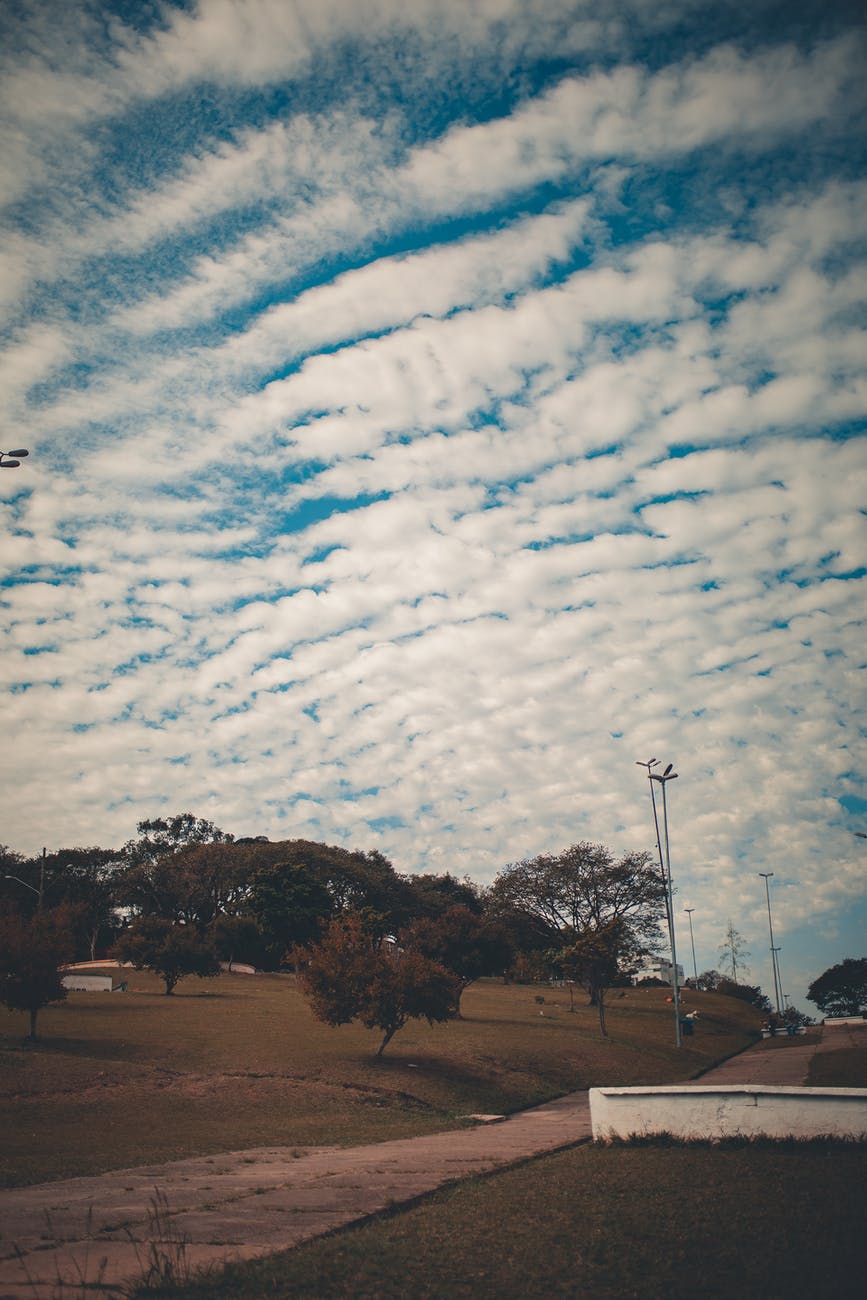
2. Cirrocumulus- Very high cumulus clouds that appear as white globular masses forming ripples.

Photo by Vinu00edcius Vieira ft on Pexels.com

3. Cirrostratus- A stratus cloud (horizontal layering with uniform base), it occurs in the from of a thin white sheet or veil and provides the sky a milky texture, making the sun/moon shine with a characteristic ‘halo’.

The ‘mid-level clouds have 3 varieties-

  1. Altocumulus- These are the wooly bumpy clouds that occur in layers. They look like waves in blue sky. Can cover the sky occasionally.
Photo by Lucas Pezeta on Pexels.com

2. Altostratus- These are denser grayish clouds and have a watery look.

3. Nimbostratus- ‘Nimbo’ means precipitating. These clouds are associated either with rain or snow and are dark-dull layered clouds.

Photo by Pixabay on Pexels.com

The low level clouds have 3 sub-types-

  1. Stratus- These are very low clouds. Uniformly grey, thick clouds, they cause light drizzle an dull weather. They also reduce aircraft visibility and are the cause of highland fog.
Photo by Andre Moura on Pexels.com

2. Cumulus-These are vertical clouds with rounded top and horizontal base and occur in humid tropical regions. Formed due to up-rising conventional currents. It ight appear grey against the sun but it is a fair weather cloud.

Photo by Pixabay on Pexels.com

3. Stratocumulus- These are rough, bumpy clouds and have waves more pronounced than Altocumulus cloud.

Photo by Lucas Pezeta on Pexels.com

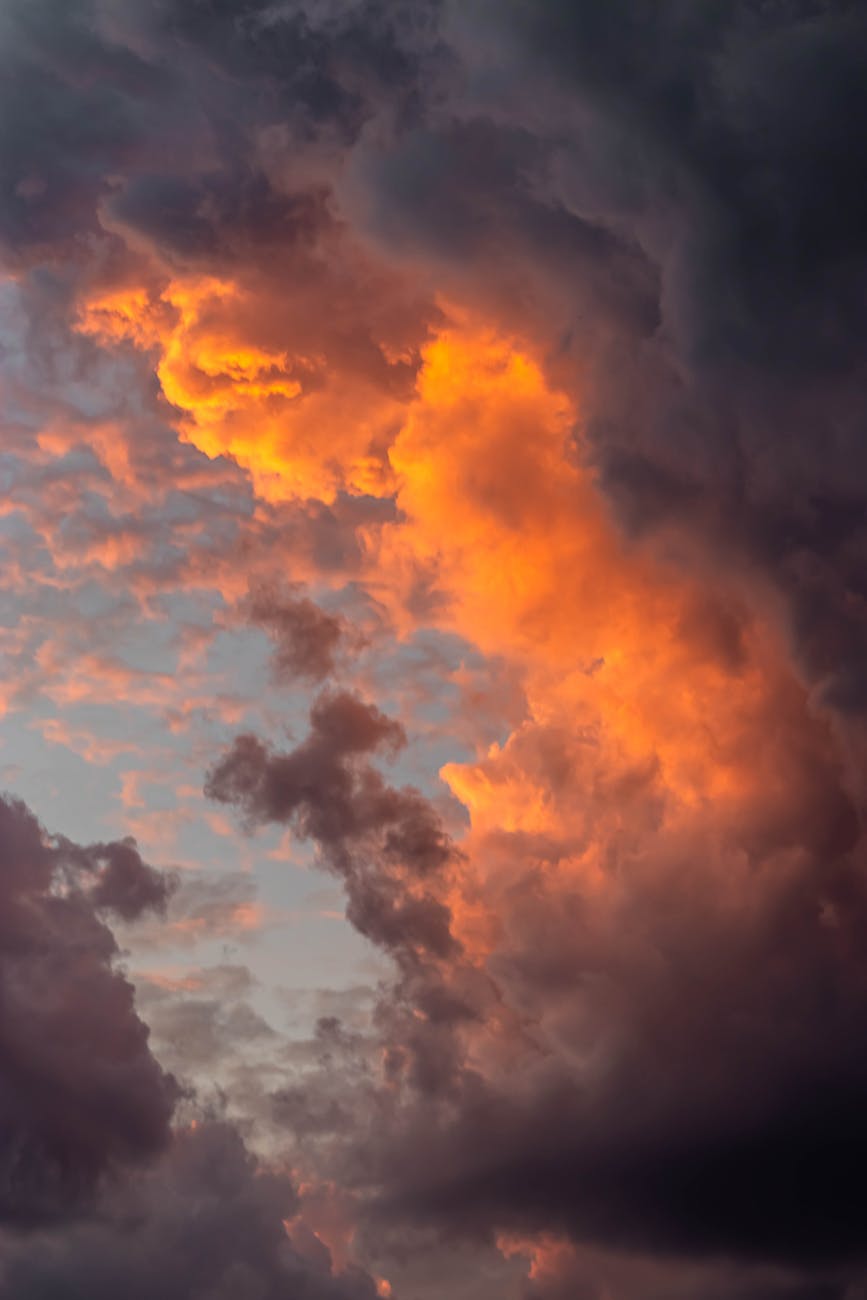
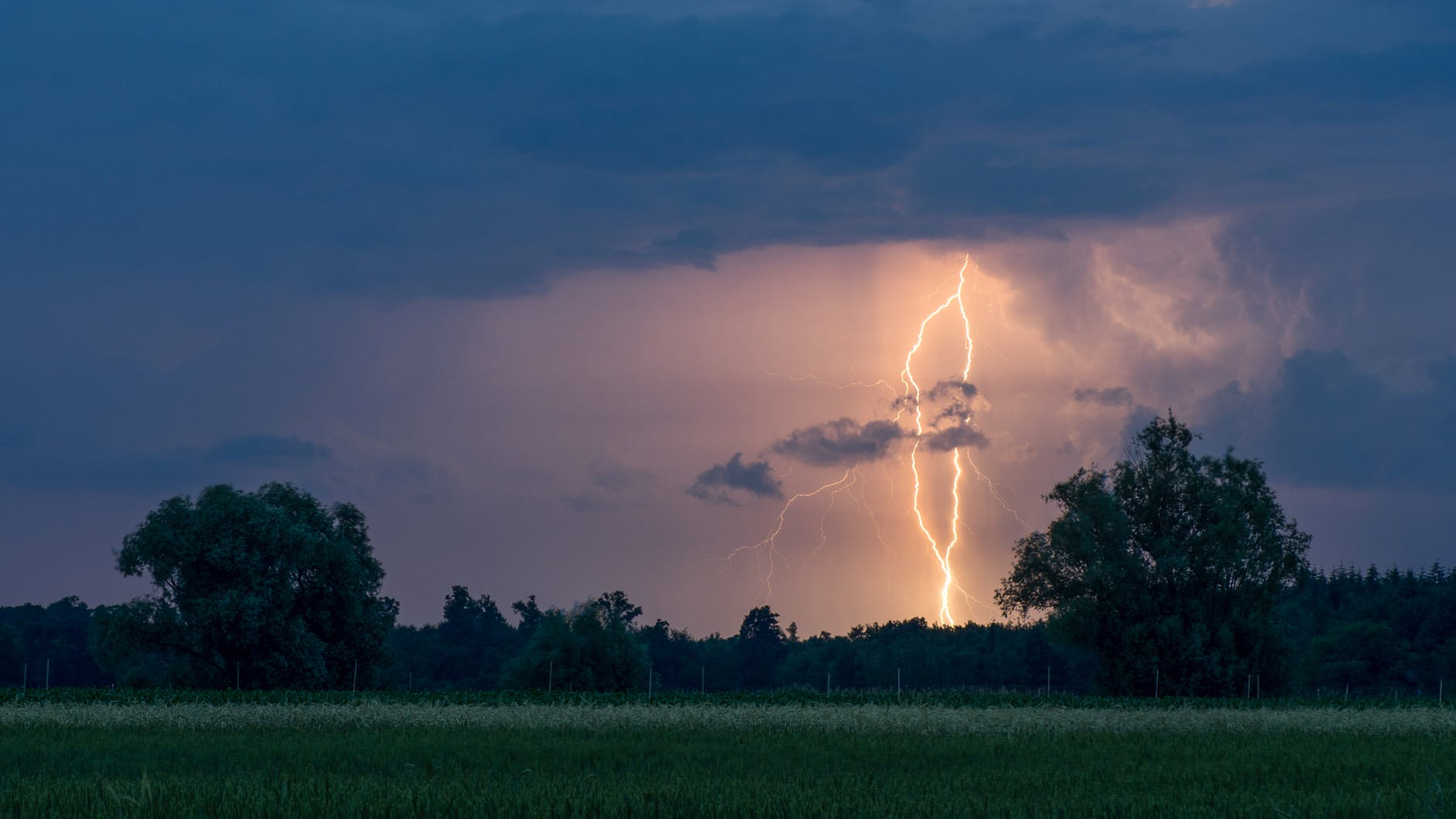
There is one another type of cloud associated with cyclonic conditions, lightening and thunderstorm, known as cumulonimbus cloud. These are overgrown cumulus clouds that are formed between 2,000-30,000 feet high. Formed in tropical afternoons, these are black in color and usually seen in equators and in sub-tropical regions(during summers).

Photo by Flash Dantz on Pexels.com

This is all about clouds. The next time you are on your rooftop, you have something to keep you busy and you can’t disagree, looking at clouds is interesting.

Blood and different blood groups in humans

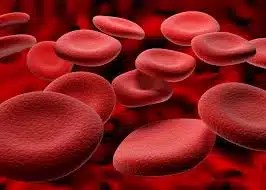
Blood is a red coloured fluid flowing through the heart and blood vessels.it is also sometimes called as river of life because it circulates all the essential nutrients and oxygen to our body.it is made up of liquid part plasma( water and salts) and solid part( RBC and platelets).blood is pumped by heart to our whole body. Blood is a component of circulatory system of our body.

Structure of blood

Blood is formed mainly of two components that are Plasma and blood cells .plasma is a pale yellow fluid part of our blood .it is about 55 % of our blood composition. Blood cells is also called blood corpuscles. they constitutes about 45% of blood. it is of 3 types that is RBC ( Red blood cells) or erythrocytes , WBC(White blood cells) or leucocytes and blood platelets or thrombocytes.

Some Characteristics of blood

  • Blood is heavier and thicker than water
  • its pH lies between 7.3 to 7.4.
  • Blood’s volume in our body is about 5 to 6 litres.
  • It is saltish in tastes

Functions of blood:-

  1. Transportation of gases : The blood carries oxygen from the lungs to the tissues and carbon dioxide from tissues to the lungs.
  2. Transport of food :- It carries digested food like amino acid , glucose and many other s from our intestine to different organs of the body.
  3. Temperature regulation :-It absorbs heat produced by respiration in internal tissues and transport it in to the skin and lungs for dissipation.
  4. Distribution of hormones :- The endocrine glands secrete hormones directly into the blood . Blood helps to transport them in required organs.
  5. Defence against diseases :- It produces certain antibodies which fights against bacteria. white blood cell (WBC) covers the disease causing bacteria and protect the body.

Blood groups in humans

Karl Landsteiner discovered that human beings have glycoproteins on the surface of RBC called antigens. and globulin proteins in the blood plasma called antibodies. therefore, there is 2 types of antigens A and B and two types of antibodies antibody a and antibody b in our body. Based on this concept , there are 4 types of blood groups found in human body.

  1. ABO blood groups
  • person with antigen A are said to be having blood group A.
  • person with antigen B are said to be having blood group B.
  • persons having both antigen A and antigen B are said to be having blood group AB.
  • Person with no antigen is said to be having blood group O.
    • during blood transfusion , we cannot mix two different types of blood group in a body. when blood groups of 2 different types of groups A and B is mixed , clumping reaction occurs. because either the antibodies of recipient ‘s blood destroys the RBC of donor blood or vice versa.

Person with blood group A are called universal donor , because they can donate blood to any of the blood group. while person with blood group AB are called universal recipients because they have no antibodies and can receive blood from any of the blood group.

2.Rh factor ( Rhesus antigen system) : – Human blood also have Rh antigen . it is of two types Rh positive and Rh negative. Transfusion of Rh negative with Rh negative can be done with no problem and same goes for Rh positive to R h positive transfusion.( Source : Veer Bala Rastogi , 96).

The ESSENCE OF INCREDIBLE INDIA

Andhra Pradesh is a state in the south-eastern coastal region of India. It is the seventh-largest state by area covering an area of 162,975 km^2 and tenth-most populous state with 49,386,799 inhabitants. It is bordered by Telangana to the north-west, Chhattisgarh to the north, Odisha to the north-east, Tamil Nadu to the south, Karnataka to the west and the Bay of Bengal to the east. It has the second longest coastline in India after Gujarat, of about 974 km. Andhra Pradesh is the first state to be formed on a linguistic basis in India on 1 October 1953. The state was once a major Buddhist pilgrimage site in the country and a Buddhist learning center which can be seen in many sites in the state in the form of ruins, chaityas and stupas. It is also known as the land of the world-famous diamond Koh-i-Noor and many other globally known diamonds due to their source in its Kollur Mine. It is also known as the “rice bowl of India” for being a major producer of rice in India. Its official language is Telugu; one of the classical languages of India, the fourth most spoken language in India and the 11th-most spoken language in the world.

CULTURE –


Kuchipudi, the cultural dance recognized as the official dance form of the state of Andhra Pradesh, originated in the village of Kuchipudi in Krishna district. It entered the Guinness World Records for performing Mahabrinda Natyam with a total of 6,117 dancers in Vijayawada.

Andhra Pradesh has thirteen geographical indications in categories of agricultural handicrafts, foodstuff and textiles as per Geographical Indications of Goods (Registration and Protection) Act, 1999. It increased to fifteen with the addition of Banaganapalle Mangoes and Bandar laddu. The other GI tagged goods are, Bobbili Veena, Budithi Bell and Brass Craft, Dharmavaram Handloom Pattu Sarees and Paavadas, Guntur Sannam, Kondapalli Toys, Machilipatnam Kalamkari, Mangalagiri Sarees and Fabrics, Srikalahasti Kalamkari, Tirupati Laddu, Uppada Jamdani Sari and Venkatagiri Sari.

ARTS AND CRAFTS –
Kondapalli Toys at a house in Vijayawada
Machilipatnam and Srikalahasti Kalamkari are the two unique textile art forms practised in India. There are also other notable handicrafts present in the state, like the soft limestone idol carvings of Durgi. Etikoppaka in Visakhapatnam district is notable for its lac industry, producing lacquered wooden.

The state has many museums, which features a varied collection of ancient sculptures, paintings, idols, weapons, cutlery, and inscriptions, and religious artifacts such as the Amaravati Archaeological Museum, Visakha Museum and Telugu Cultural Museum in Visakhapatnam displays the history of the pre-independence and the Victoria Jubilee Museum in Vijayawada with a large collection of artifacts.

CUISINE –
Telugu people’s traditional sweet Pootharekulu originated from Atreyapuram village of East Godavari district.

TOURISM –
Undavalli Caves, is a monolithic example of Indian rock-cut architecture and one of the finest testimonials to ancient viswakarma sthapathis.
The state has several beaches in its coastal districts such as Rushikonda, Mypadu, Suryalanka etc.; caves such as, Borra Caves, Indian rock-cut architecture depicting Undavalli Caves and the country’s second longest caves- the Belum Caves. The valleys and hills include, Araku Valley, Horsley Hills, Papi Hills etc. Arma Konda peak located in Visakhapatnam district is the highest peak in Eastern Ghats.

The state is home to various religious pilgrim destinations such as, Tirumala Temple, Simhachalam Temple, Annavaram temple, Srisailam temple, Kanaka Durga Temple, Amaravati, Srikalahasti, Shahi Jamia Masjid in Adoni, Gunadala Church in Vijayawada, Buddhist centres at Amaravati, and Nagarjuna Konda.

KERALA , GOD’S OWN COUNTRY

Kerala is a state on the Malabar Coast of India. It was formed on 1 November 1956, following the passage of the States Reorganisation Act, by combining Malayalam-speaking regions of the erstwhile regions of Cochin, Malabar, South Canara, and Travancore. Spread over 38,863 km ^2, Kerala is the twenty-first largest Indian state by area. It is bordered by Karnataka to the north and northeast, Tamil Nadu to the east and south, and the Lakshadweep Sea[16] to the west. With 33 million inhabitants as per the 2011 census, Kerala is the thirteenth-largest Indian state by population. It is divided into 14 districts with the capital being Thiruvananthapuram. Malayalam is the most widely spoken language and is also the official language of the state.


CULTURE –

The culture of Kerala is composite and cosmopolitan in nature and it is an integral part of Indian culture. It is a synthesis of Aryan, Dravidian, Arab, and European cultures, developed over millennia, under influences from other parts of India and abroad. It is defined by its antiquity and the organic continuity sustained by the Malayali people. It was elaborated through centuries of contact with neighbouring and overseas cultures. However, the geographical insularity of Kerala from the rest of the country has resulted in the development of a distinctive lifestyle, art, architecture, language, literature and social institutions. Over 10,000 festivals are celebrated in the state every year. The Malayalam calendar, a solar sidereal calendar started from 825 CE in Kerala, finds common usage in planning agricultural and religious activities. Malayalam, one of the classical languages in India, is Kerala’s official language. Over a dozen other scheduled and unscheduled languages are also spoken. Kerala has the greatest consumption of alcohol in India.

MUSIC –
The development of classical music in Kerala is attributed to the contributions it received from the traditional performance arts associated with the temple culture of Kerala. The development of the indigenous classical music form, Sopana Sangeetham, illustrates the rich contribution that temple culture has made to the arts of Kerala. Carnatic music dominates Keralite traditional music. This was the result of Swathi Thirunal Rama Varma’s popularisation of the genre in the 19th century. Raga-based renditions known as sopanam accompany kathakali performances. Melam; including the paandi and panchari variants, is a more percussive style of music: it is performed at Kshetram-centered festivals using the chenda. Panchavadyam is a form of percussion ensemble, in which artists use five types of percussion instrument. Kerala’s visual arts range from traditional murals to the works of Raja Ravi Varma, the state’s most renowned painter. Most of the castes and communities in Kerala have rich collections of folk songs and ballads associated with a variety of themes; Vadakkan Pattukal (Northern Ballads), Thekkan pattukal (Southern Ballads), Vanchi pattukal (Boat Songs), Mappila Pattukal (Muslim songs) and Pallipattukal (Church songs) are a few of them.

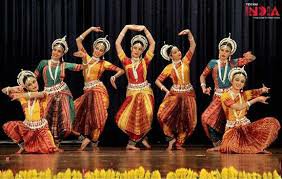
DANCE – Kerala is home to a number of performance arts. These include five classical dance forms: Kathakali, Mohiniyattam, Koodiyattom, Thullal and Krishnanattam, which originated and developed in the temple theatres during the classical period under the patronage of royal houses. Kerala natanam, Thirayattam, Kaliyattam, Theyyam, Koothu and Padayani are other dance forms associated with the temple culture of the region. Some traditional dance forms such as Oppana and Duffmuttu were popular among the Muslims of the state, while Margamkali and Parichamuttukali are popular among the Syrian Christians and Chavittu nadakom is popular among the Latin Christians.

TOURISM –
Kerala’s culture and traditions, coupled with its varied demographics, have made the state one of the most popular tourist destinations in India. In 2012, National Geographic’s Traveller magazine named Kerala as one of the “ten paradises of the world” and “50 must see destinations of a lifetime”. Travel and Leisure also described Kerala as “One of the 100 great trips for the 21st century”. In 2012, it overtook the Taj Mahal to be the number one travel destination in Google’s search trends for India. CNN Travel listed Kerala amongst its ’19 best places to visit in 2019′.
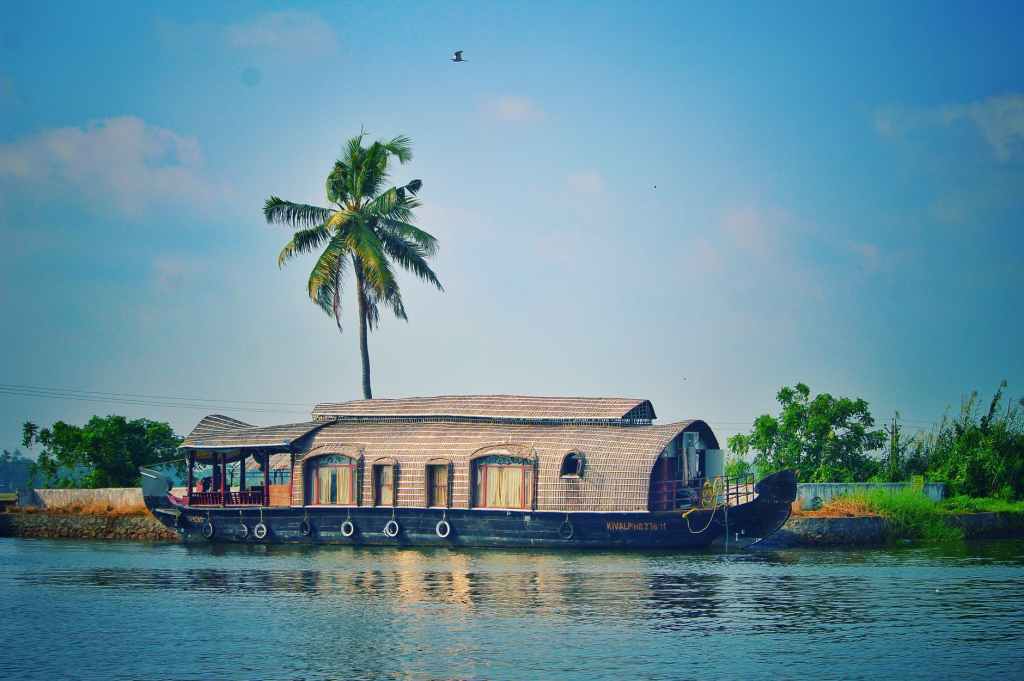
Kerala’s beaches, backwaters, lakes, mountain ranges, waterfalls, ancient ports, palaces, religious institutions and wildlife sanctuaries are major attractions for both domestic and international tourists. The city of Kochi ranks first in the total number of international and domestic tourists in Kerala. Until the early 1980s, Kerala was a relatively unknown destination compared to other states in the country. In 1986 the government of Kerala declared tourism an important industry and it was the first state in India to do so. Marketing campaigns launched by the Kerala Tourism Development Corporation, the government agency that oversees the tourism prospects of the state, resulted in the growth of the tourism industry.