

World population day was recommended by the governing council of UN development programme in 1989.11 July 1990 was day when first world population day was observed in over 90 countries. Tokyo is the world largest populated city Whereas Vitican city has the lowest population.More than three -quarters of the world population lives in Africa and Asia. China and India are two most populated contries in the world.
Category: News Update
news
Indian scientists discover novel plant species in Antarctica named after the Hindu goddess, Bharati.
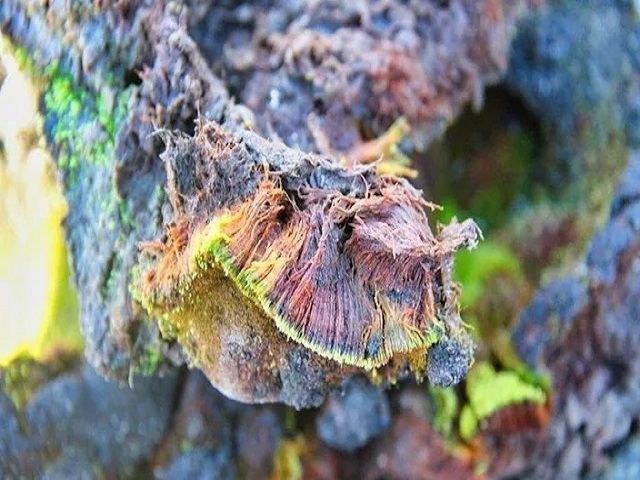
Polar biologists found a species of moss during their search to the ice-covered continent in 2017. It took scientists five years to confirm that the species had been discovered for the first time.
The Indian biologists, from the Central University of Punjab, have named the specie Bryum Bharatiensis(Bharati which means learning) . This arduous process of identification involved the collection of samples, and then five years of sequencing DNA and comparing its forms with other plants.
Prof Felix Bast, one of the six-month-long expedition scientists to the continent discovered the dark green specie at Larsemann Hills, in January 2017, while inspecting the Southern Ocean, located near Bharati, one of the remotest research stations in the world.
“The big question was that how does moss survive in this landscape of rock and ice landscape,” Prof Bast said as per the fact that plants needs nitrogen, along with potassium, phosphorus, sunlight and water to survive. Which here works with the fact that only 1% of Antarctica is ice free.
Later, scientists figured out that this moss mainly grew in areas where penguins bred in large numbers. Penguin poop contains nitrogen. “Basically, the plants here survive on penguin poop. It helps that the manure doesn’t decompose in this climate,” said Prof Bast.
Now comes the sunlight. Scientists say they still fully don’t understand and is unsure with fact that how the plants survive under thick snow during the six winter months with no sunlight and temperatures dropping to as low as -76°C.
They claim that the moss “dries up to a dormant stage, almost to a seed” at this time, further they germinate again during summer in September when they start getting sunlight again. And then the dried up moss absorbs water from the melting snow.
Later after collecting the required samples, Indian scientists spent five years sequencing the plant DNA and comparing its form with other plants.
“Antarctica is getting greenified. Many temperate species of plants that previously could not survive in this frozen continent are now seen everywhere because of the warming up of the continent,” said Prof Bast.
The scientists were highly worried about the “alarming evidence” of climate change that they saw during the inspection. They say they came across melting glaciers, crevasse-infested ice sheets and glacial melt-water lakes on top of ice sheets.
Bharati is located between Thala Fjord and Quilty Bay, in Antarctica. The specie has been named after the Indian research station called Bharati.
“The finding that Antarctica was greenifying was disturbing,” said Prof Raghavendra Prasad Tiwari, a leading biologist and the vice chancellor of the Central University of Punjab.
This is the first time India has discovered a plant species in the four decades since it first set up a research station in the continent. A proud moment for Indians.
Petrol, diesel prices hiked again

The petrol price has been increased by 35 paise in Delhi, while diesel saw an increase of 26 paise. This was the seventh hike of this month, according to price notification by the oil retailers.
Bhopal became the first city where petrol prices touched Rs. 100, thereafter cities like Jaipur, Mumbai, Hyderabad, and Bengaluru also sold petrol for Rs.100. In the country’s national capital, petrol prices scaled to Rs. 100 on July 7,2021.
Petrol now costs over Rs.100 in 18 states and UT’s – Rajasthan, Maharashtra, Karnataka, Odisha, Ladakh, Punjab, Sikkim, Delhi, West Bengal, Nagaland, Jammu and Kashmir and Telangana.
The central and taxes make up for 60% of the retail selling price of petrol and over 54% of diesel. Centre levies Rs. 32.90 per litre of excise duty on petrol and Rs. 31.80 a litre on diesel. The difference in prices in states occurs on account of local taxes like VAT or freight charges.
Rajasthan levies the highest VAT on petrol and diesel in the country, followed by Madhya Pradesh, Maharashtra, Andhra Pradesh, and Telangana.
Here are the list of petrol and diesel prices in the states of India:
Delhi: Petrol prices – Rs. 100.91 per litre; diesel prices – Rs. 89.88 per litre
Kolkata: Petrol prices – Rs. 101.01 per litre; diesel prices – Rs.92.97 per litre
Mumbai: Petrol prices – Rs. 106.93 per litre; diesel prices – Rs. 97.46 per litre
Bengaluru: Petrol prices – Rs. 104.29 per litre; diesel prices – Rs. 95.26 per litre
Chennai: Petrol prices – Rs. 101.67 per litre; diesel prices – Rs. 94.39 per litre
Hyderabad: Petrol prices – Rs. 104.86 per litre; diesel prices – Rs. 97.96 per litre
Jaipur: Petrol prices – Rs. 107.74 per litre; diesel prices – Rs. 99.02 per litre
Thiruvananthapuram: Petrol prices – Rs. 102.89 per litre; diesel prices – Rs. 96.47 per litre
Patna: Petrol prices – Rs. 103.18 per litre; diesel prices – Rs. 95.46 per litre
Bhopal: Petrol prices – Rs. 109.24 per litre; diesel prices – Rs. 98.67 per litre
Chandigarh: Petrol prices – Rs. 97.04 per litre; diesel prices – Rs. 89.51 per litre
Bhubaneswar: Petrol prices – Rs. 101.37 per litre,
diesel prices – Rs. 97.67 per litre
Srinagar: Petrol prices – Rs. 103.77 per litre, diesel prices – Rs. 93.49 per litre
This was the 39th hike in fuel prices since 4th May. The price of petrol has risen by Rs. 10.51 per litre and diesel by Rs. 9.09 per litre.
Keezhadi Nanotechnology
If you believe that if I say Tamil people developed Nanotechnology 2600 years ago. Yes, it is true. Researches say that the pots which the tamil people used then, was coated using Nanotechnology. This blog is going to be about the carbon nanostructures that were found in Keezhadi. Scientists found the 2600 years old earthenwares in Keezhadi coated with carbon nanotubes. Carbon nanotubes have high thermal and electrical conductivity and very high mechanical strength and also very light in weight.
Many may have heard about Keezhadi, the archeological site which portrays the rich civilization of Tamil people in the sixth century BC. Many steps of excavation was made in Keezhadi. Huge remains of pottery were found. When scientists experimented on the pot remains, they found a unique black coating over it. They also discovered that Carbon Nanotubes were in the black coating. These were the oldest known nanostructures on the Earth right now.
In the modern era, Carbon Nanotubes was developed in 1991 which is called CNT. From 1991 to 2006, in America, more than 4500 applications for getting patent rights for Nanotubes have been submitted. This data is from a Scientific paper.
A graphite consists of layers of Graphene laid one over the other. If a single layer Graphene is taken and folded cylindrically/ round, then it is called Carbon Nanotubes. These Carbon Nanotubes and Graphene comes under SP2 bond type. Diamond cones under SP3 bond type. So Carbon Nanotubes and Graphene are tougher than diamonds. So Carbon Nanotubes and Graphene are called as “Wonder Material” by the scientists. Nanotube is used in the Bullet proof vests.
How many types does the Carbon Nanotubes consist of?
Carbon Nanotube has three typpes – Armchair CNT, Zigzag CNT and Choral CNT. The direction in which they are shaped will determine the type. After they have completed a Nanotube it is called Single-Walled Carbon Nanotubes (SWCNT). If there are layers of these, then it is called Multi-Walled Carbon Nanotube (MWCNT).
Can these SWCNT or MWCNT created naturally?
There are scientific papers released in 2008 and 2017. In any of those, there is no proof that they occured naturally. So according to science, the possibility for Nanotubes to occur naturally is very low. So one should have helped the process in the ancient era. An external force in specific level is required for its formation. A paper in 2008 says that from 2020 to 2025, the carbon nanotubes would be a billion dollars business. Such a precious material is found in Keezhadi now. But no one is ready to talk about it. But we should know about our history.
Gravity is science. But it existed for billions of years. When a person named it as “Gravity” it was changed into a Scientific term but still it is a Natural Occurance. That is the Reality. The Tamils in Ancient times were dependent on nature. Their way of using Nature to their will was unique. They thought about how to use it to improve their lifestyle. The Tamils were one step ahead of research. So the Tamils in the ancient times knew that Carbon Nanotubes and Graphene were the toughest materials which were very high electrical and heat conductors. Take only the toughness property. So Tamil people who lived 2600 years ago, needed the toughest material available on Earth. Tamils had metals. But they had clay in large quantities. The Tamils wanted to toughen up the clay. So they built aypots but it broke soon. So they discovered that to toughen up the claypots, they should heat them. These heated pots were not so tough. Now they wanted a coating to be done upon the pots. So through trial and error method they did a coating in the claypots. They would have spent many years to complete the research. After many trials with many materials which resulted in failures, the Tamils would have developed the carbon nanotubes.
How many degrees Celsius was required?
Nearly 1100° to 1400° Celsius. In these extreme conditions only, they could have created the Carbon Nanotubes. The Scientists of today say that the materials used for coating may be Carbon rich materials. So when we say Carbon rich materials, it could be Vegetable oil or any other material. When it is combined with the claypots under extreme heat, the carbon nanotubes may be created. The claypots would consist of Iron content. So iron and carbon together may produced Carbon Nanotubes, a material which is 200 times tougher than steel. So through this method, the ancient Tamils would have created Carbon Coated claypots which lasted for many years. Due to the toughness of carbon nanotube, the claypots has been discovered as Archaeological remains in Keezhadi.
Yogi proposes two children policy
The UP law panel has a draft of a proposed law aired on controlling population of the state. The up government proposed that if one has more than two children ,they won’t receive any subsidiary from government . Futhermore ,they will be ineligible for taking part in election as well as in giving government exams .Their are various restrictions on who have more than two children.The draft has several perks for one who decided to have one child .They will be given free healthcare facilities and insurance until he/she attains the age of 20.Those will have two children will be given paid maternity and paternity leave of 12 months with free healthcare insurance and facilities.
LINUX

After it’s first launch , thousands of programmers and users got attracted towards LINUX . Today we can say that Linux is the first choice of millions of people all over the globe . It is different from other operating systems as it comes with a host of positive developments . This is because of what LINUX offers to users and programmers , such as scalability , security , consistency , user friendliness , freedom and non pirated enterprise software . Many of the advantages of Linux are an aftermath of its origins , deeply rooted in UNIX .
Linux is Free : Linux is a freely distributable operating system . The first thought that comes to mind is what does free means . When we say Linux is free that does not mean it is always free of cost . Here , free implies the freedom to work . You can download the Linux for free from Internet , without registration and without going into per user per year kind of licensing . You are free to use , free to customize , free to modify , free to distribute and also free to brand your modified variant . Modification is possible because its source code is freely available . This makes the Linux free . It has already been explained that no licensing is required for Linux . Again , this does not mean that there is no license . Like any other software Linux also has a license . Linux comes with GNU Public License (GPL) . The license states that anybody who may want to use and apply Linux can do so . Anybody has the right to change Linux and eventually redistribute a changed version , on the condition that he makes available the code after redistribution . In other words we can say that you are always free to grab a kernel image , for any of your functionality as long as your client can still have a copy of that code .
Linux is Hardware Independent : Linux is compatible with nearly all available hardware . As mentioned in the previous section , its source code is freely downloadable and that also comes with the GPL license , you are free to follow the documentation available and customize so as to work with your unsupported hardware . This makes the Linux hardware independent .
Linux is Secure : Linux has proven , beyond doubt , the sound security level it offers . This security aspect is the key feature of Linux and its security model is entirely based on UNIX , which we all know is very robust and of proven quality . In Linux , security is not only restricted to the security from internet threats but it is also very much secure from other system related breaches or malpractices . Linux offers security at all levels , such as User level , Application level , System level , Device level , Inner threats , External threats .
Linux is Scalable : When Linux was in the gestation process , its creators wanted to make an operating system that was extensively suitable for any application , any hardware , and any process . They wanted it to work with computers with high power and capacities like of super computers , mainframes , and with computer for personal use like PCs , laptops and even with computers of limited resources like Palmtop , PDAs , etc., so that Linux fits everywhere .
Places to visit in ICELAND

Hello guys!Today I am going to tell you guys about some of the places to visit in ICELAND.
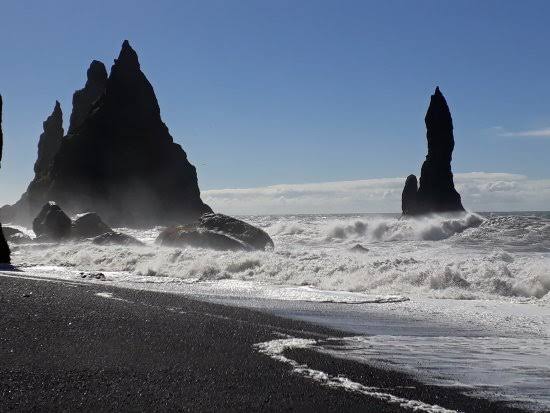
1) Reynisfjara is a world-famous black-sand beach found on the South Coast of Iceland, just beside the small fishing village of Vík í Mýrdal.
2) Skaftafell is a nature reserve located in Vatnajökull National Park in the South East of Iceland. It is an oasis of this nation’s diverse landscapes and features, so beautiful it was once a national park in its own right.
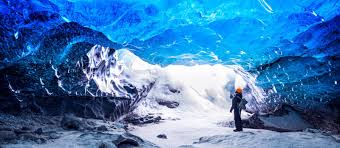
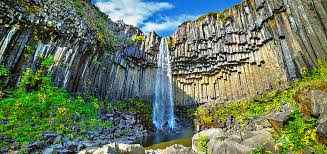
3) Mývatn is the shallow lake which is also dotted with volcanic islands and is surrounded by numerous craters, hot springs, and a variety of lava formations
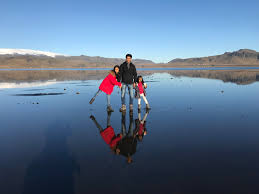
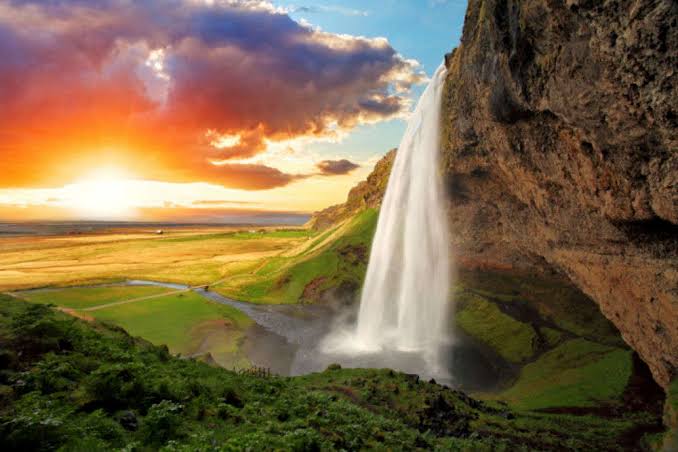
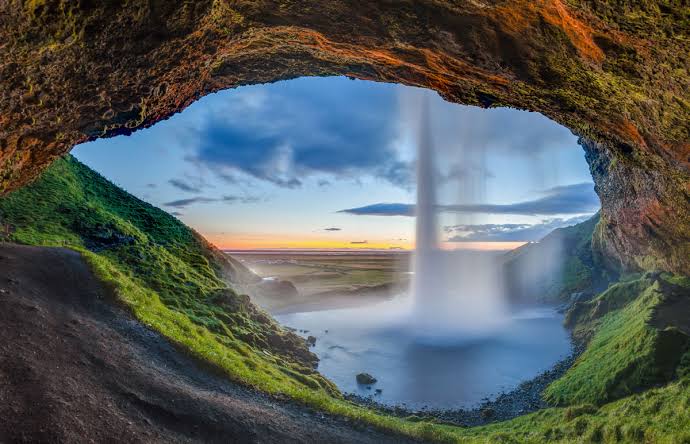
4) Seljalandsfoss waterfall -The waterfall is located between Skógafoss and Selfoss on the Ring Road of Iceland. It drops dramatically from a cliff that is over 60 m high. It is one of the few waterfalls in the world where it is possible to walk behind the fall and observe the water falling off the cliff in front of your eyes.
5) Jökulsárlón Ice lagoon -In Southeast Iceland, you’ll find a glacier lagoon filled with icebergs. This ice lagoon has become one of Iceland’s most popular attractions due to its stunning beauty. The lagoon is called , or ‘Glacier’s-River-Lagoon.’
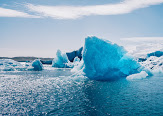
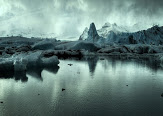
The above mentioned are some of the places that you can visit in ICELAND.
Featured pic from Britannica.com
Thankyou^^.
Failures and shortcomings outweigh benefits:RERA
• Background:
•Indian Real Estate sector- largely unregulated till 2016.
Unfair practices affecting the homebuyers adversely.
Need to regulate the sector to ensure transparency and accountability.
Real Estate (Regulation and Development) Act, 2016 (RERA)
• For reforming the sector, encouraging greater
transparency, citizen centricity, accountability
and financial discipline.
• An Act to establish the Real Estate Regulatory Authority and an Appellate Tribunal.
• Objective: To ensure regulation and promotion of
real estate sector in an efficient and transparent manner; protect the interest of the home buyers.
Key provisions of RERA
• States shall establish the Real Estate Regulatory Authority.
Two or more States or UTs may establish one single Authority.
Govt may establish more than one Authority in a State or UT.
• 31 States/Uts – notified rules under RERA.
• 30 States/Uts – set up Real Estate Regulatory
Authority.
• 24 States/Uts – set up Real Estate Appellate Tribunal.
• Composition: a chairperson and not less than two whole time Members
Selection Committee: Chief Justice of the HC/nominee; Dept Secretary dealing with
Housing and the Law Secretary.
Removal: Only through an order made by the State- after an inquiry made by a Judge of the High Court
removal Grounds for : adjudged as an insolvent; convicted of an offence involving moral turpitude; became physically or
mentally incapable etc

Real Estate Appellate Tribunal
• A person aggrieved by order of the Authority-
may appeal before it.
• Advantages: Timely delivery of apartments to
buyers, online availability of accurate details of a project, mandatory clearances and after sales services.
• Disadvantages: Many projects outside the
ambit of the law; lack of transparency on the
RERA website.
Virgin Galactic’s SpaceShipTwo Unity 22 launch with Richard Branson: Here’s when to watch and what to know.
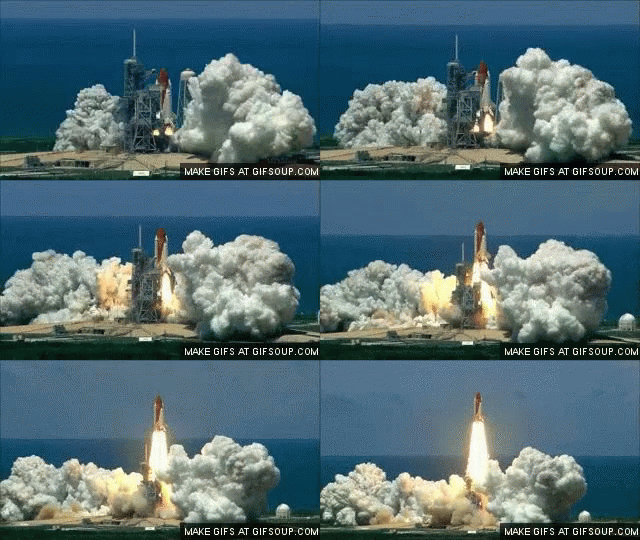
On July 11, Virgin Galactic will make a giant leap toward commercial suborbital spaceflight. The company will launch its first fully crewed flight of its SpaceShipTwo space plane Unity with a special passenger on board: the company’s billionaire founder Richard Branson.
Branson, three crewmates and two pilots will launch on the historic flight after being carried into launch position by Virgin Galactic’s carrier plane VMS Eve. They will take off from the company’s homeport of Spaceport America in New Mexico, with a live webcast chronicling the flight. Here’s everything you need to know about the mission, which Virgin Galactic has dubbed Unity 22.
Related: How to watch Virgin Galactic launch Richard Branson to space
More: How Virgin Galactic’s SpaceShipTwo works (infographic)
WHAT TIME IS VIRGIN’S GALACTIC LAUNCH & AND CAN I WATCH?
Virgin Galactic has not released a specific time for the actual Unity 22 launch, but the company has announced it will begin webcasting the mission at 9 a.m. EDT (1300 GMT). And it looks like it’s going to be fun. The crew will walk out to the ship about an hour earlier.
Stephen Colbert, host of The Late Show on CBS, will host the webcast along with singer Khalid (who will debut a new single during the launch), former Canadian Space Agency astronaut Chris Hadfield and future Virgin Galactic astronaut Kellie Gerardi, who will launch on a research flight in 2022.
The webcast will begin with the Unity spacecraft and its carrier plane taking off from its runway at Spaceport America, which is located 55 miles (88 kilometers) north of Las Cruces, New Mexico.
Branson has stated that the entire flight will take about 90 minutes, including the ascent up to launch position, release, flight to space and glide back to Earth for a runway landing at Spaceport America.
Virgin Galactic will launch six people on the Unity 22 flight, although the spacecraft is designed to carry up to eight people (two pilots and six passengers).
Unity 22’s crew includes four mission specialists:
- Sirisha Bandla, Vice President of Government Affairs and Research Operations at Virgin Galactic. She will evaluate the human-tended research experience via an experiment from the University of Florida that requires several handheld fixation tubes to be activated at various points in the flight profile.
- Colin Bennett, Lead Operations Engineer at Virgin Galactic. He will evaluate cabin equipment, procedures and the experience during the boost phase and weightless environment inside Unity.
- Sir Richard Branson, founder of Virgin Galactic. Branson will evaluate the private astronaut experience. He will receive the same training, preparation and flight as Virgin Galactic’s future ticket-buying astronauts and use the flight to fine ways to enhance the experience for customers.
- Beth Moses, Chief Astronaut Instructor at Virgin Galactic. She will serve as cabin lead and test director in space. Her tasks include overseeing the safe execution of the test flight objectives. Moses has launched on Unity before.
Two veteran Virgin Galactic pilots will be at the helm of Unity during the launch. They have both launched to space on Unity before and are:
- Dave Mackay: Mackay is Virgin Galactic’s chief pilot and grew up in the highlands of Scotland. He is a former Royal Air Force pilot and flew for Branson’s airline company Virgin Atlantic before joining Virgin Galactic.
- Michael Masucci: Michael “Sooch” Masucci is a retired U.S. Air Force colonel who joined Virgin Galactic in 2013 who racked up over 9,000 flying hours in 70 different types of airplanes and gliders during more than 30 years of civilian and military flight.
Two other pilots will fly the VMS EVE carrier plane that will carry SpaceShipTwo into launch altitude. They are:
- Frederick “CJ” Sturckow: A former NASA space shuttle commander who joined Virgin Galactic in 2013 with Masucci. A retired Marine Corps colonel, he was the first NASA astronaut to join the company and flew four space shuttle missions.
- Kelly Latimer: Latimer is a test pilot and retired lieutenant colonel in the U.S. Air Force who joined Virgin Galactic’s pilot corps in 2015. She was the first female research test pilot to join what is now NASA’s Armstrong Flight Research Centre.
The primary objective for Unity 22 is to serve as a test flight for future passenger flights by Virgin Galactic. As its number suggests, this will be the 22nd flight of Unity, but only its fourth launch to space.
The four mission specialists will each evaluate different experiences that Virgin Galactic has promised its future customers, many of whom have already reserved trips to space with the company at $250,000 a seat.
Bandla, for example, will test the experience of performing experiments aboard Unity during different phases of the flight, including the weightless period. Branson will take note of the flight as a paying passenger to look for ways to enhance the trip for ticket holders looking for the experience of a lifetime.
Related: The long road to spaceflight for Virgin Galactic and Blue Origin
Moses is Virgin Galactic’s Chief Astronaut Trainer and will ensure everyone is safe in their tests while Bennet will examine Unity’s cabin performance to look for potential enhancements.
This mission is a critical flight or Virgin Galactic, which Branson founded in 2004. VSS Unity is the company’s second SpaceShipTwo after the first, VSS Enterprise, broke apart during a 2014 test flight, killing one pilot and seriously injuring another. Virgin Galactic has made numerous safety upgrades to prevent such an accident from happening again.
The mission will begin with takeoff from Spaceport America, where Virgin Galactic has built its “Gateway to Space” terminal to serve its future customers. The crews of Unity and Eve will walk out to their vehicles at about 8 a.m. EDT (6 a.m. local time, 1200 GMT). They’ll be wearing custom Under Armour flight suits made for Virgin Galactic.
After takeoff, the carrier plane VMS EVE will haul the SpaceShipTwo VSS Unity (short for Virgin Space Ship) to an altitude of about 50,000 feet (15,000 meters), when it will drop the the spacecraft.
In Photos: Virgin Galactic’s Sleek Under Armour Spacesuits for Space TouristsAdvertisement

After separation, Unity will ignite its hybrid rocket motor, which uses a mixture of solid and liquid propellant, to begin the boost phase. This will carry Unity to its target altitude above 50 miles (80 kilometers), where the pilots and crew can expect up to 4 minutes of weightlessness. They will exist their seats and enjoy sweeping views of the Earth below through the many round windows that dot the space plane’s fuselage.
After that short encounter with weightlessness, the crew will climb back into their seats as Unity prepares to return to Earth. Pilots Mackay and Masucci will have “feathered” the spacectraft’s twin tail booms to provide stability during atmospheric reentry.
The feathered tail will then be locked back into place for the glide back to Earth, which will end with a runway landing at Spaceport America. The entire flight, from takeoff to landing, should last about 90 minutes, Branson has said.
WILL VIRGIN GALACTIC REALLY REACH SPACE WITH UNITY 22?
Virgin Galactic will launch Unity to an altitude above 50 miles (80 km), which NASA, the Federal Aviation Administration and the U.S. military classify as space. They will earn astronaut wings for reaching that height.
Another widely recognized boundary of space, the Kármán line, is at an altitude at 62 miles (100 km) above Earth. The SpaceShipTwo VSS Unity won’t reach this milestone, which has led Virgin Galactic’s competitor Blue Origin (which does fly higher than 62 miles) to call out Virgin Galactic for missing that mark.
Richard Branson has downplayed that criticism and saying that “the actual difference in experience is going to be almost non-existent,” in an interview with NPR’s Leila Fadel.
WHERE DOES VIRGIN GALACTIC LAUNCH SPACESHIPTWO FROM?
Click here for more Space.com videos…Sorry, the video player failed to load.(Error Code: 101102)Advertisementhttps://e42edf55977935dba9fbedb9fb4dde49.safeframe.googlesyndication.com/safeframe/1-0-38/html/container.html
Virgin Galactic initially launched SpaceShipTwo test flights from the company’s facilities at Mojave Air and Space Port in California. However, in 2020 the company moved Unity and its carrier craft to its permanent home at Spaceport America, where it plans to fly regular passenger flights beginning in 2022.
Spaceport America is located near Las Cruces, New Mexico and is home to Virgin Galactic’s “Gateway to Space” terminal, a welcome center and waiting room for ticketed passengers preparing for trips to space. It also sports a large hangar designed to fit multiple SpaceShipTwo spaceplanes and the VMS Eve. Virgin Galactic has also built a new vehicle, the SpaceShip III VSS Imagine.
WHEN COULD I LAUNCH TO SPACE WITH VIRGIN GALACTIC?
Click here for more Space.com videos…Sorry, the video player failed to load.(Error Code: 101102)
If you booked a trip with Virgin Galactic early and have one of the first reservations, you may get your chance to fly in space as early as 2022. If not, there’s a long wait ahead. And that’s assuming you can afford the $250,000 ticket price.
Virgin Galactic has said it plans to begin passenger launches in 2022 after a series of final test flights in 2021. The company does have hundreds of reservations for customer flights in backlog from eager would-be astronauts that have been waiting for over 17 years (since Richard Branson first announced Virgin Galactic in 2004) for the SpaceShipTwo to finally fly. The company paused taking new reservations after the 2014 accident.
Virgin Galactic is expected to resume taking reservations for “a limited number of tickets for future spaceflights” sometime this year, according to its website.
Environment Protection Act -1986
The constitution of India clearly states that it is the duty of the state to “protect & improve the environment and to safeguard the forests & wildlife of the country”. The department of environment was established in India in 1980. this later became the Ministry of environment & forests in 1985. The EPA (Environment Protection Act), 1986 came into force soon after the Bhopal gas tragedy & is considered an umbrella legislation as it fills many gaps in the existing laws. Thereafter a large number of laws came into existence as the problems began arising, or example, handling and management of hazardous waste rule in 1989.
An Act to provide for the protection and improvement of Environment. Whereas the decisions were taken at the United Nations Conference on the Human Environment held at Stockholm in June, 1972, in which India participated, to take appropriate steps for the protection & improvement of human environment.
Objective
- Providing for the protection & improvement of the environment.
- Preventing environmental pollution in all its forms.
- To tackle specific environmental problems that are peculiar to different parts of the country.
- To co- ordinate the activities of the various regulatory agencies already in existence.
- To appoint environment officers to check environmental pollution.
- To improve the quality of life by protection of environment.
- Establishing environmental laboratories. To protect the forests & wildlife in the country.
SCHEME OF THE ACT
The Environment (Protection) Act, 1986 has 26 Sections & it has been divided into four chapters relating to, 1.Preliminary 2.General Powers of the central Government. 3.Prevention, Control, & Abatement of Environmental Pollution. 4.Miscellaneous.
PRELIMINARY : •Short Title, Extended & Commencement. •Definitions
Short Title, Extended & Commencement
The environmental protection act (1986) enacted under article 253 of the Indian constitution. To protect & improve environmental quality, control & reduce pollution from all sources. 1.This act may be called the Environmental (Protection) Act, 1986. 2.It extends to the whole of India.
IMPORTATNT DEFINATIONS
- Environment
- Environmental Pollutant
- Environmental Pollution
- Handling
- Hazardous Substance
- Occupier
GENERAL POWERS OF THE CENTRAL GOVERNMENT
- Planning and execution of a nation-wide program for the prevention, control and abatement of environmental pollution.
- Restriction of areas in which any industries, operations or processes or class of industries, operations or processes shall not be carried out or shall be carried out subject to certain safeguards.
- Laying down procedures and safeguards for the handling of hazardous substances
- Examination of such manufacturing processes, materials and substances as are likely to cause environmental pollution.
- Carrying out and sponsoring investigations and research relating to problems of environmental pollution.
- Establishment or recognition of environmental laboratories and institutes to carry out the functions entrusted to such environmental laboratories and institutes under this Act.
RULES TO REGULATE ENVIRONMENTAL POLLUTION
- The standards of quality of air, water or soil for various areas and purposes
- The maximum allowable limits of concentration of various environmental pollutants (including noise) for different areas
- The procedures and safeguards for the handling of hazardous substances
- The prohibition and restrictions on the handling of hazardous substances in different areas
- The prohibition and restriction on the location of industries and the carrying on process and operations in different areas
- The procedures and safeguards for the prevention of accidents which may •cause environmental pollution and for providing for remedial measures for •such accidents.
PREVENTION, CONTROL, AND ABATEMENT OF ENVIRONMENTAL POLLUTION
- Persons carrying on industry operation, etc., not to allow emission or discharge of environmental pollutants in excess of the standards.
- Persons handling hazardous substances to comply with procedural safeguards
- Furnishing of information to authorities and agencies in certain cases
- Powers of entry and inspection
- Power to take sample and procedure
PUNISHMENTS
One of the objective of EPA is provide for deterrent punishment to those who endanger human environment safety & health. Section 15 of EPA provides that any person who fails to comply or contrivance any provision or rule or act he shall be punishable. With a fine of 1 lakh. with imprisonment for term for 5 years. or both
A NECESSARY REVOLUTION.
An incapable, corrupted Government has always been considered a major reason for shortcomings in growth of our country. Innumerable debates are regularly put forward by citizens, officials, media and opposition against the decisions and steps taken by existing government. Despite the presence of years of mistrust and distress between Indian Government and it’s citizens, the Commencement of governance of Narendra Modi enlightened a ray of hope within the residents. Ever since, Mr. Narendra Modi came into power he has constantly been into the limelight , be it for his appreciable deeds or sometimes the trolled one. But one fact about his rule within all this time has remained common. That is., CHANGE which not just included some petite conclusions of his’s but a big bowl of immensely astonishing and striking shocks for whole of the Country. And here came yet another tremendous move by BJP ( Bhartiya janta party) officials. A wholesome Cabinet Reshuffle and expansion of PM Narendra Modi led government took place a few days back.

Descriptions In Detail
On 7th July, 2021. A total of 43 ministers in the Union Cabinet expansion took an oath at the Rashtrapati Bhavan. The President Of India Mr. Ramnath Govind welcomed a great number of new ministers as well as rearranged positionings of various existing Council of ministers. Along with that, a major buzz was created at the news of resignation by Ministers of Four one of the most important departments including Health Minister Harsh Vardhan, Chemicals and Fertilizers Minister D V Sadananda Gowda, Labour Minister Santosh Gangwar and Education Minister Dr Ramesh Pokhriyal Nishank. The reports state that PM modi now has 77 nee ministers and almost around half of them i.e. 36 ministers are new to the ministry. BJP has now set a record of having highest number of members from Other backward classes, by inculcating about 27 members from Other backward classes out of which 12 belong to SC/ST castes. Each of these members belong to different origins and category of classes. According to a reliable source, the council will now have a sum of 11 females too.Out of all these members, 68 ministers are graduates and Professionals comprising of 13 lawyers, 6 doctors, 5 engineers, 7 Civil Servants, 7 Phd holders and 3 MBAs. Another fact is that under this list the minimum age of a minister has decreased upto 38-40 years old.
Here’s the complete List of all the reshuffled ministers with the positions assigned to them;
Cabinet Ministers
1. Narayan Rane
2. Sarbananda Sonowal : Ports and Shipping, AYUSH Ministry.
3. Dr Virendra Kumar
4. Jyotiraditya Scindia : Civil Aviation.
5. Ramchandra Prasad Singh : Steel Ministry.
6. Ashwini Vaishnav : Railways, Communication & Electronics and Information Technology.
7. Pashu Pati Kumar Paras: Minister of Food Processing Industries.
8. Kiren Rijiju : Law and Justice Ministry.
9. Raj Kumar Singh : Power and Ministry of New and Renewable Energy.
10. Hardeep Singh Puri : Petroleum, Housing and Urban Development.
11. Mansukh Mandaviya : Chemicals and Fertilizers, Health Ministry.
12. Bhupender Yadav
13. Parshottam Rupala
14. G Kishen Reddy
15. Anurag Thakur : Information & Broadcasting and Sports.
Ministers of States
16. Pankaj Choudhary (Minister of State in the Ministry of Finance) .
17. Anupriya Singh Patel (Minister of State in the Ministry of Commerce and Industry).
18. Satya Pal Singh Baghel (Minister of State in the Ministry of Law and Justice).
19. Rajeev Chandrasekhar (Entrepreneurship; and Minister of State in the Ministry of Electronics and Information Technology).
20. Shobha Karandlaje (Minister of State in the Ministry of Agriculture and Farmers Welfare).
21. Bhanu Pratap Singh Verma (Minister of State in the Ministry of Micro, Small and Medium Enterprises).
22. Darshana Vikram Jardosh (Minister of State in the Ministry of Textiles; and
Minister of State in the Ministry of Railways).
23. Meenakshi Lekhi (Minister of State in the Ministry of External Affairs; and
Minister of State in the Ministry of Culture).
24. Annpurna Devi (Minister of State in the Ministry of Education).
25. A Narayanaswamy (Minister of State in the Ministry of Social Justice and Empowerment).
26. Kaushal Kishore (Minister of State in the Ministry of Housing and Urban Affairs).
27. Ajay Bhatt (Minister of State in the Ministry of Defence; and Minister of State in the Ministry of Tourism).
28. BL VermaMinister of State in the (Ministry of Development of North Eastern Region; and Minister of State in the Ministry of Cooperation).
29. Ajay Kumar (Minister of State in the Ministry of Home Affairs).
30. Chauhan Devusinh (Minister of State in the Ministry of Communications).
31. Bhagwanth Khuba (Minister of State in the Ministry of New and Renewable Energy; and Minister of State in the Ministry of Chemicals and Fertilizers).
32. Kapil Moreshwar Patil (Minister of State in the Ministry of Panchayati Raj).
33. Pratima Bhoumik (Minister of State in the Ministry of Social Justice and Empowerment).
34. Subhas Sarkar (Minister of State in the Ministry of Education).
35. Bhagwat Kishanrao Karad (Minister of State in the Ministry of Finance).
36. Rajkumar Ranjan Singh (Minister of State in the Ministry of External Affairs; and Minister of State in the Ministry of Education).
37. Bharati Pravin Pawar (Minister of State in the Ministry of Health and Family Welfare).
38. Bishweswar Tudu (Minister of State in the Ministry of Tribal Affairs; and
Minister of State in the Ministry of Jal Shakti).
39. Shantanu Thakur (Minister of State in the Ministry of Ports, Shipping and Waterways).
40. Dr Munjapara Mahendrabhai (Minister of State in the Ministry of Women and Child Development; and Minister of State in the Ministry of AYUSH).
41. John Barla (Minister of State in the Ministry of Minority Affairs).
42. Dr L Murugan (Minister of State in the Ministry of Fisheries, Animal Husbandry and Dairying; and Minister of State in the Ministry of Information and Broadcasting).
43. Nishith Pramanik (Minister of State in the Ministry of Home Affairs; and Minister of State in the Ministry of Youth Affairs and Sports).
Everything Have it’s Pros and Cons
According to a reliable source, A new report formed by the Association of for Democratic reforms (ADR) poll rights group says, that out of these new team of ministers 42% that is., 33 ministers have had Criminal cases against them. Out of these 24 have declared serious cases against them inclusive of murder, attempt to murder and robbery. Moreover, 90% of them are into Millionaires they hahavtotal assets amounting to 1 crore and above. While this huge step and the positive points about even distribution of authorities within ministers gave hopes for better growth opportunities, the ADR reports yet again drag down the expectations. However, Future is unpredictable and so is the Government. Thus, all left with common man to do is await and pray for decisions to work in their favour.
Current trends of serverless computing.

Developers spend countless hours solving business problems with code. Then comes a never ending part where ops team’s turn to spend countless hours figuring out how to get the code that developers write up and running on whatever computers are available and making sure those computers operate smoothly. Serverless computing represents an enhancement of cloud programe models, abstraction, and platforms, and is a command to the attainment and wide acceptance of cloud technologies.
What is serverless computing?
Serverless computing is a cloud computing implementation model in which the cloud provider deals with machine resources on demand, taking care of the servers on behalf of their customers. It does not hold resources in volatile memory; computing is rather done in short bursts with the results persisted to storage. When an app is not in use, there are no computing resources allocated to the app. It is an execution model for the cloud in which Some of the Common languages supported by serverless runtimes are Java, Python and PHP. Amazon’s AWS Lambda was the first serverless platform and it defined several key dimensions including cost, programming model, deployment, resource limits,security, and monitoring. Supported languages include Node.js, Java, Python, and C programming. Initial versions had limited composability but this has been addressed recently.

Current trend
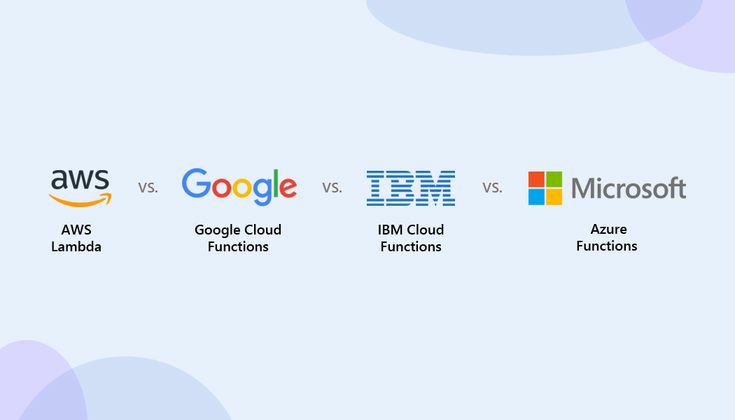
1.Google Cloud Functions : It provides basic FaaS functionality to run serverless functions written in Node. The functionality is currently limited but expected to grow in future versions.

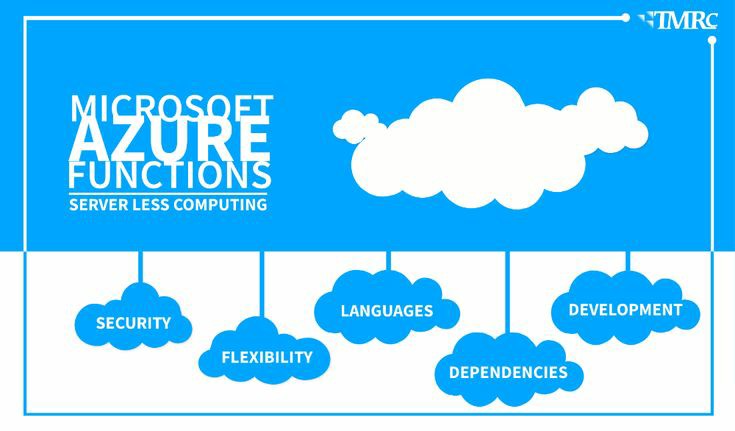
2.Microsoft Azure Functions : It provides HTTP webhooks and integration with Azure services to run user provided functions. The platform supports C , Node.js, Python, PHP, bash, or any executable. The runtime code is open-source and available on GitHub under an MIT License. To ease debugging, the Azure Func-tions CLI provides a local development experience for creating, developing, testing,running, and debugging Azure Functions.
3.IBM OpenWhisk provides event-based serverless programming with the ability to chain serverless functions to create composite functions. It supportsNode.js, Java, Swift, Python, as well as arbitrary binaries embedded in a Docker Container. OpenWhisk is available on GitHub under an Apache open source license.Besides There are several serverless projects ranging from open source projects to vendors that find serverless a natural fit for their business. OpenLambda is an open source serverless computing platform. The source code is available in GitHub Lunder an Apache License. It’s paper outlines a number of challenges around performance such as supporting faster function startup time for heterogeneous language runtimes and across a load balanced pool of servers, deployment of large amounts of code, supporting stateful interactions (such as HTTP sessions), etc
4.AWS Lambda: It is a serverless compute service that lets you run code without provisioning or managing servers, creating workload-aware cluster scaling logic, maintaining event integrations, or managing runtimes. With Lambda, you can run code for virtually any type of application or backend service – all with zero administration. Just upload your code as a ZIP file or container image, and Lambda automatically and precisely allocates compute execution power and runs your code based on the incoming request or event, for any scale of traffic. You can set up your code to automatically trigger from over 200 AWS services and SaaS applications or call it directly from any web or mobile app. You can write Lambda functions in your favorite language (Node.js, Python, Go, Java, and more) and use both serverless and container tools, such as AWS SAM or Docker CLI, to build, test, and deploy your functions.
Advantages
1.No infrastructure to maintain :Serverless computer services, which are small snippets of code meant to execute a single function are executed on pre-existing servers that run functions for countless other customers as well. Since you’re literally using someone else’s computer to execute your serverless functions, there’s no infrastructure to maintain it.
2.No costs : when functions aren’t running As Hacker Noon points out, the costs associated with serverless computing are minimal compared to other cloud services. Access authorization, presence detection, security, image processing, and other costs associated with operating a server, whether physical or virtual, are eliminated under a serverless model. In short, serverless functions can be dirt cheap, and if they aren’t being spun up for use, you aren’t paying anything.
3.Infinitely scalable : Automatic scaling capability of any serverless platform worth investing in is designed to scale based on need. That’s another advantage to serverless computing as there’s never a need to partition a new cloud server or purchase additional computing power for an existing instance. All of that is handled by the serverless computing platform, leaving you with no complication outside of a slightly larger bill for additional computing time.
4.Reduced latency : Cloud flare points out that using serverless functions can greatly reduce the latency experienced by end users. Serverless functions don’t operate from an origin server, so there’s no single location that an end user’s traffic has to be directed to.
5.Reduced software complexity : Serverless computing functions don’t need to take any of that into account–the code just has to be supported by the cloud platform being used. On top of being easier to build, serverless functions require a lot less coding knowledge to build, which opens up development to those at lower skill levels. As cloud native systems inherently scale down as well as up, these systems are known as elastic rather than scalable. Small teams of developers are able to run code themselves without the dependence upon teams of infrastructure and support engineers; more developers are becoming DevOps skilled and distinctions between being a software developer or hardware engineers are blurring.
Disadvantages
1.Security issues : server that runs serverless functions runs them for myriad customers, which opens up a lot of security concerns.
2.Vendor lock-in : Building serverless functions on one platform can mean that migrating to another is difficult. Code might need to be re-written, APIs that exist on one platform may not exist. you’re going to invest in a serverless platform, be sure the vendor you’re considering has everything you need because becoming unhappy with your serverless computing provider a few months or years into your service can be a major problem.
3.Debugging is more difficult : Every time a serverless instance spins up it creates a new version of itself, and that means it’s difficult to collect data necessary to debug and fix a serverless function. Debugging serverless functions is possible, but it’s not a simple task, and it can eat up lots of time and resources.
Conclusion
Evolution of the trend towards higher levels of abstractions in cloud programming models, and currently exemplified by the Function as a Service (FaaS) model where developers write small stateless code snippets and allow the platform to man-age the complexities of scalably executing the function in a fault tolerant manner.This seemingly restrictive model nevertheless lends itself well to a number of common distributed application patterns, including compute intensive event processing pipelines. Most of the large cloud computing vendors have released their own serverless platforms.
for more information go to the link below 👇
Afghanistan- A war-torn nation
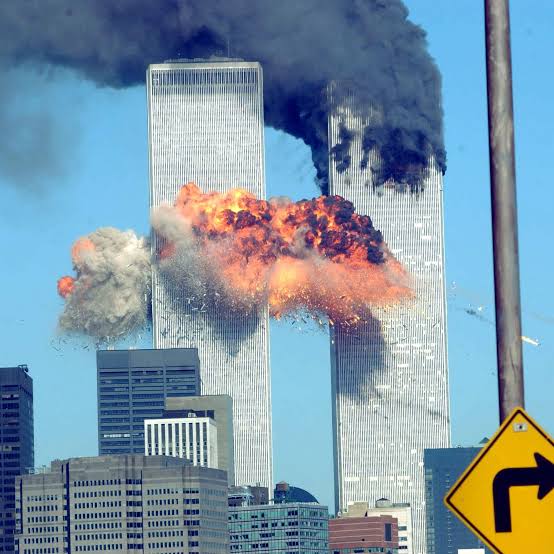
With Al-Qaeda militants carrying out coordinated attacks on American soil,also known as 9/11 Attacks and Taliban government refusing to hand over the main culprit behind these attacks ‘Osama Bin Laden’. A war was declared by US and it’s allies against terrorism and Afghanistan was invaded in 2001.
US tried it’s best to avoid the mistakes done by British & Russia (then USSR),it gained some success by driving out the Taliban government and killing the Terrorists. This whole operation have costed US more than $800 billions and more than 2300 soldiers lives. While on the other side, Afghan civilians had been caught in between this war and have suffered at the hands of both US & Terrorists (Al-Qaeda & Taliban) .
There is a popular saying about Afghanistan – ‘The Graveyard Of Empires’ for those who have tried to conquer it. Afghanistan is tough to rule, not only because of its terrain but also of the hostilities between the different tribes present there.
US Navy seals carried out a mission code-named ‘Operation Neptune Spear’ and killed Laden on 2nd May 2011 in Pakistan. US thought that by killing Laden they had achieved their goal but they were mistaken.
India aided in the overthrow of the Taliban-led government and has been the largest regional provider of humanitarian and reconstruction aid in the country. India have provided over $3 billion in assistance and every year it continues to do so.
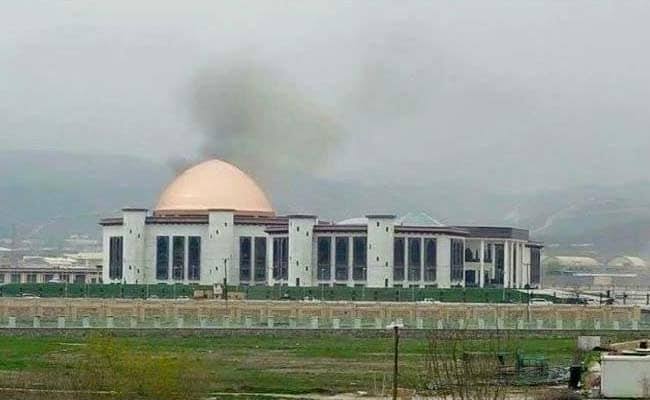
Challenges ahead for Afghanistan and it’s neighbours
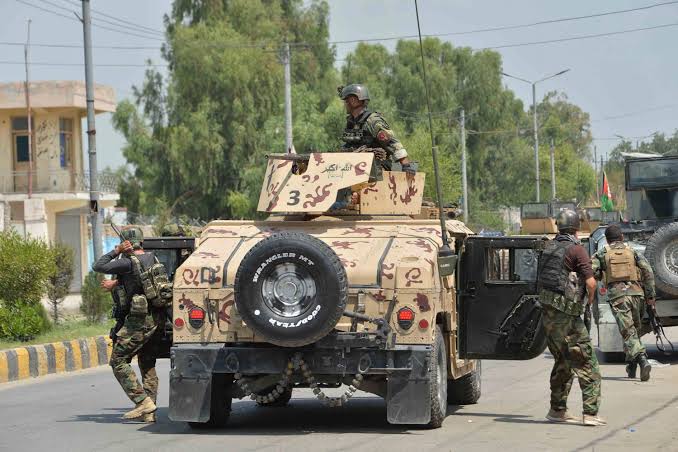
Taliban is slowly gaining pace and have formed alliance with other terror outfits to overthrow the present government. Civil war is not far, after US withdrawal. Fight is going on between Afghan security forces supported by civilians against the Taliban.
There’s little hope that Taliban will agree on the terms mentioned in peace talks . War-torn Afghanistan is now at the same stage before US invasion and onus now is on China,india,pakistan,Iran to maintain peace and provide stability in the Afghanistan.
IS VACCINE DISCRIMINATION A BARRIER TO GLOBAL TRAVEL?
Who doesn’t love travelling? Travelling is all about collecting moments and exploring the world with comfort. Especially in the times of covid, where people are home bound, there is an eager need to travel and enjoy the freedom instead of staying at home because Beyond discovery, travel broadens our understanding of the planet, other species, and cultures, and assists us in becoming better global citizens. Apart from it, many people and students are home stuck who wanted to go abroad to pursue education and get back to their respective jobs in the other countries but are stuck due to pandemic. However, many countries have opened their doors for the Indian citizens to travel in their countries but the basic requirement to travel is vaccination.
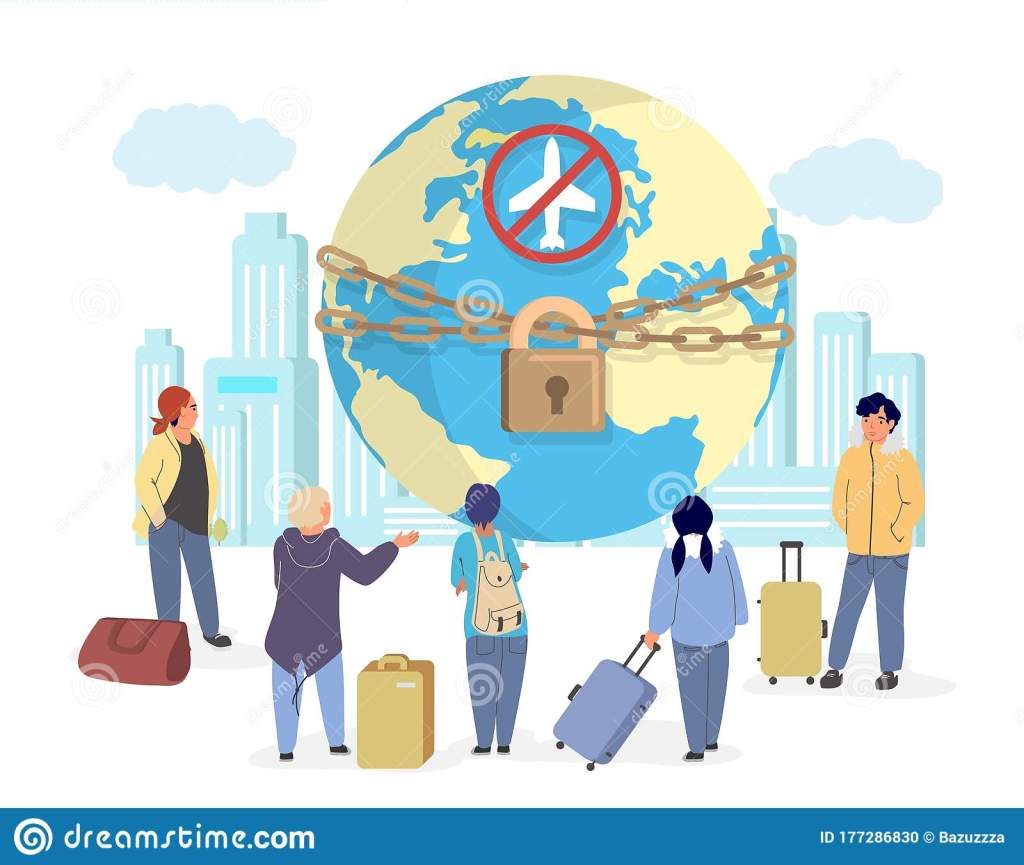
As well all know that in India Covaxin, produced in-house by Bharat Biotech in Hyderabad, and Covishield, manufactured by the Serum Institute of India in Pune, are presently being used in coronavirus inoculation program. The WHO has approved the covishield but covaxin is yet to approve. So, there are the bunch of Indian citizens who are skeptical about the approval of covaxin and hence for now, they can’t travel abroad until and unless the vaccine is not approve by world health organization. Therefore, many people are of the opinion that the test should be the main basis to travel abroad and not the jabs.
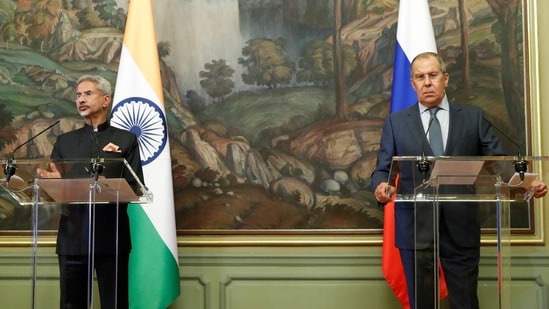
Recently, S Jaishankar, the Union’s external affairs minister, said on Friday that international travel based on coronavirus (Covid-19) testing is “good enough,” despite the fact that some nations have made vaccination mandatory, and that a deal must be reached. He said after meeting with his Russian colleague, Sergey Lavrov, during a joint news conference that “People who are tested before foreign travel and tested on arrival is a good enough foundation for travel, but other countries have recently added the problem of vaccination,”
India has previously demanded that each EU member state do so independently. Consider granting a similar exemption to those who have received Covid-19 vaccines in India, such as Covishield and Covaxin, and accepting the immunisation certificate obtained through the Cowin site. According to Jaishankar, he and Lavrov discussed how visitors from their respective nations are not “discriminated against” and how “understandings” about Indian and Russian travel to one other’s countries may be established. The continuing Covid-19 epidemic, according to the external affairs minister, has allowed Russia and India to display the strength of their collaboration, with the development of Sputnik vaccine being one of them. The Russian foreign minister also stated that both Russia and India are opposed to vaccine politicization, and that he is “sure” that the majority of nations would follow suit.
Russia’s foreign minister, Sergei Lavrov, also stated that Russia is willing to discuss the possibility of coordinating their actions related to vaccinated citizens, including certification of those who have been vaccinated, and that they can reach an agreement in this area that will serve as an example to other countries.
The Journalism and mass media


The Journalism and mass media is the graduates work nationwide and worldwide at newspapers and magazines and in advertising, branding, broadcast news, social media, marketing, media research, photojournalism, publication design, public relations, radio, and other areas.
The Journalism is the activity of gathering, assessing, creating, and presenting news and information. It is also the product of these activities. Journalism can be distinguished from other activities and products by certain identifiable characteristics and practices.
There are five types,
- investigative,
- news,
- reviews,
- columns,
- feature-writing.
The Rules Of Journalism
#1: Ask questions.
The journalist’s greatest assets is their natural curiosity. Start with the famed five W’s (and one H), then ask some more. Asking “why?” is what gets you the good stuff.
#2: Dig for the story.
If you think you’ve got the whole story, dig around some more. The most fascinating parts of the story are often just under the surface.
#3: Master the language.
As a journalist, language is your main tool. Read as much as you can and as often as you can, research odd words and archaic sayings, look at what’s behind etymology. Learn the patterns behind language and how to use them.
#4: Spelling matters.
Double-check if you aren’t sure about spelling or style (especially in the case of names), and read through messages and articles thoroughly before sending either.
#5: Know thy publication.
Before you pitch, know a publication’s style, editorial staff and content. Publications are usually more than happy to provide back-issues. If you can’t find writer’s guidelines, send a short introductory email requesting them.
#6: Contacts are your career.
Contacts (and your reputation with said contacts) are your entire career. Editors, sources and interviewees are all vital parts of the journalistic process. Without them, you’d be screwed.
#7: Once it’s off the record, keep it that way.
Trusted sources will tell you all sorts of juicy, fascinating, scandalous and personal things in your career as a journalist, often off the record. Shut up about it.
#8: Three is a golden number.
Mind the rule of threes: Have at least three reliable, corroborating sources for every fact; three interviewees for every article; and read through a piece at least three times before you sit down to change a comma – that’s at least.
#9: Rejection is opportunity.
Getting a story rejected means you’ve just opened up a line of communication with a new editor – congratulations. Pitch again. Rejection also gives you a chance to sell the story elsewhere: Sometimes rejection just means it’s not right for them
#10: Editors are teachers.
You can learn a hell of a lot from the experience of your editors, and when given the chance you should. They braved the journalistic battlefield before you, so you can trust their edits and advice. Usually, they’re right.
#11: Mind the word count.
Yes, you can do that in the assigned word count, and the editor will either make you add or cut if you don’t. Here, they always know better. (Remember this piece of key-advice from The Elements of Style and repeat it as your daily editing mantra: Omit unnecessary words.)
#12: Deadlines are holy.
Deadlines exist for a reason: Never skip out on a deadline unless you are incapacitated or dead. If you have to, let your editor know beforehand and have a damn good reason. Then, don’t do it again. Compare deadlines to menstrual cycles: If you skip one, you might just be stressed. If you skip several, you’re in trouble.
#13: Know the law.
Journalism can take you to some strange places. Make sure you know the law and what side of it you’re standing on at all times.
#14: Always do your research.
Make sure that your research is flawless and that you can always match which source gave which fact. Cross-reference, find first-hand information and do your background research before requesting, planning or conducting an interview.
#15: Have it outlined.
Have the skeleton of your idea outlined and ready by the time you pitch the idea. That way you have all the information ready, and it makes your job – and theirs – easier. Your outline should include the article’s proposed headline, the article’s sub-headers and sections (you can write down facts as key-words here) and who you will interview.
#16: Keep and file everything.
Keep prior notes, interviews, sources, tapes, the lot: You never know when you’ll need it, and you probably will.
#17: Guard your vices.
Many great journalists have been crippled or completely destroyed by their vices – and it can be almost anything: Overworking, coffee, manic exercising, painkillers or heavier drugs. Whatever yours is, keep it in check or risk your job.
#18: Burnout is a rabid, fanged monkey.
Burnout is a myth, until you’re there. It’s a mental and physical size of your writing engine, and if you don’t find your way to unwind you’ll get there a lot quicker.

The Mass media refers to a diverse array of media technologies that reach a large audience via mass communication. … Broadcast media transmit information electronically via media such as films, radio, recorded music, or television.
The types of mass media include Newspapers, Radio, Television, Internet, Magazines and more,
…
- What is Mass Media?
- Journalism.
- Social Media.
- Films.
- Television.
- Radio.
- Advertising.
- Public Relations.
- Books, Magazines, Newspapers and Journals.
RULES OF MASS MEDIA
- The Privacy Act works to guarantee privacy to individuals and controls how personal information is used. Defamation in the written form (libel) or the spoken form (slander) is illegal in the United States.
- Section 315 (Equal Time Rule) ensures that broadcast media cannot favor any one candidate over another by granting one more time than another. The Fairness Doctrine ensured that radio stations offered equal time to opposing viewpoints.
- The Freedom of Information Act grants the public, including the news media, access to many government documents. The Digital Millennium Copyright Act, established in 1998, extended existing copyright laws to encompass and protect information online.
 Eduindex
You must be logged in to post a comment.