An unexamined life is not worth living

 by Shashikant Nishant Sharma 

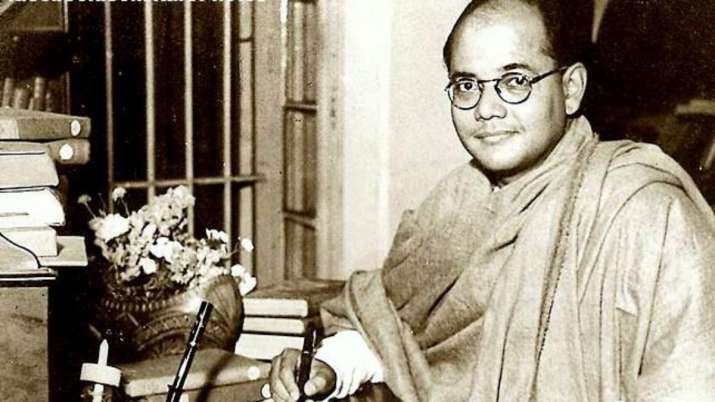
                                                       (Photo: Motivation Mentalist)

Well said by
Socrates.

An
unexamined human life is deprived of the meaning and purpose of existence. The
ability to introspect removes the individualistic absurdity by invoking a
commitment to moral integrity and social solidarity.

 Just like a seed
needs soil, sunlight and water for its germination, human life needs
introspection and examination for its growth. A greater understanding of the
experiences gained in the life at any particular time, enriches one’s
engagement with self and the universe.

Mahatma Gandhi’s
examination of self through his autobiography, “My experiments with
truth”, highlights the significance of reflection on life. Mahatma Gandhi
was not only able to map his weaknesses and vulnerabilities through the
examination, but was also able to question his prejudices and understand his
strength as a human being.

 This very ability
to reflect on life adds more depth to the character of Arjun in Mahabharat than
most of the other characters. Instead of following the norms and fighting with
his clan, Arjun questions the meaninglessness of the war and the purpose of his
life.

 The fast-changing
societies and consumerist culture in the contemporary world leave less time for
human beings to examine and think about the changes. Adaptation to changes have
become automatic and unquestionable.

 The quotation has
strong relevance in the present times where human beings are burdened with the
histories of war, colonisation, nationalisation, erosion of morality in the
scientific and technological advancements and the sense of spiritual
uprootedness. 

It is in these
times that one needs to dwell deeper into the conscience to find the purpose of
existence and engage in a more meaningful manner with the society.


ATTITUDES AND JOB SATISFACTION

 ATTITUDES AND JOB SATISFACTION


Attitudes are evaluative statements they may either be favorable or unfavorable. It is concerned with the objects, people or events. They reflect how we feel about something which finally leads to everything because that an Attitude. They are complex, to be more estimable it is considered to be as the fundamental properties or components.

The attitude towards the job is all what defines us. Typically, researchers assume that attitudes have three components: COGNITIVE, AFFECTIVE, BEHAVIORAL. Cognitive component is the opinion or belief with a particular segment of an attitude. Affective component is the motion or feeling segment of an attitude. Behavioral component is an intention to behave in a certain way forward or toward someone or something.


When it comes to Organizations, attitudes are important. When we think Job is important, we need to change our attitude, according to the sequence with the knowledge development. Performance can be enriched when one commits towards the job.


JOB SATISFACTION

We as human beings have thousand of attitudes, but Organizational behavior focuses on a very limited number of that form positive or negative evaluations that employees hold about their work environment. Much of the research has looked at three attitudes Job Satisfaction, Job involvement and Organizational commitment. Other important attitudes include perceived organizational support and employee engagement. 

The job satisfaction is said to be a positive feeling about evaluating job characteristics while a person with the negative feeling shows less job satisfaction. Employees with high job involvement strategy, identify, with care about the kind of work they do, they enjoy themselves.

An employees’ asset is the true satisfaction as if it were separate from life satisfaction, but they may be more related to think. Life satisfaction decreases when people become unemployed, according to research in Germany, and not just because of the loss of income. Research in Europe says that job satisfaction is positively correlated with the life satisfaction, and your attitudes and experiences in life spill over into your job approaches and experiences.


HOW CAN I MAKE MY JOB BETTER?

  1. You can work on your attitude to either improve your experience or find a positive perspective. 
  1. Write down everything you hate about your job, but wait for a few days off so that you can get a more objective view important. 
  1. Be specific, Think about the environment, the people and the work separately, find something positive even if it’s just the coffee in the break room.
  1. Job satisfaction is generally more strongly related to how interesting you work is than it is to other factors.
  1. Read your lists aloud to a few trusted friends.
  1. Decide what to do, you will be getting a solution.


SWEATING : ITS SIGNIFICANCE AND IMPACTS

Through a variety of reasons, every person sweats on daily basis. Ranging from a hot summer day to a highly productive workout session involving cardio or muscle training, to sweating when you are sick or in sauna, sweating is a natural reaction of our body to suit with existing environments conditions. While the masses hold the perception that sweating only happens in order to regulate our body’s temperature, they might be surprised that it is quite otherwise. Certainly sweating helps in cooling down our body temperature, there are a host of other things that occur in our body along with this phenomenon. One of the major consequences is: body odour, which people find extremely awkward and is considered highly unacceptable within our society. However, it is to be acknowledged that a myriad of other things happen along with mere body temperature regulation and body odour.

Full body powerful concentrated ethnic sportsman in activewear performing pushing ups with heavy dumbbells during intense workout in contemporary fitness club

These are some of the positive ways in which our body reacts due to sweating. They are discussed below:-

#1 SWEATING IS A DETOXIFIER

Back view anonymous tired female jogger in activewear resting and leaning on tree in autumn park

Apart from the excretory processes of our body to get rid of useless substances from our body, sweating is another way through which our body cleans up. Sweating is highly beneficial in the way that it helps in detoxifying our body. It helps in getting rid of toxins and metals from our body. A study has shown that sweating plays a significant role in getting rid of metals like cadmium, mercury and arsenic as well.

So, make sure to get a good sweat to get rid of any extra gunk from your body!

#2 GET A CLEARER SKIN

Woman in Red Long Sleeve Shirt

Sweating may help us get a clearer skin that we have always wanted and desired. This os evident through the fact that sweating aids in opening up our pores, that may have trapped up any dirt or pollutants that may cause bacteria to grow on our skin and cause a range of issues, such as acne or even allergies. Sweating, hence, helps in flushing out any potential skin-irritants that may be harmful for our skin.

So, get that clear and smooth skin you have always dreamed of by breaking a sweat!

#3 HEART HEALTH

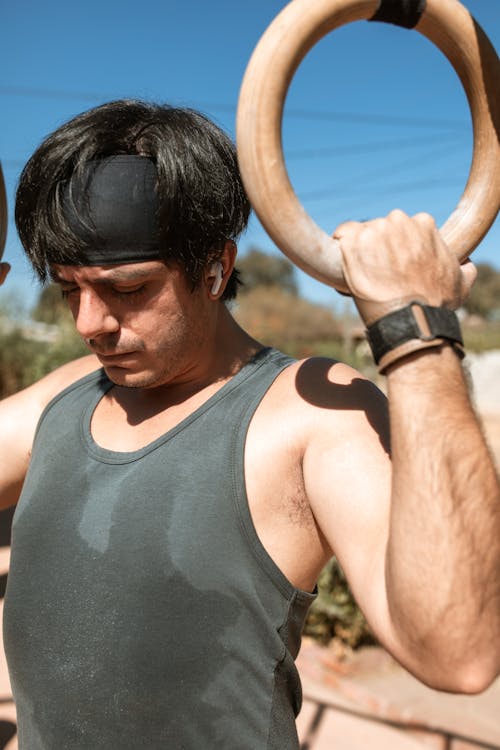
Man in Gray Tank Top Holding Brown Wooden Rings

Surprisingly, sweating plays an important role in maintaining our heart health. This is credited to the fact that as our body heats up, sweating helps our body to cool down and our heart is made to pump blood to the different organs within our body, making our heart break a sweat and aiding it to stay active and keep working.

As a result, sweating ensures our heart’s health and happiness and ours too!

#4 HEALTHY HAIR

Women's Brown Top

Sweating has been proven in improving our hair quality similar to the way it helps our skin. It opens up pores on our scalp, allowing our hair to breath and get the circulation it so needs. However it needs to pointed out that while sweating is good for your hair health, it also leads to excessive build up and dryness on the scalp surface. Hence, it is necessary for us to wash our hair frequently after sweating so as to maintain the hair’s health and wellness!

In conclusion, sweating is an essential function of our body and can provide us innumerable effects that are highly beneficial to us in a variety of ways!

Importance of Yoga

Yoga Benefits

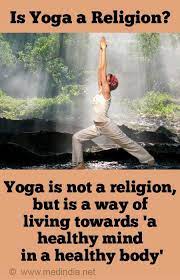
Yoga’s popularity has increased dramatically during the previous few decades. Yoga is also being adopted and recommended by medical professionals and celebrities due to its numerous benefits. While some people dismiss yoga as just another fad and equate it with new age mysticism, others swear by how amazing this kind of exercise feels. What they don’t realise is that what they think of as just another form of exercise will benefit them in unexpected ways. Before we get into the benefits of Yoga, it’s important to first define what Yoga is. Yoga is a way of life that aspires for a healthy mind in a healthy body, not a religion. As stated in Ayurveda in India, man is a physical, mental, and spiritual being, and yoga aids in the development of a balance between these three. Aerobics and other forms of exercise, on the other hand, only provide bodily well-being. These activities have very little to do with spiritual or astral body development.

Yoga is more than just bending and twisting your body while holding your breath. It’s a method for putting you in a state where you can see and experience reality as it is. Your sensory body grows as you allow your energies to become exuberant and ecstatic. The unity that yoga generates allows you to feel the entire universe as a part of yourself, making everything one. It’s a method that motivates you to work for the greater benefit. Yoga aims to achieve perfect harmony between your mind, body, and spirit. You will be able to draw out the best of your ability if you modify yourself so that everything within you works perfectly.

Benefits of Yoga

The following are some of the benefits of Yoga:
1. Enhances mental performance.
2. Reduced anxiety
3. Increases flexibility through modifying gene expression
4. Blood pressure is brought down.
5. Reduces anxiety and chronic back pain by improving lung capacity.
6. In diabetics, it helps to lower blood sugar.
7. Balance is improved.
8. Bone strength
9. Weight management is important.
10. Heart disease risk is reduced.

Yoga as a practise offers numerous advantages that have a favourable impact on a person’s physical and emotional well-being. Yoga can help you with a variety of things, like lowering your blood pressure and increasing your pain tolerance.

  1. Improved Circulation: Yoga helps to increase blood circulation. This means that oxygen and nutrients are transported more efficiently throughout the body. Improved blood flow also means healthier organs and a more youthful appearance.
  2. Yoga Improves Posture: Yoga teaches you how to manage and balance your body. Your body will naturally assume the correct stance with continuous practise. You’ll appear confident as well as healthy.
  3. Improves your mood: Practicing yoga on a regular basis instantly improves your mood by infusing your body with revitalising energy.
  4. Improved Blood Circulation: Daily yoga practise improves blood circulation in the body. As the body slows down, this allows for more oxygenation, resulting in a dramatic fall in blood pressure.
  5. Prevents Premature Aging: Why not age gracefully rather than prematurely? Yes, yoga aids in the detoxification and elimination of toxins and free radicals. Apart from the various advantages, this also helps to slow down the ageing process. Yoga also relieves stress, which is another component that slows down the ageing process.
  6. Stress Reduction: When you’re on your yoga mat, you’re completely focused on the practise. This means that all of your attention is focused on the task at hand, and your mind is gradually draining the stress and problems that have been tormenting it.
  7. A Lower Pulse Rate: Yoga relaxes the body by relieving stress. The pulse rate slows down as the body relaxes. A low pulse rate means that your heart is capable of pumping more blood in a shorter period of time.
  8. Increases Strength: You can develop your strength by using your own body weight. This is a perplexing strength-training technique.

Not Everybody Gets The Privilege Of Having A Happy Family

The family remains one such spot where you have experienced all kinds of emotions. We all love our FAMILY, don’t we?  From laughing loud to crying in silence, we all have experienced the importance of family. The family is the one such place you experience genuine love, the place where you can never find partiality in trust and love. Family is always there to support you in all the right decisions you make and restrict you from the incorrect decisions you take. Family encourages you to connect with people physically, emotionally, and mentally. It identifies you as a capable individual of reaching his/her goals without any hesitations.

How lucky are those people who have a complete family, aren’t they? They have many people around them with whom they can spend time, share their feelings, and experience all the ups and downs in life. The absence of that one really important person breaks you into pieces. Never feel suffocated you are in a joint or a complete family. Think you have a lot of support that only a few people get in their life. Family is a bunch of teachers and students, teachers being who direct you throughout your life and students being from whom you learn not to make mistakes.


The most important lesson is family teaches us our values. They teach us how to respect elders, the importance of helping people in need. Basically, the family is filled with all the interesting topics and lessons we want. The importance of a balanced life can be learnt from family. The right way of maintaining a healthy relationship with family members is by spending time with them, playing games with them, going on outings.

A complete family completes your world. Privileged are those who are blessed with a complete family. Some people don’t acknowledge the importance of a complete family. They take family for granted. They feel parents control them. They don’t spend time with them. There are so many families in this world in which one or the other family member isn’t there. The reason for the separation can be anything, but the loss is irreplaceable. People with the loss really feel helpless in such situations when they desperately need them.

Imagine a family who just makes a home, not a house. A place where family members stay happy, has small fights or arguments, come tired from work to have a good relaxation with family members is HOME. A HOUSE is a place filled with lots of fights, no proper conversations and a lot of misunderstandings.

 A HAPPY FAMILY IS WHERE-

  • You keep your family as a first priority. 
  • Not allow a third person break your family.
  • You trust and love each other unconditionally.
  • Understand and support each other.


It is not very easy to break your family until you put all your efforts to save it. It is important to sit and engage in a calm and healthy conversation on where we went wrong, what are the areas for us to work on so that we don’t commit same mistakes again. In a relationship, understanding is extremely important. If one partner fails to understand, the other should be more understanding to handle the situation very well. A family with constant fights and a lot of misunderstandings will never last long. It’s very important to stay united to save relationships.

A family is blessing where people get to stay happy and share all the matters openly without any hesitations. Always feel lucky to be born in a family where parents are supportive, loving and are ready to do anything for your happiness.

World Photography Day: Perspective of its meaning

What is Photography?

Before giving the answer, let me tell you something.
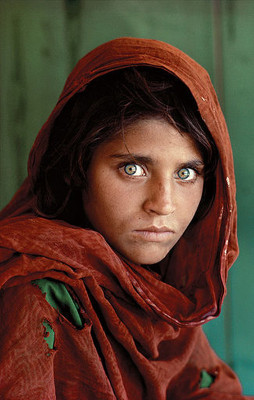
See the little girl in the photograph below.

Isn’t the picture amazing? I feel this photograph must have been clicked by any talented photographers. Such a clear photograph, such a prominent one, the portrait of the young girl is so distinguished.
What is your opinion?
But, now I would like to say you all, that it is one of the world’s most famous photograph clicked by Steve McCurry. Still, now those who were thinking it to be an ordinary photograph must have started thinking that the photograph has to possess something special within it, as it has been clicked by one of the WORLD’S BEST PHOTOGRAPHER, Steve McCurry. Many people will be curious to know whether there is having some mystery within the photograph like that the portraiture of Lady with an Ermine drawn by Leonardo. But, to speak the truth there is no such mystery within the photograph but the real mystery lies within the eyes of the 10-year-old little girl. Sharbat Gula, a Pashtun orphan in the Nasir Bagh was present at the refugee camp near the Afghan-Pakistan border, in December 1984, when Steve went there. Won’t the look of this little girl an incredible one with a penetrating gaze? Yes, that gaze is the special one because the eyes will say you many things. The girl was gleaming into the camera lens. She had this curiosity and anxiety over her face.

So, now if I ask you all, what is photography, then we can say by keeping the dictionary definition apart that it is a vast idea with different opinions from a different type of people. For some, photography may be putting fingers in the button and ‘clicking a photo’ or posing in front of the camera and sharing in social media. But for many, photography is like a passion. Most of the photographers have a common dream to snap a photo that would eventually become world-famous and enter the history books. Photography is nothing but an art which is used to show us the various visions of our life. It will also give us an opportunity to showcase our skills with the camera.
Each and every artistic creation has some inner values, emotions and valuable history attached to it. Artistic creation may vary from painting to sculpting, or from architecture, printmaking to photography. Artist of each category wants to convey to us some real life-related message. Messages can not only be conveyed through writings or scribbling into papers and reading those scribbled words, but they can also be conveyed from between the written lines, between the written words, those words that are not in black and white on the paper. Similarly, a clicked photo has much to say us. Moving or still, and however it is taken, whether, by pinhole camera or phone, the photographic image is the successor to the great art of the past. A photo is a very clever creation may be cleverer than us. It constantly tests our intellect and sees whether we are able to collect the true message from within the frame. It will never reveal its true meaning. It’s us who have to find the true meaning of it.

Wildlife photography tells us about all the different points of wildlife. In wildlife photography, the photographer has to be patient and spend a lot of time to get good pictures and maybe longer time to get some of the best photos. Now, animals will do what they would like to do, one couldn’t command them to be a little soft or to behave cutely. You always have to be ready with your camera so that you don’t miss those shots which are really appreciable or something special. More you spend time with the animals more you will be able to understand their behaviour.

Nature photography shows us an overview of the situation, sometimes in a very aesthetic form, but in recent years it has evolved into photography that reveals a context that, like any documentary photography, explores the relationship of the living to a territory.

On the other hand, war photography involves photographing armed conflict and its effects on people and places. Photographers who are involved in this type of art has life risk, may get harmed due to explosions or gunfight and may many times succumb to death. The main motive of this type of photography is to make the whole world know about the miseries of war. The typical condition in which the soldiers live, they go to the Warfield in order to kill those people whom they never know.

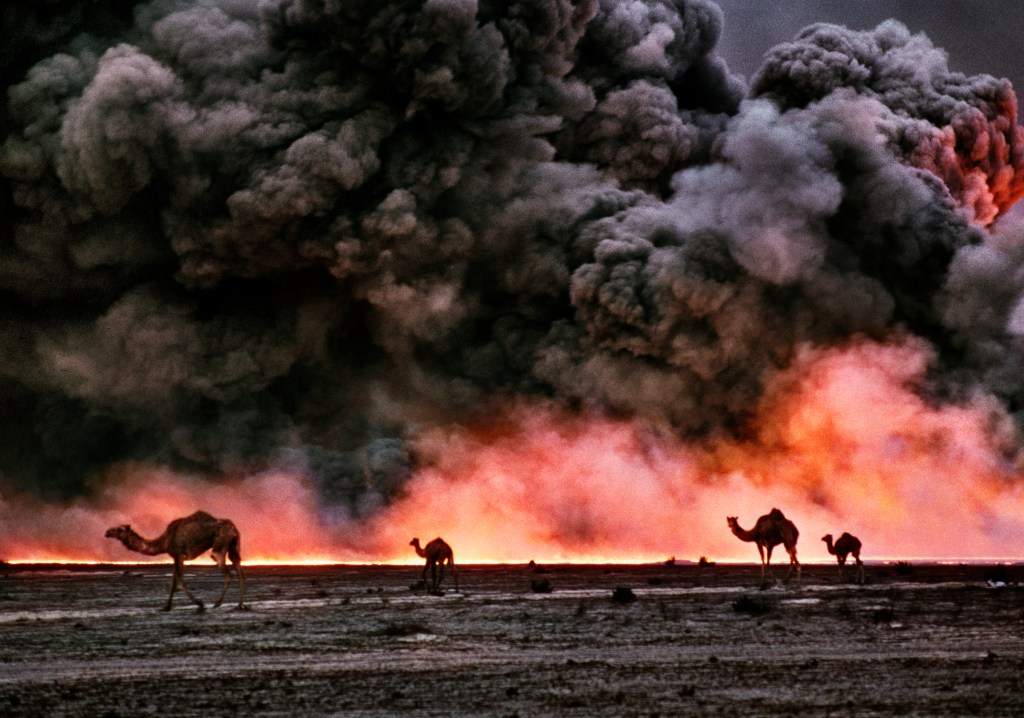
Another photograph clicked by Steve McCurry during the First Gulf War Kuwait, 1991. It shows three camels silhouetted against an explosion of fire and smoke.  “Saddam Hussein had blown up 600 oil wells. It was an environmental catastrophe. Lakes of oil were leaking all over the country, and seeping into the Gulf. Half of it was on fire. There were geysers of oil spurting out of the earth, making it like midnight during the day,” recalled by Steve McCurry. He spotted the camels running along the edge of an oilfield and followed them in his jeep. But they had been blackened by the oil, and there was no way to capture a picture of them against the black cloud behind. Suddenly the camel started running towards the burning area and they have been illuminated by fire and then he clicked the photo and then he realized himself within a minefield. He carefully backs out following the tyres so that he doesn’t get blown up. Thus proves the risk of the work.

So each type of photography has its own purpose. It was rightly said by Elliott Erwitt, “Photography is an art of observation. It has little to do with the things you see and everything to do with the way you see them”. Obviously, it is the viewer’s eye which is responsible the way it would interpret the beauty of the photo. A photographer’s fame and popularity depends on the viewer’s eye because the greatness of photography lies in human insight.  From news images to the Hubble telescope, Photography is the art of real-life – however, manipulated, and real-life creates true art.

Internship, Skill development

As the name itself suggest today we will understand the concept of internship and skill development .Both these are necessary to upgrade an individual’s career goals. For a good and secure job experience and interest is must.

INTERNSHIP : As we know today’s scenario where there is lack of jobs, unemployment and much more issues. Internships provide a platform to an individual to enhance his skills and gain knowledge from an experienced organisation. Experience can only be achieved if we are willing to work. Internships are an easy way to develop these skills without any cost. Most of time people do internships to improve their CV and get their desired jobs in the desired organisation. Yes it helps an individual in achieving these targets. But internship is much more also. Sometimes we don’t know about the work but are interested in doing that and internships give that a chance.

SKILL DEVELOPMENT : Now coming towards another part that is skill development. It is becoming a trend to become more skilled so that a person can provide his services at his best to the organization. If a person is skilled with different type of work then it will help the organization in many ways. Skill means the ability to develop focus on the work in which a person is interested on. Suppose if two persons are skilled with same type then there will be good competition between them and new thoughts will be derived that can help the organization.

The government is also understanding the need and concept of these two. As a result a major change in the education policy will be developing this feeling among the students since childhood and they will be knowing the pros and cons of the outside world in which they will be able to compete. The world is focussing on the coming generations to be more skilled and innovative. It is a way to create your own path on which you don’t have to follow the tradition because these can’t be eliminated. It can only be experienced and achieved.

Hope that the article was helpful…. Thank you !!!

A STITCH IN TIME SAVES NINE

A Stitch in Time Saves Nine is a wise saying. This phrase refers to a hole in a cloth. This hole would certainly get bigger if not fixed in time. It means that a timely effort that will prevent more work later. It certainly means prevention is better than cure. Furthermore, this important phrase tells us procrastination is a bad habit. Hence, if a problem exists, then one must fix it immediately. If not fixed in time, then even more problems can arise.

Importance of “A Stitch in Time Saves Nine”

First of all, time is a very precious aspect of life. According to many successful individuals, time is money. This precious blessing of time is very limited. There are only 24 hours in a day. Also, the average human life expectancy probably ranges from 80 to 90 years. This certainly means that one can’t afford to waste time at all. Hence, “A Stitch in Time Saves Nine” avoids wastage of time. Another advantage of this concept is less effort. This is due to early dealing with a problem. Dealing with a problem early requires a certain amount of effort. However, with delay the problem becomes ugly. Now to rectify this even more difficult problem means much more effort. So, following “A Stitch in Time Saves Nine” saves effort. “A Stitch in Time Saves Nine” has another advantage. It is better decision making. Following this concept means that a person has sufficient time to handle a problem. Therefore, a person can prepare solutions efficiently. In contrast, a person who delays problems will have a shortage of time. Consequently, this person would become stressful and nervous. Due to this, poor decision making would result

Real-Life Examples of “A Stitch in Time Saves Nine”

First of all, mention must be made of Israel. After the formation of Israel, the Arab States were preparing to attack Israel. Probably everyone thought Israel would lose. Israel thought that instead of waiting, they should take some action. Therefore, Israel decided to attack first. Consequently, the Arab military became weak and Israel won the war. Hence, Israel made use of “A Stitch in Time Saves Nine”.

Valery Legasov was an inorganic chemist in USSR. In 1986 Chernobyl nuclear disaster took place. Legasov made a great contribution to prevent future such accidents. Most Noteworthy, he gave warning of the use of graphite. There was an application of graphite in an emergency shutdown system. Furthermore, Legasov gave an explanation that this graphite was responsible for the disaster. Hence, he saved the lives of millions of people.

Finally, Osama Bin Laden death is another example here. In 2011 United States Navy SEALs led the operation to kill Bin Laden. Certainly, his death was a big relief for everyone. Consequently, the US forced saved the lives of many innocent people.

In conclusion, “A Stitch in Time Saves Nine” is extremely essential to follow. Above all, it should be the code of life for everyone. Furthermore, one who follows it always be successful. Also, one who neglects it is on the path of failure.

Health Issues in Youngster.

Around 1 in 6 persons in the world is an adolescent: that is 1.2 billion people aged 10 to 19.

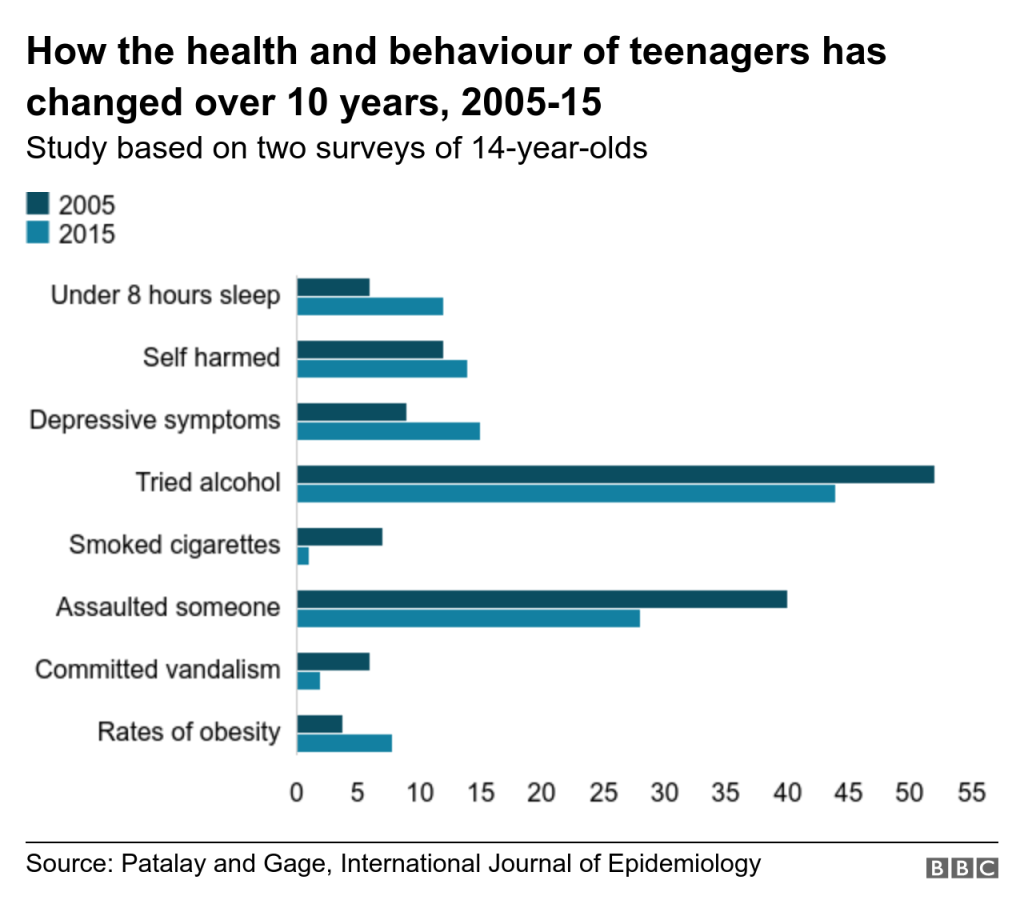
Most are healthy, but there is still significant death, illness and diseases among adolescents. Illnesses can hinder their ability to grow and develop to their full potential. Alcohol or tobacco use, lack of physical activity, unprotected sex and/or exposure to violence can jeopardize not only their current health, but often their health for years to come.

Promoting healthy practices during adolescence, and taking steps to better protect young people from health risks are critical for the prevention of health problems in adulthood, and for countries’ future health and social infrastructure.

Mental health
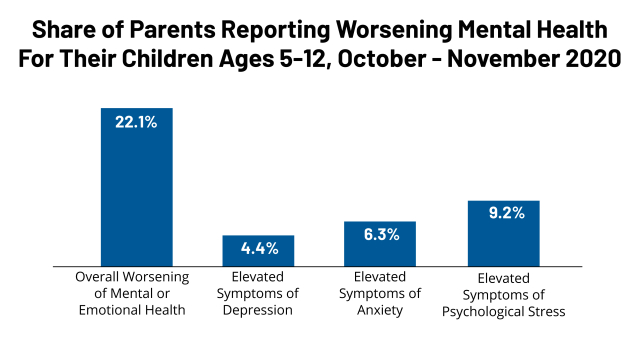
Depression is the top cause of illness and disability among adolescents and suicide is the third cause of death. Violence, poverty, humiliation and feeling devalued can increase the risk of developing mental health problems.

Building life skills in children and adolescents and providing them with psychosocial support in schools and other community settings can help promote good mental health. Programmes to help strengthen ties between adolescents and their families are also important. If problems arise, they should be detected and managed by competent and caring health workers.

Malnutrition and obesity
Many boys and girls in developing countries enter adolescence undernourished, making them more vulnerable to disease and early death. The number of adolescents who are overweight or obese is increasing in both low- and high-income countries.

Exercise and nutrition
Available survey data indicate that fewer than 1 in every 4 adolescents meets the recommended guidelines for physical activity – 60 minutes of moderate to vigorous physical activity daily.

Anaemia resulting from a lack of iron affects girls and boys, and is the third cause of years lost to death and disability. Iron and folic acid supplements help to promote health before adolescents become parents.

References:

https://www.ncbi.nlm.nih.gov/pmc/articles/PMC4216492/

https://www.betterhealth.vic.gov.au/health/healthyliving/teenage-health

https://www.verywellhealth.com/the-7-biggest-health-risks-teens-face-2611248

One of most visionary politician, Leader and a legend himself : Netaji Subhash Chandra Bose

Subhas Chandra Bose (Bengali pronunciation: Subhash Chondra Bosh) was the foremost and biggest leader of India’s freedom struggle. During the Second World War, to fight against the British, he formed the Azad Hind Fauj with the help of Japan. The slogan of Jai Hind given by him has become the national slogan of India. The people of India address him by the name of Netaji.

Subhash Chandra Bose gave famous slogans like ‘Give me blood, I will give you freedom’ and ‘Jai Hind’, passed the Indian Administrative Service examination, was elected President of Congress in 1938 and 1939, formed the Forward Bloc in 1939, Founded ‘Azad Hind Fauj’ to drive out the British from the country.

He was an eminent leader of the Indian freedom struggle. Although most of the credit for the contribution to the independence of the country is given to Mahatma Gandhi and Nehru, the contribution of Subhas Chandra Bose was also no less than anyone.

Early Life :

He was born on 23 January 1897 in Cuttack city of Orissa. His father Janaki Nath Bose was an eminent lawyer. His mother Prabhavati Devi was Sati and a religious woman. Prabhavati and Janaki Nath had 14 children, six daughters and eight sons. Subhash was ninth among them. Subhash was promising in studies since childhood. He had secured first position in class 10th examination and also came first in graduation. 

He earned a bachelor’s degree in philosophy from the Scottish Church College in Calcutta. At the same time, he was recruiting in the army. He also tried to join the army but was disqualified due to poor eyesight. He was a follower of Swami Vivekananda. According to the wishes of his family, in the year 1919, he went to study in England to prepare for the Indian Administrative Service.

Career :

He applied for the Indian Administrative Service in 1920 and not only got success in this examination but also secured the fourth position. He was deeply disturbed by the Jallianwala Bagh massacre and resigned from the administrative service in 1921. After coming back to India Netaji came in contact with Gandhiji and joined the Indian National Congress. He started working with Deshbandhu Chittaranjan Das as per the instructions of Gandhiji. He later described Chittaranjan Das as his political guru. 

Subhash very soon joined the main leaders of the Congress with his understanding and hard work. When the Simon Commission came in 1928, the Congress opposed it and showed black flags. In 1928, the annual session of the Congress was held in Kolkata under the chairmanship of Motilal Nehru. In this session, one year’s time was given to give ‘Dominion Status’ to the British Government. During that time Gandhiji did not agree with the demand of Purna Swaraj.

On the other hand, Subhash and Jawaharlal Nehru did not accept to back down from the demand for Purna Swaraj. In 1930 he formed the Independence League. During the ‘Civil Disobedience’ movement of 1930, Subhash was arrested and sent to jail. He was released in 1931 after the Gandhiji-Irwin Pact. Subhash opposed the Gandhi-Irwin Pact and was also not happy with the decision to stop the ‘Civil Disobedience’ movement.

Subhash was soon imprisoned again under the ‘Bengal Act’. During this he had to stay in jail for about a year and later he was released from jail due to illness. They were sent from India to Europe. There he established centers in many cities to enhance the political and cultural relations between India and Europe. Despite the ban on his coming to India, he came to India and as a result he had to go to jail for 1 year.

After the elections of 1937, the Congress party came to power in 7 states and after that Subhash was released. Shortly after this, Subhash was elected president in the Haripura session of Congress (1938). During his tenure, Subhash formed the ‘National Planning Committee’. In the Tripuri session of 1939, Subhash was re-elected as the President. This time Subhash was competing with Pattabhi Sitaramayya. Sitaramayya had full support of Gandhiji, yet Subhash won the election by 203 votes.

During this, the clouds of World War II were also starting to shake and Subhash gave an ultimatum to the British to leave the country in 6 months. This attitude of Subhash was opposed by other people of Congress including Gandhiji, due to which he resigned from the post of President and established ‘Forward Block’.

Subhash strongly opposed the use of India’s resources by the British in World War II and started a mass movement against it. His movement was getting tremendous support from the public. So he was imprisoned in Kolkata and kept under house arrest. In January 1941, Subhash managed to escape from his home and reached Germany via Afghanistan. In view of the notion of ‘the enemy is the enemy, the friend is’, he appealed to Germany and Japan for help in expelling the British Raj from India.

In January 1942, he started broadcasting from Radio Berlin, which increased the enthusiasm of the people of India. In 1943, he came to Singapore from Germany. Reaching East Asia, he took command of the ‘Freedom Movement’ from Rash Behari Bose and started preparing for the war by forming the Azad Hind Fauj. Azad Hind Fauj was established mainly by the Japanese army with the Indian prisoners of war captured from the British army. After this Subhash came to be called ‘Netaji’.

Now the Azad Hind Fauj started moving towards India and first liberated Andaman and Nicobar. Azad Hind Fauj crossed the Burma border and threatened Indian soil on 18 March 1944. With the defeat of Japan and Germany in World War II, the dream of Azad Hind Fauj could not be fulfilled.

Mysterious Demise : 

The death of Netaji, who once dusted the British by changing his mask and face, also happened in a very mysterious way. After the defeat of Japan in World War II, Netaji needed to find a new way. He had decided to seek help from Russia. On August 18, 1945, Netaji was on his way to Manchuria by plane. During this journey he went missing. After this day they have never been seen by anyone. On 23 August 1945, Japan’s Domei news organization reported to the world that on 18 August Netaji’s airplane had crashed on Taiwanese land and Netaji breathed his last in the hospital after being badly injured in that accident. But even today many doubts are raised about his death.

Our heroic great men, by sacrificing their lives, maintained the unity and integrity of the country, for which the coming generation will always remember their contribution. No one in history can match Netaji’s wisdom and courage. He had a combination of both courage and intelligence. It was because of a very intelligent mind that he was so influential that the British decided to eliminate him on sight. Frankly speaking I 


India’s Historic win at Lords , defeated England by 151 runs.

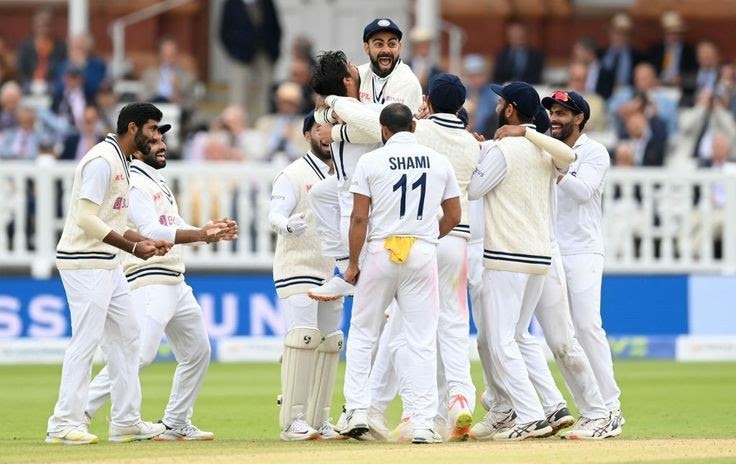
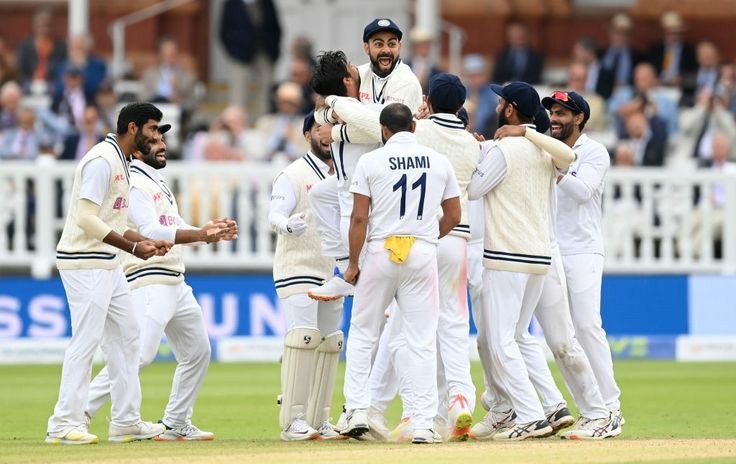
A spirited performance from the Indian seamers heped the visitors beat England by 151 runs in the second Test and take a 1-0 lead in the five-match series on Monday. Chasing 272, England were bowled out for 120 in 51.5 overs with skipper Joe Root top-scoring with 33.

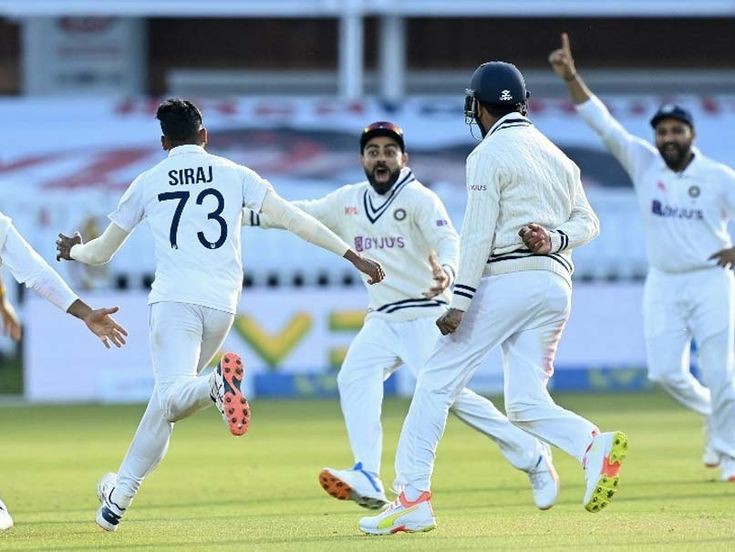
With about a half-hour left of a fractious day featuring regular verbal clashes between players, Mohammed Siraj bowled Jimmy Anderson and celebrated by removing the off stump he had just clattered and wheeling around the outfield in delight at the home of cricket. Mohammed Siraj registered the figures of 4/32 while Jasprit Bumrah scalped three wickets as India won for just the third time in their 19 Tests at Lord’s. With this win, the visitors have taken a 1-0 lead in this five-match series, after a rain-marred draw at Trent Bridge. The third Test at Headingley in Leeds starts on August 25.

Virat disappointed with his performance.

Kohli is yet to score a century since late 2019 and despite getting the start the Indian skipper has failed to play a big knock. The frustration of throwing away the start was made clear by the Team India skipper after returning to the dressing room. In the video uploaded by a cricket fan, Kohli can be seen throwing a towel and showing his frustration. Here’s the video of Kohli showing his frustration after getting out.

The last 10 innings of Virat Kohli in Test has not been great with the Indian skipper only managing to score 280 runs at a below-par average of 28. Kohli’s last century had come during India’s maiden pink-ball Test at home against Bangladesh in November 2019. The numbers of Virat Kohli’s in recent Tests have been not great. The Team India skipper has only managed to scores 20, 42, 0, 13, 44, 0, 27, 62, 0. In addition, to the mentioned scores he has now gone seven consecutive innings without a fifty in the longest format of the game.

Apart from failing to score big runs, Kohli was involved in an on-field heated argument with England pacer during Inia’s innings. The Kohli Anderson fight took place in the 17th over when Virat Kohli was at the non-strikers’ end. Virat Kohli not happy with James Anderson running on the pitch said something to Anderson which the stump mic caught. In the video which went viral on social media, Virat Kohli says to Anderson, “This is a pitch and you are running here, this isn’t your backyard.”

Some interesting facts about the win

  1. 3 Number of Test wins for India at Lord’s. Their previous two triumphs at this venue came 28 years apart – by five wickets in 1986 under Kapil Dev and by 95 runs in 2014 under MS Dhoni.
  2. 8 for 126 Mohammed Siraj’s bowling figures in this Test, the best match figures for an Indian bowler in at Lord’s. The previous best was 8 for 168 by Kapil Dev in 1982.
  3. 19 Wickets by Indian pacers in this Test match. Only twice did the Indian pacers claim more – all 20 against South Africa in Johannesburg in 2018 and against England in the previous Test at Trent Bridge
  4. The 180* was also the first of Root’s 22 Test centuries to end in a defeat. The record for the most Test centuries without one in a losing cause is held by Graeme Smith, with 27 tons. Wally Hammond, Geoff Boycott and Ian Bell share the second spot with 22 each.
  5. 7 Ducks by England batters in this Test, the joint-most by them in a Test. The Lord’s Test was the fifth instance where they recorded seven ducks, and the first since the Johannesburg Test against South Africa in 1999..

Virat Kohli doesn’t tolerate his teammates being bullied, he never forgives, says Monty Panesar

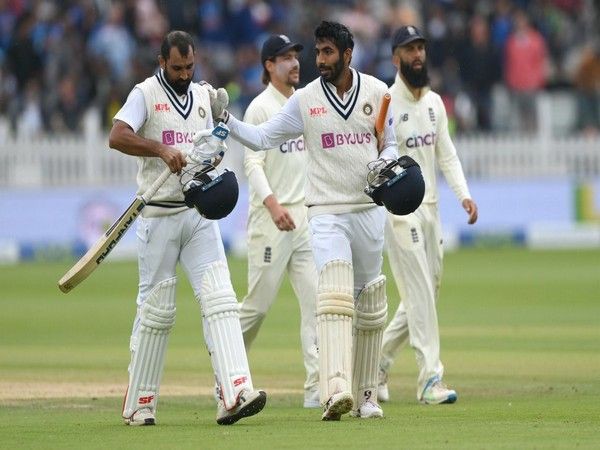
After dismissing Rishabh Pant early on the final day of the second Test at Lord’s, the English wanted to have a go at the Indian tailenders Jasprit Bumrah and Mohammed Shami. Mark Wood was the first one to have a real go, as he bowled a short-pitched delivery that hit Bumrah’s helmet. And, that’s how the altercation started. Apart from bowling a barrage of bouncers, the England cricketers began to sledge the Indian tailenders, Bumrah and Shami, in an effort to distract them. Jos Buttler was also one of the cricketers who exchanged words with Bumrah. But that didn’t affect the Indian pace duo, as they went on to forge a match changing 89-run stand for the ninth wicket and helped India set a 272-run target for the hosts.

When the England batsmen came out for the chase, Shami and Bumrah rocked the top-order, before Ishant Sharma (2/13) and Mohammed Siraj (4/32) dismantled the hosts’ to help India wrap up an unforgettable 151 run win to give India a 1-0 lead in the five-match series.As it was later confirmed by Virat Kohli, the fast bowlers were all extra charged up because of the way England went after Shami and Bumrah while they were batting. KL Rahul, the Man of the Match of the Lord’s Test, said after the match – “If you go after one of our guys that means you are going after the whole team”.

Former England spinner Monty Panesar feels the plans to target the Indian tailenders in that way would have been hatched by the England team management, but Joe Root’s men didn’t think that Virat Kohli remembers everything and wants to give it right back.

CLEANLINESS IS NEXT TO GODLINESS


Cleanliness
meaning is “to keep clean and to avoid dirt”. The practice to clean everything
is cleanliness. There are different types of cleanliness, the cleaning of
clothes, the cleaning to house; the cleaning of streets, the cleaning of
ourselves etc. the most important is to clean ourselves because if we do not
care for our cleanliness, we do not bother about the cleaning of surroundings.
We feel the importance of cleanliness only when we do practice of cleaning
ourselves. The practice of hand washing and bathing is necessary to keep
ourselves clean. The person who keeps his self-dirty, he also keeps his
environment dirty and filthy.
The cleaning of
environment is very important. The environment is may be your home, your
school, or your office. Some people has habit to throw things on road, this is
illegal and a hurdle for cleanliness. The cleaning environment puts healthy
effects on our mind and body, while a dirty environment puts very bad affects on
our health and mind. Almost all the diseases are caused by the infectious
agents in the environment and these infectious agents are very active in dirty
and filthy environments. Many diseases like hepatitis, diarrhea, cholera, flu
etc are caused by the dirty environments. Hepatitis is very dangerous disease
and is usually transferred by the use of unsterilized instruments.
A
man of dirty habits is far from culture and civilization. So, with the progress
of civilization, a man cleans himself more and more. He cleans his body. He
cleans his mind and heart. He modifies all his actions and manners. He purifies
his soul. This will lead him to the highest form of civilization. But all other
cleanings depend on the cleanliness of body.

It is truly said that ‘Cleanliness is
Next to Godliness’.
Cleanliness is a step which leads us towards godliness.
It is a good habit as it keeps our body, mind and everything clean around us.
We should practice it regularly from the early life. The real meaning of
cleanliness is to keep our body, mind, soul, home, surrounding areas, clothes,
environment, etc clean. It is the habitual act which keeps us away from dirt
and diseases as well as helps us to maintain good health including personal and
environmental hygiene.
It is necessary for maintaining
self-respect, getting confidence and getting respect from others. People who
live in dirt never get confidence and self-respect. Cleanliness helps people
get lots of respect and popularity. It helps people living closer to the
divinity and has fear from the God. It indicates the standard and character of
a man. In order to follow cleanliness all across the life, one needs to acquire
clean habits from childhood onwards.

Way to maintain Cleanliness

As we all know, it is not tough to
maintain cleanliness. It is very important to maintain cleanliness for a
healthy life. When we talk about our personal lives, we can maintain
cleanliness by bathing regularly. It is very important to wash our hands before
eating food. This will ensure no bacteria enter your body and prevent
illnesses.

 Subsequently, we must always eat healthy
food and consume clean water. Avoid eating out often and drinking water from
unclean sources. Personal hygiene must be taken care of. Remember to trim your
nails timely before they grow long. Long nails are very dirty and that means
you will have dirt under your hands at all times. In addition, maintain the
habit of brushing and flossing twice a day for oral hygiene.