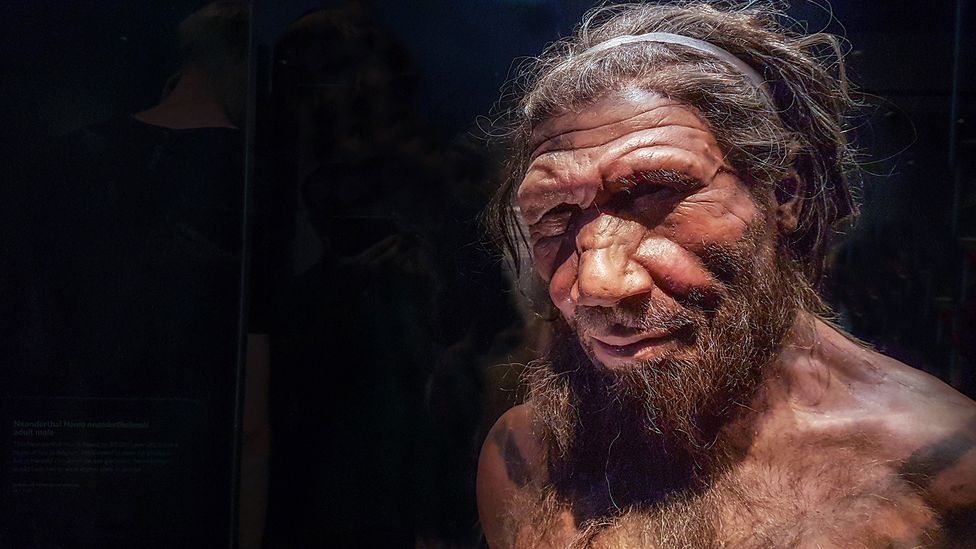
NEANDERTHALS – Our Closest Relatives

The Neanderthals (Homo neanderthalensis) are our closest ancient human relatives. Homo is a Latin word describing “man” or “human.” The term neanderthalensis comes from the Neander Valley in Germany, where the first significant specimen was discovered in 1856. The German word for valley is ‘Tal,’.  Hence, Homo neanderthalensis signifies “Human from the Neander Valley.”

During the Pleistocene Epoch (roughly 2.6 million to 11,700 years ago), Neanderthals first appeared at least 200,000 years ago. Around 35,000 to 24,000 years ago, they were superseded by modern humans (Homo sapiens). Neanderthals co-existed alongside homo sapiens for a long time before going extinct around 28,000 years ago. Both fossils and DNA evidence indicate that the Neanderthals and modern human lineages split at least 500,000 years ago.

Homo sapiens, or modern humans, originated in Africa, whereas Neanderthals appeared in Europe and Asia. From Portugal and Wales in the west to Siberia’s the Altai Mountains in the east, the species was widespread all over Eurasia. Neanderthal populations were resilient, living in icy cold habitats in England and Siberia approximately 60,000 years ago, and mild temperate woods in Spain and Italy approximately 120,000 years ago.

 Physical Appearance

Neanderthals possessed a long, low head (opposed to modern humans’ more globular skull) with a noticeable forehead ridge above the eyes. A broad, wide nose that jutted forward in the middle of the face. Some researchers believe this trait evolved as a way to survive in colder, drier regions. The air they breathed would’ve been moistened and warmed by the nose’s vast interior size.
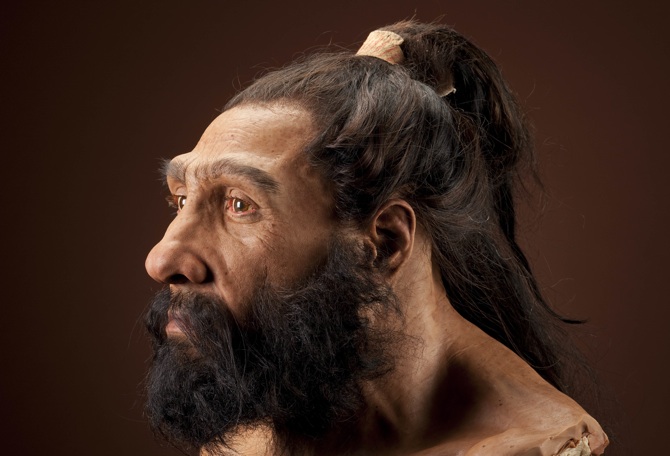
Their front teeth were large and scratched, suggesting they were regularly used in food preparation and other tasks. Unlike humans, Neanderthals didn’t have much of a chin. They had a robust, muscular physique with broad hips and shoulders. Adults weighed 64-82 kg and stood 1.50-1.75 m tall. On average, ancient Neanderthals were taller than later Neanderthals, yet they weighed about the same.

Their short, stocky bodies were well-suited to frigid climates. They had proportions that limited the skin’s surface area, likely to save heat in cooler regions, thanks to their broad torso mixed with their short lower legs and lower arm bones. Some researchers believe that the Neanderthals’ physique also gave them better strength in their arms and legs, allowing them to participate in close-range hunting ambushes.

Neanderthals Tools

Neanderthals were quite intelligent and skilled beings. Late Neanderthals had brain sizes ranging from 1,200cm3 to 1,750cm3, larger than the current average, yet proportional to their body size. Homo sapiens skulls from roughly 30,000 years earlier possessed, on average, bigger brains than modern humans. Spears and stone handaxes excavated in caves reveal that Neanderthals were skilled toolmakers.

Neanderthals devised incredible stone technology over 300,000 years ago. This entailed developing pre-shaped stone cores that could later be fine-tuned into a finished tool. It abled them to produce tools when they needed them. They were seasonal hunters and ate whatever animals were available at the time. Sharp wooden spears and enormous numbers of big animal carcasses, uncovered by scientists, indicating that Neanderthals chased and butchered them.

Neanderthals built shelters, regulated fire, and even crafted symbolic or attractive artifacts. There is proof that Neanderthals buried their deceased and even decorated their graves with flowers. This sophisticated and symbolic behavior had never been seen in other monkeys or earlier human species. Being buried substantially enhances the chances of becoming a fossil, which may explain why the Neanderthal fossil record is so extensive as opposed to the fossils of other human species.

Neanderthals Diet

Neanderthals are usually portrayed as carnivorous ice-age hunters and scavengers who ate massive creatures. Food remains deposited in the calculus around their teeth, on the other hand, suggest that the Neanderthal diet contained a variety of plants, either directly accessed or devoured from the stomach contents of their plant-eating prey. Fungi, Mussels, baby seals, and even dolphins were among the things they consumed.

But, as opposed to early humans living in tropical Africa, where consumable plant foods were plentiful all year, the diversity of plant foods available to Neanderthals fell dramatically during the winter season, requiring them to rely primarily on alternative food sources like meat.

Neanderthals DNA

As per fossil and genetic evidence, Neanderthals and modern humans (Homo sapiens) descended from a single ancestor between 700,000 and 300,000 years ago. Neanderthals and modern humans shared the same genus (Homo) and lived in the same geographic locations in western Asia for 30,000–50,000 years; genetic data suggests that they eventually split off into distinct species of the human family tree after mating with non-African homo sapiens.

Neanderthals and modern humans, it appears that these two groups mated whenever they crossed paths until modern humans swept into Europe during a particularly frigid period. Their arrival may have hindered Neanderthals from returning to areas where they once thrived, hastening the extinction of the Neanderthals. Their numbers plummeted to the brink of extinction barely a few thousand years after modern humans arrived in Europe. By roughly 40,000 years ago, all traces of them had vanished.

In many populations today, the genetic traces of this mingling can still be found. Neanderthal genomes make up about 2% of European and Asian genomes. The genetic shift, on the other hand, seems to have had little impact on African populations.


Time isn’t the main thing. It’s the only thing.

  • Time Management refers to managing time effectively so that the right time is allocated to the right activity.
  • Effective time management allows individuals to assign specific time slots to activities as per their importance.
  • Time Management refers to making the best use of time as time is always limited.

Ask yourself which activity is more important and how much time should be allocated to the same? Know which work should be done earlier and which can be done a little later.

Time Management plays a very important role not only in organizations but also in our personal lives.

Time Management includes:

  1. Effective Planning
  2. Setting goals and objectives
  3. Setting deadlines
  4. Delegation of responsibilities
  5. Prioritizing activities as per their importance
  6. Spending the right time on the right activity
  • Effective PlanningPlan your day well in advance. Prepare a To Do List or a “TASK PLAN”. Jot down the important activities that need to be done in a single day against the time that should be allocated to each activity. High Priority work should come on top followed by those which do not need much of your importance at the moment. Complete pending tasks one by one. Do not begin fresh work unless you have finished your previous task. Tick the ones you have already completed. Ensure you finish the tasks within the stipulated time frame.
  • Setting Goals and ObjectivesWorking without goals and targets in an organization would be similar to a situation where the captain of the ship loses his way in the sea. Yes, you would be lost. Set targets for yourself and make sure they are realistic ones and achievable.
  • Setting DeadlinesSet deadlines for yourself and strive hard to complete tasks ahead of the deadlines. Do not wait for your superiors to ask you everytime. Learn to take ownership of work. One person who can best set the deadlines is you yourself. Ask yourself how much time needs to be devoted to a particular task and for how many days. Use a planner to mark the important dates against the set deadlines.
  • Delegation of ResponsibilitiesLearn to say “NO” at workplace. Don’t do everything on your own. There are other people as well. One should not accept something which he knows is difficult for him. The roles and responsibilities must be delegated as per interest and specialization of employees for them to finish tasks within deadlines. A person who does not have knowledge about something needs more time than someone who knows the work well.
  • Prioritizing TasksPrioritize the tasks as per their importance and urgency. Know the difference between important and urgent work. Identify which tasks should be done within a day, which all should be done within a month and so on. Tasks which are most important should be done earlier.
  • Spending the right time on right activityDevelop the habit of doing the right thing at the right time. Work done at the wrong time is not of much use. Don’t waste a complete day on something which can be done in an hour or so. Also keep some time separate for your personal calls or checking updates on Facebook or Twitter. After all human being is not a machine.

For Effective Time Management one needs to be:

Organized – Avoid keeping stacks of file and heaps of paper at your workstation. Throw what all you don’t need. Put important documents in folders. Keep the files in their respective drawers with labels on top of each file. It saves time which goes on unnecessary searching.

Don’t misuse time – Do not kill time by loitering or gossiping around. Concentrate on your work and finish assignments on time. Remember your organization is not paying you for playing games on computer or peeping into other’s cubicles. First complete your work and then do whatever you feel like doing. Don’t wait till the last moment.

Be Focussed – One needs to be focused for effective time management.

Develop the habit of using planners, organizers, table top calendars for better time management. Set reminders on phones or your personal computers.

Time management” is the process of organizing and planning how to divide your time between specific activities.

Good time management enables you to work smarter – not harder – so that you get more done in less time, even when time is tight and pressures are high. Failing to manage your time damages your effectiveness and causes stress.

It seems that there is never enough time in the day. But, since we all get the same 24 hours, why is it that some people achieve so much more with their time than others? The answer lies in good time management.

The highest achievers manage their time exceptionally well. By using the time-management techniques in this section, you can improve your ability to function more effectively – even when time is tight and pressures are high.

Good time management requires an important shift in focus from activities to results: being busy isn’t the same as being effective. (Ironically, the opposite is often closer to the truth.)

Spending your day in a frenzy of activity often achieves less, because you’re dividing your attention between so many different tasks. Good time management lets you work smarter – not harder – so you get more done in less time.

5 alarming signs that you might not be doing okay

How to Cope With Anxiety and Depression | Everyday Health

I wake up everyday wishing,
my eyebags to not be heavier than my emotional baggage
and my room to not be messier,
than the thoughts inside my head
is this something that everyone
wishes for at my age?
or is it just me?
who stares at the ceiling every night
while lying on her bed
why does only the night sky see me cry?
why do my shadows just show up in daylight and not at night,
when I’m ready to embrace them all?
why my secrets, darker than the sky, seem deeper than the silence the night holds.
the silence comforts sometimes,
but sometimes it just creeps straight into every vein in my body,
I never wished for much,
but my thoughts to not be louder,
than the silence the night holds

You know those feelings of general discontent, sadness, and hopelessness? If you have them, don’t ignore them. They could be signs of something much worse, like depression. Let’s check out the signs-

1. You feel fatigue and don’t sleep (or sleep too much).

Depression strips you of your energy and makes you feel lethargic. You stop doing things you enjoy because you feel exhausted, and begin sleeping excessively, or not sleeping at all (insomnia).

2. Your emotions are all over the place.

One moment, you’re feeling irritable and going off on someone in a full display of anger. The next, you’re crying. Depression can swing your moods uncontrollably.

3. Your topics of conversation have turned morbid.

Suicides rarely come without the symptoms that show up beforehand. Depressed people will often talk about it. If you’re in the company of a good friend who has flipped the morbid switch to “on” and is now talking about death and dying, stay close and monitor him. He may be on the doorstep of a suicide attempt.

4. Your outlook on life has done a 180.

Having a hopeless outlook on life is the most common symptom of depression. Associated feelings of worthlessness, self-hate, or inappropriate guilt may ride shotgun. You vocalize thoughts like “It’s all my fault,” and “What’s the point?”

5. You’ve lost interest in the things you enjoy.

Depression can rob you of the things you love, making you withdrawing from the very activities you once looked forward to — sports, socializing with friends, hobbies, etc.

What to do…

If depression has crept in, don’t despair. With professional help and a strong support system of loving family and friends, you can overcome it. Here’s what you can do:

  • Please sleep. Don’t set the alarm. Just sleep until you wake up.
  • Do not isolate yourself—find community and support.
  • Don’t internalize your feelings. Be totally present with them.
  • Express gratitude.
  • Journal your feelings daily to help release those negative emotions.
  • Lean on your faith, or something greater than you.
  • Rediscover the activities and hobbies that bring you peace, joy, and vitality.
  • Exercise daily. Fifteen minutes of cardio is all it takes.
  • Practice mindfulness.

Floods in Maharashtra

Navi Mumbai Weather Update: As rain lashes city, NNMC shares monsoon  estimates for Vashi, Belapur, Nerul and Airoli
when it rained,
after days, after months,
after years, I felt alive
when the rain touched,
my cheeks, they blushed,
and grinned. As they do,
when they meet a long-lost friend
i wanna go out and say hi,
say that it’s been rough,
without you,
but I can’t.
me grinning and blushing,
and dancing hands in hands,
in rain, would bring back wounds,
the ones that are healed,
the ones that are to be healed.

Climate change is real!

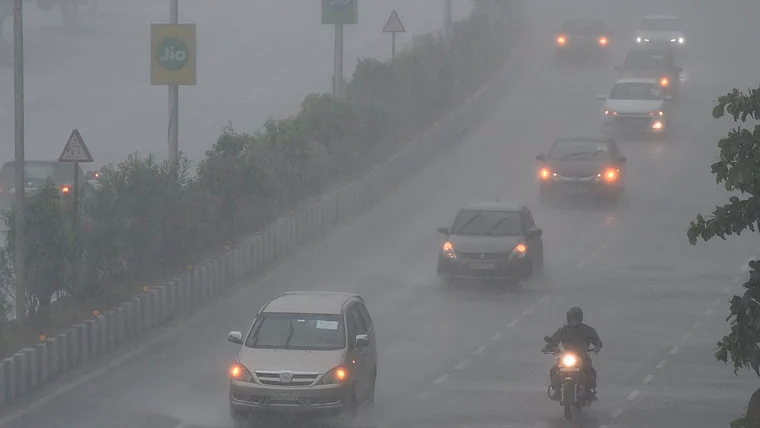
Maharashtra has been dealing with two disasters; Floods in the midst of this ongoing pandemic. These floods have posed a grave threats to all the people.

Maharashtra witnessed high-intensity floods due to the incessant rains over the past few weeks. At least 209 people have died due to the floods in Maharashtra and eight still remain missing. A total of 4,34,185 people from eight districts have been evacuated to safer places, as rescue operations continue.1Among the 209 fatalities, the Satara district reported 46 deaths, followed by 35 in Ratnagiri, 15 in Thane, seven in Kolhapur, four in Mumbai, three in Pune, four in Sindhudurg and two each in eastern Maharashtra’s Wardha and Akola districts.

A total of 3,221 animals have died. Meanwhile, the floodwater has entered the roads and fields, submerging many areas of the Sangli district in Maharashtra making it hard for people to commute from one place to another.

Heavy rainfall in Maharashtra has caused flooding in several areas of the state, including Kolhapur. Houses, roads, and commercial establishments remained partially submerged in floodwater in Kolhapur on Monday.

MUMBAI: Despite the fact that the rains have lessened this week after last week’s torrential downpour, Mumbai has already received 93 percent of the season’s average rainfall. The average rainfall for this season is 2205.8 mm, with 2052.7 mm recorded at the Santacruz observatory. There are two more months of monsoon left to cover the remaining 7% of the seasonal rain target.
While there were no rains at the IMD’s Colaba observatory, the Santacruz observatory recorded 4.3mm of rain, which is considered light rain. Significant weather systems, such as the offshore trough from Karnataka to Kerala’s coast, as well as the low pressure region, have become less prominent, according to IMD sources.
Most of the season’s rainfall so far has been recorded in a heavy rain spell restricted to just a few hours.
This resulted in significant water logging, as well as the loss of life and property. Since the start of the monsoons, IMD’s Santacruz observatory has recorded 235mm of rain on July 17-18, and 253mm on July 16-17. A total of 231.3mm fell in a 24-hour period between June 9 and 10. The IMD has issued a green alert till Thursday, indicating only light to moderate rain activity.

In these past months,

DOWRY


Dowry is a social evil in society that has
caused unimaginable tortures and crimes towards women and polluted the Indian
marital system. Dowry is payment made in cash or kind to a bride’s in-laws at
the time of her marriage.

Today the government has come up with many
laws (The Dowry Prohibition Act 1961) and reforms, not only to eradicate the
dowry system, but also to uplift the status of the girl child by bringing in
many schemes. However, owing to the social nature of this problem, the
legislation has failed to produce the desired results in our society. In order
to get rid of this problem, appealing to the social and moral consciousness of
the people, providing education and economic independence for women, and
effective enforcement of legislation against the dowry system, can help.

What People Think of Dowry System

Dowry is like suicidal bag for many people
who are not very strong financially. It should be completely stopped from all
the country wherever it is followed strongly, the government needs to take
action in this so that no more crime takes place. In the modern era of India
where people are reaching everywhere and achieving many things but still in
many populations our thinking against dowry is the same.
Dowry
system varies from state to state and also on the job profile of the groom. If
we see in the north part of the country the groom having government job, doctor
or engineer than dowry is huge in terms of money, and like the south part of
the country, the bride is forced to give dowry in terms of land, jewellery and
money. We can say if you can give huge dowry you can get anyone for your
daughter. In ancient times dowry was taken only from upper caste families, but
now becoming universal for everyone.
Still in India marriage
is taken as a big grand celebration from both sides of the family by calling
all the relatives and taking their complete care till the marriage happens even
if the bride is having a good job or highly educated still the bride has to
give dowry for marriage. Dowry is not voluntary which is made by the bride or
groom, it is demanded from the groom’s parents.

Why the Dowry System Should be Stopped?

The new dowry system is creating problems
in society. Poor parents do not get any groom who will marry their daughter
without taking dowry. They have to take “Marriage Loans” to get their daughter
married. Dowry is becoming a nightmare for Women. The cases of infanticide are
increasing. Poor parents do not have any other option. They cannot afford to
have a girl child, and hence they are intentionally killing infant girl. More
than 8000 women are killed because of Dowry! It is very clear that Dowry is
creating violence. Groom’s parents are misusing this pure tradition. And they
are not aware that they are misusing it, because they are not educated about
the traditional dowry system. Everyone is just following the new dowry system
blindly.

Conclusion

Dowry system is good unless and until it
is considered as a gift given to the bride by her parents. If the groom’s
parents are demanding money to get married as a “Dowry” then that is completely
wrong and illegal.


List of PSUs in India

A state-owned enterprise in India is called a public sector undertaking—PSU or a public sector enterprise. In a PSU company, most shares, 51% or more, are owned by the central or state government. The ministry of heavy industries and public enterprises administers central public sector enterprises. PSUs are mainly categorized into 3 major ratnas.

  • Maharatna Companies
  • Navratna Companies
  • Miniratna Companies
PSU Jobs - Check The Latest Job Openings In Top Govt PSU

Maharatna Companies

For a company to be eligible for the Maharatna category has to fulfil these criteria; Three years with an average annual net profit of over Rs. 2500 crore, OR Average annual Net worth of Rs. 10,000 crore for 3 years, OR Average annual Turnover of Rs. 20,000 crore for 3 years (against Rs 25,000 crore prescribed earlier)

Benefits for investment: Rs. 1,000 crore–Rs. 5,000 crore, or free to decide on investments up to 15% of their net worth in a project.

Navaratna Companies

Eligibility: A score of 60 (out of 100), based on six parameters which include net profit, net worth, total workforce cost, the total cost of production, cost of services, PBDIT (Profit Before Depreciation, Interest, and Taxes), capital employed, etc., AND A company must first be a Miniratna and have 4 independent directors on its board before it can be made a Navratna.

Benefits for investment: up to Rs. 1,000 crore or 15% of their net worth on a single project or 30% of their net worth in the entire year (not exceeding Rs. 1,000 crores).

Miniratna Companies

Miniratna Companies are further divided into two minor categories:

  • Miniratna Category-I
  • Miniratna Category-II

List of Maharatna Companies

1. National Thermal Power Corporation (NTPC)

2. Oil and Natural Gas Corporation (ONGC)

3. Steel Authority of India Limited (SAIL)

4. Bharat Heavy Electricals Limited (BHEL)

5. Indian Oil Corporation Limited (IOCL)

6. Coal India Limited (CIL)

7. Gas Authority of India Limited (GAIL)

8. Bharat Petroleum Corporation Limited (BPCL)

9. Power Grid Corporation of India (POWERGRID)

List of Navratna Companies

1. Bharat Electronics Limited (BEL)

2. Container Corporation of India (CONCOR)

3. Engineers India Limited (EIL)

4. Hindustan Aeronautics Limited (HAL)

5. Mahanagar Telephone Nigam Limited (MTNL)

6. National Aluminium Company (NALCO)

7. National Buildings Construction Corporation (NBCC)

8. National Mineral Development Corporation (NMDC)

9. Neyveli Lignite Corporation Limited (NLCIL)

10. Oil India Limited (OIL)

11. Power Finance Corporation (PFC)

12. Rashtriya Ispat Nigam Limited (RINL)

13. Rural Electrification Corporation (REC)

14. Shipping Corporation of India (SCI)

Time Management skills that everyone should know

 Have you ever wondered why we feel so short of time these days. Why do we get tense when we do not work on time, if not then read this article till the end. In this article, I will share with you 15 tips from Sudhir Dixit’s book Time Management, so that you can achieve your best version. So without further due let’s talk about 15 Time Management Skills to improve your time utilisation.

  1. Keep a Log of Time : Just as you budget for money, in the same way budget for time. To make a budget, you have to calculate where your money is being spent. Follow the same policy in case of time also. Take a diary and keep a record of how much time you spend in which work for a week. Remember there is only one week, you have to do this. The more detail you keep in the log book, the more profit you will get. After a week, sit on Sunday and analyze this entire record thoroughly. With this analysis, you will get to know which work is meaningless or in which activity you are giving more time than necessary. You can get extra time only if you leave some old activity.
  2. Set Financial Goals : If you don’t know where you want to reach, you can’t get anywhere. If you don’t have a goal, then how will you plan to reach it, so if you want to do something in life, then setting a goal is important for you and without it, it will not work. The clearer your goal is, the higher is your chances of succeeding. Let us understand this with an example. The wife of a salesman was admitted in the hospital for a long time. Surprisingly, that year the salesmen sold twice as much as the average sales. When the salesman was asked the secret of his success, he said that the hospital bill was placed in front of him and he knew exactly how much he would have to sell to pay the bill.  From this example it becomes clear that if a person is determined, then he can achieve his financial goal provided he has a clear goal in front of him.
  3. Do the most important work first : Our daily routine is such that we start doing whatever work comes in front of us and because of this, all our time goes to doing small tasks. But the ambitious man is cautious about this because he knows that in order to get success, it is necessary that important work should be done first. And for this, they have a diary in which their work list is according to the priority. You can do this too. You take a diary and make three columns in that diary named A, B and C. In column A, put your most important work which you consider essential. In column B, keep such work which is not mandatory but not important. In column C, keep such common work, which is neither important nor mandatory. First of the day, complete the first work of A column, then start the work of B column and then do the work of C column only when there is time left. 
  4. Make complete use of travel time : Common people go to simple sit idle and do nothing during travel time, while successful people make maximum use of their valuable time. Mahatma Gandhi used to take sleep while traveling so that he could stay refreshed. When Napoleon went to war with the army, he used his time well by writing characters on the way. Microsoft founder Bill Greats follows this principle by doing important things on mobile while traveling. All successful people have been cautious about time because they know that time is very powerful and success is possible only by using it properly. You and I can also take advantage of our travel time. It takes a lot of time for employed people to travel from home to office. You can make meaningful use of it by doing some important work in this time.
  5. Work in your prime time : At a particular time of the day, your energy and efficiency are higher than at other times. This is your prime time. Do your most important or creative tasks during this time, so that they can be done well and quickly. Sometimes so much happens in an hour which is not normally known in a day. Remember quality of time is more important than quantity of time. This is called Quality Time. The person who is not very successful makes a goal of working 8 hours a day; More successful is the person who sets the goal of doing 8 or 9 tasks a day, the only difference between the two is that the first person gives importance to the quantity of time and the second to the quality of time and that is why their success is tremendous which makes the difference.
  6.  Do organise yourself : Unorganized life creates many difficulties in front of us. One of the difficulties is that our time is wasted unnecessarily and the sad part is that we ourselves are to blame for it. The most common example of unorganized work is the absence of any paper or file. It is estimated that people working in the office waste about 30 minutes every day searching for a paper or file. Due to laziness or haste, we do not keep something in the right place and then disturb the office or home in finding it. In the end we find that thing at a place where it should not have been kept. To make the best use of time, we should lead an organized life. Keep in mind that if your routine is organized then your life will also be organized and when your life is organized then you will be able to make the best use of time easily.
  7. Engage yourself in action : We all know that we cannot be successful without working hard, but the amazing thing is that in spite of this, we keep working hard, keep postponing the work, making excuses for not being in the mood, arguing for lack of time or resources. That is, they do everything except work. If you want to reap the harvest of success in the future, then you have to sow the seeds for it today. If you don’t sow seeds, how can you expect to reap in the future? The whole creation works on the principle of karma and fruit, so you will get the results in proportion to your karma. If you want success, then work hard and keep working till you become successful. If you learn to make the best use of time, then in the long run time will reward you with the thing you strongly want.
  8.  Increase your work efficiency : If you know typing, do one thing. Remember the time when you first started typing. How fast could you type then? Maybe five words per minute and what is the situation now? Maybe thirty words per minute. Why so? Because you learned typing, you practiced continuously, as a result of which your typing speed increased. You have to do the same in the time zone. Desire is the first condition for increasing efficiency. You must have a desire for it. The second condition of increasing efficiency is knowledge. You have this knowledge. How should the capacity be increased. For this read the book, go to the seminar. The third condition is to compare with your past performance. Think that if yesterday you did some work in one and a half hour, how can it be done in one and a half hour today? Just keep in mind that the quality of the work should not decrease. Do not let the work get spoiled in the hurry to save time. 
  9. Set your deadlines : After all, what happens in the deadline, which increases your capacity and makes you complete the work faster? The first thing is that it gives you a clear goal, secondly, you make a plan and discipline yourself to follow it. Third, the deadline keeps your mind focused on the task, so that you can think of new ways to complete it in time. When you are given a deadline, adrenaline is released inside you and you become active and get focused and get involved in the work. You know that if the work is not completed on time, then there will be disaster, so you get up a little early in the morning, work till late at night. Let us understand this as an example, suppose in normal condition you run one kilometer in six minutes. But if a fierce dog is chasing you, how fast will you run? Obviously, you will cover a kilometer in less than six minutes because of the dreaded dog behind you. Deadline is also the same as the dreaded dog. 
  10. Always work on schedule : There is a clock in our body, which is called biological clock, when you get used to working at a certain time, then your body adapts accordingly. So friends, you should always try that every work should be done at a fixed time so that you can use the biological clock of your body to save your time. 
  11. Wake up early in the morning : People may argue that getting up in the morning is not up to them, work is best done in the stillness of the night and they can work at night and for as long as they can, but these arguments are useless. Even after getting up at 4 o’clock there is peace and work is done relatively well in that. The main thing is that at that time the speed of work is also fast, because both the body and the mind are refreshed. Timing is not ideal. 
  12. Exercise for an hour : A person thinks that he is living for himself, but the way he spends time, it does not seem that he is living for himself. Often he eats food that belongs to his wife or child. When he returns home tired, he is also has to watch television programs of others’ choice. That is, he does not even know how to find time for himself. One hour you have to take care of yourself and in this one hour you have to take care of your body. To walk, to exercise, to go to yoga or gym, to massage your body, that is, to pay attention to the health of the body as a whole. 
  13. Avoid being lazy : To save time you should avoid laziness. Whenever a difficult task comes in front of us, we start laziness and postpone it. But apart from procrastination, there are many reasons for laziness. One of the main causes of laziness is overeating. Have you ever wondered why we work best in the morning? One reason is that the body does not remain tired after taking rest at that time. The second reason is that oxygen is more in the morning and the third reason is that our stomach is empty at that time. When the stomach is empty, the brain moves faster, so we should avoid overeating at one go. When you eat less, you don’t get sluggish and your energy and concentration level remains up. 
  14. Don’t procrastinate : Why do people procrastinate? There are many reasons for this: either the work is boring or difficult, or it has no deadline. Whatever may be the reason for procrastination, remove it and make a habit of completing today’s work today. If you postpone for tomorrow, then its loss will be that you mortgage tomorrow’s time. By postponing the work that you can do today, you increase the burden of tomorrow even more. Do today’s work today only so that tomorrow does not become a burden. If possible, then do some work of tomorrow also today, so that tomorrow the pressure on you is reduced and you can do new work in it. The mind is afraid of hard work, so if you want to do something in life, do not be a slave to your mind or mood. Discipline the mind and start working whether the mood is there or not. 
  15. Avoid bad habits : Alcohol and cigarettes are not only injurious to your body, but are no less harmful to your time. It is estimated that youth spends about half an hour smoking cigarettes. It takes only five minutes to smoke a cigarette, but it takes time to juggle it and create its atmosphere. Alcohol wastes time even more. One, it takes a long time to drink alcohol. After the second drink, the man is of no use. Not only this, drinking alcohol also spoils the next day, because it causes headache or hangover the next morning. Apart from cigarettes and alcohol, there are many bad addictions, which waste a lot of your time. The habit of doing evil to others or talking here and there. To argue or fight. 

Small Savings for Better Future

 Small Savings

“Small drops make a great ocean” is an elixir votes cast by some to explain the benefits and benefits of saving. We will see a little explanation about that in this article.

Small Savings to Help at Risk

Man needs money to lead a normal human life. Some costs are subject to human planning. Some costs are unplanned. Take medical expenses for example. At such times some will be heartbroken. The reason is that they do not plan and save. But those with a saving habit need not worry. Because their small savings will give them a hand.

Essential Cost Savings 

The first expense that each individual or family has to make according to his or her ability in the income available to him or her is to set aside for small savings. It is a good habit to set aside a certain percentage amount for the future.

Small Savings are Security for Tomorrow’s Generation 

To any man, “Why do you live?” If asked, the answer is “for the benefit of my children.” Yes, children faith on and depend on their parents. It is the duty of parents to ensure a secure future for their children. It is savings that provide such protection.

Those who save separately for children’s education, for clothes, for marriage need not worry about anything. For that, a long-term plan and a short-term plan must be drawn up and implemented.

It is just as important to save the occasional amount of money as it is to store rainwater in dams, lakes and ponds and use it for agriculture and drinking water for a long time. 

Savings methods

Little by little we have seen people screaming that the money we save is invested in private companies with high interest rates and that there is no interest. So it is safer to save in reliable, secure post offices or in state-owned banks, rather than saving in unsafe private companies. 

We really need the habit of saving. It should be stored in more reliable places. Then our life will be happy.

Alibaba Group Founder Jack Ma Short Biography and Success Story

Friends, in this article we are sharing the story of a tourist guide becoming a billionaire. This story is about a brave man who worked as a tourist guide for many years; Who could not get a small job even after many attempts. He was rejected in 30 job interviews, but despite this he did not give up and continued to try his every rejection as a new opportunity to do something else. With this combativeness, he created a huge business empire and today he is the richest person in China.

Short Biography : 

Name : Jack Ma

Birth : 10 September 1964

City : Hangzhou

Occupation : Founder and Executive at Alibaba Group 

How did a tourist guide become the richest person in China?

This is the story of “Jack Ma”, Founder & Executive Chairman of Alibaba Group. Alibaba Group is a Chinese e-commerce company, which provides business-to-business, business-to-consumer and consumer-to-consumer sale service through web-portal. It is the world’s largest retailer company, which operates in more than 200 countries. In addition, it is also the largest internet company in the world. Let’s know about Alibaba Group Founder Jack Ma Success Story.

Birth and Early life of Jack Ma :

Jack Ma was born on 10 September 1964 in Hangzhou village of Zhejiang province of China. After his birth, he was given the name “Ma Yun” by his parents. To earn a living, his parents used to roam from place to place and play traditional songs. He has an elder brother and a younger sister. The main language in China is Mandarin and it is not considered necessary to speak English there. But Jack Ma was fond of learning English since childhood. That’s why he used to cycle every morning to a hotel near his house. He used to practice English by talking to the tourists staying there in broken English. 

In the urge to learn English, he also started working as a guide. In his spare time, he used to take foreign tourists to the city for free. In this way, he used to get an opportunity to spend more and more time with him. For nine years, he worked as a guide in this way. Not only did he learn English from this work, but he also gained knowledge of Western civilization, technology and style. While guiding foreign tourists, he also became friends with a foreign tourist. 

After going back to his country, he used to write letters to Jack. It was he who gave him the name “Jack Ma”, because Jack’s Chinese name was very difficult to speak and write. Since then he is known as “Jack Ma”.

Education :

Jack Ma was not good in studies. He failed twice in class V and thrice in class VIII. After completing his schooling, when he gave the entrance examination of the university, he failed thrice in this also. He was rejected 10 times from the famous Howard University. After that he took admission in ‘Hangzhou Teachers Training Institute’ and completed his graduation from there in 1988. After completing graduation, he worked as a teacher of English in a local college for 5 years at a salary of $ 15 per month. During this time, he also applied for jobs in many other places.

Frequent Rejection in Job :

Wherever he applied for Jack Ma jobs, he would have been disappointed. He applied for jobs in 30 different places, but was rejected from everywhere. He gave the first interview for a police job, but due to his skinny appeal, he was rejected. When KFC opened for the first time in China, job advertisements came out for 23 people. 24 people applied for that job, of which Jack Ma was also one. 23 out of 24 people were selected for the job. Jack Ma was the only candidate who was rejected.

Internet access for the first time :

After getting rejected continuously in job interviews, he decided to try his hand at business and opened a translation company. He went to America in 1994 with his company’s work. There he got the opportunity to use the Internet for the first time. The first word that he searched on the Internet was – Bear ‘bear’ meaning ‘bear’. During the search, he got information from different countries related to ‘beer’, but he did not get any information related to Chinese Bear.

Then he searched other general information related to China on the Internet. But they were surprised that no information about China was available on the Internet. Jack Ma became sad because of not having any information about his country on the Internet. He felt that his country was far behind in the technical field as compared to other countries.

Launch of ugly.com website :

To provide information related to China, he along with his friends created a website, which he named – ugly.com. Within 5 hours of creating this website, he got e-mails from some Chinese people who wanted to know about him. After this incident, he realized that a lot can be done with the Internet.

Establishment of company named China Yellow Pages :

In 1995, Jack Ma started a company with the help of his wife and friends by investing $ 20000. The job of this company was to make websites for other companies. He named his company ‘China Yellow Pages’. In one year this company earned $ 80000. But due to lack of capital investment, this company could not be more successful and it had to be closed. After that Jack Ma worked as President in an IT company established by ‘China International Electronic Commerce Center’ between 1998 and 1999. After resigning from there in 1999, he came back to China.

Launched alibaba.com :

After coming back to China, he, along with his 17 friends, started China’s first Business-to-Business Marketplace website alibaba.com (Alibaba.com) at his home for $ 60,000. The purpose of this website was to connect various suppliers and buyers of the world. alibaba.com faced some problems initially. Due to which many in Silicon Valley had termed this project as a loss-making business model. 

But in 1999 and 2000, two big companies ‘Goldman Sachs’ and ‘Soft Bank’ invested a total of $ 25 in alibaba.com. This investment helped in the growth of alibaba.com. After this the company never looked back.

Take ebay.com out of Chinese market :

Jack Ma’s team created an auction website named taobao.com in 2003. By that time, eBay.com dominated the bulk of the Chinese auction market. But taobao.com showed the way out of eBay.com within 4 years. Apart from this, Jack Ma also created sites like Alipay, Tmall etc., which are under the Alibaba group.

Today Jack Ma is the richest person in China. Along with this, he is also counted among the rich of the world. His net worth is more than $ 20 billion. The network of his company Alibaba ‘Alibaba’ is more than Facebook. Jack Ma’s company ‘Alibaba’ alone does more than what Amazon and eBay earn together. 


IMPORTANCE OF SOIL AS A NATURAL RESOURCE

Natural resources play an important role for the sustenance of human habitation. One of the most important of them is Soil. Apart from being an important natural resource, it is the top covering of the earth’s surface. The formation of soil takes place due to wear and tear of rocks by natural and human-made forces.

How is soil formed?– Formation of soil is related to the parent rock material, relief, climatic conditions, natural vegetation, and animal and human activities. Fine vegetable and animal remains, called humus add to the fertility of the soil. The importance of the soil lies in its fertility.  The formation of soil is a slow process. It takes thousands of years to from a very thin layer of it. Thickness of soil is usually one to three metres. The reason being beyond this depth, rocks do not have the elements necessary for plant growth. Right mix of minerals and organic matter are important requisites to make the soil fertile. Soil formation takes place under specific natural conditions. The quality of soil varies from place to place. Soil also differs in colour, texture and fertility. Various factors influence the formation of soil. These are as follows:

  1. Parent rock material-  Underlying rocks which contain minerals and make up the bulk of the soil are called parent rocks. Parent rocks influence the colour, texture, chemical properties, mineral content and permeability of the soil so formed.
  2. Relief- Elevation and the nature of slope influence the rate of weathering and drainage of water. Thus, flat areas have thicker layer of soil as compared to steep slopes.
  3. Climatic conditions- Climatic conditions exert both direct and indirect influences on soil formation. Seasonal distribution of temperature and rainfall determine the type and effectiveness of weathering of rocks and humus formation.
  4. Plant and Animal remains- Plants and micro-organisms help converting young soil into mature soil. Dead plants provide humus which is consumed by other forms of life, like bacteria. The dark brown colour of the soil is due to the humus.
  5. Time- A body of soil is considered mature if the soil forming processes have acted over a sufficient period of time and the soil has developed a distinct soil profile. Soil develops more quickly in humid regions than the dry ones.

Soil profile – A vertical section of soil from the surface to the parent rock is the soil profile. The process of formation of soil gives rise to well- marked horizontal layers in the soil profile. These horizontal layers are called soil horizons. The soil horizons are usually named A.B.C, and D from the uppermost layer of the soil to the parent rock below.

Soil erosion– Soil erosion has become really common and it is alarming. More trees must be planted for the soil to remain intact. Soil erosion can lead to death of microorganisms that help fix and convert various gases of atmosphere and aid humans in farming and agriculture. Also, soil erosion in areas where soil is present in large quantities can lead to landslides and loss of human lives. Hence, we must be considerate towards the environment and do our best to save it.

Sources- Google, Quora, Newspaper Articles

Foods that increase estrogen level

Estrogen is an important naturally occurring hormone. It’s a key to woman reproductive development. Estrogen may support bone health, mood regulation and lowers cancer risk.

1. Flax seeds :-

Flax seeds also known as linseed. It contains high amount of phytoestrogens. The primary phytoestrogen in flax seeds are called lignans which are beneficial in estrogen metabolism.

2. Soyabean :-

Soyabeans are one of the best sources of phytoestrogen and therefore one of the most effective estrogen boosting foods.

3. Fennel :-

Fennel is a herb which is used in variety of dishes. It also contains high levels of phytoestrogen making it ideal for boosting estrogen.

4. Grains :-

People who eat cereals have higher rates of estrogen. It has been found that many of the grains typically used in cereals have higher rates of phytoestrogens.

WHY BIHAR CONSIDERED BACKWARD

         WHY BIHAR CONSIDERED BACKWARD

BY : NEHA SHAHAB 
Bihar has a population of over 103 million.
Bihar is the only state in India where the incidence of poverty is uniformly at the highest level (46-70%) in all the sub-regions. The annual real per capita income of Bihar at Rs 3650 is about a third of the national average of Rs 11,625. Bihar is also the only Indian state where the majority of the population – 52.47% – is illiterate.
Bihar has 7.04 million hectares under agriculture and its yield of 1679 kg per hectare. While it is less than the national average of 1739 kg per hectare, it is better than that of six other states, which include some big agricultural states like Karnataka and Maharashtra.
The causes of poverty in Bihar may be viewed in terms of certain parameters such as (i) Over population and apathy towards family planning (ii) Poor land and water management for agriculture (iii) Mal-administration, poor governance and corruption (iv) Illiteracy (v) Poor Health care (vi) Lack of industrialisation.

Tardigrades

The tardigrade, better known as a water bear or moss piglet, is the real star in the race of survival. This eight-legged, water-dwelling animal, which is a closer relative to nematodes (roundworms) than they are to their look-alikes, the arthropods (insects, myriapods, arachnids and crustaceans), has gone unseen for a significant part of our existence. Astonishingly, there are over 1200 different species of tardigrades, and it is believed that less than 10% of the species have been identified.

How big are tardigrades?

The biggest adults reach a body length of only around 1.5 mm, while the smallest is less than 0.1 mm. Newly hatched tardigrades may be even smaller than 0.05 mm. You would need microscopic vision to see these impeccable wonders of nature. Tardigrades are nearly translucent and they average about half a millimeter (500 micrometers) in length, about the size of the period at the end of this sentence. In the right light you can actually see them with the naked eye. But researchers who work with tardigrades see them as they appear through a dissecting microscope of 20- to 30-power magnification—as charismatic miniature animals.

What do tardigrades eat?

They feed on the fluids of plant and animal cells, piercing their cell walls and membranes, with the help of primitive piercing mouthparts, called stylets. Some species of water bears are known to engulf entire live organisms, such as rotifers. Tardigrades even eat other tardigrades! Yes, cannibalism is very much alive and well among certain species of tardigrades. When they have enough food and water to support their bodily functions, they live out the natural course of their lives. They are probably the most paradoxical animals on this planet. These organisms are impossibly cute, like tiny blimps bumbling around harmlessly on their stubby little legs, but they also enjoy a legendary reputation as the toughest and most indestructible creatures on Earth.

Tiny but Robust

Tardigrades are biologically immune to apocalyptic events like Gamma Ray Bursts (left) or meteor showers (right).

Tardigrades have been reported to survive the piping hot sulphur springs amidst volcanic mountains; they have survived atop the Himalayas, beneath layers and layers of thick ice, remaining unscathed by the immense pressures and exceedingly low temperatures. Tardigrades are fully capable of surviving complete global mass extinctions caused by astrophysical events, such as gamma-ray bursts and giant meteorite impacts.

Tardigrades and Ant-Man

Ant-Man and the Wasp(2018)

Pop culture seems to love tardigrades. And with good reason! Tardigrades have been a part of several sci-fi movies, shows, and documentaries. Science fiction loves good space monsters that are biologically dominant to their heroic counterparts. Tardigrades are no stranger to this culture; they have been featured in various movies like Star Trek: Discovery, Ant-Man, and Harbinger Down. However, was it just their terrifying and gruesome appearance that inspired the filmmakers to caste these critters, or were they well aware of their dominant stature amongst other mortal creatures? Either way, they weren’t wrong!

Tardigrades in Space

In 2007, a group of researchers pushed the resilience of these extraordinary animals to the extreme, in conditions that would be impossible for any other known living creature to survive. A sample of dehydrated tardigrades was exposed to outer space for ten whole days. The vacuum of space, which results in severe dehydration and cosmic radiation, was not a problem for water bears. When those same specimens were returned to earth and rehydrated, 68% of those shielded from the radiation survived; even a handful of those without radiation protection not only came back to life but also produced viable offspring. 

Cryptobiosis

The adaptation that allows tardigrades to live through such barbarous conditions is their ability to enter a dehydrated state, one that closely resembles death, and this is what makes all the difference. When encountered with environmental stresses, a tardigrade will moult its skin, and inside the shed skin, it curls up into a dry, lifeless ball called a tun. This reduces its metabolic activity immensely, to around 0.01% of its normal levels, but still protects their DNA. To do this, their body produces trehalose, a natural protective sugar that forms a gel-like medium that suspends and preserves the cell organelles and membranes. In the tun, a tardigrade can survive for decades or more. Once immersed in water, their bodies return to a normal metabolic state over the course of a few hours. In one such incident, a group of dehydrated tardigrades was reportedly taken from a museum sample of 100-year-old dried moss and was brought back to life by simple rehydration. That being said, the longer a tardigrade persists in a dehydrated state, the lower are its chances of being successfully revived.

Conclusion

Whether it is the scorching heat of thermal vents, the icy cold of subglacial lakes, or even the vacuum of space, these hard little critters will survive it all. Boil them, mash them, stick ’em in a stew… they are versatile and probably the most durable creatures on the planet. Having survived five great mass extinctions over a period of half a billion years, they might be the strangest combination of cute and terrifying that anyone has ever experienced while looking through a microscope. Extreme conditions that terrify us and would most certainly kill almost any life form, barely even faze them. These tiny tots have expanded the notion of habitable environments, and understanding their indestructibility will have profound implications for both earthbound medicines and survival on other worlds.


A Brief History of Pandemics

 The world is still fighting with the coronavirus, after more than a year of it being officially declared as a pandemic by the World Health Organization (WHO). A pandemic is an epidemic that crosses the borders of one country. Pandemics can have a severe and long term impact on humankind. 

Pandemics in History

There have been several instances of pandemics since the ancient times, when modern medicine and science was not much developed. Earlier, people believed that a disease was caused by gods or spirits to inflict destruction upon those who deserve it. But this unscientific perception prevented them from treating the patient properly and led to the death of millions of people. 

There were a number of plague epidemics and pandemics in history, especially in the times of war. The Anthenian plague was spread between 430 to 26 B.C. It originated in Ethiopia during the Peloponnesian War. It spread to different parts of Egypt and Greece. The overcrowded city of Athens became severely affected and many lives were lost due to the rapid spread of the disease. Similarly, the Antonine Plague between 165-180 A.D, infected the Roman Empire. 

The Justinian plague was known as the “real plague” epidemic. It originated in Ethiopia and spread to different parts through trade. It was one of the most severe plagues which led to lonely and deserted streets as trade activities were abandoned. The Black Death of 1334, originated in China and spread to several parts of central Asia, North India, Russia and Europe.

Spanish Flu was caused between 1918 to 1920 by the H1N1 strain of the Influenza virus. Its spread happened in the middle of World War-1. This avian borne flu was one of the most spread pandemic, it infected almost all the parts of the globe. It had a higher mortality than the previous virus and had a deeper impact on humankind. It caused nearly 50 million deaths worldwide. Even after its deadly impact, the virus faded away easily from everyone’s attention because of the ongoing World War at that time. Some writers have written about it as the “forgotten pandemic”. 

The Ebola outbreak was one of the most recent outbreaks, between 2014 and 2016. It mostly affected Central and Western Africa. But it was efficiently contained and did not spread rapidly all over the world.  


Covid-19 Pandemic

The pandemic caused by coronavirus originated in China in November, 2019. It was officially declared as a pandemic by WHO, on March 11, 2020. By that time it had spread to 114 countries. Methods such as quarantine, isolation and lockdown were implemented to curb its spread. New developments related to medicines, treatment, and vaccination have been developed over time. 

The vaccines stand as a ray of hope to overcome the Covid pandemic in near future.


BUDDHIST PILGRIMAGES IN INDIA

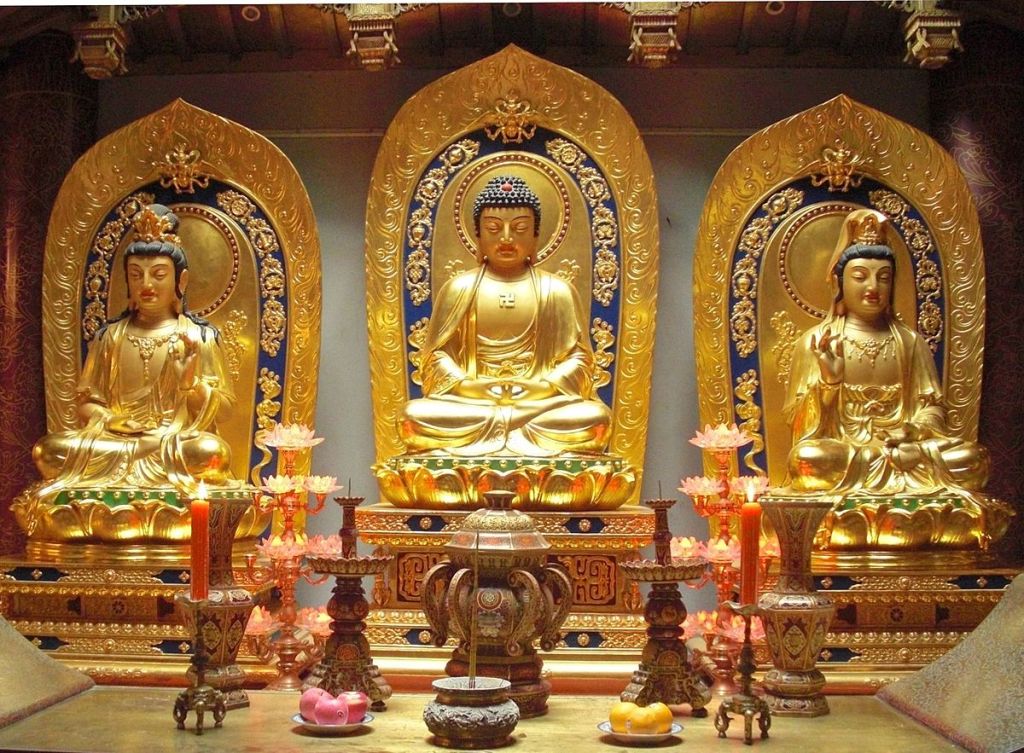
Buddhism, an esoteric tradition and way of life, arose to teach people how to experience life in a more meaningful way, bringing intrinsic serenity and pleasure. It aspires to live in perfect harmony with the greatest outpouring of love, honesty, and compassion possible. There’s a lot to discover about this 2500-year-old religion and its global appeal. Explore these locations to be awestruck by their beauty and to learn more about Buddha’s teachings.

Bodh Gaya

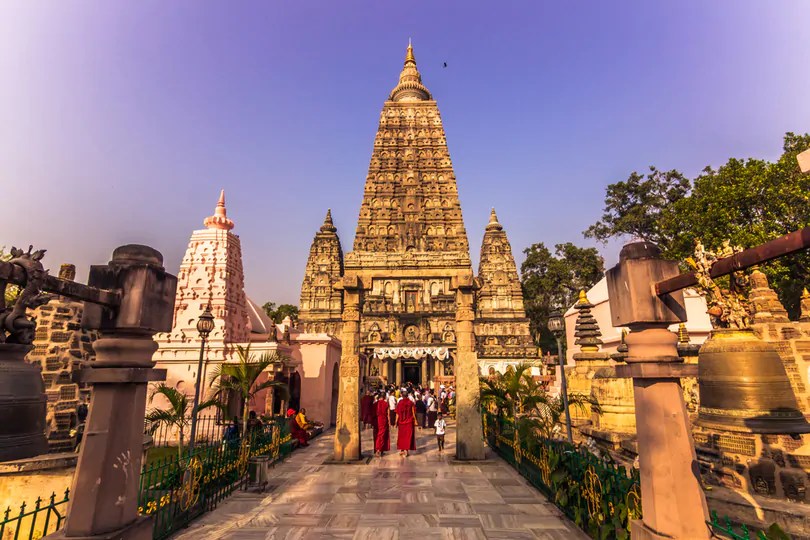
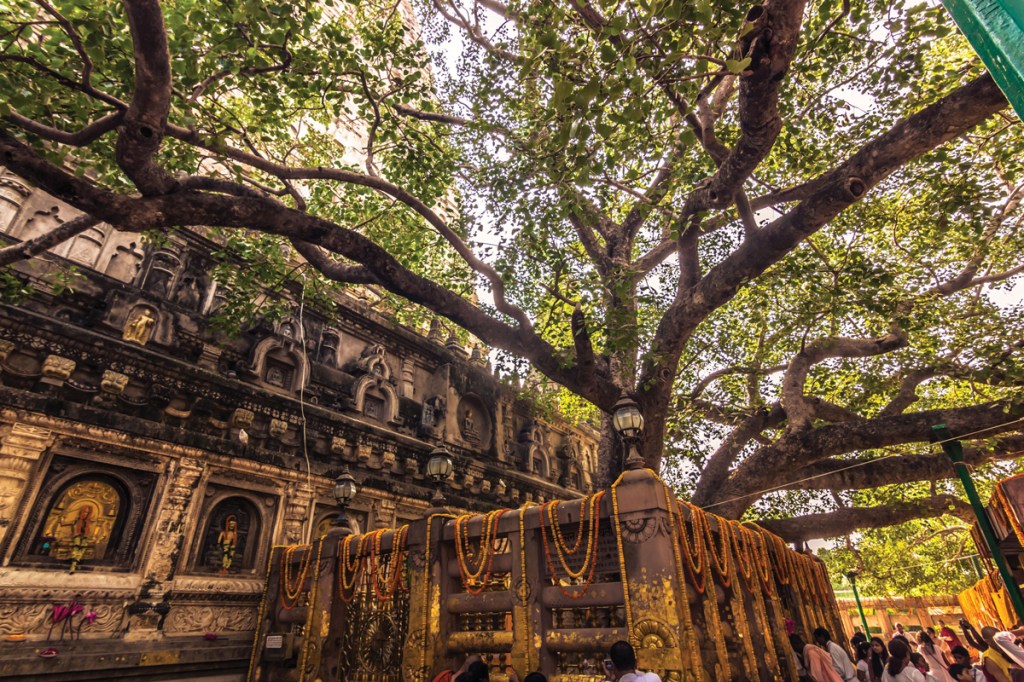
Bodh Gaya is India’s Buddhist epicenter. The tiny village of Bodh Gaya in Bihar reverberates with a serene atmosphere infused with profound devotion. This 2,500-year-old Buddhism cradle, studded with temples and monasteries, welcomes people from all across the globe to soak up its spiritual and holy vibes, follow Lord Buddha’s footsteps, and hear about his teachings at the very spot where he attained enlightenment. The serenity pervades every wind in this tiny village. Prince Siddhartha, better renowned as Lord Buddha, is claimed to have taken shelter under the most sacred tree in the vicinity, the Bodhi tree, there he meditated till enlightenment.

The beautiful Mahabodhi Temple, a UNESCO World Heritage Site, is one of Lord Buddha’s four sacred shrines. The renowned sandstone temple stands 52 meters tall in the heart of Bodh Gaya town, amidst lush green gardens. The existing Bodhi tree, most likely the sixth generation of the first, a prominent emblem in Buddhism, is located to the left of the Mahabodhi Temple. It commemorates the spot where Lord Buddha attained enlightenment underneath the first Bodhi tree. Buddha meditated for about a month in Bodhgaya under a holy fig tree. Bodhi Day, which honors Buddha’s enlightenment under the Bodhi tree, is observed every year on Dec 8 by Buddhists all around the world.

It’s a delightful surprise, with exquisite engravings and arch motifs on the tower. A golden figure of Lord Buddha in his renowned bhumisparsha mudra, with one finger touching the ground and asking it to witness his enlightenment, can be found inside the temple. A statue of Mayadevi, Lord Buddha’s mother, is housed in a room at the top.

Sarnath 

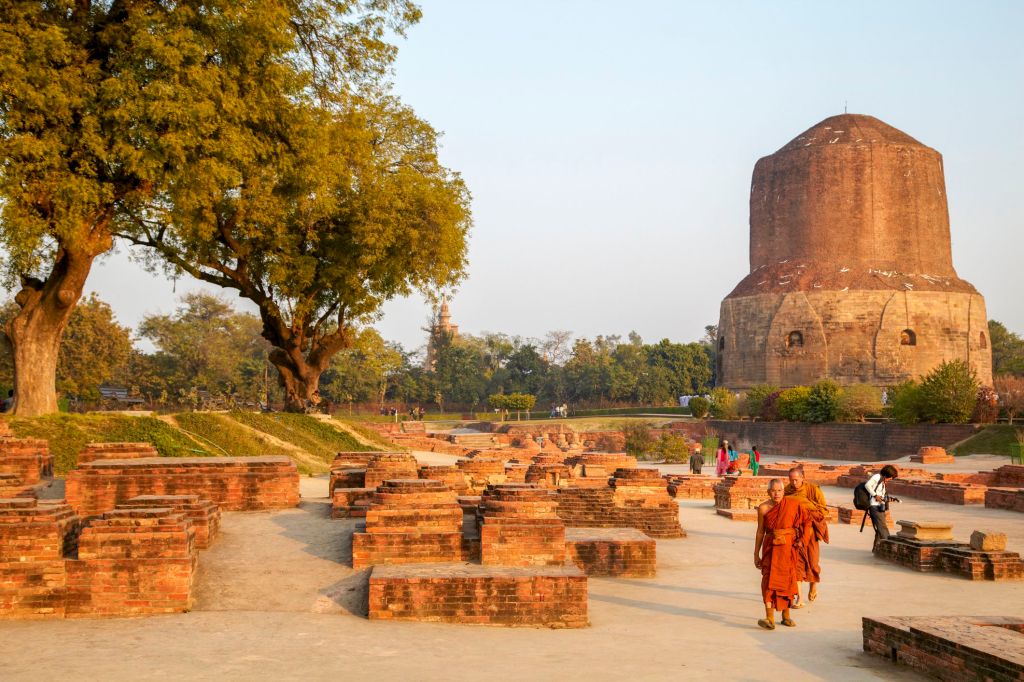
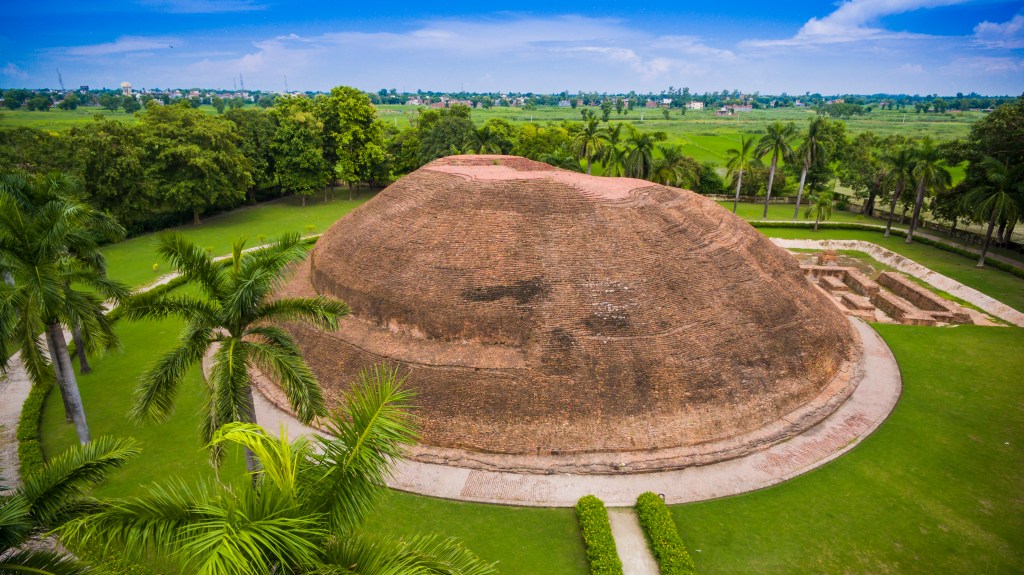
Sarnath,10km from Varanasi, was the starting point for Buddha’s teachings and preaching. Buddha gave his first lectures after nirvana in this very location. Sarnath is one of India’s four holiest Buddhist sites, with constructions like the Dhamekh Stupa and Chaukhandi Stupa highlighting its historical importance.

The solid cylindrical structured Stupa made of red bricks and stone reaches a height of 43.6 m and a diameter of 28 m. This historic site is significant because it represents the site where Lord Buddha delivered His first teaching to His 5 monks following achieving enlightenment in Bodh Gaya. Buddhist pilgrims from all across the world come to Sarnath to worship Lord Buddha.

Lord Buddha’s remains were dispersed and buried beneath 8 mounds after his enlightenment, with the embers and urn buried beneath 2 additional mounds, for a total of 10 such memorials housing Lord Buddha’s relics.

Great Indian Emperor Ashoka of the Maurya Dynasty, who reigned over almost the entire Indian subcontinent from c. 268 to 232 BCE, constructed multiple Stupas across India bearing relics of Lord Buddha and his disciples, to spread Buddhism. At 249 BCE, he ordered the construction of the Dhamek Stupa at Sarnath, which was later reconstructed in 500 CE, as well as several other Sarnath structures.

Kushinagar

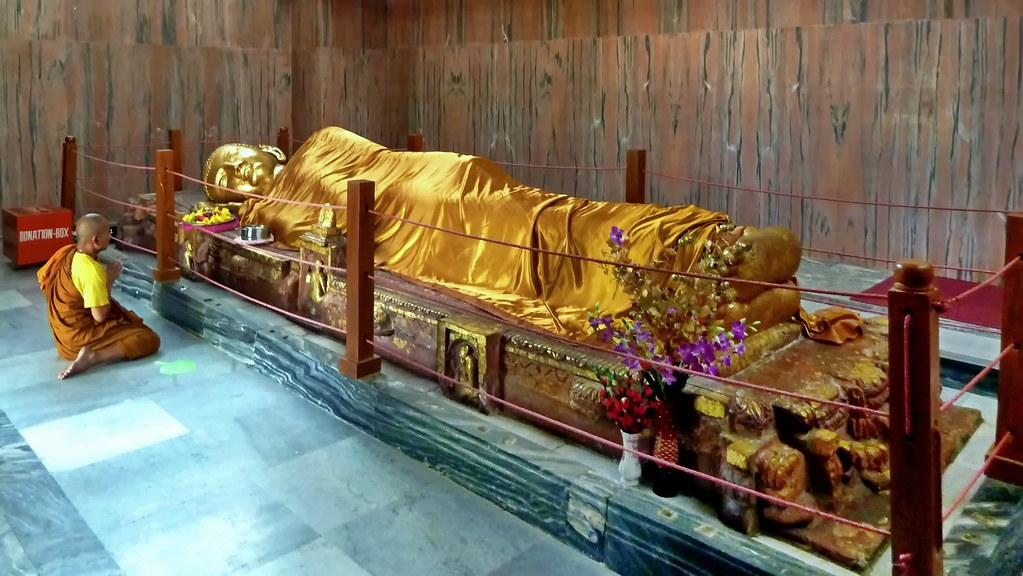
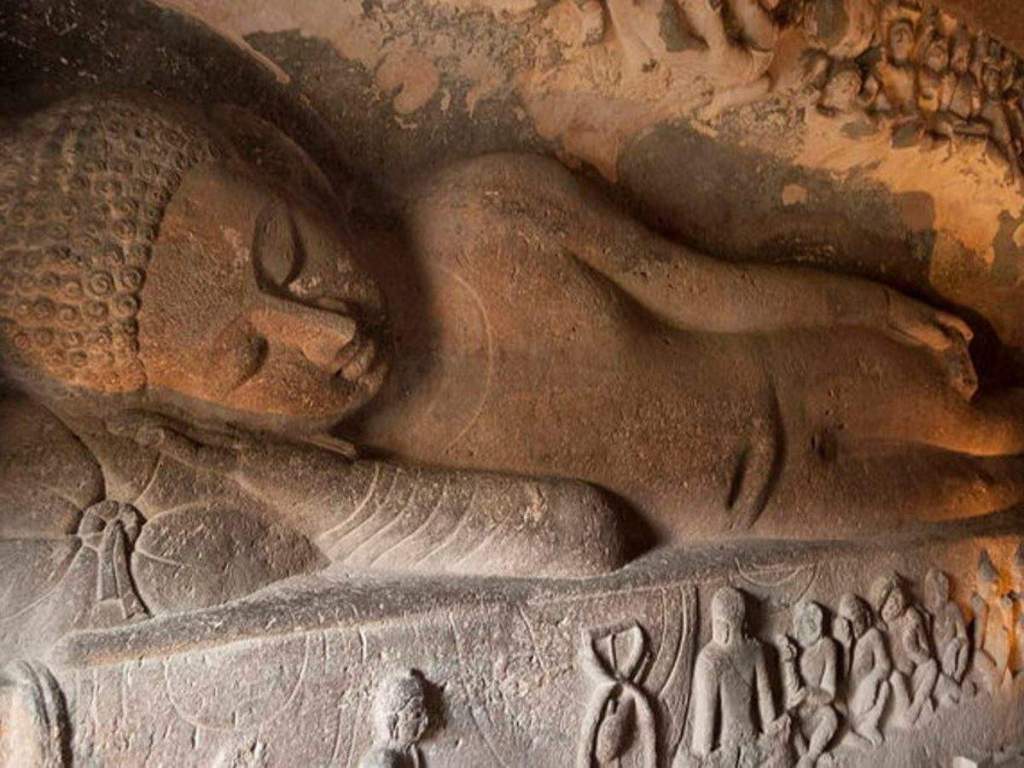
Kushinagar is a well-known tourist destination associated with Gautama Buddha, located 51 kilometers east of Gorakhpur on National Highway No. 28. Buddha delivered his last and final preaching here in 483 BC. The statue of Lord Buddha in nirvana, which towers 6.10 meters tall and dates from the 5th century A.D., is built of monolith red-sandstone. The ‘Resting-Buddha’ is seen lying on his right side, facing west. It is a holy pilgrimage place since it is where Lord Buddha breathed his last.

Kushinagar’s other attractions include the Indo-Japanese Temple, Burmese Temple, Chinese Temple, Thai Temple, Korean, Sri Lankan, Tibetan temples, 15-acre Meditation Park, and Museum.

Tawang Monastery

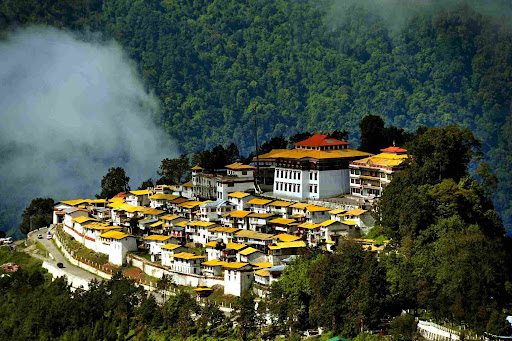
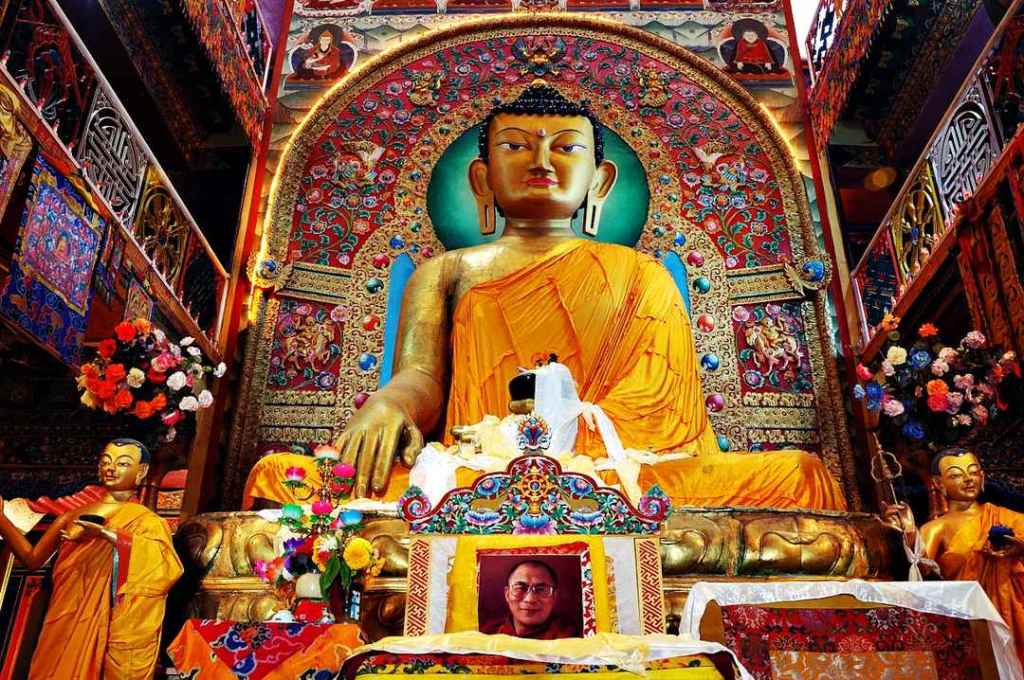
Tawang Monastery, the largest monastery in India and the second largest in the world, located in Tawang city of Tawang district in the Indian state of Arunachal Pradesh, serves as the valley’s social, cultural, and spiritual hub. This monastery, perched on a hill about 10,000 feet above sea level, is India’s largest, with views of ravines to the south and west, a short ridge to the north, and a gradual slope to the east. During the winter, it is buried in snow, which enhances its splendor.

The Mandalas or Kying-Khores are painted on the Kakaling’s ceilings and inner roofs, while saints and divinities are depicted on the inside walls. On the monastery’s northern flank, after Kakaling, is the main gate. It has a 925-foot-long eastern wall. A 25-foot-high golden statue of Lord Buddha, perched on a lotus throne and flanked by his two chief attendants, Maudgalyayana and Sariputra, each bearing staff and a bowl, is a major attraction of the monastery. The Tawang Monastery, which is three stories tall and is enclosed by a 925-foot high compound wall, houses 65 residential buildings.

The monastery is historically notable as it was founded in 1681 per the wishes of Ngawang Lobsang Gyatso, the 5th Dalai Lama. The word ‘Tawang’ translates to ‘chosen by a horse,’ and legend has it that a horse belonging to the founder, Mera Lama Lodre Gyatso, chose the current monastery’s location. Tsangyang Gyatso, the sixth Dalai Lama, was born at Tawang, making it a significant Tibetan Buddhist pilgrimage destination.

Ajanta Caves

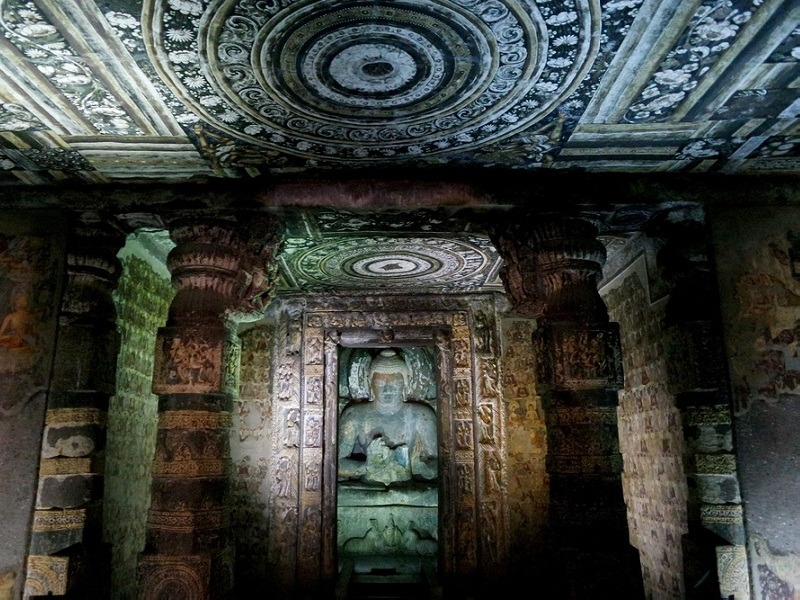
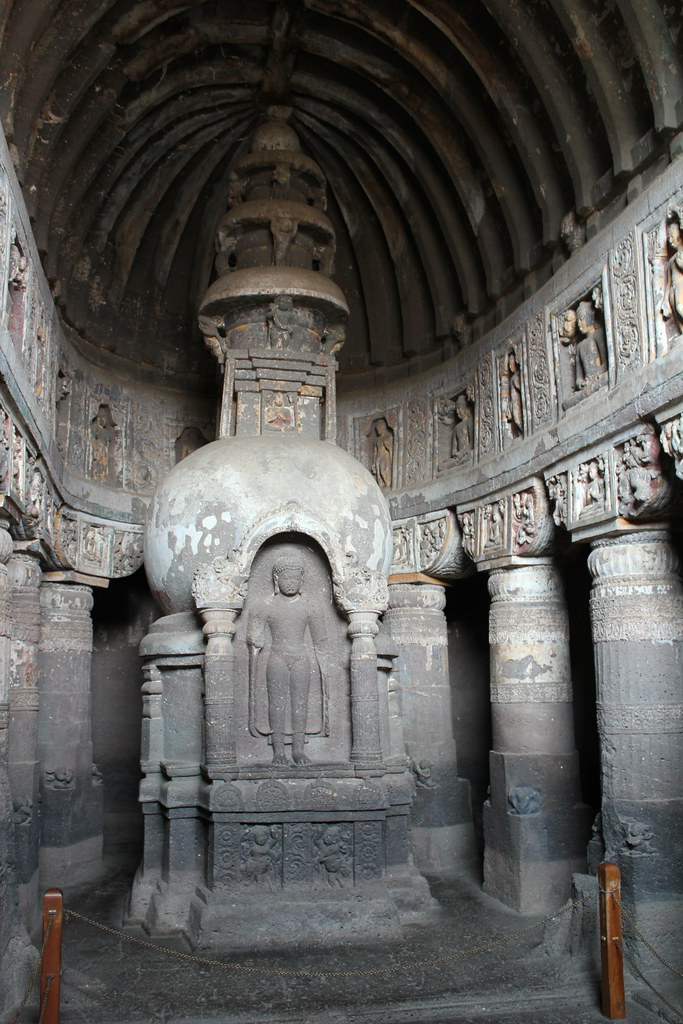
The Ajanta Caves, 107 kms from Aurangabad and 60 kms from Jalgaon, were designated as a UNESCO World Heritage Site in 1983. A protected monument in the care of the Archaeological Survey of India, it is a cluster of 32 Buddhist caves not far from a medieval village of the same name. Ajanta’s thirty rock-hewn caves, built into a cliff’s scarp, are either chapels or monasteries. Paintings adorn the cave walls, many of which retain their original colors. Exquisitely carved sculpture adorns the building’s outer walls. The Ajanta paintings’ Buddhist motif embodies the essence of Lord Buddha’s life and previous earthly events.