Vice President advises to follow the concept of “Dincharya” and “Ritucharya to maintain a healthy lifestyle

The Vice President, Shri M Venkaiah Naidu today emphasised the importance of a healthy body and healthy mind saying “we have to follow the concepts of “Dinacharya” – daily regimes and “Ritucharya” – seasonal regimes to maintain a healthy life.

Inaugurating through a video conference the 14th Edition of FICCI HEAL on the theme “Post COVID Healthcare World–The New Beginning”, the Vice President said the pandemic has taught us the overriding importance of staying healthy, both physically and mentally, the Vice President said and added that fitness coupled with balanced diet was essential to stave off illnesses.

Pointing out that sedentary lifestyle was one of the main culprits behind the growing incidence of non-communicable diseases in the country, he urged people to make any form of physical activity like spot jogging/running/brisk walking/ aerobics and stretching part of their daily routine to remain fit.

He also called upon the doctors and media to create awareness and educate people to stay healthy and fit.

Shri Naidu said Yoga and meditation should become part of daily timetable along with sports in schools and colleges once normalcy returns.

Referring to the event’s theme which talked of new beginning in post-COVID Healthcare World, the Vice President said the new beginning should also be about going back to old habits. “Our ancestors have prescribed us nutrition rich food. We should avoid fast-food and mindless eating”, he added.

Calling upon people to adapt to the culture of the new normal and take all the prescribed precautions seriously to fight COVID-19 pandemic, he said that it was highly critical for the people to act responsibly and support the multifarious efforts of the government and health professionals to break the transmission of the dreaded virus. “We simply cannot allow complacency to set in and lower our guard,” he added.

Maintaining that the nation can not remain in lockdown forever, he referred to the Prime Minister’s statement that life is important but livelihood is also equally important.

Expressing the hope that there would be good news on the vaccine front in the near future, Shri Naidu urged people to wear masks, maintain social distancing and frequently wash hands.

Condemning the instances of stigma and discrimination against frontline warriors and COVID-19 patients, the Vice President said such behaviour was unacceptable and must be nipped in the bud. “It is important that we do not discriminate against anyone who is COVID positive or anyone who has come in contact with a COVID patient. We have to promote empathetic attitude and positive messaging around COVID-19,” he added.

Speaking on the universal psychosocial impact caused by the pandemic, he said, “The psychosocial aspects of older people, their caregivers, psychiatric patients and marginalised communities need special attention.”

Stressing the need to collectively move ahead with renewed determination to defeat the virus, Shri Naidu said “Not only do we need to find ways to eliminate the virus, but we must also have to be prepared to meet post-COVID challenges and be well-equipped to face any future pandemics”.

Stating that in future people would invariably compare the life before, during and after the corona, he stressed the need to prepare the public to face any such challenge in future.

The Vice President called for making good quality healthcare accessible and affordable for all. He urged the private sector to come forward and expand its footprint through Public-Private Partnership and set up modern healthcare facilities in the rural areas, particularly in the remote and inaccessible places.

He said there was a need to capitalize on the core competence of each stakeholder in our country. “We must draw on the best from the world to strengthen our healthcare delivery system”, he added.

He urged the private sector to take full advantage of Atmanirbhar Abhiyan in order to give a fillip to the manufacturing of various medical devices, including hi-tech and advanced equipment.

The Vice President acknowledged the role of FICCI members in supporting the government in the fight against pandemic and for sharing best practices and solutions to combat it. He also expressed happiness on the development telemedicine platform ‘SWASTH’ for consulting doctors on COVID treatment.

The Vice President also released FICCI BCG report titled, “Leapfrogging to a Digital healthcare System: Reimagining Healthcare for every Indian”.

Dr Sangita Reddy, President, FICCI, Dr Alok Roy, Chairman, FICCI Health Services Committee, Dr Harsh Mahajan, Co-Chair, FICCI Health Services Committee and others were present.

Following is the full text of the speech –

“Dear sisters and brothers,

At the outset, let me compliment the FICCI for holding this timely event on the theme—‘Post Covid Healthcare– The New Beginning’.

Today, the world is in the grip of an unprecedented pandemic with the healthcare infrastructure stretched to its limits in most countries. At this juncture, the immediate concern of all governments and health authorities is to contain the spread of the contagious virus, save lives and support efforts for vaccine development. Let us hope that there will be good news on the vaccine front in the near future.

The pandemic has caused massive adverse impact on the healthcare systems and the economies of the nations. With the disease being highly contagious and no cure till now, social distancing, wearing masks, frequent washing of hands and lockdowns have become inevitable to prevent its spread. Undoubtedly, all sections of the society had to face significant hardship in view of the disruption to their normal routine.

But, we all need to collectively move ahead with renewed determination to defeat the virus. Not only do we need to find ways to eliminate the virus, but we also have to be prepared to meet post-Covid challenges and be well-equipped to face any future pandemics.

Dear sisters and Brothers

It is highly critical for the people to act responsibly and support the multifarious efforts of the government and health professionals to break the transmission of the dreaded virus. They must adapt to the culture of new normal and take all the prescribed precautions seriously.

From the initial lockdown to gradual easing of various restrictions, the government took several measures to prevent the spread of infection and mitigate the hardship caused to the people.The gradual and phased reopening is helping the individuals, communities and systems to cope with the pandemic and simultaneously help revive the economy.

However, we all must continue to be vigilant till normalcy returns. We simply cannot allow complacency to set in and lower our guard.

Steps were taken by the government to create additional health infrastructure, enhance human resource and indigenous production of critical medical consumables and devices such as PPEs, N-95 masks and ventilators. I am glad that DRDO and some of the private industries rose to the occasion in meeting the requirement.

For appropriate management of COVID-19 cases, Government of India has advised State governments to setup a three-tier arrangement of health facilities exclusively for COVID.

Dear sisters and brothers,

We have to bear in mind that COVID-19, unfortunately, has also caused universal psychosocial impact and led to depression and psychiatric conditions among some people. The psychosocial aspects of older people, their caregivers, psychiatric patients and marginalized communities need special attention.

There have been deplorable instances of stigma and discrimination against frontline warriors and COVID-19 patients. Such behaviour is totally unacceptable and must be nipped in the bud.

It is important that we do not discriminate against anyone who is COVID positive or anyone who has come in contact with a COVID patient. We have to promote empathetic attitude and positive messaging around COVID-19.

I would like to specially compliment healthcare workersacross the continuum- from practitioners, doctors under training, nurses to senior health experts and support staff- for their selfless service and devotion in combating the spread of the virus and saving lives.

I am happy to know that FICCI membershave not only been sharing best practices and solutions to combat the pandemic but have been supporting the government in a number of ways including augmenting healthcare facilities.

I would also like to acknowledge the role of many private hospitals for offering their facilities, manpower and equipment in the treatment of COVID and non-COVID patients at this crucial hour.

Dear sisters and brothers,

The current pandemic while creating new challenges has also created opportunities to transform our healthcare delivery system. These include newer care delivery models with greater focus on preventive and primary care, use of advanced technologies, rise of point of care and home-based care, structural changes in healthcare facilities for preparedness of infectious diseases, boost to indigenous manufacturing as well as R&D in products and treatment for better health outcomes.

We have to make good quality healthcare accessible and affordable. We must capitalize on the core competence of each stakeholder in our country. We must draw on the best from the world to strengthen our healthcare delivery system.

I would like the private sector to come forward and expand its footprint through Public-Private Partnership and set up modern healthcare facilities in the rural areas, particularly in the remote and inaccessible places.

Private players have added to the capacity and capability of the health care sector in the country. I am sure they would continue to play a vital role in augmenting the infrastructure and skills.

There have to be collaborative efforts from the industry as well as the civil society organizations in supporting the government’s initiatives.

The world’s largest Universal Health Coverage program- the Ayushman Bharat- Pradhan Mantri Jan Arogya Yojana (AB-PMJAY), is now being expanded to the ‘missing middle’ population of the country. This would ensure that a much larger section of the uncovered population- comprising informal sector workers, self-employed, professionals, employees in MSMEs and others– are provided health coverage.

The COVID pandemic has highlighted the need for India to become self-reliant in this sector. With the expansion of healthcare infrastructure through public and private hospitals, the demand for pharmaceutical products, medical devices and equipment, including instruments, consumables and disposables, will increase in the coming years.

I urge the private sector to take full advantage of Atmanirbhar Abhiyan and give a fillip to manufacturing of various medical devices, including hi-tech and advanced equipment.

Dear Sisters and brothers,

At the risk of repetition, I would like to stress upon the most important lesson which pandemic taught. This pandemic has taught us the overriding importance of staying healthy, both physically and mentally. Fitness coupled with balanced diet is essential to stave off illnesses. Remaining healthy is the need of the hour. This would enable us to keep diseases at bay while discharging our duties effectively.

We all are very well aware that sedentary lifestyle is one of the main culprits behind the growing incidence of non-communicable diseases in the country. Any form of physical activity like spot jogging/running/brisk walking/ aerobics and stretching can become part of our daily routine to remain fit.

In fact, I suggest Yoga and meditation should become part of daily timetable along with sports in schools and colleges once normalcy returns.

Apart from having a fitness routine, it is essential to have a healthy and balanced diet. Rapid urbanization and modern lifestyle have drastically altered the eating habits of the people. It is high time to take control and mend our dietary habits. We should not eat for palate alone. Let’s remember that we are what we eat and food is for nourishment. Let us replace mindless eating with having nutritious and protein-rich food. A silver lining of this pandemic is the fact that more and more people are resorting to freshly cooked home-made organic food.

We have to follow the concepts of “Dinacharya” – daily regimes and “Ritucharya” – seasonal regimes to maintain healthy life.

We all know Health is Wealth. Investing time and energy on a daily basis for fitness will surely enable us to reap its benefits. This helps us to enjoy and savor finer aspects of life for a long, long time. Therefore, I once again urge everyone to give priority to health and adopt a fitness routine.

Dear sisters and brothers,

I commend the efforts made by our industry members in the wake of the pandemic. I once again urge all of you to join hands with the government to come up with successful and viable PPP models in the health sector.

I am also glad that various stakeholders in the private sector, including FICCI, have converged to develop a telemedicine platform called SWASTH for consulting doctors on COVID treatment.

We need to scale up and propagate such projects and expand healthcare facilities across the country to reach the unreached and achieve our vision of ‘Healthcare for All’.

I am happy that FICCI, through the HEAL platform, is extending the right stimulus to the industry through exchange of innovative ideas for best practices. I am sure that these interactions would help us to deal with the current crisis more effectively and lead to new solutions for providing affordable, accessible, quality healthcare in the country.

NHAI Accepts Suggestions from Industry Body CEAI to Improve Ease of Doing Business in National Highways sector

In order to further improve the ease of doing business, NHAI has agreed to most of the suggestions made by industry body,theConsulting Engineers Association of India (CEAI).

NHAI reports that CEAI had submitted suggestions pertaining to areas that include Omnibus Bank Guarantee, Performance Parameters of Consultants, Approval of DPR, Value Engineering, Technical Capacity Provisions, Evaluation of Bids etc. After having detailed deliberation with the industry body, NHAI agreed with most of the suggestions made by them. Suggestions which were outside the purview of NHAI have been sent to the related authorities for consideration. Further, NHAI assured the body that all good suggestions facilitating smooth working with the Consultants shall be positively considered in the future as well. 

Some of the key suggestions accepted by NHAI are highlighted as below:

  1. Suggestions regarding Omnibus Bank Guarantee system has been accepted by NHAI and guidelines have been issued on the matter.
  2. Suggestionsregardinguse of innovative technology / material has been accepted. NHAI has asked the Consultants to propose new technologies while preparing DPRs and wasteful expenditure items should be avoided.NHAI also assured that the approval process of various stages of DPR shall be expedited.
  3. NHAI has reiterated its commitment to ensure timely payments to the Consultants.
  4. Under Technical Capacity Provisions, cap on the number of projects awarded to a Consultant will be linked to the Consultant’s performance and its rating on the Vendor Performance Evaluation System.

NHAI has further reported that it is committed to improve ease of doing business and facilitate better working relationship with all its stakeholders.

Human Rights cannot be an excuse for defying the law of the land

The stand taken and the statements made by Amnesty International are unfortunate, exaggerated and far from the truth.

The facts of the matter are as follows:

Amnesty International had received permission under the Foreign Contribution (Regulation) Act (FCRA) only once and that too twenty years ago (19.12.2000). Since then Amnesty International, despite its repeated applications, has been denied FCRA approval by successive governments since as per law it is not eligible to get such an approval.

However, in order to circumvent the FCRA regulations, Amnesty UK remitted large amounts of money to four entities registered in India, by classifying it as Foreign Direct Investment (FDI). A significant amount of foreign money was also remitted to Amnesty (India) without MHA’s approval under FCRA. This mala fide rerouting of money was in contravention of extant legal provisions.

Owing to these illegal practices of Amnesty, the previous government had also rejected the repeated applications of Amnesty to receive funds from overseas. This had led Amnesty to suspend its India operations once during that period as well. This bipartisan and purely legal approach towards Amnesty, under different governments, makes it clear that the entire fault lies in the dubious processes adopted by Amnesty to secure funds for its operations.

All the glossy statements about humanitarian work and speaking truth to power are nothing but a ploy to divert attention from their activities which were in clear contravention of laid down Indian laws. Such statements are also an attempt to extraneously influence the course of investigations by multiple agencies into the irregularities and illegalities carried out over the last few years.

Amnesty is free to continue humanitarian work in India, as is being done by many other organizations. However, India, by settled law, does not allow interference in domestic political debates by entities funded by foreign donations. This law applies equally to all and it shall apply to Amnesty International as well.

India has a rich and pluralistic democratic culture with a free press, independent judiciary and tradition of vibrant domestic debate. The people of India have placed unprecedented trust in the current government. Amnesty’s failure to comply with local regulations does not entitle them to make comments on the democratic and plural character of India.

NHPC signs MoU with Power Ministry detailing targets for the year 2020-21

NHPC Limited, India’s premier hydropower utility and a Scheduled ‘A’ Mini Ratna Enterprise of the Government of India has signed Memorandum of Understanding (MOU) on 29.09.2020with Ministry of Power, Government of India for the year 2020-21. The MOU was signed by Shri SanjivNandanSahai, Secretary, Ministry of Power, Government of India and Shri A.K.Singh, CMD, NHPC in the presence of senior officers from MOP and NHPC.

In the signed MOU for NHPC, generation target under Excellent rating has been set as 27500 MUs as against last year target of 26000MUs. Excellent Targets for Revenue from Operations (Net) has been kept asRs. 8900 crore, Operating Profit as a percentage of Revenue from Operations (Net) has been kept as 38.00% and PAT/ Average Net Worth has been kept as 10.50 %.

Further, Capex target to ensure optimum utilization of budget, targets regarding Trade Receivables, Reduction in claims against the company not acknowledged as debt over previous year on overall basis and Percentage of Procurement of goods and service through GeM portal to total procurement of goods and services during the previous year etc. have been included in the MOU.

In addition, milestones in respect of restoration of Unit #1 & Unit #2 of Chamera-II Power Station and Assets Monetization parameters have also been included in the MOU.

NHPC hosts 44th Annual General Meeting

NHPC Limited, hosted its 44th Annual General Meeting (AGM) through video conferencing from its Corporate Office, Faridabad on 29th September 2020. The management of the company recommended a dividend of Rs.1.50 per equity share for the year 2019-20, which is inclusive of interim dividend of Rs.1.18 per equity share paid in March, 2020. Shri A.K. Singh, CMD, NHPC addressed the shareholders at the AGM wherein members of NHPC Board and Company Secretary, NHPC were also present. CMDhighlighted key achievements made by NHPC despite the challenges posed due to COVID-19 pandemic. Shri Singh informed that the Company had earned a total revenue of Rs. 9,771.59 crore, revenue from operations (net) of Rs. 8,735.41 crore and Net Profit After Tax (PAT) of Rs. 3,007.17 crore during the FY 2019-20.

Shri A.K. Singh, CMD, NHPC along with Shri Ratish Kumar, Director (Projects), Shri N.K. Jain, Director (Personnel), Shri M.K. Mittal, Director (Finance), Shri Y.K. Chaubey, Director (Technical), Shri R.P. Goyal, Chief General Manager (Finance) and Shri Vijay Gupta, Company Secretary, NHPC at the 44th Annual General Meeting of NHPC held through video conferencing  on  29th September 2020

Shri Singh also said that NHPC had achieved its highest ever annual generation of 26,121 Million Units (MUs) surpassing the previous highest generation of 24,193 MUs during financial year    2018-19. Shri A.K. Singh further informed about the successful acquisition of LancoTeesta Hydro Power Limited as a wholly owned subsidiary company for the implementation of TeestaVI HE Project(500 MW) in Sikkim through Corporate Insolvency Resolution Process (CIRP). Similarly, the company has been declared as successful resolution applicant by the Committee of Creditors of Jal Power Corporation Limited, a company implementing Rangit Stage-IV HE Project (120 MW) in Sikkim. The shareholders were also informed about the receipt of stage-II forest clearance for Dibang Multipurpose Project (2800 MW).

Shri Singh also informed about MoUs signed with Green Energy Development Corporation of Odisha Limited (GEDCOL) to form a Joint Venture Company (JVC) to plan & develop techno-commercially feasible floating solar power projects of 500 MW in the state of Odisha and with Hydroelectricity Investment and Development Company Limited (HIDCL), a company owned by Govt. of Nepal for joint cooperation to develop hydropower projects in Nepal. He went on to add that the company is having 2,800 MW installed capacity under construction and hydroelectric projects having 5,945 MW installed capacity are under clearance or approval stage.

Other important pointsduring the address of Shri A.K. Singh, CMD included efforts to augment growth in solar and wind power. Company has envisaged floating solar projects of 500 MW each in Odisha and Telangana and 50 MW in Kerala under Ultra Mega Renewable Energy Power Parks (UMREPPs) Scheme of Ministry of New and Renewable Energy (MNRE), Government of India. Company has received in-principle approval from MNRE for enhancement of Solar Park capacity (from 100 MW to 140 MW) in Odisha, which envisages development of two projects of 40 MW and 100 MW. Possibilities are also being explored for development of other utility scale solar projects in different States/UTs such as Telangana (293 MW), Tamil Nadu (2 X 25 MW) and Leh (50 MW).

NHPC has issued Letter of Award (LOA) to solar power developers for Inter State Transmission System (ISTS) grid connected photovoltaic projects aggregating to 2,000 MW. NHPC is also undertaking various other projects with installed capacity of 2,258 MW through subsidiaries and joint ventures. He said that by the end of the current decade NHPC will have installed capacity of 20000 MW including JVs and Subsidiaries.Various queries of members regarding performance of the Company were also addressed at the AGM.

CCI approves demerger of the Textiles Business of GHCL Ltd. (“GHCL”)into its wholly owned subsidiary GHCL Textiles Limited (“GHCL Textiles”)

The Competition Commission of India (CCI)approved demerger of the Textiles Business of GHCL Ltd. (“GHCL”)into its wholly owned subsidiary GHCL Textiles Limited (“GHCL Textiles”)under Section 31(1) of the Competition Act, 2002.

GHCL is a public limited company incorporated in India and is stated to be engaged in the business of (i) manufacture and sale of inorganic chemicals including but not limited to Soda Ash (Dense grade and Light grade), Sodium Bicarbonate, Industrial Salt and Consumer Products (‘Chemical Business’) and (ii) manufacture and sale of textiles including but not limited to yarn manufacturing along with weaving, processing, cutting and sewing of home textiles products (‘Textiles Business’).

GHCL Textiles is a Public Limited Company incorporated in India. Presently, GHCL Textiles Ltd. is a wholly owned subsidiary of GHCL.  It is a newly incorporated company and has not initiated any business activity.

Pursuant to the proposed demerger, GHCL will retain its chemicals and consumer products business and GHCL Textiles will have the demerged Textiles business.

NITI Aayog Holds Two-Day Consultation on Natural Farming

To leverage the many socioeconomic and environmental benefits of natural farming for boosting farmers’ welfare, consumer health, food security and nutrition, NITI Aayog has organized a two-day (29–30 September) national-level consultation with relevant stakeholders.

Addressing the conference, Union Minster of Agriculture and Farmers’ Welfare Shri Narendra Singh Tomar stressed that natural farming has been practised in India over the centuries, and lauded NITI Aayog’s efforts to spearhead the implementation of natural farming across the country. He mentioned that the Union Agriculture Ministry has allocated a budget to promote the practice. Proposals on natural farming by Andhra Pradesh, Kerala and Chhattisgarh have also been considered and approvals accorded for their implementation.

Governor of Gujarat Acharya Devvrat said that in the next five years, 12 lakh hectares will be brought under natural farming in the state. He mentioned that approximately 1.20 lakh farmers in Gujarat adopted natural farming during the ongoing kharif season and another 5.50 lakh were interested in the practice. The governor enumerated on the many benefits of the practice—the input cost in natural farming tends to be ‘zero’; the requirement of irrigation is reduced to 60–70%, with an increase in organic carbon level from 0.5 to 0.9. The marketing of such produce faces no constraints, where the unit price of premium quality wheat can be marketed at Rs 4000 per quintal instead of the conventional rate of Rs1900.

Applauding the efforts of the Agriculture Ministry to publicize the beneficial aspects of natural farming, NITI Aayog VC Dr Raijv Kumar mentioned that currently the acceptance and adoption of the practice is still in a transitionary stage. However, India looks forward to the implementation of natural farming as a jan andolan, keeping pace with the science to back it, to emerge as a net agri-exporter. NITI Aayog Member (Agriculture) Prof. Ramesh Chand mentioned that the issues related to the creation of a new policy environment, product identity, value chain and marketing would be taken care of as a future course of action. Emphasizing on the importance of agriculture in economic development, NITI Aayog CEO Shri Amitabh Kant said there was a need to build a common understanding and workable strategies to push natural farming to maintain continuity in the food supply system.

The two-day consultation has four technical sessions—natural farming (national and global perspectives); natural farming for pan-India adoption and success stories; natural farming (adoption and impact evaluation); and natural farming (farmers’ organization, experiences, and challenges)—headed by NITI Aayog Member (Agriculture) Prof. Ramesh Chand; Acharya Devvrat; and Kaadsiddeshwar Swami Ji, Kaneri Math, Kolhapur.

The consultation hopes to deliver a systematic approach for the adoption and implementation of natural farming at the farm level; identify an extension-cum-training programme to be undertaken by the Indian Council of Agricultural Research through Krishi Vigyan Kendras, State agriculture departments, the private sector, cooperatives and NGOs; and develop a document on success stories/best practices, with the scientific background required to manage crop health and production.

Central and state government officials, scientists and experts from agriculture universities and institutions, trusts and NGOs associated with natural farming, and representatives from international organizations and farmers’ associations are part of the consultation.

Dr Harsh Vardhan addresses The Partnership for Maternal, Newborn and Child Health’s (PMNCH) ‘Accountability Breakfast’

Dr Harsh Vardhan, Union Minister for Health and Family Welfare today participated in the Partnership for Maternal, Newborn and Child Health (PMNCH) ‘Accountability Breakfast’ through Video Conference. The event was co-hosted by the White Ribbon Alliance (WRA) and Every Woman Every Child (EWEC). A recurrent theme this year was the effort to protect hard earned gains in the field of Reproductive, Maternal and Child Health from the COVID pandemic.          

Speaking on the impact of COVID-19 in the area of maternal and child health, Dr. Harsh Vardhan observed, “The maximum impact has been felt by women, children and adolescents and this called for urgent action.” He mentioned that at the national level, the Ministry of Health and Family Welfare had issued guidance to the States to ensure that women, children and adolescents continue to get all the healthcare services and that he had personally taken this up with the health ministers of all the States; “We are in a constant dialogue to ensure that these services are made available to women, children and adolescents remain in focus despite the health systems being under severe strain due to COVID epidemic.” The Minister spoke of the government’s stated policy of no denial for essential services, like-Reproductive Maternal Newborn, Child and Adolescent Health (RMNCAH), Tuberculosis, chemotherapy, dialysis and healthcare of the elderly, irrespective of the COVID status, the free testing and treatment for COVID across government health facilities and the inclusion of COVID in the medical conditions covered under the Ayushman Bharat – PM JAY insurance package provided by the government, which caters to almost 500 million people from the weakest socio-economic strata. He expressed satisfaction that these steps have helped in reducing reduce Out-of-Pocket-Expenditure of those affected

Dr. Harsh Vardhan while addressing a question on a women’s choice during maternal care reckoned that maternity care goes much beyond healthcare services for the mothers but sets into motion a lived reality of the woman who depends on a responsive system to cater to her needs of not only services but also dignity, privacy, confidentiality, choice and respect for her as well as her baby; “It is not just about a provider or a client, it’s about human dignity”. Elaborating on the idea, he said “From instilling a behavioral change to help more women deliver in hospitals to entitlement for absolutely free services, we have come a long way now in providing quality care throughout pregnancy and childbirth with interventions like LaQshya and midwifery care.”

He further informed that last year, he had himself started “Safe Motherhood Assurance (SUMAN)” initiative that brings all these services under one umbrella. “We are now following a zero tolerance approach for service denial to pregnant women and their newborn babies and have also strengthened our system for client feedback, grievance redressal and greater accountability and transparency. The idea is to have a fully responsive and accountable health system that will not only result in a positive birthing experience but also help end preventable maternal and newborn deaths,” he added.

The Minister detailed the Government’s plans to expand the notion of safe motherhood beyond mere prevention of mortality, “Women must be empowered to decide for themselves and therefore we have been trying to utilize multiple contact points throughout the antenatal and childbirth period to help women make informed decisions around safe motherhood practices, choice of birth companion, identifying referral transport and post-partum contraception.” He mentioned that India is transitioning “towards a phase of moderate levels of maternal mortality and analyses have shown that many of the maternal deaths occur due to delay in timely provision of comprehensive obstetric care” which could have been prevented. He also added that he believed that with better quality of public healthcare facilities, regular caesarean section audits, adherence to SOPs in the labour room through structured interventions, India will be able to effectively address this issue. Another important step towards universalization of skilled birth care, the Minister outlined, “is making available adequate number of  nurse practitioners in India” He said that the Ministry has already prepared a detailed roadmap with an aim to provide midwifery services throughout the country.

The Minister impressed upon the idea to protect primary health care workers from the pandemic, “We have taken actions to create a safer work environment for our COVID warriors through uninterrupted supply of essential logistics, personal protective gear and also made provision of life insurance cover for the people dedicated to COVID and healthcare services. We have also been carrying out a spirited campaign to celebrate the Corona warriors and address stigma and discrimination that has come to be associated with this disease. I would say that this is not a single department’s effort, it is actually a whole of government approach that is helping us deliver to the last mile.”

Committing India to the PMNCH Call to Action, he reminded everyone present that India was one of the countries that was instrumental in shaping this PMNCH Call to Action. “We reiterate our commitment to the women, children and adolescents of India and we will continuously direct our efforts towards improving their health and well-being.” He urged the wider PMNCH community to state and commit their support and resources towards this Call to Action and greater good: “Let’s ensure health for all and that no one is left behind.”

Recovered Cases exceed Active Cases by more than 41.5 lakhs

While recoveries have crossed 51 lakhs in India, which is the highest in the world; ICMR’s second sero-prevalence report has found that a considerable population is still vulnerable to SARS-COV-2 virus.This apart, more than 7 crore 30 lakh tests have been conducted so far, out of which 77.8 lakh tests were done in the last week. This has been briefed by Union Secretary, Ministry of Health and Family Welfare, Shri Rajesh Bhushan in a media briefing on latest updates, preparedness and actions taken on COVID-19, at the New Media Centre in New Delhi today.

The Health Secretary further stated that India still has one of the lowest cases (4453) as well as deaths (70) per million in the world. In the last seven days, India has recorded 425 new cases per million population. This apart, by the efforts of ICMR as well as private sector, India has crossed the mark of 50,000 tests per million population. Today (September 29, 2020) itself, 52,978 tests per million population have been done. Month-wise analysis also shows rapid increase of testing with 2.97 crore tests done in this month itself. Similarly, week-wise analysis shows that on an average 11,12,037 daily tests have been conducted in the week ending today (September 23-29, 2020). “India has achieved a capability of conducting 15 lakh tests per day. The number of tests done depends on various factors including the intensity of infection spread in an area. Hence, on a day-on-day basis, number of tests may increase or decrease”, stated the Health Secretary. Another analysis of a national trend shows, new recoveries have exceeded new cases in recent days. Further, an analysis of data since Septembe 15, 2020 shows a continuous and sustained decrease in the percentage of active cases and rise in percentage of recovered cases. As on date, there are only 15.4% active cases, while 83.01% are recovered cases. In Maharashtra, a decline in the number of average daily new cases has been observed in the week ending today. Stating these data, the Health Secretary reiterated the importance of social distancing and wearing a mask.

While briefing about the findings of ICMR Second Sero-survey for SARS-CoV-2 Infection, DG, ICMR Prof. (Dr.) Balaram Bhargava informed, there were 26–32 infections per reported case by August 2020.  This apart, risk in urban slums is twice than that in non-slum areas and four times than the risk in rural setting. DG, ICMR further said, there still exists a considerable section of susceptible people who are yet unexposed to SARS-Cov-2. Lockdown, containment and behavior change at population level have effectively checked potential spread of SARS-Cov-2, he added.

The study further shows, one in 15 individuals aged 10 years or below were estimated to be exposed to SARS-CoV-2 by August 2020. Stating these, DG, ICMR concluded saying that non-pharmacological interventions like physical distancing, use of face mask/cover, hand hygiene, cough etiquette are still essential. This apart, people-centric & risk focused interventions in urban slums, urban non-slums and rural settings are to be developed & implemented. The DG, ICMR further called for inventive containment strategies to be implemented by the States in the light of the upcoming festivities, winter season and mass gathering.

Dr. V.K. Paul, Member (Health) in NITI Aayog said, labourers, who are running the country’s economy, are at higher risk of exposure. In this context, he stressed upon following ‘Safe Workplace Guidelines for Industrial Establishment’ issued jointly by the Ministry of Labour & Employment and Ministry of Health & Family Welfare to help protect the labour-force from infection. Stating that pneumonia and similar diseases become more common in the winter months and that a second peak is coming in the world, he reiterated the need for social vaccine in the form of COVID Appropriate Behaviours, social distancing and wearing a mask in the upcoming festive season and winter months. 

In reply to a media query, Health Secretary stated, six domestic companies in India are producing Remdesivir. While earlier the price of this drug was Rs. 5500/- when there was only one manufacturer, it has come down to Rs.2800/- now.

In reply to another query, Health Secretary stated, National Expert Committee on Vaccine Administration has recommended an amount to be spent for vaccine administration on the basis of population prioritization and staggered immunization programmes based on it and that the Government has the provision for incurring that expenditure.

WHY SEX EDUCATION IS IMPORTANT

There’s nothing simple about teaching kids about sex. In these times of precocious pre-teens, pregnancy among teenagers, and sexually transmitted diseases (STDs), children and adolescents need much more than a one-time chat about the birds and the bees. Pregnancy prevention and safe sex really should be ongoing, age-appropriate topics.

Ideally, children will get all of the information they need at home from their parents, but school should also be an important source of information. Research has shown time and time again that abstinence-only education doesn’t work.The research has shown it time and time again: Abstinence-only education doesn’t affect the rates at which teenagers decide to have sex.Given that the primary purpose of abstinence-only education is to do exactly that, it is clear that it doesn’t work.One of the biggest problems with abstinence-only education is that it denies teenagers the chance to learn about acceptable options other than abstinence. Given that no form of sex education has been shown to effectively convince teenagers not to have sex, this is a significant problem.

Presumably, parents and educators want adolescents to be as healthy and happy as possible. One would hope that would be true even if those adolescents aren’t managing to conform to the standards of behavior that adults would consider ideal.Part of staying healthy is seeking appropriate health care. As boys age, many of them stop going for preventative health care.8 This limits the opportunities they have to be screened for, among other things, STDs.One of the biggest risk factors for not seeking care is holding traditional views about masculinity.9 It’s important that young men learn early that taking care of their health is one of the most “manly” things they can do.Comprehensive sex education doesn’t encourage kids to have sex. Just like abstinence-only programs, good comprehensive programs teach students that abstinence is the only surefire way to prevent pregnancy and STDs


The difference is that these programs also give students realistic and factual information about the safety of various sexual practices, and how to improve the odds.
Nothing about comprehensive sex education prevents parents from teaching their kids their standards for moral behavior.11 If anything, having them learn the facts at school frees parents to focus on explaining their own personal religious beliefs and behavioral expectations.
The more kids know, the more likely they are to say “No.” Teenagers aren’t stupid. When a teacher tells them that only abstinence can protect them from the dangers of STDs and pregnancy, they know they’re being lied to. At the very least, they know they’re being misled.

Giving adolescents an accurate picture of the risks of different types of sexual behavior can help them make informed decisions about

The most effective sex education programs tend to be the ones that try to steer teens away from specific activities that are particularly high risk.
What do teenagers do when they haven’t been given accurate information about sexual risks? They have oral sex, or even anal sex, instead of vaginal intercourse.12 In particular, many teenagers don’t see oral sex as incompatible with abstinence. That’s true even though oral sex can transmit several STDs.

Abstinence-only education sometimes encourages students to abstain from sex without ever telling them what sex is. In contrast, when comprehensive sex education is taught in schools, it may encourage teens to make more informed decisions before participating in alternative sexual behaviors.

Without enough information, those are behaviors that teens may falsely assume are safe.

NO MORE NIRBHAYA

Sexual assault on women is a common phenomenon in our country. Under sexual assault comes; molestation, eve-teasing, child sex abuse, rape, marital rape, domestic violence.

Of all these crimes, Rape is the most violent crime which is committed against women. According to Section 375 of the Indian Penal Code, Rape means an unlawful intercourse done by a man with a woman without her valid consent.

Rape outrages a woman’s modesty. After a rape incident, a woman lives a pathetic life which includes fear, depression, guilt complex, suicidal action and social stigma.
In recent times, Rape incidents have increased manifold. According to statistics, two women are raped in the country every hour. If further statistics are to be believed, every 10 hours a girl of age 1-10 is being raped in India.It appears that the rapists are not scared of laws. Also, cases are being reported where minors and elderly women are being raped. The recent incident which shook the nation was the gang rape of a 23 year old para-medical student in a moving bus on the streets of Delhi.
The cruelty which was shown towards the girl by the rapists filled every Indian with wrath. So much so was the anger, that thousands of people poured into the streets to demand justice for the young lady.


The protests compelled our leaders to sit up and think and now amendments of the laws concerned with sexual assault on women our underway.
Every day the newspaper reports of rape incidents. In majority of rape cases the accused is known to the victim. The accused may be a friend, a relative, neighbor.
Some cases are a rude shock to humanity like that of a five year innocent girl being raped by her neighbor. Not only he raped her, but damaged her internal organs beyond cure. Some cases have come into light wherein teachers have raped their students.
The important question which arises when we talk of rapes is what causes rape. Why rape cases are increasing at an alarming rate? First and the foremost cause of increasing rape cases is the lack of public safety. Women are not safe outside their homes and why only outside they are not safe even inside their homes.

A number of cases have been reported wherein the guilty has committed the crime in the very house of the victim. Rapes are being done in moving vehicles also which raise a question on the effectiveness of the traffic system of our country. Another important reason is the dearth of police officials and female police officers in particular. According to the Times of India, there is 1 officer for every 200 citizens.

Studies show that rape victims are more likely to report sex crimes if female police officers are available. Lack of female police further aggravates the problem.


Another very important reason is a sluggish court system of India and few convictions. India’s court system is painfully slow and for rapes that do get reported, the conviction rate is not more than 26%.


As the accused is not convicted, others think that they can go around freely and rape whosoever they like. Stigmatizing the victim and encouraging the victim to compromise gives a further impetus to this horrendous crime.

In many rural areas, the victim is pressurized to drop charges against the guilty. Not only this they are encouraged to marry their rapist by telling them that nobody will marry them now and it will bring shame to her family.

In recent times, prominent leaders and experts have blamed women’s clothing as responsible for increasing rape cases which is totally wrong. No clothing is an invitation to rape
The dire need of today is to curb this violent crime. The most important step to be taken in this direction is the strengthening of laws dealing with sexual assaults.

Death penalty should be imposed on a rape accused.

A woman’s squad should be formed in every district which would exclusively deal with problems of women.

Fast track courts must be established so that justice is given as early as possible.

Some NGO should start Rape Crisis Centre where victim can approach by calling a toll-free number or physically visiting the local centres. Such centre should play a vital role in supporting rape victims to cope up with the psychological trauma and also guide them to obtain legal remedy.
Women are wonderful daughters, sisters, wives, and mothers. They should be loved, cared, respected and should be protected

Technology Advancement

Technology has revolutionised our world and everyday life over the years. Technology has built wonderful tools and services to give us valuable knowledge.

Multifunctional devices such as smartwatch and smartphone have opened the way for new technology. Computers are quicker, more compact and more powerful than ever. Technology has enabled our lives, easier, healthier, and more enjoyable in all these revolutions.

In recent decades , technology has also equipped us with brand new gadgets, such as smartwatches, tablets and voice assistants. These devices allow us to instantly move money and make purchases of clothing , food, food, food, furnishings and more. The technology has changed our way of entertaining, meeting and consuming all sorts of media. There have been enjoyable development, but significant safety improvements have also been made in home protection and medical equipment.

These devices particularly for the elderly include the liberty to age, live freely and to travel with peace of mind on a daily basis. By helping with stability, mobility and communication, it creates new opportunities. Medical development has made it so that you can be proactive for diseases such as diabetes and arthritis. Seniors will also get help by pressing a button with modern medical warning systems and stay in contact with relatives no matter where in the world they are.

Since so many new innovations are possible to monitor, adaptation may seem daunting. All these emerging innovations, however, are aimed at facilitating your life. While it doesn’t feel intuitive, it takes just a little guidance and practise to learn to use Smartphones, smartwatches and voice assistants.

Digital technology has had a significant impact on how we interact in general.

The impact of modern technology on media has been clear, because media organisations are no longer simply news media outlets. Digital technology has transformed what people call “media.” An enterprise in the media is now every enterprise helping to spread knowledge on social media sites like Facebook & Twitter worldwide.

There are now nearly 3,2 billion people active web users worldwide. This is almost half the population of the planet. Two million smartphones are distributed every day around the world and we exchange phenomenal knowledge on social media networks.

Social networking isn’t the only big declaration made by modern technologies. Neither are social media the only way that technology has changed everybody’s life.

How did technology lead to communication? The technical advancements have made contact extremely fast and convenient. Looking back and seeing how much better contact has been over the years is unbelievable. Communication technologies provide one of the most important indicators of the rapid advancement of technology.

In recent years, the easiest way to connect with someone was to write a letter, send faxes or locate a wired telephone. You have far more effective choices at your fingertips to communicate with someone in society today. You can give them a post, email it, video chat, e-mail or call it via social media.

These new methods will help you to stay in contact with your loved ones, especially if you are old or alone. Video chat lets caregivers search for older people who do not need ongoing tests.

Unemployment

Unemployment is a very serious issue not only in India but in the whole world. There are hundreds and thousands of people out there who do not have employment. Besides, the problems of unemployment are very severe in India because of the growing population and demand for jobs. Moreover, if we neglect this problem then it will be going to become the reason for the doom of the nation.Youth unemployment can lead to social exclusion and unrest. Investing in decent job creation however, as well as in education and training opportunities for the youth, will help them find their place and contribute to more prosperous and stable societies.

Unemployment is a common economic malady faced by each and every country of the world, irrespective of their economic system and the level of development achieved. But the nature of unemployment prevailing in underdeveloped or developing countries sharply differs to that of developed countries of the world.While the developed countries are facing unemployment, mostly of Keynesian involuntary and frictional types but the underdeveloped or developing countries like India are facing structural unemployment arising from high rate of growth of population and slow economic growth.

621 million young people aged 15-24 years old are not in education, employment or training*.75 million young people are trained but have no job.In the next decade, one billion young people will enter the labour market, and large numbers of young people face a future of irregular and informal employment.Almost 90% of all young people live in developing countries.Youth are approximately three times more likely to be unemployed than adults (2.7).The International Labour Organization (ILO) estimates that the global youth unemployment rate is expected to reach 13.1% in 2016 (71 million young people) and remain at that level through to 2017 (up from 12.9% in 2015).It is estimated that 23% of young people currently employed in the world earn less than $1.25US a day**.

In a country like India, there is much reason for a large section of the population for being unemployed. Some of these factors are population growth, slow economic growth, seasonal occupation, slow growth of the economic sector, and fall in the cottage industry.

Moreover, these are the major reason for unemployment in India. Also, the situation has become so drastic that highly educated people are ready to do the job of a sweeper. Besides, the government is not doing his work seriously.Apart from all these, a large portion of the population is engaged in the agricultural sector and the sector only provides employment in harvest or plantation time.In addition, the biggest reason of unemployment in India is its vast population which demands a large number of jobs every year which the government and authorities are unable to provide.

The government has taken the problem very seriously and have taken measures to slowly reduce unemployment. Some of these schemes includes IRDP (Integrated Rural Development Programme), DPAP (Drought Prone Area Programme), Jawahar Rozgar Yojana, Employment Assurance Scheme, NRY (Nehru Rozgar Yojana), Training for self-Employment, PMIUPEP (Prime Minister’s Integrated Urban Poverty Eradication Program), employment exchange, Employment Guarantee Scheme, development of organized sector, small and cottage industries, employment in forging countries, and Jawahar Gram Samridhi Yojana and few more.

India is one of those ill-fated underdeveloped countries which is suffering from a huge unemployment problem. But the unemployment problem in India is not the result of deficiency of effective demand in Keynesian term but a product of shortage of capital equipment’s and other complementary resources accompanied by high rate of growth of population.

The Sentinel Island (Indian) which is left isolated and prohibited for visit

On the 2nd of August 1981, Primrose named one cargo ship which was travelling between Bangladesh and Australia had crashed on a coral reef in the Bay of Bengal. That ship was in the Andaman (group of islands) archipelago around an island termed as “North Sentinel Island”. Ship was in unmovable condition and ships crew was not able to use their lifeboats because the sea was having high tides and waves. So, they were forced to wait for some days at same area so that they or someone can contact them anyhow. After residing there for few days, one young sailor noticed few peoples approaching near their ship. On the contrary as history tells, they were not coming to help them in any manner. Additionally, they were carrying weapons like spears, bows and arrows. Those peoples were “The Sentinelese” the public of that secret island.

Then the captain of the ship sent out an emergency message quoting “Wild men, estimate more than 50, carrying various homemade weapons are making two or three wooden boats,”. “worrying they will board us at sunset. All crew member’s lives not guaranteed”.  They somehow survived as they were inside the ship and unknown in quantity to peoples of Sentinelese.

A week later, the Indian Navy sent a helicopter to rescue the crew of ship. Surprisingly, this ship named Primrose is still lying at coast and can be found near the North Sentinel Island. And here starts the story and facts behind this island prohibited to visit.

This was an unintentional yet accidental interaction with the Sentinelese. Few more such contacts between those peoples and new age humans had happened until now. Earlier few was peaceful as to understand and grow. However, it has turned in not so peaceful meet and greet in coming of ages.

In November 2018, John Allen chau, an American missionary landed in Port Blair and desired to visit the North Sentinel Island and travel and search around there to know more. But he was dedicated to mission of introducing Christianity to the Peoples of Sentinel Islands. It was a fully planned trip and he had written and learned all the details carefully in his diary.

With the help of some local fisherman, he reached the North Sentinel Island with few gifts like scissors and fishhooks. In the first attempts, the Sentinelese reacted very aggressively, and he had to return back somehow saving himself. He left the island In a hurry and ran like a sprint. Also, at the second attempt, peoples of sentinel island were not in the mood of meeting and reacted violently to the john. Sadly, in the third attempt, John Allen Chau was killed by those peoples. And all the chances and attempts were shattered and also costed a life of human.

 Andaman and Nicobar Islands as a whole region in sea includes more than 300+ small and medium size islands. North, Middle & south Andaman are together called Great Andaman. These are also known as main island of Andaman. This place is crowded with most of the indigenous (native) peoples count. The original inhabitants (citizens) of the Andaman island were called “Andamanese”, who were supposedly first among the groups of peoples migrating outside from Africa Continent.

A research paper on claims that usually, the Andamanese were Hunter-gathers. They are the pre-evolution categories of human’s who does not depend no Agriculture. Instead, they rely on the Fruits, Fish, Honey & turtle eggs. The first ever known and recorded contact with these peoples was back in 1771. When John Ritchie was sent by Britishers to survey and collect info regarding these Islands. There were as many as 5 groups with around 9+ tribes in 1800’s, which has reduced to much extent as one or two are known to be in fruiting state. Rest are extinct or mixed with these tribes.

 The Sentinelese is an isolated tribe of Andaman who are completely isolated and separated from Andamanese and rest of world. The Sentinelese is one of the last tribes in the world which has had very low interaction with the modern Humans and Civilization. The exact figure is impossible to predict but as guesses goes, they would be around 100 to 600 in head counts. We have very little info about them that to from the few interactions we had.

The mention of this specific island was in 1771, when a vessel of the East India Company passed this island and they had noticed few light and sound around the island. All the interactions with these specific tribe we had, one thing we are sure is that they are not very fond of us and they don’t even want to interact with us. Somewhat like they want to be in their place yet undiscoverable to all of us

In 1867, an Indian merchant ship containing 100 passengers and crew were attacked by some peoples. This happened on the 3rd day after they met an accident near the island. These peoples were naked, had short hair, had red painted noses & were making strange sounds. Peoples were saved from there with the help of British India’s Royal Navy.

After this incident, the island remains untouched and not disturbed for almost another 80 years. However, this changed as a film crew wanted to shoot a documentary about the indigenous population of Andaman and Nicobar Islands. They were using tactics of presenting the gifts like food items, fish and pigs. The crew would drop these gifts at the entrance of these islands and then they would move back & observe if the local peoples invite them. This technique worked with the ONGE & JARAWA tribes.

But the same technique did not work out for Sentinelese peoples. It was believed that they follow isolation and one crew member was injured with the bows attacked by Sentinelese. The arrow was 2.5 metre in approx. However, it is still unknown that why Sentinelese are so aggressive and isolation followers against modern humans.

But there is one theory that claims and blames one person for all these bad interactions and perception about us. The person is reportedly MAURICE VIDAL PORTMAN. Portman was a British officer-in-charge of the Andaman Islands. He was sexually obsessed and attracted towards the Andamanese locals, including the “Sentinelese”. It is said that once he had kidnapped a Sentinelese couple and 4 children, in order to study them. But the couple died because they might not have genetic immunity against some diseases. Portman mentions these details in his own publication “A History of Our Relations with The Andamanese”.

All these interactions might have urged them to not meet and greet the modern human civilization for more than 100+ years. After 1974, Indian Government made many attempts to establish communication with the Sentinelese. Two Anthropologist played a key role in this, TN Pandit & Madhumala Chattopadhyay. Since 1981, TN pandit went towards the North Sentinel Islands several times, carrying gifts. But for almost 10 years he was unable to contact or visualize any presence. Things changed in 1991, when an Indian Govt. expedition project crew spent nearly 30 minutes with the Sentinelese.

 A few week later, TN Pandit who missed the first trip went back to the North Sentinel Island again. But this time luck favoured, and he was successful this time and it gave us the first video footage of the Sentinelese. This depicted that they were using metals and weapons made by metals which may have been made by cracking and moulding the part of primrose ship.

After the 1997, the Indian Govt. refused to carry out more such expeditions and created an imaginary yet geographical defined perimeter around the Island. For now, we have separated us from all connection with Sentinelese. But at the same time, it questions our thinking as why we are not able to greet them. The answer lies in ourselves as still few cases comes where peoples with illegal transportation uses and take benefits of tribal peoples in all the group of Island in the exchange of mere things like basic facilities. This exchange includes Alcohol and food items and such things. We have progressed but some people still are same as pre-evolution period which affects the relation among us badly.

This information is collectively not present but still it has internet source for distinct proofs. More info and deep discussion can be found on the YouTube channel “soch by mohak mangal”, in which he elaborates the tribal connection and interaction of humans with different tribes of Andamanese.

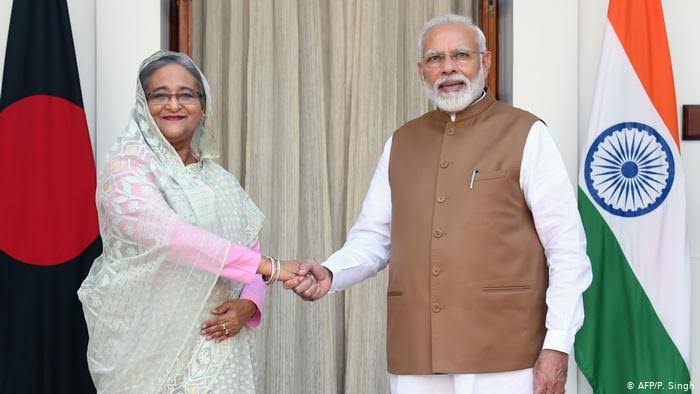
India and Bangladesh to hold virtual summit in December

India-Bangladesh bilateral summit is likely to be held in December. A final call in this regard will be taken during the foreign ministers’ meeting on Tuesday, sources tell India Today.

There is a possibility of the summit being a virtual one if the Covid-19 situation does not ease by the end of this year, sources said. In the case that the bilateral summit is held physically, Prime Minister Narendra Modi is likely to travel to Dhaka to meet his Bangladeshi counterpart Sheikh Hasina.

Meanwhile, the sixth Joint Consultative Commission (JCC) at the foreign ministers’ level is slated to take place virtually on Tuesday. This meeting will be attended by External Affairs Minister (EAM) Dr S Jaishankar in New Delhi and his counterpart Dr AK Abdul Momen in Dhaka.

The two foreign ministers will review the entire spectrum of bilateral relations between India and Bangladesh. Substantial progress has been made in this regard in multiple areas despite the pandemic. The JCC is, in fact, a mechanism to overview the progress and substantial progress has been achieved between the two countries.

The date of the JCC meet was finalised during Foreign Secretary Harsh Shringla’s visit to Dhaka in August and a subsequent phone call with Bangladesh Prime Minister Sheikh Hasina.

According to sources, high-level visits are expected to be discussed during the JCC meet among a range of other issues.

Prime Minister Narendra Modi was unable to visit Dhaka this year for the Mujib Barsho celebrations on account of the Covid-19 pandemic. Since the JCC is meeting during the celebrations, an announcement related to Mujib Barsho is expected, sources added.

Earlier, PM Modi in his inaugural address at the Mujib Barsho celebrations in March had said that Bangladesh’s founder Sheikh Mujibur Rahman is hailed as a “hero” in India too.

The year 2021 seems promising for India-Bangladesh relations since both sides will commemorate 50 years of the Bangladesh Liberation War in which India played a crucial role. Next year will also mark 50 years since India and Bangladesh established diplomatic ties.