Artificial Intelligence: Can the AI take over?

Artificial Intelligence is a topic with a vast appeal to the en masse. People believe that it is the future of human techologies. But beyond that, people are of various school of thoughts. The first group assumes that AI shall help humanity achieve singularity – a point in technological development that shall mean an utopia. We shall spend all our time towards spiritual and emotional development while most of the crude tasks shall be taken care by machines. The second school of thought assumes that AI shall take over humanity as its overlords. Let us analyse both.

The history of animated, self-thinking, free willed machines is not new at all. It has been imagined for centuries by fiction writers. However, the modern conception of AI in scientific thinking started about 80 years ago. John McCarthy, an American mathematician proposed the idea of such machines back in the first half of the 20th century. Alan Turing, the inventor of the Turing Machine, a British mathematician also proposed his idea of intelligent machines, his proposal now famously called the Turing Test. However, for the next 40 years or so, no important research occurred in the field. It was only in the last decades of the 20th century, when the research started again and not before humanity entered into the 21st century that something formidable was created.

As of today, AI has invaded all spaces of human endeavor. Mechanics, mechatronics, smart devices, our smartphones – all of it is infiltrated with AI. But this AI is what most scientists call ‘weak AI’. It cannot really think. It has a predefined algorithm and then it uses that algorithm to capture inputs and ‘learn’ about new scenarios as per its algorithmic definitions. This AI cannot work without human input and can certainly not take over the world. It can however carry out some actions that are equivalent to evolution as the AI at the Facebook research Center developed their own language to communicate. However, this evolution still does not mean that the AI is “thinking”. It is just evolving its learning based on a preprogrammed code. It is nothing like human beings where discretion is a thing. Even the famous robot AI, Sophia is but a weak AI – a little better than SIRI and google assistant but that is all there is to it. It is not a self-thinking, free-willed machine.

Sophia the Robot – Keynote Speaker | London Speaker Bureau
Sophia, the robot

Researchers have tried hard to create strong AIs with a completely different set of ethical concerns – the main obviously being how would such machines live with humans if they are free to think – but have failed so far. And believe it or not, strong AIs might really not be a thing for at least another 50-100 years at the very least. Maybe even a couple of centuries after that.

So, if you’ve watched the movie Prometheus or Covenant and are scared of the possibility of David being a reality, grab a cup of coffee and relax. By the way, both the movies are really good!


Alien: Covenant, a review by guest columnist David 8 | by Charles Evans |  Medium
David-8 from the movie Prometheus.

What Is Hypnotherapy?

Hypnotherapy is an adjunctive technique that utilizes hypnosis to aid in the treatment of specific symptoms or health conditions. Hypnotherapy works by inducing a hypnotic state marked by waking awareness that allows people to experience detached external attention and to focus on inner experiences. It is sometimes used as part of a treatment plan for phobias and other anxiety disorders. It is also sometimes used for pain management, weight loss, smoking cessation, and a variety of other applications. Formal explorations in the therapeutic uses for hypnosis began in the late 1700s but did not gain scientific credibility until much more recently. Modern researchers have further explored how hypnosis can be used, which conditions it can treat, and how effective it may be compared to other treatments.

What Hypnotherapy Can Help With

There are many different reasons why a person might want to try hypnotherapy. Research suggests that some possible applications include:

  • Chronic pain conditions
  • Dementia symptoms
  • Nausea and vomiting related to chemotherapy
  • Pain during childbirth, dental procedures, or surgery
  • Skin conditions, such as psoriasis and warts
  • Symptoms of irritable bowel syndrome (IBS)
  • Symptoms of attention-deficit/hyperactivity disorder (ADHD)

Hypnotherapy may also be used by licensed physicians and psychologists in the treatment of conditions like anxiety disorders, depression, eating disorders, and post traumatic stress disorder (PTSD).

Benefits of Hypnotherapy

Some people may experience dramatic results with hypnotherapy. In other cases, people may simply feel very relaxed. Some of the benefits of hypnotherapy may include:

  • Awareness: Some people remain fully aware during the entire experience. They recall everything that happens and are even able to have conversations while under hypnosis. Other people may experience states of relaxation that are so deep that they may even feel detached from what is happening.
  • Focus: Most of the time, we are distracted by our surroundings. Whether the TV is blaring, your kids are demanding attention or your spouse wants to talk, it can be difficult to fully focus on yourself. Our conscious minds are also cluttered. You may be worried about paying a bill, concerned about an upcoming project, or planning tonight’s dinner. The therapy session is intended to break through these day-to-day concerns and allow you to focus completely on the problem at hand.
  • Relaxation: In the hypnotic state, you are deeply relaxed. Your conscious mind is quieted, allowing your unconscous mind to deeply focus on your issue. You are also calmer, and therefore more receptive to facing your problems or fears.

Most hypnotherapists utilize a series of calming messages, such as “you are safe” and “no one can harm you” to reassure their clients that during hypnosis they can objectively face their problems without having a panicked reaction.

Effectiveness

The effectiveness and impact of hypnotherapy can vary based on the individual and how the treatment is used. Hypnotherapy has been shown to have some degree of efficacy for certain applications, particularly:

  • Pain reduction and control during dental procedures and childbirth
  • Reduction in nausea and vomiting in individuals being treated for cancer with chemotherapy
  • Reduction in the severity of symptoms associated with irritable bowel syndrome (IBS)

While it may help people cope with problems related to stress and anxiety, it may be best applied when used in conjunction with first-line treatments such as cognitive behaviour therapy (CBT) and medications.

Things to Consider

While hypnotherapy is generally safe and well-tolerated, that does not mean that it doesn’t pose some potential risks, such as: 

  • Hypnotherapy can produce false or distorted memories in some cases.
  • People who are very suggestible may experience a decreased sense of personal control while under hypnosis.
  • Some people can experience side effects such as anxiety, headaches, or dizziness.
  • Hypnotherapy may not be appropriate for people who are experiencing symptoms of psychosis such as hallucinations and delusions

Common Misconceptions

Hypnotherapy is still considered controversial, as many mental health professionals dispute its effectiveness. There are a number of myths and misconceptions about hypnotherapy that can affect how people view this therapeutic tool.

  • Hypnotherapy is often confused with stage hypnosis. Stage hypnotists are performers who are excellent at reading people. They seekextroverts who will put on a great show for the crowd. Whether or not their subjects are truly hypnotized is debatable, but they are willing to go along with the sometimes outrageous suggestions of the stage hypnotist.
  • Hypnotherapy doesn’t cause you to forget what happened. You will remember the things that occur during your hypnotic state, you will not be asleep or unconscious, and you will be able to break the hypnotic trance at any time.
  • Hypnotherapy doesn’t cause you to lose control. During hypnotherapy, you remain in control. It is not possible for anyone to force you to do anything against your will, even under hypnosis. You will be tuned in to the work at hand, and so may not pay attention to your surroundings, but you will always be in charge of your own actions, behaviors, and statements.
  • Being hypnotizable doesn’t mean you are less intelligent. While some people believe that they cannot be hypnotized, research suggests that most people are hypnotizable to a certain degree. Only about 10% of people are difficult or impossible to hypnotize.

DEEPIKA KUMARI – INDIAN ARCHER!!!

Everyone in the world have some unique talent. The talent to do something vary from person to person. Yes, I believe I have the talent of writing articles. I would say this is my unique talent. Likewise, we haven’t heard a lot about the so called unpopular games. Archery is not as famous a cricket. But Archery is a wonderful sport. The people who has interest in this is also low. This game needs a free and concentrated mind. In this game, concentration plays a major role. Let me ask you a question? Do you know the name of any archers in India? Have you heard of Deepika Kumari? I would say I have heard her name and now I know about her a little bit by writing this article. Come on! Let’s see about Deepika Kumari.

Deepika Kumari Mahato was born on 13th June 1994 in Ranchi, Jharkand. Her father, Shivnarayan Mahato, is an auto-driver and her mother Geeta Mahato, a nurse at Ranchi Medical College. Her interest in Archery came from hitting the mangoes with stones. Many of us did this, but this has laid the strong foundation for her archery career. Deepika’s family was financially unstable and they cannot buy her new equipments to practice. So she used bamboo bow and arrow. After that her cousin helped her to develop and improve her talent.

DEEPIKA KUMARI

DEEPIKA’S PROFESSIONAL CAREER:

  • She made her breakthrough in 2005, by entering the Arjun Archery academy run by Wife of Jharkand Chief Minister Arjun Munda.
  • Her professional career started in 2006 by joining Tata Archery Academy in Jhamsedpur. After being sent there, she had uniform and professional equipments and she praticed hard. She only returned home after three years, by winning Cadet World Championship title in November 2009. She is the one to get first medal for India in Archery.
  • Deepika became the second women to win the World Archery Competition held in 2006.
  • She won the 11th Youth World Archery Championship in 2009 at her age of fifteen.
  • In 2010 Common Wealth Games, She won two medals, one in individual event and the other in team event. In the same year, she was awarded Outstanding performance at CWG in the women’s catergory at the Sahara Sports ceremony.
  • In the 2010 Asian games, she lost in the individual Archery game to a North Korean player in the Bronze-level playoffs. But as a recurve team defeated Taipei of China in the Bronze-level playoffs.
  • In 2012, She won her first Word Cup individual stage, held in Turkey.
  • In London Olymbics 2012, She lost to Amy Oliver of Britain in the opening rounds due to relatively high fevers and winds.
  • In July 2013, she won the gold medal in Archey World Cup stage 3 held at Mendellin.
  • In September 2013, she won silver in the FITA Archery World Cup.
  • In 2015, in Stage 3 Archery world Cup, she won bronze in the individual event. She won team Silver with her teammates in the same World Cup.
  • In November 2015, she won a bronze medal in the Asian Championship with Jayanth Taldukar in the Recurve Mixed Team event.
  • In April 2016, at the first stage of the World Cup in Shangai, Deepika equaled the Ki-Bo-Bae’s world record of (686/720) in the women’s recurve event.
  • In November 2019, Deepika Kumari secured an Olympic quota at the Continental Qualification Tournament being held on the sidelines of the 21st Asian Archery Championships in Bangkok.
  • She won three gold medals In Stage Three World Cup held in Paris 2021.
  • She recorded the 13th triple gold and became the 11th archer to achieve the feat – in the 15-year history of the Hyundai Archery World Cup.

In 2017, a Biographical Documentry called Ladies First, flimed the life of Deepika Kumari. This movie won at London Independent Festival and was screened in  Mallorca Film Festival in October 2017. This movie has also been submitted in Short Documentary category at Oscars.

Deepika Kumari - Wikipedia
PadmaSri awarded by Hon’ble Pranab Mukerjee.

AWARDS WON BY DEEPIKA KUMARI

  • 2012 – Arjuna Award by the Government of India
  • 2014 – FICCI Sportsperson of the Year Award
  • 2016 – Padmasri by the Government of India
  • 2017 – Young Achievers award which is felicitated by Vogue.

Read more;

https://en.wikipedia.org/wiki/Deepika_Kumari

Knowing the Atlantic

Continuing from the last article on Pacific, let’s move on to the next ocean- the Atlantic.

Photo by Roberto Nickson on Pexels.com

Hope you remember the acronym- PAISA

  1. Pacific
  2. Atlantic
  3. Indian
  4. Southern
  5. Antarctic

These oceans are arranged in the decreasing order of their sizes.

The Atlantic is the second largest ocean in the whole world with an area of about 106,460,000 km2(source: Wikipedia). It lies between the Americas in the west and Europe and Africa in the east. The equatorial counter current divides the ocean into two equal parts latitudinally and the Mid Atlantic Ridge divides the ocean into two parts longitudinally(It is how the Mid Oceanic Ridge gets its name). The ocean has very few trenches and it is why the ocean is expanding(at a rate of 2-5 cm/year). Continental shelves are found in the areas of Newfoundland, southernmost South America, and north-eastern Europe. Though continental shelves are, in themselves, wonderful fishing grounds and petroleum and gas reserves, the coast off Newfoundland and Bahia Blanca(off the coast of Southern America- Brazil) are meeting points of warm and cold currents. It makes them even better fishing grounds as the amount of Phytoplankton increases in the ocean. It also leads to the formation of fog in the area that makes navigation difficult.

The Atlantic ocean is the saltiest major ocean with a salinity of 33-37 parts per million. Maximum salinity occurs in the subtropical regions. Though the heavy rainfall makes the salinity of the region around the equator lowest, in general salinity decreases as one moves to the poles. The poles also experience higher salinity though, because of the fresh water being occupied in the form of glaciers, decreasing the overall amount of fresh water. The Northern Atlantic clockwise ocean circle and the counter-clockwise South Atlantic ocean circle are the two gyres in the ocean. The flow of ocean currents in the northern hemisphere form Sargasso sea(the world’s only sea without any continental coast). The sea is surrounded by Gulf Stream, North Atlantic drift (and by extension the Canaries Current) and North Equatorial currents. Earthquakes and a few active volcanoes are found along the Mid Atlantic Ridge. The temperature decreases as we move towards the poles (generally) but is influenced by warm ocean currents in some places. Eg. The Norwegian sea ports are functional throughout the whole year as the ocean doesn’t freeze (the warm ocean current – The North Atlantic drift).

This is all about the Atlantic Ocean. I have included all that I label off as important for our general knowledge. But do let me know in the comments if I missed something. Next in the series, as you can all guess, is our Indian ocean-the only ocean to be named after a country.

Telepathy – A love language

Telepathy- this word simply means communication between minds or transfer of ideas or thoughts from one mind to another without the use of any human senses. Sounds intriguing, right? It is, definitely. One can also call it an extrasensory perception, just like precognition.

thumbs-prod.si-cdn.com/N8Kj1S3yDfmNErVwGhLyYiGu...

We all know that love is the most powerful force in the world, but do you know what’s even more powerful?

Feeling telepathically connected to someone 🙂

I didn’t believe in telepathic communication – two people reading each other’s minds or they think about the same thing at the same instant of time. I always thought it was just a mere illusion, nothing that exists and was real. Until I witnessed it myself.
Like every other night, I was walking on my verandah, and I looked up at the moon. It was pale yellow, shining brighter than usual. And like every other night, that moon reminded me of him.
I was longing to text him “Hey, It’s been a long time” or “Hey, How are you?” but it’s been years
since we didn’t talk.
Yet today, hesitantly, I texted him – “Did you see the moon?” Waiting for his reply while still gazing at the moon.
After a min, he texted – “Oh my god”
(I don’t know what reply I was expecting, but not that).
He was utterly dumbfounded, maybe because I texted him after so long out of nowhere. A few seconds later, he replied, “Yes, I was glaring at the moon too” and that as he searched for my contact to text me, my message popped up. I was glad to know, looking at the moon still reminded him of me; moon has always been our channel of communication. Even in these past years, miles apart from each other, looking at the moon and thinking ’bout him was as comforting as lying in his arms.
That day, we unknowingly made this pact that whenever we’ll see the night sky lit up with a white, bright moon, we’ll text each other.

Unlike other love languages, like physical touch and words of affirmation. Telepathic communication is more like a soul-to-soul connection. The celts called this phenomenon “anam cara” meaning a soul-friend or intently called a soulmate. It’s like we had been part of the same soul, and found each other again in the present. We felt telepathically connected.

Telepathy is truly a gift and those people that are blessed with it will develop spiritually and raise their consciousness to new, massive heights. When there is a telepathic connection between lovers, the communication between them can occur not only through talking, but they will also communicate when they are far away from each other through their thoughts. When those two souls are apart, they will have a sense of longing and yearning combined with anxiety, and those feelings are not only their own, but they also belong to the other person.

Global warming- The ever increasing threat

Photo by Brent Olson on Pexels.com

Global warming yet again comes to news as it has been for the past soo many years and there’s gonna be nothing we are going to do about it once again. Even then, as a moral duty, I feel this compelling desire to inform all of my fellow malefactors of the supplementary and thoroughly under-appreciated results of our activities.

Let’s bestow upon them our much needed, though short term, attention. Today, I read on the newspaper about how the Ladakh glaciers are retreating due to global warming and decreased winter precipitation and that the Atlantic Meridional Overturning Circulation (AMOC)- a prominent warm ocean current belt particularly important for Europe and by extension, the whole earth has weakened over the centuries and reached a tipping point.

Lets start with the issue of the Ladakh Glacier. “The Pensilungpa Glacier located in Ladakh’s Zanskar Valley is retreating due to an increase in temperature and a decrease in precipitation during winters”, a recent study conducted by a team of scientists from the Wadia Institute of Himalayan Geology(Dehradun) revealed. Now with the increasing temperatures and retreating glaciers, it might be very well possible for the current snowfall in those areas to be replaced with rainfall: the snowfall that is responsible for balancing temperature of the lower altitude zones. It is now very much a possibility that the summer and winter patterns of surrounding regions are very much likely to be changed. We might very well be having winter rains real soon people, and floods.

And now, lets move towards the AMOC- The Atlantic Meridional Overturning Circulation-a result of difference in the water’s density(caused due to temperature and salinity difference). Well, that plus the combined effort of continental boundaries and Coriolis force(due to gravity). A large system of ocean currents, it is quite prominent in the Atlantic ocean. It is quite easily recognizable with the northward flow of warm, salty(salt dissolving capability increases with temperature. In colder regions, after being provided a sufficient time to cool off, these waters descend as denser and cold waters) water in the upper layers and a southward flow of colder, deep waters. Global warming is one of the main reasons of the slowing down of this current, contributing by causing the Arctic circle to warm, Greenland(a prominent ice sheet zone) to melt, rainfall to increase and the flow of fresh water to the Northern sea to intensify(It initially had high salinity due to no fresh water river drainage and less intermixing caused by ocean currents). Though, it is being said the rising temperature of the Indian ocean will keep the current going. The increased precipitation in the Indian ocean will draw winds from other parts of the world, lowering the amount of rainfall in the Atlantic ocean. It will increase the salinity of the AMOC current waters and increase the strength of the flow of current.

Seems like the global warming is creating a problem and further creating another one with the purpose of solving the first one and somehow completely increasing both the problems together. Wait, replace the global warming with humans. Quite amusing, how we managed to create a string of issues and now they are finding more and more beads to stitch, and we sit by and watch it all unfold. Well, not all of us, obviously. Most of us don’t even know of these unique products of our everyday activities. But, now that we are at it, we will let them know and invite, or rather force them all to join us in the midst of the unfolding of a future disaster, as we all sit by and do nothing.

I have started this chain, would be later adding more to it. You all share it. After all, the more the merrier. Right?

URBAN FARMING: AN INITIATIVE FOR FOOD SECURITY

Even after living or residing in a city, a person can start his or her business in agriculture industry and it is sustainable also. The business will provide food into the busy and populated areas and cities. Urban Farming.

WHAT IS URBAN FARMING?

In simple terms Urban farming is the process of producing or cultivating food inside the city limits. This business has both pros and cons. This business faces challenges but it also offers many benefits to the city, like increased food security, decreased waste, community involvement and many more. Urban Farming is also known as Urban Gardening or Urban Agriculture and it means the practice of cultivating, processing and distributing food in and around cities or towns or urban areas. It involves animal husbandry. bee keeping, horticulture, aquaculture etc.

NEED OF URBAN FARMING:

  • Provide Food to the growing population
  • Reduce pressure on the traditional methods of cultivation
  • Help improve Quality of Life
  • Reduce Food Security
  • Reduce Environmental Impact
  • Help improve the landscape of the city

TYPES OF URBAN FARMING

Urban Farming is of many types, like: Street Landscaping, Tactical Gardening, Backyard Gardens etc.

VERTICAL FARMING
  1. Backyard Gardens: It generally means growing food in the property of a home and sharing it with family, friends or neighbors.
  2. Street Landscaping: Improving the landscape of the streets with the help of living street design or community gardens etc.
  3. Tactical Gardens: Utilizing small spaces available in a practical way (that doesn’t involve much expenses). Ex: Keyhole Garden which replace parking spot in streets.
  4. Forest Gardening: Gardens in urban forests including crops, fruits or herbs or nuts and even vegetables.
  5. ROOFTOP GARDENS: Using spaces of roof for growing food. This method helps in reducing Urban Heat Island effect and help in improving the quality of air.
  6. Green Walls : Using the space on internal and external walls to grow food.
  7. Vertical Farms: Planting or cultivating vertically for reducing the usage of land and land footprint of agriculture.
  8. Animal Husbandry: Raising animals for food and cities also allow residents to raise a limited number of such animals.
  9. Urban Beekeeping: It is a very common hobby and has many benefits for the local environment.
  10. Aquaponics: Raising aquatic animals such as fish etc. and in urban areas this can be done by capturing storm water and creating self sustaining system.
ROOFTOP FARMING

IMPORTANCE OF URBAN FARMING:

Urban Farming is an essential part of urban ecological and urban ecosystem and helps in improving the sustainability of the area. It plays an important role in Urban management system . A growing city will produce large number and amount of waste and urban agriculture acts like a solution for solving this issues by turning urban wastes into productive resource system. It helps in bringing original and nurtitious food to the local communities which has many direct health benefits. It reduces the risk of harmful conditions and vulnerability to get exposed to different chemicals used for increasing the longevity of the food and fruits.

Cruelty of science

Use of human in experiments

In science experiments the use of humans are also included. Many experiments are directly performed on humans without thinking about the results.

 In January 1944, a 17-year-old Navy seaman named Nathan Schnurman volunteered to test protective clothing for the Navy. Following orders, he donned a gas mask and special clothes and was escorted into a 10-foot by 10-foot chamber, which was then locked from the outside. Sulfur mustard and Lewisite, poisonous gasses used in chemical weapons, were released into the chamber and, for one hour each day for five days, the seaman sat in this noxious vapor. On the final day, he became nauseous, his eyes and throat began to burn, and he asked twice to leave the chamber. Both times he was told he needed to remain until the experiment was complete. Ultimately Schnurman collapsed into unconsciousness and went into cardiac arrest. When he awoke, he had painful blisters on most of his body. He was not given any medical treatment and was ordered to never speak about what he experienced under the threat of being tried for treason. For 49 years these experiments were unknown to the public.

This is one of the examples which show how an experiment ruined a young life.While he was feeling sick still the scientist asked him to stay unless the experiment completed. The poisonous gas made him die slowly for five consecutive days. And when he got blisters on his body, they didn’t provide him medical facility. This show how the some scientist only think about their benefits. Not all the experiment are beneficial for society they perform that experiment to earn money and power. The science should works on ethnics and morals not for power and wealth. 

A widespread ethical problem, although one that has not yet received much attention, is raised by the development of new pharmaceuticals. All new drugs are tested on human volunteers. There is, of course, no way subjects can be fully apprised of the risks in advance, as that is what the tests purport to determine. This situation is generally considered acceptable, provided volunteers give “informed” consent. Many of the drugs under development today, however, offer little clinical benefit beyond those available from existing treatments. Many are developed simply to create a patentable variation on an existing drug. It is easy to justify asking informed, consenting individuals to risk limited harm in order to develop new drug therapies for a condition from which they are suffering or for which existing treatments are inadequate. The same may not apply when the drug being tested offers no new benefits to the subjects because they are healthy volunteers, or when the drug offers no significant benefits to anyone because it is essentially a copy of an existing drugs.

Necessity is the mother of invention but sometimes some practical company works unnecessary over the drugs for increasing their demands and profit in market. Sometimes the drugs work with animals but not fitted for humans… but the scientist doesn’t care about the person they want their result. Beyond this there are many other examples of using humans as the subject in experiments. During COVID 19, many countries used their vaccines directly on humans which caused the death of them. Science should work according to the needs of society, not for power and wealth.

Unnecessary and questionable human experimentation is not limited to pharmaceutical development. In experiments at the National Institutes of Health (NIH), a genetically engineered human growth hormone (hGH) is injected into healthy short children. Consent is obtained from parents and affirmed by the children themselves. The children receive 156 injections each year in the hope of becoming taller.

Growth hormone is clearly indicated for hormone-deficient children who would otherwise remain extremely short. This experiment also brings a bad impact on children Physical as well psychological condition.

This experiment is also the reason for human trafficking and other crimes against the human.

But we need to protect the people to use as the subject in the scientific experiments against theirs wills or if they participated in such kind of experiment there should be some rule or law must followed by the scientist or that company who performed that test on human.

 To protect people participating in medical research, the  government decades ago put in place strict rules on the conduct of human experiments.

Now the Department of Health and Human Services is proposing a major revision of these regulations, known collectively as the Common Rule. It’s the first change proposed in nearly a quarter-century.

In India, the drug controller general  of India regulated the human as the subject of an experiment. If any department finds the need to perform any experiment over then they need to take permission from the department.  If the department found flaws in the experiment only then they provide their approval.

References

  • Frank C. Conahan of the National Security and International Affairs Division of the General Accounting Office, reporting to the Subcommittee of the House Committee on Government Operations.
  • Flieger K. Testing drugs in people. U.S. Food and Drug Administration. September 10, 1997.
  • U.S. General Accounting Office. FDA Drug Review: Postapproval Risks 1976-85. U.S. General Accounting Office, Washington, D.C., 1990.
  • MedWatch, U.S. Food and Drug Administration. Labeling changes related to drug safety. U.S. Food and Drug Administration Home Page; http://www.fda.gov/medwatch/safety.htm. September 10, 1997.

10 REASONS WHY YOU SHOULD TRAVEL TO THE MOUNTAINS

The mountains show the raw beauty of nature, extreme calmness and offer so much more than you can imagine. Feel the sun on your face and back and enjoy the cast number of activities provided by the mountains…. It can be canoeing or hiking or climbing or fishing etc. which will never make you regret your decision to travel the mountains. Go and Retreat on your next vacation.

REASONS TO TRAVEL MOUNTAINS :

  1. Health Benefits: Travel to mountains can be very therapeutic with the miles stretching greenery and beautiful sounds of birds.
  2. Finding Peace: Mountains help you find your inner peace in life and give the opportunity to discover and explore the beauty of nature.
  3. Mesmerizing Beauty: The terrain is rough and reaching some places can be tough but you will get to feel that because you will be mesmerized with the beauty of the mountains. This beauty helps in healing, giving peace and a whole pure feeling.
  4. Tranquility and Peace: People head to mountains when they need some peace and space. The mountains take you to a uncomplicated lifestyle. 10 minutes of meditation can heal your soul and give the peace that you want.
  5. Pure Air: One of the best things about mountains is the pure air which you won’t find anywhere else. Take a deep breathe and feel it immediately. You will get to know and feel the difference. You will surely miss this fresh air once you return to the city life.
  6. Adventures: Mountains offer a range of adventures which will add better experiences to your trip. And hiking is one of the best and most amazing adventures to do in mountains.
  7. Welcoming Nature of the People: The people of the mountains welcome you with a warm smile and everyone you meet in the mountains will be very polite and helpful. You will not feel like a stranger there.
  8. Disconnect: Mountains give you the perfect chance to escape from the chaotic lifestyle and everyday rush. It is important for everyone to take a break and enjoy their life with a free time.
  9. Build Relationships: Travelling to mountains give a great time to spend with your family and friends. Mountains offer many activities and adventures which can be done in groups and here you can do them with your family and friends and even other travelers which gives you an opportunity to build relationships.
  10. Not a Sight but an Experience: The best thing about the mountains is the experience that you will get and not just the scenes. You will understand and explore nature; come across different people and welcoming locals; adventures and events; fresh air and purity and peace. You will be disconnected from the entire chaos and hectic lifestyle and will get a perfect vacation filled with purity, tranquility and adventures.

The adrenaline rush from the peaks, the serene tranquility and the heights of mountains will fill your heart with happiness and joy. Mountains really bring out the best from you, set your soul free and happy. The tall peaks, the misty environment, the warm locals- a retreat to the mountains brings you back to the city with a clearer mind and a happier heart.

Planting trees!!!!

We all know that the world is heading towards deforestation, global warming, drought etc., What is the major cause of this global changes? It is us. We humans are quite selfish when it comes our own deeds. We keep on cutting the trees, increasing pollution, high useage of plastic etc. What can we do to make our earth lively and healthy? There is no other remedy than planting trees. Yes, there reason we live is the trees. Without them we won’t be alive. Let’s see about planting trees and its importance.

Planting trees will not solve the issue of climate change • Earth.com

Why trees are important to us?!?!

Trees are important to the environment because they provide oxygen and they act as carbon sinks. A carbon sink is a natural or artificial body that stores carbon dioxide. The more trees you have, the more carbon dioxide that you can store. This is because they take in carbon dioxide and then release oxygen, which allows them to store more carbon dioxide.

Importance of Planting more Trees. — Steemit

Planting trees has several benefits, including the fact that they help to reduce greenhouse gases (GHGs). They also help to reduce the amount of carbon dioxide in the atmosphere. As a result, planting trees can help to mitigate the effects of climate change.

Trees are also important for the environment because they provide a habitat for wildlife. They also help to improve the quality of air and water, and they provide a home for birds, insects, and other small animals.

When you plant a tree, you are helping to reduce the amount of carbon dioxide in the atmosphere. So, it is important that you plant a tree. The more trees you plant, the more you will be helping the environment.

What are the trees can be planted??

There are several different types of trees that can be planted. Some of these include the following:

Oak trees, Redwood trees, Pine trees, Alder trees, Fir trees,Bamboo trees,Evergreen trees, Deciduous trees.

METHOD OF PLANTING TREES:

  • Dig a big hole, put the rootball in, cover with dirt.

This is probably the most common method. It’s simple and easy, but it’s not the best. The tree will grow fine if you fill the hole with a small amount of compost. This will help the tree get established quicker and, in the long term, will make the tree more resilient to drought. But it’s harder to dig a big hole, and it’s hard to get the compost in there without disturbing the rootball. It’s also worth noting that the tree is going to be much happier if you can put the hole in a slightly damp area.

Do water the plant regularly until its becomes a tree. You may plant whatever tree you like and the most important thing is to maintain them in a good condition. Everybody says plant trees, save earth, save water. But in reality, how many of us has really planted trees? Think about it and find the best answer yourself!!

TOP 25 TREE PLANTING QUOTES | A-Z Quotes

Read more;

Deserts-‘Something we should know’

Photo by Boris Ulzibat on Pexels.com

A desert is a stretch of land that can be rocky or sandy, might have zero to some vegetation, might be habitable or might not be live-able but most of all a desert is defined on the basis of amount of precipitation it receives. According to national geographic, a desert receives no more than 25 cm of rainfall per year. Now, let us have a look on the distribution of deserts in the whole world and the possible reasons of their occurrence in those places.

There are 5 types of deserts in the whole world-

  1. Sub tropical deserts- Due to high temperature in the equator, the air gets heated up and absorbs moisture and rise. It reaches high altitudes and the moisture precipitates and comes down as rains. The air cools and the heated air moves away from the equator reaching the tropics. Upon reaching the tropics it cools down and descends where it warms again. Thus it occupies the space meant for moisture laden air and there is no rains in the tropics leading to the formation of deserts in the region. Examples are The Sahara desert in Africa, the Arabian desert, the Syrian desert, the great Victorian desert in Australia, The Thar desert in India. The Sahara desert is the largest sub tropical desert
  2. Coastal deserts- These type of deserts are formed due to the cold oceanic currents that create low pressure in the surrounding regions and the moisture laden winds that should have travelled from the coasts to the continents ends up travelling away instead. Such deserts are formed in the western coasts of continents in lower and middle latitudes and in the eastern side in the upper latitudes (due to the anticlockwise flow of currents in Southern and the clockwise flow of currents in Northern hemisphere). Examples are the Namib deserts in Africa (formed due to Benguela current) and the Atacama desert in Chile (formed due to Peru current). Atacama desert is the driest desert in the world.
  3. Cold deserts and polar deserts- The cold and polar deserts are formed in the Temperate and polar region respectively. These regions are very cold and all the moisture immediately freezes to form ice. The cold deserts exist in regions of high altitude where moisture laden winds cannot reach. Examples are the Antarctic desert(the world largest desert), the Arctic desert, The Ladakh desert, Siberian desert
  4. Interior deserts- Interior deserts are found in the interior of the continents mostly the middle where sufficient moisture laden winds do not reach. Example is the Gobi desert that stretches along both China and Mongolia
  5. Rain shadow deserts-One another subdivision can be of those deserts where the mountains or any other physical feature act as a barrier for the moisture laden clouds. Example is the Death Valley for which four major mountain ranges(including the Sierra Nevada and Panamint Range, according to Wikipedia) act as a barrier and also The Gobi Desert for which the Himalaya act as a barrier(this river is the reason the yellow river appears yellow).

That’s all in deserts. Hit the like if you found it useful and share it among all those who might want to know something about deserts, after all they do form 1/3rd part (and increasing- desertification)of our earth’s continental mass.

Adolescent psychology

Psychology is the science of mind and behavior. It is the study of how people behave, think, feel and react in relation to a particular field of knowledge or their personal circumstances of life. There are various psychologies behind our happenings in life and in particular let us know about the psychology behind adolescence which is very salient for every individual to know about. Adolescence is the transition period between childhood and adulthood.

It encompasses some big physical and psychological changes accompanied by some intricacies and challenges as the individuals may not be aware of the changes in them. It is a very important stage of life with specific health and developmental needs and rights. It is a time to promote knowledge and skills, learn to cope up with the feelings and relationships, manage emotions and acquire attributes and abilities to the enjoy the adolescent age.

Adolescent psychology focusses on the issues that are unique to adolescents. Adolescence is a time of fluctuating and rapidly changing interests and desires, high energy, sexual maturation, physical growth and limited emotional insight. It can be full of exciting discoveries and changes as teens develop unique personal traits. Physical changes can be tracked by all but some some of the mental transitions could push them into a state of anxiety and distress and this stresses the need to know about adolescent psychology as everyone could not afford a psychiatrist all time. So it is very important for all the parents and the individuals as well to understand about the mental changes and how to handle the trauma.

When the adolescents grow into independent personalities there is also some growing pressures to evolve into a responsible person while they tussle with issues like sexuality and peer relationships. Adolescent psychology helps them with the transition from a child to an adult. If anyone is struggling with the teenage life, it is very normal and here the parents should play an important role by making it normal without putting their children in more torment. What are the problems that adolescents more likely to go through?

  • Be more impulsive
  • Mishandle or Misunderstand emotions and social cues.
  • Indulge in making vulnerable decisions, physical fight.
  • Risky behaviors, mental health disorders, emotional assault, anxiety.

So this period is a quite complex process where they become more prone to the above mentioned complications. Brain development during this period is particularly important. The areas of the brain that allows teens to control behaviors and emotions experience significant development during this phase. Teenagers also acquire the the capacity to think and act more efficiently due to changes in the myelin and synapses of the brain. Many physical changes drive the changes of the ability to think and behave.

Teens equally perceive opportunities and challenges as well. Imagination and complex reasoning develop exponentially in this phase where they develop cognitively. Individuals need to be made aware of the complications and made to be understood that it is okay to have infatuations, sexual attractions, behavioral changes, or any kind of anxiety or depression. The most important fact that drives them crazy is they think that only they experience these sort of challenges. As we educate children about the physical hormonal changes in school it is as important to teach them about all the mental changes that occur. Parents can contribute on a greater note to help the troubled teens out of these difficulties by creating a culture of open communication to get to know about their thoughts and opinions, granting them some responsibilities in the family , guiding their attitudes and beliefs, establish boundaries and rules, understand the reason behind the anger or grief, promote their self esteem and make their adolescence a gratifying one!

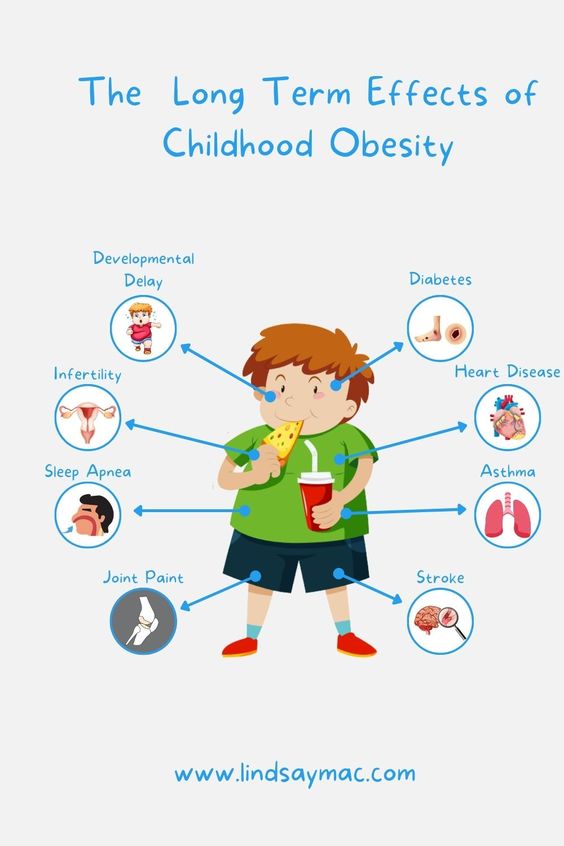
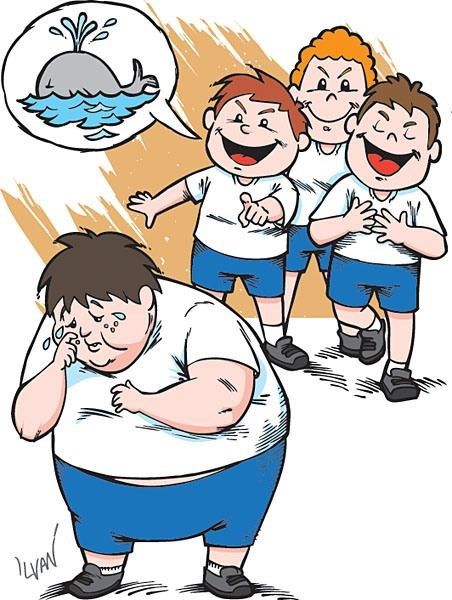
Child obesity

Childhood obesity is a condition where excess body fat negatively affects a child’s health or well-being. As methods to determine body fat directly are difficult, the diagnosis of obesity is often based on BMI. Due to the rising prevalence of obesity in children and adolescents its many adverse health effects it is being recognized as a serious public health concern. One of the best ways to reduce childhood obesity is to improve the eating and exercise habits of your entire family. Treating and preventing childhood obesity helps protect your child’s health now and in the future.

Symptoms

Not all children carrying extra pounds are overweight. Some children have larger than the average body so they may carry weight according to their body. And children normally carry different amounts of body fat at the various stages of development. So you might not know by how your child looks if weight is a health concern.

The body mass index (BMI), which provides a guideline of weight in relation to height, is the accepted measure of overweight and obesity. Your child’s doctor can use growth charts, the BMI and, if necessary, other tests to help you figure out if your child’s weight could pose health problems.

Causes

Lifestyle issues like too little activity and too many calories from food and drinks are the main contributors to childhood obesity. But genetic and hormonal factors might play a role as well.

Risk Factors

  • Certain medications- Some prescription drugs can increase the risk of developing obesity. So, you should always be in touch with your family doctor while your child is in medication.
  • Socioeconomic factors- People in some communities have limited resources and limited access to supermarkets. As a result, they might buy convenience foods that don’t spoil quickly, such as frozen meals, crackers and cookies. Also, people who live in lower income neighbourhoods might not have access to a safe place to exercise.
  • Lack of exercise- Children who don’t exercise much are more likely to gain weight because they don’t burn as many calories as they should.
  • Diet- Eating high-calorie foods, such as fast foods, baked goods and vending machine snacks, on a regular basis can led your child in a risk of Child Obesity.
  • Family factors- If your child comes from a family of overweight people, he or she may be more likely to put on weight. This can even be possible if the environment is where food with high calorie are always available.
  • Psychological factors- Personal, parental, and family stress can increase a child’s risk of obesity.

Complications

Child obesity can cause various life-threatening complications that can affect their physical, social and emotional well-being.

Prevention

  • Make sure that your child gets enough sleep
  • Include green vegetables and protein enriched food in his/her diet
  • Exercise is must to keep your chil’s health healthy

URBAN FLOODING: DROWNING CITIES AND INCREASING VULNERABILITY

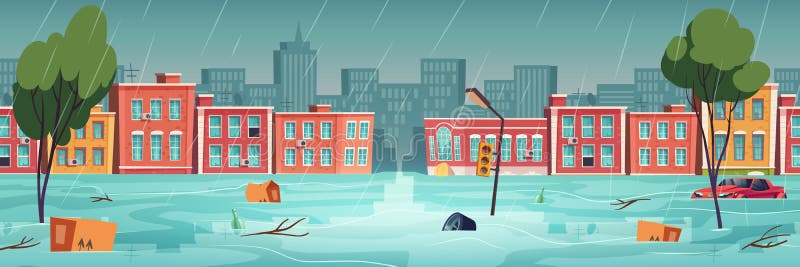
The cities are continuously experiencing extreme flooding events which requires attention and proper solution before it gets converted to a deadly disaster. URBAN FLOODING is a chronic process which is caused due because the city landscapes fail yo absorb or manage the rainfall. Urban Flooding is separate and different from coastal and riverine flooding and are more frequent and localized.

What is Urban Flooding ?

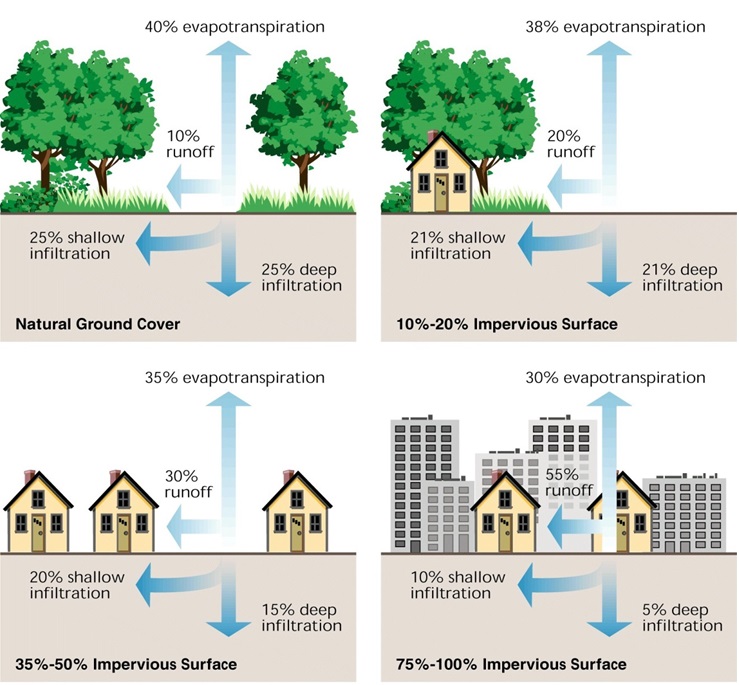
Urban Flooding is the flooding happening in urban areas due to excessive runoff in urban areas and because the runoff doesn’t get managed properly. This phenomenon can be caused during heavy rainfalls as well as in small amount of rainfall. Even small amount of rain can deteriorate or cause flooding due to inadequate infrastructure and actions taken by neighborhood or city to manage the storm water, especially in impoverished, neglected and socio-economic isolated urban communities. Urban flooding has three components: (i) caused by rainfall; (ii) falls on impervious surfaces; and (iii) increases the level of local storm water drainage capacity. These components along with heavy rainfall or precipitation, climate change, outdated drainage infrastructure and storm water management infrastructures and increased urbanization can cause major challenge and disaster in urban areas. Urban Flooding is caused due to the climate change and extreme weather conditions of the cities. The phenomenon becomes more and more frequent and common in urban areas these days. While untimely heave rains can be seen as a consequence of climate change, the urban flooding can be seen as the consequence of unplanned urbanization.

URBAN FLOODING

Urban Flooding in India

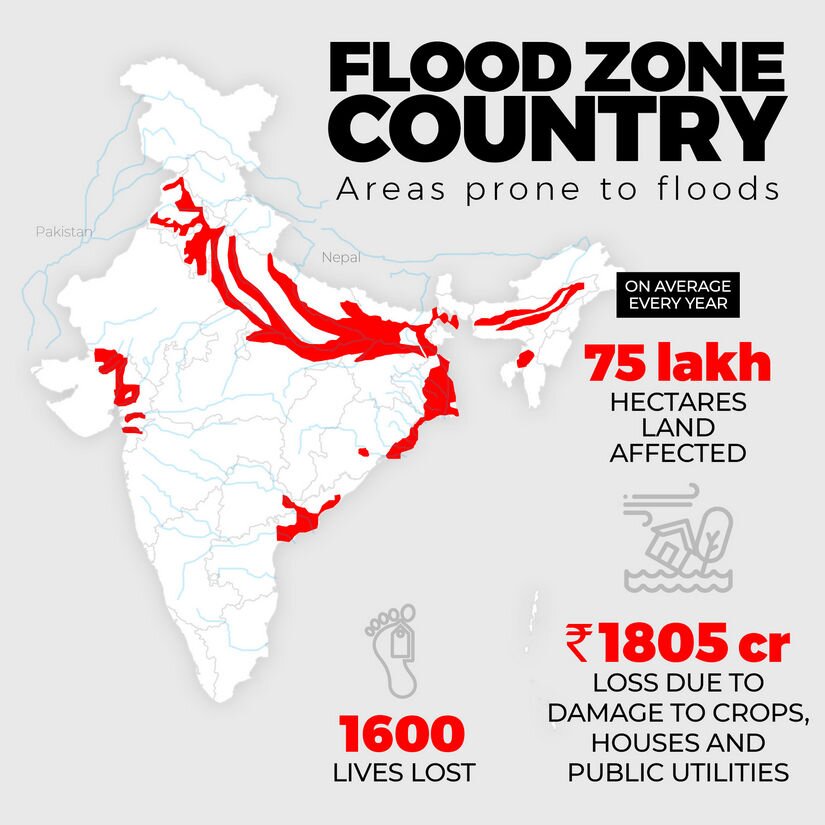
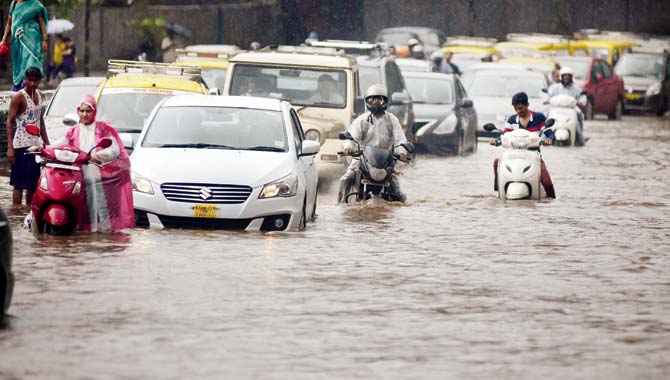
The rate of urban flooding has been increasing in India and it is severely affecting the major cities. Some of the most disastrous urban flooding were found in Mumbai (2005), Kolkata (2007), Delhi (2009), Bangalore (2015) and Hyderabad (2020) the most recent doubt. Flooding in India is mostly found in its peak in monsoons seasons and many times when the storm surges at coastal cities urban flooding is caused. There are many other causes of urban flooding also, like failure to release water from dams, increasing proportion of built up area etc. In addition to these causes, Urban Heat Island effect has also resulted in an increase in rainfall over urban areas. Global climate changes results in extreme weather patterns and increased incidences of heavy rainfall occurring over shorter periods of time. This phenomenon is also increasing sea level and threatening all the coastal cities.

URBAN FLOODING IN INDIA
URBAN FLOODING IN NEW DELHI, INDIA

Factors behind Urban Flooding

There are number of factors behind the phenomenon and some of the major factors behind this phenomenon are

  1. Inadequate Drainage Facilities: There are many cities in the country who are relying on age old drainage systems which are efficient in carrying the rainfall when heave rainfall happens. These drains don’t have adequate capacity for carrying them.
  2. Alteration of Natural Drains: Cities have been built and developed by flattening the natural terrain and altering and manipulating the natural drainage routes.
  3. Increasing Imperviousness and Reducing Seepage: With increasing urbanization, the proportion of impervious areas is also increasing. With this the seepage of rainwater decreases and leads to flooding.
  4. Encroachment over Natural Spaces: The developments are encroaching the green spaces, water bodies, open spaces etc. which are natural areas and have the ability to seep water.
HOW URBANIZATION CAUSES URBAN FLOODING
HOW INCREASING BUILT UP AREA CAUSE URBAN FLOODING ?

With the increasing rate of urbanization the capacity of natural drains has decreases and results in flooding. Improper solid waste disposal and dumping of construction debris into the drains which also contributes significantly to the reduction in capacity of the natural drains. This problem will keep on increasing with increasing population because the demand of living spaces and infrastructures are met by encroaching over floodplains and green spaces. Hence, it is important to manage and regulate the developmental works taking place in the city.

HEADACHE

Headache is a common problem that does not allow us to concentrate on our work. Nothing can take away the throbbing pain that headache causes. It may be caused due to injury, stress, eye strain, anxiety, or other medical conditions. Headache is called Cephalgia in medical terms. Many people suffer this discomfort frequently and don’t pay attention to it. But this simple headache may cause serious illnesses if left untreated. 

WHAT HAPPENS DURING A HEADACHE?

Our brain can recognize pain in various parts of the body. A headache is caused by the swelling of the blood vessels present in and around the brain. Most headaches occur in the nerves and muscles of the head and neck region. These nerves and muscles generate signals and send them to the brain which makes us feel the pain.

TYPES OF HEADACHES

Headaches are of two types – Primary headache and Secondary headache.

PRIMARY HEADACHE

There are types of primary headaches. However, some common types include

  1. Tension headache – It is the most common type which is caused due to stress and tension in the muscles of the head. It may start with a slow onset of moderate pain. It usually hurts on or around both sides of the head, in the back neck, and head. It usually goes away on its own but sometimes may need a pain reliever. For prolonged pain and chronic conditions, a doctor’s advice is required.
  2. Migraine – Migraine headaches are associated with throbbing pain along with some symptoms like nausea or vomiting, sensitivity and can last for several hours to few days. It may be caused also due to genetic reasons. Rescue medicine is prescribed by doctors to get immediate relief from the pain and preventive medicines to prevent future occurrences.
  3. Clustered headache – It is least common when compared with the other two types. It is characterized by sudden pain in any one side of the head and face. It occurs multiple times in a day and stays for 1-3 hours each time. It may be caused due to alcohol intake or tobacco usage. Treatment includes lifestyle changes and prescribed medication by the doctor.

SECONDARY HEADACHE

Secondary headaches occur because of any underlying issue or mental condition. It must be diagnosed and treated as soon as possible as it may create life-threatening situations at times. It may be caused due to bleeding of the blood vessels in the brain, tumors, abscesses, or high blood pressure. Symptoms include pain during changing postures, chewing food, etc. There are many subtypes of this headache according to the affected area and symptoms. It must be given at most care to avoid worsening of the condition.

SITUATIONS THAT NEED IMMEDIATE HELP

Sometimes headaches may be a symptom of a serious issue and occur to warn us of the disorder. If it is accompanied by drowsiness, seizures or fits, changes in vision, etc. then immediate consultation of a physician is mandatory.

CARE AND CURE

  • A healthy balanced diet of fruits and vegetables may help to stay fit and reduce the intensity.
  • Stress management relaxations and lifestyle changes can bring betterment.
  • Some counter medicines could be taken and soothing herbs such as peppermint, eucalyptus, flax seeds reduce pain as they have pain-relieving properties.